
55.1 F
San Francisco
Friday, June 12, 2026
Home Blog Page 45

CBN Warns Cypriot Employers to Rethink Hiring Amid Structural Labor Shortage

0

Quick Summary: CBN Warns Cypriot Employers to Rethink Hiring Amid Structural Labor Shortage

  • CBN warns that Cyprus’ labor shortage is structural, not cyclical, urging employers to rethink hiring strategies.
  • Replacing a high-level professional in Cyprus can cost up to 200% of their annual salary, highlighting the financial burden on companies.
  • Cyprus’ job vacancy rate is among the highest in the EU at 3%, exacerbating the labor market challenges.
  • Migration rules now allow certain sectors in Cyprus to hire up to 100% foreign staff, shifting focus to international talent acquisition.
  • CBN reports that 67.1% of Cypriot workers are open to changing jobs, increasing pressure on employers to retain talent.

Cyprus is at a crossroads, facing a labor crisis that demands urgent action from employers. The latest reports from CBN reveal a structural shortage in the workforce, pushing companies to innovate beyond mere salary increases. Cypriot employers is at the center of this development.

The cost of replacing high-level professionals is staggering, reaching up to 200% of their annual salary. This financial strain is compounded by a job vacancy rate of 3%, one of the highest in the EU, which leaves employers scrambling to fill positions.

In response, Cyprus has introduced migration rules allowing certain sectors to hire up to 100% foreign staff, signaling a shift towards international recruitment. This move is crucial as 67.1% of workers are open to job changes, putting retention strategies at the forefront.

Ultimately, the focus must shift from salary-centric competition to a broader employee value proposition. Structured engagement, workload audits, and cultural onboarding are becoming essential tools for retaining talent in this tight labor market.

The near-term “what next” in CBN’s reporting is not a government vote or court deadline, but an operational one for employers: firms that do not quickly formalize retention systems, build international hiring pipelines and redesign workloads risk more exits in 2026 as scarcity, wage pressure and employee mobility intensify. A second CBN report, published 27 April 2026, broadens that warning into a national competitiveness issue.

On 27 April 2026, CBN published its warning that Cyprus must rethink hiring because the labour shortage is structural. CBN says replacing a high-level professional can cost up to 200% of annual salary once recruitment fees, onboarding and lost productivity are counted.

1 replacement level, while the job vacancy rate hit 3%, among the highest in the EU. 0% by 2025, and that about 48% of employment growth since 2015 came from EU and third-country nationals.

3% year on year, while minimum wage legislation introduced in January 2026 and the partial restoration of the Cost-of-Living Allowance have added further structural upward pressure on labour costs. That same report adds the most important policy twist: migration rules introduced in 2025 now allow certain sectors to hire up to 100% foreign staff, a sign that the answer is shifting from squeezing more output from the local labour pool to importing talent and building systems to keep it.

1% job-switch figure and the 200% replacement-cost estimate. That combination is the real pressure point: employers are not just struggling to attract people, they are trying to stop existing staff from walking out in a market with very few replacements.

On 27 April 2026, CBN published its warning that Cyprus must rethink hiring because the labour shortage is structural. Replacing a high-level professional in Cyprus can cost up to 200% of their annual salary, highlighting the financial burden on companies.

Cyprus’ job vacancy rate is among the highest in the EU at 3%, exacerbating the labor market challenges. 1% of Cypriot workers are open to changing jobs, increasing pressure on employers to retain talent.

The cost of replacing high-level professionals is staggering, reaching up to 200% of their annual salary. In response, Cyprus has introduced migration rules allowing certain sectors to hire up to 100% foreign staff, signaling a shift towards international recruitment.

1% of workers are open to job changes, putting retention strategies at the forefront. CBN says replacing a high-level professional can cost up to 200% of annual salary once recruitment fees, onboarding and lost productivity are counted.

The scale and speed of this development has caught many observers off guard. Each new update adds another dimension to a story that is still unfolding, and the full picture will only become clear as more verified details emerge from the people and institutions directly involved.

Analysts who have tracked this issue closely say the current moment represents a genuine turning point. The decisions made in the coming weeks are expected to set the direction for months ahead, with ripple effects likely to extend well beyond the immediate actors in the story.

For those directly affected, the practical impact is already visible. People navigating this fast-changing situation are dealing with real consequences while new information continues to reshape what is known and what remains open to interpretation.

Historical parallels offer some context, though experts caution against drawing too close a comparison. Similar situations have played out before, but the specific combination of pressures, personalities, and timing here makes this moment distinct in ways that matter for how it ultimately resolves.

The political and economic dimensions of this story are deeply intertwined. What appears as a single event on the surface is in practice the convergence of multiple pressures that have been building quietly over a longer period than most public reporting has captured.

Read more on Digital Chew

EasyJet Flight From Hurghada to London Diverted to Rome

0

Quick Summary: EasyJet Flight From Hurghada to London Diverted to Rome

  • An EasyJet flight from Hurghada to London was diverted to Rome on May 19, 2026, due to a power bank charging in checked luggage.
  • The diversion was a precautionary measure taken by the captain following safety regulations.
  • Passengers were provided with hotel accommodations in Rome after the unscheduled landing.
  • EasyJet’s policy prohibits the use or charging of power banks in flight, allowing only two in carry-on baggage.
  • The incident highlights the ongoing safety concerns regarding lithium-ion batteries on flights.

In a striking turn of events, an EasyJet flight from Hurghada to London Luton was diverted to Rome on May 19, 2026, after a passenger reported a power bank charging in checked luggage. This seemingly minor oversight turned a routine journey into an international disruption, stranding passengers overnight in Italy.

The captain’s decision to divert was a precautionary measure, aligning with EasyJet’s strict safety regulations. The airline’s policy is clear: power banks must be in carry-on baggage, not used or charged during flight. Yet, this incident underscores the persistent gap between passenger behavior and aviation safety protocols.

EasyJet promptly provided hotel accommodations for affected passengers in Rome, emphasizing their commitment to safety and customer care. The diversion wasn’t due to an actual fire but rather the potential risk posed by the lithium-ion battery, which can cause intense fires if overheated.

This incident serves as a stark reminder of the critical importance of adhering to safety guidelines. With lithium-ion batteries posing significant risks, airlines and passengers alike must remain vigilant to prevent such disruptions. As scrutiny intensifies, the focus will likely shift to enforcement and ensuring compliance with safety protocols.

The diversion itself happened on May 19, 2026, while the first broad wave of media reporting appeared between May 23 and May 26. The Independent reported on May 24 that the flight had been due to land early Wednesday in the UK, but passengers were put up in hotels in Rome after the unscheduled landing.

In practical terms, the story’s immediate consequence is a renewed warning to international travelers: on easyJet, power banks belong in cabin baggage only, they cannot be used or charged in flight, and a single breach was enough to reroute an international service and strand passengers overnight in a third country. Italian reporting in La Repubblica, published May 25 and updated at 19:35 local time, said the plane bound from Hurghada to London “was forced to turn” after a passenger reported to crew that the device had been left operating in hold baggage.

According to easyJet’s own guidance cited in current coverage, passengers are not allowed to use or charge power banks on easyJet flights, and customers may carry no more than two power banks, in carry-on baggage only. A second important voice in the latest reporting is Glenn Bradley, head of flight operations at the UK Civil Aviation Authority, whose warning explains why the decision was so serious.

That detail reinforces that the trigger appears to have been self-reported passenger information delivered after departure, not something intercepted on the ground. The most concrete and newsworthy detail in the latest reporting is that the incident was not triggered by smoke or an actual fire, but by a late passenger admission about a charging lithium-ion device in the hold, where crew cannot directly access it if it overheats.

The flight was EZY2618, operating from Hurghada, Egypt, to Luton, England, and it ended up landing instead at Rome Fiumicino, Italy, after the captain made what easyJet described as a precautionary diversion. That means the controversy is less about weather, mechanical failure or air traffic control than about whether airlines and airport screening systems are doing enough to prevent a well-known dangerous-goods risk from getting into the hold in the first place.

Italian reporting in La Repubblica, published May 25 and updated at 19:35 local time, said the plane bound from Hurghada to London “was forced to turn” after a passenger reported to crew that the device had been left operating in hold baggage. The incident highlights the ongoing safety concerns regarding lithium-ion batteries on flights.

The airline’s policy is clear: power banks must be in carry-on baggage, not used or charged during flight. The diversion wasn’t due to an actual fire but rather the potential risk posed by the lithium-ion battery, which can cause intense fires if overheated.

The scale and speed of this development has caught many observers off guard. Each new update adds another dimension to a story that is still unfolding, and the full picture will only become clear as more verified details emerge from the people and institutions directly involved.

Analysts who have tracked this issue closely say the current moment represents a genuine turning point. The decisions made in the coming weeks are expected to set the direction for months ahead, with ripple effects likely to extend well beyond the immediate actors in the story.

For those directly affected, the practical impact is already visible. People navigating this fast-changing situation are dealing with real consequences while new information continues to reshape what is known and what remains open to interpretation.

Historical parallels offer some context, though experts caution against drawing too close a comparison. Similar situations have played out before, but the specific combination of pressures, personalities, and timing here makes this moment distinct in ways that matter for how it ultimately resolves.

The political and economic dimensions of this story are deeply intertwined. What appears as a single event on the surface is in practice the convergence of multiple pressures that have been building quietly over a longer period than most public reporting has captured.
Read more on Digital Chew

Nrx Pharmaceuticals Anticipates FDA Decision on KETAFREE By Q3 2026

0

Quick Summary: Nrx Pharmaceuticals Anticipates FDA Decision on KETAFREE By Q3 2026

  • NRx Pharmaceuticals anticipates an FDA decision on KETAFREE by Q3 2026, with the FDA aiming to complete the review by Summer 2026.
  • NRx has scaled manufacturing to one million doses per month, preparing for potential FDA approval.
  • CEO Jonathan Javitt highlighted a pivotal first quarter, advancing two drugs toward FDA approval.
  • Co-Diagnostics’ stock surged nearly 80% amid Ebola assay developments, despite regulatory hurdles.
  • Novavax is on watch as the FDA advisory committee meets to discuss the next U.S. COVID vaccine formula.

NRx Pharmaceuticals stands on the brink of a potentially transformative moment as it awaits a critical FDA decision on its KETAFREE product. The anticipated ruling in Q3 2026 could redefine the company’s trajectory, with the FDA signaling a review completion by Summer 2026. This decision is not just a procedural milestone; it represents a pivotal inflection point for NRx, which has already scaled its manufacturing to one million doses per month in preparation for a favorable outcome.

CEO Jonathan Javitt has called the first quarter of the year ‘pivotal,’ emphasizing the company’s debt-free status and its progress in advancing two lifesaving drugs toward FDA approval. The anticipation surrounding the FDA’s decision has fueled market interest, with NRx’s strategic positioning in the biotech sector drawing significant attention.

In the broader biotech landscape, Co-Diagnostics has captured headlines with a dramatic stock surge, driven by its Ebola assay developments amid a public health emergency. However, the company faces regulatory challenges, as its diagnostic tools remain under review and are not yet commercially available. Meanwhile, Novavax is in the spotlight as the FDA advisory committee prepares to discuss the next U.S. COVID vaccine formula, a decision that could impact the company’s revenue stream through its partnership with Sanofi.

As the biotech sector navigates these critical junctures, the outcomes of these FDA decisions will be closely watched, with the potential to reshape market dynamics and influence investor sentiment. For NRx Pharmaceuticals, the upcoming FDA ruling is more than just a regulatory checkpoint; it’s a defining moment that could propel the company into a new era of growth and innovation.

NRx’s latest official guidance says the anticipated FDA decision on the ANDA is in Q3 2026 and that FDA is “endeavoring to complete the product review by Summer 2026,” while an earlier filing from December 2025 had pointed to a July 2026 expectation. On May 18, NRx published its quarter update and reiterated a summer-to-Q3 2026 FDA review target for KETAFREE.

For NRXP, the next real inflection point is the FDA’s eventual ANDA decision in Q3 2026, after the company says manufacturing has already been scaled to one million doses per month. NRx Pharmaceuticals is the other name drawing traders because management is signaling a near-term FDA decision on preservative-free ketamine, though the company’s own latest materials now frame that decision in Q3 2026 rather than as an immediate any-day event.

In its May 18 corporate update, NRx said it had received favorable preliminary FDA Office of Generic Drugs determinations on bioequivalence, labeling, drug product, drug substance, and safety for KETAFREE, and that the FDA had reclassified the manufacturing site to “VAI” status, allowing commercial manufacturing at a one-million-unit-per-batch scale. CEO Jonathan Javitt called the first quarter “pivotal” and said, “We started the year debt-free,” while adding that the company had advanced “two lifesaving drugs towards FDA approval” with the aim of beginning commercial operations by year-end.

ET to recommend the 2026-2027 COVID-19 vaccine formula for the United States. 60, up 90%, underscoring just how violent the trading became.

” But the catch is explicit: the company’s Co-Dx PCR platform and related tests remain under FDA and other regulatory review and are “not yet available for sale,” meaning investors are buying a preparedness story, not an approved product launch. ” RTT also noted that WHO recently declared the outbreak a public health emergency of international concern, a dramatic escalation that gave Co-Diagnostics’ announcement immediate geopolitical relevance even though no large procurement order or emergency authorization was announced alongside it.

The anticipated ruling in Q3 2026 could redefine the company’s trajectory, with the FDA signaling a review completion by Summer 2026. On May 18, NRx published its quarter update and reiterated a summer-to-Q3 2026 FDA review target for KETAFREE.

CEO Jonathan Javitt called the first quarter “pivotal” and said, “We started the year debt-free,” while adding that the company had advanced “two lifesaving drugs towards FDA approval” with the aim of beginning commercial operations by year-end. Co-Diagnostics’ stock surged nearly 80% amid Ebola assay developments, despite regulatory hurdles.

ET to recommend the 2026-2027 COVID-19 vaccine formula for the United States. CEO Jonathan Javitt highlighted a pivotal first quarter, advancing two drugs toward FDA approval.

The scale and speed of this development has caught many observers off guard. Each new update adds another dimension to a story that is still unfolding, and the full picture will only become clear as more verified details emerge from the people and institutions directly involved.

Analysts who have tracked this issue closely say the current moment represents a genuine turning point. The decisions made in the coming weeks are expected to set the direction for months ahead, with ripple effects likely to extend well beyond the immediate actors in the story.

For those directly affected, the practical impact is already visible. People navigating this fast-changing situation are dealing with real consequences while new information continues to reshape what is known and what remains open to interpretation.

Historical parallels offer some context, though experts caution against drawing too close a comparison. Similar situations have played out before, but the specific combination of pressures, personalities, and timing here makes this moment distinct in ways that matter for how it ultimately resolves.

The political and economic dimensions of this story are deeply intertwined. What appears as a single event on the surface is in practice the convergence of multiple pressures that have been building quietly over a longer period than most public reporting has captured.

Read more on Digital Chew

Marc Johnson and a Legendary Skateboarder and Passed Away at 49 on May 26, 2026

Quick Summary: Marc Johnson and a Legendary Skateboarder and Passed Away at 49 on May 26, 2026

  • Marc Johnson, a legendary skateboarder, passed away at 49 on May 26, 2026, with no disclosed cause of death, leaving the skateboarding community in shock.
  • Fellow skater Louie Barletta recalled Johnson as appearing ‘sober, healthy, and full of life’ just weeks before his death.
  • Johnson was celebrated for his influential career, including being named Thrasher’s Skater of the Year in 2007.
  • Tributes and memorials flooded social media and skate outlets following the news of his passing.
  • Barletta emphasized Johnson’s wish to be remembered for his skateboarding legacy rather than personal struggles.

The skateboarding world is grappling with the sudden loss of one of its most revered figures, Marc Johnson. Known for his artistry on the board and his profound influence on the sport, Johnson’s death at 49 has left a void that echoes across generations of skaters.

On May 26, 2026, the news of Johnson’s passing broke, with no cause of death disclosed, adding a layer of mystery to an already heartbreaking event. Fellow skateboarder Louie Barletta, who spent time with Johnson shortly before his death, described him as ‘sober, healthy, and full of life,’ making the news even more shocking.

Johnson’s career was marked by significant achievements, including being named Thrasher’s Skater of the Year in 2007 and his iconic performance in Lakai’s ‘Fully Flared.’ His influence extended beyond his tricks, shaping the culture and inspiring countless skaters.

The community’s response has been overwhelming, with memorials and tributes pouring in from fans and fellow skaters alike. Barletta’s poignant words highlight Johnson’s desire to be remembered for his contributions to skateboarding, steering the narrative away from personal challenges he faced.

As the skateboarding community mourns, the focus remains on celebrating Johnson’s legacy and the indelible mark he left on the sport. His sudden departure serves as a reminder of the fragility of life and the enduring impact one individual can have on an entire culture.

The biggest new development is that Marc Johnson’s death at 49 was announced on Tuesday, May 26, 2026, without any cause of death being disclosed, and the detail driving the strongest reaction across skateboarding is Louie Barletta’s account that Johnson had been in San Jose less than a month earlier looking “sober, healthy, and full of life,” while talking excitedly about what came next. He died at 49 after a career that included Thrasher’s Skater of the Year honor in 2007, the same year his part in Lakai’s Fully Flared became one of the defining skate video performances of that era.

On Tuesday, May 26, 2026, news of Johnson’s death spread publicly through the skate world after the Thrasher-linked tribute surfaced. The Chronicle also fixes key biographical dates now circulating through tributes: Johnson was born on January 6, 1977, in Winston-Salem, North Carolina, and rose from what Barletta described as a childhood “in a trailer at the end of a dirt road” to become one of the most studied and copied street skaters of his generation.

By Wednesday, May 27, memorial posts, follow-up reports, and fan tributes were proliferating across skate outlets and social platforms, while mainstream regional coverage in the Bay Area was crystallizing around Barletta’s last-meeting account and the fact that no cause of death had been released. ” That is the revelation giving this story its emotional weight: not just that a major figure in skateboarding has died, but that someone close to him is describing a final meeting with no obvious warning signs.

He said Johnson “was one of the most talented and creative people to ever step on or off a skateboard,” and added, “Without a shadow of a doubt, Marc Johnson was the single most influential person in my life. At this hour, that absence is the biggest unresolved element in the story, and unless family representatives, a coroner, or close collaborators speak publicly, the next phase of reporting is likely to focus on confirmation of cause, memorial plans, and additional testimony from the skaters who knew him best.

That is the detail making this story newsworthy beyond the obituary frame, and until more official information emerges, it is also the line most likely to shape how Marc Johnson’s final days are understood. What makes the story especially striking right now is that the latest credible reporting is not centered on a medical explanation or official statement but on the gap between Johnson’s apparent condition and the suddenness of the news.

Johnson was celebrated for his influential career, including being named Thrasher’s Skater of the Year in 2007. On May 26, 2026, the news of Johnson’s passing broke, with no cause of death disclosed, adding a layer of mystery to an already heartbreaking event.

He died at 49 after a career that included Thrasher’s Skater of the Year honor in 2007, the same year his part in Lakai’s Fully Flared became one of the defining skate video performances of that era. On Tuesday, May 26, 2026, news of Johnson’s death spread publicly through the skate world after the Thrasher-linked tribute surfaced.

The scale and speed of this development has caught many observers off guard. Each new update adds another dimension to a story that is still unfolding, and the full picture will only become clear as more verified details emerge from the people and institutions directly involved.

Analysts who have tracked this issue closely say the current moment represents a genuine turning point. The decisions made in the coming weeks are expected to set the direction for months ahead, with ripple effects likely to extend well beyond the immediate actors in the story.

For those directly affected, the practical impact is already visible. People navigating this fast-changing situation are dealing with real consequences while new information continues to reshape what is known and what remains open to interpretation.

Historical parallels offer some context, though experts caution against drawing too close a comparison. Similar situations have played out before, but the specific combination of pressures, personalities, and timing here makes this moment distinct in ways that matter for how it ultimately resolves.

The political and economic dimensions of this story are deeply intertwined. What appears as a single event on the surface is in practice the convergence of multiple pressures that have been building quietly over a longer period than most public reporting has captured.

Read more on Digital Chew

UNEP Launches Nairobi Hiring Drive and Warns Against Recruitment Scams

Quick Summary: UNEP Launches Nairobi Hiring Drive and Warns Against Recruitment Scams

  • UNEP is advertising over 20 job openings in Nairobi, spanning various fields like communications, legal, and IT.
  • The recruitment window is short, with deadlines on May 28 and 29, 2026, urging candidates to apply quickly.
  • UNEP warns against recruitment scams, emphasizing no fees are required at any stage of the hiring process.
  • Over 2000 people work under UNEP’s Executive Director in Nairobi, highlighting the scale of operations.
  • The recruitment targets both fresh graduates and experienced professionals, widening the applicant pool.

UNEP Recruitment: Key Takeaways

UNEP Recruitment is at the center of this developing story, and the following analysis explains what matters most right now.

In a world where job opportunities are often scarce, UNEP’s latest hiring spree in Nairobi is a beacon of hope for many. With over 20 positions up for grabs across diverse sectors like communications, legal, and IT, the United Nations Environment Programme is making a significant push to bolster its team. But as with any good opportunity, there’s a catch: the looming threat of recruitment scams.

UNEP’s message is clear—these jobs are real, but so are the risks. The organization has taken the unusual step of issuing a public warning to potential applicants, advising them to avoid any recruitment fees. This is not just a precaution; it’s a necessary shield against the fraudsters who prey on job seekers’ desperation.

With deadlines fast approaching on May 28 and 29, 2026, the urgency is palpable. Candidates are urged to apply through official channels, reinforcing the importance of following the correct procedures in a market rife with deceit. The stakes are high, not just for the applicants but for UNEP itself, which must maintain the integrity of its recruitment process.

UNEP’s Nairobi headquarters, home to over 2000 employees, is one of the largest environment-focused operations within the UN system. This recruitment drive is not just about filling vacancies; it’s about expanding a team dedicated to tackling some of the world’s most pressing environmental challenges.

For job seekers, the message is twofold: seize the opportunity, but tread carefully. The roles are genuine, the deadlines are tight, and the risks are real. In this high-stakes game, UNEP’s dual message of opportunity and caution is a timely reminder of the complex landscape of modern job hunting.

The sharpest new development is that UNEP’s Nairobi hiring push is real, live, and unusually broad right now, with a Tuko report published on May 27, 2026 saying the agency is advertising more than 20 openings across communications, legal, finance, IT, research and programme roles, while UNEP itself is simultaneously warning applicants not to pay any recruitment fees. The practical “what happens next” is straightforward but urgent: the nearest deadlines land on May 28 and May 29, 2026, and any candidates who want in will need to file through the official UNEP or UN careers channels immediately.

UNEP’s own careers page also says the organization has “over 2000 people” working under its Executive Director and senior management structure, with headquarters in Nairobi, underscoring that these jobs sit inside one of the UN system’s largest environment-focused operations. ” That quote is important because it shows the conflict is not about whether jobs exist, but about how applicants try to access them: through the official UN pathway or through brokers and impostors trying to monetize desperation in a tight labor market.

on May 27, 2026, and UNEP’s own public careers page, recently updated, continues to direct candidates to current vacancies while repeating its no-fee rule. What makes this stand out is not a scandal or policy fight, but the scale and immediacy of the recruitment window: several of the named openings are closing within days, with the communications strategy consultant role expiring on May 28, 2026 and at least two intern roles, including intern communications in environmental affairs and market development intern, closing on May 29, 2026.

For graduates and professionals watching this story this week, the takeaway is that the opportunity is genuine, the window is short, the range is broader than a normal graduate-only notice, and the next meaningful development will be the closure of the first application deadlines on May 28 and May 29, 2026, followed by whatever additional shortlisting or reposting UNEP does in early June. Tuko said UNEP had listed roles ranging from programme management officer and legal officer to finance and budget assistant, IT intern, evaluation consultants, associate programme management officer and senior programme management officer, showing that this is not a single graduate intake but a multi-track recruitment drive spanning junior and professional levels.

The clearest revelation from the latest reporting is UNEP’s explicit fraud warning, which suggests the organization sees enough risk in the market to make the warning central to the hiring message. In language Tuko quoted directly, UNEP said, “UNEP does not charge a fee at any stage of the recruitment process (application, interview meeting, processing, or training).

Over 2000 people work under UNEP’s Executive Director in Nairobi, highlighting the scale of operations. The recruitment window is short, with deadlines on May 28 and 29, 2026, urging candidates to apply quickly.

With deadlines fast approaching on May 28 and 29, 2026, the urgency is palpable. on May 27, 2026, and UNEP’s own public careers page, recently updated, continues to direct candidates to current vacancies while repeating its no-fee rule.

The scale and speed of this development has caught many observers off guard. Each new update adds another dimension to a story that is still unfolding, and the full picture will only become clear as more verified details emerge from the people and institutions directly involved.

Analysts who have tracked this issue closely say the current moment represents a genuine turning point. The decisions made in the coming weeks are expected to set the direction for months ahead, with ripple effects likely to extend well beyond the immediate actors in the story.

For those directly affected, the practical impact is already visible. People navigating this fast-changing situation are dealing with real consequences while new information continues to reshape what is known and what remains open to interpretation.

Historical parallels offer some context, though experts caution against drawing too close a comparison. Similar situations have played out before, but the specific combination of pressures, personalities, and timing here makes this moment distinct in ways that matter for how it ultimately resolves.

The political and economic dimensions of this story are deeply intertwined. What appears as a single event on the surface is in practice the convergence of multiple pressures that have been building quietly over a longer period than most public reporting has captured.

Read more on Digital Chew

43% of Indian Students Reconsider Overseas Study Plans, Survey Finds

0

Quick Summary: 43% of Indian Students Reconsider Overseas Study Plans, Survey Finds

  • IDP Education’s report shows 43% of Indian students dropped overseas plans due to unaffordable tuition.
  • 32% of students cited rising living costs as a barrier to studying abroad.
  • Visa difficulties were a major challenge for 28% of Indian students.
  • The rupee’s decline increased the effective cost of studying abroad significantly.
  • Indian students are now prioritizing career prospects and affordability over prestige.

Indian students are at a crossroads, as the dream of studying abroad is being overshadowed by the harsh reality of soaring costs. According to IDP Education’s latest report, a staggering 43% of Indian students have abandoned their overseas education plans, primarily due to unaffordable tuition fees.

The financial burden doesn’t stop at tuition. Rising living costs and visa challenges are further complicating the decision-making process for these students. The rupee’s depreciation has only exacerbated the situation, pushing the effective cost of studying abroad even higher.

In this challenging landscape, Indian students are becoming more selective, focusing on destinations that promise strong post-study career prospects and financial viability. Australia and the US remain popular, but the focus has shifted to affordability and long-term returns.

As the financial strain continues, the study-abroad dream is not disappearing but is being recalibrated. Students are now considering alternative destinations and programs that offer better value for money, signaling a significant shift in priorities.

IDP Education’s newly released Emerging Futures 9 report, cited in reports published on May 26 and May 27, found that 43% of Indian respondents who dropped overseas plans blamed unaffordable tuition, 32% cited rising living costs, and 28% said visa difficulties were a major challenge. Nitina Dua of Shiv Nadar School said the cost has risen roughly 10-12% in a year, while University Living CEO Saurabh Arora put the increase at 15-25% over two to three years.

Around 41% of Indian students in the IDP survey said strong post-study career prospects were the main test of value for money, ahead of teaching quality at 31% and industry-aligned skills at 27%. Business Standard reported on May 24 that, from May 2025 to May 2026, the rupee weakened from the mid-to-high 80s per US dollar to the mid-to-high 90s, pushing the effective cost of studying abroad sharply higher.

GradRight platform data cited in the report shows Germany was the strongest gainer, with student preference up 73% between January-May 2025 and January-May 2026, while Canada fell 33%, the UK 15%, and the US 18%. A sharp cost shock, not a collapse in ambition, is now driving Indian students away from overseas study plans, with the latest reporting showing that 43% of those who abandoned the idea did so because tuition had simply become unaffordable.

The report, based on more than 5,800 students across 118 countries and regions, also found the share of Indian students considering only one destination country rose from 19% to 22%, a sign that families are making fewer speculative applications and locking onto options that look financially survivable. What happens next is less about one official decision than about whether this week’s findings become a broader reset in the 2026 admission cycle.

Arora added that Australia’s student visa fee jumped from A$710 to A$2,000, while students heading to the US typically face a $185 visa fee plus a $350 SEVIS fee. Australia emerged as the first choice for 41% of Indian respondents, while the US remained strongly linked to networking and career connections, with 46% of Indian students associating it with strong post-study career prospects and 34% with professional networks.

A sharp cost shock, not a collapse in ambition, is now driving Indian students away from overseas study plans, with the latest reporting showing that 43% of those who abandoned the idea did so because tuition had simply become unaffordable. The report, based on more than 5,800 students across 118 countries and regions, also found the share of Indian students considering only one destination country rose from 19% to 22%, a sign that families are making fewer speculative applications and locking onto options that look financially survivable.

Arora added that Australia’s student visa fee jumped from A$710 to A$2,000, while students heading to the US typically face a $185 visa fee plus a $350 SEVIS fee. Visa difficulties were a major challenge for 28% of Indian students.

The scale and speed of this development has caught many observers off guard. Each new update adds another dimension to a story that is still unfolding, and the full picture will only become clear as more verified details emerge from the people and institutions directly involved.

Analysts who have tracked this issue closely say the current moment represents a genuine turning point. The decisions made in the coming weeks are expected to set the direction for months ahead, with ripple effects likely to extend well beyond the immediate actors in the story.

For those directly affected, the practical impact is already visible. People navigating this fast-changing situation are dealing with real consequences while new information continues to reshape what is known and what remains open to interpretation.

Historical parallels offer some context, though experts caution against drawing too close a comparison. Similar situations have played out before, but the specific combination of pressures, personalities, and timing here makes this moment distinct in ways that matter for how it ultimately resolves.

The political and economic dimensions of this story are deeply intertwined. What appears as a single event on the surface is in practice the convergence of multiple pressures that have been building quietly over a longer period than most public reporting has captured.

Read more on Digital Chew

Ananya Panday Defends Bharatanatyam Fusion Performance Amid Controversy

Quick Summary: Ananya Panday Defends Bharatanatyam Fusion Performance Amid Controversy

  • The controversy centers on a Bharatanatyam-fusion stage sequence from Chand Mera Dil, released on May 22, 2026, starring Ananya Panday.
  • Shobhaa De defends Ananya Panday, arguing responsibility lies with the choreographer and director.
  • De’s comments have shifted the debate from cultural insult to questioning the role of filmmakers.
  • The film’s weak box-office performance has intensified scrutiny on Ananya’s dance sequence.
  • Chunky Panday, Ananya’s father, also defended the performance, urging critics to consider the full context.

In a whirlwind of online criticism, Shobhaa De has boldly redirected the blame from Ananya Panday to the filmmakers behind the controversial Bharatanatyam-fusion sequence in Chand Mera Dil. De’s intervention comes as social media users mock the performance, dubbing it ‘Nepo Natyam’ and accusing it of disrespecting classical dance traditions.

The film, which premiered on May 22, 2026, features Ananya Panday in a pivotal role, performing a dance that blends Bharatanatyam with hip-hop. This fusion has sparked outrage, leading to a broader debate about who should be held accountable for the perceived misstep. De argues that the choreographer and director should face the brunt of the criticism, not Panday, who is not a trained Bharatanatyam dancer.

Adding fuel to the fire, the film’s lackluster box-office performance has intensified the backlash, with critics seizing on the dance sequence as a symbol of the film’s struggles. Ananya’s father, Chunky Panday, has also stepped in, urging audiences to view the performance in its full context rather than through viral clips.

As the debate rages on, the focus has shifted from the dance itself to the responsibilities of filmmakers in crafting culturally sensitive performances. Whether this controversy remains a social media spectacle or evolves into a serious discussion about cultural representation and performance standards will depend on the filmmakers’ response.

The controversy centers on a Bharatanatyam-fusion stage sequence from Chand Mera Dil, which released in theaters on May 22, 2026, and stars Ananya Panday opposite Lakshya in their first film together. On May 26, NDTV published De’s defense, and on May 27, The Indian Express amplified it further, turning what began as trolling into a broader debate over who bears responsibility when actors perform poorly in highly stylized sequences: the performer, the choreographer, or the director.

She said, “She’s not a trained Bharatanatyam dancer, and if you have to call out anyone, shouldn’t it be the choreographer and the director? Cinema Express captured the fury of the backlash on May 24, quoting users who called the performance “cultural desecration” and “talentless nepo cosplay,” while also noting that criticism drew on older claims that Hindi cinema gives her opportunities unavailable to outsiders.

As of the latest reporting, no choreographer or director rebuttal had surfaced in the articles reviewed, which is precisely why De’s remarks land as the key development: she has created a new pressure point by naming the off-screen decision-makers as the people who should answer. ” In another pointed remark, she said the clip may have been “taken out of context,” which is significant because it reframes the argument from cultural insult to selective outrage over a short viral excerpt.

39 crore on day 1, a figure that sharpened scrutiny on every aspect of the release, including Ananya’s performance. By May 24, trade and entertainment outlets were already reporting a severe backlash to the dance clip, with social-media posts mocking Ananya’s expressions and technique.

A second new layer in the last 24 hours is the family defense. On May 22, Chand Mera Dil opened in cinemas.

The film, which premiered on May 22, 2026, features Ananya Panday in a pivotal role, performing a dance that blends Bharatanatyam with hip-hop. On May 26, NDTV published De’s defense, and on May 27, The Indian Express amplified it further, turning what began as trolling into a broader debate over who bears responsibility when actors perform poorly in highly stylized sequences: the performer, the choreographer, or the director.

She said, “She’s not a trained Bharatanatyam dancer, and if you have to call out anyone, shouldn’t it be the choreographer and the director? As of the latest reporting, no choreographer or director rebuttal had surfaced in the articles reviewed, which is precisely why De’s remarks land as the key development: she has created a new pressure point by naming the off-screen decision-makers as the people who should answer.

This fusion has sparked outrage, leading to a broader debate about who should be held accountable for the perceived misstep. ” In another pointed remark, she said the clip may have been “taken out of context,” which is significant because it reframes the argument from cultural insult to selective outrage over a short viral excerpt.

Shobhaa De defends Ananya Panday, arguing responsibility lies with the choreographer and director. 39 crore on day 1, a figure that sharpened scrutiny on every aspect of the release, including Ananya’s performance.

The scale and speed of this development has caught many observers off guard. Each new update adds another dimension to a story that is still unfolding, and the full picture will only become clear as more verified details emerge from the people and institutions directly involved.

Analysts who have tracked this issue closely say the current moment represents a genuine turning point. The decisions made in the coming weeks are expected to set the direction for months ahead, with ripple effects likely to extend well beyond the immediate actors in the story.

For those directly affected, the practical impact is already visible. People navigating this fast-changing situation are dealing with real consequences while new information continues to reshape what is known and what remains open to interpretation.

Historical parallels offer some context, though experts caution against drawing too close a comparison. Similar situations have played out before, but the specific combination of pressures, personalities, and timing here makes this moment distinct in ways that matter for how it ultimately resolves.

The political and economic dimensions of this story are deeply intertwined. What appears as a single event on the surface is in practice the convergence of multiple pressures that have been building quietly over a longer period than most public reporting has captured.
Read more on Digital Chew

Guterres Warns of Record Global Conflicts and Calls for UN Security Council Reform

0

Quick Summary: Guterres Warns of Record Global Conflicts and Calls for UN Security Council Reform

  • António Guterres declared the highest number of global conflicts since the UN’s founding, highlighting a systemic failure.
  • Guterres warned the UN Charter is under profound strain, with core principles being ignored.
  • He cited specific conflicts in the Middle East, Sudan, and Ukraine as evidence of the crisis.
  • Over 100 countries participated in the Security Council debate, indicating the issue’s global significance.
  • Guterres called for Security Council reform to reflect today’s geopolitical realities.

In a stark declaration at the UN Security Council, António Guterres sounded the alarm: the world is grappling with the highest number of conflicts since the United Nations was established. This isn’t just a bureaucratic warning; it’s a clarion call that the international system is failing in real-time. Guterres Warns is at the center of this development.

Guterres didn’t mince words. He argued that the UN Charter, which he described as a ‘survival guide for humanity,’ is under profound strain. The rules-based order is not just stressed but selectively ignored, with major powers flouting international law. From the Middle East to Ukraine, the evidence of this crisis is mounting.

More than 100 nations, including over 20 foreign ministers, convened for this pivotal debate, underscoring the global urgency of the issue. Yet, the question remains: can the Security Council reform itself to meet today’s challenges, or will it remain paralyzed by the very powers it was designed to regulate?

The key event was the May 26, 2026 Security Council open debate on “Upholding the Purposes and Principles of the UN Charter and Strengthening the UN-Centred International System,” convened under China’s rotating presidency. Reporting published on May 26 and May 27 shows the meeting is now being framed as a major marker in the UN’s 2026 agenda, not a one-day rhetorical exercise.

The remarks came on Tuesday, May 26, 2026, during a Security Council debate chaired by Chinese Foreign Minister Wang Yi. The biggest new development is that António Guterres used a high-level UN Security Council session on May 26 to declare that the world now faces the highest number of conflicts since the UN was founded, turning what looked like a broad institutional warning into a pointed indictment of a system he says is failing in real time.

One concrete number that stands out from the live UN reporting is the scale of diplomatic attention: more than 100 countries were expected to speak at the May 26 debate, and Chinese state and UN-linked reporting said representatives from over 100 countries, including more than 20 foreign ministers and senior delegates, attended. Wang Yi, presiding as Council president for May, used the session to argue that the international community should “defend, revitalize and strengthen” the UN, turning the meeting into both a warning from Guterres and a geopolitical platform for China’s multilateral message.

That combination matters because it shows the UN chief tying the Charter debate to simultaneous crises involving Russia, Israel, Iran and multiple active war zones, not just a single regional emergency. ” Right now, the story stands out because the UN chief is effectively saying the Charter still exists on paper, but the world’s most powerful states are deciding in practice how much of it they still want to obey.

That broadens the story beyond current wars: the UN chief is arguing that even as states spend more on arms, the money and political bandwidth for aid, mediation and prevention are shrinking, making future conflicts more likely and more technologically dangerous. ” He told the Council that “we now face the highest number of conflicts since the founding of the United Nations,” a striking benchmark because it frames the crisis not as rhetorical alarm but as a measurable peak in the UN era.

The biggest new development is that António Guterres used a high-level UN Security Council session on May 26 to declare that the world now faces the highest number of conflicts since the UN was founded, turning what looked like a broad institutional warning into a pointed indictment of a system he says is failing in real time. Wang Yi, presiding as Council president for May, used the session to argue that the international community should “defend, revitalize and strengthen” the UN, turning the meeting into both a warning from Guterres and a geopolitical platform for China’s multilateral message.

Guterres warned the UN Charter is under profound strain, with core principles being ignored. ” Right now, the story stands out because the UN chief is effectively saying the Charter still exists on paper, but the world’s most powerful states are deciding in practice how much of it they still want to obey.

The scale and speed of this development has caught many observers off guard. Each new update adds another dimension to a story that is still unfolding, and the full picture will only become clear as more verified details emerge from the people and institutions directly involved.

Analysts who have tracked this issue closely say the current moment represents a genuine turning point. The decisions made in the coming weeks are expected to set the direction for months ahead, with ripple effects likely to extend well beyond the immediate actors in the story.

For those directly affected, the practical impact is already visible. People navigating this fast-changing situation are dealing with real consequences while new information continues to reshape what is known and what remains open to interpretation.

Historical parallels offer some context, though experts caution against drawing too close a comparison. Similar situations have played out before, but the specific combination of pressures, personalities, and timing here makes this moment distinct in ways that matter for how it ultimately resolves.

The political and economic dimensions of this story are deeply intertwined. What appears as a single event on the surface is in practice the convergence of multiple pressures that have been building quietly over a longer period than most public reporting has captured.
Read more on Digital Chew

Pegasus Airlines Expands Focus on AI Governance in 2025 Strategy

Quick Summary: Pegasus Airlines Expands Focus on AI Governance in 2025 Strategy

  • Pegasus Airlines has begun using Overwatch AI across its operations, marking a significant shift from tech pilot to active deployment.
  • The airline’s 2025 report highlights a focus on AI governance, emphasizing transparency and risk management.
  • In 2025, Pegasus Innovation Lab engaged with over 620 startups, completing 30 proof-of-concept studies.
  • Pegasus Innovation Lab is not just a customer but a strategic investor and design partner with Overwatch AI.
  • The AI platform is currently used in 30,000 flight operations globally each month, showcasing its scale and impact.

Pegasus Airlines is not merely experimenting with AI; it’s embedding it into the very fabric of its operations. On May 21, 2026, the Turkish low-cost carrier announced the active use of Overwatch AI, a move that signals a departure from traditional tech pilots to full-scale operational integration. This isn’t just about enhancing productivity; it’s about redefining aviation efficiency.

The airline’s commitment to AI is underscored by its 2025 annual report, which emphasizes the importance of transparent and traceable AI governance. Pegasus is not just dabbling in AI; it’s building a robust framework to ensure reliability and risk management. This strategic approach is evident in the Pegasus Innovation Lab’s engagement with over 620 startups, leading to 30 completed proof-of-concept studies.

What sets Pegasus apart is its role as a strategic investor and design partner with Overwatch AI, rather than merely a customer. This partnership is a testament to Pegasus’ forward-thinking approach, aiming to revolutionize operational processes through AI. The Overwatch AI platform, already used in 30,000 flight operations globally each month, is a key component in this transformation.

As Pegasus Airlines continues to push the boundaries of AI integration, the industry watches closely. The airline’s strategic investment and operational deployment of AI are not just about technological advancement; they’re about setting new standards for efficiency and decision-making in aviation. This bold move could very well redefine the future of airline operations.

Pegasus Airlines’ big new move is not just a tech pilot but an active operational rollout: the Turkish low-cost carrier said on May 21, 2026 that it has already begun using Overwatch AI inside its operations, while Pegasus Innovation Lab is working with the Silicon Valley company as both a collaborator and, according to follow-on trade reporting, a strategic investor and design partner. Inference from Pegasus’ own wider disclosures suggests the company knows this is a governance issue as much as a productivity play, because its 2025 annual activity report says it has been building “transparent, traceable” AI governance, monitoring operational excellence indicators, and strengthening reliability and risk management around AI systems.

In its annual report, Pegasus said that in 2025 its Innovation Lab engaged with more than 620 startups, actively worked on airline use cases with 150 of them, completed 30 proof-of-concept studies, continued 20 more, and launched 7 projects with Pegasus teams and Silicon Valley partners. But Pegasus has already said it plans to continue multiple AI studies and launch suitable technologies in 2026, suggesting the Overwatch deployment could be an early test case for how aggressively the airline expands AI into maintenance, baggage, turnaround, and other operational areas over the rest of the year.

Pegasus dated its own announcement May 21, 2026, and a follow-up trade report on May 22, 2026 added the detail that Pegasus Innovation Lab is serving as a strategic investor and design partner, not merely a customer. Over the same week, Pegasus’ annual report, published in mid-May 2026, gave fresh context on the company’s AI program and its plans to continue maintenance and ground-operations AI projects into 2026.

Pegasus’ own statement says the system is meant to speed access to information for operational teams and support faster decisions. The same filing says Pegasus prepared a Voice-AI call-center transformation, launched a proof of concept for an AI bot to summarize flight-service documentation for crews, and studied AI in maintenance and ground handling.

Pegasus said the platform is already being used in day-to-day operations, with the tool designed to let teams retrieve critical information through natural-language queries covering technical issues, weather assessments, and airport and airline requirements. The clearest hard number in the reporting is scale: Overwatch AI says its platform is currently used across about 30,000 flight operations globally each month.

The airline’s 2025 report highlights a focus on AI governance, emphasizing transparency and risk management. On May 21, 2026, the Turkish low-cost carrier announced the active use of Overwatch AI, a move that signals a departure from traditional tech pilots to full-scale operational integration.

Inference from Pegasus’ own wider disclosures suggests the company knows this is a governance issue as much as a productivity play, because its 2025 annual activity report says it has been building “transparent, traceable” AI governance, monitoring operational excellence indicators, and strengthening reliability and risk management around AI systems. In its annual report, Pegasus said that in 2025 its Innovation Lab engaged with more than 620 startups, actively worked on airline use cases with 150 of them, completed 30 proof-of-concept studies, continued 20 more, and launched 7 projects with Pegasus teams and Silicon Valley partners.

In 2025, Pegasus Innovation Lab engaged with over 620 startups, completing 30 proof-of-concept studies. The airline’s commitment to AI is underscored by its 2025 annual report, which emphasizes the importance of transparent and traceable AI governance.

The scale and speed of this development has caught many observers off guard. Each new update adds another dimension to a story that is still unfolding, and the full picture will only become clear as more verified details emerge from the people and institutions directly involved.

Analysts who have tracked this issue closely say the current moment represents a genuine turning point. The decisions made in the coming weeks are expected to set the direction for months ahead, with ripple effects likely to extend well beyond the immediate actors in the story.

For those directly affected, the practical impact is already visible. People navigating this fast-changing situation are dealing with real consequences while new information continues to reshape what is known and what remains open to interpretation.

Historical parallels offer some context, though experts caution against drawing too close a comparison. Similar situations have played out before, but the specific combination of pressures, personalities, and timing here makes this moment distinct in ways that matter for how it ultimately resolves.

The political and economic dimensions of this story are deeply intertwined. What appears as a single event on the surface is in practice the convergence of multiple pressures that have been building quietly over a longer period than most public reporting has captured.

Read more on Digital Chew

IEEFA Reports 7% Decline in China LNG Imports

Quick Summary: IEEFA Reports 7% Decline in China LNG Imports

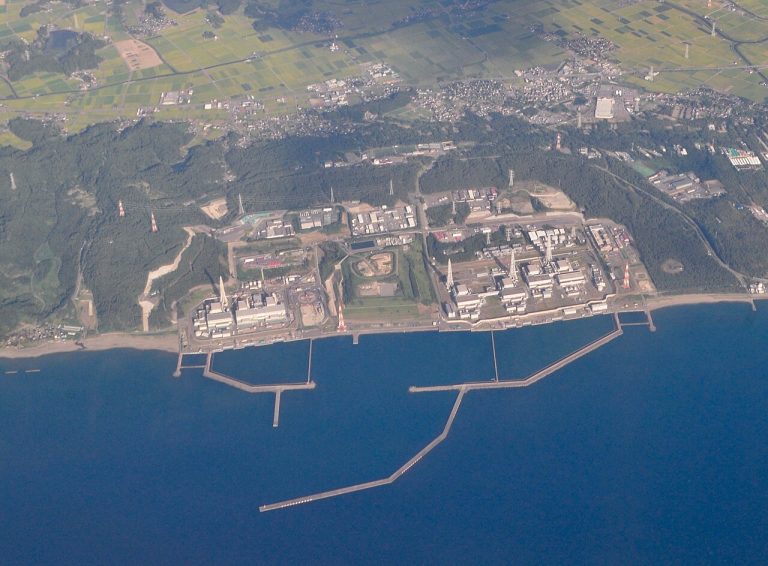
  • Tokyo’s strategic pivot towards nuclear energy is highlighted by TEPCO’s Kashiwazaki-Kariwa Unit 6, which could significantly reduce LNG imports.
  • IEEFA reported a 7% drop in China’s LNG imports in early 2026, with forecasts predicting further declines.
  • Japan’s coal-fired plants face operational challenges due to fuel shortages, pushing a shift towards nuclear energy.
  • India’s LNG imports from Qatar and UAE fell to zero, prompting a reliance on coal and renewables.
  • Asia’s energy strategy is rapidly evolving, with nuclear and renewables gaining ground as LNG’s reliability is questioned.

Asia’s energy landscape is undergoing a seismic shift, with nuclear power emerging as a strategic focal point amid growing skepticism about LNG’s reliability. TEPCO’s Kashiwazaki-Kariwa Unit 6 exemplifies this pivot, promising to cut LNG imports significantly. IEEFA Reported is at the center of this development.

China and India are at the forefront of this transformation. China’s LNG imports have plummeted, and India has turned to coal and renewables as Gulf supply disruptions persist. The Institute for Energy Economics and Financial Analysis (IEEFA) warns that LNG’s reputation may suffer long-term damage, prompting countries to reconsider their energy strategies.

Japan’s energy strategy reflects the broader regional trend. With coal-fired plants struggling due to fuel shortages, the country is increasingly looking to nuclear power. Prime Minister Sanae Takaichi’s push for nuclear restarts underscores this shift.

As Asia navigates this energy crisis, the region’s reliance on LNG is being reevaluated. The shift towards nuclear and renewables marks a significant departure from previous strategies, highlighting the need for a more resilient energy mix.

Tokyo’s bigger strategic pivot is toward nuclear: TEPCO’s Kashiwazaki-Kariwa Unit 6, with capacity of 1,356 MW, restarted on January 21 and entered commercial operation on April 16, and Prime Minister Sanae Takaichi has said that KK6 combined with more coal-fired generation could reduce LNG imports moving through the Strait of Hormuz by about 40%. It reported that spot LNG prices in Asia have doubled since hostilities began and are “widely projected” to stay elevated through 2027, while 17% of Qatar’s LNG export capacity could remain offline for up to five years.

IEEFA said China’s LNG imports in the first quarter of 2026 fell 7% from already weak 2025 levels, and forecast annual imports would decline again this year to 59 million tonnes, an 11% drop. In a briefing published this month, IEEFA said J-Power’s 2,000-megawatt Matsuura coal-fired plant cut output by 50% in March because it struggled to secure diesel for plant operations, while JFE Steel’s Fukuyama facility halted a thermal unit because of a heavy-oil shortage.

4 million tonnes after the Iran-linked disruption effectively shut in 20% of global LNG supply from Qatar and the UAE and sent governments scrambling for coal, nuclear and renewables instead. 6 million tonnes of LNG in March, down 20% year on year, after imports from Qatar and the UAE fell to zero by the end of the month.

India is especially exposed because nearly 60% of its LNG supply had come from those two Gulf producers. The practical next phase is likely to revolve around summer power demand, LNG procurement decisions for late 2026 and 2027, and whether governments lock in emergency measures as permanent capacity choices.

1% in April from a year earlier, the fourth straight monthly increase, even as coal output itself slipped 1%, underscoring how hard Beijing is leaning on fossil generation to keep power stable while wind and nuclear output softened. On May 25, IEEFA published fresh analysis arguing the “largest energy crisis” on record has been held at bay only temporarily and warning of more pain ahead.

In a briefing published this month, IEEFA said J-Power’s 2,000-megawatt Matsuura coal-fired plant cut output by 50% in March because it struggled to secure diesel for plant operations, while JFE Steel’s Fukuyama facility halted a thermal unit because of a heavy-oil shortage. 4 million tonnes after the Iran-linked disruption effectively shut in 20% of global LNG supply from Qatar and the UAE and sent governments scrambling for coal, nuclear and renewables instead.

6 million tonnes of LNG in March, down 20% year on year, after imports from Qatar and the UAE fell to zero by the end of the month. India is especially exposed because nearly 60% of its LNG supply had come from those two Gulf producers.

The scale and speed of this development has caught many observers off guard. Each new update adds another dimension to a story that is still unfolding, and the full picture will only become clear as more verified details emerge from the people and institutions directly involved.

Analysts who have tracked this issue closely say the current moment represents a genuine turning point. The decisions made in the coming weeks are expected to set the direction for months ahead, with ripple effects likely to extend well beyond the immediate actors in the story.

For those directly affected, the practical impact is already visible. People navigating this fast-changing situation are dealing with real consequences while new information continues to reshape what is known and what remains open to interpretation.

Historical parallels offer some context, though experts caution against drawing too close a comparison. Similar situations have played out before, but the specific combination of pressures, personalities, and timing here makes this moment distinct in ways that matter for how it ultimately resolves.

The political and economic dimensions of this story are deeply intertwined. What appears as a single event on the surface is in practice the convergence of multiple pressures that have been building quietly over a longer period than most public reporting has captured.

Read more on Digital Chew