52.6 F
San Francisco
Tuesday, April 21, 2026
Home Blog Page 464

DOJ Retracts Letter on FBI Agent Investigation

0

Key takeaways:

  • The Department of Justice withdrew a letter that implied an FBI agent was under review.
  • The letter suggested retaliation for Sandy Hook families’ lawsuits against Alex Jones.
  • The agent, William Aldenberg, was not actually under investigation.
  • The DOJ officially retracted the request for information and cleared the agent.

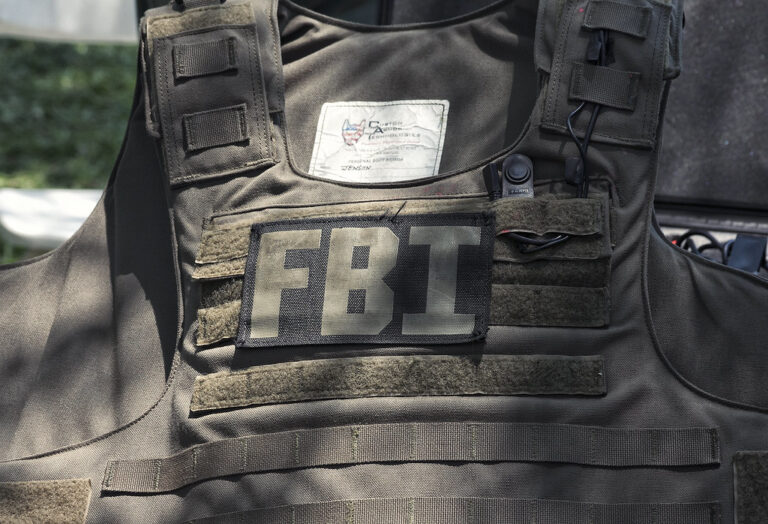
A recent incident stirred public concern when the Department of Justice sent a letter hinting that an FBI agent was being investigated. The agent, William Aldenberg, worked on the Sandy Hook school shooting case. Families of Sandy Hook victims had sued conspiracy theorist Alex Jones. Aldenberg joined them as a plaintiff. At first, the letter implied he might be under criminal review for personal gain. However, the DOJ quickly pulled back its claim.

The Retracted Letter and Its Claims

In the letter, Ed Martin led questions about whether the FBI agent benefited from the lawsuit. He wrote that criminal laws protect citizens from government employees acting for personal gain. He urged Aldenberg’s attorney to review those laws.

Alex Jones posted the letter on social media site X. He claimed it showed the government targeting those who challenged him. This sparked wide discussion. People wondered if the DOJ was punishing an agent for doing his job.

Ed Martin heads the DOJ’s Weaponization Working Group. This group checks for misuse of government power. When he sent the letter, it seemed to accuse the FBI agent of acting for personal benefit. That suggestion fueled concerns about fairness and bias.

The letter asked Aldenberg’s attorney to share any details about his decision to join the lawsuit. It hinted at a formal inquiry into the agent’s motives. Many found this unusual. It seemed the agent faced extra scrutiny just for seeking justice.

Why the FBI Agent Investigation Notice Was Withdrawn

Soon after the letter went public, media reports followed. They showed the DOJ sent a second letter. In it, Ed Martin fully withdrew his first message. He apologized and made clear that no investigation was open.

In the new letter, Martin said the FBI agent investigation claim was incorrect. He wrote, “Aldenberg is not under investigation. Because of this, I withdraw my request for information.” This short note reversed the earlier suggestion of wrongdoing.

Moreover, the DOJ stated it had made a mistake. The agency did not offer details on how the error occurred. Still, the quick retraction helped calm public worries. It also underscored the need for careful review before sending sensitive letters.

What This Means for the FBI Agent

Now, William Aldenberg can see his name cleared. No inquiry or probe will follow. He can return to his duties without extra pressure. His role as an FBI agent remains intact.

At the same time, this case highlights how small errors can cause big concerns. When agencies send letters hinting at criminal probes, people notice. Even a brief implication that an agent faces unfair scrutiny can damage trust.

Fortunately, the DOJ fixed the mistake fast. As a result, the FBI agent investigation claim will not linger. Aldenberg can move on without the shadow of doubt. He can focus on his work rather than defending his actions.

Reactions and Next Steps

Many observers praised the DOJ for acting quickly. They noted that admitting a mistake shows responsibility. However, others called for deeper changes. They want clearer steps to avoid such errors in the future.

Some legal experts suggest adding extra reviews before sensitive letters are sent. They argue that a second check could catch false statements. In addition, they say public trust in government hinges on accurate communication.

Meanwhile, civil rights groups say this incident shows the power of public scrutiny. When Alex Jones posted the letter, social media users rushed to discuss it. That public pressure helped speed the DOJ’s response.

For now, the main lesson is clear. Agencies must handle claims of investigation with care. Otherwise, they risk harming reputations and eroding trust. As a result, many expect new guidelines to prevent repeat mistakes.

Looking Ahead

Going forward, the DOJ may update its internal policies. It might require higher-level sign-offs for letters hinting at criminal matters. This extra step could protect employees and preserve the agency’s image.

In addition, lawmakers may hold hearings to examine how the error happened. They could call officials to explain the Weaponization Working Group’s processes. Their questions might uncover gaps in training or oversight.

At the same time, the public will watch how the DOJ treats similar cases. If officials keep sending misleading letters, trust will drop further. However, swift corrections can rebuild confidence over time.

Ultimately, the quick fix in this case shows that even big agencies can correct course. With open communication and better checks, mistakes will lessen. That helps everyone—from agents in the field to families seeking justice.

FAQs

What led to the letter about the FBI agent?

A DOJ official sent it after spotting the agent’s name in a lawsuit. He feared a conflict over personal gain.

Why did the DOJ retract the letter?

Officials realized the letter wrongly implied an open probe. They then withdrew it to clear the agent’s name.

Is the FBI agent facing any charges?

No. The DOJ confirmed that no investigation is open and the agent faces no charges.

Will this change how the DOJ works?

Likely. The agency may add review steps for sensitive letters to avoid future mistakes.
Trump Demands Probe Into UN Sabotage

0


Key takeaways:

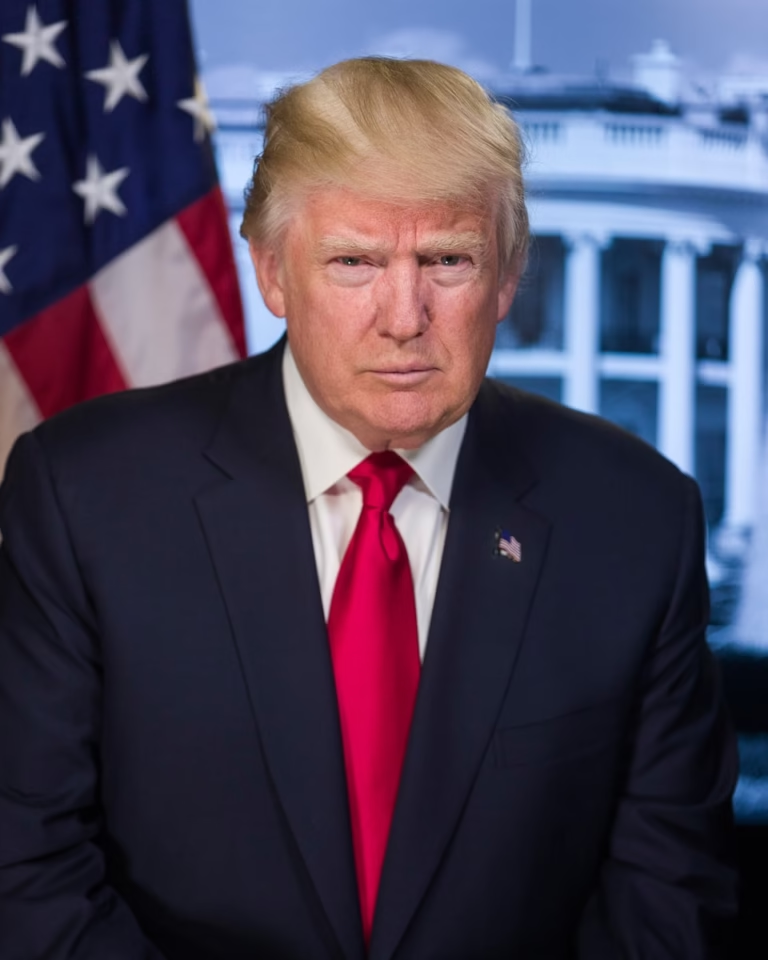
  • President Trump says three incidents at the United Nations were acts of UN sabotage.
  • An escalator shut off, audio cut out, and his team faced other glitches.
  • He posted on Truth Social calling for arrests and an official probe.
  • Trump wants the UN Secretary General to launch an immediate investigation.

UN sabotage: Trump demands action

President Trump called the strange events at the United Nations “UN sabotage.” He said an escalator turned off under him and Melania. Then his speech audio cut out. Finally, other glitches hit his team. He believes these acts were planned. Therefore, he urges an urgent inquiry and arrests.

What Trump calls UN sabotage

During his UN speech, Trump said foreign leaders’ nations were “going to hell” because of migration. He then faced three sudden problems. First, the escalator paused under him. Then, the sound system went silent for part of his address. Last, other staffers dealt with odd technical faults. Trump described these as UN sabotage. He wrote on Truth Social that workers even joked about turning off the escalator. Thus, Trump insists these glitches were not accidents.

Why Trump wants arrests over UN sabotage

Trump demands that those behind the UN sabotage face justice. He argues the acts were “very sinister.” Moreover, he sent a formal letter to the UN Secretary General. In it, he asked for an immediate investigation. Also, he wrote that the pranksters should be arrested. He believes punishing them will prevent future sabotage. Therefore, he wants the UN to prove it can do its job.

Background on the incidents

First, the escalator incident surprised everyone. As Trump and Melania stepped on, the escalator stopped. Then, technicians rushed to fix it. Next, his speech began, but the sound suddenly failed. Many world leaders could not hear him. Finally, aides found more odd failures nearby. In short, three notable glitches marred his UN visit. Trump sees these as UN sabotage.

Trump’s reaction on Truth Social

On Truth Social, Trump posted strong words. He said the events were “sabotage” and “sinister.” He mentioned a London newspaper that reported UN workers joked about the escalator. He insisted this was no coincidence. Furthermore, he tagged the UN Secretary General. He demanded a full inquiry and called for arrests. His post drew quick attention and heated debate online.

Possible reasons behind the incidents

Some experts say the glitches might be dull accidents. An escalator can stop if it overheats. A sound system can fail if cables are loose. Yet, Trump and his team see a pattern. Because three errors hit in one visit, he labels them UN sabotage. Additionally, Trump’s critics claim he often blames others. They say this could be a way to gain support among his followers. However, Trump’s fans applaud his stance. They view these faults as proof of bias against him.

Understanding the call for investigation

Trump’s demand forces the UN to respond. He wants the Secretary General to open a formal inquiry. He also hopes for immediate arrests. In his view, only a clear investigation can restore trust. Moreover, he said the UN has failed its mission for decades. Therefore, unearthing UN sabotage could force major changes. He aims to hold the organization to its founding goals.

How the UN might respond

So far, the UN has not publicly accused anyone. Instead, spokespeople describe the issues as routine tech glitches. They say the escalator stopped accidentally, and the sound failed due to a power surge. They promise to review security footage and maintenance logs. Yet, they do not promise arrests. In fact, they caution against rushing to blame workers without evidence. Meanwhile, members await a formal statement on Trump’s letter.

Impact on global diplomacy

Sudden technical failures can harm high-level talks. When a major speech has glitchy audio, the message loses power. Trump’s remarks on migration were strong. He wanted leaders to act on border issues. However, the audio dropout meant some could not hear his full point. As a result, his warning lost its impact. Furthermore, the escalator slip drew media jokes. Thus, UN sabotage might have weakened his diplomatic reach.

What happens next

Trump gave the UN Secretary General a deadline to respond. If the UN refuses to investigate, Trump may escalate. He could raise the issue in the US Congress or at other global forums. He might also urge his supporters to pressure the UN. Conversely, the UN may launch a quiet internal review. In either case, UN sabotage has become a flashpoint. Everyone now watches closely for proof of intent or simple error.

Lessons from past UN incidents

Tech failures at big conferences happen often. In past decades, world leaders faced broken microphones and jammed doors. Yet, no one called these acts of sabotage. So why does Trump see a sinister plot this time? Perhaps his tense relationship with international bodies plays a role. He has criticized the UN before. Therefore, any mishap now feels personal to him. However, most diplomats still see these glitches as part of live events.

Looking ahead

Whether it was true UN sabotage or mere accidents, the controversies highlight one fact. Live events with thousands of moving parts carry risks. From escalators to microphones, things can break down. To prevent future issues, the UN might upgrade its equipment. They could add backup systems and better training. Furthermore, transparent reports could ease doubts. This might satisfy critics who see bias or sabotage.

In fact, this episode could mark a turning point. If the UN addresses these complaints well, they may restore credibility. Alternatively, ignoring the call for arrests could deepen divides. Either way, the debate over UN sabotage shows how small glitches can spark big political battles.

FAQs

What does Trump mean by UN sabotage?

Trump believes workers at the UN deliberately caused three technical failures during his visit. He labels these acts of sabotage.

Which incidents did Trump call sabotage?

He points to an escalator that stopped, audio that cut out, and other minor glitches affecting his team.

What does Trump want the UN to do?

He demands an immediate investigation and that those responsible face arrest.

How has the UN responded so far?

The UN describes the issues as accidental technical faults and promises to review maintenance and security logs.

First Amendment Secrets: Why Hate Speech is Legal

Key Takeaways

  • The First Amendment protects speech we hate as well as speech we love.
  • Limits exist, but only on time, place and manner, not on ideas.
  • Hate speech often stays legal unless it’s a true threat or incites violence.
  • Government action that punishes critics can break the First Amendment.

The First Amendment shields nearly all speech, even if it shocks or offends us. It says the government can’t stop people from speaking their minds. This protection covers protests, social media posts and TV shows. Yet, many find this tolerance hard to accept.

Understanding the First Amendment

The First Amendment is part of the U.S. Constitution. It states that “Congress shall make no law… abridging the freedom of speech.” This simple phrase packs a huge punch. It means the government cannot ban speech based on its content.

Through the years, courts have faced tough cases. They have defended speakers who say hateful or shocking things. One famous example involved a small church that picketed a soldier’s funeral. Protesters held signs blaming the nation for its tolerance of sin. The soldier’s family sued for emotional harm and won in a lower court. But in 2011 the Supreme Court ruled the First Amendment protected the protesters. It did not matter how cruel their message was.

Limits to Speech: Time, Place and Manner

While the First Amendment is broad, it is not absolute. The government can set limits on time, place and manner. For instance, officials can ban campfires in a forest at risk of wildfires. But these rules must apply equally. They cannot target a speaker because of their message.

For example, banning all demonstrations outside a hospital at night is allowed if the rule applies to any group. But banning only anti-government protests in that same spot would break the First Amendment.

Protected and Unprotected Speech

Most speech enjoys full protection. This includes:

• Criticism of government leaders and policies
• Political debates and rallies
• Satire, comedy and art

However, some speech is not protected:

• Incitement to imminent violence
• Obscenity under strict tests
• Defamation—false statements causing harm
• True threats aimed at individuals

If someone posts a violent threat on social media, courts can treat that as a true threat. If a person burns a cross on someone’s lawn to scare them, that falls outside First Amendment protection. Yet hateful words alone usually remain legal, even if they target a race or religion.

Why the First Amendment Matters Today

In recent years, calls to restrict “hate speech” have grown louder. Some leaders want to label certain online content as illegal. Others seek to punish media outlets for criticizing those in power. For instance, discussions arose about suspending Jimmy Kimmel’s TV show after he spoke against conservative figures. Federal regulators even hinted at action against the network.

Yet courts have pushed back. In 2024, a unanimous Supreme Court ruled that New York could not punish companies for doing business with a gun rights group because of its views. Likewise, courts in Florida and elsewhere struck down attempts by the current administration to cut funding or launch investigations based on political speech.

These rulings reinforce that the First Amendment protects speech across the spectrum. It ensures people can criticize any administration without fear of government retribution.

Why Hate Speech Often Stays Legal

Hate speech feels wrong to most of us. But under the First Amendment, the only way to challenge hateful ideas is with more speech. People can protest, debate, or counter with facts and reason. Silencing them by law would undermine a core democratic value.

Courts worry about where to draw the line. If one form of hateful speech is banned, what’s next? The fear is that any content disliked by those in power could be suppressed. Thus, the Constitution demands tolerance for terrible ideas, unless they cross into unprotected categories.

Balancing Act: Protecting Rights and Public Safety

While the First Amendment is vast, authorities still have tools to keep public safety. They can arrest speakers who break general laws—like trespassing or assault—while protesting. They can enforce time, place and manner rules evenly. They can punish threats and harassment that cause real fear.

At the same time, they cannot pick and choose which political views to silence. They cannot cut funds or threaten license losses because a speaker criticizes the government. Such actions clash with the First Amendment.

What You Can Do

If you disagree with hateful or shocking speech, use your voice. Join counter-protests, write op-eds, share facts online or support organizations that combat hate. Engage in respectful debate. The best response to harmful ideas is often more speech, not legal bans.

Remember, the First Amendment was made to protect unpopular speech. It gives everyone a chance to speak and be heard. In the end, free expression lets us weigh ideas and let the best ones win.

FAQs

How does the First Amendment protect shocking protests?

The First Amendment bars the government from stopping speech based on its content. It allows protests, even if messages offend or shock, unless they break rules on time, place or manner or cross into unprotected speech.

Can online hate speech be banned?

Generally, no. Most online hate speech stays legal under the First Amendment. Platforms can choose to remove content, but the government cannot outlaw speech just for being hateful. Exceptions include direct threats or calls for violence.

What counts as a “true threat”?

A true threat is a statement meant to cause an individual to fear for their safety. Examples include specific threats of violence or property harm. Courts look at context, intent and how a reasonable person would react.

When can the government restrict speech?

The government can impose reasonable time, place and manner restrictions that apply equally, no matter the message. It can also regulate unprotected categories like incitement to violence, true threats, defamation and certain obscene material.

Inside the Argentina Bailout Plan

Key Takeaways

  • Argentina faces a sharp peso drop and rising inflation.
  • The U.S. could offer a $20 billion Argentina bailout.
  • Funds would come through the Exchange Stabilization Fund.
  • A quick bailout may boost market confidence.
  • Political support hinges on midterm election results.

Argentina’s economy hit a rough patch in September 2025. The peso fell fast and stocks tumbled. President Javier Milei asked U.S. President Donald Trump for help. A day later, U.S. Treasury Secretary Scott Bessent said the United States could lend up to $20 billion. This idea is what we call the Argentina bailout.

Why Argentina Needs a Bailout

First, the peso lost value against the dollar. Over just three days, the central bank spent more than one billion dollars to defend its currency. It kept reserves from disappearing. However, this effort could not hold the peso up. As a result, the government feared a return to triple-digit inflation.

Second, Argentina must repay nearly $20 billion in debt soon. The country owes money on bonds and to the International Monetary Fund. Milei wants to save IMF funds for these payments. Thus, he avoided draining more of those reserves.

Third, Argentina’s economy has stalled. Jobs are disappearing and businesses feel unsafe. People see shrinking paychecks and rising prices. Meanwhile, Milei’s political support weakened after phone recordings hinted at corruption. His party performed poorly in Buenos Aires province elections on September 7. With midterm voting on October 26, Milei needs to show he can manage the crisis.

How the Argentina Bailout Would Work

The U.S. would use its Exchange Stabilization Fund to support Argentina. This fund dates back to the 1930s. It was built from U.S. gold profits. Today, it helps in currency crises. Here is how an Argentina bailout might flow:

1. Swap Line Agreement

First, the Treasury would set up a swap line. It would trade U.S. dollars for Argentine pesos. This move would give Argentina dollars to back its peso.

2. Bond Purchases

Second, the Treasury could buy Argentine government bonds. Buying these bonds pushes up their prices and lowers yields. As a result, investors feel more confident.

3. Temporary Support

Third, this aid is short-term. The swap loans and bond purchases would return to the U.S. soon. This speed matters because private lenders and global institutions take months to act.

4. Bridge to Other Funding

Fourth, U.S. aid could bridge to larger IMF or World Bank loans. In many past cases, official bodies repay the Treasury once they secure global loans.

Why the U.S. Steps In

Normally, the U.S. does not directly bail out other countries unless trouble could spread. Yet history shows special cases. In the 1990s the Treasury helped Mexico and parts of Asia. In 2008 the Federal Reserve lent dollars to many nations.

In 1995, Argentina itself received U.S. support during its own crisis. Now, Bessent calls Argentina “systemically important.” This label means its problems could affect neighbors or global finance. Thus, a quick Argentina bailout makes sense for U.S. policy.

Moreover, Trump favors deals that benefit the United States. With Argentina rich in lithium, shale oil, and rare earths, Washington may seek concessions. In other words, the U.S. could ask for trade or resource deals in return.

Market Reaction to the Argentina Bailout Talk

Right after Bessent’s announcement, investors cheered. Argentine stocks jumped and bonds gained value. The peso even rose against the dollar. If this positive trend lasts, the U.S. might only need a fraction of the $20 billion to restore confidence.

However, markets can swing back. If domestic politics worsen or inflation flares, Argentina might need more support. For now, midterm elections could make or break Milei’s plans. A strong showing by his party could calm nerves and reduce the need for funds.

The Role of the Exchange Stabilization Fund

The Exchange Stabilization Fund handles sudden currency shocks. It can deploy funds within days. This speed beats global agencies, which take weeks or months to approve loans.

In 2002, Argentina’s neighbor Uruguay faced a bank run. The Treasury sent $1.5 million on Monday and saw it returned by Friday. That brief support alone stopped the panic.

Similarly, the U.S. could send pesos and dollars to Argentina this month. Then, markets would see a clear sign of U.S. backing. That alone might steady the peso.

Political Stakes for Argentina and the U.S.

Milei rose to power by promising strict fiscal discipline. He cut spending and balanced the budget in 2024. Inflation dropped from triple digits to a more manageable rate. Despite these gains, trust faded as the economy stalled.

With a major debt wall coming up in 15 months, Argentina needs allies. The U.S. could fill that ally role. In return, Washington could demand fair mining deals or security cooperation in Latin America.

If Milei’s party wins seats in the October 26 elections, his government gains more power. That win would reassure investors and might make a big bailout unnecessary.

What Comes Next

Over the next days, Treasury talks will shape the final Argentina bailout deal. Markets will watch currency swaps and bond purchases closely. The U.S. and Argentina could also negotiate resource agreements. In any case, swift action is key.

If the deal moves forward, the peso could rebound further. Political tensions in Buenos Aires might ease. Yet, Argentina will still need deeper reforms. Fiscal discipline, transparent governance, and strong institutions remain critical.

Meanwhile, the U.S. will weigh costs and benefits. A small, quick Argentina bailout could pay off if it stops contagion. But if problems persist, Washington could get stuck with larger bills.

The story of the Argentina bailout is still unfolding. For now, both presidents benefit from showing they can solve problems together. Later, we will see if this partnership becomes a lasting economic “win-win.”

Frequently Asked Questions

What exactly is the Exchange Stabilization Fund?

It’s a U.S. Treasury reserve set up in the 1930s to handle currency crises. It can act fast by swapping dollars and foreign money.

Why would the U.S. lend to Argentina now?

Because Argentina’s crisis could weaken regional markets. Quick U.S. support may stop financial contagion.

How would Argentina use the bailout money?

Funds would back the peso, buy bonds to boost prices, and cover urgent debt payments.

Could Argentina repay the U.S. Treasury?

Usually, countries repay with loans from global banks or by selling bonds. Argentina may need guarantees or resource deals to secure repayment.

What happens if Milei loses the midterms?

Political instability could undercut market confidence. The Argentina bailout might then need more funds or stricter conditions.

Why Did a Family Sue American Airlines Over a Midair Crash?

0


Key Takeaways:

  • A family is suing American Airlines and the U.S. government for a deadly plane crash.
  • The tragic accident happened in January near Reagan National Airport.
  • It was the deadliest U.S. air crash in recent years.
  • The lawsuit claims negligence and wrongful death.
  • This is the first federal lawsuit filed over the incident.

Family Sues Over Deadly Midair Collision

In a heartbreaking update, the family of a passenger killed in January’s midair collision near Reagan Washington National Airport is taking legal action. They filed a lawsuit against American Airlines and the federal government on Wednesday, blaming them for wrongful death and negligence. This deadly plane crash has shocked the country, and now the legal consequences are beginning.

The family is looking for answers—and justice. They believe the people in charge didn’t do their jobs right, and because of that, a loved one is gone forever. This case highlights serious concerns about how planes are managed, especially near busy airports like Reagan.

The Deadliest U.S. Plane Crash in Years

January’s midair crash was the deadliest in the United States in recent years. Investigations revealed that two aircraft came dangerously close in the skies near Washington, D.C., leading to a horrifying collision. The crash cost several lives, making it one of the most tragic aviation disasters in recent memory.

The family’s lawsuit says that both American Airlines and federal air traffic controllers failed to prevent the crash. The legal documents accuse them of not paying enough attention and making deadly mistakes. The word the family used was “negligence.”

What Is Negligence in Aviation?

Negligence means someone failed to act with the level of care that was expected of them. In the aviation industry, that level of care should be extremely high—after all, lives are on the line. The family argues that both the airline and federal agencies didn’t follow proper safety procedures.

For example, air traffic controllers must ensure that airplane flight paths do not cross dangerously. If they let two planes get too close, that’s a serious error. The lawsuit claims that “extreme vigilance” is required when managing air traffic near Reagan, and the defendants failed to meet that standard.

Why Reagan National Airport Is Special

Reagan National Airport is one of the busiest airports in the U.S., located just across the river from the nation’s capital. Because of its tight airspace and nearby no-fly zones, it requires especially careful traffic control. Mistakes here carry higher risks than in other locations.

The close proximity to government buildings and high population density only adds to the danger. Planes entering or exiting this airport must follow strict flight paths and timing schedules. That’s why any error could lead to serious consequences—as it did in January.

First Federal Lawsuit Behind the Crash

This is the first federal lawsuit filed after the crash. Legal experts say this could open the door for more families to come forward. Each passenger had a life, a story, and loved ones left behind. One family has taken the lead, and others may soon follow.

The lawsuit aims to show that both American Airlines and government agencies failed in their duties. The family wants financial compensation, but also change. They demand safer skies and better policies to prevent this from happening again.

What the Lawsuit Might Mean for Future Flights

If the lawsuit succeeds, it could lead to big changes in how air traffic is managed around major airports. Airlines might boost training for their crews. The government might update its air traffic control systems or add more staff to monitor the skies.

The goal of the lawsuit isn’t only about money. The family’s lawyers say it’s about protecting other passengers from facing the same tragedy. The skies should be safe, and this lawsuit hopes to make sure they are.

Emotional Toll Behind the Legal Battle

Behind every word in the legal documents is a real human story. A life was lost too soon, and a family is left grieving. Legal experts say it’s rare for someone to go up against both a major airline and the federal government. But for this family, the search for justice is deeply personal.

They say that no dollar amount can replace their loved one. Still, they hope holding those responsible will bring some peace—and prevent future pain for others.

What Happens Next in the Courtroom

Now that the lawsuit is filed, both the airline and the federal government will respond. They may try to settle the case outside of court, or they could fight it through a full trial. Either way, more details about what really happened that day will likely come to light.

Investigators will look at flight data, audio recordings, and worker logs. Lawyers will argue over who should be held responsible. And at the center of it all will be a grieving family, hoping their fight leads to greater flight safety.

Where Do We Go From Here?

Plane crashes are rare, but when they happen, the impact is massive. Lives are changed forever. With air travel being such a huge part of modern life, ensuring its safety needs to be a top priority.

The lawsuit serves as a strong reminder that even large airlines and government agencies are not above the law. If they make mistakes, they can be held accountable. And if families keep speaking out, safer skies may be possible in the future.

It’s a tragic story, but also an important one. As the legal battle unfolds, the world will be watching—hoping for accountability and change.

FAQs

Why is the family suing American Airlines and the government?

They believe both parties were responsible for the midair crash that killed their loved one, due to errors and lack of attention.

What happened in the January plane crash?

Two planes collided in midair near Reagan National Airport, leading to several deaths in the deadliest U.S. crash in years.

Has anyone else filed a lawsuit?

So far, this is the first federal lawsuit filed after the crash. More families may take legal action soon.

Could this lawsuit change aviation safety?

Yes. A successful case could push airlines and the government to improve training, staffing, and safety procedures.

Why Is Zelenskyy Warning About an AI Arms Race?

0


Key Takeaways:

  • Ukrainian President Zelenskyy warns about a growing AI-powered war threat.
  • He spoke at the UN, urging leaders to act against Russia’s aggression.
  • Zelenskyy fears drones and machines will soon fight each other in wars.
  • The conflict between Ukraine and Russia may trigger new arms development.
  • The rise of AI weapons opens the door to more violent, unpredictable wars.

AI Arms Race: Zelenskyy Calls For Global Action

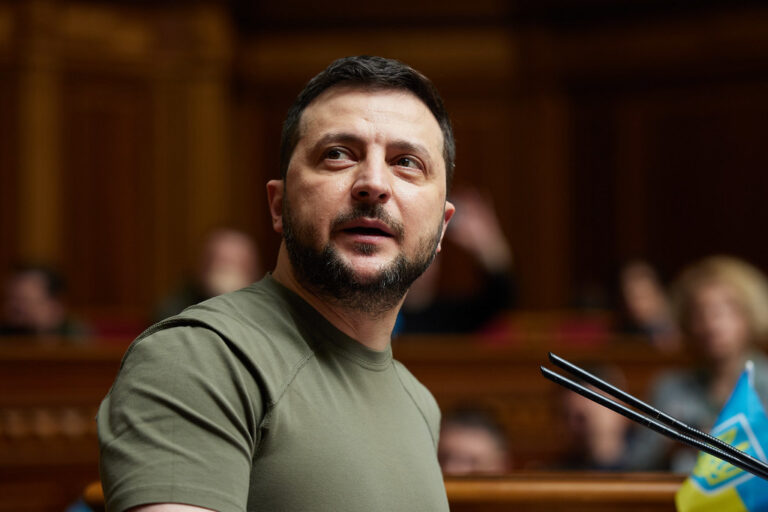
Ukrainian President Volodymyr Zelenskyy is raising concerns about a dangerous “AI arms race.” While speaking at the United Nations General Assembly in New York on Wednesday, he warned world leaders about the future of war. His speech was a direct call to action for nations to stop Russia’s ongoing invasion of Ukraine and to prepare for a new kind of war — one driven by artificial intelligence.

Zelenskyy’s message was simple but powerful: the world is heading into an age where drones and machines could replace human soldiers. These machines could strike anything — from power stations to civilians — with no human emotion or hesitation. “It’s only a matter of time, not much,” Zelenskyy said, before drones are battling each other.

If countries don’t act soon, this AI arms race could become a global nightmare.

Why Zelenskyy Is Worried About AI Weapons

For over a year, Ukraine has fought back against Russia’s invasion. While countries have helped Ukraine by providing weapons and financial support, the war has already changed how battles are fought. Drones are now used more than ever to spy, deliver supplies, or carry explosives.

Zelenskyy believes this is only the beginning. With fast-growing AI technology, drones and robots could soon act without people controlling them. That would mean decisions about life and death could be made by machines. A mistake, a hack, or a glitch could lead to terrible loss of life.

During his UN speech, Zelenskyy urged world leaders to think about the future of warfare. If AI weapons fall into the wrong hands, no one in the world would be safe.

How an AI Arms Race Affects the World

The idea of drones fighting drones may sound like science fiction, but it’s fast becoming real. Countries have already started to test and use self-guided weapons. These machines can scan areas, pick targets, and even fire — all with minimal human input.

But there’s a big problem. If every country starts building AI weapons, it could lead to a global arms race — where each nation rushes to create the most powerful and deadly machines. This competition raises serious concerns:

  • There are no global rules yet for AI weapons.
  • Small countries and even terrorist groups could get their hands on deadly tech.
  • Machines could be programmed to carry out missions no human soldier would agree to.

Zelenskyy wants the international community to step in before things go out of control.

Technology and War: A Dangerous Mix

War has always changed with new technology. But AI could speed things up far too quickly. In past conflicts, soldiers and generals made careful decisions. In an AI war, software could make those decisions in seconds. A delay from one side could mean losing a city — or even a country.

Zelenskyy painted a dark picture of this future. It’s not just about faster attack drones. AI could take over cyberattacks, disabling electricity, water systems, or hospitals. It could send fake videos to divide people. It could control flying robots watching any city, on any day.

This new battlefield blurs the lines between war and peace — and between soldier and machine.

What World Leaders Should Do Now

Zelenskyy is asking for help, not just for Ukraine, but for global safety. He wants countries to do three key things:

1. Pressure Russia to end its invasion.
2. Set clear international rules on how AI is used in war.
3. Share strategies to stop rogue nations or criminals from misusing AI weapons.

According to Zelenskyy, peace will require more than weapons. It will need teamwork, trust, and strong laws. Otherwise, every nation could be risking its future.

He believes that Ukraine’s struggle is more than a local war — it’s the front line of a new kind of conflict. And the whole world needs to pay attention.

Will AI Take Over the Battlefield?

The idea of robots fighting wars may still feel far away. But in Ukraine, technology is already shaping how battles are fought. Drones now drop bombs or record live footage of enemy positions. Cameras with facial recognition identify potential targets. Digital maps and AI tools help plan attacks faster.

If this tech becomes fully autonomous — which means it works without people — the power to choose life or death is taken away from human hands. Some experts call this the most dangerous moment for global security in decades.

Zelenskyy’s warning comes before that turning point. He’s asking the world to act while there’s still time.

The Role of the United Nations

The United Nations was created after World War II to stop future global conflicts. Zelenskyy reminded world leaders of this fact. He wants the UN to take action on new war technologies like AI.

He challenged them to agree on rules, treaties, and punishments for using technology in illegal ways. If the UN does nothing, he fears technology will outrun diplomacy — making future wars faster, harder to stop, and more deadly.

What Happens Next?

The next steps depend on the choices of powerful nations like the United States, China, and members of the European Union. Will they unite to control AI before it’s too late? Or will the pursuit of military advantage lead them into the AI arms race Zelenskyy fears?

In his speech, Zelenskyy reminded everyone that peace isn’t automatic. Peace takes work — and right now, it takes brave choices from world leaders.

If the world ignores this moment, the future of war may be shaped not by soldiers, but by machines.

FAQs

What did Zelenskyy say at the United Nations?

Zelenskyy warned world leaders about the danger of an upcoming AI arms race. He asked them to support Ukraine and help create global rules for using artificial intelligence in war.

What is an AI arms race?

An AI arms race is when countries compete to build powerful weapons and machines that can act without people. These machines could include combat drones, robots, and cyber tools.

How are drones used in the Russia-Ukraine war?

Drones help gather information, deliver weapons, and target enemies. Both sides use them. Some drones already use basic AI to guide their actions.

Why should we be worried about AI in war?

AI can make war faster and more deadly. If machines can kill without human approval, mistakes and abuse become more likely. There are no global rules for AI weapons yet.

Why Did a Florida School Ban ‘Witchcraft’ Videos?

0


Key Takeaways:

  • Orange County Public Schools stopped a student video series promoting witchcraft.
  • A conservative legal group claimed the videos taught “religious instruction.”
  • The videos included topics like spells, moon worship, and rituals.
  • The school district said the content was not appropriate for a school setting.
  • The incident has sparked a debate on religious freedom and school guidelines.

Witchcraft Controversy: A Closer Look

In Florida’s Orange County, West Orange High School recently came under fire for a student-created video series. The weekly videos aired during morning announcements and covered different aspects of witchcraft. These segments included topics like spells, moon worship, and magical rituals.

Now, Orange County Public Schools (OCPS) has officially put a stop to the series.

Why Were the Witchcraft Videos Banned?

The legal group Liberty Counsel contacted OCPS to express concern about the video series. They said the segments were more than just educational — they called them “religious instruction.”

Liberty Counsel argued that teaching students how to perform spells and rituals amounts to promoting religion. Because public schools are not allowed to promote religious beliefs, the group believed the videos crossed a line.

OCPS reviewed the situation and agreed. They decided the videos were not suitable for a public school environment.

What Was in the Witchcraft Video Series?

The series, which aired during mid-week announcements, was student-made and meant to be informative. It was designed to explore the history and culture of witchcraft.

The videos reportedly included:

  • Descriptions of spells and how to cast them
  • Information about moon phases and their spiritual meaning
  • Instructions on performing rituals
  • Explanations of witchcraft beliefs

However, critics said the content blurred the line between education and religious guidance. The videos encouraged students to try rituals on their own, which raised red flags.

How Did the School District Respond?

Once the videos caught public attention, OCPS acted quickly. They directed West Orange High School to stop airing the material.

A spokesperson for the district said the content simply wasn’t appropriate for morning announcements — a time meant for schoolwide communication, not spiritual teachings.

Though students have the right to express themselves, OCPS said that right doesn’t go as far as promoting specific religious practices in a school-wide setting.

The school district continues to investigate what led to the content being approved in the first place.

Was This a Violation of Religious Freedom?

Some people argue that banning the video series violates students’ rights to religious freedom. If students can talk about Christianity or other major religions, shouldn’t they also be able to share about witchcraft?

However, there’s a fine line between personal expression and school-wide promotion.

Because the videos were part of official announcements, many saw them as an endorsement by the school itself. According to the law, public schools must stay neutral when it comes to religion. That means they can’t appear to promote one belief system over another — even if students created the content.

What Makes Witchcraft a Sensitive Topic in Schools?

Witchcraft, often called Wicca or paganism in spiritual terms, is considered a religion by many followers. People who practice it believe in nature-based rituals, seasonal holidays, and the power of energy and intention.

Because of its spiritual elements, teaching or promoting witchcraft in public schools is tricky. If a lesson appears to support spiritual practices, the school can be accused of promoting religion.

In a public school setting, it’s important that all content remains neutral — especially when sent out to the entire student body.

What Happens Next for West Orange High School?

West Orange High School has removed the video series from its announcements. OCPS is likely reviewing how content is approved for school-wide distribution to prevent this issue in the future.

Students and teachers might also receive updated guidelines so anyone creating content knows where the boundaries are.

At the same time, debates are heating up online. Others wonder if this ruling will impact how schools treat other religious content, from Christian prayer groups to discussions on other world religions.

The Balance Between Free Expression and Policy

This incident highlights a larger issue many schools face — how to balance free expression with the responsibility to stay neutral on religion.

Students everywhere are encouraged to explore different cultures, beliefs, and worldviews. But when that exploration becomes part of school-wide messaging, new rules apply.

It’s not about judging students who follow alternative spiritual paths. It’s about making sure public schools create a fair and inclusive environment for everyone.

Educators may now have to be extra careful when approving creative or cultural projects. They must ask: Will this be seen as educational, or as a promotion of faith?

The Witchcraft Keyword Debate

The word witchcraft is at the center of this controversy, and it’s proven to be more divisive than many expected.

To some, witchcraft is a peaceful spiritual practice that focuses on nature and the energy around us. To others, it’s a religious system that doesn’t belong in public education.

What OCPS and other schools learn from this event may shape future policies on what students are allowed to share with the entire school. For now, the witchcraft video series is no longer a part of West Orange High School’s announcements, but its impact may last a lot longer.

Final Thoughts on Witchcraft in Schools

This story is a reminder that schools are not just places for learning math and science. They are also spaces where cultural and spiritual topics can come into play, sometimes in unexpected ways.

The challenge is finding the right balance — allowing students room to explore, while respecting policies that ensure fairness. The discussion over the video series might be over, but the larger debate on witchcraft and religion in schools will likely continue.

FAQs

Is witchcraft considered a religion?

Yes, for many people today, witchcraft is a spiritual or religious practice. Some follow organized systems like Wicca, which is recognized as a religion in the U.S.

Can students talk about religion in school?

Students can talk about religion privately or in appropriate class settings, but schools can’t promote or endorse any religious practice through official channels.

Why was promoting witchcraft seen as a problem?

Because the videos were shown during official announcements, it looked like the school was supporting a particular religion, which public schools are not allowed to do.

Could this affect how other religions are shared in school?

Possibly. Schools may now take a closer look at how all religious content is shared to avoid appearing biased or favoring any particular belief.

Why Did Jimmy Kimmel Refuse to Apologize on His Return?

0


Key Takeaways

  • Jimmy Kimmel returned to US TV after a short suspension from Disney.
  • He spoke about his controversial remarks surrounding Charlie Kirk’s death.
  • Kimmel did not apologize but acknowledged the hurt caused.
  • The late-night host doubled down on his stance, refusing to back down from critics like Donald Trump.
  • His return is stirring debate over freedom of speech and celebrity accountability.

Jimmy Kimmel’s Comeback Shakes Late-Night TV

Jimmy Kimmel is back on television, and he has a lot to say—without actually saying “sorry.” After comments he made about conservative activist Charlie Kirk sparked public outrage and led to a temporary break from hosting, Kimmel returned to his late-night show with a message that was part reflection, part defiance.

The comeback wasn’t just about getting laughs. It opened the door to deeper conversations about cancel culture, freedom of speech, and public responsibility. While many expected Kimmel to offer a full apology, he chose a different path.

The Controversy That Led to Jimmy Kimmel’s Suspension

The drama began last week, when Jimmy Kimmel made remarks following the sudden death of conservative figure Charlie Kirk. Many viewers took his comments as heartless or inappropriate. As the backlash grew, so did the pressure on Disney to act.

In response, Disney pulled Kimmel off the air for a short time. This gave the public and media time to reflect—and gave Kimmel time to think about how he’d respond.

When he finally came back, all eyes were on him. Would he admit fault? Would he ignore the backlash? What side of Jimmy Kimmel would we see?

Jimmy Kimmel’s Return: A Mix of Thought and Defiance

During his return episode, Jimmy Kimmel addressed the situation head-on. He didn’t ignore the criticism. Instead, he showed that he heard it—but he wasn’t going to let it define him.

Kimmel said he “accepted” the pain his words may have caused. But he didn’t say he was sorry. That one missing word—“sorry”—was noticed by everyone.

He explained that while he understood the opinion of others, he still stood by his joke and the intent behind it. Kimmel’s message was clear: just because people didn’t like what he said doesn’t mean he would take it back.

Why Jimmy Kimmel Won’t Apologize to Critics Like Trump

Kimmel didn’t just respond to the general public. He also fired back at specific critics, including former president Donald Trump. The two have traded jabs for years, and this moment added another chapter to their rivalry.

Kimmel said he would not be silenced or bullied by anyone—especially not by Donald Trump or other political figures trying to make him a target. His refusal to apologize wasn’t just about Charlie Kirk. It was about standing up for the right to make jokes, even risky ones.

He told his audience, “Comedy doesn’t always land softly. But I won’t stop telling the truth as I see it.”

How Fans and Critics Are Reacting to Jimmy Kimmel’s Return

Reactions to Kimmel’s comeback have been all over the place. Some viewers are applauding him for standing his ground and defending freedom of speech. Others are disappointed by the lack of a full apology, feeling that he missed an opportunity to show empathy.

Critics have taken both sides. On one hand, some praise his honesty and willingness to face the camera without retreating. On the other hand, others believe he should have been more direct in expressing regret.

This divide shows just how powerful—and polarizing—his return has been.

What This Moment Says About Freedom of Speech in Comedy

The Jimmy Kimmel controversy brings up a bigger question: where is the line in comedy? Jokes are meant to make people laugh, but they can also hurt or offend. When a joke crosses that line, who decides what happens next?

For Kimmel, the answer is personal. In his eyes, standing up for comedy means keeping his voice strong, even when it’s unpopular. But for critics, the responsibility of words—especially after someone’s death—is just as serious.

This moment continues a long discussion about what comedians can and can’t say, especially in a world where social media reactions happen instantly and loudly.

Jimmy Kimmel’s Plans Moving Forward

Despite the noise surrounding his return, Jimmy Kimmel seems more focused than ever. In his show, he hinted that he won’t give up his comedic edge. He plans to keep doing what he does best—making people laugh while also challenging them to think.

Fans can expect him to take on more hot topics and continue calling out public figures. Whether people agree with his opinions or not, Kimmel isn’t backing down.

He ended the episode with a message to his viewers: “Thanks for sticking with me. I’m not perfect, but I’m not afraid.”

Final Thoughts: A New Chapter for Jimmy Kimmel

Jimmy Kimmel’s comeback was more than just another late-night show. It was a moment that tested how comedians deal with criticism, grief, and public pressure. While he remained true to his voice, he also reminded everyone that standing your ground isn’t always easy—or popular.

Yet, in skipping a direct apology, Kimmel also opened himself up to even more discussion. Some will support him. Others will not. But one thing is certain: the conversation around comedy, accountability, and freedom of speech isn’t going away anytime soon.

Kimmel’s return proves that in today’s media world, every word counts—and sometimes, the ones you don’t say count even more.

Frequently Asked Questions

Why was Jimmy Kimmel suspended?

Jimmy Kimmel was briefly suspended by Disney after making controversial comments about Charlie Kirk following his death. The remarks sparked public backlash, leading to a pause in his show.

Did Jimmy Kimmel ever apologize for his comments?

No, Jimmy Kimmel did not issue a direct apology. He acknowledged the hurt caused but refused to say sorry, standing by his intent.

What did Donald Trump say about Jimmy Kimmel?

Donald Trump criticized Jimmy Kimmel online, calling him out for his behavior. Kimmel responded on his show by saying he would not be bullied into silence.

Is Jimmy Kimmel still hosting his show after the controversy?

Yes, Jimmy Kimmel returned to his show and signaled that he plans to continue without changing his comedic style.

Why Is Ben Carson Joining the Agriculture Department?

0


Key Takeaways:

  • Ben Carson returns to a government role as an adviser for nutrition, health, and housing.
  • He will help shape food and housing policies under Trump’s leadership.
  • The Agriculture Department is focusing more on health and housing issues.
  • This move reconnects Carson with Trump’s political team in a key advisory role.

Ben Carson Joins Agriculture Department in New Role

Ben Carson, who served as the Secretary of Housing and Urban Development during Donald Trump’s first term, is stepping into a fresh role in the federal government. The Agriculture Department announced that Carson will now serve as a special adviser focusing on nutrition, health, and housing.

This new role brings Carson back into Trump’s circle as he helps shape vital policies. The move comes at a time when food, health, and where people live are becoming more connected. It also shows that Trump’s team is sticking with trusted advisors as they prepare for potential future leadership.

Nutrition Is the Key Focus

The core keyword here is nutrition because it ties all parts of Carson’s new job together. He will work closely with Agriculture Secretary Brooke Rollins and former President Trump to guide decisions that affect what Americans eat and how their food impacts their health and homes.

With many facing challenges like obesity, food insecurity, and health issues, the U.S. Department of Agriculture (USDA) sees the need to combine efforts. Food isn’t just about eating — it influences how people feel, live, and grow. Carson’s background in medicine and public service makes him a key figure in addressing these problems.

Transitioning From Doctor to Policy Adviser

Carson became widely known as a successful neurosurgeon before moving into politics. His career drastically shifted when Trump made him the Secretary of Housing and Urban Development (HUD) during his first term. At HUD, Carson worked on improving public housing and helping low-income families.

Now his journey enters a new stage. While some might wonder why a medical doctor is advising the Agriculture Department, Carson’s background gives him a unique edge. He understands how health is tied to both living environments and what people eat — both core parts of the USDA’s mission.

A Shift in USDA’s Focus

Traditionally, the USDA handled things like farming and food safety. Now, it is broadening its mission. By bringing Carson onboard, the agency is putting more attention on nutrition-related health issues.

Think about your school lunch—what you eat every day is shaped by USDA policies. Carson’s new role might influence what school meals look like, how food programs support families, and even how different communities access healthy food.

Nutrition impacts childhood development, school performance, and long-term health. Poor nutrition leads to serious health problems like heart disease and diabetes. With Carson advising, the department may focus even more on preventing these issues through better food choices and education.

Working With Trusted Leaders

Carson isn’t starting from scratch with this team. He’s already worked with Donald Trump, and now he joins Agriculture Secretary Brooke Rollins. With Trump and Rollins, Carson is expected to play a key role in reshaping how Americans think about food, health, and housing.

Scott Turner, another close ally of Trump, currently holds the HUD leadership post. Carson’s new role will not overlap with Turner’s, but instead, it adds another layer to the Trump administration’s efforts to tackle public health from multiple angles.

The Connection Between Health, Housing, and Nutrition

Many people don’t realize how closely connected these three things are. Let’s break it down:

  • Poor housing conditions often lead to health issues.
  • Poor nutrition can cause long-term health problems.
  • Limited access to healthy food impacts communities already struggling with housing.

Carson will help bring these pieces together. His policy advice could impact food stamp programs, housing support, and health resources in neighborhoods across the country.

For example, if the USDA focuses on urban gardening or healthy meal access, that can be directly tied to housing communities. Programs combining better food options in public housing areas could drastically improve people’s health.

How Will This Affect Families?

If you live in the United States and attend school, your meals are part of USDA policy. Carson’s advice could change what foods qualify for meal programs. He might also help boost support for food insecurity programs or increase funding for nutrition education. These kinds of changes would directly impact what kids see on their lunch trays.

Families who rely on benefits like SNAP (food stamps) may also experience positive adjustments. If Carson guides policy to focus on nutritional value and long-term health, families could get better resources, healthier food choices, and even educational tools to support strong eating habits.

A Strategic Move for Trump’s Team

This appointment also has political meaning. Rehiring someone from Trump’s first term signals unity and a return to tried-and-true leadership. Carson remains a respected figure among conservative voters and is known for his calm tone and strong views on self-reliance and faith.

His presence could help the Trump administration appeal to both health-minded voters and those who care deeply about uplifting low-income communities.

What’s Next for the USDA?

As Ben Carson settles into his new position, all eyes will be on how his advice shapes USDA policies in the coming months. This isn’t just a quiet behind-the-scenes move. It could mean big changes nationwide in the way America handles food, health, and where people live.

Whether you’re a student eating school lunch, a parent trying to make healthy choices, or someone in public housing, these decisions touch your life. Carson’s voice in those discussions could make nutrition a centerpiece of America’s future health plans.

Final Thoughts on Carson’s USDA Role

This move shows the Trump administration wants to combine experience and innovation. Carson brings a rare blend of medical knowledge and housing leadership. Now, he’s adding nutrition policy to the mix.

With the USDA placing stronger focus on how health and food affect each other, expect changes that aim to improve how Americans eat and live. Carson’s next chapter could play a big role in shaping how communities grow stronger through better nutrition.

FAQs

What will Ben Carson do at the Agriculture Department?

He will serve as an adviser, focusing on nutrition, housing, and health policy for the Trump administration.

How does nutrition relate to his role?

Nutrition is a key part of Carson’s mission. It connects to health and housing, making it a central issue in his work.

Why was Carson chosen for this role?

His medical background and previous experience in housing make him a strong choice to advise on programs that combine food, health, and living conditions.

Will this change what kids eat in school?

Possibly. Carson’s advice could influence USDA decisions about school lunches, food programs, and nutritional guidelines.

Why Is YouTube Changing Its Free Speech Rules?


Key Takeaways:

  • YouTube is making big changes to its free speech rules.
  • Some banned creators may return to the platform.
  • A new “community notes” system will replace some third-party fact-checking.
  • These changes follow pressure from lawmakers and competition from other platforms.

YouTube Free Speech Changes Are Coming

YouTube is making major updates to how it handles content and free speech. This move comes after strong pressure from House Republicans, especially Congressman Jim Jordan, and rising competition from other platforms like X (formerly Twitter) and Rumble.

An attorney for Alphabet, which owns YouTube and Google, wrote a letter to Congress that outlined these changes. The goal is to provide more space for open conversations while still fighting misinformation. The updates may mean less content gets taken down and more creators can return to the platform.

Let’s break down what this all means—and how it could impact the way we use YouTube.

Why Is YouTube Changing Its Approach?

The main reason behind these updates is growing criticism. Lawmakers, mainly from the Republican party, have accused YouTube of unfairly silencing voices they don’t agree with. They believe the platform has removed or limited certain viewpoints, especially related to topics like politics and health.

At the same time, YouTube is facing competition from other platforms that promote themselves as more open to every opinion. Sites like X and Rumble allow people to post content with fewer restrictions. This has caused some content creators and audiences to leave YouTube.

To stay in the game, YouTube needs to find a middle ground—supporting free speech while also providing tools to handle harmful content.

Banned Creators Might Return

One of the biggest changes coming to YouTube is the chance for banned creators to come back. In the past, if a creator broke the platform’s rules, like spreading misinformation or hate speech, they could get banned permanently.

Now, YouTube says it wants to review these bans and give some people another shot. This doesn’t mean everyone will be back, though. YouTube will likely review each case to decide if the person deserves a second chance.

This change could be great news for popular figures who had millions of followers taken away overnight. It could also bring more diverse opinions back to the platform.

Community Notes Will Replace Some Fact-Checking

Another major update affects how YouTube deals with false information. Previously, YouTube worked with third-party fact-checkers to point out false claims. This helped reduce the spread of harmful or incorrect information, especially during elections or health events.

But now, YouTube wants to use something called “community notes.” This system is similar to one already used on X. It allows regular users—like you and me—to add helpful context to different videos.

Here’s how it works: If someone posts a video with a questionable statement, users can suggest notes that provide accurate information or context. YouTube will then review these notes to decide whether to show them under the video.

The goal is to involve the community more and reduce political bias by not relying only on select experts.

What This Means For Content Creators

For YouTube creators, this opens new doors. If someone was previously banned or demonetized, they might now get a second chance. Creators can also worry less about getting removed for saying something unpopular, as long as it doesn’t break the law or YouTube’s core safety rules.

However, this doesn’t mean wild, untrue videos will take over the platform. YouTube has stated it will keep its rules against hate speech, dangerous content, and harmful lies. But they want to focus more on adding context instead of removing videos right away.

Creators will need to be careful and responsible. Even if they’re not automatically banned for saying something controversial, the community might call them out with notes that challenge what they say.

How This Affects You, the Viewer

If you’re just someone who likes watching YouTube videos, here’s what it means. Expect to see a wider range of videos on the platform, including controversial or previously banned creators. You’ll also start seeing more community notes below videos, helping you understand what’s true and what needs a second look.

This could make YouTube a more interesting place where more voices are heard. At the same time, it will ask more from the viewer—you’ll need to read context and think for yourself rather than being told what’s true or false by a third party.

YouTube is betting that viewers can handle more information and decide wisely.

What Critics Are Saying

Not everyone is thrilled about these changes. Some critics worry that loosening the rules could lead to more false claims spreading online. They’re especially concerned about upcoming elections and public health events.

Others say YouTube is moving in the right direction, allowing freedom of speech while still fighting harmful content. They see community notes as a smarter way to balance different opinions and facts.

The debate will likely continue, especially as the changes roll out and people start adjusting to the new system.

When Will These Rules Take Effect?

YouTube hasn’t given an exact date for when all the new rules will start. However, the letter sent to Congress shows that the company is already working on these updates.

We can expect to see some results soon, perhaps in the next few months. YouTube may start by testing community notes on certain types of videos before rolling it out across the site.

Also, reviews of banned creators’ cases might happen behind the scenes, with creators being reactivated one by one.

Looking Ahead

YouTube’s free speech update is a major shift for one of the world’s most popular platforms. It shows how digital companies must constantly change as society, law, and competition evolve.

Whether these changes will help or hurt YouTube’s image is still unknown. But one thing’s for sure—users and creators alike will feel the difference. If you use YouTube regularly, you’ll want to pay attention as new features and content roll out.

Keep an eye on what pops up in your feed—and don’t be surprised if some familiar faces return to your screen.

FAQs

Why is YouTube changing its free speech policies?

YouTube is facing pressure from lawmakers and competition from other platforms. It wants to support more open conversations while still controlling harmful content.

Will banned content creators return to YouTube?

Yes, some creators who were banned in the past may have a chance to come back, depending on their case.

What is the community notes system?

It’s a new feature letting users add helpful comments or facts to videos, similar to what X uses.

Will this make YouTube less safe?

YouTube says it will still remove harmful content like hate speech or dangerous lies. But it aims to delete fewer videos and add more context instead.