65.8 F
San Francisco
Saturday, April 18, 2026
Home Blog Page 473

Why Trump Tried to Cancel Jimmy Kimmel

Key Takeaways

• CNN panel warns Trump’s move to cancel Jimmy Kimmel chills free speech
• Experts fear political pressure on private firms threatens everyone
• Suspension of Jimmy Kimmel sparked nationwide outcry and boycott talks
• This fight serves as a wake-up call for all Americans


Everyday Americans value free speech rights. Yet recently, President Trump urged TV stations to drop late-night host Jimmy Kimmel. On CNN’s “The Source,” media analysts Brian Stelter and Bill Carter called this a wake-up call. They say it shows how easily political power can pressure private companies. Meanwhile, Kimmel prepared to tape his first show after an indefinite suspension by Nexstar Media Group and some local ABC affiliates.

What CNN Panel Revealed About Jimmy Kimmel

Brian Stelter noted the uproar over Jimmy Kimmel’s suspension. He said the groundswell of attention, criticism of ABC, and boycott talk all matter. “What’s important is average Americans having free speech rights and not feeling chilled during this dark period in our history,” he said. Bill Carter, who once covered media for The New York Times, agreed. He warned that if the government can push a private broadcaster to cut a comedian, it can pressure anyone. In fact, the move followed a suggestion by FCC Chair Brendan Carr on a MAGA-aligned podcast. That sequence of events raised alarm bells.

Free Speech at Stake

Free speech advocates fear a chilling effect. They worry companies will preemptively silence voices to avoid political backlash. In Jimmy Kimmel’s case, Nexstar and some ABC affiliates suspended him without a public explanation. Experts say private firms still answer to public opinion. However, when politicians call for cancellations, those firms may bow to pressure. As comedian Joe Rogan pointed out, “You are crazy for supporting this, because it will be used on you.” His words underline how quickly free speech can erode if unchecked.

Public Outcry and Boycott Talk

Across the country, viewers and industry insiders criticized the suspension. Fans threatened to boycott local stations and advertisers. Social media lit up with hashtags defending Jimmy Kimmel. Even people who don’t watch late-night TV recognized their local stations. They saw the stakes as bigger than one show. This broad backlash showed the public cares about more than just entertainment. They care about the principle that voices—even critical ones—must remain on the air.

Experts Weigh In

Bill Carter noted that Joe Rogan’s comments echoed many right-wing figures. They disagreed with Trump’s pressure campaign. Yet, this moment united voices from across the political spectrum. Brian Stelter added that average Americans felt this story differently. People know their local TV station. They know Jimmy Kimmel’s show. So when national headlines claim the government tried to silence a comedian, it hits home. It made the issue personal for many.

Impact on President’s Image

This episode may hurt President Trump in unexpected ways. Stelter argued that it serves as a wake-up call. Voters often think free speech battles happen elsewhere. But this felt close to home. When everyday people realize their local stations might censor a voice they know, concern grows. That worry can translate into political consequences. For a president who thrives on media attention, this backlash could undercut his support among independent viewers.

Jimmy Kimmel’s Return to the Airwaves

After an “indefinite” suspension, Jimmy Kimmel plans to tape a new show. The return may restore normalcy for late-night audiences. However, the controversy will likely follow him. Kimmel’s producers may address the suspension on air. They might highlight how political pressure threatened creative freedom. Viewers will watch eagerly to see how he handles the story. In doing so, Kimmel could turn this chapter into a broader conversation on media independence.

A Wake-Up Call for Everyone

Ultimately, the fight over Jimmy Kimmel’s show is more than celebrity drama. It’s a test of free speech in private business settings. It reminds us that political leaders can influence media beyond official rulings. If this power goes unchecked, no voice feels safe. Therefore, citizens must stay vigilant. They must speak out when any side tries to silence dissent. Otherwise, tomorrow’s target could be a voice you value.

FAQs

How can a president try to cancel a TV host?

A president can call on private companies to drop a show or a host. While the government can’t force stations to act, public pressure from leaders can influence decisions.

Did Jimmy Kimmel break any rules on air?

No public record shows Kimmel broke broadcast rules. His suspension came after political calls, not regulatory findings.

Why did FCC leadership get involved?

FCC chair Brendan Carr suggested removing Kimmel on a podcast. Although the FCC regulates airwaves, this was a political opinion, not an official policy.

What can viewers do to protect free speech?

Viewers can voice their opinions to networks and local stations. They can support shows facing pressure and hold leaders accountable when they threaten media independence.
Trump UN Speech: False Claims Exposed

0

Key Takeaways

  • The Trump UN speech was loaded with false statements.
  • Inflation and prices are rising, not falling as claimed.
  • Foreign policy wins were exaggerated or inaccurate.
  • Technical glitches sparked blame games at the UN.
  • Diplomats reacted with shock and frustration.

Inside the Trump UN Speech

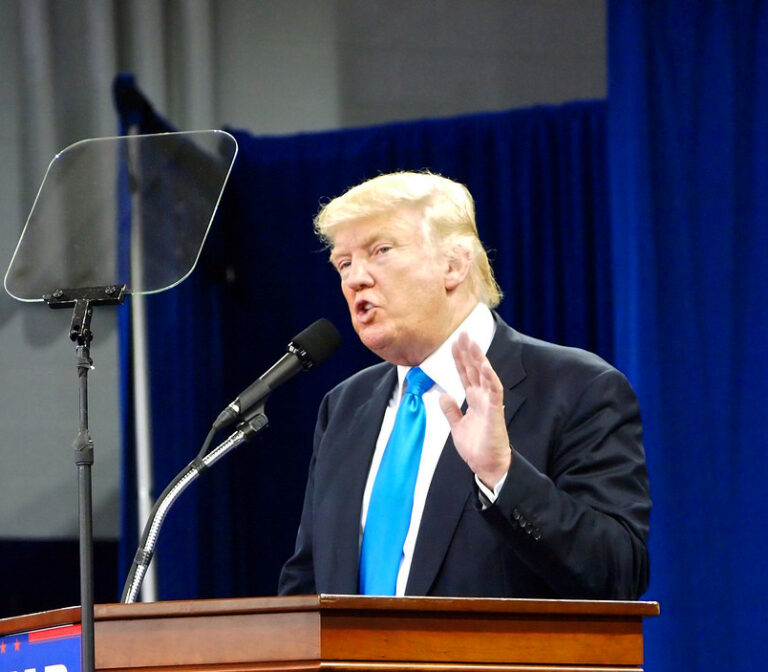
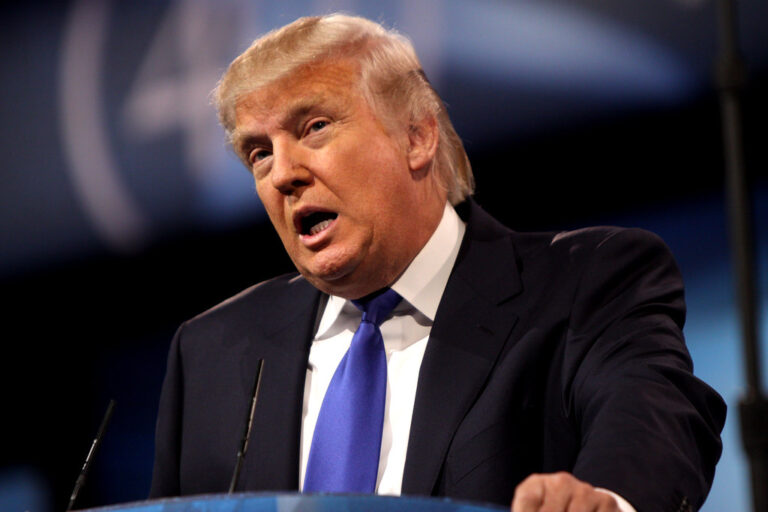
President Donald Trump stood before the United Nations and made sweeping statements about the economy, foreign affairs, and energy. However, many of his claims did not match reality. As fact-checkers dug deeper, they found a long list of misleading points. Moreover, the event suffered technical problems that added another layer of drama.

Key False Claims in the Trump UN Speech

First, Trump said inflation was “defeated.” In contrast, inflation has been rising since spring. It now sits near 3 percent, almost matching the level when he took office again. Next, he claimed electricity and grocery costs fell. Yet, data show both have climbed sharply.

Furthermore, he boasted of peace deals he never brokered. He said he ended conflicts that did not exist or stayed unresolved. For instance, Trump claimed to have stopped a war between Egypt and Ethiopia. In fact, those nations quarrel over a dam, but never fought a war. He also said he halted a new war between Serbia and Kosovo. Again, no fighting was under way. And he suggested he ended violence in the Democratic Republic of Congo. Reality shows that the unrest continues despite a shaky peace accord.

Beyond these, Trump made several other incorrect statements. He misrepresented his poll numbers. He inflated an investment figure by eight trillion dollars over his own team’s estimate. He blamed his successor for letting in millions of migrants and losing hundreds of thousands of children, both untrue. He called global warming a hoax, even though scientists still warn of climate change. He touted “clean coal” and slammed wind power, ignoring that coal emits pollution and wind energy is expanding worldwide.

Technical Glitches and Blame Games

During the speech, microphones cut out and screens went blank. Trump and his team pointed fingers at U.N. staff. Yet insiders say the interruptions likely came from Trump’s own setup. As a result, critics argue the fiasco showed poor planning and disrespect toward the host. Diplomats watched in disbelief as aides scrambled to fix simple tasks.

Economic Claims Under Scrutiny
Trump’s assertion that inflation is “defeated” conflicts with recent reports. Consumer prices have climbed steadily for months. Grocery bills rose faster than wages for many families. Electricity costs jumped due to higher fuel prices and aging power grids. However, Trump painted a picture of falling costs. Instead, he offered selective numbers that ignored key trends.

Moreover, his claim about historic investment hits new highs when compared to past administrations. In truth, some of the projects he touted began under previous leaders. Yet Trump took full credit. He also overstated the size of his own poll leads, ignoring dips in approval. As a result, independent analysts see his economic claims as misleading or false.

Foreign Policy Wins That Didn’t Materialize

Trump warned of global unrest and said he brokered peace deals everywhere. However, many of his victories were talk, not action. He claimed to have ended a “raging war” in Africa, yet the fighting still rages. He said he prevented new conflicts in Europe, even though tensions never led to war.

In addition, he took credit for agreements that he only hosted as invitations. For instance, a summit on health pandemics did not yield binding treaties. Still, Trump presented it as a diplomatic triumph. Critics argue that he used fancy language to mask a lack of concrete results.

Energy and Climate Misstatements

The president called coal “clean” and dismissed wind energy as useless. Yet coal plants emit carbon and other pollutants. In contrast, wind turbines produce power without direct emissions. Trump argued that wind stops when the air is calm, making it unreliable. While wind can vary, battery storage and backup grids address that issue.

He also said the United States had to pay trillions under a climate pact. Actually, the Paris agreement does not impose fines. Instead, it sets voluntary targets backed by diplomacy. Meanwhile, China leads the world in wind energy capacity and continues to build more turbines. Trump’s comments ignored these dynamics and painted a distorted view.

Reactions at the UN

After the speech, senior diplomats spoke off the record. One described the address as embarrassing. Another said they wondered if Americans noticed the mistakes. Observers said Trump’s tone and errors undermined U.S. credibility. In private halls, diplomats whispered that the event felt more like a campaign rally than a serious policy discussion.

Moreover, U.N. staff mixed relief with frustration once the speech ended. They scrambled to restore order after the technical faults. In the press room, journalists compared notes on the false claims. As a result, the Trump UN speech triggered a wave of corrective articles.

What This Means for Trump’s Image

Looking ahead, the speech may hurt Trump’s standing at home and abroad. Allies who watched may question his reliability. Voters who rely on fact-checks could lose trust in his messaging. Yet, his core supporters might dismiss the errors as media bias.

In contrast, critics see the event as a sign of declining influence. They argue that world leaders noticed the slip-ups. Consequently, Trump could face tougher negotiations later. His reputation for tough talk loses weight when facts contradict his claims.

Conclusion

The Trump UN speech offered a mix of bold assertions and technical hiccups. Fact-checkers found many of his claims to be false or misleading. In addition, the event suffered from avoidable glitches that sparked blame. Diplomats and journalists alike reacted with disbelief. As a result, this speech may shape how the world sees his next term, if he wins again. Time will tell if these errors stick or fade from public memory.

Frequently Asked Questions

Why do experts call out the Trump UN speech?

Experts highlight many incorrect statements about inflation, energy, and foreign affairs. They say these claims do not match real data.

What caused the technical problems during the speech?

The audio and video issues likely came from Trump’s team setup. These glitches surprised both U.N. staff and the audience.

How did diplomats react to the Trump UN speech?

Many diplomats felt embarrassed and frustrated. They worried that the errors hurt the United States’ credibility.

What impact could this speech have on Trump’s future?

If voters and world leaders focus on the false claims, Trump may lose trust. However, his supporters may overlook the errors and stick with him.

Trump Threatens ABC Over Jimmy Kimmel’s Return

0

Key Takeaways:


  • President Trump vows to target ABC after Jimmy Kimmel returns to late-night TV.
  • Trump calls Kimmel’s show biased and suggests it counts as an illegal campaign gift.
  • He claims ABC might face another multi-million dollar payout.
  • Kimmel lost viewers during suspension, yet ABC brought him back.
  • The showdown raises big questions about free speech and network decisions

Trump Warns ABC Ahead of Jimmy Kimmel’s Comeback

President Trump reacted strongly when ABC reinstated Jimmy Kimmel’s show. He posted on Truth Social that he “can’t believe” the network gave Kimmel his job back. Trump said ABC once told the White House the show was canceled. However, something changed, and now Kimmel is back on air.

Trump argued that Kimmel’s audience has shrunk. Moreover, he claimed the comedian never had real talent. He said the host pushes “99% positive Democrat garbage,” putting ABC in danger. In Trump’s view, that counts as a major illegal campaign contribution.

Why Jimmy Kimmel’s Return Sparked Trump’s Threat

Jimmy Kimmel faced an indefinite suspension last week. ABC suspended him over controversial comments. During his break, ratings fell. Yet ABC reversed course and rehired him this week.

Trump saw this as a challenge. He warned ABC that he would “test” the network again. Last time, he said, ABC paid him $16 million. Now he teases an even bigger sum. This standoff stems from national politics colliding with entertainment.

Trump’s Accusations Against the Show

Trump’s post accused Jimmy Kimmel of bias. He said Kimmel is “another arm of the DNC.” Trump argued that a TV host acting like a political operative violates campaign rules. He labeled this a potential illegal gift to Democrats.

In addition, Trump attacked Kimmel’s humor. He called the comedian “not funny” and a ratings loser. Trump claimed ABC hurt itself by backing Kimmel’s political stance. He urged viewers and advertisers to reconsider.

What This Means for ABC and Jimmy Kimmel

ABC now faces a tough spot. The network must balance free speech against business risk. If Trump follows through, ABC could face legal action or a hefty fine. That could set a new precedent for media pushback.

Jimmy Kimmel must also navigate the fallout. He returns with divided support. Some fans will welcome him back. Others may agree with Trump’s view that he crossed a line. Kimmel will need to rebuild trust and ratings fast.

Possible Next Steps and Reactions

ABC leaders have stayed quiet so far. They have not commented on Trump’s threat. However, internal discussions likely focus on damage control. They must weigh potential legal costs versus creative freedom.

Meanwhile, late-night rivals will watch closely. Other hosts might feel pressure to avoid political firestorms. They also may seize an opening to gain viewers unhappy with Kimmel.

In the political world, Democrats and Republicans will spin this fight. Supporters will see Trump’s threat as a fresh example of his media battles. Critics will argue he is silencing critics and stifling comedy.

How the Show Can Bounce Back

Jimmy Kimmel can take steps to win back his audience. First, he could address the suspension and controversy directly on air. That honesty can repair trust.

Next, Kimmel might diversify his topics. He can mix politics with lighter stories. This shift can help recapture casual viewers who left during his break.

Finally, Kimmel can engage fans on social media. He can share behind-the-scenes clips or host live Q&A sessions. These moves build community and boost ratings.

Lessons for Media and Politics

This clash highlights the blurred line between news and entertainment. Networks now face real threats when they host outspoken personalities. Political leaders can leverage social platforms to pressure media outlets.

Moreover, public trust in both politics and TV shows is at stake. Audiences may grow tired of constant controversy. Networks and hosts will need to adapt or risk losing viewers to streaming and online platforms.

What Comes Next

As Jimmy Kimmel returns to late-night TV, all eyes turn to ABC’s ratings and Trump’s next move. Will Trump file a legal challenge again? Or will ABC quietly move on? In the coming weeks, we’ll see if this threat turns into action.

FAQs

Why did ABC suspend Jimmy Kimmel?

ABC paused Kimmel’s show after he made controversial remarks. The network wanted time to review and manage the fallout.

How did Trump react when Kimmel was suspended?

At first, Trump did not comment on the suspension. He spoke out only after ABC rehired Kimmel and the show returned.

Could Trump really force ABC to pay him?

Legally, it’s unclear. Trump claims a past settlement gave him millions, but experts say networks can fight such threats in court.

What can viewers do if they disagree with Trump’s threat?

They can voice opinions on social media, contact ABC to share feedback, or switch to other late-night shows that match their tastes.

Tariffs: Democrats’ Secret Shutdown Weapon

0

Key Takeaways

  • A government shutdown is likely as Republicans can’t pass their spending plan.
  • Democrats want to extend health care subsidies but longtime pollster Nate Silver disagrees.
  • Silver argues Democrats should demand tariffs changes instead of health care funding.
  • Tariffs have hurt people’s wallets and dented the president’s approval more than any other issue.


Why Tariffs Matter in the Shutdown Fight

A government shutdown is on the horizon because Republicans lack enough votes for their spending plan. In response, Democrats have seized on Affordable Care Act subsidies. They want to keep health care funding alive. However, top pollster Nate Silver says Democrats are choosing the wrong fight. He thinks they should use tariffs as their key demand.

Why Democrats Are Eyeing Health Care

Democrats fear a shutdown will cut off vital health subsidies for millions. They argue that refusing to fund the ACA would hurt families and small businesses. As a result, Senate Minority Leader Chuck Schumer has made health care the line he won’t cross. This stance appeals to voters who rely on subsidies. Yet, it may not have the biggest political bite.

Nate Silver’s Tariffs Argument

In a recent column, Nate Silver said Democrats should switch their focus. He believes tariffs have had the most effect on the president’s approval rating. For example, after a major tariff announcement in April, President Trump’s net approval dropped from –3 to –9.7. That’s a larger fall than any other issue he tracked. Silver contends that using tariffs in the shutdown fight would give Democrats stronger leverage.

How Tariffs Impact Americans

Tariffs are taxes on imported goods. When the government imposes these taxes, businesses pay more to bring items into the country. Often, companies pass those extra costs to consumers. That means higher prices at the store. For instance, tariffs on steel and aluminum can raise car prices. Tariffs on Chinese goods can push up the cost of electronics and clothing. In short, tariffs pinch wallets and slow economic growth.

Moreover, tariffs can lead to trade wars. If one country raises tariffs, other nations often respond in kind. This cycle can hurt farmers, factory workers, and small businesses that rely on global markets. As a result, families feel the impact in higher grocery bills and fewer job opportunities. With so many people feeling the pain, tariffs become a very potent political issue.

Why Tariffs Could Be the Shutdown Weapon

First, tariffs have moved approval ratings more than any other policy. This shows they matter deeply to voters. Second, many experts argue that the president lacks the constitutional power to set wide-reaching tariffs without Congress. By tying a shutdown fight to tariffs, Democrats would highlight a clear legal issue. Third, focusing on tariffs puts economic pressure on average Americans. People understand their own rising costs better than complex health care debates.

In addition, a tariffs-based demand could unite both moderate and progressive wings of the Democratic Party. Moderates care about trade rules and legal limits. Progressives often view tariffs as fair if they protect workers. Together, they can frame the shutdown as a fight against unfair trade and executive overreach. Finally, a tariffs ultimatum forces the GOP to address a policy that directly affects swing voters in key districts.

Balancing Risks and Rewards

Of course, a shutdown over tariffs carries risks. Some Democrats worry that voters will blame both parties equally for any funding lapse. They fear the crisis mood could energize the president’s base. Yet, Silver argues that the crisis atmosphere might already play into the president’s hands. By choosing tariffs, Democrats can shape the public narrative around a simple idea: Americans pay more because of these taxes on imports.

Furthermore, a tariffs fight would demand discipline. Senators and representatives must stick together and refuse to budge. While Democrats sometimes struggle with unity, a clear economic message might help them stay focused. If they commit to restoring normal trade rules, they can claim a victory even without a full shutdown resolution.

Shaping the Narrative for Voters

Communication is key in any shutdown battle. With tariffs, Democrats can run ads showing real price hikes in everyday items. They can feature farmers who lost overseas customers. They can interview factory workers who saw fewer orders. This humanizes the issue. It turns abstract government policy into a story about family budgets and local jobs.

In contrast, the health care angle can get bogged down in legal details and endless debate about subsidy formulas. While health care is vital, voters may feel fatigued by constant discussions. Tariffs, on the other hand, offer a fresh frame. They show a direct cause-and-effect: tax on imports leads to higher costs at home.

A New Path Forward

If Democrats adopt Nate Silver’s advice, they would ask Republicans to include tariff rollbacks in their spending bill. They could demand a vote on legislation to limit executive tariff powers. This approach shifts the focus from funding levels to constitutional checks and balances. It also highlights a policy change that could deliver real relief to families now.

In doing so, Democrats could transform a looming crisis into a moment of clarity. They would stand for economic fairness and legal order. Moreover, they would place the burden on Republicans to defend the president’s aggressive trade moves. If Republicans refuse, they risk being seen as defenders of higher prices and unstable markets.

FAQs

How do tariffs affect the average shopper?

Tariffs act like extra taxes on imported goods. Stores and businesses often pass these added costs to customers. That means higher prices for things like electronics, clothes, and even food.

Could a shutdown over tariffs actually pass in Congress?

It would be tough. Both parties must agree on a deal. But if Democrats stick together and highlight public frustration over price hikes, they might pressure Republicans to negotiate on tariffs.

Why did Nate Silver choose tariffs over health care?

Silver notes that tariffs have caused the biggest drop in the president’s approval rating. He also points out that tariffs may exceed the president’s constitutional powers, making them a strong legal and political lever.

What happens if neither side backs down?

A shutdown would start, halting many federal services. Eventually, both sides often return to the table under public pressure. If Democrats hold firm on tariffs, they could win concessions before funding resumes.

Noem Outburst Shocks DHS Staff

0

Key Takeaways:

  • Homeland Security Secretary Kristi Noem erupted in a profane outburst during a tense meeting.
  • Noem’s strict rules on $100,000 payments caused delays and staff frustration.
  • Her de facto chief of staff, Corey Lewandowski, joined the harsh reprimands.
  • Officials reported F-bombs, screaming, and accusations of contract profiteering.
  • Staff fear and confusion grew as leadership tensions mounted.

Noem Outburst Leaves Officials Reeling

The Department of Homeland Security office felt like a storm zone after the Noem outburst. Staff members said they stood in shock as Homeland Security Secretary Kristi Noem and her ally, Corey Lewandowski, yelled at them. They tore into employees for reports showing that Noem insisted on signing every check over $100,000. As a result, projects stalled and tensions soared.

Employees described the scene as chaotic. “They were screaming,” one staffer told New York Magazine. He said the level of disrespect stunned the room. Another former staffer said both Noem and Lewandowski seemed embarrassed by the critical news. Their anger fed off each other’s. They dropped multiple F-bombs on subordinates. The harsh words left staff scared and confused.

Chaos Over Spending Rules

In June, reports revealed that Noem demanded final approval for large payments. That rule created bottlenecks. Projects on border security and cybersecurity slowed down. New initiatives could not move forward without her signature. Meanwhile, impatient lawmakers and agency partners waited for progress.

Because of these delays, some officials warn that key security operations risk falling behind. They say morale plummeted as staff scrambled to meet new, strict rules. When employees raised concerns, they faced sharp criticism. They heard accusations of “lining pockets,” even though they had no evidence of wrongdoing.

Role of Corey Lewandowski

Corey Lewandowski served temporarily as a Special Government Employee. He once advised a presidential campaign. Now, he acts as Noem’s de facto chief of staff. Sources say everything must pass through him. A lobbyist who works with DHS said, “It’s all about who’s your buddy.”

Moreover, staff felt fear in Lewandowski’s presence. One official said, “People are scared s—less of Corey.” Rumors swirled about payments from foreign governments and a personal affair between Noem and Lewandowski. Both are married to other people. Many inside the agency view their relationship as the worst-kept secret in the capital.

Why the Noem Outburst Happened

Critics say the Noem outburst came from deep frustration. First, Noem faced harsh news reports. They highlighted her strict spending rules and chaotic management style. Then, she grew defensive. Finally, in a closed-door meeting, she exploded.

Also, people noted her demands reflected a central theme: control. Noem wanted to oversee every major decision. Yet, her focus on small details created long delays. Ironically, her drive for control backfired. It hurt the department’s efficiency and staff trust.

Impact on the Department

As a result of the Noem outburst, DHS staff feel uncertain about leadership. Many worry that future meetings could turn hostile. Key projects risk further delays. Moreover, morale remains low. Officials cite high stress and fear of reprisal.

Furthermore, external partners now question how DHS will meet its goals. Border operations and disaster response plans hang in the balance. Contractors report slow approvals and a lack of clear communication.

Looking Ahead

For now, DHS leaders must rebuild trust. They need clear rules and open communication. They also need to calm staff concerns by setting a respectful tone. Otherwise, more chaos may follow.

Meanwhile, lawmakers might step in. Oversight committees could investigate these management issues. They may demand explanations for the Noem outburst and its effects on critical security work.

However, only time will tell if these actions bring real change. One thing is clear: the department cannot afford another explosive meeting.

FAQs

What triggered the Noem outburst?

The outburst followed reports that Noem demanded personal sign-off on payments over $100,000. Delays and criticism pushed her to react harshly.

Who is Corey Lewandowski?

Lewandowski is a former campaign adviser serving temporarily as a Special Government Employee. He acts as Noem’s top aide.

How did staff react to the outburst?

Staff reported shock, fear, and confusion. Many felt disrespected by the harsh language and accusations.

What might happen next?

Lawmakers could launch oversight hearings. DHS leaders may review approval processes and work to restore staff morale.

Judge Stops Trump’s Revolution Wind Halt—What Happens Next?

0


Key takeaways:

  • A federal judge blocked the stop-work order on Revolution Wind.
  • The offshore wind farm is already 80 percent complete.
  • Judge Royce Lamberth warned the project could collapse without action.
  • Work remains paused while the court reviews the case.

Revolution Wind Project Wins Court Break

A federal judge has stepped in to protect Revolution Wind from a sudden work stoppage. The Trump administration had ordered a halt to the offshore wind project in New England. Now, Judge Royce Lamberth has granted a preliminary injunction. This move keeps workers and ships on the job until the court reaches a final decision.

President Trump claimed wind farms harm tourism, birds, and whales. He even criticized a wind installation near one of his golf courses. Yet many experts call these concerns overblown. Meanwhile, Revolution Wind, led by Danish company Ørsted and Skyborn Renewables, was nearing completion. Halting work now could spell disaster for the entire project.

Judge Lamberth made his decision after a high-stakes hearing in Washington, D.C. He noted that stopping construction would do “irreparable harm.” In fact, a special installation ship cannot stay on standby past December. Without that ship, finishing the turbines would become impossible. Therefore, the judge paused the president’s order to let legal arguments proceed.

Why the court stepped in:


  • The major questions doctrine limits sweeping agency changes.
  • Revolution Wind’s developers argued the order exceeded executive power.
  • The judge agreed, saying the administration’s theory was too broad.
  • Court action ensures the project can keep moving during review.

What This Means for Revolution Wind

Revolution Wind appears to have won a crucial reprieve. For now, crews can keep installing turbines off the Rhode Island and Massachusetts coasts. The project will add clean energy for hundreds of thousands of homes. Moreover, it represents a major step toward a greener future in New England.

However, the fight is far from over. The court will hear detailed legal arguments over the coming months. The administration must prove why it can reverse earlier approvals. Conversely, Ørsted and Skyborn Renewables must show that stopping work breaks the law.

Key dates and deadlines:

  • December: Special installation ship’s standby window ends.
  • Next months: Court hears full legal briefs from both sides.
  • Final decision: Could come in early 2021, pending court schedule.

Until then, this preliminary injunction shields Revolution Wind from a sudden halt. As long as the order stands, workers can finish most of the offshore foundations and cables. Still, every day of delay risks extra costs and scheduling conflicts.

Background on Revolution Wind

Revolution Wind is one of the largest renewable energy projects in U.S. waters. It aims to build 62 wind turbines in the Atlantic Ocean. Each turbine stands more than 850 feet tall. Together, they could power more than 400,000 homes in southern New England.

The project began in 2018 when Ørsted and Skyborn Renewables won federal approval. Since then, crews prepared onshore facilities, laid cables under the sea, and installed turbine bases. By early 2020, the project was about 80 percent complete.

Then the Trump administration surprised everyone by issuing a stop-work order. The order claimed that federal agencies needed to “re-evaluate” the project’s impact on wildlife. Critics said the review was political, not scientific. After all, agencies had spent years analyzing the same data.

Legal battle over agency power

Attorneys for Revolution Wind argued that the stop-work order pushed the limits of executive power. They said it violated the major questions doctrine. In simple terms, that doctrine stops agencies or presidents from reversing major rules without clear authority from Congress.

Moreover, the developers pointed out that the project relied on a timeline. Key vessels and crews were booked months in advance. Canceling work could leave them scrambling. Even worse, those crews might take other jobs before the injunction lifted.

Judge Lamberth, a conservative appointee, sided with the developers. He wrote that the administration’s theory of power was “shockingly expansive.” He also noted that no one could fix the clock on project delays. Once the ship’s window closes, it will not return until next year.

Impacts on the renewable energy industry

This ruling sends a strong message. First, courts can act to protect major clean energy projects from sudden political moves. Second, it highlights the importance of stable regulations for the industry. Renewable energy companies need predictable rules to plan big investments.

Also, the case underscores the value of the major questions doctrine. That principle ensures that major policy shifts go through Congress or clear rulemakings. Investors in clean energy look for legal certainty. When courts back them, it lowers financial risk.

At the same time, the Trump administration’s attack on wind projects could chill innovation. If every approval faces reversal, companies might hesitate to invest here. This ruling offers hope that courts will enforce fair play.

What’s next for Revolution Wind

Revolution Wind’s immediate future is a mix of cautious optimism and uncertainty. The project can resume work, but the final outcome remains unknown. Both sides will now gather evidence, hold depositions, and file detailed briefs.

Developers must show the court that the stop-work order lacks legal basis. They will emphasize the years of federal study already done. They will also highlight the economic stakes and the need for clean energy jobs.

Meanwhile, the administration will try to prove that it has authority to pause or cancel such projects at will. It will argue that new environmental concerns demand fresh reviews. Yet those concerns largely mirror what agencies checked before.

In the end, the court’s final ruling could reach beyond Revolution Wind. It might shape how future offshore wind farms get approved or challenged. Therefore, both sides have strong incentives to build a solid case.

Lessons learned

This case offers clear lessons for energy firms and policymakers:

  • Secure clear, written approvals before starting work.
  • Plan for potential legal challenges in your timeline and budget.
  • Build public support to counter political opposition.
  • Monitor legal doctrines like the major questions rule.

In addition, companies should remain agile. They need backup plans if a vital ship or crew becomes unavailable. They might also consider insurance or contractual clauses to limit costs from stoppages.

Ultimately, Revolution Wind’s fate shows that big projects can survive political storms. Courts still play a vital role in checking executive power. At the same time, stable rules remain essential for a growing clean energy sector.

Frequently Asked Questions

How did the judge justify blocking the stop-work order?

The judge said pausing Revolution Wind would cause “irreparable harm.” He noted that key installation equipment couldn’t wait indefinitely. Also, he found the administration’s power claim too broad under the major questions doctrine.

Why did the Trump administration halt Revolution Wind?

The administration argued it needed more time to review environmental impacts. It cited concerns over birds and marine life. Critics say those worries were already examined and struck as unconvincing.

What makes Revolution Wind so important?

This project will power hundreds of thousands of homes with clean energy. It represents one of the largest offshore wind farms on the East Coast. Its success could spur more renewable projects in U.S. waters.

Could this case affect other wind projects?

Yes. A final ruling will set a precedent on how much power the executive branch has over approved projects. It could influence future challenges to renewable energy developments.

Trump: I Hate My Opponent at Kirk Memorial

0

Key Takeaways:

• President Trump honored Charlie Kirk but declared, “I hate my opponent.”
• Trump contrasted Kirk’s kindness toward rivals with his own tough stance.
• His words highlight a refusal to wish political foes well.
• The remarks could shape the tone of future MAGA debates.

Why Trump Says “I Hate My Opponent”

Introduction

At Charlie Kirk’s memorial service in Glendale, Arizona, President Donald Trump spoke warmly about the late conservative activist. Yet he surprised many when he admitted, “I hate my opponent.” Even though he praised Kirk’s work, he drew a clear line between their styles. He praised Kirk for uniting the MAGA movement, but he disagreed with Kirk’s wish to treat opponents kindly.

Context of the Memorial

Charlie Kirk founded a major conservative group that rallied many young voters. His sudden death shocked the movement. In his address, Trump began by honoring Kirk’s energy and influence. He noted how Kirk took on tough debates with respect. Then Trump shifted tone and shared his own approach.

Trump Praise and Contrast

First, Trump celebrated Kirk’s impact. He said Kirk had a gift for debate and building support. He admired how Kirk could convince people to join their cause. However, Trump moved on to draw a contrast. He told mourners he could not share Kirk’s compassion for rivals. He paused, then said, “That’s where I disagreed with Charlie. I hate my opponent and I don’t want the best for them.”

The Meaning of “Hate My Opponent”

When Trump declared, “I hate my opponent,” he spoke bluntly. He meant he won’t wish success on anyone running against him. In his view, that attitude keeps him strong. Yet Kirk believed in leading opponents toward “the great way of life in our country.” He hoped rivals could find common ground. Trump’s words showed a sharp break from that philosophy.

Transitioning from praise to tough talk surprised many guests. For example, Trump even suggested Kirk’s widow, Erika, might change his mind. He said, “Maybe Erika can persuade me otherwise, but right now I can’t stand my opponent.” His honesty resonated with people who support a hard-line stance.

Reactions and Implications

Public reaction came swiftly. Some supporters cheered Trump’s fierce honesty. They said it underlines why he stays popular among hardcore voters. Others worried it deepens political division. They fear calls to “hate my opponent” only fuel hostility.

Furthermore, pundits noted this moment may shape future GOP debates. If leading Republicans adopt Trump’s tone, campaigns could become harsher. Meanwhile, those favoring Kirk’s style may push for kinder exchanges. This split might guide candidate strategies in the months ahead.

In addition, social media lit up with mixed views. Some praised Trump’s “no compromise” stance. Others said it came across as too extreme. Yet nearly everyone agreed the phrase “hate my opponent” will stick in the public mind.

Why This Moment Matters

This speech marked a clear choice between two approaches. On one side stands Kirk’s vision of polite persuasion. On the other stands Trump’s promise of relentless competition. Moving forward, Republican candidates may pick one of these paths.

Moreover, Trump’s declaration could influence how voters perceive him. For supporters, it may reinforce his image as a fighter. For critics, it might highlight a refusal to seek unity. Either way, the phrase “hate my opponent” captures a larger debate about political tone in America.

Closing Thoughts

At the Kirk memorial, Trump combined respect and rivalry in one speech. He honored a friend while reminding everyone of his own style. By saying, “I hate my opponent,” he left no doubt where he stands. As the political season heats up, that stance may echo in rallies and debates across the country.

Frequently Asked Questions

What did President Trump say about his political rivals?

He said, “I hate my opponent and I don’t want the best for them,” showing he won’t offer goodwill to rivals.

Why did Trump praise Charlie Kirk?

He admired Kirk’s talent for debate and his role in uniting the MAGA movement.

How did Trump contrast his style with Kirk’s?

Kirk wanted to wish rivals well and guide them, while Trump openly rejects goodwill toward opponents.

Could Trump’s remarks affect future debates?

Yes, his hard-line stance may push other candidates to adopt a tougher tone or embrace Kirk’s kinder approach.

Disney Kimmel Suspension Reversed After Backlash

0


Key takeaways:

• Disney initially suspended Jimmy Kimmel indefinitely.
• Fans, artists, and commentators slammed the move.
• Disney’s market value dipped over 2% in five days.
• The company walked back its decision within 24 hours.
• The incident shows how public pressure can force big brands to change.

Disney Kimmel suspension reversed after backlash

Disney announced on Monday that it screwed up when it suspended late-night host Jimmy Kimmel “indefinitely.” However, just a day later, the company quietly reversed course. Fans and industry figures had made their anger loud and clear.

Background of the Disney Kimmel suspension

Disney said it paused Jimmy Kimmel’s ABC show because of an internal review. They claimed they needed more time to examine his comments. Yet many saw this as an overreaction. After all, Kimmel has hosted late-night TV for years. He even joked about other networks. So his sudden suspension seemed odd.

Public and industry reaction to the Disney Kimmel suspension

The backlash was swift. Artist collectives hit Disney with a letter demanding action. Nearly 400 musicians signed it. Singer Sarah McLachlan canceled her Disney documentary performance. Likewise, John Oliver spoke out on his Sunday show. He warned that giving in to bullies only makes them stronger. Moreover, Ed Krassenstein, a well-known commentator, cheered on the protests and boycotts. He wrote, “The protests and boycotts worked! HELL YEAH!” These voices showed how people could unite against a corporate decision.

Financial fallout for Disney

Data analyst G. Elliott Morris noted Disney’s stock fell 2.31% in five days. Meanwhile, the Dow Jones rose over 1%. This contrast highlighted how Disney’s decision hurt its own value. On social media, lawyer Benjamin Kabak joked that Disney begged fans to stop canceling. He said they were “bleeding more revenue than expected.” Disney executives soon realized the cost of keeping Kimmel off the air was too high.

Key voices weigh in on the Disney Kimmel suspension

Legal analyst Quinta Jurecic pointed out the twist in power. She noted that the administration appears to gain control while also looking weak. This combination allowed a media backlash to succeed. Podcaster Brian Allen added that Disney only brought Kimmel back to protect its bottom line. He urged fans to keep up the pressure. All these views proved one thing: public opinion still matters.

Disney’s internal scramble

Deadline’s executive editor Dominic Patten reported that Disney was already working behind the scenes to undo the suspension. Within 24 hours, teams searched for a public statement that would fix their mistake. They knew the brand risked looking weak and out of touch. Therefore, walking back the action became a priority.

What led Disney to reverse the decision?

Disney faced a unique mix of criticism. First, late-night TV audiences felt the suspension was unfair. Second, influential people made their views public. Third, investors watched Disney’s market value slip. Finally, social media users organized boycotts and shared Disney subscription cancellations. In response, Disney realized the damage could last longer than a few days. So the company issued a statement that Kimmel would return to the air.

Lessons from the Disney Kimmel suspension

This episode highlights how fast news travels today. Corporations can make a decision at dawn and reverse it by dusk. However, that flip-flop can harm credibility. For Disney, trusting its fans and audiences once again proved vital. In the age of social media, companies face fierce reactions when they misstep. Therefore, major brands often choose damage control over stubbornness.

Will Jimmy Kimmel’s show be the same?

Jimmy Kimmel will likely return with minimal changes. Disney wants to mend fences quickly. Yet some viewers might question the stability of the network. Still, a strong comeback episode could ease tension. Kimmel himself might address the suspension with humor. After all, laughter often heals public relations wounds.

The power of public opinion

Ultimately, this incident shows the power of collective voice. Fans, artists, and media figures worked together to shape Disney’s decision. Because people spoke up, a major media company reversed course. If brands face true backlash, they must listen or risk more harm. In this case, Disney learned that lesson the hard way.

FAQs

Why did Disney suspend Jimmy Kimmel?

Disney said it needed time for an internal review of Kimmel’s recent comments. Critics felt this was an overreaction to harmless jokes.

How did people react to the suspension?

Fans, artists, and TV personalities condemned the move. Social media campaigns, boycotts, and public letters forced Disney to reconsider.

Did Disney lose money over the decision?

Yes. In five days, Disney’s market value fell by 2.31% while the Dow Jones rose. This drop added financial pressure to its public relations crisis.

What happens next for Jimmy Kimmel?

Kimmel will return to ABC. He may address the suspension on air. Disney hopes his comeback will satisfy both advertisers and viewers.

Why the Rush on Comey Prosecution? Deadline Looms

1


Key takeaways:

  • Trump ousts acting U.S. Attorney over dropped cases
  • Expert points to looming statute of limitations
  • Comey prosecution deadline falls September 30
  • New prosecutor must act quickly to bring charges

The Comey Prosecution Deadline Explained

President Trump recently replaced the acting U.S. attorney in Virginia after the prosecutor declined to charge former FBI Director James Comey. Legal expert Benjamin Wittes believes the move ties directly to a fast-approaching legal deadline. In simple terms, Trump needed a new lawyer in place before the clock runs out on any charges tied to Comey’s 2020 Senate testimony.

First, let’s explore why Trump forced out the prosecutor. Then, we will explain the hidden countdown that could end a Comey prosecution before it even starts.

Why Trump Replaced the Prosecutor

Trump tapped a new prosecutor after Erik Siebert refused to bring charges against Comey, New York Attorney General Letitia James, and Senator Adam Schiff. Siebert’s office had even looked at evidence around a leak case involving Comey. However, Siebert decided there was no crime to prosecute and declined to file charges.

Because Siebert said no, Trump moved quickly to install an attorney more willing to follow his demands. In fact, Trump’s directive ordered Attorney General Pam Bondi to seek swift indictments. He wants charges filed now, not later. This sudden shuffle surprised many in the justice system.

The Ghost Investigations Come to Light

Wittes calls several of these investigations “ghost investigations.” For months, the Justice Department publicly hinted at probes into various Trump targets without taking real action. No witness interviews, no search warrants, no grand jury appearances. Just announcements of investigations that never materialized.

Yet Siebert’s office did one thing real: it subpoenaed Columbia law professor Daniel Richman. Officials wanted to know if Comey lied about leaking memos to reporters. After a quick review and interviews, Siebert concluded no charges were warranted. Then he lost his job.

Meanwhile, Trump publicly proclaimed his targets were “guilty as hell.” He demanded charges and made clear he would replace any prosecutor who hesitated. This political pressure set the stage for a new prosecutor to take over.

Why Time is Running Out for the Comey Prosecution

Legal expert Benjamin Wittes suggests Trump’s rush stems from a ticking clock. Under U.S. law, a false statement made to Congress becomes harder to charge after five years. Comey testified to the Senate Judiciary Committee on September 30, 2020. That puts any deadline right at the end of this month.

Once September ends, any attempt at a Comey prosecution over that testimony would almost certainly face dismissal. Unless prosecutors rely on very unusual conspiracy laws, they simply cannot charge someone for a false congressional statement after the statute of limitations expires.

Therefore, Trump needed a new, cooperative prosecutor in place before October arrives. Only then could the office gather evidence and bring charges in time. Otherwise, the window would slam shut.

What an Expired Deadline Means

If the Comey prosecution deadline passes, the Justice Department would lose all power to criminally pursue that specific claim. No grand juries, no indictments. Only civil suits or congressional actions would remain. For Trump, losing that option means defeat.

In fact, Wittes warns that even with a new prosecutor, securing an indictment is no sure thing. Grand juries often reject weak cases, regardless of political pressure. He notes that “a lot of ham sandwiches turn out to be walking the streets with impunity.” In other words, you cannot force grand jurors to indict on a flimsy case.

Still, Trump appears willing to try, even if the legal community views the effort as frivolous and politically motivated. Pam Bondi and Todd Blanche, two of Trump’s allies, know the case is shaky. Yet they face immense pressure to deliver an indictment before the clock expires.

The Political Stakes Behind the Countdown

Beyond legal time limits, political factors may drive Trump’s haste. By launching charges against high-profile Democrats, he can rally his base and distract from other controversies. A rapid indictment keeps the headlines focused on his rivals.

Moreover, Trump’s focus on Comey plays to his long-standing feud with the former FBI Director. He has blamed Comey for much of the Russia investigation and the 2016 election turmoil. Bringing charges, even weak ones, would be a symbolic victory.

At the same time, Trump must avoid a scenario where the statute of limitations expires without an indictment. Such an outcome would suggest his threats and political maneuvers failed. That could weaken his leverage against other targets and hint at limits to his power.

How the New Prosecutor Faces a Tight Timeline

The new U.S. attorney must hit the ground running. Investigators need to interview witnesses, gather documents, and present evidence to a grand jury. All that must happen within days. Failure means the Comey prosecution deadline will pass.

Prosecutors normally build cases over months or years. They issue subpoenas, negotiate with defense lawyers, and coordinate with federal agencies. Under this compressed schedule, they must speed up each step. That raises concerns about due process and fair treatment.

Critics argue this rushed process violates civil liberties. They view it as political interference in the Justice Department. Wittes even suggested Congress should step in to check presidential abuse. However, he admits lawmakers are unlikely to act.

Will the Grand Jury Bite?

Even if the new prosecutor meets the deadline, the case must survive a grand jury review. Grand jurors hear only one side of the story—the prosecution’s. Yet they can push back if the evidence is thin. Witnesses must appear, and prosecutors must present credible facts.

Wittes emphasizes that grand juries will not rubber-stamp a hollow case. If prosecutors cannot prove Comey knowingly lied, jurors may decline to indict. That outcome would embarrass the Justice Department and raise more questions.

Moreover, defense lawyers can challenge the indictment later. They could file motions to dismiss based on insufficient evidence or expired timelines. So even a hasty indictment might not carry through to trial.

What Comes Next?

As September 30 approaches, all eyes remain on the Eastern District of Virginia. Observers will watch whether charges against Comey materialize. If they do, the next battle will play out in court and the media.

If the deadline passes without action, Trump’s threat to use the Justice Department as a political weapon may lose credibility. His push for quick prosecutions would have failed, exposing limits to his influence over federal law enforcement.

Either way, the saga highlights the tension between political aims and legal constraints. The statute of limitations exists to ensure timely justice, not political self-interest. Rushing cases for political motives challenges that balance.

Stay tuned as this story unfolds. The looming deadline will show whether the Comey prosecution rush was a clever legal strategy or a politically driven gamble.

Frequently asked questions

What is driving the rush on the Comey prosecution?

A fast-approaching five-year statute of limitations on alleged false statements during Comey’s Senate testimony is the main factor.

Who replaced the acting U.S. attorney?

President Trump tapped a former attorney and White House aide, Lindsey Halligan, to lead the Eastern District of Virginia office.

What happens if the deadline passes?

If no charges are filed by September 30, prosecutors lose the power to bring criminal false-statement charges against Comey for his 2020 testimony.

Can a grand jury refuse to indict?

Yes. Grand juries serve as a check on prosecutorial power and can decline to indict if evidence seems weak.

Trump’s Tylenol Autism Claim Stuns Experts

0

Key takeaways:

  • President Trump claimed Tylenol use during pregnancy can cause autism without evidence.
  • Medical experts say no scientific data backs any Tylenol autism link.
  • Untreated fevers in pregnancy pose real risks to mother and baby.
  • Trump made the announcement alongside Robert F. Kennedy Jr. and Dr. Mehmet Oz.
  • Women should always talk with their doctors before stopping or starting medication.

At a press conference, President Trump said acetaminophen use in pregnancy could lead to autism. He admitted his view came from “what I feel,” not from scientific studies. Medical professionals immediately pushed back, noting no data supports a Tylenol autism connection. Instead, they warned that ignoring fevers in pregnancy can harm both mother and child.

The surprising Tylenol autism announcement

During his remarks, the president mispronounced the key ingredient in Tylenol. He told women, “Tylenol is not good, don’t take it,” then added they should only use it “if they can’t tough it out.” This sudden warning shocked many, since acetaminophen is widely seen as the safest option for pain and fever in pregnancy. No rigorous study shows it causes autism, and leading health groups still recommend it under a doctor’s guidance.

Medical experts reject Tylenol autism link

Doctors and scientists quickly dismissed the claim. They stressed that researchers have not found any consistent evidence tying acetaminophen to autism. One specialist warned that unfounded scares could drive women away from needed treatments. Another pointed out that high fevers during pregnancy carry serious risks, including birth defects and complications, if left untreated.

Why treating fevers matters

Fevers in pregnancy are not trivial. A sustained high temperature can raise the chance of neural tube defects and other developmental problems. Dehydration and excessive stress on the mother’s body can also result. In contrast, acetaminophen lowers fever safely when used as directed. Because of this, health professionals urge women to address fevers promptly with a doctor’s advice rather than avoid medication out of fear.

Who stood with Trump?

President Trump delivered his Tylenol autism claim alongside two controversial figures. Vaccine skeptic Robert F. Kennedy Jr. and former TV host Dr. Mehmet Oz joined him on stage. Neither presenter offered new scientific data, leaving critics to question their support of the claim. Their presence did little to bolster the argument or provide real evidence for the alleged Tylenol autism link.

What science really says

Decades of research have examined acetaminophen’s safety in pregnancy. While some small studies hinted at possible minor concerns, none provided clear proof of a Tylenol autism link. In each case, experts called for larger, more rigorous studies before drawing conclusions. Leading medical associations still classify acetaminophen as the preferred fever and pain reliever for pregnant women under medical supervision.

Debunking common misconceptions

In his remarks, the president also suggested that Amish communities show no autism cases. However, experts note that autism exists in all societies, including Amish families. Lower reported rates likely stem from reduced testing and reporting, not the absence of the condition. Thus, the Amish example fails to support the Tylenol autism theory and instead highlights how data gaps can mislead.

Official actions and next steps

Following the announcement, Trump said the FDA would notify doctors about the new link. Yet federal regulators have made no changes to their official guidance. The FDA continues to rely on peer-reviewed research and expert committee findings. For now, it maintains that acetaminophen remains safe for pregnant women under medical advice. Observers await a formal FDA statement to clarify any future shifts in policy.

How this affects pregnant women

Expectant mothers rely on accurate health advice to keep themselves and their babies safe. Hearing an unsubstantiated Tylenol autism claim can cause unnecessary anxiety. If women suddenly avoid acetaminophen, they risk leaving fevers untreated. Therefore, pregnant women should never alter their medication regimen without consulting a healthcare provider who can weigh all risks and benefits.

Moving forward with facts

Scientific progress depends on careful studies and peer review, not personal feelings. Experts hope this episode will reinforce the value of evidence-based decision making. Meanwhile, researchers continue to investigate acetaminophen’s effects, aiming to provide clear, reliable guidance for pregnant women. In the end, balancing maternal comfort and fetal safety remains the top priority.

Conclusion

President Trump’s unexpected Tylenol autism claim has drawn swift criticism from the medical community. No proven link exists between acetaminophen use in pregnancy and autism. In fact, failing to treat fevers can pose greater dangers. Pregnant women should seek professional medical advice before making any changes to their medication plans. Relying on science and expert care offers the safest path forward.

Can Tylenol cause autism in babies?

No credible study shows acetaminophen causes autism. Health experts say Tylenol remains safe when used under a doctor’s guidance.

What should pregnant women do if they have a fever?

Pregnant women with a fever should consult their doctor. Physicians often recommend acetaminophen to reduce dangerous high temperatures safely.

Who spoke out against the Tylenol autism claim?

Pediatricians, obstetricians, and public health officials quickly rejected the idea. They pointed to decades of research showing no link between acetaminophen and autism.

Will the FDA change its advice on acetaminophen?

The FDA has not updated its guidelines. It still considers acetaminophen a safe option for pregnant women under medical supervision.