51.7 F
San Francisco
Saturday, April 18, 2026
Home Blog Page 477

Was Charlie Kirk a Martyr for American Freedom?

0


Key Takeaways:

  • Former President Donald Trump honored Charlie Kirk during a large memorial service.
  • Trump described Kirk as “a martyr now for American freedom.”
  • The service drew tens of thousands of supporters.
  • Kirk was praised as a leading voice for American liberty and conservative values.
  • His death sparked emotional tributes across political and cultural circles.

Charlie Kirk: A Martyr for American Freedom

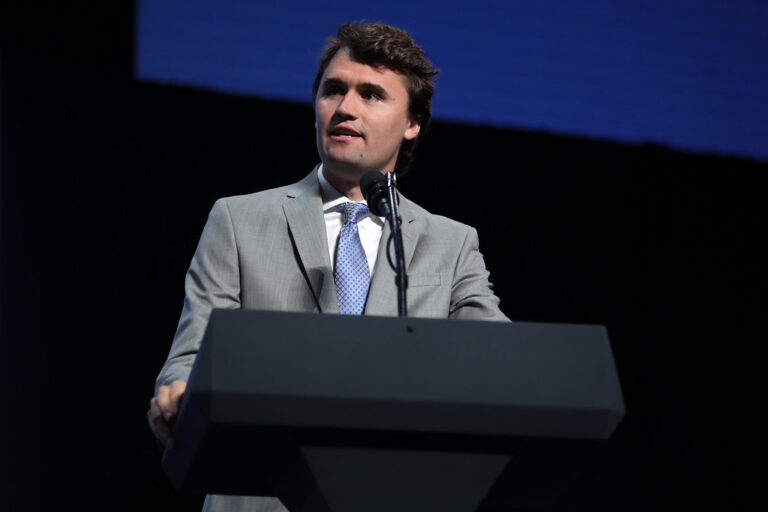
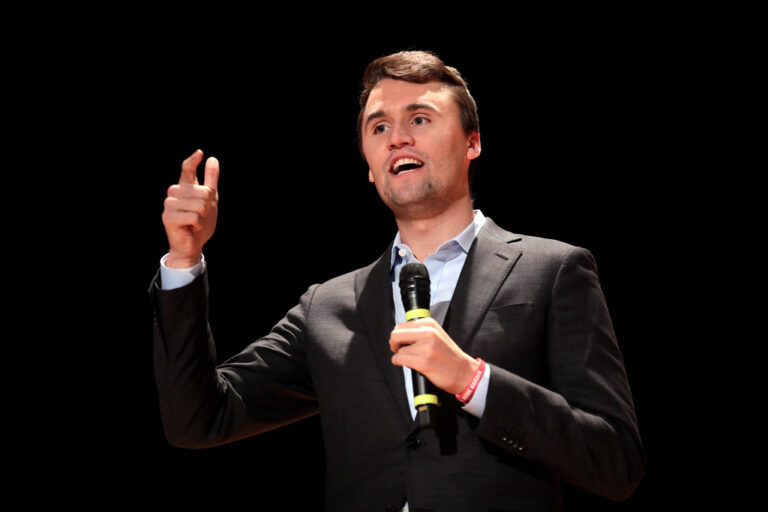
Charlie Kirk, a well-known conservative activist, was remembered in a massive public memorial service less than two weeks after his tragic death. The event grabbed national attention when former President Donald Trump called Kirk “a martyr now for American freedom.” This statement struck a powerful chord with thousands of people gathered to honor the 30-year-old political figure.

Why Charlie Kirk’s Death Shocked America

Charlie Kirk wasn’t just a political commentator; he was a fierce advocate for American freedom. Founder of the conservative group Turning Point USA, Kirk dedicated his life to promoting free speech, limited government, and traditional values. He spoke at campuses, rallies, and events, often challenging liberal narratives and encouraging young people to stand up for their rights.

His sudden and unexpected death stunned the nation. Though the details surrounding his passing remain under investigation, tributes flooded in from political leaders, influencers, and fans. Many viewed his death not just as a personal tragedy, but also a loss to the conservative movement and the ongoing fight to protect American freedom.

Trump’s Emotional Tribute and Message of Strength

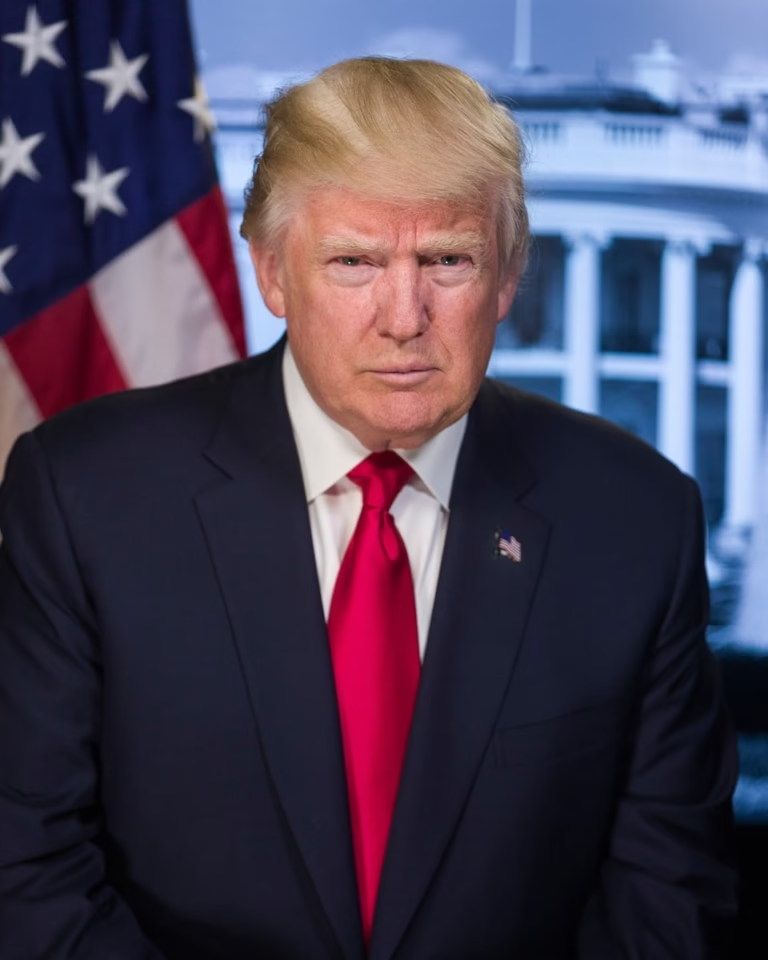
Standing before a sea of supporters, Donald Trump delivered an emotional speech that painted Kirk as more than a public figure. “Our greatest evangelist for American liberty became immortal,” Trump declared. “He’s a martyr now for American freedom.”

The crowd, deeply moved, cheered and cried as Trump continued praising Kirk’s passion and mission. The former president emphasized that Kirk’s life should serve as a symbol of courage and inspiration. According to Trump, Kirk gave everything to defend freedom in America—even his life.

This tribute underlined Kirk’s central place in conservative politics. For many at the service, Trump’s words validated their own admiration and respect for Kirk’s relentless pursuit of American freedom.

Remembering Kirk’s Impact on American Politics

Charlie Kirk wasn’t an ordinary activist. He was a young, driven voice who founded one of the fastest-growing conservative organizations in the country while still in his twenties. Turning Point USA inspired countless students on college campuses to question left-leaning policies and ideologies.

He often appeared on television and podcasts, fighting for American freedom and criticizing what he viewed as threats to it, such as censorship, government overreach, and attacks on religion. His ability to connect with Gen Z and Millennials made him a major player in shaping the future of the conservative movement.

Whether people agreed with his views or not, no one can deny that Kirk created waves across political and cultural landscapes. His followers saw him as a brave leader, willing to say things others wouldn’t.

A National Outpouring of Grief and Support

In the days following his death, social media saw an outpouring of grief. Hashtags in honor of Charlie Kirk trended for days. Supporters created memorial videos and posted heartfelt messages recalling how Kirk inspired them to speak up and take action.

Political leaders from across the right-wing spectrum expressed their admiration as well. Many said that Charlie Kirk’s love for American freedom shaped their own beliefs and messages.

At his memorial, attendees held signs and wore shirts with quotes from Kirk, proudly showing their respect. The message was clear—Charlie Kirk’s influence wasn’t finished. His death transformed him into a symbol for something far bigger than politics.

The Martyr Label and Its Meaning Today

When Trump referred to Kirk as a “martyr,” the word carried deep weight. A martyr is often someone who dies for a cause they deeply believe in. By using that word, Trump sparked a national conversation about what Charlie Kirk stood for—and what it means to die for American freedom.

To many, calling Kirk a martyr means he represented more than just a set of political beliefs. He became a symbol of resistance, of sacrifice, and of speaking truth—even when it’s unpopular. His legacy may now encourage others to continue fighting for freedom without fear.

Critics argue that the word “martyr” should be used cautiously, especially in political settings. Still, Trump’s message resonated strongly with those who viewed Kirk as a hero who fought for American values with unshakable passion.

How Kirk’s Legacy May Influence the 2024 Election

Kirk’s followers and conservative leaders alike have already started asking how his legacy will shape future elections. With 2024 quickly approaching, Kirk’s commitment to American freedom is expected to be a driving force.

Young conservative voters—many of whom were introduced to politics through Kirk—now feel a deeper responsibility to carry forward his message. His death may also encourage more aggressive voter engagement efforts by Turning Point USA and other political groups.

Even Trump hinted that Kirk’s passing could energize the conservative base. “This is not the end,” he said. “Charlie’s voice will carry through us. We are just getting started.”

Conclusion: A Legacy Larger Than Life

Charlie Kirk spent his life defending what he believed was under attack—American freedom. Loved by many and controversial to others, there’s no doubt he made a lasting impact. His death has sparked a movement, rallying people around the belief that freedom is worth defending at all costs.

Trump’s tribute helped solidify Kirk’s place not just in political memory, but in history. Whether you agreed with him or not, Charlie Kirk lived boldly for what he believed in—and that kind of legacy doesn’t die.

His supporters say his voice lives on in every young person questioning authority, in every rally fighting for liberty, and in every vote cast to protect America’s most essential rights.

Now, as the country reflects and prepares for what’s ahead, one message rings louder than ever: American freedom is worth fighting for—and Charlie Kirk proved it with his life.

FAQs

What did Donald Trump say about Charlie Kirk?

Donald Trump called Charlie Kirk “a martyr now for American freedom” during a memorial service honoring the activist.

Why is Charlie Kirk considered a martyr?

Many see Kirk as a martyr because he dedicated his life to defending American freedom and paid the ultimate price.

How did Charlie Kirk influence young conservatives?

Through Turning Point USA, Kirk inspired many young people to speak up for conservative values on college campuses and beyond.

Will Charlie Kirk’s death impact the 2024 election?

Yes, his death may energize conservative voters and influence campaigns focused on defending American freedom.
Why Is Zohran Mamdani Skipping a Town Hall?

0


Key Takeaways

  • NYC mayoral candidate Zohran Mamdani is boycotting a WABC town hall.
  • He’s protesting the network’s suspension of “Jimmy Kimmel Live!”
  • The show was pulled after political pressure from FCC Chair Brendan Carr.
  • Mamdani calls the move “an attack on free speech.”

Zohran Mamdani Makes a Bold Mayoral Campaign Move

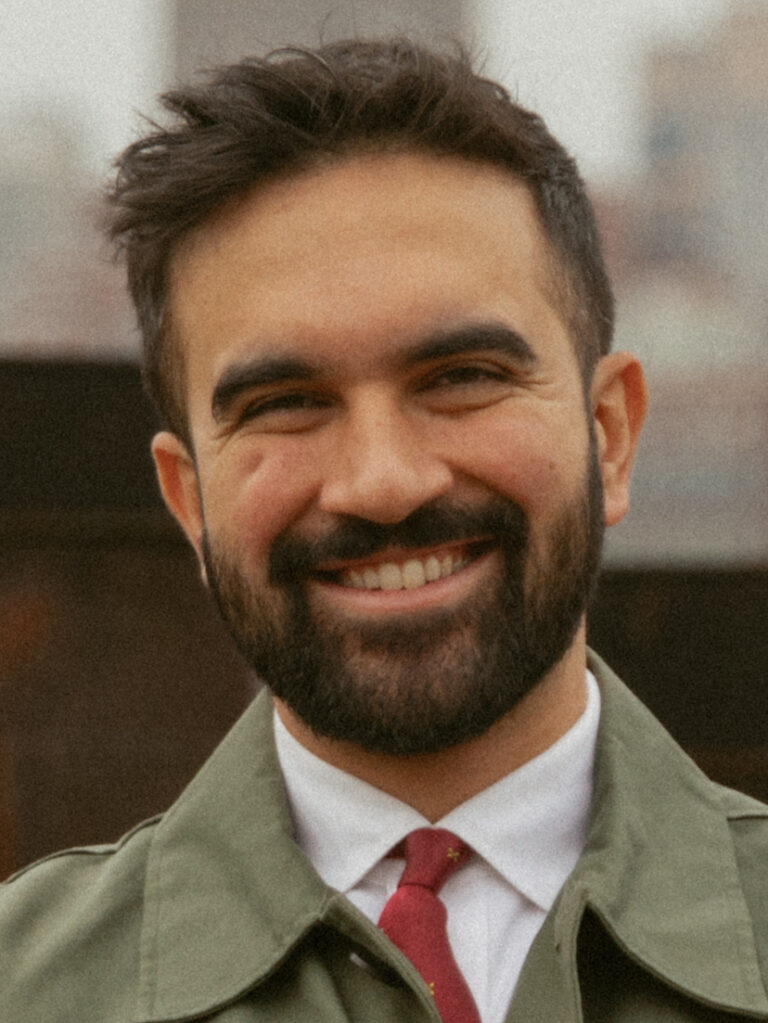
In a surprising move this week, New York City mayoral candidate Zohran Mamdani announced he would not attend a town hall hosted by WABC News. His decision came after the network pulled the popular late-night talk show “Jimmy Kimmel Live!” off the air indefinitely.

Mamdani, the Democratic nominee in the NYC mayoral race, said his reason for skipping the event is simple—he believes the network caved to political pressure. FCC Chair Brendan Carr recently criticized Jimmy Kimmel and his political jokes, prompting ABC to quietly halt the show. Mamdani is now standing up in protest.

Why Is ‘Jimmy Kimmel Live!’ Suspended?

The core keyword here is Jimmy Kimmel. Many are wondering why Jimmy Kimmel and his show are suddenly off the air. The answer points to growing tensions between politics and comedy.

FCC Chair Brendan Carr publicly called out Jimmy Kimmel for comments he made on his show. These jokes reportedly targeted certain political figures and institutions. Soon afterward, ABC decided to suspend the show, but gave no clear reason why.

Critics like Mamdani see this as political interference in comedy. He argues that Jimmy Kimmel’s freedom to speak and joke about politics should be protected. By taking his show off television, Mamdani believes ABC sends a message that comedy is no longer safe when it speaks truth to power.

Freedom of Speech or Political Overreach?

This clash between Jimmy Kimmel’s show and federal officials has sparked a major debate. Some say comedians should be free to joke about politics without fearing consequences. Others think entertainers have gone too far and need to be held accountable for their words.

Zohran Mamdani clearly falls on the side of free speech. “When political pressure silences a comedian, we should all worry,” Mamdani said in a recent statement. He believes the decision hurts democracy. That’s why he’s skipping the WABC town hall.

Although town halls are a chance for candidates to share their message, Mamdani said he won’t participate with a network that, in his view, bans voices it disagrees with.

What This Means for the Mayoral Race

This bold move by Mamdani could shake up the New York City mayoral race. Avoiding a major town hall event is risky. Some voters might see this as brave, while others might view it as avoiding hard questions.

However, Mamdani is using the moment to connect with young voters and those passionate about free speech. He wants people to know where he stands—not just on NYC issues but also on bigger national concerns like censorship and media freedom.

Jimmy Kimmel’s Show and Its Influence

Many viewers have grown up watching Jimmy Kimmel. He’s known for combining humor with honest discussions about real-world events. Topics range from healthcare to gun control and mental health.

Because of that, Jimmy Kimmel has often found himself at the center of political debates. His monologues spark strong reactions, both supportive and critical. Despite that, he has built a loyal fanbase. For many fans, his indefinite suspension feels upsetting and unjustified.

So what’s next for Jimmy Kimmel? For now, ABC remains silent about when or if his show will return.

Political Comedy Under Pressure

Jimmy Kimmel isn’t the only comedian facing criticism for political jokes. It seems more and more comedians have to walk a fine line between being funny and being politically “correct.” Some fear that comedy is losing its edge because of this.

Still, supporters like Mamdani argue that comedy has always played an important role in politics. From satire to joke-filled commentary, comedians help make sense of serious topics in relatable ways.

Mamdani’s decision to take a stand has reignited the question—can comedians still speak freely without fear of being pulled off the air?

WABC Faces Backlash

WABC News is now in the middle of a firestorm. By suspending Jimmy Kimmel Live!, they’ve drawn criticism from both viewers and public figures. Some fans are calling for boycotts, while others demand transparency about the show’s future.

Although the network hoped to avoid trouble with the FCC, its decision may have just created a larger issue: public distrust. Calls for accountability are growing louder, and Mamdani’s protest only adds to the pressure.

Mamdani Turns Protest Into Campaign Message

While some candidates focus mainly on city budgets and public transit, Mamdani is using his platform to talk about broader values—like freedom of expression.

He’s betting that voters care not just about local potholes, but also about what kind of media and leadership shapes their city. If his message connects, it could be a turning point for his campaign.

But the question remains: will his stand for Jimmy Kimmel earn him respect, or will skipping a major town hall cost him support?

Why It Matters Going Forward

This situation is more than just one event or TV show. It speaks to a wider shift in how politics, media, and entertainment interact.

With political leaders increasingly criticizing public figures, and media companies reacting quickly, it’s clear that the lines between free speech and political pressure are becoming blurred.

Jimmy Kimmel may be off the air for now, but the conversation he started continues to grow. Politicians like Zohran Mamdani are now stepping into that space, hoping to turn defense of comedy into a campaign-winning message.

What Happens Next?

As the NYC mayoral race heats up, Mamdani’s bold protest sets him apart from his competitors. His commitment to freedom of speech could win new supporters.

Meanwhile, WABC and ABC may need to answer tough questions about whether the Jimmy Kimmel decision was based on fairness or fear.

Only time will tell how this decision impacts both the election and the future of political comedy. But one thing’s for sure—Jimmy Kimmel’s influence still looms large, even off the air.

FAQs

Why did Zohran Mamdani boycott the town hall?

Zohran Mamdani skipped the WABC town hall to protest the suspension of Jimmy Kimmel’s talk show by the network. He says it was done due to political pressure, and he’s standing up for free speech.

What happened to Jimmy Kimmel’s show?

“Jimmy Kimmel Live!” was pulled off the air indefinitely by ABC after political pressure from the FCC. The host’s jokes about politics reportedly upset some officials.

Is Jimmy Kimmel banned from TV?

No official ban exists, but his show is currently suspended with no idea when or if it will return.

Will this affect Mamdani’s chances of becoming mayor?

It depends. Some voters might admire his stance on free speech, while others may believe he should have attended the event to discuss city issues.

Why Does Hungary Want Antifa Labeled a Terror Group?

0


Key Takeaways:


  • Hungary’s foreign minister wants the EU to label antifa a terrorist group.
  • He blames antifa for violent acts seen in several European countries.
  • A letter was sent to the EU’s foreign affairs chief urging action.
  • The move is stirring debate across the EU about civil rights and public safety.

Hungary Pushes EU to Classify Antifa as Terrorist Group

Hungary is asking the European Union to take a bold step. The country’s foreign minister, Peter Szijjarto, says the EU should officially label antifa a terrorist organization. He shared this demand in a letter to the EU’s foreign policy leader, Kaja Kallas, and then posted parts of the letter on social media.

Szijjarto believes that antifa is behind several violent incidents across Europe. He argues that classifying the group as a terrorist organization would help fight back against what he calls “leftist extremism.”

What Is Antifa and Why Is It in the Spotlight?

Antifa stands for “anti-fascist.” It’s not an official group with leaders or headquarters. Instead, it’s a loose network of activists who oppose racism, fascism, and far-right ideologies. Some antifa protesters have clashed with police or far-right groups during demonstrations.

Supporters of antifa say they’re standing up to hate. However, critics argue the group uses violence and chaos to push political views. That’s the main reason why some countries, like Hungary, are now pointing to antifa as a dangerous threat.

Peter Szijjarto’s letter to the EU claims that antifa is responsible for attacks on police and political opponents. He says that if there’s evidence linking individuals to antifa-related violence, those people should face terrorism charges.

Why Hungary Is Making This Demand Now

Over the past few months, Europe has seen protests and clashes on city streets. In some cases, masked individuals vandalized shops, fought with police, and disrupted peaceful rallies. While not all of these incidents have been linked to antifa, Szijjarto argues that the movement encourages this kind of behavior.

The foreign minister didn’t point to any specific events within Hungary. However, he mentioned several incidents in Germany, France, and Italy that he claims show the violent side of antifa.

Szijjarto’s position is in line with Hungary’s nationalist government, led by Prime Minister Viktor Orbán. Orbán’s administration frequently criticizes liberal and left-wing movements, describing them as threats to traditional values.

EU Faces Pressure to Define Antifa Clearly

Right now, the EU doesn’t officially recognize antifa as a terrorist group. In fact, many EU members try to balance security needs with protections for free speech and protest rights. Labeling a movement like antifa as “terrorist” would be a big change—one that could affect how protests are handled in every European country.

Some human rights groups warn that labeling antifa as a terrorist group could hurt free speech. They argue that peaceful protesters might be unfairly punished. Others say that the definition of “terrorist” could be stretched too far and used for political reasons.

So far, the EU’s foreign affairs office hasn’t given a clear response to Szijjarto’s letter. However, the fact that these demands were made so publicly means the issue may not fade away anytime soon.

Public Safety vs. Political Freedom—A Tough Debate

The antifa debate also ties into a larger struggle between public safety and personal freedom. Governments have the duty to keep people safe from violence. But they also need to protect the rights of citizens to speak up and protest.

Some people see antifa as a protective force that stands against hate groups. Others see it as a violent movement that spreads chaos. The truth likely depends on the individuals involved, their actions, and the context of each protest.

Peter Szijjarto says the EU can’t ignore what he calls “left-wing terrorism.” His letter urges the European Council to act quickly and begin taking stronger measures against antifa and similar groups.

Reactions From Around Europe

Reactions to Hungary’s demand have been mixed. Some conservative politicians in other EU countries support the idea. They believe antifa causes real harm and needs to be treated seriously. Others accuse Hungary of trying to silence activists or groups that disagree with its policies.

In Germany, where protests involving antifa often make headlines, leaders have avoided branding the group as terrorists. Instead, they focus on individual crimes rather than judging an entire movement.

France and Italy have also seen clashes between antifa demonstrators and police, especially during political rallies. However, both countries have so far stopped short of taking Hungary’s approach.

What’s Next for Antifa in the EU?

It’s unclear whether the EU will act on Hungary’s request. Any decision to label a group as a terrorist organization requires strong evidence and agreement from member states. It’s not something that happens quickly.

Still, the topic opens up questions Europe will need to face soon: How do we define political violence? At what point does protest become terrorism? And which tools should governments use to stop violent acts without shutting down free speech?

So far, EU leaders have tried to avoid making harsh judgments about political groups unless there’s clear proof of wrongdoing. If Szijjarto’s campaign gains support, that could change.

At the same time, Hungary’s demand may also put pressure on activists and protesters across Europe. If more countries start seeing antifa as a terror threat, people involved in anti-fascist protests could face more surveillance, arrests, or bans.

A Shift in EU Politics?

Hungary’s move could be part of a bigger shift in EU politics. More countries are dealing with deep political divides, especially over issues like immigration, climate, and national identity. As political tensions rise, there’s more pressure on EU leaders to show they’re serious about security.

But handling groups like antifa is hard, especially when they don’t have formal leaders or official memberships. That makes it tricky to investigate crimes in a way that’s fair, legal, and not overly broad.

Still, this won’t be the last time we hear about antifa in European politics. Whether or not the EU gives Hungary what it wants, the conversation about security, protest, and political activism will continue to shape Europe’s future.

Frequently Asked Questions

What is antifa?

Antifa stands for “anti-fascist.” It refers to loose groups of activists who protest against racism and authoritarianism. While some members use peaceful methods, others are accused of using violence during demonstrations.

Why is Hungary attacking antifa now?

Hungary says there’s been a rise in violent protests linked to antifa across Europe. The government believes labeling antifa as terrorists would help prevent more chaos.

Is antifa a terrorist group in the EU?

No, the EU does not officially recognize antifa as a terrorist group. Each country decides how to deal with protest movements under its own laws.

What happens if the EU agrees with Hungary?

If the EU labels antifa as a terrorist organization, it would allow stricter rules for arresting suspected members and blocking protests. But this move would likely spark big debates over civil rights.

Why Are Foreign Buyers Rushing Into the U.S. Housing Market?

0


Key Takeaways:

  • Foreign buyers spent $56 billion on U.S. homes through March 2025.
  • That’s a 33% increase from the year before.
  • American homebuyers are pulling back due to high mortgage rates.
  • Interest from global investors continues to grow, despite economic uncertainty.

Foreign Buyers Boost U.S. Housing Market

While many Americans are stepping away from buying homes due to high prices and rising mortgage rates, there’s one group that isn’t holding back—foreign buyers. In fact, they’re diving deeper into the U.S. housing market than ever before.

According to recent data, sales of existing homes to foreign buyers totaled $56 billion in the year through March 2025. That’s a huge jump—about 33% more than the previous year. So, why are people from other countries so eager to buy homes in the U.S., even while Americans seem to be waiting for better days?

American Buyers Step Back

Over the last eight months, home sales in the United States have dropped in six of those months. Why? Mostly because of rising mortgage rates. Higher interest rates mean buyers have to pay more each month for the same home. That makes many people think twice before signing a mortgage.

On top of that, home prices are still high across the country. Many Americans are hoping prices might come down. They’re choosing to wait instead of buying now.

Enter the Foreign Buyers

But while locals are pressing pause, people from outside the U.S. are pressing play. Foreign buyers, especially those with cash in hand, aren’t affected by high mortgage rates in the same way.

Many of these buyers are paying in all cash, meaning they don’t need a loan at all. This gives them an edge in beating out local bidders who often need financing. It also means they don’t care as much about mortgage rates.

Why Foreign Buyers Like U.S. Real Estate

There are several reasons why the U.S. housing market is so attractive to international buyers:

  • Stable Investment: Even during economic uncertainty, U.S. real estate is seen as a safe and solid place to put money.
  • Currency Advantage: In some cases, foreign currency compares well to the dollar, helping make U.S. homes seem like a bargain.
  • Education & Lifestyle: In cities with world-famous colleges or appealing lifestyles, many wealthy international families buy homes for their children or as vacation spots.
  • Long-term Strategy: Some foreign buyers are making long-term bets that U.S. home values will grow over time.

In many cases, these buyers aren’t just individuals looking for a second home—they’re also investors and companies hoping to rent out the properties for profit.

Where Are They Buying?

Some cities are getting more attention from international buyers than others. These tend to be large, international cities with job opportunities, universities, or warm climates. Popular spots include:

  • Miami
  • Los Angeles
  • New York City
  • San Francisco
  • Houston

In these cities, foreign investment helps keep home demand high—even when local interest cools down.

How These Buyers Impact Local Markets

When foreign buyers flood a market, it can make homes less available for local families. They often pay in full and sometimes offer more than the asking price. That pushes prices higher and makes it harder for first-time buyers to compete.

However, these purchases can also keep the real estate market moving, even during slow stretches. This is especially helpful to sellers who might otherwise struggle to find buyers in a sluggish market.

Cash Is Still King

One major reason foreign buyers are doing so well right now is their ability to pay cash. Paying cash for a home avoids the need for a mortgage. Since interest rates in the U.S. are at some of the highest levels in over 20 years, this matters a lot.

Mortgages today are topping 7% in many cases, which adds hundreds or even thousands of dollars to a buyer’s monthly payment. Foreign buyers avoid this altogether with cash deals. Sellers love this too—it makes deals faster and less likely to fall through.

A Market of Two Worlds

Right now, the U.S. housing market feels like it’s being pulled in two different directions. On one side, you have Americans sitting on the sidelines, dealing with rising costs and tight budgets. On the other side are wealthy foreign buyers, many unphased by rate hikes, looking to take advantage of discount prices in select cities.

This split has created unusual trends. For example, in some neighborhoods, bidding wars are still happening. In others, homes sit on the market for months. It all depends on the location—and who’s shopping.

Long-Term Effects to Watch

If foreign buyers continue snatching up U.S. homes, it could make affordability worse for everyday Americans. Some cities could begin seeing more homes turned into investments or vacation rentals. This might mean fewer permanent residents in some areas and less housing stock overall.

On the other hand, foreign investment brings money into the local economy. Construction jobs, home services, insurance, and taxes all get a boost when homes change hands—even if the owner lives thousands of miles away.

Policies Could Change

Some U.S. states are starting to take notice of the foreign buying trend. Texas and Florida, for instance, have proposed or passed laws at different points to limit foreign ownership of certain properties, especially near military bases or strategic areas.

If these trends continue, we may see more rules in play. Governments want to balance attracting global investment with protecting affordable housing for their citizens.

Final Thoughts

Right now, the U.S. housing market is sending mixed signals. It’s a tough time for many American buyers, especially first-time ones. But for foreign investors with cash and a long-term outlook, the current dip looks like an opportunity.

Whether this trend grows or fades will depend on many things—from interest rates and laws to international economic shifts. One thing is clear: for now, foreign buyers are playing a bigger role in the U.S. housing market than they have in years.

FAQs

Why are foreign buyers interested in U.S. homes?

They see U.S. real estate as a safe investment. Plus, they like the strong legal rules, quality homes, and ability to pay in cash.

Do foreign buyers affect local prices?

Yes. Foreign buyers can push home prices up when they offer more money, often paying in cash and quickly closing deals.

Are most foreign buyers paying in cash?

Many are. This helps them avoid high mortgage rates and win bidding wars against local buyers needing loans.

Where are foreign buyers shopping most?

They’re looking at cities like Miami, Los Angeles, New York, and Houston—places with universities, warm weather, or job growth.

Why Did Erika Kirk Forgive Her Husband’s Accused Killer?

0


Key Takeaways:


  • Erika Kirk forgave the man accused of killing her husband, Charlie Kirk.
  • Her emotional words were shared during Charlie’s memorial service.
  • Erika spoke about her Christian faith and the power of forgiveness.
  • Her statement moved many and sparked conversations online.
  • The moment highlighted the strength and grace she showed in tragedy


The Power of Forgiveness

During one of the most emotional moments of her life, Erika Kirk made a decision that shocked many. At her husband Charlie Kirk’s memorial, she stood through tears and said something unimaginable to most. She forgave the man who is accused of taking her husband’s life.

Erika’s words echoed through the crowd and across the internet: “On the cross, our savior said, ‘Father, forgive them. For they not know what they do.’ That man. That young man. I forgive him.”

This moment didn’t just show her faith—it revealed the incredible power of forgiveness.

Who Was Charlie Kirk?

Charlie Kirk was known by many in political circles and in the conservative community. He was an influential voice and leader. As the founder of Turning Point and a strong supporter of conservative values, Charlie often appeared in the news sharing his opinions on big issues.

But to Erika, he was so much more than that. He was a loving husband, a dedicated partner, and her rock. Losing him so suddenly left a hole in her heart. Yet even in this dark moment, she chose not to hold on to hate.

What Happened to Charlie Kirk?

Charlie Kirk’s death came as a shock. He was reportedly killed in a tragic incident involving a young man who now faces serious legal charges. News of his passing spread quickly, with thousands of people showing support for the Kirk family.

At the memorial, emotions ran high. Family, friends, and followers gathered to honor Charlie’s life. Erika’s heartbreaking yet hopeful message was the most talked-about part of the event.

Why Did Erika Choose Forgiveness?

Forgiving someone who caused so much pain isn’t easy. For Erika, this decision came from something greater—her Christian faith. She believes in what Jesus taught: love, mercy, and grace, even towards those who cause harm.

Her words, “I forgive him,” may sound simple, but they carry deep meaning. Erika explained that we don’t always understand why people do harmful things. Sometimes people act out of confusion, hurt, or brokenness. Her goal isn’t to excuse actions—but to let go of bitterness.

This act of forgiveness gave many people a new perspective. It inspired conversations about how kindness and faith can guide us in our darkest hours.

Public Reaction to Erika’s Statement

After Erika spoke, social media lit up with responses. Some people praised her strength. Others questioned how she could forgive so quickly.

Many faith-based communities shared her message as a beautiful example of Christian courage. Even those who don’t follow a religion found her words powerful and moving.

Support poured in from around the country. Letters, flowers, and online messages showed that Erika touched many hearts with her forgiveness.

What Forgiveness Really Means

Forgiveness doesn’t mean forgetting. It doesn’t mean someone shouldn’t face consequences. Instead, forgiveness frees the one holding onto pain.

By forgiving her husband’s accused killer, Erika made a bold personal choice. It’s a reminder that we can still choose light, even when surrounded by darkness.

Erika found strength in her beliefs. She leaned on her community, and on the love she still feels from Charlie. Her journey isn’t over, and healing will take time—but forgiveness was the first step.

Lessons We Can All Learn

Erika Kirk’s decision teaches us that holding on to hate only deepens the wounds. Letting go doesn’t mean the pain disappears. But it gives space for healing.

Many people struggle with forgiveness. Maybe someone hurt you, or maybe you’ve done something you regret. Erika’s story shows that it’s never too late to choose a different path. No matter the pain, love can still shine through.

Final Thoughts

What Erika shared at Charlie’s memorial felt almost unreal. Her grief was clear, her love for Charlie strong, and her message brave. Forgiving someone in such a tragic situation takes real courage.

Through her pain, Erika reminds us what faith can look like in action. Her story will likely be told as an example of grace for years to come.

As the world continues to react to Charlie’s death, and as the legal case moves forward, people will remember Erika Kirk’s unforgettable words and the power they carried.

FAQs

What did Erika Kirk say about her husband’s accused killer?

She said she forgives him and explained that her decision comes from her Christian faith and belief in mercy.

Why is Erika Kirk’s forgiveness such a big deal?

Her words came shortly after a terrible loss, showing extraordinary strength and compassion during a time of deep pain.

Who was Charlie Kirk?

Charlie Kirk was a well-known conservative leader and the founder of Turning Point USA. He was also Erika’s husband.

Is the accused facing legal consequences?

Yes, the person accused of killing Charlie Kirk is facing charges, and the case is still ongoing through the legal system.

What Drives Donald Trump to Keep Fighting Celebrities?

0


Key Takeaways:

  • Donald Trump has a long history of fighting with celebrities.
  • He often lashes out at stars who criticize him publicly.
  • These feuds help him energize his political base.
  • His battles with famous people are often strategic, not just emotional.

Why Does Trump Keep Feuding With Celebrities?

Donald Trump is no stranger to media attention—and he likes it that way. Over the years, he’s turned the world of celebrity feuds into something of an art form. From devoting entire speeches to attacking famous people, to firing off insults on social media, Trump knows how to keep himself in the headlines. But why does he do it?

The answer lies in a mix of personal instinct, political strategy, and a deep understanding of how media works. Trump doesn’t just hate being criticized—he uses these fights to stay relevant and keep his base excited.

A History of Public Feuds

Long before he entered the White House, Trump had picked fights with pop stars, actors, and TV hosts. He made headlines by insulting Rosie O’Donnell on national television. He mocked Meryl Streep after she criticized him at an awards show. He fired shots at Madonna, called out Snoop Dogg, and even took jabs at Chrissy Teigen and Cher.

At first glance, these look like random outbursts. But there’s a pattern: most of the celebrities he targets have either made fun of him or spoken out against his policies. So instead of staying silent, Trump strikes back publicly, often in a loud and personal way.

The Power of Playing the Victim

One reason for Trump’s celebrity feuds is that they help him look like the victim. When rich and famous people criticize him, he flips the story: they’re not heroes—they’re “elitists” trying to silence him.

To his supporters, this makes Trump look like the underdog. The man who stands up to Hollywood and says what others won’t. Even when the criticism is strong, the drama helps him rally his fans.

Celebrity Feuds as Political Fuel

Every time Trump picks a fight with someone famous, it becomes headline news. TV panels talk about it. Social media lights up with opinions. News websites rush to report on it. And just like that, Trump becomes the center of attention again.

This strategy works especially well during campaign seasons. Instead of talking about policies, he redirects the spotlight toward drama—drama where he looks strong, funny, or bold. For many voters, especially those who dislike Hollywood, this makes him more likeable, not less.

Turning Attacks Into Identity

Feuding with celebrities isn’t just about defense. It’s also about identity. Trump has built a brand around being the guy who “says it like it is” and doesn’t back down. When stars criticize him, he doesn’t retreat. He doubles down.

These public spats help shape that image. They remind people of how different he is from regular politicians. In a way, his feuds become proof that he’s not part of the traditional system.

A Playbook That’s Worked, Again and Again

This approach may seem chaotic, but it’s far from random. Trump picks targets carefully. They’re usually high-profile, liberal, and already disliked by some of his followers. By attacking them, he creates an “us vs. them” dynamic.

This gives his supporters a common enemy—someone to boo, mock, and meme. In political terms, it’s an easy way to build unity without offering a single policy.

Not Just Personal–Also Tactical

While Trump may genuinely feel anger towards his critics, there’s often a behind-the-scenes logic to his fights. By going head-to-head with well-known names, he knows he can change the subject—or shift the news cycle in his favor.

For example, if negative headlines start to pile up, a fight with a celebrity can act like a smoke screen. Soon, reporters are distracted by the drama, and other issues fade away.

Entertainment and Distraction

Let’s face it—Trump understands the value of entertainment. After years in the business world and on reality TV, he knows how to keep an audience engaged.

Celebrity feuds let him mix politics with performance. They’re high-energy, emotional, and easy to understand. Compared to long policy talks, they’re the kind of stories that news outlets love—and that voters remember.

How Voters Respond

Interestingly, Trump’s celebrity feuds don’t hurt him with his base. If anything, they seem to help. Many of his supporters view Hollywood as too liberal, too political, and too out of touch.

So when Trump takes on stars like Jimmy Kimmel or Stephen Colbert, it’s seen not as bullying—but as bravery. He becomes the person brave enough to stand up to the “elites” many Americans already dislike.

Will It Keep Working?

As we move closer to another election year, the question is: will this strategy keep working? So far, Trump shows no signs of slowing down. He recently reignited fights with late-night hosts, actors, and performers—just like he’s done in the past.

Some critics say the act is getting old. Others argue that each new feud weakens his image. Still, history shows us that Trump’s brand thrives on conflict—and he’s willing to spar with anyone if it keeps him in the spotlight.

Final Thoughts on Why Trump Targets Celebrities

Trump’s ongoing celebrity feuds serve more than personal revenge. They’re part of a larger plan to dominate headlines, energize his voters, and paint himself as a political outsider. While it may seem like pure drama, these battles are carefully crafted steps in his overall campaign playbook.

He knows people will talk. And as long as they do, Trump remains at the center of national attention—exactly where he wants to be.

Frequently Asked Questions

Why does Trump pick fights with celebrities?

Trump often attacks celebrities who criticize him. These fights help him stay in the spotlight and energize his supporters.

Do Trump’s celebrity feuds hurt his popularity?

Not usually. Many of his fans dislike Hollywood, so they see him taking on celebrities as a bold move, not a bad one.

What’s the political reason behind these feuds?

They shift the focus from serious issues and turn attention toward personal drama. This keeps Trump in the news and boosts his image among certain voters.

Is this feud strategy new?

Not at all. Trump has used these tactics for years—both in and out of politics. It’s a longtime tool in his playbook.

Why Is Misinformation Spreading After Charlie Kirk’s Death?

0


Key Takeaways:

  • Charlie Kirk’s murder in Utah triggered a wave of online misinformation.
  • Fake photos, false claims, and conspiracy theories are quickly gaining attention.
  • Social media platforms are struggling to stop the lies from spreading.
  • Foreign actors may be using the situation to create more division in the U.S.
  • The spread of misinformation is causing confusion and fear among the public.

Misinformation Floods the Internet After Shocking Attack

In a tragic turn of events, conservative activist Charlie Kirk was publicly killed in Utah. The violent moment was caught on video and soon made its way across social media. What followed almost instantly was a storm of confusion, lies, and conspiracy theories. This misinformation wave isn’t just dangerous—it’s dividing people and blurring the line between truth and fiction.

As millions watched the footage and tried to make sense of the tragedy, many turned to social media for answers. However, instead of facts, they found false claims, fake photos, and wild theories. These pieces of misinformation didn’t come from one place—they came from everywhere, including people across the political spectrum and even foreign sources trying to stir trouble.

What Made This Misinformation Spread So Fast?

The keyword here is misinformation. People crave answers during times of chaos. When a public figure like Charlie Kirk is killed brutally and publicly, emotions run high. Videos and posts flood platforms within minutes. Because of fear, anger, or confusion, users share content without checking if it’s real.

Social media platforms, despite their tools and teams, often react too slowly to catch the lies before they go viral. One fake post can be shared thousands of times in an hour, and by the time it’s verified as false, the damage is already done.

Moreover, foreign actors seeking to divide American society quickly joined the spree. These entities often create and share emotionally charged content to get attention and drive people further apart. Misinformation during such moments is their perfect tool.

Fake Photos and Deepfakes Lead the Way

Technology has made it easy to create fake photos and videos. Deepfakes—videos that show people saying or doing things they never did—have played a huge role in this misinformation disaster.

Several images showing Charlie Kirk in supposed secret meetings or unusual activities began picking up steam shortly after his death. Many of these were completely fabricated. However, they looked real enough to fool millions.

The problem lies in how easy it is to create and spread such content. With free apps and websites, anyone can fake a “newsworthy” image in just minutes. This gives misinformation a massive head start before real journalists or officials can get out the truth.

Conspiracy Theories Gain Popularity Quickly

As soon as the murder was reported, conspiracy theories were not far behind. Some claimed that Charlie Kirk faked his own death. Others pointed fingers at political opponents without any evidence. A few even claimed that the video showing the murder was staged.

These kinds of theories are popular because they feed into people’s feelings—especially fear, anger, and distrust. When people already believe the “other side” is out to get them, they’re more likely to accept any story that supports that belief, no matter how extreme or false.

This is the core of misinformation. It doesn’t have to be true. It just has to feel true to the person reading or watching it. Once someone believes it, they often share it, adding tweets, captions, and hashtags that amplify the lie.

How to Identify Misinformation

Knowing how to spot misinformation is more important than ever. Especially in high-emotion events like Charlie Kirk’s death, false information spreads much faster than the truth.

Here are some tips to help:

  • Check the source. Is the post from a verified news outlet or a random social media account?
  • Look for evidence. Do they provide credible proof or just make bold claims?
  • Watch for strong emotions. Posts meant to make you angry or scared might be trying to manipulate you.
  • Reverse image search. If you see a shocking photo, run it through an image search tool to see if it’s been used before.
  • Don’t share quickly. Take time to verify before hitting repost or retweet.

The Role of Platforms and Responsibility

Social media companies bear a big responsibility. While users can help slow misinformation, platforms like Facebook, X (formerly Twitter), TikTok, and YouTube have much more power—and better tools.

But they also move slowly. Often, harmful fake content remains online for hours or days before being flagged or removed. By then, it’s already been saved, shared, and screenshotted thousands of times.

These corporations say they are taking steps to improve. They use AI to detect false content, hire moderators, and label fake news. Still, that hasn’t been enough in this case. The misinformation around Charlie Kirk’s murder shows how easily falsehoods can slip through and go viral.

Political Leaders and Influencers Add Fuel to the Fire

Some political leaders and influencers have made things worse. By sharing unverified opinions or blaming others without proof, they add fuel to an already explosive situation.

In their attempt to control a narrative or defend their position, they often spread or support false claims. And when someone with a large following speaks, their words reach tens of thousands instantly.

This behavior encourages division and makes it nearly impossible for truth to take the lead. The more powerful someone is online, the more careful they need to be about what they post—especially in moments of national trauma.

The Human Cost of Misinformation

While conspiracy theories and fake stories may seem like “just talk” online, they have real-world consequences. People become fearful, angry, or even violent based on what they read.

False claims can ruin lives. Families of victims may be harassed. Innocent people may be wrongly accused. And at its worst, misinformation can inspire copycats or fuel political hatred.

The murder of Charlie Kirk is already tragic. The added spread of misinformation is making the aftershock even harder for communities to handle.

What Can We Do Moving Forward?

Stopping the spread of misinformation won’t be easy. But each person can play a part. Ask questions. Think before you share. Call out falsehoods when you see them. And support platforms, creators, and news sources that value truth.

Misinformation is only powerful when people believe and spread it. With awareness and caution, we can slow it down—one post at a time.

FAQs

What is misinformation, and why is it harmful?

Misinformation includes false or misleading information. It’s harmful because it causes confusion, creates fear, and can lead to real-world damage.

Why are people sharing fake content after Charlie Kirk’s death?

People often act emotionally after shocking events. Some want quick answers while others have political motives. Foreign actors may also use these moments to create division.

How can I tell if a post is fake or real?

Check the source, look for proof, and be cautious of content trying to stir emotion. Reverse image tools and fact-checking websites can also help.

Are social media platforms doing enough to stop misinformation?

Many platforms try, but misinformation still spreads fast. They plan to improve their tools, but users also need to help stop the spread by staying informed and alert.

Is Tylenol Use During Pregnancy Tied to Autism?

0

Key Takeaways:

  • Trump officials may link Tylenol use during pregnancy to autism.
  • A new statement is expected in an upcoming Oval Office event.
  • Tylenol (paracetamol) could be advised only for high fever in pregnancy.
  • Trump says an “amazing” autism-related announcement is coming soon.
  • Medical experts are cautioning against spreading premature claims.


Could Tylenol Really Affect Autism Risk?

A new controversy is brewing after reports that Trump officials might link the use of Tylenol during pregnancy to autism. These claims have grabbed national attention, especially for expecting parents and the medical community. Tylenol, known as paracetamol in other parts of the world, is one of the most commonly used over-the-counter pain relievers.

Now, reports suggest that at an Oval Office event, the former president could urge pregnant women to use Tylenol only for high fevers — not for common aches and pains. Trump has teased that there’s an “amazing” announcement coming about autism. He said it’s getting “out of control” and believes his team may have found one cause behind the rise in cases.

What Are Officials Saying About Tylenol and Autism?

The Trump team’s upcoming autism-related statement has stirred debate even before it’s been officially delivered. People close to the matter say the focus will be on how pregnant women use Tylenol. Although this claim hasn’t been confirmed by scientific bodies, it’s already sparking reactions on social media and news outlets.

Several reports suggest that the administration recommends that Tylenol only be used during pregnancy if the woman has a fever. Using it for headaches, minor pain, or other small discomforts might no longer be advised, at least not regularly.

Why Has This Autism Claim Gotten So Much Attention?

There’s a reason this story is making headlines. Autism is a condition that affects how people learn, communicate, and behave. Autism rates have gone up in recent years, with more children being diagnosed than ever before.

For years, conspiracy theories and unconfirmed claims about what causes autism have popped up online. Vaccines were once falsely accused, and now Tylenol seems to be the new target. Trump’s surprising announcement gives these claims a bigger platform, which could lead more people to believe something that hasn’t yet been proven.

What Does Science Say About Tylenol and Autism?

Right now, the scientific world has not agreed that Tylenol causes autism. Some studies hint there might be a possible link, but results are mixed. For example, a few research papers show that women who take lots of Tylenol during pregnancy may have a slightly higher chance of having a child with autism.

However, researchers warn that this might not mean Tylenol is the actual cause. Many other factors could be at play. Genetics, environmental issues, and other health conditions all affect autism rates. Plus, these studies often rely on surveys, which aren’t always reliable.

Currently, U.S. and global health agencies like the CDC and World Health Organization still say Tylenol is safe to use during pregnancy when needed. But healthcare workers usually suggest using the lowest effective dose and only when absolutely necessary.

How Are Experts Reacting to Trump’s Plan?

Doctors and medical professionals are urging caution. Many say that making bold claims without clear proof could confuse people. Some worry that urging pregnant women to stop using Tylenol might lead them to tolerate pain or fever, which could be worse for the baby.

High fever during pregnancy is already known to harm developing babies. Tylenol has long been the go-to medicine for reducing fever safely. So removing it as an option could leave women with fewer choices to prevent serious complications.

What Might Happen After Trump’s Announcement?

Trump’s “amazing” autism announcement has not yet been made, but people are already paying attention. Whether you support or disagree with him, it’s clear that what he says carries weight — especially on important health issues.

If the announcement highlights a possible connection between Tylenol and autism, it could lead to changes in how doctors treat pregnant women. It could also spark new research into safer ways to manage pain during pregnancy. However, if the claim is based on limited or weak evidence, it might backfire and create fear without cause.

Why Is Autism Being Called “Out of Control”?

Trump didn’t explain exactly what he meant by autism being “out of control,” but the number of diagnoses has indeed gone up. Some experts say this could be because we’re better at recognizing autism signs today than in the past. It doesn’t necessarily mean more people have it — we’re just better at identifying it early.

Still, others believe that understanding more about autism’s rise is important. The causes behind it are complex and not yet fully understood. That’s why researchers continue to investigate possible links, like that between Tylenol and autism, while keeping an open but critical mind.

Could This Be a Political Move or Public Health Concern?

Whenever health and politics mix, tension follows. Some believe Trump’s upcoming statement may be aimed at winning support from parents upset by rising autism diagnoses. Others say raising questions is fine — but answers should be based on strong science, not opinions or assumptions.

Even if the message is well-meaning, how it’s delivered matters. In public health, trust is key, especially during pregnancy when women make important decisions based on available advice.

As we wait for the official announcement, many are watching closely. Will this be the start of real discoveries or more confusion?

What Should Pregnant Women Do Now?

Until more clear facts come out, medical experts suggest not panicking. If you’re pregnant, follow your doctor’s advice about taking medicine. Tylenol is still considered one of the safest options to reduce fever during pregnancy.

However, like with any drug, don’t use it unless you really need to. Always use the smallest amount for the shortest time. And never switch or stop taking medication without talking to your doctor.

Knowing the possible effects on your baby can help, but jumping to conclusions based on unproven claims can cause harm too. It’s okay to ask questions — just make sure you get answers from trusted sources.

FAQs

What is Tylenol and how does it work?

Tylenol is a pain reliever and fever reducer. It works by changing how the body senses pain and lowering body temperature.

Is there proof that Tylenol causes autism?

No, there is no solid proof yet. Some studies suggest a link, but experts say it’s too early to confirm anything.

Should pregnant women stop taking Tylenol?

Not without medical advice. Doctors currently recommend that it’s safe when used correctly, especially for high fevers.

Why is autism receiving so much attention now?

Autism diagnoses have increased, partly due to better awareness. Many parents, scientists, and leaders want to understand why.

Is the U.S. Navy Now Sinking Drug Boats?

0

Key Takeaways:

  • Dominican authorities recovered 377 packages of cocaine from a destroyed speedboat.
  • The boat was reportedly carrying over 2,200 pounds of cocaine.
  • This was a joint mission involving the U.S. Navy and Dominican authorities.
  • It marks the first time such a drug-smuggling boat was destroyed by the U.S. Navy in a Dominican-led operation.


The Cocaine Bust That Shocked the Caribbean

In an intense and first-of-its-kind anti-drug operation, the Dominican Republic has announced a major victory. Government officials shared how a joint effort with the U.S. Navy led to the destruction of a cocaine-packed speedboat. Authorities have since recovered 377 tightly sealed packages of cocaine. This is being hailed as a landmark moment in the country’s fight against international drug trafficking.

The story unfolded in the waters of the Caribbean, where speedboats are often used by traffickers looking to move large amounts of illegal drugs quickly and quietly. What made this case special was the direct involvement of the U.S. Navy, which actually destroyed the suspect boat at sea.

The Cocaine Seizure Shocked Authorities

The Dominican Republic’s National Directorate for Drug Control (DNCD) held a news conference to announce the recovery. They confirmed that the boat was believed to be carrying over 1,000 kilograms—or more than 2,200 pounds—of cocaine. However, only 377 packages of cocaine were successfully recovered from the ocean.

Experts believe the rest may have been lost when the boat sank during the confrontation. Some packages might still be floating off the coast, or worse, may have been picked up by other traffickers. Despite this, recovering nearly 400 packs of cocaine is still seen as a huge win.

How the Joint Operation Took Place

According to officials, the cocaine trafficking mission was brought to a halt thanks to a coordinated operation between the U.S. Navy and Dominican drug enforcement teams. Once the speedboat was detected, a high-seas chase ensued. Determined not to let the cocaine pass through, the Navy fired upon the boat, which led to its eventual sinking.

This was not a typical drug chase. In most past cases, law enforcement authorities have tried to capture the boats or force them to dock. But the destruction of the speedboat marks a more aggressive, assertive approach. It’s one that signals a strong message to drug traffickers operating across the Caribbean.

DNCD spokespersons highlighted that this was the “first operation of its kind executed in Dominican waters,” showing stronger military and defense collaboration between the two countries.

Cocaine Trafficking in the Caribbean Is Growing

Cocaine trafficking remains one of the biggest criminal threats in the region. The Caribbean acts as a central route for drug runners who try to move cocaine from South America into North America and even Europe.

Smugglers often choose speedboats due to their high speed and ability to navigate small, shallow routes, evading radar in the process. But this recent operation suggests that traffickers may need to reconsider their routes. It’s clear that both military and law enforcement officials are ready to fight back harder than ever.

Authorities believe that stopping just one boat can save many lives. The street value of the now-confiscated cocaine would have likely reached into the tens of millions. That’s money that could have funded more crime, bought weapons, and destroyed families.

The Aftermath and Public Reaction

The public and media in the Dominican Republic reacted with surprise and intense interest. For many citizens, the news came as a shock—especially the violent means used to stop the smugglers. Still, many have praised the authorities for taking a firm stance against crime and for cooperating internationally.

Local leaders have promised to continue similar operations. They say the cocaine seizure is just one step in a larger plan to clean up their coastline and protect future generations.

What Happens to the Recovered Cocaine?

Once the cocaine packages are collected, they do not go back into the market. Instead, they are carefully documented, stored under strict security, and eventually destroyed under legal supervision. This prevents any possibility of corruption or the drugs being sold by rogue agents.

Authorities also plan to continue searching the area where the boat sank. They hope more of the lost cocaine packages can be recovered before they’re lost forever—or worse, picked up by others.

Strong Partnerships Are Key

One of the key takeaways from this operation is the power of partnerships. This success could not have happened without the involvement of the U.S. Navy. Drug trafficking is becoming more globalized, and single-country efforts are no longer enough. Strong international collaboration, especially with more advanced military operations like the U.S. Navy, seems to be a trend that will continue.

Experts suggest that this approach might become a blueprint for future missions. Having the capability to not just intercept, but take down and destroy suspicious vessels adds a new level of seriousness to the war on drugs.

Looking Forward

Authorities say the fight isn’t over. Drug traffickers are always changing strategies, and defending territorial waters will require continuous adaptation. However, this operation showed that with effective teamwork and real-time intelligence, even the most dangerous missions can end in success.

The Dominican Republic plans to increase surveillance in key ocean routes and use stronger radar systems to detect threats earlier. The hope is to deter smugglers before they ever reach Dominican shores.

While this won’t end drug trafficking overnight, it sends a clear warning: If you plan to use Dominican waters for smuggling, you will be stopped—and possibly sunk.

FAQs

What kind of boat was used in this operation?

It was a high-speed smuggling boat, often called a “go-fast.” These boats are used frequently by drug traffickers for quick sea travel.

Why did the U.S. Navy destroy the boat?

The boat was carrying illegal drugs and tried to avoid capture. Destroying it was the safest way to stop it and protect officers.

What happened to the people onboard?

Authorities have not confirmed if anyone was arrested. Some reports suggest the crew escaped before the boat sank, while others hint at possible arrests.

Is this the first time the U.S. Navy has done this?

Yes, this is the first time U.S. Navy forces have destroyed a drug boat as part of a Dominican-led mission. It marks a shift in strategy and stronger teamwork.

Why Did Foreign Media Spread Lies About Charlie Kirk?

0


Key Takeaways

  • Charlie Kirk’s shooting triggered a surge in global misinformation.
  • China, Russia, and Iran shared false details about the shooter.
  • Over 6,000 media mentions of Kirk were tracked in just one week.
  • NewsGuard identified the campaign as deliberate disinformation.

Charlie Kirk Misinformation Floods Global Media

After the tragic assassination of conservative activist Charlie Kirk last week, something unusual followed. Instead of clear facts, the internet was flooded with twisted stories, especially from foreign media outlets in China, Russia, and Iran. These stories weren’t just wrong — they were made to confuse people.

Fake reports tried to point fingers in wrong directions. According to the media monitoring group NewsGuard, these countries mentioned “Charlie Kirk” over 6,000 times between September 10th and 17th. But most of those mentions weren’t trying to tell the truth. Instead, they were spreading misinformation about the shooter’s identity and motives.

Why Charlie Kirk Became a Disinformation Target

So, why did Charlie Kirk suddenly become such a big focus for countries like China, Russia, and Iran?

The answer has a lot to do with his public influence and political views. Kirk is a strong voice in American conservative politics. He founded Turning Point USA, an organization focused on promoting right-leaning ideas to young people. Whether you agree with his politics or not, there’s no doubt that Kirk has a large following.

When someone this well-known is involved in a major event, it grabs attention. And for some foreign governments, that’s a chance to spread their own messages and confuse the public.

How Foreign Media Spread Misinformation So Fast

Disinformation campaigns are not new. But what happened after Charlie Kirk’s death shows just how fast lies travel.

These foreign media outlets didn’t just report incorrect facts. They often created stories around conspiracy theories. Some claimed that the United States covered up key details. Others tried to blame the shooting on a wide range of wrong suspects — from activists to people with no involvement.

These articles were often shared through official television networks, online articles, social media, and even fake news websites.

Why Governments Use Misinformation as a Tool

Misinformation isn’t just about getting the facts wrong. It’s used as a tool — a weapon — by some governments to stir confusion and weaken trust in other countries.

By posting fake or twisted stories related to Charlie Kirk’s shooting, adversaries like Russia, China, and Iran aim to:

  • Distract from their own internal problems
  • Create division and mistrust within the U.S.
  • Stir up political debates and fights
  • Lower confidence in American institutions

A lie said many times starts sounding like the truth to some people. That’s the real danger of misinformation.

The Role of Social Media in the Spread

Platforms like X (formerly Twitter), Facebook, and YouTube are where many people get their news. But they’re also places where misleading stories can go viral quickly.

After Charlie Kirk’s murder, hashtags mentioning his name and wild claims about the shooter became trending topics. Some accounts posting these claims were fake, while others were verified but pushing foreign agendas.

Once these stories gain likes and shares, they become harder to stop. Even if the original post is deleted later, screenshots and reposts keep the false info alive.

How People Can Protect Themselves Against False News

The best way to fight misinformation is to stay alert and be careful about what you believe and share.

Here are some tips:

  • Always check if the story has more than one reliable source.
  • Look for official statements from local law enforcement or trusted news services.
  • Avoid sharing headlines before reading the full article.
  • Watch out for emotional or shocking language meant to grab your attention.

Media literacy — the skill of knowing what’s real and what’s not — is more important now than ever.

What the U.S. Government Is Doing About This

The U.S. government is aware that its enemies use misinformation to cause harm. That’s why different agencies are working to monitor and respond to these online campaigns.

Groups like NewsGuard help track which websites or accounts are known for spreading lies. Their recent report shows just how focused these foreign powers were on Charlie Kirk during that one-week period.

Officials are also working with tech companies to take down harmful posts, but the process isn’t perfect. Misinformation spreads faster than the truth sometimes, making this an uphill battle.

How Misinformation Affects Real Lives

When people believe in fake information, it doesn’t just stay online — it affects real actions and thoughts. After the Charlie Kirk shooting, some communities saw an increase in online arguments, protests, and confusion.

False claims created division among people who might have otherwise grieved the loss together. And for Kirk’s family, friends, and supporters, the spread of lies added to their pain.

Disinformation campaigns don’t just seek to misinform — they aim to disrupt and divide. And when people fall for these tricks, it gives those foreign authors exactly what they want.

Moving Forward With Truth and Unity

Charlie Kirk’s assassination was a tragic moment. But what followed showed how global disinformation is a growing danger.

If there’s one lesson to learn, it’s this — keeping truth first is how we fight back. Whether you’re someone who agreed with Charlie Kirk’s views or not, you deserve facts over fiction.

By thinking critically, checking sources, and refusing to spread lies, we all become part of the solution.

Let’s remember that unity and truth will always be more powerful than deception.

Frequently Asked Questions

Why was Charlie Kirk targeted by misinformation?

Foreign governments saw an opportunity to use his high profile to spread confusion, stir political emotions, and disrupt social unity in the U.S.

How did foreign media spread misinformation so quickly?

They used a mix of TV broadcasts, websites, and social media platforms to push their false claims. Many of the stories were repeated thousands of times.

Can social media platforms stop the spread of these fake stories?

Platforms are trying, but misinformation still spreads faster than they can catch it. That’s why it’s important for users to think critically and report suspicious posts.

What can I do to avoid falling for disinformation?

Always double-check sources, read full articles, and be cautious of exaggerated or overly shocking headlines. Media literacy is your best tool.