64.6 F
San Francisco
Thursday, July 30, 2026
Home Blog Page 484

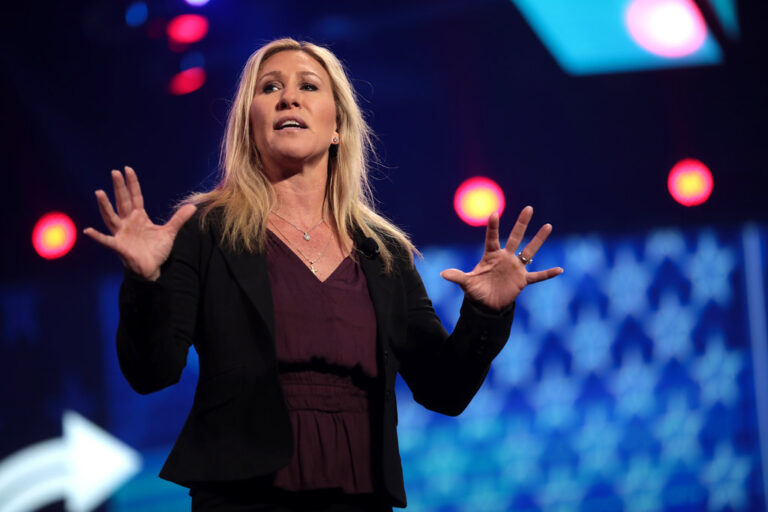
Why Marjorie Taylor Greene Is Rebelling Against GOP

0


Key takeaways

• Alexandria Ocasio-Cortez says Greene’s new anger comes from Trump blocking her Senate run.
• Marjorie Taylor Greene planned a campaign against Jon Ossoff but was told no by Trump.
• Since then, Greene has attacked GOP leaders like Mike Johnson and pushed for Epstein files.
• She has broken with Republicans on health care subsidies, the Gaza war, and the government shutdown.
• Greene still supports Trump but seems on a personal “revenge tour” inside her party.

A Senate Bid Cut Short

Marjorie Taylor Greene once hoped to take on Senator Jon Ossoff in Georgia. She wanted to be the Republican nominee. However, Donald Trump put the brakes on her plan. According to Alexandria Ocasio-Cortez, Trump and the GOP power circle said no to Greene’s bid. As a result, she lost a big chance to win a statewide race.

Moreover, that rejection hit Greene hard. She spent months gearing up for a campaign. Then suddenly, her path to the Senate closed. It’s no surprise she felt betrayed. Therefore, she began to speak out against the very party that shut her down.

Marjorie Taylor Greene’s Revenge Tour

After that defeat, Greene launched what some call a “revenge tour.” She started to criticize GOP leaders at every turn. Her target list includes House Speaker Mike Johnson. She even called for the release of Jeffrey Epstein files. For months, those files have hovered over Donald Trump’s image.

Furthermore, Greene has used social media to blast her own party. On X, she wrote that even good Republicans in the Senate don’t change a thing. In her view, senators skip votes for fundraisers. Meanwhile, they let the conservative agenda fail.

Breaking Ranks on Key Issues

Interestingly, Greene has also split from Republicans on big policy fights. First, she clashed with GOP leaders over health care subsidies. She argued that cutting back on Affordable Care Act help hurt working families. Next, she criticized the government shutdown. She said it showed Republican leaders put politics above people.

Additionally, Greene took a strong stance on the Israel-Gaza war. She called the conflict a “genocide” and a “humanitarian crisis.” Many in her party support Israel without question. Yet Greene broke from that view. Still, she told ABC’s The View that she “loves” the president. She said she ran for Congress in 2020 to challenge both parties equally.

Personal Ambition or Principle?

So, what drives Marjorie Taylor Greene’s rebellion? Is it pure principle? Or a wounded ego? Ocasio-Cortez argues it’s personal ambition. Because Trump denied Greene’s Senate run, she turned on GOP leadership. Now she seems set on proving she still has power.

On the other hand, some say Greene truly cares about certain issues. She speaks out on subjects many in her party avoid. For example, few Republicans call out Israel’s actions in Gaza. And even fewer demand full transparency on the Epstein files. Therefore, some see her as a truth-teller, not just an avenger.

However, it’s hard to ignore the timing. Greene’s most intense attacks came after her Senate hopes died. She only started questioning the party when it blocked her ambitions. Thus, critics say her outbursts serve a personal grudge more than public interest.

Building a New Base?

In addition to punishment, Greene might be setting up a new political brand. By fighting GOP leaders, she gains headlines. That attention could help if she runs for office again. Perhaps she plans another Senate bid. Or maybe she eyes a different post in Georgia.

Moreover, her strong stances attract a specific audience. Voters frustrated with both major parties might tune in. They may see her as an independent voice, even if she stays a Republican. Therefore, Greene could be cultivating a base beyond the GOP mainstream.

What Comes Next?

Looking ahead, Marjorie Taylor Greene faces choices. She could mend fences with party leaders. If she does, she might win back key allies for another campaign. Alternatively, she could double down on her rebellion. That path might burn bridges but keep her in the headlines.

Further, she must decide on her policy focus. Will she continue pushing for the Epstein files? Or shift to other hot topics? Her support on Gaza may cost her backing in some GOP circles. Yet it could win her new supporters in others.

Finally, Trump’s stance remains a wild card. If he gives her the green light for a future run, the party might rally behind her again. But if he sticks to his “no way” approach, Greene may stay on her solo path.

Overall, the feud shows how personal ambition can reshape political alliances. Marjorie Taylor Greene’s next moves will reveal whether her revolt has staying power. Either way, her dramatic split makes one thing clear: she isn’t afraid to challenge her own party.

Frequently Asked Questions

What caused Marjorie Taylor Greene’s feud with Republican leaders?

Her anger grew after Donald Trump blocked her plan to run for Senate in Georgia. That rejection led her to attack GOP leadership.

Why did Trump oppose Greene’s Senate run?

Trump and other GOP figures likely worried she wouldn’t win a statewide race. They wanted a more mainstream candidate for Georgia.

Which issues has Greene criticized in her party?

She has challenged her party on health care subsidies, the government shutdown, and Israel’s actions in Gaza. She also demands the release of Epstein files.

Could Greene run for office again?

Yes. She may try another Senate bid or aim for a different role. Her current spotlight could help build a new base.

Is Greene’s rebellion based on principle or revenge?

Opinions vary. Some say she fights for transparency and bold stances. Others think she’s driven by personal ambition and a desire to settle scores.
Trump Blames Absence for GOP Losses

0

Key takeaways

  • Democrats won major races nationwide, wiping out Republicans in Virginia and Georgia.
  • President Trump says GOP losses happened because he was not on the ballot.
  • He cited unnamed “pollsters” for his claim without detail.
  • Trump issued a cryptic warning as results arrived: “…AND SO IT BEGINS!”
  • He focused on the New Jersey governor and New York City mayor contests.

Trump Blames Absence for GOP Losses

Tuesday night brought sweeping Democratic victories. Virginia’s entire statehouse flipped blue. New Jersey stayed in Democratic hands. Georgia saw the GOP lose statewide offices. Dozens of local and legislative races fell to Democrats. Yet on Wednesday morning, President Trump refused to take blame. Instead, he argued the GOP losses happened for one simple reason: he was not on the ballot.

Why Trump Blames His Absence on GOP Losses

According to Trump’s post on his social media platform, “TRUMP WASN’T ON THE BALLOT, AND SHUTDOWN, WERE THE TWO REASONS THAT REPUBLICANS LOST ELECTIONS TONIGHT, according to Pollsters.” He did not name the pollsters or share any data. He also did not explain what he meant by “shutdown.” Still, he insisted that GOP losses stemmed from his absence alone.

He posted that message just hours after tweeting, “…AND SO IT BEGINS!” That earlier message sounded like a warning, but he offered no context. Many wondered if he foresaw the sweeping losses or meant something else entirely.

Races at the Center of His Attention

President Trump took a strong interest in several key races. In New Jersey, he campaigned hard for the Republican candidate for governor. He used his social platform to rally supporters to Jack Ciattarelli. Despite these efforts, Ciattarelli lost by a solid margin.

In New York City, Trump turned his focus to the mayor’s race. He called the winning candidate, Zohran Mamdani, a “communist” and urged New Yorkers to back Andrew Cuomo, whom Trump once clashed with. In the end, Mamdani won, and Cuomo did not run. Trump’s criticism did not sway voters.

A Cryptic Warning in the Dark

As the results rolled in on Tuesday night, Trump posted a short, dramatic tweet: “…AND SO IT BEGINS!” Observers scrambled to interpret it. Did he mean a legal fight? A policy shift? Or was it a simple jab at the incoming officials? He left it vague.

Then, after the Democrats secured victory in state after state, Trump posted the pollster quote. He framed the GOP losses as a matter of timing—not poor strategy, messaging, or candidate quality. He dismissed any internal party problems and shifted blame outside.

Transitioning to What Comes Next

Now, Republicans face a choice. They can accept Trump’s explanation or look deeper into why voters favored Democrats. Turnout figures showed strong Democratic engagement in urban areas. Meanwhile, Republicans struggled to get their base to the polls. Experts say issues like the economy, abortion rights, and public safety influenced many voters.

If GOP leaders accept Trump’s view, they may double down on his approach and hope for his 2024 run to boost their fortunes. On the other hand, some may push for new leadership and fresh ideas. They could focus on messaging that reaches suburban and independent voters.

Lessons for Future Elections

Looking ahead, the GOP must weigh several lessons:

First, a candidate at the top of the ticket can energize a party. Yet history shows that being on the ballot is not a guarantee of success. Second, vague messaging and blame-shifting may not convince swing voters. They often seek clear plans for issues that affect their lives. Finally, local races can hinge on national moods. When public opinion leans toward one party, even strong local candidates can struggle.

In this wake of defeat, Republicans face a crossroads. They can follow Trump’s lead and hope his star power returns. Or they can build a broader coalition. Either path will shape the party’s future.

FAQs about Trump’s Take on GOP Losses

Why did Trump blame his absence for GOP losses?

He argued that Republican candidates lost because he was not on the ballot to inspire his supporters.

Who are the “pollsters” Trump mentioned?

He did not name specific pollsters or show any surveys to back up his claim.

What did Trump mean by “…AND SO IT BEGINS!”?

He offered no clear explanation, leaving people to guess at a possible legal fight or political strategy.

How might Republicans respond to these losses?

Some may rally behind Trump, while others call for new leadership and fresh policy ideas.

Kansas GOP Abandons Gerrymandering Push

0

Key Takeaways

• Kansas Republicans dropped plans for a mid-decade gerrymandering session.
• The move shelved a bid to unseat Democrat Sharice Davids for now.
• Some GOP lawmakers feared a map change could backfire in court.
• The fight could return when the Legislature meets again in January.
• Similar gerrymandering efforts in other states face legal challenges.

Gerrymandering Fight Halts in Kansas

What Happened in Kansas

Republican lawmakers in Kansas recently planned a special session. They wanted to redraw congressional districts. Their goal was to weaken the only Democrat in Kansas’s four-seat U.S. House delegation. However, they abandoned that plan on Tuesday. House Speaker Dan Hawkins announced the decision. He ended a weekslong effort to override Democrat Governor Laura Kelly. If lawmakers had called the session, it would have started last Friday. Instead, the gerrymandering push is on hold until at least January.

Why Republicans Backed Off

Several factors led Republicans to pause their map redraw. First, not all GOP leaders supported the plan. Some feared the new map could make safe seats more competitive. Second, opponents could sue if the Legislature approved the changes. The state Supreme Court has Democratic appointees who might block any new map. Meanwhile, public opinion in Kansas tends to reject overt partisan moves. Consequently, GOP lawmakers decided against a risky special session.

What Could Happen Next

Republicans still hold a supermajority in the Kansas Legislature. When they reconvene in January, they could revive the gerrymandering effort. If they do, lawmakers must pass a new map with simple majority votes. Then, the governor could sign or veto the plan. Even if Governor Kelly vetoes it, the Legislature could override her veto. Yet legal challenges would likely follow. Those challenges could delay or halt any new district lines.

How Trump’s Calls Shape Redistricting

Former President Donald Trump urged GOP legislators nationwide to redraw maps mid-decade. His goal was clear: win more U.S. House seats in the next election. In Texas, Republicans added seats and shifted boundaries. In North Carolina, they moved district lines to favor GOP voters. In Missouri, a new map passed but now faces a voters’ referendum. Despite these efforts, courts and citizens push back. As a result, Kansas lawmakers may have thought twice about gerrymandering.

The Legal and Political Risks

Gerrymandering often ends up in court. State constitutions ban extreme partisan maps. In Kansas, any redistricting plan must meet legal tests for fairness. Opponents can claim the map dilutes minority votes or breaks equal-representation rules. Furthermore, a special session on redistricting can look like a power grab. That image can hurt a party at the ballot box. Consequently, Republicans weighed these risks before moving forward.

What Voters Should Know

Redistricting determines which voters send representatives to Congress. When lawmakers draw maps to favor their party, it’s called gerrymandering. Such maps can lock in power for years. However, voters can push back through lawsuits or ballot measures. In Missouri, citizens gathered signatures to demand a referendum on the map. In Kansas, residents can voice concerns to local legislators. Public pressure may shape future redistricting debates.

Why Gerrymandering Matters

Gerrymandering can change election outcomes without a single vote cast. By packing or cracking certain groups, mapmakers sway results. As population patterns shift, fair maps ensure each vote counts. Mid-decade redistricting raises alarm bells because it bypasses the usual ten-year census cycle. This cycle exists to keep maps up to date and limit political games. When lawmakers redraw lines outside that cycle, voters may lose trust.

Looking Ahead

With the special session off the table, all eyes turn to January. Lawmakers face a fresh chance to redraw lines. They hold the numbers to pass any new map. Yet public scrutiny and possible court battles loom large. Governor Kelly can veto any partisan plan, but lawmakers could override her veto. If they try, Kansans might again challenge the maps in court. Ultimately, the redistricting fight may continue until the next census.

Lessons from Other States

Texas Republicans managed to add two U.S. House seats through mid-decade redistricting. But lawsuits now challenge those maps. North Carolina’s courts struck down GOP-drawn lines as unfair partisan gerrymanders. Missouri voters will decide if they want to keep or reject their new map. These examples show that even strong majorities face obstacles. Courts, voters, and public opinion all play roles in redistricting. Kansas Republicans saw these lessons and paused their own attempt—at least for now.

Protecting Fair Representation

Fair maps help keep democracy healthy. They ensure communities have a voice in Congress. When districts are drawn to favor one party, the public loses trust. To protect fair representation, some states use independent or bipartisan commissions. Kansas could consider such an approach after January. Until then, voters can stay informed and speak up. Their voices matter in this high-stakes debate.

FAQs

How does gerrymandering affect my vote?

When mapmakers gerrymander, they group voters strategically. This can make your vote count less if you live in a packed district. Fair maps ensure each district has roughly equal voters, so every vote carries similar weight.

Can courts stop gerrymandering?

Yes, courts can strike down maps that break state or federal rules. Judges look for extreme partisan bias or unfair treatment of minority groups. If a map fails these tests, a court can block it.

What role does the governor play in redistricting?

In many states, the governor can approve or veto new maps. If the governor vetoes a map, the legislature may need supermajority votes to override. This check balances legislative power in redistricting.

How can citizens challenge gerrymandering?

Voters can file lawsuits arguing a map violates legal standards. They can also collect signatures for ballot measures demanding new maps. Public hearings and contacting legislators offer additional pressure. In some states, independent commissions hear citizen input too.

Tim Scott Slams Mace Over Airport Police Meltdown

0

Key Takeaways:

  • Rep. Nancy Mace exploded at TSA agents and Charleston airport security.
  • She called them “f—ing incompetent” and claimed they endangered her.
  • She insisted they would never treat Sen. Tim Scott the same way.
  • Sen. Tim Scott defended airport police and rebuked her harsh words.

Rep. Nancy Mace sparked controversy when she berated Charleston airport security. She accused Transportation Security Administration agents of being “f—ing incompetent.” Then she claimed they would never dare treat Sen. Tim Scott like that. In response, Sen. Scott publicly defended the airport police, praised their work, and sharply rebuked Mace’s language.

Mace’s Airport Tirade

On her way through Charleston International Airport, Mace grew frustrated. She said security agents lost track of her. Then she yelled that they endangered her safety. According to an officer’s report, she slammed them as “f—ing incompetent.” She also complained they failed to protect her on her walk to the plane.

Moreover, she repeatedly declared, “This is no way to treat a f—ing US Representative.” Finally, she added, “We would never treat Tim Scott like this.” Her tirade lasted for days on social media. She even posted a meme featuring the House seal. In it, she dared anyone to call her out for cursing.

Mace Invokes Tim Scott’s Name

Mace’s move to name-drop Sen. Tim Scott caught many by surprise. She used his name to shame security staff. She implied that airport police would show more respect if the senator were at fault. However, her claim upset Scott. He found no basis for her attack on Charleston’s men and women in uniform.

Why Tim Scott Defends Airport Police

Sen. Tim Scott took to social media to clear his name. He wrote that he has used the airport for years without issue. In fact, he praised the officers as professional and courteous. He thanked them for extra security measures, given his history of threats. Furthermore, he said he does everything they ask and respects their duties.

He added that berating officers is never acceptable. He emphasized that members of Congress work for these public servants, not the other way around. Scott reminded readers that representatives take an oath to serve all citizens, including law enforcement. He urged Mace and others to treat airport police with the respect they deserve.

Sen. Scott’s Key Points:

• He respects airport police and follows their instructions.
• He has positive, long-term relationships with many officers.
• He never uses profanity in public or private.
• He works to show gratitude to those who protect travelers.

Reactions and Next Steps

Following Scott’s rebuke, social media buzzed with opinions. Many praised Scott’s measured response. They admired his calm tone and clear respect for airport staff. Others criticized Mace for unprofessional behavior. Some called for an apology to the TSA agents and airport police.

Meanwhile, Mace has yet to publicly retract her statements. She continues to defend her choice of words. Yet the incident raises questions about how public figures should interact with law enforcement. It also highlights the balance between security measures and passenger frustration.

Lessons on Respecting Airport Staff

This episode serves as a reminder that airport staff face tough jobs. They manage thousands of travelers each day under strict rules. Often, they work long hours and handle tense situations. Therefore, it helps when passengers show patience and respect.

Furthermore, public officials hold themselves to higher standards. Their words can shape public attitudes toward security workers. Thus, leaders who model courtesy set a positive example. They also build trust between travelers and those who protect them.

In this case, Sen. Tim Scott’s response underscored professionalism. He stayed calm and thanked the airport police. He also made clear that insults and profanity have no place in official interactions. His stance may inspire better conduct among other public figures.

Conclusion

The clash between Rep. Nancy Mace and airport security drew national attention. By invoking Sen. Tim Scott’s name, Mace escalated the drama. However, Scott’s firm defense of airport police shifted the focus. He praised their work, rebuked insults, and called for mutual respect. In the end, this incident reminds all of us to treat security officers with kindness and courtesy.

Frequently Asked Questions

How did Nancy Mace confront airport security?

She angrily told TSA agents they were “f—ing incompetent” and said they endangered her. She also claimed they would never treat Sen. Tim Scott the same way.

Why did she mention Sen. Tim Scott’s name?

Mace said the officers would treat a high-profile senator better than a House member. She used his name to highlight what she saw as unfair treatment.

What was Sen. Tim Scott’s response?

He praised the airport police as professional and courteous. He rebuked the use of profanity, said he respects their work, and urged mutual respect.

What can travelers learn from this?

Patience and politeness go a long way. Security staff handle tough jobs under pressure. Treat them with respect to help keep air travel smooth and safe.

What Provoked Gordon Sondland’s Hitler Remark?

0

Key Takeaways

  • Gordon Sondland compared New York mayoral candidate Zohran Mamdani to Hitler on live TV.
  • His comment sparked a heated debate on an MSNBC panel before polls closed.
  • Anchor Ari Melber and former press secretary Jen Psaki pushed back on Sondland’s claims.
  • The clash highlighted fears over Mamdani’s police plans and his support among young Jewish voters.

Gordon Sondland Sparks Outrage with Hitler Comparison

In a tense live TV moment, Gordon Sondland compared candidate Zohran Mamdani to Adolf Hitler. His words set off a fierce debate on MSNBC just before New York City polls closed. The discussion soon turned personal and sharply divided everyone on the panel.

Why Gordon Sondland’s Remark Shocked Viewers

Gordon Sondland, once a U.S. diplomat and impeachment witness, warned that Mamdani would harm New York’s economy and safety. He claimed Mamdani is “an antisemite” because the candidate said so. Then came the shocking line: “Hitler was good at voter turnout, too.”

This comparison stunned anchor Ari Melber and former press secretary Jen Psaki. They saw it as an extreme overstatement. Yet Sondland stuck to his view. He said he “takes Mamdani at his word” and fears the new mayor would cut police funding.

Key Players on the Panel

• Gordon Sondland – Former ambassador turned critic
• Ari Melber – MSNBC anchor guiding the debate
• Jen Psaki – Former White House press secretary
• Other guests – Political experts and strategists

The Debate Unfolds

First, Melber asked Sondland to explain why he called Mamdani an antisemite. Sondland pointed to a few controversial past statements. Melber replied that Mamdani never admitted to hating Jews. Then Sondland brought up voter turnout. He claimed Mamdani’s skill there might remind New Yorkers of a history they reject.

Melber shot back, calling the Hitler analogy an “extreme overstatement.” Then Psaki pressed Sondland on his doubts about Mamdani’s police stance. She noted polls show young Jewish New Yorkers actually back Mamdani. Sondland insisted he did not trust Mamdani’s promise to keep the police commissioner in place.

At one point, the studio grew quiet. People stared as each panelist waited their turn. Psaki asked, “What are you so afraid of?” She pointed out that Mamdani pledged to keep Jessica Tisch as commissioner. Sondland answered that any “run-in” would lead to her firing.

How the Public Reacted

Viewers took to social media in record numbers. Some agreed with Sondland’s warning about safety. Others saw his Hitler comparison as reckless. Many questioned why a former diplomat would use such loaded language. The debate trended on major platforms within minutes.

Polls before the show hinted at a close race. Democrats worried a controversial remark could hurt their candidate. Republicans saw a chance to highlight party splits. Meanwhile, New Yorkers prepared to cast ballots, unaware the TV moment would make headlines.

The Stakes for New York

New York City is a global financial hub. Its future leadership shapes policy on crime, housing, and business. A new mayor will face tight budgets and rising concerns over public safety. Gordon Sondland argued Mamdani’s plans would weaken police and harm commerce.

In contrast, supporters of Mamdani praised his grassroots strength. They saw him as a fresh face ready to challenge the status quo. His work in city council focused on tenant rights and community outreach. This blend of activism won him fans, especially among young voters.

What This Means for Journalism

This clash on MSNBC shows how live TV can spark rapid backlash. Anchor Ari Melber steered the talk while managing high emotions. His calm responses kept the debate from spiraling out of control. Psaki’s questions highlighted the need for fact-checking on air.

Moreover, the incident raises questions about opinion versus analysis. When panels mix experts with former officials, lines can blur. Viewers expect clear context, not unverified claims. Journalists must balance strong viewpoints with fair scrutiny.

Next Steps in the Race

Polls close, but reactions will echo in days to come. Gordon Sondland’s comments may energize or alienate voters. Candidates will address the fallout in campaign events. Debate coaches on both sides will refine their approach.

Observers will watch how city media cover the story. Will journalists challenge similar claims from other figures? Will public trust in live political talk shows rise or fall? Answers may shape TV formats for years ahead.

Takeaways for Voters

1. Listen to claims and ask for evidence.
2. Note how anchors handle extreme statements.
3. Check multiple sources before forming opinions.
4. Focus on policies, not only dramatic moments.

Frequently Asked Questions

What did Gordon Sondland say about Zohran Mamdani?

Gordon Sondland labeled Mamdani an antisemite and compared him to Hitler because of voter outreach skills. This sparked debate on live TV.

Why did Ari Melber call the remark an overstatement?

Ari Melber argued that comparing any candidate to Hitler is extreme. He felt it lacked proper context and evidence.

How did Jen Psaki challenge Sondland’s claim?

Jen Psaki pointed to polls showing young Jewish voters support Mamdani. She also noted Mamdani pledged to keep the police commissioner.

Could this moment affect the mayoral race?

Yes. High-profile comments can shape voter opinions. Both campaigns will likely address or leverage the controversy.

California OKs Proposition 50: New District Maps Ahead

0


Key Takeaways

  • California voters approved Proposition 50 in a decisive victory for Democrats.
  • The measure pauses the independent redistricting commission until the next census.
  • Proposition 50 redraws maps to eliminate five Republican-held districts.
  • Supporters say it prevents GOP-led states from copying extreme gerrymandering.
  • Critics warn it undermines nonpartisan map drawing and fair representation.

Proposition 50 Changes How California Draws Districts

California voters passed Proposition 50 to block partisan map making. Under this measure, the state’s nonpartisan redistricting commission is frozen until after the 2030 Census. In its place, lawmakers have approved a new district map. This map cuts five Republican-held congressional districts. Supporters say Proposition 50 stops Republicans in other states from rigging maps to lock in extra seats. Meanwhile, critics call it a power grab that undercuts fair elections.

Why Proposition 50 Matters to Voters

Partisan gerrymandering has grabbed headlines nationwide. Republican-led states like Texas, Missouri, and North Carolina passed bills to redraw districts. These plans gave extra seats to GOP lawmakers and squeezed out Democrats. In response, Governor Gavin Newsom championed Proposition 50. He argued that temporary action was needed to defend voters’ rights. As a result, Californians voted to halt the independent commission and adopt new district lines.

How the Redistricting Commission Worked

Before Proposition 50, an independent panel drew maps. It included citizens from different parties. The idea was to remove direct lawmaker control. Thus, districts would stay compact and competitive. Voters generally supported this process. However, GOP lawmakers in other states saw it as a threat. They passed laws to keep commissions from redrawing majorities out of power. California’s move now mirrors those changes, but with a Democratic twist.

Key Changes Under Proposition 50

Proposition 50 temporarily suspends the commission until the next census. Instead, the legislature approves district maps in a special session. Here are the main shifts:
• Legislature takes over map drawing for one cycle.
• Five Republican-held districts are redrawn into Democratic-friendly areas.
• The new map claims to enhance fairness but tilts toward Democrats.
• Independent experts say the change is “unprecedented” for a state with a citizen commission.

Supporters’ Arguments for Proposition 50

Supporters stress that Proposition 50 protects California from outside pressure. They argue:
• Republicans in several states have rigged maps for political gain.
• If California kept its commission, GOP lawmakers might challenge its authority.
• Emergency action was necessary to ensure fair competition next year.
• The measure only lasts until the 2030 Census, after which the commission returns.

Opponents’ Concerns About Proposition 50

Critics worry that Proposition 50 sets a troubling precedent. They point out:
• It overrides a system designed to limit partisan influence.
• Legislators now have the power to draw their own districts.
• Voters may lose faith in fair elections if they see map making as political.
• Temporary measures can easily become permanent if parties change.

How Proposition 50 Affects Future Elections

Next year’s midterms will unfold under the new map. Proposition 50 redraws five seats that Republicans held. Thus, Democrats stand to gain more safe districts. However, political battles may intensify:
• Campaigns will focus heavily on the few remaining competitive areas.
• Grassroots groups worry about voter engagement if races feel predetermined.
• Watchdog organizations may file lawsuits challenging map fairness.
• National groups will monitor California as a bellwether for map fights.

Transitioning Back After the Census

Once the 2030 Census ends, the independent commission returns. Lawmakers will then have to hand back map drawing power. However, this pause raises questions:
• Will future voters trust the commission after this upheaval?
• Could other states copy California’s temporary takeover?
• Will federal courts step in if local lawsuits escalate?
• How will new demographic shifts reshape districts once the commission resumes?

Comparing Proposition 50 to Other States

Several states already limit commissions or empower legislatures. For example:
• Texas passed laws to control its commission, but courts blocked parts of it.
• North Carolina’s Republican legislature approved maps that courts struck down.
• Missouri lawmakers overhauled their commission after court challenges.
California’s Proposition 50 stands out as a direct voter referendum shifting power away from citizens until 2030.

Political Reactions to the Vote

Gov. Gavin Newsom praised the result as a defense of democracy. He said Proposition 50 ensures voters, not politicians, control outcomes. Leading Democrats echoed that message. On the other hand, Republican lawmakers decried the vote as a partisan scheme. They claimed it undermines the promise of nonpartisan map drawing. Independent voices worry the measure deepens distrust in elections.

What Comes Next for Proposition 50

In the weeks ahead, multiple steps will follow:
• The legislature will convene an emergency session to approve the new map.
• Legal experts will review the plan for compliance with state rules.
• Courts may see challenges over the measure’s wording or timing.
• Voter advocacy groups may launch education campaigns about the changes.

How Voters Can Stay Informed

Even with Proposition 50, California citizens can engage in the process:
• Attend or watch special legislative sessions online.
• Participate in public hearings on the new map.
• Consult community groups for clear guides on new district lines.
• Use voter tools to find your updated district and polling place.

The Broader Impact of Proposition 50

Proposition 50 highlights a national struggle over political power. On one side, parties push state laws for an advantage. On the other, voters seek nonpartisan checks and balances. California’s move shows how high the stakes have become. It also demonstrates that even states known for reform can swing to emergency measures. In turn, this may inspire similar battles in other large states.

Final Thoughts on Proposition 50

Proposition 50 stands as a bold, temporary shift in California’s redistricting. It reflects growing frustration with partisan gerrymandering nationwide. While supporters see it as a needed defense, critics view it as a dangerous overreach. As the new election cycle approaches, Californians will watch closely. The measure’s outcome may reshape the debate on how maps should be drawn for years to come.

Frequently Asked Questions

What exactly does Proposition 50 do?

It pauses the independent redistricting commission until after the 2030 Census. The legislature then adopts a district map that removes five Republican-held seats.

Why was Proposition 50 proposed?

Supporters wanted to prevent Republicans in other states from copying partisan gerrymandering tactics here. They viewed it as an emergency step to protect fair elections.

How long will the changes from Proposition 50 last?

The measure applies only until the next census, which concludes in 2030. After that, the independent commission returns to draw new maps.

Could Proposition 50 face legal challenges?

Yes. Opponents may file lawsuits arguing it violates the original constitutional setup for fair map drawing. Courts will likely interpret its legality.

Supreme Court Faces Case on Trump Tariffs

0

Key Takeaways

• The Supreme Court will weigh in on Trump’s power to set tariffs alone.
• Learning Resources says the president overstepped without Congress.
• President Trump warns a loss could leave the U.S. “defenseless.”
• The ruling could reshape future use of emergency powers.

On Wednesday, justices will hear arguments in Learning Resources, Inc. v. Trump. The case asks whether the president can impose steep trade barriers under the 1977 Emergency Powers Act without Congress. A small educational toy maker says these Trump tariffs hurt its business. Meanwhile, the Trump team insists the tariffs protect America’s economy and security.

Why Trump Tariffs Matter

Trump tariffs have driven up costs on imports from countries like China. Supporters say these fees forced trading partners to negotiate fairer deals. Critics point out that higher prices can hit U.S. consumers and small companies. At stake is more than a single business fight. The court could decide if any president may use emergency powers to reshape trade.

The Emergency Powers Act and the Dispute

After an energy crisis in the 1970s, lawmakers passed the Emergency Powers Act. It lets the president act quickly during national emergencies. President Trump labeled unfair trade practices an emergency. Without a new law or vote in Congress, he imposed large tariffs on goods worth billions. Learning Resources argues this move breaks the Constitution’s rule that only Congress can make major financial laws.

Trump’s “Life or Death” Warning

President Trump took to his own social platform to sound the alarm. He said that striking down his authority would leave the U.S. “virtually defenseless” against other nations. He also claimed that these Trump tariffs helped push the stock market to all-time highs. His team argues that losing the case could undercut both economic and national security.

What’s at Stake for Small Businesses

Small firms like Learning Resources worry that sudden tariff changes can force them to raise prices. When they do, local families often pay more for goods. Some companies may even close or move overseas. If the Supreme Court limits those presidential powers, future presidents would need new laws to impose big tariffs. On the flip side, if the court backs the president, it could unlock broad new powers for future leaders.

How the Justices Might Decide

Justices will ask tough questions about the balance of power in Washington. They may focus on:
• Whether Congress clearly allowed emergency tariffs in the 1977 law.
• The risks of letting one person decide vast economic policies alone.
• How past presidents used or avoided emergency powers.

The court’s decision will likely hinge on how broadly justices read the law. A narrow reading would curb presidential reach. A broad reading could let future presidents act without seeking Congress’s approval.

Potential Outcomes and Impact

If the court strikes down the tariffs, the Biden or a future administration could still impose similar fees. They might use other trade laws that require hearings or votes. However, these processes take longer and might face more political hurdles. On the other hand, a court win for Trump’s team could encourage presidents to rely on emergency powers for a wide range of policies.

For consumers, ending the tariffs might lower prices on certain imports. For domestic producers, lifting those trade barriers could mean tougher competition. Lawmakers in both parties will watch closely. They may push for clearer rules on when and how presidents can use emergency powers.

A Turning Point for Presidential Authority

Beyond trade, the ruling could shape how presidents handle crises. Emergency powers have been cited in areas like national security, immigration, and public health. If the court sets a tight limit now, it could constrain bold actions in future emergencies. Conversely, an open door to emergency powers might shift more lawmaking from Congress to the Oval Office.

What Happens Next

Oral arguments will last one day, but the justices will take months to decide. Observers expect a ruling by next spring. Until then, the tariffs remain in effect. Companies must plan as if the fees will stay. But they also watch for clues in the justices’ questions and statements. Those hints often reveal which side may prevail.

FAQs

How does the Emergency Powers Act work?

It allows the president to take quick action during a declared national emergency. Congress must later approve or reject that declaration.

Why did Trump call the case “life or death”?

He argued that losing would leave the United States vulnerable to unfair trade practices by other nations.

Could future presidents use the same powers?

Yes. A ruling in favor of Trump’s authority would set a legal precedent for future administrations.

What happens if the court rejects the tariffs?

The administration might use other trade laws to reimpose fees. That process would involve more steps and public hearings.

Sherrill Wins New Jersey Governor Race

0


Key takeaways:

• Mikie Sherrill defeats Trump-backed Jack Ciattarelli
• Democrats keep the governor’s mansion since 2018
• Race was a top target after a close presidential showing
• Sherrill ran on affordability; Ciattarelli courted the MAGA base

Mikie Sherrill has been projected the winner in the New Jersey governor race. She beat Jack Ciattarelli, who had President Trump’s support. Pollsters had watched this contest closely. After Trump kept the presidential race within six points here, Republicans thought they could win. Yet Sherrill’s focus on everyday costs resonated with many voters. As a result, Democrats will keep leading New Jersey’s state government.

Why the New Jersey governor race mattered

Voters saw this contest as a key indicator for both parties. For Democrats, holding the governor’s office meant keeping their edge in blue states. For Republicans, a win here would show their strength beyond traditional red areas. Moreover, a Trump-backed candidate losing despite a strong campaign hinted at limits to the former president’s pull. Therefore, the outcome in the New Jersey governor race carried national weight.

How Sherrill built momentum

Sherrill used her background as a Navy helicopter pilot to show leadership under pressure. She then highlighted rising prices on groceries, rent, and gas. Consequently, her message of affordability reached voters feeling the pinch. She also visited local factories, small businesses, and farmers’ markets to discuss real concerns. By keeping her tone calm and direct, she avoided polarizing battles. This steady approach helped her win support from moderates and independents.

Ciattarelli’s strategy and its limits

Ciattarelli pitched hard-line positions on taxes, immigration, and law enforcement. He aimed to fire up the MAGA base with bold promises. However, he kept some distance from President Trump in public events. He feared being tied to the president’s low approval in the state. Yet, this split focus weakened his appeal to both hardcore supporters and swing voters. As a result, he could not build a large enough coalition to win the New Jersey governor race.

The role of national politics

National figures from both parties played small roles here. Senatorial and House leaders sent resources but stayed offstage. This race proved that local issues often outweigh national slogans. Furthermore, Democrats showed they can win tough contests by addressing pocketbook priorities. Republicans took note that Trump’s influence may not guarantee victory in all states. Thus, the New Jersey governor race became a case study in modern campaigning.

What comes next for New Jersey

Sherrill will take office with a Democratic trifecta in the state government. She plans to tackle housing costs, strengthen public schools, and expand healthcare access. Moreover, she has pledged to improve public transportation across cities. New Jersey residents will watch how she balances budgets and taxes. Given her track record in Congress, many expect practical solutions over partisan fights. For now, her win keeps the state on a progressive path.

Implications for future elections

This New Jersey governor race sets a tone for off-year contests ahead. Candidates nationwide may mimic Sherrill’s focus on daily expenses. They will also see the limits of relying solely on national icons. Campaigns may shift back to community visits and local town halls. In addition, both parties will reexamine how they target independent voters. Finally, the result shows that a stable, moderate message can still sway key swing states.

Frequently Asked Questions

What made the New Jersey governor race so competitive?

The race attracted wide interest because President Trump had narrowed the presidential margin here. This surprised many and encouraged Republicans to aim for a win.

Why did Mikie Sherrill focus on affordability?

Many New Jersey families feel cost pressures on housing, food, and gas. Sherrill’s message spoke to these real challenges and won trust.

How did Jack Ciattarelli try to balance Trump’s support?

Ciattarelli highlighted his shared goals with Trump but kept him off his main campaign events. He hoped to appeal to both MAGA supporters and moderate voters.

Will this outcome affect national politics?

Yes, the race shows that local issues can override national loyalties. Both parties will study this contest for strategies in upcoming elections.

Ghazala Hashmi Makes History in Virginia Election

0


Key takeaways:

  • Democrat Ghazala Hashmi won Virginia’s lieutenant governor race.
  • She becomes the first Muslim-American woman elected to a statewide office.
  • Voter sentiment may signal trends for next year’s midterm elections.
  • Her victory highlights growing diversity in American politics.
  • The race reflects partisans’ views on the current administration.

Ghazala Hashmi Makes History in Virginia Election

Tuesday night brought a groundbreaking win in Virginia. CNN projected that Democrat Ghazala Hashmi beat Republican John Reid. This result means she will serve as Virginia’s lieutenant governor. Moreover, she made history as the first Muslim-American woman elected to a statewide office. Alongside her victory, Democrat Abigail Spanberger won the governor’s race. These wins may reveal voter mood ahead of next year’s midterms.

Victory Projections and Turning Points

Polling showed a tight race weeks before election day. However, Ghazala Hashmi maintained a steady lead. In the final hours, campaign rallies and door-to-door outreach boosted her numbers. Local news outlets reported strong turnout in key districts. Many voters cited healthcare, education, and the economy as top concerns. This focus may have favored Democratic candidates in suburban and urban communities.

On election night, state officials counted mail ballots and in-person votes. As results came in, Reid trailed by a comfortable margin. By late evening, media outlets called the race for Ghazala Hashmi. Her win marked a milestone for representation in state politics. It also matched a broader trend of diverse candidates succeeding nationwide.

What Ghazala Hashmi’s Victory Means

First, her win breaks barriers. Voters elected a Muslim-American woman to a statewide office for the first time. That success may inspire new candidates from underrepresented communities. Moreover, it signals a shift in how voters view identity in leadership roles. In addition, her victory can boost engagement among young and minority voters. They see someone who reflects their backgrounds and values.

Second, her platform will shape her priorities as lieutenant governor. Ghazala Hashmi campaigned on expanding healthcare access, improving public schools, and protecting voting rights. As a state official, she can support legislation in these areas. She will also preside over the state senate, which gives her influence in setting issues on the agenda.

Finally, her win could influence political strategies nationwide. Parties may adjust their candidate recruitment and outreach efforts. They might focus more on diversity and grassroots organizing. Additionally, funders could shift resources toward similar races in other states.

A Backlash Moment for the Trump Administration

Many experts view Virginia’s election as a referendum on the current administration. Opposition to federal policies energized Democratic voters. In suburban areas, trends showed growing dissatisfaction with national leadership. Meanwhile, rural regions remained strongly Republican. Despite this, turnout in key suburbs provided a winning edge.

The results suggest voters can mobilize in off-year elections. That may spell trouble for the party in power during midterms. If dissatisfaction holds, Democrats could maintain or expand their influence next year. Conversely, Republicans may double down on core voters and adjust their messaging.

Her Journey to the State Senate and Lt. Governor Race

Ghazala Hashmi first entered politics in 2019. She won a seat in the Virginia state senate. That victory made her the first Indian-American and first Muslim woman senator in the state. In her first term, she focused on public school funding and environmental protection. She also worked on measures to reduce gun violence.

After two years in the senate, she announced her bid for lieutenant governor. She faced a competitive primary but won with strong grassroots support. In the general election, her experience and community ties set her apart. Voters praised her as a fresh voice with real solutions.

Born overseas, she moved to the United States as a child. She later earned advanced degrees and taught at local colleges. Her background appealed to voters seeking both expertise and real-life experience. Her story shows how diverse paths can lead to political leadership.

What Comes Next for Virginia Voters

With new leadership in Richmond, residents can expect changes in policy debates. Ghazala Hashmi will work with the governor and attorney general to set the state’s agenda. Key issues on tap include:

• Healthcare expansion. She may back efforts to broaden coverage and lower costs.
• Education funding. Expect pushes for more school resources and teacher support.
• Voter rights. She could support laws that make voting easier and more secure.
• Economic recovery. Programs to help local businesses rebound may get a boost.

Voters will watch how she balances tradition and innovation. Her success in the senate suggests she can navigate complex politics. However, negotiating with the state senate and house will pose new challenges. Collaboration will be essential to advance her goals.

Lessons for Next Year’s Midterms

Political analysts will study this election closely. It offers early clues about voter behavior in non-presidential years. If similar patterns appear nationwide, both parties will adjust their tactics. Factors to watch include:

• Suburban turnout. High engagement could determine control in swing districts.
• Minority voter mobilization. Groups that turned out for Ghazala Hashmi may shape future races.
• Issue focus. Healthcare and education remain top concerns among many voters.
• Campaign strategies. Grassroots efforts and targeted messaging proved effective here.

These lessons will guide campaigns leading into next year’s battles for Congress and state offices.

A New Chapter in Virginia Politics

Ghazala Hashmi’s win marks a new era of inclusion and representation. Her path shows that barriers can fall when voters embrace diverse voices. As lieutenant governor, she will hold a powerful role in guiding Virginia’s future. Moreover, her victory may ripple across the country, inspiring similar wins.

The focus now shifts to the policies she champions and how she works with lawmakers. Virginia residents will monitor her progress closely. Whatever happens, her historic success has already reshaped expectations in American politics.

FAQs

Who is Ghazala Hashmi and why is her election historic?

Ghazala Hashmi is a Democrat who won Virginia’s lieutenant governor race. Her win is historic because she is the first Muslim-American woman elected to a statewide office.

What office did she win and what are her duties?

She was elected lieutenant governor of Virginia. In this role, she will preside over the state senate and step in if the governor is unable to serve. She can also champion legislation and public initiatives.

How might this election affect next year’s midterm races?

Her victory shows that diverse candidates can win in competitive districts. High turnout among key groups may repeat nationwide. Parties will likely adjust strategies to engage these voters.

What are her top priorities as lieutenant governor?

She plans to expand healthcare access, improve public education funding, protect voting rights, and support economic recovery efforts across Virginia.

Virginia Governor Race Called in Record Speed

0


Key Takeaways

• Democrats clinched the Virginia governor race in under an hour after polls closed.
• Former Rep. Abigail Spanberger beat Lt. Gov. Winsome Earle-Sears with 54 percent of early votes.
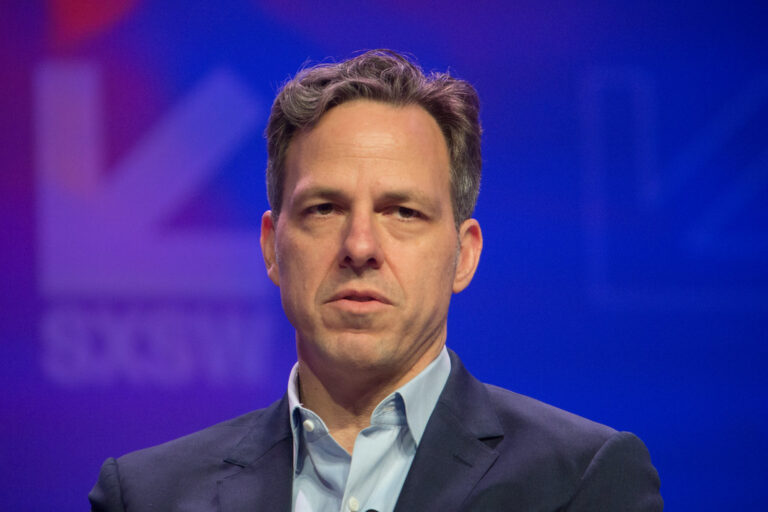
• The quick call surprised CNN anchor Jake Tapper and political fans nationwide.
• Analysts view this result as a clue for the 2026 midterm election.
• Strong campaigns and winning over Trump-leaning counties proved decisive.

Fast Decision in Virginia Governor Race

CNN anchor Jake Tapper could hardly believe the speed of the call. Just minutes after polls closed, CNN and The Associated Press projected that former Rep. Abigail Spanberger won the Virginia governor race. At that moment, only 32 percent of votes had been counted. Yet Spanberger led with about 54 percent. Tapper noted, “The polls didn’t even close an hour ago.” He added that this moment felt big for Democrats after a tough year.

Why the Virginia Governor Race Mattered

This election grabbed attention because it may predict trends for the 2026 midterms. In 2024, former President Trump gained ground in Virginia. Still, Spanberger flipped key counties that had leaned toward Trump. Her win showed that voters will cross party lines for the right candidate. Democratic hopes soared after seeing Spanberger’s strong performance. Meanwhile, Republicans will review their strategy and messaging ahead of future contests.

Surprising Speed of the Call

Most races take hours or days to call. However, election night in Virginia broke that pattern. In less than sixty minutes, major networks felt confident enough to declare a winner. This rapid call reflected clear early returns. Yet many wondered if it was too soon. Still, CNN and The Associated Press stood by their decision. Viewers across the country watched anchors share the update in real time, stunned by how fast the result came in.

Profiles of Abigail Spanberger and Winsome Earle-Sears

Abigail Spanberger served two terms as a U.S. Representative. She is known for her moderate views and focus on national security. Spanberger built a reputation as a workhorse in Congress. She emphasized local issues like infrastructure and healthcare during her campaign.

In contrast, Lt. Gov. Winsome Earle-Sears rose to statewide office with a conservative platform. She focused on education reform and business growth. Earle-Sears also spoke out about law enforcement support. Both candidates toured the state relentlessly, yet Spanberger’s message resonated more in swing areas.

Key Moments During Election Night

Election night was full of suspense. Poll workers rushed to count ballots from busy precincts. Meanwhile, campaign teams waited anxiously for the first updates. Once networks got early numbers, analysts compared them to past trends. They noted Spanberger’s gains in Fairfax and Prince William counties. Suddenly, the pace accelerated. Tellers reported victories in smaller urban districts that signaled her overall lead. By the time the networks called the race, viewers felt a mix of relief and surprise.

Election Analysts See Bellwether

Many analysts called the Virginia governor race a bellwether. They said its outcome could hint at nationwide moods. A win for Democrats suggested that voters still trusted their party in key areas. On the other hand, a narrow Republican loss might push the GOP to rethink strategies. Experts argued that local dynamics also played a role. Therefore, while the result offered clues, they cautioned against overgeneralizing about national trends.

Campaign Strategies That Stood Out

Spanberger’s team used social media actively to reach young voters. They posted daily updates and hosted live virtual chats. In contrast, Earle-Sears focused on town hall meetings and local radio. Both tactics proved valuable, yet Spanberger’s digital push seemed more effective. Her team also targeted suburban areas, highlighting property tax relief. Meanwhile, Republicans emphasized parental rights in schools. Ultimately, Spanberger’s broader appeal and clear message won more voters.

Social Media Reaction

Immediately after the announcement, Twitter lit up. Supporters cheered Spanberger’s projected victory. Some used emojis and GIFs to express excitement. Opponents analyzed maps showing Democratic inroads into Trump counties. Hashtags trended nationwide as people debated what the quick call meant. Influencers and local journalists weighed in, adding context. Overall, social platforms magnified the surprise and set the tone for reactions on both sides.

What This Means for 2026

Looking ahead, party leaders will dissect this outcome carefully. Democrats will celebrate and aim to replicate Spanberger’s strategy in other states. They might increase digital outreach and target suburban districts. Meanwhile, Republicans could shift messaging to regain moderate voters. Both sides will study turnout, demographics, and key issues that swayed this race. In this way, the Virginia governor race serves as a live experiment for campaign experts.

Reactions from Experts and Voters

Political experts praised Spanberger’s grassroots efforts and moderate stance. They said she built trust by listening in local communities. Some voters told reporters they felt her plans on healthcare and taxes were clear. Others said they voted based on her competence and leadership style. On the Republican side, some admitted they underestimated Spanberger’s appeal. They now call for deeper engagement in swing regions to prevent future surprises.

Looking Ahead

In the days after election night, both parties will regroup. Spanberger will prepare for her new role as governor. She must outline policy priorities quickly. Earle-Sears and the Republican Party will discuss lessons learned. They might hold strategy sessions to refine messaging and ground operations. All eyes will stay on Virginia, since it often shapes national narratives. Therefore, this fast call has implications beyond state lines.

Frequently Asked Questions

Why was the Virginia governor race called so quickly?

The call happened fast because early returns showed a clear lead for Abigail Spanberger. Major networks felt confident with the initial numbers.

What made this election important?

Analysts saw this race as a bellwether for the 2026 midterms. It reflected voter sentiment in a state that once trended toward both parties.

How did Spanberger win over Trump-leaning counties?

She focused on moderate issues like healthcare and infrastructure. Her message appealed to suburban voters who had backed Trump before.

What should we watch next?

Keep an eye on how both parties use lessons from this race. Their strategies in upcoming contests may shift based on these results.