59.8 F
San Francisco
Friday, April 17, 2026
Home Blog Page 485

Could Venezuelan Fishermen Be Targeted by U.S. Military?

0

Key Takeaways

  • President Donald Trump suggested U.S. forces could kill Venezuelan fishermen to stop drug trafficking.
  • He called smuggling by sea “water drugs” and claimed it is almost halted.
  • Trump made the remarks during a Fox News interview with Peter Doocy.
  • Critics say the idea risks harming innocent people and breaking international law.
  • The plan raises legal, diplomatic, and human rights concerns.


President Donald Trump hinted U.S. forces might attack Venezuelan fishermen. He said these fishermen could be linked to drug traffickers. In a recent Fox News interview, Trump claimed the sea smuggling of drugs is nearly stopped. Yet, he warned that any boat in that area might face firepower. His words surprised allies and critics alike. They worry innocent people could die.

Trump’s Comments on Venezuelan Fishermen

During the Fox News segment, host Peter Doocy asked Trump if captains of drug boats face more danger than TV hosts. Trump replied that both face risk but praised Fox’s Greg Gutfeld. Then he shifted to “water drugs,” meaning drugs moved by sea. He said they have almost ended those shipments. Consequently, he claimed any vessel in that region would be in danger. He argued this is necessary to stop drugs that kill Americans.

Background on U.S. Drug Efforts at Sea

For decades, the U.S. has worked with regional partners to halt drug smuggling by sea. Operations often involve patrol boats, aircraft, and intelligence sharing. However, attacks on small fishing vessels are rare. Instead, authorities focus on high-speed boats used by cartels. Yet Trump’s suggestion marks a sharp turn. If military forces fire on any vessel, they may breach maritime law. Moreover, they risk civilian lives.

Legal and Diplomatic Implications

International law sets strict rules for using force at sea. The United Nations Convention on the Law of the Sea protects innocent mariners. According to experts, firing on fishermen’s boats without clear evidence of trafficking could be illegal. Additionally, Venezuela might view such action as an act of war. Consequently, diplomatic ties could worsen. Allies may condemn the move, and new tensions could arise in the region.

Human Rights and Safety Concerns

Human rights groups warn that targeting small boats invites tragedy. Fishermen often work far from any cartel links. They search for fish to feed their families. Meanwhile, an aggressive military approach may kill or wound noncombatants. Furthermore, it could traumatize entire coastal communities. Critics say the U.S. should focus on proven smuggling routes and intelligence-based arrests. Otherwise, the policy could harm innocent people more than cartels.

What Would This Mean for Venezuelan Fishermen?

If the plan moves forward, fishermen could face deadly force for routine work. They might avoid rich fishing areas for fear of being shot. As a result, many families could lose income and food. In addition, local economies would suffer. Meanwhile, fishermen may turn to riskier jobs or flee to other countries. Thus, the ripple effects could reach far beyond a single raid.

Reactions from Lawmakers and Experts

Several lawmakers reacted swiftly to Trump’s comments. Some called them alarming and urged caution. They asked the administration to clarify rules of engagement. Experts in maritime law also weighed in. They stressed that any use of force must meet strict legal standards. Moreover, they noted that cooperation with Venezuelan authorities could offer a safer path. Yet, U.S.-Venezuela relations remain tense, making collaboration difficult.

Drug Trafficking Challenges in the Caribbean

Drug cartels adapt quickly. They use semi-submersibles, drones, and secret routes to evade patrols. Consequently, U.S. agencies constantly update tactics. They rely on intelligence, drug seizures, and arrests on land. Targeting small fishing boats may not disrupt major cartel operations. Instead, it might push traffickers to use even more covert methods. Thus, experts suggest focusing on high-value targets and technology.

Alternative Strategies to Combat “Water Drugs”

Rather than open fire on fishermen, the U.S. could strengthen regional partnerships. It could share satellite data and train coastal guards. Additionally, it could support local communities with economic aid. By improving legal systems, the region can prosecute smugglers more effectively. Furthermore, public health programs can reduce demand for illegal drugs. In short, a balanced approach may save lives and curb trafficking.

How This Echoes Past Policies

In previous decades, U.S. forces have intercepted drug shipments at sea. Yet they always followed strict protocols. For example, they boarded vessels, checked cargo, and made arrests. They rarely used lethal force. By contrast, Trump’s remarks suggest a more aggressive stance. This echoes other times when the U.S. eyed tougher rules for self-defense. However, experts warn that sea battles with unarmed crews blur the line between defense and aggression.

Potential Impact on U.S.-Venezuela Relations

Relations between the U.S. and Venezuela have long been strained. Sanctions and diplomatic fights define their relationship. If U.S. troops fire on fishermen, Venezuela could retaliate. They might seize U.S. ships or expel diplomats. Regional blocs could condemn Washington’s actions. In turn, other Latin American nations may choose sides. Ultimately, a hostile move could deepen instability across the hemisphere.

Key Questions Raised by This Proposal

This bold idea opens many questions. Who decides which boats are targets? How will the military verify that a vessel carries drugs? What happens if innocent fishermen die? How will the U.S. handle the fallout? Without clear answers, the plan seems risky. Many argue that vague rules invite mistakes with tragic consequences.

Looking Ahead

For now, the notion stays a suggestion. Yet it reveals Trump’s willingness to consider forceful tactics. Meanwhile, debates will continue in Congress and among experts. In addition, human rights groups will demand safeguards. Whatever happens, the safety of Venezuelan fishermen hangs in the balance. As the discussion unfolds, the world will watch closely.

FAQs

Why did President Trump mention Venezuelan fishermen?

He used them as an example when talking about stopping sea-based drug smuggling. He suggested vessels in certain waters might face military action.

What are “water drugs”?

Trump’s phrase refers to illegal drugs moved by sea. He aims to highlight maritime trafficking routes used by cartels.

Could fishermen face harm under such a plan?

Yes. If the military treats all boats in a region as potential drug ships, innocent fishers could get caught in crossfire.

What alternatives exist to using force at sea?

Experts recommend better intelligence, regional cooperation, legal support, and development aid to curb trafficking without risking civilian lives.
Why the Charlie Kirk Memorial Provoked Fierce Backlash

0


Key Takeaways:

  • A MAGA-led memorial for Charlie Kirk in Arizona drew top GOP figures.
  • Left-wing analysts slammed the event and Kirk’s past views online.
  • Critics called Charlie Kirk a racist, sexist, and hateful figure.
  • The debate shows deep divides in American politics and social media.


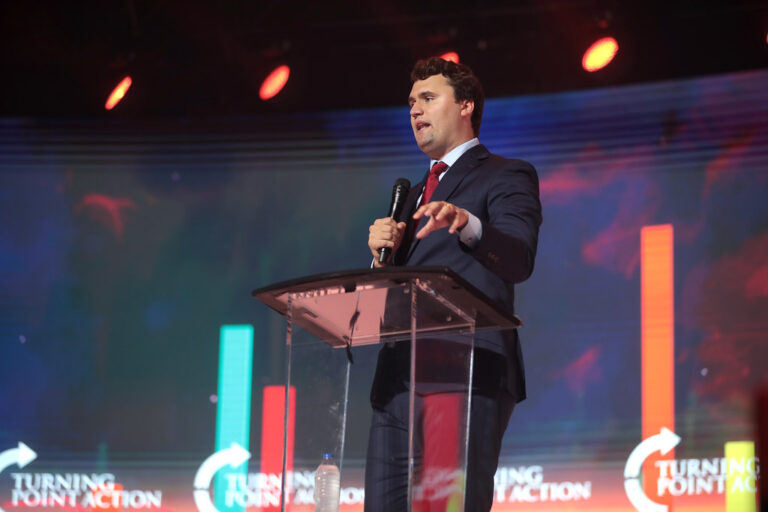
Almost two weeks after his tragic death from a sniper’s bullet during a speech at a Utah campus, Charlie Kirk was honored in his hometown. The event in Glendale, Arizona, drew President Trump, his son Donald Trump Jr., and Senator Marco Rubio. However, the ceremony quickly ignited a storm on social media. Many left-wing commentators unleashed harsh criticism, calling out Kirk’s record and the MAGA movement that celebrated him.

Charlie Kirk Memorial Draws Sharp Responses

On Bluesky and other platforms, critics wasted no time. Left-leaning analyst Wajahat Ali slammed the gathering as proof that MAGA is a cult. He urged people to use free speech to “accurately call out his life that was lived in hate.” Likewise, podcaster Andrew Hickey described Kirk as “a racist transphobic neonazi creep” who spread pure hatred. He added that while it was sad Kirk died, it did not erase the harm he caused.

Meanwhile, Morning Brew’s executive editor Josh Sternberg called the memorial “weird and embarrassing.” USA Today opinion writer Michael Stern noted that Kirk once called Dr. Martin Luther King Jr. “an awful person.” He asked if MAGA would accept liberals doing the same to Kirk. Finally, writer Mona Eltahawy refused to “whitewash” him, labeling Kirk a “white supremacist” who left behind an ugly legacy.

Voices of Critique on Social Media

Critics painted Charlie Kirk as more than just a conservative figure. They pointed to his harsh rhetoric on race, gender, and religion. For example, he downplayed civil rights leaders and attacked transgender rights. As a result, many saw the memorial as a celebration of hate, not just a farewell to a public figure.

Moreover, some pointed out the irony of high-profile attendees. They argued that leaders like Trump and Rubio helped amplify Kirk’s views for years. Now, critics said, they used his death to rally support. In their eyes, this move showed how politics can turn even tragedy into a tool.

Debating the Legacy of Charlie Kirk

Overall, the backlash centers on Kirk’s influence. Supporters credit him with energizing young conservatives. They say he spoke honestly about what he saw as liberal overreach. However, detractors accuse him of fueling division. They highlight tweets and speeches where he mocked minority groups or questioned basic facts.

For instance, Kirk once called Dr. King “awful” and criticized peaceful protests. Critics saw that as a direct attack on the civil rights movement. In addition, they noted his frequent complaints about so-called “woke culture.” To them, Kirk’s tone went beyond debate. It crossed into personal attacks and fearmongering.

In addition, social media users flagged Kirk’s ties to far-right groups. They pointed to interviews and events where extremist ideas found a platform. Consequently, many commenters felt the memorial glossed over these connections. They saw it as a rallying point for the most extreme wing of the GOP.

Political Divide Deepens

Clearly, the Charlie Kirk memorial became more than a goodbye. For some, it was a show of strength by MAGA leaders. They used the moment to unite around a familiar face. On the other side, critics seized it as proof that the movement condones hate. This clash reflects the current state of American politics: sharply divided and often driven by strong emotions.

Furthermore, the debate spilled into mainstream media. TV hosts and opinion writers weighed in on whether honoring Kirk was proper. Some defended the ceremony as a chance to focus on unity after a tragic death. Others insisted that true unity must start with honest discussion of past wrongs.

What Comes Next for the Debate

Looking ahead, the controversy over Charlie Kirk’s legacy is unlikely to fade soon. As the 2024 election nears, both sides will use his story to fuel their arguments. Conservatives may cite his youth outreach and focus on free speech. Progressives will point to his harsh rhetoric and alleged ties to extremism.

Moreover, social media will continue to serve as the battleground. Hashtags and posts will flare up each time someone mentions Kirk’s name. In the meantime, families and friends of the slain activist will hope for a more respectful conversation. Yet, given the current climate, respect and rancor may remain locked in fierce competition.

Frequently Asked Questions

What triggered the criticism of the Charlie Kirk memorial?

Many left-wing analysts criticized his past statements on race, gender, and religion. They saw the MAGA-led event as a celebration of hate, not just a tribute.

Who attended the Charlie Kirk memorial?

The service in Glendale, Arizona, featured President Trump, Donald Trump Jr., Senator Marco Rubio, and other MAGA figures.

Why do critics call Charlie Kirk hateful?

They point to his remarks about Dr. Martin Luther King Jr., his attacks on transgender people, and ties to far-right ideas.

How has the debate over Kirk’s legacy affected politics?

The feud highlights deep partisan divides. Conservatives praise his free speech stance while progressives focus on his extremist views.

Bannon’s ‘Teacher Terrorists’ Claim Sparks Outrage

0

Key Takeaways

  • Steve Bannon accused many U.S. teachers of being “terrorists” at a public memorial.
  • He made the remarks at State Farm Stadium during Charlie Kirk’s service.
  • Bannon claimed about a third of teachers act like “teacher terrorists.”
  • His words sparked a heated debate over politics in classrooms.

On Sunday, Steve Bannon hosted a memorial for Charlie Kirk at State Farm Stadium in Arizona. Co-host Gina Loudon praised Kirk’s support for marriage and large families. Then Bannon took the stage and made a sharp claim. He said that from kindergarten onward, too many teachers push radical ideas. He even called a third of them terrorists. Those words drew gasps and cheers from parts of the crowd. Yet they also unleashed strong criticism online and in the media.

Bannon’s Bold Accusation at Memorial

First, Bannon set the scene by talking about Charlie Kirk’s reach. He said Kirk built a massive audience with Turning Point. Then Bannon turned to education. He warned parents that some teachers teach politics, not just reading and math. He accused them of filling young heads with views that clash with conservative values. He said, “From the first day of school, one in three teachers tries to form kids like activists.” That blunt description shocked many who view teachers as devoted professionals.

Next, Bannon framed his attack as part of a bigger culture fight. He argued that schools now push a liberal agenda. He blamed textbooks and lesson plans for swaying student opinions. In his view, these lessons go beyond facts. They push ideas about politics, history, and identity that he opposes. He described that push as a form of extremism. His speech aimed to rally conservatives to fight back in schools as they do in politics.

Why Bannon Used the Term Teacher Terrorists

Bannon chose the shocking phrase teacher terrorists to grab attention. He wanted people to see education as a battleground. In his words, these so-called teacher terrorists use lessons to reshape children’s beliefs. He warned parents to stay alert and fight what he called “indoctrination.” Moreover, he claimed parents should rally at school board meetings to push back. Thus, Bannon framed the debate as a fight for young minds.

However, critics say that calling teachers teacher terrorists goes too far. They point out that most educators aim to teach facts, not ideology. They say Bannon’s words unfairly paint all teachers as radicals. Still, Bannon defended his phrase as a wake-up call. He argued that harsh language is needed to match what he views as an aggressive liberal push. As a result, his comments add fuel to the culture wars over education.

Public Reaction to the Teacher Terrorists Claim

Immediately after the memorial, social media lit up. Teachers shared stories of positive classroom work. They said they focus on reading, writing, and math. They also teach values like teamwork and kindness. Many pointed out that few educators aim to mold political views. Meanwhile, parents expressed worry over Bannon’s broad accusation. They feared it might undermine trust in schools and harm teacher morale.

On the other hand, some conservative voices applauded Bannon’s bold language. They praised him for highlighting what they call biased education. They argued that some schools do push controversial ideas without balance. For them, the label teacher terrorists fit those cases. They said Bannon sparked a needed debate on transparency in teaching. Thus, supporters believe his remarks will encourage more parental involvement in schools.

Impact on Education and Politics

Bannon’s remarks arrive amid heated fights over book bans and school policies. Across the country, local districts debate lesson content on history, race, and gender. Those fights often pit conservative parents against liberal teachers. When leaders like Bannon use terms like teacher terrorists, tensions can rise. That may push school boards to adopt stricter content rules or hire watchdog groups.

Furthermore, the claim may influence upcoming elections. Campaigns now tap into school-related fears on both sides. Candidates promise to protect children from extreme views or defend academic freedom. As education becomes a top issue, labels such as teacher terrorists could sway voter opinions. In that sense, Bannon’s speech may echo in ballots and board votes for months.

Looking Ahead

With debates heating up, schools may see more protests and policy clashes. Parents and educators will likely step up their arguments. Some will push for clear lesson outlines and parent review panels. Others will defend teacher autonomy and oppose labels like teacher terrorists. Meanwhile, political operatives will track how these conflicts influence turnout. Thus, Bannon’s shocking claim could shape not just local classrooms but also national politics.

In the end, the debate over education and ideology shows no sign of cooling. Both sides agree schools matter a great deal. Yet they strongly disagree on what belongs in those classrooms. As Bannon’s comments continue to circulate, communities will face tough choices. They must decide how to balance open discussion with respect for teaching expertise. That challenge may define the next wave of school board battles and campaign rallies.

Frequently Asked Questions

Why did Steve Bannon call some teachers “terrorists”?

He used the term to argue that certain educators push political views on children, which he sees as an aggressive form of indoctrination.

How did teachers react to the “teacher terrorists” claim?

Many teachers pushed back, saying they focus on academics and values, not political agendas, and felt insulted by the broad label.

Did anyone support Bannon’s choice of words?

Yes, some conservative voices praised the bold language and said it highlights real biases in some classrooms.

What might happen after these remarks?

The debate could lead to more school board fights, new education policies, and impact upcoming local and national elections.

Why Did Lawmakers from All 50 States Visit Israel?

0


Key Takeaways:

  • The largest-ever US delegation with members from all 50 states just visited Israel.
  • Their trip shows strong support for Israel during a time of global criticism.
  • They met with top leaders including Prime Minister Benjamin Netanyahu.
  • The event, “50 States One Israel,” took place at Israel’s Foreign Ministry.

What’s the Purpose Behind the Visit?

The visit of US lawmakers to Israel this week made headlines for its scale and timing. With representatives from every state across America, this marked the largest US political group ever to visit Israel at once.

This comes at a time when Israel is facing growing criticism and isolation from parts of the international community. Recent conflicts and political decisions have led some countries to speak out against Israel.

But this visit shows something different. It highlights the strong bond between Israel and the United States — a friendship that continues even when the world seems divided.

Israel: Finding Support from Long-Time Ally

The core keyword for this article is Israel. And Israel’s relationship with the United States has been historically strong. During their journey, the lawmakers attended a special event called “50 States One Israel” at the Foreign Ministry in Jerusalem. This event aimed to remind the world that even if critics grow louder, Israel still has powerful friends.

Jerusalem welcomed the delegation with open arms. Lior Haiat from the Israeli Foreign Ministry said, “Welcome to Jerusalem, the eternal capital of Israel.” He set a positive tone for the meeting, focusing on unity and shared values between both nations.

Leaders such as Prime Minister Benjamin Netanyahu and Foreign Minister Gideon Sa’ar also addressed the lawmakers. Their voices underlined appreciation for American support, especially now.

Why Does This Matter Right Now?

This visit didn’t happen by chance. It was carefully planned to show that Israeli-American ties remain strong, even during difficult times.

Israel has recently faced criticism globally, especially around human rights and military actions. In such times, international support becomes more important than ever. That’s why welcoming US lawmakers from all 50 states is such a big deal. It presents a united front and pushes back against the idea that Israel is standing alone.

The timing also sends a message. Even as protests and disagreements rise around Israel, the U.S. shows it will continue to offer support and stand by one of its oldest allies in the Middle East.

A Deeper Look at the US-Israel Relationship

The United States and Israel share a long history of cooperation. From military and security support to tech innovation and culture, the ties run deep.

By sending representatives from every state, the U.S. is reminding the world that support for Israel isn’t limited to just one region or political party. It’s a shared value across America — regardless of state borders or local politics.

This delegation included Democrats and Republicans. That bipartisan nature speaks volumes. While political divides are common in American politics, when it comes to Israel, leaders from both sides often agree.

How Israel Is Responding to Global Criticism

While Israel remains firm in its values and decisions, it’s no secret that recent actions have drawn international attention — and sometimes disapproval.

Rather than step back, Israel is hosting more diplomatic meetings and encouraging visits from allies like the United States. These gatherings aim to strengthen global ties and ensure that Israel’s point of view is understood and respected.

The Foreign Ministry event was more than just a welcome party. It served as a platform to discuss challenges and solutions. Leaders talked openly about regional fears, peace efforts, and long-term cooperation.

Prime Minister Netanyahu focused on unity. He emphasized the deep friendship between the two countries, while also calling for continued solidarity in the face of modern threats.

What Lawmakers Said About Israel

Many of the visiting American lawmakers expressed admiration for Israel’s resilience and innovation. Some reflected on Israel’s high-tech advances, while others mentioned its contributions to global science and security.

They also toured important spots in Israel, learning more about its history, culture, and current challenges. These personal experiences will likely shape their opinions — and future policies — back home.

They didn’t just speak about defense and politics, either. Environmental issues, energy innovation, and health technology were also part of the conversation.

Building Bridges Amid Global Challenges

The “50 States One Israel” event shows the power of unity. While it’s easy to focus on conflict, this moment highlights the importance of friendship and partnership.

Israel faces a tough diplomatic road ahead. But this trip reminds everyone that support often comes from many corners — sometimes even all 50.

And for many Israelis, the visit was a sign of hope. It reassures them that their country is not alone on the world stage.

How Visits Like This Can Shape the Future

Large-scale visits like this send strong messages to the world. They don’t just offer moral support; they can shape future policies.

When lawmakers return to the U.S., they bring their impressions with them. They talk about what they saw, heard, and learned. This can impact funding decisions, foreign policy plans, and future diplomatic steps.

More importantly, it keeps Israel in the center of U.S. foreign policy — a goal that Israeli leaders often push for.

What’s Next for Israel and Its Allies?

The future of Israel’s global partnerships depends on ongoing communication. Regular visits, action plans, and shared projects can help ease tensions and build goodwill — especially in tough political climates.

While this recent delegation shows strong US support, Israel will likely continue to engage other nations in hopes of rebuilding and strengthening ties.

As global politics evolve, so must diplomacy. And with events like this, Israel continues to be an active player in shaping its own story on the international stage.

FAQs

Why did US lawmakers visit Israel now?

The visit aimed to show American support for Israel, especially as the country faces increased criticism worldwide.

What was the “50 States One Israel” event about?

It was a gathering of US lawmakers from all 50 states, aimed at showing unity and support for Israel.

What did they discuss during the visit?

Lawmakers and Israeli leaders talked about regional stability, innovation, defense, environment, and shared democratic values.

Does this mean the US will continue to support Israel?

Yes, the visit sends a strong message that the US, across both political parties, remains a committed ally of Israel.

Why Is the Pentagon Requiring Journalists to Sign a Pledge?

0


Key Takeaways:

  • Journalists must now sign a pledge to keep unapproved info private at the Pentagon.
  • Even unclassified data cannot be shared without proper authorization.
  • Reporters who break these rules could lose their press credentials.
  • The new policy strengthens previous restrictions put in place years ago.

Stricter Media Rules Now in Place at the Pentagon

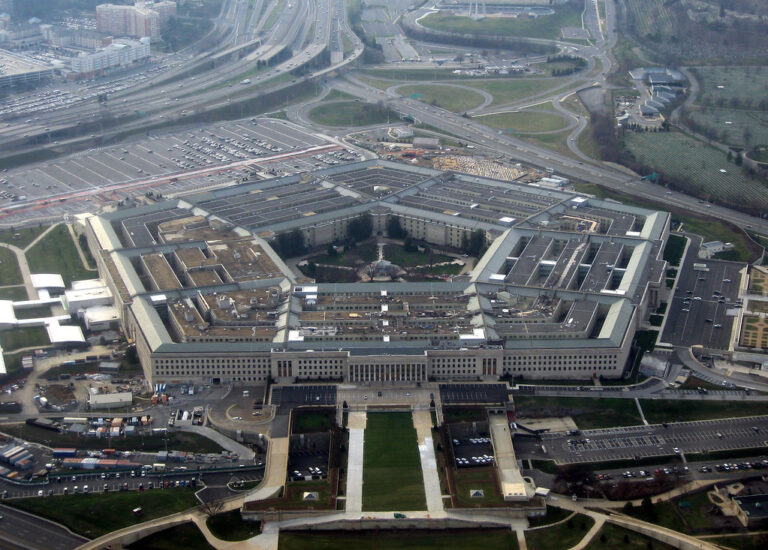
The Pentagon has just made a big decision affecting all journalists working inside its walls. From now on, reporters must sign a written pledge if they want to stay accredited. This agreement promises that they will not reveal any information that the Pentagon has not cleared for public release — even if that information isn’t classified.

This move, grounded in a 17-page memo released last Friday, increases restrictions that date back to the administration of former President Donald Trump. The new policy aims to tighten control over what gets shared with the public, and it could drastically change how military news is reported.

What Does This Pentagon Rule Mean for Journalists?

In simple terms, journalists who cover the Pentagon must now be extra careful with what they publish. If a piece of information has not been approved by Pentagon officials — even if it’s not technically a secret — it cannot be made public.

This means reporters could come across details they weren’t supposed to spot. In those cases, they’re required to keep that information quiet or risk losing their access.

Losing credentials doesn’t just mean missing a few press conferences. It could block reporters from entering the Pentagon at all, limiting their ability to do their job and report the news.

Why Did the Pentagon Decide to Add This Rule?

Pentagon officials say the rule is about keeping operations secure and preventing leaks that might harm national safety. They believe some pieces of information, although unclassified, could still be sensitive when taken in context.

By making reporters sign this pledge, the Pentagon can hold them accountable if they share something they shouldn’t have. This is especially important now, as digital channels make it easier than ever for information to spread quickly.

However, critics argue that this rule may do more harm than good. Many say it could lead to less transparency and make it harder for the public to understand what’s going on in military circles.

How Will This Change Pentagon Journalism?

The policy introduces some big changes for how media will operate at the Pentagon. Reporters will need to double-check material before publishing. They’ll also have to stay in close contact with public affairs officers who approve what can and can’t be shared.

This doesn’t just apply to war plans or classified missions. It could include budget details, training exercises, or staff changes – anything that hasn’t officially been cleared for release.

As a result, journalists may be hesitant to dig deep into sensitive subjects. They may worry that even accurate reporting could cost them their credentials if it’s not pre-approved. That could lead to less investigative work — and fewer checks on military actions.

The Core Keyword: Pentagon

This story revolves heavily around the keyword Pentagon, as it’s the heart of the new rules and decisions. The Pentagon controls one of the largest departments in the U.S. government — the Department of Defense. With so much going on behind its closed doors, reporters play a major role in keeping the public informed. But that role just got a lot more complicated.

What Are the Terms of the Journalist Pledge?

The 17-page memo outlines many expectations for Pentagon journalists. The most important part is the non-disclosure agreement that each credentialed reporter must sign. This document says they agree not to publish anything that hasn’t been reviewed and released.

Here’s where it gets tricky: Even if the information is freely available elsewhere, Pentagon reporters can lose access by writing about it without permission. This might seem extreme, but Pentagon officials believe it’s necessary for operational security.

The memo doesn’t say how long this pledge lasts or what appeal options are available if a journalist disagrees. This adds a layer of uncertainty for reporters who want to challenge the policy but fear being barred from their beat.

Reaction From the Press and Public

News organizations and freedom-of-speech groups were quick to push back on the Pentagon’s decision. Many call it an attack on press freedom. They say the public has the right to know what happens inside a place funded by taxpayer dollars.

Some journalists feel pressure building under the new rules. They worry about being punished for doing their jobs too well — digging into stories that reveal uncomfortable truths.

Still, others argue that it’s important to protect military operations. They say leaking the wrong info could put lives in danger or hurt U.S. interests overseas. It’s a difficult line to walk, and the debate will likely continue for months to come.

What Happens If a Journalist Breaks the Pledge?

The consequences laid out by the Pentagon are clear: If a reporter breaks the agreement, they lose their credentials. That doesn’t mean jail time or an official charge, but it would block them from the building and limit their ability to cover military news.

For experienced reporters, such a loss could damage their careers. For newer journalists, it could scare them from ever covering the Pentagon in the first place. This fear may lead to self-censorship, where even allowed stories go untold just to stay on the safe side.

In this way, the Pentagon’s pledge may not just control what journalists can say — but also shape what they choose not to say.

What’s Next for Pentagon Reporting?

As this new policy takes effect, the journalism world is watching closely. Some media outlets may challenge the rule in court. Others might ask their reporters to avoid taking Pentagon assignments altogether, at least until the rules become clearer.

There is also the question of how far the Pentagon will go in enforcing the pledge. Will they monitor articles after every press conference? Will a single error trigger punishment? These are things that reporters are now weighing every day.

Meanwhile, the public should stay informed and alert. Press freedom is one of the foundations of democracy, and balancing it with national security is no easy task. Policies like this one show just how fragile that balance can be.

Is the Pentagon Setting a New Standard for Government Agencies?

Other agencies may be watching the Pentagon closely. If this new pledge works to stop leaks, it’s possible similar policies could appear elsewhere in government.

That means this isn’t just a Pentagon issue — it’s a larger question about how much control the government should have over the press. As technology evolves and information spreads faster than ever, these debates will only grow more intense.

For now, though, all eyes are on the Pentagon and how it handles this bold move.

Frequently Asked Questions

What information are Pentagon journalists restricted from reporting?

Journalists can’t publish anything not approved for release, including unclassified data that hasn’t been cleared by Pentagon officials.

Can a journalist lose Pentagon access for breaking the pledge?

Yes. If a reporter violates the pledge, they risk having their news credentials revoked, which could end their access.

Is the rule aimed at stopping leaks of secret information?

Partly, but it also targets unclassified info that could still be sensitive or damaging if made public quickly.

Does this new rule affect all government reporters?

No. Right now, it only applies to journalists who are credentialed to work inside the Pentagon. However, that could change if other agencies adopt similar policies.

Stay connected with Digital Chew for more updates on how media, government, and tech continue to shape our daily lives.

Why Is Irish Rap Group Kneecap Banned from Canada?

0


Key Takeaways:

  • Irish rap trio Kneecap has been banned from entering Canada.
  • The Canadian government cited hate speech and glorification of terrorism.
  • The decision comes just before Kneecap’s planned tour in Canada.
  • The group strongly denies the accusations and calls the move political.
  • Fans and free speech advocates are reacting to the controversial ban.

Irish Rap Group Kneecap Barred from Canada Tour

Irish rap group Kneecap has been officially banned from entering Canada. This shocking move was announced just days before the group was expected to travel for their Canadian tour. The Canadian government says the group’s behavior promotes hate speech and terrorism, sparking major backlash among music fans and free expression advocates.

Who Is Kneecap?

Kneecap is a politically-charged rap trio based in Belfast, Northern Ireland. Known for mixing Irish language lyrics with bold political messages, the group often raps about national identity, government corruption, and social issues. Their music style is raw, opinionated, and unapologetically rebellious.

Despite the serious tone of their lyrics, they have gained fans around the world for bringing attention to causes they believe in. They’ve been especially popular with younger Irish audiences. They often perform in both English and Irish, delivering strong views on what they see as injustice.

Canada Denies Kneecap Entry

The situation escalated when Vince Gasparro, Canada’s Parliamentary Secretary for Combatting Crime, released a video explaining the ban. In it, he claimed that Kneecap’s recent actions “go against Canadian values and laws,” accusing the group of “glorifying terrorism” and encouraging “hate speech.”

Gasparro made it clear that Canada has no problem with artistic expression. However, he said that certain messages in Kneecap’s lyrics were “dangerous” and could create division within Canadian communities. This led to the sudden cancellation of all their planned performances in the country.

What Content Caused the Ban?

The exact content that sparked such a serious reaction hasn’t been officially detailed, but many suspect it connects to Kneecap’s support of Irish republicanism. Over the years, they’ve referenced historic political conflicts in Northern Ireland, including controversial figures and events tied to the Troubles.

Critics of the group argue these references cross a line between art and incitement. But supporters claim Kneecap uses music as a tool to educate and express, not to promote violence.

Kneecap Responds to Allegations

Not surprisingly, Kneecap members are pushing back hard. In a statement released shortly after the announcement, they denied all allegations of hate speech or terrorism promotion. Instead, they accused the Canadian government of censorship and political bias.

They said the real reason behind the ban was their critique of international governments and their open support for Irish independence. They argued that they’ve never encouraged violence and that their lyrics challenge problems, not promote them.

The rap group insists their message is about standing up for oppressed communities and encouraging political discussion—not spreading hate.

Fans React to the Ban

News of the ban spread quickly online, leading to an explosion of reactions from fans and even celebrities. Supporters have taken to social media to defend Kneecap’s right to free speech and criticize the Canadian government for shutting them out.

Some users accused Canada of policing art and culture too strictly, while others pointed out that Kneecap has performed in many other countries without incident.

Meanwhile, others supported the government’s decision, saying national security should always come first. This divide has sparked intense debate about where freedom of expression ends and national safety begins.

Does Music Equal Messaging?

The core concern at the heart of this controversy is about how music influences people. Kneecap’s lyrics are undeniably political and often provocative. But are they harmful?

This isn’t the first time music has faced this type of pushback. In history, rock, rap, punk, and other genres have had their messages misinterpreted or seen as threats. Artists from various backgrounds have been scrutinized for pushing boundaries.

So the big question is: When does music stop being art and start being policy?

Kneecap’s message isn’t always easy to digest. But for many of their fans, that’s exactly the point. They use hip-hop as a platform for social commentary and see their songs as powerful tools for discussion, not dangerous propaganda.

Wider Impact on Artists

Kneecap’s situation could have ripple effects beyond Canada. Some experts say this move could lead to more global governments banning performers with strong political views.

In today’s world, artists are constantly navigating a thin line between freedom and fear. This event raises questions about how governments handle controversial art. Will other countries follow Canada’s lead? Or will this spark pushback demanding space for political conversation in music?

Either way, international artists will now have to think twice about the topics they explore in their lyrics—especially if they plan to tour overseas.

A Closer Look at Canadian Laws

Canadian law includes strong protections against hate speech and terrorism. Any act or communication that’s seen as encouraging violence or harming specific groups can be flagged.

In Gasparro’s statement, he stressed that the decision to ban Kneecap wasn’t taken lightly. He claimed that the government had consulted legal experts and intelligence professionals before making the call.

Still, civil rights groups within Canada have expressed concern that vague language around “Canadian values” could be used to silence dissent.

What’s Next for Kneecap?

Despite the setback, Kneecap says they won’t stop making music or speaking their truth. While the Canadian leg of their tour is canceled, the group plans to continue performing in Europe and may even work on a documentary about the experience.

They hope that the attention from this event will start a new conversation about art, censorship, and cultural freedom. In the meantime, fans are eagerly waiting to see what they do next.

Final Thoughts

The decision to ban Kneecap from Canada is sparking major debate around the world. While countries have every right to protect their citizens, many believe that drawing the line between safety and suppression is harder than it looks.

Kneecap’s story is still unfolding, but one thing is certain—the conversation about their lyrics, their message, and their right to perform isn’t going away anytime soon.

FAQs

Why did Canada ban Kneecap?

Canada banned Kneecap due to accusations of hate speech and glorifying terrorism that went against Canadian laws and values.

Has Kneecap promoted violence in their songs?

Kneecap denies promoting violence. They say their lyrics speak about political issues but never encourage harm.

Can Kneecap perform in other countries?

Yes, Kneecap still performs in many countries outside Canada, including across Europe and the UK.

What does this mean for other political artists?

This could lead to other artists facing similar legal challenges when their messages touch controversial topics, especially when traveling internationally.

Trump’s War on Venezuela Legal or Out of Control?

0

Key Takeaways:

  • President Trump launched a military operation in the Caribbean without asking Congress first.
  • He says the mission stops drug trafficking from Venezuela to the U.S.
  • Critics argue there is no clear evidence of a threat from Venezuela.
  • This move raises questions about presidential power and legality.


Trump’s Caribbean Drug War: What’s Going On?

President Donald Trump quietly started a military mission in the Caribbean targeting drug routes. According to him, the operation aims to stop illegal drugs from reaching American shores. However, Venezuela has not attacked the U.S. or threatened it with violence.

This raises a serious question: is President Trump allowed to use force like this without permission from Congress? Many experts and lawmakers are concerned. They believe the move may stretch or even break the law.

Why Venezuela?

Venezuela has been going through a major crisis. Its economy crashed. People face shortages of food and medicine. The country’s government, led by Nicolás Maduro, has been accused of being corrupt and abusing human rights.

While President Trump has often spoken against Maduro, the sudden use of military power surprised many. Trump’s administration says some boats leaving Venezuela are used to smuggle drugs into the U.S. Therefore, they treat these vessels like serious threats.

But these are drug traffickers—not a foreign army shooting missiles. That’s what makes this “drug war” so unusual.

How Big Is This Operation?

The military presence is hard to ignore. Navy destroyers, surveillance planes, and Coast Guard cutters now patrol off Venezuela’s coast. It’s one of the largest U.S. military operations in the area in 30 years.

Trump’s top advisors call this a major effort to fight drug cartels. Yet, they offer little proof that Venezuela is the main source of these drugs. They also do not clearly link these actions to any direct harm to the U.S.

Because of that, critics say this is not just a drug mission—it’s a military escalation.

Where Is Congress in All This?

The U.S. Constitution gives Congress the power to declare war. Presidents can send troops into action, but they usually need to explain the reason and ask for approval.

In this case, many lawmakers learned about the operation only after it began. This silence from Congress has shocked both Democrats and some Republicans.

Some members of Congress argue the president crossed a line. They say he is using military force in a way that sets a dangerous example. If one president can do this without limits, what stops the next from going even further?

What’s the Danger of Acting Alone?

There are real risks to acting without congressional approval.

First, it could lead to longer, more dangerous conflicts if things go wrong. What if a U.S. ship clashes with Venezuelan forces or harms civilians? Could it lead to all-out war?

Second, it sets a troubling precedent. If drug-running is enough to bring in warships, what stops future presidents from using the military anywhere they want?

Finally, it weakens trust in how the U.S. government works. The checks and balances between the White House and Congress are crucial. Without them, democracy itself becomes weaker.

What Is the Law Here?

Under U.S. law, the president can use military force in some cases without Congress. But these cases usually involve threats to American lives or national security. For example, defending against terrorism or protecting embassies.

In this case, there is little evidence that Venezuela’s government poses an immediate threat. Drug trafficking is a serious problem, but it’s not the same as war.

The War Powers Act says presidents must notify Congress within 48 hours when sending troops into situations where armed conflict is possible. They also must get approval if the action lasts longer than 60 days. It’s unclear how closely Trump followed these rules.

Why Now?

Some political experts believe the timing is no accident.

As the U.S. was battling the COVID-19 pandemic and Trump faced criticism, launching a military mission may have served as a distraction. It may also make him look tough ahead of elections.

Others think the move aligns with his long-standing dislike of Maduro. Trump has even backed opposition leader Juan Guaidó as the “real” president of Venezuela.

But critics argue that personal dislike or political gain are not good reasons to use military force.

Public Reaction and Global Concerns

Around the world, some leaders are watching the situation closely. They fear that the U.S. may increase its military reach without solid legal backing. Latin American allies who usually support U.S. actions have stayed quiet this time.

At home, public opinion is mixed. Some Americans are worried that this could lead to war. Others think any move to stop drug trafficking is the right call.

However, few feel they’ve been told the whole story.

Looking at the Bigger Picture

This is not the first time a president has acted without Congress. However, what makes this action different is how little warning or debate there was.

When leaders choose to use force, it affects both lives and the law. Citizens deserve to know why and how those decisions are made. Military strength may stop some drug traffickers, but it won’t fix what’s broken in Venezuela or at home.

A real solution would include diplomacy, aid, and maybe support for democratic action inside Venezuela—not warships alone.

Conclusion: A Tough Call for America

President Trump’s operation in the Caribbean may look like a bold strike against crime. But under the surface, it’s raising deep questions about power, law, and truth.

Without clear rules and oversight, the risk is not just more drugs—but more conflict, more confusion, and less faith in U.S. leadership. Whether you support Trump or not, one thing is clear: this drug war might cost more than we think.

FAQs

What is the War Powers Act?

The War Powers Act is a law passed in 1973. It limits the president’s ability to send troops into combat without approval from Congress.

Did Venezuela attack the U.S.?

No. Venezuela has not attacked the U.S. or made military threats. That’s why many question the legality of Trump’s military action.

Why is Trump targeting Venezuela now?

Some think it’s to show strength before elections. Others say it’s part of his long-standing opposition to Venezuela’s government.

How does Congress respond to presidential military actions?

Congress can hold hearings, block funding, or pass laws to check the president’s power. But they must act quickly, or the actions may continue unchecked.

Are Trump and Erik Siebert in a Power Struggle?

0


Key Takeaways:

  • Former President Donald Trump claims he fired U.S. attorney Erik Siebert.
  • Reports had suggested Siebert resigned voluntarily.
  • Trump said Democratic support for Siebert forced him to withdraw the nomination.
  • The statement was shared on Trump’s social media, Truth Social.
  • The firing has stirred controversy around political influence in appointments.

Why Erik Siebert’s Firing Matters

The sudden firing of Erik Siebert, the U.S. attorney for the Eastern District of Virginia, has left people asking one question — who really made the call?

Did Erik Siebert resign, or was he fired? That’s what many Americans want to know. President Trump took to Truth Social to clarify he pushed Siebert out. According to Trump, Siebert didn’t step away by choice — he was shown the door.

Let’s break down why this story matters, especially as the 2024 election approaches. It’s more than just a replacement in a legal position. It’s about power, politics, and who really makes the decisions that affect our justice system.

What Led to Erik Siebert’s Sudden Exit?

Earlier reports claimed Siebert had resigned from his position as U.S. attorney. But Trump told a different story.

In a social media post, Trump wrote, “He didn’t quit, I fired him!” He explained that he had withdrawn the nomination after learning that two Democratic Senators from Virginia strongly supported Siebert.

According to Trump, this type of backing was suspicious. He described the Senators as “absolutely terrible, sleazebag Democrats.” In his eyes, their support meant there was a problem with Siebert’s nomination.

Erik Siebert’s firing seemed to come out of nowhere, but Trump suggests he made the choice carefully. He didn’t want someone in such a powerful legal role who was getting strong support from the opposite political party.

The Political Drama Behind the Firing

The Erik Siebert firing is a fresh example of how political disagreements can ripple into everyday government decisions.

When a U.S. attorney gets appointed, both local Senators usually weigh in. But when the President and those Senators sit on different sides of the political aisle, tensions almost always rise.

In this case, Trump clearly did not trust the recommendation from the Virginia Senators. In fact, their support made him suspicious. He seems to believe that Siebert wasn’t loyal to the Republican agenda. That suspicion was enough to end Siebert’s time in office.

Trump’s loyal base likely sees this as a strong move. Others, however, believe it risks making key legal roles overly political — which could be dangerous for the country.

Trump’s Firing Message: You’re Out!

On Truth Social, Trump didn’t hold back. His post wasn’t a formal statement — it was filled with emotion and drama.

By stressing, “He didn’t quit, I fired him,” Trump made it crystal clear he wanted control. He then explained why: the Senators from the “Great State of Virginia” gave Siebert “UNUSUALLY STRONG support.”

In Trump’s opinion, that’s a red flag.

He didn’t want someone the Democrats loved in such a sensitive role, especially in a district that covers important federal cases. By pulling Siebert’s nomination, Trump sent a loud message to others about loyalty and political trust.

What Siebert’s Role Was Really About

The role of U.S. attorney for the Eastern District of Virginia is no small job. It involves handling some of the country’s most serious legal matters — everything from high-stakes federal trials to big investigations.

In many legal circles, Eastern Virginia is considered one of the “rocket dockets” because cases move quickly. The attorney in charge must be sharp, fair, and responsible.

That’s why it’s such a big deal when someone in this position is suddenly fired. It can slow down justice and shake public confidence. People want an attorney who isn’t swayed by party politics — someone who will focus on the law above all else.

But with Erik Siebert now out, many critics are worried that politics just overruled qualifications.

Why This Is a Big Deal for Both Parties

This isn’t just a story about one man losing his job. It goes far beyond that.

It’s about trust between the President and elected Senators. It’s about how much political loyalty matters when selecting powerful legal figures. And it’s a warning sign of how divided American politics has become.

For Trump supporters, this may feel like a win — proof that Trump is still calling the shots. For Democrats, it’s seen as dangerous — a reminder that legal roles could be replaced on a whim.

Either way, the firing of Erik Siebert reveals how tangled our government has become in loyalty battles.

Could More Firings Follow?

If Trump runs again — and wins — more surprise firings like this could be coming. Over the years, he has made it clear that he wants to surround himself with people he trusts. And if trust isn’t there, job security isn’t either.

In fact, during his first presidential term, Trump made headlines for numerous high-profile firings. From FBI officials to cabinet members, no one’s job was safe if they crossed him.

By firing Erik Siebert now, Trump might be signaling how he’d handle appointments if he’s back in office. Loyalty will likely come before even experience or background.

What It Means Heading into 2024

Erik Siebert’s firing is likely to be used in the campaign trail by both sides. Republicans may use it to show Trump’s firm leadership style — he doesn’t bow to political pressure. Democrats, on the other hand, will likely use it as proof that Trump governs more by feeling than facts.

As voters prepare for the 2024 election, actions like these could shape their views. Do they want someone who takes bold action, no matter the consequences? Or someone who consults a range of voices before making big decisions?

No matter where you stand, it’s clear this firing has bigger implications than just one man’s career.

Final Thoughts

The firing of Erik Siebert isn’t just office drama — it’s a snapshot of how politics can shape justice.

Trump made it clear: he values loyalty above all. If someone gets strong support from his political rivals, they could find themselves out of a job. That sends a big message, not just to those working in government, but to Americans watching from home too.

As we head into another heated election season, this event may echo far beyond Virginia. It reminds us how fragile job titles can be in Washington — and how power struggles still dominate headlines.

FAQs

Why did Trump fire Erik Siebert?

Trump says he fired Siebert after learning that two Democratic Senators showed strong support for him. He viewed this as a red flag and withdrew the nomination.

Was Erik Siebert planning to resign on his own?

Initial reports said that Siebert resigned, but Trump disagreed. He posted online that he was the one who decided to fire him.

What does a U.S. Attorney do?

A U.S. Attorney leads the prosecution of federal crimes in a specific district. They also represent the United States in legal matters related to that region.

Will this affect the 2024 election?

It’s possible. Both sides may use this firing to make points about leadership, political loyalty, and how future officials should be chosen.

Why Are 250 U.S. Lawmakers Visiting Israel Now?

0


Key Takeaways:


  • 250 American lawmakers are in Israel for the “50 States, One Israel” conference.
  • The visit sparked criticism from both liberals and conservatives in the U.S.
  • Israeli leaders pushed for stronger anti-BDS (Boycott, Divestment and Sanctions) laws in the U.S.
  • Israel is increasing efforts to fight global political isolation.
  • The lawmakers’ trip raises concerns about foreign influence and national priorities.

What’s Behind the Lawmakers’ Trip to Israel?

This week, 250 U.S. lawmakers, both Democrats and Republicans, traveled to Israel for a major conference. The event, called “50 States, One Israel,” aimed to strengthen ties between the United States and Israel. But the visit created waves both in the U.S. and across global media.

Many Americans questioned the timing and purpose of the trip. Some critics say leaders should focus on domestic issues like healthcare or inflation. Others argue it appears certain U.S. politicians are aligning too closely with a foreign country’s goals.

What Israel Hopes to Gain From This Visit

Israeli Foreign Minister Gideon Saar met with the lawmakers during their visit. He asked them to support new anti-BDS legislation. BDS stands for Boycott, Divestment, and Sanctions – a global movement that encourages countries and companies to avoid doing business with Israel over its policies toward Palestinians.

Gideon Saar warned the lawmakers that Israel is feeling more isolated than ever. He believes that stronger support from American governments, including local state legislatures, is crucial. He also stated that economic boycotts are a form of unfair targeting against Israel.

Why the Anti-BDS Message Matters Right Now

The topic of anti-BDS laws has come up in U.S. politics several times. Some states have even already passed laws that punish businesses for boycotting Israel. But these laws are often challenged in court, with critics arguing they violate free speech.

Saar asked lawmakers to remain firm in their support for Israel, suggesting new legislation or strengthening existing laws. He said, “We see a growing need to stop the spread of anti-Israel boycotts before it affects international relationships.”

This visit comes at a time when Israel is trying hard to keep its global friendships, especially with rising criticism from some international organizations and countries.

American Concerns Grow Over Foreign Influence

Still, not everyone sees the trip in a positive light. Some Americans are worried that their elected officials may be influenced by foreign leaders. They fear politicians will prioritize international alliances over their responsibilities at home.

Others questioned the use of taxpayer dollars if any public funds helped finance the trip. The event’s size and scale raised eyebrows, especially since it came during a period of growing inflation and public frustration at political gridlock.

How This Trip Affects U.S. Politics

The bipartisan nature of the conference adds another layer of controversy. While it’s common for U.S. lawmakers to visit other countries, a 250-member delegation is unusually large.

Supporters of the visit say it shows America’s strong backing for Israel, especially when that support is being questioned globally. However, critics argue that full bipartisan support sends the wrong message if it ignores moral or ethical dilemmas in international alliances.

The potential consequence? U.S. lawmakers could face increasing questions from voters and think tanks about why they choose to support Israel so strongly.

Israel’s Struggle Against Isolation

Israel has faced growing resistance from activists, institutions, and countries calling for cultural and economic boycotts. These boycott campaigns have gained global momentum and have even reached major university campuses in the U.S.

By bringing 250 U.S. lawmakers on a high-profile visit, Israel hopes to turn the spotlight and remind the world of its alliances. Saar and other leaders made it clear: Israel does not want to stand alone.

BDS movement supporters believe their actions are a way to protest the treatment of Palestinians. Israeli officials, however, see the movement as a direct threat to the country’s legitimacy and economic security.

Can New Anti-BDS Laws Change the Game?

One core reason behind the lawmakers’ visit was the push for new anti-BDS laws. These laws would make it harder for businesses or organizations in the U.S. to support any boycott of Israel.

Some U.S. states have already taken steps, but these efforts are facing big legal battles. Supporters argue that such laws protect allies and support critical trade agreements. Critics believe these laws limit personal freedom and free speech.

With pressure from Israeli officials like Saar, the debate on anti-BDS legislation in the U.S. is expected to heat up. Lawmakers returning from the trip will likely face pressure to take a clear stance.

Why People Across the Political Spectrum Are Upset

Interestingly, this trip has disappointed both ends of the political spectrum. Progressives argue that showing strong support for Israel overlooks human rights concerns. Conservatives, meanwhile, question the growing international focus of lawmakers instead of prioritizing domestic policies.

In fact, social media saw trending hashtags calling out lawmakers for accepting trips from foreign interests during a time of political division and economic struggles. Time will tell how this decision affects upcoming elections and political discussions.

The Bigger Picture Includes the Nation’s Direction

At a time when U.S. voters are paying closer attention to every political move, the Israel visit may mark a turning point. Foreign policy and domestic interests are increasingly becoming linked – and this trip proves that lawmakers can no longer make global moves without facing national consequences.

Whether or not anti-BDS legislation gains ground, the “50 States, One Israel” event suggests a new era of U.S.-Israel relations. But clarity, honesty, and balance will be key if public trust is to remain strong.

Look Ahead: What Happens After This Trip?

The real question is what these lawmakers will do now that they’ve returned to the U.S. Will they push for new anti-BDS laws? Will they change how they approach foreign policy with Israel? Voters and analysts are waiting for clear answers.

Every meeting, speech, and photo from the visit will likely be studied as the story continues to unfold. Israel’s message was clear – they want strong U.S. backing. But the public response will shape how effective that message ultimately becomes.

FAQs

Why are so many U.S. lawmakers visiting Israel?

They’re attending a major event called “50 States, One Israel” to strengthen U.S.-Israel ties.

What is BDS, and why is it controversial?

BDS stands for Boycott, Divestment, and Sanctions. It’s a protest movement against Israeli policies toward Palestinians. Supporters call it peaceful protest. Critics call it anti-Israel.

Did U.S. taxpayers pay for the lawmakers’ trip?

That hasn’t been clearly revealed. Some lawmakers receive funding from private donors or organizations for international trips.

How could this trip affect local U.S. policies?

It may lead to new laws against BDS and could shift how Americans view foreign influence in politics.

Is Food Insecurity Data Being Silenced?

0


Key Takeaways:

  • The Trump administration is stopping a 25-year tradition of tracking food insecurity.
  • This data helped guide decisions on food assistance and public programs.
  • Experts use the report to understand hunger across different states and communities.
  • Ending the study could leave policymakers in the dark about growing food struggles.

Why Stopping Food Insecurity Tracking Matters

For more than two decades, the U.S. government gathered important information every year to understand who in the country doesn’t have enough to eat. This yearly survey measured “food insecurity”—a term that means a person or family often runs out of food or can’t afford balanced meals.

In December of each year, the U.S. Agriculture Department (USDA) collected this data to see how many Americans were going hungry. But now, the Trump administration has said it will cancel this annual effort.

This change might sound small, but it could have big consequences. Without up-to-date food insecurity numbers, federal and local leaders may struggle to make smart decisions about helping hungry families.

What Is Food Insecurity?

Let’s start with the basics. Food insecurity means people are not sure if they will have enough to eat. It’s not just about being hungry one day—it’s about ongoing struggles to buy food or get nutritious meals.

Some families skip meals to pay rent. Others eat junk food because it’s cheaper than fresh produce. Food insecurity affects millions of Americans, including kids, seniors, and working adults.

Since the mid-1990s, the government tracked this issue statewide and nationwide. The information gave us a clear picture of where help was most needed.

How Was Food Insecurity Tracked?

Each December, the USDA asked thousands of families about their experiences. Did they ever run out of food? Did they worry about meals? Did they skip eating because they didn’t have money?

By analyzing the answers, experts built a report revealing trends. It showed which states had the most food-insecure households and what groups—like children or seniors—were most affected.

Food banks, schools, and charities relied on these facts to do their work better. Lawmakers used it to decide how much money should go to food help programs like SNAP (Supplemental Nutrition Assistance Program).

Why Ending This Study Could Hurt Millions

Canceling this report means the government won’t have fresh data to track food insecurity. Without it, families suffering from hunger may not be seen—or helped—in time.

For example, if a state sees a big jump in food insecurity, the government typically increases food support there. But if there is no data, officials may not notice the spike.

Many experts worry this move is not about saving money or fixing a problem—it’s about hiding it. Some believe that if the government stops measuring hunger, it’s easier to pretend hunger doesn’t exist.

How Food Insecurity Data Guides Policy

Food insecurity data isn’t just a number in a report—it’s a tool for change. The information helps:

  • Decide how much money to send to states for food programs.
  • Support school meal planning and food bank budgets.
  • Show lawmakers where policy changes are needed.

Policymakers use this data to understand how the economy affects people’s ability to eat. For example, when jobs are lost or wages stay low, food insecurity usually goes up. The data confirms what communities are feeling on the ground.

Without regular updates, future decisions may be based on guesswork rather than facts.

What This Means for Low-Income Families

Families already struggling to put food on the table could feel the pressure first. If programs like SNAP aren’t adjusted based on real-time needs, some people might not get enough help.

Kids may receive fewer meals at schools or after-school programs. Seniors who rely on community meal services might face cutbacks. And food banks could run out of critical supplies.

Most importantly, the poorest families would be hit the hardest. They often live in underserved areas and don’t have access to healthy food nearby. Without data to show what’s happening on the ground, their voices may not be heard.

Could This Impact Emergency Situations?

Yes. When disasters like hurricanes, pandemics, or job-market crashes hit, food insecurity tends to rise quickly. Officials need fast, accurate data to respond.

The annual USDA survey gave a reliable way to spot these changes. Ending it removes a key warning system. It’s like turning off the smoke alarm in your home and hoping there’s no fire.

Experts say this move could leave the nation unprepared when the next crisis comes. We won’t know where help is needed most—or if government aid is doing its job.

Why Would an Administration Cancel This?

The Trump administration did not publicly explain the reason for canceling the food insecurity report. However, observers suggest it might be politically motivated.

Food insecurity often shines a light on economic problems. It becomes clear when policies aren’t helping those in need. By not reporting it, any increase in hunger could go unnoticed.

For some, it seems like an effort to avoid responsibility. Yet hunger doesn’t disappear because you stop counting it. It only grows more quietly, out of sight.

What Can Be Done About It?

Public pressure and awareness can help hold leaders accountable. If people speak up, there’s a chance the survey could return. Congress may also choose to require the USDA to continue its reporting.

Advocates for food justice say now is not the time to step back. With inflation, economic stress, and rising food costs, more families are at risk than ever before. The need for detailed food insecurity data has never been greater.

A Final Thought on Food Insecurity

Food insecurity in the U.S. is a real and serious issue. Millions of people do not have access to regular, nutritious meals. For decades, yearly reports helped make things better for those affected.

Canceling this data collection removes a crucial tool from those trying to fight hunger. It makes it harder to see what’s really happening in our communities.

Ignoring the problem won’t end it. The only way forward is by knowing the truth—and acting on it.

Frequently Asked Questions

What is food insecurity?

Food insecurity means people don’t have reliable access to enough food. They might skip meals, eat less, or worry about running out of groceries.

Who uses food insecurity data?

Policymakers, nonprofits, schools, and food banks all use this data to help hungry families and plan support programs.

Why did the Trump administration cancel the report?

There was no official reason given, but critics believe it could be to avoid showing rising hunger levels.

Can the report come back?

Yes, if enough public pressure builds or Congress decides it should continue, the USDA could restart the annual survey.