54.2 F
San Francisco
Tuesday, April 14, 2026
Home Blog Page 497

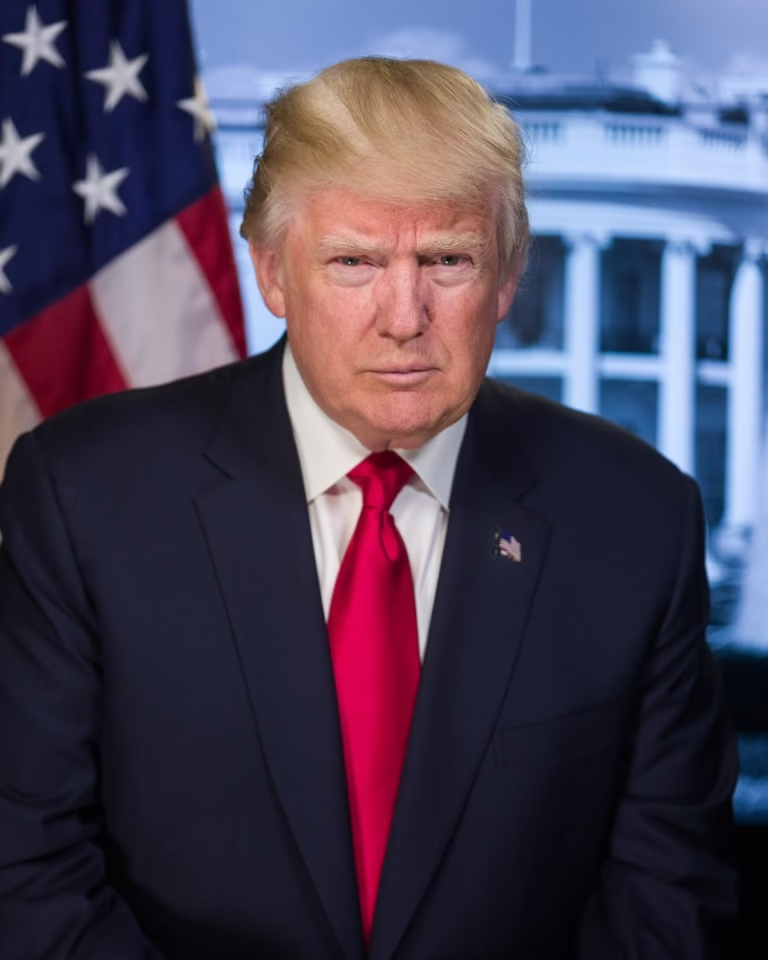
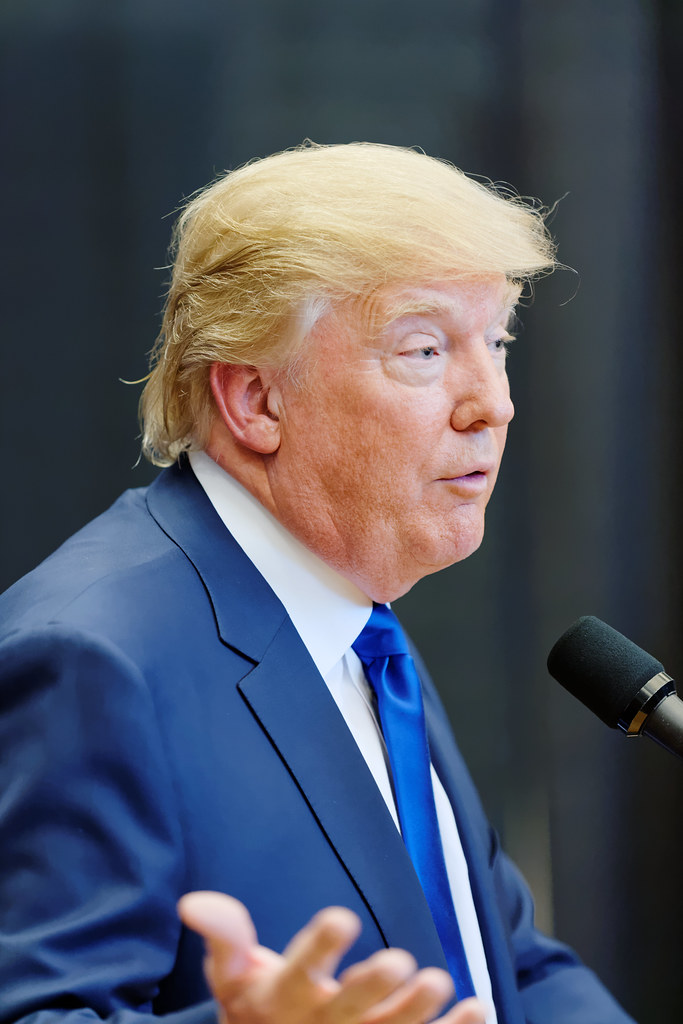
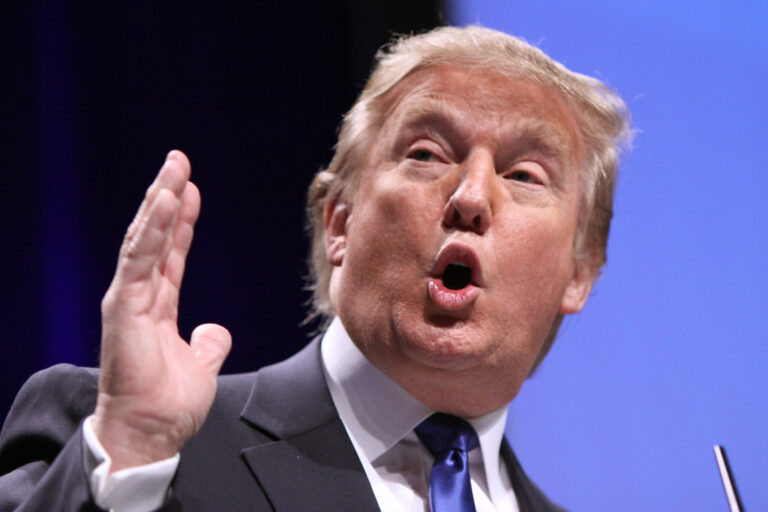
Can Drug Costs Really Fall by 1000%?

0

Key Takeaways:

  • President Trump said U.S. drug costs will drop by “1000 percent.”
  • He wants drugmakers to offer U.S. prices that match other wealthy nations.
  • Social media users found the “1000 percent” math confusing.
  • The plan could reshape how Americans pay for medicine.


Last Thursday, President Trump told Fox News he plans to cut U.S. drug costs by “1000 percent” in about a year. He used an odd example: a $10 pill would rise to $20 “for the world” and then stay at $20 here. That math makes no sense, since a cost cannot drop more than 100 percent. Still, he insists his plan will lower prices dramatically.

Breaking Down the Drug Costs Claim

First, the president wrote to 17 major drug companies. He named firms like Eli Lilly, Pfizer and Merck. In those letters, he gave deadlines for them to match U.S. prices to their lowest international prices. For example, if a pill costs $10 in Country A but $5 here, he wants the U.S. cost cut to $5.

He says the U.S. pays too much for new treatments because other nations pay too little. Therefore, he argues they “free ride” on American innovation. He wants those countries to either pay more or let their governments pay less. That way, American patients would not bear the extra cost.

However, when explaining his bold “1000 percent” statement, the president stumbled. He said a pill priced at $10 would rise to $20 due to “world pricing.” Then he said U.S. buyers would get that same price. He added that this jump would be “bearable” for the world. In his view, this shift somehow transforms into a huge discount here. Yet this logic drew immediate pushback.

Why People Are Confused by 1000%

Social media lit up after the interview. Users pointed out that a 1000 percent price cut makes no real sense. Normally, lowering something by more than 100 percent would mean paying people to take the pill.

One user wrote, “What does any of this mean?” Another called it “unintelligible.” A professor even said his head hurt trying to understand it. Critics argued that the president was just throwing out a big number to sound tough. They said he piled words together without clear math.

Meanwhile, some experts note that numbers can confuse public debates. For example, a 50 percent cut is clear: a $10 pill becomes $5. But a 1000 percent claim sounds radical and impossible. Yet the president appeared undeterred, emphasizing that the world is larger than the U.S., so prices must shift.

In addition, fact checkers have struggled to interpret the plan’s details. They wonder if Trump meant that U.S. drug costs will drop tenfold or something else. At times, his speeches mix up percentages and raw numbers. Thus, viewers are left guessing what real savings consumers might see.

What Could This Mean for You

For now, drug costs remain high. Americans spend far more on prescriptions than patients in many other nations. If Trump’s demands stick, companies might fear penalties if they don’t comply. They face possible policy changes or new regulations as a result.

Therefore, drugmakers could choose between two paths. They could raise foreign prices so they match higher U.S. levels. Or they could lower U.S. prices to match cheaper international rates. Either way, U.S. buyers might see more affordable treatments.

However, raising global prices could anger patients overseas. Those patients pay less now because their governments negotiate lower costs. If companies push them up, those countries could resist or look for alternatives.

On the other hand, if drug firms simply cut U.S. costs, Americans may save money. But companies argue that they need revenue from U.S. sales to fund new research. They worry lower U.S. drug costs could reduce investments in new cures.

Still, the president insists his plan will not harm innovation. He claims that matching prices is fair since other nations benefit from U.S. research. Thus, he frames the move as balancing the burden of drug development.

Next Steps and Possible Roadblocks

Over the next two months, the administration will review company responses. If letters go unanswered or firms refuse to comply, new tools could come into play. These might include import changes, tax shifts or stricter approval processes.

Critics argue tough rules could slow down drug approvals. They fear that companies would delay launching new medicines in the U.S. They could focus on markets that let them keep higher prices.

Yet supporters say that American patients deserve a break after paying the highest drug costs in the world. They point out that many families struggle with bills for lifesaving treatments.

In the end, the fate of U.S. drug costs depends on negotiations and policy moves. Meanwhile, the president’s “1000 percent” remark remains a puzzle. It did spotlight the wider debate on how much Americans should pay for medicine.

Frequently Asked Questions

How can a price drop by more than 100 percent?

Technically, a drop above 100 percent would mean getting paid instead of paying. In this case, the 1000 percent claim seems to be an exaggerated figure meant to highlight a big reduction.

What happens if drug companies refuse to match global prices?

The administration says it will use policy and regulatory tools to force compliance. These tools could include changes in trade rules, import strategies or stricter approval processes.

Could raising prices overseas backfire?

Yes. If drug firms lift prices in other countries, those governments and patients could push back. They might demand new deals or delay approving certain medicines.

Will innovation in new drugs suffer?

Drug companies warn that lower U.S. prices could cut their research budgets. However, the administration argues that the current system unfairly shifts costs to Americans.

When might U.S. consumers see price cuts?

The president said the changes could happen in about a year to a year and a half. But exact timing depends on negotiations and any new rules that come into effect.

Did Trump’s Team Cross the Line on Abuse of Power?

0

Key takeaways:

  • Vice President Harris called out an abuse of power by the Trump administration.
  • She warned that attacks on critics and fear tactics threaten free speech.
  • Several MAGA commentators fired back with harsh, profane posts.
  • This debate highlights the rising tensions over social media censorship.


On Thursday, Vice President Kamala Harris accused the Trump administration of an outright abuse of power in a public post. She warned that the administration uses fear to silence anyone who speaks out. Moreover, she claimed media outlets are giving in to these threats. In her message, Harris insisted that all Americans deserve better protection for free speech.

Understanding the Abuse of Power Claim

Harris wrote that the current administration attacks its critics and uses fear as a weapon. She said, “Media corporations — from television networks to newspapers — are capitulating to these threats.” This message accused Trump’s team of an abuse of power by pressuring social media and news outlets. As a result, Harris insisted that people must not stay silent or complacent against these moves.

MAGA Reactions Turn Harsh

Immediately after Harris’s post, several MAGA-aligned voices responded with profanity. Tiffany Fong told Harris to “shut the f— up,” while Breitbart reporter Alana Mastrangelo called her claims “bulls—.” Gunther Eagleman asked if Harris was “drunk again.” Kimberly Klacszic flipped the accusation, asking if Harris meant her own team’s past work with social media platforms. Finally, Shawn Farash said actions have consequences in today’s “Consequence Culture Era.” These reactions show how divided the debate over an abuse of power has become.

What This Means for Free Speech

First, this clash shows how fragile free speech can feel when politics heats up. Harris believes fear tactics threaten open debate. However, MAGA commentators see her comments as another example of political spin. In either case, the public hears two sides fighting over whether the government crossed the line on free speech. Ultimately, citizens must decide whom to believe in this growing battle.

Why It Matters to You

You might wonder why this clash matters. For one, social media shapes how we learn and share ideas. Therefore, any threat to open discussion can impact your daily life online. Moreover, if fear tactics grow, fewer people may dare to voice honest opinions. As a result, public debates could become less honest and more controlled. Notably, Harris’s call to action reminds everyone they have a right to speak freely.

Looking Ahead: What to Watch

First, watch how media corporations respond. Will they push back or fall in line with threats? Second, observe whether lawmakers introduce new rules on social media pressure. Third, pay attention to public polls on trust in news outlets. Finally, track any new posts from both Harris and Trump allies. These updates will show if the debate over an abuse of power cools down or heats up even more.

The Role of Social Media Platforms

Social media sites face growing pressure from both sides. On one hand, government officials warn against threats and bullying. On the other, critics accuse the same officials of abusing power to control platforms. In this tug of war, platforms must balance free expression with safe spaces. For instance, they may adjust their policies on hate speech or coordinated attacks. Ultimately, their choices will shape the future of online discussion.

Keeping the Conversation Civil

Despite heated exchanges, civil debate remains vital. You can help by:


  • Listening to different viewpoints without immediate judgment.
  • Speaking up against hate speech and personal attacks.
  • Sharing verified facts before adding to the noise.
  • Encouraging respectful dialogue among friends and family.

By doing so, you’ll play a role in preserving free speech and preventing any real abuse of power.

FAQs

What did Kamala Harris say about the Trump administration?

She posted that the administration is committing an outright abuse of power by silencing critics with fear tactics.

Why did MAGA commentators respond so strongly?

They view her claim as unfair and see it as a political attack rather than a valid concern.

How does this debate affect everyday users?

It highlights risks to free speech online and shows how government and media can influence social platforms.

What can I do to support free speech?

You can promote respectful dialogue, verify information before sharing, and stand against threats or bullying online.

How Does Jon Stewart Return Mock Trump’s Style?

Key Takeaways

• Jon Stewart returned to The Daily Show with a glittering, gold-themed set.
• He poked fun at President Trump by echoing Trump’s own lines.
• His appearance followed Jimmy Kimmel’s suspension, which some blame on the Trump administration.
• Stewart also addressed the country’s tension after conservative activist Charlie Kirk’s slaying.
• The “government-approved” label and gold decor added another layer of satire.


Jon Stewart Return Features Gold Trump Satire

Jon Stewart return surprised fans when he hosted The Daily Show part-time. He led a special “government-approved” episode. The stage gleamed in gold, just like Trump’s signature style. Viewers saw golden desks, golden backdrops, and even gold-flecked scripts. Almost instantly, they knew this was no ordinary comeback. Stewart used the glitz to lampoon Trump. In doing so, he turned a flashy set into a sharp political joke.

Why the Gold? Trump’s Gold

First, the gold set linked directly to Trump. Trump loves gold. His ties, his buildings, his hair jokes—they all reference gold. So Stewart built a golden playground. Next, he invited viewers to laugh at how Trump brands himself. Then, by labeling the show “government-approved,” Stewart added another satirical twist. This tag made people ask: Does the government really bless late-night comedy? Of course, the phrase was ironic. However, it drove home Stewart’s punchy point.

Inside the Jon Stewart Return Gold-Decked Episode

When the Jon Stewart return hit the airwaves, he didn’t waste time. He described New York as a “crime-ridden cesspool,” just like Trump often does. Then he quipped, “Someone should send their National Guard in there, am I right?” Audiences laughed because they knew Stewart borrowed Trump’s own words. Instead of calling the line his own, Stewart held up a mirror. He showed how absurd it can sound when said out loud.

Link to Jimmy Kimmel’s Suspension

Moreover, Stewart’s comeback came right after Jimmy Kimmel’s show went off the air. ABC suspended Kimmel indefinitely. Many experts pointed fingers at the Trump administration. They said that network bosses felt pressure from the White House. As a result, Kimmel had to step back. In contrast, Stewart’s return carried the “government-approved” label. That jab hit home. It made viewers wonder why one comedian bows out, while another gets a tongue-in-cheek seal of approval.

Stewart’s Satire on Trump’s UK Trip

Also, Stewart addressed Trump’s recent trip to England. He said, “If you felt off these last couple of days, it’s probably because our Great Father has not been home. Our Great Father was gracing England with his legendary warmth and radiance.” By calling Trump “Great Father,” Stewart twisted praise into mockery. He painted Trump as a larger-than-life figure gone abroad, off the grid, much to the nation’s collective relief.


How Stewart Balanced Humor and Tension

Interestingly, Stewart did not ignore the darker side of recent events. He spoke about the slaying of conservative activist Charlie Kirk. He said tension gripped the country after that tragic news. Then he shifted back to satire, reminding viewers that comedy can heal. Stewart mixed serious notes with laughs. In doing so, he showed why late-night hosts often serve as both jesters and town criers.

Why the Jon Stewart Return Matters

First, it marked a rare part-time comeback for a host who shaped political satire for years. Stewart led The Daily Show from 1999 to 2014. Then he left. In 2024, he agreed to return on a limited basis. This fresh episode showed how he still commands attention. Next, it highlighted the power of satire in a tense political climate. Moreover, Stewart reminded viewers that humor can expose contradictions. He used Trump’s own lines to make people think.

Audience Reactions and Social Buzz

Following the broadcast, social media buzzed. Fans praised Stewart’s wit and his golden set. Some thanked him for speaking truth to power. Others joked about buying gold paint for their rooms. Yet a few critics wondered if mocking Trump’s style risked giving it more shine. Regardless, the episode trended fast. It showed that Stewart’s return drew eyes and ears in a crowded media world.

The Role of Satire in Today’s Politics

Satire has long shaped political debate. Stewart helped define that era. Now, amid deep divisions, his part-time return reminds us of comedy’s role. Satire can ease tensions. In addition, it can point out flaws. Even when the topics feel too big, comedy can frame them in new ways. As a result, people might hear what they’d otherwise ignore.

What’s Next for The Daily Show?

Fans now ask: Will Stewart’s next episode follow the same gold theme? Will he bring back old segments? Or will he craft new jokes for fresh issues? In the end, the Jon Stewart return showed that even a brief revival can make waves. It set high expectations for future shows. If Stewart keeps mixing sharp satire with bold design, viewers will stay glued to their screens.

Final Thoughts

In summary, the Jon Stewart return used a shiny gold set to mock Trump’s style. It came right after a fellow host lost his job. Stewart borrowed Trump’s talking points on New York and used them for laughs. He also honored a tragic event with a moment of seriousness. Overall, the show proved that satire still matters in a tense political age. It can shine a light on power by reflecting it, even in gold.

Frequently Asked Questions

Why did Jon Stewart return to The Daily Show now?

Jon Stewart return came as part of a new part-time deal. He wanted to address today’s political climate with fresh satire.

Did the Trump administration really approve the episode?

No. The term “government-approved” was a joke. Stewart used it to mock the idea of official TV endorsements.

How did fans react to the gold-themed set?

Most fans loved it. They saw the gold as a clever reference to Trump’s flashy style. Some joked they wanted gold decor too.

Will Stewart address Charlie Kirk’s slaying again?

Stewart touched on the tragic event in this episode. Future shows may revisit it if public interest stays high.

Will the Pentagon Recruit Charlie Kirk Fans?

0

Key takeaways:

• The Pentagon is weighing a recruitment drive aimed at Charlie Kirk fans.
• Leaders have discussed slogans like “Charlie has awakened a generation of warriors.”
• Plans may include outreach at Turning Point USA chapters on college campuses.
• Some Pentagon officials warn it could look like exploiting Kirk’s death.
• The idea faces internal resistance and is not yet approved.


The Pentagon is exploring a way to tap into the energy of Charlie Kirk fans. According to reports, senior defense officials want to frame a new campaign as a national call to service. They hope to link the passion that grew around Charlie Kirk to the idea of joining the military. However, some leaders worry the plan might seem insensitive or politically charged.

Why the Pentagon is targeting Charlie Kirk Fans

Many young people admired Charlie Kirk for his strong views and bold speeches. Now, Pentagon leaders see an opportunity to speak directly to those followers. They think a message tied to Kirk’s legacy could inspire a fresh wave of enlistments. Moreover, they believe these potential recruits already share values like patriotism and loyalty. By leaning into that connection, the military could stand out amid other recruiting efforts.

At the heart of the idea is a national call to service. Officials have floated slogans such as “Charlie has awakened a generation of warriors.” They envision ads, social media posts, and campus events that echo that phrase. In addition, they imagine setting up enlistment centers at Turning Point USA chapters. This approach could put recruiters right where Charlie Kirk fans gather.

Details of the proposed campaign

Under the proposal, recruiters would partner with campus chapters of Turning Point USA. Recruiters might attend chapter events or even host tables in student centers. Posters and banners could feature subtle nods to Kirk’s movement. For example, they might highlight themes of leadership and standing up for beliefs. Meanwhile, online ads would use references that resonate with Charlie Kirk fans.

Furthermore, defense officials have discussed using video messages that speak directly to Kirk’s supporters. These clips might show service members who share similar views. This personal touch could build trust and spark conversations. In essence, the plan would blend military branding with the style of a political movement.

Controversies and challenges

Despite the idea’s promise, some Pentagon leaders are uneasy. They warn that targeting Charlie Kirk fans could look like the military is capitalizing on a tragic death. After all, Kirk did not serve in the armed forces. Critics argue that linking his name to recruitment crosses a line. Moreover, there are worries about mixing politics with military service.

In addition, Secretary of Defense Pete Hegseth is reportedly working to remove individuals who posted about Kirk’s death online. This move has triggered debates about free speech and fairness in the ranks. As a result, any recruitment plan tied to Charlie Kirk fans may face legal and ethical scrutiny.

Turning Point USA itself carries its own baggage. The group has faced accusations of promoting racism and Christian nationalism. Its close ties to former political campaigns also raise questions about nonpartisan military rules. Some defense officials feel that partnering with a controversial group could backfire.

What happens next

For now, the Charlie Kirk fans recruitment plan remains under review. Pentagon leaders have not given final approval. They continue to discuss possible slogans, outreach tactics, and partner groups. Meanwhile, public reaction could influence their decision. If families and veterans speak out, the plan might be shelved. On the other hand, if the idea gains support, it could reshape how the military recruits young people.

Regardless of the outcome, this debate highlights the challenges of modern recruitment. The military must find new ways to connect with potential recruits. At the same time, it must avoid appearing political or insensitive. As a result, any campaign tied to a high-profile figure like Charlie Kirk will face close examination.

Frequently Asked Questions

What slogans has the Pentagon discussed for this plan?

Defense officials have mentioned slogans such as “Charlie has awakened a generation of warriors.” They hope phrases like this will echo Kirk’s influence without directly claiming his legacy.


Could this campaign face legal or ethical issues?

Yes. Critics argue that linking recruitment to a partisan figure could violate rules requiring a nonpolitical military. There are also concerns about exploiting grief. Pentagon lawyers are likely examining these risks.

How might Turning Point USA chapters be involved?

The plan could place military recruiters at campus events hosted by Turning Point USA. Enlistment tables and targeted ads might appear where Charlie Kirk fans gather. This would offer direct engagement with interested students.

What other recruitment efforts has the Pentagon used?

The military has tried digital ads, social media campaigns, and immersive events. It has also partnered with schools and community groups. However, tapping into a specific political movement would be a new approach.

Did John Stewart Expose a Threat to Free Speech?

0


Key takeaways

  • John Stewart returned after a long break and called out a threat to free speech.
  • Trump allies have pushed to review TV licenses after political remarks.
  • Jimmy Kimmel’s show was paused amid criticism over a recent comment.
  • Stewart used humor to highlight rules on free speech and false claims.

John Stewart Returns and Defends Free Speech

On Thursday, John Stewart made his big return to host the show. He walked on stage after a multi-year break. Immediately, he focused on a major issue: free speech. He said experts have raised alarms over the president’s latest attack on free speech. Stewart used his trademark sarcasm. He said, “There are rules of free speech that everyone needs to follow.” Then he offered a mock lesson on what those rules are.

Background to the Clash Over Free Speech

First, let us look at why free speech is under fire. Last week, a conservative activist died in a tragic event. Since then, the administration claimed that left-wing groups fueled the killer. They argued that Democratic remarks pushed someone to violence. Experts say this claim lacks real evidence. However, the administration kept repeating it. As a result, critics saw it as a tactic to curb political speech they dislike. In addition, this claim has fueled a broader debate on how far leaders can go in linking words to actions.

FCC Threatens Networks Over Content

Meanwhile, the FCC chair made a thinly veiled threat. Brendan Carr suggested that the FCC might review TV licenses. He specifically named shows like Jimmy Kimmel Live! He said some programs “do not serve the public interest.” Therefore, licenses for those networks might face extra scrutiny. Soon after, a big station group said it would suspend Jimmy Kimmel’s show. The group cited a comment Kimmel made about the recent tragedy. That remark upset many conservatives. As a result, the network paused the show indefinitely.

Stewart’s Sarcastic Lesson on Speech Rules

When Stewart heard about this move, he fired back. He played clips of pundits who demanded punishment for lying. Then he said with a grin, “You can’t just go on television and make up lies.” Next, he showed clips of officials repeating claims that clash with data. For example, they said crime has spiked and that most immigrants are criminals. “That’s how it’s done!” Stewart quipped. Through humor, he pointed out the irony. He stressed that free speech does not mean free lies. Also, he reminded viewers that no one checks those who hold power.

Why This Moment Matters for Free Speech

This sketch carries real weight for free speech today. Comedy shows have long asked tough questions. They hold leaders accountable. However, if networks face license threats, satire could die down. Moreover, viewers could lose a critical voice that points out falsehoods. When public interest slides, so does accountability. Therefore, many worry that such moves can chill honest debate. In addition, free speech provides a way to challenge facts. It also lets citizens push back against power. Finally, the health of any democracy links to this right.

What Comes Next for Free Speech in Media?

Right now, it remains unclear if the FCC will follow through. Some experts say a license review would take years and need real evidence. In contrast, the threat alone can scare networks. Meanwhile, producers might self-censor to avoid trouble. They might avoid topics that draw political heat. Consequently, viewers may see fewer shows that tackle big issues. On the other hand, public pushback can force leaders to back down. Protests, letters, and online pressure can make a difference. Ultimately, free speech depends on active citizens who care about honest dialogue.

Stewart’s return has already shifted the conversation. He reminded people that humor still matters. Likewise, he showed that satire can expose contradictions in power. As this story develops, viewers can decide what values they want in media. If they value truth, they may support shows that challenge official stories. However, if they stay silent, they risk letting threats to free speech go unchecked. Therefore, everyone has a role in protecting this right.

What did John Stewart say about free speech on his return?

He sarcastically reviewed “rules of free speech” and mocked attempts to punish satirists and liars who spread false claims.

Why did the FCC chair threaten to review TV licenses?

He argued that some talk shows “do not serve the public interest” and suggested the FCC could pull or review their licenses.

Why was Jimmy Kimmel’s show suspended?

A station group paused his show after conservatives criticized a remark Kimmel made about the recent tragic killing.

How can viewers help protect free speech in media?

They can write to broadcasters, support satirical shows, join public campaigns, and stay informed about media rights.

Can an FCC Threat Silence Jimmy Kimmel?

0

Key Takeaways

  • The FCC threat from Chairman Brendan Carr warned ABC affiliates they could lose licenses if they aired Jimmy Kimmel’s show.
  • Major station group Nexstar preempted Kimmel’s program, then ABC followed suit.
  • A unanimous Supreme Court ruling in the NRA v. Vullo case bans coercion against disfavored speech.
  • Legal experts say Kimmel would likely win a lawsuit over this clear First Amendment violation.

Can an FCC threat really shut down Jimmy Kimmel’s show? On Wednesday, ABC pulled Jimmy Kimmel’s late-night program after the FCC chair hinted at license revocation. This move followed Kimmel’s monologue accusing political figures of miscasting a tragic killing for partisan gain. Soon after, the station owner Nexstar yanked the show, and ABC dropped it too. Many called it a chilling blow to free speech.

How events unfolded

First, Jimmy Kimmel opened his monologue by criticizing what he called “the MAGA gang” for twisting a violent death into a political point. Next, FCC Chairman Brendan Carr, a Trump appointee, warned that local ABC stations could face serious trouble if they kept airing the show. He said he might revoke their broadcast licenses. Then Nexstar, which owns stations in over 100 markets, immediately preempted the show. Within hours, ABC joined in and replaced Kimmel with other content.

Many viewers and media experts reacted with anger. They saw the FCC threat as a direct attack on press freedom. Furthermore, this action came while Nexstar is seeking approval to buy Tegna, another big station owner. If regulators block that deal, Nexstar stands to lose a massive merger. Accordingly, critics say the FCC threat pressured Nexstar to choose its business deal over a host’s speech.

Why the FCC threat flouts free speech rules

Legal analyst Mark Joseph Stern points out that this FCC threat violates a recent Supreme Court ruling. In 2023, the High Court decided the NRA v. Vullo case by a unanimous vote. Justice Sonia Sotomayor wrote that “viewpoint discrimination is uniquely harmful to a free and democratic society.” She added that no government official may coerce a private party to punish disfavored speech.

Moreover, Stern explains that Chairman Carr’s warning fits this ban on coercion perfectly. Carr told ABC affiliates they could lose licenses if they aired Kimmel’s show. In turn, Nexstar and ABC complied. Stern argues that the FCC threat worked exactly like the pressure in the NRA case, where New York regulators pushed banks to drop the NRA. In both situations, a government agency forced private entities to punish speech it disliked.

What the Supreme Court case means

In NRA v. Vullo, the Court unanimously protected the NRA’s right to speak. It blocked state officials from strong-arming banks and insurers into dropping the group. The ruling stressed that the Constitution forbids any government coercion that hurts disfavored viewpoints. Here, the FCC threat shows that the federal government tried to silence a late-night comedian for criticizing a political movement and its leaders.

Because all nine justices agreed on that principle, it carries major weight. Any lower court would likely stop the FCC from punishing stations for airing Kimmel’s show. As Stern notes, Kimmel would almost certainly win if he sued. The judge would see the FCC threat as glaring viewpoint discrimination.

How this fight ties to media mergers

Interestingly, Nexstar’s deal to acquire Tegna looms large in this story. Nexstar needs FCC approval to complete the merger. The FCC threat put Nexstar in a bind: either back Kimmel’s speech or risk a tougher licensing review. If Nexstar had refused to pull the show, the FCC chair could have slowed or blocked the Tegna deal. This shows how regulatory power can shape corporate decisions on content.

At the same time, critics warn that using merger approval as leverage over speech sets a dangerous precedent. It tells media owners they must silence critics or lose business deals. In that context, the FCC threat holds even more weight—and reveals why courts must step in to stop it.

What comes next

Looking ahead, ABC affiliates and Nexstar stations must decide whether to challenge the FCC threat in court. Jimmy Kimmel himself could file a lawsuit for defamation, breach of contract, or First Amendment violations. Legal experts predict that any challenge would hinge on the Supreme Court’s NRA v. Vullo ruling.

If a court rules against the FCC, it could block the agency from enforcing threats like these in the future. It may also slow or halt Nexstar’s Tegna acquisition. On the other hand, if the FCC succeeds, broadcasters may self-censor more often to avoid license fights. That would leave audiences with fewer outlets willing to criticize powerful figures.

Public reaction has been swift. Free speech advocates, journalists, and some politicians have condemned the FCC threat. They warn it undermines the press and puts political control ahead of honest reporting. Meanwhile, many viewers say they will tune out Nexstar stations or switch to streaming platforms that cannot be regulated the same way.

The bottom line

This episode highlights how regulatory power can collide with free speech. An FCC threat triggered a cascade of station decisions that sidelined a comedian’s show. However, a clear Supreme Court precedent seems to protect speech from this kind of government coercion. If Jimmy Kimmel or his network sues, they stand on solid ground. In the end, the case could reaffirm that no one—not even a federal agency—can force media companies to silence dissenting voices.

Frequently Asked Questions

What exactly was the FCC threat?

The FCC threat came when the agency’s chair warned that local ABC stations could lose their broadcast licenses if they kept airing Jimmy Kimmel’s show. This implied serious regulatory punishment for disfavored content.

Why did Nexstar pull Kimmel’s show?

Nexstar faced a pending merger that needs FCC approval. By preempting Kimmel’s show, the company likely hoped to avoid harsh scrutiny or a veto of its big deal.

How does the NRA v. Vullo case apply here?

In that case, the Supreme Court ruled unanimously that government officials cannot coerce private parties to punish disfavored speech. The FCC threat works the same way, pressuring broadcasters to silence Jimmy Kimmel.

Could ABC or Kimmel win a lawsuit over this?

Yes. Legal experts agree that a court would likely block the FCC threat as unconstitutional viewpoint discrimination. Kimmel or ABC would have strong grounds to sue and win.

Will Ilhan Omar Face Censure Over Charlie Kirk Comments?

0

Key Takeaways

  • Ilhan Omar criticized the rush to praise Charlie Kirk after his death.
  • She called out media for ignoring Kirk’s past statements and actions.
  • Omar reshared a comment labeling Kirk a “stochastic terrorist.”
  • MAGA activists demanded an apology and pressed for her censure.
  • Rep. Nancy Mace filed a resolution to remove Omar from committees.

Ilhan Omar Stands by Her Words

After the tragic shooting of conservative activist Charlie Kirk at Utah Valley University, Ilhan Omar spoke out. She argued that many outlets tried to erase Kirk’s history of controversial views on race and faith. On a talk show, Omar said it felt wrong to ignore a decade of public statements. She also reshared a post that called Kirk a “stochastic terrorist.” Even as critics branded her reaction harsh, Omar refused to back down. She insisted she would not erase her own social media history.

MAGA Leaders Demand Apology

Soon after, two far-right figures, Laura Loomer and Charles Downs, cornered Omar outside her office. They wanted an apology for her reshared comment. According to Loomer, Omar ran into her office instead of speaking with them. They accused her of celebrating political violence. However, Omar declined to apologize or clarify her words. This standoff energized many on the right. They saw it as proof she condoned Kirk’s death.

GOP Pushes Censure Effort

Republicans quickly moved from outrage to action. Representative Nancy Mace introduced a resolution to strip Ilhan Omar of her committee seats. She wants Omar formally censured for what she calls an endorsement of violence. Bodybuilder and commentator Ian Jaeger cheered Mace’s plan. He urged the House to pass the resolution without delay. Meanwhile, Texas activist Gunther Eagleman called on every GOP member to back the measure. He said no Republican should stand against removing Omar from power. Internet personality Nick Sortor also joined the chorus. He warned Omar is in danger of losing all committee roles if the effort succeeds.

How a Censure Resolution Works

A censure is a formal statement of disapproval by the House. First, a member must file a resolution. Nancy Mace has done that. Next, the resolution goes to the House floor for debate. If a simple majority votes yes, the member faces censure. Members can also lose committee assignments as part of the punishment. However, GOP leaders must agree to enforce it. Otherwise, the resolution may stall in committee. Therefore, even with public support, the censure might not reach a vote.

The Stakes for Ilhan Omar

If censured, Ilhan Omar would suffer a major career setback. Losing committee assignments weakens her legislative influence. It also dents her public standing. Fellow Democrats would likely rally around her. They may see the effort as politically motivated. Yet, if some Republicans break ranks, the resolution could pass. In that case, Omar would become one of the few members ever formally censured.

What Happens Next

The coming days will be crucial. House leaders will assess whether they have enough votes. Meanwhile, Omar’s allies may mount a defense. They could argue she spoke out against dangerous rhetoric. They might highlight Kirk’s own controversial record. If the resolution moves forward, expect heated debate. On the other hand, if it stalls, GOP critics may claim victory by drawing attention to Omar’s comments. Either way, the clash reveals deep partisan divides.

FAQs

What did Ilhan Omar say about Charlie Kirk?

She criticized the media for whitewashing Kirk’s past views and reshared a post calling him a “stochastic terrorist.”

Why do Republicans want to censure Ilhan Omar?

They claim her comments condone political violence and believe she should lose her committee roles as punishment.

What is a House censure?

A censure is an official reprimand by the House of Representatives. It can include removing committee assignments.

How likely is the censure to pass?

It needs a simple majority and GOP leaders’ support. The effort could stall if leaders doubt they have enough votes.

Did the DHS Raid in Chicago Target an Innocent Man?

0

Key Takeaways

  • The Department of Homeland Security labeled a man a “criminal illegal immigrant.”
  • Officials did not reveal that he was a U.S. citizen before sharing his arrest video.
  • Joe Botello was handcuffed in a pre-dawn DHS raid and released soon after.
  • Critics say the DHS raid was used for political show and misinformation.
  • Illinois leaders and watchdogs pushed back against federal overreach.

What Really Happened in the DHS Raid?

This week, the Department of Homeland Security shared a video of a man being detained. Secretary Kristi Noem called him a “criminal illegal alien.” However, the man was actually a U.S. citizen named Joe Botello. He lives in a Chicago-area home with five roommates. In the early morning, Border Patrol and DHS agents smashed the front door. They dragged Botello and his roommates outside in handcuffs. Despite his citizenship, the video was posted online. It made him look like a dangerous criminal.

During the DHS raid, agents detained five people. They released Botello soon after. Yet, the story stayed online. It went viral as proof that Chicago was unsafe. President Trump had threatened to send the military to the city. He claimed local leaders did not protect citizens. Meanwhile, Illinois officials denied that claim. They said the city is safe and officers do good work.

Why the DHS Raid Raised Concerns

Critics say the DHS raid was more about politics than safety. They argue that Secretary Noem used the video to back the president’s warnings. Moreover, they point out that the agents knew Botello was a citizen. Yet, they still shared the clip with false labels. This act may have hurt his reputation. It may also harm trust in law enforcement.

Aaron Reichlin-Melnick, an immigration expert, uncovered the truth. He posted a thread on X, formerly Twitter. He explained that agents never showed Botello a warrant. They did not explain why they targeted his home. When he asked about his roommates, they refused to answer. Yet, they approved posting his arrest video. This move turned a private raid into a public spectacle.

What the Man Says

Joe Botello is relieved he was released quickly. He spoke to reporters after the raid. He said agents did not read him his rights. He said he saw no warrant at the door. Also, an agent asked him how he spoke English so well. Botello believes he was detained because he is Hispanic. He feels the DHS raid aimed at his house and roommates. He got caught up by mistake.

He noted that the whole scene was filmed for cameras. Cameras were rolling when he walked out in his pajamas. He said he felt humiliated and scared. He wondered why his friends were taken away. Yet, he was left with no clear answers.

How Officials Responded

Secretary Noem defended the raid as a success. She said agents removed “violent offenders” from the streets. She claimed arrests included assault, DUI, and felony stalking. She insisted the work is only beginning. Yet, she omitted that Botello was free within hours.

The Department of Homeland Security has not apologized. It did not correct the public statement. It still refers to Botello as an “illegal alien.” Meanwhile, Illinois Governor and city leaders criticized the federal move. They called it a stunt and a misuse of power. They say local police handle safety well. They urge DHS to respect due process.

Local lawmakers also voiced concerns. They questioned why federal agents broke down the door without clear cause. They asked for more details on the DHS raid plan. They want proof that agents followed legal steps. They fear such raids could harm innocent families.

What This Means for Chicago Residents

Many people in Chicago worry that federal overreach may increase. They fear raids without clear warrants. They worry that any Hispanic resident could face a similar fate. Some community groups plan to monitor DHS activity more closely. They will offer legal help to anyone questioned.

For now, the story highlights a clash. On one side, the federal government claims it will protect citizens by any means. On the other, local leaders defend their record and demand fair treatment. This battle came amid calls by President Trump to consider a military presence in Chicago. Those calls were met with strong local pushback.

Moreover, the incident fuels debates about immigration policy. It raises questions about how DHS uses its power. It shows how easy it can be to spread false impressions. It also shows how social media can shape public opinion.

Lessons Learned from the Raid

First, officials must confirm facts before going public. False claims can harm real people. They can also weaken trust in government. Second, law enforcement should show warrants when required. Transparency builds trust. Third, the public needs clear, honest updates. This helps people feel safe and informed. Finally, community watchdogs play a key role. They can expose abuses and demand accountability.

Looking Ahead

In the coming weeks, Illinois officials will press DHS for more details. They want an internal review of the raid. They may ask for video footage and logs of communications. They also plan to support training on civil rights for federal agents.

At the same time, federal leaders face questions in Congress. Some members want answers about the raid’s legality. They may call hearings to examine DHS tactics. They also worry about the message sent to immigrant communities.

Meanwhile, Joe Botello is rebuilding his life. He has friends who cheered when he got home. He continues to speak out about his rights. He hopes his story will warn others about unchecked power. He also wants an apology and a public correction from DHS.

This incident will likely shape future policy. It could lead to new rules on how DHS shares arrest videos. It might force clearer guidelines on raid procedures. Above all, it shows that even a single raid can spark a major debate.

FAQs

What led to the DHS raid on Joe Botello’s home?

Officials said they sought violent offenders. However, the agents did not show a warrant for Botello’s home. They later released him when they found he was a U.S. citizen.

Did the DHS raid follow legal procedures?

Critics say agents failed to show a warrant before entering. They also call out the public labeling of Botello as a criminal illegally. This action raised serious legal and ethical questions.

How did local leaders react to the DHS raid?

Chicago and Illinois officials criticized the move. They called it a political stunt and demanded transparency. They also pushed for a full review of the raid’s legality.

What could change after this incident?

Lawmakers may set new rules on how DHS shares arrest videos. There could be stricter checks on raid warrants. Federal and local leaders may also improve training on citizen rights.

Why Did Kash Patel Erupt in Senate Hearing?

0

Key Takeaways

• Kash Patel and Senator Adam Schiff clashed over Jeffrey Epstein’s associate.
• Schiff pressed Patel about Ghislaine Maxwell’s prison move.
• Patel accused Schiff of political games and lying on Russiagate.
• Senate Judiciary Chair Chuck Grassley gavelled both men down.
• The fight highlights tensions over FBI oversight and transparency.


Kash Patel faced tough questions in a Senate hearing. He flew off the handle at Senator Adam Schiff. Both men shouted over each other. In the end, Senator Chuck Grassley slammed his gavel. He ordered everyone to be quiet.

Kash Patel Spars with Senator Adam Schiff

During a Senate Judiciary Committee session, Senator Adam Schiff asked Kash Patel about a startling decision. Schiff wanted to know who moved Ghislaine Maxwell to a low-security prison. Maxwell received a 20-year sentence for sex trafficking. She was one of Jeffrey Epstein’s closest associates.

Schiff noted that the transfer happened soon after Maxwell’s interview with the deputy attorney general. He asked Patel if the Justice Department made that call. Patel said the Bureau of Prisons did it on its own. Schiff did not buy that answer.

“You want the American people to believe that?” Schiff asked sharply. “Do you think they’re stupid?” His tone grew louder. Patel’s face flushed. He stared down at Schiff, ready to fire back.

Without warning, Patel jumped to his feet. He pointed a finger at Schiff and barked an insult. “I’m not in the weeds on everyday inmate moves,” Patel said. “I’m protecting this country and fighting intelligence weaponization!”

He accused Schiff of lying on Russiagate and January 6. He called him “the biggest fraud” ever in the Senate. Schiff tried to speak, but Patel cut him off. “You’re a political buffoon at best!” Patel yelled.

Senator Chuck Grassley hammered his gavel repeatedly. “Both of you be quiet!” he shouted. But Patel kept talking until the gavel fell again. Finally, Grassley restored order.

Why Did Kash Patel Lose His Cool?

Several factors likely pushed Patel over the edge. First, the question hit a nerve about Epstein. The Epstein case still stirs strong emotions. Maxwell’s prison transfer made many people uneasy. Patel must have felt cornered.

Second, Schiff has long criticized the Trump administration. He has led probes on Russiagate and January 6. Patel likely saw Schiff’s questions as political theater. Therefore, he fired back with personal attacks instead of facts.

Finally, Patel had to defend his record at the FBI. As director, he must show strength and control. When Schiff challenged him publicly, he felt his authority slip. That fueled his explosive response.

The Epstein Transfer Controversy

Ghislaine Maxwell served a prison term for sex trafficking. Federal rules bar sex offenders from low-security camps. Yet within a week of her interview with a top Justice official, she moved to a minimum-security prison in Texas. Such a move required a rules waiver.

Schiff asked Patel who approved that waiver. Patel blamed the Bureau of Prisons. He said no one in the Justice Department pressured the move. That answer left Schiff—and many viewers—skeptical.

Moreover, Epstein’s case still draws global attention. People want transparency in every action. The Maxwell transfer raised questions about fairness, security, and political influence. Senators from both parties have probed the decision.

The Fallout and What Comes Next

After the hearing, news outlets replayed the meltdown. Social media lit up with clips of Patel’s insults. Some praised him for standing up to Schiff. Others denounced his behavior as unprofessional.

Senate Democrats called for follow-up hearings. They want detailed answers on Maxwell’s move. Republicans argue the Bureau of Prisons acted properly. They say political attacks cloud the real issue.

In the meantime, the Justice Department must decide whether to review its prison rules. There is talk of clear guidelines for transferring high-profile inmates. That could prevent similar controversies down the road.

The clash also spotlights broader questions about FBI leadership. Patel only recently took charge. Lawmakers will watch how he handles future probes and internal reforms. His outburst may affect his credibility on Capitol Hill.

Lessons for Public Hearings

Public hearings play a key role in government oversight. They aim to hold officials accountable. Yet they can spiral into shouting matches when tempers flare.

Officials like Kash Patel must prepare for tough questions. They need clear facts and calm answers. Personal attacks only fuel gridlock and distrust.

Senators, too, should challenge witnesses respectfully. Heated rhetoric may score political points, but it often hinders real solutions. In this case, both sides left with more heat than light.

Ultimately, this episode shows how easily a hearing can derail. It also underscores the power of a single gavel to restore order. Chuck Grassley’s firm hand reminded everyone of the rules. Respect and decorum matter, even amid sharp disagreements.

FAQs

What triggered Kash Patel’s outburst?

He responded to Senator Schiff’s question about Ghislaine Maxwell’s low-security prison move. Patel felt the query questioned his honesty and the FBI’s integrity.

How did the Senate chair stop the shouting?

Senate Judiciary Chair Chuck Grassley repeatedly slammed his gavel. He ordered both Patel and Schiff to be quiet, restoring calm.

Who is Ghislaine Maxwell and why is her transfer controversial?

Maxwell was convicted of sex trafficking linked to Jeffrey Epstein. Federal rules usually bar sex offenders from low-security camps, so her transfer raised questions of fairness and influence.

What might this mean for future prison transfers?

Lawmakers may push for clearer guidelines on moving high-profile inmates. The goal is to ensure fairness and prevent political interference in the prison system.

Did Kash Patel’s Hearing Turn Into Jerry Springer?

0

Key Takeaways

  • FBI Director Kash Patel faced tough questions at a Senate hearing.
  • A legal expert likened the session to a “Jerry Springer” episode.
  • Patel came under fire over statements on the Charlie Kirk case.
  • He also drew criticism for his handling of Ghislaine Maxwell’s transfer.

Kash Patel’s Hearing in Front of the Senate Judiciary Committee

The Senate Judiciary Committee held a hearing to review FBI leadership. The focus fell on FBI Director Kash Patel. He testified about his role in the probe of conservative activist Charlie Kirk’s killing. Yet the session quickly spiraled into heated exchanges and loud cross-talk. Many watchers compared it to a talk-show brawl rather than a sober oversight meeting.

Why Kash Patel’s Hearing Drew “Jerry Springer” Jabs

A former federal prosecutor, Kristy Greenberg, watched from a TV studio. She said the hearing felt more like a reality show than a serious inquiry. She pointed to the shouting match between Patel and Senator Adam Schiff. She also cited tense moments with Republican Senator John Kennedy. Greenberg said Patel treated the hearing like a soap opera. That is why she used the term “Jerry Springer.”

How the Hearing Unfolded

Senators asked Patel to explain his public claims about the Kirk case. Patel had announced on social media that a suspect was in custody. That assertion proved false. In turn, lawmakers grilled him on why he issued that statement. Voices rose, and interruptions came from both sides. Some senators pressed him on why he shared unverified details. Others defended his need to keep the public informed. Yet the back-and-forth often sounded more like a feud than a formal inquiry.

Questions on the Charlie Kirk Case

Last week, conservative activist Charlie Kirk was tragically shot and killed. The FBI led an intense manhunt for suspects. Patel took to social media to update the public. However, he said wrong information about a suspect’s arrest. Lawmakers demanded to know how he reached that conclusion. They asked whether he had seen the FBI’s full case file. They also wanted to know if he waived standard review steps before posting.

The Ghislaine Maxwell and Epstein Controversy

Patel’s testimony shifted to another hot topic: Ghislaine Maxwell. She was a convicted sex trafficker linked to Jeffrey Epstein. Senators asked why she moved from one facility to another. Patel said he was not involved in day-to-day prison decisions. This claim did not sit well with Greenberg. She said it showed a lack of oversight. After all, Maxwell was deemed highly dangerous. She argued that Patel should have monitored all key moves.

Greenberg also blasted Patel’s claim about the FBI’s Epstein files. She noted the bureau held over 300,000 gigabytes of material on Epstein and his network. Yet Patel said no credible evidence existed to show Epstein trafficked minors for others. Greenberg found that hard to believe. She pointed out that many survivors and documents linked Epstein’s crimes to a broader ring. She told Patel he needed to back up his statements with proof.

Calls for Accountability

Throughout the hearing, Greenberg urged Patel to “stand behind” his assertions. She said he should not hide behind the Justice Department’s reports. Instead, she urged him to own his judgments. “Put on your big boy pants,” she declared on air. She demanded he explain each decision in simple terms. In other words, she expected clear answers rather than political spin.

What Comes Next for Kash Patel

After this turbulent hearing, questions remain about Patel’s future. Some senators said they will press the Justice Department inspector general to investigate his role. Others want fresh guidelines on how FBI leaders share sensitive case updates. Meanwhile, legal experts will watch for any formal inquiries into his conduct. If Patel cannot offer clear evidence, his credibility could suffer further. Yet he still has allies who defend his actions.

In the end, the hearing highlighted deep partisan divides. It also raised concerns about how top officials handle sensitive information. Many hope that future sessions will stay focused on facts rather than theatrics. For now, Kash Patel must decide whether to double down on his claims or offer a more detailed account.

Frequently Asked Questions

What did the legal expert mean by calling the hearing a “Jerry Springer” episode?

She used the term to describe the loud, chaotic atmosphere. She felt the senators and Patel shouted more than they discussed facts.

Why was Kash Patel criticized over the Charlie Kirk investigation update?

Patel posted on social media that a suspect was in custody. That information turned out to be incorrect, leading to questions about his vetting process.

What issue did senators raise about Patel’s comments on Ghislaine Maxwell?

They questioned why he claimed ignorance of Maxwell’s prison transfer. They also challenged his statement that no credible evidence existed of her wider trafficking network.

How might this hearing affect Kash Patel’s career?

Lawmakers may push for further probes into his actions. If he can’t clearly justify his decisions, it could harm his reputation and future leadership roles.