60.3 F
San Francisco
Thursday, April 16, 2026
Home Blog Page 501

Could Trump UK Visit Turn Ugly?

0


Key Takeaways


  • Donald Trump has had a smooth start during his Trump UK visit.
  • Sir Alan Duncan says organizers have “hermetically sealed” him from public view.
  • A press conference could become tense as UK reporters press tough US issues.
  • Topics like Jeffrey Epstein and US politics may dominate questions.
  • Free speech at the press event could spark unexpected moments.

Trump UK Visit: Smooth Start and Royal Welcome

Donald Trump’s trip to Britain began without a hitch. He met the King at a grand palace. He toured famous sites in London. So far, crowds have stayed away from protests. In fact, the American president has been “hermetically sealed” away from any awkward crowds or big rallies. As a result, the Trump UK visit looks like a carefully planned show. Even critics have had little chance to disrupt his schedule.

Meanwhile, Sir Alan Duncan, former deputy to Boris Johnson, shared his views on CNN. He noted that organizers work hard to avoid public trouble. However, he warned that not every moment stays perfect. He explained that big state visits use tight plans and lots of security. That way, the important bits run smoothly. Yet, there is one key event that can change the mood in an instant.

Press Conference May Shake Up Trump UK Visit

The most risky moment in this Trump UK visit will be the press conference. At that event, British reporters can ask whatever they want. They could bring up foreign policy, trade deals, or tough topics from home. Indeed, Sir Alan Duncan pointed out that this moment is “open season” for any question. In other words, the carefully managed trip may face its biggest test here.

If reporters press Mr. Trump on his ties to convicted sex offender Jeffrey Epstein, tensions could rise. They might ask about ongoing legal battles in the US. They may question his views on world conflicts or democracy. Such questions could force him to defend his record or dodge topics. Consequently, viewers around the globe will watch closely for any misstep.

Why This Moment Matters

Press conferences show how leaders handle tough scrutiny. They allow free speech and open government. Yet they also risk spilling secrets or causing headlines. For Trump, who is not popular in many places overseas, the stakes are high. Any stray comment could dominate news cycles and overshadow the rest of the visit.

Moreover, if the tone turns ugly, it could affect US-UK ties. Diplomats on both sides work hard to keep relations positive. A heated exchange at the press event could undermine trade talks or future meetings. In addition, it may fuel protests outside Downing Street or in front of parliament.

What Could Go Wrong?

First, a reporter might ask about the January 6 attack or ongoing court cases. That could put Mr. Trump on the defensive. Second, questions about Epstein could trigger an emotional or angry reaction. Third, a technical glitch or scheduling error could delay the event and fray tempers. Finally, protesters gathering nearby could distract or alarm attendees.

As a result, organizers may try to control every detail. They might set strict rules on questions or screen reporters. Yet Sir Alan Duncan stressed that the press conference must stay open. After all, it is part and parcel of a free society. Thus, they cannot lock down every moment.

What Happens Next?

After the press conference, the rest of the trip will likely return to form. Donald Trump will attend official dinners, visit historical sites, and meet British leaders. He may tour a military base or celebrate special events. However, if the press conference goes badly, it will cast a shadow over his entire stay.

In the end, the Trump UK visit is a balance between careful planning and unpredictable debate. If Mr. Trump handles the tough questions with calm and humor, the event may pass without a hitch. Yet, if tensions flare, media headlines could paint a very different picture.

Conclusion

Trump’s trip to the UK started like a dream. Guards in red uniforms marched. Trump smiled under royal arches. Reporters waited politely. But behind the scenes, a press conference looms as the make-or-break moment. Sir Alan Duncan’s warning reminds us that no plan can tame free speech completely. As the US president faces British journalists, only time will tell if the final chapter turns ugly.

Frequently Asked Questions

What makes this press conference so important?

Press events let leaders face direct questions. They test a president’s ability to handle criticism and unexpected topics under pressure.

Why is Sir Alan Duncan warning about trouble?

He knows state visits run on tight schedules. He fears the one unscripted moment—the press conference—could expose sensitive issues.

Could protests at the press event affect security?

Yes. Large gatherings might frustrate security plans. They could cause delays or force organizers to change routes.

What topics will reporters focus on?

Expect questions on US-UK trade, foreign policy, legal battles back home, and ties to controversial figures like Jeffrey Epstein.
Is DOJ Reform at Risk from a ‘Clown Show’?

0


Key Takeaways:

  • Former prosecutor Elie Honig slammed recent DOJ leadership as a “clown show.”
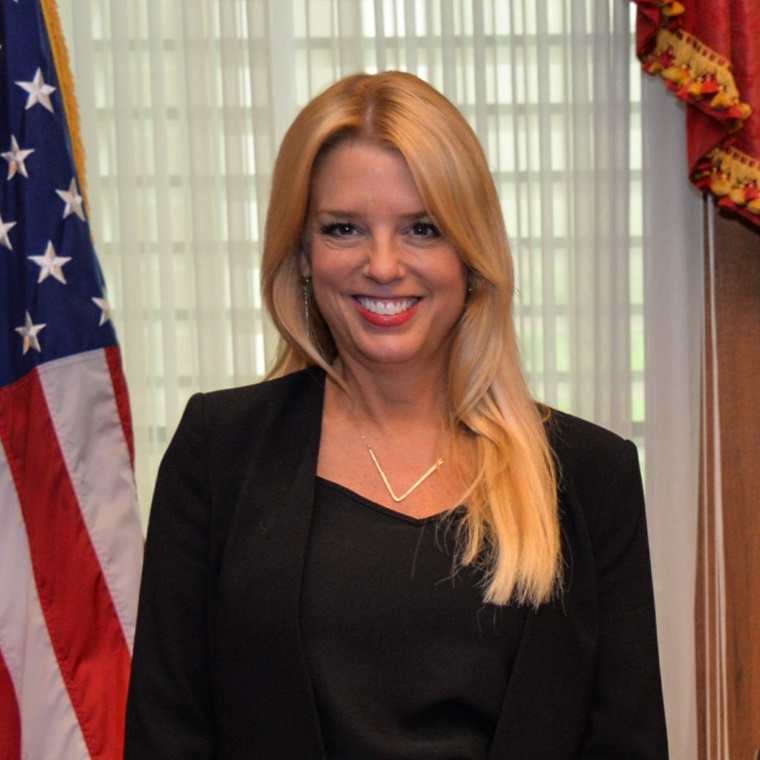
  • Honig criticized Pam Bondi’s plan to prosecute “hate speech” as legally flawed.
  • Honig mocked Kash Patel’s handling of a high-profile probe as incompetent.
  • Experts say DOJ reform must start with basic legal competence.
  • Independent counsel rules may need an urgent overhaul.

DOJ Reform Faces Criticism on Morning Joe

On Morning Joe, legal analyst Elie Honig called for serious DOJ reform. He spoke about the need to protect investigations from political influence. However, he paused to attack two recent episodes. First, he criticized Attorney General Pam Bondi. Then he turned to FBI Director Kash Patel. Honig said their actions looked like a “clown show.” He argued that real DOJ reform starts with basic legal skill.

Who Is Elie Honig and Why His Voice Matters

Elie Honig worked as a federal prosecutor for years. He led cases against some of the country’s biggest mob families. Now he writes books and appears on television. His newest book studies investigations into presidents from Nixon onward. On Morning Joe, he used that history to push for DOJ reform. He warned that mistakes now could harm public trust for decades.

The Clown Show Comments

During the show, the hosts asked what justice should mean at the Justice Department. Honig shifted gears. He said what we saw from Patel and Bondi was a “clown show.” He added that there was no technical term for their blunders. Based on this, he argued they lack basic legal knowledge. In fact, he insisted real DOJ reform must fix their confusion about the law.

Why Pam Bondi’s Plan Spells Trouble for DOJ Reform

Pam Bondi recently said she would use her office to prosecute people for “hate speech.” However, hate speech is protected under the First Amendment. Therefore, her plan clashes with the Constitution. Honig pointed this out. He said any reform must ensure top leaders respect basic rights. Otherwise, the department risks failing its most important role.

How Kash Patel’s Probe Undermines DOJ Reform

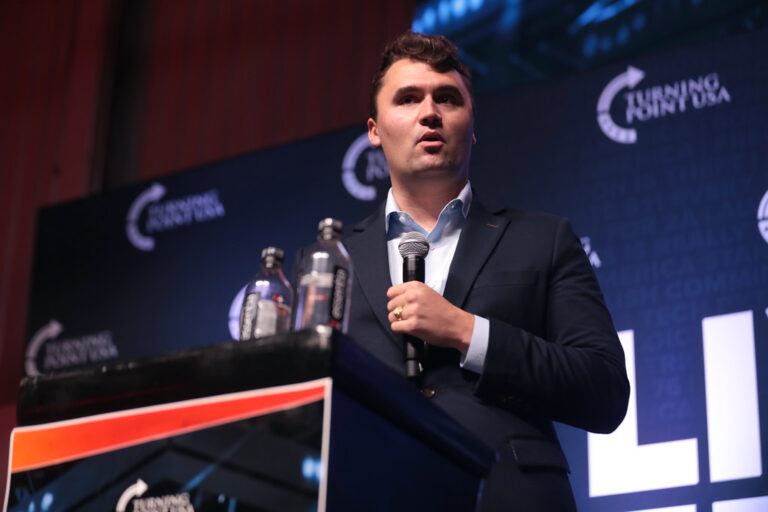
Meanwhile, Kash Patel launched a high-profile probe into a supposed plot to murder commentator Charlie Kirk. Honig described that investigation as bungled. He noted that Patel does not grasp basic investigatory rules. He even compared the planned racketeering charges to cases against mobsters. Honig said you cannot use racketeering laws against people who heckled the president. Thus, any effort at DOJ reform needs to weed out such errors.

The Need for Independent Counsel Reforms

Moreover, Honig stressed the need to protect independent prosecutors from political pressure. He said past investigations into presidents have been messy. Now, the department must learn from those mistakes. For instance, rules should guarantee that an independent counsel can work without fear of firing. That way, justice stays fair and blind to politics.

Why Competence Matters in DOJ Reform

First and foremost, Honig argued DOJ reform must begin with competence. Leaders should know how to interpret the Constitution. They must understand criminal laws and proper charging decisions. If senior officials lack those skills, the entire system can collapse. Thus, any serious reform plan must include better training and hiring standards.

Lessons from Past Presidential Probes

Looking back at Watergate and other key investigations, Honig sees patterns. When leaders step outside legal bounds, public trust erodes. On the other hand, when rules keep investigations strong and independent, citizens believe in fair justice. Therefore, learning from past successes and failures is vital for DOJ reform today.

Transitioning from Criticism to Action

At the end of the Morning Joe segment, Honig offered a hopeful note. He said reform is possible if the department focuses on core values. Those include respect for rights, solid legal training, and clear independence. He urged lawmakers, career prosecutors, and the public to demand those changes.

Looking Ahead on DOJ Reform

With pressure building, DOJ reform may become a top issue in coming months. Members of Congress could hold hearings on the misuse of hate speech prosecutions. They might also review the rules for appointing and dismissing independent counsels. If they act quickly, they can prevent future “clown show” episodes. Ultimately, strong DOJ reform would protect the rule of law and maintain trust.

Frequently Asked Questions

What does Elie Honig mean by “clown show”?

He uses it to describe leaders who ignore basic legal rules and make public blunders.

Why is hate speech protected under the First Amendment?

Because the Constitution safeguards free expression, even unpopular views.

How can DOJ reform protect independent counsels?

By setting clear rules that prevent firing or political interference.

What steps can improve DOJ leadership competence?

Stronger hiring standards, better training, and regular performance reviews.

Did the DOJ Try to Shut Down Charlie Kirk?

0

Key Takeaways


  • Donald Trump says the Justice Department tried to shut down Charlie Kirk’s group.
  • Trump accused Special Counsel Jack Smith of targeting right-wing voices.
  • Senator Grassley claims a partisan DOJ effort aimed at Turning Point USA.
  • Charlie Kirk’s recent death at an event fueled more controversy and concern.

Overview of Trump’s Claim

Former President Donald Trump late Tuesday blasted the Justice Department. He said the department tried to “force” Charlie Kirk out of business. In a post on his social platform, Trump called Special Counsel Jack Smith “deranged.” He also labeled the Biden administration “corrupt and incompetent.” Trump argued that the Justice Department is “weaponized” against opponents of President Biden.

Trump focused on Turning Point USA, the conservative group co-founded by Charlie Kirk. He asked why that group was under investigation. Then he said prosecutors aimed at “many other people and movements.” Trump sees a political motive behind investigations into his actions on January 6 and his handling of classified papers.

The Role of Jack Smith in the Investigation

Jack Smith became a special counsel in late 2022. He oversees two major Justice Department probes into Trump. One looks at the January 6 Capitol events. The other deals with classified documents found at Trump’s estate.

Trump claims Smith used his power to pressure Charlie Kirk’s group. He says the special counsel abused his role to target conservative voices. However, Justice Department officials insist Smith follows the law. They say no one is above fair legal review, no matter their politics.

Why Charlie Kirk Says the DOJ Targeted Him

Charlie Kirk has long been a vocal conservative commentator. His group, Turning Point USA, works on college campuses. It promotes free markets, limited government, and strong national defense.

Trump’s post suggests that Kirk and his group faced legal threats. Kirk himself spoke out against the idea of being silenced. He felt the DOJ aimed to cripple his group’s funding and operations. Meanwhile, Turning Point USA denied any wrongdoing. They said they follow campaign laws carefully.

Senator Grassley’s Evidence for a Partisan Probe

On Tuesday, Senator Charles Grassley spoke in a Senate hearing. He claimed a secret unit at the Justice Department targeted Republicans. Grassley said the unit focused on Trump and groups like Turning Point USA.

He later released documents he said support his allegation. These papers show emails and memos discussing political opponents. However, some legal experts question whether this proves bias. They say investigations often involve political figures. That does not always mean the probe is unfair.

Conflict Over a Judge’s Family Ties

Trump also accused a judge in one of his trials of clear conflicts. He said the judge’s daughter became a top fundraiser for Biden and Harris. Then he claimed the judge refused to recuse himself.

Moreover, Trump argued the judge imposed a gag order on him. That ban stopped Trump from talking about the judge’s family work. Trump insists this move protected family interests over legal fairness.

What This Means for the Justice Department

Trump’s attack places new pressure on the Justice Department’s image. He frames Smith’s work as wrong and politically driven. Meanwhile, many legal analysts say special counsels must follow strict rules.

If proven, partisan action would damage trust in America’s justice system. However, if Smith’s decisions stand, critics will view the department as fair. Either way, the debate highlights how legal work can mirror politics.

Public Reaction After Charlie Kirk’s Tragic Death

Last week, Charlie Kirk was killed at an event on a university campus. The news shocked many on both political sides. Leaders across the spectrum condemned the violence and honored his memory.

His death added urgency to Trump’s and Grassley’s accusations. Supporters argue that Kirk faced more than just legal threats. They say he battled a mix of political and physical dangers. Critics warn that mixing his death with political claims risks inflaming tensions.

What Happens Next?

Special Counsel Jack Smith will continue his investigations. So far, no official action has focused on Turning Point USA. Yet Trump’s claim could spark new internal reviews.

Senator Grassley may hold further hearings on the alleged partisan unit. He could push for documents or testimonies to back his case. Meanwhile, public trust in the Justice Department will hang in the balance.

For now, the nation watches closely. Everyone wonders whether the DOJ will respond to these serious allegations. Either way, the clash shows how political and legal worlds collide today.

Frequently Asked Questions

What is the main claim about Charlie Kirk and the DOJ?

The claim alleges that Special Counsel Jack Smith and the Justice Department tried to force Charlie Kirk’s group out of business. Trump says this was a political move against Biden’s opponents.

Who is Special Counsel Jack Smith?

Jack Smith is a lawyer appointed in 2022 to oversee two Justice Department probes into former President Trump. One probe concerns January 6. The other concerns classified documents.

Why did Senator Grassley mention Charlie Kirk?

Senator Grassley said a secret unit at the Justice Department targeted Trump and conservative groups like Turning Point USA, co-founded by Charlie Kirk. He released documents he says back this up.

What could happen now?

The Justice Department may review these political bias claims. Senator Grassley might hold more hearings. Public trust in the legal process will be key as events unfold.

The Missing White Supremacist Violence Study

0

Key takeaways


  • The Justice Department removed a study on white supremacist violence from its website.
  • The report found far-right extremists caused over 520 deaths since 1990.
  • Far-right attacks outnumbered far-left and Islamist extremist killings.
  • A doctoral student flagged the report’s sudden disappearance.
  • Officials say the site is under review, but details remain unclear.

President Trump’s Justice Department quietly pulled a report that found militant, nationalistic, white supremacist violence led all domestic extremism. The study tracked attacks from 1990 through recent years. Shockingly, far-right extremists committed 227 violent events that claimed more than 520 lives. In contrast, far-left extremists caused 42 deaths over the same time.

However, the study vanished without warning. A doctoral student, Daniel Malmer, noticed the document one day and found it gone the next. On the original page, a message now reads that the Office of Justice Programs is reviewing its materials under executive orders. Yet no clear reason explains why the report disappeared.

What the White Supremacist Violence Report Found

First, the study defined violent extremism by ideology. It tracked homicides, bomb plots and mass attacks. Next, it tallied 227 events linked to far-right groups. In these attacks, more than 520 people died. Meanwhile, far-left groups accounted for 42 deaths. Radical Islamist extremists caused fewer killings in the U.S. than far-right extremists.

Moreover, the study noted a sharp rise in militant, nationalistic, white supremacist violence over the years. For example, some plots targeted houses of worship and community centers. Others involved lone attackers striking public events. Overall, the threat from white supremacist violence grew faster than any other domestic threat.

Why the Study Vanished

Initially, the page displayed the full report and data tables. Then one morning, visitors saw only a notice about a “website review.” Officials blamed executive orders and “related guidance.” However, critics argue this review may mask political motives. After all, the findings contradict claims that left-wing violence poses the biggest threat.

Furthermore, the removal comes amid heated debates over political speech. Some on the right blame left-leaning pundits for inciting violence. They link harsh rhetoric to real-world attacks. Others say white supremacist groups thrive on extremist talking points. They insist the study’s data proves the danger is real and urgent.

Political Fallout and Reactions

Unsurprisingly, the missing report sparked outcry. Journalists, academics and civil rights activists criticized the move. They argued transparency matters, especially on national security issues. For instance, they say law enforcement relies on accurate data to fight threats. Meanwhile, some conservative voices cheered the removal. They claim the study unfairly labels patriot groups as extremists.

President Trump weighed in after the killing of conservative activist Charlie Kirk. He blamed left-wing rhetoric for the tragedy. “For years, those on the radical left have compared wonderful Americans like Charlie to Nazis,” he said. He added that such language fuels domestic terrorism. His administration promised to find those who spread political violence.

However, Trump’s focus on left-wing threats clashes with the report’s findings. The study clearly shows white supremacist violence leads in U.S. extremist killings. Critics say removing the report only deepens political divides. They worry it may weaken efforts to combat rising hate crimes.

What Comes Next

Moving forward, experts call for the report’s full restoration. They urge the Justice Department to explain its decision. Transparency, they argue, builds trust with the public. Moreover, law enforcement needs accurate data to allocate resources. Without it, communities face greater risk.

In addition, some lawmakers plan hearings to question Justice officials. They want to know if politics influenced the removal. At the same time, researchers seek alternative archives. They hope independent sites can preserve the data. Finally, community groups press for stronger measures against white supremacist violence. They believe any delay endangers lives.

As a result, the missing report highlights a bigger issue: balancing politics and public safety. While reviews may prove necessary, they should not hide crucial information. Citizens and leaders alike must stay alert. Only then can the nation confront the true scale of domestic threats.

Frequently Asked Questions

Why did the Justice Department remove the study on white supremacist violence?

Officials say they are reviewing websites and materials under executive orders. However, they have not given clear reasons for removing the report.

How many deaths did the study link to white supremacist violence?

The report found far-right extremists caused over 520 deaths in 227 violent events from 1990 onward.

Did the study compare white supremacist violence to other threats?

Yes. It showed far-right extremist killings outpaced far-left and Islamist extremist attacks in the U.S.

What can be done to restore the missing report?

Experts suggest public pressure, congressional hearings and independent archiving. They want the Justice Department to reinstate the data and explain its actions.

Can Hate Speech Lead to Legal Action?

0


Key takeaways

• Pam Bondi’s comments on prosecuting hate speech sparked a conservative backlash
• Sen. Ted Cruz defended First Amendment protection for hate speech
• Bondi clarified that violent threats aren’t protected and must be punished
• The debate highlights tensions between free speech and public safety

Understanding Hate Speech and the First Amendment

Attorney General Pam Bondi said the Justice Department will “absolutely target you” for hate speech. She made the comment after right-wing influencer Charlie Kirk was killed. Then, conservatives pushed back. Sen. Ted Cruz said her words were “misconstrued.” Soon after, Bondi clarified her stance.

Hate speech means words that target someone for their race, religion, gender or other traits. However, the First Amendment protects almost all speech. It only allows punishment for threats or violence. Therefore, the line between hateful words and illegal threats can be blurry.

Why Hate Speech Sparks Such a Heated Debate

First, the concept of hate speech triggers strong emotions. Some people believe all hate speech should be banned. Others say any ban threatens free expression. Moreover, the government must respect individual rights. On the other hand, victims of hateful words feel unsafe when those words spread.

In this case, Bondi warned that the DOJ would prosecute hate speech. Cruz countered that the First Amendment covers “vile,” “horrible” and “bigoted” speech. He stressed that you cannot face criminal charges for mere words. Yet, he said celebrating Kirk’s murder might cross the line.

Cruz’s Defense of Free Speech

At a tech summit in Washington, D.C., Cruz made a clear point. He said the First Amendment “absolutely protects hate speech.” Furthermore, he argued that even the worst insults stay legal. However, he added that praising a murder could be punishable. For example, he mentioned teachers and professors celebrating Kirk’s death online.

Cruz called for accountability. He suggested that schools and universities should discipline those who cheer on violence. He also said social media platforms could suspend users who celebrate murder. Thus, while words stay protected, actions can face consequences.

Bondi’s Clarification on Threats

After the backlash, Bondi posted on social media. She stressed that hate speech with threats of violence is illegal. She wrote, “It’s a crime.” In her view, the radical left has normalized calls for political violence. Therefore, she promised to use the DOJ’s power against those who cross that line.

Later, on a popular news show, Bondi urged employers to act too. She told bosses to fire workers who said “horrible things” or celebrated Kirk’s death. She noted that this is still free speech, but it could cost someone their job. In that sense, private companies hold people accountable beyond the law.

Private Employers and Hate Speech

In today’s world, social media posts can reach millions in seconds. Consequently, employers often react when workers post extreme views online. Some fire employees for hate speech even if it stays legal. However, firing decisions can spark debates over fairness and overreach.

On one side, workers deserve a private life outside work. On the other, companies want to protect their image. As a result, many employers have speech policies. These rules outline what employees can say publicly. When someone violates these rules, the employer may act swiftly.

Political Fallout and Calls for Resignation

Some hard-line supporters of former President Trump asked Bondi to resign. They felt her walkback showed weakness. They want tougher action against online speech they dislike. At the same time, moderates worry the government could abuse hate speech laws.

This clash shows how speech issues divide today’s politics. It also reveals the power of social media. A single comment by a top official can spark national debate. Meanwhile, ordinary citizens watch closely to see how rules apply to them.

Balancing Free Speech and Public Safety

Overall, this debate raises key questions. Where do we draw the line between free speech and illegal threats? How should the DOJ handle online hate speech? Moreover, can private companies step in where the law stops? These issues will likely surface again.

In addition, courts will decide what counts as a true threat. Judges look at context, tone and intent. For example, a threat like “I will kill you” is clearly illegal. Yet, speech that demeans a group can stay legal. As technology evolves, so will the debate over hate speech.

Finally, public opinion can influence lawmakers. Voters may demand stronger laws or more speech protections. Therefore, elected leaders must find a fair balance. They must safeguard both free expression and public safety.

Frequently Asked Questions

What counts as hate speech under the First Amendment?

Hate speech covers words attacking people for traits like race or religion. However, most hate speech stays legal unless it becomes a threat of violence.

Can the Department of Justice prosecute hate speech?

The DOJ can prosecute threats or calls for violence. Mere hateful words without threats remain protected by the First Amendment.

Can a private employer fire someone for hate speech?

Yes. Even if speech is legal, companies can enforce their own policies and fire employees for harmful posts.

How do you know if speech crosses the line into a threat?

Courts look at what was said, who said it, and whether a reasonable person would fear violence. Intent and context also matter.

Did Fani Willis Lose Her Case Against Trump?

0

Key Takeaways

  • Georgia’s highest court blocked Fani Willis from continuing the Trump election case.
  • Trump called the decision a “Big WIN” and attacked Willis and her team online.
  • He claimed Willis hired her former partner in an improper consultant role.
  • Trump compared this to special prosecutor Jack Smith’s investigations.
  • The ruling leaves open questions about future election-related prosecutions.

Did Fani Willis lose her case against Trump? This question came up after Georgia’s Supreme Court disqualified her from prosecuting Donald Trump and his co-defendants. Instead of moving forward, the court said she had a conflict that forced her off the case. Trump quickly celebrated, calling it a major victory. He then turned his attention to other investigations against him.

Why Is Fani Willis Out of the Election Case?

Fani Willis was removed because she paid someone she once dated to serve as a consultant. Her co-defendants argued this move created a conflict of interest. In simple terms, the court felt she could not be fair if she had a personal and financial tie to her consultant.

The court agreed. It said Willis broke rules about who can work on a criminal case. Therefore, it kicked her team out. Now, new prosecutors may take over or the case might stall.

Trump’s Big Win Reaction

After the ruling, Trump took to his social media platform. He called it a “Big WIN” and said the decision ended a “Fake Witch Hunt.” He went on to claim that Fani Willis and her team had been “weaponized” against him. He insisted people should view this as proof that the justice system had been unfair under Democratic leaders.

In addition, Trump linked the ruling to his broader complaint about political prosecutions. He argued that opponents in government used legal tools to harm him and other Republicans. Therefore, he celebrated any setback for those cases.

Allegations About Consultant Hiring

Trump made several specific claims against Willis and her former partner, Nathan Wade. He said Willis paid Wade huge amounts of money, even though he had no experience in high-profile cases. He also alleged they lied under oath about their relationship and travel together.

He went further, saying these actions broke campaign finance rules. He claimed Georgia taxpayers were forced to cover the costs. Moreover, he argued that this all proved the case was driven by political motives.

Despite these attacks, the Georgia Supreme Court did not call Fani Willis or Wade criminals. They found a procedural conflict, not criminal conduct. No one has charged them with a crime.

Comparison to Special Prosecutor Jack Smith

Trump did not stop at attacking Fani Willis. He also criticized “Deranged Jack Smith,” the special prosecutor appointed by Attorney General Merrick Garland. He argued that the main Justice Department would have been more proper. Instead, he said, Smith represented another example of a weaponized investigation against him.

By linking the two, Trump tried to show a pattern. He suggested both Georgia and federal cases aimed to silence him. He called them “Shams” and said they should end for good.

Political Impact and Retaliation Concerns

Trump used the ruling to underline his claim that Democrats have politicized the justice system. He contrasted that with promises to be fair if he returns to the White House. However, critics note he has targeted enemies before. He has threatened firings and even rare IRS audits against people he dislikes.

Therefore, many worry about a cycle of retaliation. If Trump wins in 2024, will he punish those who took legal action against him? This debate adds a new layer of drama to the upcoming election.

What Happens Next?

With Fani Willis off the case, prosecutors must regroup. They can appoint a new district attorney or bring in outside counsel. Either way, the work will start from scratch in some ways. Witnesses may need to be re-interviewed, and evidence must be refiled.

At the same time, Trump and his team will use the ruling in their political messaging. They will claim vindication and point to other cases as unfair. How this all plays out could shape public opinion before the 2024 election.

When a high-profile prosecutor is removed, trust can suffer. Some might see the justice system as broken. Others may argue this shows strong checks and balances. Over time, the impact will depend on how the new legal team handles the case.

FAQs

Why did the Georgia Supreme Court remove Fani Willis?

The court found she had a conflict of interest by hiring someone she once dated. This broke rules about impartial legal work.

Does this ruling affect other Trump cases?

No. It only applies to the Georgia election case. Other cases, like the one led by Jack Smith, continue separately.

Could the case be dropped now?

It’s possible but unlikely. Prosecutors can appoint replacements and carry on. However, delays and new hearings will happen.

What does this mean for the 2024 election?

Trump will use the decision to argue he is a victim of political attacks. Voters will see this ruling as part of a bigger debate on justice and politics.

Is Trump Misreading the Authoritarian Playbook?

0

Key Takeaways:

  • Experts say Donald Trump uses the authoritarian playbook but lacks skill.
  • His age and health may shorten his time in power.
  • Trump’s erratic moves push some supporters away.
  • A slipshod approach to seizing power can damage democracy.
  • History shows unstable leaders often cause chaos.

Trump and the Authoritarian Playbook

Donald Trump seems bent on grabbing more power. Many see his tactics as straight from the authoritarian playbook. Yet a top professor says Trump uses these tactics poorly. He also warns Trump may not live long enough to finish his plan.

Trump, now 79, shows clear signs of mental and physical decline. At times he acts sharp and cunning. Other times, he seems forgetful and confused. This mix makes his moves unpredictable and weak.

Why Trump Struggles with the Authoritarian Playbook

First, Trump lacks the discipline that typical dictators show. A well-trained authoritarian leader uses precise steps to seize power. In contrast, Trump jumps from one idea to the next. Therefore, his efforts backfire more often than not.

Moreover, experts label his rule as “malevolence tempered by incompetence.” In short, Trump wants to break down institutions. However, his clumsy approach helps those institutions survive. He fails to shut down opposition fully because he mismanages his own team.

Also, Trump’s impetuous nature hurts his cause. He can fire loyal aides on a whim. As a result, many followers worry they might be next. Thus, his inner circle shrinks, leaving him more isolated.

Health, Age, and Power Struggles

Next, his age raises real concerns. At 79, Trump enters an age where serious health problems often appear. Over Labor Day weekend, he vanished from public view suddenly. For two days, no photos or videos showed his face. This silence alarmed many Americans.

Additionally, rumors of dementia swirl around him. His speech sometimes stumbles. He forgets key facts or names. Consequently, critics ask if he can handle the stress of another term.

Meanwhile, he stays under constant strain. Lawsuits, political fights, and rioting crowds add to his burden. Such stress can wear down any leader. For Trump, it may worsen any hidden health issues.

The Dangers of an Unstable Leader

History proves that a mad king wrecks everything he touches. Indeed, unstable rulers often spark economic crashes and civil unrest. Even if they win quick victories, their errors cause long-term harm.

In contrast, stable autocrats use clear rules to stay in power. They offer security, slow growth, and nationalism. People may tolerate their abuses in exchange for order. But Trump’s chaotic style fails to buy that loyalty.

Furthermore, he can’t control his own image. One day he insults allies, the next he praises them. This flip-flop confuses voters. Therefore, his base feels unsure if he can really lead a nation.

What Comes Next for American Democracy

Looking forward, Trump’s next steps matter greatly. If he loses, he may still challenge results. Many fear he will ignore any loss and claim fraud. That tactic appears in the authoritarian playbook.

However, his own weaknesses might block him. Courts and election officials know his style well. They may be ready to push back hard. Also, voters seem more alert to danger signals. Polls show many Americans fear his anti-democratic moves.

On the other hand, if Trump wins again, he will face even fiercer challenges. He needs to control a divided party. Yet he already alienates top leaders. Therefore, he risks a major split that could weaken his influence.

Lessons from History

In history, many would-be dictators face similar hurdles. Some rise quickly but collapse under stress. Others find ways to hide their flaws. For instance, skilled autocrats groom loyalists, fix courts, and control media tightly. They prepare fallback plans in case of health issues.

By contrast, Trump skips these steps or carries them out half-heartedly. He focuses more on rallies and social media. These tools can rally fans but do little to cement lasting power. In fact, such moves can harm a leader when supporters tire.

Moreover, his public battles with courts and the press may energize his base. Yet they also unite opponents who fear his next move. In the long run, this divides the nation more deeply.

Therefore, Trump’s bid to use the authoritarian playbook may collapse from its own flaws. His impulsive style, aging body, and uneven support make success doubtful. And if he fails, the damage he inflicts could linger for years.

Final Thoughts

Donald Trump shows many traits of an aspiring strongman. However, experts say he follows the authoritarian playbook poorly. His age and health may cut his power grab short. Meanwhile, his chaotic approach weakens his own movement. As America watches closely, the lasting impact of his tenure remains uncertain. Democracy may survive his bid, but not without scars.

Will Trump’s age shorten his power grab?

Trump is 79 and faces health alarms. Stress from legal battles may worsen his condition. Thus, he might not sustain a long fight for control.

How does the authoritarian playbook work?

The playbook means using legal changes, media control, and intimidation to seize power. Skilled autocrats follow each step carefully. Trump applies these steps haphazardly.

Can Trump succeed in another term?

He could win, but his instability risks a split in his party. A divided movement has less chance of overriding checks and balances.

What can citizens do to protect democracy?

Voters can stay informed and vote in every election. They can support fair courts and impartial news sources. Active civic engagement helps guard against power grabs.

Can House GOP Challenge Trump’s Tariffs?

0

Key Takeaways

• Speaker Mike Johnson agreed to discuss Trump tariffs after pushback from House Republicans.
• GOP members argued tariffs hurt their districts and local businesses.
• Johnson promised a debate on Trump tariffs in April to secure crucial votes.
• The deal unfolded during a tense vote on a Washington, D.C. crime bill.

What Led to the Deal?

Speaker Mike Johnson faced a standoff when he tried to lock in a vote on a new crime bill for Washington, D.C. The measure would treat any child over 14 as an adult if they commit a crime. Johnson changed the House rules so members could not delay or alter the vote. However, once the clock ran out, six Republicans stalled. They refused to vote and walked away, saying they wanted to discuss Trump tariffs first.

Johnson held the voting doors open as he scrambled to win back those votes. In the end, three Republicans returned after he promised a debate on Trump tariffs in April. This last-minute deal allowed the crime bill vote to move forward.

Why Republicans Target Trump Tariffs

Many House Republicans have watched businesses in their districts struggle under the weight of Trump tariffs. They believe the extra taxes on goods from abroad have made consumer items more expensive and supplies harder to find. In rural areas, farmers have seen foreign markets close in response, squeezing their profits.

Consequently, these members began blocking unrelated bills until Johnson agreed to put Trump tariffs on the agenda. They argued that if they must vote on big issues, they deserve a chance to debate big economic policies. As one member put it, “Our constituents are paying the price. We want answers.”

How the Agreement Happened

First, Johnson locked the rules to force the crime bill vote. Then, six Republicans refused to vote, demanding a promise to talk about Trump tariffs. Johnson responded by leaving the vote open while he huddled with lawmakers. After tense phone calls, hallway meetings, and private assurances, he won back three of them.

In return, Johnson said the House would schedule a debate on Trump tariffs in April. He did not offer a guarantee to repeal those tariffs. Instead, he agreed that members could bring forward amendments, hold hearings, and vote on changes. Once he secured enough support, he closed the vote. The crime bill passed.

What Comes Next?

As April approaches, members will push for committee hearings on Trump tariffs. They will invite business owners, economists, and farmers to testify. Lawmakers may draft new bills to roll back some tariffs or target specific industries. Meanwhile, the White House will likely defend its trade policies, saying the tariffs protect American jobs and industries.

If Republicans can unite behind a clear plan, they could force votes that pressure the administration. However, divisions remain. Some GOP members still back Trump tariffs for leverage in trade talks with China. Others want an all-out repeal. The coming weeks will test Speaker Johnson’s ability to keep both sides happy.

Why This Matters to You

Tariffs affect prices at the grocery store and costs at the gas pump. When your local representative fights over these policies, they do so with your wallet in mind. Watching this agreement unfold shows how political deals shape everyday life. Also, it reveals how power can shift in a split Congress when a few votes hold the balance.

Key Players and Their Stances

• Speaker Mike Johnson: Aims to pass party priorities but needed votes for the crime bill. He used a rule change to push the vote, then leveraged it to win tariff talks.
• Hardline Republicans: Want swift action against Trump tariffs to ease economic pain in their districts. They hold no leadership roles but can stall votes.
• Moderate Republicans: Some back a partial rollback, fearing a full repeal could upset trade leverage. They seek balance between protection and open markets.
• Democratic Opponents: Mostly defend the crime bill’s original jurisdiction rules and back some trade barriers. They criticize both the crime bill change and the push against tariffs.

The Role of the Washington, D.C. Crime Bill

While the spotlight stayed on tariffs, the crime bill was the initial battleground. It changes local control of the capital’s justice system by letting Congress set crime laws. Critics say it undermines home rule and treats teens too harshly. Supporters argue it addresses violent crime surges. In the end, the vote’s fate became intertwined with the tariff debate.

Impact on Future Negotiations

This deal shows how a small group can stall major legislation. In a closely divided House, every vote counts. If Johnson can secure agreements on controversial issues like trade, he may use similar tactics later. Conversely, Republicans now know they can leverage votes to extract concessions on high-stakes policies.

Potential Paths for Trump Tariffs

In committee hearings, members could:

• Propose removing tariffs on steel and aluminum to cut manufacturing costs.
• Target specific Chinese products for relief while keeping others.
• Offer tax credits to firms hurt by the tariffs instead of direct repeal.
• Demand data on how much revenue these tariffs generate for the Treasury.

Each option carries pros and cons. A full repeal could lower costs but weaken U.S. leverage in global talks. A partial rollback might please businesses but annoy hardliners who want tougher trade pressure.

How to Follow the Debate

Citizens can watch committee sessions online or follow live updates on major news sites. They can call or email their representatives to share opinions. Local town halls may feature discussions on tariffs and trade policy. Getting involved can shape how lawmakers approach these complex issues.

Looking Ahead

As April nears, all eyes will turn to the Ways and Means Committee, which handles trade policy. Expect heated hearings and sharp questioning of administration officials. If Johnson keeps his promise, the House might finally revisit Trump tariffs more fully than before. Whether this leads to real change depends on how united Republicans can stay.

FAQs

What exactly are Trump tariffs?

They are extra taxes placed on imported goods under former President Trump’s trade policies. They aim to protect U.S. industries but raise prices for consumers.

Why did Republicans link tariffs to the crime bill?

A small group of members blocked the crime bill vote to force a promise for debate. They argued that tariffs impact their districts and deserved attention.

Will the House actually repeal Trump tariffs?

Reversal is uncertain. The promise covers debate and possible amendments, but not a guaranteed repeal. Any changes must pass votes first.

How can constituents influence this process?

Citizens can contact their representatives, attend public hearings, and share their views online. Active feedback helps lawmakers gauge public support.

Why Is Political Violence Sparking a Nationwide Debate?

0


Key Takeaways:


  • Governor Shapiro urges everyone to condemn political violence.
  • He accuses Trump of “cherry picking” violent incidents for politics.
  • CNN’s Kate Bedingfield and strategist Scott Jennings clash on motives.
  • The fight focuses on whether the shooter’s beliefs even matter.

Political Violence: Shapiro’s Call for Action

Governor Josh Shapiro spoke out strongly on Tuesday. He said that all political violence must be condemned. He made the speech after a university shooting in Utah. A right-wing activist was killed, and people want answers. Shapiro pointed out that political violence is a threat to every American. He said leaders have a clear duty to name and shame every attack. Then he turned to former President Trump. He accused Trump of “cherry picking” incidents for political gain. Shapiro argues it is wrong to highlight only what helps your side. He wants a full, honest conversation about political violence across the board.

On CNN, political analyst Kate Bedingfield defended Shapiro’s words. She argued he meant no slight to any group. Instead, he wanted unity. Yet conservative strategist Scott Jennings disagreed. He said Shapiro was not honest. He claimed Democrats rush to blame Trump for attacks on his allies. This clash shows how tense the debate has become. It suggests politics can shape how we see violence.

Understanding Political Violence and Its Impact

Political violence can mean threats, attacks, or worse. It happens when people harm others to change politics. Shapiro’s speech asked everyone to speak out. He said it does not matter who you support. All attacks deserve the same outrage. In addition, he pointed out that leaders must set the example.

First, let’s see why political violence matters. When violence strikes, fear spreads fast. Citizens worry their beliefs make them targets. Communities grow apart. Instead of talking, people lash out. Shapiro thinks breaking this cycle starts with truth. He wants leaders to name every case, not just the popular ones.

However, Jennings wants to highlight motives. He argues that left-wing groups in America use violence more often. He believes these groups get a free pass. Meanwhile, he says conservatives face too much blame. For example, he implied Democrats want to link every attack to Trump. He claimed this helps their 2028 election hopes. Yet Bedingfield shot back. She said Shapiro never ignored any incident. His point was clear: political violence is wrong no matter the cause.

Also, this debate shows how quickly politics shapes our views. When a tragedy strikes, facts matter. We must ask: who was behind it? But we must also ask: why does it matter who they support? Shapiro says motive does not change the violence. It only changes the story.

The Role of Motive in Political Violence Cases

Scott Jennings stressed motive. He argued that knowing why the attacker struck is key. He said Shapiro “missed the point” by not naming the shooter’s beliefs. According to him, motive can reveal bigger threats. If a shooter leans left, he claimed, Democrats should own that truth.

Yet Kate Bedingfield disagreed. She insisted that motive does not lessen the crime. She argued Shapiro’s entire speech was about a single message: condemn every act. She said it does not matter what someone believes. Harm is harm. She stressed that all political violence deserves equal outrage. By focusing on motive, she claims, we risk justifying some attacks as less bad. For her, political violence is political violence. We must reject it in every form.

This question brings us to a tough spot. On one side, motive reveals dangers. It shows where hate grows. On the other side, focusing on motive can distract from the crime itself. It can turn a tragedy into a talking point. Shapiro warns against this. He wants leaders to stop using violence as a tool for votes.

Moreover, experts say naming motives can help prevention. If a group uses threats often, police can watch them more. Yet critics say this can lead to bias. They worry only certain groups get real scrutiny. In the end, both sides want less violence. They just disagree on how to talk about it.

Uniting Against Political Violence

Shapiro’s core demand is unity. He asked Democrats and Republicans to stand together. He called on media to report all cases equally. He wants no double standards. For him, every life lost to political violence is a national loss.

First, he urged public figures to speak out. He said silence from leaders can seem like approval. Next, he asked news outlets to list every incident. He compared it to “keeping score” for a sports game. If only one side’s losses count, the story is false. He wants true reporting.

Meanwhile, Bedingfield asked viewers to listen closely. She said Shapiro’s words were simple. They aimed to heal a divided country. She argued that tearing down the speech ignores the real crisis. She pleaded with both sides: stop politicking and start protecting.

However, Jennings stood firm. He said avoiding motive talk is dishonesty. He wants every detail known. He fears that glossing over motive hides real threats. He said voters deserve full facts.

This clash shows our deep divide. Yet it also shows hope. Both sides agree violence is bad. They just argue how to fix it. Shapiro’s speech sparked this debate. Hopefully, it will push leaders to work together.

Conclusion

The recent debate over political violence highlights hard truths. We face a choice. We can let politics shape our view of each tragedy. Or we can treat every life with equal value. Governor Shapiro called for the latter. He wants all forms of violence condemned. He challenges leaders on both sides to do more. Whether motive matters or not does not change the crime. At the end, families still mourn. Citizens still fear. A clear, honest response can ease that fear. And only by standing together can we stop political violence in its tracks.

Frequently Asked Questions

What did Governor Shapiro say about political violence?

He urged leaders to condemn all attacks equally and stop picking favorites.

Why did Scott Jennings criticize Shapiro?

Jennings claimed Shapiro hid the shooter’s motive and played politics.

How did Kate Bedingfield respond?

She said Shapiro’s point was that motive does not lessen the crime.

Can focusing on motive help prevent political violence?

Knowing motives can guide prevention, but it can also bias responses.

Is Trump Opposing Affordable Housing in Pacific Palisades?

0

Key takeaways:

  • Former President Trump slammed California Gov. Gavin Newsom’s plan for affordable housing in Pacific Palisades.
  • Newsom pledged $101 million to rebuild rental homes after early-year wildfires.
  • Local residents and conspiracy theories paused Senate Bill 549 on affordable housing.
  • Trump’s claims mixed unmatched wildfire water issues and a confusing John Lindsay comparison.
  • The debate highlights California’s housing crisis and post-fire rebuilding challenges.

Affordable Housing and Trump’s Social Media Outburst

Former President Donald Trump used his Truth Social account to attack Gov. Gavin Newsom’s plan for affordable housing in Pacific Palisades. He claimed Newsom was “in final stages” of approving low-income homes at a site ravaged by fires. Trump said this move hurt homeowners who lost their houses earlier this year. He blamed Newsom for rejecting “hundreds of millions of gallons of water” from the Pacific Northwest. Moreover, he warned that federal permits to rebuild local homes lagged behind Newsom’s affordable housing permits. However, experts note that this claim about water shares no clear evidence.

In his post, Trump also made a puzzling comparison. He linked Newsom’s plan to the downfall of former New York City Mayor John Lindsay. Trump said Lindsay’s political career ended because of similar housing ideas. Yet, Lindsay served from 1966 to 1973 and never worked on Los Angeles projects. Thus, this parallel left many readers confused. Overall, Trump framed the debate as a fight between federal permit speed and Newsom’s local housing push.

Why Affordable Housing Sparks Local Backlash

Pacific Palisades is one of Los Angeles’s wealthiest neighborhoods. Now, some residents fear low-income units will change their community’s character. Conspiracy theories also sprang up online, claiming the project masks secret agendas. For instance, reality TV personality Spencer Pratt used TikTok to denounce the plan. His video helped pause Senate Bill 549 in July. That bill, introduced by state Sen. Ben Allen, aimed to speed up affordable housing near the fire site. Due to community pressure, lawmakers hit the brakes on the legislation.

Despite the pause, dozens of families remain displaced after the fires. Many still live in temporary shelters or with relatives. That housing shortage fuels tension between long-time residents and newcomers. On one hand, locals want to protect property values. On the other, displaced families need safe places to live. Consequently, the clash over affordable housing reflects a wider struggle across California.

Confusion in Trump’s Claims

Trump’s post mixed several unrelated topics. First, he blamed Newsom for denying water from Oregon and Washington. Yet, water sharing decisions involve multiple agencies, not just the governor. Second, Trump said federal permits for local rebuilding arrived faster than state permits. In reality, both levels of government often coordinate to speed post-disaster projects. Third, Trump compared Newsom’s plan to John Lindsay’s career downfall. No records link Lindsay to Pacific Palisades housing or wildfires.

Moreover, Trump mentioned Lee Zeldin as EPA head—a role Zeldin never held. Zeldin lost his New York governor race in 2022 and did not join the Biden administration. These errors add to the confusion. Therefore, readers must check multiple sources before accepting the claims. Transitioning from fact to fiction can mislead many, especially in heated debates about housing.

Newsom’s Plan to Rebuild After Wildfires

In July, Gov. Newsom announced $101 million for affordable multifamily rental housing in fire-hit areas of Los Angeles. He said the funds would speed up rebuilding for families still without homes. “Thousands of families—from Pacific Palisades to Altadena to Malibu—are still displaced,” Newsom said. “We owe it to them to help. This funding will accelerate affordable housing so families can rebuild their lives.”

The plan focuses on multifamily units—buildings with several rental apartments. These types of homes tend to cost less per family than single-family houses. In a region where rent averages far above state and national norms, affordable housing can ease financial strain. Furthermore, mixed-income projects let low-income families live alongside higher-income neighbors. This approach aims to reduce economic segregation.

However, local zoning rules often make these projects hard to build. Neighborhood groups can demand lengthy reviews or file lawsuits. To address this, SB 549 would have limited such delays on fire-affected land. But community protests and online campaigns paused the bill. Now, state officials must find other ways to cut red tape.

What Comes Next for Affordable Housing in Pacific Palisades?

The pause on SB 549 leaves the fate of affordable housing uncertain. Newsom and state leaders will likely look for new tools to fast-track rebuilding. They could use emergency declarations or change state housing laws. Moreover, local councils might amend zoning rules to allow higher-density construction.

Community engagement will play a big role. If displaced families, business owners, and residents talk openly, they might find compromises. For instance, projects could include green spaces or parking solutions. They could also set aside a small number of units for moderate-income households. This flexibility might calm fears and build support.

At the same time, political pressure remains high. Trump’s social media posts keep the issue in the national spotlight. Newsom must balance local concerns with statewide housing goals. California faces a housing crisis not only after wildfires but in everyday life. Rents and home prices keep rising across the state. Low supply and high demand push many families into overcrowded apartments or long commutes.

Therefore, the Pacific Palisades debate has broader significance. It shows how disaster recovery, housing policy, and community politics can clash. Ultimately, successful rebuilding will need clear communication, fair rules, and strong leadership. Otherwise, affordable housing projects risk getting stuck in endless debate.

FAQs

What is affordable housing in Pacific Palisades?

It refers to rental apartments or homes priced below local market rates. The plan targets families who lost homes in recent fires.

Why did Trump criticize the housing plan?

He claimed the project was unfair to fire survivors and blamed Gov. Newsom for poor wildfire response. Experts say his statements mix facts and errors.

What happened to Senate Bill 549?

State Sen. Ben Allen introduced it to speed up affordable housing on fire-affected land. Local opposition and online campaigns paused the bill.

How will families get new homes after the fires?

Gov. Newsom allocated $101 million to build multifamily rental units. Officials aim to use emergency powers and zoning changes to finish projects.