68.5 F
San Francisco
Friday, July 31, 2026
Home Blog Page 505

Ninth Circuit Stops Trump Troops in Portland

0

Key Takeaways:

  • The Ninth Circuit Court of Appeals ordered a full court review, blocking troops in Portland.
  • The Justice Department admitted to using false crime data to justify the deployment.
  • A district judge had banned the deployment. A three-judge panel then lifted that ban.
  • The full court restored the original ban. This is a rare en banc action.
  • Experts say this shows a strong judicial check on presidential power.

The Ninth Circuit Court of Appeals took a rare step to halt the deployment of federal troops to Portland. The court’s full bench, called an en banc panel, ordered the troops to stay home until the case is finished. This move overturns a three-judge panel decision that had allowed the deployment. It also restores a district judge’s ban on sending soldiers.

Why the Ninth Circuit Intervened

The court’s decision stunned many observers. Adam Klasfeld, editor-in-chief of All Rise News, called it “an extraordinary action.” He noted that the Justice Department admitted its crime statistics were false. In a brief letter, the department said its data on Portland’s crime rates were “bogus.” Courts rarely welcome misleading facts. As a result, the Ninth Circuit stepped in fast.

What Does En Banc Mean?

An en banc hearing means all active judges join the case, not just three. Courts use this format for very important issues. It lets the full bench correct major mistakes. In this situation, the full Ninth Circuit acted because it believed the earlier panel got it wrong.

Background of the Case

Earlier this month, President Trump sent federal troops to Portland. He claimed the city had become a “war zone.” Oregon’s governor and attorney general sued the administration. They argued the deployment violated constitutional rights. A district judge agreed and issued a temporary restraining order. That order barred troops from arresting or detaining protesters.

However, Trump’s Justice Department asked a three-judge panel to lift the ban. On October 20, that panel agreed. It said the president has power to protect federal property. So troops returned to Portland amid more protests.

The Justice Department’s Admission

Soon after, the department had to admit its main evidence was flawed. In a short letter to the Ninth Circuit, it said crime data for Portland was wrong. The statistics were the key reason given to justify the troop deployment. By admitting the error, the department hurt its own case. Courts do not look kindly on misleading information.

The full Ninth Circuit then paused the troop deployment. It restored the original restraining order. Now the troops must stand down while judges examine the issues more closely.

What Happens Next?

The full Ninth Circuit will hold hearings to review the case. Both sides will present arguments. Judges will ask tough questions about presidential power and public safety. They will also look at how the Justice Department used its facts.

Later, the court will issue a detailed ruling. That decision could last for months. If the full Ninth Circuit rules for Oregon, the restraining order will stay. If it sides with the administration, troops could return under new guidelines.

Either way, the case could end up at the Supreme Court. The high court may decide on limits to sending federal troops in domestic protests.

Impact and Reactions

Legal experts say this action shows how courts can check the president. It is rare for an entire appeals court to step in so quickly. Some worry it could delay vital federal responses. Others say it protects local rights and free speech.

Progressive voices praised the move. They view it as a win against what they call “federal overreach.” Conservative commentators criticized it. They argue the president needs strong tools to keep peace.

For now, protesters in Portland will remain free from federal detentions. City leaders can focus on local solutions. Meanwhile, the legal drama will continue in the Ninth Circuit.

What Does This Mean for You?

If you follow national news, this case shows how our courts work. It also highlights the balance between security and civil rights. The outcome will affect future protests and federal actions. It could set new rules on when troops can step into American streets.

Moving forward, watch for updates from the Ninth Circuit. Its full ruling will shape the debate on executive power and public safety for years to come.

Frequently Asked Questions

How did the Ninth Circuit Court of Appeals intervene so fast?

The full Ninth Circuit acted quickly after learning the Justice Department used flawed crime data. Judges felt the earlier panel’s decision was guiding the case in the wrong direction. They restored the district court’s restraining order to keep troops out until they review all arguments.

What does an en banc hearing involve?

An en banc hearing gathers all active judges on the appeals court instead of a smaller group. This format handles major or complex legal issues. It lets the full bench correct decisions it views as seriously mistaken.

Why did Oregon sue the Trump administration?

Oregon’s leaders argued that deploying federal troops violated constitutional rights. They claimed the troops used force and made arrests without local approval. The state sought to protect free speech and public safety.

What could happen next in this legal fight?

The Ninth Circuit will hold full hearings, then issue a detailed ruling. Either side could appeal to the Supreme Court. The final outcome will set new limits on using federal troops at protests.

Kimmel and Crockett Embrace Trump IQ Test Challenge

0

Key Takeaways

  • Jimmy Kimmel and Rep. Jasmine Crockett have accepted President Trump’s IQ test challenge.
  • Trump bragged about acing the Montreal Cognitive Assessment and taunted “low IQ” Democrats.
  • Kimmel renamed it the “James C. Kimmel Cognitive Aptitude and Mental Brilliance Invitational.”
  • Crockett pointed out Trump’s attacks usually target women of color.
  • Medical experts say the test is simple for most adults.
  • The playful showdown turned political jabs into late-night fun.

The IQ Test Challenge Ignites Late-Night Laughter

Late-night host Jimmy Kimmel and Texas Rep. Jasmine Crockett eagerly took on the IQ test challenge thrown down by President Trump. He had boasted of passing a cognitive exam at Walter Reed Medical Center. Then he taunted Democrats like Alexandria Ocasio-Cortez and Jasmine Crockett as having “low IQ.” In response, Kimmel seized the moment. He dubbed it the “James C. Kimmel Cognitive Aptitude and Mental Brilliance Invitational.” As a result, the political jab turned into a comedy event. Viewers watched as politics met late-night humor. Transitioning from politics to playful competition proved to be a crowd‐pleasing move.

Trump’s Bold Cognitive Claims

President Trump repeatedly claimed that he aced the Montreal Cognitive Assessment. He called the test “very hard,” even though experts say it is simple for most adults. Moreover, Trump challenged Democrats by name. He said, “Have AOC pass the exams that I decided to take. Let Jasmine go against Trump.” His statement implied that his mental skills surpass theirs. However, medical professionals note that the test mainly screens for memory and attention issues. Therefore, it does not measure overall intelligence. Despite this, Trump used the test as a political tool. His bold claims sparked debates on social media and late‐night shows alike.

Kimmel’s Playful Response to the IQ Test Challenge

Jimmy Kimmel did not hesitate to reply. He announced his own version of the IQ test challenge, complete with a grand title. He said he wanted to give “our brilliant, bigly-brained president” a chance to showcase his skills live on TV. Then he added that the contest would settle once and for all who has the best brain power. During his show, Kimmel even quizzed his own guests with simple questions. For instance, he showed a drawing of an elephant and asked, “Can you name this animal?” When guests answered, he joked, “Wow, you’re gonna crush this.” His playful tone made the IQ test challenge feel like a friendly game. Yet, it also kept the political edge alive.

Jasmine Crockett Embraces the IQ Test Challenge

When Kimmel introduced Rep. Jasmine Crockett, she jumped at the chance. She quipped that Trump can’t find his way back to the Oval Office to end the government shutdown, but he has time to troll her. Then she added, “If he’s down, I’m down.” Crockett also noted a pattern in Trump’s insults. She pointed out that he often targets women, especially women of color. Her confident reply combined humor with a political jab. As a result, the IQ test challenge became more than a late‐night skit. It turned into a statement on how public figures use tests and insults to prove a point.

Experts Question Test Difficulty

Medical professionals have raised an eyebrow at Trump’s description of the test. They stress that the Montreal Cognitive Assessment screens for serious memory issues and early dementia. In most cases, adults with normal cognitive health find it straightforward. Additionally, experts say calling it “very hard” might mislead the public. They warn that overstating difficulty could undermine real patients who depend on accurate assessments. Furthermore, they note that passing or failing says little about overall intelligence. Thus, using it as a political weapon may distract from its true medical purpose.

Why This IQ Test Challenge Matters

This playful feud highlights how public figures use simple tests to score political points. By accepting the IQ test challenge, Kimmel and Crockett turned an insult into entertainment. Moreover, they shone a light on how easily tests can be misrepresented. As a result, viewers saw both humor and a subtle critique of political tactics. Transitioning from political theater to comedy also allowed people to engage without heavy debate. Meanwhile, experts reminded everyone to take such claims with a grain of salt. Ultimately, the IQ test challenge shows that humor can expose deeper issues in political discourse.

What Comes Next in the IQ Test Challenge

Now all eyes are on whether Trump will agree to a live contest. If he does, networks or streaming platforms may bid to host it. Alternatively, the event could become an online spectacle. Either way, the IQ test challenge tapped into viewers’ love for real-time interaction and humor. Additionally, it offers a chance to showcase political figures outside of formal settings. Finally, it serves as a reminder that tests and polls can be spun for fun or for fame. Whatever happens, the showdown promises to blend politics, comedy, and a dash of science.

Frequently Asked Questions

What is the Montreal Cognitive Assessment?

It is a short test designed to screen for early memory and thinking problems. Doctors often use it to check for signs of dementia or other brain issues.

Why did Trump call the test “very hard”?

He may have wanted to highlight his claim of strong mental fitness. However, experts say the test is usually easy for healthy adults.

Can passing this test prove someone is intelligent?

Not really. The assessment focuses on memory, attention, and basic thinking skills. It does not measure overall intelligence or creativity.

How likely is the live IQ test challenge to happen?

No one knows for sure. It depends on Trump’s response and which media outlets want to air it. At least for now, it remains a playful idea.

Vance Sparks Debate Over Merit-Based Immigration

0


Key takeaways

  • Vice President JD Vance said America has too many immigrants now.
  • He urged lower immigration numbers before accepting more.
  • A student’s girlfriend may face deportation under tougher rules.
  • His speech at Ole Miss focused on merit-based immigration.
  • Students and online users quickly reacted to his comments.

Vance on Merit-Based Immigration

At a Turning Point USA rally on Ole Miss’ campus, Vice President JD Vance spoke about immigration policy. He said that due to the “border invasion” and weak rules, America let in too many people. Vance called for a merit-based immigration system that picks skilled workers who can succeed here. He added that this approach would help newcomers blend in. However, he warned that until the country knows its illegal population, we must slow down new arrivals. His speech used clear language to push for change.

Student’s Question Highlights Merit-Based Immigration Issue

During a Q&A, one student asked about immigration. He said his girlfriend is a legal immigrant at the school seeking a green card. Vance replied that he did not know all details but stressed the need to cut overall immigration numbers. He pointed out that some immigrants enrich America, including his own wife’s family. Yet he urged caution. He wondered how newcomers could unite with Americans if we admit tens of millions more. His words made the student rethink his girlfriend’s future here.

Why America Needs Clear Immigration Rules

Vance argued that America must choose immigrants who add value. He said a merit-based immigration system would award spots to those with skills, education, or cash reserves. Moreover, this idea aims to protect wages and public resources. Without clear rules, he claimed, illegal numbers skyrocket. Therefore, society can’t form a shared identity. He believes that cohesion matters when cultures mix. With merit-based immigration, the government can track newcomers better. Also, it can set a cap on how many people arrive each year.

Concerns Over Deportation and Hardship

His comments implied the student’s girlfriend might face deportation if she doesn’t meet new merit standards. This worried many on campus. Some fear that linking love lives to policy feels harsh. Others say Vance must know real stories before deciding someone’s fate. As a result, the idea stirred strong emotions. Students saw the possibility of lovers forced apart. Meanwhile, legal groups worry about the impact on families. They argue that hard lines could split many homes. Yet Vance insists clear criteria ensure fairness.

Reaction on Campus and Online

Quickly, the crowd at Ole Miss buzzed with mixed views. Some cheered Vance’s call for strict measures. They believe America needs a break to handle current visitors. However, many others booed. They feel the plan is too extreme. Online, hashtags trended within hours. Critics claimed the vice president disrespected immigrants’ dreams. Supporters praised his bold stance. They call for merit-based immigration to protect jobs and culture. Hence, the debate spread beyond campus to social feeds nationwide.

How Merit-Based Immigration Works

In a merit-based immigration model, officials assign points to applicants. They earn points for education, age, job offers, and language skills. Next, they submit proof of their strengths. Then, the highest scorers get the chance to move here. Ultimately, this method aims to welcome people who can thrive immediately. It contrasts with family-based systems that let relatives petition for visas. Therefore, merit-based immigration focuses on the country’s economic needs. It also aims to reduce illegal border crossings by limiting open slots.

Challenges in Counting Illegal Arrivals

Vance claimed the U.S. might host up to 50 million illegal residents. Yet no official count exists. Without that data, he argued, we can’t plan effectively. Moreover, he said, unknown numbers make it hard for newcomers to assimilate. Consequently, he calls for a thorough audit of border entries and visa overstays. Once officials know the true count, they can set a safe cap. Then, a merit-based immigration system can work without risking public trust.

Impact on Students and Families

If merit-based immigration rules tighten, many student relationships could face tests. International students often rely on family ties to stay here. With stricter merit rules, they must prove high scores. Some may lose work options after graduation. Others could struggle to renew visas. Therefore, families worry. They fear years of study and sacrifices might end abruptly. At the same time, advocates say fair tests protect taxpayers. They note that clear criteria stop hidden costs and help society plan.

Political Stakes Ahead

Vance’s remarks signal a push for new immigration laws in Congress. Republicans back merit-based immigration to fill skilled job gaps. Democrats often stress family units and refugee protection. Hence, lawmakers must negotiate balance. They’ll debate visa categories, caps, and enforcement methods. Meanwhile, public opinion plays a role. Polls show many Americans want lower immigration, yet also value family reunification. As this issue grows, the midterm and next presidential race could hinge on compromise plans.

What Happens Next for Immigration Policy?

First, officials might order a formal count of illegal residents. Then, they could draft merit-based immigration legislation. If that passes, agencies will update application systems and set new criteria. Next, courts may hear challenges about fairness and due process. Meanwhile, immigrants and their sponsors will track updates closely. Overall, the path to a new system will test political resolve. However, clear rules could bring order and predictability. In the end, both sides aim for a secure, fair way to welcome newcomers.

Conclusion

JD Vance’s call for merit-based immigration reopened a heated debate. He stressed the need to limit numbers until the current status clears. His suggestion that a student’s girlfriend might face stricter rules struck a personal chord. As campus and online reactions show, opinions vary widely. Going forward, lawmakers and citizens must weigh economic needs against family unity. Ultimately, whether merit-based immigration becomes law will shape America’s identity and future.

FAQs

What is merit-based immigration?

Merit-based immigration awards entry to those with skills, education, or money. Applicants earn points for factors like job offers, degrees, or language abilities. Higher scores increase migration chances.

Could current immigrants lose their status?

Generally, laws don’t target people with approved visas or green cards. However, if rules change retroactively, some may face new hurdles. Still, officials rarely remove status without clear legal authority.

How might these changes affect students?

International students may need higher test scores and job offers to stay after graduation. They might also face visa caps. Therefore, they must plan careers earlier and meet stricter goals.

Why do supporters back merit-based immigration?

Supporters say it fills job gaps quickly and reduces illegal entry. They argue it focuses on those who can support themselves and boost the economy. Opponents worry it ignores family bonds and adds complexity.

Trump’s Authoritarian Playbook: Alarm Bells

0


Key Takeaways:

  • Senator Slotkin warns Trump is following an authoritarian playbook.
  • She sees threats like martial law and labeling opponents terrorists.
  • Secret military strikes abroad may signal danger at home.
  • Slotkin proposes a law to block troops from U.S. streets.

Authoritarian Playbook in Focus

At the Brookings Institution’s Knight Forum on Geopolitics, Senator Elissa Slotkin issued a stark warning. She said President Trump is following the same steps history’s dictators used. By calling it an authoritarian playbook, she painted a clear picture of threat to U.S. democracy. Slotkin drew on her experience as a CIA officer and Pentagon official. Therefore, her words carried extra weight. She urged Americans to pay attention and act now, before the next tipping point arrives.

How the Authoritarian Playbook Works

First, a leader wins trust by speaking to real problems. In Trump’s case, he tapped into concerns over high prices and safety. Next, he places loyalists in key posts and sidelines critics. He then builds influence over courts, agencies, and security forces. After that, he erodes checks and balances bit by bit. Each step alone feels small, but together they follow an authoritarian playbook. Finally, once power seems secure, a leader uses fear or force to crush opposition. Slotkin stressed that we now see many of these steps in motion.

Two Paths to Staying in Power

According to Slotkin, there are two main routes a leader might take to cling to power. One path is martial law. Under the Insurrection Act, the president could deploy troops at polling places or even cancel elections. Such a move would freeze out voters and undermine voting rights. The other path is branding opposition groups as terrorists or criminals. By declaring protests or parties illegal, a leader can outlaw any serious challenge. Both routes fit the authoritarian playbook. Either choice would strike at the heart of fair elections.

Secret Strikes and Domestic Danger

Much of Slotkin’s speech focused on recent U.S. strikes on 14 ships in the Caribbean. Reports say these operations killed 57 people linked to drug cartels. Trump’s team claimed they were stopping illegal drug shipments. Slotkin made it clear she supports fighting cartels. However, she slammed the White House for refusing to name the targeted groups. When pressed by the Senate Armed Services Committee, neither the president nor his defense secretary would share those details. That lack of transparency, Slotkin said, sets a dangerous precedent. If the administration hides its actions abroad, it may hide operations against Americans next.

She went on to link this secrecy to a new policy that lets the president and attorney general label domestic groups as terrorists. No public list or clear rules would apply. Slotkin warned that Americans could find themselves on secret terror lists without due process. If leaders won’t disclose foreign targets, they surely won’t reveal names of domestic groups they aim to punish. She said that idea “should chill every American to the bone.”

Protecting Democracy: New Legislation

Despite her alarm, Slotkin believes in the power of American voters. She noted that even some Trump backers in Michigan express worry over these tactics. To guard against martial law and secret crackdowns, she plans to introduce the No Troops In Our Streets Act. This bill would let Congress instantly end any military deployment on U.S. soil. It would block the use of the Insurrection Act for election interference. In addition, the law would require clear reporting whenever domestic forces step in during protests or unrest. Slotkin hopes this measure can stop any future attempt to impose martial law or use force against peaceful citizens.

In her speech, she urged lawmakers from both parties to join her. She said that defending democracy should not be a partisan issue. In her view, the real safeguard against any authoritarian playbook is sunlight and accountability. When leaders know they must answer to citizens, they are less likely to overstep.

Why It Matters Now

Slotkin popped a flare to warn the nation of looming danger. She stressed that authoritarian moves often start quietly. They build up until the leader feels he must act to save himself. At that tipping point, sudden changes can sweep away freedoms almost overnight. However, by watching for early signs—like loyalist firings, secret orders, or threats to elections—Americans can push back in time. Transition words like meanwhile and therefore can guide readers to see how each step links to the next. Slotkin pointed out that U.S. history shows wide public support for democracy. As long as citizens stay alert and speak out, they form a strong barrier to power grabs.

Slotkin’s call to action is simple. She wants voters to learn how the authoritarian playbook works. Then, she wants them to demand transparency and resist any effort to silence opponents. Finally, she wants Congress to pass legal guards like her new bill. In short, she believes the will of the people can trump any power grab.

FAQs

What is the Insurrection Act?

It is a federal law that lets the president deploy troops to states to enforce laws or suppress rebellions. Critics worry it could be misused to control or stop voting.

How would the No Troops In Our Streets Act protect citizens?

The bill would let Congress immediately end any domestic military deployment. It would stop the use of federal troops to influence elections or target protests.

Why is transparency over military actions important?

Clear information on targets and rules helps prevent misuse of force. When operations remain secret, they can be turned inward against the public without warning.

What can Americans do to guard democracy?

Stay informed about government moves. Speak up at town halls. Vote in every election. And support laws that require transparency and limit the use of force.

JD Vance Says He’s a Big Believer in UFOs

0

Key Takeaways:

  • Vice President JD Vance shared his belief in UFOs during a podcast.
  • Vance joked about a “tinfoil hat” side but plans to investigate later.
  • He thinks UFOs may involve spiritual or supernatural forces.
  • He admitted a busy schedule has kept him from studying UFOs.
  • His comments might boost public and government interest in UFOs.

JD Vance: A Big Believer in UFOs

In a candid podcast chat, Vice President JD Vance surprised listeners by saying he believes in UFOs. He joined New York Post columnist Miranda Devine on Pod Force One to discuss many topics, including UFOs. The pair laughed about their shared “mad UFO looney toon” interest. Despite his busy calendar, Vance said he plans to learn more about UFOs when time allows.

A Casual Chat About UFOs

Pod Force One airs weekly and covers politics, culture, and current events. During a recent episode, Devine brought up Vance’s earlier promise to “figure out” what is behind UFOs. Vance replied that his remark was partly tongue in cheek. He said he has not yet dug into UFO files or sightings. He joked about a “crazy person” inside him who puts on a tinfoil hat from time to time. Meanwhile, he teased that he would not let work stop him from studying UFOs in the future. His easy tone made the discussion feel more like friends chatting than a formal interview.

Why UFOs Draw JD Vance’s Curiosity

Vance noted that interest in UFOs goes beyond late-night talk shows. He pointed out that Secretary of State Marco Rubio has also shown curiosity about UFOs. In fact, Rubio once sponsored a congressional hearing on unidentified aerial phenomena. Vance said this level of attention shows UFOs deserve a closer look. He added that the Pentagon has declassified several UFO videos in recent years. In addition, public opinion polls reveal that nearly half of Americans believe UFOs are real. This widespread belief, Vance said, makes it harder for leaders to ignore the topic. Therefore, he thinks UFOs will become a higher priority for researchers and officials alike.

Spiritual Forces or Extraterrestrial Beings?

When Devine asked if he agrees with Tulsi Gabbard that aliens are real, Vance stayed cautious. Instead, he offered a unique view on UFOs. He said he is a big believer in things we cannot explain. For example, one person might see an alien, while another sees an angel or a demon. He suggested that what looks like a UFO could be a spiritual being. On the positive side, it could be a guardian angel guiding us. On the negative side, it might be a harmful entity watching our world. Vance said such unseen forces may be working on the physical world in ways we do not understand. He also noted that people have reported strange lights and unexplainable movements in the sky for hundreds of years.

Plans to Investigate UFOs

Vance admitted that his official duties have kept him from reviewing detailed UFO reports. He said he still needs to read government documents on unidentified phenomena. In addition, he mentioned he could set up a small team to study UFO evidence more closely. He seemed eager to include experts in physics, aerospace, and even theology. Vance joked that he wanted to get to the bottom of UFOs before becoming too busy again. He told Devine that he has put a reminder in his calendar to follow through. Therefore, we may see an official announcement about UFO research from the Vice President’s office soon.

What This Means for UFO Believers

Vance’s unexpected comments will likely thrill UFO enthusiasts. For years, amateur investigators have asked the government to share more information on UFOs. Now, a top official has admitted personal interest and promised action. This may push more pressure on Congress to fund UFO studies. In addition, it could encourage other leaders to speak openly about UFOs. If more data becomes public, scientists may finally test theories about extraterrestrial life. Meanwhile, believers may feel validated knowing someone at the highest level takes UFOs seriously.

FAQs

Do UFOs really exist?

Many people around the world report seeing UFOs each year. However, clear proof of alien origin remains unproven. Most sightings involve lights, odd shapes, or radar anomalies.

Why did JD Vance talk about UFOs?

He spoke on a podcast and shared his personal curiosity. Vance wanted to be honest about his beliefs and promise future research.

What did Vance mean by spiritual forces?

Vance suggested that some UFO sightings might be encounters with angels or demons. He said unseen spiritual beings could interact with our world.

Will Vance launch an official UFO study?

He says he plans to set aside time to read reports and form a team. This hints at possible formal efforts in his office.

Could Vance’s views change government policy on UFOs?

His interest might encourage Congress to hold more hearings and release more files. Greater official focus could lead to new budgets for UFO research.

Tylenol Lawsuit Sparks Fierce Debate Over Medicine Safety

0


Key Takeaways:

  • Texas Attorney General Ken Paxton sued Tylenol’s maker over autism claims.
  • The Wall Street Journal slammed Paxton for using shaky science.
  • Critics warn this fight may scare pregnant women away from needed pain relief.
  • The FDA has not found strong proof that Tylenol causes autism.
  • Political motives and trial lawyers’ fees drive the controversy.

Tylenol Lawsuit Draws Heavy Criticism from Wall Street Journal

Texas Attorney General Ken Paxton recently filed a Tylenol lawsuit against the maker of Tylenol. He accuses the company of hiding risks that its painkiller can cause autism and ADHD when pregnant women use it. His suit follows statements by Health Secretary Robert F. Kennedy Jr., who claims these risks without solid proof. On Wednesday, the conservative Wall Street Journal editorial board gave Paxton a brutal criticism.

Inside the Tylenol Lawsuit Claims

Paxton’s main goal is to force the company to warn women that acetaminophen might harm unborn babies. In his press release, he said, “By holding Big Pharma accountable for poisoning our people, we will help Make America Healthy Again.” However, the editorial board argues his real goal is to benefit his friends in the trial lawyer industry. They say he is treating hospitals and drugmakers like cash cows under “dubious” pretexts.

Moreover, a federal court dismissed similar claims in 2023. That case involved many lawsuits bundled together. The judge found no solid link between acetaminophen and autism. Paxton chose to sidestep that result. He filed the Tylenol lawsuit in Texas state courts instead. This move puzzled many legal experts.

Why Critics Say Paxton Missed the Mark

Critics point out that the FDA has reviewed acetaminophen’s safety multiple times in the last decade. Each time, the agency found no proof that merits a new warning label. As a result, the FDA kept its stance that acetaminophen is safe when used as directed. By pushing a warning based on shaky evidence, the Tylenol lawsuit may do more harm than good.

For instance, pregnant women might avoid Tylenol even when they truly need it. Fever during pregnancy can actually raise autism risks more than acetaminophen use. Thus, not treating a fever could be riskier. Critics call this potential scare tactic “irresponsible.”

What This Means for Pregnant Women

When a high-profile lawsuit hits the news, expect confusion among expectant mothers. Pain and fever relief matter. Doctors often recommend acetaminophen over other drugs. It has a long track record of safety if taken correctly. However, the Tylenol lawsuit could prompt women to skip needed doses.

Consequently, untreated symptoms could lead to higher stress and health problems. Fever can harm both mother and baby if left unchecked. Pregnant women must talk openly with their doctors. They need clear, science-based advice. Fear should not drive their health choices.

Political Fallout Around the Tylenol Lawsuit

The Wall Street Journal blasted Paxton as a “valet for the trial bar.” They argued he aims to squeeze money out of big companies for political gain. Meanwhile, former President Trump weighed in, saying pregnant women should “tough it out” instead of using Tylenol. This view conflicts with most medical advice and even the FDA’s guidance.

As a result, the case has become a political slugfest. Republicans in Texas might reconsider backing Paxton’s U.S. Senate run. They worry his lawsuit fuels public mistrust in everyday medicines. At the same time, trial lawyers eye big payouts if the suit succeeds.

A Look at FDA’s Stance

The FDA has studied acetaminophen and pregnancy risks for years. It asked scientists to review brain development studies in animals and humans. Each review found no convincing evidence that acetaminophen causes autism. In fact, most research shows the drug is safe when used as directed.

Despite this, Paxton’s lawsuit barely mentions the FDA’s findings. Instead, it quotes alarmist statements from Health Secretary Kennedy. The editorial board called this approach “unscientific.” They said Paxton ignores the wider medical consensus to push a bold legal claim.

What’s Next for the Tylenol Lawsuit

Paxton’s suit moves through Texas courts. The company making Tylenol, Kenvue, and its former parent, Johnson & Johnson, will mount a strong defense. They are likely to highlight FDA reviews and peer-reviewed studies. They may also push to toss out the case on legal grounds.

Meanwhile, public opinion may sway based on news reports and social media. If the lawsuit drags on, expect more headlines and debates. Pregnant women need clear guidance amid the noise. Doctors will likely reiterate trusted safety advice: use acetaminophen at recommended doses and talk to your healthcare provider.

Final Thoughts

This Tylenol lawsuit shows how legal fights can merge with politics and public health. When officials act on shaky science, they risk misinforming the public. Pregnant women deserve accurate, evidence-based advice. The FDA’s process remains the gold standard. Legal battles should not rewrite medical guidelines.

FAQs

Why did Paxton file the Tylenol lawsuit?

He claims that acetaminophen causes autism and ADHD when taken during pregnancy. Critics say he aims to benefit trial lawyers and donors.

Has any court ruled on these claims before?

Yes. A federal court in 2023 dismissed similar claims in a multi-district case. It found no strong evidence linking acetaminophen to autism.

What does the FDA say about acetaminophen safety?

The FDA reviewed studies over the past decade and found no causal link that would require new warnings. It still considers acetaminophen safe when used properly.

Could this lawsuit change medical advice for pregnant women?

Experts warn that fear from the lawsuit might deter needed use. Untreated fever can pose a higher risk than acetaminophen itself. Pregnant women should consult their doctors for personalized advice.

Trump MRI Mystery Sparks Late-Night Jokes

0


Key Takeaways:

  • President Trump took an MRI at Walter Reed Medical Center on October 10.
  • The White House released no details, only calling the results “perfect.”
  • Stephen Colbert joked that MRIs usually point to health trouble.
  • Colbert quipped about bone spurs, Vietnam and the “Epstein files.”
  • The playful spin raises questions about why the MRI was ordered.

What’s Behind the Trump MRI Visit?

President Trump surprised many when he showed he had an MRI scan at Walter Reed Medical Center. It was his second visit to that hospital in a year. Even though he called the results “perfect,” he gave no extra details. People immediately asked what led to this scan. After all, MRIs don’t come in routine checkups. Doctors order them when they suspect a serious issue.

However, the White House stayed silent. No one explained what they looked for in the scan. This lack of clarity only fueled more curiosity. Meanwhile, late-night star Stephen Colbert seized the moment on his Tuesday monologue.

Why MRIs Raise Questions

An MRI uses magnets and radio waves to create detailed pictures inside the body. Doctors use it to detect injuries, disease or joint problems. Therefore, when a healthy person gets an MRI, people often wonder what went wrong. For example, an MRI can spot bone spurs, torn ligaments or growing tumors. In rare cases, it can even detect hidden files on a computer. Just kidding—but the idea sounds wild.

In addition, the cost and complexity of an MRI make it a serious procedure. It takes time and often requires follow-up visits. Thus, it is not something people take lightly. When a public figure like the president gets one, people pay extra attention.

Colbert’s Take on the Trump MRI

Stephen Colbert pointed out that MRIs are no trifling matter. He reminded viewers that these scans are “typically ordered for disease detection and monitoring.” He then asked, with a straight face: if President Trump aced his MRI, does that mean his bone spurs have vanished? In that moment, Colbert riffed on the idea that Mr. Trump could once again visit Vietnam.

Next, Colbert scanned Trump’s stomach—in his joke—and teased that the MRI might reveal the so-called “Epstein files.” He made the audience laugh while poking fun at the secrecy around the scan. His playful tone mixed medical facts with wild speculation. As a result, viewers stayed both informed and entertained.

What Could a Clear MRI Mean?

If the president’s MRI results were indeed perfect, it likely means his body showed no signs of tumors, joint problems or other hidden issues. However, without details, we do not know which body part doctors scanned. It could have been his head, his spine or another area. Because the White House refused to clarify, rumors began to swirl about what doctors feared or wanted to check.

Moreover, a spotless MRI report does not reveal everything about a patient’s health. It may miss early signs of disease or problems below the scan’s resolution. Therefore, some doctors believe follow-up tests and more frequent checkups can still be helpful. In other words, even a “perfect” MRI snapshot is just one piece of a larger health puzzle.

Why This Matters

First, presidential health affects national stability. Citizens want to know their leader is fit for duty. Transparency in medical reports builds public trust. Secondly, jokes on late-night shows shape public opinion. Colbert’s segment turned a medical update into a viral moment. It reminded viewers that public figures live under extra scrutiny.

Furthermore, the lack of medical details has sparked chatter online. Some users wonder if more scans will follow. Others debate whether any scan is private or part of public record. In fact, the rules on presidential health disclosures are not as clear as those for other public offices. That gap creates room for both serious debate and late-night humor.

In addition, the playful jabs from hosts like Colbert provide an outlet for people to process news. Humor can ease tension around serious topics. It also helps information spread faster on social media. As a result, millions of viewers saw clips of Colbert’s MRI jokes within hours.

Wrapping Up

President Trump’s MRI at Walter Reed raised eyebrows, and Stephen Colbert made the most of it. By mixing medical facts with punchlines, Colbert reminded audiences that an MRI is not routine. Although the White House called the results “perfect,” missing details left fans wondering what prompted the scan. Ultimately, this episode blends politics, health and comedy in one memorable moment.

Frequently Asked Questions

What did President Trump reveal about his MRI?

He shared that he had an MRI on October 10 at Walter Reed and said the results were “perfect,” but he did not specify why doctors ordered the scan.

Why do MRIs usually get ordered?

Doctors typically order MRIs to detect or monitor disease, check for injuries in bones and joints, or investigate unexplained symptoms.

How did Stephen Colbert react to the news?

Colbert used his monologue to joke that an MRI implies something was wrong. He teased about bone spurs, a trip to Vietnam and the “Epstein files.”

Could a perfect MRI report still miss health issues?

Yes. While an MRI gives detailed images, it might not catch early disease signs or issues outside the scanned area. Further tests may still be needed.

Could more information about Trump’s health emerge?

Possibly. Future doctor visits or White House statements could reveal what prompted the scan or offer more medical details.

East Wing demolition causes uproar in Washington

0

Key takeaways

• President Trump ordered the East Wing demolition amid a record-long shutdown
• Democrats warn of unchecked power and threats to historic sites
• Republicans praise the project as a stunning renovation
• Lawmakers clash over oversight as the shutdown drags on

President Trump stunned the nation by ordering the East Wing demolition during the 29th day of the shutdown. This move sparked fierce debate on Capitol Hill. Some Democrats see it as a dangerous example of eroding checks and balances. Meanwhile, many Republicans describe the plan as a bold upgrade.

What happened to the East Wing demolition?

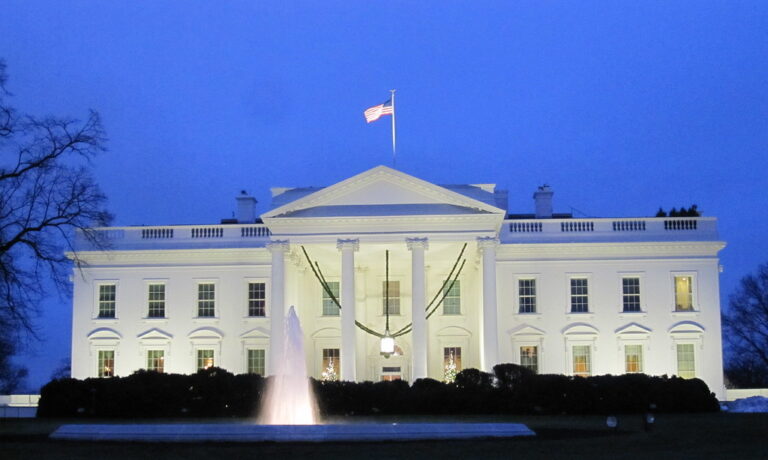
Late last month, crews moved in to tear down part of the White House’s East Wing. They cleared rooms and began removing walls meant to last centuries. The president plans to replace the space with a grand ballroom. He has not held talks with Congress or legal experts.

How Democrats warn about power grabs

Several senators voiced alarm over the East Wing demolition. They fear the president could target other monuments next. Senator Cory Booker called it a sign of slipping limits on presidential power. He argued our founders never meant for one person to act without review.

Senator Ruben Gallego agreed. He said Trump shows no respect for our institutions or history. When asked how to stop future damage, Gallego shrugged as elevator doors shut. Still, he warned that no landmark is safe if Congress stays silent.

Senator Mark Warner expressed similar fear. He joked that Trump might swap Lincoln’s statue for his own. Then he demanded, “Where are my Republican colleagues?” Warner stressed that laws used to check the president’s actions once stood firm.

Why Republicans shrug off the outrage

On the other side, many Republicans dismiss the fuss over the East Wing demolition. Senator Jim Banks claimed he dug into the plan and saw no issue. He said Trump’s blueprint feels like a beautiful improvement. “The fake outrage makes it sound like they’re tearing down the historic West Wing,” Banks said.

Banks praised the president’s building talents. He insisted the White House will look more stunning after the work. For GOP lawmakers, the project shows strength, not overreach. They see a leader improving America’s most famous home.

Shutdown stalls Congress and oversight

The East Wing demolition unfolded during the second-longest shutdown in U.S. history. As a result, many federal workers still go unpaid. Democrats point out that the project moved forward with almost no obstruction because of the shutdown.

Senator Tim Kaine said he has bigger worries. He spends his time fighting trade disputes with Canada and Brazil. He also pushes a new vote on military action against cartels. Compared to these fights, the East Wing demolition sits low on his list.

Yet Kaine called the move “an embarrassment.” He noted that, at least, it didn’t harm lives. “The ballroom plans are not killing people,” he added. His remark underscored how divided Congress feels on the issue.

How the shutdown affects history and heritage

Democrats warn that the East Wing demolition marks a moment when power shifts dangerously. They stress that Republicans hold both houses of Congress. Therefore, the GOP can still demand hearings and block unchecked moves. However, many lawmakers remain silent.

Senator Booker pressed his colleagues to defend America’s heritage. He said, “Until they speak up, we’ll see more attacks on our history and traditions.” Booker plans to remind voters in next year’s midterms about these power plays.

What’s next for Congress?

As the shutdown drags on, some expect more unilateral actions from the White House. Democrats urge hearings on the East Wing demolition and other potential projects. They want clear rules on how to protect national monuments.

Republicans face a choice. They can join Democrats in oversight or risk looking weak on checks and balances. Some GOP senators, like Banks, already back the project. Others may change their tune if voters grow angry.

Public reaction and future implications

Public opinion remains divided. Some Americans cheer the idea of a bigger, fancier White House space. Others worry about the message it sends when federal workers go without pay. Social media buzz calls the project tone-deaf during a shutdown.

Moreover, historians fear future presidents could follow Trump’s lead. They warn that once one part of a national landmark falls, no site is truly safe. As a result, activists plan rallies to demand stronger preservation laws.

In the bigger picture, the East Wing demolition highlights the growing clash over presidential power. It shows how a shutdown can weaken Congress’s role as a watchdog. Therefore, many see the story as a test of America’s democratic strength.

Frequently Asked Questions

What exactly is the East Wing demolition?

The East Wing demolition refers to tearing down the White House’s east side rooms to build a new ballroom. President Trump ordered the work without Congress’s formal approval.

Why are Democrats upset about the project?

Democrats say the demolition shows a weakening of checks and balances. They fear future presidents could harm other historic sites without oversight.

How do Republicans view the renovation?

Most Republicans praise it. They say the plans will make the White House more beautiful. They believe the president used his development skills to improve a national landmark.

Could the demolition continue without end?

Technically, yes. If Congress does not act, the White House could undergo further changes. Lawmakers can hold hearings or pass laws to limit such projects in the future.

RFK Jr.’s Bizarre Diet Revealed

0

Key Takeaways

  • Cheryl Hines revealed RFK Jr.’s bizarre diet on a popular podcast.
  • He eats only meat and fermented vegetables every day.
  • His morning meal at 6:30 a.m. is steak and sauerkraut.
  • He even carries sauerkraut into restaurants in her clutch.
  • The couple supports the Make America Healthy Again movement.

Cheryl Hines shared surprising details about her husband’s eating plan. She joined The Katie Miller Podcast to talk health and politics. During the chat, Hines described a strict meal plan. This plan lets him eat only meat and fermented veggies. Fans called it a bizarre diet. Yet, RFK Jr. stays devoted. He follows it each morning and even on nights out.

Morning Routine on the Bizarre Diet

Every day starts at 6:30 a.m. with a sizzle. RFK Jr. cooks a thick steak in his kitchen. Meanwhile, he plates sauerkraut on the side. Hines laughs when she recalls the scene. “I’ll be sipping my latte and the steak hits me,” she said. She still teases him now and then about it. Yet, he won’t budge.

Dining Out While Following the Bizarre Diet

When they leave home, the commitment continues. Hines dresses up in a stylish dress and carries her nice clutch. Suddenly, he hands her a bag of sauerkraut. He asks her to tuck it into her purse. Hines admits she can’t hide jars in her fancy bag. Still, he tries. This level of dedication fuels talk about his bizarre diet.

How the Make America Healthy Again Movement Fits In

Cheryl Hines and Katie Miller discussed more than food. They talked about a shared health mission. RFK Jr. launched the Make America Healthy Again effort. He wants to inspire people to rethink processed foods. The bizarre diet reflects his drive for natural meals. In addition, he champions home cooking and simple ingredients.

Why Fermented Vegetables Matter

Fermented veggies like sauerkraut top the list in this diet. They offer natural probiotics that support gut health. Moreover, they add tangy flavor to an all-meat menu. Fermentation can preserve nutrients and boost digestion. As a result, this choice meets some wellness goals. Yet experts warn that no single food can fix all problems.

Benefits and Drawbacks of an All-Meat Plan

Supporters call it a modern carnivore diet. They claim it can reduce inflammation and improve energy. However, doctors say balance matters. Without fruits or grains, some vitamins may fall short. In addition, too much red meat can raise cholesterol. Therefore, most nutritionists recommend more variety on your plate. Still, RFK Jr. sticks to his strict rules.

What Nutrition Experts Think

Many experts find his approach extreme. They argue you need fiber from plants. Meanwhile, fermented vegetables may not fill all gaps. Furthermore, long-term meat-only plans lack studies proving safety. Experts suggest mixing lean meats with diverse veggies. As a result, they urge flexible eating over rigid rules. Yet the bizarre diet remains in the spotlight.

Public Reaction to His Eating Style

Social media users share mixed views. Some praise his discipline and focus on real food. Others call the plan impractical for most families. Comments range from “Impressive willpower” to “That seems unhealthy.” Still, many agree that sauerkraut in a handbag is memorable. As a result, chatter about his bizarre diet keeps growing online.

Cheryl Hines’ Perspective

Hines admires her husband’s willpower. However, she admits the diet can be tricky. She jokes about sharing her latte with sizzling steak aromas. Yet she supports his health goals and public message. In addition, she hopes others learn to cook fresh food at home. She sees his journey as part of a larger health push.

Tips for Anyone Curious About This Plan

If you find this odd eating fun to explore, start small. Try adding a daily serving of fermented veggies. Also, experiment with grass-fed meats if you choose meat-heavy meals. Furthermore, listen to your body and track energy levels. In addition, consult a registered dietitian before big changes. These steps can ease entry into a new routine.

Conclusion

Robert F. Kennedy Jr.’s bizarre diet has caught many eyes. His strict menu of meat and sauerkraut sparks both praise and concern. While some see a new health trend, others warn against one-size-fits-all rules. Yet his loyalty to this eating style highlights his broader health mission. Will more people follow? Only time will tell as this story unfolds.

FAQs

What exactly is RFK Jr.’s diet?

He eats only meat and fermented vegetables each day, starting with steak and sauerkraut.

Why does he follow such a strict plan?

He believes natural foods and probiotics boost overall health and energy.

Is this bizarre diet safe?

Experts say it lacks variety and recommend consulting a nutritionist before drastic changes.

Can anyone try his meal plan at home?

Yes, you can add fermented veggies and lean meats step by step, but balance remains key.

Trump Modi Monologue Steals Asia-Pacific Summit Spotlight

0

Key Takeaways:

  • Donald Trump delivered a strange monologue about Prime Minister Narendra Modi.
  • He praised Modi’s looks, then called him “a killer.”
  • Trump attempted an exaggerated Indian accent impersonation.
  • He claimed credit for ending India-Pakistan hostilities with tariffs.
  • Indian officials denied his mediation role and quietly dismissed his narrative.

Trump Modi Monologue Steals Summit Spotlight

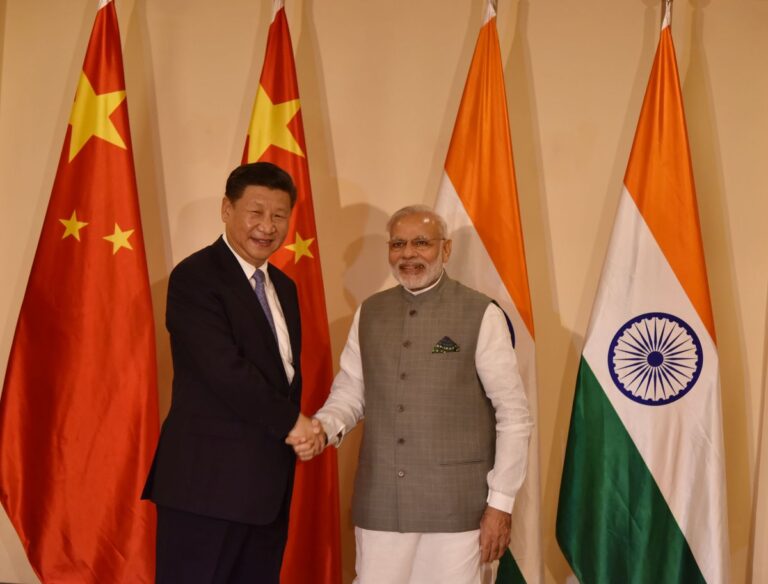
At the Asia-Pacific Economic Cooperation summit in Gyeongju, South Korea, President Donald Trump gave a surprising Trump Modi monologue. First, he complimented Prime Minister Narendra Modi’s appearance. Then, in seconds, he labeled him “tough as hell” and “a killer.” After that, the president attempted an Indian accent. The room grew silent. Later, some delegates shared confused looks.

Why Trump Modi Impression Raised Eyebrows

Trump began by saying Modi looked like “someone you’d like as your father.” Next, he flipped to say, “He’s a killer.” Then he mimicked Modi in a dramatic voice, “No, we will fight!” He even asked, “Whoa, is that the same man that I know?” His words broke formal summit norms. Moreover, his caricature felt out of place at a diplomatic event.

Trump praised his own deal-making style and credited himself for ending a four-day war between India and Pakistan. He said his threat of 250 percent tariffs stopped the fighting. Later, officials from both countries denied he had any role. In fact, India never asked for his help. Despite that, Trump continued to boast about his so-called mediation.

Trump’s Remark on Modi

Trump claimed he resolved the conflict in 48 hours by threatening massive trade barriers. He said, “That’s a nice way of saying we don’t want to do business with you.” Then he contrasted himself with President Biden, implying Biden would never act so boldly. He asked, “You think Biden would have done that? I don’t think so.”

However, Indian spokespeople rejected Trump’s account. They said no U.S. threats influenced their decisions. In addition, reliable sources said Modi skipped a previous summit to avoid Trump’s self-praise. Consequently, the Indian leader may have tried to sidestep more awkward moments.

Impersonating Modi with an Indian Accent

Trump’s impression of Modi drew the most criticism. He pitched his voice higher and added a heavy accent. Someone in the room recalled feeling stunned. Others later said the act felt disrespectful. Moreover, mocking a world leader’s speech style can harm diplomatic ties.

First, impersonations at political events can provoke misunderstandings. Then, they might offend entire communities. Transitioning from serious points to jokes can confuse any audience. Therefore, world leaders often avoid accents or caricatures.

Claims of Mediating India-Pakistan Conflict

The president took full credit for a sudden ceasefire. He said he threatened to impose huge tariffs on both India and Pakistan. Then, he claimed both sides quickly backed down. Yet, both governments consistently told reporters they never received any U.S. threat.

Furthermore, both New Delhi and Islamabad handled their talks privately. Each side also cited multiple back-channel communications, not trade threats. In addition, experts say a tariff threat would take months of paperwork. It could not produce a same-day ceasefire.

Modi’s Response and Summit Reactions

Observers at the summit gave mixed reactions. Some laughed nervously at Trump’s jokes. Others kept straight faces. Diplomats later exchanged raised eyebrows and quiet whispers. One attendee said they had never seen anything so curious.

In contrast, leaders from other nations stayed focused on policy talks. They discussed trade, climate change, and technology. Meanwhile, Trump’s monologue became the summit’s odd highlight. Social media lit up with videos of his impression. Some called it cringeworthy. Others blamed the White House staff for poor planning.

What This Means for Future Summits

First, world stage events require careful preparation. Leaders cannot assume every moment can be casual. In addition, cultural sensitivity matters more than ever. If a president mocks another leader’s accent, it risks diplomatic fallout. Moreover, allies may lose respect, and rivals may gain leverage.

Next, summits rely on genuine dialogue. Leaders must address real issues, not stage antics. For example, trade agreements and security pacts need clear talks. Meanwhile, unplanned jokes can steal focus from critical problems.

Finally, media coverage will likely revisit this Trump Modi episode. Journalists will ask if the U.S. still leads with seriousness. They will wonder if satire has replaced substance.

Looking Ahead

Diplomacy thrives on respect, clarity, and sincerity. Trump’s sudden shift from praise to mockery undercut that reputation. His claims about mediating a major conflict faced strong rebuttals. As a result, this monologue will be studied by students of politics and diplomacy.

However, the world moves on. Other leaders will aim to learn from this moment. They will emphasize cultural awareness and avoid off-hand remarks. In turn, future summits may set stricter speech guidelines. Ultimately, global cooperation depends on genuine engagement, not impromptu skits.

Frequently Asked Questions

What exactly did Trump claim about the India-Pakistan conflict?

He said his threat of 250 percent tariffs caused a four-day armed clash to end within 48 hours.

Did Indian officials confirm Trump’s mediation story?

No. Both India and Pakistan denied any U.S. threat or direct involvement in the ceasefire.

How did Prime Minister Modi respond to Trump’s imitation?

Modi did not publicly comment. However, sources say he skipped a past summit to avoid such moments.

Could this incident affect U.S.-India relations?

Possibly. Diplomats worry that mocking a leader’s accent could strain ties and reduce mutual respect.