49.9 F
San Francisco
Sunday, April 12, 2026
Home Blog Page 507

Is Trump Worried by Zohran Mamdani’s Endorsement?

0

Key Takeaways:
– Zohran Mamdani earned a major boost with Gov. Hochul’s backing.
– Governor Kathy Hochul surprised many by supporting Mamdani.
– Donald Trump called Mamdani a “Liddle Communist” on Truth Social.
– Trump hinted at White House plans to sway New York’s mayoral race.

Is Trump Worried by Zohran Mamdani’s Endorsement?
New York’s Democratic mayoral race took a sharp turn when Gov. Kathy Hochul declared her support for Zohran Mamdani. This move surprised many party leaders who had stayed quiet. Almost immediately, former President Donald Trump fired back on his social platform. He accused Mamdani of being a “Liddle Communist.” In addition, Trump warned that money spent on Mamdani could go to waste.

Why Did Hochul Endorse Zohran Mamdani?
Governor Hochul’s choice follows months of hesitation by key Democrats. Many top voices feared Zohran Mamdani’s bold progressive ideas. However, Hochul said she sees promise in his plan to tackle affordable housing and public safety. She argued that Mamdani can unite different parts of the city. Moreover, she noted his strong ties with community groups in Queens and Brooklyn. Her backing gives Mamdani fresh momentum just weeks before the general election.

How Did Trump React?
Trump’s response came fast. On his social media platform, he wrote that endorsing Zohran Mamdani is a “shocking development.” He warned New Yorkers not to throw more money at Mamdani’s campaign. Then he claimed that Washington would watch closely. Trump’s comments show he fears a leftward shift in New York politics. He also painted Mamdani as extreme, hoping to frighten moderate voters away.

Could the White House Influence the Race?
Reports say the White House might step in to block Mamdani. Trump hinted they could try to persuade incumbent Mayor Eric Adams to leave the race. In return, they might offer Adams a job in President Biden’s administration. If Adams dropped out, former Governor Andrew Cuomo could gain strength in the contest. Cuomo’s chances would rise because many voters know his name and record. However, Adams made it clear he will not bow out. He said he plans to run until the end.

What’s at Stake for Zohran Mamdani?
Zohran Mamdani won the Democratic primary thanks to his progressive message. He promised free pre-K for all, better subway service, and big climate plans. His rise has worried Wall Street leaders and many Republicans. In fact, some critics have even called for his deportation despite his U.S. birth. Still, Mamdani says he will fight for working families in every borough. He believes he can bring real change to a city that often feels stuck.

Will Voters Follow Hochul’s Lead?
Governor Hochul’s endorsement could sway some moderate Democrats. Many residents look to her for guidance on key races. Yet, a large number of city Democrats have stayed silent. They fear backlash from left-leaning voters who propelled Mamdani to victory in the primary. In addition, some worry that backing him now might hurt their own future campaigns. As a result, Mamdani must prove he can win over both progressives and centrists.

What Does Trump’s Attack Mean for the Race?
Trump’s harsh words might rally Republicans and moderates against Mamdani. It could also energize Mamdani’s base, which dislikes Trump’s style. Moreover, the talk of White House meddling adds drama to an already heated contest. Media outlets will keep an eye on every move by the Biden team. Meanwhile, both campaigns will try to frame the narrative. Mamdani will highlight grassroots support. Trump and his allies will warn of a radical shift in city policy.

How Could This Shape New York’s Future?
New York City faces big challenges in housing, crime, and transit. A mayor like Zohran Mamdani could push strong reforms on rent control and policing. Traditional Democrats want a more modest approach. They favor working with Albany and Washington than drastic new laws. A Mamdani win could inspire other progressive candidates nationwide. Conversely, his defeat might signal limits for left-wing politics in big cities.

Looking Ahead to Election Day
The general election is just weeks away. Campaigns will lay out their final messages and reach out to undecided voters. Zohran Mamdani will rely on volunteers and small donations. His team plans neighborhood events and social media outreach. Opponents will point to his socialist label and question his plans. Voters must decide whether they want bold change or a steady hand. Therefore, every rally, ad, and interview could shift the balance.

Final Thoughts
Governor Hochul’s endorsement of Zohran Mamdani and Trump’s fiery response have raised the stakes. The coming weeks will test Mamdani’s appeal beyond his primary base. It will also reveal how much sway former President Trump still holds in local races. Ultimately, New Yorkers will choose who they trust to guide the city through tough times. Will they embrace a new progressive voice or stick to familiar politics?

Frequently Asked Questions

What are Zohran Mamdani’s top campaign goals?
He wants to expand affordable housing, improve public safety, and invest in climate action. He also backs free preschool for all New York kids.

Why did Governor Hochul choose to back Zohran Mamdani?
She believes his platform addresses urgent city needs. In addition, she praised his community ties and fresh vision.

Did Mayor Eric Adams consider dropping out?
Reports say the White House tried to offer him a job in exchange for leaving. However, he firmly refused and plans to stay in the race.

How might Trump’s attack affect voter turnout?
His criticism could motivate his base to vote against Mamdani. Yet it might also energize progressive supporters who oppose Trump’s influence.
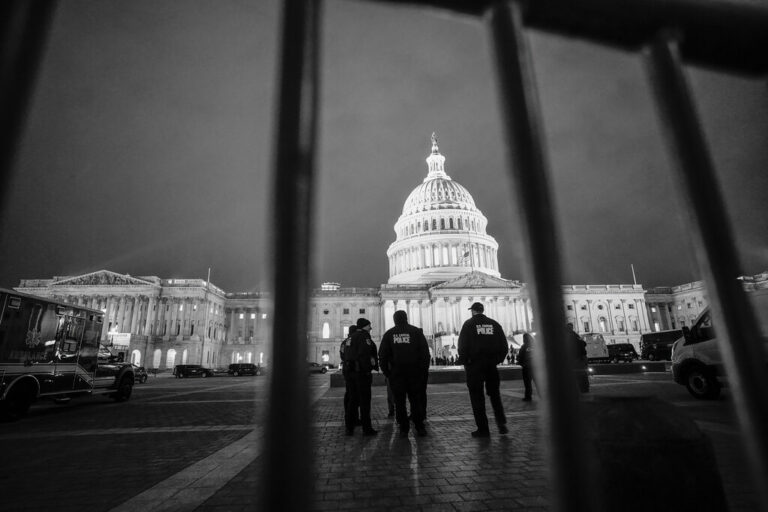
Is Trump Phase 2 Threatening Democracy?

0

Key Takeaways
• Trump Phase 2 marks a shift from silencing critics to attacking all political opponents.
• Plans include deploying troops to Democratic cities and favoring Republican states with aid.
• Media funding cuts and harsh labels aim to paint Democrats as “evil” or “domestic terrorists.”
• Most Americans oppose sending troops to cities and doubt the new tactics.
• Critics warn Trump Phase 2 could deepen division and threaten democracy.

Understanding Trump Phase 2
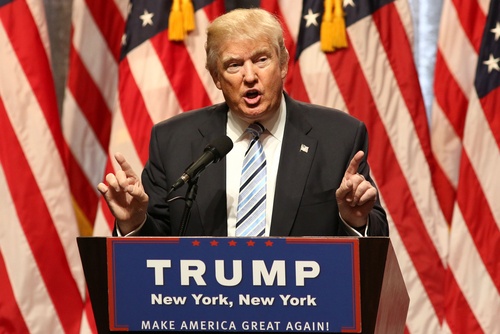
Trump Phase 2 refers to the latest plan by Donald Trump to go after his political opponents in a direct way. While his first effort focused on punishing critics and controlling media, Phase 2 targets the entire Democratic Party. It uses government powers, military threats, and harsh rhetoric to pressure cities and states that did not back him. Many see this as a dangerous step toward authoritarian rule.

What Is Trump Phase 2?
In simple terms, Trump Phase 2 is the second stage of a strategy to crush all opposition. First, Trump tried to silence people who spoke against him. He attacked universities, cut funding to public radio and television, and leaned on friendly media owners to avoid criticism. Now, he plans to go further. He wants to order troops into cities run by Democrats, give disaster relief only to states that supported him, and push state governments to redraw voting maps in his favor. He also uses harsh language to call his opponents “radical left lunatics,” “domestic terrorists,” and “evil.”

Key Actions in Trump Phase 2
Deploying Troops to Cities
Trump has said he would send troops into Washington, D.C., Chicago, Memphis, and New Orleans. He claims this will fight crime. However, crime rates in these cities have dropped in recent years. Most Americans do not want the military patrolling their streets.

Aid Bias for Republican States
After the 2024 election, Trump announced $32 million in disaster relief for North Carolina, which he won in both the primary and general vote. He hinted that Democratic states might not get similar aid. This move shows he plans to reward loyalty and punish opposition.

Redistricting Orders
Trump publicly urged governors of Texas, Missouri, Indiana, and Ohio to redraw voting districts to create more safe Republican seats. Redistricting by party leaders can tilt elections in one party’s favor. Critics say this plan undermines fair representation.

Harsh Labels and Rhetoric
In a recent interview, Trump called Zohran Mamdani, a Democratic candidate for New York mayor, a “communist.” He described the whole Democratic Party as the “radical left” and used the murder of Charlie Kirk to demand people “beat the hell” out of liberals. His deputy chief of staff, Stephen Miller, even said his government would use law enforcement to take away money, power, and freedom from Trump’s enemies.

Why Trump Phase 2 Matters
Trump Phase 2 matters because it uses the power of the presidency to target specific political groups. This plan could change how democracy works in the United States. For instance:
• Splitting the country into “with us or against us” could deepen political divides.
• Using the military on U.S. cities sets a risky precedent.
• Denying disaster aid based on party loyalty could harm people in need.
• Labeling opponents as terrorists could justify extreme actions.

Public Opinion on Trump Phase 2
Recent polls show many Americans distrust these tactics. A Reuters/Ipsos survey found only 32 percent support sending troops into major cities. Even fewer approve of Trump’s control over economic policies like setting interest rates or deciding where companies must build factories. His overall support for handling the economy and cost of living is under 40 percent. As his approval ratings drop, Trump Phase 2 seems aimed at rallying his base by creating a clear enemy.

Can Trump Phase 2 Succeed?
Trump Phase 2 faces big challenges. First, the public largely rejects military action on home soil. Second, courts may block redistricting plans that clearly favor one party. Third, cutting aid to certain states could spark legal fights and public backlash. Finally, calling fellow citizens “domestic terrorists” risks alienating moderate voters.

On the other hand, hardline supporters might embrace these bold moves. They see any opposition as proof that the system is rigged. They could rally behind the idea that only Trump can protect true Americans from a “radical left” plot.

Regardless, Trump Phase 2 will test democratic norms and institutions. It could force courts, Congress, and state governments to push back. In turn, those actions might either protect democracy or deepen political conflict.

What Comes Next?
If Trump moves forward with Phase 2, expect:
• Legal battles over troop deployment and aid restrictions.
• Court challenges to partisan redistricting.
• Heightened protests and rallies by both Trump supporters and opponents.
• Intense media coverage of any new executive orders or threats.

Citizens will need to watch how elected officials, judges, and law enforcement respond. Their stance will shape whether Trump Phase 2 remains a plan or becomes reality.

Final Thoughts
Trump Phase 2 is a major escalation in the use of presidential power for political ends. It goes beyond silencing critics and aims directly at elected Democrats and state leaders. Most Americans oppose these tactics, but they could still face serious tests in court and public opinion. Ultimately, the success or failure of Trump Phase 2 will reveal much about the strength of democratic checks and balances in the United States.

FAQs
What led to Trump Phase 2?
After losing some public support and facing criticism in Phase 1, Trump grew more aggressive. Phase 2 aims to hit back at all Democratic leaders and punish states that did not vote for him.

Which cities did Trump target for troop deployment?
He mentioned Washington, D.C., Chicago, Memphis, and New Orleans as places where he would order troops to restore order.

How do Americans feel about sending troops into cities?
Most Americans, according to recent polls, oppose using the military for domestic law enforcement and fear it could harm civil liberties.

What legal hurdles could stop Trump Phase 2?
Courts may rule that sending troops into U.S. cities is unconstitutional. Lawsuits could also challenge redistricting plans and aid restrictions based on political support.

Actress Hannah Einbinder criticized both ICE and Israel in her Emmy acceptance speech

0

Key Takeaways:
– Actress Hannah Einbinder criticized both ICE and Israel in her Emmy acceptance speech.
– Fox & Friends host Lawrence Jones called her comments “trashy behavior.”
– Prominent pro-Israel figures accused her of lacking a moral compass and of antisemitism.
– The clash highlights deep political divides over free speech and support for Israel.

Why Is Hannah Einbinder Facing Backlash?

Hannah Einbinder’s Emmy acceptance speech stirred a fierce debate. Many viewers applauded her courage. Yet certain conservative voices quickly condemned her. They attacked her remarks on Immigration and Customs Enforcement and on Israel. As a result, she found herself at the center of a heated backlash.


Hannah Einbinder’s Emmy Speech Sparks Conservative Backlash
Hannah Einbinder won the Emmy for Outstanding Supporting Actress. She thanked her cast and crew. Then she spoke about Immigration and Customs Enforcement. Next, she addressed Israel’s actions in Palestine. She explained her duty as a Jewish person to distinguish Jews from the state of Israel. Immediately, her words made headlines.

Fox & Friends Slam Hannah Einbinder’s Remarks
On Fox & Friends, co-hosts reacted strongly. Carley Shimkus labeled Einbinder’s comments as “anti-ICE.” Then Lawrence Jones weighed in with two blunt words. He called her behavior “trashy behavior.” He said such a platform should not be used for political attacks. Instead, he felt artists should stick to entertainment and keep politics off stage.

Pro-Israel Figures Condemn Hannah Einbinder
At the same time, pro-Israel leaders took to social media. They claimed Hannah Einbinder supported violence against Israelis. Joel Petlin, a school superintendent in New York, wrote she had “no moral compass.” He accused her of siding with terrorists holding hostages in Gaza. He also criticized her Hollywood audience for applauding her.

Meanwhile, former Israeli ambassador Michael Oren joined the chorus. Without naming her, he accused any Jew who denies Israel’s right to exist of being an antisemite. He said such views showed deep hatred toward the Jewish community. Oren stressed that freedom of speech should not protect calls to erase a nation.

Why Critics Target Hannah Einbinder
Critics argue that Emmy platforms should remain neutral. They believe that mixing politics with awards shows distracts from celebrating talent. Moreover, some see Einbinder’s remarks as one-sided. They point out that her speech did not mention Hamas or their attack on Israel. Instead, they feel she only condemned Israeli actions, not the aggression against Israel.

Further, opponents think her comments insult Jewish people who support Israel’s right to defend itself. They claim she used her Jewish identity to justify her stance. As a result, they label her statements as disloyal or harmful to Jewish unity. To them, this crosses the line from political critique into outright hostility.

What Supporters Say About Hannah Einbinder
On the other side, many fans defended Hannah Einbinder’s right to speak her mind. They argue that artists have always used their fame to highlight social issues. They point to past speeches that sparked reform or charity efforts. Thus, they view her remarks as part of a long tradition of activism in Hollywood.

Additionally, supporters stress that free speech includes the freedom to criticize governments. They note that she clarified her love for Jewish people. She only aimed to separate a nation’s policies from a faith. In their view, her words do not threaten Jewish safety or unity.

Impact on Hannah Einbinder’s Career
The backlash could shape Einbinder’s future roles and public image. Casting directors may worry about controversy. Meanwhile, some producers might admire her bravery. The net effect is still unclear. Yet past examples show mixed outcomes. Some stars recover quickly from political storms. Others struggle to regain mainstream support.

This event also fuels broader debates in entertainment. It raises questions about the line between art and politics. Should award shows stay apolitical? Or should they reflect society’s pressing issues? These questions have no easy answers. Above all, viewers and creators must decide where they stand.

The Broader Debate Over Free Speech and Awards Shows
Hannah Einbinder’s case is not unique. Over the years, many celebrities have used award stages for political statements. Some received praise; others faced boycotts. These moments often reflect the nation’s tensions. They remind us that no platform is free from political currents.

Moreover, social media now amplifies every remark. A single tweet can go viral in minutes. This creates instant feedback, both positive and negative. Therefore, stars must weigh the risks before speaking out. Yet many believe that silence is no longer an option in a divided world.

Lessons from the Backlash
First, public figures must know that bold remarks can spark fierce criticism. Second, audiences will judge not only the message but its timing and platform. Third, defenders of free speech must also consider the impact on targeted groups. Each side claims to protect values, but they often clash.

In Hannah Einbinder’s situation, supporters say she exercised her right to speak. Critics insist she crossed a moral line. Both sides use powerful words like “antisemitism” and “racism” to make their point. This dispute reveals how high the stakes have become in modern debate.

Conclusion
Hannah Einbinder’s Emmy acceptance speech ignited a storm of reactions. Fox & Friends hosts labeled her words “trashy.” Pro-Israel leaders accused her of lacking a moral compass. Meanwhile, supporters defended her free speech. Ultimately, this clash highlights the deep divides in today’s society. As the debate continues, it reminds us that every public statement carries weight. For Hannah Einbinder, the backlash may last far beyond awards season.

Frequently Asked Questions

How did Hannah Einbinder explain her remarks during the speech?
She said she felt it was her duty as a Jewish person to separate her faith from Israel’s government actions.

Did any celebrities support Hannah Einbinder’s speech?
Yes, many social media users and some creators praised her courage and defended her right to speak.

Will this backlash hurt Hannah Einbinder’s career?
It’s too soon to tell. Some stars bounce back quickly, while others face lasting consequences.

What is the main argument against using award shows for political messages?
Critics believe award ceremonies should focus on art and talent, not spark political controversy.

Charlie Kirk Shooting: Will Trump Crackdown Begin After Charlie Kirk’s Death?

0

Key Takeaways:
– The nation waits as people expect a Trump crackdown after Charlie Kirk’s assassination.
– A CNN analyst warns the administration may target left-leaning groups and figures.
– Some leaders urge unity, even as anger among conservatives grows.
– Social media and the ongoing investigation in Utah fuel political tension.

The nation—and the world—holds its breath. People wonder if President Trump will launch a Trump crackdown after Charlie Kirk’s killing. A CNN analyst argued that Trump might move against groups or public figures he blames for radical left violence. Many now watch for a firm response.

On Monday, CNN’s Stephen Collinson wrote that Trump could use a so-called Trump crackdown to push long-standing goals. For instance, he may intensify his battle on crime in Democratic cities. He could press for redistricting changes to help Republicans in upcoming elections. Also, he might threaten to shut down the government over funding fights with Democrats.

Kirk’s assassination last Wednesday shook the country. It unveiled deep splits in America’s social and political scene. Senator Lindsey Graham called the killing “an attack on a political movement.” He praised Kirk as one of the top three people who helped Trump win in 2024. Many conservatives now feel both anger and grief.

Meanwhile, President Trump’s response shocked some people. He posted that “the problem is on the left. It’s not on the right.” Those words stirred more heat. In contrast, House Speaker Mike Johnson urged calm. He reminded Americans that policy hate should never become personal hatred.

What to Expect from the Trump Crackdown

First, Trump could point fingers at left-leaning groups. Analysts say he has already blamed a “radical left” for rising unrest. Second, he might order the Justice Department to open new probes. Under Trump, the department has acted on political aims more than before. Third, he may broaden his national emergency powers. Earlier moves unlocked vast authority for him.

Furthermore, Collinson noted that a Trump crackdown could target political figures. Those who spoke against Trump might face legal or financial pressure. Some fear this would cross constitutional lines. Yet this administration has shown little worry about such barriers.

In addition, Trump might use the Kirk tragedy to win support from his base. Anger over Kirk’s death could fuel fresh energy for his policy push. For example, he could press for more police funds or stricter law enforcement in certain cities. He may claim this will keep Americans safe from future violence.

Political Reactions and Rising Tensions

Not everyone agrees on how to move forward. Many GOP leaders stand with Trump. Senator Graham warned that Democrats try to weaken conservatives. He urged swift action in Kirk’s name.

However, others call for unity. Speaker Mike Johnson said people can strongly disagree on policy without hating each other. His words aimed to calm rising tempers.

Meanwhile, Homeland Security Secretary Kristi Noem said on Fox News, “It feels like a grief has settled on not just the country, but the entire world.” She warned that emotions run high. Officials like Stephen Miller also claimed that a “vast, organized ecosystem of indoctrination” by the left now drives unrest.

Amid this turmoil, social media faces sharp criticism. Utah Governor Spencer Cox slammed platforms for “hijacking our free will with these dopamine hits.” He likened their effect on minds to fentanyl addiction. Then tech CEO Elon Musk, at a far-right rally, shouted, “The left is the party of murder.” Such statements only deepen divides.

Investigation, Media, and Next Steps

Authorities in Utah keep probing the alleged shooter, Tyler Robinson. They want to know why he killed Kirk. Governor Cox said investigators look into whether a personal tie to a transgender person played a role. Yet reports show Robinson came from a Republican home and adopted right-wing ideas.

At the same time, many watch how social media shaped Robinson’s views. People question whether online echo chambers stoked his anger. As a result, some call for changes in how platforms manage content.

Moreover, the Justice Department may step in if federal charges apply. Trump allies want fast action. Critics fear a Trump crackdown could blur lines between politics and law. They warn that using the department for political ends could harm democracy.

In Congress, some Democrats resist any Trump crackdown. They warn against punishing speech or protests. They argue that a democracy must protect dissent. Others fear a government shutdown if Trump holds to his funding threats. Budget battles loom at month’s end.

A Moment of Reflection

This crisis forces every American to decide how to act. Governor Cox put it plainly: “Every one of us has to look in the mirror and decide: Are we going to try to make it better or are we going to make it worse?”

On one hand, a Trump crackdown could rally his base. It may advance his hard-line crime and funding policies. On the other, it risks inflaming national divisions. It might even cross constitutional boundaries.

Moving forward, many hope for calm. They seek a balance between justice for Kirk’s death and protecting civil rights. They wish for unity despite strong policy fights. Yet the coming days will show if Washington chooses healing—or a harsh Trump crackdown.

Frequently Asked Questions

What does a Trump crackdown mean?
A Trump crackdown refers to stronger actions by the Trump administration. It could include new investigations, emergency powers, or legal pressure on targeted groups.

Why do some leaders warn against a Trump crackdown?
Critics fear it will blur politics with law enforcement. They worry it may violate rights and deepen national division.

How does the Utah investigation affect calls for unity?
The ongoing probe seeks the shooter’s motive. As details emerge, some urge calm, while others call for tougher policies against violence.

Can a federal funding fight lead to a shutdown?
Yes. If Congress and President Trump cannot agree on budget terms, parts of the government may close at the end of the month.

Charlie Kirk Shooting: Are Republicans Turning on Kash Patel?

0

Key Takeaways
– Top Republicans in the White House say they lack confidence in FBI Director Kash Patel.
– Former Missouri Attorney General Andrew Bailey will share leadership with Deputy Director Dan Bongino.
– Critics point to errors in the Charlie Kirk assassination probe as a major failure.
– Three ex-FBI officials filed a lawsuit claiming a political purge led by the DOJ and the White House.
– Legal experts warn that firing letters signed by Patel may violate the Constitution.

Are Republicans Turning on Kash Patel?

In a surprising shift, many Republicans in the White House are criticizing FBI Director Kash Patel. Even though President Trump still backs him, key figures say Patel has lost their trust. This story outlines what went wrong and what may happen next.

Why Republicans Doubt Kash Patel
White House insiders tell Fox News that Attorney General Pam Bondi and Deputy Attorney General Todd Blanche no longer support Kash Patel. They gave up confidence after recent events. Moreover, Bondi “cannot stand him,” according to a source familiar with personnel talks. Blanche shares her view. In contrast, Trump continues to praise Patel and defend his record.

However, those close to the Justice Department say the divide is real. They fear that Patel’s actions have damaged the FBI’s reputation. Furthermore, letting Patel speak publicly may harm upcoming prosecutions. As one official put it, “letting Kash talk much could f— up the prosecution.”

Power-Sharing Changes with Andrew Bailey
On Monday, former Missouri Attorney General Andrew Bailey will join the FBI in a new role. He will work alongside Deputy Director Dan Bongino. Bailey was once Trump’s top choice to lead the FBI. Now, he steps in as part of a “power-sharing” plan.

Bailey denied reports that his arrival signals division. He said, “Any suggestion that I was brought in to replace anyone is false. I am honored to serve the FBI and DOJ as we keep our nation safe.” His calm statement aims to ease tensions.

Nevertheless, the appointment adds to the sense that Patel’s standing is shaky. Some insiders see the move as a way to limit his power. Meanwhile, Bondi and Blanche officially deny they want Patel removed. Yet, their rumors persist.

Blunders in the Charlie Kirk Investigation
Criticism of Patel peaked after the Charlie Kirk assassination probe. Last week, Kirk was shot, and the investigation looked disorganized. Patel himself called it a “Mickey Mouse operation” when he wasn’t swearing at staff. Other officials described the effort as “total amateur hour.”

Furthermore, both Patel and Bongino blamed junior agents for mistakes. They argued that poor execution, not leadership, caused the mess. Yet, critics say the buck stops at the top. They feel leadership should guide any team, not just point fingers.

Utah Governor Spencer Cox took over press briefings and announced the suspect’s arrest. Many insiders say this move saved the case. They worry that Patel’s public comments might have jeopardized the prosecution.

Political Purge Lawsuit Rocks the DOJ
On the same day Charlie Kirk was shot, three former high-ranking FBI officials filed a lawsuit. They claim Patel, Bondi, and others fired them illegally in a political purge. Their lawsuit says the firings broke federal law. More specifically, they argue Patel signed dismissal letters using Article II powers that belong only to the president.

Legal experts warn this misstep could create a huge problem. If the court agrees, it might invalidate those firings and expose the DOJ and the White House to liability. An insider said, “Either way, it’s bad: Patel cannot exercise presidential powers, and the president can’t fire these officials.”

In addition, the suit could delay key investigations and hurt morale inside the FBI. Agents may fear political interference in their work. Many worry this case could weaken the bureau’s independence.

What’s Next for Kash Patel and the FBI?
With pressure mounting, Patel faces a tough road ahead. President Trump’s public support may shield him for now. Yet, if the lawsuit succeeds or more errors come to light, his position could weaken.

Moreover, the power-sharing with Bailey and Bongino may limit Patel’s influence. He must navigate complex politics while keeping the bureau functional. Meanwhile, staffers watch closely to see who leads day-to-day work.

Also, the lawsuit outcome matters. If courts side with the ex-officials, the Justice Department could face internal chaos. Conversely, a ruling for the DOJ might solidify Patel’s authority. Either way, the conflict highlights deep divisions inside the federal government.

In short, Republicans have turned on Kash Patel inside the White House, yet he still has powerful backing. The FBI’s leadership structure now faces test after test. As new players like Andrew Bailey step in, everyone waits to see if Patel can regain trust and lead the bureau effectively.

Frequently Asked Questions

How did confidence in Kash Patel collapse so quickly?
Insiders say Patel made key errors, especially in the Charlie Kirk investigation. Rumors about his leadership style also fueled doubts among top Republicans.

What role will Andrew Bailey play alongside Dan Bongino?
Bailey will join Bongino in a shared leadership role. Their duties include overseeing FBI operations and supporting the bureau’s mission.

What are the main claims in the lawsuit by former FBI officials?
They accuse Patel, Bondi, and others of illegally firing them in a political purge. They say Patel used presidential power without authority.

Could this conflict affect future FBI investigations?
Yes. Ongoing disputes and the lawsuit could slow down cases and hurt morale. Agents may worry about political interference in their work.

President Trump criticized the new NFL kickoff rule as “sissy football” and unsafe

Key Takeaways:
– President Trump criticized the new NFL kickoff rule as “sissy football” and unsafe.
– The NFL kickoff rule now places players closer together to cut speed and reduce injuries.
– Safety experts praise the change for limiting high-speed collisions.
– Some former players and coaches call the rule a “mixed bag” with pros and cons.
– College football will keep the old kickoff setup, while the NFL weighs its next move.

Is the New NFL Kickoff Rule “Sissy” Football?

What is the NFL kickoff rule change?

The NFL kickoff rule now uses a “Dynamic Kickoff” format. Under this setup, kickoffs look more like regular scrimmage plays. Instead of long run-ups, most players line up five yards apart on each side. Consequently, they can’t build as much speed before the ball is in play. In addition, the rule stops running starts and forces blockers to stay in place. The league says these tweaks aim to protect players from dangerous hits.

Why do experts support the NFL kickoff rule?

Safety experts praise the NFL kickoff rule for several reasons. First, it lowers the risk of high-speed collisions. When players can’t sprint full tilt, they hit with less force. Second, the new rule cuts down on full-speed blocks to the returner’s ankles or knees. Therefore, serious leg injuries may drop. Third, specialists note that fewer injuries mean more players stay healthy. As a result, teams can keep their best athletes on the field. Moreover, the NFL hopes fewer injuries will lead to fewer lawsuits and less negative press.

Why critics, including Trump, oppose it

However, not everyone likes the NFL kickoff rule. President Trump took to his social media platform, Truth Social, to blast the change. He said the tweak looks strange. He argued that the ball moves while players stay almost still. Then he added that blocking at low speed is “the exact opposite of what football is all about.” Trump went on to label the move “sissy football” and insisted it is “at least as dangerous” as the old system.

Likewise, some former players and coaches find the rule a mixed bag. They told reporters it cuts down brutal hits but also kills the drama of big kickoff returns. For instance, a decade ago, fans loved seeing players rocket down the field at top speed. Now, they wonder if any play can match the thrill of a long, bouncing kickoff. Therefore, critics say the NFL kickoff rule may make games safer but less exciting.

How does college football respond to the NFL kickoff rule?

In contrast, college football will keep its traditional kickoff setup this season. Teams at the collegiate level still line up ten yards apart before the kick. They allow full-speed runs and big hits. President Trump praised college leagues for refusing the NFL kickoff rule. He wrote that college football will remain the same “hopefully forever.” Thus, the contrast highlights a split in football rules at different levels of play.

Furthermore, some college coaches celebrate their choice. They claim the old-style kickoff keeps the game’s essence alive. Yet they also admit to watching the NFL’s approach. Indeed, if injuries rise in college games, those leaders might reconsider. Consequently, the debate over safety versus tradition remains active among all levels of football.

What could this mean for the NFL’s future?

Looking ahead, the NFL may face pressure to tweak the kickoff rule again. Fans might complain that games feel tamer and less unpredictable. Team owners may worry about reduced TV ratings and merchandise sales. On the other hand, parent groups and player unions will push for safety measures. In fact, the NFL already changed rules before to protect players.

Therefore, the league must balance player health with fan excitement. One path could involve testing slight adjustments. For example, officials might allow a small running start in selected zones. Alternatively, they could try different starting distances. Meanwhile, coaches will keep sharing feedback after each game.

Ultimately, the next season could bring more changes. If serious injuries stay low, the NFL may stick with its plan. Conversely, if fans lose interest, league leaders could roll back parts of the rule. Either way, the debate sparked by President Trump’s “sissy football” comments will likely continue.

FAQs

What exactly is the Dynamic Kickoff?
The Dynamic Kickoff is the NFL’s new setup for kickoffs. It places players closer together and bans running starts. This design limits high-speed collisions to improve player safety.

Is the new NFL kickoff rule actually safer?
Experts believe so. By forcing players to start closer and stay still, the rule cuts down on full-speed hits. This change should reduce serious injuries over time.

Why did President Trump call it “sissy football”?
He argued that slow-moving players go against football’s rough nature. He also said the change looks odd and feels dangerous. His remarks reflect a view that football should stay full-contact and fast-paced.

Will the NFL reverse the kickoff rule after fan feedback?
It’s possible. The league values both player safety and fan excitement. If games lose their edge or viewership drops, the NFL may adjust or rollback parts of the kickoff rule.

Why JD Vance Hosting the Charlie Kirk Show

0

Key Takeaways:
– Vice President JD Vance hosting the Charlie Kirk Show surprised many.
– The announcement followed conservative influencer Charlie Kirk’s recent death.
– Jacob Chansley and other MAGA voices criticized the move online.
– Social media users mocked Vance for prioritizing a podcast over vice presidential duties.
– The plan raises questions about how Vance balances public office and political tribute.

Why Is JD Vance Hosting the Charlie Kirk Show?

Vice President JD Vance hosting Monday’s episode of the Charlie Kirk Show stirred a wave of online debate. He announced the plan just days after Charlie Kirk’s unexpected death. Many saw this tribute as heartfelt. Yet critics argued it distracted from his vice presidential duties.

Background on JD Vance’s Tribute

Just last week, Charlie Kirk, a prominent right-wing influencer, died under tragic circumstances. He had built a large online following through speeches and radio. After Kirk’s passing, JD Vance flew aboard Air Force Two to Phoenix. There, he personally marched Kirk’s casket to its final resting place. Vance described this act as a way to honor his friend. Then on Sunday night, Vance surprised supporters by saying he would host Kirk’s show the next day.

The plan for JD Vance hosting the show aimed to pay “tribute” to Kirk’s work. He also urged donors to back Republican efforts in the 2026 midterms. With this announcement, Vance stressed that honoring Kirk meant strengthening the party. Yet not everyone agreed with his approach.

The Controversy Around JD Vance Hosting

As soon as the announcement hit social media, critics emerged. Some questioned why the vice president would choose to host a podcast rather than focus on policy or diplomacy. Indeed, hosting a political podcast is far from a typical vice presidential duty.

One of the harshest voices came from Jacob Chansley. He once supported Donald Trump and stormed the Capitol on January 6. Chansley wrote on X, “REAL ALPHAS don’t do that s—, gross! NO MARINE EITHER… you’re clearly not in charge!” He argued the move was a distraction. He also claimed it drew attention away from pressing issues, such as efforts to release Jeffrey Epstein files.

Meanwhile, everyday users joined the chorus of criticism. An X user named Ava wrote, “This is the lowest we’ve ever gone as a nation. Vice president hosting a racist podcast.” Another critic, Sycamore’s Source, questioned if Vance even has a job. They asked, “You really don’t have a job at all do you?” This highlighted a broader frustration over public officials appearing to neglect official duties.

Social Media Lore and Memes

Beyond scorn, JD Vance hosting the show became meme fodder. Journalist Jim Stewartson posted an edited photo of Vance with a rounder face and longer hair. He captioned it simply, “Can’t wait.” The image went viral among those mocking the announcement.

Moreover, some users used humor to voice real concerns. They asked if the vice president could even fit the show into his busy schedule. They wondered if there were hidden motives behind JD Vance hosting the podcast. Thus, a single move sparked memes, jokes, and serious debate.

Why Some Defend the Move

Despite heavy criticism, some conservatives praised Vance’s decision. They argue that Charlie Kirk’s ideas deserve continued airtime. They see a podcast as a fitting tribute to Kirk’s media legacy. In their view, JD Vance hosting keeps Kirk’s platform alive.

Furthermore, supporters say this shows loyalty and unity. They view Vance’s actions as a sign he stands by his friends. Also, they stress that the vice president can multitask. Hosting a show for an hour or two does not necessarily interfere with his main duties.

Potential Impact on His Role

Looking ahead, JD Vance hosting a popular conservative show could shape his public image. On one hand, it reinforces his ties to grassroots conservatives. On the other, it may feed concerns about his priorities.

In the run-up to the 2026 midterms, this move could spark both enthusiasm and doubt. Enthusiasts may rally behind Vance as a hands-on leader. Critics may use it as evidence that he is too focused on political theater.

In any case, the debate underscores a broader question: what counts as appropriate vice presidential activity? Traditionally, the vice president focuses on national security, policy, and diplomacy. Hosting a partisan podcast is rare. As a result, JD Vance hosting this show blurs the lines between official duties and political branding.

Balancing Tribute and Duty

Ultimately, JD Vance must balance honoring his late friend with running the executive branch. If he spends too much time on political media, he risks public backlash. Yet if he avoids such moves, he might alienate key supporters.

Therefore, his decision to host the show is a gamble. It could strengthen his standing among the right-wing base. Alternatively, it could undermine confidence in his leadership. Either way, it marks a new chapter in how modern politicians blend media and office.

Looking Forward

As Monday’s episode airs, all eyes will be on JD Vance hosting the Charlie Kirk Show. Will he deliver a heartfelt tribute that eases critics? Or will online scorn grow louder? His next moves will matter. They may influence his reputation as vice president and future GOP leader.

In the end, the controversy over JD Vance hosting a podcast shows changing expectations for public figures. In our digital age, even the vice president can become a talk-show host. And every action can spark memes, protests, and political fallout.

Frequently Asked Questions

Why did JD Vance decide to host the Charlie Kirk Show?
He wanted to honor his late friend Charlie Kirk by keeping his platform active. He also aimed to rally support for the GOP in upcoming midterms.

Who criticized JD Vance hosting the show?
Critics ranged from former MAGA supporter Jacob Chansley to everyday social media users who said the vice president was neglecting his duties.

What is the main concern about this move?
Many worry that hosting a political podcast blurs the line between official vice presidential work and partisan activity.

Could this decision affect JD Vance’s political future?
Yes. It may boost his popularity with certain voters but also fuel criticism about his priorities and focus.

How common is it for a vice president to host a podcast?
It is highly unusual. Traditionally, the vice president focuses on policy and international affairs rather than media appearances.

Is Pete Hegseth Letting Wife Lead Defense?

0

Key Takeaways
– Defense Secretary Pete Hegseth often lets his wife advise on military decisions.
– His wife has no official role or military experience.
– Experts worry this could hurt national security.
– Critics say his choice shows poor leadership and sexism.

Is Pete Hegseth Letting Wife Lead Defense?

Many are asking if Defense Secretary Pete Hegseth is handing over his duties to his wife. The first reports came after leaked chats showed him sharing secret plans in group messages. Then Salon writer Amanda Marcotte pointed out he leans on his wife, Jennifer, for big military choices. This arrangement raises serious questions about judgment and fairness.

Why Pete Hegseth Relies on His Wife

Pete Hegseth has always posed as a tough military leader. However, he has limited real strategy experience. In fact, his main job before politics was as a weekend host on Fox News. As a result, he seems to trust his wife more than his own staff. Moreover, Jennifer Hegseth once worked in TV. Yet she never served in the armed forces. Still, she now shapes top secret defense plans.

First, Pete Hegseth shares national security matters with family chats. He even posted about troop movements and urgent crises. Then friends added their opinions. Clearly, this undercuts official advice from trained officers. Also, this practice breaks the usual chain of command. It leaves professionals out of critical discussions. Then, if a mistake happens, no one on the payroll may feel responsible.

What This Means for National Security

When defense choices come from someone without military training, risks grow. For example, a civilian adviser might not grasp battlefield realities. Therefore, plans can overlook key safety steps. In addition, enemies could gain an edge if secrets slip. This group chat style feels casual, not like a top-level task force. Consequently, people worry that vital information reaches unqualified hands.

Furthermore, bypassing military experts sends a wrong signal to troops. It implies that political loyalty matters more than skill. As a result, morale can fall among career officers. They may lose trust in their leader’s judgment. Meanwhile, adversaries see openings. They might test US defenses or launch surprise moves. Clearly, national security needs solid, tested strategies.

Critics Challenge This Approach

Many critics say Pete Hegseth’s method is unorthodox. Yet media coverage calls it simply “drawing scrutiny.” That phrase softens the issue. In reality, it looks like nepotism. In fact, Amanda Marcotte argues it underplays how odd it is. She points out that Jennifer Hegseth has no right to hold secret clearance. Neither does she have a Pentagon badge. Still, she sits in on key talks.

Marcotte also highlights a pattern in his views on women. Pete Hegseth once said women shouldn’t serve in combat roles. He follows a church that teaches women shouldn’t vote. Though he now denies that last belief, his actions speak. He relies on his wife behind closed doors, while he publicly downplays women’s roles. This contrast infuriates many advocates for gender equality.

What This Says About Leadership

Good leaders respect experienced staff. They use expert advice. Also, they keep personal life separate from official duties. However, Pete Hegseth seems to prefer his wife’s input. He views many professionals with loathing, according to reports. Therefore, he cuts them out. Instead, he turns to someone who owes him loyalty first.

Moreover, this choice shows a deeper problem. It points to a belief that a woman’s highest calling is to serve her husband. Then her talent goes unpaid and unseen. Marcotte writes that women lose out if they just help a man’s career. They miss their own chance for pay and recognition. In effect, this setup is bad for gender equality and for good governance.

Could Things Change?

Pressure is building for more transparency. Lawmakers and watchdogs might demand a formal review. They could insist that only cleared, trained staff handle classified information. Also, they may require the defense secretary to keep personal advisers off the chat groups. If Pete Hegseth refuses, Congress may start hearings. This could expose more odd decisions.

Meanwhile, public opinion matters. When people speak out, it forces leaders to act. The news media can keep reporting the story. Social media users can demand answers. In addition, veteran groups may voice strong objections. Their combined pressure might push for change. As a result, official channels would regain control.

A Look Ahead

Right now, Pete Hegseth faces a test of his integrity. He must choose between loyalty to his wife and loyalty to the nation he serves. If he continues this path, critics will grow louder. They will label him unqualified and biased. However, if he shifts toward expert advisers, he could restore some trust.

Also, this moment could spark a larger debate about women’s roles in politics. On one side, people worry about hidden power wielded by spouses. On the other, advocates push for fair jobs and votes. Either way, this controversy will shape future discussions on leadership and gender.

In short, the issue goes beyond one marriage. It challenges our ideas about who should guide national defense. Moreover, it highlights the clash between personal loyalty and public duty. As events unfold, Americans will watch closely to see if real change happens.

Frequently Asked Questions

What is the main concern about Pete Hegseth’s wife advising him?
The key worry is that she has no military training or official role. This setup risks national security and undermines professional experts.

Does Jennifer Hegseth have any military experience?
No, she once worked as a TV producer. She never served in the armed forces or held a security clearance.

How has Pete Hegseth responded to these claims?
He has not publicly detailed his adviser list. He denies wrongdoing but offers few specifics on decision-making.

What might change this arrangement?
Congress could start hearings or pass rules on who may access classified plans. Public and veteran groups may also demand accountability.

What Happened on the Siverts Podcast?

0

Key Takeaways:
• A Marine colonel appeared on a podcast with his brother.
• The show pushed hateful ideas and political violence.
• Hosts joked about killing top government officials.
• The military has not publicly addressed the colonel’s role.
• Backlash led the brother to step away from the podcast.

What Happened on the Siverts Podcast?

Understanding the Siverts Podcast Appearance
In March 2023, Colonel Thomas M. Siverts joined a 40-minute episode of the Siverts podcast. His younger brother, Scott Siverts, co-hosts the show with Matt Wakulik. The discussion focused on his Marine Corps career. However, the podcast itself promotes antisemitism, white supremacy, and calls for violence.

Why the Siverts Podcast Caused Alarm
First, the show featured a segment that seemed to call for the execution of Secretary of War Pete Hegseth. In late 2024, Wakulik and Scott graded President Trump’s cabinet picks by joking about how many bullets they’d use. When Hegseth’s name came up, Wakulik laughed, “Six bullets, and one more for good measure.” Scott Siverts joined in the laughter.

Who Are the Hosts Behind the Podcast?
Scott Siverts served in the Marine Corps before managing a bar in Pittsburgh. He co-founded the Berm Pit podcast, where he talks about guns, politics, and conspiracies. Matt Wakulik, a self-proclaimed militia leader, has run for sheriff and carries extremist symbols. Together, they spread antisemitic views and threats of violence.

Controversial Discussion About Violence
Moreover, the podcast did not stop at Hegseth. Wakulik named top officials from Trump’s team — like Susie Wiles and Marco Rubio — and said they deserved execution. He even targeted health chief Robert F. Kennedy Jr., CIA Director John Ratcliffe, and others. Only Tom Homan, known for strict immigration policies, would be spared, Wakulik claimed.

The episode about Hegseth also attacked his support for Israel. Siverts chimed in with a biblical reference: “You can’t serve two masters.” This line hints at an antisemitic trope about dual loyalty.

Military Reaction and Fallout
A communications officer for the 11th Marine Expeditionary Unit listened live and approved Colonel Siverts’ March 2023 interview. At that time, he led the unit at Camp Pendleton. Yet, the Joint Staff has not confirmed his role or commented on his appearance. Colonel Siverts did not deny his involvement when asked; he simply hung up.

In the wake of public outrage, Scott Siverts lost his bar manager job. He faced calls to remove the violent episode. He planned to scrub all political content and sell the podcast to active-duty Marines. He feared legal liability if someone acted on the podcast’s threats.

Meanwhile, Colonel Siverts told his brother to keep the episode online. He defended free speech and said he did not care about the backlash. He stressed that he served his country to protect such freedoms.

Future of the Podcast and Response
Since June 5, the Berm Pit has not released any new episodes. Scott Siverts claims he will distance the show from politics. He wants to pass it on and end the controversy. Colonel Siverts also appears on other podcasts. In August 2024, he spoke on “4 Years a Slave,” describing his work on the Joint Staff at the Pentagon. He praised the unit’s long-term strategic plans and global missions.

Despite the podcast’s extremist episodes, Colonel Siverts has a decorated record. He earned a Legion of Merit for leading joint exercises in Southeast Asia. His unit built trust with allies in the Philippines, Indonesia, Malaysia, Brunei, and Singapore.

However, the public now questions how a high-ranking officer could join a show that promotes hate. Many wonder if his silence means he agrees with the violent content.

Lessons and Moving Forward
This case shows how public figures can face fallout for private actions online. Even retired service members or active officers risk damage to their reputation. Podcasts that mix politics and extremism can draw major backlash. Therefore, military personnel must weigh their words carefully, especially when they appear in published media.

In addition, social media campaigns and job actions can force hosts to rethink their platform’s direction. The Berm Pit’s planned sale and content shift highlight how pressure can lead to change.

Conclusion
The Siverts podcast controversy reveals a clash between free speech and public responsibility. Colonel Siverts’ appearance on a show promoting hate raises serious questions. Although he defends his right to share his story, many feel he crossed a line. As the podcast fades and hosts plan new paths, the debate over military voices in public media continues.

Frequently Asked Questions
What did Colonel Siverts discuss on the podcast?
He talked about his Marine Corps career but did not address politics in his segment.

Why did the podcast draw criticism?
Hosts promoted antisemitism and joked about executing government officials.

Has the military punished Colonel Siverts?
So far, the Pentagon and Joint Staff have not publicly commented or taken action.

What will happen to the podcast now?
Scott Siverts plans to remove political content and transfer ownership to other Marines.

Why Rep. Nancy Mace Wants to Defund Schools

0

Key Takeaways:
• Rep. Nancy Mace is asking the Education Secretary to cut federal funding for schools where staff celebrate Charlie Kirk’s killing.
• She wants strict accountability and urges people to report teachers or professors who praise violence.
• Mace claims taxpayer dollars should never back hate or extremism in schools.
• This move could force districts to change policies or risk losing grants and federal aid.

Should We Defund Schools That Celebrate Violence?

Why Rep. Mace Wants to Defund Schools
Rep. Nancy Mace argues that celebrating the killing of any individual is hate and violence. Therefore, she says we must cut off federal support. In a public letter, she called on the Education Secretary to defund schools where staff “celebrate” this act. She also asked her South Carolina constituents to report any teacher or public employee who praises violence.

What Triggered This Call
The lawmaker’s demand followed social media posts by some educators and staff. In those posts, they appeared to applaud a violent attack on Charlie Kirk. Although the event did not happen in most news outlets, the posts gained attention. Mace felt the reaction showed a dangerous trend. She sees any praise of violence as unacceptable in an educational setting.

Possible Impact of Defund Schools Orders
Defund schools orders force districts to rethink budgets. Schools lose federal grants, meals programs, and special education aid. As a result, they may cut staff or programs. Additionally, districts could face legal battles. Yet, Mace insists this action will protect students from hate. She believes the threat of losing cash will drive schools to act.

What Does Defunding Schools Involve?
First, the Secretary of Education must send a notice of violation. Then, schools can respond or appeal. Next, officials must hold hearings to decide the fate of the funds. Finally, if the violation stands, federal dollars dry up. Without that money, schools struggle to pay for services. In many areas, federal aid makes up a large share of the budget.

How Schools Might Respond
School boards could ban staff from political posts online. They may adopt strict codes of conduct for teachers. Some districts could offer training on professional ethics. Moreover, schools may set up hotlines for students to report threats. They might also work with law enforcement to review serious incidents. In doing so, districts hope to avoid losing money.

Reactions From Educators and Parents
Some teachers warn that political disputes will distract from learning. They argue that defunding schools harms students the most. Meanwhile, certain parent groups support Mace’s steps. They claim schools must teach respect and prevent violent speech. Others worry this move may chill free expression in the classroom.

What Does This Mean for Students?
Students could face fewer resources if funding is cut. That may include fewer books, less lab time, or canceled sports. On the other hand, schools might improve oversight to keep staff in check. Therefore, classrooms could become safer and more respectful spaces. Ultimately, the students’ learning experience hangs in the balance.

Mace’s Call for Community Reporting
In her posts, Mace offered a hotline for tip-offs. She urged residents to report any staff praising violence. Consequently, schools now fear immediate local scrutiny. Community members can send names and evidence to her office. This approach may catch bad actors quickly. However, it could also lead to false accusations.

The Role of the Secretary of Education
The Education Secretary has the authority to enforce funding rules. She reviews evidence of hate or violence being celebrated. If she agrees with the claims, she can start defund schools procedures. Yet, she must follow federal guidelines and ensure due process. Thus, the decision involves legal checks and balances.

Political Implications
Mace’s letter highlights growing tensions over free speech in schools. Republicans often stress law and order, while Democrats warn against overreach. This case may become a key debate in upcoming elections. Meanwhile, school districts brace for possible funding cuts.

Legal and Ethical Questions
Critics ask whether praising violence counts as a violation of federal law. They point out that free speech is protected by the Constitution. Supporters of Mace respond that educators have a higher duty. They must foster safe spaces for students. Therefore, the balance between free speech and safety is at stake.

What Comes Next?
First, the Education Secretary reviews Mace’s letter. She then decides whether to launch an investigation. Schools under review will have time to respond. If violations stand, defund schools actions move forward. Districts might file lawsuits to protect their budgets. At the same time, lawmakers could push for new rules on staff conduct.

How Parents Can Protect Their Kids
Parents should talk openly with their children about violence. They can ask schools about their policies on staff behavior. Attending board meetings helps families stay informed. Additionally, parents can volunteer as watchdogs in online forums. This active role can prevent harmful behavior before it starts.

Lessons for School Districts
Schools must train staff on ethical online conduct. They should update handbooks to cover social media posts. Regular reviews of staff social media may become common. Moreover, districts should offer clear channels for students to report concerns. These steps help avoid severe funding penalties.

The Broader Debate on Hate and Extremism
This case shines a light on how society handles hate in daily life. Schools are under growing pressure to stop extremist views before they spread. Thus, many believe tougher rules will keep communities safer. On the other hand, some worry about stifling honest discussion in classrooms.

Conclusion
Rep. Nancy Mace’s demand to defund schools highlights a serious clash. She wants to cut off federal funds for any school that praises violence. While this may force schools to change, it raises questions about free speech and due process. As the debate unfolds, districts, educators, and families must find a balance between safety and open dialogue.

Frequently Asked Questions

What does it mean to defund schools?
Defunding schools means removing federal money from districts. This can include grants, meal programs, and special education funding.

Can schools appeal a defund schools decision?
Yes. Schools can respond to the Education Department, request hearings, and present evidence to keep their funds.

How might students feel the effects of these actions?
Students might lose resources like books and labs. Yet, they could benefit from safer, more respectful school climates.

What protections exist for teachers’ free speech?
Teachers have free speech rights. However, schools can set codes of conduct to prevent hate or violence praise.