49.9 F
San Francisco
Sunday, April 12, 2026
Home Blog Page 508

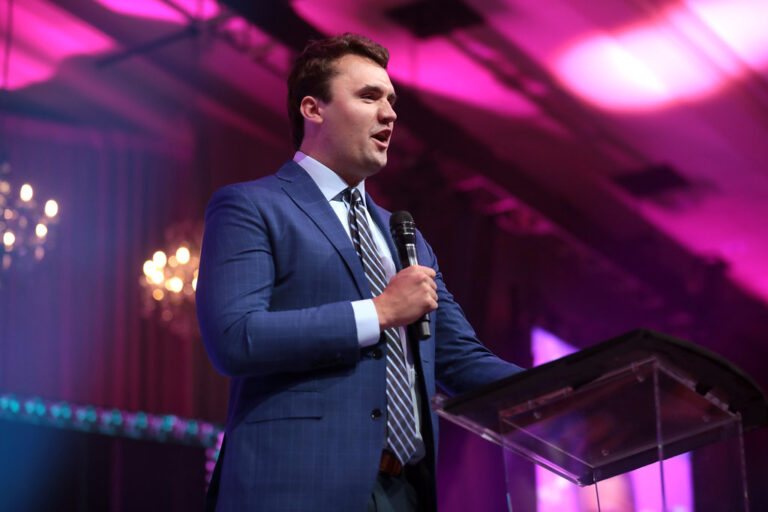
FBI is Investigating the Person Who Asked Charlie Kirk a Question

0

Key Takeaways
• The FBI investigation is checking if the person who asked Charlie Kirk a question helped plan the shooting.
• Deputy Director Dan Bongino confirmed the probe but has no final answer yet.
• FBI agents are examining every lead to see who aided the suspect.
• The suspect, Tyler Robinson, was arrested after tips from his father and pastor.

Is There an FBI Investigation into Kirk’s Questioner?

FBI Investigation Probes Charlie Kirk Shooting Link

A major FBI investigation is under way to see if the person who asked Charlie Kirk about “transgender mass shooters” had any role in his shooting. Deputy Director Dan Bongino told Fox News that agents are digging into every possible tie. He would not say if the questioner helped plan the attack. However, he vowed that “no stone will be left unturned.”

Details of the Shooting

Charlie Kirk, a well-known right-wing commentator, spoke at a university event. After taking a question on “transgender mass shooters,” he was shot. A single bullet hit him shortly after. Patriots and critics alike were stunned. The suspect, 22-year-old Tyler Robinson, was in the crowd. Witnesses say the final question came from someone standing near the front row.

This sudden turn of events has sparked intense public interest. People want to know if that question was a distraction or a signal for the attack. So far, the FBI has not confirmed a direct link.

FBI Investigation Focuses on Questioner

Deputy Director Bongino made the announcement during an interview. He was asked whether the person who posed the final question is under scrutiny. “Well, we’re investigating that,” he said. Then he added, “I don’t want to say conclusively right now if there was a connection or not.”

Host Bill Hemmer pressed for clarity. He asked if the questioner is a suspect or witness. For a second time, Bongino seemed to confirm that the FBI investigation includes that person. He said every FBI resource is in play. He also noted that Kirk often got pointed questions at events.

What We Know About the Suspect

Tyler Robinson lives in Utah. His father and pastor raised alarms after he expressed strange behavior. They contacted the police, which led to his arrest on Friday. Robinson has not spoken publicly. Investigators have not released his motive.

Robinson’s arrest came amid fierce criticism of the FBI. Critics say the agency made false statements about Kirk’s shooter being in custody. They also say the FBI moved too slowly. Still, the agency insists it will correct any mistakes and continue its work.

Why the FBI Investigation Matters

This FBI investigation matters for several reasons. First, it will show how seriously the agency takes threats against public figures. Second, it tests whether the FBI can correct earlier missteps in the case. Finally, it may reveal a larger plot or confirm it was an isolated act.

People hope the probe will restore trust in law enforcement. Moreover, it may offer new safety measures for public events. As a result, organizers might change screening rules for attendees. In addition, speakers may face tougher security.

What Comes Next

The FBI investigation is ongoing. Agents will interview more witnesses and review video footage. They may also search for digital clues, such as messages or social media posts. As soon as they have enough evidence, the agency will decide on charges.

Until then, the public must wait for official updates. In the meantime, experts say it is key not to jump to conclusions. The FBI has promised a full review of all leads, including any possible ties between the questioner and Robinson.

Frequently Asked Questions

What is the FBI investigation about?
The FBI investigation is looking into whether the person who asked Charlie Kirk a question helped plan or assist the shooting.

Who is being investigated?
Investigators are focusing on 22-year-old Tyler Robinson and the individual who posed the final question to Kirk.

What did Dan Bongino say about the probe?
Bongino confirmed the FBI investigation is active and said every resource is in use to find anyone who aided the shooter.

How might this FBI investigation affect public trust?
A clear and thorough probe could restore faith in law enforcement. Alternatively, more confusion could deepen public doubts.

Did RFK Jr. Meet Charlie Kirk in 2001?

0

Key Takeaways
• Health and Human Services Secretary Robert F. Kennedy Jr. said he first met Charlie Kirk in July 2001.
• Online critics pointed out Charlie Kirk was only eight years old then, making the date impossible.
• Social media users questioned RFK Jr.’s timeline and called the claim odd.
• The remark came during a memorial vigil after Kirk’s recent killing.

Did RFK Jr. Meet Charlie Kirk in 2001?

The surprise claim at the memorial vigil
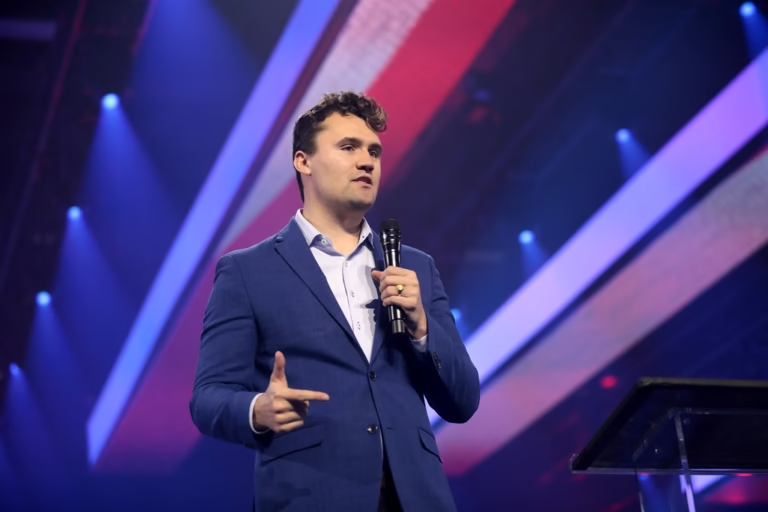
Last Sunday, during a memorial at the Kennedy Center, Health and Human Services Secretary Robert F. Kennedy Jr. spoke about his close bond with Charlie Kirk. He said they first met in July 2001 on Kirk’s podcast. Yet, this timeline raised many eyebrows online.

Robert F. Kennedy Jr. described Charlie Kirk as his “spiritual brother.” He even said their meeting led to his unity with former President Donald Trump. However, critics quickly noted a major flaw.

Checking the RFK Jr. meeting Charlie Kirk timeline
Charlie Kirk was born in 1993. Therefore, he would have been eight years old in 2001. In fact, he founded Turning Point USA in 2012 at age 18. That makes a 2001 meeting on his own podcast impossible. Moreover, Turning Point USA did not exist until 2012.

To be clear, RFK Jr. meeting Charlie Kirk in 2001 can’t be true. Kirk was too young to host a podcast. Also, he was not yet active in politics. This mix-up spread fast on social media.

Social media reaction

Almost immediately, users on X (formerly Twitter) pointed out the mistake. One commentator wrote that eight-year-olds do not host political podcasts. Another joked about MAGA culture normalizing odd friendships. Meanwhile, others demanded an explanation from RFK Jr.

A Georgia college prep leader noted Kirk’s birth year and said the meeting date was wrong. A political consultant wondered aloud why an adult would claim such a friendship. These posts gained thousands of likes and shares.

Why this timeline matters

Accuracy in public statements builds trust. When a public figure makes a claim that can’t be true, people lose confidence. Furthermore, mixing up dates can distract from the real tribute. Instead of focusing on Kirk’s life and work, the talk turned to an obvious error.

Also, critics worry that such mistakes can fuel mistrust in all public communications. They say if one detail is off, listeners may doubt the whole message. In this case, attention shifted from honoring Charlie Kirk to questioning RFK Jr.’s words.

RFK Jr.’s bond with Charlie Kirk

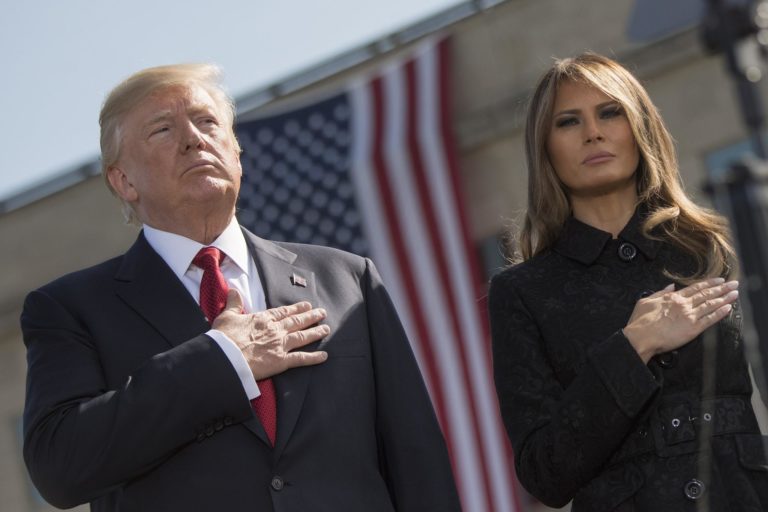
Even though the 2001 meeting claim is false, RFK Jr. clearly admires Kirk. He praised Kirk’s activism and his role in rallying conservatives. Trump himself announced plans to award Kirk the Presidential Medal of Freedom. This is the nation’s highest civilian honor.

At the vigil, RFK Jr. spoke passionately about unity. He said Kirk helped bring people together. Yet, by inserting a wrong date, he undermined his own story. Nonetheless, his main point was that Kirk’s work mattered.

The mix-up did not erase their shared goals. Both men spoke against what they see as threats to freedom. They both criticized mainstream media and praised grassroots activism. Still, a basic fact check would have avoided this awkward moment.

What’s next in the debate

After the viral reaction, many want RFK Jr. to clarify. Will he correct his statement? Or will he explain how he got the date wrong? Some say he should issue a public apology. Others believe it was simply a misremembered detail.

In the coming days, RFK Jr.’s team may release a statement. It could say he meant a later date, perhaps 2021 instead of 2001. That would make more sense, since Kirk was active in politics by then.

Until then, the internet will keep talking about the odd claim. Meanwhile, the story reminds us to check facts before speaking. It also shows how quickly small errors can steal the spotlight.

Conclusion

Robert F. Kennedy Jr.’s tribute aimed to honor Charlie Kirk’s memory. Yet, his remark about their first meeting in 2001 backfired. It sparked mockery and doubt. Ultimately, the mix-up highlights the power of simple details. A single wrong date can change the whole message.

Frequently Asked Questions

What was RFK Jr.’s claim about meeting Charlie Kirk?
He said they first met in July 2001 on Kirk’s podcast and became “spiritual brothers.”

Why is the 2001 meeting impossible?
Charlie Kirk was born in 1993, so he was only eight years old in 2001 and could not have hosted a political podcast.

How did people react online?
Many users on social media pointed out the timeline error, questioned RFK Jr.’s memory, and demanded clarification.

What might RFK Jr. do next?
He may clarify his statement, correct the date, or apologize for the mistake to regain public trust.

Software expert named Bob Zeidman wants the Supreme Court to fix a bad decision that hurt the arbitration system


Key Takeaways:
– Bob Zeidman is asking the Supreme Court to overturn a ruling that blocked his $5 million award.
– He spent three hours proving Mike Lindell’s data was fake at a “Prove Mike Wrong” event.
– A three-judge arbitration panel sided with Zeidman, but a court later threw out that decision.
– The dispute highlights risks to the arbitration process and wastes resources on conspiracy claims.

Can Arbitration Stand Up to Election Lies?

A software expert named Bob Zeidman wants the Supreme Court to fix a bad decision that hurt the arbitration system. He says the ruling will let rich people twist legal rules and distract us from real voting problems.

Why Arbitration Matters in Election Disputes

Arbitration offers a faster, cheaper way to settle fights than a full trial. Since 1925, the Federal Arbitration Act has let people agree to bring their cases before private judges. In theory, this helps anyone with a good claim, even without deep pockets. However, Zeidman warns that the recent court ruling could turn arbitration into a long, costly fight that only the richest can win.

How Zeidman Exposed the Data

In summer 2021, friends urged Zeidman to test Lindell’s challenge. The MyPillow CEO had offered $5 million to anyone who proved his election data was bogus. Zeidman joined Lindell’s “Prove Mike Wrong” event, telling organizers the work might take months. Yet, he found the data fake in just three hours.

He used specialized tools to inspect the files and saw clear signs of tampering. Then he wrote a 15-page report explaining every flaw. He handed it to the event director and waited for his reward.

The Road Through Arbitration

Lindell refused to pay. So Zeidman filed an arbitration claim under the rules he had signed at the event. In April 2023, a three-judge panel ruled unanimously in Zeidman’s favor. They ordered Lindell to pay the $5 million and cover legal fees.

Yet a federal district court tossed out the award in July on a technical point. The judge said Zeidman had not strictly met the challenge terms. Lindell’s lawyers argued he needed to prove the data was not “any kind of data related to the election,” not just packet data. This tiny wording issue cost Zeidman his win.

Zeidman appealed, but the appeals court upheld the district court’s decision. Now he has asked the Supreme Court to step in.

The Risks to Arbitration

Zeidman argues that letting courts undo clear arbitration results will ruin the system. He says:

• Wealthy parties could drag out cases, waiting for a judge to reverse an arbitration win.
• People with real claims might skip arbitration to avoid costly fights.
• Courts will fill up with appeals, wasting time and money.

Moreover, he believes this ruling sends a dangerous message. It tells conspiracists that they can flood courts with wild claims, then use legal twists to escape any loss. This diverts attention from real election security issues, like updating voting machines or guarding against hackers.

What Comes Next

Zeidman is not in this only for the money. He says most Americans want fair elections and reliable voting systems. They do not need conspiracy theories from a wealthy influencer. If the Supreme Court agrees to hear the case, it could:

• Clarify how strictly courts can review arbitration decisions.
• Protect the original spirit of the Federal Arbitration Act.
• Deter rich individuals from abusing legal pacts to dodge responsibility.

However, the high court takes only a small fraction of petitions each year. Zeidman’s team must persuade four of nine justices that this issue matters nationwide. If they succeed, a ruling could restore his award and secure arbitration rights for millions.

What You Should Know

This fight is not just about Lindell or one $5 million prize. It is about preserving a method that helps people settle disputes without massive court bills. Arbitration can level the playing field—if we let it work as intended.

When private judges make a clear ruling, courts should respect it. Otherwise, arbitration becomes useless. As Zeidman puts it, “Arbitration outcomes will become a war of attrition, with the wealthier party winning by waiting out a smaller opponent.” He hopes the Supreme Court will stop this trend before it starts.

FAQs

What is arbitration?
Arbitration is a way to solve legal disputes outside regular courts. Two sides pick an impartial expert to review evidence and decide. The process usually moves faster and costs less than a full trial.

Why did Zeidman go to the Supreme Court?
A lower court threw out his $5 million arbitration win over a technical wording dispute. He says this harms Americans who rely on fair arbitration rules.

How did Zeidman prove the data was fake?
He used computer tools to inspect Lindell’s files and found clear signs of tampering in just three hours. He then wrote a detailed 15-page report.

Could this case affect other agreements?
Yes. If courts can easily overturn arbitration awards, people may avoid these pacts. This change could slow down many business and consumer disputes.

What happens if the Supreme Court takes the case?
The justices could decide whether courts must respect arbitration panel decisions. A ruling might restore Zeidman’s award and set new rules for future cases.

Channel 4 Plans Massive Trump Falsehood Reel

Key Takeaways:
– Channel 4 will air “Trump v The Truth” during President Trump’s second UK state visit.
– The unbroken reel features over 100 false or misleading statements by Trump.
– Brief text-based fact-checks will explain the reality behind each claim.
– Channel 4 aims to show how dangerous repeated falsehoods can become.
– Trump’s budget cuts threaten funding for US public broadcasting stations.

Will Channel 4 Air Trump’s Biggest Untruth Reel?

Channel 4 has announced an unusual broadcast timed with President Trump’s second state visit to Britain. The network will show “Trump v The Truth,” an uninterrupted reel of over one hundred false or distorted statements by the president. Viewers will watch these clips run for hours. Meanwhile, short text fact-checks will explain the truth behind each claim. Channel 4 hopes this event will highlight just how hard it is to follow facts when the world’s most powerful leader twists them.

Why Channel 4 Chose This Format

Channel 4’s director of content, Ian Katz, said they aim to offer viewers the longest reel of untruths ever shown on TV. He argued that seeing so many distortions in a row will feel unsettling. Moreover, he said this will remind people how disorienting it can be when truth matters little to those in power. In addition, Channel 4 has built a reputation for creative, provocative political broadcasts. This latest stunt follows that pattern.

Channel 4’s Bold Political Stunts Continue

Channel 4 first grabbed attention before the 2019 UK election. At that time, the network replaced Conservative candidate Boris Johnson with a melting ice sculpture. He refused to debate climate change, so Channel 4 made him “melt away” on screen. Similarly, this new reel of Trump’s statements sends a clear message: truth should not melt under pressure. Channel 4 uses bold visuals and sharp satire to push viewers to think deeper.

What to Expect in “Trump v The Truth”

This segment will run for several hours during prime time. It will include:

• Tweet clips and soundbites showing false claims
• Distortions about immigration, elections, and policies
• Statements taken from speeches, interviews, and social media
• Text blocks that pop up briefly with accurate facts

After each clip, a quick fact-check slide will appear. These slides will state the real numbers, dates, or context. This approach keeps the reel moving while still offering clarity. As a result, viewers can compare Trump’s words directly with the facts.

How the Reel Might Affect Public Opinion

By stacking over one hundred untruths in a row, Channel 4 hopes to spark discussion. Some viewers may feel overwhelmed, but many will notice patterns. They might see which topics Trump twists most often. Furthermore, this format could encourage more fact-checking in everyday news consumption. In that way, Channel 4 believes it can make audiences more critical and informed.

Trump’s Connection to the UK

President Trump often visits Britain. He loves tracing his Scottish roots. In addition, he owns golf courses and real estate there. This second state visit marks a rare chance for UK broadcasters to comment on his actions directly. Channel 4 seized this moment to air “Trump v The Truth.” The network hopes British and international audiences will tune in.

Trump’s War on Public Broadcasting

Meanwhile, back in the United States, Trump is cutting federal funding for public broadcasting. His latest budget proposal eliminates all funding for the Corporation for Public Broadcasting. This move would strip NPR and PBS stations of federal grants. Stations in rural or low-income areas could struggle to stay on air. As a result, some communities might lose reliable news sources and educational programs.

Connection Between UK Reel and US Cuts

These two stories connect in a broader debate over free speech and truth in media. In Britain, Channel 4 uses its platform to challenge a leader’s record on facts. In the US, that same leader undercuts public media funding. The irony stands out: Trump’s falsehoods will air abroad while American stations lose support at home. Many see this as a push and pull between accountability and censorship.

Viewer Reactions and Criticism

Not everyone supports Channel 4’s plan. Some critics call it biased or disrespectful to a visiting head of state. They worry it could damage UK-US relations. Others praise the network for holding a powerful figure to account. They see truth-checking as vital in a democracy. Channel 4 argues that viewers have the right to see the facts. In any case, the broadcast will spark debate on both sides of the Atlantic.

Why This Matters

Truth in public discourse matters now more than ever. Leaders shape policy, influence elections, and guide public opinion. When they spread falsehoods, the consequences can be severe. Misinformation can affect health choices, voting behavior, and social cohesion. By focusing on accuracy, broadcasters help protect democracy. Channel 4’s experiment shows one way media can respond.

How to Watch and What to Look For

If you want to watch “Trump v The Truth,” check Channel 4’s schedule during the state visit week. Keep an eye out for:

• Repeated themes in Trump’s falsehoods
• How fact-check slides add context
• Your own reactions to a long list of distortions
• Conversations on social media about the broadcast

In addition, you can use this viewing experience to practice critical thinking. Ask yourself: What facts surprised me? Which statements did I already know were false? How did the order of clips shape my feelings?

The Bigger Picture for Media Today

Channel 4’s reel is part of a larger trend: fact-checking now lives in real time. Newsrooms worldwide use tickers, text alerts, and live graphics to correct errors immediately. This shift shows that reporters take accuracy more seriously. However, it also proves that leaders often test the limits of truth. Public broadcasters like Channel 4, NPR, and PBS strive to balance speed with reliability.

Facts vs. Opinions in News Coverage

Critics sometimes blur opinions with facts. They call debates “he said, she said” discussions. Yet repeating false claims without pushback can mislead audiences. Fact-checks help separate hard data from personal views. In a way, Channel 4’s reel dramatizes this separation. The falsehoods stand on one side. The text-based truths sit on the other. The viewer decides which side to trust.

Lessons for Young Viewers

For teenagers, this broadcast offers a learning opportunity. Media literacy is a key skill. It means asking questions like: Who made this claim? What evidence backs it? Does reliable data support the statement? By watching “Trump v The Truth,” young viewers can see how easily statements twist reality. They can also learn how to verify facts on their own.

Looking Ahead: Will Others Follow?

Channel 4 sets a bold example. Other networks might try similar fact-check marathons. Some might adopt live graphics or interactive polls. Yet few have matched Channel 4’s creativity in political programming. If this experiment succeeds, viewers may expect more real-time accountability in news.

Final Thoughts

In the age of social media, truth often competes with drama. Some headlines aim for clicks over accuracy. Channel 4 reminds us that facts deserve the spotlight. By presenting a nonstop reel of Trump’s falsehoods, the network forces viewers to confront reality. And by labeling each claim, they show how to fight misinformation. As Trump visits the UK, Channel 4 may change how the world watches political broadcasts.

Frequently Asked Questions

What is “Trump v The Truth”?
It is a continuous reel of over 100 false or misleading statements by President Trump. Brief text-based fact-checks appear between clips.

When will this broadcast air?
Channel 4 plans to air it during President Trump’s second state visit to the UK. Check local listings for exact dates and times.

Why is Channel 4 doing this?
Channel 4 wants to highlight how dangerous repeated falsehoods can be and encourage viewers to seek facts.

How will this affect US public broadcasting?
While Channel 4 challenges Trump’s record abroad, his budget cuts could defund many NPR and PBS stations at home. This may hurt news access in rural and low-income areas.

CNN anchor Kate Bolduan pressed a GOP congressman on political violence

0

• CNN anchor Kate Bolduan pressed a GOP congressman on political violence.
• President Trump blamed left-wing “scum” for a conservative activist’s shooting.
• Rep. Tim Burchett defended Trump, citing past assassination attempts on Republicans.
• A 2017 attack on Steve Scalise was misclassified for years before being called domestic terrorism.
• The exchange highlights debate over media’s role and leader responsibility in rising tensions.


Political Violence at the Heart of a CNN Clash

CNN’s Kate Bolduan confronted Representative Tim Burchett about political violence. She asked if leaders must step in to cool rising threats. Trump had slammed left-wing “scum” after conservative activist Charlie Kirk was shot. Burchett replied that the president was right to point fingers. He said Trump knew what it felt like to face killers.

Burchett noted two failed assassination attempts against Trump. He then recalled the 2017 shooting of House Majority Whip Steve Scalise. Initially, the FBI called it “suicide by cop.” Four years later, officials reclassified it as domestic terrorism. A congressional probe later called out the bureau for “gross mishandling” in the case.

Do Leaders Fuel Political Violence?

Bolduan urged a turning point. “It should start from the president to bring the temperature down,” she said. “If he won’t, what do you do?” Burchett blamed networks like CNN. He said media outlets kept fanning the flames. “You keep putting this stuff out,” he told Bolduan. “If you truly wanted change, your editorial board would stop.”

Bolduan pushed back. She said her goal was to spark calm conversation. “I take pride in bringing the temperature down on this program,” she said. She played Trump’s harsh words to show viewers the debate. “That’s not stirring anger,” she insisted. “It’s creating dialogue.”

Burchett dug in. He denied attacking Bolduan personally. Instead, he claimed CNN hurt itself by focusing on conservative figures. “Your ratings show that conservatives aren’t tuning in,” he said. He argued the network lacked objectivity and blamed it for widening the divide. “You see just as much anger on the left,” he added, “but you ignore it.”

Bolduan disagreed. She said calling out any group with broad brush statements did not help. “You don’t know our internal talks,” she told him. “That stance won’t move the ball forward.” She wrapped up by thanking the congressman for joining the show.

Is Media Stoking Political Violence?

This heated back-and-forth raises key questions. Are political leaders fueling unrest? Or does the media stoke anger by constant coverage? Clearly, both sides feel attacked. Yet many experts say tone at the top matters most. Scholars show that harsh words from leaders can inspire violent actions by followers. Therefore, words carry real weight.

By contrast, media outlets argue they report events as they happen. They see themselves as watchers, not instigators. However, critics say repeated coverage of violent threats can feed fear. That creates a cycle: fear drives clicks, and clicks push more fear-based stories.

Lessons from Past Attacks

The case of Steve Scalise highlights the risks of mislabeling violence. For years, that shooter was treated as a troubled lone actor. Only after pressure did the FBI call it domestic terrorism. Such delays can hinder prevention. Moreover, misclassification may downplay political motives behind attacks.

Similarly, the shooting of Charlie Kirk remains under investigation. But Trump’s swift blame of left-wing “scum” shows a pattern. Leaders often use strong language to rally their base. Yet that rhetoric can blur the line between criticism and incitement.

What Can Leaders and Media Do?

First, leaders must choose words carefully. Harsh labels and threats can risk inspiring loyalists. Instead, they should condemn violence clearly, no matter the source. If a president or congress member calls out bad acts by any side, they set a calm tone for supporters.

Second, media outlets can focus on facts over drama. They should avoid sensational headlines that inflame tensions. Instead, they can offer context, expert analysis, and stories of unity. That approach helps viewers understand the full picture and may ease fears.

Finally, public figures and journalists can engage in dialogue. As Bolduan did, they can ask questions instead of making statements. Debate with respect can model behavior for a divided audience. When people see civil talk on air, they may mimic it offline.

Moving Forward

Political violence affects everyone. It breaks trust, undermines democracy, and risks lives. Yet both leaders and journalists have power to change the mood. By choosing words that inform rather than provoke, they can guide the nation toward cooler heads.

The clash on CNN shows how tense the issue is right now. It also offers a chance to rethink roles. If media and politicians work together to lower heat, Americans might feel safer. Without that effort, debates may grow more extreme and could cross into real violence.

We all share a stake in stopping political violence. Citizens can speak up and demand respect. They can walk away from hateful messages and seek reliable news. In schools and online, teachers and community leaders can teach media literacy. That helps young people spot bias before it fuels anger.

Change won’t happen overnight. However, small steps by leaders and journalists can set a new standard. When public figures build bridges instead of walls, viewers may follow their lead. That hope could mark the turning point Bolduan described.

FAQs

What exactly is political violence?
Political violence refers to harmful acts carried out to achieve political goals. It includes threats, attacks, or assassinations tied to political beliefs.

How does media coverage affect political violence?
Media coverage can raise awareness of threats. However, sensational headlines may inflame fears. Balanced reporting helps viewers understand events without growing hostility.

Why was the Scalise shooting misclassified?
Initially, the FBI saw the shooter acting out and labeled it “suicide by cop.” After four years and pressure, officials agreed it fit the definition of domestic terrorism.

How can leaders reduce political violence?
Leaders can speak against violence clearly, avoid harsh language, and promote unity. They should also support fair law enforcement and respect free speech.

Could Trump Federalize Washington DC?

0


Key Takeaways:
– President Trump threatened a national emergency to federalize Washington DC police.
– He took control of the Metropolitan Police Department for 30 days starting August 11.
– He activated over 2,000 National Guard troops, even after his deadline expired.
– Violent crime in DC had already fallen by 35 percent before Trump’s term.
– Tension rose when the mayor said local police would not cooperate with ICE.

What Would It Mean to Federalize Washington DC?

President Trump posted that he stepped into the “complete criminal mess” of Washington DC. He said he would call a national emergency to federalize Washington DC if the mayor blocked ICE. Federalizing Washington DC means the federal government would run the local police force. Thus, local leaders could lose control over arrests, patrols, and resource decisions. More troops would remain on city streets, and federal rules would guide policing methods.

Why Did Trump Move Against DC’s Police?

First, the mayor announced that the Metropolitan Police Department would stop helping Immigration and Customs Enforcement remove illegal immigrants. Next, Trump argued that this refusal would unleash more crime. Therefore, he took charge of the department for a month under an old federal law. Meanwhile, he sent in over 2,000 National Guard troops to help police patrol streets and address homelessness.

What Happened During the 30-Day Takeover?

During those 30 days, Trump said he aimed to crack down on crime and homelessness. However, he did not mention how he planned to fix homelessness. Instead, troops and federal agents patrolled key areas. Consequently, the president claimed crime fell quickly and restaurants and shops saw more customers. Yet many local reports said tourism and business visits had lagged before and during his rule.

How Did Crime Trends in DC Look Before Trump?

By the start of this year, violent crime in Washington DC had already dropped 35 percent. That marked the lowest rate in more than 30 years. Thus, some experts argued Trump rode a wave of falling crime, rather than creating it. For example, local community groups and police reforms had focused on better training and neighborhood programs. These efforts helped improve safety before any federal action.

Why Is the Mayor Against ICE Cooperation?

Mayor Muriel Bowser said her top priority is public safety and trust. She argued that local police should not act as immigration agents. For instance, some residents fear reporting crimes if they risk being detained for their status. Therefore, she refused to have the Metropolitan Police Department help ICE remove or relocate immigrants. In her view, community policing works better when all people feel safe calling 911.

What Powers Would a National Emergency Grant?

If Trump declares a national emergency, he could federalize Washington DC again. Federal law lets the president take control of local forces to protect rights or safety. In practice, officers answer to federal leaders and follow federal policies. Moreover, the National Guard and other troops would stay until the emergency ends. This move bypasses local laws and city officials. However, critics say it could violate the district’s home rule and upset residents.

How Long Can the President Federalize DC?

Under the law Trump cited, a president can take over for 30 days. Yet he can extend this timeline by declaring an ongoing emergency. That could keep troops and federal agents on patrol for months or years. Additionally, Congress could vote to end the emergency, but the president can veto such a resolution. As a result, federal control could last unless enough lawmakers join to stop it.

What Could Happen Next?

If Trump federalizes Washington DC, local leaders might sue in court. They could argue the move breaks the district’s right to govern itself. Meanwhile, protests or legal battles could draw national attention. On the other hand, some residents may welcome extra security if they feel unsafe. In either case, the clash between federal and local power will shape the future of the capital.

What Does This Mean for DC Residents?

First, people may see more armed troops on streets. Next, they might face stricter enforcement of federal laws, not local rules. Consequently, neighborhoods could change in how they handle protests, loitering, or minor offenses. In addition, some community services could shift focus if funding moves under federal control. Finally, trust between residents and police might suffer if people feel policed by outsiders.

Understanding the Big Picture

This showdown highlights a larger debate over power in the United States. On one side, the president claims authority to protect safety. On the other side, local leaders push back to defend home rule. Therefore, the fight over whether to federalize Washington DC could set a new standard for federal intervention in cities. It also shows how crime and immigration policy can mix in political battles.

Key Points to Remember
– Federalizing Washington DC means the federal government runs local police.
– A national emergency can extend federal control beyond 30 days.
– Violent crime in DC had already fallen before Trump’s takeover.
– The mayor refuses to let local police help ICE, sparking the crisis.
– Future court challenges and politics will decide what happens next.

Frequently Asked Questions

What does it mean to federalize Washington DC?
Federalizing Washington DC shifts control of the city’s police to the federal government. Officers then follow national orders instead of local rules.

Can the president really declare a national emergency for DC?
Yes. Federal law allows the president to act if he deems local conditions a threat to rights or safety. Yet Congress can vote to end that emergency.

Why did crime rates fall in DC before Trump’s order?
Local reforms, community programs, and better training helped cut crime. Those efforts began long before any federal takeover.

How could this affect everyday life in DC?
Residents might see more federal troops and stricter rule enforcement. Additionally, local budgets and services could change under federal direction.

Is the Farm Labor Shortage Harming America’s Farms?

0


Key Takeaways:
– Immigration rules shrink the farm worker pool.
– New bill aims to let farmers hire year-round workers.
– Dairy cows go unmilked and crops rot without labor.
– H-2A program fees and red tape slow help.
– Farmers need legal worker certainty now.

Farm Labor Shortage Hits Dairy and Crop Operations

America’s farms face a deep farm labor shortage. Since early this year, farms lost tens of thousands of hands. They grow milk, vegetables, fruits, and grains. Yet they lack enough people to pick, plant, and milk. Farmers complain that immigration changes drive away workers. Now peanut fields, apple orchards, and dairy barns feel the effect.

Background on Worker Declines

First, officials noted a sharp drop in farm labor. Government data shows about 155,000 fewer farm jobs from March to July. At the same time, immigrant workers fell by 750,000. Those numbers leave fields full but empty of pickers. Farmers now hold more crops than they can sell. Exports also shrink under trade stress. Thus food supplies face risk.

Farmers Search for Undocumented Workers

Since many legal options stalled, farmers lean on undocumented workers. Those laborers often skip red tape. They work for less pay and few benefits. However, they also lack job security. A dairy owner from Pennsylvania shared his story. He hired a Mexican couple who helped him for two years. Yet a traffic stop ended their work here. They waited a year in detention before deportation. His farm then lost all that skill and trust.

Farm Labor Shortage: Why Farmers Are Worried

Tim Wood, a dairy farmer, says milk does not wait. If cows remain unmilked, they can suffer health issues. Similarly, fruit and veggie plants will die without tenders. Therefore, farmers feel stress each dawn. They know missing a single day can harm their herds and crops. Right now, workers are missing or afraid to come. Policies make hiring legal help slow and costly. As a result, farmers fear a long harvest season ahead.

New Legislation Offers Year-Round Hiring

House Agriculture Chair G.T. Thompson plans to change hiring rules. He will propose a law to help farms hire year-round workers. The H-2A program only covers seasonal jobs. It leaves dairy operations without low-cost legal labor. Thompson says farms need a system that lasts. Moreover, he wants to make this legal change permanent. He argues that farmers deserve a stable future. If this bill passes, farms could avoid hiring undocumented labor.

What Farmers Are Saying

Many local farmers spoke to reporters about the farm labor shortage. John Painter from Westfield said the system is “screwed up.” He once voted for President Trump, yet he now struggles to fill roles. He added, “We need people to do jobs Americans skip.” Painter later hired a couple from Guatemala. They proved reliable and skilled. Yet he remains frustrated by checks, paperwork, and legal risk.

Meanwhile, others echoed Painter’s view. They say they do not blame workers who seek the American dream. In fact, they admire their work ethic and resilience. Farmers worry that strict immigration rules push workers away. They ask for clear paths to legal work. They want speedy approvals. Above all, they seek predictability. Because when the farm season starts, time moves fast.

Challenges in the H-2A Program

The H-2A program lets farms employ seasonal foreign workers. Still, it carries steep costs and delays. Farmers must prove domestic workers are unavailable. Then they wait weeks or months for approval. They pay visa fees, housing, and transport. Small farms struggle to budget this way. Moreover, the rules limit them to certain crops and seasons. Thus dairy, which runs all year, falls outside the program.

Thompson’s bill would extend H-2A-like rules to dairy and other year-round sectors. It would cut some fees and speed interviews. It would also let farms hold onto workers who learn their systems. Therefore, farms can invest in training. They can avoid the turnover that hurts production.

Economic Impact of a Labor Gap

A farm labor shortage hurts more than farmers. It affects local towns and national markets. Harvests left in fields lower supply. As a result, food costs can rise at grocery stores. International buyers turn to other countries for produce. That shift weakens export markets. Farmers lose buyers they built over decades. Thus a labor gap can ripple through the economy.

For example, if dairy farms cannot milk cows, dairy plants will run lower volumes. Cheese makers may halt production. Milk prices can swing wildly. Consumers see less yogurt and butter on store shelves. The same scenario can play out with berries, tomatoes, and apples. When farms lack pickers, farmers may drop contract deals. That choice costs them future business.

Potential Roadblocks and Opposition

Not every lawmaker supports keeping H-2A rules year-round. Critics argue it could draw more migrants. They worry it might change the job market. Some feel that American workers still have roles to fill. Yet farmers disagree. They say they have offered fair pay and benefits. They tried to recruit local workers for years. But many avoid the long hours and hard conditions.

Furthermore, farmers say they do not want to harm American workers. They welcome local hires when they come. However, they need more total workers than the local labor pool offers. Thus they push for solutions that include foreign workers. They trust them and rely on them season after season.

Moving Toward Certainty

Farmers need rules they can trust to last. Some changes come by executive order and may not survive a new administration. Thompson insists on codifying the program into law. That way, farms gain legal certainty. They can plan their budgets and training. They can make equipment investments with confidence. Above all, they can keep their operations running smoothly.

What Happens Next

Thompson will introduce his bill soon. Then the Agriculture Committee will debate it. If approved, the full House will vote. Even if it clears the House, the Senate must agree. Finally, the president must sign the law. Farmers and industry groups will watch every step closely. They hope the bill moves fast so harvests face fewer labor gaps.

The Path Ahead

Without quick action, farm labor shortage pains may grow. Farms could lose income, towns could lose jobs, and consumers could pay more. However, if lawmakers act now with clear rules, farmers may secure the workers they need. Consequently, food shelves will stay stocked, and farm families will farm with more confidence.

Farmers across the country await relief. They hope Congress listens to their urgent calls. After all, reliable labor means reliable food for everyone.

FAQs

Why is a farm labor shortage a problem?
A farm labor shortage means fewer hands to plant, harvest, and care for animals. This gap can lower crop yields, hurt dairy production, and raise food prices.

How many workers have farms lost recently?
Data shows farms lost about 155,000 jobs between March and July. Immigrant labor also dropped by 750,000 in the first seven months of the year.

What is the H-2A program?
The H-2A program lets farms hire seasonal foreign workers. However, it has high fees, red tape, and seasonal limits. Thus it does not cover year-round jobs like dairy.

How would new legislation help farmers?
The new bill would extend H-2A-like rules to year-round operations. It would ease fees and speed approvals. That change gives farms steady and legal workers.

What Makes the Blunt-Johnson Duo So Electric?

0


The on-screen partnership between Emily Blunt and Dwayne Johnson has become one of Hollywood’s most talked-about dynamics. Their friendship, which began on the set of a fun adventure movie, has evolved into a powerful creative engine. This bond is now driving some of the most critically acclaimed work of their careers. Their journey shows us how real-life trust can create unforgettable movie magic. This article dives deep into their collaboration and explores why their creative partnership works so well.

Key Takeaways

  • Emily Blunt and Dwayne Johnson built a real friendship on the set of Jungle Cruise.
  • Their trust allows them to be more vulnerable and take bigger acting risks together.
  • This creative partnership led to Johnson’s dramatic transformation in The Smashing Machine.
  • Their success teaches us that off-screen chemistry is a powerful tool for on-screen performance.

The Unexpected Beginning of a Creative Partnership

Every great team has a starting point. For Emily Blunt and Dwayne Johnson, it was the Disney movie *Jungle Cruise*. On the surface, it was just another big-budget film. But behind the scenes, something special was happening. From their very first meeting, they clicked in a way that few co-stars do. Blunt described it as finding an “instant language” between them. This made their playful arguing and comedic timing feel completely natural.

Blunt quickly saw a different side of Johnson. She noticed he wasn’t just the loud, action-hero character he often plays. Instead, she found him to be thoughtful, kind, and surprisingly gentle. This vulnerability was the secret ingredient. It built a foundation of trust that would become the core of their creative partnership. They weren’t just actors reading lines; they were becoming true friends.

 Leveling Up: From Comedy to Raw Drama

After the success of *Jungle Cruise*, the world expected more of the same from them. But their next project together was a complete one-eighty. They reunited for *The Smashing Machine*, a dramatic film based on a true story. In it, Johnson plays Mark Kerr, a real-life MMA fighter struggling with addiction. This role was miles away from his usual characters.

This demanding part required Johnson to explore intense emotional and physical pain. It was a huge risk for his career. He couldn’t have done it alone. He needed a partner he trusted completely. That partner was Emily Blunt. Johnson himself said that without their close friendship, he wouldn’t have been able to go to the dark places the role required. This is where their creative partnership proved its true value. It provided a safe space for extreme artistic risk-taking.

Blunt, who plays Kerr’s partner Dawn Staples, was blown away by Johnson’s transformation. She called the experience “life-changing” and said he was completely “unrecognizable” in the best way possible. She witnessed a level of vulnerability from him that no audience had ever seen before. Their deep mutual respect allowed him to shed his movie-star persona and fully become someone else.

 Why Trust is the Secret to On-Screen Magic

The story of Blunt and Johnson teaches a crucial lesson for everyone in entertainment. Chemistry isn’t something you can fake. True on-screen magic often comes from a genuine off-screen connection. This creative partnership works because it’s built on a real friendship. This trust lets them be more open, more vulnerable, and more creative with each other.

For actors, this means that building a real relationship with your co-star isn’t just nice; it’s a professional tool. It can make your performances feel more natural and alive. For directors and producers, it shows the power of casting people who already have a good vibe. It can save time and create a more believable connection that audiences will feel. This creative partnership between Blunt and Johnson is a perfect example of how powerful that can be.

 How Everyone Reacted to Their Powerful Teamwork

The proof of their successful collaboration is in the reception. *The Smashing Machine* premiered to massive critical praise. Johnson’s performance was called a career-defining moment. Critics and audiences were stunned by his dramatic depth. Blunt was praised for bringing emotional grounding and realism to the story. The film received standing ovations, proving that their creative partnership resonated on a deep level.

This positive response sends a clear message. Moviegoers love big spectacles, but they crave authentic human emotion even more. The trust between two actors can translate into a powerful experience for everyone watching. It’s the key to creating stories that people remember long after they leave the theater.

 Lessons from Hollywood’s New Power Duo

So, what can we learn from the successful creative partnership of Blunt and Johnson? Several key things.

First, never underestimate a first impression. That initial connection you feel with someone can be the start of something great. Being open and authentic from the beginning can lead to an amazing working relationship.

Second, trust is what allows for vulnerability. Audiences connect with characters who feel real and flawed. It’s very hard to portray that truth if you don’t feel safe with your co-star. Building trust is essential for great acting.

Third, taking risks is easier with a friend. Johnson’s dramatic shift in roles was a huge gamble. Having Blunt there to support him gave him the confidence to do it. This shows how a strong creative partnership can help artists grow and try new things.

Finally, real friendships can lead to more opportunities. Hollywood is a tough business. Having a trusted partner you love to work with can lead to more projects and more creative success down the line.

 What’s Next for This Dynamic Duo?

Given the huge success of their films, it seems certain that Blunt and Johnson will work together again. Their creative partnership clearly works across different genres. They can make us laugh in a comedy, thrill us in an action movie, and break our hearts in a drama. Industry experts are already guessing what they might do next. One thing is for sure: audiences are excited to see them continue to push each other to new heights.

Their story is more than just a fun Hollywood friendship. It is a powerful example of how trust and authenticity can create incredible art. Their creative partnership is changing their careers and showing the entire industry a better way to collaborate.


Frequently Asked Questions

How did Emily Blunt and Dwayne Johnson meet?

They first met while working together on the Disney movie *Jungle Cruise*. Their instant friendship began during the early stages of making that film.

What is so special about their working relationship?

Their bond is built on genuine trust and friendship. This allows them to be more vulnerable and take bigger acting risks together, which results in powerful on-screen chemistry.

What was Dwayne Johnson’s role in *The Smashing Machine*?

He played a dramatic role based on the real-life MMA fighter Mark Kerr. This was a significant and praised departure from his usual action-hero characters.

Will Emily Blunt and Dwayne Johnson work together again?

It is highly likely. The critical and audience success of their projects, combined with their strong friendship, makes them a duo that fans and studios want to see team up again. Check the full story on https://projectcasting.com/blog/news/emily-blunt-dwayne-johnson-from-fast-friends-to-creative-powerhouses

Will Colin Farrell’s Big Gamble Pay Off?

0

Key Takeaways

  • Colin Farrell stars in a new Netflix movie called Ballad of a Small Player, a thriller about a gambler hiding in Macau.
  • Filming took place in real, working casinos, which added major challenges but also incredible authenticity.
  • The movie’s release plan—film festivals, followed by theaters, then Netflix—is a popular new industry strategy.
  • Farrell’s career teaches the value of being a versatile actor who can jump between different types of roles.
  • This film shows why complex characters and global, on-location stories are so powerful.

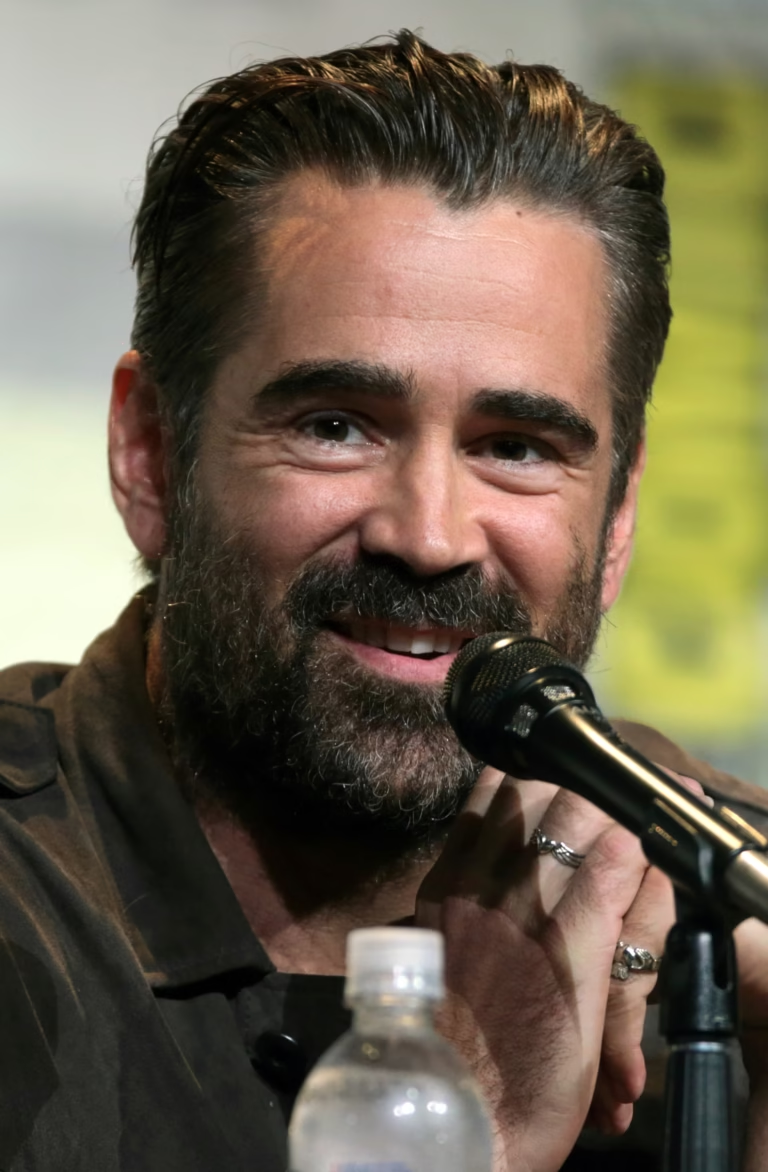
Colin Farrell is betting on a thrilling new role. His latest film, Ballad of a Small Player, is heading to Netflix soon. This project is more than just another movie. It is a masterclass in acting, smart career moves, and powerful storytelling.

The film is based on a popular novel by Lawrence Osborne. It tells the story of a man on the run. He hides from his past in the glamorous yet dangerous world of Macau’s casinos. There, he becomes obsessed with high-stakes gambling. Director Edward Berger, who won an Oscar for All Quiet on the Western Front, is leading the project. The incredible Tilda Swinton also stars alongside Farrell.

This movie is a perfect example of a modern masterclass in filmmaking and performance. From its production to its release strategy, it offers lessons for everyone.

What is Ballad of a Small Player About?

The film is a stylish noir thriller. It dives deep into a world of risk and consequence. Farrell plays a crooked English lawyer who has stolen from a client. He flees to Macau to disappear into the crowded gambling halls. He tries to change his luck and his life at the baccarat tables.

However, his past and his new obsession threaten to destroy him. He meets a mysterious woman, played by Tilda Swinton. Their relationship adds another layer of intrigue to the story. The movie explores themes of greed, fate, and redemption. It is a tense and atmospheric ride.

The core of the story is a high-stakes gamble, both on and off the table. This makes Farrell’s character incredibly compelling.

The Ultimate Challenge: Filming in Real Casinos

One of the most exciting aspects of this production was its location. Instead of building fake casinos on a soundstage, the crew filmed in the real thing. They shot on location in the heart of Macau and Hong Kong. This decision created an authentic vibe you cannot fake.

Farrell himself called the experience “bananas.” Imagine trying to film a dramatic scene while actual gamblers are placing bets and dealers are shuffling cards all around you. It was incredibly difficult. Controlling crowds and managing noise were huge hurdles. The crew had to work around the non-stop action of a live casino.

But this challenge also provided a huge reward. The real-world energy soaked into the film. The neon lights, the sounds of chips clinking, and the tense faces of real players all add to the movie’s mood. Director Edward Berger wanted Macau itself to feel like a character in the story. This commitment to realism is a key part of this production masterclass.

For any aspiring actor or filmmaker, this is a vital lesson. sometimes the toughest filming conditions lead to the most believable and powerful performances. The environment can truly shape an actor’s work.

A Smart Release Strategy: Festivals, Theaters, Then Netflix

The way this movie is being released is very modern. It first premiered at the San Sebastián Film Festival in Spain. Then, it screened at the famous Toronto International Film Festival. This festival run is important. It builds buzz and gives the film artistic credibility.

After winning over critics at festivals, it will open in select movie theaters on October 15, 2025. This allows people to see it on the big screen. Finally, just two weeks later on October 29, it will be available for everyone around the world to stream on Netflix.

This hybrid model is becoming the gold standard. It combines the prestige of a theatrical release with the massive global audience of streaming. It is a smart masterclass in how to maximize a film’s reach today.

Colin Farrell’s Career: A Masterclass in Versatility

If you look at Colin Farrell’s career, you see an actor who refuses to be put in a box. He never stays in one lane. He became famous with action roles in movies like Minority Report. Then he showed his hilarious dark comedy skills in In Bruges. He even joined superhero worlds, like in The Batman and the series The Penguin.

He also takes on weird and challenging indie films, like The Lobster and The Killing of a Sacred Deer. His powerful performance in The Banshees of Inisherin earned him an Oscar nomination. This constant reinvention is why he remains so relevant and respected.

Ballad of a Small Player is his next step. It mixes his leading man charm with a gritty, complex character. He balances prestige with popular appeal. This ability to do it all is a true masterclass for actors. It shows that versatility is your greatest asset.

Lessons for Actors and Filmmakers

This entire project is packed with valuable insights for anyone in the film industry.

First, never fear trying new genres. Farrell’s success comes from his willingness to jump from action to comedy to drama. This keeps your work exciting and prevents you from being typecast.

Second, remember that location matters. The authenticity of Macau’s casinos will undoubtedly make the film better. As an actor, immersing yourself in a real environment can deeply improve your performance. It makes the story feel real.

Third, understand the new business of film. The hybrid release model is here to stay. Projects can have artistic value and mass audience appeal simultaneously.

Finally, always work with great people. Farrell consistently collaborates with talented directors and co-stars. Working with people like Tilda Swinton and Edward Berger pushes an actor to be their best.

Why Casting Directors Will Love This Film

For the people who hire actors, this movie is a perfect case study. It shows how to cast a project for maximum impact.

The pairing of Colin Farrell and Tilda Swinton is genius. They are both major stars, but they are also known as serious artists. This brings credibility and audience interest.

The film also has a very global feel. With a European director, an Irish star, a British co-star, and Asian locations, it will appeal to viewers all over the world. Casting directors are always looking for projects that can cross borders.

Most importantly, Farrell’s character is complex. He is not a simple hero or villain. He is flawed and morally gray. Audiences today love complicated characters. This proves that casting directors should look for actors who can handle that nuance.

The Bottom Line

Colin Farrell’s Ballad of a Small Player is much more than a casino thriller. It is a lesson in modern filmmaking. It shows the power of authentic locations. It highlights a brilliant release strategy. Most of all, it showcases an actor at the top of his game.

Farrell continues to make smart choices that blend art and entertainment. For aspiring actors, his career is a guide on how to stay interesting for decades. For fans, it promises a gripping, stylish movie that will keep you on the edge of your seat.

His character in the film is a gambler, but Farrell’s career choices are all skill. This project is his latest win.

Frequently Asked Questions

What is the basic plot of Ballad of a Small Player?

The film follows a corrupt lawyer who flees to Macau after stealing money. He tries to lose himself in the high-stakes world of casino gambling, but his past and his new obsession threaten to catch up with him.

Where was the movie filmed?

The production was shot entirely on location in Macau and Hong Kong. The crew filmed inside real, operating casinos to capture the authentic atmosphere and energy of the setting.

How can I watch the movie when it comes out?

The film will have a limited run in select theaters starting October 15, 2025. It will then be available for streaming globally on Netflix beginning October 29, 2025.

Why is this movie important for Colin Farrell’s career?

This role continues his pattern of choosing diverse and challenging projects. It allows him to lead a gritty thriller while collaborating with acclaimed talent, blending his mainstream appeal with his credibility as a serious actor. Check the full story on https://projectcasting.com/blog/news/colin-farrells-bold-new-role-and-lessons-for-casting-professionals

What Is The Rapture All About?

0

BBC’s The Rapture: Casting Secrets Revealed?

Got a passion for acting? Eager to land a role in a major BBC drama? A chilling new series is heading into production, and it’s looking for fresh faces. Here’s your inside scoop on how you could get involved.

Key Takeaways

  • BBC’s The Rapture is a new psychological eco-thriller starring Ruth Madeley, filming in the UK in Summer 2025.
  • The show will be casting for various background roles, including juvenile inmates, medical staff, and facility workers.
  • The production is a high-profile project from the makers of hits like World on Fire and The Serpent.
  • Staying updated on Project Casting is the best way to find out about upcoming auditions and casting calls.

Imagine a world on the brink of environmental collapse. Now, picture a troubled teen who claims she can predict these disasters. Is she a psychic or a psychopath? This is the core of the gripping new BBC drama, The Rapture.

This isn’t just another thriller. The Rapture is a five-part limited series that masterfully blends intense personal drama with huge global stakes. It’s based on a celebrated novel by Liz Jensen. The story forces us to ask tough questions about climate change, truth, and what we choose to believe.

At the center of it all is a psychologist named Gabrielle Fox, played by the incredible Ruth Madeley. Gabrielle is trying to rebuild her life after a terrible accident. She takes a new job at a secure facility for young offenders. There, she meets Bethany Krall, a sixteen-year-old who horrifyingly killed her own mother.

Bethany says she has a terrifying gift. She predicts major natural disasters, and shockingly, her predictions start coming true. Gabrielle is suddenly stuck in a nightmare. She must figure out if this girl is a dangerous liar or the key to preventing a global catastrophe. The premise of The Rapture is designed to keep you on the edge of your seat.

Who Is Behind This Exciting New Show?

This project is brought to you by a powerhouse team of UK television talent. The production company, Mammoth Screen, is behind massive hits like The Serpent and World on Fire. This means The Rapture is in very capable hands.

The director is Chanya Button, who has previously worked on World on Fire and even episodes of Doctor Who. The scripts are penned by Bryony Kimmings, ensuring the story is both smart and emotionally charged. With the BBC’s Director of Drama, Lindsay Salt, also serving as an executive producer, the quality bar is set extremely high.

This level of talent behind the camera means that being a part of The Rapture, even as a background actor, is a fantastic opportunity. You’ll be working on a professional set and learning from the best in the business.

What Kind of Roles Are Available?

This is the most important part for any aspiring actor. While the lead roles are already cast, a huge production like this needs many people to bring its world to life. The Rapture casting team will be looking for extras and supporting actors to fill out various scenes.

Based on the show’s setting, here are some of the roles you might audition for:

Juvenile Inmates:

The story is set in a secure youth facility. They will need a diverse range of young actors to play other inmates alongside the character of Bethany. This could be a central way to get involved for younger performers.

Medical Staff:

Every facility needs doctors, nurses, and orderlies. These roles help create a believable environment and are crucial background characters.

Facility Workers:

This includes security guards, administrators, and other staff members who run the institution. These roles often require a more authoritative presence.

Law Enforcement and Investigators:

As the mystery deepens, the story will likely involve police and other officials. These roles can sometimes have small speaking parts or featured extra moments.

Remember, every big star started somewhere. Being an extra is a perfect way to gain on-set experience, see how a professional production works, and get your foot in the door of the industry.

How Can You Get Cast in The Rapture?

You’re probably wondering, “How do I actually get one of these roles?” The key is to be prepared and know where to look. Major productions don’t usually accept unsolicited emails or headshots.

They work with casting agencies that publicly post casting calls. This is where Project Casting comes in. Their job is to find these opportunities and share them with you. When the production company is ready to start hiring extras, they will release official breakdowns.

These breakdowns will list what they are looking for: specific ages, genders, looks, and sometimes special skills. They will also provide instructions on how to apply, which usually involves submitting your photos and details through a specific channel.

The best thing you can do right now is get ready. Make sure you have a recent headshot. These are simple, clear photos of your face—no fancy filters or distracting backgrounds. You should also have a version that shows your full body.

Practice talking about yourself briefly. Sometimes, even for extra work, they might ask you a couple of questions. Be professional and enthusiastic. Most importantly, keep checking Project Casting for updates. As soon as the Rapture casting calls go live, they will be among the first to announce it.

Why The Rapture Is a Big Deal for Actors

Joining a project like this is more than just another gig. The Rapture is set to be one of the most talked-about dramas of 2025. It combines a thrilling story with incredibly relevant themes about our planet’s future.

For an actor, having a credit from a BBC and Mammoth Screen production looks excellent on a resume. It shows you have experience in a high-quality, professional environment. The connections you make on set—with other actors, assistant directors, and crew members—can lead to future work.

Furthermore, the subject matter is powerful. Being part of a story that tackles climate change and human psychology means you’re contributing to an important cultural conversation. It’s a chance to be in something that is both entertaining and meaningful.

Your Next Steps to Getting on Set

The excitement for The Rapture is already building. Filming starts in the Summer of 2025, which means casting will happen in the months leading up to it. Now is the time to position yourself for success.

First, bookmark the Project Casting website and check it regularly. Turn on notifications if they have that feature. Follow them on social media for instant updates. Don’t waste time scrolling through unverified sources; go straight to the trusted platforms that have direct links to the industry.

Next, get your materials in order. Update your headshots. If you have an acting resume, make sure it’s current. If you don’t have one, that’s okay—many extra roles don’t require prior experience. Just be ready to present yourself professionally.

Finally, be patient and persistent. The entertainment industry moves quickly, but it also involves a lot of waiting. When the Rapture casting call finally drops, be ready to apply immediately. Give it your best shot. Your big break could be just around the corner, waiting in the halls of a fictional maximum-security facility.

This is your chance to become part of television history. A gripping psychological eco-thriller is coming, and they need you to help tell its story. Keep your eyes open and your headshots ready.

Frequently Asked Questions

How can I find out about auditions for The Rapture?

The best way to find official audition notices is to consistently check reputable casting websites like Project Casting. They will post the official casting call details as soon as the production team releases them.

Do I need acting experience to be an extra?

For most background actor roles, prior experience is not necessary. Casting directors are often more interested in your look and your ability to follow directions on set. A positive attitude and professionalism are the most important things.

What is the age range for the juvenile inmate roles?

While the character of Bethany is 16, the production will likely be seeking actors who can play a range of teenage looks, potentially from late teens to early twenties. Always check the specific requirements in the official casting call.

When will filming for The Rapture take place? The production is scheduled to film during the Summer of 2025 across various locations in the UK. Casting for extras typically happens a few weeks or months before filming begins on specific scenes. Check the full story on https://projectcasting.com/blog/casting-calls-acting-auditions/how-to-get-cast-in-bbcs-the-rapture