55.9 F
San Francisco
Saturday, April 11, 2026
Home Blog Page 519

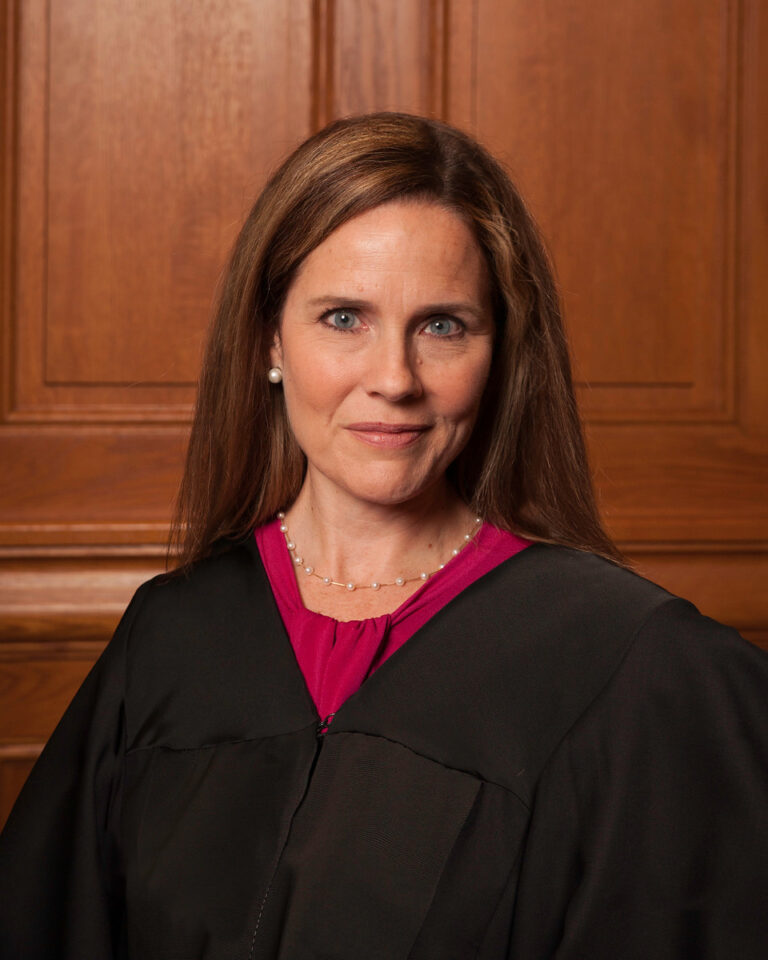
Is Amy Coney Barrett Book Tour Flopping?

0

Key takeaways:

  • The Amy Coney Barrett book tour faced harsh criticism on MSNBC.
  • Mark Joseph Stern said she struggled to explain legal topics clearly.
  • Stern mocked the Supreme Court’s quick rulings on the shadow docket.
  • Critics say the court should only act with full information and a strong grasp of law.
  • Barrett hopes the tour will improve her public image but stumbled instead.

Amy Coney Barrett hit the road to promote her new book. However, her tour met more ridicule than applause. On MSNBC’s weekend show, a Slate writer openly mocked her. He said she flopped at every public appearance so far.

First, Barrett discussed the court’s so-called shadow docket. That term means quick rulings done without full briefings. Critics claim these rulings favor one party over clear law. Yet Barrett defended the docket in legal jargon. As a result, many viewers found her comments confusing.

Mark Joseph Stern called out her weak public speaking. He said her legal talk failed to connect with normal people. Moreover, he joked that she’s not “ready for prime time.” He argued the court shouldn’t rule when facts remain unclear. He pointed out that for two centuries, justices waited for full briefs.

Stern also noted a shift in recent years on the court. He said conservative justices began leaping in at every chance. They did so to back Republican causes more often. Therefore, Stern sees Barrett’s defense of quick rulings as odd. He believes she misrepresented how the court used to work.

Reasons Behind Amy Coney Barrett Book Tour Stumbles

Amy Coney Barrett book tour aimed to warm her image. Instead, it has raised more questions than answers. For example, Barrett’s speech often stayed in legalese. Consequently, everyday listeners struggled to follow her points. Critics say she needs simpler language and clearer examples.

Also, she faced tough questions on judicial philosophy. Some asked why the court dives into politics via quick orders. Barrett tried to explain that the docket helps in emergencies. However, many see this as a cover for partisan rulings. Thus, she left the stage without satisfying her critics.

Beyond language and style, tone became an issue too. Her measured, formal delivery came across as distant. In contrast, people expect warmer, more relatable tales on tour. Therefore, her speeches felt more like lectures than conversations.

MSNBC on the Shadow Docket

On the show, hosts replayed Barrett’s complex statements. They contrasted her words with simpler explanations. This led Stern to mock her inability to simplify law. He used transition words to highlight her stumbling points. For example, he said “if you lack facts and depth, don’t rule.”

He also reminded viewers how the court operated long ago. Back then, justices waited for full briefs and oral arguments. They avoided quick decisions unless dire need arose. However, the modern court often jumps in for political reasons. Stern calls these leaps a break from judicial restraint.

Barrett defended the practice as necessary in urgent cases. Yet critics say urgency cannot trump proper legal process. They worry about the court making broad policy without debate. Therefore, the shadow docket remains a hot topic of debate.

Barrett’s Public Image Challenge

Amy Coney Barrett book tour set out to show her views. She wanted to appear relatable and open to questions. But every stop seemed to highlight her legal world only. Consequently, the tour may have hardened the view of her role.

Many expected stories about her life, her path to the bench. Instead, they heard dense legal theory and court history. Therefore, she missed a chance to humanize herself to readers. A relatable anecdote or two could have warmed the audience. Without that, she seemed out of touch with everyday concerns.

Moreover, critics say she must bridge the gap between law and life. A judge needs public trust to maintain the court’s respect. Spending weeks on a tour without clear messages hurt trust. Therefore, next steps may include simpler talks or guest essays.

What Comes Next for Barrett

Looking ahead, Barrett could adjust her tour strategy. She might add informal chats to make legal ideas clear. Also, mixing personal stories with court insights could help. She could invite questions from diverse audiences on social media. Such steps would show she values public outreach and transparency.

However, if the stumbles continue, critics will amplify them. Opponents will use each slip to question the court’s legitimacy. In turn, the shadow docket debate may grow even louder. Therefore, Barrett’s next appearances will be under a microscope.

Still, she has time to turn this around. By simplifying her message, she can win back some goodwill. Moreover, a genuine, conversational tone could change the narrative. For now, the Amy Coney Barrett book tour remains in limbo. Only clear, relatable communication can rescue her public image.

Frequently Asked Questions

Why did Barrett defend the shadow docket on her tour?

She views it as a tool for urgent court decisions. However, critics disagree.

What is the main criticism of Barrett’s speaking style?

Observers say she uses too much legal jargon. This makes her talks hard to follow.

How did Mark Joseph Stern describe Barrett on MSNBC?

He said she was “not ready for prime time” and struggled to connect.

Can Barrett change her tour to win back public trust?

Yes. She could add personal stories, simplify her language, and engage more openly.
Can free speech survive Trump’s crackdown?

0

Key takeaways:

• Trump used Charlie Kirk’s murder to target voices that oppose him.
• He blames the radical left without proof and vows a political crackdown.
• This plan likely breaks the First Amendment’s free speech rule.
• Even a friendly Supreme Court would struggle to allow a special carve-out.
• Utah Governor Spencer Cox calls for calm, unity, and healing.

Can free speech survive Trump’s crackdown?

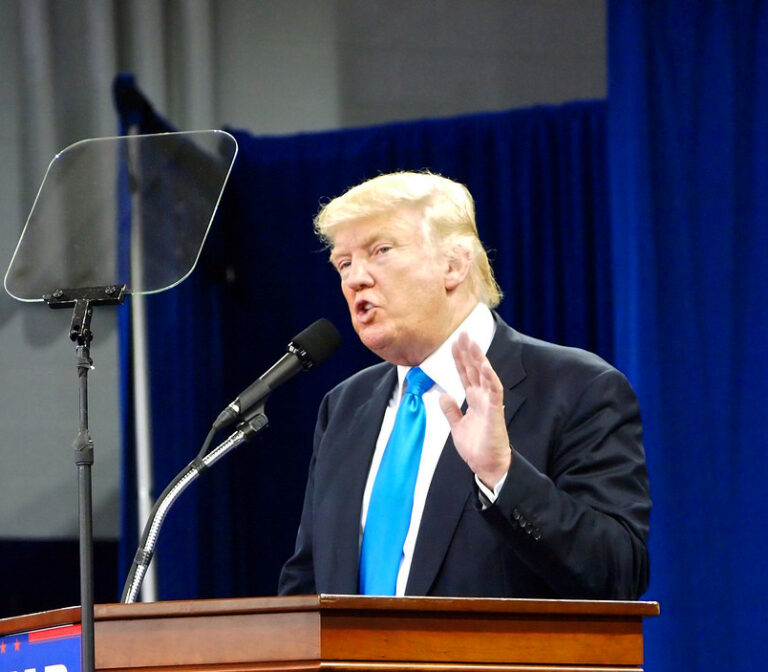
In a recent speech from the Oval Office, Donald Trump turned Charlie Kirk’s tragic death into a political attack. He called for a crackdown on critics. He claims they spread hateful words that lead to violence. Yet he ignores his own role in stirring up hate. He even calls Democrats “the enemy within.” This push threatens our right to free speech. Free speech lets Americans share ideas without fear. However, Trump wants to punish those who disagree with him.

Why free speech is at risk now

Free speech is the right to speak your mind without punishment. That right comes from the First Amendment. It protects political debates and protests. Yet Trump vows to silence people who don’t praise him or his allies. He labels progressive voices as “radical left.” He promises to find anyone who “contributed” to violence. In his view, harsh words equal criminal acts. However, it is well settled that the government cannot punish ideas.

This threat matters because Trump has a huge platform. He reaches millions on social media and cable news. When he calls opponents “scum” or “the enemy within,” some listeners take it as a call to violence. Then he points at them and demands arrests. He even praised Charlie Kirk as a free speech hero, yet he wants to shut down anyone who criticizes Kirk’s pro-gun, anti-diversity views. That is pure hypocrisy.

How Trump fuels political violence

For years, Trump has whipped up his base with violent language. At campaign rallies, he urged supporters to beat up protesters. He praised the January 6 attackers and pardoned them. He has cheered violent plots against public officials. He has compared many Democrats to traitors. Millions of Americans worry he might order force against them if he wins.

Now, Trump blames the left for Charlie Kirk’s murder. He says leftist speech caused a shooter to act. Yet the alleged killer turned out to come from a pro-Trump family. Trump still blames leftist “hate.” He ignores his own record of incitement. He never mentioned the dozens of violent acts by his followers.

Why the courts will likely reject this

Some worry that a friendly Supreme Court might back Trump’s plan. However, even the six conservative justices need real legal reasoning. They cannot simply carve out a special rule for Trump. If they allowed a ban on anti-Kirk speech, they would admit they favor Trump over the Constitution. Few justices would risk that. Instead, the Court will probably reject any law that targets political ideas.

The First Amendment is clear: the government may not punish speech because it offends those in power. It does not matter who holds the White House. So far, Trump’s team has relied on the shadow docket to win quick rulings. However, big changes to free speech need full hearings and robust legal analysis. That process will expose any plan that targets critics.

A call for calm and unity

By contrast, Utah Governor Spencer Cox offers a different path. He spoke up for forgiveness and unity. He urged Americans to stop returning violence with violence. He warned that political hate only makes shootings more likely. His words remind us that a democracy needs peaceful debate. It needs free speech for all sides.

Governor Cox shows how a real leader speaks after tragedy. He did not blame any group. He focused on healing. He asked people to step back from the edge of violence. Many experts say this approach can reduce political tension. It can help communities talk again.

Conclusion

No democracy can last if people fear punishment for their ideas. Trump’s plan to crack down on critics after Charlie Kirk’s murder would break the First Amendment. It would give the government power to silence anyone who questions the president. Even his allies on the Supreme Court would find it hard to approve. Meanwhile, leaders like Governor Cox remind us that unity and open debate keep our country strong. We must protect free speech so all voices have a chance to be heard.

FAQs

What is the First Amendment?

The First Amendment is part of the U.S. Constitution. It protects free speech and free press. It stops the government from punishing people for their opinions.

Why does Trump blame the radical left?

Trump blames the radical left to unite his base. He claims their words led to violence. Yet he ignores his own role in spreading hate. His plan deflects responsibility.

Could the Supreme Court allow this crackdown?

It is very unlikely. The First Amendment is well established. Even a conservative court must respect it. Carving out a special rule for Trump would break legal principles.

How can Americans defend free speech?

People can speak up against unjust laws. They can vote for leaders who respect the Constitution. They can support groups that defend civil rights and open debate.

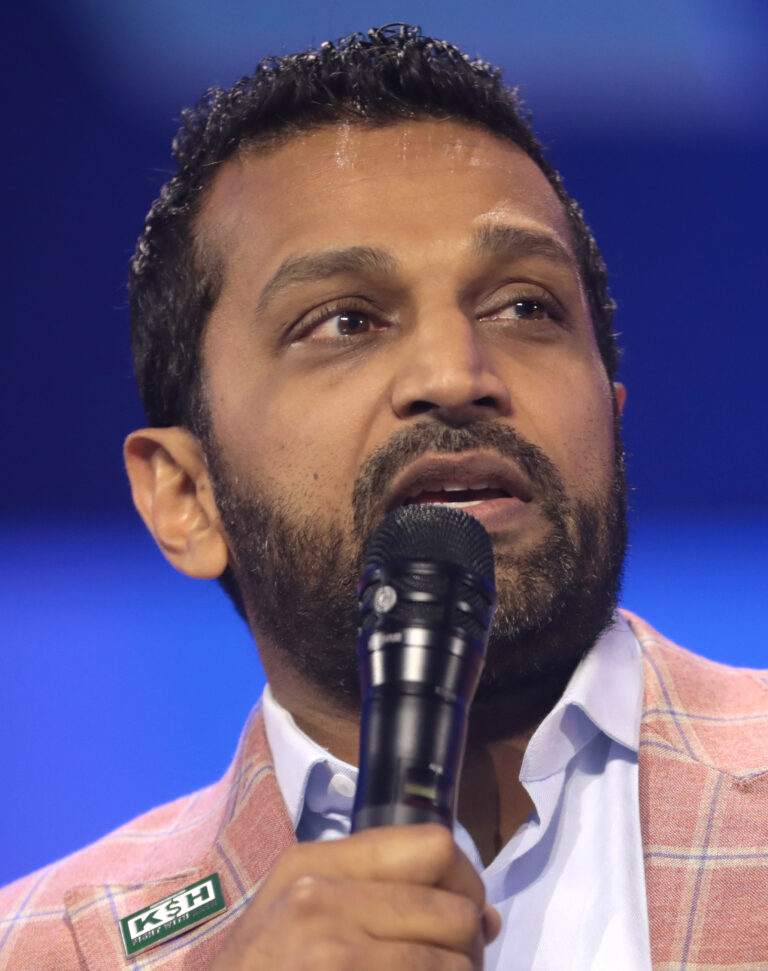
Why Do Some Doubt Kash Patel’s Leadership?

0

Key takeaways:

  • Conservative leaders question Kash Patel’s ability to lead the FBI.
  • A suspect in the Charlie Kirk shooting was arrested in Utah.
  • Political analyst Chris Rufo says Patel lacks operational expertise.
  • Rufo urges a clear federal plan to restore order without bias.
  • The FBI’s future direction now faces intense debate.

Many Republican figures say Kash Patel has underperformed. They argue he struggled to secure a quick resolution after the Charlie Kirk shooting. In a public post, Chris Rufo said Patel “performed terribly” in recent days. Moreover, top conservatives on the phone with Rufo said they lack confidence in Patel’s skills. They worry he cannot infiltrate or disrupt violent groups. Therefore, some now call for fresh leadership at the FBI.

What Are the Concerns About Kash Patel?

First, critics say he showed weak crisis management. For example, the slow flow of public updates alarmed many. Second, they question his operational background. They ask whether he has real field experience to tackle domestic terror. Third, they worry partisan politics seep into federal law enforcement. As a result, they fear bias could hamper investigations. Ultimately, these issues fuel calls to assess Patel’s readiness to lead.

Arrest in the Charlie Kirk Case

Last week, Utah police arrested a young man accused of shooting Charlie Kirk. Witnesses say the man fired multiple shots at Kirk during a public event. Within days, local authorities tracked the suspect to a safe house. Law enforcement agents then took him into custody without further violence. This swift arrest brought relief to many. However, it also raised fresh questions about federal coordination in such cases.

Paths Forward for Federal Law Enforcement

Rufo outlined two possible paths ahead. First, he warned that without strong action, the nation could descend into more violence. Second, he said federal law enforcement must craft a credible, nonpartisan plan. This plan should focus on disrupting domestic terror networks in all states. It must also follow the law and respect civil liberties. If executed well, this approach could restore public trust and reduce bloodshed.

The Impact on the FBI’s Future

If Patel stays, the FBI may face ongoing leadership criticism. Continued doubt could hinder morale among agents. In contrast, a new leader might inject fresh energy into operations. Either way, Congress could step in with hearings on FBI strategy. Furthermore, public confidence in the Bureau could shape upcoming elections. Therefore, decisions about Patel’s role may ripple across the political landscape.

Who Is Chris Rufo?

Chris Rufo is a conservative political analyst and board member at New College of Florida. He gained attention for pushing the Harvard president to resign. He also spread a false claim about African migrants eating cats in Ohio. That claim later appeared in speeches by major political figures. Rufo’s influence extends into debates over education and federal policy. His recent posts show he holds sway with many top Republicans.

FAQs

Why are conservatives unhappy with Patel?

Many feel he mishandled the FBI’s response to the Charlie Kirk shooting. They cite slow updates and weak coordination. In addition, they question his hands-on experience against domestic threats.

What did Rufo propose?

Rufo called for a two-pronged federal strategy. First, he warned of rising violence without action. Second, he urged a nonpartisan plan to disrupt domestic terror networks nationwide.

How did the Charlie Kirk suspect get arrested?

Utah authorities tracked the suspect to a hideout. They then arrested him quickly and safely. Local and federal agencies shared intelligence to secure the arrest.

Could Patel be replaced?

Yes. If enough Republicans doubt his leadership, they could push for new FBI direction. Congress might hold hearings to assess his performance and decide on changes.

What other controversies involve Chris Rufo?

He led efforts to force a Harvard president’s resignation. He also promoted a false rumor about migrants eating cats. These actions show his knack for influencing public debate.

Why Are Military Members Punished Over Charlie Kirk?

Key takeaways:

  • The Secretary of Defense ordered punishments for service members mocking Charlie Kirk.
  • Several military personnel have lost their jobs so far.
  • Right-wing activists have exposed people they say cheered Charlie Kirk’s shooting.
  • President Trump blamed the “radical left” and warned of consequences for political violence.
  • Some influencers paused public events after facing threats from conservatives.

Charlie Kirk Controversy Hits the Ranks

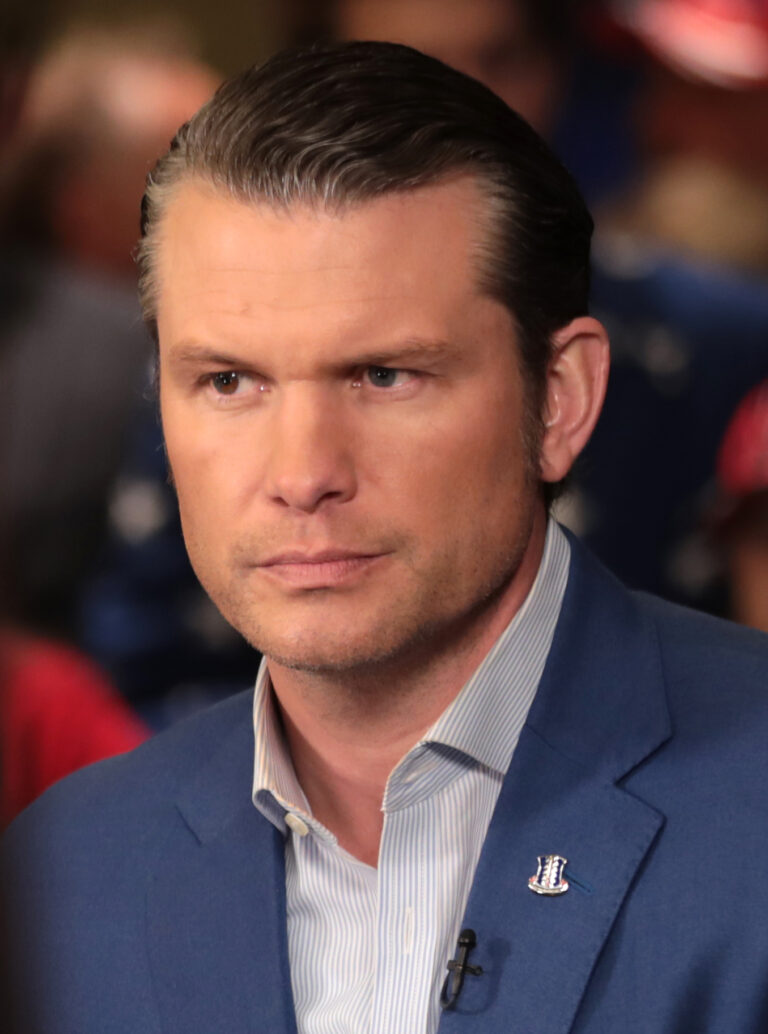
The Defense Secretary, Pete Hegseth, told staffers to find and punish anyone tied to the Pentagon who mocked Charlie Kirk’s slaying online. As a result, several service members have been relieved of duty. This move shocked many soldiers and sparked a debate about free speech. Moreover, it showed how social media posts can have serious real-world consequences. In addition, it highlighted the power of political pressure within the military.

The push to discipline service members came after Charlie Kirk, a conservative activist, survived a shooting. Right-wing figures claim some posts online celebrated that violent act. Therefore, Hegseth wanted to send a message: mocking violence against protected speakers will not be tolerated. However, critics argue that this order could chill open discussion within the ranks. They worry that soldiers will now fear sharing honest opinions for fear of punishment.

Charlie Kirk Mocking Sparks Military Action

So far, multiple service members have lost their positions. They range from junior enlisted troops to staff officers. In each case, commanders cited social media posts that seemed to condone or celebrate Kirk’s slaying. Furthermore, Pentagon civilians with no direct combat role have faced investigations. All of this followed Hegseth’s directive to hunt down those who mocked Charlie Kirk online.

This crackdown unfolded quickly. Investigators scoured Facebook, Twitter, and other platforms. Then they alerted commanders about questionable posts. In some cases, service members admitted they made the posts after they saw screenshots of the shooting. Others said they never intended real harm but used shock value to get attention. Nonetheless, commanders removed them from duty. As a result, career prospects ended abruptly for many.

What Led to the Orders?

First, conservative activists exposed tweets and memes praising the attack on Charlie Kirk. Next, high-profile figures on the right amplified those posts. For example, Laura Loomer and the Libs of TikTok account shared profiles of alleged mockers. They called on employers and institutions to punish them. Consequently, some people lost their jobs or faced harassment.

Then, the Defense Secretary reacted. He feared a backlash if the Pentagon seemed to ignore violence against a public figure. Moreover, he wanted to protect military discipline. Thus, he ordered staff to identify anyone in uniform or with Pentagon ties who appeared to cheer the attack. In addition, the order aimed to prevent further political violence by setting an example.

Reactions from Leaders

President Trump blamed the “radical left” for stoking political violence. He said his administration would act against those who contribute to it. Similarly, other Republican leaders condemned any praise for violence. At the same time, some Democrats worried this directive could harm free speech. They argued that soldiers deserve the same rights as other citizens when off duty online.

Meanwhile, right-wing activists continued their campaign. They shared new names of people they said supported the shooting. As a result, some universities and private companies opened their own probes. This wave of scrutiny spread beyond the military. In turn, it showed how modern politics can reach into every corner of society.

Impact on Service Members

Many service members now feel nervous about what they can post online. They worry a casual remark could cost them their careers. Furthermore, some believe the punishment is too harsh for social media comments. On the other hand, supporters argue the military must maintain good order and discipline. They say cheering violence against a public figure crosses a line.

In addition to fear, morale has taken a hit. Soldiers say they feel watched and judged. They worry the focus on one incident distracts from bigger challenges. For instance, military readiness and training needs may suffer if leaders spend too much time on social media policing. Consequently, some voices call for clearer guidelines on what is allowed online.

What Comes Next?

Going forward, the Pentagon may issue stricter social media rules. It could require every post to be vetted before going live. However, such checks might slow down communication and hurt morale. Alternatively, the military could offer more training on digital etiquette. That approach would teach service members how to express opinions safely.

In the political realm, the controversy shows no sign of fading. On one side, activists will keep hunting for posts to expose. On the other, critics will challenge any perceived overreach by the Defense Department. Ultimately, this debate may shape how all public institutions handle online speech. For now, service members will watch closely as these cases play out.

Frequently Asked Questions

Why did the Defense Secretary target posts about Charlie Kirk?

He saw posts praising violence against Charlie Kirk and wanted to stop mockery of the attack. He believed it could hurt military discipline and invite more political violence.

Can service members legally be punished for social media posts?

Yes, the military can punish its members for speech that undermines good order and discipline. However, critics say off-duty speech should get more protection.

Have any rules changed after these punishments?

So far, no formal new rules have been announced. But the crackdown suggests the Pentagon could tighten social media policies soon.

What should a service member do to avoid trouble online?

They should follow existing guidelines, avoid praising violence or hateful acts, and think twice before posting political opinions. If unsure, they can seek advice from their legal office.

Could the Hegseth Feud End His Pentagon Career?

0

Key Takeaways

  • Pete Hegseth’s tense feud with Army Secretary Dan Driscoll shakes up Pentagon leadership.
  • Hegseth fired senior officials over unproven leak claims and threatened others with polygraph tests.
  • He blocked a decorated general’s promotion based on trust concerns and personal ties.
  • Insiders say Driscoll’s easygoing style makes Hegseth uneasy and fuels the feud.
  • Rumors swirl that Driscoll could replace Hegseth after a string of public missteps.

Could the Hegseth Feud End His Pentagon Career?

Pete Hegseth arrived as defense secretary with big promises. Yet his style quickly sparked clashes inside the building. He grew ruthless when he sensed threats to his reputation. As leaks spread in April, he lashed out. Three senior officials lost their jobs on suspicion of betraying his trust. Two were long-time friends who had supported him for years. Then he publicly called them leakers, even though he never proved it. His hard line alarmed many staffers. Meanwhile, he warned top brass that anyone caught talking to the press would face a polygraph or a full-blown probe.

The Hegseth feud flared again over a key promotion. Lieutenant General Doug Sims, a 34-year veteran and director of the Joint Staff, waited for a nod from Hegseth. However, Hegseth refused to sign off. He accused Sims of leaking and of cozying up to a former joint chiefs leader who often criticized the president. Sims and his boss, Admiral Chris Grady, both denied the charges. Yet Hegseth never backed down. Sims plans to retire soon without ever getting the promotion he earned. This show of power deepened the feud and raised fresh questions about Hegseth’s leadership style.

Why the Hegseth Feud Highlights Pentagon Tensions

Insiders say Hegseth’s rocky relationship with Dan Driscoll helps explain his unrest. Unlike Hegseth, Driscoll presents as charming and low-key. He avoids drama and seeks common ground. As a result, staffers find him much easier to work with. Conversely, they describe Hegseth as explosive and quick to punish suspected dissent. In this light, the Hegseth feud seems driven by more than policy or politics. It also reflects clashing personalities. Whenever Driscoll shines or earns praise, Hegseth grows more resentful. In turn, he pushes harder to assert his own authority and control the narrative.

Moreover, whispers about Driscoll’s possible elevation have only fueled the feud. Word spread inside the hallways that some White House aides saw Driscoll as a safer choice. After Hegseth’s spring missteps, many believed a change could be coming. For example, Hegseth’s public spats over leaks, and his refusal to back a veteran officer, left a sour taste. As that discontent grew, so did talk that Driscoll might step into the job. Inevitably, the threat of being replaced made Hegseth even more combative. Thus, the Hegseth feud evolved into a battle for survival.

What This Means for Pentagon Staff

The fallout from the Hegseth feud has ripples across the workforce. Morale has taken a hit as officials worry about job security. People wonder if a friendly word to a reporter could cost them their career. Consequently, innovation and honest feedback have slowed. Many now self-censor rather than risk suspicion. Furthermore, some leaders hesitate to speak up in meetings. They fear that Hegseth might misinterpret questions as challenges. In turn, decision-making can stall. This effect worries lawmakers and veterans, who count on a strong, clear chain of command in tough times.

Meanwhile, Driscoll’s calm approach offers a stark contrast. He meets people at their level and listens before acting. Staffers report a sense of relief when interacting with him. However, his popularity only deepens the tensions of the feud. After all, if Driscoll grows too prominent, Hegseth’s critics—or even political rivals—may push harder to replace him. Thus, the office faces an unusual standoff: one boss known for heat, the other for harmony. Both leaders share goals for national defense, but their feud casts a long shadow.

Looking Ahead for the Hegseth Feud

As the year progresses, the feud shows no signs of easing. Observers expect more battles over promotions and policy decisions. Each move may become a test of allegiance to one leader or the other. Moreover, the feud deepens broader worries about stability at the Pentagon. After all, clear direction from the top matters most when global tensions rise. Some officials hope the two will find common ground before the chaos spreads. Others predict the feud could trigger a leadership shake-up, especially if missteps continue.

How Congress views the feud could prove crucial. Lawmakers have already asked tough questions about leaks and staffing. They may launch hearings to probe the impact of internal strife. Such scrutiny could pressure the White House to pick sides. Meanwhile, staffers on the ground watch every sign. They know that their next assignment, award, or promotion could hinge on the feud’s outcome. In effect, the Hegseth feud reverberates beyond the secretary’s office and into every corner of the Defense Department.

Could the Hegseth Feud Affect U.S. Security?

In the long run, any leadership battle at the Pentagon matters to national security. When senior leaders fight, it can blur roles and slow action. Adversaries may notice if U.S. military plans stall or messages conflict. However, both Hegseth and Driscoll share a devotion to service members. Despite their feud, they agree on key defense priorities. The real test lies in whether they can shield policy from personal clashes. Otherwise, routine decisions—on training, procurement, or overseas missions—could face unnecessary delays. Thus, ending the feud might serve both morale and mission.

What Comes Next for Hegseth and Driscoll?

For now, the feud rages on. Some suggest a neutral mediator might help. Others say time will tell which personality prevails. If Hegseth curbs his impulses, he may calm tensions and regain trust. Yet if he doubles down, whispers of his ouster will grow louder. On the flip side, Driscoll must balance his low-key style with firm results. He needs to show he can lead without turning the office into a playground. Ultimately, the feud’s resolution may hinge on who better convinces senior leaders and key lawmakers that they can handle America’s defense needs.

Frequently Asked Questions

What is the Hegseth feud?

It refers to the ongoing clash between Pete Hegseth and Army Secretary Dan Driscoll over leadership style, trust, and control at the Pentagon.

Why did Hegseth fire senior officials?

He suspected them of leaking information to hurt his image. Though he accused them publicly, those claims were never proven.

Who might replace Hegseth if he leaves?

Dan Driscoll’s steady reputation makes him a leading candidate. Some insiders believe he could step into the top defense role.

How does the feud impact military readiness?

Internal conflict can slow decisions on promotions, resources, and operations. Clear leadership is vital when global threats demand quick action.

Can Voters Stop the New Missouri Map?

0

Key Takeaways:

• The Missouri Senate approved a new congressional map to give Republicans seven of eight seats.
• New rules will make citizen-led state constitution changes harder.
• Opponents plan a voter referendum to challenge the Missouri map.
• Petitioners need 100,000 signatures in 90 days for a referendum.
• Initiative petition reforms will require votes in every congressional district.

Understanding the Missouri Map Changes

Last week, Missouri lawmakers met again because of pressure from national leaders. They approved a new Missouri map that favors one party. Under the new lines, Republicans could hold seven out of eight U.S. House seats. The state Senate passed it on a 21-11 vote. Now, the governor has 45 days to sign the bill.

Republicans say the change protects rural areas and honors voter shifts. However, Democrats call it unfair. They accuse the majority of squeezing out urban voices in Kansas City. They also say it violates the state constitution, which they believe forbids mid-decade redistricting.

Meanwhile, a group named People NOT Politicians Missouri plans to gather signatures for a referendum. If they collect 100,000 valid names in 90 days, voters can reject the Missouri map next November. That effort aims to let citizens decide instead of legislators.

Why This Matters

Redistricting affects who represents us in Congress. When district lines change, so does voting power. If one party can redraw maps at will, competition weakens. Then elections become less about ideas and more about safe seats.

Moreover, voters must trust the process. If they see boundary lines drawn for political gain, they lose faith in government. That can lower turnout and deepen divisions. In this case, critics say the new Missouri map ignores community ties in Kansas City. They argue it splits minority neighborhoods once again.

How the Missouri Map Could Be Challenged

To bring the map to a public vote, organizers must follow a set process. First, they file a draft petition with the secretary of state’s office. Then they have 90 days to gather at least 100,000 valid signatures. They can start collecting once the governor signs the bill. Otherwise, they risk an early challenge.

If petitioners succeed, the issue goes on the November 2026 ballot. Then voters can either approve or reject the Missouri map. Of the 27 referendums ever on Missouri ballots, citizens beat the legislature all but twice. That history encourages this latest effort.

However, some worry about timing. Local election officials say district lines must be final by May 26, 2026. If the referendum happens later, ballots might not list the right districts. That could confuse voters and delay primaries.

The New Limits on Changing the Constitution

At the same time, the Missouri Senate approved tougher rules for citizen petitions. Today, any group can propose a constitutional amendment if they gather enough signatures. Under the new law, petitioners must win a majority of votes in all eight congressional districts. They still need a statewide simple majority.

Therefore, a small group of voters could block any constitutional change. For example, if just five percent of voters in one district vote no, the amendment fails. Critics say that gives gridlock power to a tiny minority. They argue it weakens democracy by making change too hard.

Proponents claim the old system let outsiders push big changes. They point to recent measures that legalize marijuana and expand Medicaid. They say these measures had help from out-of-state donors. New rules, they insist, protect local interests and require broader support.

What Comes Next

First, the governor will decide on two bills. He can sign both into law, veto one, or veto both. If he signs the Missouri map bill, the referendum clock starts ticking. Petitioners can then file their draft and begin gathering signatures.

If legislators later face a successful referendum, they must move the date. That ensures ballots show the right districts. Meanwhile, opponents plan to raise money and train volunteers. They say Missouri voters deserve the final say.

Second, the initiative petition changes will appear on the 2026 ballot. If voters reject that question, the old rules stay. If they approve it, future citizen-led amendments will face new hurdles. Some groups, like the Realtors association, already pledged to fight the change.

Through it all, both sides will press hard. They will use social media, town halls, and local fairs. They will send mailers and run ads. Above all, they hope to mobilize voters who feel sidelined.

Conclusion

Missouri stands at a crossroads. Lawmakers want to redraw districts and lock in higher barriers for citizen measures. Opponents aim to use the referendum process to reclaim power. In either case, voters will play a key role in deciding who holds sway over the state’s political map and rules.

As events unfold, citizens should stay informed. They can track signature drives, attend hearings, and speak with local leaders. Then, when 2026 arrives, they will have the chance to shape Missouri’s future on the ballot.

FAQs

What exactly would a referendum on the new Missouri map look like?

A referendum lets voters approve or reject the new boundaries drawn by the legislature. Petitioners need at least 100,000 valid signatures in 90 days after the governor signs the bill. If they succeed, the question appears on the November 2026 ballot.

How could the initiative petition changes affect future amendments?

The new rules would require any citizen-led constitutional amendment to win a majority in each of the state’s eight congressional districts, on top of a statewide majority. This makes it much harder for any amendment to pass.

Why do progressives oppose the new Missouri map?

They argue it weakens urban and minority voting power, especially in Kansas City, by splitting communities. They say the plan is an unfair power grab that undermines fair elections and democracy.

When would Missouri voters decide on the initiative petition reforms?

Voters will see the initiative petition changes on the 2026 statewide ballot. If they reject it, the current petition rules remain. If they approve it, new, higher thresholds will take effect for future amendments.

Has Trump Solved Inflation?

Key Takeaways:

• President Trump claimed inflation is “solved” and costs are down.
• Official data shows inflation rose to 2.9% in August, up from 2.7%.
• Gas prices average $3.19 nationwide, with spikes above $4.60.
• Grocery items like coffee and beef saw double-digit price jumps.

Has Trump Solved Inflation?

President Donald Trump told viewers of a popular morning show that he has already fixed inflation. He said energy costs are falling and gas will soon be just two dollars a gallon. Moreover, he boasted that he has solved “just about every problem.” However, many Americans still pay more at the pump and checkout line. So did Trump really end inflation, or are families still feeling the pinch?

Trump’s Bold Claim on Inflation

Last Friday morning, Trump spoke on live television. He declared, “I’ve already solved inflation. Costs are down.” Then he pointed to energy prices, predicting $2 gasoline soon. He ended by saying he fixed nearly every problem facing the country. On the surface, this claim sounds hopeful. Yet, many people wonder if it matches what they see every day.

First, consider your last trip to the gas station. The national average price sits around $3.19 per gallon. In some areas, drivers pay as much as $4.65. Even the lowest prices hover near $2.70. Therefore, the idea of $2 gas for everyone seems distant. In fact, one observer on social media asked why gasoline is still far above that mark.

What the Numbers Say About Inflation

Official numbers from the Labor Department paint a different picture than the president’s claims. In August, consumer prices climbed 2.9% compared to last year. This increase outpaced July’s 2.7% rise. Thus, overall inflation edged up, not down.

Moreover, grocery costs jumped 0.6% in just one month. That marked the largest month-to-month jump since August of 2022, when grocery prices were surging. Meanwhile, gas prices alone rose 1.9% during August. As a result, the everyday costs for families kept growing.

Why Prices Remain High

Several factors help explain why Americans still pay more for basics. One is the tariffs placed on imports. These taxes on foreign goods raise costs for stores and customers alike. In turn, higher tariffs push up prices on items from fruits to furniture.

Another factor is energy. While Trump pointed to falling oil costs, global events can suddenly reverse that trend. A rally or conflict in oil-producing regions can send gas prices back up. Thus, energy costs stay somewhat unpredictable.

Finally, supply and demand still influence the market. When demand stays strong but supplies remain limited, prices climb. For example, coffee harvests faced weather problems, cutting supply. That drove coffee prices up nearly 21% over the past year. Similar patterns hit beef, apples, bananas, and more.

Effects on Everyday Families

When inflation rises, families feel pressure. A small grocery bill can balloon into a large one. Think of a parent buying coffee, meat, fruits, and vegetables. With coffee nearly 21% costlier and beef steaks up nearly 17%, budgets shrink fast. Even fruits like apples and bananas climbed in price.

Beyond groceries, higher fuel costs make everything else more expensive. Transporting goods to stores costs more when a truck’s tank runs at higher rates. Therefore, a rise at the pump ripples across almost every purchase. In short, families encounter a cycle of higher costs that is slow to break.

Promises Versus Reality

During his campaign, Trump vowed to lower prices “on day one” if re-elected. Yet, today’s data shows the opposite for many staples. Grocery categories, from dairy to cereals, remain pricier than a year ago. Some saw their biggest monthly leap in three years.

Supporters cheer the president’s confidence. They believe bold promises can sway markets and boost morale. Critics argue that mere words cannot reverse deep economic trends. They point to tariffs, global demand, and supply challenges as tougher issues to solve.

How Experts View Inflation

Economists agree that inflation stems from multiple sources. They say monetary policy, government spending, and global trade all play roles. When the government prints more money or spends heavily, prices tend to follow upward. Trade barriers and tariffs can also worsen price hikes.

Therefore, solving inflation requires coordinated steps: adjusting interest rates, cutting unnecessary spending, and easing trade restrictions. Some experts suggest that simply saying inflation is “solved” has little real impact without action.

What Lies Ahead?

Looking forward, projections vary. Some economists think inflation will cool by year’s end as supply chains heal. Others warn that energy or geopolitical shocks could spark another wave of price hikes. In any case, the debate over solutions will continue.

Many Americans will watch upcoming reports closely. Each new inflation reading will either support Trump’s claim or prove it premature. Until prices truly ease, shoppers, drivers, and families may remain skeptical of bold statements.

Key Points to Remember

• Inflation rose in August, not fell.
• Gas sits above $3 per gallon in most places.
• Tariffs and global factors keep grocery costs high.
• Experts say actions, not words, truly tame inflation.

Frequently Asked Questions

What exactly is inflation?

Inflation means that prices for goods and services rise over time. When inflation is high, your dollar buys less than before.

Why does Trump say inflation is solved?

He aims to boost confidence and highlight energy price drops. Yet data shows overall prices still climb.

How do tariffs affect prices?

Tariffs are taxes on imports. When they go up, companies pay more, and shoppers end up paying higher prices.

When might inflation go down?

Economists expect inflation to slow when supply chains improve and demand cools. However, global events could delay that.

Is Tom Holland Sober?

0

Key Takeaways:

  • Tom Holland marks 3.5 years without alcohol, calling it a complete identity change.
  • His choice to embrace sobriety led to better mental focus and overall health.
  • He turned his personal journey into a business by co-founding a non-alcoholic beer brand, Bero.
  • His story is a powerful example for professionals on prioritizing wellness for success.

Yes, Tom Holland is proudly sober. The massively popular Spider-Man star recently opened up about a huge personal milestone. He has been celebrating over three and a half years of living an alcohol-free life. For him, this wasn’t just about quitting a habit. It was about undergoing a total personal transformation. He describes feeling like he has unlocked a brand-new version of himself, one that is clearer, healthier, and more focused than ever before.

In the fast-paced, high-pressure world of acting and entertainment, his story is incredibly inspiring. It shows that making a conscious choice to prioritize your mental and physical well-being isn’t a sign of weakness. Instead, it can be the very thing that unlocks new levels of creativity, confidence, and career success. Let’s dive into Holland’s journey with sobriety and how it completely reshaped his life.

Tom Holland’s Sobriety Journey: The Turning Point

Tom Holland’s path to sobriety didn’t happen from one single bad night. It was a gradual build-up of realizations. Like many people, especially those in social industries, drinking was a normal part of his life. It was at parties, social gatherings, and a way to unwind. However, he started to notice its subtle negative effects.

He found that he wasn’t sleeping as well. His energy levels would crash. He began to question if he could even have a good time at an event without a drink in his hand. This moment of self-awareness was his wake-up call. He didn’t like the feeling of relying on something external to have fun or relax. After some deep thinking and honest conversations with his close friends and family, he made the brave decision to stop drinking completely. This choice marked the beginning of his incredible sober journey.

Life With a Clear Mind: The Benefits of His Sobriety

The positive changes from his commitment to sobriety were both immediate and long-lasting. Stepping away from alcohol fundamentally improved almost every part of his life, especially his professional work as an actor.

First, he experienced sharper mental focus. Walking onto a busy film set, especially for a massive Marvel movie, requires immense concentration. Without the fog of alcohol, he could be more present, memorize lines easier, and fully engage with the demanding scenes. This clarity was a game-changer for his performance.

Next came better physical health. The improved sleep quality and stable energy levels were crucial. They allowed him to maintain the peak physical condition needed to perform his own stunts as Spider-Man. His body recovered faster, and he felt stronger and more capable every day.

Perhaps the most important change was his improved mental peace. The world of fame is filled with stress, scrutiny, and constant pressure. Sobriety gave him a solid foundation of inner calm. He felt more grounded and in control of his emotions. He was better equipped to handle the ups and downs of life in the spotlight without needing an escape.

Finally, this clear-headed space unlocked a new wave of creative energy. He wasn’t just content with acting; he felt inspired to build something new. This creative drive led him directly to his next big venture: starting his own business.

From Personal Passion to Business: Co-Founding Bero

Tom Holland didn’t just keep the benefits of his sobriety to himself. He wanted to share this positive change with others. He channeled all his passion and experience into co-founding Bero, a non-alcoholic beer company.

The mission of Bero is simple but powerful. It’s for everyone who enjoys the social ritual of having a beer but wants to avoid the effects of alcohol. Maybe they are driving, training, or, like Tom, have chosen a sober lifestyle. Bero offers a sophisticated, tasty alternative so no one feels left out.

For Holland, Bero is much more than just another celebrity endorsement. It is a direct extension of his own life story. It represents celebration, community, and wellness. He is deeply involved in the brand, which is always evolving with new flavors and ideas. It stands as a testament to how a profound personal change can inspire entrepreneurial spirit and help others on a similar path.

Inspiration for Performers and Creative Professionals

Tom Holland’s story is particularly meaningful for anyone working in creative fields. Actors, artists, writers, and musicians often face unpredictable schedules, intense criticism, and the pressure to always be “on.” It’s an environment where burnout is common, and unhealthy coping mechanisms can easily take root.

His journey offers a powerful counter-narrative. It proves that prioritizing your wellness is not a distraction from your art—it’s essential for it. A healthy mind and body are your most important tools for creativity and resilience. By making a bold choice for his health, Holland actually became a better, more focused, and more innovative actor and businessman.

Here are the key lessons any creative can take from his experience:

  • Trust Your Instincts: If a habit is making you feel unwell or affecting your work, it’s okay to change it.
  • Build a Support System: Surround yourself with people who understand and encourage your growth.
  • Channel Change into Creation: Use a major life shift as fuel for new projects and ideas.
  • Put Yourself First: Your well-being is the foundation of your success. You cannot pour from an empty cup.

Sobriety: A Continuous Path of Growth

It’s important to remember that for Tom Holland, sobriety isn’t a finish line he crossed three and a half years ago. He is the first to say it is an ongoing process, a daily commitment to choosing a healthier lifestyle. It requires constant reflection and a willingness to grow.

This mindset of continuous improvement is what keeps him moving forward. It allows him to stay aligned with his goals, both in his personal life and his booming career. He is living proof that this journey is not about losing something but about gaining everything: clarity, health, and a profound sense of self.

Final Thoughts on a Transformed Life

Tom Holland’s 3.5-year sobriety milestone is so much more than a number. It is a shining example of how intentional, brave choices can completely redefine who you are. He stepped away from alcohol and stepped into a brighter, more successful, and more authentic version of his life.

For everyone, especially those in the creative arts, his story is a beacon of inspiration. It reminds us that true success isn’t just about talent or luck. It is built on a foundation of wellness, balance, and the courage to put yourself first. Your greatest work and your happiest life may just begin on the other side of a difficult but necessary decision.

FAQs

How long has Tom Holland been sober?

Tom Holland has been sober for three and a half years. He has spoken publicly about this major life change and how it has positively impacted him.

What is the name of Tom Holland’s non-alcoholic beer company?

He co-founded a company called Bero. It specializes in creating non-alcoholic beers for those who choose not to drink alcohol.

Why did Tom Holland decide to stop drinking?

He decided to quit after realizing alcohol was negatively affecting his sleep, energy, and mental state. He didn’t like feeling like he needed a drink to socialize or have fun.

How has sobriety helped Tom Holland’s acting career?

Sobriety has given him greater mental clarity on set, better physical health for stunts, and more emotional stability to handle the pressures of fame, making him a more focused and resilient actor.

Check the full story on https://projectcasting.com/news/tom-holland-opens-up-about-3-5-years-of-sobriety-and-a-brand-new-identity

How to Join The Boys: Vought Rising?

0

Imagine stepping onto the set of a massive superhero show. You see actors in vintage costumes and detailed sets from the 1950s. This is the world of “The Boys: Vought Rising.” This new prequel series on Amazon Prime Video is your ticket into the gritty backstory of Vought International. It is a huge opportunity for actors everywhere. This guide gives you the inside scoop on the show and how you can be part of it.

Key Takeaways

  • “The Boys: Vought Rising” is a prequel series set in the 1950s, showing Vought’s dark origins.
  • It features Jensen Ackles and Aya Cash reprising their roles as Soldier Boy and Stormfront.
  • Filming is happening now in Canada, with a premiere expected in 2026.
  • The production is actively casting ACTRA actors for various roles.
  • This is a major chance to work on a high-profile Amazon series.

What Is The Boys: Vought Rising All About?

“The Boys: Vought Rising” will take us back in time. We will see the very beginning of the Vought empire. Long before Homelander, the world of Supes was just getting started. The show is created by Eric Kripke, the mastermind behind the original series.

The story is a dark murder mystery. It will reveal the sinister ways Vought climbed to power. We will follow the early adventures of Soldier Boy. We will also see the evil plans of Stormfront. This show will explain how Supes changed from serious soldiers into famous celebrities. It is all about the birth of the powerful Vought PR machine.

Who Is Starring in the Vought Rising Cast?

The cast is a mix of familiar faces and exciting new talent. Jensen Ackles returns as Soldier Boy. But this time, we see a younger, more vulnerable version of the Supe. Aya Cash is also back as the dangerous Klara Risinger, also known as Stormfront.

They are joined by a great group of actors. Elizabeth Posey plays Private Angel. Will Hochman is Torpedo. Mason Dye reprises his role as Bombsight. The cast also includes Jorden Myrie, Nicolò Pasetti, Ricky Staffieri, Brian J. Smith, and KiKi Layne. This mix of old and new characters will make the world of The Boys even bigger.

Who Is Making The Boys: Vought Rising?

This is a massive production with a top-tier team. The showrunner is Paul Grellong. Executive producers include Eric Kripke, Seth Rogen, and Evan Goldberg. Big studios like Sony Pictures Television and Amazon MGM Studios are working together.

The casting directors are industry legends. Robert J. Ulrich, Eric Dawson, and Carol Kritzer are leading the search for talent. They have worked on huge shows like “American Horror Story” and “Glee.” Alex Newman, who worked on “Supernatural,” and Jackie Davies from “Gen V” are also on the team. They ensure the casting is perfect for this period piece.

What Will The Show Look and Feel Like?

Get ready for a trip to the 1950s. The show’s style is inspired by that era. Costume designer Laura Jean Shannon is creating the look. She is designing military-inspired suits based on old USO shows. This will make the show feel authentic and grounded in its time.

The themes are dark and satirical, just like the original series. It will explore serious ideas about power, corruption, and how corporations can twist the truth. But it will do so with the same sharp humor and shocking moments fans love.

How Can You Get Cast in The Boys: Vought Rising?

This is your chance to be part of television history. The production is currently looking for talent. They need actors who can bring the 1950s to life. Right now, there is a specific call for ACTRA members.

A recent casting call is looking for white male actors. They need to be between 5’10” and 6’2″ tall. Their jacket size should be a 44 and waist a 36. They must have a clean-cut look. That means no facial hair and a short, neat haircut. This is for a specific role as a period-appropriate character.

If you fit this description, you should apply immediately. You will need to attend a wardrobe fitting. You must follow all production guidelines. Being on time and professional is very important. In return, you will be paid standard ACTRA rates. You will also get incredible on-set experience.

Steps to Apply for a Role

First, make sure you are an ACTRA member. This is a requirement for this particular role. Next, check that you meet the physical requirements. Then, prepare a simple application. Be sure to have a recent photo ready.

Click on the application link from the official casting notice. Submit your information and wait for a response. If you are selected, the casting team will contact you with the next steps. Always be professional and polite in all your communications.

Why You Should Try to Get Cast

Working on “The Boys: Vought Rising” is more than just another job. It is a chance to be in a global phenomenon. You will work with an award-winning crew. You will learn from the best in the business. This experience will look amazing on your acting resume.

Furthermore, you will get to see how a big-budget series is made. You will be on set during filming. This is a unique learning opportunity for any actor. It is a fantastic way to start or boost your career in the film industry.

When and Where Is Filming Happening?

Principal photography started on August 17, 2025. It will continue through December of the same year. The show is filming in Canada. This is great news for Canadian actors. They have a direct path to joining the production.

Since filming is happening now, the casting process is active. The team is looking for people right this moment. Do not wait to apply if you are interested. The premiere for “The Boys: Vought Rising” is set for 2026 on Amazon Prime Video.

Final Thoughts on Joining the Cast

“The Boys: Vought Rising” is the next exciting chapter in a beloved universe. It offers a thrilling opportunity for actors. By following the casting calls and applying, you could be part of it. Remember to be professional, meet the requirements, and submit your application soon.

This prequel will explore the dark history of Vought. It will show the origins of your favorite characters. You could be there to see it all happen. Do not miss your chance to help tell this explosive story. Keep following casting news and updates for your shot at joining the series.

Frequently Asked Questions

What is the main premise of The Boys: Vought Rising?

The show is a prequel set in the 1950s. It follows a dark murder mystery that reveals how the Vought corporation used Supes to build its evil empire.

Who are the main characters in the Vought Rising cast?

Jensen Ackles plays a younger Soldier Boy. Aya Cash returns as Stormfront. They are joined by new Supes like Private Angel, Torpedo, and Bombsight.

How can I audition for a role in the series?

The production is casting through official channels. Look for casting calls for ACTRA actors in Canada. Specific roles, like one for a white male with a clean-cut look, are currently available.

When will The Boys: Vought Rising be released?

Filming began in August 2025 and will end in December 2025. The series is expected to premiere on Amazon Prime Video in 2026.

Check the full story on https://projectcasting.com/blog/casting-calls-acting-auditions/how-to-get-cast-in-the-boys-vought-rising

Should You Trust Off-Platform Casting Calls?

0

Here are the key points you need to know immediately:

  • Never accept job invites that ask you to leave the Project Casting platform.
  • Off-platform requests are major red flags and often lead to scams.
  • Protect yourself by reporting any such requests directly to Project Casting support.
  • Staying on-platform ensures your data is secure and the job is verified.
  • Violators of this rule face severe consequences, including permanent bans.

Imagine you finally get that message. A casting director loves your profile and wants you to apply for a starring role. Your heart races. This is it! But then, they drop a strange request: “Just email your materials to this address instead.” Suddenly, that excitement mixes with confusion. Why can’t you just apply through the platform where they found you?

This scenario is more common than you think, and it’s incredibly dangerous. Project Casting built its entire system to protect you, the talent. When someone tries to lure you off the platform, they are asking you to abandon all those safety nets. This article explains why you must always stay on-platform and how to spot these risky invitations.

Understanding the Dangers of Off-Platform Job Invites

The core keyword for your safety is on-platform. Every feature on Project Casting is designed to work together, creating a secure bubble for your casting journey. The moment you step outside that bubble, you pop it. You are left vulnerable with none of the protections you had before.

Think of it like this: You wouldn’t hand your wallet to a stranger who promises to pay you back later. Similarly, you should never hand over your personal data, headshots, or communication to someone asking you to leave Project Casting. These requests are not about convenience; they are about bypassing rules designed to keep you safe.

What Exactly is an Off-Platform Invite?

An off-platform invite is any attempt by a user to move the casting process away from Project Casting’s official, secure system. These are clear violations of the platform’s terms of service. Here are some common examples you might encounter:

A company contacts you through Project Casting but instructs you to, “Apply via this external link we emailed you.” This is a huge red flag. Legitimate companies will use the built-in application system.

You are asked to send your headshots, resume, or video reels through personal email, WhatsApp, or another messaging service. Your Project Casting profile already contains all of this. There is no legitimate reason for this request.

You get an unsolicited message containing a phone number or personal email, asking to “chat” before any formal job offer or application exists. This is a tactic to get your personal information quickly.

Someone sends a Google Form or a link to another website for “faster processing” or a “quicker review.” This is a classic scammer technique to harvest your data off the platform.

All these actions are deliberate attempts to avoid Project Casting’s safety features. They want to operate where there are no rules and no one is watching out for you.

Your Step-by-Step Guide to Handling Suspicious Invites

If someone tries to lure you off Project Casting, do not panic. Follow these simple steps to protect yourself and help keep the community safe.

First, stop the conversation immediately. Do not engage further. Do not reply to their message asking why. Most importantly, do not share any personal information like your phone number, email, home address, or social media handles.

Next, gather evidence. Take clear screenshots of the entire conversation. Make sure the screenshot includes the username of the person who contacted you and their off-platform request. This evidence is crucial for the next step.

Then, report them immediately. Send your screenshots and a description of what happened directly to Project Casting’s support team at their official email address. They are trained to handle these reports and will investigate swiftly.

Finally, block the user. After you have reported them, use the block feature within Project Casting to prevent any further contact from this person. Your safety comes first.

Why Staying On-Platform is Your Best Defense

Choosing to keep all communication on-platform is the single smartest decision you can make for your career safety. Project Casting’s system is your shield. It verifies that job posters are who they say they are, which drastically reduces the number of scams.

Your data and media files are protected within the platform. You control who sees your materials, and everything is stored securely. This is far safer than emailing attachments that can be forwarded and misused without your permission.

Every message sent through the platform is tracked. This creates a written record that can be used as evidence if there is a dispute, a case of harassment, or if someone fails to pay you for work agreed upon. Off-platform, it’s your word against theirs.

You build a trusted professional reputation through your on-platform activity. Positive interactions and completed jobs bolster your profile, making you more attractive to legitimate casting directors. Off-platform interactions are invisible and don’t contribute to your standing.

The platform can enforce payment and application requirements. It holds both talent and companies accountable to their agreements. Once you move off-site, you lose any leverage or support from Project Casting in getting what you were promised.

The Severe Consequences for Rule Breakers

Project Casting enforces a strict zero-tolerance policy for anyone who tries to bypass the system. This is not a minor rule break; it is a serious threat to community safety. The consequences for violators are severe and designed to remove bad actors quickly.

Any user, whether a massive company or an individual talent, who is caught soliciting off-platform contact will face immediate action. Their account will be permanently suspended, and they will lose all access to the Project Casting network.

All of their active job listings will be removed instantly. This protects other users from being exposed to the same dangerous behavior. Furthermore, in cases where the off-platform behavior involves harassment, fraud, or attempted scams, Project Casting will work with legal authorities, making the violator liable to legal action.

Perhaps the most powerful consequence is blacklisting. Violators are banned from the Project Casting network for life. This protects the entire community by ensuring that scammers and bad actors cannot simply create a new account and start again.

Building a Safe and Successful Career On-Platform

Your acting or modeling career deserves a safe foundation. By committing to keeping all your casting business on-platform, you choose a path of less risk and more peace of mind. You can focus on what really matters: honing your craft and landing amazing roles.

Remember, a legitimate opportunity will always exist comfortably within the Project Casting system. Casting professionals who are serious about finding the right talent will respect the process and the safety it provides for everyone involved.

If you ever feel unsure about a message, trust your instincts. If something feels off, it probably is. The safety rules exist for a reason. Play it smart, play it safe, and keep your career thriving on a secure foundation.

Frequently Asked Questions

What should I do if a casting director I know from a previous job contacts me directly?

Even if you recognize the name, it is always safest to ask them to contact you through an official Project Casting posting. This ensures all communication and agreements are documented and protected by the platform’s policies for your mutual benefit.

Are all off-platform requests automatically scams?

While not every single one may be a scam, one hundred percent of them are violations of Project Casting’s terms. The intent behind the request is irrelevant; the action itself removes your safety nets and exposes you to potential fraud, data theft, or harassment. It is never worth the risk.

I already applied off-platform before reading this. What now?

If you have already shared personal information or materials, cease all communication immediately. Report the user and the interaction to Project Casting support with all the details you have. Monitor your accounts for any suspicious activity and consider alerting your local authorities if you feel you have been defrauded.

How long does it take for Project Casting to respond to a report?

The support team prioritizes these reports for everyone’s safety. They work to review them and take action as swiftly as possible, often within a very short timeframe. Your report helps protect the entire community from harmful users. Check the full story on https://projectcasting.com/blog/casting-calls-acting-auditions/why-you-should-never-accept-job-invites-outside-of-project-casting