68.8 F
San Francisco
Sunday, August 2, 2026
Home Blog Page 521

Why Antifa Became a Terrorist Label

0

Key Takeaways

  • I felt like part of Antifa at age five while watching a movie.
  • Words protect us from fascism and help us fight back.
  • Our government is erasing words like “women” and “race” from public projects.
  • Calling Antifa a terrorist group attacks our right to speak out.

The Rise of Antifa in My Life

I first joined Antifa at five years old. I sat on the floor of my aunt’s living room. We watched The Sound of Music again and again. I didn’t know what fascism really was. Yet the Nazi salute scared me. I saw Captain von Trapp tear down that flag. I felt his fear and his hope. From that moment, I knew I stood against fascism.

My Early Antifa Lessons

In fifth grade, my teacher gave us The Diary of Anne Frank. I read about a girl just like me. She hid from the same fascists I feared. She never saw freedom again. That book showed me what happens when we stay silent. After reading it, I felt true Antifa in my heart. I promised, “Never again.”

Why Words Matter in Resistance

Words are our first line of defense. They let us share what we see and feel. When we speak honestly, we stand up to lies. However, when words disappear, our power fades. If we cannot call out injustice, we can’t fight it. Therefore, we must protect our language.

Government’s Word Scrubbing

Lately, our federal government removed words from websites. They deleted “women,” “diversity,” “climate,” and “science.” Reports on public projects now risk funding cuts if they use these words. Schools and labs lose grants. Children’s food programs face cuts. Even clean water research gets blocked. This word scrubbing hides truth. It weakens our ability to fight back.

Executive Order Declaring Antifa a Terrorist Ideology

Recently, the president signed an order. He called Antifa a terrorist organization. Yet Antifa is not one group. It is an idea: fascism is wrong. Saying we oppose fascism became an act of terror. Think about that. Declaring your beliefs illegal makes every protest dangerous. It even makes speaking a kind of crime.

Simple Acts of Defiance

Captain von Trapp felt danger too. He risked his life to rip down a flag. His act was simple yet brave. We can do the same with words. Every time we say “I stand with women” or “I value science,” we resist tyranny. Every sign we hold up at a march counts. Every post we share online matters. These small acts keep our spirit alive.

How You Can Be Antifa Today

First, learn the real meaning of Antifa. It means anti-fascism. It means opposing hate and violence. Next, use your words clearly. Tell your friends what you see in the news. Ask questions in class. Write letters to your leaders. Finally, join groups that care about human rights. Your voice can inspire real change.

Why “Never Again” Starts with You

“Never again” began after the Holocaust. It reminds us that we must act. Waiting for someone else to save us will not work. Each of us can push back against unfair laws. Each voice can remind people of history. Each post can spread truth. When enough of us speak, we build real power.

Facing Fear with Clear Speech

Words carry both fear and hope. When we remain silent, fear grows. When we speak up, hope grows. That hope drives us to act. It gave Anne Frank courage to keep a diary. It led Captain von Trapp to risk his life. It makes everyday people into heroes.

Keeping Democracy Alive

Democracy lives on discussion and debate. It needs our honest words. When authorities scrub terms from reports, they cut off debate. They try to make us blind. They push us toward a darker path. By speaking freely, we keep democracy bright. We force leaders to hear us.

Building a Functional, Representative Democracy

My work at Democracy Rising shows me this every day. A healthy democracy needs all of us. It must reflect our voices, our hopes, and our fears. That starts with clear language. That grows into real policy. That ends with justice for all. We all win when we speak up.

Standing Together Against Fascism

You don’t have to be in a riot to fight fascism. Your quiet words can matter just as much. Tell your classmate you believe in equality. Tell your parent you value science. Tell your neighbor you’ll vote for human rights. These small acts build a big wave.

Why We Must Refuse to Be Silenced

If we let bad actors ban words, they win. If we let them label an idea as a crime, they win. If we let fear stop our voices, they win. We must refuse their rules. We must speak loud, even when they threaten us. We must be Antifa in thought and in word.

Action Steps You Can Take Now

  • Keep a journal of what you see and feel.
  • Share your writing with friends or online.
  • Support groups that protect free speech.
  • Attend local meetings or protests peacefully.

Frequently Asked Questions

What does Antifa really mean?

Antifa stands for anti-fascism. It describes people who oppose fascism’s hate and violence. It is not a single group with leaders. It is a shared belief.

Why are words so powerful against fascism?

Words shape how we think. They bring ideas into the open. When we use clear words, we reveal wrongs. That lets us challenge injustice.

How did the government ban words in public projects?

Officials removed lists of terms from federal websites and reports. Projects using those terms risk losing funding. This tactic hides key facts and blocks research.

What can I do if my school or community censors words?

Speak up. Talk to teachers and leaders. Write letters or petitions. Join student groups that defend free speech. Your action can push back censorship.
Trump Moves to Ban Mail-In Voting for Midterms

0


Key Takeaways:

  • Former President Trump calls for a ban on mail-in voting and early voting.
  • He alleges the 2020 election was “rigged,” though he lacks legal authority.
  • He singles out California’s redistricting vote and sends DOJ monitors.
  • Critics warn this may intimidate voters and undermine democracy.

Trump’s Plan to Ban Mail-In Voting

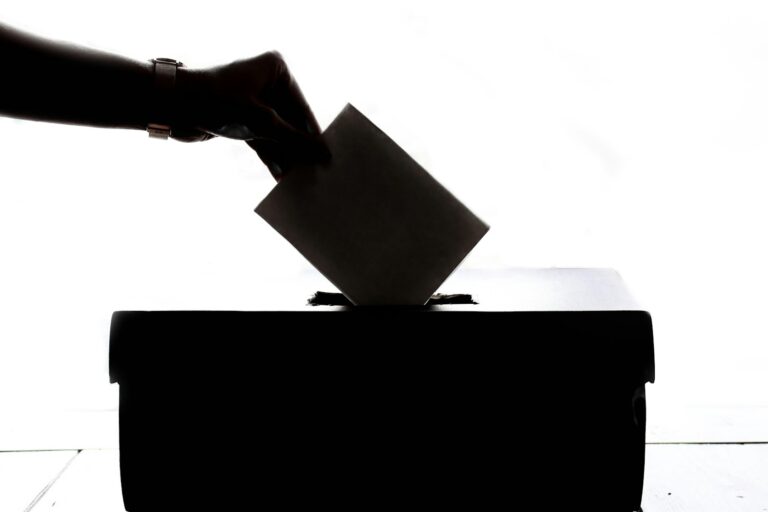
Former President Donald Trump announced on his social media platform that he wants to outlaw mail-in voting and early voting for the midterm elections. He repeated false claims that the 2020 election was “rigged.” Despite this, he has no power to stop mail-in voting under current law. His post urged Republicans to push for a strict ban on mail-in voting and insist on voter ID at polling places.

Why Trump Wants to Block Mail-In Voting

Trump argues mail-in voting can lead to fraud. He wrote that the 2020 election was “the biggest scandal in American history” because of mail-in ballots. He also warned that if mail-in voting stays, “it will happen again” in future elections. He believes voter ID rules will fix the problem. However, there is no proof that mail-in voting caused widespread fraud in 2020.

No Legal Authority to Ban Voting Methods

In the United States, states control voting rules. The President cannot change them alone. Courts have repeatedly rejected efforts to limit mail-in voting at the national level. Even when Trump tried in August to end mail-in ballots, he failed. Now, his post also targets early in-person voting. But governors and state legislatures set those dates, not the White House.

Spotlight on California’s Ballot Measure

Trump singled out California’s upcoming measure to redraw its congressional districts. That effort aims to curb gerrymandering after Texas redrew lines that favored Republicans. He claimed “millions of ballots” would be mass-mailed for this vote. In reality, California sends ballots to all registered voters by default. The measure itself has nothing to do with midterm ballots for Congress.

Justice Department Monitors and Voter Intimidation

In response to California’s measure, Trump said he deployed Justice Department officials to watch polling places. He argued this would protect election integrity. Critics warn that sending federal agents to state elections can frighten voters. They say it resembles intimidation more than protection. Voters might skip the polls if they feel watched or threatened.

What the Mail-In Voting Ban Could Mean

If somehow passed, a ban on mail-in voting would force more people to vote in person. This change could hurt those with health issues or busy schedules. Older voters and parents often rely on mail-in ballots. In rural areas, people travel long distances to reach polling sites. As a result, fewer voters might turn out, which can skew results.

Critics and Legal Challenges

Many Democratic leaders and voting rights groups have condemned Trump’s plan. They stress that mail-in voting helped millions vote safely during the pandemic. They also point out that fraud is extremely rare. As a result, they plan to take legal action if any state tries to ban mail-in ballots. Courts will likely block such bans quickly.

How State Laws Protect Mail-In Voting

States have different rules for mail-in voting. Some let anyone request a ballot by mail. Others require a valid excuse, such as illness or travel. During the 2020 election, most states expanded mail-in voting to curb COVID-19 risks. Many states have since kept these expansions in place. Changing those laws now would require state legislatures or voter referendums.

The Role of Voter ID

Trump’s post also demanded voter ID for everyone. Some states already require photo ID at polling stations. Others accept non-photo forms of identification, like utility bills. Still others do not require any ID to vote in person. Debates over voter ID focus on balancing security with accessibility. Experts note strict ID rules can block eligible voters.

What Happens Next?

At this point, Trump’s call remains a public statement without force of law. States will likely ignore his demands unless legislators take up the issue. Any attempt to change mail-in voting laws will face lawsuits. Federal courts have consistently upheld mail-in voting as a lawful option. In addition, public opinion polls show most Americans support having mail-in ballots.

Despite this, the debate highlights deep distrust in election processes. Transitioning to better safeguards could build confidence. Election officials suggest more secure ballot tracking and faster results. They also recommend clear guidance on early voting and mail ballots. Such steps might address some of the concerns raised by Trump and other critics.

Ensuring Fair and Safe Elections

Election experts emphasize transparency in every step. They call for audits, paper trails, and open data. They urge voters to check their registration and watch for deadlines. They also recommend voting early or by mail when allowed. By doing so, voters can avoid long lines and potential problems at polling sites.

Moreover, community groups offer to help with voter education. They teach people how to fill out ballots correctly. They also provide transportation to polling stations. In addition, many local boards hold public forums to discuss election security. These efforts aim to keep trust high and turnout strong.

Maintaining Democracy

Voting is a fundamental right in a democracy. Restricting voting methods can weaken that right. Any serious challenge to mail-in voting must follow legal paths. Citizens can petition their state governments or bring referendums. They can also contact elected representatives to express support for voting options.

At the same time, raising concerns about election security is valid. However, solutions should be based on facts. Evidence shows mail-in voting is safe when managed properly. States that process mail ballots with care report few issues. Therefore, officials focus on training, funding, and clear rules.

In the end, the midterm elections will test America’s faith in its system. Voter turnout, election administration, and public trust will shape results. Whether mail-in voting survives this debate depends on lawmakers, courts, and citizen voices. Meanwhile, voters can prepare by understanding their options and following official guidelines.

Frequently Asked Questions

How does mail-in voting work?

Ballots arrive by mail to registered voters. Voters fill them out and mail them back or drop them off at secure locations. Election officials then count them with other ballots.

Can the President ban mail-in voting?

No. State laws control voting methods. The President can influence public opinion but cannot change state voting rules by decree.

What protections exist against mail-in voting fraud?

States use signature checks, barcodes, and secure ballot envelopes. They also allow voters to track ballots online. Any suspicious activity gets reviewed before counting.

Why is California’s ballot measure in the news?

California plans a redistricting vote to redraw its congressional districts. Trump claimed it would involve “millions of ballots,” but the measure itself applies to map drawing, not midterm ballots.

McCormick Retracts Government Shutdown Comment

0

Key Takeaways

  • Sen. Dave McCormick apologized for calling Democrats “terrorists.”
  • He said he meant the term “hostage takers” instead.
  • His remark surfaced amid a 26-day government shutdown.
  • The shutdown blocks funding for health care subsidies.
  • McCormick hopes to restart talks and reopen the government.

Sen. Dave McCormick retracted a strong remark about the ongoing government shutdown. He told CNN’s Manu Raju he misspoke when he compared Democratic lawmakers to terrorists. Instead, he said he meant to call them “hostage takers.”

Why Government Shutdown Talks Stalled

The government shutdown now marks its 26th day. Republicans and Democrats have clashed over health care funding. The dispute centers on subsidies that help low-income Americans pay for insurance. Democrats want to protect and extend those benefits. Many Republicans oppose long-term spending increases. As a result, essential services face a funding gap.

In his Capitol interview, Raju asked McCormick why Republicans would not work with Democrats to end the government shutdown. McCormick answered bluntly. He said you cannot negotiate with someone who holds the nation hostage. He then used the word terrorist.

McCormick’s Original Remark

McCormick said, “You can’t negotiate with a terrorist.” He meant Democrats blocked any deal until they got what they wanted. He argued that shutting down the government to push a policy demand was extreme. He noted that Republicans, including President Trump and Senate leadership, support real talks. Yet, he felt Democrats refused to budge.

Raju pressed him. He asked if McCormick truly believed Democrats acted like terrorists. McCormick paused. Then he shifted his language. “I think they’re irresponsibly imposing pain on the American people,” he said. He added they held vital services hostage for a political win.

The Walkback Moment

After the interview aired, McCormick clarified his words. He told Raju he did not intend to equate Democrats with terrorists. Instead, he said they were hostage takers in a political standoff. He called that term more accurate and less inflammatory.

By walking back his statement, McCormick aimed to calm the controversy. He stressed his desire to reopen the government. Moreover, he wants to protect the health care safety net for those in need. He said strong language should not stop common-sense talks.

What This Means for Negotiations

Now, both parties face pressure to end the government shutdown. Essential services have paused or slowed. Federal workers have missed paychecks. Food safety inspections and national parks remain closed. Many Americans feel direct effects.

Meanwhile, lawmakers on both sides seek public support. Democrats highlight the harm to low-income families. They argue Republicans threaten needed health care subsidies. On the other side, some Republicans accuse Democrats of using shutdown as a bargaining chip. Neither side wants to take sole blame for the impasse.

McCormick’s change in language may ease tensions. It shows he aims to negotiate rather than inflame. Yet, real progress requires compromise on funding levels. Leaders from both parties must set aside rhetoric. They must focus on solutions that reopen government services.

Looking Ahead

The key to ending the government shutdown lies in small, targeted agreements. Lawmakers could first restore health care funding. Next, they might add measures on border security. A step-by-step approach could break the deadlock.

Sen. McCormick said he’s ready to join such talks. He emphasized respect and civility. He believes that lawmakers can meet halfway on tough issues. If both sides stick to direct, honest conversations, they might save billions in economic losses.

As the shutdown stretches on, every day adds financial stress to households. Government workers face uncertainty. Businesses that depend on federal permits wait for approvals. Farmers worry about missing subsidy payments. Scientists cannot begin new projects.

In short, the longer the shutdown lasts, the wider its ripple effects. That makes real negotiation more urgent than ever. McCormick’s retraction signals a willingness to move beyond blame. It remains to be seen if Democrats will respond in kind.

FAQs

How long has the government shutdown lasted?

The shutdown has now lasted 26 days, making it one of the longest in U.S. history.

What sparked the McCormick controversy?

Sen. McCormick compared Democrats to terrorists during a CNN interview, then retracted the remark.

Why are Democrats and Republicans at odds?

They disagree over funding for government health care subsidies and other budget priorities.

What does McCormick suggest now?

He wants respectful talks and small, targeted funding deals to end the shutdown.

Will Trump Officials Quit Before the 2026 Midterm Elections?

0

Key Takeaways


  • Democrats could win control in the 2026 midterm elections.
  • Top Trump officials might resign to avoid Democratic subpoenas.
  • Historical trends show presidents often lose seats in midterm elections.
  • Subpoena power could shape investigations after the midterm elections

Trump Officials Might Resign Before the Midterm Elections

As the 2026 midterm elections approach, many wonder what will happen to top Trump aides. Political analyst Jason Easley predicts that some may step down. He says they will try to avoid being hit with subpoenas by a Democrat-led Congress.

What Are Midterm Elections?

Midterm elections happen in the middle of a president’s four-year term. They decide who runs the House and the Senate. Voters pick members of Congress, but not the president. Because they occur between presidential races, they can shift control of Congress.

Historical Trends in Midterm Elections

Since 1938, the party in the White House lost seats in 20 out of 22 midterm elections. Moreover, a president’s popularity affects how badly their party does. With low approval, the president’s party often faces big losses. Therefore, analysts expect Democrats to win seats in 2026.

Why Officials Might Resign Before Midterm Elections

Jason Easley warns that if Democrats win, they will use subpoenas to pressure former officials. Pam Bondi and Kash Patel are two who might resign early. They could step down so they cannot be forced to testify. In addition, they may want to avoid legal fights that come with subpoenas.

How Subpoena Power Works After Midterm Elections

If Democrats win control of the House, they gain subpoena power. Subpoenas force people to appear and hand over documents. Rep. Jamie Raskin, a top Democrat on the House Judiciary Committee, said they will hold the Justice Department “to account.” Therefore, once the midterm elections hand Democrats control, they can target Trump officials.

Potential Targets of Subpoenas

Several Trump-era officials could face subpoenas if they stay in their jobs. This list might include former attorneys general and key advisors. They may have seen important decisions and carried out controversial orders. Thus, resigning could help them avoid handing over private communications or documents.

What Happens If Key Officials Resign

If top aides quit before the midterm elections, Democrats lose the chance to question them in public hearings. Furthermore, resignations could slow down investigations into the Trump administration. On the other hand, stepping down may help former officials protect private information.

Political Stakes Ahead of the Midterm Elections

Democrats aim to flip the House and the Senate in 2026. They need just a few more seats to gain control of the House. In the Senate, they may have to defend fewer seats since Republicans hold a slim majority. As a result, both parties will campaign hard in key states.

The Role of Voter Turnout in Midterm Elections

Turnout often falls during midterms compared to presidential years. However, energized voters can defy this trend. If Democrats rally their base, they could win back Congress. Conversely, Republicans will try to motivate their supporters to maintain control.

How Approval Ratings Shape Midterm Elections

Presidential approval ratings are a key predictor of midterm outcomes. Currently, former President Trump holds one of the lowest 100-day approval scores in decades. Thus, if this unpopularity continues, his party may suffer more losses. This dynamic raises the stakes as we near the midterm elections.

What Comes Next After the Midterm Elections?

If Democrats win, they will likely launch investigations into the Trump administration. They could open hearings for any officials who stayed on. Subpoenas would force testimony under oath. However, if Republicans hold control, these probes may stall.

How Resignations Could Affect Future Politics

When officials resign to dodge subpoenas, they might face a public backlash. Voters may see it as admission of guilt or fear. Alternatively, they might view it as a smart legal move. Either way, the decision to step down could shape public opinion leading up to the 2028 presidential race.

Preparing for the 2028 Presidential Election

Democrats hope to win the presidency in 2028 after a midterm win. Their plan includes fixing what they call “damage” done by Trump. They believe a unified government will help restore trust in the rule of law. Therefore, the outcome of the 2026 midterm elections may set the stage for 2028.

Key Takeaways Revisited

As we approach the 2026 midterm elections, both parties face crucial choices. Trump officials may resign to avoid Democratic subpoenas. Democrats look to regain power and investigate the previous administration. Historical trends suggest the president’s party will struggle. Thus, the midterm elections could reshape the political landscape for years.

Frequently Asked Questions

What triggers subpoenas after midterm elections?

When one party controls the House, it gains subpoena power. They can compel testimony and documents from officials.

Why do officials resign before Congress can issue subpoenas?

Resigning removes them from federal roles, which limits Congress’s ability to force appearances or documents.

How often does the president’s party lose seats in midterm elections?

The president’s party has lost seats in 20 of the last 22 midterm elections, making losses more likely.

Can a midterm election affect the next presidential race?

Yes. A shift in control can change public opinion and set up momentum for the next presidential campaign.

Mike Johnson Could Be Key to Trump’s Third Term

0


Key Takeaways:

• California Governor Gavin Newsom warns that GOP leader Mike Johnson might open the door to Trump’s 2028 comeback.
• If Democrats retake the U.S. House in 2026, they could limit a second Trump term and start impeachment talks.
• Control of the House gives power over the federal budget and oversight of presidential actions.
• Mike Johnson as Speaker could block these efforts and help secure a third term for Trump.
• Despite the 22nd Amendment, Trump allies are already plotting his return in 2028.

Mike Johnson Could Decide a Trump Third Term

California Governor Gavin Newsom says the fate of a possible third Trump term could rest with one man: Mike Johnson. In a recent CNN interview, Newsom warned that if Republicans choose Johnson as Speaker of the House, they could undercut Democrats’ efforts to check a second Trump presidency.

Newsom argued that even if Trump wins again in 2024, his power could end “de facto” if Democrats win the House in 2026. With that control, the party would hold the purse strings and the authority to launch impeachment proceedings. However, Newsom cautioned that Speaker Mike Johnson could tilt the balance back toward Trump, effectively giving him a path to 2028.

Why Mike Johnson Matters

First, Speaker of the House sets the legislative agenda. Second, the Speaker decides which bills reach the floor. Third, they lead impeachment efforts. If Mike Johnson rises to this role, he could block budget bills that curb Trump’s agenda and resist impeachment investigations. As Newsom put it, a coequal branch of government finally asserting itself might vanish under Johnson’s leadership.

How the House Could Halt Trump’s Agenda

If Democrats control the House after 2026, they could freeze spending on policies Trump enacts. They could also launch investigations into any suspected wrongdoing. Moreover, they hold the power to formally impeach the president. These tools give Congress a strong check on executive power. Yet, if Mike Johnson leads Republicans, he might refuse to call key votes or delay them indefinitely.

A Dark Horse in the Wings

Newsom described Johnson as a “dark horse” who could sabotage Democratic checks. He said that Johnson has not publicly weighed in on Trump’s third-term chatter. However, Johnson has not rebuffed Trump’s talk either. Meanwhile, Trump allies like Steve Bannon openly discuss plans to install Trump in 2028. Their strategy could hinge on having a friendly Speaker in the House.

Trump’s Third-Term Talk Versus the Constitution

The 22nd Amendment clearly bars a third term. Still, Trump keeps bringing it up. Some Republicans have dismissed the idea, but Mike Johnson has stayed silent. Without clear opposition from GOP leadership, talk of a third term remains in play. That raises deep questions about norms, legal limits, and political will.

What This Means for 2028

If a second Trump term faces no budget blocks or impeachment threats, he could preserve power and influence. Then, his loyal base would stay energized. At that point, talk of running in 2028 might seem less like fantasy and more like a plan. In fact, Steve Bannon has said there’s a roadmap to make a third term real. The question is whether U.S. institutions will stand firm.

Can Democrats Stop a Third Term?

Next year’s midterms will matter greatly. Democrats hope to regain the House and push back on Trump. They need to recruit strong candidates, raise money, and energize voters. However, they must also win over moderate voters concerned about economic issues and national unity. Even with a House majority, they face a tough fight if the Speaker resists action.

The Power of the Speaker Role

It might surprise many that one person can shape the entire House agenda. Yet the Speaker wields that power daily. They appoint committee chairs, decide which bills move forward, and set debate rules. If Mike Johnson takes that gavel, he could block investigations into Trump’s actions, delay budget votes, and block Democratic proposals. That could leave Trump free to pursue his goals with little pushback.

What Comes Next?

In the coming months, Republicans will choose their House leader. If they pick someone else, Democrats may feel more confident in 2026. But if they select Johnson, Democrats must prepare for a tougher battle. They will need to build alliances, use public pressure, and leverage every tool at their disposal. Meanwhile, Trump’s team will watch closely and continue planning for 2028.

Staying Informed and Ready

Voters should track key races in districts across the country. They should pay attention to House leadership contests and candidate platforms. They can also help by volunteering, donating, and speaking up. The balance of power in Congress will shape America’s future for years to come.

In the end, one man’s rise to Speaker could change the course of history. Mike Johnson’s decisions could determine whether Congress checks a Trump presidency or paves the way for an unprecedented third term. The stakes have never been higher.

FAQs

Will Trump be able to serve a third term despite the 22nd Amendment?

The Constitution bans a third term. However, some allies say they have plans to challenge or bypass that rule. It remains unclear how they would do so legally.

What power does the Speaker of the House have over the president?

The Speaker controls which bills come to the floor. They set the agenda, lead impeachment efforts, and influence budget decisions. This gives them big sway over the president’s ability to govern.

Why is Mike Johnson seen as a “dark horse”?

Johnson has not publicly taken sides on the third-term chatter. His low profile and loyalty to Trump’s agenda make him unpredictable. That uncertainty worries Democratic leaders.

How can Democrats stop a potential third Trump term?

They aim to win back the House in 2026. Winning control would let them block budgets and launch investigations. They also need strong voter turnout, solid candidates, and clear messaging to succeed.

GOP Alarm Over Health Subsidies Deadline

0

Key takeaways

• Republican lawmakers fear voter backlash over expiring health subsidies.
• Millions could face higher insurance costs without a clear plan.
• Some GOP members draft proposals to extend health subsidies after shutdown.
• Inaction may cost Republicans control of Congress in next elections.

Right now, Republican leaders lack a plan for expiring health subsidies. As a result, premiums could spike for millions of Americans. Furthermore, anxious GOP lawmakers warn that the party may pay a steep price at the ballot box.

Republicans Face Health Subsidies Crisis

Many Republicans find themselves in a bind. Government funding talks remain stalled, and a key health subsidies program is set to end this fall. Without action, enhanced Affordable Care Act tax credits will expire. Consequently, insurance costs may jump by 20 to 30 percent next year. Vulnerable voters are already worried.

Moreover, some lawmakers from swing districts say they hear loud concerns from constituents. In rural areas and small towns alike, families rely on boosted tax credits to keep insurance affordable. Now, frustration over rising premiums could turn into anger at the GOP.

Meanwhile, leadership has yet to outline a plan to keep health subsidies flowing once work resumes. This uncertainty comes amid a larger funding dispute that threatens a partial government shutdown. Many Republicans fear that linking talks about federal spending to health subsidies could backfire.

Calls Grow for Health Subsidies Fix

Inside Capitol Hill, rank-and-file Republicans are speaking up. They argue that ignoring the health subsidies deadline is a political mistake. One lawmaker from a competitive district warned his peers that they must act. He stressed that simply blaming Democrats when rates rise will not satisfy voters.

“I think the reality is, if costs go up under our control, it could have an impact on us,” he said. His message points to a growing voice within his party. Several GOP senators and representatives now urge leadership to forge a fix for the health subsidies cliff. They stress that a quick solution must follow once the shutdown ends.

In addition, these lawmakers are preparing their own ideas. Some propose a short-term extension of enhanced tax credits through next year. Others suggest a limited, standalone bill to carry over current subsidy levels until Congress drafts a broader health law overhaul.

Lawmakers Draft Health Subsidies Solutions

Across Capitol Hill, dozens of Republicans draft alternative plans. They want to ensure health subsidies continue uninterrupted. For instance, one group plans to introduce legislation that would automatically renew current tax credits each quarter. This proposal aims to shield consumers from sudden premium hikes.

Another idea calls for targeted assistance in key states. By helping low-income families in battleground districts, Republicans hope to avert local outrage. Meanwhile, a bipartisan cohort is exploring ways to fund these health subsidies without raising taxes. They argue that careful budget offsets could win enough support.

However, reaching consensus remains tough. Some members oppose any expansion of government spending on health care. Others worry about budget rules that limit new obligations. Despite these hurdles, momentum for a health subsidies solution grows day by day.

Potential Political Fallout

If Republicans fail to address the health subsidies end date, they risk voter ire. Polls show that health care ranks as a top issue for many Americans. When premiums rise, surveys consistently reveal that voters blame the party in power.

Therefore, GOP insiders warn that next year’s midterms could shift congressional control if rates climb unchecked. That warning echoes in private meetings and hallway conversations. For those from marginal districts, the stakes feel personal. They worry about re-election funds and volunteer support drying up.

Nevertheless, some leaders resist linking health subsidies to the larger funding fight. They fear that conceding on subsidies may weaken their negotiating position on spending cuts. Yet, even hardliners admit the political risk of leaving millions without help.

What’s Next for Health Subsidies?

As lawmakers return from their recess, they face a clear choice. They can push a deal on core funding that includes a health subsidies patch. Or they can continue bargaining without addressing the looming deadline.

In the first scenario, negotiators would craft a short-term bill extending enhanced tax credits. That step would likely carry through next spring. Then, both parties could negotiate a longer-term health care solution.

In the second scenario, the shutdown drags on and the crisis intensifies. Insurance companies would set 2025 rates based on the loss of health subsidies. Once voters see higher bills, pressure would mount on Republicans. At that point, leaders might scramble to pass a fix under duress.

Ultimately, the path forward remains uncertain. Yet one fact stands out: failure to solve the health subsidies cliff could reshape the next Congress.

Frequently Asked Questions

What does the health subsidies deadline mean for insurance costs?

Without action, enhanced tax credits from the Affordable Care Act will expire. Premiums could rise sharply for millions of people.

Why are Republican lawmakers anxious about health subsidies?

Many GOP members worry that voters will blame them if costs go up. They fear losing key seats in upcoming elections.

What solutions are lawmakers proposing for health subsidies?

Some Republicans suggest a short-term extension of current tax credits. Others plan a standalone bill to maintain subsidies until a broader fix.

How could a shutdown affect health subsidies plans?

A longer shutdown may delay any deal, leading insurers to set higher 2025 rates. This delay would intensify pressure on lawmakers to act urgently.

Pence Notes Show Trump Called Pence a Wimp

0


Key takeaways:

  • Mike Pence wrote down Trump’s insult on Jan. 6.
  • Notes were in Pence’s personal day planner.
  • Special counsel Jack Smith planned to use them at trial.
  • ABC’s Jonathan Karl revealed the notes in his new book.
  • These Pence notes fill a gap in the Jan. 6 historical record.

Pence notes reveal Trump’s harsh words

On the morning of Jan. 6, 2021, Vice President Mike Pence grabbed his day planner and began scribbling. He wrote down every tense word from his call with President Trump. In Retribution, Jonathan Karl’s upcoming book, these previously unpublished Pence notes finally appear. According to the notes, Trump told Pence, “You’ll go down as a wimp” if he failed to block Joe Biden’s election certification. Pence also recorded Trump saying, “You listen to the wrong people,” and even drew a rough angry face after that jab.

These Pence notes date to just before Trump’s “Save America” rally on the Ellipse. As Trump prepared to take the stage, he berated Pence for refusing to overturn the election. Pence added another quote from the call: “If you do that, I made a big mistake 5 years ago.” These simple scribbles capture a private moment few knew existed—until now.

More context from the Pence notes

Special counsel Jack Smith gathered terabytes of evidence for a potential trial against Trump. Among that evidence lay Pence’s handwritten notes. Prosecutors planned to use them to show Trump’s pressure on the vice president. Alongside the notes, Smith had a forensic copy of Trump’s phone records and draft rally speeches. Those drafts reportedly included last-minute changes that singled out Pence. However, after Trump won re-election, the case was dismissed and the materials stayed hidden.

Now, the Pence notes emerge to fill that gap. They offer a fresh window into the hours before the Capitol was stormed. They also illustrate the personal conflict at the heart of Trump’s orbit. Moreover, these notes underscore how close America came to a constitutional crisis.

Why these Pence notes matter

First, the Pence notes reveal Trump’s mindset on the brink of chaos. They show a president openly insulting his own vice president. Second, they prove that Pence faced direct threats to his role. Third, they restore part of the Jan. 6 timeline lost when legal proceedings ended too soon.

Beyond legal drama, the notes humanize both Trump and Pence. The angry emoji sketch adds a real-life touch to a moment that once felt distant. Readers can now envision Pence’s reaction as he jotted down every word. At the same time, they glimpse Trump’s frustration boiled down into two blunt insults.

Finally, the release of these Pence notes keeps Jan. 6 in public view. They remind us that upholding democracy can bring even close allies into conflict. Mike Pence stood firm, despite the insults. His notes now stand as proof of that resolve.

Looking ahead

Retribution: Donald Trump and the Campaign that Changed America promises more untold stories. As readers dive into Jonathan Karl’s book, they’ll find new angles on the Jan. 6 saga. These Pence notes will likely spark fresh debate among historians, legal experts, and everyday readers. They show that even brief scribbles can shift how we remember a day that shook the nation.

FAQs

What exactly did the Pence notes say?

They quote Trump calling Pence a “wimp” and warning him he “listens to the wrong people.” Pence wrote these lines in his planner on Jan. 6.

Who planned to use the Pence notes in court?

Special counsel Jack Smith intended to present them as evidence in a trial against Trump for his actions around Jan. 6.

Why weren’t the Pence notes public before?

After Trump’s re-election, the case against him was dropped. The materials, including the Pence notes, stayed sealed until the new book release.

How do the Pence notes change our view of Jan. 6?

They offer a private glimpse into Trump’s pressure tactics against his vice president. This adds depth to our understanding of the crisis’s internal conflicts.

Streisand Effect Rocks Trump’s Trade War

0

Key Takeaways

  • A single Canadian ad featuring Ronald Reagan sparked a strong Streisand effect.
  • Millions watched Reagan call out tariffs and protectionist trade policies.
  • President Trump halted trade talks and imposed a 10 percent tariff on Canadian goods.
  • His reaction misrepresented Reagan’s free trade legacy and drew more attention.

A brief video ad by Ontario’s government upset President Trump and launched a trade fight. The ad used clips of Ronald Reagan condemning tariffs and protectionism. It went viral, drawing millions of views within days. Rather than ignore it, Trump canceled planned trade talks with Canada. Then he slapped an extra 10 percent tariff on key Canadian imports. In doing so, he created a classic Streisand effect. Instead of hiding the ad’s message, he made it impossible to ignore.

The Surprise Ad That Triggered a Reaction

In late September, Ontario released a short ad highlighting Reagan’s stance on free trade. It showed him warning that high tariffs hurt consumers and friendly nations. Viewers heard Reagan say that closing markets backfires on your own workers. The provincial government paid for the spot to push back on Trump’s trade threats. Within hours, the video racked up thousands of shares on social media. By the next morning, millions had tuned in to hear Reagan’s clear message against tariffs.

However, Trump saw the ad as direct criticism. He claimed it tried to sway a pending Supreme Court case on his own tariffs. Feeling attacked, the president decided to strike back. He abruptly ended bilateral trade talks scheduled for that week. Then he announced a fresh 10 percent levy on a range of Canadian goods.

Trump’s Overreaction and New Tariffs

Before long, Trump used harsh words to describe Canada’s move. He accused the province of illegally meddling in U.S. courts. Next, he threatened higher tariffs on everything from lumber to dairy. His sudden action shocked both politicians and business leaders. Many feared a full-blown trade war would harm American families.

Moreover, Trump insisted that Reagan himself supported tariffs. He argued the former president would approve of these new levies. Yet history shows otherwise. Reagan scrapped many protectionist rules and led big cuts to U.S. tariffs. At several points, he praised open markets and lower trade barriers. His public statements and policy changes make his true views clear.

Why the Streisand Effect Backfired

By sensationalizing a small regional ad, Trump inadvertently widened its reach. This outcome shows the power of the Streisand effect. When you try to suppress or criticize content, you often boost its exposure instead. Trump wanted to bury the message. However, his outburst drove viewers to seek out Reagan’s words. As a result, the ad’s view count soared. Even late-night talk shows covered the clash.

Additionally, conservative commentator Charlie Sykes called this moment “a brilliant example of the Streisand effect.” He pointed out that Trump’s outburst helped spread Reagan’s free trade message to fresh audiences. Suddenly, a local Canadian video became an international talking point.

Reagan’s True Voice on Free Trade

Ronald Reagan rose to power on promises of smaller government and lower taxes. He also championed open markets. In 1988, he signed a law that slashed U.S. import taxes by half. He argued lower tariffs spur competition and drive down prices. His administration even negotiated trade pacts with Canada and Mexico. Today, historians note that Reagan saw tariffs as a tool of last resort.

In contrast, Trump built his brand on imposing heavy tariffs. His aim was to protect U.S. jobs and punish unfair trading partners. Yet this approach often raised costs for American consumers. Meanwhile, businesses faced higher input prices and supply chain delays. Reagan warned that such barriers harm everyone in the end.

Because Trump misrepresented Reagan’s record, many jumped in to correct him. Economic experts, former aides, and historians highlighted the real facts. They shared archival footage, speeches, and memos. Their work further amplified the very message Trump tried to dismiss.

The Larger Impact on Voters

Ultimately, Trump’s reaction handed his critics a new talking point. People who had not thought much about trade policy suddenly did. They compared Trump’s tactics to Reagan’s principles. Many conservatives felt torn between loyalty to Trump and admiration for Reagan.

Moreover, casual viewers were drawn to the story by its drama. It felt like a soap opera, with a surprise ad, a furious president, and an icon from the past. Social media platforms buzzed with memes and debates. News outlets around the world picked up the saga. In effect, the Streisand effect made the Canadian ad a global phenomenon.

Therefore, Trump’s decision to lash out may cost him more than he intended. Instead of quieting the conversation, he stoked it. Now, more Americans know about Reagan’s free trade legacy. They also see a stark contrast with Trump’s approach.

Lessons from the Clash

First, leaders should think twice before amplifying criticism. A measured response would have left the ad as a minor talking point. Second, historical records on trade policy matter. Reagan’s legacy is complex, and misquoting it can trigger pushback. Finally, the Streisand effect shows that information wants to be seen. Efforts to hide or dismiss it often fail.

In this case, a short provincial ad reminded the world of Reagan’s free market views. Then, a president’s emotional reaction turned it into a major news event. Businesses and voters now weigh the costs of tariffs against the promise of open trade. Meanwhile, the Streisand effect continues to spread Reagan’s words far and wide.

Frequently Asked Questions

What is the Streisand effect?

It happens when an attempt to hide or censor information makes more people notice it.

Why did Canada use Ronald Reagan in the ad?

Ontario’s government wanted to highlight Reagan’s famous free trade beliefs against tariffs.

Could Trump legally halt trade talks over an ad?

As president, he could postpone or end talks at will. However, critics question the trade impact.

How does this event shape U.S. trade policy discussion?

It pushed Reagan’s views into the spotlight and fueled debate over tariffs versus open markets.

Iowa Economy Crisis: Trump’s Policies Hit Hard

0


Key Takeaways:

  • The Iowa economy dropped by 6.1 percent in the first quarter of 2025.
  • Farmers see steep rises in tractor, steel, and fertilizer costs.
  • Argentina’s meat and soybean imports squeeze local producers.
  • Wind energy projects and factories face layoffs and uncertainty.

Iowa Economy Struggles Under Trump’s Policies

The Iowa economy is under pressure from several directions. Trade tariffs have pushed input costs to new highs. New meat imports from Argentina cut into local sales. Meanwhile, labor shortages and energy policy shifts add to the strain. As a result, many Iowans feel they face “death by a thousand paper cuts.”

Farming Faces Rising Costs

First, tariffs on steel and aluminum have driven up machinery prices. Farmers now pay more for tractors and tools. In addition, fertilizer costs jumped after levies on imported raw materials. Consequently, margins have shrunk on every bushel of corn and soybean.

When the president rolled out a $20 billion aid package for Argentina, many Iowa farmers felt betrayed. They had lost China’s soy market in the trade war, only to see cheap Argentine beans shipped elsewhere. Now, local producers say they cannot compete with heavily subsidized imports.

Moreover, seed, pesticide, and spare part prices have risen sharply. Even small repairs can take a big bite out of a farm’s budget. As one farmer put it, “Every expense feels like a new surprise I have to pay for.”

Labor Shortages Disrupt Operations

Next, immigration restrictions have cut the flow of guest workers. Many agribusinesses now struggle to find enough hands for planting and harvest. In some cases, fields lie unpicked as crews wander from farm to farm.

Food processing plants also report gaps on the line. Without enough workers, they must slow or halt production. That leads to higher costs for packing companies and fewer jobs in small towns. Ultimately, these choke points ripple through the entire supply chain.

In addition, rural areas often lack public transport and housing for seasonal workers. Even if companies could hire more people, finding places to stay has grown harder. As a result, some farms have chosen to leave fields fallow rather than pay premium wages.

Industry and Wind Energy at Risk

Aside from agriculture, manufacturing in Iowa has felt the pinch. Several mid-sized factories have laid off workers or cut shifts. Steel-intensive sectors like machinery and equipment face steep input costs. Other factories complain of slow orders as global uncertainty lingers.

Even wind energy, a bright spot for many farms, now faces doubt. The administration has suggested rolling back credits and curbing turbine blade imports. If those plans move forward, new projects may stall. Farmers who count on lease payments fear losing a key income source.

Since wind power helps diversify farm revenue, any slowdown could hit rural wallets hard. Local contractors, electricians, and transport firms also benefit from turbine installs. Thus, changes in energy policy create wider community risks.

How Trump’s Policies Impact the Iowa Economy

Trade Wars and Import Shifts
President Trump imposed steep tariffs on steel, aluminum, and agricultural goods. These measures aimed to protect U.S. producers. However, they raised costs for farmers and factories in Iowa. At the same time, Argentina received a rescue package to boost its exports. Consequently, Iowa farmers lost more ground in key markets.

Tariffs on Agricultural Inputs

Tariffs on imported raw materials seep into every corner of the farm. Steel for plows and cotton for equipment filters through multiple supply chains. Therefore, a single levy can jack up costs across the board. Farmers struggle to absorb these increases or pass them on to buyers.

Labor and Immigration Rules

Stricter immigration rules have reduced the guest worker pool. Many farms depend on these workers for planting and harvest seasons. Without enough staff, yields fall and costs rise. Companies in meatpacking and food processing face similar woes.

Energy Policy Changes

Rollbacks on wind energy incentives and tighter controls on turbine imports threaten future builds. Many Iowa farmers earn extra income from hosting turbines on their land. They worry that policy shifts could freeze new projects and reduce local tax revenue.

What Residents Are Saying

Many Iowans describe the situation as a series of small blows adding up. “Right now, we’re fighting different economic wars all at once,” said one farm wife. “You can handle one at a time. But together, it feels like death by a thousand paper cuts.”

Another farmer noted that family operations must decide between cutting costs or going deeper into debt. He fears the next generation will find farming too risky or too expensive. Several high school seniors in rural towns now consider moving to cities for better job security.

City officials also sound alarms. In one county seat, two small factories closed this spring. Local shops and cafes have fewer customers. Even gas station owners report slower weekday sales as commuters work from home or seek employment elsewhere.

Looking Ahead for the Iowa Economy

While many effects seem entrenched, change could arrive from several angles. First, trade negotiations may ease some tariffs over time. A fresh agreement with China or the EU might reopen markets for Iowa crops. Likewise, a thaw with Argentina could limit flood imports.

Second, Congress could restore or modify energy incentives. Renewed support for wind power would boost rural incomes and sustain turbine jobs. Moreover, investment in rural housing and transport could relieve labor pains.

Third, local initiatives may help small producers band together. Cooperatives can pool resources to lower input costs and market products more efficiently. Some farmers already share machinery and hire joint crews for planting.

Ultimately, the fate of the Iowa economy may hinge on policy shifts in trade, energy, and immigration. Meanwhile, communities will need to adapt and find creative solutions. Small wins could add up to smoother sailing for future seasons.

Frequently Asked Questions

Why did the Iowa economy drop so sharply in early 2025?

High tariffs and trade shifts drove up farming costs and cut export revenue. At the same time, factory layoffs and wind energy uncertainty weighed on growth.

How do Argentina’s meat and soybean imports affect local producers?

Government aid to Argentina made its products cheaper abroad. This undercut Iowa farmers who lost key markets and faced steeper domestic costs.

Can energy policy changes really reshape rural incomes?

Yes. Many Iowa farmers host wind turbines for extra income. Cutting incentives or imports threatens new projects and harms local contractors.

What steps could help the Iowa economy recover?

Relaxing certain tariffs, restoring energy incentives, and improving labor support could ease pressure. In addition, local cooperatives may lower costs and boost sales.

Steve Schmidt Slams Bezos and WaPo Over Trump

0


Key Takeaways:

  • Steve Schmidt, a former Bush campaign strategist, accuses Jeff Bezos and the Washington Post of siding with Trump.
  • He claims the Post’s editorial backed Trump’s destruction of the White House.
  • Schmidt warns that billionaire media owners value power over truth and fear Trump.
  • He predicts a future where controlled news spreads lies and harms democracy.
  • Readers should question big media and seek diverse, honest sources.

Steve Schmidt Blasts Bezos and Washington Post

In a fiery essay, Steve Schmidt, who once advised President George W. Bush, calls out Jeff Bezos and the Washington Post. He argues the newspaper published a twisted editorial praising Trump’s attack on the White House. Even more, Schmidt bet a friend $100 that the Post would side with Trump by Sunday morning. As he says, “Easy money.”

Background on Steve Schmidt

Steve Schmidt rose to fame as a top political strategist. He worked on several high-profile campaigns, including President Bush’s re-election. Over time, Schmidt became known for speaking his mind. He often warns about threats to democracy and honest journalism.

Lately, Schmidt has focused on the danger of media elites. He argues that when billionaires own major news outlets, they can push their agenda. This, in turn, can shape how millions of people see the world. Schmidt believes this power can become a weapon against the public good.

Why Steve Schmidt Calls Media Moguls ‘Pathetic Men’

In his essay, Steve Schmidt uses strong words. He calls America’s richest media owners “pathetic men.” He says they do not love their country. Instead, they love money and power more. Moreover, Schmidt warns they live in terror of Trump’s influence.

He points to tech giants, cable networks, and entertainment empires. According to him, these companies could one day control nearly all news. He fears this would erase real facts and spread only what serves the powerful.

Deep Dive into the Editorial

The heart of Schmidt’s anger lies in the Washington Post’s editorial. He claims the piece defended Trump’s “destruction of the White House.” In his view, the editorial twisted facts to make Trump look reasonable.

Schmidt writes that the Post dressed up Trump’s shocking actions as a “not in my backyard” issue. He says the paper tried to make the chaos seem normal and necessary. In his words, it was a “twisted and embarrassing” attempt to justify the unjustifiable.

He also warns that this kind of storytelling is a preview of state-controlled media. If one group owns all major news, he argues, then truth will collapse under fear and greed. This scares him for the future of free speech.

What This Means for Young Readers

For a 15-year-old or anyone new to politics, Schmidt’s essay raises key lessons:

· Always check who owns the news source you read.
· Ask why a story might present only one side.
· Look for direct quotes and facts, not just opinions.
· Compare different outlets before you decide what to believe.

By doing these steps, readers learn to spot bias and protect themselves from manipulation. This habit builds strong citizens who value truth and fairness.

Lessons for Young Readers

Schmidt’s warning is more than politics. It’s about growing up in a world of information overload. Kids today scroll through feeds full of headlines and ads. They need tools to sort fact from spin.

First, students should learn to pause before reacting. Second, they should ask, “Who benefits from this story?” Third, they should talk with friends and family about what they read. These simple steps can stop false information from taking root.

What’s Next for Media

Steve Schmidt predicts a future battle over news control. He says we might see media consolidation grow. He fears a handful of moguls could silence dissent and manipulate public opinion.

However, Schmidt also believes in public pushback. He thinks demanding transparency can force big media to change. Moreover, he hopes independent outlets will gain support. He envisions a diverse news ecosystem, not one ruled by a few wealthy owners.

Protecting democracy, according to Schmidt, starts with citizens. If we speak out against biased reporting, media giants may think twice. We must stay alert and hold them accountable.

Moving Forward

Steve Schmidt’s fiery essay reminds us that power can corrupt news. When money and influence shape headlines, truth takes a back seat. Yet, we have the power to fight back.

By supporting honest journalism, readers can push media owners to do better. By teaching young people to question sources, we build a smarter society. Finally, by demanding transparency, we help safeguard democracy itself.

FAQs

Why did Steve Schmidt target Jeff Bezos?

Steve Schmidt argues that Jeff Bezos, as owner of the Washington Post, allowed a pro-Trump editorial that praised Trump’s actions against the White House. Schmidt sees this as proof of bias and cowardice.

What was the $100 bet about?

Schmidt told a friend that the Washington Post would publish an editorial defending Trump’s destruction of the White House by Sunday morning. When it happened, Schmidt won the bet.

Does this mean all big media is corrupt?

Not necessarily. Schmidt’s warning focuses on billionaire-owned outlets that might put profit and power over truth. Many smaller or independent news sources aim to report factually and fairly.

How can I spot biased news?

First, check who owns or funds the outlet. Next, compare multiple sources on the same story. Finally, look for clear evidence, direct quotes, and data rather than strong opinions.