58.4 F
San Francisco
Wednesday, August 5, 2026
Home Blog Page 527

Is America Losing Its Spiritual Depth?

0

Key Takeaways:

  • America faces a crisis of spiritual depth that risks its democracy.
  • A new op-ed by Gov. Spencer Cox and Ian Marcus Corbin warns material wealth has led to moral drift.
  • Leaders urge renewal of meaning, purpose, and reverence for the good.
  • Communities must rebuild shared values to secure the nation’s future.

Why Spiritual Depth Matters Now

America stands at a crossroads. On one side lies growing material wealth. On the other, a void in shared meaning. According to Gov. Spencer Cox and Harvard’s Ian Marcus Corbin, this gap threatens democracy itself. They draw on President Calvin Coolidge’s 1926 warning that prosperity alone cannot sustain a republic. Indeed, when people focus only on goods and comforts, they can lose sight of deeper bonds. As a result, communities drift without clear purpose. Social ties weaken and civic pride fades. Moreover, an “epidemic of addiction” takes root in this void. Addiction here goes beyond substances. It can mean endless screen time, shopping binges, or other escapes. In each case, true connection and self-respect suffer. Therefore, the authors argue, Americans must ask who they really are. They must redefine what they value beyond money and gadgets. Otherwise, the nation’s experiment in self-rule may falter long before its 500th birthday.

The Call to Recover Spiritual Depth

To reclaim strength, the op-ed urges a return to things of the spirit. These include meaning, purpose, and reverence for the good. First, they call for honest reflection on national identity. Who do we want to become as a people? Next, they stress the need for shared rituals and traditions. Rituals can unite diverse groups around common goals. For instance, community service days or local festivals can renew bonds. In addition, they highlight the role of education. Schools should teach not just facts, but also moral courage and empathy. By weaving these lessons into everyday life, young people learn to balance ambition with compassion. Finally, they champion public spaces that inspire awe—museums, parks, and monuments. Such spaces offer moments of quiet thought and collective pride. In all these ways, we can weave spiritual depth back into the fabric of American life. As we approach 250 years since independence, this task grows more urgent.

What This Means for America’s Democracy

Democracy relies on citizens who share a sense of purpose. When people feel connected to larger goals, they vote, volunteer, and hold leaders accountable. Conversely, a loss of spiritual depth erodes trust in institutions. People grow cynical, disengaged, or easily swayed by extreme views. In turn, democratic norms suffer. Polarization intensifies when citizens lack a shared moral compass. Without it, compromise seems like betrayal. Yet a revival of spiritual depth can counter these trends. Communities with strong values resist demagogues. They build resilience against hate and fear. Moreover, they foster leaders who act for the common good, not just political gain. As a result, institutions become more responsive and fair. This is how democracy stays alive: through a well-informed, engaged, and morally rooted citizenry.

Rebuilding Spiritual Depth in Communities

Communities play a vital role in this revival. First, local leaders can create spaces for open dialogue. Town halls, reading groups, and community art projects allow people to share hopes and fears. When residents listen to each other, they find shared values. Second, faith groups and civic organizations can partner on social projects. Whether feeding the hungry or mentoring youth, joint efforts bridge divides. Third, businesses can adopt a purpose beyond profits. Companies that invest in employee well-being and community health inspire loyalty and pride. For instance, sponsoring neighborhood cleanups or free educational workshops shows real commitment. Additionally, families can model spiritual depth at home. Simple rituals like weekly family dinners or gratitude practices build strong bonds. Finally, technology can support, not replace, real connection. Virtual groups can spark in-person meetups that focus on service and learning. By combining these steps, communities can heal the drift. They can nurture shared meaning, renew civic energy, and safeguard democracy for generations to come.

FAQs

What is “spiritual depth”?

Spiritual depth refers to a sense of purpose, meaning, and connection that goes beyond material wealth. It helps individuals and communities find shared values and moral direction.

Why do Cox and Corbin link spiritual depth to democracy?

They argue democracy needs citizens who share common goals and moral commitments. Without this bond, civic engagement and trust in institutions decline, weakening self-government.

How can individuals help restore spiritual depth?

People can volunteer locally, join reading or discussion groups, and practice gratitude. Small rituals—like family dinners or community service—build shared meaning and empathy.

Can businesses and schools support this revival?

Yes. Businesses can invest in employee and community well-being. Schools can teach moral courage and empathy alongside core subjects. Both create environments that foster spiritual depth.
Trump’s Third Term Plan: Legal Experts Call It Nonsense

0

Key takeaways

• Legal experts reject theories that Trump can serve a third term.
• The 22nd Amendment clearly limits presidents to two elected terms.
• A proposed plan to win a third term via vice president is legally flawed.
• Trump’s own comments fuel debate, but the law remains firm.

Why a Third Term for Trump Would Break the Rules

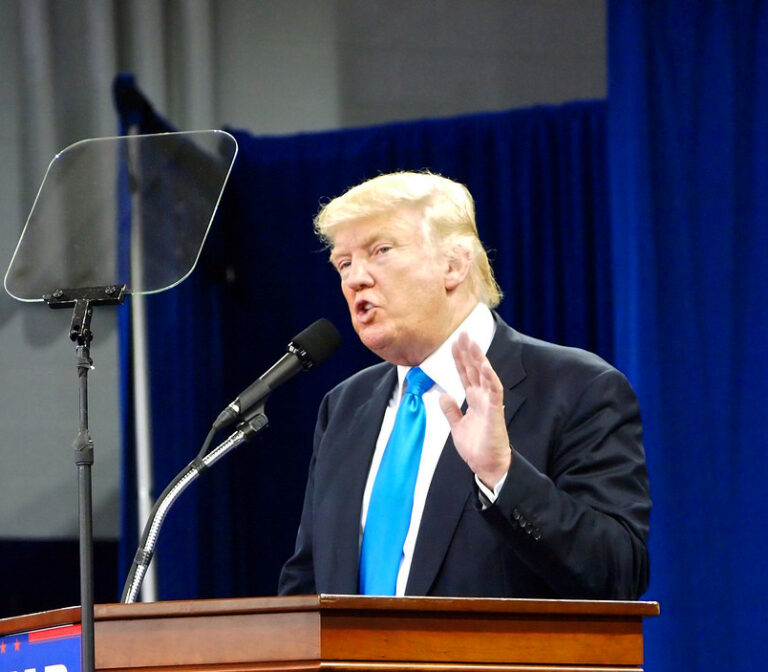
Donald Trump has often mused about a third term in office. However, the Constitution stops that idea from becoming real. The 22nd Amendment bans anyone from being elected president more than twice. Even so, rumors swirl about secret plans. Legal experts now say those rumors hold no weight.

What Is the 22nd Amendment?

The 22nd Amendment went into effect in 1951. It says a person can only be elected president twice. In simple words, it stops a leader from winning more than two elections. Advocates wrote it after Franklin D. Roosevelt won four terms in office. They wanted to protect democracy and prevent power from lasting too long in one person’s hands.

The Amendment focuses on elections, not service. Yet its spirit clearly bars a president from a third run. Lawmakers who study the amendment agree its intent was to end multi-term presidencies forever.

Steve Bannon’s “Plan”

Recently, Steve Bannon, Trump’s former chief strategist, claimed there is a “plan” to keep Donald Trump in power after two terms. He did not share details, but his remark sparked wild theories. Some believe the plan will rewrite or ignore the 22nd Amendment. Others think it involves secret court filings or Constitutional changes.

However, legal professionals find these ideas unrealistic. They point out that changing the Constitution requires approval by two-thirds of both houses of Congress and ratification by three-quarters of the states. In contrast, winning an election needs just a simple majority of voters. It seems far easier to follow current law than to rewrite it.

The Third Term Theory Explained

One popular theory suggests that Trump could run as vice president. After winning, the president on the ticket would resign. Then Trump, as vice president, would become president a third time. Proponents argue the wording of the 22nd Amendment only bars someone from being “elected” more than twice. They claim Trump would not be elected but would step up through succession.

However, such a twist ignores the amendment’s purpose. Legal experts say that despite the text, the amendment clearly aims to prevent a third term. Consequently, using the vice president trick clashes with both the letter and spirit of the law. Courts would likely strike it down before Trump could assume office again.

Legal Experts Weigh In

On a recent news show, legal analyst Ankush Khardori called the third term theory “a ridiculous argument.” He said the idea carried “many layers of nonsense.” Khardori added that Trump’s unpopularity would make it hard even to secure a spot on the ballot in 2028. Moreover, he stressed that no court would uphold such a scheme.

Other attorneys agree. They point out that every step of the vice president idea would face legal challenges. First, voters must nominate Trump as vice president. Next, the president-elect must resign. Finally, Trump would claim the top office. Any court would see this as a direct attempt to dodge the 22nd Amendment. Therefore, judges would block it immediately.

Trump’s Own Comments

Despite constitutional limits, Trump has joked about staying in the White House for more than eight years. At a 2020 rally, he said he was “probably entitled to another four years.” He repeated that claim at a Nevada event this year. Such remarks keep the third term discussion alive.

In fact, Trump’s followers sometimes cheer these ideas. They believe he could reshape the rules or convince courts to side with him. Yet no serious plan for a third term has surfaced. Trump himself has not outlined the route. He talks about it more as a boast than a roadmap.

Why the Third Term Plan Fails

First, the 22nd Amendment stands in the way. Its authors meant to stop presidents from serving three or more terms. Second, any change to that amendment would need overwhelming support from Congress and the states. Third, the vice president trick defies basic legal principles. Transitioning power through succession cannot undo term limits.

In addition, public opinion matters. Surveys show most Americans oppose presidents serving more than two terms. Even among Trump backers, support for a third term is weak. Courts often consider public sentiment when interpreting the Constitution. Widespread disfavor would make judges less likely to allow a third term.

Meanwhile, political rivals would challenge every move. They could file lawsuits at each stage. The legal battle would stretch out for months, if not years. By then, the next election cycle might pass, ending any momentum for a third term.

What Comes Next?

For now, talk of a third term remains that—talk. Trump focuses on 2024, aiming to return for his second term. After that, the Constitution again blocks him. Unless the law changes, no third term is possible.

Nevertheless, speculation will continue. Commentators will debate theories, and Trump may joke on the campaign trail. Yet legal experts will keep reminding everyone: the rules are clear. A third term plan has no real path forward.

As the next election approaches, watch for renewed discussion. Candidates might mention term limits or propose reforms. In the end, voters will decide if the 22nd Amendment still reflects their wishes. Until then, the idea of a third term remains a legal dead end.

Frequently Asked Questions

How does the 22nd Amendment limit presidential terms?

The 22nd Amendment prevents anyone from being elected president more than twice. It aims to stop multi-term presidencies and ensure peaceful power changes.

Could Congress change the 22nd Amendment?

Yes, but it needs a two-thirds vote in both houses of Congress and ratification by three-quarters of the states. This process is very difficult and rare.

Why do some people think Trump could become vice president to serve a third term?

They argue the amendment bars only being “elected” president thrice. They believe Trump could run as vice president, then take over. Legal experts reject this theory as both illogical and unconstitutional.

What happens if someone tries the vice president trick?

Courts would likely prevent it. Legal challenges would argue the amendment’s spirit forbids any way to serve a third term. Judges would block the plan before it could succeed.

White House Ballroom Sparks Fierce Backlash

0


Key Takeaways:


  • A Wall Street Journal conservative board member slammed President Trump’s plan to demolish the East Wing.
  • The president aims to build a massive ballroom where historic rooms once stood.
  • Critics call the project an “astonishing fiasco” and warn it erases history.
  • Many Republicans stayed silent as a key symbol of national heritage fell into rubble.

The White House Ballroom Under Fire

A member of the Wall Street Journal’s conservative board criticized the president’s move to tear down the East Wing. She called the White House ballroom project an “astonishing fiasco.” Without any public notice or formal approval, rooms that housed First Ladies and hosted military families now lie in pieces. The op-ed argues this act broke a promise to preserve American history.

Collin Levy, who joined the board in 2007, pointed out that conservatives rarely objected. In her view, the collapse of these rooms is more than a simple renovation. It is the destruction of a symbol of power and national identity. As she wrote, “A piece of American history lies in rubble.” In fact, she said no one tried to stop the president, and that silence is troubling.

While the president envisioned a grand ballroom for state events, the loss of the East Wing raises questions. Why replace a historic site with a new hall? Do modern needs outweigh the importance of heritage? These questions now echo in news reports and social media threads across the country.

Why the White House Ballroom Demolition Alarms Experts

Many historic preservationists warned that once you destroy old buildings, you lose a part of your national story. They argued the East Wing is more than walls; it is where First Ladies launched literacy drives and comforted military families. Some suggestions that the East Wing was “just for First Ladies” ignore decades of public service.

Moreover, critics say this project was rushed. No public hearings took place. No preservation board signed off on the design. As a result, experts now fear the new construction will lack the character and history of the old rooms. They worry future generations will never see the places where past leaders made key decisions.

Additionally, opponents see this as a test of our democracy. Levy pointed out that democratic rule depends on checks and balances. Yet when one branch of government acts alone, the nation risks losing its core values. Therefore, preserving history becomes a way to protect democracy itself.

Republican Silence Draws Criticism

Since news of the demolition spread, most Republican lawmakers stayed quiet. Many refrained from any public comment. Some even defended the move by saying modern functions need modern spaces. For example, a few argued state dinners require more room. They claimed the old East Wing was too small or outdated.

However, critics dismissed those arguments as weak. They say functionality does not trump heritage. Furthermore, they note state dinners were never held in the East Wing. Those events usually take place in the State Dining Room. This mismatch highlights how little some defenders know about White House layouts.

Meanwhile, many Republican donors and allies have not voiced concerns either. This absence of pushback puzzles historians and political watchers alike. After all, conservatives once led efforts to save the White House from similar changes. Today, those efforts seem forgotten.

Why Historic Preservation Matters

History lives in buildings, monuments, and documents. Each stone and room tells a story. When we erase these objects, we risk twisting our national memory. Future generations may never understand how past leaders lived and worked.

Furthermore, historic sites bring people together. They inspire pride, spark curiosity, and teach lessons. School groups visit the White House to see where presidents and First Ladies walked. Veterans tour the East Wing to recall military family events. Losing these halls means losing shared experiences.

Moreover, preserving old spaces does not block progress. Architects can blend modern needs with historic charm. Adaptive reuse projects around the world prove this point. By carefully updating rooms, we keep history alive and meet today’s demands.

What Comes Next for the White House Ballroom

Looking ahead, many states and local groups may step up. They could file suits or launch campaigns to halt further demolition. Some lawmakers might introduce bills to strengthen preservation rules. A public outcry could force the administration to rethink plans.

In fact, some former staffers and volunteers have already voiced their concerns. They hope to form a coalition that will lobby Congress. Their goal is clear: ensure no leader can erase key parts of the White House ever again.

Nevertheless, the future of the new ballroom remains uncertain. Will it rise as planned? Or will preservationists win a temporary halt? Only time will tell if this project becomes a symbol of progress or a cautionary tale.

Frequently Asked Questions

What exactly is being torn down at the White House?

The president ordered the demolition of the East Wing, a section of the White House long used for office space and public receptions. Now he plans to build a large ballroom in its place.

Why do critics call it an “astonishing fiasco”?

Critics see the project as reckless. They argue it destroys historic rooms without public notice or approval. They also fear the loss of national heritage and democratic oversight.

How did Republicans react to the demolition?

Most Republican lawmakers and donors stayed silent. A few defended the need for a new event space. Yet many did not address the concerns of preservation experts or historians.

Can historic buildings be updated without demolition?

Yes. Adaptive reuse projects allow old buildings to serve modern needs. Architects blend new functions with original features to retain history while adding value.

Why the Texas Hispanic Vote Threatens Trump’s Plan

0

Key Takeaways

  • Republicans counted on the Texas Hispanic vote to save their House majority.
  • New poll shows only 25% of Texas Hispanic adults now favor Trump.
  • A collapse of the Hispanic vote could bust GOP gerrymander plans.
  • Democrats may win 20–40 seats if Hispanic turnout stays low.
  • Trump’s tough immigration moves are pushing Hispanic voters away.

How the Hispanic vote Shapes Congressional Maps

Gerrymandering Texas districts aimed to boost Republican seats. Yet this plan depends on strong Hispanic support for Trump. In 2024, Trump won 55% of the Hispanic vote in Texas. That was a big jump from 2020. Republicans believed this trend would hold. They redrew lines with that boost in mind.

However, new data shows a sharp drop in Hispanic favorability for Trump. As a result, the very base Republicans counted on now seems to be slipping away. This shift creates a major problem for the GOP’s redistricting game plan.

Trump’s Immigration Moves and Hispanic Reaction

From day one, Trump used tough immigration policies. He sent ICE on raids and vowed to deport more people. Trump said he would target only criminals. Yet many Hispanics feel the definition of “criminal” is too broad. They worry anyone with brown skin could be at risk.

Consequently, many Hispanic voters say they no longer trust Trump. They see his policies as hostile and unfair. For them, immigration stops were not just political talk. They became daily fears. When people feel scared, they often change their votes.

Poll Shift: Hispanic Vote Dips in Texas

A new poll shows just 25% of Texas Hispanic adults hold a favorable view of Trump. That is down from 44% in January. Among Hispanic Republicans, support fell from 83% before Trump took office to 65% today.

This drop of 18 points among party loyalists signals deep frustration. It means even Republican Hispanics no longer back Trump as strongly. If they switch sides or stay home, GOP districts may shrink.

As a result, the redrawn maps may not protect enough seats. Instead of locking in a majority, Republicans could lose key districts.

What It Means for the 2026 Elections

If Hispanic voters keep fleeing, the GOP may struggle in 2026. Democrats could pick up 20 to 40 House seats in Texas alone. In that case, no amount of gerrymandering will save the Republican majority.

Therefore, every district mapped to favor Republicans looks less safe. Trump’s plan to win back the House depends on those lines holding firm. Now, they stand on shaky ground.

Moreover, low turnout among Hispanic voters could magnify this effect. If fewer Hispanics vote Republican, Democratic margins will rise. Even tight districts could flip.

How Democrats Could Benefit

Democrats see a pathway to power in this shift. They plan to focus on Hispanic communities. By addressing immigration fears and economic hopes, they aim to boost turnout.

In addition, Democrats may target swing districts with high Hispanic populations. They can use local outreach, Spanish-language ads, and community events. This strategy could drive new voters to the polls.

Consequently, districts once labeled safe for Republicans may become battlegrounds. If Hispanic voters stay motivated, Democrats could secure a solid House majority.

Can Republicans Recover the Hispanic Vote?

Republicans face a tough task. They must balance immigration enforcement with outreach. They need to show real support for Hispanic issues like jobs, education, and health care.

However, repairing trust may take years. Immigration raids and tough rhetoric left scars. Even if Trump softens his tone, memories of past actions could linger.

Still, local GOP leaders might offer more moderate messages. They could invite Hispanic voices into policy talks. If successful, they may slow or reverse the current slide.

Yet time is short. With 2026 on the horizon, Republicans have little margin for error. A revived Hispanic vote could save key districts. Without it, the gerrymander gamble may backfire.

Looking Ahead

As 2026 draws closer, all eyes will be on Texas. The state’s Hispanic vote will likely decide control of the House. If this key bloc stays away from Trump, Republicans risk losing their grip on power.

On the other hand, if Trump rebuilds support among Hispanics, the maps may still tilt in his favor. It all depends on how voters feel in the coming months.

Transition words like however, as a result, and moreover help us see the cause and effect. In this case, they show how the Hispanic vote shifts could make or break Trump’s congressional plans.

By watching polls and community sentiment, both parties will adjust their strategies. Yet for now, one fact stands clear: the Texas Hispanic vote holds the key to 2026.

Frequently Asked Questions

What is the significance of the Texas Hispanic vote?

The Texas Hispanic vote is vital because it can tip close districts. With strong support, Republicans hoped to secure a House majority. A drop in that support now threatens their plans.

Why is Trump’s support among Hispanics falling?

Many Hispanics feel targeted by Trump’s immigration policies. ICE raids and tough rhetoric have eroded trust. This has led to a sharp decline in favorable views.

How could this shift affect the 2026 midterms?

If Hispanic turnout for Trump stays low, Democrats could pick up 20–40 seats. That swing could give Democrats control of the House.

What can Republicans do to win back Hispanic voters?

They could focus on issues like jobs, schools, and health care. Moderating their immigration stance and engaging Hispanic leaders might help rebuild trust.

Why SNAP Funding Is Trump’s Political Pawn

0

Key Takeaways

• Michael Cohen says refusing SNAP funding is using hunger as a weapon.
• President Trump tapped reserve funds for the military but won’t touch SNAP.
• The government faces a $4 billion shortfall for food aid.
• Thousands of families risk going hungry amid a political standoff.
• Cohen urges leaders to choose compassion over “cruelty as leverage.”

In a recent essay, Michael Cohen, once a lawyer for President Trump, slammed the move to block more SNAP funding during the shutdown. He argues that lawmakers are treating hungry Americans like pieces on a chessboard. Meanwhile, troops keep getting paid with reserve money. But families, seniors, and children could lose access to meals.

Why SNAP Funding Matters

SNAP funding, short for the Supplemental Nutrition Assistance Program, helps millions afford groceries. It stands as the nation’s main tool against hunger. Without it, families struggle to eat healthy meals. Furthermore, seniors and people with disabilities often rely on SNAP to cover hunger gaps. In fact, the program reaches one in eight Americans.

SNAP funding also affects local economies. Stores and farmers depend on the spending power SNAP brings. When benefits flow, communities thrive. Yet, a $4 billion hole now threatens this lifeline.

The Political Chess Game Over SNAP Funding

Right now, Congress debates a funding bill to reopen parts of the government. President Trump demands money for a border wall. In return, he won’t boost SNAP funding. This tactic creates a standoff where basic needs hang in the balance.

Cohen points out the irony. The president found money for military salaries, but not for feeding kids. He calls this “cruelty as leverage.” In his own words, “Politicians are gambling with people’s ability to eat.” He adds that hunger isn’t a theory. It’s pain, shame, and violence within the body and mind.

Real Lives at Stake

Imagine a single mom buying cereal instead of fresh fruit. Or a senior skipping dinner to make prescription costs. These stories aren’t rare. They’re everyday struggles of SNAP recipients. Without SNAP funding, more families face food insecurity.

Cohen recalls going three days without food in jail. He felt humiliation and fear. He warns that hunger changes people forever. Moreover, kids suffer too. Hungry children can’t focus in class. They get sick more often and lag behind their peers.

This isn’t about numbers in a budget. It’s about human lives. Each missed meal can lead to long-term health problems. Experts say that early-life hunger affects brain development. It also raises the risk of chronic disease later on.

The Moral Choice Behind SNAP Funding

Cohen argues that refusing SNAP money reveals deep values, or the lack of them. He notes that the U.S. once prided itself on feeding the world. Now it can’t guarantee meals for its own children.

Politicians talk about fiscal discipline and debt ceilings. Yet they ignore the real price of hunger. For those facing SNAP cuts, the stakes are survival and dignity. Cohen urges leaders to admit that this debate is about values, not just numbers.

Steps Congress Could Take

First, lawmakers can pass a short-term bill that includes full SNAP funding. This move would instantly restore benefits for millions. Second, they could negotiate long-term reforms without cutting aid. Third, both parties might tie SNAP to broader food security plans, like supporting local farms.

Also, states can tap emergency funds or reallocate resources to fill gaps. Some community groups offer additional food assistance. But none of these solutions match the reach of the full SNAP program.

What Happens Next

As the shutdown drags on, SNAP funding remains in limbo. Families watch the calendar, unsure when they’ll see their next benefits. Food banks report rising demand. School lunch programs brace for more hungry students. Meanwhile, the political standoff grows colder.

Public pressure could push leaders to act. Protests, petitions, and media coverage shine a light on this crisis. Yet, unless the president or Congress shifts, SNAP funding will stay hostage to other priorities.

Ultimately, the decision rests with elected officials. Will they choose to feed the nation first? Or will they keep hunger as a bargaining chip? The answer will reveal much about our country’s true character.

FAQs

Why is SNAP funding short right now?

A government shutdown paused regular funding streams. The program needs an extra $4 billion to continue full operations.

How many people rely on SNAP?

Roughly 42 million Americans use SNAP each month, including children, seniors, and people with disabilities.

Can states fill the SNAP funding gap on their own?

States have limited flexibility. They can use emergency reserves or adjust budgets, but these steps won’t fully replace federal aid.

What impact does SNAP have on local economies?

Every dollar spent on SNAP generates about $1.50 in economic activity. It supports grocery stores, farms, and local workers.

Why Antifa Became a Terrorist Label

0

Key Takeaways

  • I felt like part of Antifa at age five while watching a movie.
  • Words protect us from fascism and help us fight back.
  • Our government is erasing words like “women” and “race” from public projects.
  • Calling Antifa a terrorist group attacks our right to speak out.

The Rise of Antifa in My Life

I first joined Antifa at five years old. I sat on the floor of my aunt’s living room. We watched The Sound of Music again and again. I didn’t know what fascism really was. Yet the Nazi salute scared me. I saw Captain von Trapp tear down that flag. I felt his fear and his hope. From that moment, I knew I stood against fascism.

My Early Antifa Lessons

In fifth grade, my teacher gave us The Diary of Anne Frank. I read about a girl just like me. She hid from the same fascists I feared. She never saw freedom again. That book showed me what happens when we stay silent. After reading it, I felt true Antifa in my heart. I promised, “Never again.”

Why Words Matter in Resistance

Words are our first line of defense. They let us share what we see and feel. When we speak honestly, we stand up to lies. However, when words disappear, our power fades. If we cannot call out injustice, we can’t fight it. Therefore, we must protect our language.

Government’s Word Scrubbing

Lately, our federal government removed words from websites. They deleted “women,” “diversity,” “climate,” and “science.” Reports on public projects now risk funding cuts if they use these words. Schools and labs lose grants. Children’s food programs face cuts. Even clean water research gets blocked. This word scrubbing hides truth. It weakens our ability to fight back.

Executive Order Declaring Antifa a Terrorist Ideology

Recently, the president signed an order. He called Antifa a terrorist organization. Yet Antifa is not one group. It is an idea: fascism is wrong. Saying we oppose fascism became an act of terror. Think about that. Declaring your beliefs illegal makes every protest dangerous. It even makes speaking a kind of crime.

Simple Acts of Defiance

Captain von Trapp felt danger too. He risked his life to rip down a flag. His act was simple yet brave. We can do the same with words. Every time we say “I stand with women” or “I value science,” we resist tyranny. Every sign we hold up at a march counts. Every post we share online matters. These small acts keep our spirit alive.

How You Can Be Antifa Today

First, learn the real meaning of Antifa. It means anti-fascism. It means opposing hate and violence. Next, use your words clearly. Tell your friends what you see in the news. Ask questions in class. Write letters to your leaders. Finally, join groups that care about human rights. Your voice can inspire real change.

Why “Never Again” Starts with You

“Never again” began after the Holocaust. It reminds us that we must act. Waiting for someone else to save us will not work. Each of us can push back against unfair laws. Each voice can remind people of history. Each post can spread truth. When enough of us speak, we build real power.

Facing Fear with Clear Speech

Words carry both fear and hope. When we remain silent, fear grows. When we speak up, hope grows. That hope drives us to act. It gave Anne Frank courage to keep a diary. It led Captain von Trapp to risk his life. It makes everyday people into heroes.

Keeping Democracy Alive

Democracy lives on discussion and debate. It needs our honest words. When authorities scrub terms from reports, they cut off debate. They try to make us blind. They push us toward a darker path. By speaking freely, we keep democracy bright. We force leaders to hear us.

Building a Functional, Representative Democracy

My work at Democracy Rising shows me this every day. A healthy democracy needs all of us. It must reflect our voices, our hopes, and our fears. That starts with clear language. That grows into real policy. That ends with justice for all. We all win when we speak up.

Standing Together Against Fascism

You don’t have to be in a riot to fight fascism. Your quiet words can matter just as much. Tell your classmate you believe in equality. Tell your parent you value science. Tell your neighbor you’ll vote for human rights. These small acts build a big wave.

Why We Must Refuse to Be Silenced

If we let bad actors ban words, they win. If we let them label an idea as a crime, they win. If we let fear stop our voices, they win. We must refuse their rules. We must speak loud, even when they threaten us. We must be Antifa in thought and in word.

Action Steps You Can Take Now

  • Keep a journal of what you see and feel.
  • Share your writing with friends or online.
  • Support groups that protect free speech.
  • Attend local meetings or protests peacefully.

Frequently Asked Questions

What does Antifa really mean?

Antifa stands for anti-fascism. It describes people who oppose fascism’s hate and violence. It is not a single group with leaders. It is a shared belief.

Why are words so powerful against fascism?

Words shape how we think. They bring ideas into the open. When we use clear words, we reveal wrongs. That lets us challenge injustice.

How did the government ban words in public projects?

Officials removed lists of terms from federal websites and reports. Projects using those terms risk losing funding. This tactic hides key facts and blocks research.

What can I do if my school or community censors words?

Speak up. Talk to teachers and leaders. Write letters or petitions. Join student groups that defend free speech. Your action can push back censorship.

Trump Moves to Ban Mail-In Voting for Midterms

0


Key Takeaways:

  • Former President Trump calls for a ban on mail-in voting and early voting.
  • He alleges the 2020 election was “rigged,” though he lacks legal authority.
  • He singles out California’s redistricting vote and sends DOJ monitors.
  • Critics warn this may intimidate voters and undermine democracy.

Trump’s Plan to Ban Mail-In Voting

Former President Donald Trump announced on his social media platform that he wants to outlaw mail-in voting and early voting for the midterm elections. He repeated false claims that the 2020 election was “rigged.” Despite this, he has no power to stop mail-in voting under current law. His post urged Republicans to push for a strict ban on mail-in voting and insist on voter ID at polling places.

Why Trump Wants to Block Mail-In Voting

Trump argues mail-in voting can lead to fraud. He wrote that the 2020 election was “the biggest scandal in American history” because of mail-in ballots. He also warned that if mail-in voting stays, “it will happen again” in future elections. He believes voter ID rules will fix the problem. However, there is no proof that mail-in voting caused widespread fraud in 2020.

No Legal Authority to Ban Voting Methods

In the United States, states control voting rules. The President cannot change them alone. Courts have repeatedly rejected efforts to limit mail-in voting at the national level. Even when Trump tried in August to end mail-in ballots, he failed. Now, his post also targets early in-person voting. But governors and state legislatures set those dates, not the White House.

Spotlight on California’s Ballot Measure

Trump singled out California’s upcoming measure to redraw its congressional districts. That effort aims to curb gerrymandering after Texas redrew lines that favored Republicans. He claimed “millions of ballots” would be mass-mailed for this vote. In reality, California sends ballots to all registered voters by default. The measure itself has nothing to do with midterm ballots for Congress.

Justice Department Monitors and Voter Intimidation

In response to California’s measure, Trump said he deployed Justice Department officials to watch polling places. He argued this would protect election integrity. Critics warn that sending federal agents to state elections can frighten voters. They say it resembles intimidation more than protection. Voters might skip the polls if they feel watched or threatened.

What the Mail-In Voting Ban Could Mean

If somehow passed, a ban on mail-in voting would force more people to vote in person. This change could hurt those with health issues or busy schedules. Older voters and parents often rely on mail-in ballots. In rural areas, people travel long distances to reach polling sites. As a result, fewer voters might turn out, which can skew results.

Critics and Legal Challenges

Many Democratic leaders and voting rights groups have condemned Trump’s plan. They stress that mail-in voting helped millions vote safely during the pandemic. They also point out that fraud is extremely rare. As a result, they plan to take legal action if any state tries to ban mail-in ballots. Courts will likely block such bans quickly.

How State Laws Protect Mail-In Voting

States have different rules for mail-in voting. Some let anyone request a ballot by mail. Others require a valid excuse, such as illness or travel. During the 2020 election, most states expanded mail-in voting to curb COVID-19 risks. Many states have since kept these expansions in place. Changing those laws now would require state legislatures or voter referendums.

The Role of Voter ID

Trump’s post also demanded voter ID for everyone. Some states already require photo ID at polling stations. Others accept non-photo forms of identification, like utility bills. Still others do not require any ID to vote in person. Debates over voter ID focus on balancing security with accessibility. Experts note strict ID rules can block eligible voters.

What Happens Next?

At this point, Trump’s call remains a public statement without force of law. States will likely ignore his demands unless legislators take up the issue. Any attempt to change mail-in voting laws will face lawsuits. Federal courts have consistently upheld mail-in voting as a lawful option. In addition, public opinion polls show most Americans support having mail-in ballots.

Despite this, the debate highlights deep distrust in election processes. Transitioning to better safeguards could build confidence. Election officials suggest more secure ballot tracking and faster results. They also recommend clear guidance on early voting and mail ballots. Such steps might address some of the concerns raised by Trump and other critics.

Ensuring Fair and Safe Elections

Election experts emphasize transparency in every step. They call for audits, paper trails, and open data. They urge voters to check their registration and watch for deadlines. They also recommend voting early or by mail when allowed. By doing so, voters can avoid long lines and potential problems at polling sites.

Moreover, community groups offer to help with voter education. They teach people how to fill out ballots correctly. They also provide transportation to polling stations. In addition, many local boards hold public forums to discuss election security. These efforts aim to keep trust high and turnout strong.

Maintaining Democracy

Voting is a fundamental right in a democracy. Restricting voting methods can weaken that right. Any serious challenge to mail-in voting must follow legal paths. Citizens can petition their state governments or bring referendums. They can also contact elected representatives to express support for voting options.

At the same time, raising concerns about election security is valid. However, solutions should be based on facts. Evidence shows mail-in voting is safe when managed properly. States that process mail ballots with care report few issues. Therefore, officials focus on training, funding, and clear rules.

In the end, the midterm elections will test America’s faith in its system. Voter turnout, election administration, and public trust will shape results. Whether mail-in voting survives this debate depends on lawmakers, courts, and citizen voices. Meanwhile, voters can prepare by understanding their options and following official guidelines.

Frequently Asked Questions

How does mail-in voting work?

Ballots arrive by mail to registered voters. Voters fill them out and mail them back or drop them off at secure locations. Election officials then count them with other ballots.

Can the President ban mail-in voting?

No. State laws control voting methods. The President can influence public opinion but cannot change state voting rules by decree.

What protections exist against mail-in voting fraud?

States use signature checks, barcodes, and secure ballot envelopes. They also allow voters to track ballots online. Any suspicious activity gets reviewed before counting.

Why is California’s ballot measure in the news?

California plans a redistricting vote to redraw its congressional districts. Trump claimed it would involve “millions of ballots,” but the measure itself applies to map drawing, not midterm ballots.

McCormick Retracts Government Shutdown Comment

0

Key Takeaways

  • Sen. Dave McCormick apologized for calling Democrats “terrorists.”
  • He said he meant the term “hostage takers” instead.
  • His remark surfaced amid a 26-day government shutdown.
  • The shutdown blocks funding for health care subsidies.
  • McCormick hopes to restart talks and reopen the government.

Sen. Dave McCormick retracted a strong remark about the ongoing government shutdown. He told CNN’s Manu Raju he misspoke when he compared Democratic lawmakers to terrorists. Instead, he said he meant to call them “hostage takers.”

Why Government Shutdown Talks Stalled

The government shutdown now marks its 26th day. Republicans and Democrats have clashed over health care funding. The dispute centers on subsidies that help low-income Americans pay for insurance. Democrats want to protect and extend those benefits. Many Republicans oppose long-term spending increases. As a result, essential services face a funding gap.

In his Capitol interview, Raju asked McCormick why Republicans would not work with Democrats to end the government shutdown. McCormick answered bluntly. He said you cannot negotiate with someone who holds the nation hostage. He then used the word terrorist.

McCormick’s Original Remark

McCormick said, “You can’t negotiate with a terrorist.” He meant Democrats blocked any deal until they got what they wanted. He argued that shutting down the government to push a policy demand was extreme. He noted that Republicans, including President Trump and Senate leadership, support real talks. Yet, he felt Democrats refused to budge.

Raju pressed him. He asked if McCormick truly believed Democrats acted like terrorists. McCormick paused. Then he shifted his language. “I think they’re irresponsibly imposing pain on the American people,” he said. He added they held vital services hostage for a political win.

The Walkback Moment

After the interview aired, McCormick clarified his words. He told Raju he did not intend to equate Democrats with terrorists. Instead, he said they were hostage takers in a political standoff. He called that term more accurate and less inflammatory.

By walking back his statement, McCormick aimed to calm the controversy. He stressed his desire to reopen the government. Moreover, he wants to protect the health care safety net for those in need. He said strong language should not stop common-sense talks.

What This Means for Negotiations

Now, both parties face pressure to end the government shutdown. Essential services have paused or slowed. Federal workers have missed paychecks. Food safety inspections and national parks remain closed. Many Americans feel direct effects.

Meanwhile, lawmakers on both sides seek public support. Democrats highlight the harm to low-income families. They argue Republicans threaten needed health care subsidies. On the other side, some Republicans accuse Democrats of using shutdown as a bargaining chip. Neither side wants to take sole blame for the impasse.

McCormick’s change in language may ease tensions. It shows he aims to negotiate rather than inflame. Yet, real progress requires compromise on funding levels. Leaders from both parties must set aside rhetoric. They must focus on solutions that reopen government services.

Looking Ahead

The key to ending the government shutdown lies in small, targeted agreements. Lawmakers could first restore health care funding. Next, they might add measures on border security. A step-by-step approach could break the deadlock.

Sen. McCormick said he’s ready to join such talks. He emphasized respect and civility. He believes that lawmakers can meet halfway on tough issues. If both sides stick to direct, honest conversations, they might save billions in economic losses.

As the shutdown stretches on, every day adds financial stress to households. Government workers face uncertainty. Businesses that depend on federal permits wait for approvals. Farmers worry about missing subsidy payments. Scientists cannot begin new projects.

In short, the longer the shutdown lasts, the wider its ripple effects. That makes real negotiation more urgent than ever. McCormick’s retraction signals a willingness to move beyond blame. It remains to be seen if Democrats will respond in kind.

FAQs

How long has the government shutdown lasted?

The shutdown has now lasted 26 days, making it one of the longest in U.S. history.

What sparked the McCormick controversy?

Sen. McCormick compared Democrats to terrorists during a CNN interview, then retracted the remark.

Why are Democrats and Republicans at odds?

They disagree over funding for government health care subsidies and other budget priorities.

What does McCormick suggest now?

He wants respectful talks and small, targeted funding deals to end the shutdown.

Will Trump Officials Quit Before the 2026 Midterm Elections?

0

Key Takeaways


  • Democrats could win control in the 2026 midterm elections.
  • Top Trump officials might resign to avoid Democratic subpoenas.
  • Historical trends show presidents often lose seats in midterm elections.
  • Subpoena power could shape investigations after the midterm elections

Trump Officials Might Resign Before the Midterm Elections

As the 2026 midterm elections approach, many wonder what will happen to top Trump aides. Political analyst Jason Easley predicts that some may step down. He says they will try to avoid being hit with subpoenas by a Democrat-led Congress.

What Are Midterm Elections?

Midterm elections happen in the middle of a president’s four-year term. They decide who runs the House and the Senate. Voters pick members of Congress, but not the president. Because they occur between presidential races, they can shift control of Congress.

Historical Trends in Midterm Elections

Since 1938, the party in the White House lost seats in 20 out of 22 midterm elections. Moreover, a president’s popularity affects how badly their party does. With low approval, the president’s party often faces big losses. Therefore, analysts expect Democrats to win seats in 2026.

Why Officials Might Resign Before Midterm Elections

Jason Easley warns that if Democrats win, they will use subpoenas to pressure former officials. Pam Bondi and Kash Patel are two who might resign early. They could step down so they cannot be forced to testify. In addition, they may want to avoid legal fights that come with subpoenas.

How Subpoena Power Works After Midterm Elections

If Democrats win control of the House, they gain subpoena power. Subpoenas force people to appear and hand over documents. Rep. Jamie Raskin, a top Democrat on the House Judiciary Committee, said they will hold the Justice Department “to account.” Therefore, once the midterm elections hand Democrats control, they can target Trump officials.

Potential Targets of Subpoenas

Several Trump-era officials could face subpoenas if they stay in their jobs. This list might include former attorneys general and key advisors. They may have seen important decisions and carried out controversial orders. Thus, resigning could help them avoid handing over private communications or documents.

What Happens If Key Officials Resign

If top aides quit before the midterm elections, Democrats lose the chance to question them in public hearings. Furthermore, resignations could slow down investigations into the Trump administration. On the other hand, stepping down may help former officials protect private information.

Political Stakes Ahead of the Midterm Elections

Democrats aim to flip the House and the Senate in 2026. They need just a few more seats to gain control of the House. In the Senate, they may have to defend fewer seats since Republicans hold a slim majority. As a result, both parties will campaign hard in key states.

The Role of Voter Turnout in Midterm Elections

Turnout often falls during midterms compared to presidential years. However, energized voters can defy this trend. If Democrats rally their base, they could win back Congress. Conversely, Republicans will try to motivate their supporters to maintain control.

How Approval Ratings Shape Midterm Elections

Presidential approval ratings are a key predictor of midterm outcomes. Currently, former President Trump holds one of the lowest 100-day approval scores in decades. Thus, if this unpopularity continues, his party may suffer more losses. This dynamic raises the stakes as we near the midterm elections.

What Comes Next After the Midterm Elections?

If Democrats win, they will likely launch investigations into the Trump administration. They could open hearings for any officials who stayed on. Subpoenas would force testimony under oath. However, if Republicans hold control, these probes may stall.

How Resignations Could Affect Future Politics

When officials resign to dodge subpoenas, they might face a public backlash. Voters may see it as admission of guilt or fear. Alternatively, they might view it as a smart legal move. Either way, the decision to step down could shape public opinion leading up to the 2028 presidential race.

Preparing for the 2028 Presidential Election

Democrats hope to win the presidency in 2028 after a midterm win. Their plan includes fixing what they call “damage” done by Trump. They believe a unified government will help restore trust in the rule of law. Therefore, the outcome of the 2026 midterm elections may set the stage for 2028.

Key Takeaways Revisited

As we approach the 2026 midterm elections, both parties face crucial choices. Trump officials may resign to avoid Democratic subpoenas. Democrats look to regain power and investigate the previous administration. Historical trends suggest the president’s party will struggle. Thus, the midterm elections could reshape the political landscape for years.

Frequently Asked Questions

What triggers subpoenas after midterm elections?

When one party controls the House, it gains subpoena power. They can compel testimony and documents from officials.

Why do officials resign before Congress can issue subpoenas?

Resigning removes them from federal roles, which limits Congress’s ability to force appearances or documents.

How often does the president’s party lose seats in midterm elections?

The president’s party has lost seats in 20 of the last 22 midterm elections, making losses more likely.

Can a midterm election affect the next presidential race?

Yes. A shift in control can change public opinion and set up momentum for the next presidential campaign.

Mike Johnson Could Be Key to Trump’s Third Term

0


Key Takeaways:

• California Governor Gavin Newsom warns that GOP leader Mike Johnson might open the door to Trump’s 2028 comeback.
• If Democrats retake the U.S. House in 2026, they could limit a second Trump term and start impeachment talks.
• Control of the House gives power over the federal budget and oversight of presidential actions.
• Mike Johnson as Speaker could block these efforts and help secure a third term for Trump.
• Despite the 22nd Amendment, Trump allies are already plotting his return in 2028.

Mike Johnson Could Decide a Trump Third Term

California Governor Gavin Newsom says the fate of a possible third Trump term could rest with one man: Mike Johnson. In a recent CNN interview, Newsom warned that if Republicans choose Johnson as Speaker of the House, they could undercut Democrats’ efforts to check a second Trump presidency.

Newsom argued that even if Trump wins again in 2024, his power could end “de facto” if Democrats win the House in 2026. With that control, the party would hold the purse strings and the authority to launch impeachment proceedings. However, Newsom cautioned that Speaker Mike Johnson could tilt the balance back toward Trump, effectively giving him a path to 2028.

Why Mike Johnson Matters

First, Speaker of the House sets the legislative agenda. Second, the Speaker decides which bills reach the floor. Third, they lead impeachment efforts. If Mike Johnson rises to this role, he could block budget bills that curb Trump’s agenda and resist impeachment investigations. As Newsom put it, a coequal branch of government finally asserting itself might vanish under Johnson’s leadership.

How the House Could Halt Trump’s Agenda

If Democrats control the House after 2026, they could freeze spending on policies Trump enacts. They could also launch investigations into any suspected wrongdoing. Moreover, they hold the power to formally impeach the president. These tools give Congress a strong check on executive power. Yet, if Mike Johnson leads Republicans, he might refuse to call key votes or delay them indefinitely.

A Dark Horse in the Wings

Newsom described Johnson as a “dark horse” who could sabotage Democratic checks. He said that Johnson has not publicly weighed in on Trump’s third-term chatter. However, Johnson has not rebuffed Trump’s talk either. Meanwhile, Trump allies like Steve Bannon openly discuss plans to install Trump in 2028. Their strategy could hinge on having a friendly Speaker in the House.

Trump’s Third-Term Talk Versus the Constitution

The 22nd Amendment clearly bars a third term. Still, Trump keeps bringing it up. Some Republicans have dismissed the idea, but Mike Johnson has stayed silent. Without clear opposition from GOP leadership, talk of a third term remains in play. That raises deep questions about norms, legal limits, and political will.

What This Means for 2028

If a second Trump term faces no budget blocks or impeachment threats, he could preserve power and influence. Then, his loyal base would stay energized. At that point, talk of running in 2028 might seem less like fantasy and more like a plan. In fact, Steve Bannon has said there’s a roadmap to make a third term real. The question is whether U.S. institutions will stand firm.

Can Democrats Stop a Third Term?

Next year’s midterms will matter greatly. Democrats hope to regain the House and push back on Trump. They need to recruit strong candidates, raise money, and energize voters. However, they must also win over moderate voters concerned about economic issues and national unity. Even with a House majority, they face a tough fight if the Speaker resists action.

The Power of the Speaker Role

It might surprise many that one person can shape the entire House agenda. Yet the Speaker wields that power daily. They appoint committee chairs, decide which bills move forward, and set debate rules. If Mike Johnson takes that gavel, he could block investigations into Trump’s actions, delay budget votes, and block Democratic proposals. That could leave Trump free to pursue his goals with little pushback.

What Comes Next?

In the coming months, Republicans will choose their House leader. If they pick someone else, Democrats may feel more confident in 2026. But if they select Johnson, Democrats must prepare for a tougher battle. They will need to build alliances, use public pressure, and leverage every tool at their disposal. Meanwhile, Trump’s team will watch closely and continue planning for 2028.

Staying Informed and Ready

Voters should track key races in districts across the country. They should pay attention to House leadership contests and candidate platforms. They can also help by volunteering, donating, and speaking up. The balance of power in Congress will shape America’s future for years to come.

In the end, one man’s rise to Speaker could change the course of history. Mike Johnson’s decisions could determine whether Congress checks a Trump presidency or paves the way for an unprecedented third term. The stakes have never been higher.

FAQs

Will Trump be able to serve a third term despite the 22nd Amendment?

The Constitution bans a third term. However, some allies say they have plans to challenge or bypass that rule. It remains unclear how they would do so legally.

What power does the Speaker of the House have over the president?

The Speaker controls which bills come to the floor. They set the agenda, lead impeachment efforts, and influence budget decisions. This gives them big sway over the president’s ability to govern.

Why is Mike Johnson seen as a “dark horse”?

Johnson has not publicly taken sides on the third-term chatter. His low profile and loyalty to Trump’s agenda make him unpredictable. That uncertainty worries Democratic leaders.

How can Democrats stop a potential third Trump term?

They aim to win back the House in 2026. Winning control would let them block budgets and launch investigations. They also need strong voter turnout, solid candidates, and clear messaging to succeed.