56.7 F
San Francisco
Friday, April 10, 2026
Home Blog Page 529

Did a Secret Service Leak Spark the Protest?

0

Key Takeaways

  • Rep. Anna Paulina Luna pressed for an inquiry into a possible Secret Service leak.
  • Activist group Code Pink booked seats near President Trump at Joe’s Seafood.
  • Protesters filmed comparisons of Trump to Hitler during the dinner.
  • Luna wants to know how Code Pink gained such close access to the president.

Investigation into Secret Service Leak

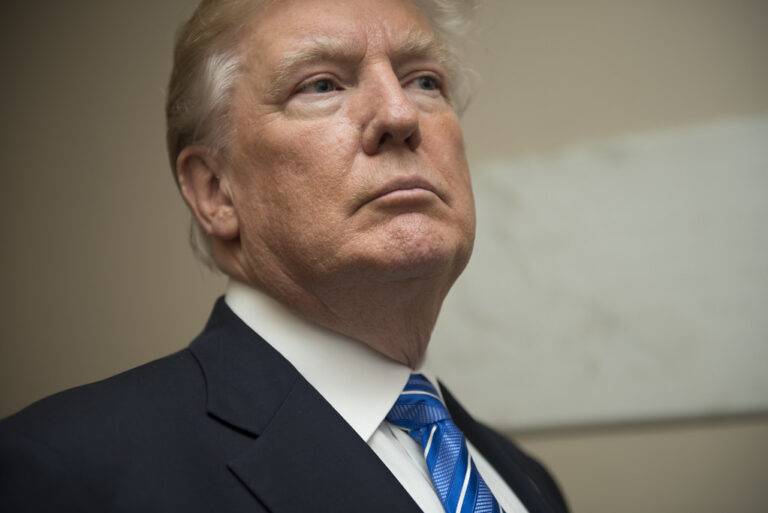
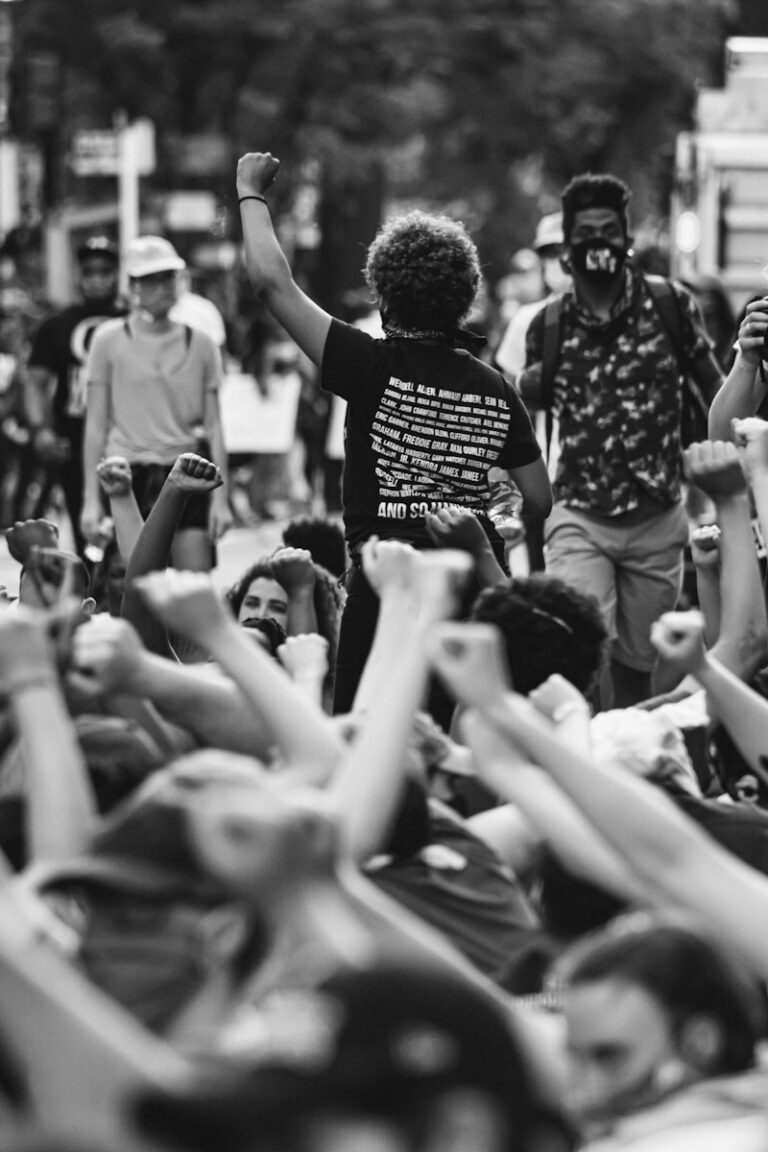
An upset congresswoman is demanding answers after a surprising scene at a Washington restaurant. On Tuesday evening, President Donald Trump went to Joe’s Seafood, Prime Steak & Stone Crab for a meal. He had not tried this restaurant since starting his second term. Yet he was not alone. Members of the activist group Code Pink also had seats nearby. Soon enough, protesters began heckling and filming Trump. This raised big questions about a possible Secret Service leak.

How a Secret Service Leak Raised Questions

Many wondered how Code Pink learned Trump’s dinner plans. After the event, Code Pink shared a video showing their members making harsh comparisons between Trump and a notorious dictator. Then Rep. Anna Paulina Luna, a Republican from Florida, spoke out. She asked whether someone in the Secret Service had leaked the president’s location. In her view, this security lapse allowed protesters to get uncomfortably close. She said the matter “needs to be looked into” immediately.

The Restaurant Encounter

President Trump arrived at Joe’s Seafood just after 6 p.m. He was greeted by staff and took his place in the main dining area. The room fills with soft lighting and polished tables. Trump sat at one table, unaware that a group from Code Pink was seated only a few feet away. Soon, members of Code Pink began to address him directly. They held signs and recorded video on their phones. A staff member gently asked them to stop. But the protesters continued their chants and taunts.

What Code Pink Did

Code Pink is known for its bold activism and anti-war stance. For this dinner, they had reserved a table last minute. “We didn’t think they would be in such an open room,” one organizer said. “We thought he’d be seated elsewhere.” When the protesters realized how close they sat to Trump, they held up images and shouted slogans. Then they recorded a video comparing Trump to Hitler. That clip quickly circulated on social media, fueling political debate.

Congressional Outcry

Soon after the video went public, Rep. Luna took to social media. She questioned how protesters could get so near the president. Her posts to her followers made it clear she suspected internal wrongdoing. “Did someone leak the president’s location to the organization that showed up to protest him? Was this code pink? How are they allowed that close to him?” she asked. Next, she called on the Department of Homeland Security and the Secret Service to explain themselves. In her view, the incident exposed a lapse in presidential security.

Security Protocols Under Scrutiny

Presidential security follows strict rules. The Secret Service usually keeps locations secret until the last minute. Yet in this case, Code Pink seemed to know exactly where Trump would be. This timing struck Rep. Luna as suspicious. She wants to know if an insider shared the news. If true, the leak could put the president’s safety at risk. Moreover, it could set a poor example for future visits and events.

Possible Explanations

Several scenarios could explain the close call. First, Code Pink may have guessed Trump’s plans based on his past habits. They might have noticed public signs of his visit to D.C. Second, it is possible that a friend or staffer leaked the information. Third, restaurant staff or other diners could have tipped off the protesters. Finally, it could simply be a big coincidence that Code Pink booked at Joe’s the same night. Investigators will need to look into all possibilities before drawing conclusions.

Next Steps in the Probe

Rep. Luna’s demand sets the stage for a formal inquiry. The House Homeland Security Committee could launch hearings. Secret Service officials may be asked to testify. Witnesses could include restaurant managers, Secret Service agents, and Code Pink members. They will examine phone records, staff logs, and reservation lists. Ultimately, they aim to find out if anyone within the Secret Service shared the president’s location without permission.

President Trump’s Response

So far, President Trump has not directly commented on the incident. He left the restaurant without incident and returned to the White House. However, close advisers say he was annoyed by the unexpected protest. They believe he sees it as another sign of growing political unrest. Trump’s team may demand tighter security measures. They could also review policies on how public his visits should remain.

Why This Matters

This event matters for several reasons. First, it concerns the safety of a sitting president. A true Secret Service leak could endanger any public appearance. Second, it highlights the tension between protesters and political figures. Code Pink’s actions, though protected by the First Amendment, challenged longtime norms of presidential dining. Third, it raises questions about insider threats. If any government official shared the location improperly, they could face consequences.

How the First Amendment Plays In

The First Amendment protects the right to protest. Code Pink acted within legal boundaries by booking a public table. Yet the law also allows the Secret Service to control access to the president. Balancing free speech with presidential security proves tricky. The upcoming investigation will test how these rules apply in real life. Meanwhile, both sides continue to defend their actions.

Public Reactions

Across social media, people expressed strong opinions. Some praised Code Pink for standing up to the president. They saw the protests as a peaceful expression of dissent. Others criticized the group for disrupting a private dinner. They felt protesters should not target personal activities. Many focused on Rep. Luna’s call for an investigation. They argued that any leak, intentional or not, should be punished.

Looking Ahead

In the weeks to come, officials will sort out the facts. The investigation may clear the Secret Service of blame. Or it could reveal new security gaps. To restore confidence, the White House might tighten travel rules. They could limit the number of public announcements of presidential schedules. If so, future visits to popular restaurants may remain a mystery until the very last moment.

Secrets, protests, and politics often cross paths. This restaurant outing shows how quickly things can turn tense. Yet the real story lies with the final report. Did a Secret Service leak really occur? That answer will shape how the president plans future outings. It will also set a precedent for how activists engage with high-ranking officials.

FAQs

How did Code Pink get a table near President Trump?

Code Pink members say they booked late reservations like anyone else. They did not expect to sit so close to the president. Their plan relied on a public dining room and open seating.

What did Rep. Anna Paulina Luna accuse the Secret Service of doing?

She accused someone in the Secret Service of leaking the president’s location. She argued this leak let protesters get dangerously near Trump.

Could Code Pink get in trouble for the protest?

No. They used legal means to book a table and speak their minds. Their actions fall under free speech rights, as long as they did not break any laws.

What happens if the investigation finds a real leak?

If the probe confirms a leak, officials could face internal discipline or job loss. The Secret Service might change its protocols to prevent future leaks.
Could the Supreme Court Expand Executive Power?

0

Key Takeaways

  • The Supreme Court will hear Trump’s tariff case this November.
  • The case questions who can set tariffs under the Constitution.
  • A ruling for Trump might shift tariff control to the president.
  • Experts warn it could give the president unchecked executive power.
  • The decision could let future presidents impose new taxes.

What is at stake for executive power?

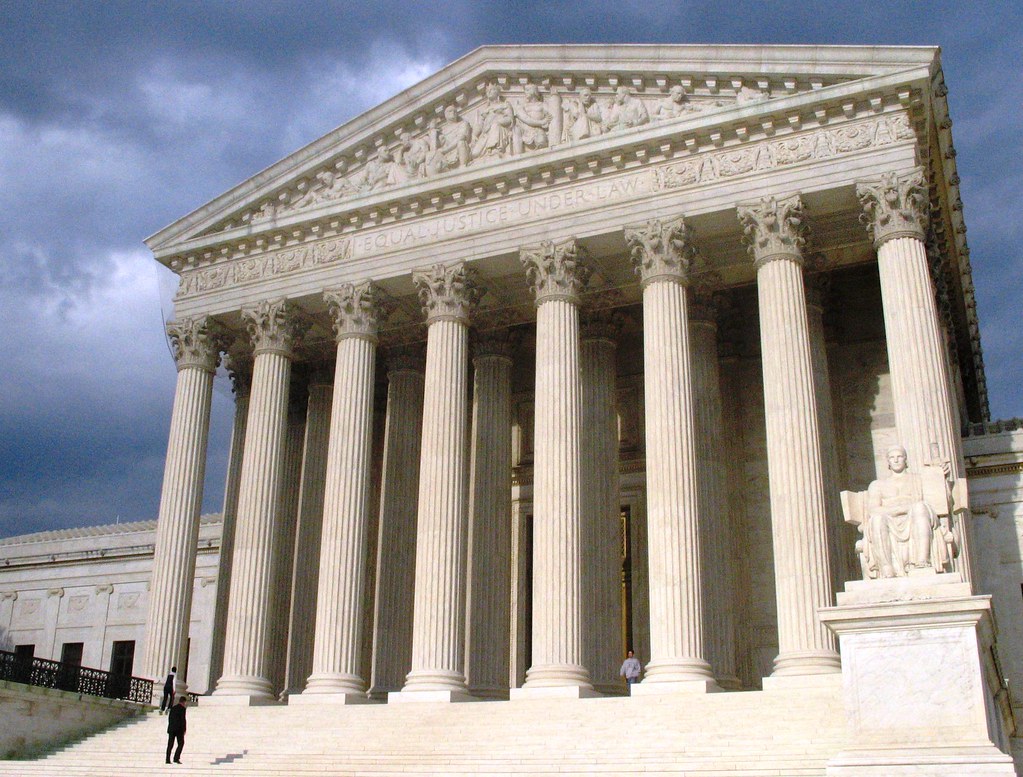
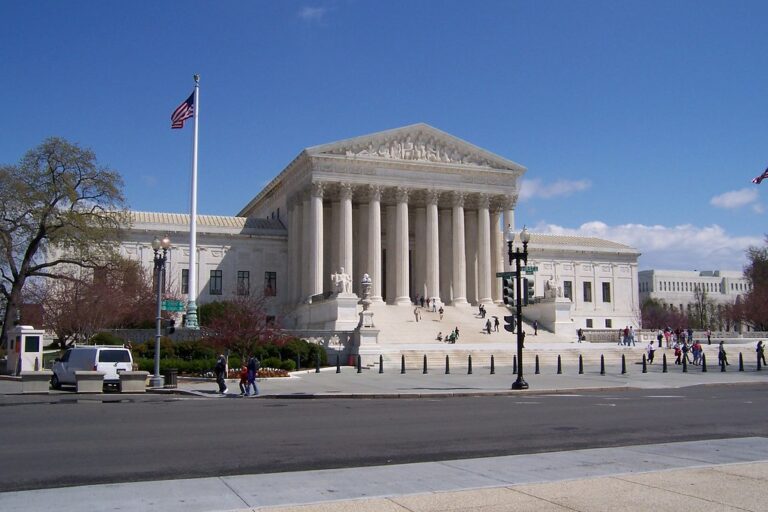
The Supreme Court agreed to hear a major case about presidential tariffs. Last month, a lower court ruled Trump’s tariffs illegal. Now the high court will decide if the president can use tariffs without Congress. If the court sides with Trump, it could change how the United States divides power. In particular, it could give the president new executive power over money.

What is the tariff case about?

President Trump imposed broad tariffs on imports, calling them both a security measure and a revenue source. Critics said he had no authority to do this on his own. They argued only Congress can set taxes and tariffs under the Constitution. A federal court blocked the tariffs and ruled they violated the law. Trump urged the Supreme Court to review that decision. Now the court will hear arguments in November.

How might the ruling affect executive power?

If the court backs Trump, it may confirm that the president can set any tariff he wants. That would alter the balance of power between branches. For more than two centuries, Congress held sole power over tariffs and taxes. Article I of the Constitution ties government spending to acts of law, passed only by Congress. Yet over time, lawmakers allowed some tariff moves by the president for foreign policy reasons. The new precedent could allow far broader actions.

Experts warn that this could pave the way toward unlimited executive power. Any president could then claim similar authority for domestic or foreign policy goals. For example, a future leader might raise tariffs to fund new projects. Or they could set tariffs to target groups of Americans. With no clear limit, chances for abuse would rise.

What do experts say?

A financial commentator raised the alarm this week. He reminded readers that the framers gave Congress control of the “purse.” James Madison warned that without this check, a president could become a de facto king. The commentator noted that Trump already calls his tariffs a revenue tool in court arguments. If the Supreme Court agrees, it could cement that stance for all presidents.

A tax law professor agreed. He said a favorable ruling would let the president apply any tax with foreign policy ties. Then he asked: Why stop there? “Any tax he can imagine would fall under his power,” the professor said. This view points to a slippery slope. Once the court hands over tariff power, more powers might follow.

What happens if executive power expands?

First, we would see uncertainty in trade and tax policy. Companies could face sudden tariff changes. Consumers might pay higher prices as protectionist measures arise overnight. Second, Congress would lose its key check on the president. Lawmakers would have less say on budget matters. Third, the balance of power in Washington would tilt toward the White House.

Moreover, any future president could test the waters. They might introduce new import fees or penalize certain industries. They could argue that these moves serve national security or foreign policy goals. Critics would have little legal ground to stop them if the court sets the precedent.

How did we get here?

Originally, tariffs helped the new nation pay its debts. Congress used them as a major revenue source. Over time, lawmakers created limited tariff powers for presidents. These powers aimed to punish unfair trade partners. They were not meant for large-scale revenue gathering. Trump’s approach turned that idea on its head. He argued his tariffs would help balance trade and bring in money. Lower courts rejected that logic and blocked his orders. Yet Trump’s push to the Supreme Court gives him another shot.

What’s next?

In November, lawyers will present their cases to the justices. The court could rule by mid-2025. If the justices side with Trump, we will see major changes. Congress may need to pass new laws to rein in the president. Otherwise, the White House could keep expanding its reach. If the court rejects Trump, the existing limits on executive power will stand. But Congress may still debate clear rules for tariff use.

Even without a Supreme Court shift, this case has already sparked fierce debate. Lawmakers and experts on both sides are studying the potential fallout. They worry about either too much presidential control or too much congressional gridlock. Finding the right balance will be key to preserving America’s system of checks and balances.

Final thoughts

This Supreme Court case is about more than tariffs. It asks who truly holds the nation’s purse strings. It tests whether the president can bypass Congress to raise money. If the court hands over that power, executive power could grow without limit. For now, all eyes remain on the justices as they prepare for arguments this fall.

Will this ruling allow the president to set new taxes?

If the court sides with Trump, it may confirm presidential authority over tariffs. Experts worry that logic could extend to other taxes. Future presidents might argue any tax ties to foreign policy or security. Without clear limits, they could impose new revenue measures at will.

How could this affect everyday Americans?

Expanded executive power could lead to sudden price hikes on imports. That cost would often fall on consumers. US companies might also face unexpected trade barriers. Such changes could disrupt supply chains and jobs.

Why did Trump argue national security?

He claimed some imports posed threats to key industries and supply chains. He said tariffs would protect American manufacturing and defense. Courts must now weigh if those claims justify bypassing Congress.

When will the Supreme Court decide?

The court will hear oral arguments in November. A decision could come by mid-2025. Until then, the legal and political debate will continue.

Why Trump Supports Kennedy at HHS?

0


Key Takeaways

  • Trump must balance backing a popular health chief with calming GOP critics.
  • Many conservatives worry about Kennedy’s anti-vaccine stance.
  • Trump supports Kennedy but also reins in controversial ideas.
  • Kennedy’s new health plan left out big goals his fans expected.
  • The president seeks to keep unity in his coalition.

Why Trump Supports Kennedy at HHS

Donald Trump has stepped in to back Robert F. Kennedy Jr. as Health and Human Services chief. At the same time, he faces pressure from Republican critics. Kennedy’s “Make America Healthy Again” plan attracted many voters. Yet, his anti-vaccine views alarm some GOP leaders. As a result, Trump supports Kennedy while trying not to split his party.

During a recent interview, Trump praised Kennedy’s heart. He said, “He means very well.” Yet, he also admitted that Kennedy “has some little different ideas.” Clearly, the president wants Kennedy to succeed. Still, he must keep long-time allies on board.

Moreover, at a national Senate hearing, Republicans fired tough questions at Kennedy. They worried that some of his plans could hurt public health efforts. Rather than leaving Kennedy exposed, Trump supports Kennedy by publicly praising him. Yet, he also lets other advisors steer certain plans. This balancing act shows how the president walks a tightrope.

How Trump Supports Kennedy and Calms Critics

First, Trump has made friendly remarks about Kennedy in front of reporters. He called him a smart thinker with good intentions. Next, he avoided speaking at Kennedy’s latest announcement to sidestep direct backlash. The White House said Trump had a schedule conflict. This move let Kennedy lead without dragging the president into heated debate.

Meanwhile, Trump’s team reviewed the new child-health initiative before it went public. Some big ideas got edited out. Many of Kennedy’s fans hoped for bold policies from the Make America Healthy Again Commission. Still, the final plan lacked those items. In fact, the White House blurred or removed parts that risked upsetting GOP lawmakers.

Therefore, Trump supports Kennedy by protecting him from harsh fights in public. At the same time, he uses his staff to limit the most controversial parts of Kennedy’s agenda. This approach calms critics without cutting Kennedy off completely. As a result, Trump can keep both Kennedy fans and traditional allies in his corner.

What’s at Stake for Trump and Kennedy

If Trump steps back too far, Kennedy might lose support from his base. Many followers see him as a fresh voice in health policy. They rallied for new ideas on vaccines, drug safety, and patient rights. Kennedy’s critics in the GOP worry those ideas could harm established programs. Thus, Trump supports Kennedy to keep that momentum alive.

However, if Trump lets Kennedy push too hard, he risks alienating longtime party members. These allies helped Trump win his elections. They care deeply about maintaining standard vaccine programs and public health budgets. Should Kennedy challenge those priorities too sharply, some Republicans could turn away from Trump’s agenda.

In short, Trump has two goals. He wants to present fresh health plans to voters. Yet, he also must hold his party together. The success or failure of Kennedy’s project could affect Trump’s standing in 2024. If Kennedy stumbles, Trump might get some of the blame. On the other hand, a well-managed Kennedy project could boost Trump’s image as a uniter.

What Comes Next for Trump and Kennedy

Looking ahead, Kennedy will face more oversight from the White House. He plans to roll out further policy ideas in the coming months. Watch for his proposals on childhood nutrition, rural health access, and mental-health care. Each plan will likely get a pre-launch review by Trump’s advisors.

Moreover, expect more private meetings between Trump and Kennedy. They might discuss adjustments to upcoming reports. These talks could shape which items stay in or out. In addition, Senate committees will keep grilling Kennedy on hot topics. How he handles those hearings will test Trump’s support.

Meanwhile, GOP critics will track every move. They will speak out if they see a threat to core party values. To counter that, Trump supports Kennedy by sending clear signals to senators. He will remind them that Kennedy works under the president’s guidance. Such messages aim to reassure lawmakers and reduce public clashes.

Overall, both men face big tests. Kennedy must prove he can lead a major federal agency. Trump must show he can back a bold yet balanced health agenda. Their success could shape public trust in the next election cycle.

Frequently Asked Questions

What makes Kennedy’s health plan controversial?

Kennedy’s plan includes ideas that challenge standard vaccine programs. Some GOP leaders fear these ideas could undermine public health safety.

Why did Trump skip Kennedy’s event?

The White House said Trump had a schedule conflict. By not attending, he avoided direct criticism while still praising Kennedy.

How does Trump keep GOP critics happy?

He reviews Kennedy’s policy drafts and removes the most divisive parts. This way, he shows support but protects allies.

What might happen if Kennedy fails?

A failed Kennedy project could harm Trump’s image as a leader. It could also divide Republican voters ahead of future elections.

Is the Supreme Court allowing racial profiling?

0

Key Takeaways:

  • Supreme Court cleared the way for ICE “roving” patrols in Southern California.
  • Justice Kavanaugh said people can sue if agents use excessive force.
  • Experts say suing federal officers is nearly impossible under recent rulings.
  • A lower court’s order to end stops based on ethnicity is on hold.
  • Critics warn this decision could lead to more racial profiling.

Is the Supreme Court allowing racial profiling?

The Supreme Court surprised many this week. It approved Immigration and Customs Enforcement agents to keep doing “roving” patrols near the U.S.–Mexico border. These patrols let agents stop people based on where they are or how they look. Simply put, if someone seems to speak Spanish or appears Latino, an officer can pull them over. This practice raises big concerns about racial profiling.

Justice Kavanaugh’s opinion

Justice Brett Kavanaugh wrote a ten-page concurrence supporting the court’s decision. He said that if an officer uses too much force, the Fourth Amendment bans it. He added, “remedies should be available in federal court.” In other words, he thinks people can file a lawsuit if an agent hurts them.

However, legal experts see a problem. Recent Supreme Court decisions have made it extremely hard to sue federal officers for excessive force. In those cases, Kavanaugh joined the conservative majority. So, while his words sound promising, they may not help most victims.

Why this ruling matters for racial profiling

By pausing a ruling that banned stops based on ethnicity or language, the Supreme Court let ICE keep targeting Latino workers. A federal judge had said agents couldn’t stop people at day labor sites just because they looked or sounded Hispanic. Now that order is on hold while lower courts sort it out.

Justice Sonia Sotomayor called this a threat to the Fourth Amendment. She wrote that the decision “has all but declared that all Latinos, U.S. citizens or not, who work low wage jobs are fair game.” She warned it could mean anyone who seems Hispanic can be stopped at any time.

Legal experts sound the alarm

Patrick Jaicomo, a senior attorney at the Institute for Justice, said, “It’s bordering on impossible to get any sort of remedy in a federal court when a federal officer violates federal rights.” He pointed out that the Supreme Court has closed nearly every path to sue for excessive force.

Lauren Bonds of the National Police Accountability Project agreed. She noted that term after term, the court has limited people’s ability to challenge federal officers. In her view, Kavanaugh’s concurrence offered little real help.

University of Chicago law professor William Baude questioned what real remedies Kavanaugh had in mind. On social media, he asked, “What remedies does Justice Kavanaugh believe are and should be available?” His point: Kavanaugh did not explain how someone would win a case.

On the other hand, Richard Re, who clerked for Kavanaugh, offered a different view. He said the Justice might be hinting at future changes. Re noted that an ambiguous phrase could be deliberate. He thinks Kavanaugh could want to revive stronger Fourth Amendment protection in later cases.

What comes next?

The Supreme Court’s pause is only temporary. The case returns to lower courts, which must decide if ICE’s patrols violate the Constitution. Those judges will weigh evidence about how agents pick who to stop. Their rulings could take months or even years.

Meanwhile, civil rights groups plan to keep fighting. They aim to show these patrols break the ban on unreasonable searches and seizures. At the same time, lawmakers might craft new rules to stop racial profiling by federal agents.

How this affects communities

For workers near the border, the decision brings worry and confusion. Many fear they can be stopped for no real reason. Families might avoid public spaces to stay safe. Community leaders call for clear guidelines that protect civil rights.

They also urge better training for ICE agents. If officers focus on suspicious behavior instead of looks or language, stops could become fairer. Advocates tell people to know their rights. They suggest staying calm, asking for a lawyer, and recording any abuse. Even if suing is hard, strong evidence and public pressure can still lead to change.

Key terms explained

• Roving patrols: Mobile stops by law enforcement in a wide area, not at fixed checkpoints.
• Fourth Amendment: The part of the U.S. Constitution that bans unreasonable searches and seizures.
• Excessive force: When an officer uses more power than the law allows to control someone.
• Remedy: A legal way to fix a wrong, like money or a court order to stop certain actions.

Conclusion

This week’s ruling has ignited a fierce debate. The Supreme Court majority allowed ICE to continue patrols that critics say invite racial profiling. Justice Kavanaugh pointed to the courts as a solution, but experts doubt those doors are open. As lower courts reopen the case, communities brace for more stops and renewed battles over civil rights.

Frequently Asked Questions

How do ICE roving patrols work?

Agents drive through neighborhoods near the border. They stop vehicles or question people who look or sound like they might be immigrants.

What is the Fourth Amendment?

It’s a part of the U.S. Constitution that protects people from unreasonable searches and seizures by the government.

Can people sue ICE agents for using excessive force?

In theory, yes. But recent Supreme Court rulings have made these lawsuits very difficult to win.

Why did some justices dissent?

Justices Sotomayor, Kagan, and Jackson argued that the decision undermines the Fourth Amendment and allows racial profiling.

What happens next in the case?

Lower courts will decide if ICE’s patrols violate the Constitution. Their decisions could take many months.

Why Does Insurance Denial Stop Mental Health Care?

0

Key Takeaways:

  • A man in North Carolina faced an insurance denial for crucial mental health treatment after two suicide attempts.
  • His wife fought back, appealed internal denials, and sought a rare external review.
  • An independent psychiatrist reviewer overruled the insurer’s claim of “not medically necessary.”
  • Insurance denials leave many patients paying tens of thousands of dollars or dropping care.

UNDERSTANDING INSURANCE DENIAL AND APPEALS

Insurance denial happens when an insurer refuses to pay for a treatment it once preapproved. In this case, Highmark Blue Cross Blue Shield said a monthlong stay at a psychiatric hospital was “not medically necessary.” The insurer had even confirmed pre-authorization weeks earlier. When a claim faces an insurance denial, patients can appeal inside their plan. Then they can ask for an external review by an independent doctor. However, fewer than 1 in 10,000 people even file for that extra review.

THE REAL STORY BEHIND ONE COUPLE’S FIGHT

A software engineer known here as “L” began suffering grave anxiety in early 2023. He and his wife, Teressa, had just bought a ranch home near Raleigh. When the remodel and rental of their old house ran over budget, his panic attacks grew worse. After two suicide attempts in February, a judge ordered him into a mental health center. Later, he moved to a residential program, then a top psychiatric clinic in Houston. Yet each stay triggered a barrage of denials from Highmark. It labeled the care “not medically necessary” under mental health rules.

STEPS IN THE EXTERNAL REVIEW PROCESS

First, a patient must file internal appeals with the insurer. If that fails, they can ask for an external review. State or federal laws govern eligibility and deadlines. Then the insurer picks a review company. That company hires a doctor to recheck the medical facts. In 2024, Dr. Neal Goldenberg, a community psychiatrist, got Teressa’s appeal. He read 200 pages of records, studies on suicidal thoughts, and letters from two psychiatrists. He found the denial deeply unfair. Then he did something he had never done in six years: he called Teressa.

HOW AN INDEPENDENT DOCTOR OVERRULED AN INSURER

Dr. Goldenberg learned in medical school to fight for patients. As an external reviewer, he holds insurers to binding decisions. After an hour and a half of study, he sided with the family. He wrote that Highmark failed to grasp L’s complex medical and psychiatric needs. The insurer had paused treatment for a colon infection and then treated the new care as a fresh admission. Goldenberg pointed out that resuming therapy after a crisis was vital. He found their plan “unfairly denied” as not medically necessary. Highmark had to pay.

THE HIGH PRICE OF INSURANCE DENIAL

L’s full treatment cost more than $220,000. Because of initial denials, the couple paid over $95,000 out of pocket. Many Americans lack that cushion. They skip care, dig into debt, or give up entirely. After the external review, Highmark reimbursed more than $70,000. Even so, the fight drained the couple’s savings. They also faced broken promises, lost records, and repeated billing errors. Once, a denial for a colon emergency described L as a newborn. That showed how little the insurer seemed to read their case.

HOW TO FIGHT BACK AGAINST INSURANCE DENIAL

If you face a similar battle, start by reading your plan’s fine print. Note appeal deadlines. Track every call, email, and letter. Use a clear system of folders or file boxes. Get doctors to write detailed notes on medical necessity. If internal appeals fail, request an external review. State or federal law should let you do it, so long as your plan covers the issue. Remember that outside reviewers like Dr. Goldenberg can force insurers to pay. Yet most patients never take this final step.

NOW THEY’RE REBUILDING THEIR LIVES

Today, Teressa and L live in separate houses but still share meals and support each other. He returned to work without explaining his ordeal to colleagues. He jokes and laughs, though the small scar on his neck reminds him of the darkest days. She attends couple’s therapy and processes her own trauma. Both know they were lucky to find an external reviewer who listened. Dr. Goldenberg says he took the job to add humanity to a broken system. He urges all doctors to support patients in appeals.

CONCLUSION

Insurance denial in mental health can block critical care when people are at their weakest. Yet external reviews offer a lifeline. Independent doctors can enforce binding decisions and hold insurers accountable. Although the appeal rate remains tiny, stories like this show the power of persistence. Patients and families should know their rights and keep fighting.

FAQs

What is an external review of an insurance denial?

An external review is when an independent doctor rechecks an insurer’s decision. Their ruling is binding on the insurance company.

How common is it to win an appeal after an insurance denial?

Winning an internal appeal varies, but fewer than 1 in 10,000 people seek external review. Those who do often succeed.

What counts as “medically necessary” in mental health care?

Medical necessity means treatment fits accepted standards for a patient’s condition. Detailed clinical notes help prove it.

How can families prepare for an insurance denial fight?

Start by reading the policy, tracking every interaction, keeping medical records, and asking doctors for strong appeal letters.

How Did Humans Survive the Toba Eruption?

0

Key Takeaways

  • A massive volcanic blast called the Toba eruption happened 74,000 years ago.
  • Tiny glass fragments from that blast help scientists track its reach.
  • Archaeological sites show people survived and even thrived after the ash fell.
  • Human adaptability and new tools kept communities alive through intense changes.

Imagine a volcano blasting 2,800 cubic kilometers of ash into the sky. The Toba eruption did exactly that. It covered large areas in darkness, cooled the planet, and dumped acid rain nearby. Yet, humans did not vanish. Instead, they adapted. Let’s explore how we know they made it through this giant explosion.

The Power of the Toba Eruption

First, consider how big the Toba eruption was. It was more than 10,000 times larger than Mount St. Helens in 1980. Ash spread across continents. It blocked sunlight and cooled the globe for years. Near the volcano, acid rain tainted water. Thick ash buried plants and animals under meters of dust. Many people living close by likely died. However, farther away, some groups survived.

Hunting for Microscopic Clues

Scientists study tiny glass bits called cryptotephra to learn where ash traveled. These bits measure about as wide as a human hair. They hide in dirt layers and resist decay. Researchers use sieves and fine tools to pull out each shard. Then they check its chemistry. Every eruption has a unique chemical fingerprint. By matching shards to that fingerprint, experts track the Toba eruption’s reach.

Moreover, teams dig at ancient human camps. They take column samples from exposed dirt layers. After months in the lab, they reveal which ash layer matches Toba. This method pinpoints where and when ash landed at each site. It also tells us which communities faced the fallout.

What the Archaeological Record Reveals

After finding a Toba eruption layer, archaeologists look for human signs above and below it. These signs include tools, hearths, and food remains. In South Africa’s Pinnacle Point caves, people used stone blades before the ash arrived. They stayed through the ash fall. Then they made even more blades afterward. This shows they adapted and kept living on site.

Likewise, at a site in Ethiopia, cryptotephra from the Toba eruption appears in layers with human activity both before and after. There, groups switched to seasonal river fishing and adopted bow-and-arrow hunting. These changes helped them cope with drier conditions. In Asia, similar finds appear in India, China, and Indonesia. Across thousands of miles, people weathered the Toba eruption and built new survival strategies.

Through these records, scientists see that human numbers likely bounced back quickly. The eruption did not wipe out global populations. Instead, it may have slowed growth briefly. Genetic studies once suggested a massive bottleneck, but recent data hint at other causes too.

Lessons for Our Future

Studying the Toba eruption teaches us about resilience. We now monitor active volcanoes around the world. Sensors track tremors, gas emissions, and ground shifts. Early warnings give communities time to prepare. Yet even in the worst case, humans have proven they can find solutions amid chaos.

For example, learning how past groups shifted diets and tool use can guide relief efforts today. If ash blocks sunlight and food sources vanish, people might focus on new resources or technologies. In this way, the past informs our responses to extreme events now and in the future.

Frequently Asked Questions

What was the Toba eruption?

The Toba eruption was a supervolcano blast in Indonesia about 74,000 years ago. It sent massive ash clouds into the sky, cooled the planet, and impacted global climates.

Did humans almost go extinct because of it?

While early studies proposed a huge drop in human numbers, recent finds show many groups survived. Archaeological sites reveal people lived through the ash and kept innovating.

How do scientists find volcanic glass from the Toba eruption?

Researchers dig at ancient sites and collect dirt layers. They wash and sieve these samples to isolate tiny glass shards. Then they match each shard’s chemistry to the Toba eruption’s unique fingerprint.

Why does this matter today?

By seeing how people adapted to the Toba eruption, we learn how to face disasters now. We apply those lessons to improve early warnings, shelter plans, and food strategies for volcanic or other environmental crises.

How Did Giorgio Armani Revolutionize Fashion Through Hollywood?

0


Key Takeaways:

• Giorgio Armani built a global brand by dressing movie characters in over 200 films.
• He introduced relaxed, affordable suits to middle-class shoppers in America.
• Hollywood exposure in “American Gigolo” made his style famous worldwide.
• Red carpets and celebrity ties kept his name linked to prestige and power.
• His blend of fabric know-how and media savvy set a model for modern fashion brands.

Why Giorgio Armani Pioneered a New Fashion Era

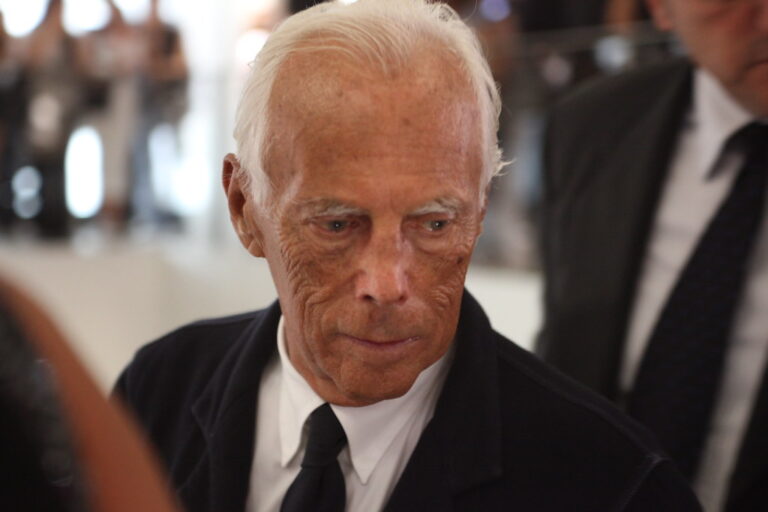
Giorgio Armani grew up in Piacenza, Italy. He left medical school in 1954 and began working at a top Milan department store. There, he fell in love with fabrics. He saw how designer pieces could be licensed to reach more shoppers. By studying lines from other brands, he learned to balance luxury with affordability.

In 1975, Armani teamed up with Sergio Galeotti to launch his own label. Instead of stiff, formal suits, he created soft, simple tailoring. People loved the fresh, relaxed look. By 1978, he partnered with a major textile group to produce luxury ready-to-wear under close supervision. This deal formed the Giorgio Armani Corporation and started multiple lines for different markets.

Giorgio Armani’s Hollywood Breakthrough

Soon after his brand took shape, Hollywood helped spread his style. In 1980, “American Gigolo” starred Richard Gere wearing light Armani suits. His character could wear the same jacket with a tie or with jeans. The soft materials came from women’s fashion, yet the look stayed sharp. As fashion historian John Potvin noted, the film introduced a new visual style and launched both the designer and the actor’s star power.

Because Armani offered a more affordable line called Armani Collezioni, fans could buy similar pieces in stores. Thus, a casual movie wardrobe became a real-life fashion trend. This was one of the first times a film directly boosted a brand’s image and sales.

Affordable Luxury Hits America

When Giorgio Armani entered the U.S. in 1979, he chose prices that middle-class shoppers could afford. His team used permanent-press fabrics that needed little ironing. They also mixed in cheaper textiles to keep costs down. In Milan, a jacket might cost $600. In New York, Armani’s sports and formal lines sold between $150 and $450.

Furthermore, he tapped Edward Glantz, a former department store buyer, to tailor the products for American taste. Glantz made sure the suits felt easy to wear yet still elegant. Soon, major stores like Bergdorf Goodman stocked the lines. This strategy proved that luxury could fit everyday budgets.

Crafting Power Dressing

By the early 1980s, power dressing became a trend. People wanted clothes that made them look confident and in control. Giorgio Armani’s broad-shouldered suits fit that need perfectly. In 1982, he became only the second fashion designer to grace the cover of Time magazine.

Armani’s approach combined machine and handcrafting. Even though 70 percent of each suit was machine-made and partly produced in Hong Kong, customers saw them as high-quality. His marketing spoke of mastery and precision, reinforcing a top-tier image.

Celebrity Endorsements and Red Carpet Impact

In 1988, Giorgio Armani hired Wanda McDaniel to manage his Hollywood connections. She had once watched a rival boutique pamper VIPs on Rodeo Drive. McDaniel brought that same white-glove service to Armani’s flagship store. Celebrities loved the personal attention.

Soon, Armani designs appeared at award shows. Julia Roberts wore an Armani suit to the 1990 Golden Globes. Commentators raved about the gowns and unisex looks on the red carpet. Armani later said that Oscar night dresses always sold out first. His entertainment relations team still outfits stars for films and events.

In addition, movies like “The Untouchables” and “The Wolf of Wall Street” featured Armani suits on strong, ambitious characters. Each appearance underlined the brand’s link to success and style.

Legacy of Fashion and Film

Giorgio Armani once explained that prestige and dreams drive sales. Hollywood gave him both. Over decades, his name became shorthand for sleek power and modern elegance. He showed other brands how to build in-house teams to court celebrities. His methods shaped the way fashion houses work with film and media today.

Even after more than 200 film credits, Armani never lost his passion for cloth and design. He kept expanding lines to suit different markets, from the most upscale to the more budget-friendly. His life work proves that art and commerce can meet on screen and in stores.

In the end, Giorgio Armani’s genius lay in connecting fabric, film and fame. His suits did more than clothe movie stars. They let people around the world wear a piece of glamour and confidence.

Frequently Asked Questions

What made Armani suits different from other designer brands?

Armani suits used soft, lightweight fabrics and simple cuts. This made them feel relaxed yet elegant. By mixing machine work with hand finishing, he balanced quality with lower costs.

How did “American Gigolo” boost Armani’s profile?

In that 1980 film, Richard Gere’s character wore Armani suits on screen. Millions of viewers noticed the style and wanted similar clothes. This direct link between film and fashion launched his U.S. success.

Why did Armani focus on both luxury and affordability?

After studying licensing at a Milan department store, he saw that middle-class shoppers wanted quality at lower prices. By diversifying his lines, he reached wider markets and drove global growth.

How did Armani use celebrities to grow his brand?

He hired a Hollywood liaison in 1988 to build VIP relationships. Celebrities wore his designs on and off screen. Red carpet events and film roles kept his name in the spotlight and spiked sales.

Is South Park Trump Roast the Best Yet?

0

Key Takeaways

  • South Park Trump satire kicked off Season 27 with record ratings and a sharp jab at the former president.
  • The show’s quick animation process lets creators react to news in days, not months.
  • Despite the White House backlash, millions tuned in on Comedy Central and Paramount+.
  • “South Park Trump” mockery might sway young viewers by mixing humor with politics.

South Park’s Season 27 premiere stunned fans by focusing on President Trump. In this episode, Cartman rails against the administration for cutting NPR funding. Soon, the whole town joins his protest. The show ramps up its usual over-the-top style. It even ends with a wild deepfake scene of a naked Trump in the desert. Critics called it desperate, but ratings soared to six million viewers. Moreover, two weeks later, even more people tuned in. Clearly, South Park Trump satire still packs a punch.

Why South Park Trump Satire Matters

South Park has a long history of targeting both sides of the aisle. Yet this season, the spotlight falls on Trump’s flaws. In fact, the creators animate Trump with the same cutout style they used for Saddam Hussein. This choice puts Trump in a villain role. Meanwhile, the rapid production schedule means the show can respond almost in real time. As a result, South Park Trump jokes land while stories are still hot in the news cycle.

How South Park Trump Roars in Weekly Jabs

To illustrate, the second episode zeroes in on controversial ICE raids. Then the next one mocks Trump’s love for grand gifts and flattery. In that segment, tech bosses fawn over Trump’s “not small” attributes. Later, another installment shows him as a neglectful partner to Satan. These gags build on each other. They form a steady drumbeat of South Park Trump humor. Consequently, viewers stay engaged week after week.

Audience Reaction to South Park Trump Roast

The White House quickly dismissed the satire as irrelevant. However, fans saw it differently. Many praised the show for fearlessly calling out power. Social media lit up with memes about the naked deepfake Trump. Additionally, Paramount+ reported a spike in streams after the premiere. Young audiences, especially men, seemed drawn to the show’s bold tone. This trend hints that humor can bridge the gap to voters who feel ignored.

The Power of Laughing at Leaders

Comedy often exposes truth in a way serious debate can’t. By ridiculing Trump’s business deals and personality, South Park Trump satire cuts through noise. It reminds viewers that leaders can be held up to ridicule. Moreover, the humor here isn’t just cheap jabs. It weaves in real controversies, from FCC deals to lawsuits. Therefore, jokes land harder and stick in the mind longer.

Behind the Scenes: Speedy Satire

Most animated shows take months to produce one episode. In contrast, South Park’s team writes, voices, and animates an episode in one to two weeks. This process lets them react to news within days. For example, they teased the Trump-Paramount merger delay in the very next installment. As a result, viewers feel the satire is fresh and urgent. No wonder South Park Trump roast feels so alive.

Why Young Voters Tune In

Democrats struggle to connect with young, internet-savvy men. Yet South Park attracts this group easily. Why? Because the show offers a mix of edgy humor and current events. Instead of preaching politics, it punches up at a widely known figure. This style might even nudge some viewers back toward more thoughtful engagement. At the very least, it proves that bold satire can spark conversation.

Conclusion

South Park Trump satire shows that comedy can still drive attention in a crowded media world. By blending rapid production with fearless humor, the creators keep viewers hooked. Despite pushback from power centers, the ratings speak for themselves. Whether you love or hate the show, you can’t deny its cultural sway. And as the season rolls on, South Park will likely keep pushing boundaries—and maybe shaping opinions—one laugh at a time.

Will South Park keep mocking Trump throughout Season 27?

Can humor like this actually sway young voters?

How do creators make episodes so fast?

Is there a line satire should not cross?


Is Drugged Driving as Dangerous as Drunk Driving?

0

Key Takeaways

  • Drugged driving slows reflexes and harms judgment as much as drunk driving.
  • Thousands of drivers use cannabis or other drugs before getting behind the wheel.
  • Laws on drugged driving vary widely and can be confusing.
  • There is no easy roadside test for drug impairment like there is for alcohol.
  • Speak up if a friend seems impaired and plan a safe ride home.

Understanding Drugged Driving Risks

Many people think drunk driving is the only road danger. However, drugged driving can be just as deadly. In the United States, over twelve million people ages sixteen and older drove after using illegal drugs in one recent year. Of these, almost twelve million said they had driven under the influence of cannabis. Drugged driving also involves prescription painkillers, sedatives, stimulants, and mix-and-match substances. Each drug type affects drivers in a different way. Cannabis slows reaction time and changes how a person judges distance. Opioids can make drivers drowsy and unfocused. Stimulants may create a false sense of confidence and lead to risky choices. When drugs mix with alcohol, the risks grow even larger. Therefore, it is vital to treat drugged driving with the same urgency as drunk driving.

The Rising Trend of Drugged Driving

Recently, more drivers report taking drugs before they drive. For example, roadside studies in various countries find that between three and twenty percent of drivers test positive for drugs. In the United States, the number of cannabis users on the road has surged. Yet many people believe cannabis does not impair driving. In fact, a major traffic safety foundation found that four out of five cannabis users admit they drove within hours of using it. Shockingly, one in five of those drivers believe their skills improved after using cannabis. Research shows that drivers with THC in their blood are about twice as likely to be in a fatal crash. By comparison, a driver at the legal alcohol limit is over ten times more likely to die in a crash than a sober driver. Clearly, drugged driving poses a serious threat to everyone on the road.

How Laws Affect Drugged Driving Cases

States use different rules to fight drugged driving. Some states rely on officers spotting signs of impairment. Other states set a blood threshold for substances such as THC. A few even have zero-tolerance laws, which ban any trace of drugs while driving. These inconsistencies create confusing gaps in enforcement. For instance, in one state, a person can face charges for having any controlled substance in their blood, even if a doctor prescribed it. In another state, medical cannabis patients cannot be convicted just because they have THC in their system. However, prosecutors can still argue they were impaired. Because of these differences, drivers may not know what rules apply where they live or travel. As a result, many cases hinge on uneven testing methods and subjective observations rather than clear science.

Why Drugged Driving Is Hard to Detect

One reason drugged driving slips through the cracks is that there is no quick test like a breathalyzer. Alcohol testing relies on a well-known legal limit of zero point zero eight blood alcohol concentration. In contrast, drugs such as THC linger in the body long after someone stops feeling high. Also, many roadside officers lack the training or tools to detect newer synthetic drugs. To tackle this, almost half of U.S. states now allow saliva tests at the roadside. These tests can spot recent drug use within minutes. Still, they are not foolproof. For example, a saliva swab might show THC even if a person is no longer impaired. Scientists are working on new tools like eye-tracking devices to spot drug effects in real time. Until these devices become reliable and widespread, drugged driving will remain hard to catch.

What You Can Do to Stay Safe

Even with complicated laws and imperfect tests, you have power over your own safety. First, plan ahead. If you intend to use any impairing substance, arrange a ride with a sober friend or a rideshare service. Second, know your limits. If you feel slower, foggy, or different in any way, do not drive. Third, speak up if you ride with someone who looks or acts impaired. A simple reminder can stop a tragedy. Finally, support campaigns that spread awareness about drugged driving. For example, a national safety agency encourages drivers to remember: if they feel different, they drive different. This message helps people realize that even small changes in feeling can affect driving. Therefore, choosing not to drive impaired is a step toward saving lives.

FAQs

What exactly is drugged driving?

Drugged driving means getting behind the wheel after using any impairing substance. This includes illegal drugs, prescription medications, or legal substances such as cannabis.

How do officers test for drugged driving?

Officers look for signs like slow reaction, red eyes, or shaky hands. Some states use saliva swabs, while others rely on blood tests. Yet these methods cannot match the ease of alcohol breath testing.

What penalties can someone face for drugged driving?

Penalties vary by state but can include fines, license suspension, and jail time. In serious cases, drivers may face years in prison for causing death while impaired.

How can I avoid drugged driving?

Always have a plan for a sober ride if you plan to use any impairing substance. Speak up if a friend seems under the influence. By acting early, you help keep everyone on the road safe.

Will Article 4 Protect Poland from Russia?

0


Key Takeaways

  • Article 4 lets any NATO member call a meeting when it feels threatened.
  • Poland invoked Article 4 after debris from Russian drones fell on its soil.
  • This step opens talks among allies but does not force military action.
  • Article 5 is the mutual defense clause and needs a separate request.
  • The U.S. and other allies will consider steps to strengthen Poland’s defenses.

Understanding Article 4

Article 4 is a consultation rule in the NATO treaty. Any member can ask for a special meeting if it feels at risk. Once a country invokes Article 4, all 32 allies must join talks in the North Atlantic Council. Unlike a regular weekly meeting, a special session focuses on the specific threat. However, these talks do not require armed response. Instead, they aim to share views and decide on political or military steps together. When Poland called Article 4, it wanted to bring attention to repeated airspace violations and stray drones from Russia. Moreover, this move shows that Warsaw values collective discussion over acting alone. Therefore, allies will explore options to deter future threats.

Article 4 vs Article 5

Article 4 triggers consultation among all NATO members. In contrast, Article 5 is the core defense promise. If a member is attacked, it can ask allies to treat the attack as one on all. Then each country chooses its own response. For example, they may send troops, provide air cover, or offer other support. Article 4 does not demand any action beyond talks. Yet it can lead to joint statements or plans. Article 5 leads to a stronger chance of military aid. Importantly, both articles let each nation decide its level of involvement. No country must hand over its decision on war or peace to NATO itself.

Why Poland Invoked Article 4

Poland felt alarmed when multiple Russian drones flew into its airspace. Two fell in eastern villages, damaging a home and scaring residents. While Moscow claimed it did not target Poland, Warsaw saw a pattern of airspace violations. Over recent years, Russian jets and drones repeatedly flew near or over allied territory. Some incidents seemed like mistakes. Yet the growing number and regularity made many NATO members uneasy. By invoking Article 4, Poland aimed to highlight these threats. It also sought clear support from all allies. In addition, Warsaw hopes a united response will deter future incursions. Polish leaders want stronger air defenses and clear warnings sent to Moscow. Above all, they want reassurance that NATO stands ready to defend every member.

What Might Happen Next

After Poland’s request, the North Atlantic Council will hold a special session. At that meeting, ambassadors will share their views and propose actions. They may issue a joint declaration condemning the breach. They could also agree to boost air patrols along the eastern border. In certain cases, allies might send additional radar units or fighter jets. Another option is to redeploy mobile missile defenses to Poland. However, any deployment needs host-nation approval and planning. Beyond military steps, allies may also increase diplomatic pressure on Russia. For instance, they might impose more sanctions or call for new talks. Ultimately, the goal is to show unity and deter further violations of Poland’s airspace.

How the U.S. Could Respond

Under Article 4, the U.S. must join the consultations without delay. American diplomats and military leaders will meet with allied counterparts in Brussels. They will review the evidence on these drone flights and discuss options. Beyond that, the U.S. might offer to deploy more air defense assets in the region. For example, Patriot missile batteries based in Germany could move to Poland. They could also send extra radar planes or Patriot-style systems. Yet any deployment would need approval from both Washington and Warsaw. Moreover, the U.S. president would weigh congressional views before sending troops. In addition, America could reinforce political support through public statements. A strong U.S. endorsement of Poland’s right to defend its airspace would send a clear signal to Moscow.

Learning from History

Invoking Article 4 is rare but not unprecedented. Turkey has used it several times when Syrian conflict spilled across its border. In early 2022, eight Eastern European allies invoked Article 4 after Russia invaded Ukraine. They sought reassurance and extra patrols. Meanwhile, Article 5 has triggered only once—after the 9/11 attacks on the United States. Then, allies deployed patrol aircraft over America and helped in Afghanistan. This shows that both tools serve different purposes. Article 4 builds unity and talks, while Article 5 can lead to direct defense actions.

Why This Matters

Poland lies on NATO’s eastern edge, facing potential threats from Russia. Stability in that region affects the security of all alliance members. By invoking Article 4, Poland invites a shared response. This approach reduces chances of miscalculations and accidental escalation. Moreover, it shows that NATO remains a forum for collective decision making. As a result, any major step will carry the weight of 32 countries, not just one. In turn, this may make potential aggressors think twice before risking an incursion.

Looking Ahead

In the weeks after the Article 4 meeting, expect more NATO air patrols along Poland’s border. Military planners will study ways to close gaps in radar coverage. Diplomats will work on stronger language condemning airspace breaches. Furthermore, key allies like the U.S., Britain, and France may hold joint drills in the region. These exercises will practice rapid response to unexpected threats. Ultimately, Poland and its partners aim to restore clear skies over Eastern Europe. They hope this unified stance will discourage any repeat of these dangerous drone flights.

Frequently Asked Questions

What is Article 4 in NATO?

Article 4 is a treaty rule that lets any member request alliance talks if it feels its security is at risk. It leads to a special meeting but not an automatic armed response.

How does Article 4 differ from Article 5?

Article 4 calls for consultations to discuss threats. Article 5 is the mutual defense promise, which can trigger collective defense measures once requested.

Has NATO ever used Article 4 before?

Yes. Turkey has invoked it over border security, and several Eastern European members used it after Russia invaded Ukraine in 2022.

Can invoking Article 4 lead to war?

No. Article 4 only opens talks among allies. Any decision to use force remains with each nation and requires separate agreements.