53.2 F
San Francisco
Tuesday, April 7, 2026
Home Blog Page 53

Outrage as ICE Agents Minneapolis Drag Disabled Woman

0

Key Takeaways

  • A disabled woman was yanked from her car by ICE Agents Minneapolis during a raid.
  • The incident happened near 34th and Park streets amid protests and clashes.
  • Video shows officers breaking windows, cutting seatbelts, and dragging her out.
  • Social media users voiced anger over the force used and questioned ICE tactics.
  • The event has renewed debate over immigration enforcement and accountability.

A disturbing video captured ICE Agents Minneapolis officers pulling a disabled woman from her car. The woman was trying to drive to a doctor’s appointment when agents ambushed her vehicle. She cried out that she was disabled and had nowhere else to go.

Chaos Erupts During ICE Agents Minneapolis Raid

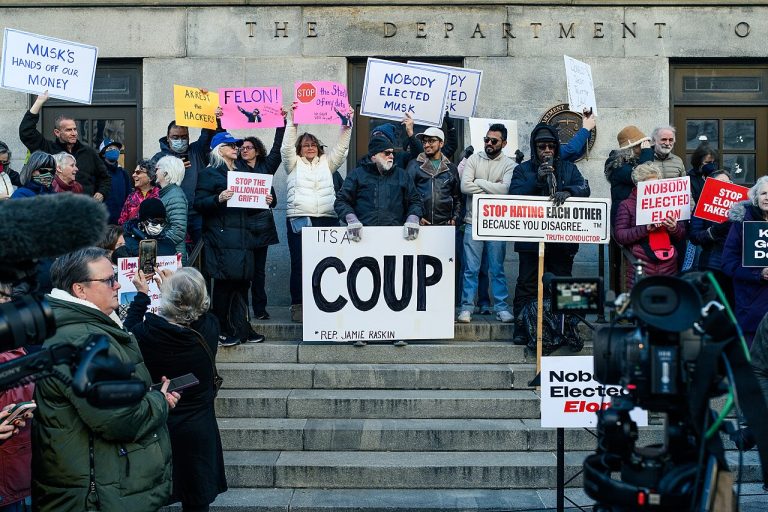
Protesters and ICE Agents Minneapolis clashed in the street after an immigration raid. This raid followed last week’s deadly shooting of Renee Nicole Good by an ICE agent. The protests blocked 34th and Park streets in south Minneapolis.

Amid the chaos, the disabled woman approached the scene. She tried to drive away slowly. However, officers grabbed her through the car window. They broke her glass, cut her seatbelt, and dragged her to the ground. Then they handcuffed her and led her into custody.

She yelled that she had a doctor’s appointment. She said she felt trapped. She told agents she had been arrested before. Yet, she did not expect to face such force. Bystanders shouted and filmed the arrest on their phones.

Social Media Eruption Over ICE Agents Minneapolis Actions

Almost immediately, the video went viral online. Many users on social media condemned the ICE Agents Minneapolis tactics as cruel. They pointed out that taxpayer dollars pay for such operations.

A cardiologist wrote that agents smashed her window while telling her to move. One user called it a “s— show” funded by taxpayers. Another said the agents could have calmly asked her to move. Instead, they screamed and confused her in masks.

Some questioned why ICE Agents Minneapolis felt the need to rough her up. One user compared the scene to an occupation. Another warned of possible election abuse if ICE targeted voters in 2026.

Many asked: Why can’t agents deal with protests without hurting innocent drivers? These posts show wide concern over the balance between law enforcement and civil rights.

Questions Rise About ICE Tactics and Taxpayer Dollars

This episode has raised tough questions. First, are ICE Agents Minneapolis trained to handle protests safely? Second, what guidelines govern vehicle seizures during raids? Third, should there be more oversight of ICE actions?

Lawmakers and community leaders are calling for answers. They want to know why such force was used on a disabled woman. They worry that these tactics could harm public trust.

Moreover, some experts warn that rough methods can escalate protests. They say calmer communication often works better. As a result, they hope ICE Agents Minneapolis will review their rules and training.

What Comes Next After This ICE Agents Minneapolis Show of Force

Local officials say they will review the footage. They plan to ask ICE for a full report. Community groups are organizing a peaceful rally this weekend. They seek justice for the woman and demand policy changes.

Meanwhile, legal advocates are checking if the woman’s rights were violated. They may file a complaint or lawsuit. Their goal is to prevent similar incidents in the future.

At the same time, immigration policy debates heat up. Supporters of stricter enforcement say raids are needed. Critics argue that heavy-handed tactics harm innocent people and erode trust.

In the coming days, ICE Agents Minneapolis will face questions in public forums. Citizens will ask for clear rules and accountability. They want to ensure that law enforcement protects everyone’s safety and rights.

How You Can Stay Informed and Get Involved

  • Watch for updates from local news outlets and community groups.
  • Follow statements from city council members and human rights organizations.
  • Attend public meetings or rallies if you wish to show support.
  • Contact your representatives to express concerns about ICE tactics.
  • Ask for transparency in law enforcement training and procedures.

Frequently Asked Questions

What led to the clash at 34th and Park streets?

A protest erupted after an ICE raid following the killing of Renee Nicole Good. Demonstrators and agents confronted each other, blocking the road.

Why was the woman in a disabled-accessible vehicle targeted?

She drove into the protest while trying to reach a doctor’s appointment. ICE agents said she entered a secured raid zone.

Has ICE commented on the force used in this arrest?

ICE has not released a detailed statement yet. Local officials say a review of the video and agent reports is underway.

What rights do drivers have when approaching a protest?

Drivers must avoid restricted areas and follow lawful orders. However, they also have rights to communication and safety, especially if they have disabilities.

Why Detroit Seniors Face Rising Home Costs

0

Key Takeaways

• Detroit seniors spend a large share of income on housing and utilities.
• High property taxes and insurance raise their costs despite low home values.
• Older homes drive up energy bills due to poor insulation and outdated systems.
• Social isolation and disability add to financial strain for Detroit seniors.
• Key support programs face funding cuts, leaving many without help.

High Housing Costs Hit Detroit Seniors Hard

Detroit seniors often live on fixed incomes. Yet nearly half spend over 30 percent of their earnings on housing. Statewide, that rate is just 31 percent. In Detroit, 45 percent of seniors struggle to cover rent or mortgage costs. Even homeowners who own their homes free and clear feel the squeeze. Thirty-two percent of those seniors still pay more than they can afford. Meanwhile, seniors across Michigan pay half that share. Low incomes in the city partly explain this gap. However, higher fees and taxes also play a big role.

Detroit Seniors Pay Higher Taxes and Fees

Property taxes in Detroit sit near three percent of a home’s value. That far exceeds the national average of 1.38 percent. Despite lower home values in Detroit, seniors pay as much or more in taxes than other Michiganders. For example, the median home value for a senior in Detroit is $65,000. In the rest of the state, it is $170,000. Yet both groups face similar tax bills. Insurance costs follow the same pattern. Many insurers see Detroit homes as high risk. Consequently, premiums rise. Some seniors turn to last-resort insurers. Others simply skip insurance, leaving their main asset unprotected.

Older Homes Lead to Big Utility Bills

Most senior homeowners in Detroit live in houses built before 1960. These older homes lack proper insulation, efficient windows, and modern appliances. As a result, energy use climbs and bills grow. Moreover, Detroit residents served by the main utility provider pay above-average rates. On top of that, a legacy utility users tax adds five percent to each gas and electric bill. This surcharge funds streetlight and police services, but it digs deeper into senior budgets. Water and sewer bills have also ticked upward. After the city’s financial crisis, rate hikes covered maintenance and upgrades. Now seniors face two strikes in one bill: higher rates and higher usage.

Isolation and Disability Worsen Costs

More than half of Detroit seniors live alone. That rate tops the statewide average by over ten points. Living alone increases risk of social isolation, leading to poorer health and higher medical bills. In addition, seniors in Detroit report higher disability rates. Disabilities can limit mobility and raise care costs. Consequently, these seniors face a double burden: they pay more for home needs and for health care. Without nearby family or community support, daily tasks and repairs become harder and costlier.

Support Programs Run Out of Funding

Federal and state programs once helped seniors cover energy and water bills. Yet funding is drying up. The city’s water assistance plan lost its state and federal funds late last year. Meanwhile, staff cuts threaten to slow energy aid applications to a crawl. Seniors who rely on these supports now face delays or outright denials. On top of that, property tax relief programs remain hard to access due to complex rules. Home repair grants are split among many agencies, leaving some seniors confused and unsupported. Without these safety nets, a small repair or a surge in utility bills could push a senior toward poverty.

Steps to Ease the Burden

Local leaders can take steps to help Detroit seniors. First, a streamlined application for energy and water aid would speed support. Next, targeted property tax relief could protect those on fixed incomes. In addition, a city-wide home upgrade program could improve insulation and efficiency in older homes. Finally, expanding community meal and care services would reduce isolation. Together, these measures could make a real difference. Seniors deserve safe, affordable homes and a network of support around them.

Frequently Asked Questions

How do property taxes affect Detroit seniors?

Detroit’s high property tax rate forces seniors to pay more than other Michiganders, even though their homes are worth less. This strains fixed incomes and risks tax foreclosure.

Why are utility bills higher in Detroit?

Older homes use more energy, and the city levies extra fees on gas and electricity. In addition, water rates have risen to cover infrastructure and maintenance costs.

What happens when support programs lose funding?

Seniors face delays or denials for energy and water aid. Without help, they may struggle to pay bills, risking service shut-offs and financial instability.

Can home upgrades really help reduce costs?

Yes. Improving insulation, sealing windows, and updating appliances lower energy use. Over time, these upgrades can shrink utility bills and ease financial pressure.

Hidden Helpers: How Marine Viruses Power Ocean Life

0

Key Takeaways

  • Marine viruses break open tiny cells and recycle nutrients back into the ocean.
  • High virus activity fuels the growth of Prochlorococcus, a major ocean plant.
  • This nutrient boost supports larger sea life and helps make oxygen.
  • New research in the Atlantic’s Sargasso Sea shows viral impact on the ocean food web.

The Power of Marine Viruses

Viruses often bring to mind sickness on land. Yet, in the ocean, marine viruses play a vital role in keeping sea life healthy. They infect microscopic cells and release key nutrients. In turn, these nutrients feed tiny plants that make oxygen and support larger marine creatures.

Studying the Tiny World

Viruses are extremely small—nearly a thousand times thinner than a human hair. Because of their size, scientists could not spot them in sea water until advanced electron microscopes arrived in the late 1980s. With these tools, researchers discovered tens of millions of virus particles in just one milliliter of ocean water. That count was thousands of times higher than earlier estimates. Suddenly, marine viruses became impossible to ignore.

Discovering the Viral Shunt

By infecting bacteria and algae, marine viruses break open cells and spill out carbon, nitrogen, and other nutrients. Scientists call this process the viral shunt. First, a virus attaches to a cell and injects its DNA. Next, the cell makes new viruses until it bursts. Finally, the released nutrients feed other microbes. Importantly, this cycle helps move nutrients through the food web instead of letting them sink to the deep ocean and stay locked away.

Marine Viruses in the Food Web

In a recent study, researchers joined an ocean expedition across the subtropical Atlantic. They sampled water in an oxygen-rich layer just below the surface. This area, part of the Sargasso Sea, is full of Prochlorococcus—tiny green cells that drive half of the planet’s photosynthesis. By sequencing RNA from the community, scientists could see which cells and viruses were active. They found that marine viruses infected Prochlorococcus at rates four times higher than in other parts of the ocean.

Because of these infections, organic matter poured out into the water. Nearby bacteria quickly absorbed the nutrients and respired, releasing nitrogen as ammonium. Then, Prochlorococcus used that ammonium to boost photosynthesis. In turn, they grew faster and produced more oxygen. In effect, marine viruses set off a chain reaction that strengthened the entire food web.

Watching Viruses at Work

On deck, scientists lowered special bottles into the water to collect samples from different depths. Back in the lab, they examined how viruses and their hosts communicated through RNA messages. Each message revealed whether a cell was growing, dividing, or under attack. The team witnessed massive viral infections unfolding in real time. Moreover, they saw how these attacks reshaped nutrient flows and stimulated new life.

Why Tiny Viruses Matter

Though unseen by the naked eye, marine viruses have ecosystem-scale effects. First, they help cycle carbon, preventing it from sinking into the deep sea. Next, they recycle nutrients, fueling the growth of photosynthetic microbes. Finally, they support the food chains that feed fish, whales, and even humans. In short, viruses drive key processes that keep the ocean alive and oxygen-rich.

Moreover, understanding marine viruses can help us track changes in global systems. As climate shifts, ocean temperatures and nutrient flows will change too. By monitoring viral activity, scientists can predict how these shifts will impact oxygen production and marine life. Thus, the study of marine viruses is not just about tiny particles. It is about the health of our planet.

Wrapping Up

The new research in the Atlantic Ocean confirms that marine viruses are hidden helpers in the sea. They fuel nutrient cycles, boost oxygen-making microbes, and support the food web from the bottom up. As we face a changing world, exploring the microscopic realm of marine viruses will be vital. After all, even the smallest life forms can shape the fate of Earth’s ecosystems.

FAQs

How do marine viruses recycle nutrients?

When a virus infects a microbe, it causes the cell to burst and release carbon and nitrogen. Nearby bacteria then absorb these nutrients, keeping them in the upper ocean where life can use them.

What is the viral shunt?

The viral shunt is the process by which marine viruses break open microbial cells, releasing nutrients that feed other organisms. This helps keep carbon and nutrients circulating in the surface ocean.

Why focus on Prochlorococcus?

Prochlorococcus is one of the smallest and most abundant photosynthetic cells. It drives about half of the ocean’s photosynthesis. Viral infections in these cells can greatly affect oxygen production and nutrient cycles.

Can studying marine viruses help with climate change?

Yes. By tracking how viruses control carbon and nutrient flows, scientists can better predict how ocean systems will respond to warming and other environmental changes.

What Sanborn Maps Reveal About City Bias

0

Key takeaways

  • Sanborn maps are detailed fire insurance maps made for US towns and cities.
  • Insurers used them to spot fire hazards and set insurance costs.
  • These maps reveal how some neighborhoods faced unfair bias.
  • Today, historians and city planners study them to learn about past life.

What Are Sanborn Maps?

Sanborn maps are special fire insurance maps. From the 1860s to the 1970s, insurers used them to decide where fires might break out. They show every building, street, and landmark in great detail. For example, pink means brick and yellow means wood. This made it easy to see which blocks burned faster. Moreover, the maps label factories, stables, and brothels. In this way, they offer a window into daily life long ago.

Mapping Fire Risk

Insurers wanted to protect their money. Therefore, they studied building materials and local industries. For instance, they marked gas tanks, oil warehouses, and incinerators. If a block held many wooden homes, it got high fire risk. Also, homes near toxic factories looked more dangerous. By contrast, brick buildings meant lower risk. Thus, rates rose or dropped based on these maps. As a result, some owners paid steep fees for fire coverage.

How Sanborn Maps Showed Discrimination

Beyond fire threats, these maps reveal social bias. Insurers often thought poor or minority neighborhoods posed extra risk. For example, a Black working-class area called Lightning in Atlanta faced high rates. Its map flagged wood homes and nearby gas plants. It also noted “F.B.” for female boarding houses, a code for brothels. Although brothels did not start fires, the label meant “moral hazard.” Insurers believed that risky behavior might cost them more. Consequently, they charged higher premiums or withdrew coverage. Over time, lack of insurance led to fewer loans and little investment in such districts. This cycle deepened segregation and poverty.

Why These Maps Matter Today

Today, fire insurance maps help us study past cities in new ways. Genealogists trace family homes and trades. Historic preservationists find old building footprints. Urban planners spot former land uses that still affect us. For example, knowing where polluting industries stood can explain soil problems now. Moreover, these maps teach us how bias shaped urban growth. By comparing past maps to modern ones, we see which neighborhoods lost investment. Therefore, we can target renewal and repair old injustices.

Access and Digital Tools

Many Sanborn maps have been scanned and made public online. You can explore Library of Congress archives or state libraries. Advanced tools let you overlay old maps on today’s streets. This helps you walk virtually through a century-old neighborhood. Also, some apps let you measure building sizes and street widths from the past. As technology improves, these resources become richer and more interactive.

Lessons for City Planning

Looking back at Sanborn maps teaches vital lessons. First, planners learn how to mix industrial and residential zones safely. Back then, factories and homes shared the same blocks. Today, we know to separate them better. Second, officials see how bias in risk assessment reinforces inequality. By studying these patterns, cities can design fairer insurance policies. Finally, these maps remind us to document city changes in detail. Clear records help future experts solve tomorrow’s challenges.

From Past to Future

In the end, Sanborn maps tell a story beyond fire lines and building colors. They reveal the hopes and fears of their era. Insurers hoped to reduce payouts. City leaders hoped to protect residents, but sometimes deepened divides. Now, we hope to learn from all this. By studying these old maps, we can build cities that serve everyone fairly and safely.

Frequently asked questions

What makes Sanborn maps unique from other old maps?

Sanborn maps focus on fire risk and building details. They show materials, uses, and neighborhood features you won’t find on standard maps.

Can I view Sanborn maps for free?

Yes. Many libraries and the national archives offer free online access to scanned maps. You can search by city and year.

How accurate are the building labels on these maps?

Insurers updated them regularly. While not perfect, they offer a high level of accuracy for their time. They were drawn to protect insurance interests.

How do modern planners use these maps today?

They overlay old maps on current city maps to find hidden hazards. They also trace how land use changed over time. This guides safe development and fair housing policies.

Could the U.S. Launch War in Venezuela?

0

Key takeaways:

  • Most Americans do not back a war in Venezuela.
  • No clear national story drives support for war in Venezuela.
  • Past U.S. wars needed a strong rallying purpose.
  • Vague promises can trap leaders into unwanted action.
  • Easing oil sanctions may reduce pressure for military force.

Why war in Venezuela lacks public support

Few Americans see Venezuela as a real threat. Only 15 percent called it an emergency in recent polls. After Nicolás Maduro left power in January, 52 percent opposed further force. Most believe Venezuelans should choose their own leaders. In addition, only 43 percent of Republicans want to dominate Latin America. Clearly, there is no rallying cry or grand mission to win over the public.

How past wars won public backing

Historically, U.S. leaders sold wars with big stories. For example, in Korea and Vietnam they warned of communist expansion. After 9/11, they framed wars in Afghanistan and Iraq as fights against terrorism. These narratives drove public support above 70 percent. In other words, Americans joined in when they felt a shared purpose.

How promises create audience risks

Presidents often make bold promises that box them in later. This is called “audience costs.” For instance, when a leader vows to “run” or “fix” a country, people expect real follow-through. If reality falls short, political fallout follows. President Trump’s talk about boots on the ground in Venezuela might lock him into deeper action, even if most Americans disagree.

Possible paths forward

To avoid a boot-on-ground trap, the White House could stay vague on military plans. Secretary of State Rubio, for example, speaks about guiding Venezuela rather than running it. In addition, loosening the oil embargo could ease Venezuela’s economic collapse. If Caracas stabilizes, calls for U.S. troops may fade. This approach might align U.S. actions with public opinion.

What happens next?

Events on the ground will shape U.S. policy more than speeches do. If Venezuela slides into chaos, pressure for force could grow. Conversely, if the economy slowly recovers, Congress and the public may remain wary of intervention. Ultimately, a clear purpose matters. Without it, war in Venezuela seems unlikely to win the broad support needed.

Frequently asked questions

What is audience cost and why does it matter?

Audience cost occurs when leaders face a political price for broken promises. It matters because it can force a president into unwanted military action.

Why did past U.S. wars get high support?

Past wars had clear narratives. Leaders warned of communism or terrorism, creating a collective mission that rallied citizens.

Could easing sanctions stop calls for war?

Yes. Reducing or lifting oil sanctions might improve Venezuela’s economy. That could lower the push for U.S. military force.

What can Congress do to limit military action?

Congress can pass measures requiring presidential approval before any new military steps. This can check a president’s power to act alone.

Why U.S. Actions in Venezuela Break International Law

0

Key Takeaways

  • The United States attacked a Caribbean boat on September 2, 2025, and then carried out a January 3, 2026, raid in Caracas.
  • These actions conflict with international law that bans most uses of military force without UN approval or self-defense.
  • Forcibly detaining a sitting head of state violates immunity rules under international law.
  • Interfering with Venezuela’s government and resources breaches its political independence and sovereignty.
  • These breaches could weaken global trust in U.S. treaty commitments and harm long-term world peace.

U.S. Actions in Venezuela Break International Law

Recently, the United States launched military strikes near Venezuela and raided Caracas to capture President Nicolás Maduro and his wife. Scholars, world leaders, and many nations say these steps violate international law. But what makes them illegal? Mary Ellen O’Connell, an expert in international law, explains why these U.S. moves break the rules and why that matters for everyone.

Why International Law Matters

International law sets rules that keep countries from attacking each other without cause. It also protects leaders from foreign courts and defends every nation’s control over its land and resources. When one powerful state ignores these rules, it risks chaos, mistrust, and more conflict.

How the U.S. Actions Violate International Law

Use of Force Rules

Under international law, warships, bombs, or drones can’t hit another country’s territory without UN approval or a real self-defense need. On September 2, 2025, the U.S. sank a small boat in the Caribbean. The boat reportedly carried drugs, but there was no UN mandate. Then on January 3, 2026, U.S. forces bombed parts of Caracas to help special forces detain Maduro. These missiles and raids exceeded what international law allows. No UN resolution authorized them. Venezuela posed no armed attack threat to the United States, so self-defense does not apply.

Head of State Immunity

International law says a serving president cannot face arrest or trial in foreign courts. This rule ensures that leaders can travel and negotiate without fear of kidnapping or charges. By raiding Maduro’s home and bringing him to the U.S., America ignored this immunity. Moreover, the U.S. has an extradition treaty with Venezuela. It should have used normal legal channels, not a military raid. This forced detention of Maduro and his wife breaks immunity rules under international law.

Sovereignty and Resource Control

International law protects each nation’s right to run its own affairs and use its resources. President Trump even said he would exploit Venezuela’s oil wealth. Such talk and action amount to intervention and imperial control. They breach Venezuela’s permanent sovereignty over its land and natural resources. These are core international law principles meant to guard people’s right to self-determination.

Why These Violations Matter

Undermines the Rule of Law

When the U.S. acts above international law, it sends a message that rules only bind weaker nations. This hypocrisy can erode the entire system that keeps global peace. Countries may start ignoring treaties or using force freely if powerful states violate international law.

Erodes Trust Among Nations

Allies and rivals alike watch the U.S. moves. If America ignores its United Nations obligations, partners may doubt U.S. security guarantees. Rivals could feel less pressured by UN rules. In both cases, global stability takes a hit.

Raises Security Risks

Without respect for international law, countries could resort to private military action or secret arrests. They might block travel by foreign leaders. Diplomacy would suffer. As a result, small conflicts could spiral into major wars.

Potential Global Fallout

In the worst case, other states will follow America’s lead and act without legal restraint. This “might makes right” approach can fuel arms races and raise the risk of full-scale wars. The U.N. charter exists to “save succeeding generations from the scourge of war.” Violating it undermines that goal.

Staying Within International Law

Use Force Only When Justified

Countries must seek UN Security Council approval or wait until after a real armed attack. This keeps military actions transparent and accountable. It also prevents abuse by powerful nations.

Respect Head of State Immunity

When a government wants to charge a foreign leader, it should use legal tools like extradition treaties. This approach upholds the rule of law and protects diplomacy.

Honor Sovereignty

Nations must not interfere in another country’s politics or steal its resources. This respect keeps global relations stable and fair.

FAQs

What counts as an unlawful use of force under international law?

Any military strike without UN Security Council approval or a valid self-defense claim is unlawful. That includes bombings in another country’s territory without clear permission.

Why does head of state immunity matter?

Immunity lets leaders travel and negotiate without fear of arrest. Removing that protection would disrupt diplomacy and increase global tensions.

Could Venezuela lawfully defend itself against U.S. strikes?

Yes. Since the U.S. attacks were unprovoked, Venezuela could claim self-defense under international law to repel them.

What happens when major powers ignore international law?

Ignoring these rules damages global trust, weakens the U.N., and raises the risk of conflicts. Other countries may follow suit, making the world less safe.

Why Interdisciplinary Research Struggles in Academia

0

Key Takeaways

• Interdisciplinary research helps solve big problems like climate change and AI.
• Universities still favor single-field work over interdisciplinary research.
• Trained interdisciplinary researchers often leave academia early.
• Better incentives can keep these scientists working and teaching future teams.

Why Interdisciplinary Research Matters

Interdisciplinary research mixes ideas from different fields. It brings together experts in physics, biology, engineering, math and more. For example, landing on the Moon in 1969 needed astronomy, physics, chemistry, mechanical and computer engineering. Similarly, biotech advances combine biology, statistics, chemistry and computer science. Today, challenges like climate change or managing artificial intelligence need team efforts across many subjects. When experts share knowledge, they find faster and smarter solutions. Thus, interdisciplinary research can speed up major breakthroughs.

Why Interdisciplinary Research Faces Hurdles

Despite its value, interdisciplinary research still hits many roadblocks. First, universities remain organized into separate departments. A scientist whose work spans several fields may not fit neatly into any one department. As a result, they might struggle to find a home for their work. Second, journals often focus on specific subjects. Interdisciplinary papers can confuse editors and reviewers. Thus, those papers may face harsh reviews or rejections. Third, funding and faculty jobs often ask for narrow expertise. Hiring committees made of single-field experts may not fully grasp an interdisciplinary research project. Therefore, these applicants can lose out to more traditional candidates.

Career Challenges for Interdisciplinary Scientists

A study of biomedical research careers revealed stark differences. Scientists whose graduate work drew on many fields often quit publishing within eight years. By contrast, those who stuck to one discipline kept publishing for over twenty years. Many interdisciplinary researchers leave just as they qualify for faculty jobs or tenure. Although they contribute greatly in industry and nonacademic roles, academia loses their unique skills. Without these senior experts, students lack mentors trained in crossing field boundaries. In fact, the study found that new researchers entering labs are less likely to start with interdisciplinary research. Meanwhile, single-discipline experts slowly add cross-field work through collaborations. Ironically, they may lack formal training in interdisciplinary research.

Consequences for Science and Training

When trained interdisciplinary researchers exit academia, science faces gaps. First, fewer role models exist for students who want to work across fields. Second, academic teams may lack the full range of skills needed for big projects. Third, early career researchers, often the most innovative, may avoid interdisciplinary work to secure stable jobs. As a result, critical problems that cross fields get slower or less creative solutions. In addition, departments may miss opportunities to develop new research areas. Over time, this can slow progress on issues like climate change or reliable AI.

How to Boost Interdisciplinary Research

Universities and funders can take steps to help interdisciplinary research thrive. For example:
• Create joint departments or long-term institutes that span several fields.
• Offer tenure tracks that value cross-field collaboration, not just single-field papers.
• Fund fellowships and grants specifically for interdisciplinary research teams.
• Train hiring committees to evaluate work that blends methods and theories from different areas.
• Develop journals or special issues dedicated to interdisciplinary research.
• Pair early career scholars with experienced mentors from multiple fields.
• Encourage graduate programs to include classes on teamwork and communication across disciplines.

By taking these actions, academia can give interdisciplinary researchers solid support. This will help them stay in labs, train new teams and lead projects on tough global issues.

FAQs

What counts as interdisciplinary research?

It means combining methods, ideas or theories from two or more fields. For example, using computer models to study human biology or math formulas to predict climate effects.

Why do interdisciplinary researchers leave academia?

They often hit barriers in publishing, funding and promotions. Hiring panels may not know how to judge cross-field work, so these researchers struggle to advance.

How can students prepare for interdisciplinary research careers?

They can take courses in different fields, join mixed-discipline labs and seek mentors from multiple departments. Learning strong communication skills also helps.

Will more interdisciplinary research solve global problems?

Yes. Complex issues like climate change, pandemics and AI ethics need diverse expertise. Interdisciplinary teams can share fresh ideas and tools to find better solutions.

Why Small Business Hiring Is Slowing for New Grads


Key Takeaways

  • Small business hiring will drop for recent college graduates in 2026.
  • One in five small firms plans to hire fewer entry-level workers.
  • Many small employers prefer known interns over fresh graduates.
  • Graduates need real-world experience and strong soft skills.
  • Local networking and in-person readiness boost job chances.

Small business hiring faces big challenges

Small businesses plan to hire fewer new graduates in 2026 than in 2025. Our survey found that these firms are 30% more likely to cut back on college hires. In fact, about one in five small employers said they will not hire graduates or will hire fewer than last year. This marks the largest drop in small business hiring for graduates in over a decade.

Small business hiring often depends on people with some experience. Many small companies lack the time and resources to train fresh graduates. As a result, they favor interns or co-op students they already know. However, this cautious approach means fewer entry-level openings for new grads.

Why small business hiring is slowing

Many small businesses have fewer than 500 employees. They make up nearly half of all private-sector jobs. Even so, they face unique hurdles when hiring early-career workers. First, owners say training new graduates takes too much time. They do not have formal training programs or dedicated supervisors. Therefore, they limit new hires to those who can hit the ground running.

Furthermore, rising costs affect both employers and graduates. In cities, high housing prices push students to live far from work. In suburbs and rural areas, long or unreliable commutes make jobs less attractive. Since small businesses cannot offer high salaries, they struggle to attract graduates who face tough living costs. Consequently, small business hiring slows even as large firms remain more active.

Impact on recent graduates

This slowdown means fresh graduates might find fewer openings in 2026. Graduate students face an even tougher market. Nearly 40% of small employers said they will not hire graduates without an MBA. Almost 60% said they will not hire those with other professional degrees. These cuts hit master’s and professional degree seekers hard.

Nevertheless, some fields still plan to hire more graduates. Health care, construction, and finance report stronger early-career hiring than arts or manufacturing. However, these industries often need experienced workers or skilled apprentices rather than new graduates. Thus, even in growing fields, entry-level opportunities remain limited.

How to adapt to changes in small business hiring

Graduates must stand out now more than ever. In addition to a degree, applicants need practical experience. Internships, co-op programs, and short-term jobs can show employers you understand real work. Furthermore, project work and volunteer roles strengthen a resume better than classes alone.

Strong communication and professional skills matter too. Employers value clear emails, punctuality, thoughtful questions, and positive responses to feedback. In small firms, each team member must contribute from day one. Therefore, mastering soft skills can tip the balance in your favor.

Also, 60% of small firms want new hires on-site five days a week. Graduates who prepare for in-person work stand out. They should show they can handle varied tasks and adapt quickly. Moreover, building local connections helps. Most small businesses hire within their region. Networking at events, joining local groups, and staying active online in your area can unlock hidden opportunities.

Industry and regional trends

Small business hiring varies by sector and location. Health care and construction lead job growth but hire fewer entry-level grads. Clinical roles need experience and skilled trade jobs require apprenticeships. In contrast, finance firms show more interest in fresh graduates with relevant skills.

Regionally, small firms in big cities face housing challenges. Rising rents push graduates to distant neighborhoods. Suburban and rural firms struggle with limited transit and long drives. As a result, many small employers offer fewer jobs simply because candidates find it hard to commute.

Yet, small business hiring in some areas holds steady. Communities with lower living costs and reliable transit still attract graduates. Therefore, students should consider both industry and location when searching for jobs in 2026.

Practical steps for job seekers

Start by gaining real-world experience. Look for summer internships, co-ops, freelance work, and volunteer projects. Even short gigs teach you how companies operate. Moreover, they show employers you can solve real problems.

Next, polish your soft skills. Practice writing clear emails. Plan your schedule to arrive on time. Prepare thoughtful questions before meetings. Ask for feedback and act on it. Small employers look for candidates who learn and adapt.

Also, prepare for full-time, in-person roles. Dress neatly, commute reliably, and stay flexible. Demonstrate you can handle more than one task a day. Show enthusiasm for team goals and company culture.

Finally, build your local network. Attend career fairs, join alumni groups, and use social media to connect with small firms in your area. Let local employers know you are ready to start and grow with them. This personal touch can set you apart from online applicants.

Looking ahead

Small business hiring will likely remain cautious through spring 2026. However, these trends give graduates time to prepare. By focusing on real-world skills, soft skills, and local networking, students can find ways to stand out. Early career success often comes from showing you can contribute right away.

Graduates who take these steps can turn challenges into opportunities. Even when small business hiring falls, prepared candidates will still find doors open. Stay proactive, build connections, and keep learning. Your first professional role can set the stage for a strong career.

Frequently Asked Questions

What is driving the drop in small business hiring for graduates?

Small employers often lack formal training programs and face high living costs for candidates. This makes them cautious about hiring new graduates.

Which industries still hire recent college graduates?

Health care, finance, and construction expect more early-career roles. However, they often need skilled or experienced workers rather than fresh grads.

How can new graduates improve their job prospects?

Internships, co-op programs, and short-term projects give practical experience. Strong communication and soft skills also help candidates stand out.

Why is local networking important for small business jobs?

Most small firms hire within their region. Building personal connections at local events can unlock hidden job opportunities.

Inside Colorado’s Record Flu Season Surge

Key Takeaways

• Colorado’s hospitals saw the highest flu hospitalizations in 20 years.
• Doctor visits for flu-like symptoms hit a 30-year peak.
• This record flu season spreads fast and brings severe symptoms.
• Children and older adults face the biggest risks.
• A flu shot can still reduce illness severity and hospital stays.

An Overview of the Record Flu Season in Colorado

Colorado is in the grip of a record flu season. In the week ending December 27, 2025, hospitals admitted 831 flu patients. That is the highest number since Colorado began tracking cases two decades ago. The next week saw 737 flu hospitalizations, which still topped any prior year. According to national data, doctor visits for flu-like symptoms reached a 30-year high. Emergency rooms across the state have filled rapidly, especially over the holidays.

Why This Record Flu Season Is So Severe
This year’s flu came on fast. It spreads more easily than recent strains. Normally, flu causes fever, body aches, and a cough. Yet this strain also triggers vomiting and diarrhea. As a result, people feel far worse. When patients feel miserable, they head to the emergency department for help.

Emergency doctors describe two main groups of flu patients right now. First, healthy people who seek relief from severe symptoms. Second, patients with conditions like asthma, heart disease, or weakened immune systems. These folks often need oxygen or a hospital stay. The mix of very sick healthy people and high-risk patients has strained the health care system.

Age Groups Most Affected in This Record Flu Season

Children ages 5 to 17 are visiting emergency rooms more than ever before. While most kids have milder cases, 17 children have died from flu this season in the U.S. Eight of those deaths happened in a single week. That death toll is unusually high at this point in winter.

Young adults in their 20s feel very sick, yet they rarely need a hospital. On the other hand, people with chronic issues like diabetes, obesity, or lung disease face complications. For them, the flu can set off a cascade of problems. Older adults also face higher risks. They often need oxygen or a longer hospital stay.

Why You Should Still Get the Flu Shot

Even in a record flu season, it’s not too late to get vaccinated. A yearly flu shot may not stop every infection, but it can lessen symptoms. Moreover, it cuts the chance of severe complications and hospital stays. People with heart disease, diabetes, or other health issues especially benefit. The vaccine supports your body in fighting off severe illness.

When to Seek Emergency Care

If you struggle to breathe, feel intense chest pain, or have an odd headache, you should go to the emergency room right away. Emergency departments are available 24/7 to help with severe signs.

On the other hand, if you have mild symptoms—like a low fever, body aches, cough, or diarrhea—you can often stay home. In those cases, rest, drink plenty of fluids, and let time do its work. Without serious trouble, you usually do not need a hospital visit.

Testing, Wastewater Surveillance, and Home Care

Many people wonder if they should test for flu, COVID-19, or RSV. If you are young and healthy with mild signs, testing won’t change your care. Doctors still recommend rest, fluids, and over-the-counter meds.

At the community level, Colorado uses wastewater surveillance to track viruses. Since everyone produces wastewater, testing it shows which infections are most common. Right now, wastewater in Colorado shows high flu levels and low RSV or COVID-19. This method helps public health officials spot trends early.

Remember, good hand washing, mask wearing in crowded spaces, and staying home when sick all help limit the spread. Reducing virus spread keeps hospitals from becoming even more crowded.

How to Protect Yourself During a Record Flu Season
• Get your flu shot as soon as possible.
• Wash your hands often with soap and water.
• Avoid close contact with sick people.
• Cover your mouth when coughing or sneezing.
• Stay home if you feel unwell.

When to Call Your Doctor

If you have a chronic condition and start feeling worse, don’t wait. Call your primary care doctor for advice. They may suggest early treatment or closer monitoring. This step can prevent complications and keep you out of the hospital.

Looking Ahead

While this record flu season has hit hard, it may ease in the coming weeks. Flu seasons usually wind down by February. Yet doctors warn that the next wave of cases could still emerge. Staying vigilant with hygiene and vaccination remains key.

FAQs

Why has this flu season been called a record flu season?

Hospitals in Colorado have seen the most flu hospitalizations in 20 years. Nationally, doctor visits for flu-like illness reached a 30-year high. These numbers make it a record flu season.

Can I still get the flu shot if I never had one this winter?

Yes. It’s not too late. The flu shot can still reduce your symptom severity and cut your risk of hospitalization.

Are children at higher risk in this record flu season?

Emergency visits for kids ages 5 to 17 have surged. While most recover at home, 17 children have died from the flu so far. Parents should watch young ones closely and seek care if severe signs appear.

Should healthy adults worry about getting severe flu symptoms?

Healthy adults may feel very sick with this flu strain, but serious complications are rare in that group. Still, rest and home care are important, and you should consider vaccination if you haven’t yet.

Can U.S. Takeover Boost Venezuelan Oil?

0

Key takeaways

• The U.S. arrested Venezuela’s president and aims to control Venezuelan oil production.
• Venezuela’s oil output fell from 3.5 million to under 1 million barrels daily due to mismanagement and sanctions.
• U.S. Gulf Coast refineries can process heavy Venezuelan oil but have limited space and long contracts.
• More Venezuelan oil won’t cut gas prices much since the global market already has extra supply.
• A full recovery of Venezuelan oil could take years and tens of billions in investment.

Recent news says U.S. forces arrested Venezuela’s president. Then the U.S. announced it would take over Venezuelan oil production. Meanwhile, the U.S. also blockaded oil exports and seized tankers. But what does this mean for U.S. drivers and oil companies? To answer that, let’s look back at how Venezuela’s oil industry collapsed and what a U.S. takeover might change.

How Venezuela’s Oil Industry Fell

Venezuela once pumped 3.5 million barrels a day. Now it pumps under 1 million. First, world oil prices crashed in 1998. Then a new leader, Hugo Chávez, pushed national control. In 2002, protests led to a coup attempt. Chávez fired 20,000 oil workers. That brain drain hurt technical skills for years.

In 2007, Chávez seized ExxonMobil and ConocoPhillips assets. Those giants left rather than agree to steeply lower profits. After Chávez died in 2013, economic chaos worsened. By 2018, gangs and workers stole parts and wiring. They sold them to survive. U.S. and other sanctions then cut exports further.

Only a few companies stayed: Chevron, Maurel and Prom, Repsol, and ENI. Yet they too struggled with politics, broken machinery, and missing parts. As a result, Venezuelan oil dropped to 840,000 barrels daily by 2025. The country claims over 300 billion barrels in reserves, but most of that is heavy oil. It needs costly processing to turn into gasoline or diesel.

Impact on Venezuelan Oil Supply

Some experts say a small investment could boost output to around 1 million barrels a day by 2027. Yet others demand up to 20 billion dollars just to hit 1.5 million. That is still far below past highs. Moreover, the El Palito refinery and others need fixes. Without them, extra crude has nowhere to go.

In addition, storage tanks in Venezuela now hold 20 million to 50 million barrels piled up after the blockade. Exports must resume soon or facilities could shut down. Shutting them down takes time and costs more to restart. Therefore, the U.S. push to move oil out quickly aims to avoid that.

What It Means for Gas Prices

U.S. gas prices follow global oil levels. Sudden drops or hikes in exports from big producers can sway prices. However, Venezuela’s exports today are small compared to Saudi Arabia or Russia. Also, the world market currently has extra oil, keeping prices low. Therefore, adding some Venezuelan oil is unlikely to cut prices much more.

Over time, a fuller return of Venezuelan oil might put downward pressure on prices during peaks. Yet that will take a decade or more. In the meantime, China is stockpiling oil, and new gas projects like the Dragon field could add liquefied natural gas to global markets.

U.S. Refiners and Venezuelan Oil

The Gulf Coast is built to handle heavy, low-quality crude like that from Venezuela. Refiners such as Chevron, Valero, and Phillips 66 already import some under special U.S. licenses. Before recent events, about 200,000 barrels a day came to U.S. refineries.

President Trump said the U.S. would get 30 million to 50 million barrels of Venezuelan oil. That equals two or three days of U.S. output. Yet U.S. refineries only have so much capacity for heavy oil. Plus, they hold long-term deals with other suppliers. As a result, not all Venezuelan oil can be processed here. Some might go into the strategic reserve or be sold abroad.

Processing more Venezuelan oil could raise refinery profits on exports. However, U.S. drivers likely won’t see big gas savings. There is already enough fuel in America. So extra barrels mainly help refinery margins, not pump prices.

Impact on U.S. Domestic Producers

Restoring Venezuelan oil could shift global supply in the long run. Yet it may take a decade of steady investment and political stability. U.S. shale oil thrives when prices stay above fifty dollars per barrel. Since 2021, those prices have been common. Thus, U.S. production rose to nearly 14 million barrels daily by late 2025.

If Venezuelan oil returns slowly, U.S. shale may remain strong. But if production booms quickly, OPEC could cut its own output to keep prices high. History shows OPEC often argues about quotas. Sometimes they clash and spark price wars. More supply from Venezuela, Libya, or Iraq might push prices down if OPEC fights.

China and Global Energy Security

China buys around 11 million barrels of oil daily. Only about half a million barrels came from Venezuela before the blockade. China also imports from Iran and Russia, which face tight U.S. sanctions. Still, the global market has enough oil to meet China’s needs even without Venezuelan oil.

The bigger question is China’s political response. Beijing did not strongly condemn the U.S. action at first. However, its leader warned that stronger defense and reunification efforts might follow global showdowns. Therefore, U.S. moves in Venezuela could signal to China that America will act more boldly near Taiwan.

Looking Ahead

Overall, the U.S. effort to control Venezuelan oil faces big hurdles. Venezuela’s industry needs billions in repairs, new staff, and stable policies. U.S. refineries can handle only a slice of heavy crude. And extra barrels may not cut gas prices for American drivers.

Yet if Venezuela’s oil slowly recovers over years, global supplies will grow. That could temper price spikes in the future. Still, much depends on diplomacy, investments, and OPEC’s choices. For now, U.S. consumers will likely see little change at the pump. Meanwhile, the world watches how Venezuelan oil may reshape energy politics in the Americas and beyond.

Will U.S. drivers save money if Venezuelan oil reaches American refineries? Probably not in the short term. Can Venezuela restore its oil fields soon? Only with major investment and political calm. How will this affect global oil prices? It may ease peaks over the long haul but not overnight. What comes next depends on how fast exports resume and whether U.S. policy remains firm.