58.4 F
San Francisco
Friday, April 10, 2026
Home Blog Page 532

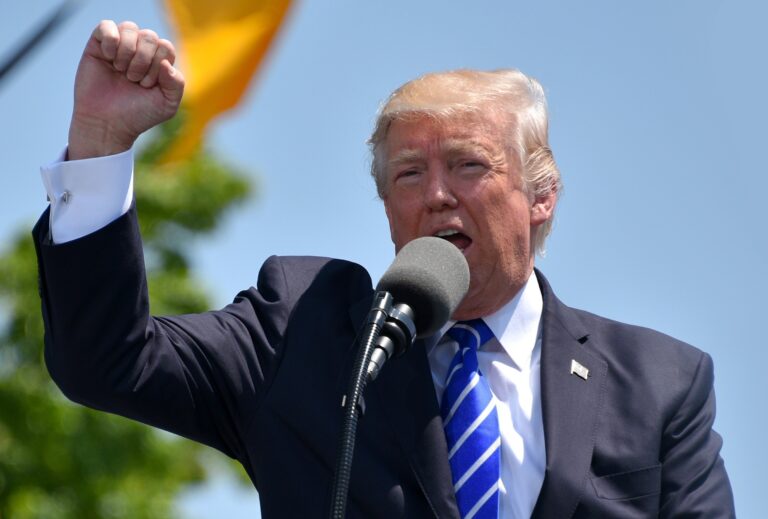
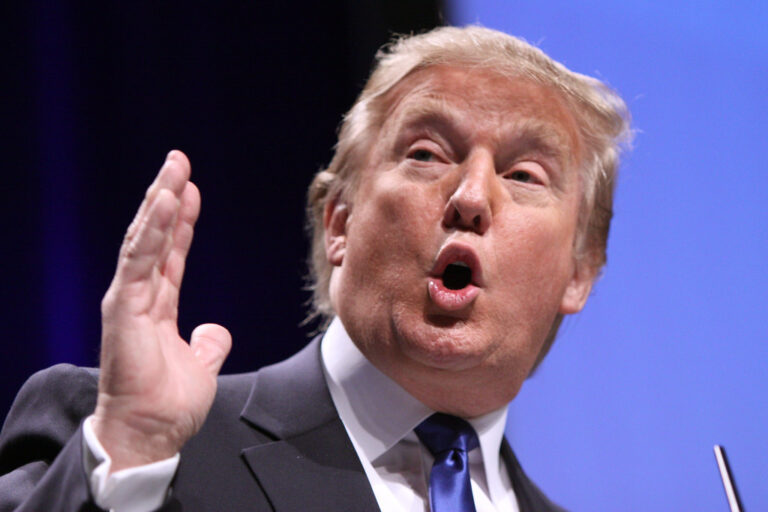
Did Trump clemency lead to fresh crime trouble?

0

Key Takeaways

  • Trump clemency for Jonathan Braun sparked controversy.
  • Since his release, Braun faced five new arrests.
  • He now faces violent charges and up to five more years in prison.
  • New allegations include attacking a nurse and a nanny.
  • This case adds to other Trump clemency recipients who reoffended.

Trump clemency raises fresh questions

Former President Donald Trump’s decision to commute Jonathan Braun’s sentence drew sharp criticism. As a result, many asked whether presidential power was used wisely. However, new criminal charges against Braun now deepen the debate.

Background of the Trump clemency

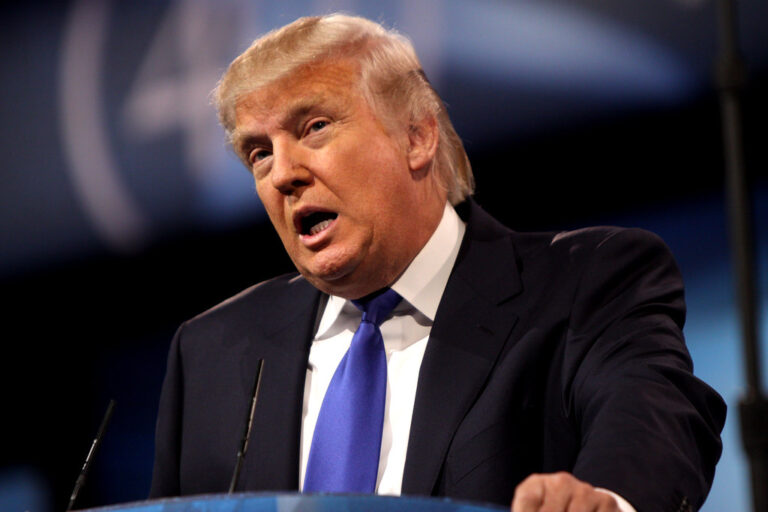
In 2019, Jonathan Braun received a ten-year prison sentence. He plotted to smuggle over 220,000 pounds of marijuana. Yet, late in 2020, Braun struck a deal with prosecutors. He shared information about a loan sharking ring. Moreover, he had ties to the Kushner family. Consequently, President Trump granted him clemency just before leaving office. Critics said Trump clemency appeared arbitrary. They argued it was an example of favoritism at the highest level.

Arrests since the Trump clemency

Since his release, Braun has been arrested five times. First, he faced drug-related charges for violating parole. Then, he was accused of attacking his young son and a guest. Although a judge later dismissed those counts, they raised alarms. In addition, Braun’s behavior seemed more erratic. He drove a white Lamborghini and a black Ferrari. He ignored at least 75 toll charges. Consequently, authorities added toll evasion to his record.

New charges after Trump clemency

Now, Braun is back in federal custody. He faces several violent crime charges. First, he allegedly swung an IV pole at a nurse in a hospital. Then, he is accused of physically assaulting his family nanny. According to her, Braun barged into her room. He forced her onto a bed, put her in a headlock, and groped her. Meanwhile, Braun denies these allegations. Yet, if convicted, he could face up to five years behind bars.

Details of the violent allegations

The hospital incident is chilling. Witnesses say Braun grew violent without warning. He reportedly yelled and swung an IV pole. The nurse escaped harm but suffered fear and shock. Next, the nanny’s claims are disturbing. She says Braun lost control after arguing with his wife and parents. She felt unsafe and fled the house. However, Braun’s defense team insists these stories lack proof. They argue the nanny made false accusations. A judge will weigh the evidence soon.

Impact on parole and future sentences

Braun already violated his parole after Trump clemency. Now, the new arrests may push him back to prison even longer. In fact, federal law allows consecutive sentences for parole violations. Therefore, Braun could serve more than the original ten years. In addition, state charges for assault could add extra time. As a result, his freedom seems unlikely for many years.

Broader fallout from Trump clemency decisions

Jonathan Braun is not the only case under scrutiny. Several people who got pardons or commutations from Trump later reoffended. For example, among the Jan. 6 rioters he pardoned, some have been arrested again on unrelated charges. One was shot by police while resisting arrest. Others faced conspiracy counts or possession of illegal material. In each instance, critics point to Trump clemency as reckless. They worry that power was used without clear standards.

Arguments for and against presidential clemency

Supporters of broad clemency power say mercy is part of justice. They believe second chances can help reformed offenders rebuild their lives. However, opponents stress the need for checks. They argue that pardons should focus on nonviolent offenders or clear cases of injustice. Braun’s case fuels this debate. His violent behavior contrasts sharply with hopes of rehabilitation.

What’s next for Trump clemency debates?

This newest scandal may push Congress to consider limits on presidential pardons and commutations. Lawmakers could propose clearer guidelines. They might require public reviews before grants take effect. Meanwhile, the public will watch Braun’s trial and potential sentencing. His case could become a test of how the justice system handles high-profile clemency recipients.

Conclusion

In the end, Jonathan Braun’s story shows how complex presidential clemency can be. While some former inmates thrive, others may reoffend. Trump clemency remains a hot topic because it touches on fairness, justice, and accountability. As Braun awaits his fate, the debate continues over when and how leaders should use this powerful tool.

Frequently Asked Questions

What exactly did Trump clemency do for Jonathan Braun?

Trump clemency cut Braun’s ten-year sentence short. He was freed after sharing information with prosecutors and using his connections.

Why are people upset about Trump clemency?

Critics say the decision looked arbitrary and based on personal ties. They worry it set a bad precedent for future commutations and pardons.

Could Braun serve more time for the new charges?

Yes. If convicted of assault and other counts, he faces up to five more years. Plus, parole violations could add extra months.

How might this affect future clemency decisions?

Lawmakers may seek clearer rules for granting pardons. They could demand public input or legal reviews before approving commutations.

Why Is the Meta Lawsuit All About Name Mix-Up?

0

Key Takeaways

• Indianapolis lawyer Mark S. Zuckerberg sued Meta for repeatedly suspending his Facebook accounts.
• Meta’s algorithm flagged his accounts as fake because he isn’t Mark E. Zuckerberg.
• The Meta lawsuit claims negligence and breach of contract for business losses.
• Facebook says it fixed the error and will work to prevent it again.

Inside the Meta lawsuit over name confusion

Indianapolis attorney Mark S. Zuckerberg has spent 38 years helping clients. Yet his Facebook account faces constant suspensions. He shares almost the same name as Facebook’s creator, and Meta’s system thinks his account is fake. Now he’s taken Meta to court in Marion County Superior Court. His case accuses the social media giant of negligence and breach of contract.

How did the account issues start?

Mark S. Zuckerberg first noticed problems when he could not log into his page. Then his business ads vanished. He lost thousands of dollars in ad spending. Moreover, potential clients never found his practice online. Meta’s automated filters flagged him over and over. As a result, his personal and business accounts stayed disabled for days or weeks at a time.

Why does the Meta lawsuit matter?

This Meta lawsuit shines a light on big tech’s overreliance on algorithms. When machines make errors, real people can suffer real harm. In this case, an honest lawyer lost clients and money. His business reputation took a hit. Therefore, his suit asks Meta to pay for damages and to fix its system.

Behind the curtain of mistaken identity

Every day, Mark S. Zuckerberg gets hundreds of friend requests meant for someone else. Strangers call him for Facebook tech support. They beg him to unlock their accounts. Some even share tips on improving Facebook. He tries to explain he is not the famous CEO. Yet the mistake keeps happening.

The legal claim in simple terms

In his complaint, the lawyer says Meta failed to honor its own rules. He argues the company breached its contract by disabling his account without proper reason. He also says Meta was negligent. It must know it mishandles cases with name matches. He seeks compensation for lost advertising and harmed business.

What is the impact on his practice?

His ads stopped running, so fewer people saw his law firm online. Potential clients moved on. He estimates losses in the thousands of dollars. In addition, answering endless support calls wastes hours each week. He spends time fighting Meta instead of helping clients and being with family.

How Facebook responded

Meta reviewed his case and said the disabling was an error. They reinstated his personal and business accounts. A company spokesperson apologized for the trouble. They promised to improve their automated checks. They also thanked him for his patience.

What happens next with the Meta lawsuit?

Meta may try to settle out of court. Or the case could move to trial. If the judge favors the lawyer, Meta could owe significant damages. The outcome may force Meta to tweak its system. Ultimately, it could help other people stuck in the same loop of wrongful suspensions.

Why this fight matters for everyone

Millions of people use Facebook for work and personal life. If automated tools block legitimate accounts, users can lose income and contacts. This Meta lawsuit shows how big platforms need better human oversight. It also highlights that mistakes in tech touch real lives.

Looking ahead

Mark S. Zuckerberg says he just wants peace. He doesn’t want to waste more time battling Meta. Instead, he wants to focus on his clients and family. Meanwhile, Meta aims to prevent these errors at scale. Both sides may use this case to improve online safety and fairness.

Frequently Asked Questions

What does the lawsuit accuse Meta of?

The suit claims Meta was negligent and broke its contract by disabling accounts without valid reason.

How did Facebook fix the problem?

After review, Facebook said the account suspensions were errors and then restored both accounts.

What could change if the lawsuit succeeds?

Meta might face financial penalties and must update its automated review process to avoid similar mistakes.

Could other people benefit from this case?

Yes. If Meta improves its systems, fewer innocent users will face wrongful account suspensions.

Why Are Republicans Fed Up with Bill Pulte?

0

Key Takeaways

  • Republicans are frustrated with Bill Pulte’s aggressive behavior.
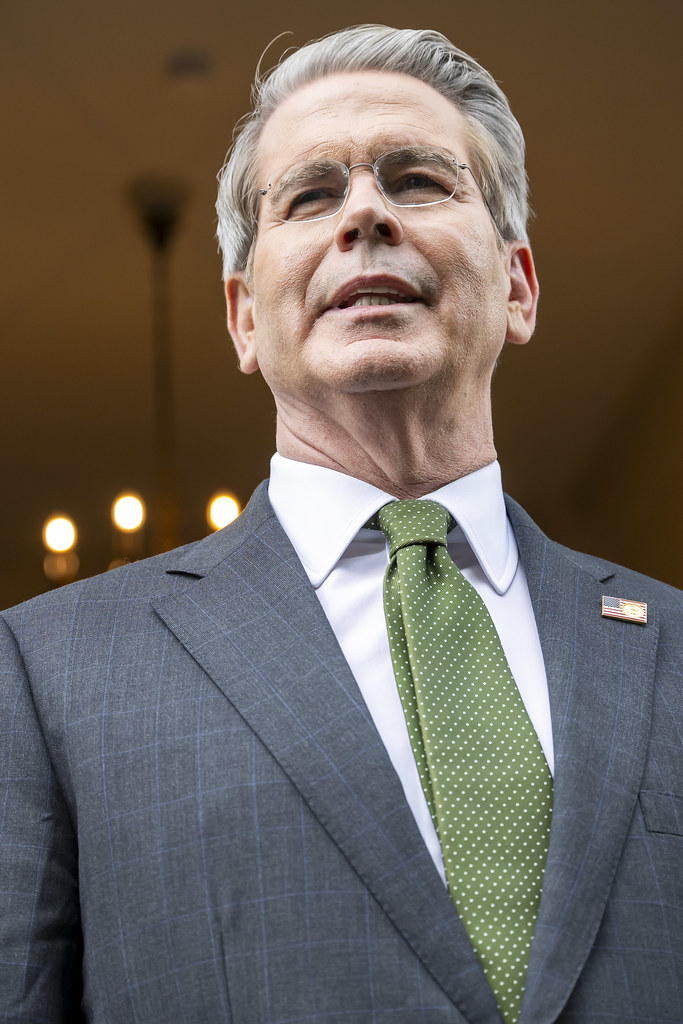
  • Treasury Secretary Scott Bessent threatened to punch Bill Pulte at an event.
  • Bill Pulte has criticized Fed officials, including Governor Lisa Cook and Jerome Powell.
  • Many House Republicans see Bessent as the steady voice in economic policy.
  • Infighting in the Trump administration highlights deeper tensions over monetary policy.

Republicans growing frustration with Bill Pulte

A fiery argument at a recent Georgetown event has put Bill Pulte in the spotlight. GOP lawmakers say they are tired of his loud attacks on fellow officials. Meanwhile, Treasury Secretary Scott Bessent stood up to Pulte in front of top Trump aides. This fight reveals a wider battle over economic policy in the current administration.

The cocktail hour clash

Last week, an evening gathering of Trump administration officials turned tense. During the cocktail hour, Pulte spoke to President Trump about rumors involving Bessent. Suddenly, Bessent exploded. He told Pulte, “Why the f— are you talking to the president about me? F— you.” Then he threatened, “I’m gonna punch you in your f—ing face.” Witnesses say the heated moment made many in the room uneasy.

Treasury Showdown Highlights Bill Pulte Tensions

Bill Pulte has long been one of Trump’s most vocal critics of the Federal Reserve. He used social media to defend the president’s attacks on the Fed. However, his sharp tone has alienated some Republicans. Now, after Bessent’s threat, GOP lawmakers are taking sides. Many credit Bessent for standing up to Pulte’s insults.

Pulte’s role in Trump’s Fed fight

Bill Pulte leads the Federal Housing Finance Agency, which oversees mortgage firms. He has accused Fed Governor Lisa Cook of mortgage fraud. Trump later moved to fire Governor Cook. In addition, Pulte has blasted Fed Chair Jerome Powell for high costs and policy decisions. His aggressive style echoes the president’s own social media attacks. Yet his approach frustrates some rank-and-file Republicans.

Why Republicans back Bessent

First, Bessent is seen as calm under pressure. Republicans call him “the adult in the room.” They believe he keeps economic policy steady. Second, many agree with Bessent’s quiet leadership style. In contrast, they describe Bill Pulte as “a nut” and “too big for his britches.” One House Republican said Pulte steps on toes with his bold claims. Another added they respect Bessent for defending himself.

In addition, Rep. Dan Meuser praises Bessent’s clear direction. Meuser says he aligns with where the president and Bessent want to go. He admits loyalties lie more with Bessent than with Pulte. Meanwhile, other lawmakers say they would have reacted like Bessent to Pulte’s comments.

The impact on administration unity

This public spat highlights deep tensions in the administration’s economic team. On one side, Trump rewards bold rhetorical attacks on the Fed. On the other, many Republicans prefer steady, behind-the-scenes work. Bill Pulte’s outspoken nature clashes with that steady approach. As a result, GOP lawmakers worry that infighting could slow key policy moves.

Some fear Bill Pulte’s public battles may distract from housing and finance issues. Others worry about harm to the administration’s image. Moreover, such fights could affect cooperation on future pandemic relief or housing reforms. If the feud continues, it may force Trump to choose sides.

What’s next for Bill Pulte and the administration?

First, the White House may work to calm tensions. They could ask Pulte and Bessent to meet privately. Second, lawmakers might press for clearer roles in economic policy. They could hold hearings or demand briefings. Third, Trump could weigh which voice he values more. Will he side with Pulte’s aggressive style or Bessent’s measured approach?

In addition, more public spats could emerge if Pulte keeps up his attacks. Alternatively, he might tone down his language to regain GOP support. Meanwhile, Bessent must decide if he will keep confronting Pulte or seek a truce. Either way, the clash shows how leadership style can shape policy battles.

Conclusion

The fight between Bill Pulte and Scott Bessent reveals deep divides in the Trump administration. Republicans frustrated by Pulte’s blunt tactics are rallying around Bessent. Yet Pulte remains a key player in Trump’s war on the Federal Reserve. As tensions simmer, the administration faces a choice. Will it embrace bold attacks or favor steady guidance on economic policy? The coming weeks will show which voice wins out.

FAQs

Why did Bessent threaten Bill Pulte?

Bessent felt Pulte was spreading negative comments about him to President Trump. His anger led to the threat during a private event.

What has Bill Pulte said about Fed officials?

Pulte accused Governor Lisa Cook of mortgage fraud and criticized Chair Jerome Powell’s policy and renovation costs.

How are House Republicans reacting to the feud?

Many GOP lawmakers admire Bessent’s calm leadership. They describe Pulte as overly aggressive and a source of frustration.

Could this clash affect policy decisions?

Yes. Ongoing infighting may slow housing reforms or pandemic relief measures by diverting focus from key issues.

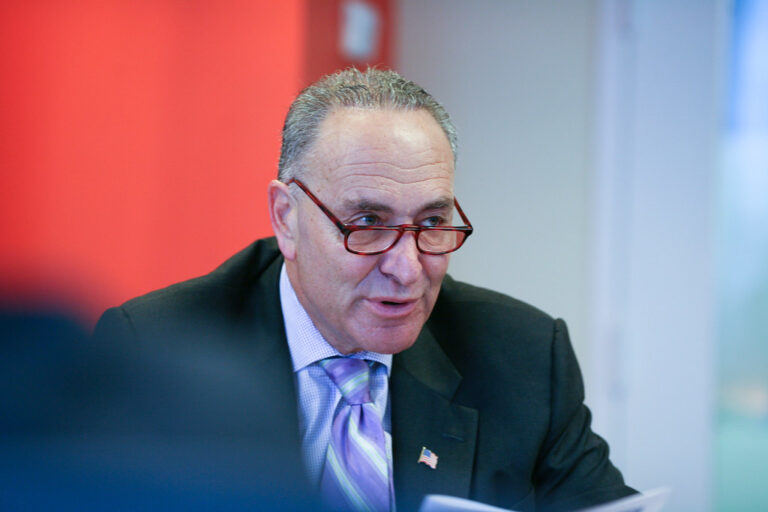
Is Schumer Causing Another Betrayal?

0

Key Takeaways:

  • House Democrats are angry at Schumer for backing a GOP funding plan in March.
  • Members fear he might pull the rug out again as a shutdown nears.
  • Schumer and Democratic leaders are in talks to swap votes on healthcare changes.
  • Republicans are waiting on guidance from former President Trump before moving forward.

Is Schumer behind another betrayal of House Democrats? A private meeting this week revealed deep frustration among Democratic members. They blame Senate Democratic Leader Schumer for siding with Republicans on crucial funding in March. Now, with a possible government shutdown looming, trust sits on a knife’s edge.

House Democrats’ Anger at Schumer

House Democrats gathered in a closed-door caucus session. They vented about the decision Schumer made in March. Back then, he supported a Republican funding measure almost all Democrats opposed. One lawmaker said the anger was “anticipatory” because they feared a repeat of the March deal. Another demanded, “Schumer can’t mess this up again.”

As a result, members worry about trusting the Senate on any future funding fix. They fear that Schumer and his allies might get cold feet or cut a deal that weakens their agenda. In fact, one senior Democrat admitted there was “mucho” anger over how the Senate led the fight.

Schumer’s Role in the Funding Fight

Schumer has tried to ease these worries. He has met with House Minority Leader Jeffries to align strategies. However, some House members remain unsettled. They remember how Schumer backed a stop-gap plan that did not protect key Democratic goals.

Moreover, Democrats want to reverse certain healthcare provisions in what they call the “One Big, Beautiful Bill.” Schumer has floated the idea of swapping votes to make those changes. Yet, many in the House caucus fear that such swaps could leave other priorities by the wayside.

Risk of Government Shutdown

The October 1 deadline for a new budget draws near. Neither the House nor the Senate is on track to approve all appropriation bills in time. Consequently, leaders plan a short-term continuing resolution. That measure would fund the government temporarily while they sort out final deals.

However, thanks to Schumer’s past move, trust issues threaten progress. House Democrats worry the Senate may walk away or shift the goalposts at the last minute. They sense that party unity could fracture when pressure peaks.

What Comes Next?

House and Senate Democrats insist they will stay in close touch. Jeffries said they will meet regularly to coordinate. They also plan more private talks to avoid surprises. Yet, grassroots activists and rank-and-file members remain on edge.

Additionally, some Democrats call for a strong public message. They want to show voters they fight for healthcare and other key issues. Otherwise, they fear complacency could erode support before midterm elections.

Republicans Await Trump’s Signal

On the other side, House Speaker Johnson revealed he is waiting on former President Trump’s orders. In a private meeting, he said his team needs “anomaly” requests from Trump’s budget aides. Without that input, appropriators have no clear plan for spending bills.

Therefore, both parties face uncertainty. Democrats fear betrayal. Republicans hold their breath for a former president’s word. In the meantime, the clock ticks down toward a possible shutdown.

Conclusion

In short, House Democrats feel burned by Schumer’s past deal with Republicans. They worry a repeat could weaken their agenda and harm voters. As the October 1 deadline nears, trust and unity will prove vital. Both Senate and House leaders must work closely and avoid surprises. Otherwise, a government shutdown may prove inevitable.

FAQs

What exactly happened in March that upset House Democrats?

In March, Schumer backed a Republican funding measure. Almost all Democrats opposed it. Members felt that deal undercut their priorities and left them out of key decisions.

How likely is a government shutdown on October 1?

A shutdown is possible if Congress fails to pass a budget or a short-term continuing resolution by that date. Lawmakers on both sides express worry, but they hope for a last-minute fix.

Will Schumer really betray House Democrats again?

Schumer and House leaders insist they will coordinate closely. Yet, the memory of the March vote fuels ongoing mistrust. Only time will tell if they can rebuild that trust.

What role does former President Trump play in this process?

House Republicans, led by Speaker Johnson, are waiting for spending guidance from Trump’s budget team. They need his input before drafting their own proposals.

Did Trump Halt the Qatar Strike on Hamas?

0

Key Takeaways

  • President Trump says the U.S. military warned him too late to stop the Qatar strike.
  • He claims Israeli Prime Minister Netanyahu made the decision, not him.
  • Trump sent Special Envoy Steve Witkoff to warn Qatar, but the attack went ahead.
  • He apologized to Qatar’s leaders and promised it won’t happen again.

Trump’s view on the Qatar strike

President Trump posted on Truth Social that he learned of the planned Qatar strike only when it was too late. He explained that U.S. military officers told him Israel was about to hit a Hamas negotiating team in Doha. However, the attack began before he could intervene.

Why Netanyahu ordered the Qatar strike

Trump said Israeli Prime Minister Benjamin Netanyahu chose to act on his own. Therefore, he says, Israel launched the Qatar strike against Hamas officials in a section of Doha. Trump insists he did not give permission for this operation.

What happened in Doha

Early one morning, Israeli forces hit a building in Doha where Hamas negotiators were meeting. As a result, Qatar suffered damage and civilian fear rose. Although Israel called these leaders terrorists, the location was a diplomatic hub. Consequently, Qatar felt betrayed and angry.

Trump’s late warning

Upon hearing the plan, Trump immediately sent Special Envoy Steve Witkoff to Qatar. He asked the envoy to tell the Emir and prime minister that an attack was coming. Unfortunately, by the time the message arrived, the Qatar strike had already begun. Trump said he felt “very badly” about the timing and outcome.

Qatar’s reaction and U.S. friendship

Following the strike, Trump spoke directly with Qatar’s leaders. He apologized and praised their support of the United States. Additionally, he promised such an incident would never happen on Qatari soil again. Meanwhile, Qatar’s officials expressed relief at his apology and hope for stronger ties.

Impact on U.S.-Israel relations

This episode raises questions about trust between the United States and Israel. On one hand, the U.S. gave Israel military aid and intelligence. On the other hand, Israel acted without U.S. approval, leading to a surprise diplomatic crisis. Therefore, analysts say both sides must rebuild trust.

Hamas and regional fallout

The Qatar strike targeted top Hamas negotiators. As a result, Hamas vowed retaliation and warned of wider conflict. Furthermore, other Gulf nations saw the incident as a break of diplomatic norms. Consequently, regional stability now seems more fragile.

How Trump frames his role

Trump emphasized that he did not approve the Qatar strike. Instead, he portrayed himself as a peacemaker who tried to warn Qatar. He also highlighted his friendship with the Emir and prime minister. Ultimately, he aims to distance himself from the operation’s fallout.

Could this happen again?

Trump assured Qatar such an attack will not repeat. He says he will closely monitor any future plans involving U.S.-supplied intelligence. However, the episode shows clear limits to U.S. control over Israeli decisions. Therefore, both countries must establish stronger communication channels.

What this means for future talks

Diplomatic negotiations often rely on trust and clear rules. After the Qatar strike, negotiators may hesitate to meet on foreign soil. Meanwhile, Qatar might insist on extra guarantees for its safety. Consequently, future peace talks could become more complex and require new security measures.

Lessons learned

First, allies must share plans early and clearly. Second, intelligence-sharing requires strict timing protocols. Third, diplomatic venues need extra protection. Most importantly, open dialogue can prevent surprises that damage trust.

Looking ahead

As tensions ease, Trump’s apology to Qatar may help calm nerves. Nevertheless, the Qatar strike episode will shape future U.S.-Israel cooperation. Both sides face pressure to improve communication and avoid another diplomatic crisis.

Frequently Asked Questions

Why did Israel carry out the Qatar strike?

Israel says it targeted Hamas leaders it deemed terrorists. They argued the strike was necessary for security, though it took place in a diplomatic area.

How did Trump learn about the Qatar strike?

Trump said U.S. military officials informed him on the morning of the operation. He claims he received the warning too late to stop the attack.

What was Qatar’s response to the attack?

Qatar’s leaders were upset and saw the strike as a breach of diplomatic trust. After Trump’s call and apology, they expressed hope for improved relations.

Will U.S.-Israel relations suffer long-term damage?

The incident exposed gaps in coordination. While both sides remain close, they may need new agreements to prevent future surprises.

Is Job Growth Slowing Under Trump?

0

Key Takeaways

  • The Wall Street Journal says President Trump can’t keep blaming his predecessor for weak job growth.
  • The Bureau of Labor Statistics cut nearly 1 million jobs created between April 2024 and March 2025.
  • Most lost jobs came from President Biden’s final year but also include two months of Trump’s term.
  • Trump fired the BLS director after disappointing monthly job numbers.
  • Experts say Trump’s tariffs, border taxes, and deportations have slowed job growth more than policies he inherited.

Job Growth Revision Shakes Confidence

The Wall Street Journal editorial board warns that President Trump’s ability to blame low job growth on former President Biden is running out. Recently, the Bureau of Labor Statistics revised its data for the period from April 2024 to March 2025. They removed almost 1 million jobs that they had earlier reported as created. These cuts cover Biden’s last year in office and two months of Trump’s second term.

The president reacted angrily to the weaker monthly jobs report and fired the BLS director. Even conservative commentators now criticize Trump’s approach. They note that the monthly surveys often overestimate job growth because fewer employers respond. Only 43 percent now answer, down from 60 percent before the pandemic.

Despite inheriting a fragile economy, Trump must act on policies that encourage job growth. As the editorial board points out, “blaming Joe Biden for bad economic news won’t work as an excuse for much longer.”

Job Growth and Trump’s Policies

President Trump promised to boost wages through tax cuts and fewer regulations. Yet his border taxes, new tariffs, and deportations have slowed job growth. For example, job figures averaged only 27,000 new positions per month over the last four months. Meanwhile, 1.2 million more Americans stepped out of the labor force since April, and most want jobs. Teen employment dropped by 2.1 percentage points in that same period.

Moreover, higher import taxes have hit manufacturers and farmers. They face steeper costs and uncertainty, so they delay hiring. Likewise, stricter immigration enforcement reduces available workers in key sectors. Employers who once relied on migrant labor must now pay more or leave positions unfilled. As a result, job growth stalls in industries that usually lead hiring.

What Led to the Big Job Count Change?

In mid-2025, the BLS revised its payroll estimates from April 2024 through March 2025. The agency deleted nearly 1 million jobs due to survey response declines. Before the pandemic, 60 percent of businesses answered the monthly questions. Today, only 43 percent do. The lower response rates make initial job estimates too high.

Furthermore, the BLS director’s sudden firing came just after a sluggish jobs report. President Trump accused the surveys of being “rigged” even though no evidence supports that claim. Instead, experts point to technical issues and falling participation. The firings shook confidence in the labor data, leaving businesses and workers unsure.

Why Blaming the Past Won’t Work

The Trump administration argues it inherited an economy “even weaker than we thought.” However, the Wall Street Journal board says that excuse grows thin. Voters want rising paychecks and steady work. They elected Trump to restore the strong job growth of his first term.

Yet border taxes and tariffs are doing the opposite. Tariffs on steel and aluminum drive up costs for builders and automakers. In turn, these firms slow hiring or pass prices to consumers. Meanwhile, deportations shrink the pool of available workers. This shortage hurts agriculture, construction, and hospitality.

Therefore, blaming poor data or past leaders won’t rescue the economy. Americans judge the present, not the last administration. They see flat wages and fewer job openings. And they want quicker action to boost job growth now.

What Could Boost Job Growth?

To revive hiring, the president could ease trade restrictions and cut costly tariffs. Reducing import taxes would lower production costs for U.S. companies. Then, manufacturers could add more staff and raise wages.

Moreover, relaxing border taxes and reforming immigration rules could fill jobs that Americans struggle to take. For instance, more legal worker visas would help farms that lack seasonal labor. In turn, farms would expand and hire more employees.

Also, the administration might streamline regulations that burden small businesses. Fewer red tape requirements let startups grow faster and hire sooner. For example, simpler permit processes and tax filings reduce costs for new hires.

Finally, targeted investments in job training and apprenticeships could raise skill levels. Well-trained workers attract businesses seeking talent. Then, firms are more likely to create local jobs and offer better pay.

Conclusion

President Trump may have inherited a weak economy, but he holds the reins now. The Wall Street Journal editorial board urges him to drop anti-growth policies and focus on real solutions. By cutting tariffs, easing border taxes, and supporting businesses, he could revive job growth. Otherwise, his excuse for slow hiring will wear thin, and voters will demand change.

Frequently Asked Questions

What caused the Bureau of Labor Statistics to cut nearly 1 million jobs?

The agency saw a big drop in survey responses from employers. Lower participation led to initial overestimates of job growth.

How do tariffs affect job growth?

Tariffs raise costs for U.S. companies that use imported materials. Higher costs often lead to slower hiring or price increases for consumers.

Can President Trump reverse the job growth slowdown?

Yes. By reducing tariffs, easing immigration rules, and cutting red tape, he could encourage businesses to hire more workers.

What does firing the BLS director mean for job data?

The firing has shaken confidence in labor statistics. However, the main issue is low survey response rates, not deliberate data manipulation.

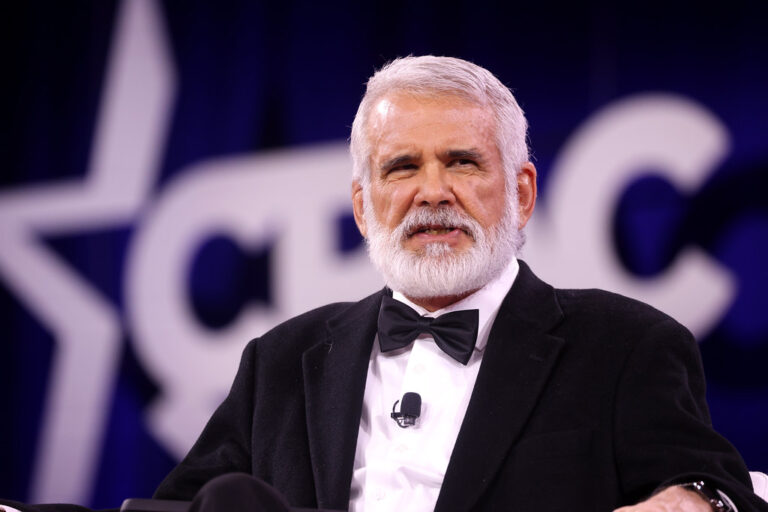
Did Robert Malone’s Meme Go Too Far?

0

Key Takeaways

  • Robert Malone clashed with Sen. Richard Blumenthal over a vaccine meme at a Senate hearing.
  • Blumenthal argued Malone’s meme compared vaccines to Russian roulette.
  • Malone denied the meme inspired the CDC shooter and called the claim “in your mind.”
  • The heated exchange highlighted tension over vaccine debates and free speech.

Introduction

Robert Malone, a well-known anti-vaccine figure, faced tough questions in a recent Senate hearing. Senator Richard Blumenthal accused Malone of sharing a meme that compared vaccines to Russian roulette. Moreover, the meme appeared the same day a gunman attacked the CDC campus. As a result, the hearing turned into a heated clash.

Robert Malone’s Meme Under Fire

At the heart of the clash was a post on Malone’s Substack, which featured a meme. It showed a revolver with multiple vaccine doses in each chamber. The text suggested that taking a vaccine dose was like playing Russian roulette. Malone published the post on August 8. Shockingly, the shooting at the CDC happened on that very day. PBS reported the gunman wanted to “send a message” about COVID-19 vaccines.

Senator Blumenthal claimed the meme “had consequences” by fueling anger. He said it might have inspired the shooter. Blumenthal argued that the post sent a threatening message. He stressed that public figures must consider how their words could drive extreme actions.

Senator’s Accusations and Malone’s Response

First, Blumenthal confronted Malone during a Senate Committee on Homeland Security hearing. He said, “The post that you did had consequences.” In response, Malone cut him off. He said, “In your mind!” Malone claimed the senator interpreted the meme wrongly.

However, Malone insisted most people saw it as dark humor. He argued that humor can be sharp without meaning real harm. He even challenged Blumenthal by saying, “If you think it’s threatening, you haven’t watched Netflix.” That comeback drew laughter from some in the room.

Tense Hearing Moment

After Malone’s outburst, Senator Ron Johnson stepped in. He swore Malone in and let him speak freely. Malone then stood by his meme. He stressed he did not intend to provoke violence. Moreover, he said Biden’s vaccine mandates caused more harm than any meme.

Despite Malone’s defense, the hearing felt tense. Malone paced near the witness table and spoke loudly to other witnesses. Observers said his behavior disrupted the flow of the session. He even refused to leave when ordered.

Implications for Free Speech and Public Health

This showdown between Malone and Blumenthal raised big questions. On one hand, people should keep free speech. On the other hand, public figures must care about real-world effects. Critics worry deregulated speech can lead to violence. Meanwhile, vaccine supporters fear false claims will harm public trust.

Robert Malone’s history of spreading vaccine falsehoods fueled the debate. The New York Times once said Malone “spreads falsehoods about vaccines.” Therefore, many officials want to curb his influence. They argue that misinformation can cost lives. However, Malone’s supporters claim he just asks tough questions about safety.

What Comes Next?

Following the hearing, calls grew for social media platforms to remove harmful content. Some senators want stricter rules on vaccine misinformation. Others warn against government overreach into speech.

Additionally, the CDC plans more research on how online rhetoric might spark violence. They hope to understand why the shooter acted on the same day Malone posted the meme. Meanwhile, Malone plans to defend his work in upcoming interviews. He insists he never meant to encourage violence.

In the end, this clash highlights a stark divide. It shows how vaccine debates can become deeply personal and even dangerous. As the fight over masks, mandates, and posts continues, lawmakers will keep debating where to draw the line.

Frequently Asked Questions

What exactly did Robert Malone post on his Substack?

He posted a meme showing a revolver with vaccine doses in each chamber. The text implied taking a vaccine was like playing Russian roulette.

Why did Senator Blumenthal say the meme was threatening?

Blumenthal argued the meme could inspire violence. He pointed to a shooting at the CDC campus on the day Malone published the post.

Did the meme really influence the CDC shooter?

There is no proof the meme inspired the shooter. However, officials noted the post and the shooting happened on the same day. They worry such messages can fuel extremist actions.

How did Malone defend himself during the hearing?

Malone claimed the senator misinterpreted his post. He said most people see it as dark humor. Moreover, he disputed any link to real violence.

Can States Sue Over Trump’s Mass Layoffs?

0

key takeaways

• A federal appeals court told a Maryland judge to dismiss a lawsuit over mass layoffs
• State attorneys general sued Trump’s team for firing probationary workers without warning
• The court said states lack standing to challenge mass layoffs
• Another case in California still fights the 60-day notice rule

Understanding Mass Layoffs Lawsuit

Earlier this year, four Democratic state attorneys general sued the Trump administration. They argued the government broke a rule on mass layoffs. That rule says states must get a 60-day warning before big job cuts. Yet, the White House fired thousands of probationary workers without any notice. In April, a federal judge ordered the administration to rehire them and follow the warning rule. However, the government asked a higher court to weigh in.

Why States Sued

The lawsuit began in March. State leaders said sudden mass layoffs hurt their budgets and local programs. They claimed states had to scramble to fill gaps left by the dismissed workers. Moreover, they pointed out that federal law protects workers during big job cuts. States said they deserve legal protection when mass layoffs affect their communities.

What the Appeals Court Decided

A three-judge panel at the Fourth Circuit heard arguments in June. Two judges appointed by Presidents Reagan and Trump ruled in favor of the administration. They said the states did not prove real harm to them. Instead, the panel noted that only individual employees suffered financial and emotional loss. Therefore, states lacked standing to sue. One judge disagreed and wrote a strong dissent. But the majority ordered the lower court to dismiss the case.

What Happens Now

Because of the ruling, the Maryland judge must throw out the lawsuit. Unless the states ask for another appeal, the case ends here. As a result, the Trump administration can carry on with its plan. It aims to downsize the federal workforce by thousands of positions. Still, the court’s decision might not stop all legal fights over mass layoffs.

What the Mass Layoffs Ruling Means

First, this ruling clears the way for more job cuts. The administration can now complete many firings without risk from this suit. Second, it shows courts may limit who can challenge mass layoffs. Third, the decision highlights how procedural issues can block big cases. Finally, it leaves the door open for other legal actions in different circuits.

Other Legal Challenge in California

Meanwhile, another lawsuit in California moves forward. It thanks to the same 60-day warning rule. There, workers and state leaders also argue the White House broke the law. A federal judge in California has not yet issued a final ruling. If that court rules against the administration, it could force rehiring and back pay. In addition, it could set a national precedent for mass layoffs cases.

Impact on Workers and States

Workers fired without warning face immediate hardship. They lose income, health benefits, and job security. Moreover, they must find new work quickly. States that relied on federal staffers worry about gaps in services. They may hire temporary workers or reassign current employees. These costs add up and could force budget cuts in other programs.

Possible Next Steps

States unhappy with the appeals court may ask the full Fourth Circuit to review the decision. Alternatively, they could seek a hearing at the Supreme Court. However, both options face steep legal hurdles. The administration may also choose to voluntarily offer advance notice for future federal layoffs. That would avoid more lawsuits over mass layoffs.

Why Standing Matters

Standing means the right to bring a case in court. Courts require a direct injury or threat of harm. Here, judges said states did not show a direct injury. They ruled only individual workers were harmed. Therefore, states could not sue over the mass layoffs. This standing doctrine often stops lawsuits early.

Looking Ahead

Even though this case ended, the mass layoffs debate will continue. Workers and states will watch the California case closely. They will also monitor how future administrations handle job cuts. Finally, Congress could step in and rewrite the rules on federal layoffs. Such legislation might require firings to include worker protections and state notice.

Frequently Asked Questions

Do states ever have the right to sue over federal policies?

States can sue when they show direct harm. Courts look for real injury to state interests. If states prove budget or program damage, they may gain standing.

How could the California case differ?

The California lawsuit features different judges and facts. If that court finds the administration broke the warning rule, it might force rehiring and damages.

Will the disputed workers get their jobs back?

That depends on court orders. So far, only the Maryland judge ordered rehiring. But the higher court tossed that order. The California court could still order rehiring there.

Could Congress change federal layoff rules?

Yes. Lawmakers can pass new laws to require longer notice, severance pay, or special review for federal mass layoffs. That change would affect all future job cuts.

What Sparked the Rochester Protest Against ICE?

0

Key Takeaways:

  • ICE agents attempted to make an arrest in an upscale Rochester neighborhood.
  • About 200 people formed a crowd and slashed the tires of a Border Patrol vehicle.
  • The only person taken into custody was a roofer known as “Chino,” who had legal work status.
  • Local contractors and immigration experts criticized the force used and praised residents’ response.

Rochester Protest Erupts Over ICE Arrest

Immigration agents arrived early in a quiet, tree-lined street in Rochester. They planned to arrest a person they suspected of violating immigration laws. However, neighbors quickly spotted them. Within minutes, about 200 people gathered around the agents. They chanted “shame” and compared the officers to a notorious secret police. Then, they slashed the tires of a federal vehicle. The crowd praised each other as they watched the SUV drive away on four flat tires.

How Did the Rochester Protest Unfold?

First, a team of ICE officers and Border Patrol agents walked toward a rental house on Westminster Road. They wanted to arrest one person who worked on the roof. Meanwhile, locals in nearby homes saw unmarked vans and SUVs. They stepped outside with their phones. Instantly, word spread through Park Avenue. Next, a sizeable crowd rushed in. They surrounded the agents. Someone in the group grabbed a utility knife and punctured each tire on the Border Patrol SUV. Other protesters shouted as agents tried to leave. Eventually, the officers drove away slowly with flat tires.

During the chaos, the agents arrested only one person. They left three other workers on the rooftop. All of them remained free. Protesters cheered when the agents drove off. Some yelled “Gestapo.” Others held up signs in support of immigrants. After the agents left, neighbors cleared the street. They spoke with each other about what had just happened. Finally, the crowd dispersed peacefully.

Who Is “Chino” and Why Did Neighbors Rally?

The arrested worker goes by the name “Chino.” Clayton Baker, a local roofing contractor, said he hired Chino five years ago. Baker emphasized that Chino has lived in the United States for 25 years. Moreover, he holds legal work authorization. He always paid his taxes and never broke traffic laws. Baker described him as a family man who goes to church every Sunday. Chino also has a baby on the way.

Baker was furious. He called the arrest “inhumane” and “sad.” He knew the agents targeted the only worker they could reach. Meanwhile, three others remained untouched on the rooftop. Baker and other neighbors felt the immigration action made no sense. Therefore, they joined the Rochester protest to demand fairness and respect for long-time residents.

What Experts Say About the Rochester Protest

Many immigration advocates watched the scene unfold. Aaron Reichlin-Melnick, a senior fellow at an immigration think tank, spoke on social media. He said he was stunned by how boldly locals confronted federal agents. He noted that slashing the tires of a Border Patrol vehicle is a serious offense. Yet, the crowd seemed to accept that risk. They cheered the act. According to Reichlin-Melnick, such behavior shows deep anger at immigration enforcement.

Furthermore, he said this incident highlights growing tension between communities and ICE. People everywhere are watching how immigration policies affect everyday lives. Therefore, local protests can turn heated when families feel targeted. This Rochester protest made headlines because it took place in a wealthy neighborhood. Observers said that choice sent a clear message: no place is off-limits when basic rights feel threatened.

Legal Risks and What Comes Next

Slashing federal vehicle tires carries stiff penalties under federal law. Anyone caught cutting or damaging government property could face fines and prison time. However, in the Rochester protest, no arrests were reported for the tire slashing. Local police arrived after the agents left. They spoke to the homeowner and neighbors. But they did not detain anyone else.

For Chino, the legal battle is just beginning. His status and work authorization could protect him. Yet, he still faces possible detention hearings. His contractor, Clayton Baker, plans to hire legal help. He hopes to reunite Chino with his family. Meanwhile, the community has rallied around the arrested roofer. They have started online fundraisers and written letters to local leaders.

Also, city officials have faced questions. Some wonder whether local police should step in faster when protests target federal agents. Others ask if the community’s anger points to deeper immigration policy issues. Therefore, city leaders may hold public meetings to address concerns. They want to calm fears and find solutions.

Why the Rochester Protest Matters

This protest matters for several reasons. First, it shows how strongly some communities oppose certain immigration tactics. Second, it highlights the role of local solidarity. Neighbors united to defend someone they saw as a good citizen. Finally, it reminds us that immigration debates affect everyday workers and families.

In the end, the Rochester protest against ICE did more than disrupt an arrest. It sparked a broader discussion on community, law enforcement, and fairness. People in other cities are watching closely. They may soon face similar challenges. Therefore, the lessons from Rochester could shape future actions and responses across the country.

Frequently Asked Questions

What triggered the Rochester protest?

Residents saw ICE and Border Patrol agents approach a house. They thought the agents targeted a long-time, legal worker. As a result, about 200 people formed a crowd and expressed their anger.

Who was arrested during the incident?

A roofer known as “Chino” was taken into custody. His contractor said Chino has lived in the U.S. for 25 years and had legal work authorization.

Is slashing federal vehicle tires a crime?

Yes. Damaging federal property, including government vehicles, is a federal offense. Penalties can include fines and prison time.

What might happen next after the protest?

Local officials may hold community meetings to address tensions. Chino could fight his case in immigration court. Neighbors may continue to support him.

Could Trump Use Force Over Brazil Coup Plot?

0

Key Takeaways:

• A White House spokesperson hinted Trump might use military force over a Brazil coup plot.
• Trump has imposed tariffs and sanctions on Brazil, including targeting a top justice.
• The trial accuses former President Bolsonaro of planning to assassinate Brazil’s leaders.
• Critics blame the US for past interference in Brazil’s democracy and warn against new threats.

Coup Plot Threat Sparks US-Brazil Tensions

In a press briefing, a White House spokesperson said President Trump could use the US military over a Brazil coup plot. She argued that free speech is at stake worldwide. To push her point, she named both sanctions and steep tariffs on Brazilian goods. Trump’s move even targets Justice Alexandre de Moraes. He led Bolsonaro’s trial and placed the former president under house arrest.

Inside the Coup Plot Trial

Brazil’s Supreme Court is trying ex-President Jair Bolsonaro and seven others for a coup plot. Prosecutors say the group planned to kill current President Lula, Vice President Alckmin, and Justice Moraes. They call Bolsonaro the “leader of this criminal structure.” If found guilty, he could face up to 12 years in prison. In fact, a full conviction on all counts might mean decades behind bars.

US Military Force and Free Speech Debate

The White House framed threats of force as a defense of free speech. They said Trump is “unafraid to use economic might, the military might of the United States.” However, many see a double standard. In 1964, the US backed a coup that toppled Brazil’s president. That led to 21 years of dictatorship and harsh repression. Critics now warn against history repeating itself.

Lessons from Brazil’s 1964 Coup

Back then, President Lyndon B. Johnson secretly sent warships off Brazil’s coast in case of invasion. Although no attack happened, the US still supported the military rulers. It even shared torture methods with Brazilian security forces. Bolsonaro famously praised that old regime. He served as an army paratrooper and longed for the hard-line rule of those years.

Brazilian Leaders Push Back

Leftist lawmakers strongly rejected the US threat. They called it “interference, blackmail, and intimidation.” One lawmaker said Brazil is no one’s colony. She stressed that Brazil’s own constitution should rule this trial, not a foreign president. Another member of Congress mocked Trump’s “free speech” claim as absurd. She added that no one is stopping Bolsonaro from speaking freely inside his house arrest.

What’s Next for Bolsonaro?

Despite house arrest, Bolsonaro can’t run for office until 2030. His legal team plans to appeal any guilty verdicts. Meanwhile, the trial continues with more witnesses and evidence. Observers expect a final decision by year’s end. If Lula’s party gets the outcome they want, critics warn relations with the US could worsen.

Conclusion

The threat of US military force over the Brazil coup plot has stirred memories of Cold War meddling. It has also pushed Brazil’s leaders to stand up for their nation’s rights. As the coup plot trial moves ahead, both sides will watch closely. The outcome could reshape US-Brazil ties and set a new tone for international democracy support.

Frequently Asked Questions

What sparked the talk of US military force?

A White House spokesperson said Trump could use military might to protect free speech in response to Brazil’s coup plot trial.

Why did Trump sanction a Brazilian justice?

He targeted Justice Alexandre de Moraes, who led the case against Bolsonaro and placed him under house arrest.

What was Brazil’s 1964 coup about?

The US backed a military takeover that ousted a democratically elected president, leading to decades of dictatorship.

How long could Bolsonaro face in prison?

Under Brazilian law, a conviction for plotting a coup carries up to 12 years, but combined charges could mean decades.