64.5 F
San Francisco
Wednesday, August 5, 2026
Home Blog Page 536

Secrets Behind Nick Anderson Cartoons

0

Key takeaways

• Nick Anderson won a Pulitzer Prize for his bold editorial cartoons
• His simple style packs a powerful punch on politics and society
• He uses clear sketches and sharp messages to spark public debate
• Over four decades, his work shaped how readers view current events

Nick Anderson crafts images that speak louder than words. He started drawing in local papers. Over time, his bold style earned top awards. Indeed, his cartoons blend art and sharp criticism. Consequently, readers pause and ponder each scene.

Early Life and Career

Nick grew up sketching heroes and villains in childhood. Later, he studied art and journalism in college. Additionally, he learned to spot news angles that matter. Soon, he joined newspapers as a staff artist. There, he fine-tuned his editorial voice.

Defining a Unique Style

Anderson’s visuals feel simple at first glance. Yet each line carries strong emotion. Moreover, he often uses minimal color to highlight key parts. This choice ensures the core message pops out. Then, readers find themselves drawn to his clear focus.

Major Themes in His Work

Political leaders and social issues top his topics list. He often tackles freedom, justice, and power abuse. Furthermore, he draws attention to human rights and global events. As a result, people worldwide relate to his pointed cartoons. Indeed, he turns complex subjects into clear, digestible images.

How Nick Anderson Cartoons Speak Truth

Nick Anderson cartoons cut through noise to expose hidden truths. He asks tough questions without stating them outright. For instance, he might show a leader holding puppet strings. Immediately, readers grasp the idea of hidden control.

He avoids long captions or speech bubbles. Instead, Anderson lets visuals carry the load. Thus, his work remains timeless and borderless. Moreover, he updates his approach as new tools emerge. In this way, his core message always shines through.

The Pulitzer Prize and Its Impact

In the mid-1990s, Nick Anderson won journalism’s highest honor. His portfolio included shocking takes on war and politics. Certainly, the award boosted his platform and reach. Consequently, more papers picked up his cartoons. Soon, millions saw his work every week.

Additionally, the prize inspired younger artists to follow his path. Many cite his name as a key influence. Therefore, his legacy grows in art schools and newsrooms alike.

From Sketch to Print

Anderson starts with rough pencil sketches on paper. Next, he scans his drafts into a computer. Then, he uses digital tools to refine lines and add sparse color. Finally, editors review his piece before it goes live. Throughout the process, he stays focused on clarity and impact.

Moreover, he keeps deadlines tight to stay relevant. News moves fast, so he adapts his workflow. As a result, his cartoons capture the latest events in near real time.

Why His Cartoons Matter Today

In a world crowded with soundbites, visuals cut through clutter. Nick Anderson cartoons deliver a direct punch. They ask us to see beyond headlines. Consequently, we stop and think about real issues.

His work also helps readers form strong opinions. By mixing humor with critique, he softens hard truths. This balance keeps audiences engaged. Meanwhile, his sharp wit ensures no one misses the point.

Teaching Future Cartoonists

Nick Anderson often visits schools and workshops. There, he shares tips on drawing and idea generation. He stresses the importance of research. Furthermore, he advises young artists to read news daily. In this way, they stay informed and inspired.

He also warns against copying others. Instead, he urges originality and bold thinking. Thus, aspiring cartoonists learn to find their own voice.

Adapting to the Digital Age

Initially, Anderson worked with ink and paper only. Now, he embraces digital tools without losing his core style. He posts cartoons on social media to reach teen readers. Moreover, he collaborates with online platforms to expand his audience. Consequently, his impact extends beyond print.

His adaptability shows that art and humor can evolve. He balances traditional methods with modern tech. As a result, he remains relevant in a fast-changing world.

The Art and Impact

Few forms of journalism deliver as fast and clear a message as editorial cartoons. Nick Anderson crafts each frame with care. He blends art, politics, and social critique. As a result, his work becomes a conversation starter.

His cartoons often spark letters to editors and social debates. Clearly, they push society to question actions and leaders. Moreover, they encourage readers to seek truth and justice.

Ultimately, Nick Anderson cartoons remind us of the power of a single image. They prove that art can shape public opinion and drive change.

Looking Ahead

Even after decades in the field, Nick Anderson still finds fresh topics. He watches global events and listens to public concerns. Then, he sketches ideas that challenge conventional views. Consequently, we can expect more thought-provoking cartoons from him in the future.

As media landscapes shift, his role as an editorial cartoonist remains vital. He continues to inspire new generations. Indeed, each drawing keeps a spotlight on the world’s biggest questions.

Frequently Asked Questions

What inspired Nick Anderson to become an editorial cartoonist?

He loved art and news from a young age. Combining both felt natural. His passion for social issues and drawing led him to cartooning.

How does Nick Anderson find ideas for his cartoons?

He reads newspapers and listens to various viewpoints. Then, he notes moments that spark strong emotions. Finally, he sketches quick concepts and refines the best ones.

What makes Nick Anderson cartoons stand out?

His simple lines pack a powerful message. He uses minimal color and clear symbols. Consequently, his work remains timeless and easy to understand.

How has winning a Pulitzer Prize affected his work?

The award increased his visibility and credibility. It also inspired him to keep pushing creative boundaries. As a result, he continues to innovate in his field.

US Boat Strike in Pacific: What You Need to Know

0


Key Takeaways

• The US military carried out a new boat strike in the Eastern Pacific, killing two people.
• This is the first strike outside the Caribbean in President Trump’s naval campaign.
• Critics call the action an unlawful extrajudicial killing and question its legality.
• Experts and world leaders warn of moral and political dangers from these attacks.
• Tensions rise with Colombia after the US imposed new tariffs and harsh words.

US Boat Strike Expands to Pacific

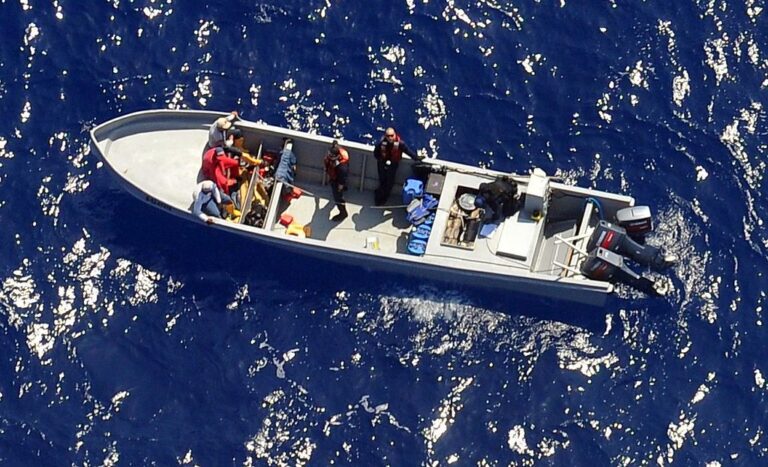
The US military launched a boat strike on Tuesday night. For the first time, it targeted a vessel in the Eastern Pacific. Defense Secretary Pete Hegseth said President Trump approved a “lethal kinetic strike” on a boat run by a “designated terrorist organization” involved in drug trafficking. According to the Pentagon, the attack killed two passengers aboard the vessel.

Previously, the US had struck seven drug-trafficking boats, all in the Caribbean. Those earlier strikes killed at least 32 people. Now, the fight has moved further west. Supporters say these boat strikes help stop drugs from entering the United States. However, critics argue the strikes break international law and skip basic justice.

Why the Boat Strike Stirs Debate

Critics have quickly condemned the latest boat strike. Conor Friedersdorf, a writer at The Atlantic, called it a “lawless extrajudicial killing.” He argued our military could have stopped and investigated the boat instead of killing its crew. Friedersdorf added that even convicted drug smugglers do not face the death penalty.

Similarly, Kenneth Roth, former head of Human Rights Watch, demolished the administration’s legal claims. He said there is no war against drug traffickers. In his view, the US cannot claim self-defense when no armed attack threatened its territory. Roth warned that treating drug smuggling like warfare sets a dangerous precedent.

Jill Wine-Banks, a former Watergate prosecutor, also expressed alarm. She wrote that this campaign is illegal and risks the safety of all Americans. Wine-Banks urged lawmakers to halt further strikes and demand oversight of the military operations at sea.

Meanwhile, journalist Mark Jacob suggested another motive behind these actions. He noted Trump’s frequent falsehoods and said imperialism might drive these boat strikes. Jacob argued the real target could be Venezuela’s government, given its oil resources. He also mentioned Colombia’s growing criticism and potential intimidation.

Colombian President Gustavo Petro added to the outcry. He said the US had “committed a murder” after one strike killed a Colombian fisherman. Petro disputes the claim that his nation’s citizens pose a national security threat. In retaliation, Caracas slapped new tariffs on Colombian exports and labeled Petro an “illegal drug leader.”

Legal and Moral Concerns

Many experts say these boat strikes violate long-standing legal norms. Under international law, states must arrest suspects and offer them a fair trial. Instead, these operations kill without trial. Moreover, critics point out that no law allows the military to execute drug smugglers at sea.

The administration labels drug trafficking as an act of war. However, there is no formal armed conflict between the US and any trafficking group. As a result, calls to expand war powers to fight narco-traffickers face serious legal hurdles. In fact, some lawmakers believe Congress never granted the president authority for such actions.

From a moral standpoint, opponents ask whether any nation should wield such power over life and death. They note that courts punish drug crimes with prison time, not execution. Killing suspects without due process undermines the rule of law. It may also fuel anti-American sentiment in Latin America and beyond.

Political Fallout and Global Reaction

The boat strike has strained US relations in the region. Colombia, long a key ally in the drug war, feels disrespected. After the latest attack killed a Colombian citizen who was simply fishing, President Petro and his cabinet condemned the move. They accused the US of violating their sovereignty and warned of diplomatic consequences.

In return, the Trump administration harshly criticized Petro. Officials claimed his government encourages drug production. They also announced new tariffs on Colombian goods. These measures could hurt Colombian farmers and traders, fueling further tension.

Beyond Colombia, other nations watch nervously. Mexico and several Caribbean countries have protested past boat strikes. They worry that the US could extend such operations to their own waters. Regional leaders fear that one day their fishing boats could become targets.

Moreover, this campaign raises questions about American values. In the past, the US has championed human rights and legal protections. Yet critics see this boat strike as a step toward unchecked military power. They warn that it sets a dangerous example for other nations.

Looking Ahead: Oversight and Accountability

As debate rages, many call for stronger oversight of military action at sea. Some senators plan to introduce bills requiring clear authority before any boat strike. They want detailed reports on targets, legal justification, and civilian risks.

Human rights groups urge independent investigations. They seek evidence on how targets are identified and confirmed. They also demand proof that no other option existed to avoid lethal force. Such steps, they argue, would restore some confidence in US operations.

Meanwhile, citizens and activists continue to speak out. Protests have taken place in Washington and major cities across Latin America. Many hold signs saying “Stop the boat strike” and “Respect international law.” Their goal is to pressure leaders to choose arrests over executions.

In the months ahead, the administration must balance drug-fighting goals with legal and moral responsibilities. If no action is taken, critics warn these boat strikes could expand further. That may lead to more deaths, more diplomatic rifts, and deeper questions about America’s role on the world stage.

Frequently Asked Questions

What exactly is a boat strike?

A boat strike is a military operation that uses weapons to sink or damage a vessel. In this case, US forces targeted ships suspected of carrying illegal drugs.

Why do critics call these strikes unlawful?

Critics say these strikes are extrajudicial killings. They argue suspects deserve arrests and trials under international law, not executions at sea.

How many boat strikes has the US carried out so far?

This latest action is the eighth boat strike. Seven occurred in the Caribbean and one in the Eastern Pacific.

What could happen next?

Lawmakers and rights groups are pushing for more oversight. They may pass laws to limit the president’s power and require clear legal justification for future boat strikes.

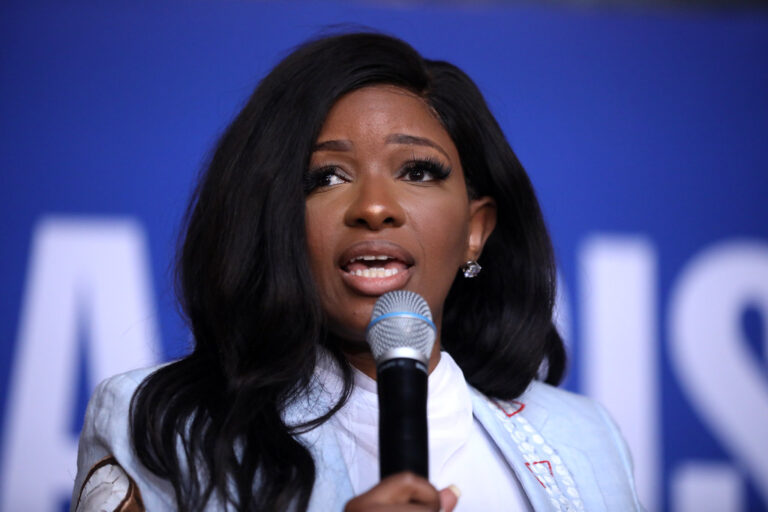
Jasmine Crockett Senate Run: Could She Take On Texas?

0


Key Takeaways:

  • Representative Jasmine Crockett may challenge for the U.S. Senate seat.
  • Texas GOP redrew her district, making re-election tougher.
  • Crockett says she’ll run if she can boost voter turnout.

Jasmine Crockett Senate Run Gains Momentum

Representative Jasmine Crockett is thinking hard about a Senate run. She spoke about her plans on a popular radio show. The new Texas map pushed her to consider running for higher office. Because Republicans redrew her district, Crockett’s current seat now favors GOP candidates. As a result, she is eyeing the Senate as an alternative path.

Crockett said she wants fairness. She pointed out that Texas leaders cut five safe Democratic districts. Her district of 766,000 people now leans Republican. Therefore, she said she might aim for a seat that covers 30 million people. She joked that karma might demand she run for that bigger seat instead.

Why Is Jasmine Crockett Considering a Senate Run?

First, the redistricting forced Crockett to rethink her future. Texas Republicans passed a new map. It shifts district lines to favor their party. In turn, this removes safe Democratic areas. Consequently, Crockett’s path to re-election became harder.

Second, Crockett has grown as a national voice. She often speaks out against policies she dislikes. Earlier this month, she called the President an “old white nepo baby” and a bully. Naturally, that drew a lot of attention. It also showed she can take a strong stand. Thus, she may have enough name recognition to compete statewide.

Moreover, Crockett believes she can expand the electorate. She wants to speak directly to people who rarely vote. If she can bring new voters to the polls, she said, she will “strongly” consider a Senate run. In her own words, she is watching those cross tabs and voting trends closely.

The Challenge Ahead in Texas Politics

Running for Senate in Texas is no small feat. Texas is a huge state with nearly 30 million residents. A candidate must raise a lot of money. They also need volunteers across many cities and rural areas. For example, a campaign must set up offices in Dallas, Houston, Austin, San Antonio, and El Paso.

In addition, a candidate must unite diverse voter groups. Texans vote based on many issues: economy, border security, education, and health care. Therefore, Crockett will have to build a message that appeals to farmers, small-town families, urban voters, and young people.

Furthermore, Crockett would join a crowded field. Other Democrats like Collin Allred and James Talarico have already said they are in. They each bring their own strengths and supporters. Meanwhile, Republicans will rally around the incumbent Senator or another candidate. Hence, Crockett must carve out her own lane in a noisy race.

What Could Change if Crockett Runs?

If Jasmine Crockett starts her Senate campaign, Texas politics could shift. First, her energy and speeches might rev up young and minority voters. She has a talent for social media and inspiring events. That could boost turnout in underrepresented areas.

Second, her entry might push other candidates to adopt bolder ideas. For example, they could focus more on voting rights, climate action, or student debt relief. That could shape debates and policy plans for years to come.

Third, a strong Democratic challenge might force Republicans to tweak their strategy. They may have to spend more money or change their message. As a result, spending on ads and town halls could spike across the state.

Finally, if Crockett wins, she would be one of the youngest U.S. Senators ever elected. She would also bring a fresh perspective from her time as a civil rights lawyer. In practice, she could push for more federal resources for Texas schools, healthcare, and infrastructure.

How Might Crockett Measure Voter Interest?

Crockett mentioned cross tabs as a key tool. Cross tabs are charts that show which groups plan to vote. They break down data by age, race, gender, and region. By studying them, campaigns see where growth is possible.

For instance, if young voters in Austin show rising interest, her campaign might host more events there. If rural counties in East Texas slip behind, she might send volunteers to knock on doors. This data-driven approach helps campaigns spend money wisely and target the right messages.

In addition, surveys and polls guide decisions. If polls show Crockett beating an opponent in a certain area, her team might pour resources there. Conversely, if another part of the state shows low support, they could launch ad campaigns or send staff to listen and engage.

Transitioning from her House role, Crockett would rely on a larger team and budget. Yet, her emphasis on voter expansion hints at a grassroots strategy. She clearly wants to find people who usually skip elections.

The Road Ahead for Jasmine Crockett Senate Run

Jasmine Crockett has not made a final call. Nevertheless, she is taking her time to weigh her chances. She will look at fundraising numbers, volunteer interest, and polling data. If she sees a strong path, she will announce her Senate bid.

Moreover, Crockett will hold conversations with community leaders. She wants to ensure her message reflects local needs. From ranchers in West Texas to tech workers in Austin, Crockett plans to listen first.

She also must consider her current House seat. If she runs for Senate, another Democrat would compete to replace her. That means her decision will ripple through federal and local politics.

Above all, Crockett wants to make an impact. She hopes that, no matter the result, she will inspire more people to vote. If she finds a way to boost turnout, she believes Texans will see the value of their voices.

Frequently Asked Questions

What would prompt Jasmine Crockett to enter the Senate race?

Crockett says she will jump in if she believes she can expand the electorate. She wants to bring new voters to the polls. If her data shows a path to win, she will run.

How has redistricting affected her decision?

Texas Republicans carved up Democratic seats to favor their party. Crockett’s district now leans Republican. This push led her to rethink re-election and look at a Senate bid.

Who else is running in the Democratic primary?

Other Democrats on the Senate track include Collin Allred and James Talarico. They each offer different backgrounds and voter appeal.

What challenges does a Senate campaign face in Texas?

A Senate run needs huge funding, wide volunteer networks, and messages that reach diverse voters. Candidates must visit every corner of Texas and address key issues.

Trump’s Bold Claim on Striking Drug Boats

0

Key Takeaways:

  • President Trump claimed his administration has legal authority to strike drug boats in international waters.
  • He suggested land strikes might need approval from Congress.
  • Trump warned traffickers could switch to land routes and pledged to “hit them hard.”
  • He asserted that each boat strike could save 25,000 American lives.

In a surprising moment, President Donald Trump spoke about using military power against drug boats. He made his remarks during a joint news conference with NATO Secretary General Mark Rutte. His words stirred debate over how far a president can go without Congress.

Understanding Legal Authority for Drug Boats

A reporter asked about the “legal authority” to strike seven boats near Venezuela and Colombia. Trump said firmly, “We have legal authority. We’re allowed to do that.” He meant the administration could act in international waters without extra permission. However, he added that strikes on land might require going “back to Congress.”

This claim raised many questions. The Constitution gives Congress the power to declare war. Yet presidents have often used force abroad through other laws. Still, experts wonder if trying to define the exact rules could spark a fight between the White House and lawmakers.

Why International Waters Matter

International waters lie beyond any single country’s border. There, no nation holds full legal control. That makes it easier for traffickers to move drugs on boats. Meanwhile, nations can cooperate under treaties to stop illegal trade. Trump’s claim suggested the U.S. could act alone under existing law.

However, some experts say major military actions still need a clear congressional nod. They worry a broad definition of “legal authority” might let presidents bypass checks and balances. Therefore, Trump’s comments became more than a policy point. They touched on the balance of power in Washington.

Potential Shift to Land Routes

Trump warned that if traffickers lose the safety of international waters, they may use land routes instead. He said, “If they go by land, we’ll hit them hard.” In other words, the administration plans to target roads, jungles, or tunnels that smugglers use.

This plan poses fresh challenges. Strikes on land could affect local communities. They might endanger civilians or spark diplomatic rows with neighboring countries. Moreover, land operations usually need more precise intelligence. As a result, critics question whether the U.S. military or other agencies are ready for such a shift.

Military Power and the 25,000 Lives

When pressed on how the operations were carried out, Trump cited U.S. military firepower. “We have the greatest military in the world,” he said. “You see a little bit of it there. One shot, everyone dead center.” Then he delivered a startling statistic: “Every time you see that happen, you’re saving 25,000 American lives. Every one of those boats that gets knocked out is saving 25,000 American lives.”

He meant that each boat hit stops a massive flow of drugs that could kill thousands of Americans. The figure shocked the room. Critics ask how he arrived at such a number. Meanwhile, supporters argue it shows the stakes of the fight against illegal drugs.

Legal Limits and Congressional Oversight

The U.S. Constitution gives Congress the power to declare war. Over time, presidents have used various laws to act without formal declarations. Yet major foreign actions often trigger heated debates in both chambers of Congress.

First, there is the War Powers Resolution. It requires the president to notify Congress within 48 hours of military action and limits operations to 60 days without approval. Second, there are authorizations for the use of military force (AUMFs) passed after 9/11. These have been used to justify many actions against terror groups abroad.

However, using those tools against drug traffickers is new ground. Some lawmakers may push to pass a fresh authorization. Others might claim Trump already has the needed authority. Either way, the clash could shape U.S. foreign policy for years to come.

International Reactions and Diplomatic Risk

Striking drug boats near Venezuela and Colombia means dealing with both governments. Both nations have their own rules and disputes with the U.S. Colombia has cooperated with U.S. anti-drug efforts for decades. Venezuela, however, is often at odds with Washington.

Therefore, any U.S. military move near their waters risks diplomatic fallout. Countries typically demand notice or coordination before any strike. Acting unilaterally might anger local leaders and harm broader relations.

Moreover, international law experts say even in international waters, certain rules still apply. Countries must avoid harming neutral shipping and must follow treaties. Failure to do so could invite protests at the United Nations or rulings at the International Court of Justice.

How Traffickers Adapt

Drug traffickers are known for their creativity. When one route closes, they find another. Right now, many use fast boats in open sea lanes. Should those disappear, they could switch to semi-submersibles, tunnels, or drones.

Trump’s vow to “hit them hard” on land signals a tougher stance. Yet land-based drug operations are harder to track. They often blend into local communities. As a result, targeting them can be tricky and risky.

Furthermore, shifting to land could push more drug flows through Central America and Mexico. That may increase smuggling on highways and border crossings. This, in turn, could strain relationships with U.S. neighbors and frustrate local authorities.

What’s Next for Drug Boats Strategy

The debate over drug boats has just begun. In the coming weeks, Congress may hold hearings. Lawmakers will likely grill administration officials on legal grounds and rules of engagement. They will ask for evidence behind the 25,000 lives claim.

Meanwhile, defense and intelligence agencies will plan future operations. They will study how to balance quick strikes at sea with careful moves on land. Coordination with allied navies and local forces will also be key.

Finally, public opinion could influence the outcome. If Americans fear a flood of dangerous drugs, they might back bold actions at sea. Yet worries about foreign interventions and civilian harm could shift sentiment the other way.

In short, President Trump’s claim about legal authority to strike drug boats in international waters has opened a major debate. It touches on presidential power, congressional oversight, international law, and the ongoing war on drugs. As the story unfolds, all eyes will be on Washington, D.C., and on the open seas.

FAQs

What exactly did President Trump say about striking drug boats?

He said the U.S. has legal authority to attack drug boats in international waters. He noted that land operations may require going back to Congress.

Why does Trump claim each boat strike saves 25,000 American lives?

He linked stopping a boat to cutting off a large flow of dangerous drugs. However, critics question how he calculated that number.

Could Congress block strikes on drug boats?

They could challenge the president’s authority or pass a resolution limiting operations. Yet international waters have unique legal rules that complicate congressional control.

How might traffickers respond to these strikes?

They could switch to land routes, use semi-submersibles, build tunnels, or try new smuggling methods. Each shift adds a fresh set of challenges for U.S. agencies.

Lindsey Halligan Texts Expose DOJ Misstep

0

Key Takeaways

• Interim U.S. Attorney Lindsey Halligan exchanged 33 hours of texts with Lawfare reporter Anna Bower.
• Halligan corrected Bower’s summary of a New York Times story and shared details about a secret grand jury.
• All messages went public because Halligan never made the chat off the record.
• The Justice Department defended Halligan but also misspelled her name in its statement.
• This clash spotlights grand jury secrecy rules and how prosecutors work with reporters.

A private text chat turned into a big public story when Lindsey Halligan, interim U.S. Attorney, messaged Lawfare reporter Anna Bower. Halligan tried to fix Bower’s social media post about a New York Times report. However, Halligan ended up sharing extra details about a secret grand jury. In the end, the chat went public, and the Justice Department faced criticism for how it handled the fallout.

Why Lindsey Halligan’s Texts Matter

Lindsey Halligan oversees cases in the Eastern District of Virginia. These include probes involving a former FBI director and the New York attorney general. Grand jury details must stay secret by law. Yet Halligan, trying to help a reporter, revealed more than she should. This sparked concern among legal experts and media outlets.

First, Halligan reached out to correct Bower’s summary of the Times story. Then, she confirmed the report’s key points. She also discussed grand jury procedure, which is usually off limits. Because Halligan didn’t set the chat as off the record, all messages could be posted. As a result, the public saw her critique and her legal advice in real time.

How the Text Exchange Unfolded

The conversation began when Halligan texted Anna Bower after seeing Bower’s Twitter post. Bower had summarized the New York Times article. Halligan felt parts of that summary were wrong. Over the next 33 hours, they exchanged dozens of messages. Halligan defended the Times story and pointed to case facts. She also warned Bower about revealing grand jury information.

Meanwhile, Bower pressed for clarity. She asked pointed questions about the prosecution. Halligan replied with a mix of legal explanations and gentle rebukes. She insisted she could not break grand jury secrecy rules. Despite that, some of her messages skirted the edges of what’s allowed. Bower later published the full chat since Halligan never asked her to keep it private.

Justice Department’s Response

After Bower’s article appeared, Justice Department spokesperson Natalie Baldassarre weighed in. Baldassarre criticized Bower for “tattling” about internal communication. She said Halligan tried to guide Bower toward facts, not gossip. Then Baldassarre misspelled Halligan’s name in her statement. Bower included Baldassarre’s correction in a later disclaimer.

This public slip-up added fuel to the fire. Critics said the department looked unprofessional. They noted that a spokesperson had not only sent a snarky comment but also failed to check a name. In the end, the department defended Halligan’s intentions while trying to shift blame to the reporter.

Grand Jury Rules and the Mistake

Federal law protects grand jury secrecy. Prosecutors must never reveal details about witnesses, evidence, or deliberations. Breaking these rules can lead to legal penalties. It can also harm ongoing investigations. Lindsey Halligan’s chat raised questions about how well prosecutors understand these rules.

On one hand, Halligan clearly tried to stick to the law. She repeatedly declined to share certain specifics. On the other hand, she did discuss the existence and scope of the grand jury. That alone can count as a violation. Moreover, by texting a reporter directly, Halligan bypassed formal Justice Department channels. That move broke typical newsroom etiquette.

As a result, experts warn that future sources may think twice before talking to the press. Reporters depend on trust with officials. If prosecutors blur lines, they risk losing that trust. Violating grand jury rules could also lead to court challenges or appeals in those high-profile cases.

What Happens Next

Now, the Justice Department will likely review its media policies. Supervisors may remind all staff of grand jury secrecy. They will also set clear rules on informal chats with reporters. For Anna Bower’s part, she proved that a reporter can stand her ground. Bower held Halligan accountable and published the full record.

Looking ahead, prosecutors must be extra cautious. They can’t correct the record in informal texts without strict ground rules. Reporters must ask if a chat is on or off the record right away. Both sides should write down those terms before talking. Otherwise, more private messages could end up online.

Meanwhile, the cases Halligan handles will go on. Defense lawyers might cite this exchange in court. They could argue that the prosecution disclosed too much and ask for sanctions. Judges may also remind prosecutors about the limits on sharing grand jury details.

Key Lessons

• Always set ground rules for on- or off-the-record talks.
• Prosecutors must keep grand jury information secret at all times.
• Spokespeople should proofread and avoid unprofessional comments.
• Reporters should push for transparency and hold sources accountable.

Frequently Asked Questions

What is grand jury secrecy?

Grand jury secrecy means no one can reveal who testified, what evidence was shown, or how jurors decided. It keeps the process fair and protects witnesses. Violating these rules can lead to legal trouble or thrown-out charges.

Why did Lindsey Halligan text a reporter?

Lindsey Halligan reached out because she disagreed with how a reporter summarized a New York Times article. She wanted to straighten out details and point to accurate facts about the case she oversees.

Can a prosecutor share grand jury details with the press?

No. Federal law bars prosecutors from disclosing grand jury witness names, evidence, or discussions. They can confirm a grand jury exists but must avoid any specific details.

How can reporters protect themselves in interviews?

Reporters should ask if a chat is on or off the record at the start. They can also keep written proof of the agreement. That way, they avoid surprises if messages become public.

Was Lindsey Halligan’s Interim U.S. Attorney Role Unlawful?

0

Key Takeaways

• The interim U.S. attorney role must follow strict rules under the Constitution and the Vacancies Act.
• Critics say Lindsey Halligan’s appointment broke those rules after a 120-day limit.
• If her appointment was unlawful, the indictment she signed might be invalid.
• Legal experts warn about the dangers of bypassing Senate confirmation.
• This case could affect other decisions made by acting officials in the Justice Department.

The Justice Department has clear steps for naming a temporary leader during a vacancy. First, the president picks someone. Then the Senate must confirm. After that, the appointee serves. Yet, critics argue that Lindsey Halligan’s interim U.S. attorney status ignored those steps. Now her work on major cases faces fresh legal attacks.

Understanding Interim U.S. Attorney Rules

The Constitution’s Appointment Clause demands Senate approval for top legal posts. Likewise, the Vacancies Reform Act lets the president fill a vacancy only for 120 days. After that, a federal court must choose a temporary U.S. attorney. Thus, the system balances power between the president and Congress. This design stops any leader from holding power too long without oversight.

What Happened with Lindsey Halligan

In this case, Halligan’s predecessor served under the 120-day rule. Once that period ended, Senate confirmation did not happen. Instead, Halligan took over again. Critics say that second move broke the law. They point out that the president cannot reset the 120-day clock. As a result, she never held lawful authority after her predecessor’s term expired.

Why the Interim U.S. Attorney Rule Matters

If the interim U.S. attorney role is not lawful, any grand jury appearances or indictments by that official could be void. For example, high-profile targets could argue that their charges must be dropped. Therefore, the legality of Halligan’s appointment has huge stakes. It could reshape how courts view actions taken by any acting official without Senate approval.

Views from Legal Experts

On a popular podcast, former prosecutors explained the issue in simple terms. They said the president tried to hold onto power beyond his legal reach. They also noted that previous acting U.S. attorneys in other districts faced similar challenges. Those cases ended with courts declaring that decisions by unconfirmed leaders had no force. Moreover, national security specialists on social platforms called out the move as a clear rule violation.

Former FBI directors and current defendants in other cases have cited the same law. They argue that any motion signed by Halligan lacks legal backing. Therefore, they seek to dismiss charges based on this technical flaw. This move ties directly to the core law on interim appointments.

What Lies Ahead for Justice Department Appointments

Looking forward, Congress may tighten rules to prevent another bypass. Meanwhile, the Supreme Court could weigh in. If it rules that acting officials must follow the 120-day limit strictly, many past decisions could be challenged. This outcome would force the administration to rely more on Senate-confirmed leaders for big cases.

Furthermore, senators may block nominees unless the White House plays by the rules. This pressure could slow down key appointments and impact major investigations. At the same time, the Justice Department needs leaders it trusts to run big cases smoothly. Striking a balance will require careful work by both branches of government.

Lessons from Past Administrations

This situation is not the first time an administration used “acting” leaders extensively. Critics say the pattern started early in the last administration. Officials served beyond approved terms, often escaping court challenges. Yet, each court pushback highlighted the risk of ignoring confirmation rules. In some cases, judges threw out decisions made by unconfirmed appointees.

Therefore, this case serves as another warning. It shows why the Senate’s role in confirmations matters. It also highlights the perils of relying too heavily on temporary fixes. Both major political parties should note these lessons. Otherwise, the integrity of key legal decisions could erode further.

The Path to a Stronger System

To avoid similar disputes, lawmakers could amend the Vacancies Act. They might clarify when and how interim U.S. attorneys can serve. For example, stricter deadlines or automatic court referrals could help. In addition, the Justice Department could improve its internal checks. It could verify appointment steps before assigning duties.

Such measures would strengthen public trust. They would ensure that every case proceeds under a clearly valid authority. Consequently, defendants and prosecutors alike would face fewer technical challenges. The focus could stay on the merits of each case rather than procedural debates.

Transitioning to a confirmed official remains the best long-term solution. A Senate vote provides clear legitimacy. It also avoids costly legal fights. For major investigations, this certainty is crucial. It protects both the government’s power to act and individuals’ rights.

FAQs

What does an interim U.S. attorney do?

An interim U.S. attorney leads a district office temporarily when the Senate has not confirmed a nominee. They run prosecutions and advise on legal matters until a full-time appointee takes over.

How long can an interim U.S. attorney serve?

Under the Vacancies Act, an interim U.S. attorney can serve for a maximum of 120 days. After that, a federal court selects a temporary replacement if no Senate confirmation occurs.

Why does the Senate confirmation matter?

Senate confirmation checks the executive branch’s power. It ensures qualified candidates lead important legal offices and that the public’s interests receive proper review.

What happens if an interim U.S. attorney was not lawfully appointed?

If an interim U.S. attorney ignored the 120-day limit or lacked confirmation, courts might void their actions. That could include dismissing indictments and undoing other legal steps they took.

Why U.S. Consumer Sentiment Feels Like a Crisis

0

Key Takeaways

• U.S. consumer sentiment has fallen to levels last seen during the 2008–2009 financial crisis.
• Job seekers and new graduates face unusually weak hiring, especially long-term unemployed.
• A “K-shaped” economy is widening the gap between rich and poor households.
• Rising delinquencies on car loans and credit cards show mounting strain on families.
• Tech stocks rally, yet most Americans gain nothing from a soaring market.

Understanding consumer sentiment

Consumer sentiment measures how people feel about the economy. When sentiment is high, shoppers spend more. When it is low, families tighten budgets. Lately, consumer sentiment has plunged. In fact, it now matches the depths of 2008–2009. This drop signals real pain among many Americans.

Why consumer sentiment has plunged

Several factors drive this slump. First, job seekers face tough odds. Although there are no mass layoffs yet, openings remain scarce. New graduates and those out of work struggle to find steady work. Second, long-term unemployment has soared. Many who lose jobs stay out of work for more than six months. In turn, this rise hits confidence hard. Finally, Black unemployment has jumped. This group is often first fired and last hired. Its struggles can warn of deeper trouble ahead.

The K-shaped economy in action

Meanwhile, the economy splits into two tracks. Wealthy households see their assets grow. They profit from rising stock values and tech-driven gains. Conversely, lower-income families feel severe pressure. Rising car loan and credit card delinquencies prove they are stretched thin. Many shoppers now buy cheaper groceries. Consequently, most of the gains go to the top 10 percent of earners, who account for nearly half of all consumer spending.

Weak job market signals

Hiring rates today hover just above crisis levels. Indeed, companies add workers at a pace similar to 2008–2009. Surveys from business groups once painted a rosy picture. Before the pandemic, nearly half of people said jobs were plentiful. Now, only about one in four feel that way. They are right to worry. Overall unemployment barely rose, but long-term joblessness exploded. Thus, sentiment falls even when official numbers look stable.

Black unemployment as a warning light

Black workers have long faced the harshest job swings. They tend to be “last hired, first fired.” As the economy cooled, their jobless rate soared. Since they make up an early share of layoffs, their struggles hint at broader weakness. When Black unemployment spikes, more pain often follows for the general population. Therefore, this measure is a key signal for future trends.

A stock market that helps only some

Despite weak sentiment, stock markets keep moving higher. Investors bet on new tech and AI breakthroughs. Yet this boom feels like a repeat of the late 1990s bubble. Some experts even warn of risky private lending, echoing subprime problems from 2008. Still, the stock rally largely benefits the wealthy. The top 10 percent of households own 87 percent of all equities. In contrast, the bottom half own almost no stock. As a result, rising markets do little to boost average consumer sentiment.

What now for U.S. families

Given these trends, the road ahead looks bumpy. For many, hiring remains too slow to restore confidence. Credit card and loan delinquencies may keep rising, hitting sentiment further. Food prices could push more shoppers toward discount brands. In turn, stores might face weaker profits. Meanwhile, stock gains will likely stay concentrated at the top. Without broader job growth, most households will feel left out.

However, some steps could ease pressure. Expanding job training can help long-term unemployed workers. Targeted support for those entering the labor force may lift morale. Policies that boost wages for lower-income families could also improve confidence. Moreover, careful oversight of credit markets can reduce risky lending. If these measures take hold, consumer sentiment may recover slowly.

For now, though, the picture remains bleak. Many families feel stuck between high costs and limited job options. While wealthier consumers keep spending, most Americans are holding back. As a result, overall demand may stay weak, keeping the economic outlook uncertain.

FAQs

What is consumer sentiment?

Consumer sentiment is a measure of how optimistic people feel about the economy and their own finances. It often predicts future spending.

Why does a K-shaped economy matter?

A K-shaped economy means some households gain wealth while others lose ground. This gap can hurt overall spending and slow recovery.

How does long-term unemployment affect sentiment?

When jobless periods stretch past six months, people grow discouraged. They spend less and report lower confidence, dragging down sentiment.

Will rising tech stocks improve consumer sentiment?

Mostly no. Since stock ownership is concentrated among wealthy households, most people see little direct benefit. As a result, their confidence often stays low.

Why the Shutdown Deal Won’t Stop the Fight

0

Key Takeaways

  • Lawmakers are stuck over a short-term funding plan called the shutdown deal.
  • The president can erase approved budgets through recissions without full votes.
  • “Pocket recissions” let him quietly cancel money at year’s end.
  • A rushed shutdown deal gives Democrats no real control over spending.
  • Talks broke down because leaders left early and refused to negotiate.

What Is the Shutdown Deal?

A shutdown deal is a short-term plan to keep the government open. It sets funding levels until lawmakers agree on a full budget. However, this plan does not always guarantee spending. Normally, Congress passes funding and the president must spend it. Yet, under the current rules and practices, that promise can break down. As a result, the shutdown deal feels more like a pause button than a solution.

Why the Shutdown Deal Is Misleading

At first glance, a shutdown deal seems “clean.” It keeps funding steady without extra rules. In reality, it hides a risky gap. Without clear limits on recissions, the president can undo parts of the budget later. Thus, what looks like a simple stopgap can let leaders chip away at spending. For lawmakers who worry about key programs, that uncertainty makes any shutdown deal unsafe.

The Elephant in the Room

The biggest issue isn’t funding levels. It’s who controls the money once it’s approved. In past years, a continuing resolution meant approved dollars got spent. Yet, the president now uses recissions to block funds. This power shift makes a shutdown deal far less meaningful. After all, if approved spending can vanish, what stops leaders from cutting vital projects?

What Are Recissions?

A recission is a formal move to reverse approved spending. Congress votes to pull back money in past budgets. Normally, senators can filibuster spending bills. But recission bills avoid that rule. They need only 50 votes to pass. Leaders have used this tool to remove items like foreign aid and public broadcasting. So recissions let the president and allies undo earlier deals without full Senate debate.

Pocket Recissions in Action

Even more troubling is the “pocket recission.” Here, the president simply refuses to spend approved funds. Then, when the fiscal year ends, he claims the money never went out. Congress has no chance to vote on this move. If lawmakers want that money later, they must ask again. This tactic quietly strips billions from budgets. It also avoids any vote to undo the cut.

Why a “Clean” Deal Fails

Republicans call their plan a “clean” shutdown deal because it has no policy riders. Yet, they refuse to limit recissions or ban pocket recissions. As long as that power stays, Democrats lose control after the deal passes. Moreover, past promises show leaders break funding commitments at will. Consequently, a deal that seems safe offers no real budget protection.

The Road Ahead

Unfortunately, the shutdown will last until one side budges. Democrats must decide if they will risk passing a bad deal or hold firm. Republicans must choose between binding agreements or endless cuts by recission. True negotiations could end the fight now, as they did in past shutdowns. However, trust is low and time is short. Without clear limits on recissions in any shutdown deal, the cycle could start again soon.

Frequently Asked Questions

What does recission mean in government budgets?

A recission is when lawmakers vote to reverse previously approved spending. It lets them cut funds after a budget passes without filibusters in the Senate.

Can a president really skip spending approved money?

Yes. Through pocket recissions, a president may simply not spend certain funds. When the fiscal year ends, Congress must reapprove if it wants to restore that money.

Why did talks break down before the shutdown?

Leaders left town early, avoiding votes on sensitive items. They also refused to meet in good faith. That left little time to iron out recission rules or spending levels.

How can the shutdown end?

Lawmakers could agree on a deal that bans recissions and pocket recissions. Alternatively, one side might accept a short-term fix, giving up leverage. Otherwise, the shutdown continues until positions shift.

No Permits for White House Ballroom Renovation

0

Key Takeaways:

• No permits or plans filed for the White House ballroom renovation
• A stop-work order has halted all demolition and construction
• Designer Sarah Boardman found zero permit records and raised the alarm
• Critics call this project a “presidential vanity project”
• Historic preservation group demands public review before work resumes

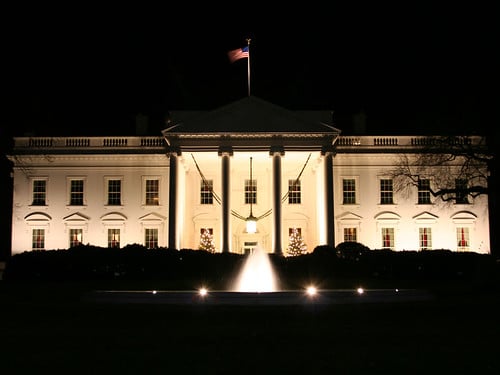
In a surprising turn, the White House ballroom renovation has hit a major roadblock. Work that began during the government shutdown has been halted. A stop-work order now stands in place. No official permits or plans have been filed. Meanwhile, a designer’s online detective work is stirring fresh controversy.

How a Stop-Work Order Stopped the White House Ballroom Renovation

When bulldozers started tearing down walls on Monday, nobody at the National Capital Planning Commission had even seen a permit application. The commission, usually in charge of all White House plans, has been closed for weeks due to the shutdown. Because it had no record of any permit, it issued a stop-work order on the East Wing demolition. Now, the White House ballroom renovation cannot move forward until the commission reviews its plans.

Missing Permits Spark Alarm

Designer Sarah Boardman spent two days on social media tracking permit records. She found none. Not a single application existed for the 1600 Pennsylvania Avenue address. She posted screen captures from a public permit website that said, “Attention — There are Notices or Stop Work Orders on this Property.” Boardman pointed out that the planning commission must approve any major work. Since it’s closed, she believes the project was rushed on purpose.

White House officials insist demolition doesn’t need prior approval from the commission. They plan to submit the full renovation plans only after some of the demolition is already done. However, Will Scharf, the Trump-appointed head of the planning commission, has said that new construction always needs the commission’s OK. He distinguishes between tearing down walls and building something new. That makes the gold ballroom project a clear case of new construction.

A Rush That Breaks All the Rules

In a normal renovation of a historic building, planning takes years. First, architects draw detailed plans. Next, agencies review them. Finally, public discussions weigh in. Designer Sarah Boardman says each of these steps usually lasts two to three years. Then there’s hazardous-materials testing. Asbestos removal alone can take six months to a year. Overall, she explains, a public and historic renovation typically takes four to five years from start to finish.

Yet the White House ballroom renovation began in days. Critics call it a “presidential vanity project” and worry about safety. They say detailed vetting of workers and materials won’t happen. In mid-July, President Trump quietly appointed three loyalists to the National Capital Planning Commission. That move raised more eyebrows. Now, people wonder if the quick appointments were meant to ease approval of the ballroom renovation.

Historic Rules Demand Public Review

A leading preservation group wrote a letter demanding a pause. The National Trust for Historic Preservation called on the president to halt demolition. The group said public review is “legally required” for any changes to the White House. It warned that the new structure’s 55,000 square feet would overwhelm the carefully balanced classical design. The letter pointed out that the East and West Wings are smaller and lower by design. A massive new wing could ruin the historic silhouette.

In addition, the trust noted that demolition without a final plan is dangerous. Once old materials come down, walls and support systems may need urgent fixes. Without approved designs, work can pause for months. Public scrutiny and expert analysis usually guide those fixes.

Critics Call It a Vanity Project

Online commentators have been harsh. Many say the White House ballroom renovation is about luxury and gold finishes, not public service. They question why such an opulent project began during a shutdown that furloughed thousands of federal workers. Senator statements and news outlets highlighted the clash between mundane permit rules and powerful political will.

Moreover, some note that President Trump announced earlier this year that the East Wing would stay intact. Yet records and photos prove that demolition crews already breached those walls. This sudden reversal adds to the idea that permits and public notice were sidestepped.

What Happens Next for the Ballroom Renovation?

With the stop-work order in place, all signs point to a long delay. The White House must now file proper permit applications. Then the planning commission will inspect, review, and approve or reject the detailed plans. If public hearings are needed, they could extend the timeline further. Meanwhile, the commission’s three Trump appointees will have to recuse themselves or face claims of bias. Only after firm commission approval can crews return to the East Wing.

In the best-case scenario, the White House finds a fast path through the review process. But even then, asbestos checks and structural surveys must finish. That alone can take months. After that, new construction planning meets contractors and material sourcing. Realistically, the ballroom renovation will stretch well into next year.

Lessons on Planning and Transparency

This incident shows why historic projects need clear rules. Agencies, experts, and the public all play a role in preserving treasured landmarks. Sudden moves without proper review can lead to surprise delays and legal fights. In turn, taxpayers may foot higher bills due to last-minute fixes.

Design professionals like Sarah Boardman stress that patience matters. A well-planned renovation honors both history and safety. It also builds public trust by showing that no one is above the rules.

For now, the White House ballroom renovation is on pause. It serves as a reminder that even the president must wait his turn when city planning rules apply. Only after the National Capital Planning Commission gives a green light will the bulldozers return to tear down walls.

FAQs

What is the stop-work order on the White House ballroom renovation?

A stop-work order is an official notice that all demolition and construction must stop until proper permits are in place.

Why are there no permits for the ballroom project?

The National Capital Planning Commission offices closed during the federal shutdown. The White House did not file any applications before starting work.

Who is Sarah Boardman and what did she find?

Sarah Boardman is a designer who searched public permit records. She found zero applications or approvals for the White House ballroom renovation.

What does the National Trust for Historic Preservation want?

The trust wants a full public review of the project. They warn that a 55,000-square-foot addition could overwhelm the historic White House design.

How long will the renovation take now?

Once permits are filed, experts estimate four to five years for a proper public and historic building renovation. The stop-work order will add months to the timeline.

Trump Slaps Russia Oil Sanctions on Rosneft and Lukoil

0

Key Takeaways

• President Trump announced new Russia oil sanctions on two state firms.
• Sanctions target Rosneft and Lukoil for funding the Kremlin’s war efforts.
• Trump canceled a planned Budapest summit with President Putin.
• Treasury warns it may impose more measures if needed.


New Sanctions Explained

At a Wednesday Oval Office press conference, President Trump unveiled tough new Russia oil sanctions. He met with NATO’s secretary general, Mark Rutte, and then took questions from reporters. One reporter asked why he approved actions against two major Russian oil companies: Rosneft and Lukoil. “I just felt it was time,” Trump answered. “We’ve waited a long time. I thought that we’d go long before the Middle East.”

Treasury Secretary Scott Bessent added details in a statement. He said Russia oil sanctions will hit Rosneft and Lukoil for funding President Putin’s war machine. Moreover, the Treasury stands ready to impose further measures if necessary. It also encouraged U.S. allies to follow suit and enforce the same steps.

Reasons Behind the Move

Trump pointed to Putin’s “refusal to end this senseless war.” Consequently, the United States decided to pressure Russia’s economy more directly. These Russia oil sanctions cut into the Kremlin’s main revenue stream. Oil exports fund military spending and political control. Therefore, the White House expects this move to squeeze Putin’s budget hard.

Additionally, Trump has praised his record of ending conflicts around the world. He noted past successes in brokering deals and reducing hostilities. However, he said Russia’s latest war crossed a line. Hence, he believes stronger economic penalties are essential. By imposing Russia oil sanctions, the U.S. sends a clear message: aggression brings costs.

Summit Cancellation

During the same news conference, Trump revealed he canceled a planned summit with Putin in Budapest. He said, “It just didn’t feel right to me. It didn’t feel like we were going to get to the place we have to get, so I canceled it.” The sudden move surprised many diplomats. Nonetheless, it underscores the president’s view that Russia must change course before talks resume.

The canceled meeting would have followed months of smaller discussions and shuttle diplomacy. Yet Trump judged that the timing was off. He opted to link any future summit to real progress toward peace. Without tangible signs that Putin will halt aggression, Trump sees no point in face-to-face talks right now.

Impact on Global Relations

Russia oil sanctions do more than tighten U.S.-Russia ties. They also test the unity of Western allies. In his statement, Treasury Secretary Bessent urged NATO members and other partners to join the effort. Some European countries rely heavily on Russian energy. They might face tough decisions on energy security versus standing firm on principles.

Meanwhile, other global powers watch closely. China and India buy significant Russian oil at discounted prices. They may increase purchases if sanctions deepen. Therefore, the full effect of these Russia oil sanctions depends on broad international cooperation. If key buyers resist, Russia could find new markets and mitigate pain.

Economic Consequences for Russia

Oil revenue makes up a large share of Russia’s national budget. By targeting Rosneft and Lukoil, the U.S. hits two of Russia’s largest oil producers. Both companies own pipelines, refineries, and export terminals. Consequently, sanctions can disrupt everything from drilling to sales abroad.

In the short term, Russia might divert more oil to buyers willing to skirt sanctions. Yet this could require cutting prices further. Over time, the lack of access to Western technology may slow production growth. Investors will likely pull back as risk premiums rise. Therefore, Russia oil sanctions carry the potential for deep, lasting damage to the Russian economy.

U.S. Domestic Politics

Back home, the announcement plays into ongoing debates over foreign policy. Trump emphasized his deal-making skills and leadership on the world stage. He contrasted this move with criticism that he has favored Russia in the past. Some lawmakers applauded the sanctions as overdue. Others questioned whether they would hit the right targets.

Furthermore, Trump’s abrupt decision to cancel the summit drew mixed reactions. Supporters admire his instinctual approach. Critics say it undercuts diplomatic norms and leaves allies in the dark. Still, Trump frames it as a sign of strength. He argues that he will not reward aggression with photo ops and handshakes.

Possible Next Steps

Treasury Secretary Bessent warned that more Russia oil sanctions could follow. If Putin refuses to end hostilities, the U.S. could expand measures to other sectors. For instance, banking and technology firms might face new restrictions. Meanwhile, Congress is debating bills to increase pressure on Russia’s defense industry.

In addition, the administration may work with European partners to cut Russia off from global financial systems. That would isolate Moscow further. However, pushing too hard risks energy shortages and higher prices worldwide. Thus, the White House must balance pressure with broader economic stability.

How Allies Might Respond

Some NATO members have already imposed their own sanctions on Russia. Yet most stop short of targeting oil exports directly. Now, they face pressure to deepen those steps. Germany, Italy, and other big buyers must weigh energy needs versus geopolitical goals. They could seek alternative suppliers or speed up green energy projects.

Likewise, Mediterranean and Baltic states might bolster sanctions if the U.S. leads. Ultimately, success hinges on collective action. If the EU and Britain enforce strong measures, Russia oil sanctions will bite harder. Conversely, a split front could let Moscow exploit gaps.

Will Russia Strike Back?

Kremlin officials have not yet detailed retaliation plans. Historically, Russia has used energy cutoffs and cyberattacks to respond. It could block gas flows to Europe or hike prices for certain buyers. Moreover, Moscow might sanction U.S. businesses in Russia or impose trade barriers.

Still, Russia risks damaging its own economy by overplaying its hand. Therefore, both sides face a dangerous game of escalation. So far, Trump believes U.S. leverage outweighs Russia’s. He expects Putin to rethink his strategy or face worsening hardship at home.

Looking Ahead

In the coming weeks, the world will watch how markets react. Oil prices may rise if supply tightens. Companies might shift trade routes or diversify sources. Politicians in Europe could accelerate talks on energy independence.

Meanwhile, U.S. senators and representatives will debate further actions. Some push for bipartisan backing of tougher sanctions. Others call for clearer exit conditions. In any case, Russia oil sanctions mark a key step in U.S. policy toward Russia’s war.

Ultimately, Trump tied his sanctions move to his broader goal: ending conflicts peacefully. He hopes that by squeezing Russia’s finances, Putin will agree to a ceasefire. Whether that happens remains uncertain. For now, the bold step shows that economic tools remain central to U.S. strategy.

Frequently Asked Questions

What exactly are Russia oil sanctions?

Russia oil sanctions are U.S. measures that limit trade with Russian oil companies. They aim to cut off funds that support military actions.

Which companies face these sanctions?

The new steps target two state-owned giants, Rosneft and Lukoil. They rank among Russia’s largest oil producers.

How might these sanctions affect global oil prices?

Prices could rise if Russia cannot sell oil at previous volumes. Yet new buyers or increased output elsewhere may offset the change.

Could these sanctions end the conflict?

Sanctions add pressure but do not guarantee peace. They work best with diplomatic efforts and allied support.