52.7 F
San Francisco
Monday, April 6, 2026
Home Blog Page 538

Is Chicago’s Crime Problem Being Ignored for Politics?

Key takeaways

  •  Nearly 50 people were shot in Chicago over Labor Day weekend
  •  Illinois Governor Pritzker pushes back on federal help
  • City leaders resist Trump’s law and order support offers
  •  immigration concerns complicate crime efforts
  • Political games are blocking real solutions in Chicago

Rising crime in Chicago is back in the headlines, and this time, it’s more than just numbers—it’s about politics, deep divisions, and a city struggling to keep its people safe. Over the Labor Day weekend, nearly 50 people were shot in the city. Several of them died. And yet, leaders in Illinois seem hesitant to accept federal help that could ease the violence.

Some argue that rejecting support is more about defeating political opponents than defeating crime. But with gunshots echoing in the city streets almost daily, is this the best time for political games?

Chicago is in crisis, and residents want answers—not soundbites.

The Rise in Chicago Crime

Crime in Chicago has been climbing for years, and holiday weekends have become a dangerous time. Every time a long weekend rolls around, headlines follow with alarming statistics: dozens shot, many killed, and entire neighborhoods left shaken.

This past Labor Day weekend was no different, seeing nearly 50 people shot across the city. Tragically, several victims lost their lives. Residents, especially parents, are growing more worried. Many feel like they’re trapped in a dangerous loop, living inside a city where crime feels out of control.

What makes things harder is that crime isn’t just happening in one part of the city. It spreads across neighborhoods, from downtown to the west and south sides. Everyone is affected. And yet, the response from leadership has been more focused on politics than prevention.

A Battle Over Federal Help

President Trump once offered federal help to Chicago to improve law and order. But that suggestion was met with criticism from local leaders, including Illinois Governor JB Pritzker. The issue? Accepting support from Washington would look like a win for Trump—something the governor and other leaders don’t want to give him.

But is this political pride coming at the cost of public safety?

Gov. Pritzker has often spoken out strongly against Trump’s policies and leadership style. Critics say his hesitation to support federal assistance—workers, law enforcement, and possibly military backup—has less to do with safety and more to do with keeping Trump from scoring political points.

Many Chicagoans are left wondering: should politics really come before protection?

Crime and Immigration: A Tense Mix

Another issue that’s clouding the debate is illegal immigration. Chicago prides itself on being a sanctuary city—a place that welcomes undocumented immigrants. The city has policies in place to protect illegal immigrants from deportation by limiting cooperation with federal immigration officials.

However, critics argue that refusing federal support may also be about protecting the status of these residents. They say federal law enforcement could arrest undocumented immigrants as part of the crime crackdown, which some city leaders want to avoid.

Supporters of the city’s position claim these fears are overblown and that undocumented immigrants are not the cause of rising crime. But others argue that until city leaders are willing to have an open conversation about immigration and crime, real solutions will remain out of reach.

Politics Over Public Safety?

The core keyword here is “Chicago crime.” And when it comes to Chicago crime, the problem isn’t just the violence—it’s the silence from those in power.

Many believe politics are getting in the way of progress. If accepting federal support could reduce shootings and save lives, why reject it? Supporters of federal assistance argue that safety should come first and that every resource should be on the table.

But city leaders may be more focused on sending a message than saving lives. By rejecting help from a polarizing figure like Trump, they maintain their political stance. However, critics argue that this decision is costing the city dearly.

People Want Action, Not Arguments

On the streets of Chicago, people aren’t debating politics. They’re trying to stay alive. Parents are worried about their children. Teens are afraid to walk home. Business owners struggle to stay open in neighborhoods rocked by violence.

These residents aren’t thinking about political points or upcoming elections. They want their leaders to make tough choices and find real solutions. They don’t care where help comes from—as long as it arrives.

Meanwhile, those in power continue to argue over who gets credit and who takes the blame.

The Cost of Inaction

Refusing federal support won’t make Chicago crime disappear. In fact, with nearly 50 shootings during one weekend alone, it’s clear that current efforts aren’t working. More needs to be done—and fast.

When decision-makers refuse help because it might benefit a political rival, they risk letting violence grow unchecked. While leaders stall in their power struggles, lives are being lost.

Crime won’t pause for politics, and Chicagoans are left to deal with the deadly fallout.

What’s Next for Chicago?

Chicago’s leaders face a critical decision. Will they continue to push back on help because of political beliefs? Or will they come together to fix a crisis that’s tearing neighborhoods apart?

Residents deserve leadership that puts them first—not agendas.

At this point, anything less is just another bullet fired into the fabric of the city.

FAQs

Why are Chicago leaders rejecting federal help?

City and state officials are wary of accepting assistance tied to former President Trump, fearing it gives him a political win and brings immigration enforcement deeper into the city.

Is crime in Chicago really that bad?

Yes, Chicago crime has been rising, with regular shootings, especially over holiday weekends. Nearly 50 people were shot over just one Labor Day weekend.

Does immigration play a role in the crime debate?

Some believe federal help might lead to deportations or targeting of undocumented immigrants, which sanctuary city supporters want to avoid.

What could actually reduce Chicago crime?

Solutions could include more police presence, federal aid, community programs, and better coordination between city, state, and national agencies—all without unnecessary political delays.
Is GPS Jamming Behind Ursula von der Leyen’s Plane Scare?

0

Key Takeaways:

  •  Reports claimed Ursula von der Leyen’s plane had to navigate with paper maps
  •  The aircraft allegedly lost GPS signals while flying over Bulgaria
  • Flightradar24 doubts these claims, suggesting there may be confusion
  • GPS jamming is a growing concern across parts of Europe

Was Von der Leyen’s Plane Really Flying Blind?

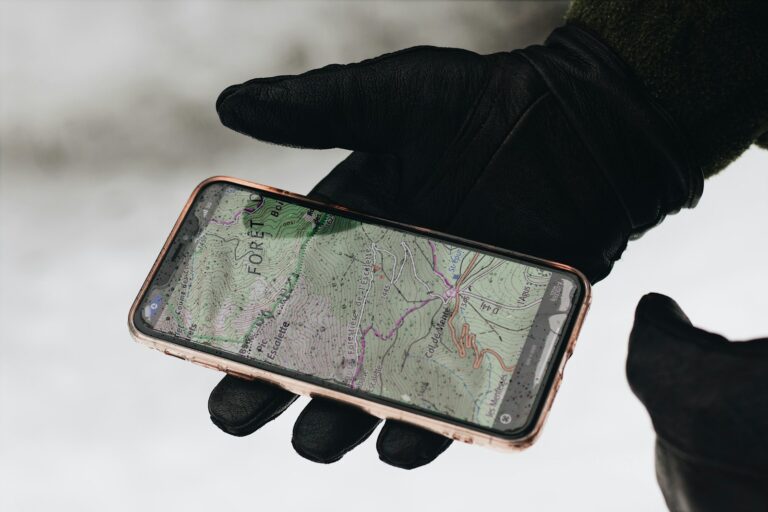
A recent story has stirred concern and curiosity across Europe. On August 31, European Commission President Ursula von der Leyen was traveling on a government plane from Warsaw, Poland, to Plovdiv, Bulgaria. Reports emerged that pilots suddenly lost GPS signals, possibly due to GPS jamming, and had to use old-fashioned paper maps to find their way.

But now, Flightradar24 — a popular flight-tracking service — is challenging those claims. The company analyzed flight data that shows von der Leyen’s aircraft had a stable path without unusual changes, casting doubt on the story’s accuracy.

What’s GPS Jamming and Why Does It Matter?

GPS jamming is when someone disrupts a signal from GPS satellites, making navigation tools unable to work properly. That’s dangerous for planes, cars, ships, and even personal devices.

If a plane loses access to GPS, it can still fly using traditional navigation tools, but the situation is far from ideal — especially during shorter regional flights or in bad weather. Over the last few years, GPS jamming has become a major issue in places like Eastern Europe, where tensions have been rising due to conflicts such as the war in Ukraine.

How Did the GPS Jamming Claim Start?

The GPS jamming story spread after Bulgarian officials mentioned that GPS disruptions were common in the region. News outlets then reported that von der Leyen’s plane lost its GPS signal mid-flight, suggesting Russian interference may have been involved. As the story traveled fast across Europe, many were quick to believe it.

They pictured pilots unfolding paper maps while flying through potentially unsafe skies — a scene straight out of a Cold War movie. But things might not be that dramatic.

Why Flightradar24 Is Skeptical

Flightradar24 collects data from a huge network of aircraft signals, satellites, and antennas. The company carefully examined the flight path of von der Leyen’s aircraft. Their experts say the flight looked normal, with no signs of sudden course changes or altitude issues.

They also pointed out that the plane was visible on their tracking site throughout the flight. If GPS jamming had completely blocked satellite signals, the aircraft would likely have disappeared at some points. But it didn’t.

Could There Still Have Been GPS Issues?

Yes, minor GPS interference could’ve occurred without affecting the plane’s entire system. Many modern aircraft have backups, and pilots are trained to handle such situations. The plane’s crew may have used additional tools like ground-based navigation systems or military-grade equipment that’s better protected against jamming.

Also, the use of paper maps on flights isn’t unusual. Pilots keep them as backup even today. So perhaps the story got twisted — someone saw maps being used and assumed a GPS failure forced the crew to rely on them.

Is GPS Jamming Becoming More Common?

Sadly, yes. GPS jamming in Eastern Europe has been rising over the last few years. Governments and military experts believe some of this is linked to Russia. When GPS signals are jammed over sensitive airspaces, it increases the chance of accidents and confusion for civilian flights.

Air traffic control organizations in the affected regions have issued warnings and started training pilots on what to do if GPS signals suddenly disappear.

Europe’s airports and aviation security groups also work together now to report jammed zones. That way, planes can avoid travel paths likely to cause signal loss.

Politics, Safety, and Public Trust

The incident involving von der Leyen — even if exaggerated — raises real concerns. Whether GPS jamming affected her plane or not, people are now asking: Could future leaders face real threats during flights? Why isn’t there a better solution to stop GPS interference?

These are fair questions. The European Union is working on improving its satellite network and boosting signal security. More airports are also upgrading landing systems, so planes can safely land even when GPS is off.

Still, there’s a long way to go. Until then, pilots may have to continue relying on old-school tools like paper maps, just in case.

What Explains the Public Confusion?

The mix-up likely came from multiple sources. Officials in Bulgaria did confirm that GPS jamming is a problem. Journalists may have combined that with the flight details and assumed the worst.

In the world of digital news, stories spread quickly — often more quickly than confirmation can keep up. That’s how a small piece of information can turn into a massive headline within hours.

What Does This Mean for the Average Flyer?

For most people flying on commercial airlines, GPS jamming does not pose a major threat. Pilots are trained to handle these types of issues. Modern aircraft have layered backup systems — including inertial navigation, radio signals from towers, and even magnetic compasses.

However, increased awareness of GPS jamming can lead to better policies and enhanced precautions. It highlights why flight safety needs constant updates, especially in regions where electronic warfare is a possibility.

Looking Ahead: More Secure Skies

This GPS jamming incident — or non-incident — surrounding Ursula von der Leyen’s flight may not be as dangerous as first believed. But it does underline the importance of digital security in aviation.

Experts now recommend:

  •  Improved anti-jamming tech for all aircraft
  • Frequent training for pilots to handle GPS outages
  • cooperation to identify and stop jamming sources
  •  Transparent communication to the public on flight safety

At the same time, stories like this show us how easy it is to misunderstand technical problems in our high-tech world. While the image of pilots lost with paper maps may be dramatic, reality was likely more controlled — and far less scary.

People will keep looking for clearer answers, especially when powerful figures like Ursula von der Leyen are involved. But so far, the flight appears to have landed smoothly — both in real weather and in the storm of public opinion.

FAQs

What is GPS jamming, and how does it work?

GPS jamming happens when a signal interferes with the satellite data that devices use for location. It blocks or confuses the GPS signals so that navigation systems don’t work properly.

Was Ursula von der Leyen’s plane really flying without GPS?

While some reports suggest that the plane lost GPS and used paper maps, flight data shows the trip looked normal. Experts now doubt the aircraft experienced a major GPS failure.

Is GPS jamming dangerous for airplanes?

Yes, it can be if there’s no other navigation tool available. But most planes have multiple systems, so they can fly safely even if GPS fails.

How often does GPS jamming happen in Europe?

In certain Eastern European areas, it happens more often, especially near conflict zones. Pilots are regularly alerted and trained to manage these risks.

Is the Democratic Comeback in 2028 Still Possible?

0

Key Takeaways:

  • Democrats face a tough three-year road ahead before 2028.
  • Trump’s popularity is slipping, but his influence remains strong.
  • Small Republican majorities in Congress limit major legislation.
  • The next Democratic nominee must inspire new confidence and unity.
  • Voters want fresh leadership beyond the Trump and Biden eras.

The Democratic Comeback: A Slow But Vital Journey

The path to the 2028 presidential election may seem far off, but for Democrats, it’s already underway. Three years from now, the next Democratic nominee will be racing toward Election Day, hoping to end what many view as the Donald Trump political era for good. Yet, even with Trump’s declining poll numbers, the Democratic comeback won’t be easy.

The political battlefield is more complex than ever. Winning back voters will require clear vision, smart strategies, and strong leadership. So, with time ticking down, the big question remains: is a Democratic comeback in 2028 still possible?

Why the Democratic Comeback Feels So Distant

For many Democrats, 2028 feels like it’s light-years away. The party is still struggling to find unity, rebuild voter trust, and reach young and working-class Americans who feel left behind. Meanwhile, Republicans, though holding only slim majorities in Congress, are using their power to block progress.

Even as Donald Trump faces legal troubles and dropping approval ratings, his political voice continues to dominate. His presence looms large, creating a shadow over both Republicans and Democrats who hope for a new chapter in American politics.

This makes the Democratic comeback even more challenging. It’s not just about voting Trump out again—it’s about offering something new and exciting to the American people.

What’s Blocking the Path to Power?

One of the biggest obstacles to a Democratic comeback is Congress. Republicans don’t have a large majority, but it’s just enough to stall many Democratic policies. This means little progress can happen on issues like climate change, immigration, and healthcare—topics that matter deeply to young and diverse voters.

On top of that, many Democrat voters still feel unsure about their leaders. President Biden’s approval ratings have struggled, and Vice President Kamala Harris has faced criticism too. Without a clear, inspiring figure to rally around, Democrats risk losing energy and unity going into the next few years.

The Search for a New Voice

One thing is certain: the Democratic Party needs fresh leadership. Younger voters especially are looking for someone who speaks to their future—not someone stuck in past political battles. If the party wants to win in 2028, it must find a nominee who is bold, hopeful, and deeply connected to everyday people.

This doesn’t mean completely ditching experienced politicians. But it does mean passing the torch to a leader who can excite both long-term supporters and skeptical new voters. A successful Democratic comeback depends on it.

So far, no standout candidate has taken the spotlight. But behind the scenes, senators, governors, and mayors across the country are preparing. Some are testing their messages, building networks, and watching public opinion closely. The next three years will be critical for these rising stars.

Public Trust: The Key to Victory

No matter who the nominee is, gaining public trust will be the top challenge. In recent elections, more Americans have reported that they don’t feel heard by either party. Many believe politicians care more about big donors and party fights than about real problems.

To make a true Democratic comeback, the message must be clear and personal. Voters want leaders who listen, understand their struggles, and offer real solutions. If Democrats can connect in this way, they have a strong chance of reclaiming the White House.

What Role Will Trump Play Moving Forward?

Even though Trump’s popularity is dipping, he’s still a powerful figure. Whether he runs again or not, he shapes the way many Republicans campaign and govern. That influence makes the path to a Democratic comeback trickier.

Every message the Democrats send must be sharper and more focused. They can’t just run against Trump—they have to run for something better. That means offering hope, healing division, and looking beyond old rivalries.

If the Democrats can shift the story from the past to the future, they can gain traction. This won’t happen overnight, but over time, a stronger story can replace old fears and frustrations.

Rebuilding from the Middle

Some political experts say the future of the Democratic comeback lies in the center. Many Americans feel tired of both extremes. They want common-sense solutions, not constant fighting. If Democrats can present themselves as the party of reason, progress, and unity, they may win back middle-ground voters.

This approach doesn’t mean ignoring social justice, economic reforms, or climate change. It means framing those issues in ways that connect across party lines. The right leader, with the right message, can build a wider coalition—one that stretches from city streets to small towns.

Are Democrats Ready for the Challenge?

The next three years will test the Democratic Party like never before. There’s time to learn, grow, and prepare. But the clock is ticking. Each election since 2016 has shown that voter energy and turnout matter more than polls and predictions. So, Democrats must use this time wisely.

This includes sharpening campaign skills, expanding digital outreach, and lifting up new voices. A true Democratic comeback won’t be about defeating Trump’s memory—it will be about inspiring voters to believe in something better.

Final Thoughts

While three years may sound like a long time, it’s just a heartbeat in politics. The choices Democrats make now—about leadership, messaging, and vision—will shape their future. A Democratic comeback is still very much possible, but only if the party builds a bold, inclusive, and forward-looking movement that gives Americans new hope.

This is more than just a political strategy. It’s a chance to reshape what the Democratic Party stands for—and what kind of country it hopes to lead after the Trump era ends.

FAQs

Why is 2028 such a big deal for Democrats?

Because it could mark the end of the Trump era and a new direction for American politics. Democrats want to shape that future.

Can Trump still influence the 2028 election even if he doesn’t run?

Yes, his ideas and political style still guide many Republicans. He remains a major voice in the party.

What does the Democratic Party need to do now?

They need to find powerful new leaders, connect with voters personally, and create a message of hope and progress.

Who might run as the next Democratic nominee?

No one has claimed the spotlight yet, but several leaders are preparing behind the scenes. Watch for rising stars in the next year.

Why Are AfD Politicians Dying Before Elections?

0

Key Takeaways:

  • An AfD candidate, Ralph Lange, recently died ahead of local elections in NRW.
  • His sudden death caused voting documents to be withdrawn in his district.
  • This marks the fourth unexpected death of an AfD candidate nationwide in recent months.
  •  The repeat nature of these deaths has raised concerns and confusion among the public.

Sudden Death of AfD Politician Disrupts Local Elections

The Alternative für Deutschland (AfD) party is facing another shock before the upcoming local elections in Germany. In a surprising turn of events, one of their candidates, Ralph Lange, recently died unexpectedly. He was running for a council seat in Blomberg, a town in the state of North Rhine-Westphalia (NRW).

Lange, 66, passed away on August 28. With his name already printed on ballots and voting documents, his sudden death has disrupted the election process. Voting materials that had been sent out are now invalid, creating a stressful and confusing situation for local election workers and voters.

An Unusual Pattern of AfD Candidate Deaths

The most concerning part of Lange’s death is that he is the fourth AfD candidate across Germany to die suddenly in just a few months. This strange pattern is now causing many to wonder: what exactly is going on?

Although each case appears to be unrelated, the frequency has grabbed public attention. Some are asking whether this is just a coincidence or if deeper issues are at play. So far, there is no official word suggesting anything suspicious in Lange’s passing.

What Happens to Elections After a Candidate Dies?

In German elections, if a candidate dies after voting has started, the vote in their district usually has to be redone. This keeps the election fair and avoids confusion for voters. Since Ralph Lange had already been listed on ballots for Blomberg, election officials had no choice but to cancel the current vote in that area.

New voting papers will now be printed, and a fresh election will be held. This also creates extra work for local governments, who must now re-organize the entire voting process on short notice. It also means that voters must stay alert for updates and new election dates.

AfD Under the Spotlight

The AfD is a far-right party known for its strong anti-immigration stance and criticism of the current German government. The party has grown more popular in recent years, especially in some regions of eastern Germany. However, it is also one of the most controversial political groups in the country.

These sudden deaths have again brought the party into the media spotlight. While there is no sign that the deaths are connected to AfD policies or public actions, the timing is raising questions.

Some supporters feel the party is being unfairly targeted and over-scrutinized. Others are simply concerned that something unusual might be going on behind the scenes. For now, police and medical reports in each case have not suggested foul play.

The Human Side of Loss in Politics

Beyond the politics, these repeated deaths remind us that politicians are people too, with families, friends, and supporters. Ralph Lange was not just a candidate on a piece of paper. He was a real person who had decided to step up for public service in his community.

His death is not only a political event—it’s also a personal tragedy for those who knew him. As the election gears up again, voters in Blomberg will have to go through this process with the memory of Lange still fresh in their minds.

Election Officials React Fast

Despite the shock, election workers in NRW have acted quickly. They canceled all ballots with Lange’s name, informed the public, and began preparations for a new vote.

Officials have stressed that the election must be run fairly for all parties and voters alike. They are working to ensure that the death won’t cause chaos or reduce voter confidence.

NRW’s election authority assures everyone that the process, though challenging, will continue smoothly. They are printing new documents and sharing information clearly with voters on what to expect next.

How This Affects AfD Strategy Moving Forward

For the AfD, these repeated candidate losses may end up prompting internal reviews. The party might consider investing more in health checks for candidates or better process planning in case of emergencies.

Party leaders may also use this moment to show strength, unity, and respect for those they’ve lost. At the same time, they are likely watching how the public reacts. The way voters respond to this strange pattern could influence election results.

Some supporters may rally around the party even more, seeing the deaths as unfortunate misfortunes. Others might begin to question if something about the political climate or campaign stress is contributing to the issue.

Public Suspicion and Mysterious Timing

Even though there’s no proof that the deaths are connected, the public can’t help but wonder. Why only AfD candidates? And why right before elections?

Of course, timing can sometimes be misleading. Perhaps it’s just pure coincidence, and nothing sinister is going on. However, the pattern is odd enough to cause whispers, theories, and online speculation.

So far, authorities urge people not to jump to conclusions. They remind the public that privacy and respect for the families take priority. Until there’s proof of anything unusual, these deaths are being treated as isolated events.

Conclusion: A Wake-Up Call for Election Readiness

Ralph Lange’s death has added new pressure to an already tense election season. As the fourth casualty among AfD candidates in a short timeframe, it serves as a reminder of the unpredictability of politics—and life itself.

While the causes of these deaths may turn out to be ordinary, the effects are not. Election delays, voter confusion, and rising public concern all demand attention. The AfD must balance their grief with strategy, and election officials must remain focused on fairness and transparency.

Whatever happens next, Germany’s democratic process continues. But this strange series of events will not be forgotten anytime soon.

FAQs

What caused Ralph Lange’s death?

Authorities have not released a specific cause of death for Ralph Lange. However, there is no indication of foul play at this time.

Will the election in Blomberg be delayed?

Yes. The voting process in Blomberg must be restarted. New ballot papers are being printed, and a fresh date will be announced.

Why are only AfD candidates dying?

There is currently no proven link between the deaths. It may be a coincidence, but investigators are following procedures in each case.

Does this impact AfD’s chances in local elections?

It could. The repeated losses may affect campaign momentum and voter confidence, though public sympathy may also rally support.

Why Is Saying No Better Than a Maybe?

0

Key Takeaways

• People often say “maybe” to keep options open, but this can upset the inviter.
• Research shows hosts prefer a clear “no” over a “maybe.”
• Motivated reasoning leads invitees to overestimate the harm of saying no.
• Putting yourself in the host’s shoes makes saying no easier and fairer.

Why Saying No Is Important

Invitations shape our social life. Yet many people answer “maybe” when they want time or options. However, new studies show that this answer often backfires. Hosts feel disrespected and stuck. Therefore, saying no can actually protect both sides.

When someone asks you to join an event, you face a choice. You can say yes, no, or maybe. Research finds that invitees overestimate how much hosts want a maybe. In fact, hosts prefer a clear no. Moreover, they feel relief when they know the plan. They can then invite someone else or make other arrangements.

In many cases, saying no saves time. It also shows respect. For example, if you simply reply, “No, thanks. I have other plans,” the host can move on. Instead, a maybe leaves them guessing. They often wait and worry.

When Saying No Helps Everyone

First, a firm no ends uncertainty. Imagine you ask a friend to a concert. They text back “maybe” for two days. You can’t buy extra tickets or plan travel. You also replay the message in your head. You wonder if you upset them. In contrast, a no lets you take action right away. That benefit applies in work and social life alike.

Second, placing yourself in the host’s shoes reduces guilt. In one study, people considered what it felt like to extend an invite. After that, they preferred a no over a maybe. This exercise stopped the bias known as motivated reasoning. Motivated reasoning makes people twist facts to keep options open. They tell themselves that the host will understand a maybe. Yet they rarely consider how much the host hates uncertainty.

Third, when you don’t want to go, saying no feels natural. In another study, participants declined an event they disliked. They felt no need to protect their own options. Thus, they assumed a clear no was fine. They did not fear hurting the host. They knew a maybe would only cause more confusion.

Why People Fear Saying No

Many people worry that saying no will upset or anger the inviter. In fact, social scientists have found that people overestimate the negative fallout from a no. They imagine their friend will feel rejected. However, research shows that most hosts understand and even prefer a no.

Also, fear of missing out drives people to choose maybe. They dread FOMO more than they value clarity. This fear fuels motivated reasoning. As a result, they avoid saying no, even when they really want to.

Another reason is social habit. We grow up learning to be polite. We want to avoid conflict. Yet this habit can backfire. A polite maybe can feel rude. It leaves the asker in limbo. Thus, the kind choice is often the clear one.

Tips for Saying No Nicely

Use these simple steps to deliver a clear no without hurting feelings:

Offer a brief reason. For example, “I’m sorry, I can’t make it. I have a family event.” Short reasons work best. They avoid too many details.
Express gratitude. Say, “Thank you for inviting me.” This shows you value the offer.
Keep it firm. Avoid adding “maybe later.” That phrase only creates doubt.
Suggest another plan if you want. You could add, “Let’s grab coffee next week.” This keeps the friendship strong.

How to Overcome Motivated Reasoning

Motivated reasoning tricks our mind. It makes us believe that a maybe will cause less trouble. To fight it, try this:

Imagine you are the host. Ask yourself, “Would I rather hear no or maybe?”
Think of tasks you need to do if the answer is unclear. Consider making backup plans.
Remind yourself that FOMO often exaggerates loss. Embrace the freedom of a clear choice.

In the end, saying no reduces stress on both sides. It shows that you respect the person who asked. It also frees you from juggling options. Next time someone invites you, think twice before typing maybe. A simple no can do more good than you expect.

Frequently Asked Questions

Why do people overestimate the harm of saying no?

People fear they will hurt feelings or lose friends. They also worry about missing out. In reality, most hosts prefer a clear answer and appreciate honesty.

Can a maybe ever be okay?

Yes, if you truly need a bit of time to decide. However, set a clear deadline. For example, say, “Can I let you know by tomorrow?” This way, the host is not left waiting indefinitely.

How can I say no without sounding rude?

Keep your response short and polite. Thank the host for inviting you. Offer a brief reason. You can add a friendly note about meeting another time.

What if I change my mind after saying no?

If you become available, just let the person know quickly. A message like, “I just freed up my schedule. Are tickets still open?” shows you value their offer and respect their time.

How Is Paint Made?

0

Key takeaways:

  • Paint blends a pigment, a binder, and a solvent to coat surfaces.
  • Pigments come from rocks, plants, insects, or modern labs.
  • Factories use big mixers and quality checks to produce paints daily.
  •  Different jobs call for specialized paint recipes and additives.

How Is Paint Made?

Paint is both art and science. To answer how is paint made, we break it down into parts. First, paint needs a material that gives it color. We call this a pigment. Then we need something to hold the color together. We call this a binder. Next, we add a substance that helps us spread paint easily. Finally, we may include extras to change how paint dries or shines. With a simple mix of these parts, we create a glue-like liquid. Over centuries, people have refined this basic recipe. Now, modern factories can pump out huge batches every day. At the same time, artists can still mix small jars by hand. However, the core idea stays the same.

What Are the Main Paint Ingredients?

Every paint recipe has three key parts. First comes the pigment. Pigments can come from the earth, plants, or even tiny animals. Ancient painters ground rocks and minerals into fine powders. They mixed these powders with egg yolk or oil to draw lasting images. Next, the binder, or medium, holds pigment particles together. It also attaches them to a surface. Common binders include water, oil, and acrylics. Lastly, the solvent thins the mix so it spreads smoothly. Water works for watercolors and acrylics. Oil paints use special oils like linseed. The choice of solvent affects how quickly paint dries.

Moreover, modern paint often includes synthetic pigments. Scientists create bright blues and vivid reds in labs. These lab pigments resist fading from sunlight. Factories also add preservatives and stabilizers. These extras keep paint fresh in cans and prevent mold. In addition, dispersants help pigment spread evenly. Without them, clumps can spoil a batch of paint. Thus, each ingredient fine-tunes the paint’s behavior.

Why Understanding How Paint Is Made Matters

By exploring how is paint made, we learn more than just science. We see stories from history and art. For instance, museum scientists use paint to reveal old secrets. They study layers of color with tiny microscopes. Then they use energy-based tools to see hidden pigments. This tells them which materials artists used long ago. Moreover, each pigment points to a trade route or local resource. Some colors show how communities shared ideas. Others reveal how painters adopted new inventions. Thus, paint becomes a way to connect past cultures to our lives today.

Choosing the Right Materials

Before making paint, we must answer key questions. Who will use it? An artist, a house painter, or a robot? Where will it go? Will it face sun, cold weather, or water? How should it look once dry? Should it shine or stay flat? Should it feel smooth or have texture? Should it cover fully or stay see-through? Each answer shapes the recipe. Paint experts at factories test dozens of mixes. They measure ingredients down to tiny weights. Then they use giant machines to blend thousands of liters. Afterwards, they store it in sealed cans or tubes. The right mix keeps paint fresh and ready to use.

For instance, protective paint on a steel plate in a factory needs a tough binder and anti-rust agents. On the other hand, watercolors for students need gentle ingredients that wash off easily and pose no health risk. This shows how the same basic recipe changes for different tasks.

Mixing and Manufacturing Paint

In a factory, making paint starts with raw powders. Huge mixers grind pigments into liquids. Then they add binders and solvents in precise amounts. This process can involve many steps. Some factories use rollers that crush and blend. Others use high-speed blenders that whip air into the mix. In all cases, temperature and pressure matter. Too much heat can break bonds in the binder. Too little pressure can leave chunks of pigment. After mixing, paint goes through filters and pumps. Finally, it gets canned or packed into tubes. Quality checks ensure color and texture match standards. A single factory can produce tens of thousands of gallons each day. Meanwhile, art supply makers fill millions of tubes every year.

Special Paints and Their Uses

Not all paints share the same recipe. For example, marine paints protect boats from salty water. They need strong binders and rust blockers. House paints block UV light and resist mildew. Automotive paints must endure heat and speed. Their makers add flexible resins for extra toughness. Even laundry bluing, once used in clothes, ended up on sculptures. In the 1950s, artists found new uses for house paint. They liked its quick-drying nature. Yet, some paints wrinkle or fade when used differently than planned. When painters layer thick coats of thin paint, the top layer may pucker as it dries. Alternatively, paint made for rough wood can fail on smooth metal. These odd reactions teach us more about how paint truly works.

Conserving Art Through Paint Science

Experts at museums study paint on objects. They look at spacecraft, old maps, and presidents’ portraits. They call themselves conservation scientists. They also work with art conservators. Together, they discover paint recipes that artists once used. First, they use microscopes to see pigment grains. Then they scan surfaces in 3D. They even use X-rays or infrared light. These methods reveal hidden layers beneath the top paint. For example, an Indian painting called pichwai used pigments from faraway lands. Studying those paints shows trade and travel routes from centuries ago. Moreover, scientists test binder molecules with tiny instruments. This helps recreate original recipes. In one case, an Alaskan hat made in the 1800s got revived. Scientists combined paint tests with 3D scanning. They then taught clan members to craft the hat for rituals. Thus, how is paint made brings history back to life.

Making Your Own Paint at Home

Even today, you can mix simple paints at home. First, pick a pigment. You might crush colored chalk or grind spices like turmeric. Next, choose a binder. Water and flour can work for kids’ finger paints. Egg yolk makes classic tempera paint. Then add a bit of water to thin the mix. Stir until it feels creamy. You just made a basic paint. To store homemade paint, keep it in a sealed jar in the fridge. A drop of vinegar can slow mold growth. Use fresh batches each time for the best colors and safety. Homemade paint might spoil in days, but it shows the magic of mixing color and binder.

Final Thoughts on How Paint Is Made

In the end, the question how is paint made leads us through art, science, and history. We see that paint is more than a simple liquid. It tells stories of trade, culture, and invention. It also helps us protect and restore priceless treasures. Whether in a factory or an art studio, the core ideas stay the same. Pigments, binders, and solvents mix to make paint stick. Thanks to modern tools, we can design paints for every need—scientific, artistic, and industrial. In many ways, paint is a bridge. It connects geology to art and chemistry to culture. With each new pigment and binder, creators rewrite the rules of expression. So, next time you open a tube of paint, remember the journey from rock or lab to your brush.

What is the binder in paint and why is it important?

The binder glues pigment particles together and tethers them to a surface. Without it, paint would just wash away.

Can I use any pigment from nature to make paint?

You can, but some natural pigments can be toxic or fade in sunlight. Always test small amounts first and handle with care.

How long does factory paint last compared to homemade paint?

Factory paint can last years in a sealed can because of preservatives. Homemade paint often spoils in days without them.

Do all paints dry the same way?

No. Water-based paints dry quickly as water evaporates. Oil-based paints take longer and harden through a chemical reaction.

Is Logging the Answer to Fire Risk?

0

Key Takeaways

• The western U.S. is burning more acres than in the past four years combined.
• Two-thirds of western forests are federal lands managed by U.S. agencies.
• Proposals aim to cut more trees to lower fire risk but speed up approvals.
• Public oversight and environmental reviews guide projects to the right places.
• Community partnerships and steady funding offer lasting ways to cut fire risk.

Why Fire Risk Is Rising in U.S. Forests

The western United States is facing a harsher wildfire season. In Colorado alone, 2025 saw more acres burn than in the last four years combined. Rising temperatures and dry conditions make forests into tinder boxes. If global warming stays on its current path, annual burned area could double or even triple by 2050. In other words, more fire is coming, more often.

Most of these forests sit on public land. Federal agencies such as the U.S. Forest Service and the Bureau of Land Management oversee about two-thirds of western forests. These lands offer recreation, habitat, timber and open space. Yet they also fuel today’s largest blazes. Experts now debate what role federal land management should play in lowering fire risk.

Historically, controlled fires—both natural and set by Native peoples—kept forests open and reduced undergrowth. But over the last century, strict fire suppression halted these natural burns. As a result, trees, brush and fallen wood piled up. Today’s fires grow hotter and faster in this built-up fuel. Meanwhile, human-driven climate change has made the problem worse.

How Logging Affects Fire Risk

Some federal proposals focus on logging more trees to cut fire risk. In March 2025, the president ordered an immediate expansion of timber production. The U.S. Forest Service then pledged to boost timber sales on federal lands by 25 percent in four years. Meanwhile, lawmakers backed bills to speed up logging plans by cutting public comment time and limiting environmental reviews.

On the one hand, removing trees and brush can slow down a wildfire’s spread. Thinning in the right areas can reduce flame height and intensity. Thus, well-placed logging can ease fire risk near homes and roads. On the other hand, rushing projects without oversight can miss the spots that need work most.

First, many at-risk forests have small trees and brush with little market value. Without buyers for low-grade wood, logging crews focus on high-value timber. As a result, they skip over the thickets that fuel wildfires. Second, environmental reviews and public input help decide where work is most urgent. If agencies curb these steps, projects could favor easy targets rather than critical zones.

Why Oversight Matters

Reviewing plans under the National Environmental Policy Act takes time. Yet data shows these reviews rarely block fire-reduction projects. Between 2005 and 2018, more than 82 percent of Forest Service projects used categorical exclusions. These fast-track reviews skip detailed studies and public hearings. Still, fewer than 1 percent of projects faced legal challenges.

In fact, the real hurdles are fewer forest service staff, scarce contractors, and limited mills for low-value wood. Even fast approvals won’t add crews or build new processing plants. Instead, cutting analysis risks backfiring. Projects may ignore wildlife habitats, water quality or cultural sites. Also, without public comment, local groups can’t share vital on-the-ground knowledge.

Moreover, public involvement builds local support. When community members join planning, they learn how fuel reduction works. They also help set priorities near homes and schools. This shared ownership ensures work continues for years, not just one season. In contrast, top-down orders can stall once political attention moves on.

Tools Communities Use

Local groups, tribes, state agencies and fire districts already lead many projects. For example, the Collaborative Forest Landscape Restoration Program teams up all levels of government with private groups. They plan work across huge landscapes to stop fires before they reach towns. Similarly, the Good Neighbor Authority lets state partners thin federal forests under state rules. These approaches pool funds, crews and ideas.

Prescribed burning also plays a key role. Setting small, controlled fires under safe conditions clears litter and low brush. When done well, it restores forests to healthier states and lowers fire risk. Yet funding for prescribed fire has lagged, and many local crews lack resources to burn.

Solutions That Work

Trimming trees can help, but only with proper planning and community buy-in. To lower fire risk, Congress and agencies should:

• Invest in staff and contractors. More trained crews speed up safe thinning and burns.
• Fund local partnerships. Grants for tribes, counties and nonprofits boost on-the-ground work.
• Support mills for low-value wood. New markets turn brush into products, making projects profitable.
• Keep transparent reviews. Public input spots cultural sites, water sources and key wildlife areas.
• Expand prescribed fire. Controlled burns clear undergrowth and rebuild healthy forest cycles.

Furthermore, the Wildland Fire Mitigation and Management Commission recommends long-term, bipartisan funding for fuels projects. Their report stresses local leadership, shared decision-making and steady resources. These steps ensure that lowering fire risk becomes a lasting, not a one-off, effort.

Next Steps

We face no quick fixes for wildfires. Fast-tracked logging alone can’t solve the growing crisis. At best, it helps in limited spots; at worst, it wastes resources and deepens mistrust. Instead, lasting progress needs well-planned thinning, local partnerships and controlled burns. It also requires agencies to work across borders and share power with communities. Only then can we cut fire risk and protect both forests and people.

Frequently Asked Questions

How does climate change affect fire risk?

Warmer temperatures dry out soils, trees and brush. Drier conditions make it easier for fires to start and spread quickly.

What is prescribed fire and why is it useful?

Prescribed fire involves setting small, controlled burns under safe weather. It clears undergrowth and reduces fuel for wildfires.

Why isn’t logging alone enough to lower fire risk?

Logging often focuses on high-value timber. This leaves brush and small trees in critical areas untouched. Without planning, it can miss the worst fuel build-up.

How can I get involved in local fire-risk projects?

Contact your state forestry agency or local fire department. Many community groups welcome volunteers for thinning, planting and educational events.

Is DEI Illegal Under Trump’s New Order?

0

Key Takeaways

• On his first day back in office, President Trump called DEI “immoral” and “illegal.”
• The administration pushed the EEOC to investigate private companies over DEI programs.
• Many companies have cut DEI roles and initiatives out of fear.
• DEI is not against the law; discrimination based on race or sex is.
• Employers still must follow federal antidiscrimination rules and prevent bias at work.

Is DEI Illegal Under Trump’s New Order?

Since returning to the White House, President Trump has declared diversity, equity and inclusion illegal. He argues these efforts hurt “hardworking Americans.” Yet federal law still bans race or sex discrimination. As a result, many private companies feel caught in political crossfire.

Why DEI Programs Are Still Legal

First, DEI is not a law. It describes goals to treat all workers fairly. Congress makes laws, not the president. Since 1964, federal acts have banned hiring or firing based on race, sex, religion or disability. Therefore, any company policy that favors one race over another was already illegal. In addition, companies must train staff to prevent bias and adapt to religious or medical needs. Thus, throwing out DEI programs could hurt compliance.

How Trump’s Order Affects Employers

On January 21, 2025, Trump signed an order denouncing DEI as “unlawful.” One week later, he removed two EEOC leaders. Then he named a new acting chair focused on fighting “DEI-motivated discrimination.” As a result, the EEOC has asked companies for information on their diversity efforts. This push has created fear among employers, who worry about costly investigations.

A chilling effect has followed these moves. Some businesses have cut DEI roles, training budgets and inclusion initiatives. Yet these steps may backfire. Without proactive bias prevention, companies risk more discrimination claims. Most lawsuits come from employees, not the government. If DEI roles vanish, so do the checks that flag unfair treatment.

Risks of Dismantling DEI Efforts

Moreover, firms that drop DEI programs may face legal trouble. Studies show diverse teams boost profits and spark innovation. At the same time, workers in minority groups continue to face bias. Without clear policies, incidents go unchecked. Therefore, companies could see a surge in lawsuits from those same employees.

Furthermore, changing hiring practices to only focus on “hard work” does not shield from lawsuits. Antidiscrimination law requires fair pay, unbiased promotions and safe workspaces. In addition, employers must address harassment and reasonably adjust for disabilities or religious needs. Cutting corners on these steps exposes firms to claims.

How to Protect Your Company

To stay safe, businesses can follow simple steps. First, review all policies to ensure fairness. For example, list job duties clearly and rate applicants on skills alone. Second, train managers to spot and stop bias. Third, keep records of all hiring and promotion decisions to show they rest on merit. Finally, provide support for workers who need medical or religious accommodations.

By taking these actions, companies can meet legal obligations. In fact, proactive prevention can reduce the chance of lawsuits. Thus, protecting both workers and the bottom line. As a bonus, these best practices help build trust and boost morale.

Understanding DEI vs. Discrimination Law

Importantly, DEI has no legal definition. It is a label for many fair-workplace goals. In contrast, antidiscrimination laws have clear rules. They prohibit decisions based on race, sex, religion or disability. As long as DEI programs avoid illegal preferences, they remain lawful. If any step gives unfair advantage, employers should change it. Therefore, good DEI policies align with existing law.

The Role of Congress and the Courts

Presidents cannot rewrite laws by executive order. Instead, such orders guide federal agencies. The EEOC enforces antidiscrimination laws, but it cannot override them. In fact, some recent EEOC demands face court challenges. Meanwhile, most complaints come from private employees. Each year, workers file up to 90,000 charges. By comparison, the EEOC files fewer than 150 cases. Consequently, employers should focus on preventing employee claims.

The Path Forward

Dismantling DEI goes against decades of legal and business wisdom. Instead, companies should update policies to prevent bias. They can keep DEI teams or assign those roles to HR. They can track hiring data to spot unfair patterns. Moreover, they can foster open dialogue so workers feel heard. In doing so, businesses comply with federal law and reap the benefits of diversity.

In the end, DEI is not illegal. Discrimination is. Employers who act rashly risk legal and financial harm. By maintaining clear, unbiased policies, businesses protect themselves and their staff. Even under a new White House directive, fair treatment remains key.

Frequently Asked Questions

Why did President Trump call DEI illegal?

He claimed DEI hurt “hardworking Americans” by favoring race or sex over merit. However, he offered no clear legal proof.

Can a company still have DEI roles?

Yes. As long as those roles help prevent bias and follow federal rules, DEI positions remain legal.

Does an executive order cancel antidiscrimination laws?

No. Only Congress can change laws. Executive orders guide federal agencies, but they don’t override statutes or court rulings.

How can employers lower their legal risk?

They can set clear, fair hiring guidelines, train staff on bias prevention, and document decisions to show they rest on merit.

Did Viking Mission Find Life on Mars?

0

Key Takeaways

• The Viking mission made the first soft landings on Mars in 1976.
• It carried three biology experiments to test Martian soil for life.
• Only one experiment showed signs that could be biological.
• A separate test found no organic compounds on Mars.
• Later, scientists discovered perchlorate in the soil destroys organics when heated.
• New models still leave room for microbes surviving on Mars today.

What the Viking mission taught us about Mars

In 1976, NASA sent two spacecraft called the Viking mission to Mars. Each craft had an orbiter and a lander. The orbiters mapped Mars from above. Meanwhile, the landers touched down gently with parachutes. They took pictures, measured weather, and studied soil and air. As a result, we learned that Mars lost most of its atmosphere long ago. In fact, dust storms lift tiny particles, turning the sky pink. Also, the Vikings showed that the air pressure changes with the seasons. Carbon dioxide freezes at the poles in winter and then sublimates in summer. This cycle makes the air pressure rise and fall each year.

How the Viking mission searched for life

Beyond weather and geology, the Viking mission focused on biology. The landers carried three experiments designed to spot microbes in Martian soil. Each test used a sealed chamber with soil and a special nutrient. Scientists watched for gas changes that might come from living organisms. They also included a fourth test to hunt for organic molecules.

Life-detection experiments and results

First, the pyrolytic release experiment simulated Martian air inside a chamber. It filled the air with radioactive carbon gases, then added soil. If microbes used the gas to make food, radioactivity in the soil would rise. Second, the labeled release experiment injected soil with a nutrient carrying radioactive carbon. If tiny life forms ate that nutrient, they would release radioactive gas. Third, the gas exchange experiment sealed soil in helium, a nonreactive gas. Then it added wet, humid, or dry nutrients. If microbes breathed, they would change the gas mix.

These three tests gave mixed signals. Only the labeled release experiment showed a response that looked like life. However, when scientists heated the soil by radio command, the gas vanished. That hint suggested chemistry, not biology. In the gas exchange experiment, humidity caused chemical changes in the soil itself. In other words, superoxides and oxygen from the soil reacted with water. Finally, the pyrolytic release test also pointed to inorganic reactions rather than biology. Overall, the Viking mission team ruled out clear proof of life, but they could not fully dismiss it either.

Molecular tests and surprising findings

In addition to the biology experiments, the Viking mission ran a molecular analysis test. It heated soil samples to look for organic molecules—the building blocks of life. Surprisingly, it found none. Scientists knew meteorites had delivered organics to Mars for billions of years. Yet, the Viking mission detected zero. For decades, this puzzled researchers. Then in 2008, another NASA lander called Phoenix found perchlorate in Martian soil. Perchlorate breaks down organics when heated. It likely destroyed any clues during the Viking mission’s analysis.

A new look at Mars life

Even now, researchers revisit Viking mission data to explore life beyond Earth. One scientist proposed a model based on the three biology experiments. He suggested microbes on Mars might use radioactive carbon in the tests to grow. Then at night, they could breathe oxygen and release carbon dioxide. This could explain the odd gas spikes seen when Viking mixed soil with water. Although unproven, this idea keeps the hope alive that Mars might still host life.

Conclusion

The Viking mission shaped our understanding of Mars’ air, soil, and history. It remains the only direct life-detection effort on another planet. Its experiments sparked decades of debate and new missions. Today, scientists build on its legacy as they design more advanced tests for organic molecules and living cells. The search for life on Mars continues, driven by the questions Viking raised fifty years ago.

FAQs

Could there still be life on Mars today?

Yes. While Viking mission results did not prove life, new models and findings leave room for microbes. Future missions will test this.

Why did the Viking mission fail to find organic compounds?

The mission’s analysis heated soil samples. Soils contained perchlorate, which breaks down organics when heated, hiding them from instruments.

What did the Viking mission reveal about Mars’ atmosphere?

It showed Mars once had a denser atmosphere. It also found seasonal air pressure swings caused by carbon dioxide freezing and sublimating at the poles.

Will future missions try to detect life differently?

Absolutely. New rovers carry more sensitive instruments. They aim to detect organic molecules without destroying them, and to search for signs of past or present life.

Is Partisanship Burning American Unity?

0

Key Takeaways

• George Washington warned that partisanship weakens public trust and stokes division.
• He feared parties could give power to “ambitious, unprincipled men.”
• Washington likened partisanship to a fire that needs constant vigilance.
• His 1796 Farewell Address still speaks to today’s political climate.

Washington’s Warning on Partisanship

In 1796, George Washington wrote his Farewell Address. He stepped away after eight years as president. In it, he urged Americans to avoid partisanship. He saw parties as a threat to the health of the young republic. Even today, his message holds clear meaning.

Why Partisanship Threatens National Unity

Washington warned that partisanship “distracts public councils” and “enfeebles the public administration.” He knew parties could stir false alarms and fuel anger. Moreover, he feared they would open doors to foreign influence. He wrote that parties could become “potent engines” for cunning leaders. Indeed, partisanship can twist public opinion and crush fair debate.

He pointed out that factions often use real differences to push agendas. Then, ambitious figures exploit these gaps to gain power. Consequently, local and national unity can crumble under party loyalty. Washington believed this risk was serious enough to repeat his warning more than once.

Partisanship as a Fire That Needs Taming

Washington compared partisanship to a fire. He said it could warm societies but also consume them. He urged constant vigilance to keep that fire from bursting into flame. He knew it would never fully extinguish because it springs from human nature. Yet, unchecked partisanship could drive people to seek security under one strong leader.

He warned that eventually “the chief of some prevailing faction” might seize absolute power. That leader could rise on “the ruins of public liberty.” In other words, extreme partisanship could pave the way for a dictatorship. Washington saw this danger as too grave to ignore.

The Other Dangers Beyond Partisanship

While partisanship topped his list, Washington highlighted other threats. First, he warned against sectionalism, or putting regional interests above national ones. He feared sharp divides between states could weaken the union. Second, he warned about excessive public debt. He believed debt could trap future generations under heavy taxes.

Third, he cautioned against overly ambitious leaders. He thought some might manipulate fears and anger for personal gain. Fourth, he stressed the need for an informed public. A poorly informed electorate, he argued, could trade liberty for short-term relief or empty promises.

Lessons for Today’s America

Today, we still face many of these challenges. Partisanship often drives news cycles and social media wars. Regional divides flare up over culture and resources. National debt continues to climb. Ambitious politicians sometimes play to the extremes. Meanwhile, misinformation can sway public opinion.

Furthermore, the speed of online news can deepen false alarms. Yet, Washington’s call to “steer clear of permanent alliances” also reminds us to focus on unity at home first. He believed that a strong, united people could handle foreign ties more wisely later.

Can Americans Quench the Flames of Partisanship?

Washington did not expect partisanship to vanish. Instead, he urged citizens to watch for its excesses. He urged us to value common interests over party wins. Consequently, we can promote healthy debate without demonizing our neighbors.

To follow his advice, people must stay informed and ask tough questions. We must hold leaders accountable and resist easy solutions. Moreover, we should remember that democracy thrives on compromise. When we face divisions, we can seek shared goals like economic growth and public health.

Finally, we need to teach new generations about these warnings. By learning from the past, young people can help steer the country toward unity. Washington believed the American experiment could succeed if citizens stayed alert. Today, his Farewell Address still lights the way.

FAQs

What did Washington mean by partisanship?

He meant strong loyalty to political groups that can divide people and hinder fair government.

Why did Washington compare partisanship to fire?

He saw it as useful in small doses but dangerous if it grows into an uncontrolled blaze.

How can citizens follow Washington’s advice today?

They can stay informed, support balanced debate and resist extreme rhetoric for any party.

Did Washington think political parties could ever do good?

Yes. He admitted that party competition might check power, but he warned about its excesses.