66.9 F
San Francisco
Thursday, August 6, 2026
Home Blog Page 540

Why the UVA Deal Sparks Outrage Nationwide

0


Key takeaways:


  • The University of Virginia made a deal with the Trump administration to pause civil rights investigations.
  • Critics on social media called the agreement a “shakedown” and an act of cowardice.
  • Many users urged students to avoid or boycott the University of Virginia.
  • The deal raises concerns about academic freedom and the protection of student rights.

What Happened in the UVA Deal?

On Wednesday, the University of Virginia agreed to halt federal probes into possible civil rights violations on campus. In return, the Trump administration dropped its threat of a formal Department of Education investigation for now. University leaders described the arrangement as a way to avoid a lengthy legal fight. However, critics saw it as an unnecessary surrender. They claimed the University gave in to political pressure instead of defending its students.

The dispute began when federal officials signaled they would investigate U.Va. for bias or discrimination in its disciplinary process. They focused on cases where students said the University failed to protect their civil rights. Facing a looming inquiry, the university’s Board of Visitors entered talks with the administration. Those talks led to the UVA deal, which pauses any new investigation. Despite that pause, federal officials said they could resume their work at any time.

University spokespeople stressed the deal lets both sides gather more information. They argued it protects students from an abrupt federal probe. Yet many observers worry it sets a bad precedent. They fear other schools might cave when they face pressure. As a result, the UVA deal has become a flashpoint in the debate over college freedom and federal oversight.

Why the UVA Deal Matters

First, this agreement touches on academic freedom. Colleges must balance fair treatment of students with free speech. When a government agency steps in, schools often feel forced to choose sides. Consequently, some fear that universities may focus more on politics than on their core mission of education.

Second, the UVA deal raises questions about student rights. Students expect their schools to defend them in legal fights. In this case, critics argue that U.Va. did not stand up for its students. Instead, they say the school put its reputation above its community.

Moreover, the deal may influence how other institutions handle similar threats. If one school backs down, others might follow, even without a clear case against them. Meanwhile, universities facing real allegations could struggle to demand fair investigations.

Finally, the UVA deal shines a light on the rising tension between federal power and campus autonomy. Some free speech advocates worry that any threat of investigation will lead schools to silence certain viewpoints. In turn, this could chill debate and weaken student activism.

Social Media Explodes

Almost immediately, academics and journalists took to social networks to voice anger. For example, a college professor called it “another shakedown by these fascist goons.” A former radio reporter labeled the move “cowardly.” Meanwhile, others linked the agreement to a wider slide toward authoritarian tactics.

Many users urged prospective students to avoid the University of Virginia. One post read, “Do not attend the University of Virginia. Any university that bends the knee doesn’t deserve your attendance.” Another warned, “Avoid the University of Virginia at all costs.” Clearly, the UVA deal has sparked a wave of calls for boycotts.

Further comments claimed the University had sold out its principles. They argued that any community leader should resist threats, not yield to them. In addition, some posts noted how rare it is for a top public institution to surrender so quickly to political pressure.

On several threads, legal experts also weighed in. They debated whether the federal government had the right to probe campus cases at all. Some said the administration overstepped its authority. Others stressed that colleges must follow federal civil rights laws. Thus, the UVA deal sits at the heart of a complex legal fight.

Possible Next Steps

University leaders now face a tough choice. They can use the pause to improve their policies and rebuild trust. Or they can risk a resumed inquiry if talks collapse. Meanwhile, students and alumni continue to demand clear answers.

If the federal investigation returns, the university could face fines or other sanctions. As a result, it might have to change its disciplinary rules. It could also require staff training on civil rights. Yet if the administration drops its case permanently, the school could escape any formal penalties.

Still, many believe the deal does not solve the underlying problems. They want a full review of how the university handles complaints. In turn, this could lead to more transparency and better processes for everyone.

Looking ahead, state lawmakers might get involved. Some could propose rules to limit federal power over public universities. Others might push for new state-level oversight. In any scenario, the UVA deal will likely shape debates on campus rights and federal reach for years to come.

FAQs

How did this deal start?

Federal officials signaled they would launch a probe into alleged civil rights breaches at the university. Leaders then negotiated a temporary halt to avoid a formal investigation.

What happens next for students?

The pause gives students time to share feedback. It also allows the university to review its policies before any federal inquiry resumes.

Could other universities face similar deals?

Yes. If the Trump administration or future administrations use threats often, other schools may cut deals rather than fight.

How can students protect their rights?

Students can join campus groups, demand transparency, and call on leaders to resist undue political pressure.
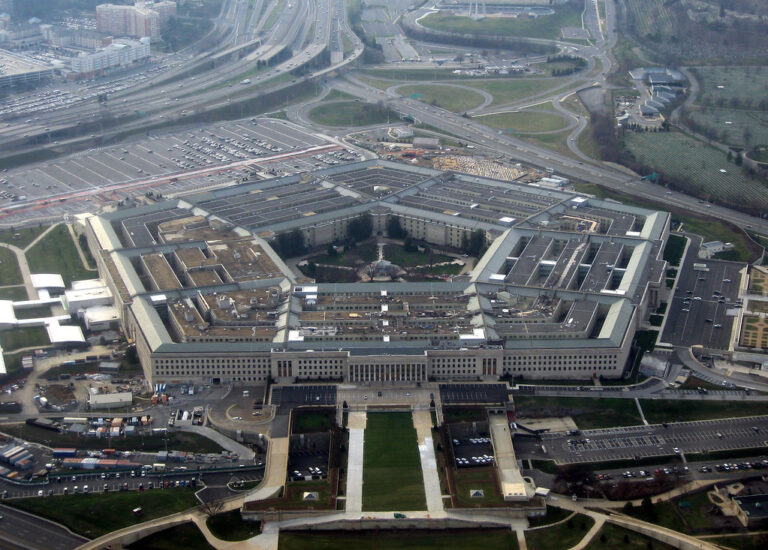
New Pentagon Press Corps Sparks Debate

0

Key Takeaways

  • The Pentagon announced a “next generation” Pentagon press corps after ousting outlets that refused a loyalty pledge.
  • Over 60 new and independent journalists signed on, while major networks like Fox News were absent.
  • Critics warn this move could create a compliant news group and limit tough questions.
  • Social media users called it a Pentagon propaganda team rather than a real press corps.
  • Lawmakers and experts worry about one-sided reporting and loss of press freedom.

Inside the New Pentagon Press Corps

The Pentagon press corps just got a big makeover. Defense Secretary Pete Hegseth’s team forced outlets to sign a loyalty pledge or leave. If they refused, they lost access. Now, a fresh group of 60 journalists has joined the fold. They come from new media sites and independent outlets. Fox News did not sign on. Instead, some conservative activists made the cut. This change has triggered fierce debate. Many ask if this is real journalism or state propaganda.

Why the Pentagon Press Corps Is Controversial

The new media access policy demands pre-approval of stories and topics. Journalists must agree not to report where they lack clearance. They must avoid some topics entirely. Critics say these rules block open inquiry. They fear reporters will censor themselves. The mainstream press refused to accept these limits. They lost their spots. Now, only those who signed can attend briefings and cover events. This shift worries lawmakers and press freedom advocates.

What Happened

On Wednesday, Pentagon spokesperson Sean Parnell announced the new lineup on X. He called it the “next generation” of the press corps. He said 60 journalists from independent outlets had signed the media access policy. Twenty-six reporters from the old corps also agreed. Parnell praised these journalists for fighting “mainstream media lies.” He claimed they would deliver real news to the American people. He added that mainstream outlets had “self-deported.” He said Americans no longer trust activist journalists.

Who Made the List

The new Pentagon press corps includes bloggers, podcasters, and small digital news sites. It also features voices from super conservative groups like Turning Point USA. Major cable news networks, including Fox News, are absent. Many view this as a political move. The New Republic labeled some new members as “sycophants” and “yes men.” Supporters argue this opens the door for fresh perspectives. They say mainstream outlets have grown biased. However, critics insist this is a way to silence tough questions.

Criticism and Concerns

Several public figures slammed the change on social media. A Minnesota senator called it the “Pentagon Propaganda Corps.” Others said the mainstream press did not self-deport. They said reporters were pushed out for refusing pre-approval rules. An investor warned that government-approved news could harm democracy. An EMS pilot compared the pledge to military secret clearance rules. He noted that officers follow those rules without media control. A political writer called the new group “fluffers and propagandists.” Many fear this move will weaken checks on power.

The Loyalty Pledge

The heart of the debate is the loyalty pledge. It requires journalists to stay within cleared zones. It bans questions on unapproved topics. The Pentagon says these rules protect national security. It also claims they ensure accurate reporting. Yet transparency experts disagree. They warn that any pledge curbs press freedom. They worry reporters will avoid tough stories. In effect, they say, the Pentagon will shape its own narrative.

Reactions from the Mainstream Press

Major news outlets expressed outrage. They said the Pentagon reneged on a decades-old agreement. They argued the military should not control what journalists write. Some vowed to continue covering the Department of Defense outside official briefings. Others plan to challenge the policy in court. They insist the American public needs independent scrutiny of defense actions. Meanwhile, smaller outlets praised their new roles. They called it a chance to shine.

Expert Analysis

Press freedom experts call this a dangerous precedent. They point to historical examples of state-controlled media. They say a free press is vital for democracy. Without it, the public may only hear one side of the story. They worry the Pentagon press corps will lose credibility. Journalists could become mouthpieces for officials. In response, the Pentagon claims all reporters must follow basic rules. It insists these guidelines are no different than other government briefings.

Possible Impact

This change could reshape defense coverage in three ways. First, it may skew reporting toward the Pentagon’s view. Second, it could marginalize mainstream outlets. Third, it might empower smaller sites with niche audiences. If successful, the new press corps could influence public opinion. However, if seen as a propaganda tool, it could backfire. Journalists may lose trust and readers. Lawmakers might intervene to protect press rights.

Voices from Capitol Hill

Some senators demanded hearings on the policy. They called for clear definitions of approved topics. They also asked for transparency on how journalists were chosen. Others defended the Pentagon’s right to set access rules. They argued the military must protect sensitive operations. The debate shows deep partisan divides over media and security.

Looking Ahead

What comes next for the Pentagon press corps? Mainstream outlets may fight legal battles. Independent groups could monitor the new policy’s effect on reporting. Public opinion will play a role. If the new corps proves credible, it may shape future media access rules. Yet if it fails, the Pentagon may face more backlash. Either way, this move marks a key moment in press–government relations.

Conclusion

The Pentagon press corps overhaul has sparked heated debate. Supporters view it as a fresh start with diverse voices. Critics call it a propaganda mill that limits real journalism. As this story unfolds, both sides will watch closely. Americans will decide whether they welcome this new media corps or demand a return to open press access.

Frequently Asked Questions

What is the main change to press access at the Pentagon?

The Pentagon now requires a loyalty pledge. Journalists must agree to approved topics and cleared areas. Those who refuse lose official access.

Why are major networks like Fox News missing?

They did not sign the Pentagon’s media access policy. Instead, the new list features smaller outlets and independent journalists.

Could the new policy face legal challenges?

Yes. Some mainstream organizations plan to challenge the policy in court. They claim it violates press freedom protections.

How might this affect reporting on defense issues?

The policy could limit tough questions and shape narratives. It may also boost smaller outlets’ visibility if they gain credibility.

Inside the University of Virginia Deal with Trump’s DOJ

0

Key Takeaways

  • The University of Virginia deal stops a federal probe into civil rights claims.
  • It marks the first public university agreement under the Trump administration’s shift.
  • President James E. Ryan resigned amid pressure from White House officials.
  • The agreement could affect diversity, equity, and inclusion efforts nationwide.
  • Other elite schools face similar federal scrutiny and funding cuts.

The University of Virginia deal ends a federal investigation after threats of losing funding. This agreement shows how far the administration will go to reshape campus policies. Moreover, it sets a new standard for how public universities might respond to political pressure.

Background of the University of Virginia deal

In recent months, the Justice Department warned the University of Virginia it faced a probe. Officials accused the school of violating civil rights laws in its admissions and campus policies. Specifically, they targeted programs that support diversity, equity, and inclusion. As a result, the university risked losing millions in federal aid.

Furthermore, Harvard and other top schools felt similar pressure. Federal agencies launched multiple inquiries into their policies. Indeed, the government stripped billions of dollars from some institutions over alleged bias. Consequently, the University of Virginia felt it had to act quickly to protect its budget.

Eventually, negotiators from the White House and the university met in Washington. After weeks of talks, they struck the University of Virginia deal. Under its terms, the school agreed to revise certain policies. In return, the Justice Department agreed to halt its investigation—at least for now.

Pressure on University Leadership

Shortly after the agreement, President James E. Ryan stepped down. He had served as the university’s leader for only two years. Many observers believe the administration saw him as an obstacle. They said he supported diversity-focused policies that the White House opposed.

Moreover, the University of Virginia deal likely played a role in his departure. School trustees and state officials faced intense political heat. They feared losing more federal dollars if they resisted federal demands. As a result, Ryan became the first university president forced out under this administration’s campaign.

In addition, campus morale took a hit. Students and faculty expressed frustration over the deal and Ryan’s exit. They worried about the future of programs that help underrepresented groups. At the same time, others praised the move as a way to safeguard the university’s finances.

Impact on Diversity Programs and Funding

Because of the University of Virginia deal, the school must revisit its diversity efforts. It agreed to review admissions criteria and how it funds affinity groups. In turn, the Justice Department paused its civil rights probe.

However, some critics worry this pause may only be temporary. They note that other universities remain under scrutiny. For example, Harvard still faces multiple federal inquiries. Therefore, schools nationwide watch this situation closely.

More broadly, the administration has cut billions in aid to public and private universities. They argue that many schools favor certain groups over others. Meanwhile, supporters of diversity programs argue they play a vital role in campus life. They believe these programs foster inclusion and academic success for all students.

What the University of Virginia deal means for other schools

First, the deal shows that the administration can use investigations to force policy changes. As a result, other colleges may choose to negotiate rather than fight. In doing so, they hope to protect their federal funding and avoid long legal battles.

Second, the move signals a broader push to limit diversity, equity, and inclusion initiatives. Public universities might face more pressure from state and federal officials. Consequently, some schools could scale back or alter their programs.

Third, the deal may encourage universities to review their policies preemptively. By adjusting admissions rules and funding structures, they aim to stay ahead of federal scrutiny. In addition, many institutions are boosting in-house compliance teams to handle potential probes.

Moreover, the University of Virginia deal highlights the power of the Justice Department over higher education. It suggests that federal authorities can influence campus policies far beyond financial aid. Likewise, state lawmakers may join in, demanding changes at public schools.

Looking Ahead

In the coming months, officials will watch for how the University of Virginia implements its side of the deal. They will check whether the school makes real policy shifts or only cosmetic changes. If the Justice Department finds shortcomings, it could restart its investigation.

Meanwhile, student groups and faculty councils will push for transparency. They want clear information on what changes the university plans. At the same time, alumni and donors will monitor the situation closely. After all, their support often funds key campus programs.

Finally, this deal may serve as a roadmap for future agreements between universities and the federal government. It sets precedent for how far each side will go to protect its interests. Therefore, universities nationwide will study its terms and outcomes carefully.

Frequently Asked Questions

What triggered the federal investigation?

The Justice Department looked into civil rights complaints about admissions and campus programs that support diversity and inclusion.

Why did the University of Virginia agree to the deal?

The school wanted to protect its federal funding and avoid a lengthy federal probe that could harm its reputation.

What changes must the university make under the deal?

It needs to review admissions criteria and certain diversity programs, then report its revisions to federal officials.

Could this deal affect other universities?

Yes, other public and private schools may face similar pressures and choose to negotiate to shield their funding and policies.

Antisemitic comments by adviser ignite backlash

0

Key Takeaways

  • A top adviser to GOP candidate Jack Ciattarelli made antisemitic comments and called for banning gay marriage.
  • Ciattarelli praised the adviser at the same event, drawing sharp criticism.
  • Democratic rival Mikie Sherrill demands a public apology, the adviser’s firing, and a clear denouncement.
  • Ciattarelli denies opposing same-sex marriage and shifts blame to his opponent.
  • The incident could reshape the New Jersey governor’s race and voter attitudes.

Jack Ciattarelli faces fierce criticism after an ally in his inner circle made hateful remarks. His unpaid Muslim relations adviser, Ibrar Nadeem, reportedly said people should ban gay marriage and made a crude joke about Jewish money. Those antisemitic comments emerged at a Saturday gathering, just as Ciattarelli stood with him on stage.

At that event, Nadeem claimed he hears accusations of “taking money from Jews.” He answered, “I check my bank account every day, brother, it is not there.” He also argued that same-sex marriage should not be allowed. Ciattarelli then praised Nadeem as a path-breaking adviser, calling him “a vital voice in my campaign.”

Within hours, Democratic Rep. Mikie Sherrill blasted Ciattarelli in a social media post. She demanded her rival “denounce these comments, fire the individual responsible, and apologize for praising him right after he made these antisemitic and homophobic statements.”

How antisemitic comments reached the campaign

Politico first reported the adviser’s remarks on Wednesday. Since then, both campaigns have traded barbs over who will show stronger leadership and moral clarity.

Ibrar Nadeem is a well-known figure in local interfaith circles. He volunteered to advise Ciattarelli on Muslim outreach. However, his public statements have now overshadowed his community work. The antisemitic comments cut deeply in a diverse state where Jewish families live in almost every county.

Critics say Ciattarelli should have intervened immediately. Instead, he stood by his adviser on stage. This raised questions about the candidate’s judgment and priorities. Many wonder whether Ciattarelli truly rejects hateful views or simply overlooks them for political gain.

Opponent’s call for action

Mikie Sherrill wasted no time in pressing her case. She pointed out that Ciattarelli had yet to fire Nadeem. She also highlighted his praise of the adviser, calling it “absolutely disgraceful.” In her view, silence equals consent.

Sherrill wrote, “It’s 2025 and The Jack Campaign opposes same-sex marriage. This blatant antisemitism is coming from a member of Jack’s inner circle. Jack could have condemned it but instead sang his praises.” Those words strike at a core question: Will the candidate act decisively when bigotry shows up in his ranks?

Candidate’s defense and deflection

Ciattarelli quickly responded, insisting he does not oppose same-sex marriage. He also attempted to shift attention to Sherrill by tying her to a New York City candidate named Zohran Mamdani, who runs as a Democratic Socialist. Ciattarelli suggested that extremism lurks in various corners of the Democratic Party.

Furthermore, Ciattarelli said he regrets any misunderstanding and will continue to work with people from all backgrounds. However, he stopped short of apologizing for praising Nadeem at the event. He has not said whether he will replace his adviser.

Wider impact on the governor’s race

As the campaign enters its final stretch, this controversy may sway undecided voters. New Jersey voters often look for decency and respect in their leaders. They may see the antisemitic comments and Ciattarelli’s praise as a sign he tolerates bigotry.

Moreover, some Republican voters feel the party needs strong stances against hate. They might ask whether Ciattarelli can unite a diverse coalition if he fails to address blatant prejudice. On the other hand, core GOP supporters could view this as another example of Democrats weaponizing politics.

Public reaction has been swift. Jewish, LGBTQ, and interfaith groups have condemned the antisemitic comments and called for immediate action. Several community leaders plan to hold a joint press conference this week to demand clear steps from the campaign.

Campaign watchers say Ciattarelli’s next move will be critical. If he fires his adviser and issues a forceful denouncement of antisemitic comments, he may calm the storm. But if he continues to defend Nadeem, he risks long-term damage to his image.

Context in New Jersey politics

New Jersey has a history of moderate GOP governors who appeal to centrist voters. However, the state also has a large and active Jewish community. Any sign of antisemitism can backfire quickly.

Furthermore, support for LGBTQ rights is strong among New Jersey voters. Polls show over 60 percent back same-sex marriage. Thus, Nadeem’s call to ban gay marriage could hurt Ciattarelli among suburban and younger voters.

Meanwhile, Sherrill has rallied key Democratic figures to her cause. She aims to draw a sharp contrast with Ciattarelli on civil rights and inclusion. Her campaign has released ads that quote Nadeem’s statements and frame the issue as a test of character.

What to watch next

Over the coming days, voters will watch for these signs:
• Whether Ciattarelli fires his adviser.
• If he offers a full apology for praising antisemitic comments.
• How Sherrill frames this controversy in her final ads.
• Reactions from key community groups and local leaders.

Ultimately, this episode could determine the tone of the race. If hate goes unchecked, it may overshadow policy debates on taxes, schools, and healthcare. Conversely, a swift and genuine response might restore focus on the issues voters care about most.

FAQs

What exactly did the adviser say?

He said people accused him of “taking money from Jews” and joked, “I check my bank account every day, brother, it is not there.” He also spoke against same-sex marriage.

How did Jack Ciattarelli respond?

Ciattarelli praised the adviser at the event. Later, he denied opposing gay marriage and shifted attention to his Democratic rival but did not apologize for his praise.

What does Mikie Sherrill want?

Sherrill demands Ciattarelli publicly denounce the antisemitic comments, fire his adviser, and apologize for praising him right after the remarks.

Could this hurt Ciattarelli’s campaign?

Yes. New Jersey voters value tolerance and equality. Failing to address bigotry could alienate key groups and undecided voters.

Trump Delivers Emergency Funding to Winning States

0


Key Takeaways:

  • President Trump approved emergency funding for Missouri, Nebraska, and Alaska.
  • Missouri will receive $2.5 million after storms, hail, floods, and tornadoes.
  • Nebraska gets $15 million to support its storm recovery efforts.
  • Alaska secures $25 million to rebuild after a major typhoon.
  • Trump tied the aid to states he won in 2016, 2020, and 2024.

President Trump announced a new wave of emergency funding on his social media platform. He spoke directly with governors in Missouri, Nebraska, and Alaska. In each case, he approved aid after natural disasters hit those states. He also noted that he had won all three states in the last three presidential contests. This move highlights his focus on helping areas where he earned strong support.

Emergency Funding for Storm Recovery and Typhoon Relief

States hit by severe weather often need fast support. Emergency funding lets communities repair damage quickly. Moreover, it can help families find new homes and rebuild businesses. In Missouri, Nebraska, and Alaska, local leaders welcomed the aid. They see the funds as crucial for recovery and future safety.

Missouri’s $2.5 Million Help

In a post on Truth Social, the president said he spoke with Governor Mike Kehoe. He approved $2.5 million in individual assistance for Missouri. This money will reach families who lost homes in storms, high winds, large hail, flash flooding, and tornadoes earlier this year. The governor asked for help soon after the disasters. Therefore, the federal response could move faster than usual. Trump noted that he won “The Show Me State” in 2016, 2020, and 2024. He said it was his honor to deliver for its “incredible Patriots.”

Nebraska’s $15 Million Aid

Next, President Trump confirmed $15 million for Nebraska’s storm recovery. He cited the state’s hard-hit communities and praised Governor Jim Pillen for his request. The emergency funding will cover repairs to homes, businesses, and public infrastructure. As a result, towns can restore roads, bridges, and utility systems more quickly. Also, the aid will offer financial help to families facing high repair costs. Trump reminded his followers that he won Nebraska three times in recent elections. He promised to keep supporting the Cornhusker State.

Alaska’s $25 Million Typhoon Relief

Finally, Trump addressed Alaska’s recent typhoon damage. He said he spoke with Governor Mike Dunleavy, who requested federal help. Consequently, the president approved $25 million in emergency funding for the Great State of Alaska. This move will help clear debris, fix public buildings, and assist homeowners. It will also fund temporary housing and small business grants. Trump emphasized that he “won BIG” in Alaska in 2016, 2020, and 2024. He pledged never to let Alaskans down.

Why Emergency Funding Matters

Emergency funding plays a vital role when disasters strike. First, it offers quick financial relief to affected households. Families can repair broken windows, damaged roofs, or ruined furniture. Second, it helps local governments restore essential services. Roads, power lines, and water systems often face severe damage during storms. Third, it supports local businesses that lost inventory or property. Many small shops cannot survive long closures without help. In addition, it boosts community morale. When residents see fast support, they feel less alone.

Moreover, emergency funding can reduce long-term recovery costs. Quick repairs tend to cost less than delayed restoration. Also, it can prevent further damage from future weather events. For example, fixing a leaky roof now avoids mold and structural problems later. Therefore, fast federal aid proves more cost-effective over time. It also shows citizens that their government cares about their well-being.

How the Process Works

When a state requests aid, it follows a clear process. First, the governor declares a state of emergency. This declaration outlines the damage and the areas affected. Then, the governor sends a formal request to the White House. The request details the type of support needed and the estimated cost. Next, the president reviews the request and checks damage reports. Finally, if he approves, the Federal Emergency Management Agency releases the funds. States then work with FEMA to distribute the money. This process often takes weeks or months. However, in urgent cases, it can speed up significantly.

Political Angle: Linking Aid to Electoral Wins

President Trump’s announcement tied emergency funding directly to states he won. He highlighted his victories in 2016, 2020, and 2024. This approach sends a clear political message. He shows support where he has strong voter backing. Meanwhile, critics argue that aid should not depend on past election results. They say every state deserves help after disasters. Yet, Trump insists he honors communities that showed him loyalty. This tactic may energize his base and boost his standing in key regions.

Reactions from Governors and Residents

Governors in all three states welcomed the news. They praised the quick response and the funding amounts. In Missouri, Governor Kehoe called the aid “a lifeline” for hard-hit families. In Nebraska, Governor Pillen said the funding will ease the burden on local budgets. In Alaska, Governor Dunleavy thanked the president for his swift action. Residents expressed relief and hope. Social media posts showed families clearing debris and planning repairs. Many wrote messages of thanks and pride.

Looking Ahead: Preparedness and Resilience

While emergency funding boosts initial recovery, long-term planning remains crucial. States can use part of the funds to improve infrastructure resilience. For instance, they might reinforce power lines or build stronger levees. They can also invest in early warning systems and community shelters. These measures help reduce damage from future storms and typhoons. Additionally, public education campaigns can teach families how to stay safe. Together, funding and planning can strengthen communities.

In addition, states should review building codes. Stricter regulations for roofs, windows, and drainage systems can save lives. Governments can also offer incentives for homeowners to upgrade older houses. By combining recovery aid with forward-looking policies, states can better face the next disaster.

Conclusion

President Trump’s decision to approve emergency funding for Missouri, Nebraska, and Alaska sends a strong message. He linked the aid to his electoral success in those states. Meanwhile, governors and residents praised the rapid support after severe storms and a major typhoon. The funds will help rebuild homes, restore infrastructure, and support families in need. Moreover, emergency funding can spur long-term resilience through smarter planning. As these states recover, they will also prepare for future challenges. In the end, fast and fair disaster relief benefits everyone.

Frequently Asked Questions

How did President Trump approve this emergency funding?

He reviewed requests from each governor and used his authority to allocate federal disaster aid. Once he signed off, FEMA began sending the funds.

What types of damage will the funds cover?

The funding will help repair homes, businesses, roads, bridges, power lines, and public buildings damaged by storms and typhoons.

Will other states receive similar emergency funding?

All states can request federal aid after disasters. Approval usually depends on damage assessments and the president’s decision.

How quickly will communities receive the aid?

After approval, FEMA and state agencies work together to distribute funds. Residents often get assistance within weeks, though larger projects may take longer.

Conservative Politician Slams Trump Banners in D.C.

0

Key Takeaways:

  • Jason Kenney blasts Trump banners on government buildings as “creepy” and totalitarian.
  • Critics link Trump banners to North Korean propaganda style.
  • The banners appear at taxpayer expense on federal offices.
  • The dispute intensifies already tense US-Canada relations.

Trump banners draw fire from Canadian politician

President Trump has placed giant banners with his face on them around Washington. He displayed them on several government buildings. The latest hung from the Department of Labor. It shows his image and the slogan “American Workers First.” Trump covers these displays with taxpayer funds. Suddenly, his ads resemble public art more than announcements. However, his critics see something darker. They warn this move looks more like an authoritarian stunt.

National Review writer Jay Nordlinger reacted strongly online. He compared the images to scenes in Pyongyang, North Korea. He posted a photo and wrote that sentence on social media. Many readers agreed the display felt unsettling. Meanwhile, former Alberta premier Jason Kenney also spoke out. He said hanging giant portraits from federal offices was “really getting creepy.” Kenney declared these Trump banners followed a North Korean aesthetic. He argued that America’s founders would have been horrified. Overall, Kenney’s view echoed widespread alarm.

Why Trump banners remind critics of North Korea

Critics say large leader portraits on state buildings trace back to dictatorships. For example, North Korea and other regimes use them to project power. Similarly, these Trump banners show one man above all else. Moreover, they hang on public property, not private walls. Therefore, some see the banners as propaganda tools. They worry this method could erode democratic values. In addition, it distracts from real policy debate. Consequently, many commentators say it sets a troubling precedent for future leaders.

Canada’s reaction to Trump banners

Tensions between Canada and the United States have risen since Trump’s election. He threatened trade wars that worried Canadian officials. In response, Ontario’s premier even threatened to cut off energy exports. Amid this standoff, Jason Kenney saw Trump banners as another provocation. He viewed them as a sign of unchecked executive power. At the same time, other politicians felt uneasy about taxpayer spending. They demanded answers on the cost of those large displays. Meanwhile, ordinary Canadians debated whether Canada should mirror any response.

Several provincial leaders warned of retaliation if Trump persisted. They pondered tariffs, energy rules, and border controls. Similarly, debates flared in the US about federal spending priorities. Some lawmakers asked if these decorations served any public good. Still, others praised Trump’s bold style and called the banners patriotic. Overall, the issue deepened a divide both north and south of the border.

Global view of leader propaganda

Around the world, leaders have used massive images to shape public moods. In some nations, they carpet entire streets with portraits and slogans. Often, the goal is to instill loyalty and fear. Historically, authoritarian regimes mastered this tactic. For instance, statues and murals of strongmen once dominated cityscapes. In recent years, democratic leaders have mostly avoided such displays. Consequently, Trump banners stand out in a nation proud of its checks and balances.

Still, some argue that modern politics uses media in similar ways. Campaign signs, social posts, and ads all build political brands. Yet, placing giant banners on taxpayer-funded buildings crosses a different line. It merges campaign marketing with public office. Therefore, political experts warn of slippery slopes. If leaders can brand government sites, accountability could erode. As a result, watchdog groups now promise to track related spending.

Public response and debate

In Washington, visitors paused to take photos of the banners. Some cheered, seeing them as symbols of national strength. Others covered their eyes, likening the images to overt propaganda. Online polls show mixed feelings about government-funded displays. Younger voters especially feel uneasy about large political posters. They recall historical abuses tied to leader worship. Meanwhile, older supporters view the act as a modern twist on rally banners. Overall, American opinion remains split.

What’s next for Trump banners?

As the region moves into winter, more banners may go up around D.C. Already, the White House and other agencies face budget questions. Lawmakers ask whether funds for the banners violate spending rules. Several watchdogs plan legal challenges. They argue the banners breach rules on political advertising. At the same time, Trump allies defend the displays as public education tools. They claim the images celebrate patriotic themes.

Finally, the debate over Trump banners may reach the Supreme Court. If it does, justices could decide how far executive branch propaganda can go. Until then, both fans and foes will watch every new display. The controversy highlights big questions about power, money, and image in politics.

Conclusion

Overall, the fierce reactions to Trump banners reveal deep splits in modern democracy. What one person sees as proud patriotism another sees as alarming propaganda. Moreover, the setting in Washington makes the choice even more symbolic. As tensions with Canada rise, Canadian leaders say they will not stay silent. Indeed, they see Trump’s giant banners as more than decoration. To them, the banners represent a troubling trend that must face serious pushback.

With Americans preparing for the next election, the saga of Trump banners will likely grow. Future leaders and voters must decide which democratic values they want to uphold. Finally, this debate could shape rules on how politicians use public spaces. Therefore, keep watching D.C.’s skyline for new chapters in this unfolding story.

FAQs

What are the Trump banners and where do they hang?

They are huge posters of President Trump placed on key government buildings in Washington, D.C. Each banner shows his face and a slogan.

Why do critics compare the banners to North Korean propaganda?

Critics point out that dictators often use massive portraits on public buildings to project power and loyalty.

How are Canadian leaders responding to the banners?

Several Canadian politicians, including Jason Kenney, publicly criticized the banners. Others have threatened economic or energy-based countermeasures.

Could legal action block the Trump banners?

Yes. Some watchdog groups argue they violate rules on political advertising using taxpayer money. They may seek court intervention.

No Kings Protest Shakes America with Fake AI Video

0

Key Takeaways

  • About 7 million people joined the No Kings protest in all 50 states.
  • The protest rose in response to a fake AI video of the president.
  • Demonstrators sent a clear message: America will never have a king.
  • No Kings showed the limits of unchecked presidential power.

The No Kings protest became the biggest one-day demonstration in U.S. history. People from small towns and big cities took to the streets. They united under one banner: No Kings. They spoke out against a phony AI video of the president wearing a crown, flying a fighter jet, and dumping human waste on peaceful protesters.

How Fake AI Video Sparked Outrage

First, the president shared a video that everyone could see was fake. It showed him bombing protesters with brown liquid. Many called it disgusting. Yet some congressional Republicans defended the video. Even the press hesitated to call it out plainly. Instead, they used vague words like “brown liquid,” avoiding harsh terms. However, people saw the truth for themselves.

Next, the video tapped into deeper fears about power and freedom. As a result, millions felt it was time to act. They refused to stay silent while their rights were mocked. Therefore, the No Kings protest took off across the nation.

Why the No Kings Protest Matters

No Kings proved that ordinary people still hold real power. Even though the president tried to downplay the demonstrations, he could not ignore them. He called the protest small and ineffective. He blamed radical groups and even claimed George Soros paid for the signs. Yet the turnout spoke for itself.

Moreover, No Kings challenged a dangerous idea: that only one group can define reality. The president and his allies painted critics as terrorists, aliens, or violent radicals. They claimed only Republicans had the right to speak for America. No Kings answered with a single voice: no. Seven million Americans said they could speak for themselves.

Who Joined the No Kings Protest

In reality, most protesters were white, middle-class, and over 50. They came from quiet suburbs and farming towns. Many held simple demands like abolishing Immigration and Customs Enforcement. Most, however, came to defend basic rights: free speech, fair elections, and the right to protest.

Senator Chris Murphy summed it up well. He said the president is trying to destroy democracy’s guardrails. Yet the people still rule this country. No Kings proved him right.

How No Kings Built Momentum

This protest did not appear out of thin air. In June, No Kings drew about 5 million people. Now, it added 2 million more. Every rally grew bigger than the last. Each march inspired new cities and towns to join.

People used social media to organize meetups in rural areas. They posted flyers at community centers and churches. They tapped into local networks—book clubs, PTA groups, and church councils. Together, they built a grassroots force that no governor or senator could ignore.

What No Kings Means for American Democracy

No Kings sent a clear warning: unchecked power breeds abuse. When leaders act like monarchs, the people must step in. The protest reminded everyone that the Constitution lays out rules for a reason. The people are sovereign, not any single officeholder.

Even so, the president reacted like a king. He threatened to use the Insurrection Act. He hinted at military power to crush dissent. Those words scared many Americans. They saw how close their rights came to being taken away.

Now, No Kings gave these citizens hope. They proved that a peaceful, lawful mass movement can push back. They showed that millions can stand up without violence. And they reminded the media that they must call out power when it oversteps.

What’s Next for the No Kings Movement

First, supporters plan more local actions. They will host town halls and teach-ins about civic rights. They want to register new voters and train volunteers to monitor elections. They aim to keep the pressure on lawmakers at every level.

Second, they will expand their digital tools. They already used AI-driven apps to map safe protest routes. Now, they will roll out platforms for real-time fact checking. They hope to block more fake videos before they spread.

Third, they want to hold the press accountable. No Kings organizers will rate news outlets on fairness and clarity. They hope this will push reporters to use honest, direct language.

Finally, they plan to build alliances. They will partner with groups fighting for racial justice, LGBTQ rights, and immigrant protections. Their message is simple: no group holds a monopoly on American values.

No Kings showed the power of millions speaking as one. It proved that democratic action still works. Above all, it reminded every American that their voice matters.

Frequently Asked Questions

What inspired the No Kings protest?

A fake AI video of the president wearing a crown and dumping waste on protesters sparked outrage. Millions joined to defend democracy and free speech.

How many people joined the No Kings protest?

About 7 million Americans took part in marches and rallies across all 50 states. It became the largest one-day protest in U.S. history.

What does No Kings stand for?

No Kings stands for the idea that no single person can rule without limits. It upholds the people’s right to decide through free elections and peaceful protest.

What are the next steps for No Kings organizers?

They plan more local events, voter registration drives, digital tools for fact-checking, and partnerships with other rights groups. Their goal is to keep democracy strong.

Indictment Omission Exposed in AG James Case

0


Key Takeaways

  • A legal analyst spotted a major flaw in the indictment against Attorney General Letitia James.
  • The flaw, called an indictment omission, may weaken the case.
  • The omission involves a rider that lets property owners rent their homes.
  • Critics say the indictment never proves a rental agreement existed.
  • This gap could shape the trial’s outcome.

Indictment Omission Raises Major Questions

Prosecutors accuse New York Attorney General Letitia James of lying to get a lower mortgage rate. However, a legal expert says they left out a key fact. This indictment omission could harm the government’s argument. As a result, the case faces new uncertainty.

Background of the Case

In 2024, prosecutors charged James with misrepresenting her property’s use. They claim she hid plans to rent out her home. That move allegedly saved her nearly nineteen thousand dollars in interest. In reality, James let her niece live in the house. Nonetheless, indictments focus on renting, not on family stays.

Moreover, this case comes from U.S. Attorney Lindsey Halligan. She filed the charges last month. Her team points to federal rules against renting without permission. Yet, the original mortgage rider from 2019 clearly allows some rentals. Therefore, experts now question the strength of the charges.

What Is the Indictment Omission?

Legal analyst Liz Dye reviewed the indictment on her “Legal Eagle” show. She found the so-called indictment omission. Specifically, the filing never says James signed a rental agreement. Instead, it only states she “rented it out.” These two ideas differ under mortgage rules.

Furthermore, the mortgage rider approved by lender Fannie Mae allows owners to rent their homes. It bars only formal timeshares or management companies. Therefore, simply letting a relative stay does not break the rule. Yet, prosecutors never address this rider in the indictment.

Why It Matters

First, the indictment must prove every element of the alleged crime. Without showing that James made a rental contract, the case may collapse. Additionally, defense lawyers will highlight this gap in court. They can argue the government ignored key evidence.

In addition, public trust in the legal system depends on fair and complete filings. When prosecutors omit crucial facts, it raises doubts. Consequently, people may question the motives behind the charges. This issue can affect voter opinions and James’s political future.

The Core Keyword and Its Role

The phrase indictment omission sums up the main problem. It reminds readers of the missing detail in the case. Moreover, it boosts search visibility for news sites and blogs. By stressing indictment omission, this article answers common queries.

What Comes Next

James’s legal team will likely file a motion to dismiss or narrow the charges. They can cite the indictment omission as a reason to drop the case. If the judge agrees, prosecutors must either fix the filing or abandon the charge. Otherwise, the case may never reach trial.

Meanwhile, Halligan’s office must decide whether to appeal or amend the indictment. They could add language about the rental rider. However, doing so might expose other weaknesses. As a result, prosecutors face a tough choice.

Future observers will track how the court handles this gap. The outcome could set a precedent. After all, every criminal case depends on complete and precise indictments. This moment may prompt more scrutiny of future filings.

FAQs

What exactly is an indictment omission?

An indictment omission happens when prosecutors leave out a key fact or element in their charges. This gap can weaken the government’s case.

Why does the rental rider matter?

The rider from the mortgage lender allows certain rentals, like family stays. Since James’s niece lived there, it may not violate any rules.

How could this affect the trial?

Defense lawyers will point to the indictment omission to argue for dismissal. If the judge sees the flaw, charges might be dropped.

What’s next for Attorney General James?

Her team will ask the court to dismiss or change the indictment. Meanwhile, prosecutors must decide whether to amend their case or move on.

SpaceX Lawsuit Settled Over Land Squatting Claim

0


Key Takeaways

• SpaceX has quietly settled a lawsuit with game maker Cards Against Humanity over land use.
• Cards Against Humanity accused SpaceX of trespassing and turning its property into a work site.
• The suit sought $15 million in damages for disturbed habitat and piled-up gravel.
• The disputed lot sits near the Rio Grande on land once eyed for a Trump border wall.
• Settlement details remain private, but the case highlights tensions over Texas land near SpaceX facilities.

In a recent twist, SpaceX faced a legal battle over land use. Cards Against Humanity claimed SpaceX treated its property near the Texas–Mexico border as if it owned the land. This SpaceX lawsuit accused the rocket company of trespassing, damaging natural habitat, and squatting for at least six months.

Details of the SpaceX lawsuit

Cards Against Humanity filed the SpaceX lawsuit in a Texas federal court. The game maker owns a 0.3936-acre plot in the Tarpon Haven subdivision near Brownsville. According to the lawsuit, SpaceX parked heavy machinery there. Photos showed gravel heaps and equipment where green brush once grew.

Why Cards Against Humanity Filed the SpaceX lawsuit

Cards Against Humanity said SpaceX’s actions harmed wildlife and destroyed plant life. As a result, they demanded $15 million in damages. They argued that SpaceX treated the lot “as if it were its own for at least six months.” In turn, this disrupted the land’s natural state and blocked public access.

What Happened on the Land

According to the lawsuit, SpaceX used construction vehicles and filled the area with gravel. Before-and-after pictures showed a clear change. Lush native plants vanished. In their place, workers and machines operated without permission. The suit claimed SpaceX ignored repeated notices to vacate the site.

SpaceX’s Side of the Story

SpaceX did not comment in detail. However, insiders say the company believed the land was unused and available for its needs. The area sits near SpaceX’s Boca Chica launch site. Therefore, it may have seemed a convenient spot for staging equipment. Either way, SpaceX denies any intent to harm or trespass.

Connection to the Trump Administration

Interestingly, the lot once caught the federal government’s attention. Early in 2017, President Trump considered it for a border wall project. The land sits along the Rio Grande in a sparsely populated area. Although the wall never came to this exact spot, it highlights how strategic this land can be.

How the Settlement Affects Both Sides

This SpaceX lawsuit ended in a private settlement. Neither party revealed the exact terms. Therefore, we don’t know if any payment changed hands. On one side, Cards Against Humanity can claim a victory that defends property rights. On the other, SpaceX avoids a lengthy court battle that could slow down its launch plans.

Lessons for Property Owners and Corporations

This dispute shows that even big companies must verify land rights. First, always check deeds, surveys, and local filings. Second, respond quickly to notices of trespass. Third, document any land improvement with clear permission. By following these steps, both landowners and corporations avoid costly misunderstandings.

Why This Matters in Texas

Texas has a long history of land disputes. With SpaceX’s growing presence near Brownsville, more land may become prime real estate. Therefore, local property owners and authorities will watch how this case unfolds. It could set a precedent for future agreements or conflicts over land use.

What Comes Next for SpaceX

While this SpaceX lawsuit is settled, other challenges remain. SpaceX continues to expand its launch operations. With that growth comes a higher chance of land conflicts. Company leaders now know they must be more careful when selecting off-campus sites for equipment or storage.

Final Thoughts

The SpaceX lawsuit with Cards Against Humanity highlights how easy it is to overlook land rights. For a company focused on reaching Mars, this earthly dispute offers a simple lesson: check your deeds before you dig. As SpaceX forges ahead with rockets and ambitions, it must also navigate the complex world of property law.

Frequently Asked Questions

What exactly did Cards Against Humanity accuse SpaceX of?

They accused SpaceX of trespassing, damaging natural habitat, and treating the lot as if it were owned by SpaceX for six months.

Why did they seek $15 million?

They claimed that heavy equipment and gravel destroyed the land’s natural state and harmed wildlife, so they asked for compensation.

Where is the disputed land located?

It sits in the Tarpon Haven subdivision near Brownsville, Texas, along the Rio Grande, covering about 0.3936 acres.

What does this mean for future land use by SpaceX?

SpaceX will likely conduct more thorough land surveys and obtain clear permissions before using any off-site plots.

Florida Deletes Immigration Records After Citizen Arrests

0


Key Takeaways:

• Florida officials removed data showing U.S. citizens arrested under new deportation efforts
• The dashboard initially listed 21 citizens arrested and nine encounters
• After questions, figures dropped to one arrest and two encounters for U.S. citizens
• Advocates warn this erasure hides racial profiling and rights violations

Under Governor Ron DeSantis, Florida worked tightly with the White House on a strict deportation plan. In August, the Florida State Board of Immigration Enforcement began posting figures on arrests of people suspected of living in the U.S. without papers. Yet when reporters asked why American citizens appeared in those statistics, the state quietly wiped key data from its online dashboard.

Why Immigration Records Disappeared

Initially, the public dashboard showed more than 5,200 stops or arrests of suspected undocumented immigrants since August 1. On October 14, it even listed 21 U.S. citizens arrested on state or local charges. Another nine citizens had non-arrest encounters. However, after media questions, the figures vanished.

Suddenly, the dashboard claimed only two U.S. citizen encounters and one arrest. Meanwhile, over 100 people now show an “unknown” citizenship status. The state gave no explanation. Officials from DeSantis’s office and the Florida Department of Law Enforcement did not respond to requests for comment.

How Officials Altered the Immigration Records

The change happened in secret. For days, reporters noticed the citizen totals shrinking. Then the state removed the original numbers altogether. This revision erased clear evidence that the program had swept up Americans. Critics say it also hides how often agents rely on faulty data to decide whom to stop.

By deleting those entries, the state created doubt over the program’s fairness. Citizens and lawful residents face many hurdles proving their status during detention. When records disappear, it becomes impossible to track mistakes or demand accountability.

Legal Concerns Over Immigration Records

Lawyers warn that programs like Florida’s mirror federal efforts under a policy known as 287(g). This program trains local officers to enforce immigration law. Yet it often relies on incomplete databases. As a result, it can trap citizens in long detentions or wrongful charges.

Alana Greer, an attorney who studies civil rights, says the missing immigration records reveal more than a cover-up. She argues they show the system’s flaws. She noted that data gaps lead directly to racial profiling and violations of constitutional rights. Greer emphasized that such problems affect all residents, not only noncitizens.

Data Integrity and Public Trust

Accurate immigration records help communities trust law enforcement. When the public sees clear numbers, it can pressure officials to fix mistakes. Conversely, hidden or altered data fuels suspicion and fear. Many worry state agencies will keep expanding enforcement without proper oversight.

Moreover, transparency is key in a democracy. Citizens must know how their government acts. Deleting records undercuts this principle. It also prevents academics and watchdog groups from studying enforcement trends. This kind of research can highlight biases and suggest fairer practices.

Impact on Immigrant Communities

While the dashboard overhaul targeted citizen data, immigrant communities also suffer. Heightened enforcement makes people avoid public services, even when they have legal status. Families fear asking for help, leading to unreported crimes and health issues.

Furthermore, neighbors who see irregular data may assume the state hides widespread abuses. This fear can deepen divisions between law enforcement and the people they serve. In areas with large immigrant populations, tension already runs high. Erasing records only fuels uncertainty.

DeSantis’s Role in the Enforcement Push

Governor DeSantis has championed strict immigration policies. He argues they protect public safety. He also claims the state must back President Trump’s deportation goals. Under his watch, Florida agencies share data and resources with federal authorities.

Yet critics say DeSantis took the partnership too far. By integrating local police into a federal crackdown, he blurred lines meant to safeguard constitutional rights. They point to the erased immigration records as a sign he values politics over transparency.

Reactions from Civil Rights Groups

Several civil rights organizations condemned the data removal. They demand the state restore the original figures and explain why they were deleted. They also want a public audit of enforcement actions.

Activists argue the oversight should include:

• A full log of all arrests and encounters listed before and after changes
• A review of data sources used to classify citizenship status
• Protections for citizens and lawful residents held under immigration rules

They warn that without proper checks, innocent people will keep facing wrongful stops and arrests.

Next Steps and Public Response

Lawmakers on both sides of the aisle have started asking questions. Some call for legislative hearings to probe the dashboard changes. Others want to limit state enforcement power.

At the local level, community groups plan town halls to inform residents about their rights. They encourage everyone, citizen and noncitizen alike, to carry proof of status and know how to file complaints if stopped unlawfully.

Meanwhile, reporters continue to track the missing figures. They hope to obtain internal documents showing why the data vanished. If the state refuses, they may seek court orders for release.

Conclusion

The removal of citizen data from Florida’s enforcement dashboard raises serious concerns. It points to potential cover-ups and systemic faults in immigration enforcement. As more details emerge, public pressure will likely grow. For now, the missing immigration records remind everyone that transparency matters. Without it, trust in government falters, and citizens lose faith in their own safety.

Frequently Asked Questions

Why did Florida delete the immigration records for U.S. citizens?

State officials have not explained their actions. Reporters believe the data was removed after questions about wrongful arrests. Critics argue this move hides errors and abuses in enforcement.

How many U.S. citizens were originally listed as arrested?

The dashboard initially reported 21 citizens arrested and nine non-arrest encounters. After deletion, it shows only one arrest and two encounters.

What are the risks of altered immigration records?

When records change without notice, the public cannot track mistakes. This lack of transparency can hide racial profiling, wrongful arrests, and constitutional violations.

Can citizens challenge wrongful immigration stops in Florida?

Yes. Anyone can file a complaint with the Florida Department of Law Enforcement or seek help from civil rights groups. Carrying proof of citizenship and knowing legal rights can help during an encounter.