60.7 F
San Francisco
Thursday, August 6, 2026
Home Blog Page 542

How Ingrassia’s Texts Sunk His Special Counsel Bid

0

Key Takeaways

• Right-wing podcaster Ingrassia withdrew his nomination for Special Counsel after heated text messages surfaced.
• Politico revealed that Ingrassia called the MLK holiday hellish and admitted a “Nazi streak.”
• His lawyer denies the texts’ authenticity, but Ingrassia still stepped back.
• Critics across the political spectrum slammed both Ingrassia and the White House.
• The withdrawal raises questions about vetting and future picks for Special Counsel.

Ingrassia Withdraws After Text Scandal

President Trump tapped podcaster Paul Ingrassia to lead the Office of Special Counsel. However, a wave of criticism followed when media outlets reported offensive texts he sent. Under pressure, Ingrassia announced he would pull out of his upcoming hearing. In his own words, he lacked enough support to move forward.

What Ingrassia Said and Why It Mattered

In recent messages, Ingrassia mocked the federal holiday honoring Martin Luther King Jr. He wrote that the holiday belongs in “the 7th circle of hell.” Shockingly, he also admitted to having a “Nazi streak.” These remarks ignited a firestorm. Critics said such views disqualify anyone from a top ethics job.

Politico’s report shined a light on Ingrassia’s past. Moreover, social media users dug up old posts showing a pattern of hateful and extreme language. Even though Ingrassia’s team denies the texts belong to him, the damage was done. The controversy forced him to step aside.

Reactions to Ingrassia’s Withdrawal

Senate Minority Leader Chuck Schumer demanded Ingrassia’s immediate firing. He said that a simple withdrawal statement was “not anywhere near enough.” Meanwhile, The Democrats’ account on social media mocked Ingrassia’s mother, calling it a “tough day for sons of boy moms.” Journalist Paul Farhi questioned whether the White House knew about these messages beforehand.

Additionally, Josh Marshall of Talking Points Memo joked that Ingrassia’s real problem was his own admits. Marshall quipped that Ingrassia “turned out to be a Nazi, according to me,” and joked about his unclear writing. These jabs piled on top of the serious concerns about having a special counsel leader with such messages.

Why This Matters for the Special Counsel Role

The Office of Special Counsel investigates government abuses of power and protects whistleblowers. Consequently, the person leading it must show fairness and respect for all Americans. Yet, Ingrassia’s texts showed disdain for civil rights and a troubling embrace of extremist ideas. Therefore, his nomination faced swift collapse.

Moreover, this episode shines a light on the vetting process. If a nominee can be blindsided by long-buried texts, critics argue the White House must improve background checks. Otherwise, future picks could face similar embarrassments.

What Comes Next for the Special Counsel Post

With Ingrassia out, the White House must find another candidate. Observers say the next choice must have a clean public record and broad Senate support. Some suggest looking at legal experts with a history of nonpartisan investigations. Others call for someone with a track record in defending civil rights.

Meanwhile, Democrats insist on tougher vetting and more transparent hearings. They argue that nominees for such critical roles should face tougher questions in public. GOP lawmakers worry that this level of scrutiny could stall the process. Yet, both sides agree they need a strong leader at the Office of Special Counsel soon.

Lessons for Political Nominations
This scandal highlights the power of past social media posts. First, it shows that old messages never truly disappear. Second, it warns that any hint of bigotry can end a high-profile career. Finally, it underscores the importance of clear, honest communication from nominees.

Furthermore, the case suggests that teams vetting candidates should dive deep into social media history. They should also ask direct questions about any controversial views. Above all, they must ensure nominees can defend their past statements under public scrutiny.

Conclusion

Ingrassia’s rapid rise and fall underscores the swift pace of modern political battles. Within days, a promising nomination turned into a heated debate over hate speech and vetting. As the White House searches for a new Special Counsel nominee, political observers will watch closely. They will demand someone who can unite rather than divide.

Frequently Asked Questions

What led to Ingrassia’s withdrawal?

Ingrassia stepped back after reports revealed he sent offensive text messages. One insulted the Martin Luther King Jr. holiday, and another admitted a “Nazi streak.”

Did Ingrassia admit the texts were his?

No. Ingrassia’s lawyer denied that he sent those messages. Still, the controversy forced him to end his nomination bid.

How did critics respond to Ingrassia’s comments?

Leaders from both parties condemned the messages. Social media posts and public statements slammed Ingrassia and questioned the White House’s vetting.

Who will replace Ingrassia for Special Counsel?

No replacement has been named yet. Many call for a candidate with nonpartisan credentials and a clean history of supporting civil rights.
Derek Guy Claps Back at Michael Rapaport

0

Key Takeaways

  • Actor Michael Rapaport mocked New York mayoral candidate Zohran Mamdani for eating sushi and burritos.
  • Menswear writer Derek Guy stepped in with carefully gathered price lists and photos.
  • Guy used menus to show Rapaport’s favorite restaurant costs more than Mamdani’s dinner spot.
  • Social media users praised Derek Guy’s fact-based “surgical strike” on Rapaport.
  • The feud highlights the power of clear evidence in online debates.

A public spat broke out when actor Michael Rapaport called candidate Zohran Mamdani a fraud. Rapaport mocked Mamdani for eating sushi at an upscale New York restaurant. He also made fun of the way Mamdani ate a burrito on the subway. In response, menswear writer Derek Guy jumped into the conversation. He used menus and a video clip to prove Rapaport’s attack was weak. His quick “clap back” made fans cheer online.

The roast on Instagram

First, Rapaport took to social media to criticize Mamdani’s dinner. Rapaport posted that Mamdani ate at one of New York’s priciest sushi spots. He asked who paid for the toro and called Mamdani “fraud class.” He also poked fun at Mamdani eating a burrito with utensils. Rapaport painted Mamdani as out of touch with working-class life. Many users found his tone harsh and focused only on lifestyle details.

How Derek Guy backed up his point

Then Derek Guy entered the scene with his trademark research style. Guy looked up both restaurant menus and compared prices. He found that Rapaport ate at Malibu Nobu without his wife last year. In contrast, Mamdani’s sushi dinner cost less per roll at OMEN SUSHI in New York. Guy posted side-by-side menu screenshots to X. He also shared a video clip of Rapaport dining at Nobu by the ocean. By doing this, Derek Guy proved Rapaport’s jab was unfair.

Guy wrote that OMEN SUSHI’s toro rolls cost less than Malibu Nobu’s standard rolls. Therefore, he argued, Mamdani’s dinner was more modest. He used active data rather than insults. Moreover, he noted that Rapaport’s own lavish dinner showed he was no working-class expert. Consequently, fans dubbed Guy’s effort a true “surgical strike.” His clear evidence won over many onlookers.

Fans love the response

Across social platforms, users praised Derek Guy’s detailed reply. “The world’s greatest assassin strikes again,” one user wrote on Bluesky. Another laughed at the “WITHOUT YOUR WIFE” detail in Guy’s posts. Many people said they “screamed” when they saw the hard evidence. Comments highlighted how Guy used facts instead of name-calling. This positive reaction shows that social media audiences favor data and humor.

Some fans noted that Mamdani’s real platform focuses on housing costs. Therefore, attacking his dinner spot seemed off-topic. These users agreed with Derek Guy’s point: discuss policy, not sushi. Overall, followers celebrated Guy’s calm tone and clear logic. They said his style cuts through noise better than personal insults.

What this means for the mayoral race

This online clash shines a light on how political races can get personal. Instead of debating housing plans, some people choose lifestyle digs. However, Zohran Mamdani’s real goal is to lower rent prices. He also wants to address issues left behind by past administrations. Meanwhile, Michael Rapaport’s social media posts risk distracting from those key topics. Thanks to Derek Guy’s intervention, the focus can return to real solutions.

Furthermore, this feud shows the power of smart research in media. Rather than amplifying insults, fact-checking can expose weak arguments. As campaigns move online, voters and writers must watch for misleading claims. In this case, Derek Guy reminded everyone that proof matters more than gossip.

Lessons from the spat

This episode offers a few takeaways for social media users:

• Check facts before sharing or mocking someone.
• Stay focused on core issues in political debates.
• Use clear evidence to counter weak attacks.
• Humor and data together can win an argument.

By combining wit with research, Derek Guy set a new example. His approach shows that an informed jab can carry more weight than harsh words alone.

What’s next for the debate

Since Derek Guy’s post went viral, the online chatter continues. Some expect Rapaport to respond with more jokes. Others wonder if Mamdani’s campaign team will use this moment to refocus on housing issues. Meanwhile, social media observers say this spat highlights a larger trend. Public figures often use lifestyle details to score cheap points. Yet, a well-researched response can deflate such attacks quickly.

Finally, voters may learn to look for real data in political talk. If social media fights escalate, smart fact-checking will remain key. In that sense, Derek Guy’s intervention could shape how future online debates unfold.

Frequently Asked Questions

What sparked the feud between Michael Rapaport and Zohran Mamdani?

Michael Rapaport mocked Mamdani’s dining choices on social media, calling him out for eating sushi and a burrito in a way Rapaport argued showed he was out of touch.

How did Derek Guy defend Zohran Mamdani?

Derek Guy compared restaurant menus and shared evidence that Mamdani’s sushi dinner cost less than Rapaport’s past meal at a pricier spot, undermining Rapaport’s claim.

Why did fans praise Derek Guy’s response?

Fans liked his calm, fact-based approach and clear proof. They felt his research was more powerful than insults or rumors.

Could this spat affect the mayoral race?

The feud shifted attention away from policy issues. However, Derek Guy’s intervention might steer the conversation back to housing costs and real solutions.

Arc de Trump: Trump’s Triumphal Arch Plan Sparks Backlash

0

Key takeaways

  • Donald Trump wants to build a triumphal arch called the Arc de Trump in Washington.
  • His niece, Mary Trump, blasts the plan as selfish and shameless.
  • Mary urges people to focus on those enabling Trump’s moves.
  • She links the arch idea to a government shutdown that hurts workers.
  • Mary hints the arch could be repurposed one day if the nation endures.

Donald Trump has a big idea. He wants to build a triumphal arch in Washington. He plans to call it the Arc de Trump. He says it would stand at the entrance of the Memorial Bridge. That bridge leads from Arlington National Cemetery to the Lincoln Memorial. He says the arch will honor the nation’s 250th anniversary. Yet he admits it really honors him.

Almost at once, his niece Mary Trump reacted. Mary is a trained psychologist. She posted a video with her thoughts. She called the arch plan “audacious” and “shameful.” Then she argued the real problem is not just her uncle. It is everyone who lets him push boundaries without pushback.

What Is the Arc de Trump?

Donald Trump’s vision sounds grand. He wants a structure like Paris’s Arc de Triomphe. He imagines a giant arch with his name on it. He pitched the idea to national committees preparing for 2026. The arch would serve as a gateway to key sites in the capital. It could dominate the view near the Lincoln Memorial.

He says it would mark the 250th anniversary of the United States. Yet he also admits it is “in honor of him.” He even joked that one day people could visit the Arc de Trump as a tourist spot. In his telling, it would be another landmark bearing his brand.

Critics say the project is tone-deaf. The nation faces real challenges. A government shutdown has furloughed workers. Essential staff must work without pay. Yet the president talks about building monuments to himself.

Mary Trump Fires Back at the Arc de Trump

Mary Trump did not hold back. In her video message, she asked if anyone is still shocked by her uncle’s antics. She called him “despicable,” “greedy,” and “grifty.” She said the arch plan made her “die of shame.”

She also found a silver lining. If the nation survives Trump’s term, maybe future leaders could repurpose the Arc de Trump. She said that thought made her smile a bit. Then she pressed her main point: it is time to shift focus.

Donald Trump will keep pushing limits, Mary said. That is his pattern. If he can get away with something, he will push it further. Therefore, she urged people to watch those who allow him to act. She named no one, but pointed to officials and lawmakers. She questioned their silence and inaction.

Why the Arc de Trump Draws Criticism Amid a Shutdown

The arch proposal comes as the government shuts down. Many federal employees are furloughed. Others must work without pay. The nation’s attention is on rush-hour trains, social services, and national parks closing.

Despite that, the White House plans a grand structure. Critics call it tone-deaf. They say it shows disconnect from everyday struggles. They note that building an arch costs millions. Those funds could cover back pay for furloughed workers.

Even more, the arch sits near sacred ground. Arlington National Cemetery holds the graves of U.S. service members. Many feel an arch named after a living president does not fit there.

Yet Trump pushes on. He talks of making his own thank-you monument. He sees the Arc de Trump as part of his legacy. He views big projects as history’s proof of power.

Shining Light on Those Who Allow It

Mary Trump’s main message goes beyond scolding her uncle. She wants accountability from others. She argues it is easy to mock Trump. But the real issue is the team that lets him ride roughshod over norms.

She asks: Who signs off on these plans? Who writes the checks? Who refuses to speak up? She warns that endless enabling breeds more extreme acts. She urges voters and officials to hold people in power to account.

Her call echoes other critics. They worry that once power is unchecked, grand projects follow. Monuments, buildings, and programs expand presidential reach. Soon, personal branding eclipses public service.

The Future of the Arc de Trump

It remains unclear if the Arc de Trump will ever rise. Legal reviews and funding debates will follow. Public opinion also matters—especially in Washington. If enough people oppose it, planners may drop the idea.

Even if built, Mary Trump hinted it could have a second life. She joked about repurposing it someday. Perhaps one day a new generation will claim the arch for public use. They could carve different names on its stones.

For now, the arch lives in proposals and headlines. It stands as a symbol of self-promotion. It also stands as a test of political will. Will leaders fight back, or let it go forward? Will the public demand priorities shift?

Transition words guide us from idea to idea. Yet the story remains simple. Trump’s triumphal arch plan meets fierce family criticism. The plan spotlights power, legacy, and the push for accountability.

Frequently Asked Questions

What does the Arc de Trump plan include?

It envisions a massive arch at the entrance to the Memorial Bridge. The design resembles the Arc de Triomphe in Paris, with Trump’s name at its center.

Why is Mary Trump upset about the arch idea?

She views it as self-serving and shameless. She worries it distracts from serious issues like a government shutdown and furloughed workers.

How is the government shutdown related to this plan?

As workers lose pay, national leaders debate a pricey monument to a living president. Critics call it tone-deaf to public hardships.

Could the Arc de Trump actually be built?

The idea still needs approval, funding, and public support. Legal and political hurdles make its future uncertain.

Mike Johnson’s Shutdown Standoff

0

Key Takeaways:

  • Republicans blame Democrats for the ongoing government shutdown.
  • Speaker Mike Johnson refuses to seat Adelita Grijalva, a newly elected Democrat.
  • Johnson fears Grijalva might push to release hidden Jeffrey Epstein files.
  • His decision is drawing legal action from Arizona’s attorney general.
  • Polls show the GOP losing support as the shutdown drags on.

The government shutdown stretches into its second week. Republicans keep saying Democrats caused this mess. However, House Speaker Mike Johnson has taken aim at a newly elected member instead. By not swearing in Adelita Grijalva, Johnson has shifted the spotlight onto himself. This move now shapes both the shutdown drama and the GOP’s poll numbers.

Every day, the shutdown hurts ordinary people. Federal workers go without pay. National parks close. Programs lose funding. While Republicans point fingers at Democrats, critics say Johnson’s choice to block Grijalva steals the message. Instead of blaming one party, voters see the House Speaker at odds with his own process.

Why Mike Johnson Blocks Adelita Grijalva

Johnson says he needs more time to review Grijalva’s credentials. Yet many see another motive. Adelita would fill the seat of her late father, Congressman Raul Grijalva. Her vote could tip a power balance on key issues. Chief among them are the secret files linked to Jeffrey Epstein. Republicans fear those documents might expose powerful figures.

On an MSNBC panel, Politico journalist Jonathan Martin argued that this is partly about the Epstein files. He explained that Grijalva could push for their release once seated. Hence, Mike Johnson stalled. He aims to keep those files under wraps, at least for now. Moreover, Martin sees this move as “an own goal” for the GOP.

Legal Action and Growing Pressure

Arizona’s attorney general has filed a lawsuit against Mike Johnson. The suit demands that he swear in Adelita immediately. The argument is simple: the people of Arizona’s district voted, and their choice must be respected. Johnson’s refusal raises questions about democracy and fairness. As legal proceedings begin, national attention turns to the courtroom.

Meanwhile, Republican leaders face protests. Constituents in Arizona voice anger over the stalled seat. They worry their voices are being silenced. In Washington, some Republicans whisper that this fight could backfire. Instead of uniting their base, Johnson’s move risks alienating moderates and independents.

The Epstein Files Factor

Reports suggest Speaker Mike Johnson fears what may lie in the Epstein documents. These files could name high-profile individuals linked to criminal activity. Grijalva’s vote might push for a public release, sparking major political fallout. Therefore, Johnson’s blockade appears aimed at controlling this risk.

For example, if voters learn about misconduct by someone they trust, it could fuel more scandal. Consequently, Johnson’s stance shows how a single seat in the House can have far-reaching effects. These secret files now tie into the broader shutdown crisis and GOP strategy.

Political Fallout and Polling Impact

As the shutdown continues, polls show rising dissatisfaction. A recent survey gave Republicans the lowest approval rating in months. Many voters blame Congress as a whole for the stalemate. Moreover, Johnson’s actions to block an elected member worsen the public’s view of the GOP.

Democrats seize on this misstep. They argue Republicans care more about hiding Epstein secrets than solving the shutdown. In campaign ads, Democrats highlight Johnson’s name. They ask voters why he won’t seat their chosen representative. This narrative makes it harder for Republicans to shift blame.

Transition words like however, moreover, and therefore fit here. They guide readers through the story smoothly. Furthermore, they show how one decision leads to another. In addition, these words improve flow and keep the reader engaged.

What Happens Next

First, the court must decide if Johnson must seat Adelita Grijalva. A judge could order an immediate swearing-in. If that happens, Adelita will gain full voting rights in the House. This change could break the deadlock on releasing the Epstein files. It could also shift the shutdown debate.

Second, GOP leaders need a plan to reopen the government. They must either negotiate a new budget with Democrats or pass a short-term funding bill. If they ignore both options, the shutdown could drag on. With every missed paycheck and closed service, pressure will mount on Republicans.

Third, Speaker Mike Johnson must weigh his political future. By delaying Grijalva, he risks more legal battles and public backlash. If he reverses course, he may save face but lose support from hardliners. His next moves will shape the GOP’s standing before midterm elections.

What Voters Should Know

Voters should watch the court hearings closely. They will reveal how much power a speaker has over seating members. Also, keep an eye on any new evidence from the Epstein files. Such revelations could change the political landscape overnight.

In addition, residents in the affected Arizona district should stay informed about local legal updates. Their representation in Congress hangs in the balance. Meanwhile, all Americans should track shutdown negotiations. Federal services affect everyone, from national parks to healthcare programs.

Conclusion

In the end, Speaker Mike Johnson’s decision to block a newly elected Democrat has muddied the GOP’s shutdown message. Instead of focusing on Democrats, the party now grapples with its own internal clash. The fight over Adelita Grijalva’s seat ties directly to fears about Jeffrey Epstein’s hidden files. As legal battles proceed and public frustration grows, Republicans may find it harder to point fingers.

Therefore, this standoff shows how one person’s choice can shift an entire story. It also highlights the power of a single vote in the House. Moreover, it gives a glimpse into the complex dance between politics, law, and public opinion. As the shutdown continues, all eyes remain on Speaker Mike Johnson and the fate of Adelita Grijalva.

Frequently Asked Questions

What is the main reason Mike Johnson is blocking Adelita Grijalva?

He cites a review of her credentials but most analysts believe he fears her vote on releasing Epstein files.

How does this move affect the government shutdown?

It distracts from GOP blame on Democrats and may worsen Republican poll numbers.

Can the court force the speaker to seat her?

Yes, Arizona’s attorney general has sued, and a judge could order her swearing-in.

What impact could the Epstein files have once released?

They might reveal new details about high-profile individuals, causing political upheaval.

Paul Ingrassia Nomination Falters Amid Controversy

0

Key takeaways

• The Wall Street Journal warned that Paul Ingrassia’s failed nomination is a stark lesson against extreme behavior
• Leaked texts showed Paul Ingrassia praising a “Nazi streak” and criticizing the Martin Luther King Jr. holiday
• Four Republican senators publicly opposed Paul Ingrassia’s confirmation
• The editorial board urged President Trump to reject extremist rhetoric in his MAGA movement
• Young MAGA supporters should take this outcome as a warning about political conduct

The Trump administration nominated Paul Ingrassia to lead the Office of Special Counsel. This office handles fair practices for federal employees. However, leaked text messages revealed troubling views. Paul Ingrassia had denounced a federal holiday and admitted a “bit of a Nazi streak.” In response, some senators stepped forward to oppose his confirmation. Their stand showed intolerance for extreme statements within the party.

Meanwhile, the Wall Street Journal editorial board weighed in. It called the failed nomination a “potent lesson” for MAGA youth. The board argued that the party must not embrace radical rhetoric. Ingrassia’s case demonstrated how harmful words can derail careers. The board also saw a chance for Republicans to draw a line. It hoped President Trump would clarify that this behavior has no place in his movement.

Ingrassia’s nomination hit a wall when at least four Republican senators said no. Their decision surprised some observers. After all, many nominees sail through with party support. Yet, these lawmakers felt Ingrassia’s past comments crossed a clear boundary. They feared his views might harm the integrity of the office. This rare show of public dissent highlighted growing concern about extremism in politics.

What Paul Ingrassia’s Case Means for Young MAGA Supporters

First, young MAGA fans should note that extreme statements carry real risks. Even prominent figures can face serious consequences. When someone admits a “Nazi streak,” it triggers alarm bells across the aisle. Therefore, Ingrassia’s downfall serves as a warning. It shows that political ambition cannot hide hateful language.

Second, the story highlights the power of leaks and media scrutiny. Once the texts emerged, Ingrassia’s support began to crumble. This reminds young activists that private words may not stay private. Consequently, they should choose language carefully, especially online.

Third, the Wall Street Journal’s editorial reflects growing calls for accountability. The board urged the GOP to refuse extremist behavior. This stance suggests the broader conservative movement may police its own. Thus, young supporters need to understand the boundaries of acceptable rhetoric.

How the GOP Reacted and Why It Mattered

Shortly after the messages went public, four Republican senators spoke out. They voiced strong objections to Paul Ingrassia’s views. Each senator risked party backlash by breaking ranks. Yet, they prioritized principle over loyalty. By opposing the nomination, they sent a clear message. The GOP would not tolerate extremist comments, even from a fellow conservative.

Moreover, this group of senators showed that internal checks can work. When members detect dangerous rhetoric, they can act. Their unity on this issue boosted the editorial board’s call for firm action. As a result, President Trump faced pressure to withdraw support.

At the same time, some Republicans defended the nomination. They argued Ingrassia deserved a fair process. However, the weight of public opinion, fueled by the editorial, proved stronger. Thus, the nomination stalled and eventually collapsed.

The Role of Editorials in Shaping Party Behavior

Editorial boards often influence public debate. In this case, the Wall Street Journal used its platform to shape GOP reaction. It described Ingrassia’s texts as “garbage” and unfit for the party. Such strong language carries weight. Newspapers can nudge politicians to adopt or reject policies.

Consequently, the failed nomination shows how media pressure can guide party norms. When an influential outlet calls out extreme rhetoric, politicians take notice. They fear damage to their reputation or reelection chances.

Therefore, aspiring political leaders should watch how editorial boards respond. If a major paper labels your views unacceptable, support may vanish. This dynamic underscores the importance of crafting messages that avoid hateful or extreme language.

Lessons for Political Conduct

Young activists often test boundaries of political speech. Some believe bold, shocking statements attract attention. Yet, the Paul Ingrassia episode warns against that tactic. Instead, consider these lessons:

• Seek respect over shock value. Controversial remarks can backfire and end your ambitions.
• Remember that private messages can become public. Always speak responsibly.
• Watch how party leaders and newspapers react to your views. Their support matters.
• Avoid extremist labels or admissions of hateful beliefs. They harm your cause and credibility.

By following these guidelines, MAGA youth and all political newcomers can build a lasting career. They will learn that boundaries exist even in heated political debates.

A Turning Point in MAGA Politics

The fall of Paul Ingrassia’s nomination could mark a shift in party culture. Republicans may now more carefully vet candidates for key roles. They might also tighten standards for public statements. In this way, the GOP can distance itself from the fringes and appeal to a wider audience.

For young supporters, this change offers both challenge and opportunity. They must navigate clear rules for political discourse. At the same time, they can show leadership by promoting positive, inclusive messages. Ultimately, the conservative movement will grow stronger if it balances passion with respect.

In summary, Paul Ingrassia’s failed confirmation teaches vital lessons. It proves that extreme rhetoric carries real consequences. It highlights the power of media and internal party checks. And it sends a clear signal to all political hopefuls: choose your words wisely.

Frequently Asked Questions

Why was Paul Ingrassia’s nomination rejected?

His own leaked text messages showed extreme views. Several Republican senators then publicly opposed his confirmation.

What did the leaked messages reveal?

They revealed he criticized the Martin Luther King Jr. holiday and admitted having a “Nazi streak.”

How did Republican senators react to Paul Ingrassia’s candidacy?

At least four senators broke ranks and spoke against confirming him, citing his offensive remarks.

What lesson did the Wall Street Journal editorial draw for MAGA youth?

The editorial warned young supporters that extreme political rhetoric can derail careers and harm the movement.

ACA Subsidies in Limbo Amid Government Shutdown

0

Key Takeaways

• The government shutdown has no real negotiators at the table.
• Democrats demand an extension of ACA subsidies before premiums spike.
• Republicans are united to delay talks on health aid until later.
• Millions face double or triple health costs when open enrollment starts.
• No clear path to end the shutdown or secure ACA subsidies soon.


What Is the Shutdown Story?

The federal government is in its second longest shutdown ever. Instead of real talks, there are photo-ops and blaming. The House of Representatives hasn’t held votes in weeks. As a result, no one is fixing the mess.

Why ACA Subsidies Matter to You

ACA subsidies help lower health insurance costs for millions of Americans. Without them, premiums could double or triple when open enrollment begins on November 1. Many families simply cannot afford those extra hundreds of dollars every month.

Who’s Demanding ACA Subsidies Now

Democrats in both the House and Senate say they will not budge. They want Congress to extend ACA subsidies before insurers set sky-high rates. They warn that people all over the country will suffer if no deal comes soon.

What Republicans Say About the Talks

President Trump recently met Senate Republicans in the Rose Garden. He said the goal was to stay united. In other words, they aimed to keep members from crossing party lines to reopen the government. Several GOP senators have told reporters that they will only discuss ACA subsidies after the shutdown ends.

How the Shutdown Blocks Negotiations

Since the House is on an unscheduled recess, no one can vote on new bills. That means Democrats have no incentive to drop their demand for ACA subsidies. Meanwhile, Senate leaders say they will hold a vote only once the government reopens. This stalemate leaves taxpayers and policyholders stuck.

Democrats’ Urgent Warnings

Senators from both red and blue states have sounded the alarm. They point out that open enrollment starts in just days. Unless Congress acts, people will face massive premium hikes. They stress that this is not a political fight but an American problem.

Where Do Talks Stand Now?

As of today, there are no serious negotiations on ACA subsidies. Republicans say they might take up the issue later, but they have no timeline. Democrats refuse to drop their demand until the subsidies are secured. The shutdown drags on, and families wait for relief.

Why Timing Is Everything

Some Republicans argue that health care reform is too complex to solve amid a shutdown. They believe President Trump will choose the right moment for talks. So far, that moment hasn’t arrived. However, Democrats warn that waiting will only worsen the crisis.

What Could Break the Deadlock?

Pressure could come from several angles. Rising premiums, flight delays, and other shutdown pain points might force leaders back to the table. Some hope that once Americans feel the rate hikes, Republicans will push for a deal on ACA subsidies.

What Happens Next for ACA Subsidies

If no deal comes before November 1, insurers will set their rates without federal aid. That means millions of Americans could see their costs soar. On the other hand, a last-minute extension of ACA subsidies would shield them from the worst increases.


Why This Affects Everyone

Even voters in solidly Republican districts rely on ACA subsidies. Lawmakers know this, yet they seem unwilling to act. Democrats point out that if billionaires got huge tax cuts, ordinary people deserve help too.

Can the Shutdown End Soon?

Right now, there is no clear exit. House leaders have not returned to Washington. Senate Republicans insist on party unity before talks. And the White House has not forced a resolution. Until someone moves, the shutdown—and the threat to ACA subsidies—will continue.

Looking Ahead

As open enrollment nears, all eyes will be on Congress. Will lawmakers extend ACA subsidies and stop the premium cliff? Or will families face higher costs this winter? The answer depends on whether both sides agree to negotiate.

FAQs

How long can the shutdown affect ACA subsidies?

The shutdown blocks new votes in the House and Senate. Until that ends, no subsidy extension can pass. If the shutdown lasts through November, insurers will set rates without the aid.

Why are premiums set to rise so much?

Insurers rely on the federal subsidies to offset costs for lower-income Americans. Without those subsidies, they must spread the expense across all policyholders, causing rate hikes.

What could happen if Congress extends ACA subsidies?

Extending subsidies would keep premiums stable for millions. It would prevent sudden cost spikes and give families time to budget. Insurers would have a clear path to set rates.

Is there a plan to reopen the government soon?

Currently, no party has proposed a full funding bill both sides will approve. Leaders say they need unity before restarting talks. Until they agree, the shutdown will drag on.

Trump’s Massive White House Ballroom Sparks Outrage

0

Key Takeaways

  • President Trump ordered demolition work to build a giant White House ballroom during a government shutdown.
  • Historian Anna Applebaum called the project an unnecessary luxury in hard economic times.
  • The new ballroom dwarfs the original 18th-century building and sparks widespread anger.
  • Critics say the project highlights a stark contrast between government priorities and public needs.

Trump’s White House Ballroom Project Shocks Public

President Donald Trump quietly began demolishing parts of the White House to build a new 90,000 square foot ballroom. The move drew fury as the economy slows and a shutdown looms. Historian and journalist Anna Applebaum spoke out on MSNBC, saying most Americans will notice this “Marie Antoinette” style extravagance.

Why the White House Ballroom Matters Now

Anna Applebaum pointed out how huge the ballroom is. She noted it even dwarfs the classic 18th-century White House building. Moreover, she said Americans will spot this lavish addition while facing higher prices and government delays. In fact, she called it one of the greatest contrasts of our time.

The Cost of a Giant Ballroom

Even before the wrecking ball hit the walls, Trump had promised to keep the historic structure intact. Yet on Monday afternoon, crews began smashing through the old walls. Now, a lavish space will rise where part of the familiar East Wing once stood.
Furthermore, the project comes at a time when many face tariff-driven price hikes and stalled paychecks. Applebaum argued it makes no sense to spend millions on a gold-toned party hall when basic services are delayed. Instead of focusing on public needs, the White House ballroom shows a focus on private luxury.

Americans Notice the Contrast

On one hand, working families struggle with rising costs for food and fuel. On the other hand, the government funds an enormous party space. As a result, people feel a sense of unfairness. Applebaum said she is surprised more Republicans have not protested this project.
Also, she warned that this visible symbol of luxury will stick in people’s minds. They will remember that while their budgets shrank, the president built something grand for his own events. This contrast, she said, will fuel frustration toward Washington.

Why Critics Say It Feels Like Mar-a-Lago at Home

Some compare the new ballroom to Trump’s private Mar-a-Lago estate in Florida. Both feature gold accents and over-the-top style. However, this time it sits next to the public home of every American president. Critics believe this choice blurs lines between private wealth and public office.
Moreover, they see the demolition as a sign that no promise is safe. If the historic walls can come down today, nothing is off limits tomorrow. This sense of uncertainty fuels anger on both sides of the aisle.

Calls for Accountability Grow

Soon after the wrecking ball began, calls for oversight gathered steam. Lawmakers demanded details on the budget, safety measures, and historic preservation rules. Meanwhile, social media lit up with images of rubble and gold-leaf designs.
In fact, polls show a majority of Americans question why such a project proceeds during economic pain. They wonder if other priorities were pushed aside to fund a giant ballroom. As a result, some representatives pledged to introduce bills limiting future alterations.

What This Means for Future Projects

Looking ahead, the debate over the White House ballroom could shape rules on federal renovations. Many argue for clear limits on spending and design reviews. They want any major change to win broad support first.
Furthermore, activists call for more transparency. They say every dollar should go through public hearings. Only then can voters hold leaders accountable for lavish undertakings.

How You Might See the Impact

Every time you hear about higher costs at the grocery store, you might recall the Golden Ballroom project. Each new tariff on goods can remind you of funding redirected to lavish events. And as the shutdown drags on, the contrast grows sharper. People will see what their leaders built for themselves and question their own struggles.

FAQs

What is happening with the White House ballroom demolition?

Demolition crews began tearing down parts of the East Wing to make room for a new 90,000 square foot ballroom. The project replaces historic walls once meant to stay untouched.

Why are people upset about the White House ballroom project?

Critics call it an unnecessary luxury during a government shutdown and rising living costs. They feel it shows misplaced priorities and a lack of concern for everyday Americans.

Who is Anna Applebaum and what did she say?

Anna Applebaum is a historian and journalist. On MSNBC, she called the project a “Marie Antoinette” style extravagance. She warned that this visible symbol of luxury will outrank other government efforts in the public eye.

Could this project change how future renovations happen?

Yes. Many lawmakers and activists now push for stricter rules on federal building changes. They want clear spending limits, historic preservation reviews, and public input before any major work begins.

Kennedy Legacy: Memoir That Haunts Democracy

0

Key Takeaways

• Former Justice Anthony Kennedy’s memoir tries to reshape his image.
• Two analysts say his biggest decision fueled today’s money-fueled politics.
• The Citizens United ruling is central to the Kennedy legacy debate.
• Critics argue Kennedy belatedly worries about threats he helped create.
• The new book “Master Plan” dives into how that decision changed elections.


Kennedy Legacy Under the Microscope

Anthony Kennedy once stood as a moderate voice on the Supreme Court. Now his new memoir sparks fresh debate. He warns democracy faces real danger. Yet two analysts argue he helped cause that very threat. David Sirota and Jared Jacang Maher wrote about this in their upcoming book. They believe Kennedy’s timing comes too late to save his reputation. Moreover, they claim his most famous ruling flipped elections into auctions for the rich.

Background on the Memoir

Kennedy’s book reflects on his life, law, and liberty. It shares memories of tough cases and close decisions. He expresses concern that democracy might crumble. However, critics say his own rulings paved the way. In particular, Citizens United v. FEC turned political speech into a cash game. Therefore, Kennedy’s warnings ring hollow to many observers.

How the Kennedy Legacy Shaped Politics

In 2010, the Court ruled that corporations can spend unlimited money on elections. Kennedy wrote the opinion. He argued that corporate speech matters as much as individual speech. He claimed such spending won’t corrupt or seem corrupt. But opponents say this opened floodgates for super PACs and dark money. Consequently, wealthy donors gained outsized influence in campaigns. As a result, ordinary voters often feel drowned out.

What Citizens United Did

The Citizens United case centered on a documentary critical of a sitting president. The Court struck down limits on independent corporate spending. Since then, political ads have soared in cost and volume. Furthermore, groups hiding donor names sprang up everywhere. Millions pour into races with no transparency. Thus, elections now depend heavily on who can buy the most airtime.

Why Critics Say the Memoir Came Too Late

Analysts Sirota and Jacang Maher argue Kennedy waited too long to express regret. They note he never warned about dark money during oral arguments or drafting. It was only years later, in a memoir excerpt, that he voiced alarm. By then, billions had already flowed into politics unchecked. In addition, Kennedy frames himself as a cautious centrist. Yet his Citizens United vote marks a radical departure from tradition. Therefore, the Kennedy legacy feels split between moderation and a daring free-speech vision tied to cash.

The Anatomy of a Legacy

A justice’s legacy often rests on landmark opinions. For Kennedy, Citizens United overshadows his many moderate votes on social issues. While some praise his stance on individual rights, others condemn his money-in-politics decision. Critics claim that one ruling unleashed a campaign finance crisis. They see it as the capstone of a long effort by wealthy interests to shape laws. In fact, they call it a blueprint for legal corruption.

Reactions to the New Book

Master Plan, the upcoming book by Sirota and Jacang Maher, digs into memos and court debates. It paints a picture of behind-the-scenes maneuvering. According to the authors, some justices saw these changes as technical tweaks. Yet they failed to grasp the broader impact. The book argues that a radical vision of free speech met the full force of corporate cash.

Looking Ahead: Can Kennedy’s Warnings Matter Now?

Even as Kennedy worries about democracy’s future, practical fixes remain unclear. Some propose new campaign finance laws. Others suggest stricter disclosure rules for political spending. Still, without revisiting Citizens United, many efforts fall short. Meanwhile, Kennedy’s legacy remains tangled in the very crisis he now decries. His memoir may spark debate, but it cannot undo what has already happened.

Final Thoughts on the Kennedy Legacy

Anthony Kennedy shaped modern law in many ways. Yet his decision on corporate spending continues to define his impact. Today, elections look more like auctions than public dialogues. While Kennedy’s memoir tries to frame his work as balanced, critics disagree. They argue he helped birth a system where money talks louder than voters. Ultimately, his legacy will rest on whether democracy adapts or succumbs to that power.

Frequently Asked Questions

How did the Citizens United decision change elections?

The ruling allowed unlimited corporate and union spending on political messages. This led to a surge in outside ads and super PACs. As a result, wealthy backers gained more sway over candidates and issues.

Why do critics say the Kennedy memoir is too little, too late?

They argue Kennedy never warned about his ruling’s risks during court debates. His voice of caution only emerged years later in a memoir. By then, dark money had already reshaped campaigns.

What alternatives exist to counteract Citizens United?

Proposals include stricter spending caps, mandatory donor disclosure, and public campaign financing. Some call for a constitutional amendment to clarify that money is not speech.

Will Kennedy’s memoir change public opinion on his legacy?

The book may sway some who see his career in a new light. However, for those focused on money in politics, his most famous opinion remains central to his legacy.

Trump legal fees shock nation with 230M demand

0

Key takeaways:

  • Donald Trump asked the Justice Department for 230 million dollars to cover his legal fees.
  • He wants payment for costs tied to the dismissed Russiagate probe and other cases.
  • Former Rep. Charlie Dent called the request outrageous and unfair to taxpayers.
  • Critics warn that approving Trump’s demand could unleash endless similar claims.

Why Trump legal fees demand raises eyebrows

When news broke that President Trump planned to ask the Justice Department for 230 million dollars, many felt stunned. In fact, the amount would cover his legal fees in the dismissed Russiagate investigation and other suits. Moreover, senior Justice Department officials who once defended Trump could green-light the payout. Therefore, critics argue this move puts taxpayers on the hook for massive personal costs. Above all, people worry it sets a costly precedent for everyone the DOJ ever prosecutes.

Trump’s bold legal fee request

On Tuesday, The New York Times revealed that President Trump may formally ask the Justice Department to cover more than 230 million dollars in legal fees. This figure stacks up bills from his dismissed probes and various court fights. According to the report, the settlement might pass muster with “senior department officials” tied to Trump’s defense. In fact, Trump’s former lawyer Todd Blanche now serves as deputy attorney general. Several other Trump defense attorneys also hold key posts in the government. As a result, some insiders expect a friendly review of the claim.

Dent reacts on CNN’s The Lead

Former Representative Charlie Dent joined Jake Tapper on CNN’s “The Lead” to share his shock. He said, “I’m almost speechless that the President of the United States is asking taxpayers to pay him nearly a quarter of a billion dollars for legal fees.” Dent then quipped that maybe dismissed FBI Director Jim Comey could demand payment next. He warned, “Every person ever prosecuted by the DOJ and not convicted might ask for the same thing.” Dent added that it takes real gall to ask your own employees to pony up that much money for your defense.

Possible ripple effects

If Trump wins approval for his legal fee payout, many believe it will open the floodgates. Moreover, other politicians and public figures could lodge similar claims after dropped charges. Therefore, the Justice Department could face a wave of hefty requests. In practical terms, that might strain the department’s budget and shake public trust. In fact, opponents argue the payment undermines the principle that legal costs rest on individuals, not taxpayers.

Legal experts weigh in

Legal scholars say the path to forcing the DOJ to pay personal legal bills is narrow. They note that statutes allow indemnification in some cases, but rarely for high-profile personal matters. Furthermore, they stress that standard department rules bar coverage for wrongdoing or private pursuits. One expert explained that if Trump tries to shoehorn his cases into allowable categories, courts may balk. However, with allies in top positions, the Justice Department’s internal review could go Trump’s way.

What happens next

First, President Trump must file an official request with the Justice Department’s indemnification office. Then senior officials will review whether each case fits department rules. In practice, the process could take months or even years if challenged in court. Meanwhile, Capitol Hill lawmakers are already raising alarms. Some Democrats vow to hold hearings to block the payout. Likewise, watchdog groups plan to sue if the DOJ approves the demand.

Public reaction and political fallout

Grass-roots critics have taken to social media to voice anger. Many call Trump’s demand “unbelievable” and “abuse of power.” Yet his supporters argue he deserves coverage for legal battles tied to his presidency. Polls show a stark split: most Democrats oppose the idea, while Republicans remain divided. Some GOP figures caution that approving Trump legal fees could backfire in future elections. After all, voters may balk at footing huge bills for any public official’s personal defense.

Why Dent’s warning matters

Charlie Dent’s comments strike at a broader issue: fairness. He warns that if Trump succeeds, anyone acquitted or dropped by the DOJ might feel entitled to similar payouts. In other words, the justice system could morph into a public-funded safety net for the wealthy and well-connected. Dent stressed, “It just takes a lot of cheek to ask the people who work for you to approve a quarter-billion-dollar payment to the president.” Beyond politics, this debate could shape how America funds legal defense for its leaders.

Looking ahead

In the weeks ahead, all eyes will stay on the Justice Department’s internal deliberations. If senior officials bow to Trump’s request, expect immediate legal challenges. Conversely, if the department denies coverage, Trump could appeal in court. Either way, the fight over Trump legal fees will likely dominate headlines. Moreover, it will spark a broader debate on how much taxpayers should shoulder for leaders’ lawsuits. Ultimately, the outcome could redefine the boundary between personal accountability and public expense.

Frequently asked questions

What exactly are Trump’s legal fees for?

He seeks coverage for costs tied to the dismissed Russiagate investigation and other legal cases, including defamation suits and election challenges.

Who in the Justice Department approves such requests?

Senior department officials review indemnification claims. In this case, some of them once served as Trump’s defense lawyers.

Can anyone else request similar payments?

If Trump succeeds, others acquitted or dropped by the DOJ might seek the same reimbursement, potentially creating a costly precedent.

What could Congress do about this demand?

Lawmakers can hold oversight hearings, pass legislation to block DOJ payouts, or threaten budget cuts to prevent approval of large indemnification claims.

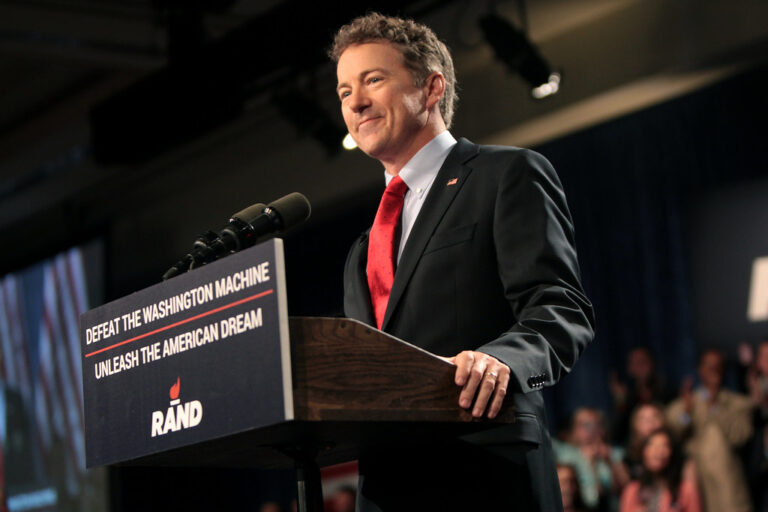
Why Rand Paul Is Angry at Trump’s AI Meme

0

Key takeaways


  • Rand Paul criticized President Trump’s AI meme for downplaying serious power issues.
  • The AI meme shows Trump piloting a jet called “King Trump.”
  • Paul urged Americans to focus on separation of powers, not jokes.
  • He also condemned strikes on alleged drug boats as lacking due process.

Rand Paul fired back at President Trump over an AI meme he posted. The meme shows Trump wearing a crown and flying a fighter jet named “King Trump.” Below, the jet defecates on people in a “No Kings” protest. About 7 million Americans joined that protest last weekend. Paul appeared on “Piers Morgan Uncensored” to share his thoughts. He warned that jokes about power can distract from real debates over liberty.

Rand Paul Criticizes Trump’s AI Meme

Rand Paul called the AI meme more than a silly picture. He said it shifts attention away from how power can become too strong. Moreover, he noted that America’s founders cared deeply about limiting executive power. He pointed to Montesquieu’s writings on separating powers to protect freedom. Paul said that when one branch has too much power, liberty suffers. Therefore, he believes the discussion should rise above cartoons and memes.

Why the AI Meme Matters for Powers

The AI meme highlights how social media can shape public debate. First, it trades serious political ideas for visual jokes. Second, it may lead people to ignore important rights. For example, if a meme masks real threats to checks and balances, citizens might not notice. Meanwhile, political leaders might use memes to dodge tough questions. In addition, the AI meme puts power in digital hands, not in informed voters’ hands.

Paul’s Warning on Emergency Powers

Rand Paul said he opposes expanded emergency powers for any president. He stressed that giving one leader too much control opens doors to abuse. Even in crises, he maintains, the law must govern presidential actions. He argued that both Democrats and Republicans must guard against power grabs. Furthermore, Paul warned that once emergency powers grow, they rarely shrink back. He urged Congress to stay vigilant and refuse broad power requests.

Concerns over Summary Executions

Besides the AI meme debate, Rand Paul also criticized recent strikes on alleged drug trafficking boats. He argued that summary execution without trial violates due process. Even if the targets trafficked drugs, Paul said, the rule of law must prevail. He voiced concern that such strikes set a dangerous precedent. Consequently, he called for clear rules that respect legal rights at sea. He believes America should lead by example in protecting justice.

What’s Next for the AI Meme Debate

In response to Paul’s criticism, Trump’s team has not changed its social media approach. They continue posting memes and video clips daily. However, lawmakers like Paul may push for more serious discussion about executive limits. Meanwhile, public interest in memes aims for quick laughs. Yet, the debate over separation of powers remains crucial. Ultimately, the clash between humor and constitutional rights will shape political norms.

Frequently asked questions

What is the AI meme that Rand Paul criticized?

The AI meme shows President Trump as a fighter jet pilot wearing a crown. The jet, named “King Trump,” defecates on people at a “No Kings” protest.

Why did Rand Paul focus on separation of powers?

He believes unchecked executive power harms liberty. He cited Montesquieu and America’s founders to stress limits on any president’s reach.

How do emergency powers relate to this debate?

Emergency powers let presidents act swiftly in a crisis. Paul warns these powers can expand too much and remain after emergencies end.

What does Rand Paul say about due process at sea?

He opposes strikes that execute suspects without trial. He insists the rule of law must protect rights, even against alleged drug traffickers.