70.8 F
San Francisco
Sunday, April 5, 2026
Home Blog Page 544

Is U.S. Naval Action Near Venezuela a Global Risk?

0

Key Takeaways:

  • Russia says U.S. warships near Venezuela threaten regional security.
  • Trump ordered the Navy to target drug cartels allegedly tied to Maduro.
  • A Venezuelan boat was destroyed by U.S. forces.
  • Tension rises between the U.S. and Russia despite talks between Trump and Putin.
  • The situation could impact international relations and local stability in Latin America.

U.S. Naval Action Rattles Russia Amid Venezuela Tensions

The seas near Venezuela just became the center of a new international argument. The United States, under former President Donald Trump’s orders, sent more Navy ships to the area. They were sent there to fight drug smuggling, including going after boats linked to Venezuela’s leader, Nicolás Maduro.

After U.S. forces struck a boat claimed to be part of a cartel that works with the Venezuelan government, Russia spoke out. Russia believes the U.S. move threatens peace and security in the region. While U.S. officials argue the mission is about stopping drugs, Russia is warning it could lead to something much bigger.

What Triggered the Naval Build-Up?

President Trump ordered the deployment of warships to the Caribbean Sea, near Venezuela’s waters, in early April. His goal, he said, was to crack down on drug trafficking. He claimed that criminal gangs use Venezuela to ship drugs into the U.S. and that Venezuela’s government is not just ignoring this—but part of it.

To show he was serious, U.S. Navy ships engaged and reportedly sank a boat. Trump’s administration said it was used for smuggling. They also claimed it was linked directly to Maduro’s regime.

But the aggressive move upset not just Venezuela—but also Russia. The two countries are allies, with Russia often defending Maduro’s government. Russia responded by accusing the U.S. of creating more instability in Latin America. They say America’s use of military force could stir up conflict.

Russia’s Reaction Sparks Global Concern

Russia quickly spoke out against the U.S. Navy’s presence near Venezuela. Officials called it a threat to peace in Latin America. They said the naval build-up could be seen as preparation for war.

Interestingly, this strong response came while President Trump was also trying to work on better relations with Russian President Vladimir Putin. Trump had invited Putin to talk about oil prices and coronavirus challenges. But the naval issue shows how difficult friendship between two world powers can be when global politics come into play.

Russia sees any military action near its allies as a danger to balance. Some experts believe Russia fears the U.S. might try to remove Maduro by force. Russia has already invested heavily in Venezuela, especially in its oil and military industries. If the U.S. shakes up power in the region, Russia stands to lose money, influence, and strategic ground.

U.S. Says It’s All About Drug Cartels

Despite the rising drama, the U.S. says its only goal is to stop illegal drugs. The Trump administration stated that sea routes from Venezuela are major drug highways. Increased efforts to block these could lead to fewer drugs reaching American neighborhoods.

Officials also said Maduro uses these cartels to keep hold of power. They allege the Venezuelan leader trades protection and resources for loyalty from criminals. By fighting these groups, the U.S. believes it can reduce crime and weaken Maduro at the same time.

But critics argue this strategy might backfire. Using warships near a country’s coast without permission can be seen as hostile. That’s especially true when the country involved is backed by a global power like Russia. This is why Russia called the U.S. actions reckless.

Could This Turn into a Bigger Conflict?

The fear is that the naval build-up near Venezuela might spark something larger. Political analysts warn this could grow into a standoff—or worse.

If a Russian ship were sent in response, it could create a dangerous game of military showdowns. While both Russia and the U.S. avoid direct fights, even a small mistake at sea could push countries toward conflict.

This wouldn’t be the first time that tensions at sea have gotten out of hand. History shows that military standoffs, especially those involving superpowers, rarely lead to good outcomes. Everyone hopes diplomacy will take over before anything more happens.

What This Means for Venezuela and Latin America

The core keyword issue here is “naval build-up.” The U.S. naval build-up impacts not just Venezuela, but also other nearby nations. Countries like Colombia, Brazil, and even Caribbean islands are now watching closely. They worry about what warships in their seas could bring.

Venezuelan citizens also face more uncertainty. Their homeland is already dealing with food shortages, inflation, and political unrest. Now they must also worry about becoming the battleground of a showdown between two powerful countries.

The naval build-up makes it harder for humanitarian aid to arrive, adds stress to trade routes, and increases the risk of conflict. Many fear local groups could exploit the situation for power, further endangering innocent populations.

The Bigger Picture Behind the Navy Movements

Understanding the U.S. naval build-up requires looking beyond just boats and geography. It’s about influence, control, and the future of power in the region. The U.S. wants less influence from Russia and less support for Maduro. Meanwhile, Russia wants to keep its ally strong and protect its interests.

It’s also about global images. By sending warships, the U.S. shows it’s willing to act. Russia, in return, shows it won’t back down. Each country is playing a role in a global power drama, and Venezuela finds itself stuck in the middle.

How the World Could Respond

There is growing pressure on global powers like the United Nations and the European Union to step in. Some suggest peace talks or economic moves to ease the tension. But so far, nothing major has been done.

The naval build-up will likely remain unless both sides agree to cool down. Until then, the risk of a mistake on open seas remains high.

Final Thoughts

The naval build-up near Venezuela is more than just military news. It’s part of a larger global story about power, politics, and regional control. How the U.S., Russia, and Venezuela move forward in the coming weeks could shape the stability of the Americas for years to come.

While the official reason is fighting crime, the unintended impact may be stirring fear and increasing political tension. If cooler heads prevail, the situation may de-escalate. But if not, the world may see even more friction in the region.

FAQs

What does “naval build-up” mean?

A naval build-up means adding more warships and military boats to a specific ocean area. It’s usually done to show force or prepare for action.

Why is Russia so angry about the U.S. near Venezuela?

Russia is angry because it supports Venezuela’s government. They see U.S. military ships nearby as a threat to that support.

Is the U.S. planning to go to war with Venezuela?

There’s no official plan for war. The U.S. says the goal is to stop drug trafficking, not to invade Venezuela.

How does this affect regular people in Venezuela?

It adds more stress. The chance of conflict grows, and help from outside countries might slow down or stop.

Are Trump’s Trade Deals Just Hot Air?

0

Key Takeaways

• Trump’s trade deals claim of $15 trillion is contradicted by court filings.
• Treasury Secretary Scott Bessent says only $2.35 trillion is truly promised.
• Lower courts ruled Trump’s tariff scheme illegal under existing law.
• The Supreme Court may soon decide the fate of his tariff power.
• If agreements fail, the economy could face serious fallou

Introduction

President Trump often boasts about his trade deals, claiming they brought $15 trillion in foreign investment. Yet recent court documents show a much smaller number. In fact, Treasury Secretary Scott Bessent told the Supreme Court that only $2.35 trillion in investments and purchases are currently on paper. This gap raises questions about whether Trump’s trade deals are real or just hype.

The Legal Fight Over Tariffs

Trump imposed tariffs under the International Emergency Economic Powers Act. However, the U.S. Court of Appeals said that law does not give him authority to set such tariffs. Consequently, several lower courts declared his tariff scheme illegal and invalid. Now, the Trump administration is rushing to the Supreme Court. They hope to overturn those rulings and keep the tariffs in place.

The Administration’s Defense

To defend the tariffs, Solicitor General John Sauer filed a brief. Treasury Secretary Bessent supported the case by listing specific commitments from foreign partners. This filing aimed to show that the tariffs encouraged other nations to promise big buys and investments in the U.S.

What Bessent Says About Trade Deals

According to Bessent, existing frameworks include clear investment promises:

• European Union agreed to $750 billion in energy purchases.
• European Union agreed to $600 billion in investments.
• Japan and South Korea together promised about $1 trillion.

When you add these numbers, they total $2.35 trillion. That is far less than Trump’s repeated boast of $15 trillion from his trade deals.

Why the Numbers Matter

First, accurate figures help judges see the real stakes. If investments truly reach trillions, reversing the tariffs might hit the U.S. economy hard. However, if the numbers are smaller, the court might view the tariffs as unnecessary. Second, public trust hinges on honesty. When leaders distort facts, people grow skeptical. Thus, these conflicting numbers could affect both legal outcomes and public opinion.

Trump’s Claims Versus Court Records

President Trump has repeatedly claimed that his trade deals unlocked massive capital. He promised that foreign countries would funnel $15 trillion into American projects. Likewise, he often linked these figures to success in reducing tariffs elsewhere. Yet, the administration’s own filings list only $2.35 trillion worth of commitments. In short, Bessent’s statements suggest the president has been overselling his achievements on trade deals.

Implications for the Supreme Court

The Supreme Court must decide whether the International Emergency Economic Powers Act covers tariff imposition. If justices side with the lower courts, Trump’s tariff powers could end. Moreover, the contrast between Trump’s claims and Bessent’s data may shape the court’s view of presidential overreach. As a result, this case could set a new limit on executive authority.

Potential Economic Fallout

Should the court reverse the frameworks, foreign partners might withdraw their commitments. In that scenario, the U.S. could face contract disputes and demands for repayment. Bessent warned that such unwindings would have “catastrophic” consequences. Nevertheless, with only $2.35 trillion at stake, the real fallout might be more modest than Trump suggests.

The Path Forward

Now, all eyes turn to the Supreme Court. Oral arguments will explore whether this executive overreach oversteps the law. Meanwhile, lawmakers and business leaders await a final ruling. After all, the outcome will shape future trade policy and set legal precedents for presidential power.

Conclusion

The debate over Trump’s trade deals and tariff powers reveals a clash between rhetoric and reality. Although the president touts $15 trillion in investment, official filings list a fraction of that amount. Furthermore, the court battle will test limits on executive authority. Ultimately, the truth behind these trade deals may influence both legal standards and public trust.

Frequently Asked Questions

What did Trump claim about his trade deals?

He often said his trade deals secured $15 trillion in foreign investment and purchases.

How much did Bessent report to the court?

Bessent detailed $2.35 trillion in commitments from the European Union, Japan, and South Korea.

Why did lower courts reject Trump’s tariff scheme?

They ruled that the International Emergency Economic Powers Act did not authorize such tariffs.

What could happen if the Supreme Court overturns the deals?

Foreign partners might withdraw their promises, risking economic and legal complications.

Trump Fail Again on Transgender Rights?

0

Key Takeaways

  • A federal appeals court denied the Trump administration’s request to pause a lower court injunction.
  • The policy would force passports to list a person’s gender at birth only.
  • Judges said the rule shows prejudice and violates equal protection.
  • Transgender travelers face higher risks of harassment and violence.
  • The administration also is exploring limits on gun ownership for transgender people.

Trump’s Court Defeat on Transgender Rights

The Trump administration suffered another legal setback over transgender rights. A three-judge panel of the First Circuit Court of Appeals refused to pause a judge’s order against the policy. That policy would force passports to show only a person’s birth gender, ignoring current identity. Critics say it hurts transgender people and breaks the Constitution’s equal protection clause.

Background of the Passport Policy

In early 2025, President Trump signed an order on passport rules. It said passports must list the gender assigned at birth. The policy did not allow updates for people who change their gender identity. Transgender advocates immediately challenged the rule in court. They argued it was harmful and unfair.

Lower Court Ruling in April

A federal judge blocked the policy in April. The judge ruled that transgender plaintiffs would likely win their equal protection claim. The order called the policy “rooted in irrational prejudice toward transgender Americans.” The judge found that forcing birth gender on passports would cause immediate and irreparable harm.

Appeals Court Denies Stay Request

The Trump administration asked the First Circuit to delay the lower court’s injunction. In other words, they wanted to keep the policy in place while they appeal. However, in a sharply worded decision, the appeals court denied that request. The panel noted that the government failed to address the lower court’s detailed analysis.

Reasoning Behind the Appeals Decision

The appeals court pointed out two main issues. First, the government only focused on its own long-term institutional interests if the policy stayed blocked. In other words, they worried about internal agency problems. Second, the court found solid evidence that transgender travelers suffer real harm. That harm includes a greater risk of harassment and violence when their passports show a wrong gender.

Key Findings on Harm and Prejudice

The district court relied on affidavits and expert reports from the plaintiffs. These documents detailed how the policy would harm transgender people right away. For example, a transgender woman described fear of detainment or violence at foreign borders. Moreover, experts noted how visible mismatches between passport and identity can trigger unsafe situations abroad.

Why This Matters for Transgender Rights

This court ruling is a major win for transgender rights. It shows that courts are willing to protect people against policies rooted in bias. Furthermore, it sets a strong example for other legal battles over transgender rights. Still, the issue is far from over. The government plans to appeal to the full First Circuit and possibly the Supreme Court.

Broader Efforts to Restrict Transgender Rights

However, this passport fight is not the only front. Just a day before the appeals court decision, the Justice Department moved to explore ways to bar transgender citizens from owning guns. That would represent an even more sweeping effort to limit transgender rights. These actions show a coordinated push to roll back legal protections for transgender people.

What Happens Next in Court

If the full First Circuit agrees to hear the case, the panel’s stay denial might carry weight. Yet, the government can still ask the U.S. Supreme Court to intervene. In the meantime, the passport injunction remains in effect. That means passport agencies cannot enforce the birth gender rule. Transgender travelers may still update their passports based on their identity.

Impact on Transgender Travelers

For now, transgender Americans can travel abroad with documents that match their gender identity. This ruling offers real relief for those who feared stopovers, detainment, or discrimination at foreign airports. Moreover, it sends a message that courts will scrutinize policies that single out transgender people.

Reactions from Advocates and Officials

Transgender rights groups cheered the decision. They praised the court for recognizing the policy’s “irrational prejudice.” Meanwhile, the administration defended its position, arguing that passports must be consistent with documents like birth certificates. They claim this consistency serves security and record-keeping. Critics counter that security concerns don’t justify discrimination.

Looking Ahead for Transgender Rights

The battle over transgender rights is far from settled. As new policies emerge, courts will remain critical battlegrounds. Advocacy groups continue to prepare for more legal challenges. They plan to monitor any executive actions or rule changes that affect transgender rights. At the same time, lawmakers face growing pressure to pass federal protections for transgender people.

Conclusion

This appeals court decision marks another defeat for the Trump administration’s efforts to curb transgender rights. By upholding the injunction, the court sent a strong message against biased policies. Moreover, transgender travelers can breathe easier knowing their documents reflect their true selves. Yet, with new restrictions on the horizon, the fight for equality continues.

Frequently Asked Questions

What did the appeals court rule?

The appeals court denied a request to pause a lower court’s injunction against the passport policy. It found that transgender travelers face immediate and irreparable harm.

Why is the passport policy harmful?

Forcing passports to list only birth gender can expose transgender people to harassment, detainment, or violence when traveling abroad.

Can the government still change the rules?

Yes. The administration plans to appeal to the full First Circuit and possibly the Supreme Court. If those courts disagree, the policy could return.

How does this affect other transgender rights fights?

This case adds to a series of legal battles. It shows courts can protect transgender rights. Still, new policies on gun ownership and other areas are emerging.

Vaccines and Autism: Is There a Real Link?

0

Key Takeaways:

• Senator Mullin questioned the connection between vaccines and autism on CNN.
• Anchor Kasie Hunt pointed out that researchers have already studied vaccines and autism.
• Multiple large studies show no causal link between vaccines and autism.
• Public health experts warn that revisiting vaccine mandates risks more disease.
• Parents should trust proven science and keep children’s vaccines up to date.

Understanding the Vaccines and Autism Debate

Vaccines and autism have long stirred strong feelings among parents and politicians. On CNN’s show “The Arena,” Senator Markwayne Mullin raised questions about whether vaccines play a role in rising autism rates. He pointed out that the autism rate climbed from one in 10,000 to one in 10. Yet experts say scientists already searched for a vaccines and autism link—and found none. Meanwhile, public health officials worry that reopening this debate could scare families away from life-saving shots. As a result, children might face serious diseases that vaccines prevent.

Senator Mullin’s Comments on Vaccines and Autism

Senator Mullin joined CNN anchor Kasie Hunt to discuss vaccine safety and autism rates. He said he supports Robert F. Kennedy Jr.’s request to revisit vaccine mandates. Kennedy claimed he was not sure if the COVID-19 vaccine saved millions of lives. Yet CDC data shows it did. When Mullin brought up autism, he asked why no one is looking again at the link between vaccines and autism. Hunt fired back, reminding him that medical researchers have studied this question for decades. She stressed that no reputable study shows vaccines cause autism. Shocked, Mullin insisted that we should look at the data once more.

Why Experts Reject a Vaccines and Autism Link

Medical experts have tested the vaccines and autism theory many times. First, large studies compared children who got vaccines with those who did not. They found no difference in autism rates. Next, researchers studied the timing of shots. They saw no increase in autism after vaccination. In addition, scientists tested vaccine ingredients like mercury-based compounds. They found no harmful effects at the levels used in shots. Finally, reviews by global health groups confirmed these results. Therefore, the idea that vaccines and autism are linked no longer has scientific support.

The Role of Vaccine Mandates

Vaccine mandates aim to protect everyone by keeping disease levels low. When enough people get vaccinated, harmful germs cannot spread easily. This community protection is vital, especially for those who cannot get vaccines for medical reasons. If families skip shots, outbreaks can happen again. For example, measles cases climbed in areas with low vaccination rates. Senator Mullin and Kennedy want the CDC to relax some rules. However, experts warn that doing so could let serious illnesses resurface. Thus, keeping vaccine mandates strong helps guard children’s health.

Why Studying Vaccines and Autism Matters

Even though scientists have ruled out a vaccines and autism link, ongoing research still matters. First, continued studies build trust in vaccines. They show parents that experts keep checking safety. Second, new vaccine technologies require fresh testing. As vaccines evolve, scientists must confirm they pose no risk. Third, families deserve clear, honest updates on health issues. By tracking vaccine safety over time, health agencies maintain public confidence. Finally, strong science helps counter false claims on social media. Overall, research strengthens the case for life-saving shots.

What Parents Should Know

Parents naturally want the best for their children. They might feel worried when public figures question vaccine safety. Yet they can find comfort in decades of clear scientific evidence. Health authorities agree: vaccines do not cause autism. Instead, they prevent deadly and disabling diseases. Parents should follow the recommended vaccine schedule for infants and older kids. They can also talk with pediatricians to address any lingering concerns. In doing so, they protect not only their own children but also the entire community.

Frequently Asked Questions

What did Senator Mullin say about vaccines and autism?

He asked why researchers are not re-examining a possible link between vaccines and autism, noting that autism rates appear to have risen sharply.

Have experts studied vaccines and autism?

Yes. Multiple large-scale studies over decades found no evidence that vaccines cause autism.

Why do vaccine mandates matter?

Mandates help keep disease outbreaks rare by ensuring enough people are immunized, protecting vulnerable individuals.

Where can parents find vaccine safety information?

Parents can consult their child’s doctor and review guidelines from trusted health organizations for the latest vaccine research.

Is the Epstein Controversy Haunting Trump’s White House?

0

Key Takeaways:

  • September usually brings a fresh start in Washington politics.
  • President Trump’s clean slate is clouded by revived Epstein controversy.
  • Congressman Thomas Massie keeps the debate in the spotlight.
  • The White House struggles to move on as focus shifts to past associations.
  • The Epstein controversy continues to dominate headlines during a crucial time.

The Epstein Controversy and Its Political Shadow

A new political season kicked off in September—usually a time when lawmakers return from their summer break, ready to set new goals and agendas. From writing bills to pushing for reforms, it’s usually a fresh start for everyone in Washington, D.C.

But for former President Donald Trump and his political allies, it hasn’t been so smooth. A familiar storm has returned: the Jeffrey Epstein controversy. Despite efforts to refocus the national conversation, this long-running scandal refuses to go away.

What’s more, Representative Thomas Massie, a libertarian-minded Republican from Kentucky, is stirring the pot. His actions are adding fuel to the fire, keeping the Epstein controversy alive and well in headlines.

Why September Was Supposed to Be a Clean Slate

Every September, Congress returns from a month-long recess filled with optimism. Political leaders, especially those in the White House, aim to guide the conversation with new policies and talking points. Election years raise the stakes even more.

For the Trump camp, there was hope of steering media attention toward economy-focused plans, border security, and criticism of President Biden’s leadership. However, the Epstein controversy jumped back into the picture—threatening to sidetrack everything once again.

Why the Trump-Epstein Controversy Still Matters

The Epstein controversy continues to be relevant not just because of its disturbing history, but also because of the powerful people involved. Jeffrey Epstein, the disgraced financier who died in jail in 2019, had connections with celebrities, billionaires, and political figures including Donald Trump.

Though Trump has repeatedly said he cut ties with Epstein long before any allegations surfaced, critics argue that his previous friendship with Epstein still raises questions. Images, quotes, and reports from their younger days keep resurfacing.

Now that campaign season is heating up, political opponents—and some unexpected voices in his own party—are bringing those associations back into the spotlight.

Thomas Massie Keeps the Epstein Issue Alive

Enter Representative Thomas Massie. Known for his strong individualist views and reluctance to follow party lines, Massie has made headlines by speaking out about the Epstein case.

He isn’t afraid to question official narratives, including those around Epstein’s reported suicide. In fact, he has publicly demanded answers about how Epstein died while in federal custody and who might have wanted him silenced.

While many mainstream politicians avoid the subject, Massie leans into it. He argues that American citizens deserve transparency. “Why are there still unanswered questions?” he asks during interviews and committee hearings.

His voice is loud and consistent—making it difficult for the topic to fade away.

Why the Epstein Controversy Hurts Trump’s Messaging

During election season, staying on message is crucial. But the Epstein controversy has turned into an unwelcome distraction for Trump and his allies.

Even though there’s no legal action directly linking Trump to Epstein’s crimes, the crowd of critics and conspiracy theorists won’t let up. The longer the story sticks around, the harder it becomes for Trump to control his image leading up to potential election battles.

Trying to convince Americans to focus on inflation, crime, and the economy is challenging when old photos and accusations dominate the news cycle.

Massie’s Role: Hero or Headache?

Massie’s campaign for truth around Epstein is gaining him attention—and not all of it good. While he sees himself as someone speaking for everyday Americans, others see him as a distraction tactic or even a loose cannon.

Still, Massie remains focused. He asks why no one has been held accountable for failing to protect Epstein in jail. He questions why so many names from the Epstein network stay hidden from public view. And he believes revealing the truth could protect future victims and prevent coverups.

Meanwhile, Trump is trying to move forward with campaign events, rally speeches, and policy meetings. Every time Massie brings up Epstein, it drags Trump’s name back into a conversation he’d rather avoid.

A Fractured GOP Struggles to Stay United

One of the more surprising elements of this story is the division it creates within the Republican Party. On one side, there are establishment figures who want the Epstein topic to disappear—quickly and quietly. They say too much focus on it only benefits Democrats and cable news hosts looking for drama.

On the other hand, lawmakers like Massie view it as a moral duty. They believe that ignoring this story amounts to letting the powerful get away with crimes.

This internal disagreement makes it hard for Republican leaders to move forward with a single voice. As infighting grows, it becomes harder to tackle bigger problems like inflation or immigration reform.

The Media Won’t Let It Go​

While some in politics try to push past the Epstein story, the media keeps digging deeper. Investigative reports, legal documents, and interviews all contribute to the endless trail of information tied to Epstein and his powerful contacts.

And with Massie shining a spotlight on these issues in public forums, journalists have even more to work with. This fuels ongoing news cycles that pull readers back into the scandal—and keep Trump’s ties front and center.

What’s Next for Trump and the GOP?

With the 2024 election drawing nearer, the Epstein controversy could become a permanent fixture in both political strategy and national conversation.

Trump’s opponents will continue using it as a tool to question his integrity. Meanwhile, supporters must decide whether to defend him or change the subject.

If Massie and others continue pressing for answers, they may uncover legitimate issues requiring action. Alternatively, they might just make it more difficult for Trump to distance himself from an already troublesome story.

Either way, the Epstein controversy isn’t going away. At least not anytime soon.

Final Thoughts

In politics, timing is everything. For Trump, the return of the Epstein conversation could not have come at a worse moment. Just when he hoped to shape a powerful campaign story, an old scandal reappears—and one of his own party members keeps it alive.

Can he weather this latest storm? Or will the Epstein controversy drag him down even further?

Only time, strategy, and public opinion will tell.

FAQs

Why is the Epstein controversy important in politics?

It’s important because it involves powerful figures and questions about justice, abuse, and transparency. The public still demands answers.

How is Thomas Massie involved?

Massie is pushing for investigations into Epstein’s death and his connections. He believes the government hasn’t told the whole truth.

Does this hurt Donald Trump’s campaign?

Yes, it does. Even without new information, discussions about Epstein distract from Trump’s political message and damage his public image.

Will the Epstein controversy go away soon?

That seems unlikely. As new details emerge and more leaders speak out, it may continue shaping the political conversation for months to come.

What Does an Article 3 Judge Do?

0

Key takeaways:

  • Article 3 judges hold life-time appointments and strong job security.
  • They oversee federal cases that shape national law.
  • Knowing Articles 1, 2, and 3 helps you see how U.S. power is balanced.

What Is an Article 3 Judge?

An Article 3 judge is a federal judge chosen by the president. Then the Senate approves that choice. These judges serve for life unless they resign or are removed. In fact, that life-time role protects them from political pressure. Therefore, they can make tough choices without fear of losing their jobs.

The U.S. Constitution lets Congress create lower courts. But only under Article 3 do we get the Supreme Court and all federal judges. As a result, an Article 3 judge has a special role. They can decide if a law or action breaks the Constitution. Also, their rulings set rules that bind everyone, from the president to local police.

Why Is an Article 3 Judge Important?

Because an Article 3 judge has life tenure, no president can fire them for disagreeing. This gives them the freedom to follow the law alone. It also means they face no threats when they challenge big actions. For example, if a president orders something that seems illegal, an Article 3 judge can block it.

In addition, their decisions shape our daily lives. They rule on cases about immigration, free speech, and civil rights. Then lower courts must follow those rulings. Thus, the integrity of an Article 3 judge builds trust in our courts. People know their rights deserve fair review.

How Did Judge Sooknanan Invoke Article 3?

In a recent hearing, Judge Sparkle Sooknanan stopped the deportation of migrant children. She warned the Trump administration not to ignore her order. Then she made her point clear. She said she was acting as an Article 3 judge. In other words, she reminded lawyers that her power comes from the Constitution. And that power can’t be picked apart.

Her remark also answered past moves by the administration. Officials had ignored lower-court rulings before. Therefore, she wanted to be sure they knew her order was final. When she spoke those words, she made clear they must follow her ruling.

What Are Articles 1 and 2?

Article 1 creates Congress. It gives lawmakers the power to make laws and decide budgets. For instance, only Congress can approve spending on projects or wars. Then Article 2 sets up the president’s job. It lays out how to choose a president and what powers they hold.

Those first two articles split power between lawmakers and the executive branch. Yet, Article 3 completes that split. It puts judges in a separate branch. This way, no single part of government gets too strong. Each branch keeps the others in check.

Why This Matters for You

First, knowing about Article 3 judges helps you see how courts protect your rights. When a law seems unfair, you can trust a federal judge to review it. Also, you can follow major news stories about court fights. For example, when judges challenge policy on immigration or health care, they use Article 3 power.

Second, this system prevents abuse. If a president or Congress tries to break rules, an Article 3 judge can step in. Therefore, our democracy stays balanced. Finally, when lower court judges struggle with unclear Supreme Court rulings, it shows why clear guidance matters. Courts rely on each other to keep the legal system fair.

Frequently Asked Questions

What is an Article 3 judge?

An Article 3 judge is a federal judge named under Article 3 of the Constitution. The president selects them, and the Senate confirms. They serve for life unless they resign or face impeachment.

How does an Article 3 judge differ from other judges?

State judges serve under state laws and often face term limits. Magistrate judges assist judges but have limited power. Only an Article 3 judge handles cases that test the Constitution and federal laws.

Why did Judge Sooknanan mention Article 3 judge?

She wanted to remind the administration that her power comes from the Constitution. By invoking Article 3 judge status, she stressed they could not ignore her order.

How does an Article 3 judge protect your rights?

An Article 3 judge can block actions that might break the Constitution. This safeguard ensures no law or executive move can harm people without review.

Can the National Guard Enforce Laws at Home?

0

Key Takeaways

• A judge ruled using the National Guard for law enforcement broke federal law.

• National Guard training focuses on combat, not routine policing.

• The Posse Comitatus Act bars military forces from regular police work.

• The president federalized National Guard troops without the governor’s okay.

• Courts said protests in Los Angeles did not meet the legal “rebellion” threshold.


National Guard Limits Explained

In June, the president sent National Guard troops to Los Angeles. They were meant to back up federal agents during immigration protests. However, a judge found this step broke the law. He said the use of the National Guard in that way crossed a clear legal line. He pointed to a law called the Posse Comitatus Act. It bans most military action in normal police work. Yet, the debate keeps growing as more cities face calls for Guard patrols.

How the National Guard Trains

The National Guard trains like the regular army. In basic training, recruits learn to use assault rifles and grenade launchers. Moreover, they practice battlefield tactics and handling explosives. This is useful on a battlefield, but not in city streets. In contrast, police training focuses on community safety. Officers learn to talk to witnesses and follow a use-of-force guide. Therefore, swapping roles can lead to mistakes. For example, at Kent State in 1970, Guard troops shot unarmed students during a protest. This tragic event shows why mixing military force with routine police work is risky.

The Posse Comitatus Act and Domestic Troops

The Posse Comitatus Act of 1878 bars most federal troops from civilian law enforcement. Furthermore, only a few exceptions allow military help during emergencies. For instance, after a major hurricane, the Guard may restore power or clear roads. Yet even then, they act under the governor’s orders. If a president wants to use the Guard for crime fights, he must follow strict rules. Otherwise, he risks breaching the long-standing barrier between military and police. In Los Angeles, the judge said the president failed this test by telling the Guard to “execute laws.”

When a President Can Federalize the National Guard

Under the law, a president can “federalize” the National Guard in two ways. First, in extreme cases such as rebellion, he can use the Insurrection Act. Second, he can act if a governor agrees. In 1965, for example, the president overrode a governor to protect civil rights marchers in Alabama. That was a true threat to national unity. However, in June, California’s governor did not ask for troops. Instead, the president sent them without permission. This move sparked a lawsuit, and Washington, D.C., filed a similar claim. Courts must now decide if protests ever met the legal threshold of rebellion.

Why Courts Said the Guard’s Use Was Illegal

The judge in California argued that June’s protests did not amount to a rebellion. Although some violence occurred, local police could handle it. Therefore, federal troops were not legally needed. In his ruling, the judge noted that the president’s order forced Guard members into regular law enforcement. This violated the Posse Comitatus Act. Moreover, the judge urged officials not to use these troops to carry out laws. While he did not order them removed immediately, he made clear that normal police should lead future efforts.

The Debate Over Military and Police Roles

For decades, U.S. presidents have shown restraint in using the military at home. They usually wait for a governor’s call for help. For instance, thousands of Guard soldiers worked with local leaders after Hurricane Sandy. They repaired power lines and cleared debris. In contrast, sending troops to patrol city streets for crime blurs a crucial line. It shifts the burden from local police to military forces. As a result, basic civil liberties like free speech and the right to protest may feel threatened. Many worry that this approach could undermine public trust in both police and the military.

Federalism and the Division of Power

The U.S. system rests on federalism, which divides power between states and the federal government. According to the 10th Amendment, states hold most law enforcement rights. Therefore, police duties are a state function. When the president sends in troops, he risks upsetting that balance. Courts have long protected this principle. The Posse Comitatus Act reinforces it by keeping military personnel out of day-to-day policing. Using the Guard to fight routine crime raises tough questions about where authority should lie.

Looking Ahead: National Guard in Other Cities

After Los Angeles, the president vowed to send Guard troops to Chicago and Baltimore. Yet, critics say this repeats the same mistake. It ignores local police training and the legal limits on military force. Moreover, it could further erode the line between combat troops and community protectors. If courts continue to rule against such deployments, the president may need new strategies. For now, debates on public safety must stay rooted in laws designed to protect civil rights and local control.

FAQs

What is the Posse Comitatus Act?

The Posse Comitatus Act is a law from 1878. It prevents federal military forces from acting as police in normal civilian matters. This law keeps the military separate from local law enforcement.

Why was using the National Guard in Los Angeles ruled illegal?

A judge found that sending Guard troops to enforce laws broke federal law. The protests did not rise to a rebellion. Thus, the Insurrection Act did not apply. Also, the governor had not requested federal help.

Can a governor call back the National Guard?

Yes. When the Guard serves under state control, the governor can order them home. However, once federalized, the president controls their deployment. States then lose direct authority over those troops.

Could this impact future protests?

Yes. This ruling may limit the president’s ability to send troops to protests. It reinforces the need for local police to lead public safety efforts. As a result, military involvement in protests could become rare.

The Ten Commandments and Recent Laws

0

Key Takeaways:

  • Three states passed laws to post the Ten Commandments in public classrooms.
  • Federal judges blocked these laws for likely violating the First Amendment.
  • Supporters point to a new Supreme Court test based on history and tradition.
  • The legal fight could change how religion fits in public schools.

Background on the Ten Commandments Cases

Litigation over the Ten Commandments in schools began long ago. Courts once allowed daily recitations of these biblical laws. However, the First Amendment was not applied to states until 1940. As a result, early displays escaped review. Later, the Supreme Court changed course.

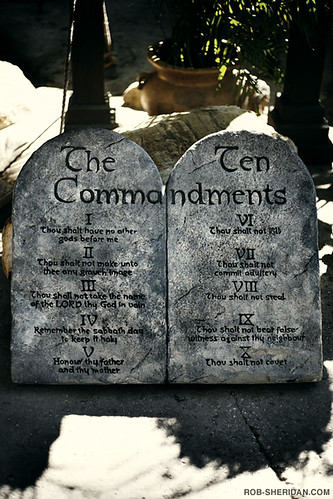
In 1980, the Stone v. Graham decision struck down Kentucky’s rule to post the Ten Commandments. The court said the law lacked a clear secular purpose. It judged that the posters were “plainly religious in nature.” Thus, public schools could not compel students to view or study them as a required display.

New Laws in Three States

In 2024 and 2025, legislators in Louisiana, Arkansas and Texas passed similar rules. Each law forced schools to hang a poster or framed copy of the Ten Commandments. Supporters argued these displays teach history. They said the Commandments shaped Western law and the U.S. Constitution. Moreover, they claimed the posters do not force belief in any faith.

Arkansas moved first, approving its law in April 2025. Lawmakers called it a nod to national history and a way to honor founders’ values. Next, Texas passed nearly identical legislation in June 2025. A sponsor said obeying God’s law would make society better. Louisiana had approved a similar measure earlier but saw it blocked right away.

Court Challenges and Blocks

Federal courts quickly stepped in. In Louisiana, a judge halted the law in 2024. Then in August 2025, a federal judge in Arkansas did the same. The Arkansas block covered all state school districts. The judge said students might feel forced to venerate and obey the Ten Commandments.

Shortly after, a Texas judge paused that state’s law for some districts. The court reasoned that the displays likely breach the First Amendment’s ban on government-established religion. Thus, no classrooms currently show the Ten Commandments under these laws.

A New Supreme Court Test

Supporters of the laws rely on a recent shift by the Supreme Court. In 2022, the court ditched the old Lemon test. That test required laws to have a clear nonreligious purpose and avoid favoring religion. Instead, justices now look to history and tradition. They ask if a practice has deep roots in America’s past.

This history-and-tradition test came from Kennedy v. Bremerton School District. In that case, a coach prayed on the field after games. The court said he could continue, calling his own prayer a free exercise right. The justices hinted that long-held religious symbols might pass muster under the new test.

Why the Ten Commandments Matter Here

The Ten Commandments have appeared in many public displays. Some remain in courthouses and on statehouse grounds. In 2005, the Supreme Court upheld a Texas Capitol monument that included the Commandments. It was a long-standing, privately funded monument among many historical markers. The court said it looked more like history than an endorsement of religion.

However, classrooms are different. They host children every day. Judges worry that posting a text of sacred laws risks pushing a religious message. In addition, these displays may pressure nonreligious students or those of other faiths. Therefore, the new state laws face a higher hurdle than a passive monument on a statehouse lawn.

Impact on Education and Freedom

This fight raises big questions about religion in schools. On one hand, some want to keep faith traditions alive in public spaces. They say these values underlie American law and ethics. On the other hand, critics want true neutrality. They argue the government should not favor one religion over another. Nor should it promote religion in general.

Moreover, six families in Arkansas challenged the new law under both the establishment and free exercise clauses. They come from different faiths and no faith. Their suit shows that not all opponents want religion out of schools. They simply want fair treatment for all beliefs.

Finding Balance

So far, courts have blocked the laws. Yet, appeals are likely. If higher courts reach the Supreme Court, the history-and-tradition test may decide the outcome. A ruling for the states could overturn decades of precedent. That would permit more overt religious displays in classrooms.

Meanwhile, school leaders face uncertainty. They must wait on legal rulings before they can comply. At the same time, parents and communities debate the right path. Some call for posting secular documents about American history instead. Others propose comparative religion lessons to include many faiths.

What Comes Next

As the cases move through appeals, observers will watch closely. The Supreme Court’s current makeup favors broader religious expression. Therefore, the new test could allow displays once seen as off-limits. Still, courts will weigh whether a law forces students to engage with religious text.

Eventually, a final ruling will shape the future of faith in public education. It may clarify which religious symbols schools can display. Also, it could set limits on what lawmakers can require in classrooms. Either way, the debate over posting the Ten Commandments shows how hard it is to balance history, freedom and faith in schools.

Frequently Asked Questions

Why did courts block the new laws?

Judges found that forcing classrooms to display the Ten Commandments likely violates the First Amendment’s ban on government endorsement of religion. They said students might feel required to honor or follow these sacred laws.

What is the history-and-tradition test?

This test asks if a religious practice has deep roots in U.S. history and culture. It replaced the older Lemon test. Courts use it to decide if government actions involving religion are allowed.

Could other religious texts be posted?

Supporters of neutrality argue that posting other faith texts might balance displays. However, courts must ensure that no single religion dominates public schools.

How will this affect public schools long term?

A Supreme Court decision could change what religious symbols and texts schools may show. It may also define how states craft future laws about religion in education.

Can Talking Protect Teens From Online Racism?

0

Key Takeaways:

• Active guidance—talking about internet use—helps teens face online racism with fewer depression symptoms.
• Strict monitoring often increases teens’ anxiety and worsens depression.
• Open conversations build trust, autonomy and digital literacy.
• Parents should explain any needed monitoring and set clear rules with their teens.
• Schools and policymakers can offer digital literacy programs and stronger online protections.

Steps to Tackle Online Racism Together

Many teens spend hours online every day. Black and Hispanic teens report even higher rates. They face memes, jokes, and insults aimed at them or their group. This is online racism. Unlike face-to-face cruelty, abusers hide behind fake names. Therefore, parents must find new ways to help. Research shows that talking openly beats strict monitoring. When parents guide their teens through social media challenges, teens feel supported. Moreover, they learn how to respond to online racism in healthy ways. This active guidance lowers depression and helps teens grow independence.

Why Online Racism Hurts More Than In-Person Racism

Online spaces allow hate to spread fast. Even if teens do not face insults directly, they see slurs and threats aimed at people like them. This vicarious racism still hurts. Studies link it to sadness, stress, and risky behaviors. Teens can feel unsafe no matter where they log in. As a result, teens of color show higher rates of emotional distress when exposed to online racism. Furthermore, targeted harassment and bias in algorithms can worsen real-world problems for these young people.

Shift From Monitoring to Talking

Many parents try to protect teens by checking browsing history and messages. This strict monitoring may seem safe at first. However, teens often see it as an invasion of privacy. Consequently, they grow anxious and less likely to share problems. In contrast, active guidance works better. Parents who ask questions and offer help build digital literacy and trust. They might discuss how to spot hate or report abuse. Thus, teens learn healthy online habits while still feeling free.

How Parents Can Start the Conversation

First, set aside time each week to talk about online life. Ask your teen to share both good and bad experiences. Listen without judging. Next, discuss examples of online racism and ask how they’d handle it. Offer tips on blocking, reporting, or responding calmly. Also, praise your teen for standing up against hate. Make sure your teen knows they can come to you anytime. If you feel monitoring is necessary, explain why. Then agree on rules together. For example, set times for social media use and decide which apps are safe.

What Schools and Communities Can Do

Educators and community leaders can host digital literacy workshops. These can teach families how to spot online hate and respond safely. Schools might include lessons on respectful online behavior in class. They could also create support groups for teens who face online racism. Mental health professionals should ask about online life when meeting with teens. They can offer family counseling that teaches active guidance strategies. Moreover, local groups can advocate for better antidiscrimination policies on social platforms.

Policymakers’ Role in Combating Online Racism

Lawmakers can strengthen rules against online hate aimed at young people. They could require platforms to improve reporting tools and remove harmful content faster. Also, policies can support digital literacy programs in schools. By recognizing the unique risks Black and Hispanic teens face online, policymakers can allocate resources to protect them. These steps would make social media safer and more inclusive for all youth.

Looking Ahead: Research and Action

Future research will track how online racism affects teens over time. Experts want to see how digital hate impacts grades, friendships and mental health long term. They also aim to identify policies that boost safety and growth in online spaces. Ultimately, this work will give parents specific tools to help teens fight online racism while preserving their freedom.

Frequently Asked Questions

How can parents balance guidance and monitoring?

Parents should focus on open conversations first. If monitoring is needed, involve teens in setting rules. Explain why you want to help. This builds trust and avoids feelings of privacy invasion.

What signs show my teen struggles with online racism?

Look for changes in mood, sleep or appetite. Teens may withdraw from family or avoid social media. They could also show increased irritability or sad comments. Open a gentle dialogue if you notice any shift.

What resources can schools offer families?

Schools can host digital safety workshops, run peer support groups and invite experts to speak about online racism. They can also integrate lessons on respectful online behavior into the regular curriculum.

Why is digital literacy vital for teens?

Digital literacy teaches teens to recognize hate speech and misuse of algorithms. It equips them to report harmful content and respond smartly. As a result, they feel more confident and less vulnerable to online racism.

Why Does War Naming Matter?

0

Key Takeaways

  • Our choice of war naming reveals hidden biases.
  • Naming wars by place or participants can shift blame.
  • Powerful states shape war naming to serve their interests.
  • Watching war naming helps us spot unfair narratives.

Why War Naming Shapes How We See Wars

War naming may sound simple, yet it carries deep meaning. When we call a conflict the “Vietnam War” or the “American War,” we highlight one side. Thus, war naming can shape who we blame and how we remember events. In fact, the words we choose can steer public views and policy.

How War Naming Influences Blame

Words can protect or accuse. For example, calling the 2003 conflict the “Iraq War” puts Iraq at fault. Meanwhile, the U.S. role is left out. Yet the U.S. was the invader. Clearly, war naming can hide who started the violence. Therefore, learning about war naming helps us see these tricks.

Naming Wars by Place

First, many wars take the name of the land where they happen. We say the “Falklands War” or the “Thirty Years’ War.” This feels neutral at first. However, it still points the finger at one place. For instance, “War in Ukraine” makes Ukraine look like the source of conflict. It hides that Russia crossed its border.

Naming Wars by Participants

Second, some wars include who fought. We get terms like the “Spanish-American War” or the “Russia-Ukraine War.” Yet even this can mislead. In a “Philippine-American War,” listing the Philippines first suggests the U.S. only reacted. Actually, the U.S. aimed to control the islands. Thus, war naming order matters.

When Naming Reflects Bias

Historian Danny Keenan showed how changing names can shift blame. He found that what became the “New Zealand Wars” was once the “Māori Wars.” Dropping “Māori” took the blame off the indigenous people. In the same way, colonial powers often named fights after locals. They used terms like the “Xhosa Wars” or the “Mahdist War.” This tactic made it seem those peoples started the fight.

War Naming in Iraq and Ukraine

Our research compared how experts describe two recent invasions. The first was the U.S. invasion of Iraq in 2003. The second was Russia’s invasion of Ukraine in 2022. Scholars almost always called the first the “Iraq War.” This label put full blame on Iraq. In contrast, writers often call the Ukraine conflict the “Russia-Ukraine War” or “War in Ukraine.”

When they say “Russia’s war against Ukraine,” they list the attacker first. This style casts Putin and his army as the clear villain. In fact, major outlets tag articles under headings like “Russia-Ukraine War.” Noticeably, they do not use “Ukraine War.” By using both sides in their war naming, they remind readers of the real aggressor.

War Naming in the Middle East

The current fighting between Israel and Gaza has its own war naming issues. Many U.S. papers use “Israel-Hamas War.” On one hand, leading with Israel makes it look like the attacker. Yet choosing “Hamas” instead of “Gaza” also matters. Hamas is seen as a terrorist group in many countries. So this war naming frames Israel’s actions as a fight against terror.

Moreover, by avoiding words like “Palestine” or “Gaza,” the naming downplays the wider impact. Israel’s operations now threaten to occupy large parts of Gaza. They may even force people out of their homes. Still, most headlines stick to “Israel-Hamas War.” This shift in war naming leaves out the voices of many Palestinians.

Why War Naming Needs a Second Look

In many conflicts, the stronger or richer side picks the terms. Then they spread those labels through officials and media. Soon, we repeat those names without question. As a result, our view of the war stays narrow. We may not see the full story.

By studying war naming, we learn to spot these patterns. We can question who benefits from each label. Thus, we can look deeper at the facts. In turn, we resist being steered by hidden agendas.

Challenging Common Narratives

First, ask who named the war and why. For example, after October 7, 2023, when hundreds of Israelis died, the death toll in Gaza reached over 63,000 by September 2025. Calling it a “war” suggests equal sides. Yet Israel’s military power is far greater than Hamas’s. Therefore, the fight more closely resembles an occupation. Some experts now call it genocide.

Second, think about alternative names. Could we say “Israeli occupation of Gaza” or “Ukraine defense against Russia”? By shifting our war naming, we shift public focus. Then we open space for more voices.

Finally, share these insights. Talk about the names and their impact. When more people notice war naming, media and officials feel pressure to use fair terms. Over time, this practice can lead to deeper truth and accountability.

How to Spot Biased Naming

• Listen for one-sided words. If a label names only one country, ask who started the clash.
• Note the order of names. The first name can hint at who is to blame.
• Look for missing voices. If a label skips a key group, that group’s experience may be hidden.
• Consider the power gap. Stronger armies often control the story by choosing names.

Transforming the Conversation

By changing war naming, we can free our view from narrow angles. Then we see more of what really happens. This practice helps us hold leaders accountable. Moreover, it respects those who suffer. Thus, fair war naming supports truth, not propaganda.

FAQs

Why do some wars have different names in other countries?

Names can reflect local views or language. For example, what English speakers call the Vietnam War is the American War to the Vietnamese. Each side shapes the name to fit its own story.

Can war naming change over time?

Yes. As public opinion shifts or new facts emerge, people revise names. The Māori Wars became the New Zealand Wars to remove blame from indigenous people. Such changes show how naming reflects power.

Does calling a conflict a “war” always fit?

Not always. “War” suggests two equal armies. But some fights involve one side with far greater force. In those cases, terms like occupation or armed conflict may be more accurate.

How can I question unfair war names?

Start by asking who picked the name and why. Then research other labels used by locals and experts. Finally, share your findings. Discussing war naming can help others see hidden biases.