66.9 F
San Francisco
Thursday, August 6, 2026
Home Blog Page 544

Paul Ingrassia’s Mother Storms D.C. Offices

0

Key Takeaways

• Donna Gallo Ingrassia, mother of Paul Ingrassia, visited offices of top House Democrats
• She demanded meetings to support her son’s nomination as special counsel
• Critics say Paul Ingrassia lacks qualifications and threatens whistleblower rights
• Past allegations include harassment claims and racist messages

Paul Ingrassia Faces Fierce Opposition

The nomination of Paul Ingrassia as special counsel faces strong pushback. Many lawmakers argue he is unqualified. Moreover, they warn his confirmation could harm whistleblowers and oversight. Therefore, the campaign to block him has gained real momentum.

Mother Backs Paul Ingrassia in Bold Move

Meanwhile, Donna Gallo Ingrassia took matters into her own hands. She drove to Washington and walked into the offices of Representative Jamie Raskin and Representative Robert Garcia. When staff let her in, she said, “You may have heard of my son, Paul,” and insisted on a meeting. However, the staff explained the offices were closed to unscheduled visitors. She then went to Garcia’s office and demanded answers.

During her visits, Donna said people need to talk if they hope to get things done. In a text to reporters, she wrote that hate grows when people stop listening. She even listed deadly sins like pride and envy as reasons for conflict. Although she meant well, her unannounced approach surprised many staffers.

Troubling Past Casts Doubt on Paul Ingrassia

In addition to his mother’s efforts, new details have emerged about Paul Ingrassia’s past behavior. He once worked for a security department liaison and later wrote for right-wing sites. Yet, he also faced an internal probe for allegedly canceling a female coworker’s hotel room. According to reports, he tried to force her into sharing his room. Meanwhile, text messages surfaced in which he admitted having “a Nazi streak.” These revelations alarmed even some Republicans.

Senator Ron Johnson joined the chorus of dissent when he announced he would not support the nomination. With his opposition, Paul Ingrassia now lacks the votes needed for Senate confirmation. As a result, his path to the special counsel role appears blocked.

What’s Next for Paul Ingrassia’s Nomination?

Given the strong resistance, the White House may reconsider the pick. However, if the administration stands firm, the Senate will likely hold hearings full of tough questions. Senators will probe both Paul Ingrassia’s qualifications and his record. They will also ask about his views on protecting whistleblowers.

If the nomination moves forward, a slim margin could decide the vote. Yet, with bipartisan concern, even moderate senators may side against him. Therefore, his supporters face an uphill battle in securing enough support.

Impact on the Office of Special Counsel

The special counsel office handles critical federal investigations. Consequently, the choice of its leader matters a great deal. Critics fear that Paul Ingrassia could weaken the office’s independence. They worry he might discourage insiders from coming forward. In turn, fewer whistleblowers could allow misconduct to go unchecked.

Furthermore, confidence in the office’s integrity could drop. Thus, some argue that only a candidate with a spotless record should take the helm. Meanwhile, the administration must weigh loyalty against competence.

Why This Story Matters

This clash highlights how personal loyalty can collide with public duty. On one hand, a mother is fighting passionately for her son. On the other, lawmakers worry about ethical lapses and bias. Moreover, the fight over Paul Ingrassia’s nomination reflects wider debates about government oversight.

In today’s polarized climate, any high-profile pick triggers intense scrutiny. Therefore, every background detail, even family interventions, grabs headlines. Ultimately, the outcome will shape the tone of accountability in Washington.

Looking Ahead

If Donna Gallo Ingrassia’s effort failed to sway lawmakers, future tactics might include targeted letters or media interviews. Meanwhile, opponents will continue to share troubling reports. In turn, this standoff could delay filling the special counsel spot for months.

Yet, if public pressure mounts in favor of withdrawal, the White House may pivot. They might nominate a different candidate with fewer controversies. Either way, the saga of Paul Ingrassia will serve as a case study in modern confirmation battles.

Frequently Asked Questions

Why is Paul Ingrassia’s nomination controversial?

Critics point to an alleged harassment case and racist texts. They fear these issues undermine his ability to protect whistleblowers.

Who opposed Paul Ingrassia’s nomination?

Top Democrats like Representatives Raskin and Garcia led the charge. Senator Ron Johnson also announced opposition, shrinking his support.

What happened when his mother visited Congress?

Donna Gallo Ingrassia showed up unannounced at lawmakers’ offices. She demanded meetings to champion her son’s cause but was turned away.

How might this fight affect the special counsel office?

Delays in confirming a leader could stall key investigations. Confidence in the office may also dip if controversy surrounds its head.
NSPM-7 Explained: Why Critics Are Alarmed

0

Key takeaways:

  • The White House issued NSPM-7 to target domestic political violence.
  • Critics say NSPM-7 labels anti-fascist speech as extremist.
  • Progressive organizer Saikat Chakrabarti raised the memo on CNN.
  • CNN cut away when the panel fell silent on NSPM-7.
  • Major outlets are only now starting to discuss NSPM-7.

NSPM-7 Explained: What Is It?

The White House released NSPM-7 in September. It calls for a national strategy to investigate and disrupt groups linked to political violence. The memo focuses on left-wing and anti-fascist organizations. It lets law enforcement intervene before acts of violence occur. However, the memo does not offer clear legal definitions. Critics worry it could target speech rather than acts. They fear NSPM-7 may label peaceful protest as terrorism.

CNN Panel Goes Silent Over NSPM-7

Progressive challenger Saikat Chakrabarti joined a CNN panel on Monday. He urged attention to NSPM-7 and its broad language. At first, panelists listened. Then they gave stone-faced stares. The host cut away with a laugh. No one answered Chakrabarti’s question. He asked how it feels to label speech as extremist. The show moved to a commercial break instead. When it returned, the topic shifted to Ukraine. Therefore, the memo stayed off the screen.

Why NSPM-7 Sparks Free Speech Fears

Critics say NSPM-7 lets the president define who is a terrorist. For example, the memo covers “anti-Christian” or “anti-capitalist” speech. That could include peaceful critics of government policy. Moreover, the task force includes 4,000 agents. They may focus less on crime and more on ideas. Activists worry their protests could meet the memo’s criteria. They fear unchecked power and vague terms. As a result, people could face investigations for their beliefs.

Chakrabarti’s Warning on CNN

Saikat Chakrabarti warned that NSPM-7 assigns extreme risk to political speech. He pointed out bombing operations in the Caribbean. The administration calls some victims “narco-terrorists” with no proof. Then he linked that to NSPM-7’s broad definitions. He said the same power can be used at home. Yet none of the other guests reacted. Former officials kept silent while Chakrabarti spoke. The host laughed nervously and switched topics. That moment showed how hard it is to raise the memo on TV.

Media Starts Covering NSPM-7

For weeks, corporate outlets ignored NSPM-7. Then a few Democratic lawmakers wrote a letter against it. Even so, major news shows did not mention the memo. On Tuesday, CNN ran a second segment on NSPM-7. Former homeland security chief of staff Miles Taylor spoke out. He compared NSPM-7 to labeling peace protesters as terrorists. At last, some hosts are naming the memo. However, coverage still downplays its threat. Advocates say media must explain NSPM-7 to the public.

What Comes Next?

Discussion around NSPM-7 may grow. Activists plan to hold rallies and demand clarity. Lawmakers might introduce checks on the memo’s power. Journalists could dig into who reviews investigations under NSPM-7. Meanwhile, voters in San Francisco watch Chakrabarti’s challenge to Nancy Pelosi. He uses his campaign to highlight civil rights concerns. Therefore, local races may push national debate on NSPM-7. If coverage expands, more people will learn about its risks.

Conclusion

The launch of NSPM-7 shows how far a president can stretch national security powers. Supporters argue it prevents violence. Critics say it stifles dissent and free speech. Saikat Chakrabarti’s CNN moment revealed media reluctance to tackle the issue. Yet growing coverage may force a national conversation. As voters and lawmakers learn more, they will weigh security needs against civil liberties. The debate over NSPM-7 is just beginning, and its outcome could shape free speech in America.

FAQs

What does NSPM-7 do?

The memo directs a national strategy to investigate and disrupt groups linked to political violence. It focuses on domestic, left-wing, and anti-fascist organizations.

Why are critics alarmed by NSPM-7?

They worry its vague language could label peaceful protest and speech as terrorism, giving authorities too much power over dissent.

Who raised NSPM-7 on national TV?

Progressive organizer Saikat Chakrabarti, who is challenging Nancy Pelosi in her House district, called out the memo during a CNN panel discussion.

How is the media covering NSPM-7?

Major outlets largely ignored the memo at first. Recently, CNN began airing segments that mention the memo and explore its implications.

Trump Hungary Meeting Canceled: Why It Matters

0

Key Takeaways

  • President Donald Trump canceled his planned trip to Hungary with Putin and Zelenskyy.
  • International reporter Elise Labott believes this may affect Trump’s decision on sending weapons to Ukraine.
  • Trump’s two-hour call with Putin showed his continued interest in diplomacy with Russia.
  • It remains unclear whether Trump will approve Tomahawk missiles for Ukraine.

President Trump’s sudden decision not to attend the Hungary summit with President Putin and President Zelenskyy has left many surprised. The White House confirmed on Tuesday that Trump will skip the event. He had announced this trip after a long phone call with Russian President Vladimir Putin. Now, world leaders will meet without him.

Why Trump Scrapped the Hungary Trip

At first, Trump seemed eager. He spent more than two hours talking with Putin last week. He then set a date to travel to Hungary for a three-way meeting. The goal was to push for peace after Russia invaded Ukraine. However, Trump reversed course at the last minute. The White House gave no detailed reason. Yet, experts say Trump may have realized Putin has no real plan to end the war.

Elise Labott’s Take on Ukraine Weapons

On MSNBC, reporter Elise Labott discussed the move. She thinks skipping the summit could signal a shift in Trump’s view on military aid. However, Labott admits Trump has resisted supplying heavy weapons to Ukraine before. Still, she hopes this cancellation will push him to change his mind. As she noted, “Trump wants to be a dealmaker. He sees that Putin has no interest in peace.”

Trump Hungary meeting plans once included talks with top Russian officials in Budapest. Those sessions are now off. As a result, Washington’s chance to negotiate directly with Russia has vanished for now.

What Changed in Trump’s Strategy

Before canceling, Trump said he fancied himself as a broker of peace. He believed he could persuade Putin to stop the war. Yet in recent days, U.S. diplomats reported no shift in Russia’s stance. Putin laid out no new offers. Therefore, Trump may have concluded the trip would be fruitless.

Moreover, Trump’s own advisers reportedly warned him that attending would look like a reward for Putin’s aggression. They feared it would undercut U.S. support for Ukraine. Thus, the president chose to stay home.

Trump Hungary Meeting and U.S. Credibility

By pulling out of the Hungary summit, Trump tries to balance two goals. On one hand, he wants to show he won’t reward bad behavior. On the other, he needs to keep Russia engaged in talks. Critics argue that without direct dialogue, there is little hope for progress. Still, Trump’s allies say this move proves he won’t be naïve.

The cancellation also may affect U.S. credibility with Ukraine. Zelenskyy agreed to meet Trump in Hungary. Now, he must present his case without the U.S. president at his side. This change could weaken Ukraine’s bargaining power.

Could Tomahawks Be on the Table?

One major question looms: Will Trump authorize Tomahawk missiles for Ukraine? During his video call with Zelenskyy, Trump refused to promise heavy arms. He said he was not ready to supply them. Yet after his talk with Putin, he appeared to rethink. Now that he believes Putin is “playing us,” Trump may feel pressure to arm Ukraine more fully.

Elise Labott pointed out this is a key test. If Trump truly sees Russia as the bad actor, he could approve Tomahawks. Still, granting these missiles would mark a serious escalation. Tomahawks can strike deep inside Russian territory. Trump’s team must weigh the risk of wider conflict.

Meanwhile, Trump’s past record casts doubt. In his term, he offered fewer weapons than many allies wanted. He also stalled on funding Ukraine’s air defenses. Therefore, even if he talks tough, he may stop short of full approval.

How This Affects the War in Ukraine

Without new weapons, Ukraine faces challenges on the battlefield. Russian forces continue pressing in the east. Ukrainian troops need long-range precision systems. Tomahawk missiles could help them target supply lines far behind enemy positions.

However, arms alone cannot end the war. Diplomacy remains crucial. If Trump Hungary meeting hopes fade, Ukraine may lose a chance to win concessions from Russia. At the same time, Putin has shown no willingness to compromise.

Other World Leaders Step In

Even as Trump steps back, other leaders fill the void. The European Union and NATO are discussing more aid packages. Prime ministers and presidents across Europe vow to keep supporting Ukraine. Yet none carry the same weight as a U.S.-Russia-America summit.

Meanwhile, U.S. lawmakers of both parties debated new funding for Ukraine. Some Republicans praise Trump’s firm stance. Others fear a lack of U.S. leadership will hurt global security.

What’s Next for Trump and Hungary

For now, Trump will focus on domestic matters. He is expected to campaign for the next election. Hungary’s government expressed regret about the cancellation. They still plan to host Zelenskyy and other leaders.

In the coming days, all eyes will be on whether Trump adjusts his weapons policy. His decision could reshape the conflict’s future. If he sends Tomahawks, Ukraine gains a new edge. If not, Kiev stays on the defensive.

Final Thoughts

Trump’s abrupt pullout from Hungary surprised many. Yet it may offer clarity about his view on Russia. By recognizing that Putin has no desire for peace, Trump hints at a tougher line. However, only time will tell if this means real action for Ukraine.

Frequently Asked Questions

Why did President Trump cancel the Hungary meeting?

The White House said no clear reason was given. Experts suggest Trump realized Putin would not agree to end the war.

Will Trump now send more weapons to Ukraine?

That remains uncertain. Some think he might approve Tomahawk missiles. Others believe he will hold back to avoid escalation.

How do other countries react to the cancellation?

European leaders expressed disappointment but promised continued support for Ukraine without the U.S.-Russia-America summit.

Could skipping the summit hurt Ukraine’s position?

Yes. Ukraine loses a chance to negotiate directly with Russia alongside the U.S. president, potentially weakening its bargaining power.

Trump’s $230M Shakedown Demand Stuns GOP

0


Key Takeaways:

  • Former President Trump asked his Justice Department for $230 million.
  • Rep. Dan Goldman slammed the move as a government “shakedown.”
  • Critics say Trump weaponized the DOJ and mixed politics with profit.
  • Republicans face pressure to respond to calls for accountability.

Trump Faces Accusations of a Government Shakedown

Former President Donald Trump surprised many by demanding $230 million from his own Justice Department. He claims the money would cover costs from investigations he feels were unfair. However, Democrats and some Republicans see his request as a bold shakedown of taxpayers.

First, Trump pointed to his legal fees in two major cases. One involved payments to silence a former adult film actress. The other centered on his handling of classified documents. He argues these probes should not have happened. So, he wants the DOJ—led by his own appointees—to foot the bill.

Rep. Dan Goldman, a member of the House Judiciary Committee, did not hold back. In a TV interview, Goldman called Trump’s demand “completely absurd.” He argued that Trump used his presidential power to avoid convictions. Then, he turned around and tried to profit from the very government he once led.

Inside the $230M Shakedown Request

Trump’s team sent formal letters to the Justice Department. They asked for reimbursement of every expense tied to those two legal battles. To put that in perspective, $230 million could fund hundreds of FBI agents for a year. Yet Trump insists the price is fair because he faced what he calls “wrongful prosecutions.”

Moreover, he said the investigations were political. He labeled them a witch hunt. However, DOJ lawyers have maintained that each step was lawful and justified. Therefore, legal experts doubt the request will succeed. They also say presidents cannot use taxpayer funds to cover personal legal costs.

Why Critics Label It Corruption

Rep. Goldman said Trump’s move merges two troubling trends. First, the weaponization of the Department of Justice. He claims Trump filled top roles with loyalists who protected him. Second, the mixing of politics with his personal gain—his so-called grift.

Goldman said that if Trump had lost his cases in court, he would likely have been convicted. Yet because he regained the presidency, he enjoyed immunity from trial. Now, he turns to the same DOJ officials he appointed and demands a massive payout. Goldman called this behavior “shakedown” in the harshest terms.

However, Trump’s allies argue that the request is about setting a precedent. They claim any president should have the right to defend against what they view as biased attacks. Therefore, they see the $230 million as a shield for future leaders. Meanwhile, opponents call it a dangerous example of self-dealing.

What’s Next for Republicans and the DOJ

Republican lawmakers now face a dilemma. Will they back Trump’s demand or push back? So far, many have remained silent. Yet public opinion may force them to take a stand. If they support the payout, voters could perceive them as endorsing a misuse of government funds.

On the other hand, if they oppose Trump, they risk alienating a sizable segment of their base. Therefore, the debate could shape the GOP’s direction in the next election. In the days ahead, party leaders and rank-and-file members will weigh in. Their responses will reveal much about their priorities.

At the Justice Department, officials must decide how to reply. They could flatly reject the request as outside their power. Or, they may offer a smaller figure. However, any concession risks angering critics who call it a scandalous shakedown. So, the DOJ may opt to simply stall or ignore the letters.

Possible Impact on U.S. Politics

This shakedown controversy could have lasting effects. First, it highlights growing concerns about presidential power. Voters see how one leader tried to tap into the government’s coffers. Next, it underscores worries about mixing private gain with public duty.

Moreover, the story may energize both parties. Democrats are already using it to rally their base. They argue that holding Trump accountable means defending democracy. Meanwhile, some Republicans may see a chance to distance themselves from Trump’s more extreme tactics.

Finally, the debate could shape future ethics rules. Lawmakers might propose new limits on using public money for personal defense. If so, we could see reforms that tighten oversight of presidential legal expenses. In turn, this may prevent similar shakedowns down the road.

Key Players Respond

Donald Trump: He insists he faces unjust attacks. He says he paid out of pocket until he reentered the White House. Therefore, he believes the government owes him reimbursement.

Dan Goldman: A prominent critic who says Trump’s demand is corrupt. He labels it a breach of public trust. He questions when Republicans will speak up.

Justice Department Officials: They must weigh legal limits. They know presidents need protection. Yet they also must guard against misuse of funds.

GOP Lawmakers: They watch closely. They risk backlash either way. Their choice could define their 2026 campaigns.

Lessons for Democracy

Above all, the shakedown fight raises key questions. How much power should a president wield? When does a request cross into greed? And who holds leaders to account?

Moreover, it shows that no one is above public scrutiny. Even former presidents must answer tough questions. Meanwhile, watchdogs and the press play a vital role in revealing the facts.

Therefore, this shakedown saga is more than just a financial fight. It touches on fairness, rule of law, and the future of American politics. As the debate unfolds, citizens will look for clear answers—and clear standards for those in power.

Frequently Asked Questions

What exactly did Trump request from the DOJ?

He asked for $230 million to cover legal fees from two major federal investigations against him.

Why do critics call this a shakedown?

They say he used his past power and loyal appointees to demand taxpayer money for personal gain.

Can the Justice Department legally pay Trump?

Most experts doubt it, because federal funds generally cannot cover private legal costs.

How might this affect Republican lawmakers?

They face pressure to either support Trump’s demand or reject it, which could impact their standing with voters.

Trump Legal Fees Demand Shocks Nation

0


Key Takeaways:

  • President Trump asks the Justice Department for $230 million.
  • He wants the funds to cover his mounting court costs.
  • Experts warn this move could break basic ethical rules.
  • Critics call it an unprecedented grab of taxpayer money.
  • Republican leaders have remained largely silent so far.

Trump Legal Fees Demand Explained

President Trump has formally asked the Justice Department to cover $230 million in legal costs. He faces several probes. These include the Russia investigation, a case over stolen documents, and his role in the January 6 attack. He claims taxpayers should foot his bill. Yet many see a conflict. After all, the Justice Department works under the president’s branch.

Meanwhile, scholars argue this demand highlights a bigger issue. They point to a theory that grants the president total control over his office. As one political thinker puts it, the idea lets him approve his own request without checks. Simply put, he could order this payment himself. Critics say that breaks the rule against judging your own case.

What Trump Legal Fees Request Means

In simple terms, the president is asking to redirect public money for personal gain. If approved, the DOJ would hand him $230 million. That sum dwarfs his yearly pay. In fact, it equals roughly 575 times the annual presidential salary. Critics say it sounds like extortion. They fear a power grab that robs the treasury.

Moreover, this claim comes at a tense moment. The Supreme Court recently expanded presidential authority. Now some worry it will also shield Trump here. If the court defers to broad executive powers, it may clear his path. Right now, the Justice Department must decide whether to fight or comply.

Background of the Demands

First, Trump faced the Russia probe. Then investigators discovered classified papers at his home. Finally, he stands accused of trying to overturn an election result. His total legal tab has climbed into the hundreds of millions. No other modern president has faced so many separate cases.

According to insiders, his team says he won’t take a salary. Instead, he wants this lump sum. He argues it will free him to focus on policy. Yet opponents see only self-enrichment. They point out that he often claims to act on behalf of Americans. Here, he is asking Americans to pay his personal bills.

Reactions from Experts

A McGill University professor says this move reveals the flaws of giving unchecked power to one individual. He notes that under certain theories, the president could simply order this payment himself. In doing so, he would avoid any independent review.

A well-known anti-Trump group labeled the request “straight extortion.” They warn Republicans will stay silent, fearing backlash from the party base. Meanwhile, a media monitoring fellow mocked the demand, noting that the president refuses a salary while seeking hundreds of times that amount.

A former State Department spokesperson called it “the most corrupt act in presidential history.” He stressed there is no complex scheme here—just a direct request to loot taxpayer funds. A top political analyst even joked that the DOJ might offer an extra $50 million as a “thank you” for service.

Political Fallout

Unsurprisingly, most Republicans have not commented. Some fear speaking out will anger voters. Others quietly hope the DOJ will handle the matter behind closed doors. Meanwhile, Democrats see a chance to force a vote on the House and Senate floors.

One columnist urged lawmakers to draft a bill blocking Trump from claiming these funds. He argued that public pressure could compel Republicans to defend or denounce the demand. If media coverage stays intense, every GOP candidate would face tough questions on this issue.

Ethics Questions

Ethics experts say the demand violates a core principle: no one should judge their own case. Critics argue that letting Trump tap the DOJ purse breaks that rule. They worry that if this request succeeds, future presidents will feel free to demand public funds for personal battles.

Furthermore, some analysts say the focus should remain on the legal advisers who help draft such orders. They note that if the president really expects to get this money, his team likely plans to seek pardons for staffers involved. This raises fresh questions about criminal liability.

What Comes Next

The Justice Department now faces a tough choice. It could reject the request outright. That would likely spark a legal showdown. Trump could sue, claiming an executive right to the funds. Or the DOJ could quietly comply, setting a dangerous precedent.

If the case ends up in court, lower courts must decide whether to block the payment. They would weigh ethics rules against expanding presidential authority. And if it reaches the Supreme Court, the justices will face a historic ethical test.

What This Means for Taxpayers

At stake are real dollars from the federal budget. Approving Trump’s request could cost every household. Critics argue this could chill future oversight by making public officials masters of their own fate. In contrast, court battles could drag on for months or years.

Meanwhile, many Americans wonder why one man should offload his personal expenses onto the public. They see a leader who refuses his salary yet demands a record-setting sum. This paradox fuels public outrage and sparks fierce debate on presidential power.

Looking Ahead

As the DOJ deliberates, the debate will likely intensify. News outlets will track every update. Voters will demand clarity from their representatives. Ultimately, this fight could reshape the balance between executive power and ethical limits. And it may define how far a president can reach into the public purse.

Frequently Asked Questions

How much money is Trump requesting from the Justice Department?

He is seeking $230 million to cover costs from three major legal battles.

Why does he want the funds?

He says taxpayers should pay the fees so he can focus on governing.

Could the DOJ approve this demand?

Yes, but doing so would face strong legal and ethical challenges.

What happens if the DOJ refuses?

Trump could file a lawsuit to force the payment, leading to a court fight.

How might this affect future presidents?

If approved, it could set a precedent for leaders to use public money for personal legal costs.

Arizona Representation in Peril: Lawsuit vs. Johnson

0


Key Takeaways

• Arizona’s 7th District lacks its elected voice after Mike Johnson delayed the oath.
• Attorney General Kris Mayes and Rep.-elect Adelita Grijalva sued over this delay.
• The lawsuit claims Arizona representation is being denied, breaching the Constitution.
• The dispute links to demands for files on Jeffrey Epstein and a partial government shutdown.
• Court action aims to seat Grijalva and restore full representation for over 800,000 Arizonans.

Arizona representation at the Heart of the Lawsuit

Speaker of the House Mike Johnson blocked Adelita Grijalva from taking her seats for nearly a month. On September 23, voters in Arizona’s 7th District chose Grijalva with almost 69 percent of the vote. Yet as of late October, she still had not taken her oath. Thus, more than 800,000 citizens in Southern Arizona had no representation in Congress.

Attorney General Kris Mayes and Grijalva filed a federal lawsuit on October 21 in Washington, D.C. They argue this delay is unlawful. Furthermore, they accuse Johnson of punishing the district over unrelated political fights. Their complaint centers on a clear demand: restore Arizona representation now.

Background of the Election Delay

Grijalva won a special election to fill her late father’s seat. The results were certified and sent to the House on October 14. However, Speaker Johnson said the ongoing partial government shutdown prevented him from the swearing-in. He also hinted at concerns over releasing files about Jeffrey Epstein. Critics say he used these issues as excuses to block Grijalva.

Grijalva cannot do her work without the oath. She lacks office space because she has no official status. Thus, her district pays taxes without having a voting member in the House. This setup violates the basic principle of no taxation without representation.

How the Lawsuit Affects Arizona representation

The lawsuit insists that blocking Adelita Grijalva is an illegal breach of the Constitution. It claims the Speaker acted beyond his power by refusing to administer the oath. The filing notes that her election was fair, counted, and certified. Therefore, any delay serves only partisan aims.

In their complaint, the plaintiffs highlight five main points:
• Voters elected Grijalva with a clear majority on September 23.
• The election results were officially delivered to the House on October 14.
• The Constitution gives the House no authority to withhold a valid certificate.
• The delay disenfranchises the people of the 7th District, imposing taxation without representation.
• Speaker Johnson’s reasons for the hold are unrelated to Grijalva’s duties.

Moreover, the filing points out that Johnson promised to seat Grijalva once the shutdown ended. Yet he made that promise only after public pressure grew. This sequence suggests he used the shutdown as a political shield. Thus, the lawsuit calls for immediate court intervention to end the hold.

Reactions and Political Fallout

After the suit went public, reactions poured in from both sides. Senator Ruben Gallego praised the move, calling it a stand against covering for predators. He tied the fight back to demands for Epstein files. Meanwhile, Johnson defended himself by accusing Grijalva of playing politics. He even told reporters she should focus on serving constituents instead of making TikTok videos. However, without the oath, she legally has no constituents.

Grijalva fired back, stressing that for four weeks Arizona representation had been stripped. She reminded everyone that her district pays taxes but gains no seat at the table. In her own words, the delay goes beyond petty politics. Rather, it breaks the country’s fundamental rules.

Impacts on Constituents

Millions of people depend on their representative for help with federal agencies. This includes assistance with Social Security, veterans’ benefits, and disaster aid. Without a sworn member, casework goes unanswered in the 7th District. Local offices cannot even sign leases for staff until Grijalva is official.

Economic and social programs also suffer. Funding decisions in Congress affect schools, roads, and health care in Southern Arizona. Delaying Grijalva’s seating stalls these decisions. Thus, residents feel the impact in daily life—often without knowing why their needs go unmet.

Moreover, empty seats can shift votes on important legislation. In a closely divided House, one vote can sway outcomes on budgets, justice measures, and oversight. Therefore, silencing one district changes the balance of power. Supporters of the lawsuit say this tactic undermines democracy itself.

Legal Path Forward

The case now sits before a federal judge in Washington, D.C. Mayes and Grijalva request a court order forcing Johnson to swear in the new member immediately. They argue that time is of the essence since every day without representation counts.

Legal experts note that past disputes over seating members rarely last this long. Historically, the House quickly resolves such matters internally. However, by invoking the courts, the plaintiffs aim for a binding decision. If the judge agrees, Johnson will have to act without further delay.

On the other hand, the Speaker might defend his prerogative to set House rules. He could argue that he has the right to decide when members take their oaths, especially during a shutdown. Yet critics argue that such a claim conflicts with constitutional guarantees.

Next Steps and Potential Outcomes

The court could schedule a hearing soon. If the judge rules in favor of Mayes and Grijalva, the Speaker must swear in Grijalva immediately. Alternatively, Johnson might seek an appeal or ask Congress to vote on a resolution. Either path would keep the dispute alive longer.

Meanwhile, Southern Arizona remains voiceless in key debates. As pressure mounts, more lawmakers may demand a vote on the House floor. Public protests and media coverage could increase as well.

The lawsuit also highlights broader questions about how political battles can stall representation. For many, the case shows the tension between party power plays and democratic rights. Therefore, its outcome could set a precedent for future election disputes.

Conclusion

The fight over seating Adelita Grijalva shines a light on an unexpected crisis in Washington. At stake is more than one seat in the House. It is about ensuring every district has its voice. By filing suit, Kris Mayes and Grijalva aim to protect Arizona representation and uphold the Constitution. As the legal battle unfolds, all eyes will watch to see if the courts can restore full democracy in the 7th District.

Frequently Asked Questions

What is the core issue in this lawsuit

The lawsuit challenges the Speaker’s delay in swearing in Adelita Grijalva. It argues that this stall denies Arizona representation and breaks constitutional rules.

Why is the oath of office important

A member of Congress must take the oath before they can vote, propose bills, or serve constituents. Without it, their district has no official voice in federal decisions.

How does this affect people in the 7th District

Residents can’t get help with federal services, and their district misses out on key legislative votes. Local projects and funding decisions also stall without representation.

What might happen next in the case

A federal judge could order the Speaker to swear in Grijalva immediately. Alternatively, Johnson could seek more time or push for a House vote, extending the conflict.

Treasury Bans Sharing White House Ballroom Photos

0

Key Takeaways

  • Treasury staff must stop sharing photos of the White House East Wing demolition.
  • Images of the demolition sparked anger across social media.
  • The planned White House ballroom will cover at least 90,000 square feet.
  • Officials warn photos could reveal security features or confidential details.

Inside the White House Ballroom Transformation

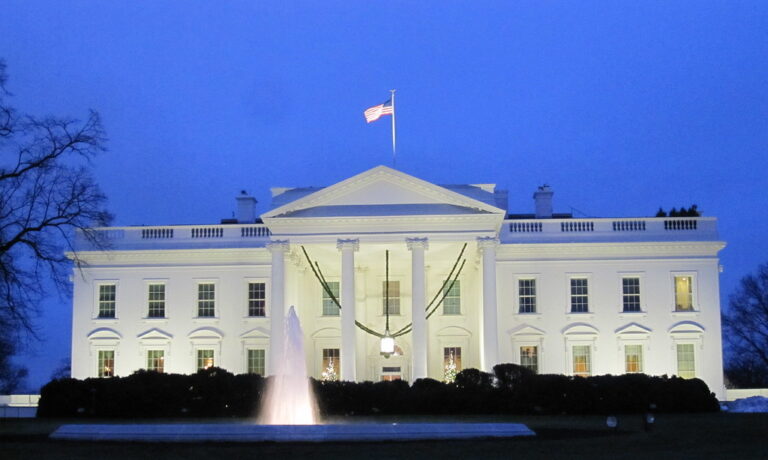
The Treasury Department has ordered its employees not to take or share any pictures of the White House East Wing demolition. The department sits right next door, giving workers a clear view of President Trump’s plan to build a huge ballroom. After demolition photos went viral online, the department warned staff to get approval before posting any images.

Why Photos of the White House Ballroom Are Restricted

In a memo sent late Monday, Treasury officials said that photos “could potentially reveal sensitive items, including security features or confidential structural details.” Workers were told to contact the Office of Public Affairs before snapping any shots of the construction zone. Although the White House has not commented on the memo, department spokespeople confirmed the email’s authenticity.

What the Demolition Photos Revealed

When pictures of the torn-down East Wing first spread online, many Americans felt upset. The images showed broken walls, piles of rubble, and historic trees already cleared from the grounds. Critics said the scene looked like a war zone inside a national icon. Meanwhile, supporters argue that an update was overdue given the needs of state events.

Details about the New White House Ballroom

According to White House officials, the new White House ballroom will span at least 90,000 square feet. It will seat more than 650 guests, far more than the current East Room’s 200 seats. In fact, the new space will be larger than the main footprint of the White House itself, which is roughly 55,000 square feet without the wings. President Trump has said private donors will cover the $250 million cost of this project.

Reactions from the President and Staff

On Truth Social, President Trump wrote that past presidents “dreamt about having a Ballroom at the White House.” He praised efforts to finally begin construction on what he called a “much-needed project.” Meanwhile, White House communications director Steven Cheung took to X to defend the work. He called critics “losers” and urged them to stop “pearl clutching” over the renovation.

Modernizing an American Landmark

For more than a century and a half, the White House has changed shape many times. Leaders have added and removed features to fit new needs. The East Room once hosted grand balls, concerts, and state ceremonies. However, it no longer serves modern guest lists or high-tech requirements. Those in favor say the new ballroom will help host large delegations and major events without crowding.

Why the Treasury Directive Matters

Employees at the Treasury Department live with a front-row view of this major makeover. Moreover, they work in a building that shares a security perimeter with the White House. Therefore, any image they release could reveal details about barriers, cameras, or structural supports. The directive serves to protect national security and keep construction secrets under wraps.

What Employees Should Do Now

If you work at Treasury, do not take pictures of the demolition or future construction without clearance. Instead, contact the Office of Public Affairs first. They will decide if you can share images with co-workers or post them online. By following this rule, staff will help safeguard sensitive information and avoid public backlash.

Looking Ahead for the White House Ballroom

As walls continue to fall, excitement and controversy will grow around the new ballroom. Will large donor-funded events truly modernize the White House? Or will critics say the project wastes taxpayer money and mars historic grounds? Only time will tell how this ambitious plan shapes America’s most famous residence.

Frequently Asked Questions

Why did the Treasury Department ban these photos?

The department said photos might expose security equipment or building details. They want to protect sensitive information during construction.

How big will the new ballroom be?

Officials say it will be at least 90,000 square feet. That size will outdo the main part of the White House itself.

Who will pay for the new ballroom?

President Trump has promised that private donors will cover the estimated $250 million cost of the project.

When will the new ballroom be finished?

There’s no firm timeline yet. Construction just began, and major renovations on historic grounds can take years to complete.

Rankin County Sheriff Probe Lives On

0

Key Takeaways

• The Justice Department will continue its Rankin County Sheriff probe.
• Angela English learned of the decision from federal officials.
• A listening session is set for Nov. 1 to gather victim stories.
• The probe began after deputies tortured two Black men.
• Survivors and advocates say accountability is overdue.


Ongoing Rankin County Sheriff Probe

The Justice Department has signaled it will keep its Rankin County Sheriff probe alive. This comes five months after many similar investigations were dropped. Civil rights advocates worry that ending these probes would let poor policing go unchecked. Consequently, the decision to press on matters a great deal.

Background of the probe

In September 2024, the Justice Department opened a civil rights investigation into the Rankin County Sheriff’s Department. Newspapers exposed that at least 20 deputies tortured people over almost twenty years. A group of deputies and one Richland officer even called themselves the “Goon Squad.” They brutally beat two Black men in a late-night raid in 2023.

Federal agents later charged six officers. In August, each officer received a federal prison term. Despite those sentences, dozens more victims came forward. They described beatings, threats, and other abuse. This spurred the Justice Department to keep looking into the department’s culture.

Why the investigation almost ended

Under the previous administration, many civil rights probes were halted. In May, the Civil Rights Division closed eight probes into police departments across six states. These included inquiries in Arizona, New Jersey, Tennessee, New York, Oklahoma, and Louisiana. Lawsuits and investigations over the deaths of Breonna Taylor and George Floyd were also dropped.

Civil rights groups warned this trend would encourage abuse. They said it gave law enforcement a green light to break rules without fear of federal oversight. Therefore, the future of the Rankin County Sheriff probe was uncertain. However, Justice Department officials have now assured Angela English that the probe will proceed.

How the news came to light

Angela English leads the Rankin County NAACP. She has worked with the Justice Department since the probe began. Recently, a Justice Department official told her that Attorney General Pam Bondi had approved moving forward. English said this ended months of doubt about whether the inquiry would die.

In response, English organized a listening session. It aims to help investigators find more alleged victims. The session will happen on Nov. 1 at the Mount Elam Family Life Center in Pearl. Attendees can share their experiences in private rooms. They may also submit written claims directly to federal agents.

Department response to the probe

Jason Dare represents the Rankin County Sheriff’s Department. He said they had not yet received any public notice from the Justice Department. He stressed that deputies cooperate fully with the probe. Dare added the department aims to show all its policing meets constitutional standards.

Despite that, survivors feel justice has been slow. Rick Loveday, once a jail guard, said Rankin deputies brutalized him in 2018. He called the deputies’ actions “a bunch of bad stuff.” Loveday welcomed the news that the Justice Department will keep looking into the department.

Importance of the listening session

First, the session will give victims a safe place to speak. Many survivors fear retaliation if they go public. Therefore, private interviews will encourage honest accounts. Second, gathering more testimonies could reveal deeper patterns of abuse. Finally, more evidence may strengthen any future court cases or reforms.

In addition, the session will help build trust between the community and federal agents. Some residents feel local officials shield deputies from accountability. Consequently, they hope outside investigators will be fair and thorough.

What happens next in the probe

After the listening session, federal agents will review all evidence. They may interview current and former deputies. They could also subpoena department records and training materials. Then, they will decide whether to sue the department. If so, a federal judge could order sweeping reforms. These might include new training, public reporting, and outside monitoring.

However, such legal actions can take months or years. Meanwhile, victims and advocates call for quick action. They want the public to know that abuse will not be tolerated.

Why this probe matters

The Rankin County Sheriff probe matters for several reasons. First, it holds a specific department accountable for clear wrongs. Second, it sends a message that civil rights violations will face scrutiny. Third, it may restore trust in law enforcement in Rankin County and beyond.

Moreover, continuing this probe may influence other pending investigations. If new leadership keeps this probe alive, other halted probes might restart. Therefore, civil rights groups watch closely. They hope this signals a renewed federal commitment to fair policing.

Moving forward with accountability

Accountability must start with hearing the victims. Then, federal agents can collect facts and evidence. After that, the Justice Department will decide if reforms or legal action are needed. Meanwhile, local leaders can push for internal changes. They could adopt stronger policies, clearer oversight, and better training.

Finally, the public can demand transparency. Observers may attend county meetings and ask leaders for updates. They can also support advocacy groups that monitor police conduct. Together, these steps can help ensure the Rankin County Sheriff’s Department respects everyone’s rights.

Frequently Asked Questions

What is the focus of the Rankin County Sheriff probe?

The probe looks at how deputies treated residents, especially during a 2023 raid. It also reviews the department’s overall use of force and civil rights record.

Who is organizing the listening session?

Angela English, the Rankin County NAACP president, is helping arrange it. She works with the Justice Department to gather victim testimonies.

How can alleged victims share their experiences?

Victims can attend the private session on Nov. 1 at the Mount Elam Family Life Center in Pearl. There, they can speak in confidence and submit written claims.

What could happen after the probe ends?

The Justice Department may file a lawsuit to force reforms. Alternatively, it might negotiate a settlement requiring policy changes and outside monitoring.

Are Tech Companies Fueling Political Division in the U.S.?

1


Key Takeaways:

  • Political experts warn the U.S. may face unrest like Northern Ireland’s Troubles.
  • Bill Maher hosted a debate on political tension and tech’s role in it.
  • Thomas L. Friedman claims tech firms profit from division and outrage.
  • Van Jones emphasizes the need for collective healing and honest dialogue.
  • Social media algorithms may be driving Americans further apart.

How Political Division Is Becoming a Big Problem

America feels more divided today than it has in decades. Political fights aren’t just happening in Congress—they’re happening in living rooms, schools, and online. Many fear that this divide could lead to serious political violence. Some political scientists even warn that the United States could enter a period of unrest like Northern Ireland’s Troubles, a dark time of violence between opposing groups.

The topic gained national attention when Bill Maher, host of the HBO talk show “Real Time,” brought up the issue during his recent episode. Maher invited Thomas L. Friedman, a longtime New York Times columnist, and activist Van Jones to explore how and why America feels this tense. Their discussion focused strongly on one growing concern: how tech companies may be making political division worse.

The Role of Political Division in Wake-Up Calls

Thomas Friedman did not hold back. He compared America’s current situation to warnings before a storm—signs that feel too familiar to ignore. According to him, the danger isn’t far off. The way people are treating each other, especially online, shows how deep the difference of views has become.

What worries Friedman most is the role of tech companies. According to him, these platforms are not just places for sharing memes or chatting with friends. Instead, they have become echo chambers—digital spaces where people only hear opinions like theirs and mock or fear those who disagree.

How Tech Companies Profit from Division

Friedman claims that tech firms, especially social media giants, make a lot of money by keeping us angry. The more we fight, the more we scroll. The more we argue, the more time we spend arguing online. And more time equals more ads. These platforms are built to push extreme content—because emotional reactions like fear or rage keep users engaged longer.

Political division is profitable. Platforms like Facebook, YouTube, and X (formerly Twitter) use algorithms to deliver content they think you’ll react to. Sometimes, that means showing posts guaranteed to make your blood boil. The result? People lose trust in neighbors, friends, and even family members who see the world differently.

Friedman calls this situation dangerous. He thinks Americans are being pulled apart on purpose, with tech companies focusing only on growth, clicks, and profit.

Van Jones Offers a Different Perspective

While Van Jones agrees that political division is real and painful, he adds a layer of hope. Jones focuses on healing. He believes the country can come back together—but only through real conversations and empathy.

He also points out that people are not just driven by anger. Many are scared. People fear being left out, being unheard, or losing what they have. Instead of shouting louder, Jones says we need to develop tools to listen better. Tech could even be part of the solution—if it’s used the right way.

But for now, Jones agrees that the current digital systems make peaceful conversation harder. Emotion spreads faster than facts. Rage travels farther than reason.

Social Media and the Growing Political Division

Many people don’t realize how much social media affects what they believe. Every day, millions get their news from platforms designed more for engagement than for truth. What does that mean? It means the posts you see are not based on accuracy but on how likely you are to click or share them.

This creates bubbles. If you’re right-wing, you mostly see content from other conservatives. If you’re left-wing, the same thing happens with liberal ideas. Each group sees only its version of events. Over time, both sides come to believe the other is not just wrong—but evil.

Friedman says that kind of deep divide leads to only two outcomes: separation or violence. And he’s not alone. Many researchers now study how technology affects democracy. They agree that political division becomes more extreme when people are constantly shown content that triggers strong emotions.

Can Anything Be Done to Fix It?

The good news? Not all hope is lost. Some experts say regulation might help. Governments could require platforms to be more transparent about how their algorithms work. Others call for changes in how online spaces are designed—maybe by slowing down how fast content spreads or by encouraging engagement with different viewpoints.

Another positive step could be education. If schools and communities teach media literacy—how to tell truth from lies online—people may become less vulnerable to propaganda. Building real-life connections across political lines can also help. When you know someone personally, you’re less likely to see them as “the enemy.”

Both Jones and Friedman believe leadership still matters. If politicians model respectful conversation, it could ripple outward. Culture doesn’t just happen—it’s shaped every day, by all of us. Whether we post in anger or reach out with curiosity can make a difference.

Why This Matters Now More Than Ever

Political division has existed in America since its founding. But the combination of technology and tribalism makes today’s situation feel different—and more dangerous. We live in a world where ideas and anger spread at lightning speed. That power can be used to unite or divide, to heal or to harm.

Friedman urges Americans to pay attention. He sees today’s tensions as early warning signs. Jones, however, sees a chance to do better. Together, their viewpoints show us where we’ve been—and where we’re headed if nothing changes.

It’s time to ask: are we letting technology shape our futures without question? Are clicks and profit worth risking peace? The political division tearing through America may not be driven only by differing opinions—but by systems designed to keep us apart.

If that’s true, the first step to fixing it is facing it.

FAQs

What is political division, and why does it matter?

Political division is when people strongly disagree about government, laws, or values. It matters because deep division can cause mistrust and even violence between citizens.

How do tech companies make money from political division?

Tech firms earn more when people stay on their platforms. Outrage and emotional content keep users scrolling, which boosts ad revenue.

Can social media help reduce political division?

Yes, but only if it’s used carefully. Platforms can be designed to highlight shared values or encourage respectful conversations.

What can we do to fix political division in our communities?

Start small. Listen to others, question what you read online, and try to connect with people who think differently. Every kind action counts.

No Kings Day: From March to Real Change

0

Key Takeaways:

  • The No Kings Day protests showed deep passion but need long-term structure.
  • Movements must build leaders, clear demands, and funding to last.
  • Conservatives won by creating lasting institutions; progressives can follow.
  • Real change starts in local offices, volunteer groups, and steady campaigns.

Introduction

Last weekend, seven million people marched in the No Kings Day protests. They chanted, held signs, and sang songs of freedom. However, passion alone can’t win lasting change. Without organization, clear goals, and leadership, movements often fade.

Building on No Kings Day Momentum

Now that No Kings Day has energized millions, the next step is to turn that energy into structure. Protests light a spark, but organizations keep the fire burning. As Frederick Douglass said, “Power concedes nothing without a demand.” To win, we need a unified demand, repeated consistently.

Why Leadership Matters

Movements need public faces. Strong leaders attract media, guide volunteers, and set clear goals. When movements avoid leadership, they drift. Occupy Wall Street chose no leaders and lost focus. In contrast, Martin Luther King Jr. and SNCC leaders turned civil rights protests into laws and court victories.

Learning from Past Movements

Many mass protests have faded away. The Women’s March drew huge crowds but lacked ongoing local groups. Black Lives Matter shook the nation but lacked a single national strategy. SDS ended the Vietnam War because it had clear demands and a network of local chapters.

How to Build Structure and Strategy

First, set a single, specific demand. Instead of vague calls for “justice,” demand a law, a policy change, or a binding referendum. Next, form local chapters. Train volunteers to run meetings, raise funds, and recruit more members. Create a national council to coordinate actions.

Take Zohran Mamdani’s mayoral campaign as an example. He built a campaign team, raised small donations, and set clear goals for housing and policing. That kind of leadership shows how energy can lead to real power.

Taking Action Locally

Real politics happens in school boards, city councils, and county offices. Conservatives understood this decades ago. They staffed election commissions, won media outlets, and shaped local policy. Progressives often waited for Washington. To win, start at home. Volunteer for your local party. Run for your precinct committee. Join community boards.

Clear Goals for Change

Protest is not a policy. To defend democracy, demand:
• Small-donor public financing of campaigns
• Strong voting rights protections
• Antitrust enforcement to break up monopolies
• Guaranteed healthcare and education
• Protection of reproductive freedom
• Limits on dark money in politics

These goals shape strategy. Each campaign can adopt one or two targets and measure progress. Clear wins build momentum.

Strong Media and Narrative

The right built a media empire of talk radio, cable news, and think tanks. They controlled the narrative with facts and emotion. Progressives need strong media too. Support independent local newspapers. Fund investigative reporters. Train spokespeople to speak clearly and calmly. Tell stories of families harmed by broken systems.

Sustained Action with Purpose

Outrage on social media feels good but rarely changes policy. Real resistance uses strikes, boycotts, nonviolent direct action, and legal challenges. It combines public protests with door-to-door canvassing and phone banks. It holds elected officials accountable at every step.

Moreover, create training programs for new leaders. Teach organizing skills, fundraising methods, and message discipline. Build legal defense funds to protect activists. Plan for the off-season so the movement never rests.

Conclusion

The No Kings Day protests reminded us that America still cares about democracy. But feelings alone won’t save our republic. We must build institutions, elect leaders, and press for specific demands. We need a clear vision of the America we want and the tools to get it. If we organize in our neighborhoods, fundraise from small donors, and act with purpose, we can turn a single march into a lasting movement.

FAQs

How can I turn protest energy into real change?

Start by joining or creating a local chapter that focuses on one specific demand. Organize meetings, train volunteers, and raise funds to support long-term goals.

Why are clear demands so important?

Clear demands focus efforts and make it easier to measure success. They help volunteers, allies, and the public understand what you’re fighting for and why.

What role does local action play in national movements?

Local offices and community boards write and enforce many of the laws that shape daily life. Winning locally builds experience, networks, and momentum for larger campaigns.

How do we build strong progressive media?

Support independent news outlets and grassroots journalism. Donate to community newspapers, join listener-funded radio, and help train reporters to cover stories that matter.