61.9 F
San Francisco
Sunday, April 5, 2026
Home Blog Page 544

Is RFK Jr. Losing Trust at the CDC?

0

Key Takeaways:

  • Two recent opinion pieces in The New York Times call for RFK Jr.’s resignation from the CDC.
  • Senator Bernie Sanders and nine former CDC leaders voiced strong criticism.
  • RFK Jr. responded in the Wall Street Journal, blaming the CDC for losing public trust.
  • The debate around his leadership is intensifying, especially amid growing political divides.

RFK Jr. and CDC Leadership in the Spotlight

Robert F. Kennedy Jr., a well-known figure in American politics and public health debates, is now at the center of a heated controversy about the future of the Centers for Disease Control and Prevention (CDC). Recent opinion articles have added fuel to the fire, with high-profile voices calling for his departure.

This week, the New York Times published two opinion pieces that criticize RFK Jr.’s management at the CDC. These include strongly worded commentary from Senator Bernie Sanders and a group of nine former CDC officials. Their message is clear: RFK Jr.’s leadership is damaging the agency’s credibility and effectiveness.

Critics Say RFK Jr. Should Step Down From CDC

The core message from both opinion pieces boils down to one thing — mistrust in Kennedy’s ability to guide the CDC. Senator Bernie Sanders, a long-time advocate for public health programs, emphasized that the CDC’s focus should be driven by science, not politics. He argued that RFK Jr.’s past statements and actions have cast doubt on his scientific judgment and public health priorities.

The nine former CDC officials echoed Sanders’ concerns. They believe Kennedy brings too much controversy and has strayed from the CDC’s mission. In their words, the agency cannot succeed if its leader is divisive and pushes personal beliefs over proven science.

They also warned that his continued leadership risks worsening public skepticism about vaccines and other health recommendations. In short, the critics claim RFK Jr. is not the right person to rebuild faith in an institution already shaken by years of pandemic stress and mixed messaging.

RFK Jr. Fights Back: CDC Has Lost Its Way

In response, RFK Jr. penned his own opinion piece — but he chose to speak directly to a different audience. His article appeared in the Wall Street Journal, a publication generally considered right-leaning, showing how political lines now shape this debate.

Kennedy didn’t hold back. He accused the CDC of losing public confidence long before he took office. He said the agency buried important warnings during the pandemic and failed to address basic issues like transparency. According to him, past leaders preferred politics over real solutions, and now he’s facing the consequences.

He defended his role by saying the CDC needs a common-sense reboot. RFK Jr. wants to shift the agency’s focus back to infectious diseases and challenge big pharmaceutical influence. He believes he’s defending the public from a system more scared of change than it is of losing public trust.

Public Trust in the CDC Is at Risk

The keyword in this debate is simple yet powerful: trust. CDC trust has taken a hit over the last few years, especially during the COVID-19 pandemic. Conflicting advice, changing guidelines, and political battles left Americans confused and cautious.

Now, with RFK Jr. at the helm, the question is whether he can rebuild that trust — or if his presence does more harm than good. Trust in the CDC is essential, especially when it plays such a huge role during outbreaks, vaccine rollouts, and health emergencies.

Both sides of the debate agree on one thing: the CDC has work to do. But they completely disagree about who should lead that change.

Why This Matters to You

Why should you care about CDC trust and who’s running it? The CDC helps protect you and your family from dangerous diseases. Its job is to provide honest, science-based guidance during health crises. If the public doesn’t trust the CDC, fewer people follow its advice — and that can lead to real-world consequences like preventable diseases spreading.

Leadership matters in this case not just because of personal politics, but because the person at the top shapes how we respond to national health challenges. From COVID-19 to monkeypox to the next unknown threat, the CDC must act swiftly and be believed.

A Nation Divided—Even in Health

One big reason RFK Jr. and CDC trust are now national headlines is the increasing divide in how people view public health. Attitudes toward vaccines, government mandates, and scientific advice have become topics of political opinion rather than unified concern.

RFK Jr. represents a unique challenge because of his long history of questioning vaccine safety and criticizing pharmaceutical companies. Supporters call him brave for challenging the system. Critics say he spreads misinformation that puts lives at risk.

These beliefs color how people react to news about the CDC — and even who they believe is telling the truth. Whether you back Kennedy or oppose him, the larger issue remains: the United States needs a CDC the public can trust, especially before the next health emergency hits.

What’s Next for RFK Jr. and the CDC?

The public showdown between RFK Jr. and his critics marks a significant chapter in the CDC’s history. With calls for his resignation growing louder and support from more conservative circles, it’s clear this issue won’t go away soon.

Kennedy claims he was brought in to clean up the mess. His opponents argue he’s only making it worse. The Biden administration has not yet responded publicly to the calls for his resignation, which adds more uncertainty. Meanwhile, media platforms continue to debate the issue from both sides.

Ultimately, the future of CDC trust depends on what happens next — whether Kennedy changes course, steps down, or pushes further ahead with his plan to reshape the agency. One thing is certain: America is watching closely.

FAQs

What is RFK Jr.’s role at the CDC?

Robert F. Kennedy Jr. holds a leadership position at the CDC. His role includes shaping public health policies and overseeing disease prevention efforts.

Why are people calling for his resignation?

Critics, including Bernie Sanders and former CDC officials, say Kennedy is too controversial and undermines science-based health policy.

What is Kennedy’s defense against criticism?

RFK Jr. says the CDC lost public trust before he arrived. He believes his leadership can fix the agency by focusing on infectious diseases and reducing political influence.

How does this affect everyday Americans?

When CDC trust is low, people are less likely to follow health recommendations. That can lead to more outbreaks and create confusion during public health crises.


Is Russia Jamming GPS Signals in Europe?

0

Key Takeaways:

  • Bulgaria’s government gave conflicting statements on GPS interference.
  • The issue involves the flight of top EU official Ursula von der Leyen.
  • Russia is suspected of GPS jamming in Eastern Europe, but proof is unclear.
  • Confusion grows in Brussels as Bulgaria changes its story multiple times.
  • This GPS drama raises safety concerns for European leaders.

What Happened with the GPS Signal Incident?

A recent plane flight involving the President of the European Commission, Ursula von der Leyen, has raised new concerns across Europe. On her way to Bulgaria, there were reports that her plane’s GPS system may have been jammed — possibly by Russia.

At first, Bulgarian leaders said the report was false. Then, hours later, they admitted there might have been a signal problem. By the end of the day, they changed their story again. This back-and-forth confuses both the public and European officials trying to figure out what really happened.

Why is GPS Jamming a Big Deal?

GPS jamming is when a device blocks or confuses satellite signals. It makes it hard or impossible for aircraft, ships, or even phones to know exactly where they are. That matters a lot because GPS helps planes stay safe, avoid each other, and land smoothly.

If someone is jamming GPS signals on purpose, it could be a serious threat. In this case, people suspect Russia may be testing its power near European skies. But since Bulgaria can’t give a straight answer, no one can confirm for sure what’s going on.

Mixed Messages from the Bulgarian Government

Early Thursday, Bulgaria’s Prime Minister Rosen Zhelyazkov spoke in Parliament. He said there had been no GPS jamming at all — just “minor signal loss” that happens sometimes.

Later that same day, an air force representative said the plane did experience “jamming.” Then another official said it wasn’t a big deal and didn’t cause danger.

After all these conflicting statements, it’s unclear if there was real GPS jamming or just normal interference. Even European security experts can’t say for sure.

Why Ursula von der Leyen’s Flight Matters

Ursula von der Leyen is not just any traveler. She leads the European Commission, which is the governing body for the whole European Union. If her aircraft is being targeted with GPS jamming, it could be a warning or test from a foreign power.

Leaders across Europe are now asking: Was her plane targeted? Was it random interference? Or is someone trying to send a message?

Some experts believe the flight may have passed close to regions where Russia often interferes with GPS systems, like the Black Sea or airspace near Ukraine. But again, Bulgaria’s shifting answers make it hard to know the truth.

How GPS Jamming May Be Happening

GPS works by sending signals from satellites down to Earth. Most phones, cars, and planes rely on these signals. But signals from space are weak. That means it doesn’t take much to block or mess them up.

A GPS jammer uses radio signals at the same frequency to “shout over” the real signal. Think of it like someone yelling during a whisper — you can’t hear the whisper anymore.

Military forces sometimes use jammers during training. But using them during peace, especially in someone else’s country, breaks international rules. If Russia is doing this near Bulgaria, it could be seen as aggressive behavior.

Brussels Left Scrambling

Brussels officials, where the European Union is headquartered, now face a confusing situation. They need to figure out if GPS jammers are putting leaders in danger — but they don’t have clear facts.

Some worry that Bulgaria, a member of both the EU and NATO, is downplaying the problem to avoid stressing its ties with Russia. Others say officials just don’t have the technical info yet.

Either way, without clear answers, it’s hard to take action or improve safety.

Russia’s History with GPS Jamming

Russia has been suspected of GPS jamming before. In areas close to the Ukraine war, like Poland and the Baltic states, pilots have reported losing satellite signals. Some countries believe Russia may be using this tactic to confuse and interrupt NATO flights.

In 2023, Finland and Norway also faced GPS jamming during military training exercises. That raised alarms across Europe. So if Russia really did try to jam von der Leyen’s flight, it may be part of a larger pattern.

However, since GPS jamming can sometimes happen naturally or by accident, no one can say for sure what the cause was this time.

What Happens Next?

The European Union is still waiting on more details. Leaders want a full investigation and a clear answer from Bulgaria. At the moment, GPS signal experts will likely review flight data and radar records to see what happened.

If they confirm jamming, then steps may be taken to protect future flights. This could mean choosing different flight routes, using stronger GPS systems, or working with military allies to monitor the skies.

Until then, European leaders remain on high alert.

Why This GPS Incident Matters to the Public

You might think this only matters to politicians and governments. But the truth is, GPS jamming affects everyone. It’s not just planes — emergency crews, maps on your phone, and even delivery trucks use GPS.

If someone can jam GPS from far away, they can cause major confusion or even accidents. That’s what makes this situation so serious.

Today it’s a plane carrying a European leader — but tomorrow, it could be regular travelers or services we all depend on.

Final Thoughts

This GPS jamming story may have started with one flight, but it’s now much bigger. Bulgaria’s confusing answers have only added to the problem. Now Europe waits to learn the truth about what happened — and whether Russia is secretly flexing its muscles.

Until then, GPS safety will remain a top concern for officials and travelers alike.

FAQs

How does GPS jamming work?

GPS jamming happens when someone uses radio signals to block satellite signals. This confuses or disables devices that rely on GPS, like phones or planes.

Did Russia really jam the plane?

We don’t know for sure. Bulgaria gave mixed messages about what happened, and no one has clear proof yet.

Why is GPS jamming dangerous?

GPS helps aircraft, ships, cars, and phones navigate safely. When it gets jammed, it can lead to dangerous mistakes.

Can GPS jamming affect everyday people?

Yes. GPS is used in many everyday things — delivery apps, emergency services, farming, and more. Jamming can cause serious problems on the ground too.

Why Are Americans Having Less Sex Than Ever Before?

0

Key Takeaways:

  • Regular sex among Americans has hit a historic low.
  • Only 37% of adults aged 18–64 have sex at least once a week.
  • Even married couples are reporting less frequent sex.
  • Experts are calling this sharp decline a “sex recession.”

What Is a Sex Recession?

The term “sex recession” might sound unusual, but it’s a real issue in the U.S. today. A new study from the Institute for Family Studies (IFS) has revealed that Americans are having less sex than ever before. In fact, sex has become less regular even among married couples.

Back in 2010, nearly half of adults in America reported having sex at least once a week. Now, that number has dropped to just 37%. This trend includes people of all ages between 18 and 64. The change is so noticeable that experts are calling it a nationwide “sex recession.”

Why Is the Sex Recession Happening?

Many factors might be leading to this major drop in sex. While it’s not the same for everyone, researchers have found some common threads. Here’s a closer look at some of the main reasons:

Technology and Screen Time

People are spending more time on screens than ever before. From smartphones to laptops and streaming services, technology has taken up much of our free time. Instead of bonding with partners, individuals often spend their nights scrolling through social media or watching videos. This digital distraction is believed to be one reason behind the sex recession.

Work Stress and Busy Schedules

Many Americans are burnt out from their jobs. Long hours, tight deadlines, and constant pressure make it hard to relax. When people are tired or stressed, sex often takes a backseat. A lack of time and energy leaves couples with fewer moments for intimacy.

Fewer Relationships and More Isolation

Compared to past generations, fewer adults are in serious romantic relationships. Loneliness, especially after the pandemic, has only made things worse. With more people living alone or spending time apart, regular sex has become less of a social norm.

Changes in Marriage and Family Life

Marriage rates are declining in many parts of the country. People are delaying marriage, choosing not to get married at all, or having fewer children. These choices often shift the focus away from traditional family life—and with it, the frequency of sex.

Mental Health Challenges

Anxiety and depression have been on the rise. Poor mental health can also lower sex drive. Many people today feel more anxious or disconnected, which makes intimacy more difficult.

How Are Married Couples Affected?

Surprisingly, the sex recession isn’t just hitting singles. Even married couples are having less sex. According to the study, they too are reporting declines compared to a decade ago.

Experts believe that many married couples are simply too tired or distracted. Managing a home, raising kids, working long hours, and staying connected emotionally can be exhausting. Without time to reconnect, couples may lose interest in physical intimacy.

As sex becomes less frequent in marriages, partners may feel more distant. This can create a cycle where less intimacy leads to more emotional gaps—making the problem even worse.

Does This Mean People Are Less Happy?

Not necessarily. While sex can be a part of a happy relationship, it’s not the only thing that matters. Some couples find satisfaction in their connection, even if they have sex less often. However, for many people, a lack of sex can lead to frustration or sadness.

Regular sex has been linked to better relationships, improved mental health, and even longer life. So, the drop in sexual activity may have deeper effects on personal well-being and happiness.

What Can Be Done?

The first step is talk. Honest conversations between partners can help identify the root of sexual issues. Whether it’s stress, health problems, or emotional distance, talking can lead to understanding and solutions.

Next, couples can try to manage their time better. Making space in the week for connection—physical and emotional—can help improve intimacy. Spending quality moments together off-screen can also rebuild closeness.

Lastly, society needs to address bigger patterns. Raising awareness about mental health, work-life balance, and healthy relationships may help move things in a better direction.

Is the Sex Recession a Sign of Bigger Problems?

The sex recession doesn’t just reflect private life changes—it also points to larger social shifts. As people choose different lifestyles, delay marriage, and embrace new values, the ways we relate to intimacy are changing.

Some experts say the sex recession might signal deeper disconnection in society. Others believe it’s simply a reflection of modern life. Either way, it’s a trend that has caught the attention of professionals, parents, and individuals alike.

Final Thoughts on the Sex Recession

The sex recession is real, and it’s affecting people across all walks of life. Whether single or married, young or middle-aged, many Americans are having less sex than they used to. While it might seem like a small detail, it speaks to bigger issues like mental health, modern stress, and social connection.

By recognizing this trend and exploring its causes, individuals and society can begin to take steps toward stronger relationships and better communication.

FAQs About the Sex Recession

What is the sex recession?

The sex recession refers to the big drop in how often Americans are having sex. Fewer people report having weekly sex, including married couples.

Why are people having less sex?

Many reasons are possible, including more screen time, stress, fewer romantic relationships, mental health problems, and changing family values.

Does the sex recession mean people are unhappy?

Not always. While sex can bring happiness, many people find joy in other parts of their relationships. Still, lack of intimacy can lead to emotional stress for some.

Can couples fix this trend?

Yes. Through open communication, better time management, and reducing digital distractions, couples can improve their intimacy and emotional closeness.

Why Are Massive Wildfires Spreading Fast in Central California?

0

Key Takeaways:

  • A group of wildfires called the TCU September Lightning Complex started on Tuesday afternoon.
  • These fires were sparked by lightning strikes hitting dry areas in Central California.
  • The flames have already scorched more than 13,000 acres as of early Wednesday.
  • Fire crews are still battling the fires with 0% currently contained.
  • The fires are centered in Tuolumne and Calaveras counties.

Raging Wildfires Explode Across Central California

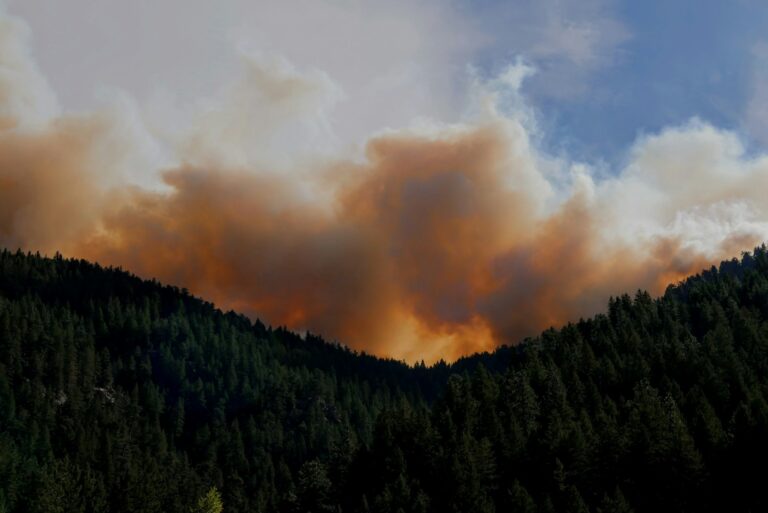
Wildfires are once again threatening parts of Central California. A new group of fires known as the TCU September Lightning Complex erupted Tuesday afternoon. These wildfires have already destroyed more than 13,371 acres in Calaveras and Tuolumne counties.

Worse, as of Wednesday, not a single fire is contained. That means none of the individual fires are under control, and they can easily grow even bigger.

Authorities say the fires began around 4 p.m. on Tuesday after lightning struck the dry landscape. The storms didn’t bring much rain—just sparks that lit up the parched hillsides. Now, firefighters are racing against time to stop the flames from spreading further.

What Is the TCU September Lightning Complex?

The term “TCU September Lightning Complex” refers to a cluster of 22 wildfires burning across Central California. These fires vary in size, but together they form a dangerous situation. Officials named the complex after the initial causes—lightning strikes—and the month it started.

Fires of this size and number are difficult and dangerous to control. Smoke fills the air, visibility drops, and homes can quickly fall into the fire’s path. Crews have to fight the flames day and night, often with few breaks.

Because these fires were all started by lightning, they popped up in different places at once. That makes it harder to predict how they’ll move or where they’ll connect. Many are burning in mountainous, wooded areas, which adds to the challenge.

Why Are These Wildfires So Hard to Contain?

The biggest problem firefighters face right now is the hot, dry conditions. California has seen very little rain this summer, so grass, trees, and plants are all dry and ready to burn. When lightning hits one of these dry spots, it can start a fire in seconds.

Without rain or cooler temperatures, the wildfires have everything they need to grow. Wind, too, is fanning the flames. Strong gusts can blow sparks far from the fire’s edge, starting new fires that grow quickly.

In addition, the fires are happening in areas that are tough to reach. Crews need to hike into the forest or fly over with air tankers, which takes more time and limits how quickly the fires can be handled.

So far, the TCU September Lightning Complex has not been contained at all. That means there are no firebreaks or barriers strong enough to stop these fast-moving flames.

How Are Officials Responding to the Crisis?

The California Department of Forestry and Fire Protection, also known as Cal Fire, is managing the response. Firefighters, helicopters, and bulldozers are working together to try to keep the wildfires from reaching nearby towns.

Still, it’s a slow process. With 22 separate fires involved in the wildfire complex, every team is stretched thin. Crews are focusing on protecting buildings, roadways, and people first while preparing to build fire lines when it’s safe.

Nearby residents are being warned to stay alert and follow evacuation notices if they are given. In past wildfire seasons, evacuation orders have saved lives, often with only minutes to spare before flames reach homes.

Emergency shelters may be set up if the fire continues to grow. Officials are asking everyone in the area to be prepared and to have packed bags in case they need to leave quickly.

What Happens Next in Central California?

Unfortunately, fire officials don’t expect an easy end to the TCU September Lightning Complex. Firefighters are working nonstop, but the fires are still 0% contained. Without rain in the forecast and winds expected to increase over the next few days, the fires can easily grow even more.

Officials are closely watching the fire’s path and weather conditions in case evacuation zones need to expand. While the exact damage is still being totaled, the size of this wildfire complex already makes it one of the larger fire events this year in the region.

People living in Calaveras and Tuolumne counties are urged to stay informed, pay attention to official updates, and avoid the affected areas. Road closures and poor air quality may continue for days or even weeks, depending on how quickly fire crews can make progress.

Why Is Wildfire Season So Bad Right Now?

California’s wildfire season tends to run from late spring to early fall, when the weather is hot and dry. This year, that pattern is very clear. Drought conditions have dried out forests and grasslands, making them highly flammable.

When lightning storms happen—especially without rain—they create the perfect conditions for ignition. No firebreaks or fire stations can prevent every single spark from turning into a blaze. That’s exactly what happened this week in Central California.

Even with modern technology, it’s hard to predict exactly when and where lightning will strike. Firefighters have to wait for the flames to appear and then react as quickly as possible. Because the TCU September Lightning Complex began with 22 fires at once, this has made everything even harder.

The large number of blazes also means resources are divided. From helicopter flights to ground crews, everything has to be coordinated carefully.

How You Can Stay Safe During Wildfire Season

If you live in or near a wildfire-prone area, there are simple but important steps you can take to stay safe:

  • Always keep an emergency bag packed with clothes, medicine, and important papers.
  • Listen to local news and alerts from fire departments and emergency officials.
  • If told to evacuate, leave your home immediately—it could save your life.
  • Try to reduce smoke exposure by staying indoors and using air filters when possible.

Keeping safe during wildfire season means being ready for anything. Even if your area seems safe today, wildfires can spread fast and change direction in hours.

Conclusion

The TCU September Lightning Complex is just the latest sign of how dangerous California’s wildfire season can be. With 22 fires burning in Central California and thousands of acres already destroyed, fire crews are facing a tough and exhausting battle.

So far, these wildfires are 0% contained, and more lightning or wind could make the situation even worse. Residents in Calaveras and Tuolumne counties must stay alert, ready, and informed as the fires grow.

Without major changes in weather or rainfall, it’s clear that fire season in California is far from over.

FAQs About the Central California Wildfires

How big is the TCU September Lightning Complex so far?

As of early Wednesday, over 13,000 acres have burned due to the TCU September Lightning Complex fires in Central California.

Why did these fires start?

The wildfires were sparked by lightning strikes that hit dry vegetation in Tuolumne and Calaveras counties.

Are the fires under control yet?

No. As of now, the fires are 0% contained, which means crews haven’t stopped any part of the flames.

Should people evacuate their homes?

People in nearby areas should stay tuned to local alerts. If officials issue an evacuation order, follow it immediately for your safety.

Is U.S. Naval Action Near Venezuela a Global Risk?

0

Key Takeaways:

  • Russia says U.S. warships near Venezuela threaten regional security.
  • Trump ordered the Navy to target drug cartels allegedly tied to Maduro.
  • A Venezuelan boat was destroyed by U.S. forces.
  • Tension rises between the U.S. and Russia despite talks between Trump and Putin.
  • The situation could impact international relations and local stability in Latin America.

U.S. Naval Action Rattles Russia Amid Venezuela Tensions

The seas near Venezuela just became the center of a new international argument. The United States, under former President Donald Trump’s orders, sent more Navy ships to the area. They were sent there to fight drug smuggling, including going after boats linked to Venezuela’s leader, Nicolás Maduro.

After U.S. forces struck a boat claimed to be part of a cartel that works with the Venezuelan government, Russia spoke out. Russia believes the U.S. move threatens peace and security in the region. While U.S. officials argue the mission is about stopping drugs, Russia is warning it could lead to something much bigger.

What Triggered the Naval Build-Up?

President Trump ordered the deployment of warships to the Caribbean Sea, near Venezuela’s waters, in early April. His goal, he said, was to crack down on drug trafficking. He claimed that criminal gangs use Venezuela to ship drugs into the U.S. and that Venezuela’s government is not just ignoring this—but part of it.

To show he was serious, U.S. Navy ships engaged and reportedly sank a boat. Trump’s administration said it was used for smuggling. They also claimed it was linked directly to Maduro’s regime.

But the aggressive move upset not just Venezuela—but also Russia. The two countries are allies, with Russia often defending Maduro’s government. Russia responded by accusing the U.S. of creating more instability in Latin America. They say America’s use of military force could stir up conflict.

Russia’s Reaction Sparks Global Concern

Russia quickly spoke out against the U.S. Navy’s presence near Venezuela. Officials called it a threat to peace in Latin America. They said the naval build-up could be seen as preparation for war.

Interestingly, this strong response came while President Trump was also trying to work on better relations with Russian President Vladimir Putin. Trump had invited Putin to talk about oil prices and coronavirus challenges. But the naval issue shows how difficult friendship between two world powers can be when global politics come into play.

Russia sees any military action near its allies as a danger to balance. Some experts believe Russia fears the U.S. might try to remove Maduro by force. Russia has already invested heavily in Venezuela, especially in its oil and military industries. If the U.S. shakes up power in the region, Russia stands to lose money, influence, and strategic ground.

U.S. Says It’s All About Drug Cartels

Despite the rising drama, the U.S. says its only goal is to stop illegal drugs. The Trump administration stated that sea routes from Venezuela are major drug highways. Increased efforts to block these could lead to fewer drugs reaching American neighborhoods.

Officials also said Maduro uses these cartels to keep hold of power. They allege the Venezuelan leader trades protection and resources for loyalty from criminals. By fighting these groups, the U.S. believes it can reduce crime and weaken Maduro at the same time.

But critics argue this strategy might backfire. Using warships near a country’s coast without permission can be seen as hostile. That’s especially true when the country involved is backed by a global power like Russia. This is why Russia called the U.S. actions reckless.

Could This Turn into a Bigger Conflict?

The fear is that the naval build-up near Venezuela might spark something larger. Political analysts warn this could grow into a standoff—or worse.

If a Russian ship were sent in response, it could create a dangerous game of military showdowns. While both Russia and the U.S. avoid direct fights, even a small mistake at sea could push countries toward conflict.

This wouldn’t be the first time that tensions at sea have gotten out of hand. History shows that military standoffs, especially those involving superpowers, rarely lead to good outcomes. Everyone hopes diplomacy will take over before anything more happens.

What This Means for Venezuela and Latin America

The core keyword issue here is “naval build-up.” The U.S. naval build-up impacts not just Venezuela, but also other nearby nations. Countries like Colombia, Brazil, and even Caribbean islands are now watching closely. They worry about what warships in their seas could bring.

Venezuelan citizens also face more uncertainty. Their homeland is already dealing with food shortages, inflation, and political unrest. Now they must also worry about becoming the battleground of a showdown between two powerful countries.

The naval build-up makes it harder for humanitarian aid to arrive, adds stress to trade routes, and increases the risk of conflict. Many fear local groups could exploit the situation for power, further endangering innocent populations.

The Bigger Picture Behind the Navy Movements

Understanding the U.S. naval build-up requires looking beyond just boats and geography. It’s about influence, control, and the future of power in the region. The U.S. wants less influence from Russia and less support for Maduro. Meanwhile, Russia wants to keep its ally strong and protect its interests.

It’s also about global images. By sending warships, the U.S. shows it’s willing to act. Russia, in return, shows it won’t back down. Each country is playing a role in a global power drama, and Venezuela finds itself stuck in the middle.

How the World Could Respond

There is growing pressure on global powers like the United Nations and the European Union to step in. Some suggest peace talks or economic moves to ease the tension. But so far, nothing major has been done.

The naval build-up will likely remain unless both sides agree to cool down. Until then, the risk of a mistake on open seas remains high.

Final Thoughts

The naval build-up near Venezuela is more than just military news. It’s part of a larger global story about power, politics, and regional control. How the U.S., Russia, and Venezuela move forward in the coming weeks could shape the stability of the Americas for years to come.

While the official reason is fighting crime, the unintended impact may be stirring fear and increasing political tension. If cooler heads prevail, the situation may de-escalate. But if not, the world may see even more friction in the region.

FAQs

What does “naval build-up” mean?

A naval build-up means adding more warships and military boats to a specific ocean area. It’s usually done to show force or prepare for action.

Why is Russia so angry about the U.S. near Venezuela?

Russia is angry because it supports Venezuela’s government. They see U.S. military ships nearby as a threat to that support.

Is the U.S. planning to go to war with Venezuela?

There’s no official plan for war. The U.S. says the goal is to stop drug trafficking, not to invade Venezuela.

How does this affect regular people in Venezuela?

It adds more stress. The chance of conflict grows, and help from outside countries might slow down or stop.

Are Trump’s Trade Deals Just Hot Air?

0

Key Takeaways

• Trump’s trade deals claim of $15 trillion is contradicted by court filings.
• Treasury Secretary Scott Bessent says only $2.35 trillion is truly promised.
• Lower courts ruled Trump’s tariff scheme illegal under existing law.
• The Supreme Court may soon decide the fate of his tariff power.
• If agreements fail, the economy could face serious fallou

Introduction

President Trump often boasts about his trade deals, claiming they brought $15 trillion in foreign investment. Yet recent court documents show a much smaller number. In fact, Treasury Secretary Scott Bessent told the Supreme Court that only $2.35 trillion in investments and purchases are currently on paper. This gap raises questions about whether Trump’s trade deals are real or just hype.

The Legal Fight Over Tariffs

Trump imposed tariffs under the International Emergency Economic Powers Act. However, the U.S. Court of Appeals said that law does not give him authority to set such tariffs. Consequently, several lower courts declared his tariff scheme illegal and invalid. Now, the Trump administration is rushing to the Supreme Court. They hope to overturn those rulings and keep the tariffs in place.

The Administration’s Defense

To defend the tariffs, Solicitor General John Sauer filed a brief. Treasury Secretary Bessent supported the case by listing specific commitments from foreign partners. This filing aimed to show that the tariffs encouraged other nations to promise big buys and investments in the U.S.

What Bessent Says About Trade Deals

According to Bessent, existing frameworks include clear investment promises:

• European Union agreed to $750 billion in energy purchases.
• European Union agreed to $600 billion in investments.
• Japan and South Korea together promised about $1 trillion.

When you add these numbers, they total $2.35 trillion. That is far less than Trump’s repeated boast of $15 trillion from his trade deals.

Why the Numbers Matter

First, accurate figures help judges see the real stakes. If investments truly reach trillions, reversing the tariffs might hit the U.S. economy hard. However, if the numbers are smaller, the court might view the tariffs as unnecessary. Second, public trust hinges on honesty. When leaders distort facts, people grow skeptical. Thus, these conflicting numbers could affect both legal outcomes and public opinion.

Trump’s Claims Versus Court Records

President Trump has repeatedly claimed that his trade deals unlocked massive capital. He promised that foreign countries would funnel $15 trillion into American projects. Likewise, he often linked these figures to success in reducing tariffs elsewhere. Yet, the administration’s own filings list only $2.35 trillion worth of commitments. In short, Bessent’s statements suggest the president has been overselling his achievements on trade deals.

Implications for the Supreme Court

The Supreme Court must decide whether the International Emergency Economic Powers Act covers tariff imposition. If justices side with the lower courts, Trump’s tariff powers could end. Moreover, the contrast between Trump’s claims and Bessent’s data may shape the court’s view of presidential overreach. As a result, this case could set a new limit on executive authority.

Potential Economic Fallout

Should the court reverse the frameworks, foreign partners might withdraw their commitments. In that scenario, the U.S. could face contract disputes and demands for repayment. Bessent warned that such unwindings would have “catastrophic” consequences. Nevertheless, with only $2.35 trillion at stake, the real fallout might be more modest than Trump suggests.

The Path Forward

Now, all eyes turn to the Supreme Court. Oral arguments will explore whether this executive overreach oversteps the law. Meanwhile, lawmakers and business leaders await a final ruling. After all, the outcome will shape future trade policy and set legal precedents for presidential power.

Conclusion

The debate over Trump’s trade deals and tariff powers reveals a clash between rhetoric and reality. Although the president touts $15 trillion in investment, official filings list a fraction of that amount. Furthermore, the court battle will test limits on executive authority. Ultimately, the truth behind these trade deals may influence both legal standards and public trust.

Frequently Asked Questions

What did Trump claim about his trade deals?

He often said his trade deals secured $15 trillion in foreign investment and purchases.

How much did Bessent report to the court?

Bessent detailed $2.35 trillion in commitments from the European Union, Japan, and South Korea.

Why did lower courts reject Trump’s tariff scheme?

They ruled that the International Emergency Economic Powers Act did not authorize such tariffs.

What could happen if the Supreme Court overturns the deals?

Foreign partners might withdraw their promises, risking economic and legal complications.

Trump Fail Again on Transgender Rights?

0

Key Takeaways

  • A federal appeals court denied the Trump administration’s request to pause a lower court injunction.
  • The policy would force passports to list a person’s gender at birth only.
  • Judges said the rule shows prejudice and violates equal protection.
  • Transgender travelers face higher risks of harassment and violence.
  • The administration also is exploring limits on gun ownership for transgender people.

Trump’s Court Defeat on Transgender Rights

The Trump administration suffered another legal setback over transgender rights. A three-judge panel of the First Circuit Court of Appeals refused to pause a judge’s order against the policy. That policy would force passports to show only a person’s birth gender, ignoring current identity. Critics say it hurts transgender people and breaks the Constitution’s equal protection clause.

Background of the Passport Policy

In early 2025, President Trump signed an order on passport rules. It said passports must list the gender assigned at birth. The policy did not allow updates for people who change their gender identity. Transgender advocates immediately challenged the rule in court. They argued it was harmful and unfair.

Lower Court Ruling in April

A federal judge blocked the policy in April. The judge ruled that transgender plaintiffs would likely win their equal protection claim. The order called the policy “rooted in irrational prejudice toward transgender Americans.” The judge found that forcing birth gender on passports would cause immediate and irreparable harm.

Appeals Court Denies Stay Request

The Trump administration asked the First Circuit to delay the lower court’s injunction. In other words, they wanted to keep the policy in place while they appeal. However, in a sharply worded decision, the appeals court denied that request. The panel noted that the government failed to address the lower court’s detailed analysis.

Reasoning Behind the Appeals Decision

The appeals court pointed out two main issues. First, the government only focused on its own long-term institutional interests if the policy stayed blocked. In other words, they worried about internal agency problems. Second, the court found solid evidence that transgender travelers suffer real harm. That harm includes a greater risk of harassment and violence when their passports show a wrong gender.

Key Findings on Harm and Prejudice

The district court relied on affidavits and expert reports from the plaintiffs. These documents detailed how the policy would harm transgender people right away. For example, a transgender woman described fear of detainment or violence at foreign borders. Moreover, experts noted how visible mismatches between passport and identity can trigger unsafe situations abroad.

Why This Matters for Transgender Rights

This court ruling is a major win for transgender rights. It shows that courts are willing to protect people against policies rooted in bias. Furthermore, it sets a strong example for other legal battles over transgender rights. Still, the issue is far from over. The government plans to appeal to the full First Circuit and possibly the Supreme Court.

Broader Efforts to Restrict Transgender Rights

However, this passport fight is not the only front. Just a day before the appeals court decision, the Justice Department moved to explore ways to bar transgender citizens from owning guns. That would represent an even more sweeping effort to limit transgender rights. These actions show a coordinated push to roll back legal protections for transgender people.

What Happens Next in Court

If the full First Circuit agrees to hear the case, the panel’s stay denial might carry weight. Yet, the government can still ask the U.S. Supreme Court to intervene. In the meantime, the passport injunction remains in effect. That means passport agencies cannot enforce the birth gender rule. Transgender travelers may still update their passports based on their identity.

Impact on Transgender Travelers

For now, transgender Americans can travel abroad with documents that match their gender identity. This ruling offers real relief for those who feared stopovers, detainment, or discrimination at foreign airports. Moreover, it sends a message that courts will scrutinize policies that single out transgender people.

Reactions from Advocates and Officials

Transgender rights groups cheered the decision. They praised the court for recognizing the policy’s “irrational prejudice.” Meanwhile, the administration defended its position, arguing that passports must be consistent with documents like birth certificates. They claim this consistency serves security and record-keeping. Critics counter that security concerns don’t justify discrimination.

Looking Ahead for Transgender Rights

The battle over transgender rights is far from settled. As new policies emerge, courts will remain critical battlegrounds. Advocacy groups continue to prepare for more legal challenges. They plan to monitor any executive actions or rule changes that affect transgender rights. At the same time, lawmakers face growing pressure to pass federal protections for transgender people.

Conclusion

This appeals court decision marks another defeat for the Trump administration’s efforts to curb transgender rights. By upholding the injunction, the court sent a strong message against biased policies. Moreover, transgender travelers can breathe easier knowing their documents reflect their true selves. Yet, with new restrictions on the horizon, the fight for equality continues.

Frequently Asked Questions

What did the appeals court rule?

The appeals court denied a request to pause a lower court’s injunction against the passport policy. It found that transgender travelers face immediate and irreparable harm.

Why is the passport policy harmful?

Forcing passports to list only birth gender can expose transgender people to harassment, detainment, or violence when traveling abroad.

Can the government still change the rules?

Yes. The administration plans to appeal to the full First Circuit and possibly the Supreme Court. If those courts disagree, the policy could return.

How does this affect other transgender rights fights?

This case adds to a series of legal battles. It shows courts can protect transgender rights. Still, new policies on gun ownership and other areas are emerging.

Vaccines and Autism: Is There a Real Link?

0

Key Takeaways:

• Senator Mullin questioned the connection between vaccines and autism on CNN.
• Anchor Kasie Hunt pointed out that researchers have already studied vaccines and autism.
• Multiple large studies show no causal link between vaccines and autism.
• Public health experts warn that revisiting vaccine mandates risks more disease.
• Parents should trust proven science and keep children’s vaccines up to date.

Understanding the Vaccines and Autism Debate

Vaccines and autism have long stirred strong feelings among parents and politicians. On CNN’s show “The Arena,” Senator Markwayne Mullin raised questions about whether vaccines play a role in rising autism rates. He pointed out that the autism rate climbed from one in 10,000 to one in 10. Yet experts say scientists already searched for a vaccines and autism link—and found none. Meanwhile, public health officials worry that reopening this debate could scare families away from life-saving shots. As a result, children might face serious diseases that vaccines prevent.

Senator Mullin’s Comments on Vaccines and Autism

Senator Mullin joined CNN anchor Kasie Hunt to discuss vaccine safety and autism rates. He said he supports Robert F. Kennedy Jr.’s request to revisit vaccine mandates. Kennedy claimed he was not sure if the COVID-19 vaccine saved millions of lives. Yet CDC data shows it did. When Mullin brought up autism, he asked why no one is looking again at the link between vaccines and autism. Hunt fired back, reminding him that medical researchers have studied this question for decades. She stressed that no reputable study shows vaccines cause autism. Shocked, Mullin insisted that we should look at the data once more.

Why Experts Reject a Vaccines and Autism Link

Medical experts have tested the vaccines and autism theory many times. First, large studies compared children who got vaccines with those who did not. They found no difference in autism rates. Next, researchers studied the timing of shots. They saw no increase in autism after vaccination. In addition, scientists tested vaccine ingredients like mercury-based compounds. They found no harmful effects at the levels used in shots. Finally, reviews by global health groups confirmed these results. Therefore, the idea that vaccines and autism are linked no longer has scientific support.

The Role of Vaccine Mandates

Vaccine mandates aim to protect everyone by keeping disease levels low. When enough people get vaccinated, harmful germs cannot spread easily. This community protection is vital, especially for those who cannot get vaccines for medical reasons. If families skip shots, outbreaks can happen again. For example, measles cases climbed in areas with low vaccination rates. Senator Mullin and Kennedy want the CDC to relax some rules. However, experts warn that doing so could let serious illnesses resurface. Thus, keeping vaccine mandates strong helps guard children’s health.

Why Studying Vaccines and Autism Matters

Even though scientists have ruled out a vaccines and autism link, ongoing research still matters. First, continued studies build trust in vaccines. They show parents that experts keep checking safety. Second, new vaccine technologies require fresh testing. As vaccines evolve, scientists must confirm they pose no risk. Third, families deserve clear, honest updates on health issues. By tracking vaccine safety over time, health agencies maintain public confidence. Finally, strong science helps counter false claims on social media. Overall, research strengthens the case for life-saving shots.

What Parents Should Know

Parents naturally want the best for their children. They might feel worried when public figures question vaccine safety. Yet they can find comfort in decades of clear scientific evidence. Health authorities agree: vaccines do not cause autism. Instead, they prevent deadly and disabling diseases. Parents should follow the recommended vaccine schedule for infants and older kids. They can also talk with pediatricians to address any lingering concerns. In doing so, they protect not only their own children but also the entire community.

Frequently Asked Questions

What did Senator Mullin say about vaccines and autism?

He asked why researchers are not re-examining a possible link between vaccines and autism, noting that autism rates appear to have risen sharply.

Have experts studied vaccines and autism?

Yes. Multiple large-scale studies over decades found no evidence that vaccines cause autism.

Why do vaccine mandates matter?

Mandates help keep disease outbreaks rare by ensuring enough people are immunized, protecting vulnerable individuals.

Where can parents find vaccine safety information?

Parents can consult their child’s doctor and review guidelines from trusted health organizations for the latest vaccine research.

Is the Epstein Controversy Haunting Trump’s White House?

0

Key Takeaways:

  • September usually brings a fresh start in Washington politics.
  • President Trump’s clean slate is clouded by revived Epstein controversy.
  • Congressman Thomas Massie keeps the debate in the spotlight.
  • The White House struggles to move on as focus shifts to past associations.
  • The Epstein controversy continues to dominate headlines during a crucial time.

The Epstein Controversy and Its Political Shadow

A new political season kicked off in September—usually a time when lawmakers return from their summer break, ready to set new goals and agendas. From writing bills to pushing for reforms, it’s usually a fresh start for everyone in Washington, D.C.

But for former President Donald Trump and his political allies, it hasn’t been so smooth. A familiar storm has returned: the Jeffrey Epstein controversy. Despite efforts to refocus the national conversation, this long-running scandal refuses to go away.

What’s more, Representative Thomas Massie, a libertarian-minded Republican from Kentucky, is stirring the pot. His actions are adding fuel to the fire, keeping the Epstein controversy alive and well in headlines.

Why September Was Supposed to Be a Clean Slate

Every September, Congress returns from a month-long recess filled with optimism. Political leaders, especially those in the White House, aim to guide the conversation with new policies and talking points. Election years raise the stakes even more.

For the Trump camp, there was hope of steering media attention toward economy-focused plans, border security, and criticism of President Biden’s leadership. However, the Epstein controversy jumped back into the picture—threatening to sidetrack everything once again.

Why the Trump-Epstein Controversy Still Matters

The Epstein controversy continues to be relevant not just because of its disturbing history, but also because of the powerful people involved. Jeffrey Epstein, the disgraced financier who died in jail in 2019, had connections with celebrities, billionaires, and political figures including Donald Trump.

Though Trump has repeatedly said he cut ties with Epstein long before any allegations surfaced, critics argue that his previous friendship with Epstein still raises questions. Images, quotes, and reports from their younger days keep resurfacing.

Now that campaign season is heating up, political opponents—and some unexpected voices in his own party—are bringing those associations back into the spotlight.

Thomas Massie Keeps the Epstein Issue Alive

Enter Representative Thomas Massie. Known for his strong individualist views and reluctance to follow party lines, Massie has made headlines by speaking out about the Epstein case.

He isn’t afraid to question official narratives, including those around Epstein’s reported suicide. In fact, he has publicly demanded answers about how Epstein died while in federal custody and who might have wanted him silenced.

While many mainstream politicians avoid the subject, Massie leans into it. He argues that American citizens deserve transparency. “Why are there still unanswered questions?” he asks during interviews and committee hearings.

His voice is loud and consistent—making it difficult for the topic to fade away.

Why the Epstein Controversy Hurts Trump’s Messaging

During election season, staying on message is crucial. But the Epstein controversy has turned into an unwelcome distraction for Trump and his allies.

Even though there’s no legal action directly linking Trump to Epstein’s crimes, the crowd of critics and conspiracy theorists won’t let up. The longer the story sticks around, the harder it becomes for Trump to control his image leading up to potential election battles.

Trying to convince Americans to focus on inflation, crime, and the economy is challenging when old photos and accusations dominate the news cycle.

Massie’s Role: Hero or Headache?

Massie’s campaign for truth around Epstein is gaining him attention—and not all of it good. While he sees himself as someone speaking for everyday Americans, others see him as a distraction tactic or even a loose cannon.

Still, Massie remains focused. He asks why no one has been held accountable for failing to protect Epstein in jail. He questions why so many names from the Epstein network stay hidden from public view. And he believes revealing the truth could protect future victims and prevent coverups.

Meanwhile, Trump is trying to move forward with campaign events, rally speeches, and policy meetings. Every time Massie brings up Epstein, it drags Trump’s name back into a conversation he’d rather avoid.

A Fractured GOP Struggles to Stay United

One of the more surprising elements of this story is the division it creates within the Republican Party. On one side, there are establishment figures who want the Epstein topic to disappear—quickly and quietly. They say too much focus on it only benefits Democrats and cable news hosts looking for drama.

On the other hand, lawmakers like Massie view it as a moral duty. They believe that ignoring this story amounts to letting the powerful get away with crimes.

This internal disagreement makes it hard for Republican leaders to move forward with a single voice. As infighting grows, it becomes harder to tackle bigger problems like inflation or immigration reform.

The Media Won’t Let It Go​

While some in politics try to push past the Epstein story, the media keeps digging deeper. Investigative reports, legal documents, and interviews all contribute to the endless trail of information tied to Epstein and his powerful contacts.

And with Massie shining a spotlight on these issues in public forums, journalists have even more to work with. This fuels ongoing news cycles that pull readers back into the scandal—and keep Trump’s ties front and center.

What’s Next for Trump and the GOP?

With the 2024 election drawing nearer, the Epstein controversy could become a permanent fixture in both political strategy and national conversation.

Trump’s opponents will continue using it as a tool to question his integrity. Meanwhile, supporters must decide whether to defend him or change the subject.

If Massie and others continue pressing for answers, they may uncover legitimate issues requiring action. Alternatively, they might just make it more difficult for Trump to distance himself from an already troublesome story.

Either way, the Epstein controversy isn’t going away. At least not anytime soon.

Final Thoughts

In politics, timing is everything. For Trump, the return of the Epstein conversation could not have come at a worse moment. Just when he hoped to shape a powerful campaign story, an old scandal reappears—and one of his own party members keeps it alive.

Can he weather this latest storm? Or will the Epstein controversy drag him down even further?

Only time, strategy, and public opinion will tell.

FAQs

Why is the Epstein controversy important in politics?

It’s important because it involves powerful figures and questions about justice, abuse, and transparency. The public still demands answers.

How is Thomas Massie involved?

Massie is pushing for investigations into Epstein’s death and his connections. He believes the government hasn’t told the whole truth.

Does this hurt Donald Trump’s campaign?

Yes, it does. Even without new information, discussions about Epstein distract from Trump’s political message and damage his public image.

Will the Epstein controversy go away soon?

That seems unlikely. As new details emerge and more leaders speak out, it may continue shaping the political conversation for months to come.

What Does an Article 3 Judge Do?

0

Key takeaways:

  • Article 3 judges hold life-time appointments and strong job security.
  • They oversee federal cases that shape national law.
  • Knowing Articles 1, 2, and 3 helps you see how U.S. power is balanced.

What Is an Article 3 Judge?

An Article 3 judge is a federal judge chosen by the president. Then the Senate approves that choice. These judges serve for life unless they resign or are removed. In fact, that life-time role protects them from political pressure. Therefore, they can make tough choices without fear of losing their jobs.

The U.S. Constitution lets Congress create lower courts. But only under Article 3 do we get the Supreme Court and all federal judges. As a result, an Article 3 judge has a special role. They can decide if a law or action breaks the Constitution. Also, their rulings set rules that bind everyone, from the president to local police.

Why Is an Article 3 Judge Important?

Because an Article 3 judge has life tenure, no president can fire them for disagreeing. This gives them the freedom to follow the law alone. It also means they face no threats when they challenge big actions. For example, if a president orders something that seems illegal, an Article 3 judge can block it.

In addition, their decisions shape our daily lives. They rule on cases about immigration, free speech, and civil rights. Then lower courts must follow those rulings. Thus, the integrity of an Article 3 judge builds trust in our courts. People know their rights deserve fair review.

How Did Judge Sooknanan Invoke Article 3?

In a recent hearing, Judge Sparkle Sooknanan stopped the deportation of migrant children. She warned the Trump administration not to ignore her order. Then she made her point clear. She said she was acting as an Article 3 judge. In other words, she reminded lawyers that her power comes from the Constitution. And that power can’t be picked apart.

Her remark also answered past moves by the administration. Officials had ignored lower-court rulings before. Therefore, she wanted to be sure they knew her order was final. When she spoke those words, she made clear they must follow her ruling.

What Are Articles 1 and 2?

Article 1 creates Congress. It gives lawmakers the power to make laws and decide budgets. For instance, only Congress can approve spending on projects or wars. Then Article 2 sets up the president’s job. It lays out how to choose a president and what powers they hold.

Those first two articles split power between lawmakers and the executive branch. Yet, Article 3 completes that split. It puts judges in a separate branch. This way, no single part of government gets too strong. Each branch keeps the others in check.

Why This Matters for You

First, knowing about Article 3 judges helps you see how courts protect your rights. When a law seems unfair, you can trust a federal judge to review it. Also, you can follow major news stories about court fights. For example, when judges challenge policy on immigration or health care, they use Article 3 power.

Second, this system prevents abuse. If a president or Congress tries to break rules, an Article 3 judge can step in. Therefore, our democracy stays balanced. Finally, when lower court judges struggle with unclear Supreme Court rulings, it shows why clear guidance matters. Courts rely on each other to keep the legal system fair.

Frequently Asked Questions

What is an Article 3 judge?

An Article 3 judge is a federal judge named under Article 3 of the Constitution. The president selects them, and the Senate confirms. They serve for life unless they resign or face impeachment.

How does an Article 3 judge differ from other judges?

State judges serve under state laws and often face term limits. Magistrate judges assist judges but have limited power. Only an Article 3 judge handles cases that test the Constitution and federal laws.

Why did Judge Sooknanan mention Article 3 judge?

She wanted to remind the administration that her power comes from the Constitution. By invoking Article 3 judge status, she stressed they could not ignore her order.

How does an Article 3 judge protect your rights?

An Article 3 judge can block actions that might break the Constitution. This safeguard ensures no law or executive move can harm people without review.