68.5 F
San Francisco
Wednesday, August 5, 2026
Home Blog Page 547

Trump Threatens Colombia Funding Over Drugs

0

Key Takeaways:

• President Trump plans to slash Colombia funding over drug concerns
• He says Colombia’s leader does nothing to stop illegal drug farms
• The move marks rising tension with a key U.S. ally
• Colombia may seek talks to protect crucial aid

Why Colombia Funding Is at Risk

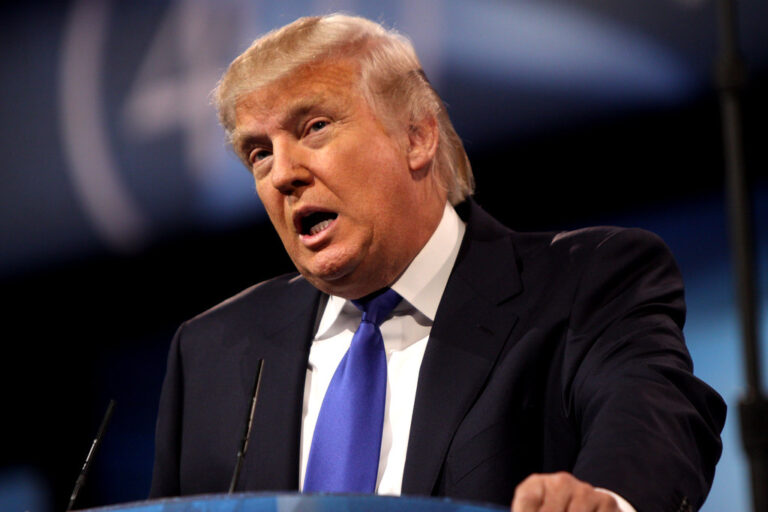
President Trump announced on Sunday that he will cut U.S. support for Colombia. He claims Colombia’s leader lets drug production grow unchecked. As a result, Trump says he must act. This threat shows growing strain between Washington and one of its closest Latin American partners.

What Trump Said on Sunday

During a press briefing, Trump accused Colombia of failing to act. He explained that drug farms in Colombia pour deadly substances into the U.S. He said, “We give them billions, and they do nothing.” For these reasons, he warned he will pull back on Colombia funding.

Colombia’s Response

Colombian officials reacted quickly. They said they work hard to fight drug trafficking. Moreover, they noted U.S. aid has helped destroy thousands of coca fields. However, they also worry that cuts will hurt their security fights. Thus, Colombia hopes to convince the U.S. to keep aid flowing.

How Colombia Funding Cuts Could Work

Trump’s announcement did not spell out full details. Yet, experts say the cut could hit military and social programs. First, the White House must propose a new budget. Then, Congress must approve changes. Therefore, any cut to Colombia funding will take time. Meanwhile, Colombia will push back in talks.

Potential Impact of Funding Cuts

Without U.S. support, Colombia might face serious challenges. U.S. aid helps train troops to fight rebels and drug gangs. It also funds programs that offer farmers new crops. Without that help, more people may turn to illegal coca farming. Moreover, less aid could slow efforts on human rights and conservation.

What Happens Next

First, U.S. lawmakers will debate Trump’s plan. Some members of Congress favor keeping help to Colombia. They see Colombia as vital to U.S. security in Latin America. Meanwhile, Colombian diplomats will travel to Washington. They hope to show progress in eradicating drug crops. Until then, uncertainty will hover over Colombia funding.

Colombia funding holds great importance for both countries. For over two decades, U.S. aid helped reduce coca farms and improve security. Therefore, any shift could reshape drug policy and regional strategy.

How Colombia Funding Cuts Could Work

Under current rules, the president can withhold foreign aid for policy reasons. First, the administration issues a notice. Next, Congress reviews and can object. If Congress does nothing, the cut goes into effect. However, lawmakers can restore funding through new appropriations bills. Thus, the fate of Colombia funding hinges on political will in Washington.

Why the U.S. Values Aid to Colombia

The U.S. sees Colombia as a key partner. First, Colombia shares intelligence on drug routes. Second, joint patrols in border zones curb smuggling. Moreover, development projects in rural areas give communities new opportunities. Overall, Colombia funding aims to cut drug supply and boost stability.

Colombia’s Efforts to Curb Drug Production

Colombian forces have destroyed thousands of hectares of coca plants. They use helicopters, drones, and boots on the ground. At the same time, they run education campaigns against drug use. In addition, the government works with U.S. experts to test new farming methods. Despite these steps, Trump says progress is too slow.

Why Trump Blames Colombia

Trump often links drug trafficking to crime at home. He believes that cutting funding pressures Colombia to act faster. Also, he wants to show voters he takes a hard line on drugs. As a result, his rhetoric has grown tougher in recent months. Yet, critics warn that abrupt aid cuts can backfire.

How Colombia Might Respond

Colombia’s government will likely seek meetings in Washington. They may highlight recent successes against drug lords. Also, they might propose joint plans to speed up eradication. Furthermore, Colombia could ask for new technology and training. They argue this approach works better than budget cuts.

Possible Outcomes of the Funding Dispute

If aid is cut, Colombia risks weakening its anti-drug campaigns. That could boost cartels and organized crime. In turn, more drugs may flood U.S. streets. Conversely, if funding stays, Colombia may gain fresh support to fight drugs. Meanwhile, U.S.-Colombia ties would remain strong.

Transition Words Help the Flow

Furthermore, the use of transition words makes the article easy to follow. However, the issue remains complex. Therefore, both sides must negotiate carefully. Finally, only time will tell how Colombia funding will change.

Adding Context on U.S. Aid History

Since the early 2000s, U.S. aid helped Colombia reduce coca production by nearly half. With hundreds of millions of dollars per year, programs trained police, improved rural roads, and funded schools. Through Plan Colombia, the two nations built deep ties. Now, Trump’s threat tests that long-standing partnership.

Final Thoughts

This dispute over Colombia funding shines a light on the fragile balance in U.S. foreign policy. While pressing allies to improve is important, sudden cuts can weaken alliances. For now, all eyes turn to Congress and Colombian diplomats. They hold the keys to either restore or end vital aid.

Frequently Asked Questions

What types of aid does Colombia receive from the U.S.?

Colombia gets military help, training, counter-narcotics funds, and development projects for farmers and communities.

Why is Trump unhappy with Colombia’s efforts?

He believes the Colombian government does not act fast enough to destroy illegal drug farms.

How could cutting Colombia funding affect drug production?

Without support, Colombia may struggle to keep fighting drug cartels, which could boost drug supply.

Can Colombia appeal the U.S. funding cut?

Yes, Colombian leaders can negotiate with U.S. officials and seek support from Congress to reverse the decision.
Did Venezuelan Boat Strikes Save 100K Lives?

0

Key Takeaways

  • President Trump said US military strikes on five Venezuelan boats saved over 100,000 lives.
  • Public records show no proof those strikes stopped that much drug smuggling.
  • Experts note legal questions around Venezuelan boat strikes and use of force.
  • Data from law enforcement agencies does not match Trump’s numbers.
  • Independent analysts find no clear link between the strikes and drug flow reduction.

President Trump claimed that US military action against five Venezuelan vessels cut drug flow and saved more than 100,000 lives. He argued that the Venezuelan boat strikes stopped huge amounts of illegal drugs on their way to US cities. However, records from various agencies do not back up his claim. In fact, several independent experts and international law specialists question both the numbers and the legal basis for the strikes.

Background of the Strikes

In early 2024, US forces reported striking five vessels near Venezuela’s coast. They said the ships carried millions of dollars’ worth of cocaine. The operation aimed to disrupt drug smuggling routes. According to Trump, the strikes marked a major victory in the war on drugs. Yet, those vessels reportedly carried smaller drug loads than claimed. Moreover, drug routes are complex, and smugglers often change paths quickly. Therefore, one single strike rarely cuts off a major supply line for long.

What Trump Said

President Trump announced that Venezuelan boat strikes resulted in a massive drug bust. He said this action saved at least 100,000 American lives from overdoses. He also claimed the strikes sent a clear message to other smugglers. Yet, the White House did not share complete evidence for his figures. In addition, no comprehensive report followed his statement. As a result, watchdog groups and journalists could not verify the drug quantities or the lives saved.

Why the Numbers Don’t Add Up

First, no official agency confirmed the 100,000 lives figure. Drug enforcement records show yearly overdose deaths well below that number. For instance, US data list about 100,000 overdose deaths for all drugs in 2022. It seems impossible for just five Venezuelan boat strikes to reduce that toll alone. Second, cocaine flow involves dozens of routes across land and sea. Even if those vessels carried large loads, smugglers could simply shift to other boats. Thus, the claimed impact on total drug flow is highly questionable.

Legal and International Concerns

Some international law experts say the Venezuelan boat strikes may have overstepped boundaries. US forces attacked vessels in international waters, and legal justification remains unclear. Under maritime law, warships can board suspicious vessels if they suspect piracy or trafficking. However, experts note that proper evidence must support such action. Critics argue the US did not present sufficient proof at the time. Consequently, questions about sovereignty and legality still linger.

Expert Opinions

Many drug policy analysts remain skeptical about Trump’s claims. They point out that drug smuggling adapts quickly. For example, when one route closes, others open. Moreover, data from the Drug Enforcement Administration and Coast Guard show only modest drug seizures during that period. In addition, researchers studying overdose trends saw no sudden drop after the strikes. Therefore, most experts believe the Venezuelan boat strikes had, at best, a minor effect on overall trafficking.

Impact on Drug Smuggling Stats

National drug flow statistics did not change dramatically after the strikes. Cocaine availability in US cities remained steady. Street prices and purity levels showed little variation. Likewise, reports from state health departments did not note a sudden overdose decline. Instead, many public health experts say long-term addiction programs and border policies matter more. In short, single naval actions rarely shift the larger drug market.

The Importance of Proving Claims

When leaders make bold statements, they must back them with clear evidence. Otherwise, the public can lose trust. In this case, the lack of data on drug quantities and legal justifications weakens the claim. In addition, overestimating successes can harm future policy-making. Policy experts warn that misleading numbers distract from needed solutions. Thus, transparency matters when judging any military or law enforcement action.

What This Means Going Forward

At a time when drug overdose remains a major challenge, accurate information is vital. Instead of relying on unverified numbers, officials should release detailed reports. Such reports should cover drug amounts seized, lives saved, and legal grounds for action. Only then can the public and lawmakers truly assess success. Moreover, long-term strategies on prevention and treatment are key to fighting addiction.

Frequently Asked Questions

What exactly did Trump claim about the strikes?

President Trump said US military forces hit five Venezuelan boats to stop drug smuggling. He claimed the Venezuelan boat strikes saved more than 100,000 lives by reducing overdoses.

Can five boat strikes really affect US drug supplies?

Most experts say no. Drug smuggling involves many routes and methods. Stopping a few vessels is unlikely to change overall supplies or overdose trends.

Why are legal experts worried?

They note that international law requires strong evidence before boarding or attacking vessels. Critics argue the US did not show enough proof, raising questions about the legality of the Venezuelan boat strikes.

What should officials do next?

They should publish full data on drug quantities seized and how they calculate lives saved. Transparency will help people understand true results and guide future drug policy.

Bolivia Election Breaks 20-Year Socialist Hold

0

Key Takeaways

• Bolivians held a rare presidential runoff between two conservative, capitalist candidates
• The vote ended nearly 20 years of rule by the Movement Toward Socialism party
• The new leader promises private investment, economic growth, and social reform
• Citizens hope for jobs, stable prices, and national unity under fresh leadership

Bolivia Election Sparks Major Political Shift

On Sunday, the Bolivia election ended two decades of one-party rule. Voters faced a tight runoff between two right-leaning, capitalist candidates. They chose a new president who pledges economic change and private investment. This result marks a major turning point in Bolivian politics. For the first time in almost 20 years, power will move away from the Movement Toward Socialism party.

What the Bolivia Election Means for Voters

Many Bolivians feel excited and nervous about the new government. They hoped the Bolivia election would bring fresh ideas on jobs and prices. Indeed, polls showed that most citizens care about rising costs and limited work opportunities. As a result, both contenders promised to boost business growth and fight poverty. Furthermore, they vowed to reduce red tape that slowed down small companies.

However, not everyone shares the same optimism. Some fear that rapid changes could spark unrest. Meanwhile, grassroots groups worry about social programs that target the poorest families. Therefore, the new leader must balance market reforms with support for vulnerable communities. Otherwise, the dream of stable growth could slip away.

Who Took Part in the Runoff

Luis Fernando Camacho and Jorge Quiroga faced off in the Bolivia election runoff. Camacho is a former union leader turned conservative. He built his campaign on private investment and reducing the state’s role. Quiroga once served as an interim president. He focused on strengthening ties with foreign investors and free trade deals.

During the campaign, both candidates held rallies in major cities. They met with business owners, farmers, and youth groups. Moreover, they debated on live TV about tax cuts, health care, and energy policy. Each hoped that the Bolivia election would crown them as the champion of change.

Voter Turnout and Public Mood

Turnout reached nearly 85 percent, the highest in recent history. Many young people made long trips to cast ballots. They stood in lines for hours under bright sun. They wore party shirts and waved flags. Their energy showed a deep desire for a new path forward.

At polling stations, election workers smiled and offered water to voters. Observers noted orderly lines and few reports of violence. Nonetheless, a few minor disruptions occurred in remote areas. Authorities soon restored calm. Overall, citizens expressed pride in taking part in such a historic vote.

Economic Road Ahead

Bolivia faces pressing economic challenges. Inflation has risen, and public debt grew under the previous government. As a result, many families struggle with daily expenses. Therefore, the new president plans to invite foreign investors back to Bolivia. He argues that private companies can create jobs faster than the state.

Moreover, he intends to cut taxes on small businesses. He also seeks to simplify rules for new startups. In addition, he wants to modernize key industries like mining and hydrocarbons. By doing so, he hopes to diversify the economy and boost exports. For a country rich in natural resources, this could mean higher incomes and more opportunity.

Social Unity Challenges

Despite promises of growth, social unity remains fragile. Bolivia’s population includes different ethnic groups, social movements, and rural communities. The Movement Toward Socialism built strong ties with many of them. Now the transition in power may cause worry among supporters of the old regime.

To address this, the new leader must reach out across party lines. He has already invited opposition figures to join talks on education, health, and poverty relief. Additionally, he plans to set up a council with civic leaders and indigenous representatives. This group will advise on policies that affect remote villages and cities alike.

Foreign Relations Shifts

Internationally, Bolivia’s foreign policy is likely to change. Under the previous government, ties with leftist nations grew stronger. Now, the new head aims for broader engagement. He plans to strengthen links with the United States and European markets. Furthermore, he wants to attract Chinese and Middle Eastern investment in energy.

These shifts could bring new infrastructure projects, such as roads and power plants. However, they may also trigger debates over national sovereignty and environmental protections. Critics will watch closely to ensure that foreign deals benefit local communities.

Next Steps and Timeline

The election results took several days to finalize. Officials needed time to count millions of ballots by hand. Once the winner is declared, the transition will begin. The new president plans to take office next month. In the meantime, he will form his cabinet and lay out his first 100-day plan.

He must also seek approval from the national legislature. Although his party won the runoff, it lacks a clear majority in Congress. Therefore, he will need allies from different blocs to pass key reforms. This process could slow down ambitious projects or force compromises.

A New Chapter for Bolivia

Overall, the Bolivia election has opened the door to fresh ideas and policies. Citizens demonstrated their will for change in large numbers. The challenge now lies in turning campaign promises into real results. If the new government succeeds, Bolivia may enter a period of steady growth and unity.

However, if it fails to balance economic reforms with social support, protests could flare. Therefore, the leader must navigate carefully. He must listen to diverse voices and stay true to the hopes that fueled this historic vote.

Frequently Asked Questions

What made this runoff historic?

This runoff was the first time in almost 20 years that a candidate from outside the Movement Toward Socialism reached the presidency.

How did voter turnout compare to past elections?

Turnout hit about 85 percent, the highest rate in two decades, reflecting strong public engagement.

What are the new president’s top economic goals?

He wants to boost private investment, diversify exports, lower taxes on small firms, and modernize key industries.

How will the transition affect social programs?

The president plans to protect basic social programs while targeting new resources to the poorest communities.

Why Ari Fleischer Is Under Fire on Social Media

0

Key Takeaways

  • Former White House press secretary Ari Fleischer blasted Trump’s decision to commute George Santos’s sentence.
  • Social media users and commentators mocked Ari Fleischer for calling the move a “mistake.”
  • Conservative strategist Tim Miller and journalist Marcy Wheeler led the online backlash.
  • Critics say this highlights a pattern of pardoning allies and punishing opponents.
  • The dispute deepens divisions within the GOP over legal accountability and loyalty.

In a weekend post, Ari Fleischer questioned why Donald Trump commuted George Santos’s prison sentence. He wrote, “Why? This is a mistake. Wire fraud and identity theft are serious crimes.” Almost instantly, people on social media mocked him. Conservative strategist Tim Miller answered sharply. Journalist Marcy “emptywheel” Wheeler jumped in too. The online reaction shows how the GOP fights itself over loyalty and justice.

The Commutation of George Santos

Donald Trump recently commuted the sentence of George Santos. Santos, a former GOP congressman, faced time behind bars for wire fraud and identity theft. His case shocked many lawmakers. They saw him as a symbol of political corruption. Therefore, when Trump stepped in, reactions ranged from praise to outrage.

Ari Fleischer’s Reaction

Ari Fleischer served as press secretary under President George W. Bush. He now works as a Fox News contributor. Over the weekend, he posted on social media: “Why? This is a mistake. Wire fraud and identity theft are serious crimes.” He questioned Trump’s decision more plainly than most. Soon, that simple question ignited a firestorm online.

Social Media Backlash

Almost immediately, critics seized on Fleischer’s post. They called him out for supporting Trump’s broader policies. Some pointed to a perceived double standard in the GOP. They argued that Trump punishes his opponents but protects his allies. Key voices included:
• Tim Miller: He reminded Fleischer that the Trump era often feels like a “banana republic,” where friends get pardons and enemies face jail.
• Marcy “emptywheel” Wheeler: She suggested Fleischer had only just realized he was part of a “criminal protection racket.”

Above all, people used memes and witty replies to drive home their view that Fleischer was late to notice this trend.

Criticism from Conservative Voices

It’s rare for conservative strategists and journalists to unite in criticism. Yet that’s what happened here. Tim Miller’s reply summed up many frustrations. He wrote: “Because you supported someone running a corrupt banana republic style government where enemies are prosecuted, criminal friends are pardoned, and foreign interests can buy favor.” This blunt message resonated widely. Meanwhile, Marcy Wheeler noted how odd it was for Fleischer to speak out now. She said he was slow to recognize patterns that others had observed long ago.

How this debate unfolded online shows the power of concise, sharp comments. In just a few lines, these critics reminded everyone of key controversies from Trump’s terms.

Why This Matters for the GOP

Internal conflicts can harm any political party. Here are some reasons this spat is significant:
• Erodes trust: When top figures argue publicly, average voters grow uneasy.
• Highlights divisions: Some Republicans favor strict justice; others back loyalty to allies.
• Shapes the narrative: Media coverage of infighting can overshadow policy debates.

Moreover, this clash reflects broader questions about accountability. Should political allies escape punishment? Or should the law treat everyone equally? The answer matters for public confidence in government. If some crimes go unpunished, people may lose faith in the justice system.

What Comes Next?

As the GOP heads into new election seasons, unity is key to winning races. Yet public arguments like this may slow down policy work. Here’s what to watch:
• Further comments from key advisers: Will other Bush-era officials speak out?
• Trump’s next moves: He may issue more pardons or commutations.
• GOP leadership response: Will party leaders try to quiet the debate?

Above all, voters and donors will pay attention. They often react to perceptions of fairness and loyalty. If the party seems divided or unfair, it could lose support.

Looking Ahead in Simple Terms

In short, Ari Fleischer’s simple question sparked a big debate. It shows how one phrase on social media can grow into a major story. Meanwhile, it highlights deep rifts over how politicians handle crime and loyalty.

FAQs

Why did Ari Fleischer criticize Trump’s commutation of George Santos?

Ari Fleischer felt that Santos’s crimes of wire fraud and identity theft deserved prison time. He viewed Trump’s action as a mistake that undermines accountability.

Who responded to Ari Fleischer’s comments?

Conservative strategist Tim Miller and national security journalist Marcy Wheeler led the social media backlash. They argued Fleischer was part of a larger pattern of protecting corrupt allies.

What impact does this debate have on the GOP?

The public spat reveals deep divisions within the party. It can weaken voter trust, distract leaders, and shift focus away from policy issues.

Could this clash affect future Trump pardons?

Possibly. If the backlash grows, Trump might think twice about pardoning controversial figures. However, his strong support base may still push for more clemency actions.

Why I Quit the Republican Party and You Should Too

0


Key Takeaways:

• A longtime GOP strategist has walked away, calling the party corrupt and destructive.
• He urges others in similar roles to follow his lead and protect their integrity.
• Donald Trump’s rise turned the GOP into a personality-driven movement, he argues.
• He calls on political insiders to refuse work that undermines democracy.

Miles Bruner spent more than ten years raising money and advising top Republicans. Yet on Monday, he announced he would quit the Republican Party. He also quit his job at a leading GOP digital fundraising firm. In a column for The Bulwark, he said he could no longer support a party that he believes is undermining the Constitution.

Why I decided to quit the Republican Party

Since Donald Trump’s 2015 campaign launch, the GOP has “devolved into a cult of personality,” Bruner wrote. He watched this transformation from the inside. First, he rationalized small compromises. Then he packed away bigger doubts. Finally, he decided he could no longer stay silent.

He admitted his actions alone won’t shake the GOP to its core. However, he hopes his example might inspire others. He said he felt “complicit” in the party’s slide toward corruption. Therefore, he could not longer raise money or offer digital advice for the GOP.

Moreover, he confessed that he once believed he could change things from within. Yet every concession made the party weaker. In his view, the GOP traded principles for power. As a result, he felt trapped by his career and network.

How the GOP Changed Over Time

When Trump rode that golden escalator in 2015, the GOP followed him without question. At first, some saw his style as refreshing. But over the years, Trump’s brand of politics turned harsh. He attacked the free press, praised dictators, and spread false claims.

Additionally, Bruner saw senators and representatives working to overturn election results. He witnessed the party embracing violence and discrediting voters. As a strategist, he often had to ignore or spin these events. He said this felt like “political malpractice.”

He also noticed the party growing more corrupt. Campaigns poured money into dubious digital firms, including the one he worked for. In his view, the hunt for donations led to untested ads, shady data deals, and fragile security. Yet insiders signed off on it all for the sake of short-term gains.

What It Means to Quit the Republican Party

To quit the Republican Party is to step away from an entire world. It means giving up political goals tied to an organization that once felt like home. It means risking friendships, career paths, and social circles.

Bruner admitted he wrestled with fear. He feared losing his income, status, and sense of purpose. Yet he felt fear was a poor reason to continue. He believed his conscience mattered more than a paycheck.

Furthermore, stepping down gave him a fresh perspective. He now sees how power can warp ideals. He also sees how, over time, small lies build up into larger ones. He realized he helped spread those lies, even if he did not start them.

A Call to Action for Political Insiders

Bruner’s primary goal is to urge colleagues to act on their doubts. He wrote, “If you believe in this country, now is the time to refuse to ferry its destruction for a tainted livelihood.”

He wants fundraisers, strategists, and staffers to consider their role. Are they helping protect democracy or erode it? Are they building a party based on facts, or on fear and falsehoods?

In his farewell note, he offered these steps:

• Listen to your doubts. You are not alone in feeling them.
• Reflect on your work. Does it serve a healthy democracy?
• Talk to peers who share your concerns. You can leave together.
• Prepare for change. Leaving may feel scary, but it can also be freeing.

Bruner stressed that it is not enough to hide doubts. He wants insiders to take a stand. He hopes this act will slow the slide toward authoritarianism.

How Integrity Can Inspire Change

Bruner does not claim to be a hero. In fact, he admits his role in the party’s downfall. He says his statement won’t fix what’s broken. Yet he believes stepping away with integrity still matters.

When someone quits the Republican Party, it sends a message. It shows that not everyone follows the crowd. It shows that conscience still counts. It shows that a political job is not above the values you hold dear.

In addition, he hopes his public exit sparks a larger conversation. He wants analysts, journalists, and voters to ask why so many GOP insiders stay. He believes honest debate can lead to real reform, even if change feels slow.

The Power of a Personal Decision

Every big movement begins with a choice by one person. By choosing to quit the Republican Party, Bruner reclaimed his sense of right and wrong. He also opened a door for others to follow.

Moreover, his decision underscores a broader truth: political loyalty should never come at the cost of truth. When people like him step away, they remind us that democracy depends on personal responsibility.

What’s Next After Quitting the Republican Party

Now that Bruner has quit the Republican Party, he faces a new path. He plans to speak out on panels and in media. He intends to share his inside knowledge of digital fundraising tactics. In doing so, he hopes to warn voters and reformers alike.

He also aims to support groups working to protect voting rights. He believes his skills can now help strengthen, rather than weaken, democratic norms. This shift shows that leaving one party can lead to building something better.

In sum, quitting the Republican Party allowed him to act on his beliefs. He now feels free to challenge corruption and power grabs. He hopes his journey inspires others to follow their conscience, not their career.

FAQs

What does it mean to quit the Republican Party?

It means stepping away from active work, funding, or support for the GOP. It involves leaving behind roles tied to the party and refusing tasks that go against your values.

Why did Miles Bruner quit the Republican Party?

He felt the party had become corrupt and authoritarian under Trump. He could no longer support strategies that he believes undermine democracy.

How can political insiders prepare to quit the Republican Party?

They can start by discussing doubts with trusted colleagues, assessing their work’s impact on democracy, and planning financially before making a public exit.

Will more strategists quit the Republican Party?

Bruner hopes so. He believes that when enough insiders step away, it can pressure the party to return to constitutional values.

Mike Lee on Assassination Culture

0

Key Takeaways

  • Senator Mike Lee says a piñata video shows how assassination culture starts.
  • He urged Democrats to condemn a child hitting a Trump piñata.
  • The clip first appeared on the Libs of TikTok account.
  • Critics point out Lee’s past jokes about political figures.
  • Lee’s shift from anti-Trump to pro-Trump ties to his search for respect.

Senator Mike Lee called a recent video “not funny.” He warned that it teaches assassination culture. The clip shows a young child striking a piñata shaped like President Trump. Lee shared it on his social media page and challenged Democrats to speak out. He wrote, “This isn’t funny. This is how assassination culture takes root. Democrats: please condemn this!”

What Happened in the Piñata Video?

A far-right, anti-LGBTQ account posted the clip first. The account claimed it shows one side teaching violence. A child uses a stick to hit the piñata’s face. Laughs come from off-screen voices. Senator Lee reposted it and added his warning. He argued the scene normalizes assassination culture.

Why Mike Lee Fears Assassination Culture

Lee said joking about harming a leader can have real harm. He believes small acts can grow into real threats. When children see violence as fun, they might learn to use real weapons. Therefore, he wants all lawmakers to reject any hint of violence. He directly called on Democrats to speak out.

Critics Highlight Lee’s Past Remarks

However, some critics say Lee’s demand seems odd. Just months ago, he mocked President Biden’s stumble while boarding a plane. He also made a joke about the tragic shooting of a Minnesota lawmaker and her husband. Those comments drew sharp critiques. Now Lee asks others to condemn violence he once treated lightly.

Lee’s Political Transformation

Lee started his career as a mainstream conservative. He once opposed then-candidate Trump. Yet by 2020, he backed Trump’s efforts to challenge election results. Journalists say Lee craved respect more than personal views. His first chief of staff said right-wing groups praised him. In contrast, mainstream figures kept their distance. As a result, Lee stayed in the far-right lane.

The Impact of Violent Symbolism

Violent symbols can shape how people think. Experts warn that repeated exposure to violent jokes lowers the barrier to real harm. For example, a harmless game can desensitize audiences. Moreover, political speech that hints at harm can inspire extremists. Lee’s use of the term “assassination culture” highlights that threat. He wants to stop it before it spreads.

Why This Debate Matters

Political violence has rocked the nation in recent years. Leaders on both sides worry about lone-wolf attacks. In 2021, armed rioters stormed the Capitol. Many say hate speech and violent jokes fed those attackers. Now Lee says we must act early. By calling out a child’s piñata game, he draws a line in the sand. Some see it as alarmist, while others view it as a needed warning.

Lee’s Demand and Next Steps

Senator Lee asked Democrats to speak out by name. He wants a formal statement from party leaders. He hopes this move will unite all sides against any hint of violence. On the other hand, some Democrats might see this as political theater. They could point to Lee’s own record on mocking falls and shootings. Only time will tell if both parties agree to reject violent imagery.

Frequently Asked Questions

What is assassination culture?

Assassination culture means a mindset where jokes about harming leaders become normal. Over time, this mindset can lower barriers to real violence.

Why did Mike Lee share the piñata video?

He shared the video to warn that even a game can teach violence. He wanted to force a debate and get a public condemnation.

Who originally posted the video?

The clip first appeared on a far-right, anti-LGBTQ social media account. That account claimed the video proves children are taught hate.

How has Lee’s stance on Trump changed?

Lee once opposed Trump. By 2020, he fully backed Trump’s efforts to overturn an election. Reporters say his shift was driven by praise from the far right.

Secret Prison Transfer of Ghislaine Maxwell

0

Key Takeaways

• The Bureau of Prisons kept Ghislaine Maxwell’s move secret with strict rules.
• She moved from Tallahassee, Florida, to a low-security camp in Bryan, Texas.
• Inmates and staff were ordered not to share any information about her.
• A rare safety waiver let her serve in a minimum-security prison camp.
• Experts say the move may protect her and hint at future legal steps.

In August, the Bureau of Prisons quietly sent Ghislaine Maxwell to a camp in Texas. The move stunned many observers. Prison experts say it is the most secretive transfer ever for a high-profile inmate.

Why the transfer of Ghislaine Maxwell was so secretive

When high-profile people enter prison, inmates and staff usually talk about them. They may even treat them differently. However, this time the Bureau imposed strict silence rules. Before Maxwell arrived, prison leaders warned everyone not to share any details.

Moreover, the Bureau removed usual safety concerns that would stop someone with her conviction from living in a low-security camp. Maxwell’s link to a serious sexual crime should have barred her from such a facility. Yet officials waived that rule. These steps show how far the Bureau went to protect her identity and safety.

A rare safety waiver

Normally, a safety review stops people convicted of sexual crimes from serving in a camp. It helps protect other inmates and staff. However, the Bureau chose to ignore this rule for Maxwell. This waiver is almost unheard of. It let her join other inmates in a dorm-style building.

Such a waiver shows the Bureau’s top leaders backed this move. It also shows the unique security concerns around Maxwell. Experts say the waiver is evidence that she received special treatment compared to other inmates.

Inside the Bryan camp facility

The new location for Maxwell is a Federal Prison Camp in Bryan, Texas. This place feels more like a college dorm than a tough jail. Inmates share rooms and have access to programs like yoga and job training.

Maxwell now lives near family and has more freedom than in Tallahassee. She even joined a yoga class in September. Other well-known inmates, like Elizabeth Holmes and Jen Shah, live there too. Yet unlike them, Maxwell’s move was done in secrecy.

Expert view on Maxwell’s safety and future

Sam Mangel, a consultant for the Bureau of Prisons, has worked with famous inmates before. He said for someone as well-known as Maxwell, curiosity among inmates and staff is high. They often talk or even try to meet these inmates.

However, this time, the Bureau warned everyone not to discuss anything about Maxwell. Mangel believes this extreme silence is to keep her safe. He added that once she started talking to authorities, they needed her protected more than ever.

Mangel also suggested that her transfer may be the start of a larger plan. He said moving Maxwell to a minimum-security camp could help her case. It might lead to a commutation or even a pardon one day. Though this idea may sound far-fetched, the special treatment hints at bigger moves.

Political context and hidden files

This transfer happened when critics demanded the release of files connected to Jeffrey Epstein and his circle. Epstein’s ties to powerful people, including some linked to the White House, make these files sensitive. President Trump’s team refused to make them public.

Deputy Attorney General Todd Blanche, who took part in a long interview with Maxwell, is a Trump appointee. His involvement raised eyebrows. Yet the Bureau of Prisons operates under the Justice Department. It seems orders for Maxwell’s move came from leaders above the prison agency.

Potential outcomes for Maxwell

Experts believe the Bureau’s secret steps serve two main goals. First, they keep Maxwell safe from other inmates who might harm her. Second, they set the stage for possible legal relief.

If Maxwell truly cooperates with investigators, she may earn leniency. Protected status in a calm camp makes it easier to transfer her again later. Moreover, a future administration could consider commuting her sentence or granting a pardon.

Thus, every detail of her new life matters. It shows how the justice system treats high-profile cases. It also highlights how political forces can shape prison life. Maxwell’s story may not be over yet.

Conclusion

The secret prison transfer of Ghislaine Maxwell reveals a rare mix of security measures and political influence. From a strict silence policy to a waived safety rule, the Bureau of Prisons took unprecedented steps. Experts see this as a bid to protect Maxwell and possibly pave the way for lighter punishment. As her case unfolds, more secrets may come to light.

Frequently Asked Questions

Who is Ghislaine Maxwell?

Ghislaine Maxwell was a close associate of Jeffrey Epstein. She was convicted for her role in sex trafficking.

Why was her prison transfer so secretive?

Prison officials feared other inmates might target her. They also wanted to prevent any leaks about her location.

What makes the Bryan camp special?

The camp offers more freedom and amenities like group activities. It is a low-security facility with dorm rooms.

Could her sentence be reduced?

Experts say cooperation with investigators and political moves could lead to a commutation or pardon in the future.

Trump AI Video: President Drops Feces on Protesters

0

Key Takeaways

  • Trump posted a striking AI video of him in a fighter jet dropping feces on protesters.
  • The clip shows Times Square and targets activist Harry Sisson.
  • Gen Z commentator Jack Cocchiarella slammed the imagery as disgraceful.
  • Critics point out a double standard in how Republicans treat Trump.

Trump AI video leaves commentator stunned

The president shared an AI-made video of himself in a fighter jet. He flies over Times Square and drops feces on American protesters. This odd clip quickly caught public attention. It also prompted sharp criticism from voices across the political spectrum.

Why the Trump AI video faces criticism

On Saturday, President Trump posted the AI video on social media. The plane he pilots carries the label “King Trump.” Below, crowds of protesters wave signs in Times Square. One of them is Harry Sisson, a known Democratic activist. Then the plane begins to drop brown blobs on the crowd. The effect is meant to shock and humiliate.

The AI Video Unveiled

First, the tool that made the clip uses advanced deepfake technology. Next, it blends real footage of Times Square with a model of a fighter jet. Then, it animates Donald Trump in a flight suit. Finally, it adds the visual of feces falling from the plane. The result is both surreal and offensive.

Many people saw the clip and wondered if it really was made with taxpayer funds. Others asked why the president would share something so crude. The answer remains unclear. However, the imagery has become a new flashpoint in the culture wars.

Shocking Scene in Times Square

Imagine walking through Times Square and looking up at a fighter jet. Then picture the jet bombing people with something disgusting. That is exactly what this Trump AI video shows. The setting is instantly recognizable to New Yorkers and tourists alike. Moreover, featuring Harry Sisson makes the act feel personal. The activist is a real person known for his protests. The clip seems designed to poke fun at him and to rile up supporters.

Gen Z Commentator Reacts

Jack Cocchiarella holds a popular spot on the Bulwark Takes podcast. He is a progressive Gen Z political analyst. On Sunday, he watched the AI video live and could not hide his shock. “This is the president of the United States,” he exclaimed. “He’s dropping s— on New York City. Are we serious?” His reaction underscores how even young commentators find the content unacceptable.

Cocchiarella went on to question the message behind the clip. He wondered if it showed a deeper contempt for public protest. He also noted how social media allows the president to bypass traditional filters. As a result, the public sees even the most extreme imagery without warning.

Double Standards in Politics

However, Cocchiarella’s main point was about unequal treatment. He argued that Republicans often demand high moral standards from left-leaning figures. A simple tweet or minor gaffe can spark a national scandal. Yet, when the president drops AI-made feces on his critics, many on the right stay silent. They claim they did not see it or that it is harmless fun.

This double standard fuels frustration across the aisle. Critics say it undermines accountability. They worry that ignoring extreme content sets a dangerous precedent. If one leader can cross every line without pushback, where do boundaries stand?

What This Means for Media and Politics

First, the Trump AI video highlights a new frontier in political messaging. AI tools can generate realistic scenes that never happened. This opens doors for both satire and dangerous misinformation. Next, it raises questions about legal and ethical limits. Should there be rules against leaders using taxpayer-funded AI to create harmful videos?

Moreover, social media’s role comes under fire. Platforms often struggle to label or remove deepfake content quickly. As a result, viewers may not know if what they see is real or fake. This confusion can shape opinions and votes based on false premises.

Additionally, the incident may push lawmakers to propose new regulations on AI content. Some experts call for clear guidelines on political deepfakes. They want fines or penalties for those who spread harmful or misleading videos. Others suggest mandatory disclaimers on AI-made clips.

Finally, the episode deepens public debate about respect in politics. Should any public figure endorse content that mocks or degrades protesters? Many say no. They believe leaders should uplift civil discourse, not trash it with shock tactics.

Key Points to Remember

• The Trump AI video uses deepfake tech to depict the president bombing protesters.
• It targets New York City’s Times Square and activist Harry Sisson.
• Jack Cocchiarella, a Gen Z commentator, slammed the clip on Bulwark Takes.
• He called out Republicans for letting Trump break all usual standards.
• The video sparks broader concerns about AI, deepfakes, and political ethics.

Frequently Asked Questions

What exactly shows up in the Trump AI video?

The clip features President Trump in a fighter jet labeled “King Trump.” Below, protesters in Times Square, including activist Harry Sisson, get hit by falling feces. It is entirely generated by AI tools.

Why did Jack Cocchiarella react so strongly?

He felt the content was disgraceful for a sitting president. He also pointed out the hypocrisy of letting Trump cross lines others cannot. Cocchiarella warned this double standard hurts public trust.

Can social media platforms remove deepfake videos?

In theory, yes. Yet these platforms struggle to detect and act quickly on AI-generated content. The Trump AI video stayed online long enough to spark major debate.

Will there be new rules on political deepfakes?

Many experts and lawmakers are calling for clear regulations. Proposed ideas include fines for harmful content and required disclaimers on AI videos. However, no federal law currently bans political deepfakes outright.

Is Trump Seeking Regime Change in South America?

0

Key Takeaways:

• President Trump ordered a strike on a smuggling boat off Colombia’s coast.
• The strike killed three people and escalated tensions with Colombia’s leader.
• Trump cut off foreign aid to Colombia and warned of more action.
• An expert says the U.S. now seeks regime change in South America.
• Critics worry these actions push international law boundaries.

Trump’s Regime Change Moves in South America

President Trump’s recent actions in South America suggest he wants regime change. First, his team hit a boat off Colombia’s coast. Then, he cut foreign aid and issued a stern warning. Finally, he hinted at more forceful steps. Moreover, an analyst says these moves show a clear goal: regime change in nearby nations.

The Latest Boat Strike

On Sunday, U.S. forces struck a vessel tied to drug smuggling. They acted off Colombia’s coast. Reports say three people died in the attack. Trump’s post on Truth Social made the strike’s purpose clear. He claimed the boat shipped drugs into the United States. Therefore, he ordered its destruction. In his message, Trump blamed Colombia’s president for letting “killing fields” thrive.

Cutting Foreign Aid to Colombia

Soon after the strike, Trump cut off U.S. aid to Colombia. He posted that Petro, described as “low rated,” needed to halt drug production. Otherwise, the U.S. would act itself. This move surprised many. Just months ago, aid to Colombia seemed secure. Now, it’s gone. Moreover, this step deepened a public feud between Washington and Bogotá. Instead of quiet diplomacy, Trump chose bold action.

Eyes on Regime Change in Venezuela

Beyond Colombia, Trump’s focus appears to include Venezuela. He called for tougher measures against its government. Critics say the U.S. now wants regime change in another nation. Indeed, Trump’s aggressive stance marks a big shift. Just under a year ago, such talk was rare. However, now top advisors speak openly about regime change. Observers worry about instability and wider conflict.

What Regime Change Could Mean

Regime change often means removing a national leader. It can also involve reshaping a country’s government. In some cases, it leads to war. In others, it brings long-term unrest. If the U.S. pushes for regime change, it may send troops or back rebels. Furthermore, it might cut all ties and aid. Either way, the result could spark serious tensions across the region.

Risks for International Law

Experts warn these moves could break international rules. Sergio Guzmán of Colombia Risk Analysis calls the actions a push on law boundaries. Indeed, attacking a foreign vessel in another nation’s waters raises questions. Moreover, slashing aid to force a government’s hand may violate treaties. Therefore, critics fear a new era of lawless power plays. In turn, countries might respond by taking similar steps.

Impact on U.S. Relations

Trump’s regime change tactics could reshape U.S. ties in Latin America. Many nations might see Washington as a threat, not a partner. This shift could harm trade deals and security pacts. Additionally, regional leaders may seek new allies. For example, some could turn to countries like China or Russia. Consequently, the U.S. might lose influence in a key strategic area.

How Local Communities Feel

Colombian citizens face direct fallout from these policies. Farmers caught in the drug trade risk being targeted by U.S. strikes. Meanwhile, aid cuts hit social programs and security forces. As a result, villages might lack medical supplies or police support. This could push locals into deeper poverty and violence. Therefore, critics argue that ordinary people suffer for political goals.

Economic Consequences

Beyond human costs, economies feel the strain. Colombia depends on U.S. aid for anti-narcotic and infrastructure projects. With that money gone, roads, schools, and hospitals may stall. Furthermore, uncertainty over regime change scares investors away. Stock markets and foreign investment could drop. Meanwhile, drug cartels might gain power in weakened areas. Ultimately, the drug flow to the U.S. could even rise.

Regional Security Challenges

Security experts warn of spillover into neighboring countries. If Colombia falters, drug routes may shift to others. Venezuela, Ecuador, and Peru could see new smuggling paths. Border clashes might increase as cartels compete. Also, local militias could grow stronger. In response, those governments could either fight back or turn a blind eye. Either way, chaos could spread, affecting millions.

How the U.S. Views Success

From Washington’s view, success means fewer drugs entering America. It also means pressure on Latin American leaders to align with U.S. interests. Trump’s team likely measures victory by lower overdose rates and higher approval at home. Moreover, they may seek proof that foreign leaders follow U.S. will. However, history suggests such measures have mixed results. Indeed, past attempts at regime change often left messy outcomes.

Alternatives to Regime Change

Some experts argue for different approaches. They suggest boosting legal trade and education in Colombia. They call for shared anti-narcotic strategies with local law enforcement. Moreover, they propose supporting social programs to steer youth away from cartels. Finally, they urge stronger international cooperation, not solo U.S. action. These steps, they say, can curb drug flow without violating law or harming civilians.

Looking Ahead

It remains to be seen how far these regime change plans will go. Trump’s threat to “close killing fields” sounds bold. Yet, practical challenges stand in the way. International courts and allied nations may object. Plus, domestic critics question the costs. Therefore, Washington might scale back or shift strategies. However, for now, the path looks set for more aggressive tactics in South America.

FAQs

What does “regime change” mean in this context?

Regime change here refers to the U.S. aiming to remove or weaken foreign leaders. It can involve cutting aid, legal pressure, or military force.

Why did the U.S. strike the boat off Colombia?

The Trump team said the boat carried drugs into the U.S. They also claimed Colombia failed to stop drug production and smuggling.

How might cutting aid affect Colombia’s people?

Many rely on U.S. funds for health, security, and education. Losing aid can worsen poverty and give cartels more power in weak areas.

What risks does this approach pose to international law?

Attacking a vessel in foreign waters and using aid cuts to force political change may break global treaties and norms.

Supreme Court Arrogance: Why Judges Are Pushing Back

0

Key Takeaways:

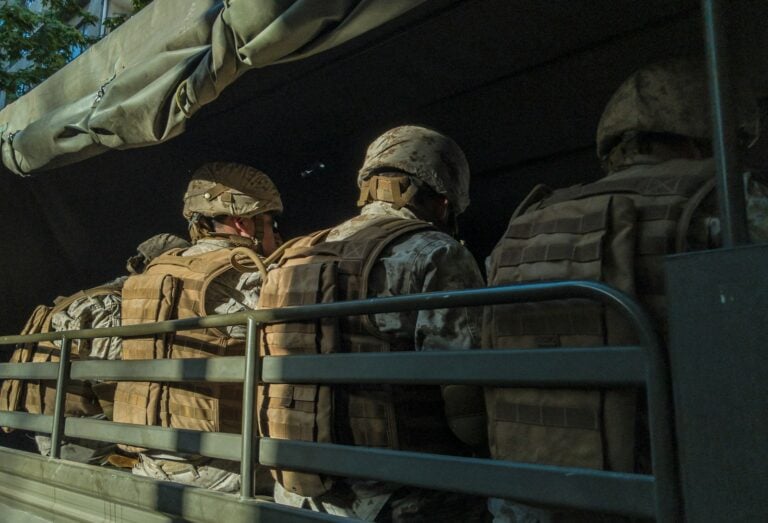
  • Federal appeals court blocked Trump’s plan to send Guard troops to Chicago.
  • Judges across parties criticize Supreme Court arrogance.
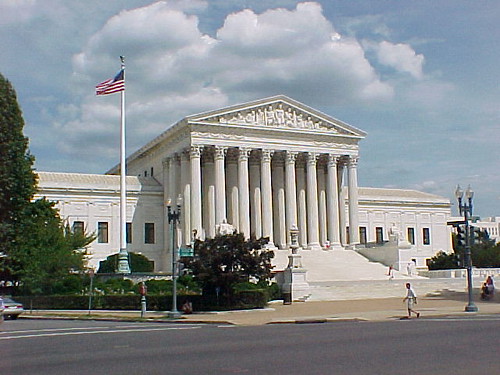
  • Lower courts resist what they see as fact-finding contempt.
  • Delay could cost the administration critical weeks.
  • Experts warn this clash weakens high-court credibility.

The Impact of Supreme Court Arrogance

The Supreme Court arrogance claim drove regional judges to object. Lower courts refused to freeze a ruling against troop mobilization. They argued the high court disrespected their careful fact work. Their pushback now stalls the president’s Chicago plan.

In recent days, a federal appeals panel left intact a district court order banning National Guard troops in Illinois. That decision undercut the administration’s effort to flood Chicago with soldiers. Legal experts say lower judges grew weary of the Supreme Court’s tone. They describe a pattern of dismissive and hostile language from the highest bench. As a result, these judges now dig in to defend their own fact-finding.

Background: Trump’s Guard Orders

The president sought a quick deployment of his Guard troops. He aimed to show strength against crime in Chicago. A district judge blocked his plan, finding legal and constitutional issues. The administration asked the Supreme Court to step in. Instead, that court used harsh words to question the lower court’s work. Consequently, appeals judges refused to pause the ban.

Transitioning from request to refusal, the appeals panel sided with the district court. It argued judges must respect local facts and legal reasoning. This move cost the White House time and momentum.

Judges’ Reactions

Slate commentators Dahlia Lithwick and Mark Joseph Stern highlighted this trend. They noted judges across ideological lines speak out. For example, judges appointed by Trump, Obama, and the Federalist Society unite in criticism. They say the Supreme Court arrogance has spurred them to protect their own rulings.

Lithwick said these judges “refuse to be gaslit” by higher authority. She added they call out this conduct as unlawful. Stern agreed, pointing to Trump appointee Amy St. Eve. He noted she wrote orders that protect district court findings. Her decisions show lower courts now check the Supreme Court’s handling of facts.

These judges view high-court language as an “us vs. them” gambit. They see it as an attempt to seize all power. Hence, they push back by emphasizing detailed factual records. They stress that the Supreme Court must defer to real-world findings.

How Supreme Court Arrogance Affects Lower Courts

When the Supreme Court arrogance shows in its rhetoric, judges feel slighted. They believe that the highest court treats their work as optional. They warn this approach undermines the justice system. Therefore, they craft orders that reaffirm their own fact-gathering.

For instance, some rulings now include extra paragraphs on witness statements. Others cite granular economic and safety data. This added detail aims to remind the high court of the ground reality. Judges hope to shield their orders from dismissal.

Moreover, this resistance costs time. Every extra finding can delay final relief. In the troop case, these steps add weeks to the overall timeline. Those extra weeks prevent immediate deployment. As a result, White House plans face growing hurdles.

What This Means for Trump Plans

First, the administration faces legal whack-a-mole. It asks high court intervention but sees swift pushback. Second, the delays frustrate policy goals that rely on speed. Third, the White House may rethink strategies that provoke court fights.

If the Supreme Court had shown more respect, Stern speculates, judges might not resist so strongly. Instead, they would grant smoother relief. Now, the president risks slowdowns whenever he seeks rapid action.

Moreover, this clash over troop deployment is just one example. Future orders on border security or emergency declarations could face similar hold-ups. Every time the Supreme Court arrogance surfaces, it risks creating more legal firewalls.

Lessons for the Justice System

This conflict reveals deeper issues. The Supreme Court sits at the top, yet it needs lower courts to function. District and appeals judges handle daily legal work. They collect evidence, hear witnesses, and shape case law. If they feel ignored or insulted, they may band together.

Such unity dents the high court’s image as an impartial referee. It suggests a breakdown in cooperation. Consequently, parties may face more uncertainty in major cases.

Legal experts warn that disrespect can backfire. When judges team up across ideologies, they form a silent coalition. They can slow down any policy they find questionable. Over time, that resistance may shape limits on presidential power.

Conclusion

Right now, the Supreme Court arrogance debate plays out in Chicago. Yet it may signal a bigger shift. Lower courts, once deferential, now assert their own authority. This movement affects not only troop deployments but any fast-moving policy. In a system built on checks and balances, respect matters. When courts clash, everyone feels the ripple.

Frequently Asked Questions

Why did the appeals court refuse to halt the district order?

The appeals court said lower courts deserve respect for their detailed fact work. It ruled that the high court shouldn’t ignore local findings.

How did judges describe Supreme Court behavior?

They called it dismissive and hostile toward their rulings. Some said it felt like being gaslit by a higher authority.

Could this conflict affect other policies?

Yes. Any presidential action that bypasses careful court review may face similar delays. Judges could form more detailed records.

What can the Supreme Court do to ease tensions?

The high court could acknowledge lower courts’ fact findings and use less confrontational language. That might restore smoother cooperation.