70.5 F
San Francisco
Sunday, April 5, 2026
Home Blog Page 547

Are Vaccines Really Ineffective?

0

Key Takeaways:

  • A new vaccine debate erupted during a CNN interview between Kasie Hunt and Senator Markwayne Mullin.
  • Mullin claimed more vaccines mean less effectiveness and linked shots to rising autism rates.
  • Hunt corrected him, noting that today’s vaccine count reflects multiple doses, not more diseases.
  • The debate followed a tense Senate hearing featuring Health Secretary Robert F. Kennedy Jr.
  • Experts say vaccines protect against about 20 diseases and remain a key public health tool.

Last Thursday, CNN anchor Kasie Hunt and Senator Markwayne Mullin clashed over vaccines. Mullin argued that vaccines no longer work because Americans face more chronic illnesses now than in the 1950s. He also suggested more vaccines cause higher autism rates. Hunt pushed back hard, calling his claim misleading. Their heated exchange unfolded just hours after Robert F. Kennedy Jr.’s tense Senate hearing.

How the CNN Debate Unfolded

First, Hunt asked why chronic illness rose if vaccines work. Mullin pointed to the long list of shots children take today. Then she named the vaccines Oklahoma kids need before school: polio, hepatitis A, hepatitis B, and the measles, mumps, and rubella shot. Hunt reminded him that unvaccinated kids put others at risk.

Mullin fired back, “How many vaccines are we giving kids today?” Hunt guessed more than seventy. Mullin asked what it was in 1980. He implied that adding vaccines made them less effective. Hunt sharply replied that counting doses inflates the number. She explained that some vaccines need multiple shots over time. Moreover, the actual number of diseases covered is around twenty.

Exploring the Vaccine Debate

This clash shows just how charged the vaccine debate remains. On one side, critics worry that more shots mean more risk and less benefit. On the other, health experts argue that extra doses boost protection and address new threats. Therefore, it is vital to separate dose counts from disease counts.

Why Vaccine Schedules Have Increased

Over the decades, doctors added vaccines to fight deadly illnesses. In 1950, children got only a handful of shots. Today, they get more doses to protect against polio, measles, and other threats. However, the increase does not mean vaccines fail. Rather, it shows that science tracks diseases and improves prevention. In addition, some vaccines require booster shots to keep immunity strong.

Vaccine Debate Misconceptions

Many people in the vaccine debate mix up vaccine doses with actual diseases. For example, the measles, mumps, and rubella vaccine requires three shots. Yet it fights only three illnesses. Similarly, the hepatitis B vaccine needs multiple doses to build immunity. Consequently, counts can look much higher than the number of threats. Furthermore, multiple doses ensure long-term protection as immunity can fade over time.

Why Vaccines Still Matter

Despite the vaccine debate, these shots save lives. Vaccines stopped diseases like smallpox and nearly ended polio. Moreover, they protect babies, seniors, and people with weak immune systems. When more people get vaccinated, fewer germs spread. This idea, called herd immunity, keeps entire communities safe. Therefore, vaccines remain a cornerstone of public health.

Separating Chronic Illness from Vaccines

Senator Mullin linked chronic diseases and vaccines. Yet most experts disagree. Chronic illness can arise from diet, environment, and aging. Advances in medicine also mean people live longer with conditions like diabetes or heart disease. Thus, higher rates do not prove vaccines fail. In fact, vaccines often reduce long-term health care costs by preventing costly outbreaks.

Addressing Autism Concerns

The vaccine debate often circles back to autism fears. However, research shows no credible link between vaccines and autism. Major health organizations have studied this topic for years. They all concluded that vaccines do not cause developmental disorders. In addition, autism diagnoses grew as doctors developed better screening tools. Therefore, the rising numbers reflect more awareness, not vaccine harm.

The Role of Science and Transparency

Science evolves over time. When researchers find a safe way to stop a disease, they add that vaccine. Yet they also study side effects carefully. Today’s vaccine approval process is more rigorous than ever. It includes lab tests, clinical trials, and ongoing monitoring. Transparency is vital. Health agencies publish data and track rare reactions. This open approach builds trust and helps guide policy decisions.

What This Debate Means for You

Whether you agree with Senator Mullin or Kasie Hunt, the vaccine debate highlights the need for clear facts. Always ask your doctor if you have concerns. Read information from trusted health agencies. Remember that numbers on a chart do not tell the whole story. Focus instead on the science behind vaccines, including how multiple doses work to keep people healthy.

Conclusion

The recent CNN debate shows how confusing vaccine talk can become. On one hand, critics point to rising chronic illness rates and greater shot numbers. On the other, experts emphasize more doses mean stronger protection against roughly twenty diseases. Ultimately, understanding the difference between doses and diseases helps clear up confusion. Moreover, learning why doctors add boosters and track safety can guide families in their health choices.

Frequently Asked Questions

Why do children need so many vaccine doses?

Children need multiple doses to build and maintain their immunity. Some vaccines require two or three shots months apart. These extra shots boost protection and help the body remember how to fight disease over time.

What is the difference between vaccine doses and diseases?

A vaccine dose is each time you get a shot. A single disease might need several doses. For example, you need three shots to be fully protected against measles, mumps, and rubella. The total doses are higher than the actual diseases covered.

Can more vaccines lead to higher autism rates?

No. Many studies show no link between vaccines and autism. Autism rates rose as doctors improved diagnosis and awareness. Health experts and major medical groups confirm that vaccines do not cause autism.

How do vaccines protect the community?

When most people get vaccinated, they block germs from spreading. This protection, called herd immunity, helps those who cannot get shots. As a result, outbreaks become rarer and communities stay healthier.
Is Kennedy’s vaccine board collapsing?

0

Key Takeaways

  • Experts say Health Secretary Kennedy stumbled in his own hearing.
  • Wallace called Kennedy “Donald Trump’s leading public health official.”
  • Dr. Faust warned Kennedy’s new vaccine board ignores science.
  • Critics worry the changes could harm vaccine safety.

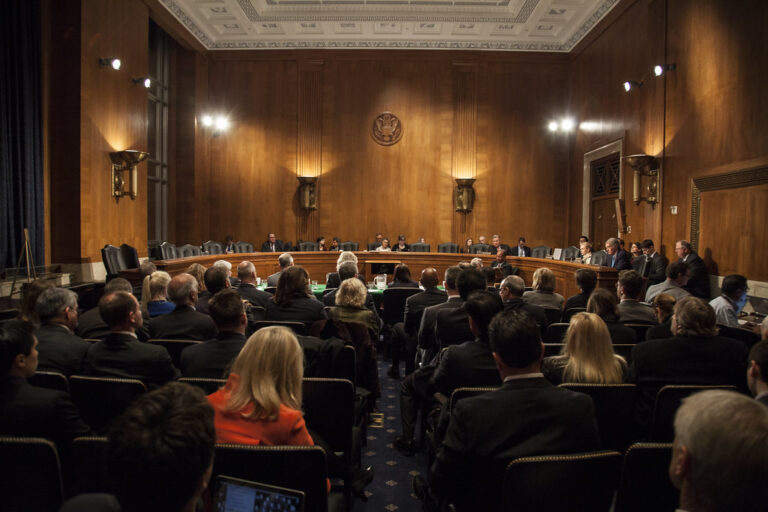
Last Thursday, Robert F. Kennedy Jr. faced questions in the Senate. He had just fired top CDC officials. Then he removed the entire vaccine board. MSNBC host Nicolle Wallace and Dr. Jeremy Faust spoke out. They both agreed something felt off.

Wallace noted Kennedy grew defensive under cross-examination. “He is Donald Trump’s leading public health official,” she said. She added he could not defend his own theories. Senators from both parties challenged his claims. Yet, he sounded distracted.

In fact, Wallace found his breathing odd. She called it “mouth breathing” through much of the hearing. Moreover, she said he gave non-linear answers. Often, within one reply, he shifted to several positions. She asked: what just happened in the United States Senate?

Dr. Jeremy Faust agreed. He saw the health secretary fail to clearly say vaccines save lives. He noted all pediatric vaccines CDC experts recommend are safe. “He could not state that plainly,” Faust said. Then he warned the real danger lies ahead.

Why the vaccine board matters

The vaccine board advises on new shots. It reviews data and makes science-based recommendations. For decades, it helped keep the country safe. Pediatric shots for measles, mumps, polio, and more all passed through this group. Therefore, any shift in its makeup can have huge effects.

Kennedy chose new members who share his anti-vaccine views. They already made the first set of recommendations. Faust said those did not follow scientific evidence. However, he believes worse changes will come soon. Thus, he sounded the alarm.

Who is Dr. Jeremy Faust?

Dr. Faust is an assistant professor of emergency medicine at Harvard. He treats patients in a busy hospital. He also studies health policy and vaccine impact. Therefore, his voice carries weight when he warns about public health.

At first, he tried to explain vaccine safety calmly. But after Kennedy’s moves, he grew concerned. He said Kennedy spent his career undermining vaccines. Now that he leads HHS, he is using his time to weaken the vaccine apparatus. As a result, the board that has kept people healthy might dissolve.

What exactly did Kennedy do?

First, he fired the CDC’s top officials without clear reasons. Next, he removed the entire vaccine board. Then he replaced it with appointees who doubt vaccines. Thus, he shifted power away from established experts.

In his Senate testimony, he claimed to act on science. Yet, he could not defend his own conspiracy theories. When asked about how vaccines prevent disease, he offered unclear answers. That led experts like Wallace and Faust to question his fitness for the job.

What could come next?

If the vaccine board weakens, recommendations may lack scientific rigor. Future vaccine schedules could change based on politics, not data. For instance, children might miss shots against serious diseases. Or new vaccines could face delays.

Moreover, public trust in vaccines might drop further. Already, vaccine hesitancy rose during the pandemic. If top health officials appear confused, parents may refuse shots. Consequently, outbreaks of measles or whooping cough could return.

However, some lawmakers plan to act. They question Kennedy’s moves and demand explanations. Even some Republicans joined Democrats in harsh remarks. They worry the public health system could unravel under his leadership.

How experts reacted

Nicolle Wallace said the Senate scene felt “disturbing.” She focused on Kennedy’s tone and breathing. Yet, she also stressed his inability to stay on point. She asked why he took so many positions in one answer.

Dr. Faust called Kennedy’s performance “not clear.” He said the health secretary failed to affirm what vaccines do. Then he warned new board members will push unscientific recommendations. Moreover, Faust predicted even stranger advice in the near future.

In fact, Faust compared the situation to watching a safe ship hit an iceberg. He said Kennedy is steering the public health ship toward hidden dangers. Without the vaccine board’s guidance, people’s health could suffer.

Why you should care

Vaccines have saved millions of lives. They kept kids safe from once-deadly diseases. When science leads, these programs work. When politics take over, risk grows.

Therefore, changes at the top matter to everyone. Even if you do not work in medicine, you benefit from public health policies. If the vaccine board crumbles, we all pay the price in more sickness and higher medical costs.

What you can do

First, stay informed. Watch the Senate hearing if possible. Then, look for reliable health updates. Second, talk to your family and friends. Share why vaccine science matters. Third, contact your representatives. Ask them to support science-based advisory groups.

In the end, public health needs clear leadership. Moreover, it needs experts who follow data, not politics. Right now, experts worry that Kennedy’s moves threaten decades of progress.

Conclusion

Kennedy’s Senate hearing exposed more questions than answers. As he reshaped the vaccine board, experts like Wallace and Faust raised alarms. They saw a health secretary who could not defend vaccines. They heard him give odd responses and shift positions. Most importantly, they fear the future decisions of the new vaccine board will ignore science. The public health system stands at a crossroads, and the choices made today will shape our health tomorrow.

FAQs

What did Kennedy do at the CDC?

He fired top CDC officials and removed the entire vaccine board.

Why are experts worried about the vaccine board?

They fear new members share anti-vaccine views and disregard scientific evidence.

What role does the vaccine board play?

It reviews vaccine data and advises on safe, effective immunization schedules.

How can I help protect vaccine science?

Stay informed, discuss facts with others, and urge lawmakers to back science-based groups.

Can Kavanaugh Rebrand the Shadow Docket?

0

Key Takeaways

  • Justice Kavanaugh suggested using “interim docket” instead of “shadow docket.”
  • The Supreme Court issued 113 shadow docket decisions last term.
  • Lawyers and analysts mocked his rebranding effort on social media.
  • Critics say changing the name won’t fix real concerns over secretive rulings.

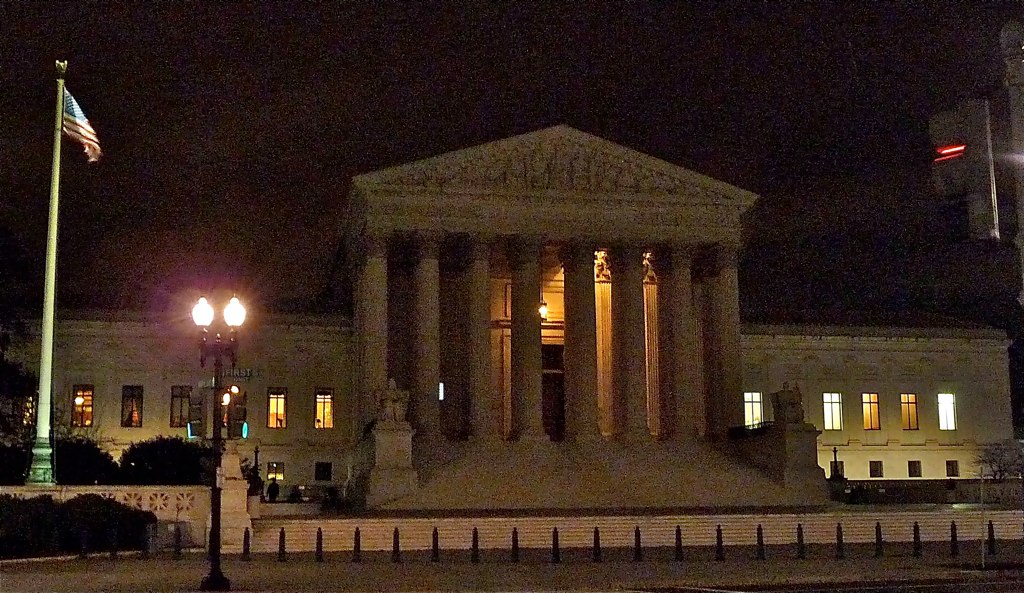
Justice Brett Kavanaugh stirred up a debate this week when he called for a new label. He said “interim docket” sounds better than “shadow docket.” However, many experts saw this as missing the point. They mocked him online and raised bigger questions about the court’s secret rulings.

What is the Shadow Docket?

The shadow docket refers to cases the Supreme Court decides quickly. First, the court skips full briefings and long oral arguments. Next, it issues short orders or brief opinions. Finally, these decisions can have huge effects on public policy. For example, last term the justices used the shadow docket 113 times. Critics say these secret rulings hide important legal reasoning.

Why try to rename the Shadow Docket?

Kavanaugh told Bloomberg Law he prefers “interim docket.” He said the term best shows that these orders fill gaps before full opinions issue. He admitted the new phrase is not catchy, but he hopes it will catch on. In his view, naming matters. Yet, he wondered if lawyers and reporters would ever switch to his choice.

Lawyers push back on the rebranding

Soon after Kavanaugh’s comments appeared, lawyers and analysts hit back on social media. They argued that changing a name will not address the real issue. They added that the court’s hidden decisions deserve public debate. One lawyer compared Kavanaugh’s effort to a student who overestimates his intelligence. Another said only a truly foolish person thinks a name change will solve a problem that dates back decades.

Critics say substance matters more than labels

Legal experts stressed that the focus should remain on what the court does. They said the shadow docket lets justices decide big topics without full review. As a result, the public misses out on clear explanations. Most critics believe real reform must involve more transparency and longer opinions. Otherwise, they warned, a name swap serves as a distraction.

How the debate unfolded on social media

On the Bluesky platform, users weighed in. An evolutionary biologist called Kavanaugh “stupid” for the suggestion. An appellate lawyer said Kavanaugh’s push is “crappy” and misses real danger. A law professor pointed out that public debate should focus on actions, not on what we call them. Meanwhile, a legal analyst said Kavanaugh’s plain statements reveal more about his place on the court than his written opinions.

Why the Shadow Docket name matters

First, labels shape public view. People rely on terms to grasp complex ideas quickly. Therefore, changing “shadow docket” to “interim docket” might ease confusion. However, critics argue that trendy terms can hide problems. If the court truly wants clarity, it must explain its fast-track rulings fully. That way, the public can judge the justices’ reasoning, not just their labels.

The broader concern over secretive rulings

Beyond the naming fight, the shadow docket raises deeper issues. The court can decide major topics without giving reasons publicly. In turn, this process can affect voting rights, public health, and more. For example, the court used the shadow docket to rule on critical questions about elections and vaccine mandates. Critics argue that such decisions deserve full briefing, argument, and clear written opinions.

What comes next?

So far, Kavanaugh’s term “interim docket” has not gained traction. Lawyers and journalists keep using “shadow docket” instead. Nevertheless, this naming fight may push more people to discuss the practice. As a result, the court might face more calls to increase transparency. In the end, the real test will be whether justices open their process to public scrutiny.

The shadow docket debate shows how legal language can spark big arguments. Yet, most experts agree that a name swap alone won’t solve the real challenge. Transparency, full arguments, and written opinions remain at the heart of the issue.

Frequently Asked Questions

What is the shadow docket?

The shadow docket is the Supreme Court’s quick-decision process. It skips detailed briefings and full oral arguments. Instead, the court issues short orders or opinions.

Why did Justice Kavanaugh suggest “interim docket”?

Kavanaugh believes “interim docket” better captures the idea of a temporary decision. He hopes the new term clarifies the process. Yet, he doubts it will catch on.

Why did lawyers mock the renaming effort?

Many lawyers think a name change won’t fix the lack of transparency. They argue real reform must include clear reasoning and full review in public.

How many shadow docket decisions did the court issue last term?

Data shows the Supreme Court used the shadow docket 113 times during the 2024–25 term. Critics say this high number highlights the need for more openness.

Will Trump Rename Defense to Department of War?

0

Key Takeaways:

  • President Trump plans to sign an executive order renaming the Department of Defense to the Department of War.
  • Legal and military experts warn the change could break U.S. law and harm military morale.
  • Critics call the move a needless distraction that may reverse in a few years.
  • The leadership behind “Defense” chose that name after World War II to show preparation and strength.

Trump’s Push for Department of War

President Trump announced he wants to rename the Department of Defense the Department of War. He said this would restore a “warrior ethos” in the military. Trump first floated the idea last month in a Wall Street Journal interview. “As Department of War, we won everything,” he told the paper. The president has asked Defense Secretary Pete Hegseth to lead the effort.

Why Trump Wants a Department of War

Trump believes the military needs a tougher image. He says the word “war” shows strength. In his view, “Defense” sounds too soft for battle. By shifting to Department of War, he hopes to boost the military’s fighting spirit. Trump has long praised historical wars his forces won. He argues that this name change would honor past victories.

Experts Challenge the Department of War Idea

Many legal and military authorities have voiced concern about the planned Department of War. A former Republican congressman pointed out that an executive order cannot rename federal agencies under current law. He also joked that the only files at the Pentagon must be very bad. He predicted the change would end up reversed in a few years.

A historian called the idea “complete idiocy” on social media. He argued that veterans and civilian leaders worked hard to set up the Defense Department after World War II. Their goal was to build on hard-won strength, not glorify war. Another lecturer in geopolitics said the rebrand would betray voters who hoped for a less interventionist foreign policy.

A defense analyst reminded people that the Department of Defense grew out of the true hardships of global war. He noted that its founders were battle-hardened leaders who had just defeated Nazi Germany and Imperial Japan. They then prepared the U.S. to face a new threat from the Soviet Union. In his view, they chose “defense” to show readiness, not weakness.

A constitutional law professor added that U.S. law sets department names, not the president. He said an executive order alone cannot rename a cabinet department. In his opinion, any order on this matter would be unlawful. A group of Republicans critical of Trump summed up the debate by calling it the “dumbest of times.”

How the Department of War Plan Could Unfold

Even if President Trump signs the order, renaming the Department of Defense would likely face immediate legal challenges. Congress could block or reverse the move. Lawmakers hold the budget power and the authority to create or rename federal agencies. Courts would also weigh in on whether the president exceeded his authority.

The Pentagon itself may resist. Military leaders might see the change as a distraction from real defense needs like training, equipment, and strategy. They could argue that fighting modern threats requires clear focus, not symbolic rebrands. Some experts predict internal pushback from career officers who value long-term planning.

The media reaction so far has focused on the potential legal fights and policy debates. Few see the change sticking around for more than a few years, even if Trump wins a second term. Over time, public attention may shift back to security issues such as global tensions, climate threats, and cyber warfare.

The Importance of the Department of Defense Name

The term “defense” has deep roots in U.S. history. After World War II, lawmakers wanted a single department to unify military branches. They chose a name that reflected protection and preparedness. This name has guided U.S. strategy through the Cold War, counterterrorism efforts, and modern alliances.

Changing that name could send signals abroad and at home. Allies might wonder if the U.S. plans more aggressive moves. Enemies could interpret the change as a sign of harder stances. At home, families of service members might feel uneasy about a title that emphasizes open conflict over safeguarding peace.

What Comes Next?

The executive order is expected soon. Once it’s public, lawsuits will likely follow. Congress may hold hearings to discuss the legal basis for such a change. Pentagon insiders might brief lawmakers on the real impact of renaming their own department. Ultimately, the fate of the Department of War plan will depend on politics, courts, and public opinion.

For now, the debate over changing “Defense” to “War” highlights a clash over how America frames its military purpose. Supporters hail a return to boldness. Critics warn that a name alone cannot win battles or keep the peace.

FAQs

Why does President Trump want to create the Department of War?

He believes the military needs a more aggressive image and sees “war” as a symbol of strength. He hopes this will boost morale and honor past victories.

Can the president legally rename a cabinet department?

No. U.S. law gives Congress the power to create and name executive departments. Courts would likely block an order that tries to rename the Department of Defense.

How have experts reacted to the Department of War plan?

Legal scholars call it unlawful. Military historians say it ignores why “defense” was chosen after World War II. Some view it as a distraction from real national security issues.

What might happen after the executive order is signed?

The order would face immediate legal challenges and possible congressional intervention. It could spark hearings, lawsuits, and debates over the proper role of the military’s name.

Is Kennedy Removal Just Around the Corner?

0

Key Takeaways:

  • Veteran analyst Chuck Todd warns that Kennedy removal is likely under President Trump.
  • Bipartisan criticism of RFK Jr. at a recent Capitol Hill hearing intensified calls for action.
  • White House staff fear Kennedy’s anti-vaccine stance is endangering public health.
  • Growing vaccine distrust has led some states to set their own rules.
  • The tipping point for Kennedy removal could come when political risks outweigh benefits.

Kennedy removal: a brief overview

Chuck Todd, a well-known political analyst, predicts that Kennedy removal will happen soon. Despite months of controversy over Robert F. Kennedy Jr.’s attacks on vaccines and doctors, President Trump has kept him in place. However, recent events may change that. Senators from both parties sharply criticized RFK Jr. at a heated Capitol Hill hearing. Even loyal Trump allies sided against Kennedy. As a result, many believe the White House will soon drop him.

A heated Capitol Hill hearing

First, senators grilled RFK Jr. over his stance on vaccines. They accused him of spreading false information and undermining public health. What surprised many was how quickly Republican senators joined the attack. John Thune and John Barrasso, usually staunch Trump supporters, openly criticized Kennedy. They even praised Trump’s vaccine program to highlight Kennedy’s failures. Their strategy aimed to drive a wedge between Trump and Kennedy and push for Kennedy removal.

Senator Bill Cassidy went further. He asked why Kennedy still held a top health post despite these claims. Cassidy’s pointed questions put RFK Jr. on the defensive. He struggled to answer without contradicting Trump. Consequently, the scene looked disastrous for Kennedy. This hearing marked a turning point in the push for Kennedy removal.

White House worries grow

Meanwhile, inside the White House, alarm bells rang loud. Several staff members worry that RFK Jr.’s views are harming Trump’s image. Kennedy often attacks vaccine experts and public health officials. This has fueled vaccine distrust among Americans. As a result, some states have started their own vaccine rules. These moves undermine the CDC and federal guidelines.

Some aides urged Trump to fire Kennedy long ago. They feared a public health crisis and political fallout. Yet Trump hesitated. He sees Kennedy as a trophy—an ally with the Kennedy name. Firing him might upset a slice of voters who admire the Kennedy legacy. However, too much chaos could cost Trump more support.

Why vaccine trust matters

In addition, vaccine confidence is an 80/20 issue. Most of the public supports vaccines, and they trust experts. When a top official spreads doubt, it can sway millions toward dangerous beliefs. This shift threatens efforts to control diseases. Moreover, it puts lives at risk. Chuck Todd warned that this is “beyond disastrous.” He said RFK Jr. is the least qualified health secretary ever. For that reason alone, many insiders think Kennedy removal is only a matter of time.

Potential timeline for Kennedy removal

So, when might Kennedy removal happen? Todd believes it will occur after Trump feels safe politically. He must balance losing the Kennedy faction against keeping the broader base happy. If more Republicans speak out, Trump will face pressure to act. A major vaccine scare or news of states rewriting rules could force his hand. At that breaking point, Kennedy removal would clear a path for a more reliable health secretary.

Also, midterm elections could influence the timing. If polls show the GOP slipping due to health issues, Trump might act swiftly. He cannot afford to be blamed for a health crisis. Therefore, Kennedy removal could happen before key votes or debates. That way, Trump can say he responded to public concern.

What comes next after removal?

After Kennedy removal, Trump would need to nominate a new secretary. Likely candidates include career public health officials or loyalists with better records. This move would aim to restore trust in federal health agencies. The new appointee would work to unify vaccine efforts across states. That could help stop states from setting conflicting rules and improve national coordination.

However, firing Kennedy carries risks. It might alienate some Trump supporters who value his outsider picks. Yet, the broader party and swing voters may see it as a smart choice. They could view it as putting the nation’s health first. In the long run, this balance might help Trump politically.

Implications for public health

Furthermore, removing Kennedy could heal divisions over vaccines. A respected health secretary could rebuild trust. Schools and hospitals might follow clearer guidance. As a result, vaccination rates could rise again. This change would protect communities and reduce disease outbreaks.

Additionally, it would send a message about accountability. Cabinet members must align with the public health consensus. When they stray, leaders must correct course. Kennedy removal would show that spreading doubt and falsehoods has consequences—even at the highest levels.

Signs to watch

Meanwhile, watch for key signals that Kennedy removal is imminent. First, listen for more Republican senators criticizing RFK Jr. Second, see if Trump publicly distances himself from Kennedy’s views. Third, note if the White House mentions the need for unity on health issues. Finally, look for rumors of potential replacements in news reports. Together, these signs could mark the countdown to Kennedy removal.

Conclusion

In short, Chuck Todd’s prediction about Kennedy removal may be spot on. Bipartisan backlash at the Capitol Hill hearing highlighted RFK Jr.’s dangers. Inside the White House, alarm over vaccine distrust grows. Political reality may force Trump to act. When that day comes, Kennedy removal will signal a shift toward stability in public health. Until then, all eyes remain on Trump and his next move.

FAQs

What prompted calls for Kennedy removal?

Senators from both parties criticized RFK Jr.’s anti-vaccine views at a recent hearing, raising doubts about his role and pushing for his removal.

Why has Trump kept Kennedy in place so long?

Trump values the Kennedy name and fears upsetting voters who admire the Kennedy legacy. However, political risks now outweigh these benefits.

How could removing Kennedy help public health?

A new secretary aligned with health experts could restore trust, boost vaccine rates, and prevent states from creating conflicting rules.

When might Kennedy removal happen?

Kennedy removal could occur if more GOP leaders publicly oppose him, a health crisis emerges, or polls show the party slipping before key elections.

Will Congress Force an Epstein Investigation Release?

0

Key takeaways:

  • The House is divided over a bid to force a full Epstein investigation release.
  • Mike Johnson urged Republicans to back a non-binding oversight measure instead.
  • Rep. Tom Massie’s bill has 215 co-sponsors so far.
  • Special elections in Virginia and Arizona could boost support above 218 votes.

Why is the Epstein investigation release in focus?

The fight over an Epstein investigation release began when Rep. Tom Massie introduced a bill. His proposal would require the Justice Department to hand over every document tied to the Jeffrey Epstein case. Consequently, people can finally see who knew what and when. However, Speaker Mike Johnson told fellow Republicans not to back Massie’s plan this week. Instead, he pushed for a separate measure from the House Oversight and Reform Committee. That alternative is non-binding. In other words, the Justice Department would not have to follow it. Massie called it a toothless effort.

Meanwhile, many lawmakers want something stronger. They worry key evidence might remain under wraps. Hence, Massie’s supporters see his bill as the only way to get real answers. On the other hand, Johnson and some GOP leaders say an oversight vote shows unity. They argue it still pressures the department to act. Yet Massie’s bill would carry more weight if the House approves it.

Which lawmakers back the Epstein investigation release?

So far, Massie has secured 215 backers for his bill. Around lunch this week, a GOP caucus member counted the co-sponsors. He found 212 Democrats and four Republicans had signed on. Not everyone had decided, though. One lawmaker was traveling, and a few more had not yet signed. Therefore, the final tally could rise quickly.

Politico reporter Ben Jacobs noted that Massie expects at least one more Democrat to join soon. That addition would come after the special election in Virginia’s 11th district. When that district fills its seat, Massie’s total support will likely hit 217. Also, Rep. Eric Swalwell plans to add his name to the bill. He has stepped back since losing his mother, but he intends to sign on once he returns. His backing alone would bring the count to 216. Furthermore, a second special election in Arizona on September 23 is expected to flip another seat. If Democrats win, Massie would reach 218 co-sponsors. That figure matches the simple majority in the House.

What stands in the way of the Epstein investigation release?

Despite growing support, several obstacles remain. First, Speaker Johnson opposes Massie’s binding approach. He fears it might hurt the party’s broader agenda. Moreover, GOP leaders worry about opening floodgates to other forced disclosures. In their view, a non-binding oversight vote offers a safer path.

Second, some Republicans distrust efforts tied to high-profile scandals. They worry critics will frame the effort as a partisan attack. Thus, a few have held off on signing. They say they want to see how the oversight process plays out first.

Finally, the White House and the Justice Department have shown no signs of swift cooperation. Even if Congress votes to demand documents, legal battles could follow. The department might push back in court. As a result, Massie’s bill could face delays, even if it passes.

What happens next for the Epstein investigation release?

In the coming weeks, three key events will influence the bill’s fate. First, the Virginia special election on Tuesday will likely deliver a Democrat, raising support to 217. Second, when Rep. Swalwell returns, he will add his name. That brings the total to 216 before the Virginia result. Third, the Arizona special election in late September is expected to produce another Democratic win. If that occurs, Massie will enjoy 218 co-sponsors.

Once Massie reaches 218, he can force a floor vote under certain House rules. At that point, every member will have to take a stand. If the bill wins majority support there, Johnson could still resist. He controls the legislative calendar and can delay or refuse to bring the bill to the floor. However, public pressure may mount if a popular demand gains a majority vote.

Meanwhile, the non-binding oversight measure could pass earlier. It might not carry the same weight as Massie’s bill, but it could embarrass the Justice Department. Moreover, if the department ignores both votes, it risks a political clash with Congress. Such a standoff could tie up resources and spark more hearings.

In the end, the fight over the Epstein investigation release highlights deep tensions in Washington. Lawmakers on both sides claim to want transparency. Yet they disagree on how to get it. Will a binding order break the logjam? Or will a symbolic vote suffice? Only time will tell.

Frequently asked questions

What does the Epstein investigation release bill aim to do?

The bill would force the Justice Department to hand over all records related to the Jeffrey Epstein case.

Why does Speaker Johnson oppose Massie’s bill?

He prefers a non-binding oversight measure, fearing a mandatory release could set risky precedents.

How close is Massie to getting enough support?

He has 215 co-sponsors now and expects at least 218 after upcoming special elections.

If Congress votes for the release, must the DOJ comply?

A binding vote would carry more legal weight, but the Justice Department could still challenge it in court.

Why Were So Many Seats Empty for Steve Bannon?

0

Key Takeaways

  • Steve Bannon faced a very small audience at a major conference.
  • He attacked New York mayoral candidate Zohran Mamdani as a Marxist and jihadist.
  • He warned of civil war in England and dangers in Muslim immigration.
  • He criticized the Trump administration’s removal of CDC experts.

This year’s National Conservatism Conference in Washington, D.C., featured a fiery speech by Steve Bannon. However, most of the seats in the auditorium sat empty. As a result, his fiery warnings echoed to a sparse crowd. Despite his fierce language, turnout remained low. So why did this happen, and what did he say?

Sparse Attendance for Steve Bannon at National Conservatism Conference

Steve Bannon took the stage with high expectations. Yet, he faced dozens of empty rows. Conservative correspondent Byron York even snapped a photo of the meager crowd. In fact, very few people showed up to hear his message. Many blamed the tense political climate. Others pointed to Bannon’s reputation. Consequently, his influence may have waned since his White House days.

Moreover, the conference clashed with other events. Some attendees chose different panels. Others stayed away because of travel costs. In addition, security concerns at Washington gatherings may have scared off some guests. Therefore, the room looked half full at best. Despite the empty seats, Bannon spoke without pause.

Steve Bannon’s Warnings on Mamdani and Europe

During his speech, Steve Bannon focused on Zohran Mamdani. Mamdani is a recently nominated left-wing candidate for New York City mayor. Bannon called him a “Marxist and Jihadist.” He claimed that any threat to Israel and Jewish people would come from New York City, not Tehran. For example, he said, “The threat is right in New York City … [Mamdani] is going to win running away.”

In addition, Bannon used the event to attack Muslim immigration in Europe. He warned that unchecked migration would lead to social collapse. He argued that European cities were losing their identity. As a result, he said people must push back hard. However, his harsh words drew criticism from many who saw them as hateful.

Furthermore, Bannon looked at England and predicted a civil war. He said, “England is heading to a civil war as we speak.” Such a claim alarms listeners. Yet, he based it on rising political divides over immigration and sovereignty. He argued that without strong leadership, nations will fracture from within.

Inside Steve Bannon’s Take on Trump’s CDC Purge

Steve Bannon has also criticized his own team. Recently, he blasted the Trump administration’s plan to remove public health experts from the CDC. He warned that removing experts like Director Susan Monarez could backfire. In fact, senators who pushed for Monarez’s removal might block the next nominee. For example, Senator Bill Cassidy supported Monarez’s appointment. Now, he could oppose a replacement.

Therefore, Bannon fears the administration will box itself in. He argues that political fights over CDC posts could stall all public health decisions. Moreover, he sees this as part of his long-held view that the “administrative state” should be dismantled. Yet, he worries that chaos in public health will hurt conservative goals.

Next Steps for Bannon and His Allies

Despite the low turnout, Steve Bannon vowed to keep fighting. He plans more speeches at local rallies. However, he faces a challenge: rebuilding trust with a base that has grown wary. In the past, his strategies drove headlines. Now, he must show results. So far, empty seats at a major conference send a warning sign.

In addition, Bannon’s focus on international threats may feel distant to some Americans. Voters may care more about jobs, schools, and healthcare. Therefore, he might shift his message. He could emphasize local issues and personal stories. That approach might fill more seats next time.

Meanwhile, Bannon’s critique of the CDC could gain traction if another health crisis emerges. People may see his warnings as timely. If so, his influence could grow again. However, he needs a platform with a real audience.

Conclusion

Steve Bannon’s recent speech at the National Conservatism Conference drew few listeners. Nevertheless, he delivered strong warnings about political and social threats. He attacked Zohran Mamdani, feared a civil war in England, and blasted the CDC shake-up. Yet, the near-empty auditorium signals challenges ahead. If Bannon hopes to shape conservative policy, he must first fill the seats.

Frequently Asked Questions

Why was turnout so low for Steve Bannon?

Turnout remained low due to event clashes, travel concerns, and security issues. In addition, some critics avoid his divisive style.

What did Steve Bannon say about Zohran Mamdani?

He called Mamdani a “Marxist and Jihadist” and said the real threat to Jewish people comes from New York City.

Why did Steve Bannon warn of a civil war in England?

He pointed to rising political divides over immigration and national identity. He argued these tensions could lead to major unrest.

How could the CDC shake-up affect Trump’s plans?

Removing public health experts may prompt senators to block future nominees. Such fights could stall public health policies and hurt conservative goals.

Is the US Facing a Constitutional Crisis Over Dropped Charges?

0

Key takeaways

  • A federal judge says the US may be in a constitutional crisis after dropped charges.
  • The Justice Department pulled charges against Edward Dana for threatening President Trump.
  • Magistrate Judge Zia M. Faruqui criticized the government for rushing to meet social media goals.
  • The judge warned about people’s rights and called for steps to prevent future errors.

US Judge Warns of a Constitutional Crisis

Magistrate Judge Zia M. Faruqui raised alarm after prosecutors dropped charges against Edward Dana. Dana had been jailed for a week. The government said he damaged a light and threatened to kill President Trump. Then they suddenly dropped the case. Faruqui asked, “Why is the government not out of sheer embarrassment?” He warned that mistakes like this worsen a constitutional crisis.

What Led to This Constitutional Crisis?

First, the case began with a drunken threat and broken light fixture. Next, Edward Dana was arrested and held. Later, the US Attorney Jeanine Pirro’s office accused him of a serious crime. However, no grand jury indictment followed. So, prosecutors dropped the charges. As a result, Dana was released and the record remained. This sequence raised questions about government overreach and the erosion of rights.

Judge’s Sharp Criticism

Faruqui’s comments were pointed and clear. He accused the Justice Department of rushing for social media fame. Moreover, he warned that innocent people could be rounded up off the streets. He said, “These are people with names and rights!” Thus, he tied this case to a wider worry about fairness. The judge demanded an explanation. He gave prosecutors until 5 p.m. to outline fixes. Otherwise, more mistakes could fuel the constitutional crisis.

Why the Term Constitutional Crisis Matters

In simple terms, a constitutional crisis happens when government moves threaten citizen rights. Meanwhile, public trust falls. Importantly, Judge Faruqui said the country is “past the point” of such a crisis. He meant that government actions now look normal even when they break rules. If unchecked, these errors harm democracy. People must know their rights. Therefore, the judge stressed urgent reform.

Justice Department Accountability

The dropped case is not the only one. Since a federal takeover of DC policing, nine similar misfires happened. Grand juries refused to indict. Yet, senior leaders pushed forward. Now, Faruqui wants clear steps to avoid repeats. He insists on rules and training. He demands respect for due process. Without these, the constitutional crisis deepens.

Impact on Public Trust

When high‐profile cases collapse, people lose faith. They worry the system only works for some. In fact, when charges go up and then vanish, ordinary citizens feel at risk. Furthermore, if prosecutors chase headlines, justice suffers. Thus, the judge warned the government’s credibility is slipping. He quoted, “The government’s message to people who look like Mr. Dana is ‘be very afraid!’” This fear can fuel unrest.

Lessons for the Future

First, prosecutors must verify facts before arresting someone. Next, they should respect grand jury decisions. Also, they must avoid using arrests for publicity. Moreover, judges and watchdogs must enforce consequences. As a result, the cycle of errors can stop. Only then can trust return and the constitutional crisis ease.

What Comes Next?

Prosecutors have until late Thursday to file a plan. It must explain how they will prevent these mistakes. If they fail, the judge may impose sanctions or orders. Meanwhile, other courts will watch. This case sets a benchmark for accountability. In the end, reform could strengthen rights and trust across the nation.

Frequently Asked Questions

Why did the judge call it a constitutional crisis?

He felt the rushed charges and dropped case show a pattern that threatens citizen rights and legal norms.

What mistakes led to the dropped charges?

Prosecutors alleged a violent threat, but lacked grand jury support and clear evidence.

How many similar cases have occurred?

At least nine cases faced grand jury refusals since federal policing began in Washington, D.C.

What can the Justice Department do to regain trust?

They can improve training, respect grand jury decisions, set strict guidelines, and show transparency.

Did RFK Jr Hearing Spark a MAGA Meltdown?

0

Key takeaways:

  • RFK Jr hearing put the new HHS boss under fire over vaccine and healthcare cuts.
  • He removed booster guidance, making it harder for under-65s to get COVID shots.
  • Rural care and Medicaid cuts enraged Republican lawmakers and MAGA fans.
  • High-profile conservatives slammed Kennedy, accusing him of siding with big pharma.
  • The showdown may shape RFK Jr’s future at Health and Human Services.

Inside the RFK Jr Hearing Chaos

In a packed committee room, Health and Human Services Secretary RFK Jr hearing took center stage. He promised never to block vaccines for those who want them. Yet within months, he quietly removed official booster advice for people under 65. As a result, doctors must now approve each shot. Meanwhile, his department pushed deep cuts to rural health programs and Medicaid in a sweeping budget plan. He also fired the top official at the Centers for Disease Control and Prevention and disbanded the entire vaccine advisory board.

During RFK Jr hearing, Republicans pressed him on these moves. They asked why he overturned vaccine recommendations and slashed aid to small hospitals. Two GOP members who are physicians pointed out some inconsistencies in his answers. They asked why Kennedy made promises he couldn’t keep. They demanded clear reasons for firing career scientists and advisors.

Why the RFK Jr Hearing Upset MAGA Supporters

After the RFK Jr hearing, online forums and social media exploded. Many MAGA supporters felt betrayed by Kennedy’s shift on boosters. Some accused him of bowing to establishment pressure. Others said he silently sided with big pharma. White House press secretary Karoline Leavitt defended him. On social media, she argued that Kennedy is a target because he fights chronic disease, backs open government, and supports top-tier science. She claimed only Democrats would attack that common-sense approach.

Still, critics dug into Kennedy’s history. As a presidential hopeful, he took money from anti-vaccine groups. Those same groups paid him a six-figure salary through his nonprofit. Plus, he may profit from lawsuits against vaccine makers. That raised questions about his real motives.

What Critics Say About Vaccines

At the hearing, Dr. Paul Offit, a leading vaccine expert, warned that Kennedy views vaccination as trading infections for long-term illness. Offit said Kennedy thinks that chronic diseases replace old-time infections thanks to vaccines. Therefore, his fight against vaccines is really a fight against chronic illness, he argued. Those remarks added fuel to the debate at RFK Jr hearing and beyond.

On the other side, longtime Trump ally Steve Cortes blasted the American Academy of Pediatrics. He claimed the group is “a corrupt menace” that harms children’s health because it accepts money from pharmaceutical companies. He ended his comment with “MAHA,” a nod to Make America Healthy Again. That echoed many voices convinced that any link to pharma means big influence.

Political Fireworks at the Hearing

Several well-known conservatives spoke out after RFK Jr hearing. Representative Marjorie Taylor Greene demanded a purge of the CDC. She called top scientists “medical tyrants” who make Americans sick. Meanwhile, Senator JD Vance criticized fellow Republicans for lecturing Kennedy. On social media, he said many senators demand off-label hormone treatments for kids while still defending big pharma. He declared those critics hypocrites.

Representative Clay Higgins called the hearing “appalling.” He accused career politicians of being out of touch and shilling for big pharma. Higgins vowed to fight mandatory COVID shots for babies and stood with Kennedy on that front. Former Representative Madison Cawthorn also chimed in. He rejected calls for Kennedy’s resignation, reminding people they voted to Make America Healthy Again.

Even lawmakers with medical backgrounds weighed in. Senator Rand Paul, who practices eye surgery, blamed “the establishment” for vaccine doubts. He argued that when trusted voices feed you wrong facts, skepticism grows. His remarks came just after the RFK Jr hearing wrapped up.

Podcaster Kevin Smith added his two cents. He mocked Senator Bill Cassidy for focusing on COVID and pharma ties instead of rising illness rates. Smith claimed Cassidy’s paycheck depends on drug company money. His comments underscored a larger theme: distrust of government and industry.

Rural Hospitals and Medicaid Cuts in Focus

Beyond vaccines, RFK Jr hearing brought attention to budget cuts. In the so-called “big, beautiful bill,” he supported major reductions to rural health care funding. Small clinics and hospitals feared they’d lose critical aid. Rural voters, many of whom backed President Trump, saw this as a betrayal.

Kennedy’s plan also trimmed Medicaid. That program supports millions of low-income families. GOP critics warned these cuts would hurt the most vulnerable. They accused Kennedy of ignoring his promise to expand access to care. Instead, they said, his policies limit treatment for those who need it most.

The Future of RFK Jr’s Agenda

As debates swirl, RFK Jr’s standing remains uncertain. His moves on vaccines and funding sparked fierce backlash. Yet his defenders say he tackles root causes of disease and champions honest science. The question now is whether he can win over both sides.

Some analysts believe the RFK Jr hearing will shape his path forward. If he sticks to his stance, he may cement support among skeptics of big pharma. On the other hand, he risks alienating mainstream Republicans and independents. His next steps on vaccine policy and health budgets will be key.

Lessons from the Hearing

First, clear communication matters. Mixed messages on boosters confused both doctors and the public. Second, policy changes need strong backing. Sudden cuts to vital programs alarm affected communities. Third, trust plays a huge role. When officials fire career scientists, they spark doubts about motives. Finally, political loyalty can shift fast. Even staunch supporters turn critical when promises break.

What’s Next for RFK Jr and HHS?

Moving ahead, RFK Jr faces a delicate balancing act. He must defend his health agenda and clarify his vaccine views. Rebuilding trust with lawmakers and voters is crucial. He may hold more public briefings to explain policy changes. He could also restore some advisory panels to show openness. Either way, the fallout from RFK Jr hearing will shape his leadership and the future of U.S. health care.

Frequently Asked Questions

How did RFK Jr change COVID booster access?

He removed official booster recommendations for people under 65. Now, a doctor’s approval is needed for each shot.

Why are rural health care cuts controversial?

Those cuts reduce funding for small hospitals and clinics. Many rural communities fear losing critical services.

What is Kennedy’s view on vaccines?

He argues that vaccines trade short illnesses for long-term chronic diseases. His critics say this view harms public health.

Can Kennedy’s policies be reversed?

Future funding decisions and public pressure could restore some programs and advisory boards. It depends on political support.

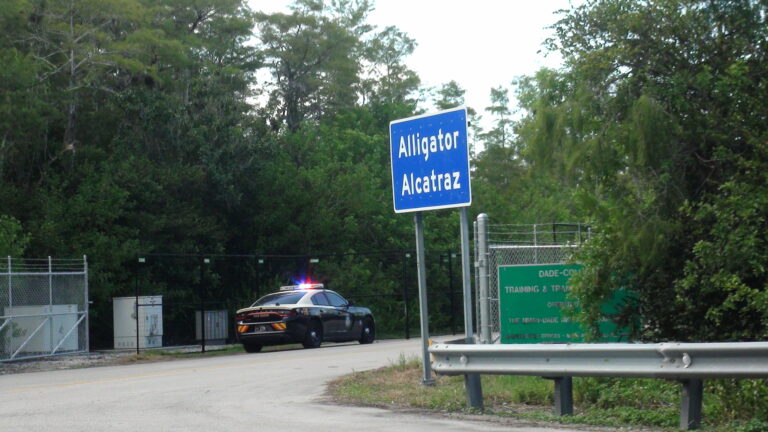
What’s Next for Alligator Alcatraz?

0

Key takeaways:

  • DHS secured a temporary pause on the shutdown of Alligator Alcatraz.
  • An appeals court blocked the lower court’s 60-day closure order.
  • Environmental rules were bypassed to build the 5,000-bed facility in eight days.
  • The center sits on a former airport in the Florida Everglades.
  • Debate grows over border security, environmental law, and judicial power.

Alligator Alcatraz Gets a Reprieve After Court Injunction

The Department of Homeland Security celebrated a major win when the U.S. Court of Appeals for the 11th Circuit paused the shutdown of Alligator Alcatraz. This detention center, nicknamed for its isolated location in the Florida Everglades, had drawn fierce criticism over legal and environmental concerns. Now, DHS can keep the facility open while courts sort out the case.

Why the Courts Stepped In to Block Closure of Alligator Alcatraz

The fight began when a lower court found that the Trump administration ignored environmental laws to build Alligator Alcatraz in just eight days. That ruling ordered the facility closed within 60 days. However, DHS appealed, and the 11th Circuit issued a temporary injunction. This pause means the shutdown must wait until the appeal process finishes.

What DHS Says About Alligator Alcatraz

DHS called the appeals court decision a “huge victory.” On its official social post, the department claimed the order protects “the rule of law and common sense.” Secretary Kristi Noem, a vocal supporter, said she remains “all in” on Alligator Alcatraz to help enforce immigration policies. DHS insists critics care more about open borders than public safety or legal enforcement.

How the Facility Impacted Environment and Law

When officials built Alligator Alcatraz, they converted an old airport into a 5,000-bed detention center. They did it fast, in just over a week. Yet the rush raised alarms. The Everglades is home to fragile wetlands and protected species. Therefore, environmental groups sued, arguing that filling wetlands violated federal law. Meanwhile, judges weighed the legal battle between immigration enforcement and environmental rules.

What Could Happen Next to Alligator Alcatraz

First, the 11th Circuit will review the lower court’s decision to close the detention center. If the appeals court sides with DHS, Alligator Alcatraz could stay open indefinitely. Alternatively, if the injunction is lifted, the facility will have to shut down in 60 days. Finally, the judges might also demand stronger environmental reviews before it reopens or before other sites get similar treatment.

Public Reaction to Alligator Alcatraz Dispute

Communities in the Everglades region are split. Some residents welcome the jobs and security the center brings. Others worry about water quality, wildlife disruption, and a growing prison complex in their backyard. Environmental groups vow to press on with legal challenges. Meanwhile, immigration activists call the facility cruel and unnecessary.

Why the Name Alligator Alcatraz Matters

People nicknamed the site Alligator Alcatraz for a reason. Like the famous prison, it sits in a remote spot surrounded by swamps instead of seawater. This isolation makes escapes risky, they say. However, the nickname also highlights the facility’s harsh conditions and impact on a sensitive ecosystem. As the legal fight continues, the name keeps the debate in the public eye.

What This Means for Future Detention Centers

The case could set a major precedent. If DHS wins, the administration may feel emboldened to fast-track other detention sites without full environmental reviews. On the other hand, an environmental victory could force stricter standards nationwide. Either way, courts will play a big role in balancing border policy and conservation laws.

How the Appeal Process Works

In appeals court, judges focus on legal procedure and precedent. They ask whether the lower court correctly applied environmental laws. They also consider whether DHS violated clear rules or found proper exemptions. During this time, Alligator Alcatraz stays open. Then the court issues a final ruling or sends the case back for more fact-finding. That step could extend the dispute for months or years.

The Human Side of Alligator Alcatraz

Beyond laws and politics, people inside the center face uncertainty. Detainees and staff wonder if they will move or lose jobs. Families of migrants worry about long stays in a remote facility. Local workers rely on the center for income. Therefore, community leaders urge a quick resolution to reduce stress and disruption.

What Stakeholders Are Saying

Department of Homeland Security
“We’re thrilled by this decision,” said a DHS spokesperson. “It shows courts respect legal procedure and common sense.”

Environmental Advocates
“This facility endangers a vital ecosystem,” argued a leading conservation group. “We will continue fighting to protect the Everglades.”

Immigrant Rights Groups
“Alligator Alcatraz represents cruelty and isolation,” said an activist. “We oppose any expansion of this remote detention model.”

Local Officials
Opinions vary. Some city leaders praise the jobs Alligator Alcatraz brings. Others warn about long-term environmental damage and community costs.

Five Factors to Watch in the Alligator Alcatraz Case

1. Appeals court schedule and deadlines
2. Potential reopening of environmental reviews
3. DHS plans for alternative detention sites
4. Political pressure from elected officials
5. Public protests and community actions

Because the case touches security, law, and nature, each factor could tip the balance. Observers will watch how judges weigh these competing interests.

What Happens if Alligator Alcatraz Closes

Should the injunction fail, DHS must clear out 5,000 beds in 60 days. Detainees would transfer to other centers. Local economies might suffer from job losses. Meanwhile, environmental groups would celebrate a win for wetlands protection. Yet border security debates would soon shift to finding new detention space.

What Happens if Alligator Alcatraz Stays Open

If DHS wins the appeal, the center remains active while the case goes on. That outcome likely encourages more rapid builds in other border states. Critics fear a pattern where environmental laws take a back seat to policy goals. Moreover, communities may push back harder at future sites once they see Alligator Alcatraz set the tone.

Moving Forward with Alligator Alcatraz

As the legal battle unfolds, both sides prepare for long haul efforts. DHS readies its legal team and resources. Environmental groups plan appeals and scientific reports. Lawmakers may draft bills to clarify or change rules. In the end, the fate of Alligator Alcatraz could reshape U.S. immigration and conservation policy for years.

Frequently Asked Questions

What exactly is Alligator Alcatraz?

Alligator Alcatraz is a 5,000-bed detention center built on a former airport in the Florida Everglades. Officials designed it to hold migrants under immigration policies.

Why did the lower court order Alligator Alcatraz closed?

The court found that DHS ignored environmental regulations when building the facility in eight days. Judges said the rapid build violated laws meant to protect wetlands.

How long will Alligator Alcatraz stay open now?

The appeals court issued a temporary injunction, so the center stays open until the higher court decides the case. That process could take months or more.

Could Alligator Alcatraz reopen if it closes?

It might reopen if DHS secures proper environmental reviews or wins on appeal. However, further legal challenges could delay or stop any reopening.