52.3 F
San Francisco
Tuesday, April 7, 2026
Home Blog Page 55

Is Trump Health Failing? Podcast Raises Red Flags

0

Key Takeaways

  • A top columnist warned that parts of President Trump’s brain may not work properly.
  • David Rothkopf pointed to erratic moves like threats against Greenland and misreading a note.
  • Observers note bruised hands, swollen ankles, and nodding off as signs of decline.
  • Questions about Trump health are rising as he lashes out at media coverage.

Is Trump Health Failing?

A recent podcast episode has renewed worries about President Trump health. In a new interview on The Daily Beast Podcast, columnist David Rothkopf flagged what he sees as clear warning signs. He listed strange orders, threats, and a personal misstep that point to slipping mental sharpness. Moreover, physical issues add to the concern. As more people watch closely, the debate over Trump health has taken center stage in political news.

What Rothkopf Said About Trump Health

On Monday’s show, Rothkopf discussed several odd moves by the president over the past weeks. He mentioned how Trump sent extra immigration agents onto city streets. He also threatened to invade and take over Greenland. Then the president ordered an investigation into Federal Reserve Chairman Jerome Powell over a building renovation.

However, one example stood out to Rothkopf as the clearest sign of decline in Trump health. On True Social, Trump declared himself the acting president of Venezuela. Rothkopf called that claim “cuckoo.” But the moment he found most telling came when Secretary of State Marco Rubio handed Trump a folded note. Trump opened it and read aloud, “Go back to the guy from Chevron.” Rothkopf said those words came straight off the paper. He concluded, “Those parts of his brain just aren’t working anymore.”

Other Signs of Concern

Beyond mental missteps, people have noticed physical signs that fuel questions about Trump health. Reporters have seen the president with bruised hands and swollen ankles. Cameras caught him nodding off during an Oval Office event. On top of that, Trump sometimes struggles to pronounce simple words.

Moreover, aides worry the president tires easily. He often takes long breaks during meetings. At times, he seems confused by basic details. For example, he mixed up names and dates in recent speeches. Together, these issues suggest both body and mind may be under stress.

Responses and Reactions

Unsurprisingly, Trump lashed out at The New York Times and other outlets for reporting on these issues. He called some stories “fake news” and said they smear his reputation. His supporters say critics only want to weaken him. They point out he still manages daily briefings and signs executive orders.

At the same time, some medical experts say it is normal for a leader in his late 70s to slow down. However, they stress the importance of transparency about any serious health problems. Without clear updates, rumors will only grow. Thus, calls for releasing medical records have become louder.

What This Means for the Presidency

If questions about Trump health continue, they could affect his power and public trust. Polls show many voters worry about a president who might not be fully sharp. Opponents say a leader must stay mentally and physically fit for tough decisions.

In addition, other world leaders could lose confidence if they sense weakness. Foreign rivals might test U.S. resolve. Allies might hesitate on key partnerships. Therefore, clear proof of fitness could ease tensions at home and abroad.

Finally, the issue could shape the next election. Voters often consider a candidate’s health before casting ballots. A transparent health report might reassure some. But any hint of a cover-up could backfire.

Looking Ahead

As Trump health questions swirl, the public waits for more answers. Will the White House release a detailed medical report? Will Trump address Rothkopf’s claims directly? On top of that, will aides step in to manage his schedule and public image?

With debates heating up, one fact remains clear: people are watching every move. In our digital age, no slip goes unnoticed. Therefore, President Trump faces intense scrutiny over both mind and body. Ultimately, his ability to lead hinges on proving he has the full mental and physical capacity for the job.

FAQs

What did David Rothkopf claim during the podcast?

He said President Trump misread a note aloud and made bizarre statements. This, he argued, shows parts of Trump’s brain may not work well.

Has President Trump responded to these health concerns?

He has criticized media coverage as false. He denies any serious health issues and calls such stories “fake news.”

What other signs have raised questions about Trump health?

Observers have noted bruised hands, swollen ankles, nodding off in meetings, and occasional confusion in speeches.

Why does this debate over Trump health matter?

A president needs full mental and physical fitness to make critical decisions. Public trust and international confidence depend on proof of that fitness.

Are Immigration Agents Going Too Far in Minneapolis?

Key takeaways:

  • Videos reveal immigration agents confronting and harassing people at the Minneapolis airport.
  • Ex-GOP speechwriter Tim Miller described the scenes as “horrifying” and “third-world country” tactics.
  • The incidents follow the killing of Minneapolis resident Renee Good during an immigration raid.
  • Public outrage and protests are growing nationwide.
  • Calls for Department of Homeland Security Secretary Kristi Noem to step down are intensifying.

Immigration Agents Shock Residents with Harassment

Citizens and journalists have recorded multiple incidents involving immigration agents in Minneapolis. In one clip, a Customs and Border Protection officer stops an Uber driver at the airport. The driver’s only “offense” seems to be his accent. Soon after, more videos surface of agents using force on protesters. These scenes began piling up after a 37-year-old U.S. citizen, Renee Good, died during a recent raid.

Tim Miller, host of The Bulwark Podcast and former GOP speechwriter, spoke out on Monday night. He called the footage “just horrifying scenes of confrontations” between everyday people and immigration agents. Later, he warned that the situation is “a powder keg” likely to spark even worse clashes. Miller’s comments have drawn fresh attention to the Trump administration’s hard-line immigration policy.

More Videos Show Immigration Agents’ Aggression

Since Renee Good’s death, videos seem to emerge nonstop. In one, a masked agent shoves a protester holding a sign. In another, travelers at the airport back away as agents shout orders. Still another shows a woman crying after an agent demands her ID. Each clip highlights tension and fear, as well as questions about oversight and accountability.

In response, social media platforms have lit up with disgust and anger. Many users express disbelief that such scenes could happen in an American city. Meanwhile, local community groups plan more protests at the airport and city hall. They demand justice for Renee Good and stricter rules on immigration agents’ conduct.

Why This Matters

For many, these videos symbolize deeper issues in U.S. immigration policy. First, they raise concerns about racial profiling and unchecked power. Second, they fuel fears that immigration enforcement can spiral into brutality. Finally, they spotlight a lack of transparency in federal operations.

Moreover, the death of a U.S. citizen during a raid has added urgency to calls for change. Critics argue that agents need clearer rules on when and how to use force. They also want better training in de-escalation and cultural sensitivity. Without such reforms, trust between communities and law enforcement will only erode further.

Voices Calling for Noem’s Resignation

After Renee Good’s death, demonstrations swept across the nation. Protesters demand that Department of Homeland Security Secretary Kristi Noem resign or face impeachment. They accuse her of overseeing a policy that allows harassment and violence. In turn, supporters of the administration insist that strong enforcement is vital to national security.

Amid the uproar, some lawmakers have asked for hearings. They want to question Noem about her directives and the rules agents follow. Others propose bills to limit aggressive raids in residential areas. As the debate intensifies, Minnesotans and citizens in other states watch closely.

What Comes Next

Naturally, the big question is how officials will respond. Will the Department of Homeland Security impose new guidelines on immigration agents? Will Congress push through legislation to curb aggressive tactics? And will local leaders demand stricter oversight of federal officers on city streets?

For now, protests continue and more footage appears each day. Journalists and citizens film interactions to ensure the world sees what happens in Minneapolis. Meanwhile, community groups offer support to those who feel targeted. They provide legal aid and organize peaceful marches to keep pressure on decision makers.

Ultimately, the fate of those calls for reform may hinge on public opinion. If outrage remains high, officials will have little choice but to act. Yet if attention fades, aggressive raids could return in full force. As one local organizer put it, “We have to stay loud so that justice doesn’t die.”

Frequently Asked Questions

Why are immigration agents in Minneapolis drawing so much criticism?

Videos show agents confronting and even pushing people during roadside stops, airport checks, and protests. Many view this behavior as excessive and unjustified, especially after a U.S. citizen died in a raid.

Who is Tim Miller and why did his reaction matter?

Tim Miller is the host of The Bulwark Podcast and a former GOP speechwriter. His public condemnation of the videos added weight to the protests and increased national attention on immigration raids.

What changes are protesters demanding?

Protesters want clearer limits on the use of force, better training for agents, and full transparency in law enforcement operations. They also call for the resignation of DHS Secretary Kristi Noem.

How can the public stay informed about these incidents?

Citizens can follow local news outlets, check social media for firsthand videos, and attend community forums or town halls. Staying involved in local government meetings can also help bring about policy changes.

Hobbs Slams Emergency Funding Denial for Arizona Floods

0

Key takeaways:

  • Governor Katie Hobbs sharply criticized the Trump administration’s emergency funding denial for flood-hit Arizona.
  • Globe-Miami’s monsoon last year killed three people and damaged businesses.
  • FEMA stated the damage was “not beyond” state and local capacity.
  • New federal rules tie disaster aid to immigration-related population counts.
  • Hobbs vowed to keep fighting for fair support for Arizonans.

Emergency funding denial sparks criticism

Governor Katie Hobbs used her state of the state address to condemn a recent emergency funding denial. Last year’s monsoon in Globe-Miami caused deadly floods and heavy damage. However, federal officials said the state could handle the cleanup. Hobbs called that decision incomprehensible. She urged immediate help for families whose homes and jobs washed away.

Background on the Globe-Miami floods

During last summer’s monsoon season, intense storms hit Globe-Miami hard. Floodwaters swept through streets and businesses. Three lives were lost. Countless families saw their homes flood and their livelihoods suffer. Local officials declared a disaster and applied for federal relief. They hoped to rebuild what the monsoon destroyed.

Leaders question emergency funding decision

Despite clear damage, FEMA denied the request for emergency funding. The agency said the floods did not exceed state or local resources. In her speech, Hobbs called that ruling “incomprehensible.” She said families have had their lives shaken and livelihoods destroyed. Moreover, she noted that these are our fellow Americans who deserve swift support.

Federal policy shifts and legal battles

Under the current administration, federal rules for disaster aid have tightened. FEMA now requires cities to use population figures that exclude people in immigration proceedings. Twelve states, including Arizona, have sued the federal government. They argue the rule change is illegal. As a result, emergency funding decisions now face legal challenge, delaying relief.

Flood impact on local families

For many residents, the denial feels like a blow. Small business owners still repair broken windows and torn roofs. Renters struggle to find affordable homes. Meanwhile, families wonder how they will pay bills. Hobbs emphasized that blood, sweat, and tears went into building these livelihoods. Therefore, she asked how the federal government could turn its back.

Why emergency funding matters

Emergency funding helps communities recover faster. It pays for debris removal, road repairs, and temporary shelters. Without it, states must stretch thin budgets or raise local taxes. Consequently, recovery slows and communities suffer longer. In Arizona’s desert towns, even short delays leave lasting scars.

Governor Hobbs’s call to action

During her address, Hobbs demanded that federal officials reverse the denial. She urged Congress to ensure disaster aid for devastated areas. Furthermore, she promised to work with state and local leaders to fill funding gaps. Hobbs asked Arizonans to stand united and support those still rebuilding.

What comes next for Globe-Miami

State officials will submit a new application for emergency funding. They plan to document every damaged road, home, and business. At the same time, legal teams push the lawsuit against federal population rules. If they win, more aid may flow faster. However, if the courts delay, families wait longer for help.

Community efforts and volunteer relief

While waiting for federal funds, local groups have stepped up. Nonprofits and neighbors clean debris and repair roofs. Churches offer meals and donation drives. Volunteers from nearby towns pitch in. Their work provides hope and shows Arizona’s strong spirit.

Transition words strengthen the case

Moreover, stricter federal rules have broader impacts. Consequently, other states face similar funding denials. Meanwhile, lawmakers across the country watch this Arizona case closely. Thus, the outcome could shape future disaster relief policy.

The role of climate and extreme weather

Experts warn these monsoon storms may intensify with climate change. As a result, more communities could face severe flooding. Therefore, clear federal support systems become even more vital. Governor Hobbs highlighted the need to plan ahead. She said building resilience saves money and lives.

Keeping disaster relief fair

In her speech, Hobbs stressed fairness and unity. She reminded listeners that disasters do not discriminate. Thus, aid decisions must focus on need, not politics. She argued that every American deserves prompt help after a tragedy.

A call for bipartisan support

Hobbs urged leaders in Washington to set aside partisanship. She asked both parties to back stronger disaster relief funding. Moreover, she noted that disasters often hit rural and urban areas alike. Therefore, broad cooperation can protect all communities.

What this means for future disasters

If the denial stands, states may handle more cleanup themselves. That could force cuts to other programs like education or healthcare. On the other hand, successful legal challenges could limit federal overreach. Either way, the Arizona case sets a key precedent for emergency funding.

Conclusion

Governor Hobbs’s strong remarks shine a spotlight on the struggle of flood survivors. She made clear that families need help now, not later. With legal action and renewed applications underway, Globe-Miami hopes to secure the aid it deserves. Still, the debate over who pays for disasters continues to unfold at the federal level. In the end, communities need reliable, fair funding to rebuild stronger after every storm.

FAQs

What is emergency funding and why is it important?

Emergency funding provides quick financial help after disasters. It pays for cleanup, repairs, and temporary housing. Without it, states and towns may struggle to recover.

Why did FEMA deny Arizona’s relief request?

FEMA said the Globe-Miami floods did not exceed state and local response capacity. They argued that Arizona could cover the cleanup without federal aid.

How do new rules affect disaster assistance?

FEMA now excludes people in immigration proceedings from population counts. That lowers funding thresholds for some areas. Twelve states have sued, calling the rule illegal.

What steps can communities take while waiting on federal aid?

Local volunteers, nonprofits, and churches often fill gaps. They clean debris, provide meals, and offer temporary housing. Meanwhile, officials prepare stronger funding applications.

Trump Enforcers: The Trio Behind His Power

0


Key takeaways

  • Roy Cohn, Stephen Miller, and Emil Bove act as Trump enforcers.
  • They show strict loyalty to Donald Trump.
  • They bend or break rules to win.
  • Their style shows a pattern from past to present.

Donald Trump surrounds himself with loyal lieutenants. Three men stand out as modern Trump enforcers. Roy Cohn taught Trump to weaponize the law. Stephen Miller shaped harsh policies inside the White House. Emil Bove pushed Trump’s legal fights through the courts. Although from different eras, they share the same ruthless playbook. They bend or break rules to seize power. In fact, their approach shows how one leader shapes many followers. This article explores their history, methods, and impact.

Origins of Trump Enforcers

First, Roy Cohn rose in the 1950s. He served as chief counsel to Senator Joseph McCarthy. Cohn attacked anyone who questioned him. He treated truth as optional and loyalty as absolute. In New York, he became a top lawyer. Young Donald Trump saw Cohn’s fierce style. He learned to never apologize and always fight back.

Decades later, Stephen Miller joined Trump’s team. Miller pushed the most extreme immigration and foreign policies. He spoke harshly on camera. He delighted in provoking headlines. His goal was simple: use shock to control the news cycle. Many called him the face of Trump’s hard line.

Meanwhile, Emil Bove worked on Trump’s legal team. He defended Trump in court after court. He spun wild legal theories to block judges. He refused to back down, even under oath. Now he sits on the federal bench. Despite ethics concerns, he holds power over real cases.

Common Traits of Trump Enforcers

All three men share certain traits. First, they treat politics like a battle. They use the law as a weapon. Second, they value loyalty above all else. They protect their boss at any cost. Third, they fear no backlash. They expect hate and use it as proof of success. Finally, they show no remorse. They press on even when faced with ethics complaints or public outrage.

Moreover, each man learned from his predecessor. Cohn’s brutal tactics inspired Miller and Bove. Miller echoed Cohn’s “never back down” rule in policy debates. Bove took that rule into the courtroom. Together, they form a living chain of the Trump enforcer style.

Inside Trump Enforcers’ Ruthless Playbook

Their tactics follow a clear pattern. First, attack opponents from all sides. Next, deny any wrongdoing. Then, counterattack stronger than before. For example, Cohn would intimidate judges with threats. Miller would propose the harshest immigration plan. Bove would push dubious legal claims. Each strategy seeks to keep power tilted in Trump’s favor.

Furthermore, they exploit media and public opinion. They provoke outrage on purpose. They know that controversy drives headlines and rallies supporters. They spin every complaint into proof of a political attack. This constant drumbeat locks in their base and wears down critics over time.

Impact on Law and Policy

The work of these Trump enforcers has real consequences. Cohn weakened respect for legal norms in the 1950s. Miller helped to enact travel bans and family separation policies at the border. Bove’s tactics delayed verdicts and drenched courts in partisan fights. Now as a judge, he may continue to shape rulings in Trump’s favor. Their combined legacy is a judiciary and government that tolerate aggression over restraint.

As a result, ordinary citizens face stricter policies and a more combative legal system. This shift also undermines public trust in institutions. People start to believe that the law means whatever the powerful say it does. That outcome benefits those who wield the most influence and fear no limits.

Why Their Power Matters

Understanding these Trump enforcers helps explain today’s political climate. Their actions show how one leader can breed a network of ruthless allies. This network bends rules to win at all costs. When cruelty and legal force align, basic fairness suffers. Yet, their success reveals a simple truth: power often follows the path of least resistance. Those willing to break norms gain more influence.

Therefore, watching these enforcers gives insight into future battles over law and policy. Their style may spread beyond their circle. Other leaders could adopt similar tactics. If that happens, institutions meant to protect citizens could erode further.

Conclusion

In sum, Roy Cohn, Stephen Miller, and Emil Bove form a trio of Trump enforcers. They share a brutal loyalty and a talent for bending rules. From McCarthy’s hearings to today’s federal bench, their ruthless playbook stays intact. Their rise shows how a single leader can shape many followers. As citizens, knowing their methods is vital. It helps us see when power shifts from institutions to individuals.

Frequently Asked Questions

What makes these men “Trump enforcers”?

They use loyalty and aggression to serve Donald Trump. They bend rules, deny wrongdoing, and attack critics without fear.

Did Roy Cohn directly train Stephen Miller and Emil Bove?

Not personally. However, Miller and Bove followed the model Cohn set. They copied his tactics of intimidation and rule-breaking.

How did Emil Bove become a judge despite ethics concerns?

His appointment faced protests, but political support pushed his confirmation. Now his past tactics raise questions about his impartiality.

Could other leaders adopt the Trump enforcers’ playbook?

Yes. Their success shows that aggressive tactics can win power. Future figures might mimic their style, risking further harm to institutions.

Trump Says Civil Rights Act Unfair to White People

Key Takeaways

• President Trump said the Civil Rights Act was “unfair” to white people.
• His remarks sparked outrage over claims of a new “white backlash.”
• Critics argued the law still protects against discrimination.
• Social media users called the comments racist and entitled.

Trump’s Civil Rights Act Remark

President Donald Trump told a reporter that the landmark Civil Rights Act was “unfair in certain cases.” He claimed white Americans had been “very badly treated” by losing spots at colleges and universities. Many people viewed this as an attack on civil rights and affirmative action. Immediately, critics slammed his remarks as racist and out of touch with America’s history.

Why the Civil Rights Act Still Matters

The Civil Rights Act of 1964 ended legal segregation and discrimination. It guaranteed equal treatment in public spaces, schools, and jobs. Even today, it protects groups that face bias based on race, color, religion, sex, or national origin. Because of this law, millions of Americans gained access to better schools and workplaces. Without it, many barriers would still stand.

Reactions from Critics

Almost at once, social media exploded with anger. Many called Trump’s comments an example of old “white backlash” rhetoric. They said he ignored decades of racial violence and unfair laws against Black Americans. Meanwhile, civil rights leaders warned that downplaying the law’s importance could weaken future progress. Critics insisted that fairness means lifting everyone up, not rolling back protections.

Defenders and Supporters

On the other hand, some conservative voices cheered Trump’s words. They argued affirmative action can harm qualified white students. They said merit should be the only factor in college admissions. However, legal experts point out that affirmative action seeks balance, not unfair advantage. Moreover, the Civil Rights Act does not require quotas. It simply bans discrimination and encourages fair practices.

A Look at College Admissions

Colleges often consider race to build diverse classes. They believe students learn better from peers with different backgrounds. Yet some white applicants worry they face tougher competition. Trump’s view taps into that anxiety. In fact, a few lawsuits have challenged diversity policies. Still, courts have upheld legal use of race as one factor among many.

Legal Background of the Civil Rights Act

Signed into law by President Lyndon Johnson, the Civil Rights Act shaped modern America. It outlawed “Jim Crow” laws that kept Black and white people apart. It banned segregation in schools, buses, restaurants, and hotels. It also gave the federal government power to enforce equal treatment. Since then, courts have extended its reach to voting rights and workplace rules.

Why History Matters

By ignoring the law’s intent, Trump’s comments risk erasing key lessons. For over a century, Black Americans faced barriers to education, voting, and fair wages. Sharecropping and “separate but equal” kept many in poverty. Jim Crow violence punished any push for equality. The Civil Rights Act aimed to fix these injustices. To call it unfair misses that painful past.

Effects on the 2024 Election

Some see a strategy behind the remarks. They believe Trump wants to energize white voters who feel left behind. Campaigning on grievances can mobilize certain groups. Yet it can also alienate others. Polls show that young people and minorities disapprove of attacks on civil rights. Therefore, these comments may sharpen divides in the upcoming vote.

What Comes Next?

Trump’s comments put the Civil Rights Act back in the spotlight. Lawmakers from both parties have discussed reaffirming its protections. Some advocates want stronger rules on college admissions transparency. Others push for broader anti-discrimination measures in housing and voting. Ultimately, public pressure could shape new policies to protect all Americans.

A Call for Unity

In addition to policy debates, these remarks raise questions about national unity. Many argue that emphasizing shared goals can heal divisions. They suggest focusing on economic lift, health care, and safe communities. Meanwhile, educators work to teach accurate history in schools. Understanding where we came from can guide where we want to go.

Conclusion

In short, President Trump’s claim that the Civil Rights Act was unfair to white people sparked fierce backlash. Critics called it a revival of white grievance politics. Yet the law remains a cornerstone of equal rights in America. Its legacy shows how far the nation has come and why protections still matter. As the debate continues, the country faces a choice: build on past progress or risk undoing it.

Frequently Asked Questions

What exactly did President Trump say about the Civil Rights Act?

He said the law was “unfair in certain cases” because it limited slots at colleges and universities for white people.

Why did people react so strongly to his remarks?

Many saw his comments as ignoring the history of racial discrimination and reviving a sense of white grievance.

How does the Civil Rights Act protect individuals today?

It bars discrimination in schools, workplaces, public facilities, and voting based on race, color, religion, sex, or national origin.

Could these comments affect future college admissions policies?

Possibly. Lawmakers and courts may revisit affirmative action rules, but the core protections of the Civil Rights Act remain in place.

Why the Powell Investigation Is Rattling the Fed

0


Key takeaways:

  • Federal Reserve chair Jerome Powell denies wrongdoing amid a major probe.
  • The Powell investigation centers on alleged cost overruns and misleading testimony.
  • U.S. Attorney Jeanine Pirro says no indictment decision yet and blames Powell’s team.
  • Critics warn this investigation could harm Fed independence and sound monetary policy.

Powell investigation shakes faith in the Fed

Over the weekend, news broke of a criminal inquiry into Federal Reserve chair Jerome Powell. The so-called Powell investigation sparked shock waves across Washington. Many lawmakers and even some White House officials fear President Trump is threatening central bank independence. Meanwhile, Powell strongly denies any misconduct and accuses the administration of pressure. Now, U.S. Attorney Jeanine Pirro has weighed in to clarify why her office opened the probe and what comes next.

The Powell investigation: What happened?

Last week, Trump administration officials claimed Powell lied to Congress about a costly renovation at Fed headquarters. They said he underplayed the true expense of modernizing the Washington building. As a result, the Justice Department quietly began reviewing whether Powell committed crimes. This Powell investigation hit the headlines after a media report described potential criminal charges.

In response, Republican lawmakers voiced alarm. They argued the president is overreaching. Even some senior administration staff worry the inquiry could look political. They fear that it sends a message: the Fed must follow the White House on interest rates or face legal action.

Powell pushes back on allegations

Instead of staying silent, Powell spoke out quickly. He released a statement underscoring his respect for the rule of law. At the same time, he made clear this is an unprecedented move against the central bank’s leader. He said the threat of criminal charges stems from the Fed setting interest rates based on data, not on presidential wishes.

In his remarks, Powell stressed that no one is above the law, including a Fed chair. However, he warned that legal threats risk politicizing monetary policy. Consequently, he accused the president of trying to strong-arm the Fed to favor lower interest rates before the election.

Attorney Pirro responds to the probe

On Monday evening, U.S. Attorney Jeanine Pirro published her own statement on social media. She insisted that no final decision to charge Powell has been made. Instead, she blamed Powell’s team for ignoring requests from her office.

Pirro wrote that her staff contacted the Fed multiple times to discuss the cost overruns and congressional testimony. Yet, they received no response. Therefore, her office felt it had no choice but to use legal process to gather information. She said this was not a threat, but a necessary step when voluntary cooperation fails.

Moreover, Pirro pointed out that the word “indictment” came from Powell himself. Nobody else used that language. She added that her office acts on merit alone and expects the Fed to cooperate fully. In closing, she reiterated that no one is above the law.

What the Powell investigation means for Fed policy

This unfolding saga raises big questions about the Fed’s future. Historically, central banks operate free from political sway. They aim to manage inflation and support steady growth. Yet now, critics worry the Powell investigation sets a dangerous example.

First, the inquiry could undermine public confidence in monetary policy. If markets believe Fed decisions are at risk of legal reprisals, prices might swing wildly. In addition, Fed staff could become reluctant to speak honestly to Congress. They may fear their words could lead to criminal probes.

Second, the Powell investigation might chill the Fed’s ability to act swiftly in a crisis. For instance, during a downturn, the Fed needs to adjust rates fast. But if leaders worry about possible charges, they may delay vital steps.

Finally, this probe could deepen political divisions in Congress. Lawmakers will debate whether the Justice Department overstepped boundaries. Some will push for hearings to defend the Fed’s independence. Others will back the inquiry as necessary oversight.

Consequently, the Powell investigation could reshape how the central bank and the White House interact. Many experts will watch closely for signs of direct interference in future rate decisions.

Next steps in the Powell investigation

So what comes next? First, Pirro’s team will likely issue subpoenas to gather documents and sworn testimony. Meanwhile, Powell and his lawyers must decide whether to challenge those subpoenas in court. They may argue that internal Fed records enjoy legal protections.

Next, Congress may schedule oversight hearings. Chair Powell already faces regular testimony before lawmakers. However, this time he will confront questions about the criminal inquiry itself. Senators and representatives from both parties will press him on why the Fed did not respond sooner to the Justice Department.

Additionally, the White House will weigh its options. Trump must decide whether to back down or press for a public showdown. His choice could influence Republican support in Congress and public opinion.

Finally, financial markets will react to each new development. Should the probe drag on, investors may grow uneasy about possible Fed distractions. That could push up bond yields and stock volatility.

In any case, the Powell investigation will remain in the headlines for weeks. Both the Fed and the Justice Department have a lot at stake. Ultimately, the episode will test the balance between oversight and central bank independence.

FAQs

What is the main focus of the Powell investigation?

The Powell investigation centers on alleged cost overruns and misleading congressional testimony about a major renovation at Fed headquarters.

Has any formal charge been filed against Jerome Powell?

No formal charge has been filed yet. U.S. Attorney Jeanine Pirro says her office has not decided on an indictment.

Why did Jeanine Pirro blame Powell’s team?

Pirro said Fed officials ignored multiple requests for information, forcing her office to use legal process to gather facts.

Could this probe affect Fed independence?

Many experts warn that legal threats may politicize policy decisions and weaken the Fed’s ability to act without pressure.

What might happen in Congress next?

Lawmakers could hold hearings on the probe, debate limits on Justice Department authority, and defend or challenge central bank autonomy.

DOJ Resignations Rock Justice Department

0

Key Takeaways:

  • At least four senior officials in the Civil Rights Division resigned together.
  • They left to protest a decision not to investigate an ICE officer’s fatal shooting.
  • Leaders refused to open an inquiry into Renee Good’s death in Minneapolis.
  • These DOJ resignations are the biggest departures under the current leadership.
  • The move raises alarms about accountability in civil rights enforcement.

DOJ Resignations Highlight Civil Rights Tensions

Several top lawyers in the Civil Rights Division chose to quit. These DOJ resignations followed a key decision on a deadly shooting. An ICE officer shot and killed 37-year-old Renee Good in Minneapolis. Civil rights experts said the department must investigate such uses of force. When leadership refused, frustration grew and officials walked away.

What Led to the DOJ Resignations?

Last week, the assistant attorney general for civil rights said her office would not probe the ICE officer’s actions. She also shared a social media post warning protesters not to ram immigration agents. Many lawyers in the unit felt this showed bias in favor of the officer. Video evidence, however, showed Good’s car was not moving toward him when he was shot. Critics argued that shutting down an inquiry ignored core civil rights duties.

Investigating officers who use deadly force has long been a top job of the Civil Rights Division. Prosecutors there are trained experts in spotting policy failures and unlawful actions. When leadership declined to open the case, four of the division’s senior criminal lawyers resigned in protest. Their exit sent a strong signal about the importance of impartial investigations.

Inside the DOJ Resignations

The wave of departures included the chief of the criminal section, the principal deputy chief, the deputy chief, and the acting deputy chief. All four held key roles overseeing cases from start to finish. Their mass exit marks the most significant Justice Department walkout since February. Then, five leaders from another section quit over a directive to drop a bribery case. Together, these events show rising tension over politics and policy at the DOJ.

One source close to the matter said the ICE shooting decision was not the only concern. Some officials also questioned other choices by division leadership. They felt certain orders defied policy and lacked legal basis. Facing these issues, they decided they could no longer serve under current management.

What Comes Next After DOJ Resignations?

These DOJ resignations leave the Civil Rights Division without crucial leaders. That gap could delay major investigations and slow case reviews. Filling these roles will be urgent to keep civil rights work on track. Meanwhile, the departures send a message: career lawyers value accountability above all.

Moreover, the resignations put the entire department under a microscope. Observers worry politics may steer key decisions. The Justice Department’s credibility rests on fair, independent inquiries. If people believe choices come from political pressure, trust will erode.

Broader Impact on the Justice Department

Beyond civil rights, the recent walkouts highlight deeper issues. They point to a pattern of conflict between career staff and appointed leaders. Earlier resignations over the bribery case also stemmed from pressure to change legal outcomes. Now, both episodes show a struggle over how much influence politics should have in legal work.

Public confidence in the DOJ depends on its perceived neutrality. When high-ranking lawyers step down, the public takes note. It questions whether one law applies to all or if some are above accountability. Rebuilding trust will require clear, consistent action from new leaders.

Why Accountability Matters

Civil rights enforcement exists to protect people from abuses of power. When an officer’s actions kill or hurt someone, an impartial probe must follow. This process ensures fairness and deters future wrongdoing. Skipping these steps risks more harm and community distrust.

In the ICE shooting case, video suggested the officer had no basis for deadly force. By forgoing an inquiry, leadership defied a long-held duty. Critics warn that ignoring these duties endangers rights nationwide. Families lose faith, and officers lose community support, making everyone less safe.

Moving Forward from the DOJ Resignations

As the Justice Department seeks new leaders, it must choose wisely. Appointees need to respect both the law and the career lawyers who handle day-to-day work. They must commit to open, thorough investigations in all cases. Transparency on why the department decides to act or not will help restore faith.

Some experts call for public reports detailing decision steps. Others urge stronger rules on how and when probes begin. These reforms could curb future conflicts and keep career staff on board. However, they will only work if leadership truly values independent inquiry.

A Call for Clear Leadership

The recent DOJ resignations mark a turning point. They remind the department that words alone cannot guarantee justice. Strong, principled leaders must back real investigations, even when cases prove unpopular. Otherwise, more officials may feel forced to leave on principle.

To move forward, the Justice Department must show it stands for accountability. It must prove that no one—inside or outside—can block a lawful inquiry. Only then can it heal the rift, rebuild trust, and protect civil rights as it was meant to do.

FAQs

What do the DOJ resignations mean for civil rights cases?

Without key leaders, case reviews may slow down. The division needs new chiefs to keep investigations on track.

Who resigned in protest?

The chief of the criminal section and three deputies all stepped down. They held top roles in the Civil Rights Division.

Why did they protest the ICE shooting decision?

They believed the office broke its duty by refusing to investigate deadly force. Video evidence suggested the officer acted without basis.

How can the Justice Department rebuild trust?

By appointing leaders who back full, impartial probes. Also, by sharing clear reasons for opening or closing investigations.

IWWG Official’s Secret X Account Sparks Conspiracy Storm

0

Key Takeaways:

  • A federal official linked to the IWWG ran a secret X account pushing conspiracy ideas.
  • The account claimed the Jan 6 pipe bomb plot was an inside job and attacked a DOJ prosecutor.
  • The IWWG aims to review alleged political weaponization by Biden-era officials.
  • Posts came from former Air Force officer Carolyn Rocco, who publicly signed her comments.
  • The episode raises concerns about blurring lines between official duty and personal views

IWWG Official’s Tweets Reveal Hidden Agenda

A member of the Interagency Weaponization Working Group used a pseudonymous X account to spread bold claims. The account insisted the attempted Jan 6 pipe bombing was orchestrated from within. It also shared a video of a pro-Trump activist accusing a lead prosecutor of “covering up the fed-surrection.” By tagging high-profile figures like former Attorney General Pam Bondi, the post urged them to clean house rather than watch cable news.

How the IWWG Official Spread Conspiracy Theories

Behind the handle @Krow121812, the account shared an interview with Enrique Tarrio. He’s the former Proud Boys leader pardoned by Trump after a seditious conspiracy conviction. In that clip, Tarrio said a top Justice Department lawyer tried to pressure him into implicating Trump. Reuters later reported that prosecutors did offer leniency in exchange for evidence tying Trump to Jan 6. The post mocked the DOJ, suggesting insiders were hiding the real plot against Trump supporters.

Who is Carolyn Rocco

Carolyn Rocco worked as an Air Force officer at the Office of the Director of National Intelligence. She openly thanked Defense Secretary Pete Hegseth in September for reinstating unvaccinated troops. She even signed that tweet as Lt. Col. Carolyn Rocco. In another post, she confirmed her ODNI role by thanking Director Tulsi Gabbard for leading oath-taking ceremonies. These public clues quickly revealed her as the mind behind the account.

Attacks on a DOJ Prosecutor

Much of the secret account’s ire targeted Jocelyn Ballantine, deputy chief of the DOJ National Security Section. She led the Proud Boys prosecution and oversaw Michael Flynn’s case. Trump supporters have repeatedly blamed her for harsh treatment of Jan 6 defendants. The X account reshared a video of far-right provocateur Ivan Raiklin stalking Ballantine outside court. He shouted that she would not keep her job without his intervention, calling her role in Jan 6 a cover-up.

Why the IWWG Matters

The Interagency Weaponization Working Group began last April to review claims of government power used for political ends. Its members include officials from the ODNI, CIA, FBI, DOJ, and other agencies. According to a spokesperson, the IWWG just collects facts and evidence on possible illegal weaponization. Critics worry it may instead serve to advance Trump’s “drive for retribution” against perceived enemies.

Blurring Lines Between Work and Personal Views

When a high-level official spreads conspiracy theories online, it challenges public trust in impartial justice. The secret account’s posts attacked both the DOJ and FBI for their handling of the pipe bomb case. They accused law enforcement of staging the plot to smear Trump’s base. This mix of personal belief and public role risks undermining faith in federal institutions.

Other Actions by the Account

Earlier, the account joined a group of right-wing figures pledging to court-martial Biden-era leaders over COVID-19 mandates. It appeared on a podcast hosted by an election denier. It also attacked Dr. Terry Adirim, a military health advisor, accusing her of “genocide” for vaccine rules. After she moved to a CIA role, she sued the agency for defamation and due process violations. Her proposed lawsuit may add the IWWG and Rocco as defendants.

The Impact Going Forward

This case raises tough questions. Can officials use secret social accounts to push wild claims? Will the IWWG face limits to keep bias out of its work? So far, the ODNI says the account did not act on behalf of the group. It also says it won’t seek any dismissals. Yet the public now sees how quickly personal views can erode confidence in justice.

Ultimately, citizens must wonder whether their leaders work for truth or revenge. These hidden X posts by a top IWWG official show how online words can shape trust in government. They serve as a warning that social media and official duty must stay clearly separated.

FAQs

Who is Carolyn Rocco?

She’s a former Air Force officer at the Office of the Director of National Intelligence. She served on the Interagency Weaponization Working Group and ran the secret X account.

What does the IWWG do?

The IWWG, or Interagency Weaponization Working Group, reviews claims that government power was misused for political attacks. It gathers evidence from many federal agencies.

What conspiracy theories did the X account push?

The account claimed the Jan 6 pipe bomb attempt was an inside job. It also accused a DOJ prosecutor of covering up that plot.

Could this change rules for officials on social media?

Possibly. The controversy may lead agencies to tighten guidelines on how officials use personal accounts to share opinions about ongoing cases.

How did the ODNI respond?

The ODNI says the official did not post on behalf of the IWWG and that it has no plans to remove any members over these social media posts.

Could a Stock Market Crash Hit Under Trump’s Policies?

0

Key Takeaways:

  • Experts warn a stock market crash could be coming soon.
  • Trump’s policies have both positive and negative effects on markets.
  • Continued political chaos raises the chance of a sudden crash.
  • AI innovations may boost growth but can’t cancel out all risks.

Stock Market Crash Fears Grow

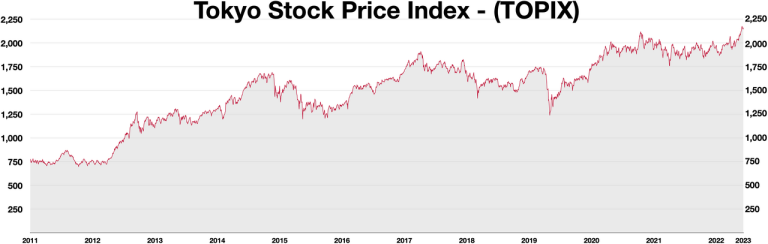
An economic expert has warned that a stock market crash might be on the horizon. Bloomberg economics columnist Clive Crook says the Trump administration’s chaotic approach raises serious risks. Despite record highs, markets have not fully embraced every policy move. Indeed, tariffs and political turmoil cast doubt on long-term gains. So even if profits hold now, the chance of a sudden crash grows over time.

What Drives a Stock Market Crash?

A stock market crash usually follows sudden panic or big negative news. First, abrupt policy shifts can shock traders and investors. Next, unresolved trade wars can hit company profits and exports. Moreover, rising interest rates make borrowing costlier for both businesses and consumers. In addition, unexpected political events can spook the market in an instant. Therefore, when too many negatives pile up, markets may tumble without warning.

Policy Shifts and Their Impact

Trump’s administration has pushed lower corporate taxes and broad deregulation. On one hand, these moves fuel economic growth through higher profits. On the other hand, they come with trade tensions and unpredictable budgets. For example, tariffs on imports can drive up costs for U.S. companies and consumers. Meanwhile, large deficits may force the Federal Reserve to adjust monetary policy. Consequently, investors find it hard to judge the true value of stocks. This mix of pros and cons makes the risk of a sudden crash more real.

The Role of AI in Market Growth

In many ways, AI innovation offers a bright spot for long-term growth. Companies are racing to use artificial intelligence to boost productivity. As a result, software, robotics, and data analysis may lift earnings for years. However, even AI can’t erase political or policy dangers overnight. While investors bet on tech breakthroughs, they still watch tariffs and budget moves. Thus, hopes for AI gains help markets but do not eliminate crash risks entirely.

Chaos and Market Volatility

Chaos seems to be part of the administration’s playbook. Frequent policy surprises and sudden tweets unsettle global markets. Therefore, investors often react with cautious or knee-jerk moves. Sometimes, markets swoop down on bad news only to recover later. Yet each bout of volatility chips away at confidence. Over time, that fragile mood can sharpen the odds of a full-blown stock market crash.

Balancing Hopes and Risks

On balance, the markets have done remarkably well so far. Traders cheer tax cuts and lighter rules for banks or energy firms. Still, that enthusiasm alone does not guarantee continued growth. In fact, Crook stresses that lingering negatives remain significant. Political fights at home, tensions abroad, and budget deficits all feed uncertainty. Thus, even with pro-growth measures in place, the chance of a crash is rising.

How Investors Can Prepare

Investors do not need to panic, but preparation is wise. First, they might review their portfolios to check for overexposure to risk. Second, diversifying across sectors and asset types can soften shocks. Third, keeping some cash or safe bonds handy offers a buffer against sudden drops. In addition, long-term goals should guide decisions, not daily headlines. Lastly, following economic expert warnings helps keep plans on track.

Looking Ahead

No one can predict exactly when or if a stock market crash will arrive. Yet experts agree that stable policy and clear signals support healthy markets. Conversely, ongoing chaos may trigger faster declines and deeper losses. While optimism around AI and tax reforms persists, investors must stay alert. In the end, careful planning and awareness can ease the pain if markets suddenly tumble.

Frequently Asked Questions

What exactly is a stock market crash?

A stock market crash happens when share prices fall sharply over a short time. It usually results from panic, bad economic news, or policy shocks. Such drops can wipe out large parts of the market’s value within days or even hours.

How do Trump’s policies affect crash risk?

Lower taxes and fewer regulations boost profits and growth. However, tariffs and rising deficits can hurt companies and consumers. This mix of gains and losses creates uncertainty and raises the odds of a sudden market drop.

Can AI innovation prevent a crisis?

Artificial intelligence can drive long-term productivity and higher corporate earnings. Yet AI progress takes time and does not remove political or economic dangers. Therefore, AI helps but cannot fully protect markets from a crash.

What steps can investors take to reduce risk?

Investors should diversify across stocks, bonds, and other assets. Keeping some cash reserves or safe bonds offers protection if markets fall. They can also focus on long-term goals and avoid reacting to every headline.

DOJ Probe Threatens Fed Independence?

0

Key Takeaways

• The Justice Department opened a criminal probe into Fed Chair Jerome Powell, a first in history.
• Experts warn this move could weaken Fed independence and harm the economy.
• Independent central banks help keep prices stable and protect jobs without political influence.
• Attacks on central bank power have hurt countries like Turkey and Argentina.
• U.S. consumers risk higher inflation and fewer policy tools if the Fed loses its autonomy.

Why Fed Independence Matters Now

The Justice Department’s decision to investigate Federal Reserve chair Jerome Powell is historic. Never before has a Fed chair faced a criminal probe. Many worry this is a political move aimed at forcing the Fed to cut interest rates. Yet, central banks work best when they act without daily political pressure. Fed independence lets experts focus on data to control inflation and support jobs. Without it, the economy could face costly swings in prices and layoffs.

The DOJ’s Unprecedented Move

Earlier this summer, the Department of Justice said it would open a criminal investigation into Powell. He called it a “full-on assault” by the White House. President Trump has pushed for big rate cuts to boost short-term growth before elections. However, cutting rates too soon can spark rising prices later. By probing Powell, the administration may be testing how far it can push the Fed. This event puts Fed independence squarely in the spotlight.

Historical Pressure on Central Banks

Although this probe is new, past presidents have pressured the Fed. In the 1970s, President Nixon urged rate cuts amid high inflation and slow growth. Reagan also pushed for looser policy during economic downturns. Yet, those efforts stopped short of legal threats. Since then, lawmakers of both parties have supported a clear divide between politics and monetary policy. This bipartisan backing has kept the Fed free to meet its goals over time.

How DOJ Probe Can Weaken Fed Independence

Legal independence means the Fed can set rates without direct orders. In practice, it means Fed leaders follow data over politics. A criminal probe blurs that line. If Fed officials fear personal risk, they may bow to political wishes. As a result, monetary policy could become a tool for electoral gain. Investors and businesses might doubt the Fed’s commitment to fighting inflation. That doubt alone can drive up long-term borrowing costs and stall hiring.

Why Politicians Tempt to Influence Rates

Lower interest rates make loans cheaper. That can boost hiring and spending in the short term. Naturally, leaders want quick gains before elections. Nevertheless, people soon notice rising prices if rates stay too low. When inflation expectations rise, workers demand higher wages. Businesses then hike prices to cover costs. This cycle can spiral out of control. An independent Fed can avoid this trap by focusing on steady, medium-term outcomes.

Risks to American Consumers

The average family feels inflation at the grocery store or gas pump. When prices climb, incomes buy less each month. If the Fed cuts rates too soon, inflation could accelerate. Moreover, the Fed uses rate cuts as its main emergency tool. Using that tool prematurely leaves the Fed ill-equipped for a real crisis. For everyday people, this means fewer options to protect jobs and savings in a downturn.

Lessons from Other Countries

Attacks on central bank power are not unique to the U.S. In Turkey, political leaders have forced rate cuts to spur growth. The result was runaway inflation and a currency crash. Argentina faced similar woes when its central bank lost autonomy. Prices soared, and the economy slipped into recession. Venezuela offers the starkest warning: a politicized central bank drove hyperinflation and severe shortages. These examples show why strong democracies guard central bank independence.

The Future of Fed Independence

No one can predict how the DOJ probe will end. If Powell faces charges, the Fed’s authority could erode. Even threats of legal action can chill bold policy choices. The Fed might hesitate to raise rates to fight rising prices. Conversely, it may delay cuts when growth slows. Both outcomes risk greater economic swings.

What Consumers and Businesses Can Do

Stay informed about Fed decisions and their impact on interest rates. Consider how rising or falling rates affect mortgages, car loans, and savings accounts. Plan budgets to handle price changes. For businesses, build buffers to manage borrowing costs. Meanwhile, advocate for clear rules that protect Fed independence. Public support can help keep monetary policy focused on the long term, not election cycles.

Key Questions on the Fed’s Role

What happens if the Fed loses its legal shield?
Could political probes become a tool against future chairs?
How will markets react if investors doubt Fed independence?
Can Congress strengthen laws to protect the Fed?

FAQs

What is Fed independence?

Fed independence means the central bank sets interest rates and policy without daily political interference. It follows data and its mandate to control inflation and support jobs.

Why does a criminal probe matter?

A probe raises doubts about the Fed’s ability to act free from political pressure. Fear of legal action could make Fed leaders change policy to avoid conflicts.

How could this affect everyday people?

If the Fed can’t act boldly in a crisis, borrowing costs may stay high, inflation could surge, or job markets may weaken. Families might see prices rise or struggle to get loans.

Have other nations faced similar issues?

Yes. Countries like Turkey and Argentina suffered high inflation and economic instability when leaders overrode their central banks. These cases show why many democracies protect central bank autonomy.