59 F
San Francisco
Sunday, April 5, 2026
Home Blog Page 550

Did Marjorie Taylor Greene Hurt Trump with Epstein Bill?

0

Key takeaways:

  • Marjorie Taylor Greene joined a bipartisan push for the Epstein Files Transparency Bill.
  • The bill would force the White House to release all Jeffrey Epstein files.
  • Survivors of Epstein and Ghislaine Maxwell spoke at the news conference.
  • MAGA supporters called the move a smear on President Trump.
  • The backlash highlights growing tension in the GOP over Epstein’s legacy.

Why is Marjorie Taylor Greene in the Epstein Bill fight?

Marjorie Taylor Greene surprised many by showing up at a news conference on the Epstein Files Transparency Bill. This bill aims to make the White House hand over every file on Jeffrey Epstein. So far, the Trump administration has kept most of those files secret. President Trump has tried to distance himself from the Epstein scandal. Therefore, Greene’s appearance raised eyebrows among her fellow Republicans. She joined Democratic Rep. Ro Khanna and Republican Rep. Thomas Massie to push for more openness.

Also, several survivors of crimes linked to Epstein and Ghislaine Maxwell spoke at the event. They shared their stories and asked for more truth. By standing with them, Greene said she wanted justice for survivors. Yet, many in her party saw her move as an attack on Trump. They believed the timing and setting aimed to tie Trump to Epstein again. As a result, the MAGA base erupted in anger.

MAGA Backlash and Social Media Outcry

Right after the event, MAGA influencers and groups flooded social media with harsh words. They called Marjorie Taylor Greene a traitor. They argued she joined Democrats and a famous #MeToo lawyer to smear President Trump. Some posts even demanded her expulsion from Congress. Others used crude insults. One influencer said Greene used Trump to get ahead in her career. Then, when she lost Trump’s support for a Senate or governor run, she turned against him.

This anger showed how tightly the GOP base sticks to Trump. Even calling for file release was painted as an assault on him. Many felt any hint of Trump being linked to Epstein was off limits. Consequently, they saw Greene’s move as a step too far.

Greene’s Defense and Focus on Survivors

Despite the firestorm, Marjorie Taylor Greene stood her ground. She argued this fight is bigger than politics. She said survivors deserve the full truth. In her view, hiding files only protects the powerful. Therefore, she teamed up with colleagues across the aisle. Greene stressed that survivors’ voices must come first. Then, she pointed out that full disclosure can prevent future abuses.

Moreover, Greene noted that pushing transparency aligns with her past calls for open government. She said she has long demanded more access to classified files on other topics. Thus, this work on Epstein files seemed a natural extension of her efforts. She added that lawmakers must hold all institutions to the same standard.

Implications for the GOP and Trump Circle

This split reveals growing fault lines in the Republican Party. On one side sits the far-right MAGA faithful who see any criticism of Trump as betrayal. On the other side stands a smaller group willing to question the former president. Marjorie Taylor Greene now finds herself between those camps. Therefore, her move could inspire other Republicans to push for tougher oversight of Trump-era records.

However, the backlash also shows the power of Trump’s brand within the party. Many GOP members fear losing support if they challenge him. So far, nobody besides Greene has joined Khanna or Massie on the bill. That limits its reach in a GOP-controlled House. Yet, it also highlights that some members care more about principle than party loyalty.

In the days after the press conference, some moderate Republicans hinted at support for limited transparency. They said they might back a version of the bill that redacts sensitive national security details. At the same time, conservative hardliners warned that any cooperation with Democrats would cost them primary support. Thus, the Epstein Files bill has become a test of Republican unity and courage.

Looking Ahead for the Epstein Files Transparency Bill

The next step is a formal vote in the House Judiciary Committee. There, members will debate how much of the files should be public. Then, the full House could vote on the bill. If it passes, the White House would face a deadline to release the documents. Yet, the Trump administration could still fight the move in court.

Meanwhile, public pressure is growing. Several news outlets have uncovered alarming details in Epstein’s network. Some families of survivors have sent letters to Congress. They say more light on the case could help convict others involved. Therefore, if Greene and her allies keep pushing, the bill could gain momentum.

Moreover, the story may draw more Republicans out of Trump’s shadow. After all, many voters want answers about Epstein. They want to know why top officials kept files hidden. Hence, lawmakers might find support for a transparency measure that stops short of full disclosure. In contrast, a partisan fight could kill the bill before it reaches the floor.

Yet, Marjorie Taylor Greene’s bold move has at least sparked debate. It has forced her party to discuss a topic they preferred to ignore. Whether that leads to real change or just more arguments remains to be seen. For now, the Epstein Files Transparency Bill stands as a symbol of the clash between loyalty and truth in modern politics.

Frequently Asked Questions

What is the Epstein Files Transparency Bill?

It is a proposed law that would require the White House to release all documents related to Jeffrey Epstein’s case. The aim is to shed light on how top officials handled the investigation.

Why did Marjorie Taylor Greene join the effort?

Marjorie Taylor Greene said she wanted justice for survivors and believed in open government. She felt that revealing the files would help prevent future abuses.

How did MAGA supporters react?

Many MAGA influencers saw Greene’s move as an attack on President Trump. They called her a traitor and demanded her expulsion from Congress.

What could happen next with the bill?

The bill will face a committee vote before the full House considers it. If it passes, the White House might challenge it in court or negotiate redactions.

Could Lisa Cook Lose Her Fed Seat?

0

Key Takeaways:

  • Senators Mike Rounds and Thom Tillis refuse a confirmation hearing soon.
  • President Trump accused Fed Governor Lisa Cook of mortgage fraud.
  • Cook has sued to block her removal and denies wrongdoing.
  • The dispute risks fueling a partisan rift at the Federal Reserve.

Why Are Senators Holding Off on Lisa Cook’s Fate?

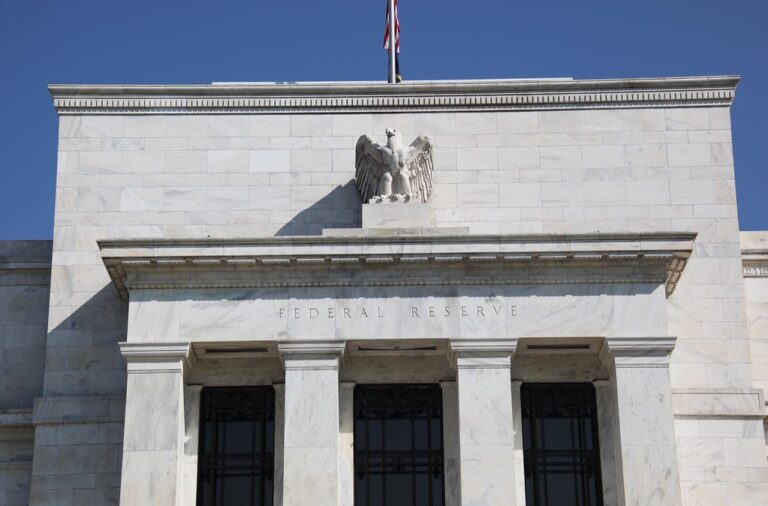
Senators Mike Rounds and Thom Tillis have hit pause on any hearing to replace Lisa Cook. They said they won’t act until Cook’s legal fight ends. Rounds, a member of the Banking Committee, pointed out that Cook still serves on the board. He noted she hasn’t had her day in court. Likewise, Tillis said he won’t consider a new nominee until the courts decide if Trump can fire her. In other words, they won’t schedule a hearing while Cook’s lawsuit is pending.

How the Mortgage Claim Could Impact Lisa Cook

President Trump’s team claimed Lisa Cook lied about her home status to get better mortgage terms. They said she listed two properties as primary residences. Then she told her lender a Cambridge condo was a second home. According to the administration, that move let her secure a cheaper loan. Later, they argued she reported it as an investment property to federal reports. However, Cook’s lawyer says none of this is new. He notes the Senate knew about the homes during her 2022 confirmation. He insists her record already faced full vetting back then. Moreover, he says no evidence ever showed fraud.

What Comes Next for the Federal Reserve

With Senators stalled, Lisa Cook remains on the board for now. The court will decide if the president can fire a Fed governor “for cause.” If the court rules against Cook, Trump could push for a hearing. On the other hand, if she wins, she stays in her post until her term ends. Meanwhile, the Fed may lack a full seven-member board. That could make votes on interest rates tighter. Markets might feel uneasy if the board splits along party lines. Many experts warn against letting political fights influence the Fed’s decisions.

Stephen Miran: The Other Nominee in Limbo

President Trump also wants to name Stephen Miran to the Fed board. Tillis said he has questions about Miran’s short stay. He asked if Trump has a longer plan for him. For example, will Miran fill a full term once another slot opens? Tillis admitted he needs more clarity before moving forward. Thus, both Cook’s case and Miran’s nomination could stall. In turn, the Fed may stay below its ideal member count for months.

Why This Matters

The Federal Reserve shapes interest rates that affect every part of life. Lower rates can make borrowing cheaper for families and businesses. Higher rates can cool down rising prices. If the board divides on party lines, it could slow Fed actions. Also, any delay in confirming a full roster may push decisions further into the future. Given how fast the economy can change, the Fed needs all voices heard. That is why many see a prompt resolution as vital to stability.

An Unusual Showdown

It is rare for a president to try ousting a Fed governor. Typically, governors serve fixed terms to shield them from politics. The U.S. central bank relies on bipartisan support to stay credible. By targeting Cook, Trump risks drawing the Fed into election fights. Rounds and Tillis worry that this could undermine its independence. Tillis even said he has no interest in moves that let the White House control the Fed. Instead, he wants the courts to spell out the rules on removal.

What’s at Stake for Lisa Cook

If the court sides with the administration, Cook could lose her job. Yet her term officially runs for years to come. Winning in court would let her finish that time without threat. Still, the drama may harm her ability to shape policy. Members might hesitate to work with someone under a removal cloud. Public confidence in her role could suffer, too. On the flip side, a victory could strengthen her standing. It would signal that Fed governors enjoy real job security.

The Path Forward

For now, Lisa Cook stays on the board. The courts will hear her case soon. Senators Rounds and Tillis have made clear they will not schedule a hearing until it ends. After the courts decide, the Senate may move quickly. Yet it might still wait, depending on political tides. In the meantime, the Fed must keep steering the economy with one member in limbo. Observers say this saga underscores the need for strong, independent monetary policy.

Frequently Asked Questions

What does a Fed governor do?

A Federal Reserve governor helps set policies on interest rates and banking rules. They vote on changes that affect loans, inflation, and the U.S. economy.

Why did Trump accuse Lisa Cook of mortgage fraud?

Trump’s team said Cook misrepresented property statuses to get better mortgage terms. They claim she labeled a condo as a second home but later reported it as an investment.

How long can Lisa Cook stay on the Fed board?

Cook’s term lasts several years unless removed “for cause.” Her lawsuit asks the court to decide if claims against her meet that standard.

Could this fight change how the Fed works?

Yes. If political leaders push too hard, it might erode the Fed’s independent role. Delays in confirming members can also slow key decisions on rates and financial rules.

Will Trump Send Federal Troops in Chicago?

0

Key takeaways:

  • President Trump has repeatedly threatened to send federal troops in Chicago to fight crime.
  • Governor J.B. Pritzker warned Trump to “do not come” and criticized his mental fitness.
  • Senator Ted Cruz attacked Pritzker’s crime policies and even mocked his weight.
  • Pritzker snapped back, referencing Cruz’s Cancun getaway during a Texas crisis.
  • Despite threats, Chicago’s crime rate has fallen, outpacing many states.

Will Trump Send Federal Troops in Chicago?

President Trump keeps insisting he may dispatch federal troops in Chicago. He argues that crime is out of control. Yet Chicago’s crime rate has actually dropped. In response, Governor J.B. Pritzker has told Trump to back off. Meanwhile, Senator Ted Cruz has jumped into the fray with his own barbs. This clash raises serious questions about politics, public safety, and the president’s power.

Why Are Federal Troops in Chicago Being Considered?

Trump says crime is shooting up and he needs to step in. He points to violent incidents and claims local leaders have failed. Therefore, he threatens to send federal troops in Chicago to restore order. This idea follows his decision to deploy troops in Washington, D.C., during protests. However, many critics note that crime in Chicago is down this year.

Moreover, other states that sent forces to help Trump in D.C. actually have higher crime rates at home. So the call for federal troops in Chicago seems driven more by politics than data. Residents wonder if soldiers and National Guard units will patrol their neighborhoods. Yet local officials argue that extra law enforcement won’t fix underlying issues.

Pritzker’s Bold Pushback

Governor J.B. Pritzker, a progressive in his second term, has grown more outspoken. He told Trump, “Do not come” to Chicago. He also questioned the president’s mental health, warning that threats without plan are reckless. During speeches, the billionaire heir to the Hyatt fortune warned that federal troops could heighten tensions. He insists local police and community programs deliver better results.

On social media, Pritzker mocked Senator Cruz’s recent remarks. He posted about Cruz’s Cancun trip during Texas’s deadly freeze, writing that he’d never get between Cruz and a vacation. This jab highlighted what Pritzker sees as Cruz’s hypocrisy. Still, Pritzker aims to focus on policy, arguing that root causes—like poverty and lack of mental health support—matter more than military muscle.

Cruz’s Sharp Attack

Senator Ted Cruz took aim at Pritzker during a Newsmax interview. He called Pritzker a “disgusting, racist bigot” and accused him of neglecting the Latino community while attacking the president. He added, “I don’t want to get between J.B. Pritzker and the Domino’s pizza line.” Then he warned that Pritzker’s open-door approach welcomes cartels, MS-13, and the Tren de Aragua gang.

Cruz’s tone was combative. He suggested that federal troops in Chicago would help secure borders and streets alike. He claimed Pritzker’s lenient crime laws let dangerous traffickers roam. However, his comments focused more on insults than solutions. By mocking Pritzker’s weight and policies, Cruz tried to shift attention from Trump’s real threat of deploying troops in Chicago.

Crime Data vs. Threats

Despite the heated debate, crime in Chicago has fallen. Violent crimes dropped more than ten percent this year. Homicides, while still too high, are lower than in many cities that never saw threats of federal forces. Chicago police officers say community outreach and data-driven policing made a real difference.

In contrast, some states that sent troops to D.C. saw their own crime rates rise. So critics argue that sending federal troops in Chicago won’t fix crime. They worry soldiers lack training for community policing and could inflame tensions. Furthermore, local leaders insist that social programs, better schools, and mental health care will yield longer-term safety.

What Happens Next?

For now, Trump’s plan to send federal troops in Chicago remains a threat. He may use it as a campaign promise to show toughness on crime. Yet any real deployment would face legal hurdles. Governors control their own National Guard unless they agree to federal orders. Plus local resistance is strong. Chicago’s mayor and Pritzker have said they will block unauthorized troops.

Still, the debate highlights deeper divides. Trump’s critics see his talk as political theater. His supporters view it as needed action. Meanwhile, Pritzker and Cruz will likely keep trading barbs. As election season ramps up, expect more loud exchanges and fierce claims about public safety.

Frequently Asked Questions

What legal power does Trump have to send troops to Chicago?

The president can federalize the National Guard only with a state governor’s consent or under special circumstances. Courts often limit such deployments if they overreach state control.

How low is crime in Chicago compared to past years?

Overall violent crime in Chicago has dropped by around ten percent this year. Homicides are still concerning but remain lower than in many other major U.S. cities.

Why did Pritzker mock Cruz’s Cancun trip?

Pritzker referenced Cruz’s vacation during Texas’s deep freeze crisis. He used it to highlight what he sees as Cruz’s hypocrisy in criticizing others while fleeing an emergency.

Could federal troops actually help reduce crime in Chicago?

Experts warn that military forces lack the training for local community policing. They may deter some violence but fail to address root causes like poverty and mental health issues.

Can political disputes impact real public safety?

Yes. Heated rhetoric may distract from effective solutions. When leaders focus on insults, they risk delaying policies that support education, housing, and social services—key factors in reducing crime.

Did Ted Cruz Body Shame J.B. Pritzker?

0

Key Takeaways:

  • Senator Cruz mocked Governor Pritzker’s weight on live TV.
  • Cruz called Pritzker a “disgusting, racist bigot” over National Guard threats.
  • Critics blasted Cruz’s approach as hypocritical and hurtful.
  • Many pointed out Cruz’s own flaws when defending Pritzker.

In a recent Newsmax interview, Senator Ted Cruz body shame J.B. Pritzker with a pizza joke. He labeled the Illinois governor a disgusting, racist bigot for pushing back against threats to send the National Guard to Illinois. Then Cruz quipped he did not want to get between Pritzker and the Domino’s Pizza line. Almost immediately, social media lit up with sharp criticism and witty comebacks.

Why the Ted Cruz Body Shame Remark Sparked Outrage

Many felt the Ted Cruz body shame jab crossed a line. Critics noted that it distracted from serious policy debate. Instead of focusing on human trafficking concerns, Cruz leaned into a personal insult. His pizza punchline shifted the conversation to weight and appearance. Observers saw that as cheap and petty. They pointed out that it did not address the core issue.

Background of the Interview

Governor Pritzker had publicly resisted a threat from former President Trump to deploy National Guard troops to Illinois. Pritzker viewed this as political grandstanding. He insisted his state would only accept support in a real emergency. Senator Cruz defended Trump’s stance and hammered Pritzker. Cruz accused the governor of opening state borders to human traffickers. He then added the body-shaming joke to undercut Pritzker’s credibility. That mix of policy critique and personal mockery fueled the backlash.

The Domino’s Pizza Line Joke

Cruz said he “didn’t want to get in between J.B. Pritzker and the Domino’s Pizza line.” He used the image of Pritzker waiting for slices to highlight his weight. Critics called it a low blow. They argued that public leaders should debate ideas, not bodies. Still, Cruz seemed to believe the joke would land with his audience. And for a moment, it dominated headlines.

Social Media Responds

Governor Pritzker fired back on social media. He noted he would never get between Cruz and a Cancun trip during a Texas emergency. He reminded followers of Cruz’s own absence during past disasters. Journalist Julie DiCaro pointed out how proud Cruz looked of his fat joke. She wrote that Cruz, who is far from slim, seemed to enjoy the insult. Podcaster Bob Cesca highlighted the hypocrisy. He said the man who made the joke should check his own body first. Writer Roxanne Gay remarked that Cruz had no business mocking anyone’s weight. Historian Keven Kruse called out the senator’s pattern of personal attacks. Podcast host Liz Dye joked about Cruz’s close-up camera angles and neck beard. Lawyer Bradley Moss compared Cruz and Trump to glass houses. He suggested they rethink before throwing stones about weight. Writer Matt Anderson added that Cruz would never stand between Trump and his wife. Each comment drove home how body-shaming can backfire and unite opponents.

Why Body Shaming Matters

Body shaming can harm mental health, regardless of intent. It often leads to anxiety, shame, and poor self-esteem. Experts warn that making fun of weight distracts from real policy debates. When leaders use insults, they lower the tone of public discourse. Young people watching may feel it’s acceptable to mock others. This tactic can normalize hurtful behavior in schools and online. In politics, personal jabs can drown out discussions on important topics. Many argue we need more substance and fewer cheap laughs.

Historic Use of Body Shaming in Politics

Politicians have long used personal attacks to score points. From mocking accents to poking fun at looks, insults sell headlines. Yet few tactics spark as much controversy as body shaming. In past campaigns, candidates have tried to link weight to laziness or lack of discipline. These efforts often backfired and hurt the attacker more. Voters tend to lose respect for those who resort to targeting physical traits. Critics say this shows a lack of ideas and maturity.

Political Impact of Personal Insults

When public figures trade insults, the debate gets personal. Voters may feel disgusted or distracted. They might focus on who said what instead of real issues. This can lower overall trust in political institutions. On the other hand, some supporters cheer a strong, unapologetic style. They see it as a refreshing break from polite language. Either way, personal attacks shape public perception more than policy details. They become sound bites that define a candidate’s image.

What Happens Next

Senator Cruz has not apologized for the pizza joke. Some party members may privately urge him to tone down his rhetoric. Others will defend his right to make blunt comments. Meanwhile, pundits will debate whether this helps or hurts his standing. Governor Pritzker will likely use the moment to highlight substantive policies. He may frame Cruz as out of touch or petty. The exchange could factor into upcoming elections or party primaries. One thing seems clear: the episode won’t fade quickly.

Concluding Thoughts

This clash reminds us how powerful words can be. A simple body-shaming joke turned into a national story. It shifted debate from policy threats to personal insults. As citizens, we should call for respectful dialogue and focus on issues that matter. Politicians can still use strong language without attacking appearances. If we demand better, public discourse might rise above hurtful jabs.


FAQs

How did the body-shaming joke start?

During a Newsmax interview, Cruz said he did not want to get between Pritzker and his Domino’s Pizza line.

What did Governor Pritzker say in response?

He quipped he would not stand between Cruz and a Cancun trip during a Texas emergency.

Why did critics call out the body shame tactic?

They argued that mocking someone’s weight distracts from serious policy debates.

Can personal insults affect political outcomes?

Yes. They shape public perception and can distract voters from key issues.

Did Haley Stevens Claim a Fake Senate Endorsement?

0

Key takeaways:

  • Stevens deleted a social media post claiming a false Senate endorsement.
  • Commissioner Pitchford denied ever endorsing her campaign.
  • This gaffe highlights communication gaps in Stevens’ team.
  • The Senate endorsement mix-up could affect Michigan’s tight primary.
  • Democrats must hold this seat to keep their Senate majority.

Stevens’ Senate Endorsement Blunder

Rep. Haley Stevens briefly boasted of a major new backer for her Senate bid. She posted that Berrien County Commissioner Chokwe Pitchford had endorsed her. However, Pitchford immediately spoke out. He said he never gave a quote or photo. In fact, he never discussed any Senate endorsement with Stevens’ team. Consequently, her campaign removed the post. This error has exposed a key flaw in her strategy.

The False Senate Endorsement Claim

On Monday, Stevens’ social media account shared a message of support from Pitchford. It suggested he stood firmly behind her run for the open Senate seat. Yet hours later, Pitchford took to his own social channel to deny the claim. He explained he had never been contacted by Stevens’ staff. He also made clear he would not support her campaign. He cited her corporate donor ties as a non-starter for his values. He then asked her team to correct the mistake.

Stevens’ campaign spokesperson called the incident a “miscommunication.” They did not detail how it happened. They only said they removed the post once they realized the error. Nevertheless, voters and reporters have raised questions. How did a top staffer approve a false Senate endorsement on social media? And what checks failed inside the campaign?

What Happened Next

After the post was deleted, Pitchford still spoke up. He felt he had to set the record straight. He stressed that endorsements shape public opinion. In his view, they should only follow private talks and shared goals. He said he might back another Democrat for this seat. Meanwhile, Stevens’ team now faces added scrutiny. Opponents say this mistake shows shaky coordination. Supporters worry it might hurt her credibility with undecided voters.

Who Is Chokwe Pitchford?

Chokwe Pitchford serves as a county commissioner in Berrien County, Michigan. He was first elected to this post a few years ago. He works on local budgets, roads, and parks. He has built a reputation for careful decision making. He reviews every request before he lends his name. Thus, he said he never would throw his weight behind a candidate without full discussion. He now weighs possible endorsements for two of Stevens’ rivals, Mallory McMorrow and Abdul El-Sayed. In his public note, he admitted he feels “torn” between them.

Why the Senate Endorsement Mix-Up Matters

Michigan’s open Senate seat draws national attention. Incumbent Gary Peters leaves, creating a highly contested race. Republicans see a chance to flip the seat and widen their Senate majority. Democrats must hold every seat they now control to even have a shot at a majority. Therefore, every blunder matters. A false Senate endorsement claim may seem small. Yet in a tight primary, it can tilt support among skeptical voters. It also hands cheap ammo to rivals who question Stevens’ campaign acumen.

The Senate endorsement error also hits at a sensitive point for Democrats. After tough losses in 2024, the party seeks unity and precision. It needs to avoid any sign of disarray. Transition words like however and meanwhile help readers follow the story. Consequently, troubles like Stevens’ gaffe can feel magnified in headlines and debates.

Impact on the Michigan Race

Stevens enters the primary as the choice of many top Democrats. Party leaders favor her to carry the standard in November. Recent internal polls show her just above Dr. Abdul El-Sayed, with State Sen. Mallory McMorrow not far behind. Yet a large share of voters remains undecided. In such a scenario, trust and competence matter more than ever. A false claim of a Senate endorsement may undercut that trust. It also gives rivals fresh talking points to question her campaign’s internal checks and ethics. As a result, every misstep may slow her momentum in the final weeks before the vote.

What’s Ahead for Stevens

Going forward, Stevens needs to shore up her campaign’s review process. She also must reassure voters that her team knows what they’re doing. She may face more tough questions at upcoming town halls and forums. Meanwhile, Pitchford remains uncommitted but open to backing another candidate. That possibility alone shows how one error can shift the endorsement landscape. Ultimately, the race for this Senate seat will hinge on who can build the broadest coalition and avoid self-inflicted stumbles.

In the weeks ahead, watch for:

• How Stevens’ team fixes its internal checks.
• Whether Pitchford backs McMorrow or El-Sayed.
• New endorsements or withdrawals that reshape the race.
• Shifts in polling as voters digest the latest news.
• The tone of debates, where rivals may seize on the gaffe.

Frequently Asked Questions

How did the false Senate endorsement claim come to light?

Stevens’ campaign posted online that Pitchford endorsed her. Soon after, Pitchford publicly denied any contact or approval. The campaign then deleted the post.

Why is an endorsement so important in this race?

Endorsements signal support from trusted local figures. They can sway undecided voters. In a tight primary, every hint of backing counts.

Could this mistake cost Stevens the nomination?

It may hurt her image, but its impact depends on how she responds. Quick fixes and clear explanations could limit damage.

Who are Stevens’ main rivals for the seat?

State Sen. Mallory McMorrow and former health official Dr. Abdul El-Sayed. Both seek the Democratic nomination and may gain from Stevens’ misstep.

Did Trump Break the Law by Using Troops in Protests?

0

Key Takeaways:

  • A federal judge ruled that Donald Trump acted unlawfully by sending the National Guard and Marines.
  • The deployment was meant to respond to anti-ICE protests in California.
  • The judge said Trump went against the law limiting military involvement in civilian matters.
  • This case might reshape how presidents use the military within the U.S.

Did Trump misuse military power during anti-ICE protests?

A big legal decision was just made against former President Donald Trump. A federal judge ruled that Trump broke the law when he ordered thousands of National Guard troops and a small group of Marines to step in during anti-ICE protests in California. This bold move may now change how presidents can use military force within the United States.

What were the anti-ICE protests about?

Back in 2020, many people across the U.S. protested against the actions of Immigration and Customs Enforcement (ICE). In California, the protests were especially strong. People were upset about how ICE was treating immigrants, especially those who were undocumented.

Some protests stayed peaceful, but a few turned intense. Anger boiled over in cities like Los Angeles and San Francisco. People wanted ICE to be shut down or reformed.

As the protests grew, Donald Trump, who was president at the time, made a decision that would spark legal trouble later.

National Guard and Marines sent in

Trump responded to the protests by sending the National Guard to several areas in California. He also ordered a small unit of Marines to support local law enforcement.

He claimed the move was necessary to protect property and keep the peace. He said the protests were turning into riots and that local officials couldn’t handle them on their own.

But now, a federal judge says Trump’s actions went too far. The judge ruled that he broke the law that limits how and when the military can be used on U.S. soil.

Why the judge says Trump broke the law

In the United States, there’s a law called the Posse Comitatus Act. It’s been around since 1878, and it says the military can’t be used to enforce laws unless the Constitution or Congress allows it.

This means presidents can’t just send in troops anytime they want during protests, riots, or civil unrest. They need to follow certain rules.

According to the judge, Trump didn’t follow those rules. The president didn’t get the proper legal permission before using military forces inside the country. Even though the National Guard is sometimes used within U.S. borders, Trump’s actions didn’t pass the legal test this time.

The difference between National Guard and Marines

The ruling brings up an important difference in how these forces can be used. State governors usually have the power to call in the National Guard for local issues. But when the president steps in and takes control of the National Guard or uses active-duty troops, it becomes more serious.

Sending Marines—a branch of the active U.S. military—is even more limited inside the U.S. That’s what alarmed legal experts. The judge agreed that sending those Marines during protest events crossed the line.

How this ruling could impact presidential powers

This case isn’t only about Trump. It could shape what future presidents are allowed to do when the country faces unrest. If this ruling stands, it may stop presidents from using military power without following proper legal steps.

Some fear this could limit quick action during emergencies. Others say it’s necessary to prevent abuse of power.

Leaders in both major parties are paying attention. If presidents lose some authority, governors and local officials may have to take more control in the future.

What happens next in this case?

Donald Trump’s legal team is expected to appeal the judge’s decision. That means the case could go to a higher court. It might even reach the Supreme Court.

If that happens, we could get a final answer on how much power any U.S. president truly has during times of crisis. Until then, this ruling will be studied by lawyers, lawmakers, and political leaders all over the country.

The public response

The public’s reactions have been mixed. Some support the judge’s decision and say it protects American democracy. They believe Trump went too far and broke the rules.

Others argue that Trump did what he felt was necessary to keep people safe. They believe the protest violence shouldn’t have been allowed to continue without strong action.

Either way, this news has reignited debates over the role of the military, presidential power, and how to deal with civil unrest.

Military involvement in civilian matters: a big issue

This case has reminded Americans why the line between military and civilian roles is important. The U.S. was built on the idea that soldiers shouldn’t enforce everyday laws. That’s the job of police and local leaders.

Allowing the military to step in could lead to dangerous consequences. It might also scare people from exercising their rights, like free speech and peaceful protesting.

By ruling against Trump, the judge is saying the law must be followed—even by the highest office in the land.

Looking ahead

Nobody knows for sure how this story will end. If Trump’s appeal fails, it could bring big changes to how presidents respond to national protests or violence.

On the other hand, if he wins the appeal, the powers of the presidency may grow even stronger.

Either way, the outcome will likely shape the way the military is used inside the U.S. for many years to come.

FAQs

Why was the deployment of Marines such a big problem?

The U.S. limits the use of active military forces for enforcing domestic laws. Sending Marines crossed a legal line.

What is the Posse Comitatus Act?

It’s a law that stops the federal military from acting like police in most cases without special approval.

Can governors use the National Guard?

Yes, but once the president takes control of it, stricter laws apply. That’s part of what made Trump’s move unlawful.

What will happen next in this legal case?

Trump’s team will likely appeal. A higher court could overturn or support the ruling. The final decision might affect all future presidents.

Why Did the U.S. Leave Afghanistan So Fast?

0

Key Takeaways:

  • The U.S. military exited Afghanistan rapidly in 2021, surprising many.
  • Military leaders followed a “speed is safety” strategy to avoid attacks.
  • Poor planning left key sites like Bagram open to Taliban control.
  • ISIS-K terrorists escaped prison soon after the U.S. withdrawal.

Why Did the U.S. Military Exit Afghanistan So Quickly?

The U.S. withdrawal from Afghanistan in 2021 left people around the world asking the same question: Why did it happen so fast? While President Joe Biden made the final decision to end the war, military commanders also played a big role in how quickly the exit unfolded.

A new look at what really happened reveals that military leaders embraced a policy they called “speed is safety.” They believed that leaving quickly would reduce the risk of American troops getting hurt. However, moving too fast led to major problems, including the release of dangerous ISIS-K prisoners and the Taliban taking control of important areas.

Let’s explore how the military’s rapid exit plan contributed to the chaotic withdrawal from Afghanistan.

The “Speed Is Safety” Mindset Explained

From the start of 2021, President Biden made it clear that U.S. forces would leave Afghanistan soon. Based on his orders, top military officials began creating exit plans. However, instead of slowly and carefully pulling out, they adopted a fast-paced approach.

The phrase “speed is safety” was used by commanders to justify their rush. They believed that the longer American troops stayed in Afghanistan, the more likely they were to be attacked by Taliban fighters or other terror groups. So, they aimed to get everyone out as quickly as possible.

Unfortunately, this rapid exit didn’t leave much time for careful planning. It also ignored growing threats, including the presence of ISIS-K terrorists in Afghan prisons.

The Role of Bagram Air Base in the Exit Strategy

One of the most crucial mistakes happened at Bagram Air Base. This was the largest U.S. military base in Afghanistan and a central location for operations. But instead of securing it until all Americans and allies were safe, the military left Bagram in early July—weeks before the final evacuation from Kabul.

This rushed abandonment gave the Taliban easy access to the base. More importantly, they found and opened prison doors, releasing hundreds of ISIS-K prisoners. Some of these fighters went on to launch deadly attacks, including the suicide bombing at Kabul airport that killed 13 U.S. service members and over 170 Afghan civilians.

The military’s decision to leave Bagram early showed just how risky the “speed is safety” approach had become.

Did Military Commanders Know the Risks?

It appears that U.S. commanders were aware that problems could arise during the withdrawal. Yet, they still followed a timeline that didn’t match the reality on the ground. By ignoring warning signs and failing to factor in the strength of the Taliban, they underestimated how quickly things could fall apart.

The military didn’t come up with a strong backup plan in case the Taliban moved faster than expected. Once the militant group started gaining power, there was little the U.S. could do. The decision not to evacuate key prisoners or secure Afghan allies also added to the tragedy.

How the Taliban’s Jailbreak Changed Everything

When the Taliban took control of Bagram, they not only gained military equipment but also access to prisons. Inside were some of the most dangerous Islamic State Khorasan Province, or ISIS-K, fighters.

The jailbreak was a major turning point. ISIS-K members quickly regrouped and began planning attacks. Only days later, one of those terrorists carried out the bombing at Kabul airport, creating chaos and heartbreak—just as U.S. troops were trying to finish their evacuation.

Experts now believe that better planning at Bagram and stronger prison security could have prevented this tragedy. But in the rush to leave, these details were overlooked.

The Human Cost of a Fast Departure

The choice to exit quickly had consequences beyond losing equipment or failing to stop groups like ISIS-K. Many Afghan helpers who supported the U.S. military were left behind. These people worked as translators, guides, and support staff for American forces, often putting their lives at risk.

As the Taliban took over, these families were suddenly in danger. While some were airlifted out in the final days, thousands more did not make it out in time. They now fear for their safety under Taliban rule.

The speed of the exit also left many U.S. veterans struggling with what had happened. Veterans who served in Afghanistan poured their hearts into the mission, only to watch it unravel in a matter of days. The quick collapse caused emotional pain for soldiers and families who had sacrificed for 20 years.

Could the Withdrawal Have Been Handled Better?

Looking back, many military experts agree that the withdrawal should have been more organized. More secure planning could have prevented the Taliban from rising so quickly and allowed trusted Afghan partners to escape.

The core issue was not the fact that the U.S. decided to leave—almost everyone agrees the 20-year war needed to end. But how it ended raised serious concerns.

By prioritizing speed over strategy, military planners may have made the exit more dangerous than it needed to be. The “speed is safety” mindset came at a price—one paid by innocent people on the ground and U.S. troops caught in the final rush.

What We Can Learn Moving Forward

The exit from Afghanistan offers valuable lessons for future military missions. Leaving a conflict area should never be rushed without proper safeguards. Military leaders need to balance the desire to avoid danger with the responsibility to protect both American troops and local allies.

Judging by how fast the Taliban took over, it’s clear more time and planning were needed. Hopefully, officials will study what went wrong in Afghanistan so that future missions can avoid similar mistakes. Fair, well-planned exits matter just as much as the missions themselves.

The U.S. withdrawal also showed how important it is to monitor threats like ISIS-K, especially when security breaks down. Letting terrorists like them walk free can undo years of work in just a moment.

In the end, Afghanistan reminds us why every decision, especially in wartime, must be made with care, focus, and respect for all lives affected.

Frequently Asked Questions

Why did the U.S. leave Afghanistan so quickly?

The military adopted a “speed is safety” approach meant to avoid attacks during the exit. However, this rushed process led to serious challenges, like the Taliban taking over important locations and freeing ISIS-K terrorists.

What was the problem with leaving Bagram Air Base early?

Bagram was a key military base with a prison holding dangerous ISIS-K fighters. When the U.S. left early, the Taliban took control and freed hundreds of terrorists, leading to deadly consequences.

Who is ISIS-K and why are they dangerous?

ISIS-K is an extremist group based in Afghanistan. They have carried out deadly attacks, including a bombing at Kabul airport that killed American soldiers and Afghan civilians.

Could the U.S. withdrawal have gone more smoothly?

Most experts agree that better planning, a slower timeline, and securing critical areas could have made the exit safer for everyone involved.

Is Israel Committing Genocide in Gaza?

0

Key Takeaways:

  • A global group of genocide experts now says Israel’s actions in Gaza meet the definition of genocide.
  • 86% of voting members of the International Association of Genocide Scholars backed this resolution.
  • The group says it reached this conclusion based on international law.
  • The news fuels an already heated global discussion about the Gaza conflict.

Genocide Experts Say the Legal Definition Fits

The International Association of Genocide Scholars (IAGS) has made a bold and serious statement: Israel’s actions in Gaza meet the legal definition of genocide. After a vote among its members, 86 percent supported a resolution that calls out Israel’s policies and military actions as genocide under international law.

This move carries weight because the IAGS consists of experts who study mass violence and genocide worldwide. Their words can shift public opinion and influence legal interpretations. This is now adding major pressure on world leaders and global institutions to take stronger action or to reassess their stance on the ongoing conflict.

What Does Genocide Mean?

Genocide means the deliberate killing or harming of a group of people based on who they are—often connected to race, religion, or ethnicity. It’s not a word used lightly. According to international law, including the United Nations Genocide Convention, genocide includes actions intended to destroy a group in whole or in part.

These actions may include:

  • Killing members of the group
  • Causing serious harm
  • Deliberately creating conditions that lead to destruction, like starvation or lack of medical care

The genocide experts say Israel’s military campaign and policies in Gaza have caused massive civilian casualties and suffering. They believe this crosses the legal standard set for genocide.

Why This Declaration Matters

Accusing any country of genocide is serious—and rare. When genocide is declared, it means international law may have been broken. It also can lead to legal cases at the International Criminal Court or the United Nations. Even though the IAGS doesn’t have legal power, their voice carries influence in academic, legal, and political spaces.

Other genocide expert groups have spoken out over the past months. But this resolution by the IAGS marks a strong and almost united voice saying that Israel’s actions in Gaza are “not just war” — they amount to crimes against humanity.

International Reaction and Debate

Unsurprisingly, the statement has sparked intense debate. Supporters of Israel reject the genocide label completely. They argue that the actions in Gaza are self-defense in response to attacks by Hamas militants. They also say Israel takes steps to minimize civilian harm—though critics say those steps are not enough.

On the other side, human rights groups, UN officials, and many countries have steadily increased criticism of how Israel is carrying out its military operations. Thousands of civilians, including children, have died. Homes, hospitals, and schools have been destroyed. Basic needs like clean water, food, and medicine are hard to access.

Global leaders now find themselves under growing pressure to act, speak out, or at least acknowledge that something has gone seriously wrong in Gaza.

What Is the Current Situation in Gaza?

Gaza is a small strip of land that has faced years of struggle. It is home to about 2 million people, and many live in poverty. Basic services have collapsed due to years of conflict and a blockade. Since late 2023, the situation has become worse with heavy bombings and ground operations continuing almost daily.

Hospitals, already low on supplies, have been overwhelmed. Shelters are full. Thousands have died, and thousands more have been injured. Many people have nowhere safe to go.

While Israel says they are targeting Hamas, a group labeled as a terrorist organization by many countries, critics say the harm to everyday people has been too great and constant to ignore.

Genocide—A Political or Legal Term?

Some people wonder whether calling what’s happening “genocide” is political or legal. The answer is complicated: it’s both. Legal experts use specific definitions based on documents like the Genocide Convention. But how those rules are applied—and when—is affected by politics.

So when a group like IAGS steps forward, it sends a signal that the legal standards for genocide may already be met. This forces courts, governments, and the public to take a closer look.

How This Could Change Policies

When something is declared genocide, international law says other countries have a duty to act. That doesn’t always mean military involvement. Countries could impose sanctions, cut ties, or support legal investigations. They may also increase humanitarian aid to the people affected.

For now, though, the world is watching and waiting. Some hope this announcement will lead to peace talks. Others fear it will only deepen the divide.

Gaza’s People Are Still Suffering

While the debate continues, the people of Gaza still suffer daily. Children go to sleep hungry. Families live in fear. Those injured or sick struggle to find help. Schools are no longer safe. Electricity and clean water are hard to find.

Civilian pain doesn’t stop when the news cycle shifts. Long after the headlines fade, life in Gaza continues to be filled with hardship.

How Genocide Experts Reached Their Conclusion

The IAGS came to its conclusion after carefully studying facts on the ground. They looked at the number of civilians killed, destruction of homes, attacks on schools, and exposure to famine and disease.

They also looked at public statements made by Israeli officials. These words matter. Under international law, leaders’ statements can show intent—a key part of proving genocide.

If a leader says a group of people must be destroyed or removed, and then uses military force to make it happen, courts may count that as intent to commit genocide.

What Happens Next?

Now that this resolution has passed, the next steps are unclear. Governments may begin new investigations. The International Criminal Court could choose to open or expand cases. More world leaders may speak out.

But action can be slow. And for the people living in Gaza, hope fades with each passing day of war.

Final Thoughts

Calling what’s happening in Gaza genocide is not just a label—it’s a legal and moral warning. With the genocide expert community now on record, pressure will likely grow in international courts and diplomatic circles.

The question now is: Will the world do more than watch?

FAQs

What is genocide?

Genocide is the act of trying to wipe out a group of people because of who they are, often by killing, harming, or starving them.

Why did the genocide scholars say Israel is committing genocide?

They studied the violence, civilian deaths, and destruction in Gaza and believe it fits the legal definition of genocide.

Does this mean Israel will be taken to court?

Not right away, but the declaration adds pressure. It could lead to legal action if international courts choose to investigate.

What can other countries do if genocide is happening?

They can speak out, apply sanctions, support investigations, or send aid to those suffering. International law expects countries to act.

Will We Finally See the Epstein Documents?

0

Key Takeaways

• The House Oversight Committee may release Epstein documents this week.
• Sensitive names could be redacted or blacked out.
• Lawmakers worry about hidden mentions of President Trump.
• A large FBI team searched the Epstein files for Trump’s name.
• Public access could reshape views on the investigation.

Why the Epstein Documents Matter

The Epstein documents hold clues about a high-profile sex trafficking case. They can also show how investigators followed leads. Therefore, many people await this public release. The House Oversight Committee issued a subpoena to get these files. First, the committee plans to review the papers. Then, they will redact sensitive data. Finally, they will post a cleaned version for everyone to read. Because of this, the documents could shed light on key questions.

What Might Be Redacted?

If released, the Epstein documents may have names blacked out. They could hide personal details of victims or witnesses. Also, agents could remove addresses, phone numbers, and private notes. In addition, any file that could threaten an ongoing investigation might stay sealed. However, the committee wants to balance privacy with public interest. They will likely use black bars or red text to cover such data. Hence, readers may see gaps but still grasp the main points.

Why People Want to See Trump Mentions

Senator Dick Durbin says the FBI flagged mentions of President Trump. He heard a whistleblower claim that 1,000 agents searched for Trump’s name. His letter to top officials asked what happened to those flagged pages. Many ask whether those pages were hidden. Moreover, some worry the agency aimed to protect political figures. Therefore, people want to check if any records were set aside.

What’s Inside the Epstein Documents?

Investigators have collected reports, emails, and interview notes. They include statements from alleged victims. They also show details of financial transactions linked to Epstein. In addition, the files cover travel logs and personal calendars. Meanwhile, prosecutors used some of this evidence in court. Now, the committee reviews it all for release. Even redacted, the papers could reveal new leads. For instance, they might expose hidden associates or patterns of behavior.

How the Release Could Impact the Public

First, the public might learn fresh details about Epstein’s network. Next, news outlets will analyze any Trump references. Following that, lawyers may reopen old inquiries. In addition, victims might gain closure by seeing more complete records. Also, activists could push for stronger anti-trafficking laws. Similarly, lawmakers may draft new bills to prevent future cases. Ultimately, releasing these documents could spark major debates on transparency.

What Happens Next?

According to insiders, the committee will finish redactions by Tuesday night. Then, members will vote to approve the public release. After that, the documents will appear on the committee’s website. People can download and read them for free. Media organizations will likely highlight the most striking passages. Subsequently, experts will debate the redactions and missing names. Finally, Congress may hold hearings to question officials about the process.

FAQ

What are the Epstein documents?

They are thousands of pages of records tied to the Epstein investigation. They include interviews, emails, and financial data.

Why might names be redacted?

Names get redacted to protect victims, witnesses, and sensitive law enforcement details.

Did the FBI look for President Trump’s name?

According to a whistleblower, about 1,000 agents flagged any mention of Trump. It remains unclear how those records were handled.

When will the documents go public?

The House Oversight Committee expects to release them by Tuesday night.

Is Trump Crypto a $5 Billion Gamble?

0

Key Takeaways

• The Trump family launched a new WLFI token under World Liberty Financial.
• Early investors bought WLFI at $0.015 per coin last year.
• WLFI trading made the family $5 billion richer in hours.
• Critics warn of a “rug pull” as WLFI plunged from $0.32 to $0.22.
• The family also backs other memecoins and crypto via Truth Social’s owner.

Trump Crypto Takes Center Stage

During President Trump’s second term, his family dove into crypto. They rolled out WLFI, a new token under World Liberty Financial. Don Jr. and Eric Trump control this firm. They worked with Zach Witkoff, whose father is a top Trump envoy. In seconds, WLFI trading added $5 billion to the Trump family’s wealth. That beat the value of decades of real estate.

How Trump Crypto WLFI Token Rose and Fell

World Liberty Financial issued WLFI last year. Early buyers paid just $0.015 per coin. Today, the Trump family owns about a quarter of all tokens. At launch, WLFI hit $0.32, but crashed to $0.22 in mere hours. Critics say this looks like a classic rug pull.

Early Investors and Token Value

WLFI drew quick interest thanks to the Trump name. Investors rushed in, hoping for fast gains. However, the price shift shocked many. Within a few hours, WLFI lost nearly a third of its value. New investors faced heavy losses. Meanwhile, insiders walked away much richer.

Critics Call It a Grift

On “Pod Save America,” hosts Jon Favreau and Jon Lovett tore into the WLFI launch. Favreau called it a “crypto grift” and “a straight-up scam.” They warned fans to watch out for projects that use big names but offer little proof of value. Indeed, some think the Trump family knew the plan all along.

Other Trump Crypto Ventures

This isn’t the family’s first crypto rodeo. They rolled out a Trump memecoin and a Melania memecoin. Trump Media, the company behind Truth Social, buys digital coins too. So far, none of these ventures match the hype of WLFI. Yet each push has stirred controversy and quick gains.

What Happens Next?

Investors are now asking tough questions. Will WLFI stabilize or keep plunging? Could regulators step in over potential fraud? The family may push more tokens if WLFI shows a rebound. On the other hand, critics might pursue legal action if they see a deliberate rug pull.

Why Trump Crypto Matters

First, it shows how political names can shape crypto markets. Second, it warns of fast gains and faster losses. Finally, it highlights calls for tighter rules in digital finance. As crypto moves mainstream, big players will face more scrutiny.

Looking Ahead

If WLFI recovers, the Trump family will claim victory. If it falls further, they risk major backlash. Meanwhile, new crypto fans may stay away from big-name projects. Only time will tell if Trump crypto marks a bold innovation or a cautionary tale.

FAQs

What is WLFI and who runs it?

WLFI is a new token by World Liberty Financial. Don Jr. and Eric Trump lead the firm. They teamed up with Zach Witkoff, whose father is a key Trump adviser.

Why did WLFI’s price crash so fast?

WLFI spiked to $0.32 per coin at launch, then dropped below $0.22 within hours. Critics say insiders sold off large holdings, causing a sudden plunge.

Are there other Trump crypto projects?

Yes. The family launched a Trump memecoin and a Melania memecoin. Trump Media also holds various cryptocurrencies.

Could regulators stop these token launches?

Potentially. If authorities find evidence of fraud or market manipulation, they could block or penalize token issuers. Many experts call for tighter crypto rules.