62 F
San Francisco
Thursday, April 2, 2026
Home Blog Page 554

Is D.C.’s Open Carry Ban Under Threat?

0

Key Takeaways

  • Washington, D.C. will no longer prosecute people who openly carry rifles or shotguns.
  • Critics warn that lifting enforcement of the open carry ban could make the city less safe.
  • Jeanine Pirro claims Justice Department guidance and past court rulings support the change.
  • Gun violence experts say no Supreme Court case forbids an open carry ban.
  • Opponents urge proven community programs to keep crime low instead.

Open carry ban non-prosecution sparks concern

Washington, D.C.’s top prosecutor announced a major change last month. Jeanine Pirro said her office will stop charging anyone who openly carries a long gun in public. In other words, the city’s open carry ban will go unenforced. While supporters call it a legal correction, others worry it could have dangerous effects.

Background on the open carry ban

Since 1976, Washington, D.C. has banned the open carry of rifles and shotguns. Under this rule, anyone spotted walking the streets with a visible long gun could face criminal charges. The law aimed to protect the nation’s capital and its residents from armed threats. It also helped ensure that public spaces around federal buildings stayed secure.

Why the policy changed

Pirro explained that she based her decision on two Supreme Court rulings and on guidance from the Justice Department. She said those rulings support individual gun rights even in cities. However, critics argue that neither case actually struck down an open carry ban. Instead, they focused on carrying handguns in certain public areas.

Furthermore, Pirro once worked as a Fox News personality. She now serves as the U.S. attorney for D.C., a role that gives her wide authority over federal prosecutions. Therefore, her office can decide whether to pursue charges against anyone who violates local gun rules.

Concerns over safety

In a recent op-ed, Kris Brown, president of the anti-gun violence group Brady, warned that refusing to enforce the open carry ban “will have real-world consequences.” Brown said that with National Guard members patrolling the city and carrying their own weapons, D.C. has become a “tinderbox.” Moreover, she fears that extremists or vigilantes might see this policy shift as an open invitation to roam armed.

Residents and visitors could feel less safe if armed groups parade through crowded streets. Brown pointed out that sensitive federal sites, like the Capitol and the Supreme Court, could become targets. She also noted that tourists who expected a peaceful visit might face unexpected danger.

Reactions from experts

Many gun violence experts agree that lifting enforcement of the open carry ban could increase risk. They say no court ruling forces the government to allow visible rifles or shotguns in city streets. In fact, lower courts have upheld similar bans in other regions.

Critics also question why now. They note that President Trump deployed thousands of troops and federal agents to D.C. A few even helped with street cleaning. So, they ask, if the goal is to reduce crime, why ease gun restrictions at the same time?

Potential impact on D.C. streets

If people openly carry long guns without fear of prosecution, it could change daily life. Commuters might avoid certain routes. Small businesses might lose customers who fear armed displays. Public events, such as protests or festivals, could become more tense if some attendees show up with rifles.

On the other hand, supporters claim the policy simply respects the Second Amendment. They say law-abiding citizens should not face charges for holding a firearm in plain view. Yet, even supporters admit this shift raises practical questions about crowd control and public order.

Proven ways to reduce crime

Rather than halting prosecution of the open carry ban, experts suggest well-tested strategies. These include community policing, youth outreach programs, and improved mental health services. Studies show that strong relationships between officers and residents can cut violence. Also, job training and school support can keep young people away from crime.

In contrast, loosening gun rules without careful planning might undo years of progress. D.C. crime rates are near historic lows right now. Any sudden change in policy could reverse these gains.

What’s next for D.C.?

The debate over the open carry ban is likely to continue in courts and in public forums. Local leaders may challenge Pirro’s decision. Congress could also weigh in, since D.C. lacks full statehood rights. Meanwhile, residents will watch closely to see if armed groups appear on city streets.

Jeanine Pirro stands by her announcement. However, with strong opposition from experts and activists, she may face legal hurdles. For now, the city braces for possible protests and heated town meetings.

In the end, the safety of Washington, D.C. could depend on a careful balance. Policymakers must weigh gun rights against public security. As the debate unfolds, many hope for a solution that both honors the law and protects the capital’s residents.

Frequently Asked Questions

Why did Jeanine Pirro stop enforcing the open carry ban?

She said her decision follows Justice Department guidance and two Supreme Court rulings. She believes these rulings support allowing visible firearms in public.

Could this policy change lead to more violence?

Experts warn that lifting enforcement of the open carry ban could embolden armed groups and increase risks for residents and visitors.

Is there any court case that forces D.C. to allow open carry?

No. Neither of the Supreme Court cases Pirro cited actually overturned a ban on openly carrying long guns.

What alternatives exist to reduce crime in Washington, D.C.?

Proven methods include community policing, youth outreach, mental health support, job training, and strong local partnerships.

Is Kyrsten Sinema Really Behind Trump’s Big Bill?

0

Key takeaways

  • Kyrsten Sinema says her work shaped parts of the One Big Beautiful Bill Act.
  • Many lawmakers and groups pushed for the same tax cuts and funds.
  • Sinema now earns big money from business, crypto and lobbying roles.
  • Her favorability slid after she left the Democratic Party.

How Kyrsten Sinema Claims Credit

Kyrsten Sinema says her Arizona business group helped shape the One Big Beautiful Bill Act. She points to extended tax cuts, energy credits, and a rural hospital fund for her home state. Sinema leads the Arizona Business Roundtable and claims her team fought for those changes. However, she did not sponsor the bill in Congress. She left the Senate early this year.

What Critics Say About Kyrsten Sinema’s Role

Critics argue that many GOP leaders backed the same tax cuts and energy breaks. They note that several senators wanted the rural hospital fund. Therefore, they say Sinema’s group did not have a unique impact. Moreover, some industry lobbyists and lawmakers were already pushing those ideas. As a result, the final law reflects broad Republican support more than any single group.

Kyrsten Sinema’s Business and Lobbying Work

After leaving office, Kyrsten Sinema joined a top lobbying and law firm. She also works with a crypto advocacy group and serves on its council. In addition, she runs the Arizona Business Roundtable. Thanks to these roles, she is set to earn well over a million dollars this year. Meanwhile, her critics say cashing in undermines her credibility. However, Sinema dismisses that view. She says everyone can form their own opinion.

Why Kyrsten Sinema’s Approval Fell With Democrats

Initially, Democratic voters welcomed Kyrsten Sinema. Later, her votes against ending the Senate filibuster frustrated many. She also broke party lines on key bills. Consequently, her party polling sank. In December, she announced her shift to independent status. That move angered former allies. Now, her influence among Democrats is limited.

Inside the One Big Beautiful Bill Act

The One Big Beautiful Bill Act includes tax cuts for businesses and families. It extends certain energy tax credits, like solar and wind. Plus, it funds rural hospitals in states such as Arizona. Republicans broadly backed these measures. In fact, many senators across the aisle wanted those changes. Thus, the act passed with strong GOP support but slim Democratic backing.

Tracing Credit in Politics

Giving credit in Washington can be tricky. Many groups lobby at once for similar goals. Staffers, think tanks, and law firms all push ideas behind closed doors. Often, lawmakers say they led the charge. Yet, the final wording comes from many hands. Therefore, it is hard to claim sole credit. That complexity fuels today’s debate over Kyrsten Sinema’s role.

What the Arizona Business Roundtable Does

The Arizona Business Roundtable fights for local industry interests. It meets with state and federal leaders to share its agenda. The group backs tax breaks, energy funding, and healthcare grants. When Sinema led this roundtable, she connected it to her Senate work. Now, as its head, she touts successes. Nevertheless, external analysts see only a general push for policies GOP lawmakers already backed.

The Role of Cryptocurrency Advocacy

In addition to her business group, Kyrsten Sinema serves on a crypto council. This group wants lighter regulations for digital currencies. It also aims to shape new laws on digital assets. Sinema’s seat gives her a voice in this fast-growing sector. However, skeptics worry about conflicts of interest. They note that crypto firms often spend big on lobbying. Thus, they question if her advocacy reflects public interest.

Balancing Public Service and Private Gain

Many former lawmakers join high-paying private roles. They draw on past connections to advise clients. Critics call this practice the “revolving door.” They say it can blur the line between service and profit. Defenders argue that experienced former lawmakers offer valuable insight. In Sinema’s case, her roles span business, law, and crypto. This spread raises questions about focus and loyalty. Yet, she insists her work remains ethical and transparent.

Looking Ahead for Kyrsten Sinema

With midterm elections past, Republicans hold Congress narrowly. They may revisit parts of the One Big Beautiful Bill Act. New changes could alter tax extensions or shift funding rules. If they do, groups like Sinema’s Arizona Business Roundtable could lobby again. Meanwhile, Sinema might back fresh crypto regulations or healthcare initiatives. Her next steps will test if she can still shape national policy.

Conclusion

Kyrsten Sinema’s claim to credit for the One Big Beautiful Bill Act highlights a larger issue. In modern politics, multiple forces converge on every major law. Although Sinema’s group pressed for certain measures, others did too. As a result, it is hard to pin the final changes on any single source. Still, Sinema’s post-Senate career in business, law, and crypto ensures she stays in the spotlight. Whether she earns lasting influence or faces more criticism remains to be seen.

FAQs

How much money does Kyrsten Sinema earn now?

People familiar with her work say she will make well over a million dollars this year. Her spokesperson chose not to confirm that figure.

What is the One Big Beautiful Bill Act?

It is a newly passed law that extends various tax cuts, boosts energy credits, and funds rural hospitals.

Why did Kyrsten Sinema leave the Democratic Party?

After several high-profile votes against her party, her support among Democrats fell sharply. She became an independent early this year.

Did any other lawmakers push for the rural hospital fund?

Yes, multiple Republican senators sought the rural hospital fund. Critics say Sinema’s group was one of many voices on that issue.

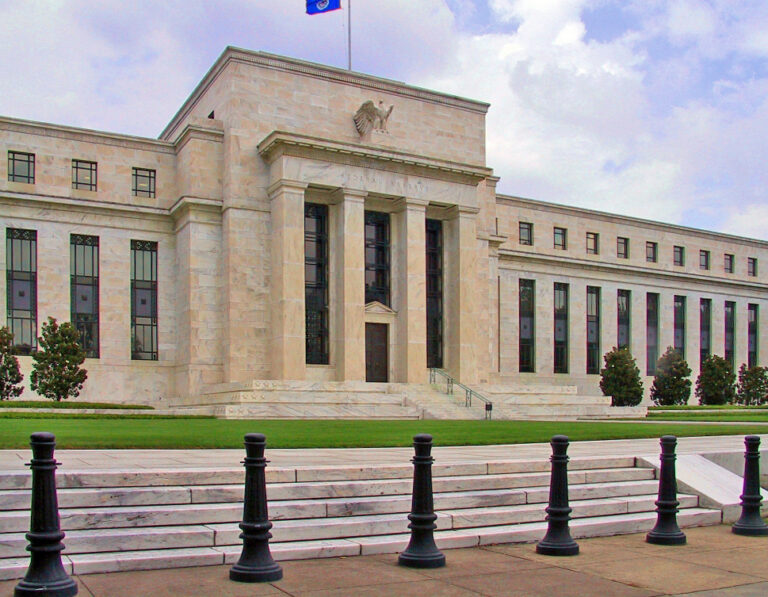
Can Trump Control the Federal Reserve?

0

Key Takeaways

  • President Trump is threatening to fire Federal Reserve members to push rate cuts.
  • Federal Reserve law bars removal of governors without clear, legal cause.
  • Political meddling could spark market chaos and undermine the US dollar.
  • A court battle may decide if the Federal Reserve stays free from politics.

Can Trump Really Affect the Federal Reserve?

President Trump insists he can lower interest rates by replacing Fed leaders. He has attacked Chair Jerome Powell and Governor Lisa Cook. He blames them for not cutting rates to mask tariff damage. However, the Federal Reserve’s independence is protected by law. If he succeeds, the global economy could face big risks.

Why the Federal Reserve Needs to Stay Independent

The Federal Reserve sets interest rates to keep prices stable and jobs growing. This work must stay free from politics. For example, if a president forces quick rate cuts, inflation could run wild. Moreover, markets need clear rules. When leaders mix politics with money policy, investors turn fearful. As a result, US assets can lose value.

How Trump Tried to Fire Governor Cook

In late August, Trump wrote a letter firing Lisa Cook from the Federal Reserve. He claimed she lied on a 2021 mortgage form. Yet, the law states a governor can only be removed for “inefficiency, neglect of duty, or malfeasance.” These words have a strict meaning. They do not include minor errors or off-duty issues. Therefore, Trump’s move lacks legal support.

What Happens If the Federal Reserve Loses Its Independence?

If political leaders control interest rates, markets will grow shaky. First, investors will face uncertainty about returns. Then, bond yields could jump up and down. Also, stock prices might fall sharply. This turmoil lowers confidence in US debt and the dollar. In turn, borrowing costs for businesses and families would rise. Ultimately, everyday life could feel the pain.

A Court Fight to Protect the Federal Reserve

Governor Cook filed a lawsuit to block her firing. She argues that her removal violates the Federal Reserve Act and her due process rights. Her lawyers asked a judge to grant an emergency order. This order would keep her in place while the case moves forward. Interestingly, the Supreme Court recently upheld the Fed’s unique role. That decision makes it less likely Trump can win.

Why Courts Value Federal Reserve Independence

Courts see the Federal Reserve as a special, quasi-private bank system. It follows the tradition of the old national banks from American history. Unlike other agencies, it must set policy free of short-term politics. Judges worry that if presidents can fire governors at will, the Fed will lose its focus. Therefore, courts want to keep the Fed’s doors closed to political pressure.

Potential Economic Fallout

Should the Federal Reserve bow to politics, the US economy could suffer. Tariffs have already hurt trade and growth. If Trump forces rate cuts, inflation could spike. For example, prices for groceries and rent might climb fast. Moreover, global investors could look to safer assets, not the dollar. In that case, the dollar’s value might drop, raising import costs.

Long-Term Risks of Political Intervention

A president’s urge to win an election often clashes with sound monetary policy. Lowering interest rates may help growth today. However, it can fuel bubbles that burst later. Only an independent Federal Reserve can balance short-term politics with long-term health. It can raise rates to cool inflation, even if that choice is unpopular.

Trump’s Broader Attacks on Federal Agencies

Beyond the Federal Reserve, Trump has used his power to remove agency leaders. He cut staff at environmental and health agencies. He wiped out expert boards that advise on science and medicine. These moves show his willingness to override experts for politics. Yet, the Fed stands apart because its role touches every corner of the economy.

The Stakes for the US Dollar

The US dollar is the world’s main reserve money. Central banks and traders rely on it for stability. If the Fed loses credibility, the dollar could slip. A weaker dollar lifts prices for goods from abroad. It also makes it harder for the US to borrow cheaply. In turn, national debt costs would soar, threatening budgets and services.

Bitcoin and Other Alternatives

In his tweets, Trump has praised bitcoin over the dollar. He even teased a digital currency plan. This may reflect his view that the Fed should bend to his will. Yet, if political meddling kills faith in the dollar, more people could turn to cryptocurrencies. That shift could undermine America’s financial power.

What Comes Next?

For now, Governor Cook remains in her role. Her court fight will test whether Trump can break Fed rules. The Supreme Court’s stance in past Fed cases suggests it will side with independence. Still, a favorable ruling for Trump could reshape the Fed’s future. It would set a new standard for political reach into money policy.

How You Might Feel It

If markets tumble, you could see higher loan rates at your bank. Credit cards, car loans, and mortgages might get pricier. Your 401(k) and retirement plans could shrink if stocks drop. Even savings accounts may pay less interest if rates stay low too long. Clearly, Fed independence affects your financial world.

Looking Ahead

As the court battle unfolds, watch for key hearings and rulings. Also, see how markets react to news about Fed leadership. In the end, keeping the Federal Reserve free from politics helps protect jobs, prices, and the dollar. Only then can the US economy stay strong for everyone.

Frequently Asked Questions

What is the Federal Reserve’s main job?

The Federal Reserve controls interest rates and bank rules. It aims to keep prices stable and help the economy grow.

Why can’t the president fire a Fed governor at will?

A 1913 law says governors can only leave office for real misconduct, not politics. This rule keeps monetary policy independent.

How could political control of the Fed hurt me?

If rates change for politics, loans and credit could cost more. Also, stocks and your retirement savings might lose value.

What role does the Supreme Court play?

The Supreme Court can decide if the law allows a president to fire Fed members. Its rulings set legal limits on presidential power.

Are Trump’s India Tariffs Backfiring?

0

Key Takeaways

• Trump’s aggressive India tariffs strategy risks undoing U.S. gains in Asia.
• The Washington Post board warns that harsh tactics can drive India closer to Russia and China.
• India pushed back by strengthening ties with Putin and Xi amid the tariff fight.
• Experts say goodwill matters in diplomacy, and vinegar may not win friends.

Are Trump’s India Tariffs Backfiring?

President Trump has demanded that India cut ties with Russia and China. To force action, he slapped steep India tariffs on many imports. However, this hardball move is now drawing fierce criticism. Even the Washington Post editorial board says the plan may backfire. In fact, they argue it could harm decades of U.S. work to build a strong bond with the world’s most populous democracy.

Why India tariffs matter

For years, the United States sought a closer partnership with India. Both nations share concerns about China’s rise. Therefore, trade deals and military exercises have grown. Yet now, Trump insists India abandon Russian oil and Chinese equipment. Thus, he uses India tariffs as a bargaining chip. He expects India to choose the U.S. side.

However, India has its own agenda. It still needs affordable energy and advanced technology. Much of that comes from Russia. Moreover, China is its biggest trading partner. As a result, India faces its own security and growth challenges. Under such pressures, it won’t easily drop key partners.

India tariffs spark new tensions

Last week, relations hit a new low. Prime Minister Modi met with Vladimir Putin in Russia. Then, he sat down with China’s Xi Jinping. Trump erupted online. His allies tried to calm the storm, calling it just business negotiation. Yet the tension shows no sign of easing.

Meanwhile, India announced plans to boost its imports of Russian oil. Reports say the country will buy 10 to 20 percent more from August levels. Trump and his aides responded by blaming Modi for the Ukraine war. They claim India’s oil deals help fund Russia’s military. Still, India defiantly pushes on.

What the Washington Post warned

The editorial board called the standoff “political theater.” It warned that Trump’s zero-sum view could isolate the U.S. Moreover, they pointed out that alliances aren’t instant fixes. Yes, sometimes allies freeload. But more often, friends help one another face big threats. In their view, pressing India with vinegar won’t work. Instead, they urged the White House to recognize goodwill as a real asset.

Specifically, the board noted two risky demands:

• Asking India to mediate with Pakistan. India sees that as unacceptable.
• Expecting India to punish Russia for oil sales. Yet India needs that oil.

In plain terms, the board argued, Trump’s tactics ignore India’s proud, nationalist mood. Popular opinion there stands firmly behind Modi. That unity makes it harder for external pressure to sway policy.

A high-stakes diplomatic gamble

Tariffs can yield results in trade talks. Still, they can damage trust. In addition, sudden price hikes hit consumers and businesses. For India, higher U.S. levies push up costs on farm goods, medical items and tech parts. That hurts Indian farmers, hospitals and factories alike. Consequently, public pressure on Modi to defend India’s interests grows.

Furthermore, other U.S. allies watch closely. If the president treats a big partner like a junior negotiator, what message does it send? Some European leaders worry the same hard-nosed approach could land on them next. Thus, trust in U.S. leadership may slip globally.

Potential paths forward

Despite the current clash, a deal is still possible. Both sides share many goals. They want to curb China’s assertiveness. They seek stable supply chains. Therefore, they could find common ground on trade and security. To reach that point, though, they need to dial back the drama.

First, the U.S. could ease some India tariffs as a goodwill gesture. In turn, India might slow its oil purchases from Russia. At the same time, they could launch fresh talks on data sharing, semiconductors and clean energy. These areas hold big promise for joint growth.

Second, both nations could use multilateral settings. For example, they could push reforms at global financial institutions together. Or they could team up at climate summits. That would show unity without direct one-on-one fights.

Finally, leaders might focus on people-to-people ties. More student exchanges and cultural events can deepen trust. Once goodwill spreads among citizens, political leaders gain room to maneuver.

Lessons from the clash

This episode highlights a key lesson: diplomacy thrives on balance. While economic pressure can extract concessions, hardline tactics alone rarely build lasting friendship. Instead, they can push partners toward rival powers. In this case, India may lean further into Russia and China’s orbit.

Moreover, alliances require mutual respect. Even allies have their own interests. Recognizing those interests doesn’t weaken the relationship. On the contrary, empathy and compromise often strengthen bonds. Thus, it may be wiser to mix honey with vinegar when negotiating big deals.

In the months ahead, watch closely how both sides act. Will the White House soften its stance? Or will India stand firm and deepen ties with other powers? Either choice will shape the global balance of power and the future of U.S.-India relations.

Frequently Asked Questions

What are India tariffs?

India tariffs are duties the U.S. placed on Indian goods. They aim to pressure India in trade and foreign policy matters.

Why did the U.S. impose India tariffs?

The administration wanted India to cut ties with Russia and China. It used tariffs to push India toward buying U.S. oil and technology.

How did India respond to the tariffs?

India met with Russia’s and China’s leaders. It also planned to increase Russian oil imports instead of backing down.

What could help resolve the dispute?

Mutual goodwill, targeted talks on key industries, and easing some tariffs could pave the way for a compromise.

Will the Housing Crisis Trigger a 2026 Shake-Up?

0

Key Takeaways

  • President Trump may declare a national housing crisis emergency this fall.
  • The move aims to tackle home shortages and high prices.
  • Younger Americans delay home buying due to steep costs.
  • The plan could boost Republican chances in the 2026 midterms.

Why the Housing Crisis Matters

The housing crisis means more people want homes than there are houses. As a result, prices keep rising. Wages have not kept up. Therefore, many young adults must rent longer or move back with family. In fact, data shows more buyers over 70 than under 35 this year. Clearly, the housing crunch has deep effects on everyday lives.

Understanding the Housing Crisis Origins

The housing crisis did not start yesterday. In 1975, the typical home cost twice the average family income. Today, it costs over five times that income. Back then, a house ran about $200,000 in today’s dollars. Now, it stands at roughly $443,000. Meanwhile, household income only rose from $83,000 to $79,000 in real terms. Thus, homes grew much pricier while paychecks barely moved.

The Proposal: A National Housing Crisis Emergency

Treasury Secretary Scott Bessent says President Trump will weigh declaring a national housing crisis emergency this fall. He told the Washington Examiner that “everything is on the table.” This step would free federal resources to address home shortages. It might speed up zoning changes, offer new loans, and incentivize builders. Ultimately, the goal is to cool price growth and boost supply.

How a Housing Crisis Emergency Would Work

First, the president issues an emergency order. Then, federal agencies jump in with funds or policy shifts. For example, the Department of Housing could fund new building sites. The Agriculture Department might loosen rural housing rules. The Federal Home Loan Banks could lower rates for developers. In each case, the aim is to get more homes built faster.

Potential Benefits for Younger Buyers

If the emergency eases rules, builders may start more projects. New housing can ease the supply squeeze. In turn, prices could level off or even drop. For many under 35, that means a chance to buy a first home. Lower costs might also help families save for down payments. Consequently, young adults could reach homeownership sooner than before.

Political Stakes: Why the GOP Cares

Republicans face tough midterm battles in 2026. Sweeping policy successes often shape votes. However, Trump’s One Big Beautiful Bill Act hurt his favor numbers. It cut federal food aid and Medicaid, sparking criticism. Now, the administration seeks a win on a popular issue. After all, home affordability is a top concern for voters. By tackling the housing crisis, Republicans hope to sway undecided voters.

Will It Boost the 2026 Midterms?

Some experts doubt that a housing crisis emergency will win hearts fast. Policy changes take months to show results. Even if approved in fall, new homes won’t pop up overnight. Still, announcing the plan can calm nerves and signal action. Voters may credit the White House for trying to help. If prices slow, midterm voters could reward the party in power.

Economic Outlook: What Comes Next

Bessent predicts a big economic pickup in 2026. He believes housing relief will spur growth. More home building creates jobs in construction and materials. New homeowners often buy furniture, appliances, and services. Overall, a healthier housing market can lift consumer confidence and spending. Yet, much depends on how fast Congress and states act on new rules.

Challenges and Critics

Some say a national emergency oversteps federal power. After all, housing rules often rest with local governments. Cities set zoning, and towns decide density limits. Critics worry that rushing changes may harm communities. They fear overdevelopment, traffic jams, or loss of open space. Also, states differ: what works in New York may not suit Iowa. Therefore, any emergency plan must balance speed with local needs.

A Look Back: Lessons from Past Emergencies

The U.S. has declared many national emergencies before. Some aimed at health, some at infrastructure. Results vary. For instance, a 2005 hurricane relief emergency sped up aid but also drew waste. A 2020 pandemic emergency unlocked rapid health funding. However, it also led to debates over federal reach. Learning from these cases, a housing crisis emergency must guard against misuse.

What Voters Can Do

Citizens can join town halls and public comment periods. They can write to local and federal representatives. Sharing personal stories about housing struggles can help shape better plans. Moreover, getting involved in neighborhood planning meetings can influence zoning updates. By speaking up, communities can guide how an emergency unfolds.

Looking Ahead to 2026

If the housing crisis emergency takes effect, 2026 will serve as a test. Will home prices finally slow? Will builders ramp up projects? Will more young people buy homes? Politically, will voters reward the party behind the move? As results appear, both sides will claim credit or blame. Therefore, the next two years will shape not only markets but also the balance of power in Washington.

Frequently Asked Questions

How would a housing crisis emergency help build more homes?

A declared emergency lets federal agencies push new rules. They can fast-track land for development. They may also offer lower-cost loans and grants to builders. This extra support aims to increase home supply quickly.

Why is homeownership harder for younger Americans?

Home prices rose faster than wages for decades. High costs mean bigger down payments and loan rates. Many young adults also carry student debt. Together, these factors make saving for a house tougher than for past generations.

Could a housing crisis emergency lower mortgage rates?

Potentially, yes. Federal steps could include support for home loan programs. These programs often offer below-market rates. If more funds flow into housing finance, average mortgage rates may drop.

Will the emergency override local zoning laws?

Not exactly. The plan would encourage states and counties to update local rules. However, direct federal overrides face legal challenges. Instead, incentives and guidance will steer local changes.

Etoria Deportation Sparks Debate

0

Key Takeaways

  • DHS publicly condemned the New York Times for its report on a deported convicted murderer
  • Orville Etoria served nearly 30 years for a Brooklyn homicide and was released four years ago
  • Etoria earned a degree in prison and worked toward a divinity master’s before deportation
  • He now faces incarceration in Eswatini, a country where he holds no citizenship
  • Immigration expert Aaron Reichlin-Melnick criticized DHS for dehumanizing people facing deportation

The Etoria deportation story has triggered debate across the nation. It began when the New York Times ran a headline saying a man who served his time in America was sent to an African prison. The report named him as Orville Etoria. He shot and killed a man in Brooklyn nearly 30 years ago. Then he got 25 years to life behind bars.

When the Times broke the news, it noted his crime in the very first line. It also shared that Etoria is a Jamaican citizen with legal U.S. residency. After he served his sentence, immigration officials let him stay. He even earned a bachelor’s degree in prison. Later, he enrolled in a master’s program for divinity. He found work after release. Yet a judge ordered his removal. Now he and four others face a prison sentence in Eswatini.

Understanding the Etoria Deportation Details

In this Etoria deportation case, officials said his home country would not accept him. Jamaica disputed that claim. Instead, Etoria ended up in the tiny kingdom of Eswatini in southern Africa. There, he holds no passport or residence rights. The Trump administration argued it had no choice but to send him wherever a court would take him.

However, Etoria’s story goes deeper. He completed most of his sentence more than four years ago. During that time, he earned his degree and sought to turn his life around. Immigration lawyers say the U.S. promised to let him stay after release. Yet a federal judge later disagreed. In the ruling, the judge said he violated immigration law, so he must go.

DHS Reaction and Social Media Storm

Soon after the article appeared, the Department of Homeland Security took to social media. The agency called the Times report “disgraceful and disgusting.” It said the paper peddled a sob story for a “criminal illegal alien.” DHS added it would enforce the law at full speed, without apology.

This public rebuke stirred more discussion. Many critics said DHS painted Etoria as a villain long after he served his time. In fact, the Times made his crime clear from the start. Yet DHS insisted the paper defended convicted murderers at the expense of American citizens.

Expert View on Human Rights

Aaron Reichlin-Melnick, an immigration rights attorney, spoke out in response. He noted the Times did mention Etoria’s crime in the opening sentence. He asked why it was “disgraceful and disgusting” to show basic compassion for someone who finished a murder sentence years ago. In his view, the Etoria deportation highlights a deeper issue. He said the administration treats people facing deportation as props for social media.

Moreover, Reichlin-Melnick pointed out a key question. Should someone who served a fixed prison term now face indefinite detention in a foreign land? He argued that fear of crime does not justify stripping someone of their basic rights. He said the call to lock Etoria away without clear end in sight raises moral and legal red flags.

Why It Matters for Immigration Policy

The Etoria deportation case matters for several reasons. First, it shows how headlines can shape public opinion. A single phrase can spark anger or sympathy. Second, it highlights tension between law enforcement and human rights. If someone serves their time, should they face extra punishment through deportation?

Finally, this case may set a precedent. It could influence how future deportation cases get handled, especially for those who completed long prison terms. Immigration experts worry that using deportation as a backdoor punishment may grow more common. Therefore, the Etoria deportation debate could reshape policy and public views on justice.

Balancing Safety and Second Chances

Supporters of strict enforcement say the U.S. must protect its citizens. They insist that laws apply equally to everyone, including residents and immigrants. Meanwhile, advocates for mercy point to rehabilitation and personal growth. They argue that once a sentence ends, society should welcome reformed individuals back.

This tension plays out in local communities. Some neighbors worry about living near someone who killed a person. Others focus on the value of forgiveness and the chance to rebuild a life. The Etoria deportation has forced people to ask hard questions. How do we balance public safety with second chances?

The Road Ahead

As the Etoria deportation unfolds, expect more voices to join the debate. Lawmakers might propose new rules on how long deported individuals can be held overseas. Courts could challenge the practice of sending people to nations where they lack citizenship. In addition, media outlets will face calls to frame stories carefully.

Regardless of the outcome, the Etoria deportation case has already changed the conversation. It reminds us that headlines carry power. They can ignite outrage or fuel compassion. Above all, this story shows how justice and empathy often collide.

Frequently Asked Questions

What prompted the New York Times report?

The Times published an article about Orville Etoria, noting he served nearly 30 years for murder and was later deported to a prison in Eswatini.

Why did DHS criticize the report?

DHS called the coverage “disgraceful and disgusting,” claiming the paper defended a convicted murderer over U.S. citizens.

Who is Aaron Reichlin-Melnick and what did he say?

He is an immigration rights attorney who argued the report gave fair details and questioned the dehumanizing tone of DHS’s response.

Could this case change deportation policy?

Yes. The Etoria deportation may prompt lawmakers and courts to reconsider how and where deported individuals serve post-release detention.

Eric Trump Considers 2028 White House Bid

0

Key Takeaways

  • Eric Trump has not ruled out a 2028 White House run.
  • He hinted at a bid while promoting cryptocurrency overseas.
  • He brags about his leadership skills and criticizes current politicians.
  • He leaves his political future open without a firm yes or no.

Eric Trump surprised many with his recent comments. He spoke during an overseas trip. While promoting cryptocurrency, he teased a possible political run. He did not say yes or no. Yet his hint sparked wide discussion. People wonder if a Trump family dynasty will take the next seat in the Oval Office.

Could Eric Trump Seize the MAGA Crown?

During an interview with an international business outlet, Eric Trump touched on a Trump “dynasty.” He made clear he is not ruling out a 2028 campaign. He said, “I’m not saying no, but I’m also not saying yes.” That cautious stance left the door wide open. Meanwhile, other Republicans have already announced their plans. A crowded GOP field could welcome another Trump name.

A Surprise Hint Abroad

Last Sunday, Eric Trump met reporters in an Asian financial hub. He was there to push a new crypto venture. Then the topic shifted to politics. He admitted he might follow his father’s path. His father once dominated headlines with bold ideas. Now his middle son flirts with a similar spotlight. He even joked about a Trump-run family business turning into a political legacy.

Why He Thinks He Can Win

Just months ago, Eric Trump praised his own executive skills. In a financial media interview, he took aim at lawmakers in the capital. He claimed he was “wholly unimpressed by half the politicians I see.” Then he added, “I could do it very effectively.” He argued his private sector work gave him real results. Therefore, he believes he has what it takes to lead.

Family Ambitions Alive

Eric Trump noted other family members could run too. He asked, “Would I want my kids to live the same experience?” He then said if they wanted it, the path would be easy. That sparked talk that perhaps Don Jr. or Tiffany might also jump in later. Yet for now, it’s Eric Trump grabbing the headlines. He seems ready to test public opinion.

How the GOP Field Might Shift

Several Republicans eyeing 2028 share similar messages. They promise to carry on a strong conservative agenda. Eric Trump would add the name recognition only a Trump can bring. However, that fame carries risks too. Some voters may tire of the same family returning again. Still, his presence could reshape primary debates. The race may become more thrilling or more chaotic.

Policy Pitches and Campaign Style

So far, Eric Trump has not detailed any policy plans. He focused on his business background and ability to lead. He criticized “half the politicians” as ineffective. He promised he would do better. If he enters the race, he will need clear stances on key issues. Economic strategy, foreign relations, and social policy will matter most. His comments about digital money hint at his tech interest.

Challenges on the Road Ahead

Running for president demands deep political experience. Eric Trump has built a career in the family business. He has helped manage large real estate deals. Yet governing a nation differs greatly from managing property. He will face tough questions in debates and on the campaign trail. Voters may ask for proof of his leadership under pressure. Moreover, rivals will dissect his record closely.

Public Reaction and Party Response

News of Eric Trump’s hint drew mixed reactions. Some party loyalists cheered the idea of another Trump. They see him as a fresh face carrying his father’s vision. Others fear the party needs new blood and new ideas. They worry a third Trump term could look like more of the same. Party leaders will weigh the pros and cons carefully before offering support.

Fundraising and Name Recognition

One clear advantage for Eric Trump is his huge name recognition. Donors might open their wallets fast for a Trump family campaign. Yet he will still need to prove he can handle large fundraising efforts on his own. He must build a campaign organization from scratch. That takes time, strategy, and effective messaging. So far, he has only laid the groundwork.

Media Spotlight and Public Image

The media will watch Eric Trump closely if he enters the race. Every trip, every speech, and every tweet will face intense scrutiny. He will need to craft a strong public image. His father’s polarizing reputation will follow him everywhere. Therefore, he must find a balance between honoring the family brand and forging his own identity.

Impact on Other Candidates

If Eric Trump announces his campaign, rival Republicans must adjust their plans. They may face tougher primary battles for donors and votes. Some might drop out if they fear splitting the vote. Others could sharpen their messages to contrast with his business-first approach. Ultimately, the GOP primary could become a high-stakes showdown of Trump versus Trump adjacent.

Timing and Next Steps

Eric Trump has not set a date for a decision. He will likely watch public opinion polls closely. He might test the waters with small events and fundraisers. Meanwhile, he may continue promoting his crypto project abroad. That gives him time to build global connections. Then, closer to 2027, he might make a formal announcement if he sees strong support.

What Voters Should Watch

As the 2028 race heats up, voters should note several things. First, how Eric Trump defines his policy views. Second, how he addresses past controversies. Third, how he plans to unite or divide the party. Finally, how his message stands out among established politicians. These factors will reveal whether his bid has real momentum.

Keeping an Eye on 2028

Whether Eric Trump seeks the presidency or not, his hint has already stirred debate. It shows the lasting influence of his family name. It also highlights a party still searching for its future leaders. For now, his statement remains a tease. Yet dozens of Republican voters and donors will watch for any sign he is serious.

Frequently Asked Questions

What exactly did Eric Trump say about running in 2028?

He said he is not ruling it out and not saying yes, leaving the possibility open.

Why did Eric Trump talk about politics abroad?

He was promoting a cryptocurrency project and the conversation shifted to a Trump family dynasty.

How do his leadership claims compare to his father’s experience?

He highlights his private sector work and executive skills, while his father emphasizes political outsider appeal.

What challenges could he face in a primary?

He may encounter questions about his lack of political office, policy details, and overcoming his father’s legacy.

Will Trump Expand Mental Institutions for the Homeless?

0

Key Takeaways:

• Donald Trump wants to send homeless people to state mental institutions.
• He described women spitting at “good-looking” men and said men can hit back.
• He plans “crime-free zones” and government-run tent cities for the homeless.
• Experts warn forced confinement in mental institutions violates rights.
• Local leaders worry about civil liberties and protest federal intervention.

Trump and Mental Institutions Plan

Former President Donald Trump shared a detailed plan to put more homeless people into state mental institutions. He said this idea will reduce crime in big cities. In a recent interview, he used strong language to describe why he thinks this plan makes sense.

Why Mental Institutions Alarm Experts

First, Trump said he wants to create “crime-free zones.” He explained that homeless people who break rules would go straight to mental institutions. He also wants to group unhoused people in government-run tent cities. He believes this will stop street disorder. However, many experts say forced confinement in mental institutions has legal limits and harms civil rights.

Trump’s Street Rant and “Crime-Free Zone” Idea

During the conversation, Trump described a scene where women spit at men. He called those women “crazy” and “wild.” He said, “They spit, we hit.” He blamed the justice system for protecting spitting protesters while punishing anyone who defends themselves. Then he argued that police must have a free hand to lock up the homeless in mental institutions.

He said men and soldiers would once face arrest for punching back. But in his vision, they would act freely. He claimed this would restore order. Next, he proposed making entire neighborhoods off-limits to protests or loitering. He called these areas “crime-free zones.” Anyone causing trouble would go to mental institutions or tent cities.

What Are Mental Institutions?

Mental institutions are state-run facilities for people with serious mental health issues. They offer therapy, medication, and supervision. In the past, these centers admitted people against their will. Courts then set strict rules to protect patients from abuse. Throughout the 1970s and 1980s, judges limited forced stays in mental institutions. Those decisions still guide today’s policies.

If Trump’s plan moves forward, it could clash with these court rulings. For example, judges now require a clear mental illness diagnosis before ordering confinement. They also demand frequent reviews to check if patients need to stay. Under existing laws, you can’t send someone to a mental institution simply for being homeless or poor.

Legal Limits and Human Rights Concerns

Experts warn that forcing people into mental institutions risks violating the Constitution. Civil rights groups say forced detainment must meet high legal standards. They argue that Trump’s plan would treat low-level offenses the same as serious threats. As a result, many innocent people could end up locked away.

Moreover, history shows that government-run tent cities often worsen problems. Critics note that tent cities can become unsanitary and unsafe. They can isolate homeless people instead of helping them. People in these camps may lack access to proper health care. They also face higher risks of violence.

Local Pushback and Protests

Meanwhile, Trump has moved federal law enforcement into Washington, D.C. He says he wants to stop violence during protests. However, many locals see this as a power grab. They worry city budgets will suffer and civil liberties will erode. In Chicago, officials have vowed to resist any federal troops on their streets. They fear similar plans could roll out nationwide.

In response, community groups have organized rallies. They demand humane solutions for the homeless. They stress mental health support and affordable housing. They say criminalization only pushes homeless people further from help. They also highlight successful programs that treat homelessness as a health issue, not a crime.

Potential Impact on Homeless People

If the president’s plan succeeds, homeless people could face two outcomes. First, they might be sent to mental institutions even without a mental illness. Second, they could be housed in large government-operated camps. In both cases, families and friends could lose contact with them. Also, studies show that forced moves rarely solve underlying problems.

Historically, stable housing programs have helped reduce homelessness. By contrast, punitive methods often backfire. When cities try aggressive sweeps, homeless people scatter. They lose access to services and fall into deeper crisis. Thus, experts urge investment in the following instead of forced detainment:

• Permanent supportive housing
• Mental health outreach teams
• Job training and placement services

What Happens Next?

For now, Trump’s plan remains an outline. He released it in parts through a right-wing media outlet. He may use it to rally his base before the next election. However, Congress and the courts hold key power. They can block funding for mental institutions or tent cities. They can also enforce civil rights laws.

Also, state governors have a say. They oversee state mental institutions. Many may refuse to take extra patients sent under Trump’s rules. Local judges could also deny forced commitments. Additionally, city councils might pass laws to protect homeless people from federal overreach.

Transitioning from Rhetoric to Reality

Even with strong words, turning speech into policy takes time. Leaders must draft bills, debate them, and secure votes. Opponents can challenge any new laws in court. They can argue that the plan violates due process. In turn, judges can issue injunctions to pause it.

Therefore, while the proposal makes headlines, it faces steep roadblocks. Experts say that legal precedents and public opinion will shape the outcome. If voters oppose forced institutionalization, politicians may back off. At the same time, homeless advocates will push for more compassionate, proven solutions.

Moving Forward with Compassion

In the end, many Americans want homelessness solved with care, not cages. They support mental health services and safe shelters. They believe people in crisis need support, not punishment. By focusing on healing and opportunity, communities can achieve lasting change. Critics warn that sending homeless people to mental institutions undermines that goal.

Above all, public debate will decide what comes next. Communities will weigh safety, rights, and compassion. They will ask tough questions about crime-free zones and mental institutions. As the conversation unfolds, people must stay informed and involved.

Frequently Asked Questions

How could forced stays in mental institutions affect civil rights?

Forced confinement in mental institutions must meet strict legal tests. Courts require proof of serious mental illness and danger. Otherwise, detainment could breach due process protections.

Can local leaders stop federal plans for tent cities?

Yes. State and city officials can refuse to cooperate or withhold land and resources. Courts may also block plans that conflict with local laws.

What alternative solutions help reduce homelessness?

Programs that combine affordable housing with health services show the best results. Job training, counseling, and rent subsidies also help people rebuild stable lives.

Why do experts warn against criminalizing homelessness?

When cities punish homelessness, people often lose access to services. They may avoid outreach teams. This approach can deepen personal crises and increase street disorder.

The CDC crisis at a glance

0

Key Takeaways:

  • Nine former CDC directors warn of a growing CDC crisis.
  • They blame Health Secretary Kennedy’s firings and odd health ideas.
  • Experts fear cuts will harm programs on cancer, heart attacks, and more.
  • They praise current CDC staff for fighting to protect Americans.
  • They say all Americans, regardless of politics, should be alarmed.

On Labor Day morning, nine former CDC directors joined forces. They wrote a harsh editorial in a top newspaper. They accused HHS Secretary Robert F. Kennedy Jr. of risking American health. They warned that his moves are unlike anything the agency has seen. They noted mass firings of key experts. This marks the heart of the CDC crisis.

How leadership changes fueled the CDC crisis

First, Kennedy fired Dr. Susan Monarez as CDC director days ago. Next, he removed other top leaders without clear reasons. Also, he cut programs on cancer, heart attacks, and strokes. Moreover, he scaled back lead poisoning and violence prevention efforts. Then, he pushed unproven treatments for a spreading measles outbreak. Therefore, nine former chiefs called these moves unacceptable.

What top experts say about the CDC crisis

During their tenures, these experts faced many challenges. However, they always relied on data and science to guide decisions. They said past leaders supported public health workers. In contrast, they said Kennedy’s approach doubts data-driven insights. They warned this stance hurts the CDC’s ability to protect people. They stressed that the agency needs science first.

Why this CDC crisis matters to you

When the CDC fails, so do communities across the country. For example, cancer screening programs could lose funding. Also, heart attack and stroke prevention efforts might slow down. Meanwhile, kids could face more lead exposure at schools and homes. In addition, a measles outbreak could grow without proven treatments. Overall, the CDC crisis could touch every American.

The role of CDC workers in this crisis

Despite cuts, many CDC staff still show up every day. They work around the clock to monitor health threats. They collect data, run labs, and advise hospitals and states. Even now, they fight to keep key programs alive. In fact, the former chiefs thanked these workers for their efforts. They said the CDC is hurting badly without top leaders.

A look back at CDC accomplishments

Over the past 80 years, the CDC saved millions of lives. It helped wipe out smallpox. It lowered death rates from polio, measles, and other diseases. It built strong systems for tracking outbreaks and guiding responses. It pushed road safety and reduced injuries. It fought heart disease, cancer, and environmental hazards. All these wins could fade if the CDC crisis deepens.

How federal changes affect local health

The CDC offers guidance and funds for state and local programs. When it cuts projects, local agencies feel the impact. For instance, some counties might lose cancer screening grants. Others could see fewer resources to fight drug overdoses. Schools could get less support to prevent teen violence. In this way, the CDC crisis ripples across the country.

What can Americans do to help?

First, stay informed about public health news. Also, contact your elected officials. Ask for data-driven decisions at the CDC. Meanwhile, support nonprofits that back public health work. Moreover, thank frontline workers who fight disease every day. Finally, share this story to raise awareness.

What the future may hold

If the CDC crisis continues, more experts could leave. This would weaken the agency’s disease tracking. It could slow down vaccine research and distribution. In the worst case, outbreaks might spread before officials even know. Yet, if leaders reverse these moves, the CDC can recover. Public trust could return with clear, science-based rules.

Lessons from past CDC challenges

In the 1970s, the CDC dealt with swine flu fears. It acted swiftly to vaccinate millions. Later, it guided the nation through the HIV epidemic. More recently, it led the response to COVID-19. In each case, leaders used data and expert advice. These lessons show how vital a strong CDC really is. They highlight what the current crisis puts at risk.

Why politics and public health must stay separate

Science works best without political interference. Public health decisions need facts, not polls or news cycles. When politics drives health policy, people can get hurt. For instance, vaccine rates can drop if officials sow doubt. Hence, the former CDC chiefs urged all parties to protect science. They said every American should demand fact-based action.

In closing, the CDC crisis should alarm everyone. It threatens years of progress in public health. However, Americans can push for change by speaking out. They can support science and data over politics. Most importantly, they can honor the work of dedicated CDC staff. Only then can the agency keep protecting our health.

Frequently Asked Questions

What triggered the CDC crisis?

The crisis began when the health secretary fired key experts and cut major programs. He also promoted unproven treatments during a measles outbreak. This led nine former directors to speak out.

Who spoke up about the CDC crisis?

Nine former CDC directors wrote an editorial in a major newspaper. They included William Foege, Tom Frieden, and Rochelle Walensky, among others. They all warned of risks to American health.

How could the CDC crisis affect me?

Cuts to the CDC could slow cancer screenings, blood lead testing, and disease tracking. Local health programs may lose funding. Outbreaks might grow without fast, data-driven responses.

What can we do to help the CDC?

Stay informed and share accurate public health information. Contact elected officials and ask for science-based policies. Thank and support CDC workers. Donate to nonprofits that back public health efforts.

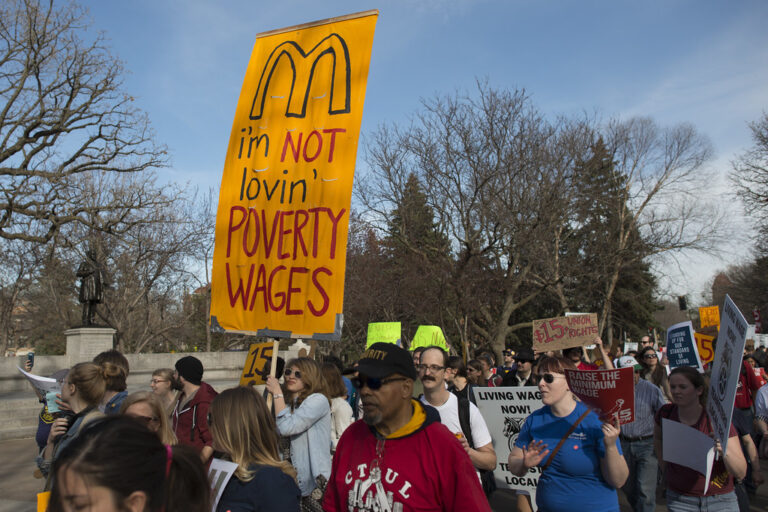
Is Trump Undermining Labor Unions?

0

Key Takeaways

  • President Trump claims to put American workers first, yet he has cut back many protections.
  • He halted a safety rule for coal miners and stripped federal workers of collective bargaining.
  • He rolled back a minimum wage increase for federal contractors.
  • Despite this, some staff at national parks voted to unionize.
  • A court ruling threatens to weaken the board that enforces labor rights.

In his second term, President Trump often said he stood for working people. However, many of his orders cut pay or gave workers fewer protections. As a result, labor unions find themselves fighting to save hard-earned rights.

Major Moves Against labor unions

First, Trump halted a rule meant to shield coal miners from deadly lung disease. That rule would have forced mining companies to watch air levels more closely. Instead, miners now risk breathing more toxic dust at work.

Next, he stripped about a million federal workers of their collective bargaining rights. In March and August, he signed orders telling nine agencies to cancel union contracts. Those orders affected workplaces from the Environmental Protection Agency to the National Weather Service. As a result, many workers lost the power to negotiate pay, benefits, and safe conditions.

In addition, Trump reversed a wage boost for federal contractors that President Biden had set. This change cut the minimum wage back to a lower rate for hundreds of thousands of workers. The wage cut hit jobs like janitors, food service staff, and security guards who serve federal buildings.

Moreover, government agencies had to drop long-standing union pacts. Under the president’s broad view of a security law, he forced even non-security agencies to end collective bargaining. As a result, managers can now change work rules without union talks.

Workers Fight Back for labor unions

Despite these setbacks, many workers still see unions as their best shield. Earlier this year, cuts to the National Park Service led to layoffs and fewer staff. In turn, employees at Yosemite, Sequoia, and Kings Canyon parks decided to unionize.

Over 600 workers—including rangers, interpreters, biologists, and firefighters—voted on the change. More than 97 percent backed joining the union. This strong vote shows how anger over budget cuts can drive people toward collective action.

Thus, even under pressure, workers can build new unions. Their success offers hope to others who feel squeezed by policy changes. It proves that determination can overcome rules designed to block labor unions.

Legal Threats to labor unions

Meanwhile, labor unions face another crisis in the courts. A federal appeals court ruled that the board overseeing workplace rights has an illegal structure. The decision came from the Fifth Circuit, which covers Louisiana, Mississippi, and Texas.

This ruling means cases in those three states may stop moving forward. Employers could file there to stall or block union complaints. As a result, workers in those areas might lose access to justice if they face unfair treatment on the job.

The lawsuit behind this ruling was partly backed by a well-known tech boss. He argued that the board’s rules gave too much power to its judges. In practice, the Trump-appointed board did little to defend the judges when the case went to court.

Because of this, experts warn the board may lose more cases. If so, labor unions and their members may struggle to enforce contracts or protest unfair work rules. In short, the ruling could weaken the entire system that protects worker rights.

Why It Matters

Today’s moves show a clear battle over worker power. On one side, the administration pushes to cut back pay raises, safety rules, and bargaining rights. On the other, workers and labor unions keep fighting for fair wages and safe jobs.

Moreover, the court fight over the board’s structure could reshape how workers fight back. If unions cannot bring grievances, employers may act without fear of challenge. That change could hurt job safety, pay equity, and workers’ overall well-being.

However, the success of park staff shows a different path. It proves that even under tough rules, workers can stand together. Their unity can force change and protect vital benefits.

Looking Ahead

As the debate continues, labor unions will play a key role. They will rally members, file legal challenges, and push for new rules. Meanwhile, workers will watch how courts, Congress, and the White House decide on their rights.

In the end, the fight over collective bargaining and workplace safety may shape the future for millions of Americans. That future will depend on whether labor unions can adapt, unite, and persuade others to back their cause.

Frequently Asked Questions

Why has the administration targeted labor unions?

The administration claims these changes improve efficiency and cut costs. In practice, the cuts reduce workers’ ability to negotiate pay, benefits, and safety rules.

How did park workers manage to unionize?

Budget cuts and layoffs spurred park workers to vote. With over 97 percent support, they formed a union to protect jobs and working conditions.

What does the court ruling mean for the board that enforces union rights?

A federal appeals court said the board’s judge-selection setup is unconstitutional. As a result, union complaints in three states may face delays or blocks.

Can workers still form unions under these changes?

Yes. Despite new hurdles, workers can still organize. Strong support and legal help can help overcome the extra obstacles.