62.5 F
San Francisco
Thursday, April 2, 2026
Home Blog Page 556

Is the Trump Economy Costing You More?

0

Key Takeaways:

  • Michael Cohen argues the Trump economy raises everyday costs.
  • He says policies favor big corporations over consumers.
  • Americans feel sticker shock at the grocery store and the gas pump.
  • Cohen warns that political distractions hide real financial pain.
  • He urges voters to notice who gains and who loses.

Trump Economy Under Fire

Michael Cohen once worked for Donald Trump as his lawyer. Now he says the Trump economy hurts regular Americans. In a new essay, Cohen claims that rising prices come from deliberate policy choices. He writes in clear language so everyone can understand.

What Did Michael Cohen Say?

Cohen says the Trump economy hands big wins to corporations. Meanwhile, families pay more for food and gas. He calls this “deliberate neglect.” He notes that no fancy economic terms can hide the truth you see on your receipt. According to Cohen, lobbyists and wealthy donors drive these choices.

How the Trump Economy Works Against You

First, meatpacking companies report record profits. Yet grocery prices climb higher and higher. Second, energy rules favor big oil and gas producers. That leaves drivers at the pump frustrated. Third, tax breaks go mostly to the richest people. Ordinary workers see little benefit from those cuts.

Rising Costs at the Supermarket

You know the pain when your grocery bill goes up. Cohen points out that prices for staples—like meat, bread, and eggs—jumped sharply. He calls it a “kick in the teeth for consumers.” He says Trump administration officials offer excuses about supply chains. Yet the real driver is public policy that boosts big business profits.

Gas Prices and Your Wallet

Gas prices also reflect the Trump economy. Cohen says regulators ease rules for polluters. This helps big oil companies but hurts drivers. High fuel costs affect everything from commuting to shipping goods. As a result, other prices climb too. The cost of a loaf of bread includes the cost of moving grain across the country.

Corporate Profits Versus Family Budgets

Meanwhile, major corporations celebrate record earnings. Cohen describes this gap between corporate wealth and family budgets as a “gift basket for billionaires.” He warns that when leaders choose donors over voters, your money spends longer getting out of your account.

Political Distractions and Real Problems

Cohen argues that political showmanship hides real economic harm. He writes that flashy rallies and dramatic speeches divert attention. While Trump waves his arms and shouts about “fake news,” your bank account tells a different story. He wants Americans to look beyond the noise and focus on their own receipts.

Why This Matters for 2024

As the 2024 campaign unfolds, Cohen believes economic pain will shape votes. He reminds readers that affordability was a key promise. Voters expect relief at the checkout and the gas pump. If they keep paying more, they may rethink their support.

Who Gains, Who Loses?

Big meatpackers win when consumer prices climb. Major oil companies pull in more cash when regulations loosen. Wealthy donors enjoy tax breaks and special deals. On the other hand, working families lose when food and energy costs rise. Cohen urges readers to notice this pattern.

Can Policy Change Help?

Cohen insists the government could act to ease the pain. He suggests stronger antitrust enforcement to curb monopolies. He also calls for fairer tax policies that target the richest. Finally, he recommends investing in alternative energy to lower fuel costs over time. If lawmakers choose ordinary people over big donors, prices could stop climbing so fast.

How to Tell If You’re Affected

You don’t need an economics degree to see the impact. Just watch your debit or credit card statement next time you shop. Ask yourself:

  • Did my food bill feel higher than last month?
  • Did I fill my tank and wince at the pump?
  • Are my take-home pay and benefits staying the same?

If you answer yes, you feel the Trump economy in action.

Looking Ahead

Cohen’s essay warns that these issues won’t disappear on their own. He challenges readers to pay attention to real outcomes, not political spin. He encourages folks to demand policies that protect workers and families.

Take Action

Stay informed about economic policies. Compare your bills month to month. Talk to friends and family about rising costs. Vote for leaders who pledge to help everyday people, not just big corporations. Your voice matters at the ballot box and in everyday conversations.

FAQs

What is the core criticism of Trump’s economy?

The main criticism is that it boosts corporate profits while raising costs for ordinary families.

Who is Michael Cohen and why does his opinion matter?

Michael Cohen once served as Trump’s personal lawyer. His insider experience gives weight to his economic critique.

How do rising grocery and gas prices link to policy?

Cohen argues that lax regulations and tax breaks for big companies lead directly to higher consumer costs.

What can consumers do to push for change?

Consumers can stay informed, compare bills, discuss issues openly, and vote for leaders prioritizing working families.

Did the National Guard Stop LA from Burning?

0

Key Takeaways:

• Kristi Noem said Los Angeles “wouldn’t be standing” without the National Guard
• Noem praised President Trump for sending federal forces to quell riots
• Critics argue Guard deployments sparked more violence in LA
• Social media users slammed Noem’s comments as out of touch

National Guard Claim Sparks Debate

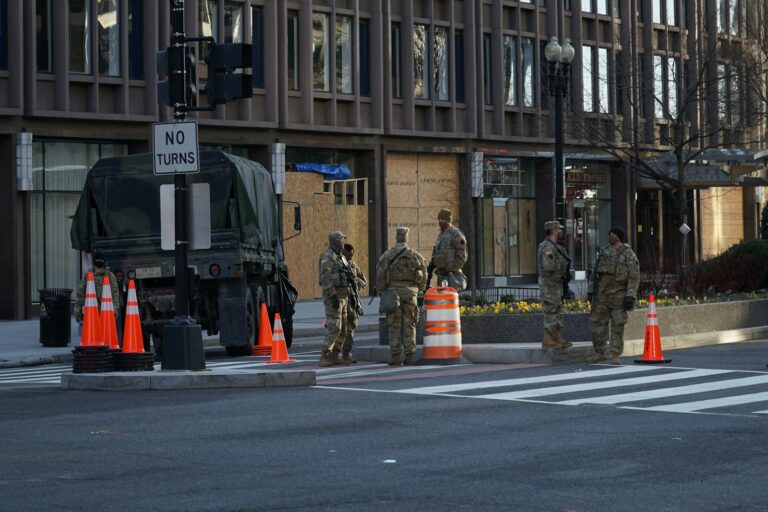
During a recent interview, Homeland Security Secretary Kristi Noem said Los Angeles “wouldn’t be standing” if the National Guard hadn’t arrived. She praised the president’s decision to send federal officers into the city. Her statement angered many who saw the deployments as a cause of more unrest. Now, people across the country are asking whether the Guard truly kept LA safe or made things worse.

What Noem Said in the Interview

On a Sunday talk show, the host asked if President Trump might send troops to Chicago next. Noem replied that such decisions remain the president’s choice. Then she claimed that, without federal help, “that city would have burned down.” She argued that local leaders failed to control riots and violence downtown. Noem said the National Guard and other officers were key to holding the peace.

Public Backlash and Social Media Reactions

Almost immediately, listeners took to social media to challenge Noem’s view. One LA resident wrote that the Guard’s presence actually triggered clashes and made riots worse. Another commenter called her claim “stupid” and blamed federal agents for starting fires. Critics noted that National Guard troops faced equipment shortages and confusion over their roles. They pointed out that local police and community groups were already working to calm protests.

Protests and the National Guard’s Arrival

When protests erupted in LA, local law enforcement led initial responses. Officers faced crowds demanding justice and police reforms. Then, the National Guard received orders to deploy. Within hours, dozens of military vehicles rolled into key intersections. Troops helped set up checkpoints and guard federal buildings. In some areas, they patrolled with police officers. Yet, the sudden shift in tactics alarmed some residents.

Did the National Guard Ease Tensions?

Supporters of the Guard say their visible presence stopped more destructive acts. They point to fewer looting reports after federal forces arrived. They also say the Guard helped protect historic landmarks. Moreover, federal officers removed barricades that blocked emergency routes. They argue these actions prevented fires and saved homes.

However, many disagree. They claim that soldiers in combat gear and armed vehicles only heightened anger. Some protesters felt threatened and pushed back harder. For example, a peaceful march in downtown turned tense when Guard troops advanced. Video clips show heated exchanges between protesters and troops. These clips went viral, adding fuel to the debate.

Local Leaders Share Their Views

The mayor and governor have both weighed in. They said they requested extra support for specific federal buildings, not an overall military force. They stressed that community policing could handle most protests. The mayor noted that dialogue with local activists did more to calm crowds than armed deployments. Meanwhile, the governor called for better coordination between state and federal agencies.

Understanding the National Guard’s Role

The National Guard normally activates to help in natural disasters, like wildfires. They offer logistical support, medical aid, and crowd control assistance. In this case, the Guard fell under federal command. That means they could perform law enforcement duties beyond usual missions. This shift raised questions about military forces policing American streets.

Why the Debate Matters

People worry about setting a precedent for using troops against civilians. They fear future protests might see rapid military responses. Others see the Guard as a safety net when violence erupts. Both views hinge on whether armed forces can protect without intimidating. In Los Angeles, the tension between security and civil rights remains clear.

Moving Forward After the Controversy

The clash over Noem’s comments shows deep divides. Community leaders are calling for after-action reviews of protest responses. They want clear rules on when and how the National Guard can step in. In addition, groups are urging the government to invest more in local crisis training. They believe well-prepared police and community teams can reduce the need for military help.

Ultimately, the question stays: Did the National Guard save LA, or did it spark more conflict? The answer depends on whom you ask. As both sides plan future actions, America watches to see if federal troops will again patrol city streets.

Frequently Asked Questions

How long can the National Guard stay in a city after deployment?

The Guard’s deployment length depends on the mission’s scope. Federal orders set specific start and end dates. State or local requests can also extend their stay.

Can National Guard troops make arrests during protests?

Yes, under federal activation, they can perform law enforcement duties. However, rules govern when and how they may detain individuals. Proper training and legal oversight must guide their actions.

What triggers a federal decision to send the National Guard?

The president or defense secretary may deploy the Guard when states request help. They look at threats to federal property or large-scale unrest that exceeds local control.

Have National Guard deployments reduced violence in other U.S. cities?

Results vary by location. In some cases, Guard presence helped restore order. In others, tension grew when troops replaced local officers. Community context and deployment strategy play significant roles.

Did Trump Shortchange Troops with 29-Day Orders?

0

Key Takeaways:

• President Trump placed Washington’s Guard on 29-day orders to dodge full housing and health pay
• Short orders saved about $2,500 per soldier each month
• Veterans and lawmakers say troops missed key benefits unfairly
• Service members and critics voice strong outrage over the tactic

Earlier this summer, reports said President Trump used 29-day orders for the DC National Guard. By stopping orders one day before 30, he avoided full housing and health benefits. Now, new rumors claim the practice has returned. Veterans and leaders on social media have reacted with anger and disappointment.

How 29-Day Orders Affected Troops

Under federal rules, service members get full Basic Allowance for Housing after serving 30 days. Before day 30, they only get a lower rate. By cycling troops off orders on day 29, the administration saved roughly $2,500 per person each month. Then they placed them back on orders after a one-day break. As a result, these soldiers never hit the 30-day mark.

Title 32 rules clearly state that full benefits start only on day 31 and only apply from then on. They also don’t go back and cover earlier days. Therefore, troops on 29-day orders missed out on full housing and health coverage. That left many of them worried about paying rent and medical bills.

Why 29-Day Orders Matter to Veterans

Many veterans say this move shows disrespect for troops’ service. One former service member wrote that such tactics infuriate anyone who served. Another critic called the president an “abusive commander in chief.” They argued that leaders should honor the oath made to the Constitution and treat service members fairly.

Lawmakers have weighed in too. A retired congressman who served in the Air Force questioned why the orders were so short. He pointed out that missing a single day costs soldiers key benefits. He added that it feels like the troops are being used as a budget tool.

Veteran Voices on Social Media

On a popular forum, an ex-soldier warned other service members. He said they have the right to refuse orders they think break the law. He urged troops to stand up if they feel mistreated. Another veteran posted that the president always seems to cut costs at the troops’ expense.

These comments show deep frustration. Many feel the system should protect troops from political budget tricks. They argue that fairness matters more than small savings.

Could Guards Refuse Unfair Orders?

Under military law, service members can question or refuse orders they believe illegal. Experts say this includes orders that violate pay rules. However, raising such an issue can be risky for a soldier’s career. It takes courage to challenge higher-ups, especially during active duty.

Still, some believe public pressure can force change. If enough people speak out, the administration might reverse the policy. Veterans groups are organizing petitions and letters. They hope to restore full benefits to those serving in our nation’s capital.

The Cost Savings Behind 29-Day Orders

By cycling orders, the government cut payouts by at least $2,500 per soldier each month. For hundreds of troops, that adds up fast. Critics say these savings come at a high moral cost. They believe the move sends the wrong message about how our country values its service members.

Supporters of the tactic claim it follows existing rules. They say the government must manage its budget wisely. Yet opponents argue that a leader’s duty is to reward troops, not shortchange them.

What’s Next for the National Guard?

As rumors swirl, people are watching closely. Will the Pentagon step in to enforce 30-day minimums? Will Congress pass a rule to close this loophole? And most importantly, will the troops get back pay for lost benefits?

The debate over 29-day orders has highlighted a bigger issue: how we treat those who protect us. Many believe the answer will shape military policy for years to come.

FAQs

How do 29-day orders work?

Under federal regulations, service members on Title 32 orders must serve 30 days to earn full housing and health benefits. A 29-day order ends one day short, qualifying them only for reduced pay.

Why did the administration use 29-day orders?

By ending orders on day 29 and restarting them after a short break, the government saved roughly $2,500 per soldier each month. This tactic exploits the benefit rules.

Can troops challenge these orders?

Military law allows service members to question or refuse orders they believe illegal. However, doing so can risk their careers, so many hesitate to speak up.

What might change this policy?

Public pressure, veterans’ advocacy, and new legislation could force an end to the 29-day order practice. Lawmakers could also pass rules to guarantee at least 30-day orders for benefit eligibility.

Did a Judge Halt Deportations With a Restraining Order?

0

Key Takeaways

• A judge issued a restraining order to halt deportations of 600 Guatemalan children.
• The restraining order ensures these kids get full immigration hearings.
• Lawyers argued unaccompanied minors must have legal protection.
• The Trump administration called its plan a pilot program.
• Now the children stay in the U.S. temporarily until court decisions.

Restraining order stops 600 child deportations

On Sunday, U.S. District Court Judge Sparkle L. Sooknanan blocked the planned deportation of 600 unaccompanied Guatemalan children. She granted a temporary restraining order just hours before they were set to leave. The order will remain in place while a full hearing happens. Therefore, these kids have time to seek protection in court.

Why the restraining order matters

The restraining order prevents the government from sending children back to Guatemala without a proper hearing. It also ensures they face full immigration proceedings. Moreover, it protects children who fear harm in their home country. For that reason, advocates called the judge’s decision a vital win.

How the pilot program was meant to work

The Trump administration described the plan as a first-of-its-kind pilot program. Under it, officials would quickly deport unaccompanied children from Guatemala. They planned to skip lengthy court appearances. However, lawyers argued this violated existing rules on child protection.

The lawsuit behind the scenes

Lawyers from the National Immigration Law Center filed the lawsuit late Saturday night. They wrote that all unaccompanied children are entitled to full immigration hearings. They also note that children might face danger if forced back without review. As a result, they asked the court for emergency relief.

What the judge said

Judge Sooknanan found that the plaintiffs “satisfied the four factors governing the issuance of preliminary relief.” She said the children could suffer great harm if deported too soon. In addition, the judge noted the government’s action could violate legal duties to protect kids.

The government’s response

The administration argued the program would speed up removals for children who do not qualify for asylum. They called it a pilot aimed at testing new procedures. Nevertheless, the court’s restraining order stops those plans while the case moves forward.

How this affects the children

Because of the restraining order, the 600 Guatemalan minors remain in U.S. custody. They now have access to immigration judges. This means they can apply for asylum or other protections. Also, they can present evidence about dangers they face back home.

Broader impacts on immigration policy

This ruling could shape how the government treats unaccompanied minors. If the restraining order stands, agencies might face stricter rules for quick deportations. Furthermore, other courts could follow this example in similar cases. Therefore, the decision has nationwide importance.

What comes next

The government and the children’s lawyers will appear before the court soon. They will argue whether the restraining order should become a longer-lasting injunction. Meanwhile, the children wait with their families or guardians in the U.S. They are hopeful their cases will get full hearings.

Views from advocates

Advocates praised the judge’s order as a lifesaving step. They said the restraining order upholds children’s rights. Also, they urged Congress to pass clearer laws protecting unaccompanied minors. In addition, they called on the administration to drop quick-deportation plans.

Legal experts weigh in

Some experts believe the restraining order could be overturned on appeal. Others think the judge’s reasoning is strong under current law. Yet all agree the decision highlights tensions over immigration policy. For now, government officials must pause the pilot program.

Voices of the families

Families of these children say the restraining order brings relief. They worry their kids faced danger back in Guatemala. Now, they feel safer knowing their children can tell their story in court. They also hope the U.S. will grant more time for proper hearings.

What happens in court

During the next hearing, both sides will present evidence. Lawyers for the children will share details of their fear of persecution. The government will defend the pilot program’s legality. After listening, the judge will decide whether to lift or extend the restraining order.

Key terms to understand

• Restraining order: A court order that temporarily blocks an action.
• Unaccompanied child: A minor who arrives without a parent or legal guardian.
• Immigration hearing: A court meeting where migrants seek refuge.

In short, the temporary restraining order has paused the deportation of 600 unaccompanied Guatemalan children. It forces the government to respect legal protections for minors. While both sides prepare for a full hearing, the children remain on U.S. soil. This ruling marks a crucial moment in U.S. immigration law.

Frequently Asked Questions

How long will the restraining order last?

The restraining order stays until the judge decides on a longer injunction. That decision could come after the next hearing.

Can the government appeal the restraining order?

Yes, the administration can ask a higher court to overturn or change it. Appeals could take weeks or months.

What rights do unaccompanied children have?

They have the right to full immigration hearings and to apply for asylum or other protections.

Will this decision affect future deportations?

Possibly. This case could set a precedent, making it harder to deport unaccompanied minors without court review.

Why Did the Sandwich Indictment Fail?

0

Key Takeaways

• Fox News host Shannon Bream challenged Jeanine Pirro about the sandwich indictment.
• D.C. grand jurors declined to indict the man who threw a sandwich.
• Pirro argued jurors don’t understand crime in tougher neighborhoods.
• The Department of Justice charged a misdemeanor instead.
• Pirro insists her office will hold the offender accountable.

In a Sunday interview, Shannon Bream pressed Jeanine Pirro on why a sandwich indictment did not happen. The case involved a man who threw a Subway sandwich at a federal officer. Yet, a Washington Post headline said grand jurors and judges pushed back on many Trump-era cases. Bream asked why this one did not move forward. Pirro said she could not share all grand jury details. However, she blamed jurors for not seeing crime as she does.

Case Details and Fallout

A man named Sean Dunn allegedly threw a sandwich at a federal officer outside an FBI building. The incident drew attention because it looked like a simple prank. However, federal officers saw it as an attack. Normally, such cases move fast through the justice system. Yet, jurors declined to indict Dunn. As a result, the Department of Justice charged him with a misdemeanor. This change upset some people who wanted harsher punishment.

Grand jurors push back in sandwich indictment

Jeanine Pirro said many jurors live in safer areas. As a result, they may not see crime up close. She compared their experience with that of victims. She said jurors treated this case lightly. Meanwhile, her office had aimed for the highest charge allowed by law. Yet, grand jurors decided the crime did not meet that bar. Consequently, the sandwich indictment failed to stick.

Local judges also showed caution. They wanted more proof before moving forward. They pushed back on a surge of new cases under Trump’s policing plan. This trend affected many cases, not just the sandwich indictment. As a result, prosecutors grew frustrated. They felt judges and jurors did not share their sense of urgency.

Pirro’s Response and Next Steps

Pirro said her team will still protect victims. She insisted they will seek justice within the law. She noted that charging Dunn with a misdemeanor still holds him accountable. She argued that every case must fit legal standards. If not, jurors will not agree. At the same time, she believes harsher charges can deter crime. Therefore, her office will keep pushing for tougher penalties when evidence allows.

She also highlighted challenges in D.C. courts. For example, she said judges sometimes set low bail for serious offenders. Then, the accused return to the streets quickly. In her view, this process can endanger public safety. Nevertheless, she respects the role of juries. She just wants them to see crime in all its forms.

What This Means for D.C. Policing Surge

The sandwich indictment saga may signal a bigger issue. First, it shows tension between prosecutors and jurors. Second, it highlights public concern over rising crime. Third, it raises questions about federal courts in D.C. Some experts say this pushback could slow enforcement. Others argue it ensures fair trials. Either way, both sides must find common ground.

If jurors keep rejecting tougher charges, prosecutors may rethink strategy. They might focus on building clearer evidence or on lesser charges. This could lead to more plea deals instead of trials. Moreover, it could shift how the public views federal law enforcement in the capital.

Meanwhile, community members want safe streets. They watch these cases closely. They worry that lenient charges send the wrong message. On the other hand, some people argue for caution to avoid unfair convictions. Balancing these views will shape future policy in D.C.

Lessons for Other Jurisdictions

Other cities may face similar hurdles. In places where crime surges, prosecutors push for higher charges. Yet, local jurors might resist if they lack firsthand experience. Therefore, prosecutors need strong outreach. They can explain the risks victims face. They can also train jurors on crime trends.

Moreover, transparency helps. When jurors see clear proof, they feel more confident. They may then support tougher charges. In the sandwich indictment case, jurors may have thought the crime was minor. Better briefing could change that view. Thus, future cases might succeed.

Transitioning from theory to practice, prosecutors could hold mock trials. They can invite community members to learn how evidence works. They can also share crime statistics. As a result, juror pushback may lessen over time.

Moving Forward in the Sandwich Indictment Era

Prosecutors will watch this case closely. They want to know how to handle similar incidents. They will likely adjust their approach. For example, they might gather more victim statements. They might add expert testimony on the danger of assault. They could also aim for charges that jurors find clear-cut.

Additionally, they may seek legislative help. Lawmakers could update statutes to define such assaults more strictly. This change would help juries see the crime’s seriousness. However, passing new laws takes time. In the meantime, prosecutors must work within current rules.

Overall, the sandwich indictment failure shows a gap between prosecution and jury perception. Bridging that gap will require effort from both sides. Yet, both want the same goal: justice and safety.

Frequently Asked Questions

What was the sandwich indictment about?

The sandwich indictment involved a man who threw a Subway sandwich at a federal officer. Grand jurors decided not to indict him on higher charges.

Why did grand jurors push back?

Pirro said jurors lived in safer areas. She believes they did not see crime’s reality. This gap in experience led them to treat the case lightly.

What charge did the Department of Justice bring?

After the grand jury declined to indict, the DOJ charged the man with a misdemeanor. Pirro says this still holds him accountable.

How might this case affect future prosecutions?

Prosecutors may seek clearer evidence or focus on lesser charges. They might also work on educating jurors about crime risks.

Will Epstein Files Finally Be Released?

0

Key Takeaways

  • Lawmakers push to release Epstein files in a new bill
  • Both parties back a petition to force the DOJ to share documents
  • Ten Epstein victims will speak out at a press conference on Sept. 3
  • Victims demand full closure and transparency on the Epstein case

What’s Happening with the Epstein Files?

Rep. Ro Khanna says a bipartisan push will soon force the release of the Epstein files. He and Rep. Thomas Massie plan to file a petition on Sept. 2. They need just six more Republican signatures. Moreover, 212 Democrats already signed on. Therefore, the bill looks strong. It aims to make the Department of Justice hand over every record. As a result, the public can see the full truth behind the Epstein case.

Who Is Leading the Charge?

Khanna and Massie co-lead this effort. Khanna spoke about it on NBC’s Sunday show. The host asked if they had enough votes. He replied confidently that they would. Massie brings Republicans to the table. Meanwhile, Khanna unites all Democrats behind the bill. This rare teamwork shows how important the issue has become. Indeed, both sides want to prove they can tackle big problems together.

Why Victims Demand the Epstein Files

Many survivors still feel pain. They look for answers that the files might contain. For instance, they want names, dates, and locations. They hope to see who else took part. Furthermore, they need evidence to heal and move on. So far, they lack access to crucial details. Without those details, they feel justice remains unfinished. Consequently, they fight for full transparency.

What Will the Press Conference Show?

On Sept. 3, ten victims will testify on the Capitol steps. Some have never spoken before. Their stories will make this event explosive. They will share how Epstein’s crimes changed their lives. Then, they will urge the public to demand the files. As a result, pressure on Congress and the DOJ will skyrocket. This visual moment will bring the fight for the Epstein files into the spotlight.

Key Speakers and Their Roles

  • Victims: They will speak openly and bravely.
  • Khanna and Massie: They will highlight the petition and its progress.
  • Supporting lawmakers: They will call for urgent action.

What Happens After the Press Conference?

First, the petition stays open for signatures. Then, lawmakers in both parties will push for a vote. If they get enough votes, the bill goes to the House floor. Next, it heads to the Senate for approval. Finally, it reaches the President’s desk. If signed, the DOJ must release the Epstein files within a set deadline. However, there could be legal challenges. The DOJ might claim national security or privacy concerns. Still, the bipartisan effort makes such objections harder to sustain.

Why This Push Matters Now

Jeffrey Epstein died years ago, yet questions remain. Victims deserve closure and validation. Congress must show it listens to survivors. Moreover, Americans want to hold powerful people accountable. When lawmakers team up across party lines, they prove real progress can happen. Finally, full disclosure can help prevent future abuses.

Understanding the Epstein Files

The term Epstein files refers to all documents about the case. It includes:

  • Police reports
  • Flight logs
  • Sealed affidavits
  • Victim statements
  • Financial records

Until now, many files stayed hidden or redacted. Therefore, the public saw only bits and pieces. By contrast, full files could reveal new patterns. They might name additional suspects or enablers. As a result, they can guide further investigations. In the long term, they can help protect future victims.

How People Can Support the Release

Anyone can join this cause online. You can:

  • Contact your representatives by email or phone
  • Share news about the press conference on social media
  • Use hashtags to spread awareness
  • Attend local town halls and ask questions

Moreover, you can donate to organizations backing survivors. These groups often push for transparency and reforms. By acting together, citizens can amplify victims’ voices.

Potential Challenges Ahead

Even with strong support, the process may stall. The DOJ might file court motions to block the release. Judges could weigh privacy against public interest. Also, some lawmakers might try to add revisions. They may argue over specific details or deadlines. Nonetheless, the bipartisan nature of this bill makes it harder to derail. As a result, the effort stands a better chance than usual.

A Look at Bipartisan Efforts in Congress

Bipartisan bills succeed when both sides find common ground. Here, the goal is clear: transparency. In recent years, similar pushes won public support:

  • Declassifying certain government reports
  • Releasing data on surveillance programs
  • Disclosing historic federal records

In each case, bipartisan teams made progress. By following that model, Khanna and Massie hope to achieve a major win.

What Full Closure Might Mean

For survivors, closure means more than seeing papers. It means:

  • Acknowledgment of their pain
  • Public record of wrongdoing
  • Potential new leads for justice
  • Emotional relief

When the truth comes out, it empowers victims. It also educates future generations. They learn how to spot abuses of power and speak up.

Looking Ahead: What’s at Stake

If the Epstein files come out, history may shift. New players could face scrutiny. Victims may come forward with fresh evidence. Lawmakers can craft stronger protections against abuse. Meanwhile, public trust in justice can grow. On the other hand, failure to release might erode faith in institutions. Thus, Sept. 3 stands as a pivotal moment.

Final Thoughts

The push to publish the Epstein files shows how real people can drive change. Thanks to brave survivors and dedicated lawmakers, this issue reached a boiling point. As the petition gains signatures, the momentum builds. The press conference will mark a critical test. It will reveal whether Congress can deliver true transparency. For many, seeing the full record means finally finding peace. If the effort succeeds, it will set a powerful example of bipartisanship.

Frequently Asked Questions

Who is sponsoring the bill to release the files?

Reps. Ro Khanna and Thomas Massie lead the petition with bipartisan support.

What do the Epstein files include?

They contain police records, flight logs, victim statements, and more.

When and where is the press conference?

It’s set for Sept. 3, on the steps of the U.S. Capitol.

How can the public watch or join?

People can follow live streams online and contact lawmakers to show support.

Why Did Trump Praise Jon Gruden?

0

Key Takeaways:

• President Trump called Jon Gruden a “really nice guy” after playing golf.
• Jon Gruden resigned in 2021 over emails with racist, sexist, and anti-gay slurs.
• Trump praised Gruden’s “true character” despite the controversy.
• The meeting raises questions about forgiveness and public image.

Trump’s Praise for Jon Gruden

President Trump shared a photo of himself shaking hands with Jon Gruden on a golf course. He wrote, “Great playing Golf with Jon Gruden — A really nice guy, and true character!” Consequently, many wondered why Trump chose to praise Gruden. Jon Gruden had stepped down as the Las Vegas Raiders’ coach in 2021. He left after The New York Times revealed old emails filled with hateful slurs. Even so, Trump focused on Gruden’s personality, not his past mistakes.

Looking Back at Jon Gruden’s Emails

In 2021, emails sent by Jon Gruden shocked fans and colleagues. Gruden called an NFL Players Association leader’s lips “the size of Michelin tires.” He also used sexist and anti-gay language. Therefore, he faced swift backlash. Soon afterward, he resigned to limit damage to his team’s reputation. However, Jon Gruden insisted he did not mean the words to sound racist. He said he was embarrassed and ashamed. Moreover, he claimed the comment was a complaint about dishonesty, not race.

Trump and Gruden on the Golf Course

Last Sunday, Trump and Gruden spent several hours on the greens. They smiled broadly in the photo Trump shared. In his post, Trump did not mention the scandal. Instead, he focused on Gruden’s character and kindness. For example, Trump highlighted Gruden’s generosity during their game. Furthermore, he praised Gruden’s manners and sportsmanship. This choice of focus shows how much Trump values loyalty and personal connection.

The Fallout and Public Reaction

Since Trump’s post, people have reacted strongly. Some support Trump’s decision to forgive Jon Gruden. They argue everyone deserves a second chance. Others disagree. They worry praising Gruden downplays his harmful language. Consequently, social media buzzed with debate. Moreover, sports fans feared the NFL might tolerate bad behavior. Therefore, some called on league leaders to speak up. However, the NFL remained silent, letting the story unfold without comment.

Lessons on Character and Forgiveness

This episode highlights how complex character can be. On one hand, Jon Gruden’s words deeply hurt people. On the other hand, President Trump chose to emphasize grace. Thus, we see two powerful themes: accountability and forgiveness. First, people must face consequences for hateful language. Second, society can also allow room for growth. Ultimately, fans and leaders must decide how to balance both. In this case, Trump opted for forgiveness over condemnation.

Why This Matters Now

Sports and politics often collide in public view. When a former coach meets a former president, the story gains weight. Moreover, the NFL aims to show respect and unity. Thus, any hint of bias or bigotry hurts its image. For example, the league has worked to promote diversity and inclusion. Meanwhile, critics say praising Jon Gruden sends the wrong message. Therefore, this news matters for both football and broader social conversations.

How Future Conduct Might Unfold

Looking ahead, Jon Gruden may work to rebuild his reputation. He could speak at events or support anti-bias programs. Likewise, President Trump’s praise might open doors for Gruden in media or coaching. However, success will depend on sincere actions. In other words, words alone cannot erase past mistakes. Transparency and meaningful steps will shape public opinion over time. Additionally, sports organizations will watch closely.

Key Takeaways for Readers

First, words carry power and consequences. Second, public figures face intense scrutiny. Third, forgiveness and accountability can clash. Finally, this story shows how leaders shape narratives. Whether you agree or disagree, the debate over Jon Gruden’s character is far from over.

Frequently Asked Questions

Why did Jon Gruden resign from the Raiders?

He stepped down after emails surfaced with racist, sexist, and anti-gay slurs.

What did President Trump say about Jon Gruden?

Trump called him a “really nice guy” with “true character” after their golf game.

Has Jon Gruden apologized for his emails?

Yes. Gruden said he was embarrassed and never meant to be racist.

Could Jon Gruden return to coaching?

Possibly. His future roles may depend on public support and league decisions.

Is Trump’s War Profits Plan Atrocious?

0

Key Takeaways:

• Former U.S. ambassador Michael McFaul blasts Trump war profits plan as “atrocious.”
• McFaul urges new military aid instead of debating failed peace talks.
• He warns that profit motives let Putin expand the war unchallenged.
• McFaul calls for direct sanctions on Russian banks and oil fleets.
• He wants U.S. seizure of frozen Russian central bank assets.

Trump War Profits Spark Outrage

Former ambassador Michael McFaul aired sharp criticism on MSNBC. He said President Trump’s focus on Trump war profits undermines U.S. support for Ukraine. Moreover, McFaul argued that this focus lets Russia’s president shape the war’s course. As a result, Ukraine faces greater challenges on the battlefield.

Why Trump War Profits Concern Americans

Michael McFaul served as ambassador to Russia from 2012 to 2014. He watched Russia grow more aggressive under Putin. Now, McFaul warns that Trump war profits shift attention away from helping Ukraine fight back. Instead, he said, the debate centers on who broke off peace talks. Consequently, Ukraine waits for fresh weapons.

Trump’s Profit Focus vs. Ukraine Aid

Rather than sending new military aid, Trump has pressed Europeans to buy U.S. weapons. While this boosts U.S. arms sales, it leaves Ukraine short on critical firepower. In McFaul’s view, this strategy turns the U.S. into a war profiteer. Thus, Putin gains room to expand offensives with minimal pushback.

“Profiting from a war is embarrassing,” McFaul stated plainly. He believes that a strong aid package would better serve U.S. interests. After all, a defeated or weakened Ukraine risks broader regional instability.

Putin’s Red Lines and U.S. Response

Next, McFaul pointed out how Putin crosses red lines with impunity. He claimed Trump offers no real consequences. Indeed, Russia has seized more territory and launched new attacks. Meanwhile, the U.S. debate stays stuck on blame for failed peace talks.

McFaul insists that the president must set clear limits. He urged immediate new sanctions beyond those on India. Specifically, he wants measures on Russian banks still trading globally. He also identified the “shadow fleet” of tankers that moves Russian oil.

Seizing Russian Central Bank Assets

In addition, McFaul touched on the billions in frozen Russian central bank assets held in the U.S. He said these funds could back more arms for Ukraine. Furthermore, the U.S. could use them to pressure Russia’s economy directly. Therefore, seizing these assets would send a strong message to Putin.

Why Fresh Sanctions Matter

First, sanctions on Russian banks would cut off key funding for Moscow’s war machine. Second, targeting the shadow fleet would choke off oil revenues. Third, asset seizure would reduce Russia’s financial cushion. Consequently, these steps could tilt the balance back in Ukraine’s favor.

Europe’s Role and U.S. Responsibility

Although European partners buy U.S. weapons, McFaul notes they still expect Washington to lead. He said shared burden builds stronger alliances. Without U.S. leadership, Europe might falter under Russian pressure. Thus, Trump war profits not only affect Ukraine but also weaken transatlantic ties.

The Human Cost of Delay

Moreover, every day without fresh aid costs lives. Soldiers face outdated gear and dwindling ammo. Families endure the trauma of war and displacement. By prioritizing profit over defense, the U.S. risks prolonging the conflict.

A Call for Clear Strategy

McFaul urges the president to outline a clear Ukraine strategy. First, announce a robust new military assistance package. Second, set firm red lines for Russian advances. Third, implement targeted sanctions and asset seizures. Finally, rally allies around a unified war effort.

Potential Impact on U.S. Politics

Domestically, McFaul’s comments could fuel debate on Trump’s foreign policy. Critics worry that profiting from war sets a dangerous precedent. Supporters may argue that arms sales boost the U.S. economy. However, when profits overshadow strategy, national security could suffer.

Will Trump Change Course?

The big question remains whether Trump will shift from profit to policy. If he acts on McFaul’s advice, he could strengthen Ukraine’s defenses. Conversely, staying the current course may let Putin write the war’s next chapter.

Key Takeaways for Readers

Finally, the U.S. must decide if it values immediate gains over long-term stability. As McFaul said, arms sales matter less than stopping Russia. Above all, effective support for Ukraine means focusing on victory, not profit.

FAQs

Why does McFaul call the plan “atrocious”?

He believes focusing on profit rather than sending weapons delays Ukraine aid.

What new sanctions does McFaul suggest?

He wants penalties on Russian banks, the oil “shadow fleet,” and asset seizures.

How could seizing frozen assets help Ukraine?

Using those funds to buy arms would boost Ukraine’s military capacity.

Does Europe support more U.S. leadership?

Yes, European nations expect the U.S. to drive a unified response to Russia.

Could Trump Invoke the Insurrection Act Soon?

0

Key takeaways:

  • Marc Wortman warns Trump may deploy troops in US cities beyond Washington, D.C.
  • Wordman says Trump first tried this plan in his first term but faced roadblocks.
  • The Insurrection Act gives the president power to use the military at home.
  • A clash could erupt between state governments, civilians, and the federal government.
  • Service members might face legal and moral dilemmas if they must obey disputed orders.

Insurrection Act Powers Under Scrutiny

Marc Wortman, an independent journalist, spoke on MSNBC’s Weekend Primetime. He argued that Donald Trump has long wanted to send National Guard troops into cities across America. However, he struggled with his first administration. Now, according to Wortman, Trump has removed most officials who opposed him in his second term. As a result, the chances of using military power at home have grown.

Wortman said he sees a plan forming. He thinks Trump wants to invoke the Insurrection Act to override local leaders. That move could spark a fight over federalism. Moreover, it could pit the federal government against state governments. Even worse, civilians could face troops in the streets.

How the Insurrection Act Works

The Insurrection Act dates to 1807. It lets the president order troops to quell rebellion or domestic violence. Under this law, federal soldiers can act inside the United States. Yet, presidents have used it only six times in history. Most people do not know about it. Still, it grants broad power.

If the president invokes the Insurrection Act, governors lose some control over their National Guard. Then the military answers directly to the president. Thus, state leaders cannot stop troops from acting. In addition, federal forces can arrest people and clear streets. This power can help during riots or rebellions. But it can also turn into a tool to suppress protests.

Why Trump’s Plan Raises Red Flags

First, deploying troops to American cities outside Washington is rare. Second, Trump’s critics worry he might use force to stop protests or political dissent. Third, state governments may refuse to cooperate. Fourth, law enforcement could get caught in the middle.

Furthermore, Wortman warns the plan is not just hypothetical. He said Trump first sketched this idea during his first term. Yet, strong opposition in his cabinet and staff blocked it. Now, with fewer critics around him, the idea could move forward. Therefore, Wortman sees real danger ahead.

Potential Clash Over Federalism

Federalism means states share power with the national government. Each state is a sovereign entity with its own laws and leaders. Meanwhile, the president leads the federal government.

If Trump invokes the Insurrection Act, he challenges that balance. States may refuse to give up control of their guards. They could say the orders are illegal. In turn, the federal government may force its will. This clash could play out in courtrooms or on the streets.

Moreover, states might pass laws to defend their rights. They could block troop deployments or order state troops to resist. Such moves might deepen political divisions. They could also test the limits of democracy in the United States.

What Military Members Could Face

Enlisting in the military means following orders. Soldiers pledge to obey lawful commands. Yet, Wortman says they may face serious dilemmas if orders seem unconstitutional.

If they join federal troops under the Insurrection Act, they could get orders they find unjust. Then, they must decide: obey or refuse? Disobeying might lead to court-martial, loss of pay, or worse. Some could even face charges of treason. On the other hand, following unlawful orders can violate their personal moral code. It could also break the law. Thus, soldiers face a no-win choice.

How Could It Unfold?

First, Trump might publicly announce his intent to use the Insurrection Act. Then, governors could challenge him in court. Meanwhile, the military would prepare plans for domestic operations. Next, troops could arrive in cities that saw unrest or protest.

During any operation, soldiers would patrol streets, enforce curfews, and make arrests. Local police might team up with them, or they might clash. Citizens could protest the military presence. In that case, the situation could become volatile. Above all, the risk of mistakes or rights violations would grow.

What Comes Next?

At this stage, all eyes are on Trump’s administration. People are watching who remains in top positions. Key allies who back tough measures could push the plan forward. Yet, other officials may still oppose it behind the scenes.

Lawmakers in Congress could also step in. They can hold hearings, pass new laws, or block funding for troop deployments. Courts could rule that using the Insurrection Act without real rebellion is unconstitutional. In short, checks and balances will be tested.

Why This Matters to You

Even if you never plan to protest, this issue touches your life. It concerns how our democracy works. It affects the balance between state and federal power. It shapes how the military serves its own citizens. Finally, it sets precedents that future presidents will follow.

In the end, Wortman’s warning urges all of us to pay attention. We need to know how the Insurrection Act operates. We should watch our leaders carefully. Moreover, we must defend democratic norms and state rights.

Frequently Asked Questions

How often has the Insurrection Act been used?

In American history, presidents have invoked the Insurrection Act only six times. It remains a rare and powerful tool for domestic action.

Can state governors stop the president from using the Insurrection Act?

Governors can refuse to cooperate and challenge the order in court. However, the federal government can still deploy troops under its constitutional power.

What risks do soldiers face under the Insurrection Act?

Soldiers may receive orders they believe are illegal. Disobeying can lead to court-martial and severe punishment. Obeying potentially unlawful orders can violate their moral beliefs and rights.

Could Congress block a president’s use of the Insurrection Act?

Yes. Congress can pass laws or cut funding to prevent or limit troop deployments. It can also hold hearings to challenge the president’s actions.

Did Sebastian Gorka Mislead on Mass Shootings?

0

Key Takeaways:

• CNN’s Brianna Keilar challenged Sebastian Gorka over misleading mass shootings data.
• Gorka focused on transgender attackers despite official stats showing they are rare.
• Secret Service figures show 96% of attackers in 2016–2020 were not trans men.
• Experts say focusing on one trait distracts from the broader mass shootings epidemic.

Mass shootings are horrific events that shake communities. Recently, CNN host Brianna Keilar confronted former Trump aide Sebastian Gorka about his claims on these attacks. He argued that an “ideological connection” existed among shooters who targeted Christian or Catholic schools, especially when a shooter was transgender. However, Keilar pointed out that his data mix-up missed the bigger picture. This exchange shows why accurate numbers matter when discussing mass shootings.

Mass shootings claims in the spotlight

Sebastian Gorka insisted that the recent shooting at a Catholic church in Minnesota reflected a pattern. He said there was a link among shooters who held certain beliefs, including transgender identity. Yet Keilar pressed him with facts from the U.S. Secret Service National Threat Assessment Center. She noted that out of 172 mass attacks from 2016 to 2020, just 4 percent involved transgender men. In other words, 96 percent of attackers were not trans. Meanwhile, Gorka dismissed CNN’s numbers, calling them “pseudo facts.”

Moreover, Keilar highlighted that only three out of 32 school shootings since 2020 involved transgender shooters. That means 29 of those attacks were carried out by people who were not transgender. Consequently, experts say it makes little sense to zero in on trans identity instead of wider warning signs. For example, many mass shootings share traits like sudden anger, obsession with weapons, or failed relationships. Thus, labeling them by one personality feature can mislead the public.

Diving into mass shootings numbers

First, it helps to understand what the term “mass shootings” covers. Generally, it refers to attacks where four or more victims are shot or killed. These events can happen anywhere—from schools to public gatherings. While each incident has unique aspects, researchers try to spot patterns to prevent future violence. According to the Secret Service study, few attackers fit a single profile. Therefore, saying mass shootings stem from one ideology forgets the varied motives behind them.

However, data can be tricky. For example, Gorka cited some cases without proof that shooters were transgender. Keilar noted that in at least one instance he referenced, the attacker’s gender identity was unverified. In fact, she said, “No evidence shows he was trans.” As a result, mixing unconfirmed details with official stats can warp understanding. That’s why it’s crucial to check sources and confirm identities before jumping to conclusions about mass shootings.

Furthermore, when people focus only on a shooter’s identity, they may overlook warning signs. For instance, some attackers show behavioral red flags—threatening messages, fascination with past shootings, or sudden isolation. By contrast, identity traits rarely predict violent acts. Therefore, experts urge a broader approach. They recommend training, mental health support, and community reporting systems. These steps address root causes rather than stereotypes.

Why data accuracy matters

It’s easy to grab attention by blaming mass shootings on a specific group. Yet, this tactic can harm real progress. When public opinion shifts to fear or anger toward one identity, it can fuel bias. Meanwhile, murderers with different backgrounds slip under the radar. For example, if media focus only on transgender attackers, the majority of cases fade from view. As a result, schools and communities lose chances to intervene early.

In addition, inaccurate claims can undermine trust in news outlets. Gorka accused CNN of reporting falsehoods, pointing to Russia investigations and border debates. Yet Keilar stuck to official numbers and simple math. Consequently, viewers may feel confused about whom to believe. The solution lies in transparent data sharing. Governments and agencies should publish clear reports on mass shootings. Likewise, journalists need to explain how they verify facts. This way, the public gains confidence in the information they receive.

Also, fact-based discussion helps politicians craft better policies. If lawmakers know that most mass shooters share certain risk factors, they can pass laws to flag those signs. For instance, extreme vetting for gun purchases or funding social services can reduce violence. Moreover, communities learn how to spot trouble early. Thus, accurate data isn’t just about numbers. It’s about saving lives.

What’s next for the debate

After this on-air clash, the conversation around mass shootings will continue. Keilar’s challenge shows that hosts can hold experts accountable. Meanwhile, Gorka’s insistence on an ideological link reminds us how narratives can shape public fear. In the end, both sides agree: mass shootings are a serious problem. The question is how best to address it.

Looking ahead, media outlets may re-examine how they report on shooting incidents. They might add context, show clear charts, or interview specialists. Also, viewers can demand better coverage by asking questions on social media or contacting stations directly. At the same time, lawmakers may use this debate to push for improved reporting standards or research funding. In any case, the spotlight on data accuracy could lead to stronger prevention strategies.

Conclusion

The clash between Brianna Keilar and Sebastian Gorka shows why facts matter in the mass shootings discussion. While Gorka tried to link shootings to transgender identity, official numbers paint a different story. In fact, data reveal that just a small fraction of mass shooters are transgender. Therefore, focusing on stereotypes distracts from real warning signs and solutions. As this debate unfolds, clear data and honest dialogue can help society tackle the mass shootings epidemic more effectively.

FAQs

What exactly counts as a mass shooting?

A mass shooting usually involves four or more victims shot or killed in one event. It can happen in schools, public places, or private homes.

Why focus on data accuracy for mass shootings?

Accurate data helps experts spot true risk factors. Misleading stats can distract from real causes and harm prevention.

How can communities prevent mass shootings?

Communities can train people to notice red flags, fund mental health services, and improve reporting systems for suspicious behavior.

Will media change how they report mass shootings?

Many hope outlets will use clear charts, expert interviews, and verified stats. This can build trust and guide better solutions.