51.5 F
San Francisco
Thursday, April 2, 2026
Home Blog Page 562

Is Trump Bringing Back the Death Penalty in D.C.?

0

Key Takeaways

  • Donald Trump wants to push for the death penalty in Washington, D.C.
  • His plan targets people convicted of murder in the nation’s capital.
  • Trump believes this move will prevent future crimes.
  • The proposal is part of his wider crime crackdown strategy.

Trump Pushes for the Death Penalty in Washington

Former President Donald Trump is making headlines again. This time, he’s talking about bringing back the death penalty in Washington, D.C. He says it’s part of his plan to get tough on crime. During a Cabinet meeting on Tuesday, Trump made it clear: if someone is found guilty of murder in the capital, they could face capital punishment.

This move has started new debates around the country. Is the death penalty still right for America? Can it really stop future crimes? And most importantly, is this Trump’s way of showing he’s serious about crime in the upcoming election season?

Let’s take a closer look at Trump’s death penalty plan and what it could mean for Washington, D.C.

Why Trump Is Pushing for a Death Penalty Comeback

Trump said he believes the death penalty can stop others from committing violent crimes. He thinks that bringing back this extreme punishment sends a strong message.

“If somebody kills somebody in the capital, we’re going to be seeking the death penalty,” Trump announced during the publicly broadcast meeting. He also called it “a very strong preventative” and claimed that “everybody that’s heard it agrees.”

Trump’s plan is part of his wider effort to reduce crime in Washington, which has seen increased violence in recent years. By including the death penalty in his strategy, Trump hopes to scare potential criminals into making better choices.

Crime in Washington Is Rising

Washington, D.C., like many big cities, has seen an uptick in crime. Homicides, carjackings, and violent offenses are up compared to past years. Residents are increasingly worried about their safety, and local businesses are struggling due to crime in surrounding areas.

Trump sees this rise in crime as a chance to rally public support. By offering serious solutions like the death penalty, he’s aiming to appear tough and decisive.

So, is the death penalty the answer to D.C.’s crime problem? That’s where things get complicated.

Mixed Opinions on Capital Punishment

The death penalty remains one of the most debated topics in the U.S. Some think it’s a fair punishment for the worst crimes. Others say it’s outdated, cruel, and doesn’t actually prevent crime.

In Washington, D.C., the death penalty has been banned since 1981. D.C. is one of the few areas fully against it, following years of protests and policy changes. To bring it back, Trump would need support from Congress.

Even then, many lawmakers and legal experts doubt its long-term effectiveness. Some studies show states with the death penalty don’t always see lower crime rates.

Still, Trump insists that making criminals fear the ultimate punishment is a powerful way to stop them from acting violently.

What Would Bringing Back the Death Penalty Look Like?

If the death penalty were reinstated in D.C., it would mean big changes to how courts handle murder cases. Convicted criminals could face years of legal battles as appeals work through the system. Death row would return, and execution procedures would need to be created or borrowed from other states.

Trials would likely become more expensive and take longer. Families affected on both sides would face emotional and financial stress for years.

Still, supporters say these hurdles are worth it if it reduces crime and brings justice to victims.

A Political Strategy?

Some analysts believe that Trump’s talk about the death penalty is all about politics. He’s already lining up arguments for his 2024 presidential run. Getting tough on crime has always been a key part of his platform.

By talking about murder and punishment, Trump shifts the focus away from other issues and toward his tough-guy image. It energizes his supporter base and creates a clear contrast with rivals who may support softer criminal justice reforms.

Whether this works remains to be seen, but it’s clear that crime and punishment will play a big role in upcoming debates.

Can the Federal Government Overrule D.C.?

Washington, D.C., is not a state. That means the federal government has more power over it than it does over most places. Congress can make laws that apply directly to D.C., even if local leaders don’t agree.

Trump could pressure Congress to pass new legislation allowing federal prosecutors to seek the death penalty for serious crimes committed in D.C. If Republicans control Congress, his proposal might gain traction.

However, such a move would likely face legal challenges. Advocates and groups that oppose capital punishment already say they’re preparing for a fight.

Public Reaction Is Divided

Unsurprisingly, public opinion is split on Trump’s death penalty idea. Supporters say it’s about time someone took D.C.’s problems seriously. They believe tough laws are needed now more than ever.

Others say Trump’s plan is harsh and unfair. They worry that it could lead to mistakes, especially in a system where race and poverty already play big roles.

Some also fear this could create a bad reputation for D.C., making it look dangerous or out of control.

What Happens Next?

Right now, Trump’s death penalty plan is only a proposal. For it to become law, many steps are needed. Congress would have to act, courts would weigh in, and voters would share their voices.

But the conversation is already underway. As Trump pushes his idea forward, more people are talking about crime in D.C., the power of fear, and how our justice system should work.

Whether you support or oppose the death penalty, one thing is certain: it’s back at the center of U.S. politics.

FAQs

What is Donald Trump’s plan for the death penalty in Washington, D.C.?

Trump wants to bring back the death penalty in D.C. for those found guilty of murder. He believes it could help reduce violent crime.

Is the death penalty currently legal in Washington, D.C.?

No, the death penalty has been banned in Washington, D.C. since 1981. It would take a new law passed by Congress to bring it back.

Why does Trump believe the death penalty will reduce crime?

Trump says the fear of death could stop people from committing violent crimes. He calls it a “strong preventative” method.

Can the federal government really make this change in D.C.?

Yes, since D.C. is not a state, Congress has the power to pass laws directly affecting the city, including laws about the death penalty.


Is Casting in ‘Maybe Happy Ending’ Causing Drama?

0

Key Takeaways:

  • Controversy sparked after a white actor replaced an Asian lead in “Maybe Happy Ending.”
  • Advocacy groups say the decision erases Asian representation in a Korean story.
  • The show had just started gaining attention after its Tony Award win.
  • Social media users and theater fans are debating the choice of casting.

The casting controversy in “Maybe Happy Ending” is taking center stage, and not in the way producers hoped. The popular Broadway rom-com was riding high after its recent Tony Award win. But now, the spotlight has shifted to a growing conflict. That’s because producers decided to cast white actor Andrew Barth Feldman in the lead male role, replacing Filipino-American actor Darren Criss. Many fans and theater groups are speaking out, saying this choice pushes aside Asian voices in a story set in South Korea.

Casting Controversy in Focus

When people buy tickets to a Broadway musical, they expect both performance and respect for the story’s roots. That’s what makes this casting controversy so emotional. “Maybe Happy Ending” is a musical created in South Korea, told from a deeply Korean perspective, and originally presented in the Korean language. It even scored a Tony for its powerful storytelling.

Darren Criss, an actor of Filipino descent, first played the male lead on Broadway. His presence on stage gave the role—and the story—authentic cultural context. But as Criss steps down, the producers picked Andrew Barth Feldman, a white actor, to replace him. That decision didn’t sit well with many in the theater world.

Asian performance advocacy groups like the Asian American Performers Action Coalition and the Consortium of Asian American Theaters and Artists quickly shared their disapproval. They argue that this change erases representation for Asian performers in a space where they’ve already struggled to gain fair treatment.

Why Representation Matters on Broadway

Representation is not just a trending word—it’s something that deeply affects how people see themselves in media. Stories about specific cultures should reflect those cultures in thoughtful and mindful ways, especially when it comes to casting.

“Maybe Happy Ending” takes place entirely in South Korea and focuses on Korean characters. While the story is fictional and even futuristic, fans argue that cultural ties are still important. By replacing an Asian actor with a white one, critics say the production sends a message that Asian actors are only welcome temporarily, until more mainstream (often white) actors take over.

For many Asian American performers, this isn’t just about one show. It reflects a larger issue in the entertainment industry—one where racial minorities often see their roles taken over even when the story being told is their own.

Social Media Reacts Loudly

It didn’t take long for audiences and actors alike to take this debate online. Social media platforms lit up with tweets and posts both supporting and opposing the casting move.

Some users defended the decision, saying talented actors should be able to play any role, regardless of race. But others were quick to point out that Asian actors don’t have the same broad access to roles as white actors do. Therefore, when rare opportunities like this come around, keeping them within the community is important.

Several theater professionals also voiced their concerns. Many believe that “Maybe Happy Ending” should provide space for rising Asian talent. Advocacy groups are even calling on producers to consider recasting the role with an Asian actor.

Broadway’s Record with Representation

This isn’t the first time Broadway faced criticism over representation. In the past, hit musicals and plays have been blamed for ignoring the communities they profit from. From using white actors in roles meant for people of color to failing to hire diverse backstage staff, Broadway has long struggled with inclusion.

In recent years, some progress has been made. Shows like “KPOP,” “Pacific Overtures,” and “Soft Power” have brought more Asian talent into the spotlight. Even so, moments like this highlight how easily that progress can be undone.

In fact, advocacy groups worry that the current casting controversy could set back future casting inclusivity efforts. If one of the few Korean stories on Broadway doesn’t fully back Asian representation, what kind of message does that send to aspiring performers?

Producers Stay Silent—For Now

So far, the team behind “Maybe Happy Ending” hasn’t issued a formal comment on the uproar. This silence has only added fuel to the fire. Many supporters of authentic casting say they just want transparency and an explanation.

Some suggest compromises—like hiring an understudy of Asian descent or launching casting calls across Asian American communities. Others believe it’s not too late to reverse course and make a new casting decision altogether.

While the producers weigh their next move, theatergoers and cultural advocates continue to push for better practices and clearer communication.

What Happens Next for ‘Maybe Happy Ending’?

With all eyes on this controversy, the producers now face a big decision. Will they stick with their casting choice, or take action to reflect the community they’re representing on stage?

The issue goes beyond who sings the final note. It’s about who gets to be seen, heard, and recognized in one of the most important storytelling spaces in the world—Broadway.

As the debate continues, one thing remains clear: audiences aren’t just watching musicals for entertainment. They’re also looking at how these productions treat the stories—and the people—they bring to life.

FAQs

Why is the “Maybe Happy Ending” casting controversial?

The show replaced an Asian lead with a white actor, upsetting many fans and theater groups. They argue this takes away representation from Asian performers in a story set in Korea.

Who originally played the lead role?

Darren Criss, who is of Filipino descent, first played the male lead before stepping down.

Why does representation matter in this situation?

Because “Maybe Happy Ending” is a Korean story, many believe the lead role should reflect that culture, especially on a global stage like Broadway.

Is this the first time Broadway has faced such issues?

No. Broadway has had several controversies regarding racial and cultural representation in casting and storytelling.

Is the EV Charger Program Finally Back on Track?

Key Takeaways:

  • The federal EV charger program is restarting after a six-month pause.
  • The NEVI program helps install electric vehicle chargers across U.S. highways.
  • Trump had criticized the program as expensive and unnecessary.
  • Some states challenged the delay in court, leading to the reopening.
  • The program was launched in 2021 through bipartisan legislation.

Why the EV Charger Program Matters Right Now

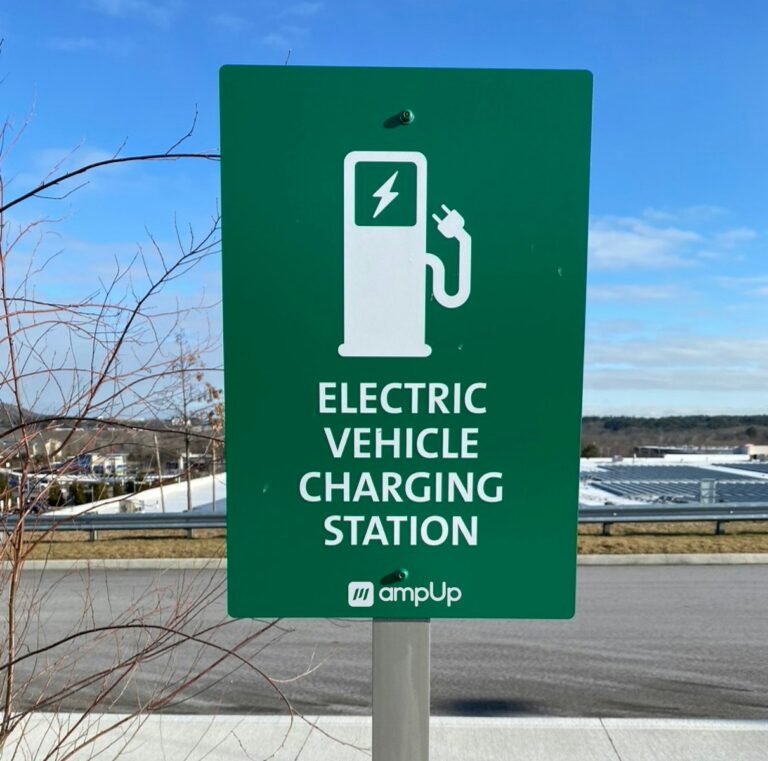
After months on hold, the government is bringing back a major project to expand electric vehicle (EV) infrastructure. The program, called the National Electric Vehicle Infrastructure (NEVI), is designed to install fast EV chargers along highways across the country. This is important for making it easier for people to drive electric cars without worrying about running out of power far from home.

Though former President Donald Trump has strongly criticized the NEVI program, it’s making a comeback thanks to legal pressure from multiple states and pushback from lawmakers. This could reshape how and where people charge their cars in the years to come.

What Is the NEVI Program?

The NEVI program began in 2021 when Congress passed a law with support from both Democrats and Republicans. Its main goal is to make electric vehicle charging faster and more convenient. The plan includes funding for high-speed chargers spaced no more than 50 miles apart on major U.S. highways.

These chargers work much faster than regular home chargers, allowing drivers to get back on the road in under an hour. NEVI gives money to states so they can use private companies to build and manage these fast-charging stations.

Why Was the EV Charger Program on Hold?

The NEVI program hit a major roadblock earlier this year. The Trump administration paused new funding for the program, calling it a waste of federal money. The former president described the EV charger project as part of what he believes are unnecessary “green” programs pushed by the Biden administration.

However, it’s important to note that NEVI wasn’t part of President Biden’s climate agenda alone. It was approved by both political parties in Congress, giving it strong legal support. Unlike some other climate initiatives, this program stands on more solid ground because of its bipartisan origins.

States Push Back Against the Freeze

Several states didn’t take the funding freeze lightly. They depended on NEVI funds to move their charging projects forward and argued that the delay was illegal. In response, a few filed lawsuits, demanding that the federal government stick to the law that created the program.

As the legal fight gained attention, pressure grew to restart the flow of funds. Eventually, this led to the decision to reopen the EV charger program and allow states to resume building the charging stations travelers have been waiting for.

What Reopening the EV Charger Program Means

Restarting the NEVI program means that states can once again receive money to put more EV chargers on highways. This is vital because having more fast charging options could convince more people to switch to electric cars. Charging stress is one of the biggest reasons many drivers are still unsure about making the switch from gas-powered vehicles.

This could also help businesses along highways gain more traffic, as people stop to charge their cars and perhaps take a break at nearby hotels, shops, or restaurants. In the long run, the effort is expected to create jobs, support cleaner transportation, and reduce greenhouse gas emissions.

Challenges Still Remain for the EV Charger Rollout

Even though the EV charger program is back, there are still hurdles. Some critics argue that people don’t need as many charging stations as the government claims. Others say many rural areas will be left out because most investment focuses on high-traffic routes.

There’s also the issue of time. Building hundreds of fast-charging stations isn’t quick or easy. These projects often face zoning delays, permit hold-ups, and supply chain problems. That means drivers might not see dramatic changes right away.

Still, most experts agree that expanding EV charger access is necessary for more drivers to buy electric cars confidently.

Where the EV Charging Battle Goes Next

Although the NEVI program has restarted, the political debate around it isn’t over. Former President Trump has continued to say the funds should go elsewhere and that the shift toward electric vehicles is being forced on Americans. He argues that the free market, not government spending, should decide how we drive.

But the law that launched NEVI is still in effect and remains one of the only major clean energy plans to survive political shifts. For now, that means the EV charger program is moving forward—slowly but surely.

Expect to see more announcements as states decide where to place the next round of EV chargers. Travelers could begin noticing new charging stations popping up along highways, especially in areas that already had basic charging infrastructure.

The Bottom Line: Why NEVI Matters

The EV charger program is about more than just technology or politics—it’s about giving drivers options. When people know they can charge their electric vehicle easily, they’ll feel more confident about choosing a cleaner, more affordable alternate to gas-powered cars.

Although delays, debates, and setbacks have created challenges, the reopening of NEVI may reignite momentum for building a stronger, nationwide EV charging network. Whether you’re already driving electric or thinking about switching, the return of this program is a big deal.

FAQs

What is NEVI and why is it important?

NEVI stands for National Electric Vehicle Infrastructure. It funds high-speed EV chargers along highways, making long-distance EV travel easier.

Why did the EV charger program stop?

The Trump administration paused the program, calling it wasteful. Legal challenges from states helped restart it.

Where will the new EV chargers be installed?

Chargers will be placed along major U.S. highways, roughly every 50 miles, to support long-distance travel.

Who pays for these EV chargers?

The federal government provides the funding, but states manage construction using private companies.

Is Florida Funding a $245M Immigration Center That’s Closing?

0

Key Takeaways:

  • Florida pledged $245 million to a detention center now set to close.
  • The Everglades facility, called “Alligator Alcatraz,” may soon be empty.
  • A judge ruled the immigration site must shut down operations.
  • The timing raises questions about the Florida government’s spending.

What’s Going On With the ‘Alligator Alcatraz’?

Florida made headlines after it committed a massive $245 million to an immigration detention center deep in the Everglades—nicknamed “Alligator Alcatraz.” But now, the center may never operate again. A recent court ruling orders the shutdown of the facility, raising big questions about why the state poured millions into a place that’s about to be closed.

The immigration center was meant to house detainees waiting for court rulings or deportation. Built in one of Florida’s most remote natural areas, its nickname “Alligator Alcatraz” came from being surrounded by thick swamps and alligators—making escape nearly impossible.

But with this new court decision and the center on the verge of being emptied, it’s unclear what will happen next.

Florida’s Immigration Center Faces Shutdown

Florida Governor Ron DeSantis and his administration have been vocal about tightening immigration rules. That’s part of the reason behind “Alligator Alcatraz.” It was supposed to be a tough facility, located far away from cities and built for maximum security.

The plan included spending $245 million to secure and operate it. The facility was designed to hold thousands of detainees. However, on Wednesday, an internal government email revealed the center is expected to be empty in just a few days.

The sudden change happened after a federal judge made a final ruling that ends the facility’s operations. That decision caught the public off guard, especially considering how much money was on the table.

Kevin Guthrie, who heads Florida’s Division of Emergency Management, said they’re preparing for the center to shut down completely. That means the investment may already be going to waste.

Why Are Immigration Centers Being Closed?

The federal judge’s ruling is tied closely to legal and human rights questions. Migrant detention centers across the country are under more scrutiny than ever. Reports of poor conditions, limited medical care, and overcrowding have brought pressure on local and federal governments to rethink their use.

Advocates argue that these centers do more harm than good, especially for families and children. Critics also point to the high costs of running them—money that could be used elsewhere, like schools or public health.

In this case, the Everglades Center became a target partly because of its location. Being so remote, it posed risks for medical emergencies, service access, and legal visits. Legal groups argued detainees would have limited rights in a place so far from help.

Some believe this closure could lead to more shutdowns across the country, especially in areas where access to services is limited.

How Much Did the State Already Spend?

That’s the big question troubling Florida taxpayers. Of the $245 million committed, it’s unclear how much has already been spent and how much can be saved. Construction, staffing, and operational costs were already in motion.

A major concern is whether the state will be able to get any funds back—or if it will remain a sunk cost. Floridians want answers on how their money got tied up in a project that may never be used as intended.

Some lawmakers are now urging transparency from Governor DeSantis’s office, hoping to get a full breakdown of how the funds were allocated.

What Happens to the Everglades Facility Now?

For now, the site remains standing. But with the shutdown order in place, it could soon become an abandoned complex in one of Florida’s most sensitive environmental regions. Maintaining the building with no detainees inside will only cost more money.

Some environmentalists are already raising concerns. The Everglades is a protected wetland, and building a structure there may harm the fragile ecosystem. If the center is left unused, cleanup and removal may be necessary.

As of now, the state hasn’t announced a clear plan for reusing or repurposing the facility.

Is Political Pressure Playing a Role?

Many believe political decisions led to the funding—and now the fallout. Florida’s strict immigration stance differs from recent federal policy shifts under the Biden administration.

While the state pursued hardline immigration tactics, the federal government moved in the opposite direction, shutting down or limiting detention centers. This created a conflict where local money was being used on a facility the federal courts no longer allow.

The divided views between state and federal governments are unlikely to slow down any time soon.

People on both sides of the issue are now asking: Was this money spent to help protect the public, or was it more about political headlines?

Looking Ahead: What’s Next for Immigration in Florida?

As the Everglades immigration center prepares to close, Florida faces fresh questions about its next steps. Will this project be remembered as a costly mistake, or will the state find a way to recover?

Florida has vowed to challenge federal decisions impacting local policy. But as legal limits take hold, the state may be forced to rethink how it handles immigration long-term.

One thing is certain—residents now want more oversight, transparency, and accountability before any more massive spending projects move forward.

What This Means for You

If you live in Florida, this story hits close to home. After all, $245 million is coming from your tax dollars. With rising concerns about inflation, housing, and public safety, many feel the money could have better uses.

For others, this may be a turning point in how immigration enforcement is handled in the U.S., especially at the state level. The closure comes at a time when national attitudes about immigration are shifting.

So what can Floridians expect? More debate, more questions—and hopefully more answers in the days ahead.

FAQs

What is “Alligator Alcatraz”?

“Alligator Alcatraz” is the nickname for an immigration detention center in the Florida Everglades. It got that name because of its isolated location surrounded by alligator-filled swamps.

Why did Florida spend $245 million on it?

The state invested the money to build and run the detention site, which was part of its strict immigration strategy led by Governor DeSantis.

Why is the center being shut down?

A federal judge ruled that the facility must stop operating, likely due to legal concerns related to its location, conditions, and detainee rights.

What will happen to the building?

Right now, it remains unclear. The state has not released plans for what to do with the center now that it’s no longer being used.

Are EV Tax Credits Ending Soon? What You Need to Know

Key Takeaways:

  • EV tax credits are set to end next month due to policy changes.
  • The IRS is offering a grace period to help last-minute buyers.
  • EV shoppers may still qualify if they act fast.
  • The tax credit change stems from past legislation under President Trump.
  • The decision affects incentives from the 2022 Inflation Reduction Act.

Understanding the EV Tax Credit Deadline

If you’re thinking about buying an electric vehicle (EV), now might be your last chance to save big. The Internal Revenue Service (IRS) just gave EV buyers more time before major tax credit changes kick in. These changes could end some popular tax breaks for people buying EVs.

This update happened because of an older rule called the One Big Beautiful Bill Act. It was created during President Donald Trump’s term and is now affecting clean energy programs made under President Biden’s 2022 Inflation Reduction Act.

The IRS is trying to make this change easier by offering some leeway to buyers. Let’s break down what’s happening, what it means for you, and how you can still grab those EV tax credits while they last.

What Is the EV Tax Credit?

An EV tax credit is money you get back from the government after buying an electric vehicle. It’s a way to make eco-friendly cars more affordable. Depending on which car you buy, you could save up to $7,500 on your taxes.

EV tax credits have helped thousands of people go green while saving money. But these benefits might not be available for much longer.

Why Are EV Tax Credits Ending?

The reason is political. When President Trump passed the One Big Beautiful Bill Act, it included rules about how long certain tax credits could last. Those rules are now being used to block or reduce the clean energy tax breaks from President Biden’s Inflation Reduction Act.

As a result, several credits—especially the EV tax credit—must start to phase out. The IRS announced that these changes will start next month. This shift will likely make EVs more expensive for many buyers.

What Did the IRS Announce?

The IRS shared that they’ll allow a short grace period to help buyers rushing to take advantage of the tax credits. If you buy and place your EV into service before the updated deadline, you may still qualify for the older, larger credit.

However, if you wait too long and miss this window, you could lose out on as much as $7,500 in federal savings. That’s why experts are urging people to act quickly.

How Can I Still Get the EV Tax Credit?

To keep your chance at receiving the EV tax credit, follow these steps:

1. Choose a qualified EV model.
2. Sign your purchase agreement before the IRS’s new deadline.
3. Make sure the vehicle is delivered and placed into service in time.
4. Keep all purchase paperwork for your tax return.

Also, check if the car manufacturer and dealer are participating in the IRS tax credit program. Not all EVs qualify, and the list changes often.

What Types of EVs Still Qualify?

The IRS decides which cars qualify based on a mix of factors. These include:

– Where the car and battery are made
– The cost of the car
– The buyer’s income
– The intended use (personal vs. business)

As credits phase out, fewer vehicles will meet all the requirements. That’s why it’s important to double-check the list before you buy. Some American-made EVs are more likely to qualify.

How Much Can You Still Save?

If your vehicle and situation meet all the requirements, you can get up to:

– $7,500 for new electric vehicles
– $4,000 for used electric vehicles

That’s extra money that reduces the taxes you owe—or boosts your refund. But with the new IRS rules, these savings may disappear for many consumers.

Why This Matters for EV Shoppers

The price of electric cars can be higher than gas-powered vehicles. But with tax credits, eco-conscious drivers could afford to make the switch. Now, with the credits phasing out, going electric could get more expensive.

If you’re on the fence about buying an EV, this news could help you decide. Acting now might mean the difference between saving thousands of dollars or paying full price.

What About State Incentives?

Even if the federal EV tax credit goes away, some states offer their own discounts. These can include:

– Rebates or bonus cash
– Local tax deductions
– Free carpool access or toll discounts

Check your local government’s website for incentive details. While they can’t replace the full power of a federal tax credit, they still help reduce the cost.

Will EV Prices Rise Without Credits?

Without federal tax help, EV prices could feel out of reach for many families. Automakers may try to keep costs down to attract more buyers, but it’s not guaranteed. As prices inflate due to supply chain problems or demand, saving options will matter even more.

The EV market is growing fast, but incentives like tax credits make it move faster. So losing that push could slow down sales and innovation.

Are There Other Benefits to Buying an EV Now?

Besides the tax credit, there are other upsides to getting an EV soon:

– Lower fuel costs
– Less expensive maintenance
– Helping reduce pollution
– Access to advanced tech features

Buying early also means you get access to more available models. Popular EVs tend to sell out or have long waitlists, especially during tax season.

How to Stay Informed

This EV tax credit phase-out can be confusing. Rules might update again based on politics or new bills in Congress. To stay ahead, follow these tips:

– Check the IRS website regularly
– Ask your dealership about current programs
– Talk to a tax professional before filing your return
– Look for news from trustworthy sources like Digital Chew

Don’t wait too long to make your move. If you’re serious about switching to electric, this could be your last shot at big savings.

Final Thoughts on EV Tax Credits

The end of EV tax credits could reshape America’s clean car future. For now, buyers have a limited chance to claim money from the federal government when buying eligible electric vehicles. But that window may close in just a few weeks.

If you want to take advantage of the current EV tax credit, don’t delay. Acting now could mean driving off with a new electric car and a big savings bonus.

FAQs

How do I know if my EV qualifies for a tax credit?

Check with the IRS or your dealer. The car must meet certain price, origin, and battery requirements.

Can I still get some tax credit after the deadline?

You may, but it could be much smaller or unavailable. The IRS offers a phase-out period, so timing is key.

Do I need to apply for the EV credit?

No separate application is needed. You claim the credit on your yearly tax return when you file.

Are used EVs also eligible?

Yes, used EVs can qualify for a credit of up to $4,000 if they meet the rules.

Will Tariffs Survive the Court’s Ruling?

0

Key Takeaways

• The appeals court ruled that the president lacks power to impose global tariffs under a 1977 law.
• The ruling won’t take effect until October.
• President Trump vowed to fight the decision at the Supreme Court.
• Trump insists tariffs protect American workers and companies.
• A Supreme Court battle could decide America’s trade future.

Background on Tariffs

The White House used tariffs to pressure other countries. Tariffs tax imports. They aim to boost U.S. factories and farms. However, the International Emergency Economic Powers Act never mentioned global tariffs. Therefore, a lower court struck down Trump’s tariff policy last year.

What the Court Said About Tariffs

The federal appeals court agreed with the lower court. It said the president cannot add tariffs on all imports. Instead, Congress must give clear permission. As a result, the court ruled these tariffs illegal. Yet the decision is delayed until October.

President Trump’s Reaction

President Trump posted a furious rant on his social media platform. He wrote in all capitals that “ALL TARIFFS ARE STILL IN EFFECT!” He called the appeals court “highly partisan.” Moreover, he warned that removing tariffs would be a disaster. He insisted America must stay strong.

Why Trump Fights the Tariffs Ruling

Trump believes tariffs help reduce trade deficits. He also claims they protect American workers and factories. He argued that other countries used unfair trade barriers. Therefore, he says the U.S. needs tariffs more than ever. Without them, he fears financial weakness.

Tariffs and the Supreme Court

Trump vowed to take the case to the Supreme Court. He expects the high court to side with the executive branch. However, the Supreme Court has never clearly ruled on this law’s scope. Consequently, the final outcome remains uncertain.

Impact on American Manufacturers and Farmers

Many manufacturers welcomed the original tariffs. They felt safer from cheaper imports. Farmers also saw higher prices for some foreign products. Yet some businesses pay more for parts. Thus, the effect on industries has been mixed. Still, Trump insists tariffs benefit everyone.

Delay Until October

Although the ruling came out this month, it stays on hold. Tariffs remain active until October. During this time, imports still face those taxes. Thus, companies and shoppers will not see immediate price changes. Therefore, the economy will stay stable for now.

The Role of Congress

The court emphasized that Congress writes trade laws. The International Emergency Economic Powers Act grants limited power. It mostly covers national emergencies, not broad tariffs. Therefore, Congress may need to pass new legislation. That could grant the president clear tariff authority.

Public Opinion on Tariffs

Public views on tariffs vary widely. Some people applaud protection for local jobs. Others worry about higher costs in stores. Economists often say that trade barriers hurt growth. Yet politicians sometimes use tariffs to show strength. As a result, the debate stays heated.

What Happens Next?

First, the case goes to the Supreme Court if Trump files an appeal. Then, justices will decide if the appeals court was right. At the same time, Congress might draft new trade laws. Meanwhile, tariffs will remain until October. Thus, no sudden change is likely this month.

Potential Outcomes for Tariffs

If the Supreme Court sides with Trump, tariffs stay. The president could then continue the same policy. On the other hand, if the high court upholds the appeals court, tariffs would end. Congress must then act fast or face market unrest. Ultimately, the decision will shape U.S. trade.

The Road Ahead for Tariffs

Meanwhile, businesses and investors watch closely. They plan for both scenarios. Some industries lobby Congress for clear rules. Others prepare to cut costs if tariffs fall. Moreover, foreign governments track U.S. policy changes. Their response could affect future trade deals.

Conclusion

The appeals court ruling challenges presidential tariff power. Nevertheless, tariffs remain until October. President Trump vows to fight at the Supreme Court. The battle will test executive authority and Congress’s role. In the end, America’s trade policy could change forever.

FAQs

How can tariffs help American workers?

Tariffs tax imports, making foreign goods pricier. That can boost demand for U.S. products. In turn, factories may hire more workers.

What is the International Emergency Economic Powers Act?

It is a law passed in 1977. It lets the president act during national emergencies. However, it does not clearly allow global tariffs on all imports.

Why did the court delay its decision until October?

Courts often delay major rulings. They allow time for appeals and planning. This pause helps avoid sudden economic chaos.

What could Congress do about tariffs?

Congress could pass new legislation. That law might grant the president clear power to set tariffs. Or it could restrict tariff authority further.

Did Trump’s Lordstown Plant Plan Fail?

0

Key Takeaways

  • Trump hailed the Lordstown plant as a big win for Ohio jobs.
  • An EV startup took over but had no car-making experience.
  • The startup failed, went bankrupt, and sold to Foxconn.
  • Foxconn also couldn’t revive the plant, and Fisker talks collapsed.
  • Now SoftBank will turn the site into an AI equipment factory.

The Rise and Fall of the Lordstown Plant

Donald Trump promised to save the Lordstown plant in Ohio. He called it a triumph of his industrial policy. However, the site never made the cars he vowed to deliver. Instead, it became a string of broken promises and failed deals.

A Promise to Save Jobs

In 2019, General Motors announced it would close the Lordstown plant. That move threatened many manufacturing jobs in northeast Ohio. Trump attacked GM’s CEO on social media. He demanded she sell the plant or keep it open. Soon after, an electric-vehicle startup grabbed the site. The President showcased their prototype truck at the White House. He even held campaign events there, touting the plant’s future.

Yet nobody checked if the startup knew how to build cars. Instead, Trump used the Lordstown plant as a campaign prop. He claimed to have “made a deal” that would save workers and revive a struggling region.

Why the Lordstown Plant Collapsed

First, the startup had no track record in auto manufacturing. Secondly, its electric pickup trucks caught fire during tests. Moreover, weak consumer demand hurt sales forecasts. The startup relied heavily on a $40 million loan to retrofit the site. But that loan did not guarantee market success.

Within a few years, the company sold the Lordstown plant to Foxconn. Foxconn planned to build electric vehicles there for Fisker and IndiEV. Yet both automakers failed, leaving Foxconn with an empty factory. Finally, Foxconn filed for bankruptcy protection in 2023.

The story of the Lordstown plant shows that political promises alone cannot overcome market realities. Even massive subsidies could not spark enough interest in those electric trucks.

What Comes Next for the Lordstown Plant

After Foxconn’s failure, the site found a new buyer. In 2024, SoftBank agreed to purchase the plant. But this time, it will not build cars. Instead, SoftBank will convert the facility into a factory for AI data center equipment. This shift mirrors broader industry trends. Many companies now focus on data processing and cloud services.

Thus, the Lordstown plant will finally see life again. However, it will serve a tech purpose rather than an auto one. The region might gain new jobs, but they will not be assembly-line roles. Instead, workers will likely handle electronics and server components.

Lessons from the Lordstown Plant Debacle

First, politicians may promise big industrial wins. Yet markets decide winners and losers. Second, ribbon-cutting ceremonies do not ensure production success. Third, backing inexperienced startups carries high risks. Lastly, industrial policy needs careful planning, not just campaign slogans.

Therefore, the case of the Lordstown plant should serve as a warning. Political leaders must balance ambition with practical checks. Otherwise, they risk turning vibrant factories into empty shells.

Frequently Asked Questions

Why did General Motors close the Lordstown plant?

General Motors shut the plant to cut costs and reorganize its production. The move aimed to focus on more profitable factories and new vehicle lines.

How did Trump get involved with the Lordstown plant?

After GM announced the closure, Trump publicly pressured the company’s CEO. He celebrated an EV startup’s takeover of the site and used its prototype as a campaign prop.

What led to the electric-vehicle startup’s failure?

The startup lacked car-making experience, faced weak demand, and saw its trucks fail safety tests. These factors sank investor confidence and forced it to sell the plant.

How will SoftBank use the former Lordstown plant?

SoftBank plans to convert the facility into a factory for producing AI data center equipment. This new focus reflects growing demand for cloud and server technologies.

What Are the National Guard Doing in DC?

Key Takeaways

• National Guard soldiers patrol Washington, D.C., but lack clear orders.
• They’ve spent time guarding doughnut shops, picking up trash, and smiling.
• Their presence hasn’t stopped violent crime or high-profile incidents.
• City life is quieter: fewer playgrounds, restaurants, and street vendors.
• Federal agents, not the National Guard, handle most law enforcement tasks.

National Guard Soldiers Guard DC with No Clear Mission

Since early August, more than a thousand National Guard soldiers have patrolled Washington, D.C. Yet they often stand idle in humid heat. They guard food trucks, pick up litter, and spread mulch along sidewalks. Some admit they have no real mission. Meanwhile, crime still happens and everyday life feels tougher for many residents.

How National Guard Deployment Affects City Life

When soldiers first arrived, they carried no weapons. Later, they got rifles. Now, they patrol major streets heavily armed. Even so, their patrols haven’t stopped stabbings or robberies. At one busy intersection, soldiers walked nearby as a man was stabbed. They did nothing, and the suspect fled. Residents texted reporters, “So safe,” in sarcasm.

Soldiers Share Confusion About Orders

Reporters asked groups of soldiers why they were in D.C. One squad said, “We’re the president’s patrol.” Another group said they were “just walkin’ around.” A third admitted they were only “smiling and waving.” Many soldiers are from South Carolina or West Virginia. They wore their state patches but could not explain their tasks. As one Guardsman put it, he was “just here to look good.”

Idle Hours Under the Sun

Photos show soldiers doing little more than seeking shade or grabbing ice cream. One unit stood guard outside a Krispy Kreme shop. Later, reporters saw them picking up trash and spreading mulch near government buildings. These chores feel more like park service work than law enforcement. Yet, they get national attention and overtime pay.

Crime Persists Despite National Guard Presence

Even with daily patrols, violent crime has not dropped much. A stabbing on H Street happened at 3 p.m. while soldiers strolled nearby. They broke for lunch just yards from the scene. A local resident joked that the city felt “so safe” after watching the attack unfold. Instead of stopping it, soldiers watched from a distance.

Community Life Remains on Edge

Residents see fewer kids playing outside and fewer customers at restaurants. Some families with mixed immigration status worry about federal agents. They keep children home and skip work. In some neighborhoods, playgrounds stand empty. Street vendors pack up early. Food-delivery scooters are parked, unused. As a result, local restaurants saw a 31 percent drop in bookings during Restaurant Week.

Parents Organize to Protect Children

With the National Guard on every corner, some parents feel less safe. They formed “walking buses” to escort kids to school. Volunteers line up daily to guide groups of children past soldiers and agents. Many parents say they’d rather trust neighbors than armed forces they don’t understand.

Federal Agents Handle Tougher Jobs

Behind the scenes, federal agents tackle serious crimes. They chase people with broken tail lights and tackle delivery drivers. For many residents, these agents cause more fear than soldiers. “I worry more when I see them,” said one local vendor. “They push people to the ground for small mistakes.” In contrast, guardsmen have “behaved like a notional guard,” according to the report.

Economic Slowdown and the National Guard’s Role

Local business owners report empty storefronts. Summer tourists stay away. Office workers log in remotely instead of joining lunch crowds. As a result, sales drop and vendors pack up early. The National Guard’s presence may deter crime, but it also drives customers away. Once soldiers leave, the crowd might return—and so might crime.

Mayor Notes Crime Drop, Ignores Life Chill

City leaders celebrate a decline in certain crimes. However, they also see a drop in daily activity. Empty streets and quiet neighborhoods are not signs of health. True vibrancy returns only when people feel safe and welcome. For now, D.C. lives under a heavy guard presence with unclear goals.

What’s Next for the National Guard in D.C.?

Officials have not set an end date for the deployment. Some say soldiers will stay for weeks. Others suggest they could remain through major events this fall. If soldiers keep standing idle, public frustration may grow. Community groups and local businesses might push for clearer roles or an earlier exit.

Looking Ahead: Balancing Security and City Life

Washington must find a way to protect residents without freezing daily life. In addition to guardsmen, local police and community groups need clear plans. Otherwise, the city risks long-term harm to its economy and spirit. As one parent put it, “We want safety, but not at the cost of every family staying inside.”

Frequently Asked Questions

Why did the National Guard deploy to Washington, D.C.?

Officials cited a rise in violent crime and threats near federal buildings. However, local leaders say they did not request this many soldiers.

Have National Guard patrols cut crime?

There have been small drops in some offenses. But many violent incidents still occur near guard patrols.

What tasks do National Guard soldiers perform?

They mostly stand guard, pick up trash, spread mulch, and occasionally guard food trucks. They rarely intervene in crimes.

How do residents feel about the National Guard?

Opinions are mixed. Some appreciate extra eyes on the street. Others worry the soldiers create a chilling effect on everyday life.

Why Is Joni Ernst Retirement a Big Deal?

0

Key Takeaways:

• Senator Joni Ernst of Iowa will not seek re-election in 2026.
• Her decision adds to a wave of GOP retirements and worries about the party’s future.
• Democrats see a strong chance to flip the Iowa Senate seat.
• Critics point to Ernst’s “we are all going to die” remark as a factor in her exit.
• Early polls show Democratic challengers gaining ground in Iowa.

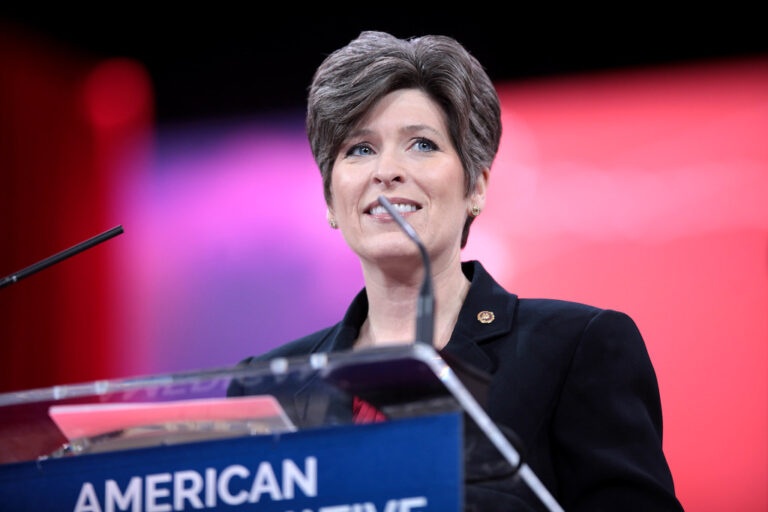
Senator Joni Ernst’s decision to step down has sent shockwaves through politics. For years, she was viewed as a rising star and possible future vice president or defense chief. Now, her choice not to run again marks another blow to the Republican brand.

What Led to Joni Ernst Retirement?

Many believe several factors triggered the Joni Ernst retirement. First, she made a high-profile gaffe at a town hall, telling voters upset about cuts to Medicaid and Medicare, “Well, we are all going to die.” That comment drew sharp criticism and may have hurt her support.

Moreover, recent polls show her trailing Democratic challengers. One internal campaign poll for Iowa State Senator Zach Wahls had Ernst narrowly behind. Fellow Democrat Josh Turek also polled close. Facing stiff competition, she likely saw the writing on the wall.

Ernst also follows other top Republicans out the door. Senators Mitch McConnell, Thom Tillis, and Tommy Tuberville have already announced retirements. Even Marsha Blackburn is eyeing a governor’s race. This pattern suggests GOP senators fear tough contests ahead.

Impact of Joni Ernst Retirement on Politics

The Joni Ernst retirement will reshape the 2026 Senate map. Democrats now see a clear path to win this seat. Iowa Democratic leaders are already celebrating. State Senator Zach Wahls said Iowans are fed up with rising costs and corruption. He vowed to flip the seat next year.

Meanwhile, critics of the GOP say this trend shows a weakening party. Neera Tanden of the Center for American Progress called Senate Republicans “glass jaws all the way down.” Political commentator Sophia A. Nelson predicted senators Bill Cassidy and Susan Collins will be next to retire.

Chuck Todd joked that in another universe, where Trump never took over the GOP, Ernst might now be vice president or a presidential candidate. Such remarks highlight how dramatically the party has shifted since 2016.

Why This Matters Beyond Iowa

The Joni Ernst retirement could signal a bigger shift in national power. Recent generic ballot polls give Democrats a consistent lead. A CNBC survey showed Democrats up by five points, a warning sign for Republicans. In the last three midterms after a new president took office, the party out of power gained House seats. Republicans cannot ignore these trends if they hope to hold Congress.

On top of that, Donald Trump’s key policies—tariffs, immigration, economic plans—are unpopular outside his core supporters. As more GOP senators bow out, Democrats gain momentum and fundraising power. Flip enough seats, and they could regain control of both the Senate and the House in 2026.

Mixed Reactions and Next Steps

Democrats are already lining up their campaigns. Zach Wahls and Josh Turek both claim they will hold Republicans accountable for cutting healthcare. They promise to fight for Iowa families and reject billionaires’ tax breaks.

Republican operatives, however, caution against over-confidence. They argue that Iowa still leans conservative in many areas. They point out that Ernst won re-election in 2020 and that name recognition can matter even for new candidates. Yet, the GOP will have to work harder to recruit strong contenders and raise funds.

For Senator Ernst herself, the decision ends an eight-year Senate career that began in 2015. At age 55, she may pursue other roles in public service or move into the private sector. Her formal announcement is expected next Thursday.

Lessons from the Joni Ernst Retirement

First, high-stakes gaffes can have long-term effects. Ernst’s town hall comment haunted her throughout this year. Second, party image matters. As more senators retire, voters may see a lack of confidence in GOP leadership. Third, midterm dynamics favor the party out of the White House. With a Democratic president, the GOP needed to show strength—but is instead losing key players.

Ultimately, the Joni Ernst retirement reflects a volatile political era. Both parties must adapt. Democrats see a rare opportunity. Republicans face the challenge of rebuilding their brand and message.

FAQs

What was Joni Ernst’s main reason for retiring?

Multiple factors played a role, including a widely criticized town hall remark, tight polls against Democratic challengers, and a broader trend of GOP retirements suggesting tough races ahead.

How will the Iowa Senate race change without Ernst?

Her exit opens the field for Democratic contenders like Zach Wahls and Josh Turek. Early polls show a competitive race, giving Democrats a strong chance to flip the seat.

Does this retirement affect national politics?

Yes. The loss of an incumbent makes it harder for Republicans to hold the Senate majority. Combined with favorable generic ballot trends, it could help Democrats regain control in 2026.

Could Joni Ernst return to politics later?

While she has not ruled out future public service, she seems poised to step away from electoral politics. She may explore roles in advocacy, consulting, or the private sector.

Are Trump Tariffs Unconstitutional?

Key Takeaways

• A federal appeals court ruled that Trump had no legal power to use emergency rules for broad tariffs.
• The court said the tariffs are unconstitutional but kept them in place during further appeals.
• Many critics cheered, yet experts warn U.S. shoppers could face higher prices soon.
• The fight will likely move to the Supreme Court for a final decision.

What the Trump Tariffs Ruling Means

A federal appeals court handed a major defeat to Trump’s trade plan. It found that Trump lacked the legal authority to impose sweeping global tariffs under emergency powers. In other words, the court decided that only Congress can set big tariffs like these. However, the tariffs remain for now while the case moves up.

The court largely agreed with a May decision from a special trade court in New York. It said that using emergency rules to tax entire countries breaks the Constitution. Still, Americans will keep facing those extra fees on goods until the Supreme Court weighs in.

Why Trump’s Tariffs Lost Legal Ground

Trump claimed a national emergency justified his tariffs. He pointed to a law meant to fight threats like drugs. Yet the appeals court said that law does not allow economy-wide taxes. Therefore, only Congress can approve such wide tariffs.

Additionally, the judges ruled that Trump’s team never proved a true emergency. They noted that many goods hit by the taxes came from friendly nations. Thus, the court saw the move as a power grab.

Swift Online Reactions

Almost as soon as the ruling dropped, people took to social media to share their views.

• Frank Amari, once a public defender, cracked a joke on a social platform saying, “So much winning!!”
• Historian Trent Nelson posted a simple “Yea. Obviously.”
• Economist Justin Wolfers cheered the court but warned that other tariffs could stick around. He explained that industry-specific taxes rely on different laws, so those will stay.
• Dmitry Grozoubinski, author on trade myths, mocked the idea that Trump is above the Constitution.
• Analyst Christian Roselund noted this was the second court to reject Trump’s emergency tariff power. He expects another appeal.

These reactions show how divided people remain over trade and presidential power.

Possible Price Hikes Ahead

Experts warn that the tariffs keep prices high for American shoppers. They say products from steel to electronics could cost more. In fact, some predict “staggering” price hikes if the extra taxes remain long term.

Moreover, companies that import large volumes might pass the costs to customers. That means families could see higher bills at the store. Therefore, many are watching the appeals process closely.

What Comes Next for Trump Tariffs

Since the appeals court left the tariffs in place, the fight is far from over. The Trump administration can ask the Supreme Court to take the case. If it does, justices will decide if the president can use emergency rules for big trade moves.

If the high court sides with Trump, the tariffs will stay and possibly expand. On the other hand, a final rejection could force the White House to seek approval from Congress. That would shift the debate to Capitol Hill.

How This Affects Trade Policy

This ruling sets a clear line on presidential trade power. Going forward, presidents may need lawmakers’ backing for similar moves. Thus, trade wars might require more deal-making in Congress. That could slow abrupt shifts in tariffs.

In the meantime, White House officials say they have other tools. They could target specific industries or products instead of entire countries. Yet those moves likely have narrower reach.

Impact on Businesses and Consumers

Businesses that rely on global supply chains face uncertainty. They may struggle to plan if tariffs can change at any time. For consumers, higher costs could hit wallets in the coming months.

Some companies already stockpiled goods to avoid extra fees. Others rerouted orders through different countries. Still, long-term shifts will depend on the final legal outcome.

Looking Ahead: A Trade Tug-of-War

This legal battle highlights the power struggle between the presidency and Congress. It also shows how courts can shape economic policy. As the case heads to the Supreme Court, all eyes will be on the justices. Their decision will define the limits of emergency authority for years to come.

Frequently Asked Questions

What exactly did the appeals court decide about Trump tariffs?

The court ruled that Trump lacked legal authority under emergency powers to impose broad, economy-wide tariffs on many countries. However, it left the tariffs in place during further appeals.

Will prices go up if the tariffs stay?

Yes. Experts warn that maintaining the tariffs could raise costs for businesses and shoppers. Products like steel, electronics and household goods could become more expensive.

Can the Supreme Court stop the tariffs right away?

The Supreme Court can choose to review the case. If it agrees, it may pause the tariffs while deciding. Otherwise, the extra fees stay in effect until a final ruling.

What might the White House do next?

If the Supreme Court rejects emergency-based tariffs, the White House may seek narrower powers. It could rely on industry-specific laws or push Congress to pass new tariff authorizations.