51.5 F
San Francisco
Thursday, April 2, 2026
Home Blog Page 563

Is Mental Health to Blame for Gun Violence?

0

Key Takeaways:

  • Speaker Mike Johnson says mental health, not guns, causes shootings.
  • The House voted to cut mental health services, including major Medicaid funding.
  • The Trump administration ended $1 billion in school mental health grants.
  • Critics argue cuts ignore gun laws and leave children at risk.

Speaker’s Reaction to the Minneapolis Shooting

In the wake of the Minneapolis Catholic school shooting, Speaker of the House Mike Johnson spoke out. Two young children died. Seventeen more were wounded. Instead of calling for new gun laws, he blamed mental health and the human heart. He also criticized leaders on the left, like Jen Psaki and Gavin Newsom, for attacking faith and religion.

Johnson said that prayer can help grieving families. However, he insisted that guns are not the problem. He argued that we should focus on mental health services and the human spirit. He warned against “politicizing” grief at a time of tragedy.

The Mental Health Debate

Johnson’s stance fueled a wider debate about mental health and gun violence. On Wednesday, Jen Psaki, now an anchor, said that “prayer is not enough.” She pointed out that no amount of prayers can bring back lost lives. She urged for action to make schools and churches safer.

Johnson answered that mental health is the real issue, not firearms. According to him, more counseling and therapy can prevent violence. Yet many lawmakers on his side are cutting mental health budgets. The House recently voted to reduce Medicaid funds, the largest public payer of behavioral health services.

Cuts to Mental Health Services

Moreover, the Trump administration ended roughly a billion dollars in school mental health grants. These grants were part of a law passed after the Uvalde school shooting in 2022. Funds were meant to hire and train counselors and psychologists in schools. The Education Department under Trump claimed the programs conflicted with its priorities.

As a result, many schools lost support for counselors and social workers. Parents and teachers worry that this will leave vulnerable children without help. They say mental health services can spot warning signs early. Without these services, children in crisis may slip through the cracks.

Critics Respond

Critics slammed Johnson’s comments as tone-deaf. They pointed out that Republican leaders have repeatedly cut mental health funding. Award-winning writer Hal Corley said the party denies community care even as it praises it. Others noted that Republicans often block measures to expand Medicaid for psychiatric care.

Meanwhile, gun control advocates argue that mental health alone cannot explain mass shootings. They say easy access to firearms plays a major role. They insist on laws that require background checks, safe storage, and red flag orders. In their view, tackling both mental health and gun access makes sense.

What Comes Next?

In the days ahead, this clash over mental health and guns will shape policy debates. Lawmakers must decide if they will restore funding for counselors, social workers, and therapists. They will also debate whether to strengthen or loosen gun rules in schools and public spaces.

Parents, teachers, and community leaders are calling for commonsense solutions. These include metal detectors, trained guards, and secure entry systems at schools. In addition, many support more school counselors and online hotlines for mental health help. They want action that does not threaten lawful gun ownership, but still protects children.

As the nation mourns another tragedy, feelings run high on all sides. Some fear that blaming mental health alone distracts from gun safety. Others worry that new regulations may infringe on rights. However, most agree that children deserve safe schools and support for mental well-being.

Frequently Asked Questions

How does mental health relate to school shootings?

Mental health can affect behavior and stress levels. When students lack counseling, warning signs can be missed. Strong support helps detect and treat problems early.

Why did the Trump administration cut school mental health grants?

Officials said the grants conflicted with their priorities. They argued these programs might undermine student well-being, but critics saw the move as a budget cut.

What is the House doing about mental health funding?

Recently, it voted to reduce Medicaid funds for behavioral health services. This decision may limit access to counseling for low-income families.

Can prayer help prevent gun violence?

Prayer offers comfort and hope for many. Yet experts say it cannot replace counseling, security measures, or common-sense gun laws. Prayer alone will not stop shootings.

Is SSA Cloud Security Under Threat?

0

Key Takeaways

  • The Social Security Administration’s chief data officer resigned after raising alarms about cloud security.
  • He filed a whistleblower complaint saying personal data of hundreds of millions of Americans sat on an unprotected cloud server.
  • He described his exit as a forced resignation driven by a hostile work environment.
  • His decades of public service included ensuring strict data privacy and security rules.

The Social Security Administration’s chief data officer, Charles Borges, has resigned. He left after filing a whistleblower complaint. In it, he warned that personal data of hundreds of millions of Americans sat on an exposed cloud server. He believes new leaders at the agency ignored his concerns. As a result, he says he faced exclusion, fear, and an intolerable workplace.

How Cloud Security Risks Sparked the Whistleblower Alert

Charles Borges served as the SSA’s chief data officer. He oversaw the safety, integrity, and security of all citizen data. In that role, he needed full visibility into how data moved and who accessed it. Recently, he discovered that the Department of Government Efficiency had uploaded sensitive files to a public cloud server. He saw no proper safeguards in place.

Therefore, he filed a whistleblower complaint on Wednesday. He claimed staff in the new DOGE unit accessed and possibly shared private data. He warned this posed serious cloud security threats. Moreover, he said these actions broke federal privacy and security regulations. His complaints to management and external regulators went unanswered.

What Charles Borges Reported

Borges’s complaint detailed multiple troubling incidents:

• Unauthorized data exchange with other agencies.
• Lack of proper encryption and access controls.
• New leadership in IT that discouraged questions.
• A culture of fear that silenced employees.

He wrote that DOGE was charged with cutting government parts. Yet it treated vital citizen data as a low priority. As a decorated Navy veteran, he believed he had a duty to speak up. Instead, he faced isolation and retaliation.

Facing a Hostile Workplace

In his resignation letter, Borges said he felt “involuntarily” pushed out. He described the SSA’s environment as hostile and retributive. For example:

• He was excluded from key meetings.
• Managers dismissed his warnings as nonissues.
• Staff feared even talking about unclear projects.

He explained that this constant pressure caused physical and emotional distress. He found it impossible to do his job both legally and ethically. Ultimately, he chose to resign rather than stay in a toxic setting.

Why Cloud Security Matters for Your Data

Cloud security should protect our most sensitive information. It keeps data safe from hackers and leaks. When agencies skip security steps, anyone’s personal data can be at risk. In this case, Social Security numbers, birth dates, and earnings histories could be exposed. Such a breach can lead to identity theft and financial harm.

Therefore, strong safeguards are vital. Encryption, regular audits, and strict access controls are part of good cloud security. Also, whistleblowers need a safe place to raise concerns. When they speak up, they help protect millions of people.

What Comes Next for SSA and the Public?

Now that Borges has left, the SSA faces tough questions:

• Will new leaders fix these cloud security gaps?
• How will the agency rebuild trust with whistleblowers?
• Can regulators ensure compliance with data laws?

Meanwhile, Congress may hold hearings on these claims. Public pressure could force faster action on cloud security. In addition, citizens should monitor their credit reports and statements. Staying alert can limit harm if data ever leaks.

Ultimately, this case shows why transparency and accountability matter. Agencies must value expert warnings and address risks quickly. And cloud security must stay at the top of every data steward’s work plan.

Frequently Asked Questions

What is a whistleblower complaint?

A whistleblower complaint is a formal report by an employee who sees illegal or unsafe practices. It alerts management and regulators to potential wrongdoing.

Why did Charles Borges resign?

He said new leadership ignored his data security concerns. That created a hostile environment. He felt forced to leave to protect his integrity.

How can cloud security improve at the SSA?

The agency can add stronger encryption, audit logs, and strict user access rules. It also needs clear channels for employees to report issues safely.

What should Americans do to protect their data?

Regularly check credit reports and bank statements. Use strong, unique passwords. And consider freezing your credit if you suspect a breach.

Why Is Republican Greed Driving U.S. Policy?

0

Key Takeaways

• Republicans offer thoughts and prayers but block real gun safety laws.
• Republican greed drives policies that favor billionaires over families.
• Cutting taxes for the rich means cuts in schools, roads, and health care.
• Deregulation puts public health and the environment at risk.
• Voters can demand accountability to protect children and communities.

Republican greed has become the main engine of policy in Washington. Instead of improving schools or passing gun laws, many GOP leaders protect wealthy donors. As a result, America spends billions on tax breaks while children face more danger from bullets, pollution, and debt.

How Republican Greed Shapes Government

Republicans once backed big public projects and stricter gun rules. Now they call government the enemy and promise to slash programs. However, they keep piling perks on arms makers, oil firms, and giant banks. In plain terms, Republican greed puts private profit above public good.

The New Face of Public Service

Imagine a teacher who hates kids but stays for the paycheck. Or a pilot who dreads flying but loves the crew’s attention. That’s how many Republicans treat government. They run for office to get richer, reward friends, and earn high-paying jobs later. Meanwhile, they brag that government “never works,” so voters give them power. Then they break schools, block health care, and ignore gun violence.

Why Guns Stay on the Streets

Every time there’s a school shooting, Republicans send prayers. Still, they reject background checks, red-flag laws, and safe storage rules. Their biggest donors include gun manufacturers and lobbyists. Because of Republican greed, America has more mass shootings than any other nation. Children learn to hide under desks while lawmakers fill their bank accounts.

Tax Cuts for the Rich, Cuts for the Rest

Since the 1980s, GOP tax plans have slashed rates for the superrich. In turn, they cut funding for highways, schools, and public hospitals. So families face higher college costs, crumbling roads, and crowded emergency rooms. Meanwhile, billionaires pay a tiny fraction of their income in taxes. This is classic Republican greed in action.

Deregulation Over Safety

Polluters get a free pass when Republicans trim environmental rules. Factories may dump toxins in rivers. Mines can release dust that chokes nearby towns. This hands-off approach boosts short-term profits for donors but harms everyone else. When government refuses to protect clean air and water, ordinary Americans pay with their health.

The Real Cost to Americans

Because of these GOP-led policies, the U.S. has:

• The highest childhood death rate from firearms in the developed world
• Tens of millions of uninsured people
• Nearly two trillion dollars in student debt
• Aging infrastructure and crowded schools
• Record profits for drug companies and insurers

All of these outcomes trace back to one force: Republican greed. When leaders serve corporate interests, citizens lose out.

Learning from Other Countries

In Canada and Europe, people enjoy free or low-cost health care. They pay moderate taxes and retire comfortably. In contrast, Americans choose between medical bills and groceries. Families go bankrupt when a parent gets sick. This gap exists because Republican greed blocks reforms that work elsewhere.

How Money Corrupts Politics

When politicians depend on big donors, they craft policies to please them. Lobbyists whisper in lawmakers’ ears. Then those backers land VIP meetings and cozy contracts. After leaving office, many ex-senators and ex-representatives join the same industries they once regulated. Thus, Republican greed creates a revolving door where public service becomes private gain.

Can Voters Change Course?

Yes. Citizens can push for campaign finance reform to limit big contributions. They can support candidates who refuse corporate cash. They can join protests for gun safety and environmental protection. Every election matters, especially local races that decide school boards and sheriffs. If people demand better leadership, Republican greed can lose its grip.

Actions You Can Take

• Call your representatives and ask for stronger gun laws and fair taxes.
• Support organizations that reveal dark-money spending in politics.
• Vote for candidates who back health care, student debt relief, and clean energy.
• Share stories in your community about the real impact of greed-driven policies.

By getting involved, citizens remind leaders that government should serve everyone, not just the wealthy few.

FAQs

What is “Republican greed”?

Republican greed refers to the way some GOP politicians shape policy to benefit wealthy donors and corporations. They push tax cuts and deregulation that boost private profit at the expense of public services.

Why do Republicans oppose gun safety measures?

Many Republican lawmakers receive funding from gun makers and lobbying groups. Because of this, they often block background checks and other reforms. In short, campaign contributions and political loyalty outweigh children’s safety.

How can voters fight back against greed-driven policies?

Voters can demand transparency in campaign funding, back candidates who refuse corporate cash, and vote for reforms at the local level. Grassroots activism and organized pressure help hold politicians accountable.

Can other countries’ models work in the U.S.?

Yes. Many nations fund universal health care and free higher education through fair tax systems. While the U.S. differs politically and culturally, adopting these models could reduce financial strain on families and improve overall well-being.

Is Trump Undermining the Federal Reserve?

0

Key Takeaways:

  • Vice President JD Vance said elected leaders should control the Federal Reserve.
  • President Trump fired Fed Governor Lisa Cook over unproven fraud claims.
  • Media producer Steve Benen warned politicians fear rate hikes and act too softly.
  • The Federal Reserve stays independent to fight inflation free of politics.
  • Critics say Trump wants loyalists, not experts, in charge of the Fed.

Federal Reserve Takes the Heat

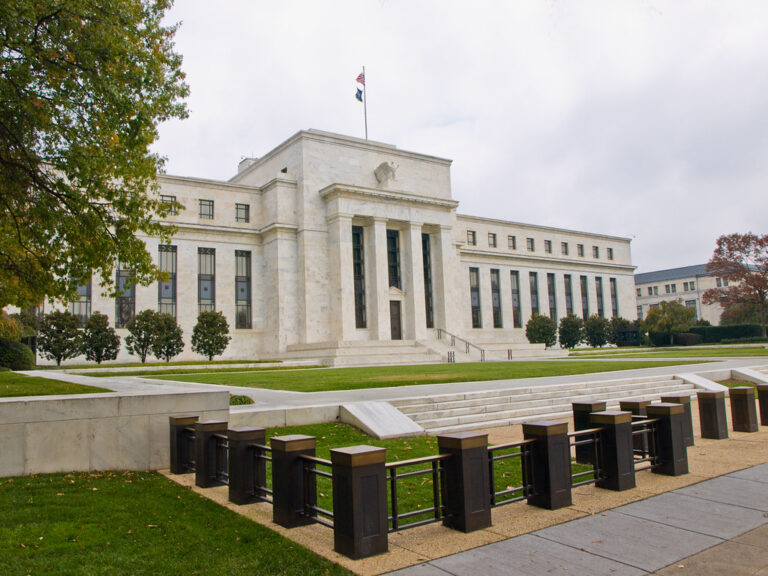
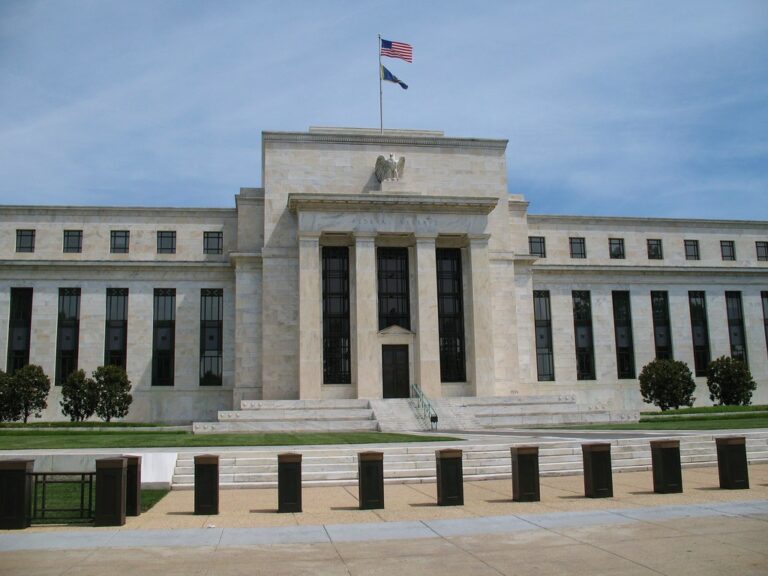
Recently, President Trump has attacked the Federal Reserve more than any other leader in modern times. He even demanded that Jerome Powell resign for not cutting interest rates. At the same time, Trump fired Fed Governor Lisa Cook, accusing her of mortgage fraud without solid proof. Now, Vice President JD Vance has openly said what many have only whispered. He argued that the elected president and Congress should decide monetary policy. In his words, “Why should unelected bureaucrats set rates without input from voters?” This admission has set off a storm of debate on the Fed’s role.

Vance’s remark shows that Trump’s circle wants to control the Federal Reserve directly. They believe any mistake by a Fed member justifies removal. However, critics warn that this approach ignores why the Fed exists in the first place. It was created to keep politics out of tough money decisions. If politicians took over every move, they would always push for lower rates to please voters. Yet, lowering rates can spark inflation and harm savers.

Vance Spills the Beans

On a recent Friday, Steve Benen from “The Rachel Maddow Show” highlighted Vance’s comments. Benen pointed out that the Fed’s independence is designed so experts, not politicians, set interest rates. He explained that sometimes slowing growth is needed to fight inflation. But elected officials rarely accept short-term pain. They fear voter backlash and tend to avoid rate hikes. Benen warned that Trump wants to bully the Fed or replace its members with loyalists. That way, he could force lower rates whenever he pleases.

Moreover, Benen noted how dangerous this plan could be. If the Fed became a tool for politicians, it would lose credibility. Investors might doubt the Fed’s commitment to stable prices. As a result, long-term interest rates could jump, making loans costlier. Homeowners, small businesses, and students would face higher payments. In the end, the economy might suffer far worse than under the current system.

Why the Federal Reserve is Independent

The Federal Reserve is America’s central bank. It watches the economy, controls inflation, and tries to keep unemployment low. To do this, it sets short-term interest rates and buys or sells government bonds. By acting independently, it can make decisions based on data, not politics. This setup allows the Fed to raise rates to cool down an overheated economy, even if that hurts the president’s party in the next election.

However, Trump’s camp argues that democracy demands more control over the Fed. They say the president and Congress were elected to serve the people. Therefore, they should guide even specialized agencies. Yet experts disagree. They believe decisions on inflation and growth need time and technical expertise. Above all, they need freedom from campaign pressures.

What Experts Warn

Economists warn that letting politicians steer the Fed would bring swings in policy. One moment, rates would drop to boost growth before elections. The next, rates might soar to combat inflation after a political loss. Such swings can confuse businesses and consumers. They could delay hiring or investment, fearing sudden rate changes. Stable policy, set by professionals, helps everyone plan ahead.

Additionally, removing or threatening Fed governors for political reasons undermines trust. Markets hate uncertainty. If investors think any Fed decision is political, they demand higher yields to lend money. That means Americans pay more for mortgages, car loans, and credit cards. Small changes in rates can add up to big costs over time.

Long-Term Risks of Political Control

If President Trump succeeds in reshaping the Fed, the U.S. could face lasting damage. Inflation might surge if rates stay too low for too long. Then, the Fed would need harsh rate hikes to bring prices under control. Those hikes could tip the economy into recession. Meanwhile, savers would earn almost nothing on their deposits. Retirees relying on interest income would struggle.

In contrast, the current independent Fed has raised rates in recent years to tame inflation. Though painful, those steps aim to avoid a worse economic crisis. Even critics admit that independent action offers a clear plan. It avoids the guesswork of political games.

Can the White House Override the Fed?

Under existing laws, the president cannot force rate cuts or oust governors at will. Fed members have fixed terms, and only Congress can change those rules. Still, the White House can pressure public opinion. By calling for resignations and spreading doubts, leaders can shake confidence in the Fed. That alone can move markets. So far, markets have shown signs of nervousness when Trump speaks about the Fed.

On top of that, the White House can nominate new Fed members who share its views. If confirmed by the Senate, these members could vote for rate changes that favor the administration. However, the Senate may reject nominees seen as too political.

What’s Next for the Fed Battle?

As the 2024 election nears, expect more pressure on the Federal Reserve. Trump and his allies will likely repeat claims that the Fed acts unfairly. They may cite any rate hike as proof of political bias. In turn, Fed officials will defend their independence. They will remind the public that data, not politics, drives their decisions.

Moreover, lawmakers may propose bills to limit the Fed’s power. Some might push to shorten governors’ terms or give Congress override authority. These moves would spark fierce debate on Capitol Hill. Supporters argue that voters deserve a greater say. Opponents warn of economic chaos from politicizing the central bank.

Meanwhile, economists and business leaders will watch closely. They know that stable policy helps growth and investment. If the Fed’s role changes, they want clear rules. Otherwise, uncertainty could slow hiring and spending across industries.

Transitioning to a world where politics guides the Fed could reshape the economy for years. Americans from all walks of life would feel the impact—through costlier loans, unpredictable markets, and possible inflation spikes. Thus, the fight over the Federal Reserve’s independence may be one of the most important economic battles ahead.

FAQs

What is the Federal Reserve?

The Federal Reserve is America’s central bank. It sets interest rates and manages money in the economy. Its goal is stable prices and low joblessness.

Why is Fed independence important?

Independent action lets experts make tough rate decisions. It removes short-term political motives. That helps fight inflation and maintain market trust.

What did JD Vance say about the Fed?

Vice President Vance said elected leaders should control the Fed’s monetary policy. He called for input from the president and Congress on rate decisions.

Could politicians really control the Fed?

Laws give Fed governors fixed terms and protect their votes. Still, political pressure and new nominations could shift its direction over time.

Could Bitcoin Prediction of $1M Really Happen?

Key Takeaways

• Eric Trump said at a Hong Kong conference that Bitcoin prediction will hit $1 million in a few years.
• Bitcoin’s current price is about $108,000, making a $1 million target a tenfold jump.
• CNN’s Erin Burnett was stunned by the bold forecast and noted the Trump family’s deep crypto ties.
• Forbes reports the Trumps hold about $3.5 billion in crypto‐related assets, part of their broader $6 billion fortune.
• Experts say rising demand, limited supply, and big investors could drive Bitcoin higher—though risks remain.

Bitcoin prediction sparks debate

Eric Trump made headlines when he laid out his Bitcoin prediction at the Bitcoin Asia 2025 conference in Hong Kong. He told the crowd there is “no doubt bitcoin will reach $1 million.” That forecast sent shockwaves through both the financial world and mainstream media. After all, Bitcoin’s value sits at around $108,000 today. If his Bitcoin prediction comes true, early buyers would see a tenfold return.

In addition, this move shows how the Trump family is leaning heavily into crypto. CNN anchor Erin Burnett reacted in disbelief during her show, calling the number “stunning.” She also pointed out that the Trumps are already making huge profits from cryptocurrencies. Below, we’ll break down the key points of this bold Bitcoin prediction and what it could mean for markets and the Trump empire.

Why a Bitcoin prediction matters

Bitcoin prediction talks are not new. Many investors and experts have shared wildly different price targets over the years. However, a forecast of $1 million per coin stands out. That number suggests strong faith in long‐term demand and big institutional support. Moreover, limited supply plays a central role in this prediction. There will only ever be 21 million bitcoins, and about 19 million already exist.

This scarcity feature creates a built‐in deflationary pressure. As more people and companies buy Bitcoin, fewer coins remain available. Consequently, prices could rise dramatically if demand keeps growing. Likewise, new financial products and ETFs make it easier for large investors to jump in. Hence, the Bitcoin prediction argument rests on supply constraints and rising demand from big players.

What fuels Eric Trump’s bold forecast

Eric Trump gave several reasons behind his Bitcoin prediction of $1 million. First, he stressed long‐term demand. He argued that as more people lose faith in paper money, cryptocurrencies will shine as a digital store of value. Next, he cited limited supply. He reminded listeners that only 21 million bitcoins will ever exist, making each coin rarer over time. Finally, he pointed to surging interest from institutions.

Major corporations, hedge funds, and even governments are exploring Bitcoin. For instance, some companies now hold crypto on their balance sheets. Meanwhile, central banks in various countries consider issuing digital currencies. All this attention gives Bitcoin more legitimacy. In short, Eric Trump’s Bitcoin prediction relies on growing demand, shrinking supply, and widening acceptance.

What it means for the Trump family fortune

If Bitcoin hits $1 million, the Trumps could see a dramatic boost in their wealth. Dan Alexander, senior editor at Forbes, told CNN that Donald Trump has about $1.5 billion in new crypto projects. In addition, he owns a $2 billion stake in his own media and tech group, which now ties into digital assets. Altogether, that makes around $3.5 billion linked to cryptocurrencies out of his roughly $6 billion net worth.

Therefore, a booming Bitcoin price would send his crypto investments skyward. Erin Burnett noted that the family once called crypto “bunk,” but now they’re diving in headfirst. Moreover, Eric and his siblings no longer just manage assets—they act like entrepreneurs. They have the power to chase new ventures, including crypto sales and marketing. As Forbes said, the Trump kids now “have the keys to the car and can drive it as fast as they want.”

How realistic is this Bitcoin prediction?

A tenfold rise in a few years sounds extreme. Yet, history shows crypto prices can surge. For example, Bitcoin jumped from about $1,000 in early 2017 to nearly $20,000 by year’s end. Then it soared from roughly $3,000 in early 2020 to over $60,000 in 2021. These cycles prove that big moves can happen. However, past performance does not guarantee future results.

Critics point out potential roadblocks. Strict regulations could slow crypto adoption. Governments might impose heavy taxes or outright bans. In addition, new technologies could challenge Bitcoin’s dominance. Competitor coins or central bank digital currencies might lure investors away. Finally, market sentiment can shift fast. Fear and uncertainty can drive prices down just as quickly as hype drives them up.

Nevertheless, supporters highlight three key factors that support the Bitcoin prediction:

• Scarcity – Bitcoin’s capped supply means it can’t be inflated like fiat currencies.
• Demand – Growing distrust in traditional banking and money fuels interest.
• Adoption – ETFs, big companies, and financial giants are joining the space.

As a result, the Bitcoin prediction debate will continue. Some experts warn of bubbles, while others foresee massive gains.

What could happen next for Bitcoin?

First, more big institutions might add Bitcoin to their portfolios. This inflow of capital could push prices higher. Second, wider media coverage tends to spark retail investor interest. If news headlines focus on rising Bitcoin values, everyday people may rush in. Third, policy shifts will play a crucial role. Clearer regulations could boost confidence. Conversely, harsh rules could scare off many investors.

Moreover, technological improvements can boost Bitcoin’s value. Scaling solutions and faster transaction networks could make Bitcoin more attractive for everyday use. In addition, global economic factors matter. If inflation stays high and central banks keep printing money, crypto may shine as an alternative. On the flip side, if economies remain strong and stable, riskier assets like Bitcoin could lose some luster.

Overall, the road to $1 million per coin is complex. Yet, the very idea of a Bitcoin prediction at that level reveals how far crypto has come. It also shows how digital assets now sit at the center of global finance discussions.

Wrapping up the Bitcoin prediction debate

Eric Trump’s prediction of a $1 million Bitcoin grabs attention. It highlights the growing influence of cryptocurrency in both politics and finance. Moreover, it underscores how powerful figures now champion digital assets. While Erin Burnett found the number “stunning,” experts offer both support and skepticism.

Nevertheless, a Bitcoin prediction of $1 million forces us to think bigger about money. It pushes us to consider digital money’s future role. Also, it shines light on the Trump family’s evolving business model. Whether you cheer for it or doubt it, this forecast sparks debate. After all, predicting Bitcoin’s path means forecasting the future of money itself.

FAQs

Could Bitcoin really reach $1 million?

While a $1 million target is aggressive, supply limits and rising demand could drive prices higher. However, market cycles and regulatory hurdles mean big swings could still happen.

What makes Bitcoin scarce?

Bitcoin’s code caps its supply at 21 million coins. As miners earn fewer new coins over time, scarcity grows and could boost value if demand stays strong.

How much does the Trump family hold in crypto?

Forbes estimates the Trump family has about $3.5 billion tied to crypto, including $1.5 billion in new projects and $2 billion in crypto-linked media assets.

What risks could derail this Bitcoin prediction?

New regulations, competing digital currencies, and sudden market shifts could slow or reverse Bitcoin’s rise. High volatility also means large price drops remain possible.

Can IEEPA Tariffs Survive Court Ruling?

Key Takeaways:

  • President Trump’s IEEPA tariffs were struck down by the U.S. Court of Appeals.
  • The court said these tariffs exceeded the authority granted by the law.
  • The ruling is paused until October 14, allowing time for an appeal.
  • This decision could reshape U.S. trade policy and negotiating power.

IEEPA Tariffs Face Major Setback

President Trump relied on IEEPA tariffs to impose broad taxes on global imports. However, a federal appeals court found that his orders went beyond the power granted by the International Emergency Economic Powers Act. The court said he set high, ever-changing rates with no end date. For now, the decision waits until October 14 before taking effect. Meanwhile, the White House considers an appeal to the Supreme Court.

What Are IEEPA Tariffs And Why They Matter

The International Emergency Economic Powers Act lets the president set rules during a national emergency. In 1977, Congress wrote this law to target financial transactions with foreign threats. Under IEEPA tariffs, the president can tax imports or restrict trade. President Trump declared “economic emergencies” to trigger wide-ranging tariffs on most goods from many countries. He used these measures to boost U.S. manufacturing and to trade for better deals abroad.

By applying IEEPA tariffs, the administration aimed to pressure trading partners. For example, high tariffs on steel and aluminum forced talks with Europe and Asia. Moreover, the policy covered almost every product imported into the United States. Critics argued these sweeping powers allowed the president to set rates without clear limits or oversight. Thus, questions arose over whether the president exceeded his legal authority.

How The Court Ruled Against IEEPA Tariffs

The U.S. Court of Appeals for the Federal Circuit reviewed the government’s case. It agreed with a lower court that Trump’s use of IEEPA tariffs was “unbounded in scope, amount, and duration.” The justices noted the orders did not follow limits set out in official tariff schedules. They wrote that both the Trafficking Tariffs and Reciprocal Tariffs applied to nearly all goods and most countries.

Furthermore, the court said the president cannot use IEEPA to replace the normal trade law process. Instead, Congress assigned those duties to other statutes. Therefore, the court concluded the orders exceeded the law’s authority. However, because the ruling is stayed until mid-October, the tariffs remain in place for now. This stay gives the administration time to seek review from the Supreme Court.

What Happens Next For IEEPA Tariffs

First, the administration will likely ask the Supreme Court to hear its case. If the high court agrees, it could reverse or uphold the ruling. A Supreme Court appeal can take months or even years. Until then, the tariffs stay active, having daily impacts on businesses and consumers.

Meanwhile, companies that rely on imported parts must plan for possible changes in tariff policy. For example, automakers using foreign steel and aluminum face uncertain costs. Retailers importing electronics or clothing may also shift supply chains if tariffs disappear. In short, every importer watches this case closely.

Impact On U.S. Trade Policy

If IEEPA tariffs fall, the administration may lose a key bargaining tool. Negotiators use tariffs to force partners to drop their own duties or improve access to markets. Without that threat, the U.S. might have less leverage in future deals. Moreover, Congress could step in to rewrite trade laws and set new limits on presidential power.

On the other hand, some experts say the ruling protects the balance of powers. They argue Congress, not the president, should decide on broad trade measures. Therefore, lawmakers might take a larger role in shaping and approving tariffs. This could lead to more stable and predictable trade policies.

White House Reaction And Appeal Process

The White House quickly announced plans to appeal. Officials called the ruling “unprecedented” and warned it could undermine U.S. security. They argue the president needs flexibility in emergencies to protect American interests. In turn, critics say such flexibility already exists under other laws.

As a next step, the administration will file a petition to the Supreme Court. That petition will ask justices to review both the legal reasoning and the scope of IEEPA tariffs. If the Supreme Court declines, the appeals court decision becomes final. Otherwise, the case heads back for new briefs and possible oral arguments.

Conclusion

The fate of IEEPA tariffs now hangs in the balance. A federal court struck down President Trump’s authority to set wide-ranging tariff orders under emergency powers. Yet the ruling waits until October 14, leaving those rates in place for weeks. With an appeal likely, the Supreme Court could decide whether the president exceeded his legal reach. In the meantime, businesses, lawmakers, and foreign trading partners all watch closely for what comes next.

FAQs

Is the ruling final?

No. The court placed the decision on hold until October 14. This delay lets the administration seek a Supreme Court review before tariffs change.

What are the main issues in this case?

The appeal focuses on whether the International Emergency Economic Powers Act allows such sweeping tariff orders. The court said it did not.

How do tariffs impact everyday products?

Tariffs raise the cost of imported goods. Producers may pass these costs to consumers, leading to higher prices for items like electronics, cars, and clothing.

Could Congress change the law?

Yes. Lawmakers could revise IEEPA or pass new trade statutes to clarify or limit the president’s tariff powers. That may reshape future trade policies.

Could Trump’s Attack on Fed Independence Fuel Inflation?

0

Key Takeaways:

• President Trump’s push to remove a Fed governor could backfire on families.
• Economists warn that meddling with Fed independence risks higher prices.
• If investors lose faith in Fed independence, U.S. borrowing costs will climb.
• Mortgages, auto loans, and credit cards may cost more for working people.

Fed independence under fire

President Trump announced plans to fire Federal Reserve Governor Lisa Cook. He aims to force the central bank to cut interest rates. However, top economists warn this political move will push prices up, not down. They say any attack on Fed independence may make borrowing and everyday bills more expensive.

First, what is Fed independence? It means that a team of experts sets interest rates based on data, not politics. This setup has helped keep U.S. inflation under control, at around 3 percent or less. In contrast, countries where leaders interfere heavily in their central banks often face runaway inflation. For example, Turkey’s inflation recently passed 33 percent after years of political meddling.

Economists speak out

Michael Madowitz of the Roosevelt Institute called the president’s plan “an authoritarian tactic.” He argued that politics in rate decisions will hurt American families by driving up costs. Meanwhile, Heidi Shierholz of the Economic Policy Institute said firing Cook “radically undermines” Trump’s own goal of lower rates and faster growth.

They explain that if decision-makers see the Fed as political, they will demand bigger rewards for the risks they take. Bond investors will ask for higher interest on U.S. debt when they believe the Fed’s decisions hinge on a president’s whims. In turn, this raises long-term borrowing rates for the government, businesses, and households.

Investors and families feel the pinch

Once long-term rates rise, they affect every corner of the economy. Mortgage rates climb, so first-time homebuyers pay more each month. Auto loans get pricier, making car ownership costlier. Credit card rates jump too, leaving families with higher debt payments. Ultimately, working people bear the brunt of higher costs.

In the hours after Trump’s announcement, markets reacted. Yields on U.S. Treasury bonds ticked upward. This shift suggests investors already worry that Fed independence is under threat. If rates must stay higher to keep inflation in check, that will slow growth instead of boosting it.

How Fed independence shields prices

Independent rate-setting gives people confidence. They trust that the Federal Reserve will fight inflation and support jobs when needed. This trust helps keep long-term rates low. As a result, families enjoy more affordable credit, and businesses can plan future investments with less risk.

However, if investors doubt the Fed’s objectivity, they demand higher premiums. Without Fed independence, people expect sudden rate swings tied to election cycles. They also fear that the Fed will tolerate higher inflation to please political leaders. Such fears increase the risk premium on U.S. bonds, driving up costs across the board.

Recent data heighten concerns. Core inflation hit 2.9 percent in August, the fastest pace since February. Producer prices, an early sign of consumer costs, rose 3.3 percent—above forecasts. These figures show that price pressures are real. If the Fed loses its shield of independence, fighting inflation will become costlier and slower.

Why Trump’s plan could backfire

Trump believes lower rates will spur growth before the election. Yet economists warn that forcing rate cuts under political pressure leads to long-term pain. Once markets lose confidence, rates may stay high for longer. Then families face steep costs, and the Fed may struggle to restore credibility.

Paul Krugman, Nobel-winning economist, called Trump’s actions “shocking and terrifying.” He argued that personal intimidation of Fed officials threatens the Fed’s role as a technocratic, data-driven body. Without this role, managing inflation and unemployment becomes a political game, not a careful balancing act.

In simple terms, if the Fed answers to the White House, it cannot act quickly to fight price spikes or job losses. Instead, rate decisions might align with political calendars, bringing boom-and-bust cycles. Meanwhile, everyday Americans saw in markets the first signs that their mortgage or car payment could rise.

What happens next

For now, the Fed is likely to resist political pressure. Its leaders have a strong history of defending independence. Yet Trump’s threat shows how fragile that independence can be. If U.S. elections bring more calls to politicize rate decisions, families could face higher bills and slower growth.

In the coming months, watch key inflation reports and bond yields. If core inflation stays above 2.9 percent and yields keep climbing, markets will signal deep concern. Policymakers will then face a tough choice: stand firm to protect Fed independence or cave to political pressure and risk higher costs.

Protecting Fed independence matters more than ever. In a healthy system, experts adjust rates based on unemployment, growth, and price data. This approach keeps inflation in check without tipping the economy into recession. Politicizing rate decisions unbalances that system and harms families.

Frequently Asked Questions

What does Fed independence mean?

It means a team of experts sets interest rates based on economic data, not political demands. This reduces uncertainty and keeps borrowing costs lower.

How does losing Fed independence raise inflation?

Investors demand higher returns on government bonds when they fear rates will serve politics, not data. Higher yields push up loans for homes, cars, and credit cards.

Why would Trump want to fire a Fed governor?

He hopes that removing a key official will force the central bank to cut rates sooner. He believes lower interest rates will boost growth before the next election.

Can the Fed protect its independence?

Yes. The Federal Reserve’s structure and long traditions support independent decision-making. Strong leadership and public trust also help defend its role against political interference.

Did Pritzker Jab Trump at Elementary School?

0

Key Takeaways:

• Governor Pritzker praised Illinois students and made a subtle Pritzker jab at Trump’s behavior.
• In Sauk Village, he highlighted rules like “listen carefully” and “make good decisions.”
• Kids drew a Venn diagram comparing “governor” duties to “president” duties, with overlap on caring for people.
• The Pritzker jab adds fuel to their feud over federal troops and withheld infrastructure funds.

Did Pritzker Jab Trump at Elementary School?

When Governor J.B. Pritzker visited Wagoner Elementary, he mixed praise with a Pritzker jab at President Trump. He met kindergarteners and second graders. He told them they follow rules like “listen carefully” and “treat each other with respect.” Then he said more leaders in Washington should learn from these students. He didn’t name Trump, but everyone knew whom he meant.

How Pritzker Jab Took Shape

First, Pritzker shared photos of his visit. In one, kids showed a Venn diagram. The left circle read “governor: leads the state” and had Pritzker’s name. The right circle read “president: leads the nation.” In the overlap, kids wrote “leaders take care of people.” This clever diagram sparked headlines. Moreover, it showed how students see good leadership.

Then, Pritzker spoke. He said, “I just met some really smart kids.” He praised their hard work. He added, “They learn rules and follow them.” He paused and said, “I wish more leaders in Washington would do that.” With this simple line, he landed another Pritzker jab at Trump.

Why the Pritzker Jab Resonates

First of all, many people want leaders who listen and respect others. In Chicago, Pritzker argues crime is falling. Meanwhile, Trump threatens to send federal troops to Chicago. Pritzker says troops would help states with higher crime rates. For example, he named St. Louis, Shreveport and Jackson. He insists that federal resources belong where violence is worse.

Furthermore, Trump warned he might withhold over one billion dollars in funding. That money is meant for an Illinois project. Trump said he would not release it unless Pritzker directly asked for it. If Trump follows through, Illinois taxpayers could pay the bill. Also, this move could break the Impoundment Control Act of 1974.

The Pritzker jab ties into this feud. Pritzker uses humor and simple lessons to make his point. As a result, he connects with families and teachers. In contrast, Trump’s threats feel harsh. Therefore, Pritzker appears more relatable.

What Comes Next in Their Feud

Some see Pritzker as a possible 2028 Democratic presidential contender. This Pritzker jab shows he can stand up to Trump. Also, it highlights his style: calm, clear and playful. On the other hand, Trump relies on bold threats and name-calling.

Meanwhile, Illinois voters watch closely. They care about safety and good schools. They also care about fair use of federal money. If Trump withholds funding, local projects could stall. That might affect roads, bridges and public buildings. Thus, the feud could hit taxpayers hard.

Besides, federal troops in cities brings mixed views. Some want more help; others fear overreach. Pritzker argues that local police and community programs work better. He says Chicago’s crime is dropping. However, violence still worries families.

Key Lessons from the Pritzker Jab

• Leaders can learn from kids’ simple rules.
• Respect and listening build trust.
• Humor can highlight political issues.
• Careful use of federal resources matters.

This Pritzker jab at Trump shows how small moments can spark big debates. It proves that public figures watch each other closely. And that children’s ideas can influence politics.

FAQs

Why did Pritzker make a Pritzker jab at Trump?

He used school rules to highlight traits he wants in national leaders. He did not name Trump but made his point clear.

What did the students’ Venn diagram show?

It compared “governor” duties with “president” duties. In the overlap, students wrote “leaders take care of people.”

Could Trump really withhold over one billion dollars?

He threatened to hold the funds until Pritzker made an official request. If he follows through, it could break federal law.

What might this feud mean for Illinois taxpayers?

If Trump withholds funding, Illinois could cover project costs. This might delay local infrastructure work.

Did Someone Grab a National Guard Weapon on DC Metro?

Key Takeaways

  • A Metro rider tried to grab a National Guard weapon on a train.
  • Mississippi Guardsmen broke up a disturbance at Capitol South station.
  • Soldiers have orders to carry firearms openly across DC.
  • The incident fuels debate over troops in city policing.

National Guard weapon grabbed during Metro disturbance

On a busy Friday evening, a man reached for a National Guard weapon on a Washington Metro train. Guardsmen were called in to break up a fight near Capitol South station. During the chaos, one individual lunged at a soldier’s firearm. The soldier quickly brought him to the ground and held him until police arrived.

The guardsmen involved came from the Mississippi National Guard. Earlier in the week, the Defense Secretary ordered them to carry their firearms openly. Therefore, passengers saw weapons on display for the first time. Although this move aimed to boost safety, it also raised tensions. Local leaders questioned whether soldiers should act like police in the city.

How the Disturbance Unfolded

Travelers alerted Guardsmen when they saw three people arguing on the train. Two men and one woman fought loudly as the train neared Capitol South. Guardsmen stepped in to separate the group. At that moment, one man tried to snatch the soldier’s weapon. Thanks to training, the soldier reacted in seconds. He forced the man down and held him until Metro police officers boarded.

Passengers described the scene as tense and surreal. One witness said she never expected to see guardsmen with guns on her usual ride. Meanwhile, other riders applauded the quick action. No one suffered serious injury during the scuffle. After the arrest, the Metro resumed normal service.

Risks of carrying a National Guard weapon in DC

As soldiers patrol with visible arms, they face new dangers. Without police training for urban patrol, they may encounter hostile crowds. Moreover, open weapons can draw unwanted attention. An individual might try to grab the weapon, as happened on the Metro. Additionally, some soldiers worry about legal risks if a shot is ever fired.

Local leaders voiced concerns soon after the order. They argued that troops should not perform routine police work. Instead, they want the National Guard to offer backup support behind the scenes. However, the Defense Department maintains that armed presence can deter crime. In contrast, the city’s crime rate has been falling for years. This makes many residents question the need for military patrols.

Why the deployment drew criticism

The president framed the mission as a crime-fighting effort. Yet crime statistics show a steady decline in the capital. Critics say the move mirrors tactics in protest zones rather than crime hot spots. They worry that soldiers may become targets in tense situations.

Furthermore, open firearms could intimidate everyday riders. Families and students use the Metro each day. The sight of weapons might make them feel less safe, not more. As a result, the city’s mayor urged troops to avoid crowd interactions. She asked that they stay on standby until police need them.

What this means for DC residents

For many commuters, seeing armed soldiers changed their routine ride. Some adjust schedules to avoid heavily patrolled lines. Others skip discussions with guardsmen to stay out of trouble. Meanwhile, Metro staff work harder to keep riders calm. They post signs reminding people to report any disruptive behavior.

In addition, the incident sparked social media debates. Some users praised the soldier’s quick thinking. Others posted worries about military presence in daily life. Community groups plan meetings to discuss safety and civil rights. They aim to find a balance between protection and normalcy.

Possible changes ahead

City officials may reach a new agreement with the Defense Department. They could limit open firearms to specific zones or times. Soldiers might return to concealed carry until a serious threat emerges. In that case, only police would engage disturbances on trains.

On the federal side, leaders could issue clearer rules. They might restrict troops from making arrests except in dire situations. This would reduce overlap with local law enforcement. Moreover, extra training for urban patrols may become mandatory. This step could ease concerns about military action in public transit.

Looking forward, both sides say they want a peaceful solution. Residents crave safe streets without the feel of a military zone. Meanwhile, federal authorities stress the need to deter crime. Finding a middle ground could calm nerves and keep the peace.

Frequently Asked Questions

What exactly happened on the Metro train?

A man reached for a soldier’s firearm after guardsmen stepped in to break up a fight. The soldier restrained the man until police arrived. No one was seriously hurt.

Why are soldiers carrying weapons in DC?

The Defense Secretary ordered National Guard troops to carry firearms openly to deter crime. This policy aims to boost security but has raised local concerns.

How did city leaders react to the incident?

The city’s mayor said troops should not act like police. Officials want clearer rules on when and how soldiers can engage with the public.

What might change after this event?

Officials could restrict open firearms to certain areas. They may also require extra training for urban patrols. Both sides hope to balance safety with everyday life.

Is Emil Bove Flouting Judicial Ethics?

Key takeaways:

  • Emil Bove joined Justice Department meetings after his confirmation.
  • Experts worry his actions could create conflicts later.
  • Critics say he ignored judicial ethics and norms.
  • He may need to recuse himself from future cases.

Emil Bove in Hot Water Over DOJ Meetings

Emil Bove took a lifetime judicial job. However, he kept attending Justice Department events. Many lawyers found this strange. Moreover, they said he risked future conflicts. Quite a few experts now question his judgment.

Why Emil Bove’s DOJ Visits Worry Experts

After his narrow confirmation, Emil Bove should have stepped away. Instead, he showed up at meetings inside the same building. This move could force him to recuse himself from many cases. Consequently, experts worry this hurts trust in the courts. Furthermore, the code of conduct aims to keep judges fair. By staying involved with the Justice Department, Emil Bove may have broken that code. Therefore, he could face ethics reviews or more criticism.

Voices from Around the Legal World

Many critics slammed Emil Bove for his choices. A national security lawyer called the move an “unforced error.” He said senior officials no longer respect norms or ethics. Meanwhile, an editor in chief pointed out Bove still does photo ops with the administration. A law professor called the report “incredible,” noting Bove acted like his role never changed. Another scholar said his actions were “unbecoming” for a judge. Each voice adds more pressure on Emil Bove to explain himself.

Potential Consequences for Emil Bove

Emil Bove might face formal inquiries. If he advises on cases he will later hear, the ethics office could step in. Also, parties in cases may ask him to step aside. Consequently, his rulings could face challenges. Moreover, his reputation might take a lasting hit. Many wonder if he truly understands the judge’s role. Therefore, Emil Bove could find himself isolated from peers. He might also see delays in his new duties.

What Comes Next for Emil Bove

First, Emil Bove will take his judicial oath. After that, he must decide whether to recuse himself from cases tied to the Justice Department. Next, ethics officials may review his recent actions. Meanwhile, legal groups will watch closely. They will judge if the system can correct this path. Finally, Emil Bove’s future rulings will likely carry extra scrutiny.

Keeping Public Trust

Judges hold power over vital cases. They need to appear fair and unbiased. When a judge keeps close ties to past employers, trust can weaken. In Emil Bove’s situation, many worry he blurred that line. As a result, courts must guard their integrity. They do this by enforcing clear rules for judges. If they let potential conflicts slide, public faith in justice falls.

Learning from Emil Bove’s Case

This episode shows why judicial ethics matter. Young lawyers should note how quickly trust can erode. Furthermore, public servants must step away from past roles at the right time. When a judge gets confirmed, they must leave former duties behind. Otherwise, they risk conflicts that trouble everyone. Emil Bove’s case could shape new guidelines or stricter rules. Therefore, this story offers a lesson for any legal professional.

Conclusion

Emil Bove’s choice to attend Justice Department meetings after confirmation sparked a wave of criticism. Experts said he broke ethical norms, risking conflicts in future cases. Critics from across the legal field voiced concern and anger. Now, Emil Bove faces a clear choice: recuse himself or fight for his position. Either way, his actions will test the limits of judicial conduct. As this story unfolds, it will teach us how vital ethics are in the justice system.

FAQs

What rules did Emil Bove possibly break?

He may have breached the code of conduct for judges by staying linked to the Justice Department after his confirmation.

Why is recusal important for judges?

Recusal prevents bias. It stops judges from acting on cases where they had past involvement.

How did critics react to Emil Bove’s actions?

They saw his actions as a step away from core ethical standards. Many called it a serious error.

What might happen next in Emil Bove’s case?

He could face an ethics review. Also, he may need to recuse himself from cases tied to his former employer.