55.7 F
San Francisco
Thursday, April 2, 2026
Home Blog Page 564

Will the Chicago Immigration Crackdown Start Soon?

0

Key Takeaways:

  • A massive immigration enforcement plan in Chicago may use armored vehicles and National Guard support.
  • Illinois leaders, including Governor J.B. Pritzker, call this move the “militarization of a city.”
  • Former Trump administration attorney Jonathan Fahey argues the plan targets sanctuary policies and aims to remove criminal illegal immigrants.
  • A federal judge has already blocked parts of the administration’s effort, citing overreach and funding threats.
  • The debate mirrors past federal actions in Los Angeles and Washington, D.C., fueling fears of military-style law enforcement.

What Is the Chicago immigration crackdown Plan?

Late this summer, reports emerged of a sweeping Chicago immigration crackdown. The operation could deploy armored vehicles along with National Guard troops. Officials say they would model it after recent actions in Los Angeles. They view the move as a response to what they describe as lax local cooperation with federal immigration agents. As a result, they aim to detain and deport more noncitizens who commit crimes. Moreover, they hope to deter future illegal crossings near the city’s busy border corridors.

Why Are Illinois Leaders Opposed?

Meanwhile, Illinois’ top officials have voiced strong objections. Governor J.B. Pritzker referred to the plan as a direct threat to civil liberties. He said it resembles the militarization of a major American city. Chicago’s mayor and several lawmakers also condemned the idea. They fear that heavily armed units will erode trust between immigrant communities and local police. Furthermore, critics worry about innocent residents being swept up in broad enforcement sweeps. As a result, they have vowed to take legal and legislative steps to block the operation.

How Do Supporters Defend the Plan?

In a heated CNN discussion, anchor Boris Sanchez questioned Jonathan Fahey about the plan’s logic. Fahey argued the Chicago immigration crackdown is key to public safety. He blamed sanctuary policies for harboring illegal immigrants who have committed crimes. According to him, local officials refuse to hand over these individuals to federal agents. Therefore, he believes a forceful federal response is the only way to enforce immigration laws. He added that the plan would remove dangerous criminals and discourage others from attempting illegal entry.

What Legal Challenges Does the Plan Face?

However, federal judges have already intervened. Courts blocked parts of the administration’s earlier attempts to pressure sanctuary cities. For example, threats to withhold federal funding were deemed unlawful. As a result, the White House must find another path to compel local cooperation. Legal experts say the new Chicago immigration crackdown may trigger fresh lawsuits. They note that “alien harboring” statutes could apply if cities shield noncitizens. Consequently, federal courts might again restrain enforcement measures perceived as overstepping authority.

Could History Repeat?

Looking back, the Trump administration used similar tactics in Los Angeles and Washington, D.C. In those cases, heavily armed officers patrolled city streets. They detained migrants near shelters and public areas. Critics argue these actions created fear among immigrant families. They also led to protests and legal battles. Therefore, many worry Chicago could experience the same turmoil. Moreover, community groups have begun organizing to monitor federal agents. They plan to document any rights violations and challenge arrests they deem wrongful.

What Does This Mean for Chicago’s Future?

Chicago sits at a crossroads. On one hand, federal leaders promise tougher enforcement against criminal noncitizens. On the other, local officials insist they already work closely with immigration agents on serious crimes. They argue that broad sweeps risk alienating everyday residents who play vital roles in public safety. As the debate unfolds, both sides will likely intensify their campaigns. Federal authorities may refine the Chicago immigration crackdown plan to avoid legal pitfalls. Meanwhile, Illinois lawmakers could pass new rules limiting cooperation or diverting local resources to defend civil rights.

How Will Communities Respond?

Community groups have launched awareness drives. They urge immigrants to know their rights and seek legal help if approached by federal agents. Local nonprofits and lawyers offer “know your rights” workshops. Furthermore, some neighborhood associations plan to hold peaceful protests. They aim to pressure state and local leaders to resist the federal push. However, other residents support the idea. They believe stronger measures will stop drug trafficking and gang violence. Thus, public opinion in Chicago remains sharply divided on the proposed enforcement.

What Comes Next?

For now, the Chicago immigration crackdown remains a proposal. The administration must publish formal orders and guidelines. Then, federal courts will review any new directives for legal compliance. At the same time, Illinois leaders will continue their public outcry and legal moves. Moreover, national groups on both sides of the immigration debate will weigh in. Therefore, Chicago could become a major battleground over federal power and local rights. Ultimately, this showdown may shape how far the federal government can go in policing immigration inside big cities.

FAQs

What exactly does “immigration crackdown” mean in Chicago?

It refers to a large-scale federal plan to use armored vehicles and National Guard troops. The aim is to deport noncitizens who commit crimes. Officials also hope to deter new illegal crossings by showing a strong federal presence.

Why do some leaders call it “militarization”?

Critics say using military-style vehicles and troops in city streets creates fear. They worry it blurs the line between civilian law enforcement and a military operation. As a result, they see it as risking civil rights in immigrant neighborhoods.

Has any court blocked parts of this plan?

Yes. A federal judge previously blocked related funding threats against sanctuary cities. That ruling limits how the administration can pressure Illinois into sharing immigration suspects with ICE agents. Future measures may face similar legal challenges.

Could the Chicago immigration crackdown inspire other cities?

Possibly. If the plan moves forward without legal setbacks, federal authorities might try similar operations elsewhere. However, strong local pushback and court decisions could discourage expansion to other states.
Are Trump’s False Claims On Repeat?

0

Key Takeaways:

• CNN’s Daniel Dale debunked 10 false claims Trump made in just one week.
• Trump recycled untrue statements about gas prices, drug costs, inflation and more.
• His repeated “facts” include imaginary numbers and baseless stories.
• Constant fact-checks help keep misleading talk in check.

Are Trump’s False Claims On Repeat?

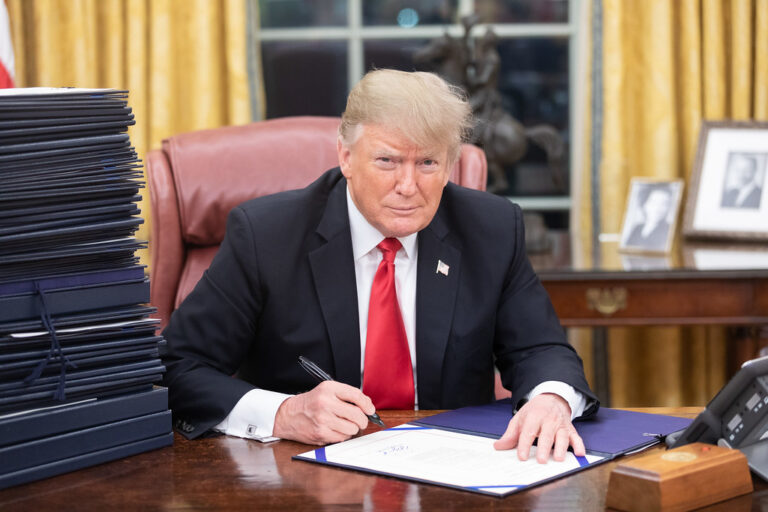
CNN’s senior fact-checker Daniel Dale says President Trump keeps using the same false statements again and again. Moreover, he notes how Trump’s lies feel bold because they often shatter simple reality. However, they also show a pattern: Trump rarely stops telling a claim after experts disprove it. Therefore, over a single week, Dale cataloged ten Trump false claims that resurfaced.

10 Trump False Claims Debunked

1. Imaginary sub-$2 gasoline
Trump insisted gas prices had fallen below two dollars per gallon across the country. In reality, no state had average prices that low.

2. Impossible “1500 percent” drug price cut
He claimed his plan would slash prescription costs by 1500 percent. That math is doubly wrong—percentages over 100 don’t work like that, and no official plan matched his figure.

3. No inflation amid rising costs
Trump argued there is zero inflation right now, even though government data shows prices rising steadily over recent months.

4. Unique U.S. mail-in voting
He said no other country mails ballots to every voter like America. In fact, many democracies do similar systems.

5. Water sent to Los Angeles
Trump told a story about flipping a nonexistent valve to send water to L.A. That valve does not exist, and no such shipment ever happened.

6. The 2020 election, again
He repeated claims that the last election was rigged. Courts and election officials dismissed these allegations long ago.

7. A made-up monument law
Trump cited a law that would forbid the removal of any federal statue anywhere. No such law exists.

8. A phony Ukraine aid total
He gave false numbers on how much U.S. aid Ukraine received during his term, inflating the amount by billions.

9. Fictional Biden and South Korea story
Trump retold a tale of President Biden insulting South Korea’s leader. That event never took place.

10. Disproven debut conversation
He claimed Maryland’s Democratic governor praised him as “the greatest president of my lifetime.” Footage from a friendly network showed the governor said no such thing.

Why These Trump False Claims Matter

First, repeating lies can mislead voters who don’t check facts. In addition, the sheer number of recycled falsehoods suggests Trump counts on his audience forgetting earlier debunks. As a result, his speech mixes real policy details with made-up numbers and stories. Consequently, it becomes hard to spot truth in his remarks.

Top 5 Repeated Trump False Claims

Imaginary sub-$2 gasoline
Trump’s claim about super-cheap gas sounds great at rallies. Yet it ignores how prices vary by region and didn’t drop that low. Experts say average pump rates stayed above three dollars.

Impossible “1500 percent” drug price cut
He might have meant a 15 percent drop or a 150 percent fall, but 1500 percent makes no sense. Moreover, no bill in Congress matched his description.

No inflation amid rising costs
Although inflation has cooled from last year’s highs, monthly price indexes still show gains. Thus, saying there’s no inflation is simply wrong.

Unique U.S. mail-in voting
Several allied nations routinely mail ballots to registered voters. Therefore, this claim ignores global examples.

Water sent to Los Angeles
This story mixes an old project with new details. While California water systems deal with drought, no presidential valve flips control water flow.

Other Repeated Trump False Claims

Election fraud claims
Courts found no evidence of widespread fraud in 2020. Yet Trump repeats the story to fuel doubt.

The monument law
No federal statute locks in every monument forever. Cities and Congress can change or remove statues under existing rules.

Ukraine aid numbers
Record spending for Ukraine occurred under Biden’s term. Trump’s tally falls short or adds phantom billions.

Biden and South Korea story
Eyewitnesses and press reports saw no such insult. It came from a second-hand retelling with no proof.

The Wes Moore tale
He claimed Governor Moore praised him off camera. Instead, video confirmed Moore said nothing like that. Trump ignored the footage and pressed on.

Why Repetition Makes These Trump False Claims Worse

When a speaker repeats a false claim, listeners may start to believe it just by hearing it often. In fact, research shows repeated statements feel more familiar—and familiar ideas feel true. Moreover, if no one corrects the record, the claim gains traction. That is why Dale’s work matters. He cites original data, court rulings and video clips. Thus, he stops Trump false claims from floating freely online.

How Fact-Checking Helps You

Fact-checkers like Daniel Dale use public records, expert interviews and official reports. They also compare numbers carefully. Therefore, they can prove or disprove a claim in plain terms. Next time you hear a surprising statement, look for quick fact-check articles to confirm it. This habit keeps confusion low and trust high.

In short, watching a leader repeat falsehoods without correction hurts democracy. But thanks to dedicated fact-checkers, the public can see what really happened.

FAQs

What is the most common Trump false claim?

Lies about the 2020 election rank among the most repeated. He often argues fraud without evidence.

Why does Trump repeat false claims?

Repetition can reinforce ideas, even if they are wrong. Trump seems to rely on this pattern to persuade.

How can I verify a public statement?

Look for fact-check articles from reputable news outlets. They usually cite official data and expert views.

Does fact-checking really work?

Yes. Studies show timely corrections reduce belief in false claims and boost public knowledge.

Why Did Bice Town Hall Get Canceled?

0

Key Takeaways:

• Congresswoman schedules a town hall outside her own district
• Local voters and opponents criticize her for dodging real questions
• Opponent Jena Nelson exposes the mistake with a district map
• Event listing vanished from the venue’s website without explanation
• Cancellation raises fresh concerns about accessibility and gerrymandering

Why Did Bice Town Hall Get Canceled?

Congresswoman Stephanie Bice said she would hold a small meet and greet for local voters. Yet surprisingly, the event fell outside her own district. It did not take place in the area she represents. As a result, she canceled the gathering with a vague “scheduling conflict.” Naturally, this sparked fresh criticism and confusion.

What Went Wrong with the Bice Town Hall?

First, the congresswoman posted a public invite for a free “Coffee with a Congresswoman” event. She listed the date, time, and venue clearly. But once the invite was online, people noticed something odd. The site showed that the location sat just across a district line. In fact, it belonged to a neighboring district. Therefore, voters in her own area could not attend in person.

Her opponent, Jena Nelson, spotted the error immediately. Nelson shared a screenshot of the venue location overlaid on a district map. She pointed out how the borders cut across Oklahoma City and parts of the panhandle. Then Nelson posted on social media: “My opponent scheduled an in-person forum outside CD-5. She can’t even remember what she gerrymandered out of her own district.” This public call-out spread quickly.

Why Scheduling Town Halls Matters

Across the country, legislators face growing pressure to meet voters face to face. In recent months, angry town halls have erupted in both heavily Democratic and strongly Republican areas. Many residents feel lawmakers ignore rural and farm communities when they pass big bills that cut local services. This frustration peaks when voters can’t ask questions in person.

Stephanie Bice avoided in-person town halls for years. Instead, she joined online calls with other members of Congress. Yet those virtual forums left many constituents feeling unheard. They wanted a chance to look her in the eye and demand answers on cuts to farm programs and community funding. When the first in-person event finally appeared, its wrong location felt like a broken promise.

How Gerrymandering Fueled the Mix-Up

Redrawn district lines can confuse even the people who draw them. After Bice won her seat, state lawmakers reshaped the districts. They aimed to boost Republican strength. However, the new map forced some areas into new congressional territories. A local photographer named Michael Downes lived in the heart of Oklahoma City. He realized his home moved out of Bice’s district into another that covers the panhandle. He joked that Bice’s own staff could not tell who she represents anymore.

Loss of local ties can breed disconnection. For one thing, candidates rely on accurate maps to plan door-knocking and events. When the lines twist and turn oddly, scheduling becomes a minefield. Unfortunately for Bice, her calendar team did not notice the line that split the city center from her voter base. As a result, she unwittingly booked a meeting outside her own turf.

Reaction and Removal from the Venue Website

Shortly after Nelson’s post, the event listing vanished from the venue’s site. The WesTen District webpage removed all mention of the September 26 coffee hour. Visitors now saw no listing at all. Observers wondered whether Bice herself pulled it or if the venue acted on its own. Neither the congresswoman’s office nor the venue gave a clear reason. Instead, a brief statement appeared: “The event is canceled due to scheduling conflicts. We apologize for any inconvenience.”

Nelson seized on this vague line. She shared the email update on social media. She added laughing emojis and a cartoon chicken to mock the excuse. “Yeah, right,” she wrote. Meanwhile, constituents and local reporters reached out for clarification. So far, they have received no detailed response. This silence has only fueled rumors and distrust.

Criticism Over Lack of In-Person Engagement

This incident did not stand alone. Back in July, a constituent challenged Bice during an online town hall. He asked her directly why she refused to hold in-person meetings. He demanded she face voters eye to eye. The question hung in the digital air, unanswered. Many voters saw that live call and felt they deserved better. They want genuine dialogue, not filtered online events.

Moreover, cutting rural services under recent federal legislation has hurt farmers and small towns. Constituents blame their representatives for slashing funding. They expect open forums where they can express concerns. Yet Bice’s pattern of avoiding face-to-face meetings left many feeling deserted. Canceling the first scheduled in-person event only deepened that frustration.

What This Means for the Election

The next election looms large for both parties. Incumbents must prove they listen to local voters. Challengers like Jena Nelson capitalize on every misstep. By highlighting the misplaced town hall, Nelson positioned herself as more in touch. She not only revealed the error but also challenged Bice’s overall approach to constituent outreach.

Going forward, voters will scrutinize every announcement. They will check district maps before buying tickets. They will demand clear answers about event locations. This heightened attention could force more in-person visits or public office hours. In turn, that might reshape how representatives schedule their calendars.

Lessons Learned from the Bice Town Hall Mix-Up

In this case, a simple mistake became national news. It shows how crucial details can make or break public trust. To avoid similar problems, political offices must:

• Verify venue addresses against official district maps before announcing events
• Communicate quickly and clearly when changes occur
• Offer alternative options, such as open office hours or mobile town halls
• Engage with voters through local media, not just online posts

If these steps become standard practice, lawmakers may rebuild confidence. Otherwise, voters will continue to demand transparency and accountability.

Looking Ahead: Will More Events Get Canceled?

Some wonder if this canceled town hall marks a new trend. Will more representatives cancel in-person meetings? Or will missteps like this spur better planning? Only time will tell. However, the demand for real dialogue remains strong. As election season heats up, every candidate must keep that in mind.

Frequently Asked Questions

What exactly happened with the Bice town hall scheduling error?

The congresswoman’s office booked a meet and greet at a venue outside her own district. Local residents noticed the mistake and questioned why voters could not attend.

Why did the venue listing disappear from the website?

The venue removed the event listing and issued a brief note about a “scheduling conflict.” The congresswoman’s office has not offered further details.

How did Jena Nelson respond to the cancellation?

Nelson shared a district map on social media and mocked the reason given for the cancellation. She used the error to highlight Bice’s avoidance of in-person forums.

What can voters do if they feel ignored by their representative?

Voters can contact the congressional office directly, attend virtual events, or organize petitions and local meet-ups. They can also support challengers who promise more engagement.

What Are Workers Over Billionaires Protests About?

0

Key Takeaways:

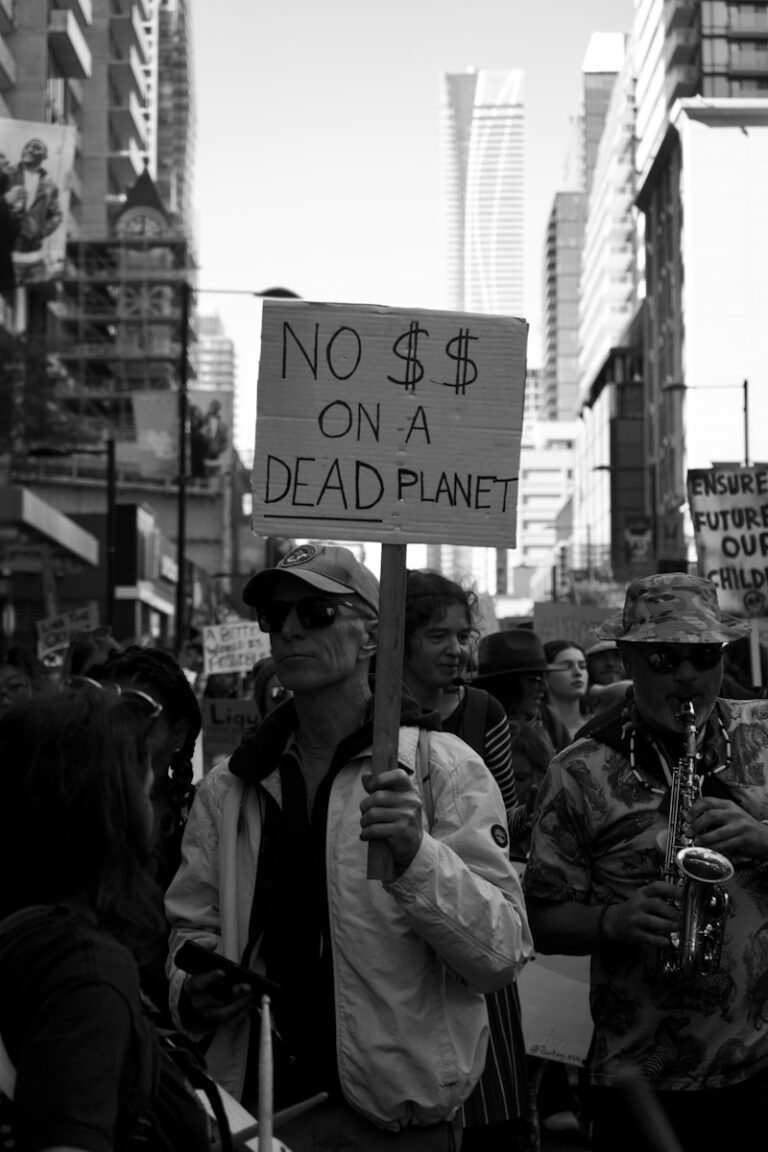
  • Nearly 1,000 “Workers Over Billionaires” protests are set for Labor Day.
  • A coalition of labor and progressive groups calls for action.
  • Demonstrations fight back against labor policy rollbacks under Trump.
  • Union support stands at a mid-1960s high of 68 percent.
  • Rally locations are listed on the May Day Strong website.

Workers Over Billionaires Protests Aim to Rally Support

This Labor Day, nearly one thousand Workers Over Billionaires protests will take place nationwide. Organized by the May Day Strong coalition, these rallies include unions like AFL-CIO and the American Federation of Teachers. Advocacy groups such as Indivisible and Public Citizen also join. Their goal is simple. They want to resist what they call an assault on workers’ rights. Since Donald Trump took office, his team has cut collective bargaining rights for over a million federal workers. They have also rolled back safety rules and wage protections. Therefore, protesters aim to demand fair pay, safe workplaces, and a stronger social safety net.

Workers Over Billionaires Campaign Grows for Labor Day

Despite these attacks, public support for unions has never been higher this century. A new Gallup poll shows 68 percent of Americans approve of organized labor. That level has not been seen since the mid-1960s. Protesters argue that collective action is the only way to stop what they call a billionaire takeover. They point to recent tax cuts that favor the ultra-wealthy, paid for by cutting funds to Medicaid, food assistance, and education. In response, the campaign calls for fair taxes on billionaires and investment in working families.

Organizing a National Day of Action

The May Day Strong coalition brings together dozens of groups. This includes the National Union of Healthcare Workers, Americans for Tax Fairness, Our Revolution, and Public Citizen. Together, they have mapped out rallies in all fifty states. These events range from small town halls to large marches in major cities. On Saturday, the coalition will host an online mass call to prepare activists. On Labor Day, local organizers will use the coalition’s map to guide participants to nearby protests. Each demonstration will feature speakers, chants, and social media outreach to spread the word.

Pushing Back Against Workers’ Rights Cuts

The Trump era policies still affect many workplaces. Protesters point to the largest act of union busting in American history. That action stripped over a million workers of the right to bargain collectively. Meanwhile, the administration weakened workplace safety enforcement. It even proposed removing the minimum wage for millions of home and childcare workers. Protesters say these moves hurt families and endanger workers. They demand a reversal of all these rollbacks. In addition, they call for new laws that ensure fair pay and safer work sites.

High Union Approval Fuels Momentum

Union leaders highlight the shift in public opinion as a sign of strength. Randi Weingarten, head of the American Federation of Teachers, says this Labor Day is different. She notes that this campaign includes all working families, not just union members. Similarly, Lisa Gilbert from Public Citizen points to the fight for democracy and workers’ rights. Robert Reich, a former labor secretary, urged his followers online to join the protests. Their message is clear. Workers have the power to challenge billionaires and restore balance.

How to Take Part on Labor Day

Joining a Workers Over Billionaires protest is simple. First, visit the May Day Strong website. Next, use the interactive map to find an event near you. Then, sign up or contact local organizers for meeting times and locations. Finally, show up ready to march, hold signs, and chant. Organizers suggest bringing water, snacks, and weather-appropriate gear. They also recommend following safety guidelines and being respectful of local laws. By taking part, you add your voice to a larger call for change.

Conclusion

This Labor Day, the Workers Over Billionaires protests aim to unite Americans across party lines. In doing so, they hope to demand better wages, more safety, and a fairer tax system. With union approval at a historic high, the stage is set for a strong day of action. Whether you have marched before or are joining for the first time, your voice can help shape the future of work in the United States. Stand up this Labor Day and show that workers, not billionaires, deserve our country’s wealth.

FAQs

What time do Workers Over Billionaires protests start?

Protests usually start in the morning, but times vary by city. Check the May Day Strong map for exact details.

Who can join these demonstrations?

Anyone who supports workers’ rights can join. You don’t need to be in a union.

Are there safety guidelines for participants?

Yes. Organizers recommend wearing masks, staying hydrated, and following local rules. Always respect public safety officers.

How do these protests impact future labor laws?

These demonstrations show public support for unions. Strong turnout can influence lawmakers to protect workers and tax billionaires.

Did the Dershowitz lawsuit hit a dead end?

Key Takeaways:

  • The 11th Circuit Court rejected the Dershowitz lawsuit against CNN.
  • Judges said no evidence proved CNN acted with actual malice.
  • Internal emails showed sincere reporting, not a media plot.
  • Dershowitz still faces another legal fight over pierogies.

What the Dershowitz lawsuit ruling means

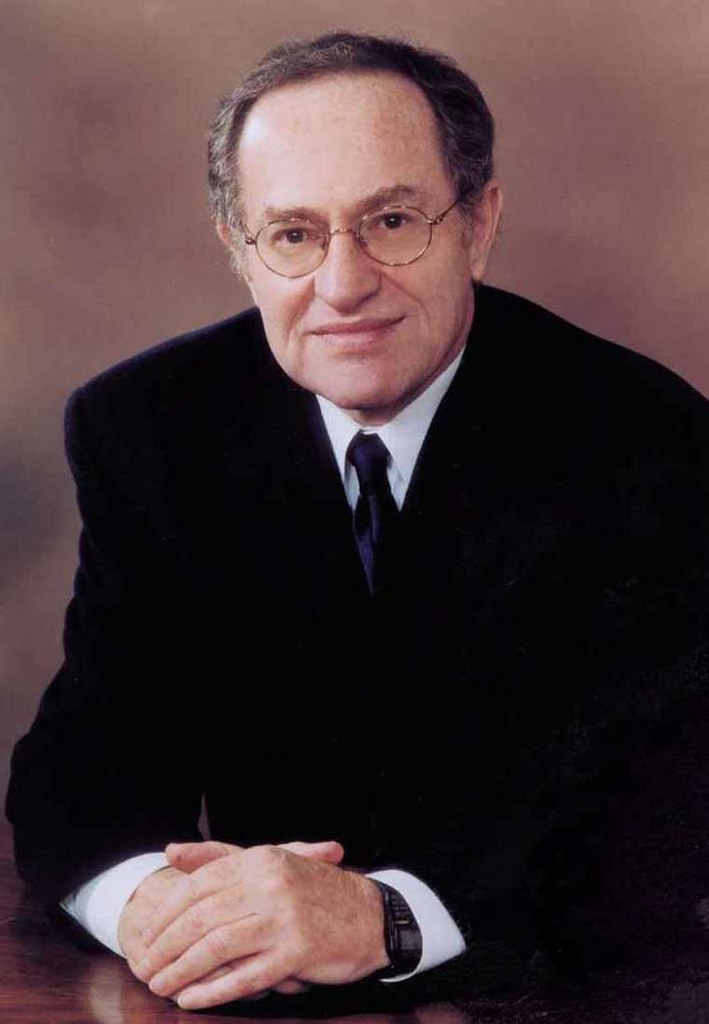
In 2021, a well-known lawyer sued a major news network for defamation. Alan Dershowitz claimed CNN harmed his reputation. He asked for 300 million dollars. Yet on Friday, an appeals court shot down his case. It made a clear statement: the network did not act with actual malice. As a result, his claim could not move forward.

He based his suit on comments by CNN hosts during impeachment coverage. They accused him of twisting the law to favor a president. One remark even played on his name by calling him “Dershow-nuts.” Despite this jab, the court sided with CNN. It pointed out that on-air personalities believed in what they said.

Moreover, CNN provided emails and call notes to back its stance. These messages painted a picture of genuine debate, not a coordinated smear campaign. In fact, one senior executive wrote that he thought Dershowitz had “gone crazy.” They even added a note about another senator. These candid views suggested honesty, not a secret order to deceive the public.

Meanwhile, Dershowitz tried to counter with more emails and phone logs. He argued these showed a network strategy against him. However, the court found no proof of any such plan. Instead, it saw that none of the people on those calls made the statements at issue. Therefore, the evidence did not support his claim either.

How the Dershowitz lawsuit played out

The legal journey of the Dershowitz lawsuit offers a look at defamation law in action. First, a suit must show the speaker knew a statement was false or acted with reckless disregard. Judges refer to this as “actual malice.” Since Dershowitz is a public figure, he carries a heavier burden to prove it.

He claimed CNN commentators overstepped, yet he presented no clear proof they doubted their own words. Conversely, CNN’s hosts and producers testified they believed their analysis. They spoke confidently in court. As a result, the judge saw no factual dispute that might let the case go to trial.

In addition, the appeals court noted that simple suspicion does not equal conspiracy. Private emails that labeled Dershowitz as “crazy” did not confirm a bias to slander. Instead, those messages reflected normal newsroom chatter. Editors and reporters often swap strong language in private. Yet when they appear on air, they still aim to report accurately.

Despite this setback, Dershowitz has not given up. He plans to appeal further if possible. He also prepares for another lawsuit over a dispute with a pierogi vendor. He claims the snack shop defamed him by offering flavored dumplings without his name. He expects to seek more money there too.

Reactions from media and the public

Many observers found humor in the appeals opinion. A senior reporter quipped that the judge was “smacking him around like a little cat toy.” Some on social media echoed that sentiment. They saw the ruling as a clear defeat for Dershowitz.

Legal experts point out the ruling reinforces high standards for public figures. As one analyst said, “This case shows how tough it is to win a defamation suit if you are in the public eye.” They note that free speech protections for news outlets remain strong.

On the other side, supporters of Dershowitz view his campaign as a fight for accountability. They argue that media companies should face tougher checks on commentary. Even so, the court’s message was firm. Opinion and analysis, if honest, get wide protection. Courts must balance reputational harm against free expression rights.

What comes next

Since the 11th Circuit dismissed his appeal, Dershowitz could ask the full court to review the ruling. He might even seek to bring the case before the Supreme Court. Yet higher courts accept few defamation cases. They usually follow the same actual malice standard.

Meanwhile, CNN sees this as a victory for press freedom. The network released a statement praising the ruling. It underscored the need for journalists to speak freely without fear of relentless lawsuits.

Readers wonder whether this defeat will stop Dershowitz. His track record shows he keeps fighting. He has vowed to explore every legal avenue. Yet in the world of defamation law, momentum matters. Once a case falters in an appeals court, it faces steep odds ahead.

In short, the Dershowitz lawsuit saga sheds light on the challenges public figures face when they sue media outlets. The appeals court made a clear call: belief in your own truth matters. Without evidence that a news outlet lied or acted recklessly, defamation claims often fall flat.

FAQs

Why did the court dismiss the Dershowitz lawsuit?

The appeals court found no evidence that CNN acted with actual malice. The network’s hosts and producers testified they believed their statements were true.

What is actual malice?

Actual malice means a speaker knew a statement was false or seriously doubted its truth. In defamation law, public figures must show actual malice to win.

Can Dershowitz appeal the decision further?

He could ask the full appeals court to rehear the case or seek review by the Supreme Court. However, higher courts rarely overturn defamation rulings.

What does this ruling mean for journalists?

The decision reinforces strong protections for opinion and fair reporting. It shows that sincere commentary, even if harsh, is often shielded from defamation claims.

Cracker Barrel Logo Controversy: Too Far This Time?

0

The Cracker Barrel logo remains unchanged after fans rejected a modern redesign. The company listened to its loyal customers, proving how powerful brand identity and nostalgia can be in shaping business decisions.

Why the Cracker Barrel Logo Change Caused a Stir

The Cracker Barrel logo change quickly became a talking point nationwide. Known for its cozy, country vibe — rocking chairs, cast-iron skillets, and hearty breakfasts — Cracker Barrel tried modernizing its brand image.

But when the company revealed a new logo without the beloved “Old Timer” character, customers felt something was missing. Fans flooded social media with customer backlash, claiming the new design erased decades of tradition and family memories.

External brand experts at Adweek highlight that sudden logo redesigns often risk alienating loyal audiences who feel emotionally tied to a brand’s visual identity. Cracker Barrel became the latest example of this challenge.

What Happened to the New Cracker Barrel Logo?

The new Cracker Barrel logo redesign was sleek, minimalistic, and free of the iconic Old Timer. While it may have been intended to modernize the restaurant’s identity, the change backfired.

Longtime guests felt the redesign made the brand less warm and inviting, with some fearing it signaled bigger changes to come. Instead of ignoring criticism, Cracker Barrel responded swiftly, announcing the return of its classic design.

The company’s official statement read: “We thank our guests for sharing your voices and love for Cracker Barrel. We said we would listen, and we have. Our new logo is going away and our Old Timer will remain.”

For deeper context on the reversal, you can read more in our coverage of the Cracker Barrel rebranding reversal.

Fans Celebrate the Cracker Barrel Logo’s Comeback

The return of the classic Cracker Barrel logo was met with joy across social platforms. Customers expressed relief, saying the Old Timer symbolized tradition, family, and comfort.

One user wrote, “Cracker Barrel without the Old Timer just isn’t Cracker Barrel.” Another added, “Glad to see a company care more about tradition than trends.”

This wave of positive feedback demonstrated the strong link between brand identity and customer loyalty. Our blog on the Cracker Barrel logo change debate dives deeper into why this decision resonated so strongly with fans.

Why Logo Changes Can Be Risky for Brands

Changing a logo can help modernize a business, but if done poorly, it can harm customer trust. The Cracker Barrel logo redesign teaches an important lesson: change without customer buy-in risks alienating your core audience.

This risk is not unique. Tropicana once scrapped its new orange juice packaging after a 20% sales drop. Similarly, Gap reverted its 2010 logo redesign within a week due to overwhelming criticism. Forbes notes that successful branding depends on emotional continuity as much as visual refreshes.

When companies forget the emotional connection tied to a logo, the backlash can be stronger than expected. For Cracker Barrel, the Old Timer isn’t just a picture; it’s a symbol of comfort, tradition, and family memories.

What Brands Can Learn from the Cracker Barrel Logo Situation

The debate over the Cracker Barrel logo change holds valuable insights for businesses navigating their own branding choices. Before diving into key lessons, it’s important to understand that logos are deeply tied to a company’s story and legacy. When fans push back, it’s rarely just about the design; it’s about what the design represents.

Here are three takeaways from the Cracker Barrel situation:

  • Know your audience
    Longtime fans often have strong emotional connections to brand identity. Protecting that history builds loyalty.

  • Listen to feedback
    Companies that act quickly when faced with customer backlash show integrity and care, strengthening their reputation.

  • Don’t fix what isn’t broken
    Change should solve real problems. If a logo redesign alienates your base, it’s not worth the risk.

As Harvard Business Review explains, customer trust is one of the most valuable assets a brand can protect. Cracker Barrel’s quick pivot is now a case study in doing just that.

Final Thoughts: The Cracker Barrel Logo Is Here to Stay

The Cracker Barrel logo comeback shows the power of public feedback and the importance of tradition in business. The Old Timer represents more than a design — it’s a promise of comfort and family values.

In an age where brands rush to modernize, Cracker Barrel’s decision to preserve its roots proves that listening to customers pays off. Fans can now enjoy their biscuits and gravy knowing the Old Timer will continue watching over their meals for years to come.

FAQs

What did the Cracker Barrel logo change to?


The new Cracker Barrel logo was simplified, removing the Old Timer and barrel. Fans criticized it as too plain. This quick backlash showed how emotionally invested customers are in the brand’s visual identity. The failure underlined how redesigns can risk alienating loyal audiences.

Why did Cracker Barrel go back to the old logo?


The company listened to customer backlash and restored the original design. This proved how powerful fan loyalty can be in shaping brand decisions, making it clear that tradition matters more than trend. It also highlighted how fast companies must act in today’s social media climate.

Will Cracker Barrel try another rebrand in the future?


The company hasn’t announced any plans, but it promises to consult fans more before big changes. If another rebrand comes, it will likely be subtle — a lesson other companies can learn from. Cracker Barrel now knows customer approval is key before major branding moves.

Why is the Cracker Barrel logo important to fans?


The Cracker Barrel logo represents nostalgia, tradition, and family comfort. Many associate it with road trips and childhood memories, making it more than just a logo. For fans, it’s part of their personal stories and a reminder of shared family experiences.

Is Gender Ideology Putting School Funding at Risk?

0

Key Takeaways:

  • The Department of Health and Human Services (HHS) warned states against including gender ideology in sex education.
  • Federally funded programs that promote gender identity topics may lose government support.
  • Letters were sent to all 40 states, 5 U.S. territories, and D.C. outlining the policy shift.
  • The Personal Responsibility Education Program (PREP) must stick to approved content or risk funding cuts.
  • This move could impact how sex ed is taught in many K-12 schools nationwide.

Gender Ideology Sparks New Federal Threat on Education Funds

The federal government is turning up the heat on how some schools teach sex education. The Department of Health and Human Services (HHS) just gave schools across the country a major warning: stop teaching gender ideology—or risk losing funding.

Many schools use money from a program called PREP—the Personal Responsibility Education Program—to run sex ed classes. But if those classes mention things like gender identity or other progressive ideas, that funding might get pulled.

In letters sent to the leaders of 40 states, 5 U.S. territories, and the District of Columbia, HHS made it very clear: gender ideology has no place in these federally supported programs. The message? Stick to the basics, or say goodbye to federal money.

What Is the PREP Program, and Why Does It Matter?

PREP funds K-12 school programs that teach students about topics like abstinence, healthy relationships, and how to prevent pregnancy and sexually transmitted infections.

Since it began, PREP has played a big role in guiding what kind of information students receive in school, especially in middle and high school. The goal is to give teens the information they need to make smart, healthy decisions. But now, this educational effort is facing strong federal limits.

Schools that have added lessons about gender identity, gender fluidity, or discussions around a person’s chosen pronouns might now find themselves in hot water. HHS says those topics don’t belong in PREP-supported programs.

Why Is HHS Making This Gender Ideology Move Now?

According to HHS, they are pushing this new policy to “protect the integrity” of federal education funding. They argue that taxpayer dollars should only go toward programs that follow the rules set by Congress—rules HHS says do not include gender identity topics.

Many believe the move is political. Critics say it’s an attempt by the current administration to limit progressive ideas in schools. Others see it as a return to more traditional sex education, focused on biology and risk avoidance.

Either way, it is already sparking debate across the country.

How States Are Reacting to the Policy Shift

As expected, reactions have appeared almost instantly. In some conservative states, government officials applauded the policy, saying it keeps politics out of the classroom. “It’s about time,” some leaders said, “we got back to teaching facts instead of feelings.”

But in other regions, especially in more progressive states, the news caused concern. Educators who believe in inclusive education worry this change could make classrooms unsafe or limit support for LGBTQ+ students.

Some states may even consider giving up federal support to keep teaching topics they believe matter. Others could review their programs and remove all references to gender ideology to keep the funding.

It’s a tough choice for schools stuck in the middle.

What This Means for Students and Parents

The biggest impact? It falls directly on students and their families.

If a school district relies heavily on PREP funding, it may have to change what’s being taught. That could mean less focus on LGBTQ+ issues, fewer lessons on personal identity, and a shift toward old-school sex education.

Parents who want these topics covered might need to look outside the classroom. On the other hand, parents who don’t agree with gender ideology in schools may feel more at ease with this new direction.

Either way, more families are paying attention—and may start asking more questions about what their kids are learning.

What Comes Next for PREP and Federal Oversight?

With HHS tightening controls over gender ideology in PREP, we’re likely to see a push for clearer definitions. What exactly counts as “gender ideology”? For now, that’s a gray area and may vary depending on how each state interprets the rule.

In the months ahead, some states may face audits or reviews. HHS has the right to check if PREP programs are following the new guidelines. Those who aren’t could lose federal money quickly.

This rule may also affect teacher training and educational materials. Schools might take a hard look at their current curriculum to keep funding flowing without interruptions.

Will Schools Change Course or Fight Back?

Not all schools will give in easily. Some districts in progressive areas are known for protecting inclusive education. These schools could choose to continue teaching gender identity—without PREP money.

Others may launch legal challenges, claiming that removing this funding is unfair or even unconstitutional.

For now, school leaders are stuck between two big choices: follow new federal rules to keep funding, or stand by inclusive education and take the financial hit.

The battle between federal standards and local values is just getting started.

Why This Matters Beyond the Classroom

This policy change doesn’t just affect what students learn—it reflects larger debates playing out across the country. The tug-of-war between traditional values and progressive beliefs on gender identity is now centered in the classroom.

As the 2024 election season nears, decisions like this from federal departments will gain even more attention. Candidates on both sides are already speaking about what belongs in schools and who should decide.

The future of sex education—and the role of gender ideology—will likely remain a hot topic across news and social media platforms.

Final Thoughts

Whether you agree with the federal move or see it as a step backward, one thing is certain. The conversation about gender ideology in education is far from over.

As schools review their lesson plans and funding sources, students may find themselves caught in another national debate—this one unfolding at their desks.

FAQs

What is gender ideology in education?

Gender ideology usually refers to the belief that gender is not strictly based on biological sex and can be chosen or fluid. In schools, this could include lessons about gender identity, pronouns, and non-binary people.

Why is PREP funding being threatened?

The Department of Health and Human Services says federal money shouldn’t support lessons about gender ideology. They believe it strays from PREP’s original goals of promoting abstinence and pregnancy prevention.

Can schools still teach gender identity topics?

Yes, but if they use federal PREP funding, they risk losing it. Schools that still want to teach topics tied to gender ideology might have to find other funding sources.

Who decides what’s taught in sex education?

Education content is usually decided by states and local school boards. However, when schools accept federal funding, they must follow national guidelines set by departments like HHS.

Why Were Firefighters Arrested at Bear Gulch Fire?

0

Key Takeaways:

  • Two people helping fight the Bear Gulch fire on the Olympic Peninsula were arrested.
  • The arrests happened during an active wildfire response.
  • Border Patrol was confirmed to be on-site, but officials won’t explain why.
  • Confusion and concern grow over law enforcement’s role in a wildfire zone.

What Happened at the Bear Gulch Fire?

Firefighters are heroes. So when two people helping battle the Bear Gulch fire were arrested by federal agents, many people were left shocked and confused. The incident took place on the Olympic Peninsula in Washington state, where a serious wildfire has been threatening forests, homes, and wildlife.

Photos and video from the scene show a tense moment. Officers arrested the two individuals even though they were part of the response team fighting the fire. What’s most alarming is that no one seems to know exactly why they were arrested, and officials are staying quiet.

With wildfires already causing enough danger, the arrest of two firefighters has sparked growing concern. This sudden action has left community members and fellow firefighters with more questions than answers.

Federal Officials Won’t Say Much

A spokesperson from the fire’s Incident Management Team told the media they were aware of a Border Patrol operation taking place at the scene. They assured reporters that this law enforcement action was not affecting the firefighting efforts, but they gave no further details. They also directed all questions to U.S. Customs and Border Protection, who have yet to clarify the situation.

This vague response is part of what’s making the incident so confusing. Firefighters, by nature, are focused on saving land and lives — not getting involved in legal matters. It’s unclear why Border Patrol agents were involved in the first place, much less why they arrested two people who were helping.

Wildfires Require Teamwork, Not Tension

When it comes to a wildfire like Bear Gulch, everyone on the ground must work together. Fire crews, local volunteers, service members, and neighboring departments often join forces under one mission: put out the fire and keep people safe. So, when law enforcement interrupts that with unclear motives, it creates unnecessary tension in a high-pressure situation.

People close to the scene have expressed that the arrest disrupted the team’s focus. Fighting wildfires is already dangerous. The last thing any crew needs is added drama from law enforcement without a solid explanation. With resources already stretched thin, any disruption at Bear Gulch could delay the firefighting response — and delay can lead to more destruction.

The Bear Gulch Fire: What We Know So Far

The Bear Gulch fire has been burning across rugged terrain on the Olympic Peninsula. It’s not the largest fire in the region, but it’s tough to access due to steep slopes, thick forest, and harsh weather. Firefighters have been working long hours in risky conditions, using planes, helicopters, and hand tools to dig lines and protect communities.

As of now, the fire is partially contained, but hot spots still pose a risk. Crews are moving quickly before warmer weather fans the flames again. That’s what makes the timing of this arrest even more troubling — crews can’t afford distractions or delays.

Rumors Swirl, But No Answers Given

Since the arrest happened, rumors have been circulating. Some say the arrested individuals were possibly migrant workers. Others believe there may have been an immigration investigation going on behind the scenes. However, none of these details have been confirmed by official sources.

This mystery is making firefighters, lawmakers, and the general public uneasy. Many are demanding transparency. If the individuals were aiding in the fire response, why weren’t other solutions considered before arresting them? Couldn’t the situation have been handled at a later, safer time? These questions continue to float around, unanswered.

How Law Enforcement Typically Operates Around Wildfires

In most wildfire situations, federal officers do get involved—but usually in support roles. For example, they help with evacuations, manage roadblocks, or assist in keeping the area safe. Rarely do they arrest members of a fire crew unless a serious, immediate threat is present.

This makes the Bear Gulch fire arrest especially alarming. Without public information from Border Patrol, it is unclear what threat, if any, the two firefighters posed. Arresting emergency responders sends mixed messages and could set a worrisome precedent.

Could This Affect Future Firefighting Efforts?

Morale is a big part of any emergency response. When people sign up to help save others, they expect that their focus will be on the job—not looking over their shoulder for law enforcement. This incident could scare off future volunteers or seasonal workers, especially those who may fear getting caught in a legal web they don’t fully understand.

Leaders in the firefighting world are now calling for clearer rules and better communication between fire crews and federal agencies. Stress and confusion like this shouldn’t happen in the middle of an emergency.

What Happens Next at Bear Gulch?

For now, the fire crews continue to work. Their focus is still on containing the Bear Gulch fire before it threatens more land or homes. However, the arrest incident has left a shadow over their efforts.

As pressure mounts, Border Patrol and other federal agencies may be pushed to release more information. People want to know: Who were these individuals? Why were they taken into custody? And most importantly — could this have been avoided without causing more distraction and fear?

Trust between agencies and crews must be restored if future wildfire responses are to remain safe and successful.

Final Thoughts on Firefighters and Bear Gulch Fire

The arrest of two people helping battle the Bear Gulch fire is a serious matter. Yes, officials have the right to investigate crimes. But when public safety is on the line — especially during wildfires — timing and communication are everything. Making arrests in the heat of a fire response risks more than just hurt feelings. It can cost lives.

This story is still developing. As more facts come to light, it’s important for both the public and officials to reflect on how we support those who run toward danger—not away from it.

FAQs

Why were the two Bear Gulch firefighters arrested?

Officials have not provided clear reasons. Border Patrol was involved, but the specific charges or causes remain unknown.

Did the arrest affect the fire response?

Incident leaders say no, but some on the ground felt it caused confusion and stress during the emergency response.

Were the arrested individuals undocumented immigrants?

That is not confirmed. Rumors suggest that could be the case, but no agency has verified or denied these claims.

Is the Bear Gulch fire still dangerous?

Yes, it is partially contained, but crews are still actively working to prevent it from spreading further.

Why Are Tennessee Voucher Students Getting More Money?

0

Key Takeaways:

  • Tennessee provides more funding per student for private school vouchers than for public school students.
  • Voucher students will receive $272 more than those in public schools.
  • Critics argue the state is prioritizing vouchers over improving public education.
  • The funding gap sparks debate about fairness and school funding priorities.

Tennessee’s Voucher Funding: What’s the Issue?

This school year, Tennessee is giving more money to students using vouchers for private schools than to those attending public schools. That might not sound like a big deal at first, but many parents, teachers, and lawmakers are upset. They believe public school students are being left behind.

Every public school student in Tennessee will receive about $7,023 in state funding through the new education plan. But students who use the education voucher program will get $7,295 on average. That’s a $272 difference. It might not seem like much for one person, but it adds up when you think about schools with hundreds or thousands of students.

Understanding the Voucher Program

The voucher funding setup is part of Tennessee’s school choice plan, officially known as the Education Savings Account (ESA) program. It allows eligible families to use public money for private school tuition instead of attending a public school. This could include expenses like books, tutoring, and other services — as long as the money is used on education.

Proponents of the program say it gives parents more control over where their children go to school. Supporters believe that if a public school isn’t working well for a student, parents should be able to choose a better option — even if that option is private.

However, critics say it drains money away from public schools, which need more help — not less. They claim that giving more money to private school voucher students harms the students who remain in public schools.

Why Are Parents and Lawmakers Upset?

The funding difference is what has sparked the latest round of concern. Public school supporters expected the new school funding plan to be fair and balanced. However, giving more money to voucher students raised a lot of eyebrows. It makes people wonder what message the state is sending about which students they value more.

Democrats in the state, along with many education advocates, say this move is unfair. Public schools serve the majority of Tennessee students. They believe that all students should receive equal support — no matter where they go to school.

Leaders from teacher unions and parent organizations are speaking out, too. They argue that instead of empowering private schools, the state should be investing those same funds to improve struggling public schools, hire more teachers, and offer better resources.

How Does Education Funding Work in Tennessee?

Tennessee recently adopted a new education funding formula called the Tennessee Investment in Student Achievement (TISA). Officials designed this plan to better reflect students’ needs. That includes extra money for students with disabilities, English language learners, and those from low-income homes.

Even though the TISA system is supposed to be flexible and modern, this new funding decision — giving more to voucher students — has shaken the trust of many people. They feel like private or for-profit schools are getting special treatment.

Meanwhile, many rural and urban public schools struggle with teacher shortages, crumbling buildings, and out-of-date textbooks. Parents want to know why those problems aren’t being addressed first.

What Supporters of Vouchers Have to Say

Not everyone sees the funding gap as a problem. Some lawmakers say $272 isn’t enough of a difference to get worked up over. They argue the cost is necessary to allow families to make different school choices. The goal, they say, is putting students first — whether they’re in public or private schools.

They believe competition among schools could help improve the quality of education overall. If public schools have to compete harder for students, they might step up their game. That’s the theory, at least.

Some parents who use the voucher program are happy with the results. They say their children are doing better, feel safer, or get more one-on-one attention in private schools.

Still, critics argue that lifting up some students shouldn’t mean leaving others behind.

Who Does This Affect Most?

The voucher funding issue affects every public school in Tennessee. Even if your school doesn’t lose funding directly, overall budgets may shrink if more students switch to private options. That could lead to job cuts, program closings, or fewer school services.

It also puts pressure on public school staff who already deal with overcrowded classrooms, limited supplies, and strict testing rules.

Families in rural areas may struggle the most. Often, no nearby private school exists, so the voucher option doesn’t work for them. That leaves rural students with fewer choices but still stuck in underfunded schools.

The Bigger Picture for Public Schools

This situation is part of a larger national debate about school vouchers and education funding across the United States. Some states allow public money to follow the student, wherever they go. Others limit vouchers or don’t allow them at all.

Advocates of public education want Tennessee — and other states — to focus more on fixing problems in public schools instead of encouraging students to leave.

They say education should not be about winners and losers. Instead, every child deserves a quality education, no matter their zip code or income level.

Can the Gap Be Fixed?

The difference in voucher funding has led to calls for change. Some lawmakers now want to adjust how much money the voucher program gives to match public school funding levels.

Others suggest entirely cutting off voucher funding or setting stricter limits on how much money can be spent per student.

As election season approaches, expect to hear more about school funding on the campaign trail. Education is often one of the top concerns for voters — especially parents.

It will be up to Tennessee leaders to decide whether this funding policy changes. But for now, the question remains: Should private school students really get more taxpayer money than public school ones?

FAQs

What is a school voucher?

A school voucher is public money that parents can use for private school tuition. It often helps families leave public schools they feel aren’t working well.

How much money do Tennessee public school students get?

Tennessee gives an average of $7,023 per public school student through its education funding formula.

Do private voucher students get more funding?

Yes. Students using the state’s voucher program receive an average of $7,295 — which is $272 more than public school students get.

Why are people upset about this?

Many believe the state should invest more in public schools instead of giving extra money to private school students. They feel it creates unfairness and hurts the majority of students.

Why Is Denmark Upset Over U.S. Influence in Greenland?

0

Key Takeaways:

  • Denmark has summoned the top U.S. diplomat over claims of secret political actions in Greenland.
  • Reports accuse three Americans, linked to the Trump era, of pushing Greenland toward independence.
  • Danish officials believe these moves threaten national unity and trust between allies.
  • The U.S. denies any official involvement, but tensions continue to grow.

What Is the Controversy About U.S. Influence in Greenland?

Denmark’s government is on high alert after learning about alleged secret efforts to influence Greenland’s politics. On Wednesday, the Danish foreign minister took a strong step. He officially summoned the top U.S. diplomat in Copenhagen to explain reports of American interference.

The heart of the concern is simple but serious. Danish officials learned that American citizens, including at least three tied to the former Trump administration, may have tried to push Greenland toward independence. This move would weaken Denmark’s control over Greenland, which remains part of the Kingdom of Denmark.

Denmark believes these Americans might have run covert—or secret—campaigns to stoke anti-Danish feelings and support for leaving the kingdom. According to officials, these actions pose a direct threat to the political stability of Denmark and its ties with the United States.

Understanding the Strategic Value of Greenland

To see why this news matters, let’s look at Greenland itself. Greenland is the world’s largest island and is located between North America and Europe. While it’s part of Denmark, it has its own government and some independence in local matters.

What makes Greenland important is its location and resources. It’s becoming more valuable due to climate change, which is opening sea routes and making natural resources easier to reach.

For years, powerful countries like the United States, China, and Russia have shown interest in Greenland. In fact, during Trump’s presidency in 2019, the idea of the U.S. buying Greenland was floated. Although Denmark quickly pushed back, the idea revealed just how strategically valuable the island is.

Allegations of American Interference Spark Diplomacy Crisis

The new controversy began when DR, Denmark’s public broadcaster, released a report about possible U.S. interference. They cited unnamed sources claiming that certain Americans travelled to Greenland, built relationships, and encouraged people to support independence from Denmark.

These Americans reportedly had past ties to the Trump administration, which had shown keen interest in Greenland. Reports suggest that the efforts were subtle but meant to sow division between the people of Greenland and Denmark’s leadership.

The Danish government took the allegations seriously. By summoning the U.S. diplomat, they’ve sent a clear message: Denmark wants answers and accountability. It also shows that Denmark fears these efforts could harm the strong historical partnership they have with the U.S.

What Was the Alleged Goal of the Influence Operations?

The suspected goal of these covert operations, according to Danish sources, was to make more Greenlanders support the idea of full independence. Supporters of this believe Greenland would gain more self-rule and international partnerships on its own.

But critics point out the potential risks for Greenland. Breaking away from Denmark could cause major economic problems. Greenland depends on financial help from Denmark. Without it, some fear Greenland could struggle on its own, especially as it seeks to develop its economy and defend its territory.

Still, the American effort, as reported, aimed to nudge local leaders and young people into favoring a break with Denmark. These influence campaigns are believed to have included private meetings, funding of research projects, and even media strategies.

How Has the U.S. Reacted to Denmark’s Complaints?

U.S. officials have denied any government involvement in the alleged actions. Diplomats in Washington and Copenhagen have stated that while private citizens might promote their own views, the U.S. government respects Denmark’s role in Greenland.

They also said no U.S. policy supports Greenland’s independence from Denmark. But the presence of American citizens who once worked under the Trump administration makes the situation more alarming for Denmark.

Even if these people were acting on their own, their actions carry weight due to their political history and possible influence in Washington. Denmark’s concern now is how to protect its sensitive regions like Greenland from foreign political interference.

How This Incident Affects Danish-American Relations

Denmark and the United States have traditionally been close allies. They work together on defense, intelligence sharing, and international development. Greenland, due to its location in the Arctic, plays a key part in defense plans for NATO, the Western military alliance.

A U.S. military base in Thule, Greenland, shows how important the island already is to American defense. For decades, Denmark has allowed the U.S. to operate from there, trusting that the partnership is balanced and fair.

But this new report causes deep concern for Denmark. Any effort to weaken its influence in Greenland is taken seriously. Critics say such moves could upset the Arctic region’s stability and give other powers—like Russia and China—an opening.

What Happens Next?

The Danish foreign minister has called for transparency from the United States. Denmark wants to know if past American officials acted with or without government approval.

Moving forward, Denmark may now invest more resources into countering foreign influence campaigns. Experts also expect tighter controls on how foreign visitors and groups interact with political leaders or youth in Greenland.

This story is still developing. If more proof of outside pressure is found, Denmark might take stronger action. The country could even put rules in place to block individuals tied to foreign interference.

At the same time, Greenland’s leaders have stayed mostly quiet. Some in Greenland seek independence and feel the idea deserves discussion. But they may also worry that outside powers like the U.S. are using their cause for personal or political gain.

Why This Story Matters to Everyone

In a connected world, influence can cross borders without warning. What happens in Greenland might feel far away, but it’s part of a larger pattern.

Nations are now more aware than ever of how outside voices can shape public thought, swing elections, or push regions toward change. The issue of U.S. influence in Greenland is a reminder that even allies must be aware of each other’s actions.

Whether the Americans named in the report acted alone or with support, the result is the same: Denmark feels its sovereignty is under threat. As Denmark pushes for answers, Greenland’s future—and even that of U.S.-Danish ties—may hang in the balance.

Frequently Asked Questions

What is U.S. influence in Greenland?

U.S. influence in Greenland refers to efforts, possibly by American citizens, to shape Greenland’s political direction, especially around breaking away from Denmark.

Why did Denmark summon the U.S. diplomat?

Denmark summoned the U.S. diplomat to demand an explanation after reports accused Americans of trying to weaken Danish control over Greenland through secret actions.

Does Greenland want independence from Denmark?

Some political leaders and citizens in Greenland support independence, but it remains a controversial and risky move due to economic concerns.

Is the U.S. trying to buy Greenland?

No official plans exist today, but in 2019, former President Donald Trump did express interest in purchasing Greenland, which Denmark rejected.