56.4 F
San Francisco
Thursday, April 2, 2026
Home Blog Page 566

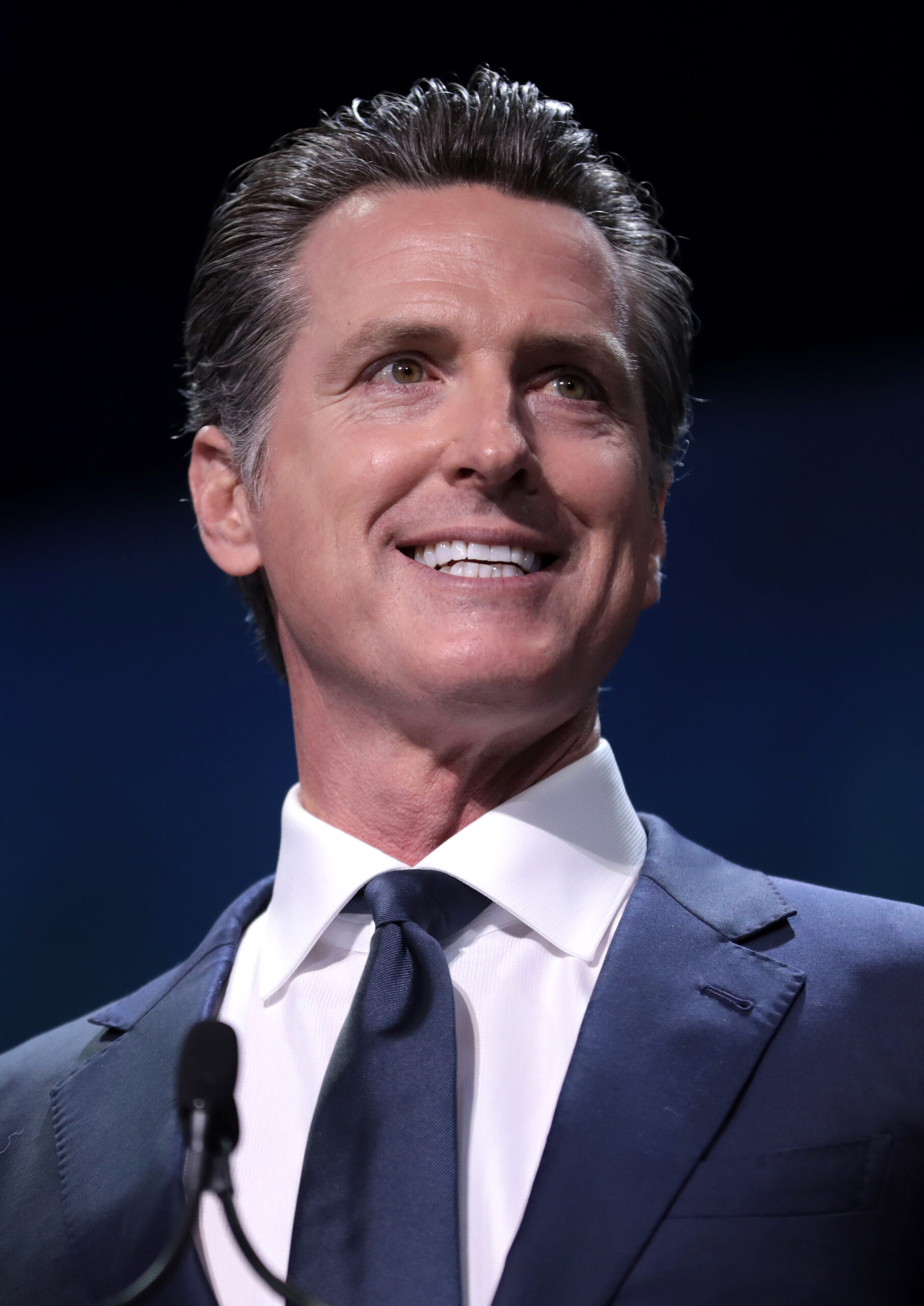
Is Gavin Newsom the Fighter Democrats Really Want?

0

Key Takeaways:

  • Gavin Newsom is gaining attention in the 2028 Democrat race.
  • His social media activity is making headlines—for better or worse.
  • Critics say his comedy style is falling flat.
  • Newsom positions himself as a political “fighter” on the national stage.
  • The internet is divided over whether his approach is bold or just bad.

The Rise of Gavin Newsom in 2028 Democrat Talks

Gavin Newsom is back in the political spotlight. As the 2028 presidential race slowly takes shape, talk of the California governor entering the race is growing louder. Some believe he could become the face of the Democrats. However, others are not impressed by his style or strategy.

Newsom is trying to play the part of a fighter. But many wonder if he’s fighting for real change—or just attention online. His latest efforts on social media have people talking, though not always in a good way. Some even compare his Twitter feed to bad stand-up comedy.

Fighter Lane or Just Flashy Tweets?

The path Newsom seems to be taking is known as the “Fighter Lane.” It’s a campaign strategy where a candidate tries to stand out by showing they won’t back down. Newsom is using this angle to hint that he’s stronger than his rivals.

His posts and videos online are meant to show that he’s bold, edgy, and funny. He often targets conservatives, hoping to prove he’s sharp and daring. But his punchlines are often met with groans instead of laughs.

His critics aren’t pulling any punches. They say his posts are shallow. Some call his humor awkward or even offensive. The real question is: does this stuff actually help, or does it hurt his chances?

How Newsom Uses Social Media to Stand Out

Gavin Newsom’s team spends a lot of time online. Much of his campaign energy is focused on social media apps like X (formerly Twitter), Instagram, and TikTok. His goal seems clear: go viral, get noticed, and build buzz.

He’s hired a young, diverse team to run his campaign’s online game. This includes people who refer to themselves as “they/them,” a nod to how he’s embracing progressives. For many supporters, this shows he’s in tune with the modern world.

However, not everyone sees this as a good thing. Critics slam Newsom for using identity politics. They argue he’s focusing more on style than on real issues that affect everyday Americans.

Still, his name trends often, which is no small thing in politics these days. Going viral can mean votes.

A Mixed Bag of Reactions from Voters

In politics, being famous can help—but it has to be the right kind of fame. While some younger voters enjoy Newsom’s edgy tone and snappy comebacks, older voters often roll their eyes.

His attempts at jokes sometimes feel forced. Memes and one-liners are funny when comedians post them. But from someone who wants to be president? The tone may seem off for that level of responsibility.

The real issue here is identity. Who is Gavin Newsom, really? A bold leader unafraid to speak out, or someone who covers weak ideas with loud tweets? Voters are still trying to figure that out.

Inside the Fighter Persona

Newsom has taken part in bold debates and strongly-worded interviews. His speeches push the idea that he’s not afraid of a fight. He positions himself as someone ready to take on gun laws, abortion rights, education, and climate issues.

But calling yourself a fighter isn’t enough. People want to see results, not just tough talk. This is where his critics find gaps. They say California has its own problems—like rising homelessness and affordability—that Newsom hasn’t managed well as governor.

His opponents argue that he shouldn’t be preparing for the presidency when his own state is still facing big issues.

How Humor Is Being Used in Politics

Gavin Newsom’s decision to try using humor in politics isn’t new. Politicians have long used jokes to win over voters. Think back to Ronald Reagan’s quips or even Barack Obama’s charm.

But Newsom’s brand of humor feels different. It’s sharper and more sarcastic. Instead of laughing with people, critics say he’s often laughing at them. This approach might bring short-term attention, but it could damage his long-term image.

After all, America is dealing with serious problems—economic uncertainty, global tension, and a climate crisis. Can a candidate known more for roasting others online handle these heavy issues?

Why the “Fighter” Strategy Might Fail

The fighter lane is crowded. Other potential Democratic candidates are also trying to prove they’re tough. Some have stronger records. Some speak more calmly, but with clear plans.

Newsom needs to balance his fighter energy with real policies and accomplishments. Loud tweets can only go so far. At some point, voters start asking: What have you actually done?

His fancy videos and trendy language may keep him in the news today. But winning an election takes more than clicks. It takes trust.

What’s Next for Gavin Newsom?

If Newsom wants the 2028 nomination, he’ll need to win over more than just Twitter users. He has to show Americans that his fight includes plans, not just punchlines.

Right now, he’s either a bold challenger shaking up tired traditions—or a viral distraction making noise with little meaning. Time will tell.

Right now, he’s all over social media. But can that really take him to the White House?

More voters are watching closely. If Gavin Newsom’s goal is to become a true leader of the Democratic Party, the fighter image won’t be enough. He needs to show he’s serious, connected to everyday people, and ready to lead.

The 2028 race is still years away, but the spotlight is already on. Let’s see if Gavin Newsom can rise to the moment—or if his campaign will be just another comedy routine that falls flat.

FAQs

What does Gavin Newsom mean by “fighting” in politics?

He uses “fighting” to describe his bold stance on topics like climate change, gun laws, and healthcare. It’s about showing strength and not backing down against opposition.

How are people reacting to his social media posts?

Opinions are mixed. Some find them witty, while others think they’re shallow attempts at humor that don’t address real issues.

Is Gavin Newsom officially running for president in 2028?

As of now, he hasn’t officially announced a campaign. However, his public actions strongly suggest he’s preparing for it.

Why is Newsom’s humor causing so much debate?

His style is sharper and more sarcastic than most politicians. Some see it as bold, but others find it unprofessional or even mean-spirited.

Is Gaza Annexation Israel’s Next Step?

Key takeaways:

• Israel’s finance minister proposes to annex Gaza if Hamas keeps fighting.
• He plans to shrink Gaza’s territory and push for “voluntary emigration.”
• Critics warn this move could amount to ethnic cleansing and break international law.
• The plan may face scrutiny from the International Court of Justice and the ICC.

Gaza annexation plan explained

Israeli Finance Minister Bezalel Smotrich said Israel must fully control Gaza “forever.” He spoke in a Jerusalem press conference. He offered Hamas two choices. First, surrender, disarm, and free all hostages. Second, face gradual annexation of Gaza and support a U.S.-backed scheme for residents to leave. He used the phrase “voluntary emigration.” However, most Gazans are not likely to leave their homes. Many are descendants of Palestinians forced out in 1948. Smotrich also wants to tighten the siege on Gaza. He even said he wants Hamas fighters to “starve and dehydrate to death.”

How Gaza annexation would work

Smotrich’s plan would go in stages. First, Israel would take over parts of northern Gaza. Then it would expand control toward the south. Eventually, the entire coastal strip would come under Israeli rule. During each stage, Israel would set new rules for movement, water, and electricity. The goal is to reduce Gaza’s size and force residents to relocate. Critics call this scheme a euphemism for ethnic cleansing. They argue that asking people to leave is not really voluntary.

What this means for Gaza residents

Gaza’s 2.3 million people already face a harsh blockade. They struggle for food, clean water, and medicine. Over 63,000 Palestinians have died in the conflict so far. Many more are injured or missing. A famine is threatening hundreds of thousands more. If Gaza annexation begins, residents could lose even basic services. They might see new checkpoints, tougher curfews, and fewer aid deliveries. Moreover, families that refuse to move could face forced eviction. This could increase suffering and death in an already dire situation.

What critics say

International jurists warn that public calls for annexation cross a legal line. Itay Epshtain, an Israeli legal expert, says Smotrich’s words may help prove intent to commit war crimes. The International Court of Justice is already reviewing a genocide case against Israel. The International Criminal Court has arrest warrants for top Israeli officials over alleged crimes against humanity and war crimes. Now, it may turn its focus to annexation plans. Critics believe that any move to ethnically cleanse Gaza will trigger global outrage and legal action.

Human cost and legal risks

Experts estimate the real death toll in Gaza is higher than official figures. Thousands more are buried under rubble. Many suffer from hunger, dehydration, and disease. Children bear the heaviest burden. If Gaza annexation goes ahead, humanitarian agencies warn of a deeper crisis. International law forbids annexation of occupied territory. It also bans forced population movement and collective punishment. Should Israel push the plan forward, it risks being found guilty of apartheid and genocide. This could lead to sanctions, diplomatic isolation, and more ICC investigations.

Looking ahead

Smotrich says he wants to finish the campaign in Gaza by year’s end. He pushes for full control of the strip, no matter the cost. While he speaks, fighting continues across Gaza. Diplomats are scrambling for a ceasefire. Aid groups plead for safe corridors and more relief. Yet, the annexation talk casts a long shadow over any peace talks. As Gaza annexation takes center stage, the human toll and legal stakes keep rising. The coming months may show whether the plan moves beyond words or remains a risky political promise.

FAQs

Could Gaza annexation happen without war?

It seems unlikely. Gaza is under heavy military pressure. Any move to annex will likely be backed by force. This means continued fighting and more civilian harm.

What does “voluntary emigration” really mean?

In this context, it means asking Gazans to leave their homes in exchange for safety or aid. Critics say it’s a thinly veiled call for people to abandon their land under duress.

How does international law view annexation?

International law forbids an occupying power from adding new territory by force. It also bans forced population transfers. Annexation plans risk serious legal consequences for Israel.

Who could stop the annexation plan?

Global bodies like the United Nations, the International Court of Justice, and the International Criminal Court can issue rulings or sanctions. However, actual enforcement depends on international politics and state action.

Is Barron Trump Focusing on Business, Not Dating?

Key Takeaways

• Barron Trump has no plans to date; he’s focused on business and school
• He’s entering his sophomore year at NYU and wants to start a tech company
• He once launched a real estate venture but closed it before his father’s inauguration
• He spends time building financial projects and networking with peers

What’s Barron Trump Up To at NYU?

Barron Trump is beginning his second year at New York University. He seems more interested in growing his career than in finding a romantic partner. In fact, a close source says he “doesn’t think dating is a big deal right now.” Instead, Barron Trump has turned his attention to exploring tech and real estate ideas.

Barron Trump’s Business Ambitions

Barron Trump once started a small real estate company. He shut it down just before his father took office. However, this experience did not stop him. Now, he plans to launch a tech company. He believes this venture could help him learn more about business and technology.

Moreover, Barron Trump enjoys talking about money, developing properties, and making smart deals. His friends say he always has fresh ideas. He also asks questions to understand what people his age need. As a result, he is building skills that could shape his future career.

Balancing School and Startup Dreams

Going to NYU is not easy. Barron Trump has many classes to study and assignments to finish. Yet, he still finds time to work on his business ideas. He often stays up late writing down plans or talking with classmates. This schedule shows how determined he is.

Consequently, he has little free time for dating. A source confirms that he hasn’t shown any interest in a serious relationship. Instead, he focuses on his studies, family, and career. His family supports him fully and often checks on his progress.

Building Relationships with Like-Minded Peers

Barron Trump spends hours meeting students who share his drive. He attends networking events, tech meetups, and guest lectures. There, he listens and learns from experienced entrepreneurs. This way, Barron Trump builds a circle of friends who can help him grow.

Furthermore, he receives feedback on his ideas. He learns what might work and what might need more thought. By connecting with peers, he gains support and resources. As a result, he feels ready to launch his tech venture when the time is right.

Learning from Early Real Estate Experience

Before his father’s inauguration, Barron Trump started a small real estate firm. Although he closed it down, he learned many lessons. For instance, he discovered how to evaluate property value. He also saw the importance of clear contracts and smart partnerships.

Now, Barron Trump plans to use this knowledge in the tech world. He believes that business basics apply to any industry. Whether it is real estate or apps, he needs to understand budgets, planning, and teamwork. Therefore, his real estate venture was a valuable stepping stone.

Exploring Tech Ideas

As of now, Barron Trump has not shared specific details about his tech plans. Yet, he often talks about creating tools that solve real problems. He wants to design products that help people in their daily lives. By focusing on user needs, Barron Trump hopes to build something popular and useful.

Meanwhile, he studies coding basics and business models. He reads articles and watches tutorials in his spare time. This self-study helps him prepare for the challenges of starting a tech company. Additionally, he reaches out to professors and mentors for guidance.

Family Support and Privacy

Barron Trump’s family remains a big part of his life. They offer advice and moral support. At the same time, they respect his wish for privacy. He likes to keep his personal life out of the spotlight, especially his dating life.

However, his sister and mother often encourage him to take breaks and relax. They think it is healthy to unwind and enjoy social events. Although Barron Trump values their advice, he still chooses to focus on business and school for now.

Why No Rush to Date?

A source explained that Barron Trump feels he has enough on his plate already. He says that balancing school and a startup is a full-time job. On top of that, he has family responsibilities and public expectations. Therefore, he believes that dating can wait until he feels more settled.

In addition, Barron Trump values deep connections. He would rather build a meaningful relationship later than start something halfhearted. For now, he prefers to form strong friendships that support his goals.

What’s Next for Barron Trump?

Looking ahead, Barron Trump plans to keep refining his tech ideas. He might enter startup competitions or join an incubator program. He also intends to stay active in his real estate interests on the side. As he gains more experience, he will decide when to launch his company officially.

Moreover, he will continue his studies at NYU. He hopes to learn from classes that cover entrepreneurship, finance, and technology. By combining classroom lessons with real-world practice, Barron Trump aims to build a strong foundation.

Final Thoughts

Barron Trump shows that youth and ambition can go hand in hand. Even though dating is common in college, he has chosen a different path. He is using his time to build business skills and explore new ideas. As a result, he sets an example for young people who want to balance studies and startups.

Frequently Asked Questions

Why is Barron Trump not dating?

He’s focused on school, family, and launching a tech business. He feels dating can wait.

What business did Barron Trump start before?

He began a small real estate company but closed it before his father’s inauguration.

How does Barron Trump spend his free time?

He studies, meets peers at tech events, and works on his business ideas.

Will Barron Trump launch his tech company soon?

He’s still refining his ideas and building skills. An exact launch date is not set yet.

What does Barron Trump study at NYU?

He takes courses related to entrepreneurship, finance, and technology.

Can Trump’s Wins Save the Midterm Elections?

0

Key Takeaways:

  • Republicans face a tough road in the midterm elections despite Trump’s wins.
  • Trump’s approval dropped from net +8 to net -2 in one month.
  • Handling of Epstein files hurts Trump’s support.
  • GOP lawmakers have few big laws to show ahead of the vote.
  • Democrats lead in most polls for the House majority.

Can Trump’s Wins Save the Midterm Elections?

As the midterm elections loom, top pollster Mark Mitchell sounded the alarm. He said that, despite Donald Trump’s major victories, Republicans are in a tight spot. The polls show Democrats picking up House seats. This trend worries GOP strategists who hoped Trump’s policies would rally voters.

What the Polls Say About the Midterm Elections

Right now, every major pollster predicts Democrats will gain seats in the House. Moreover, most show Democrats winning the majority. This outlook comes as a surprise since many expected post-COVID shifts and redistricting to favor Republicans. However, Mitchell warns that Trump can’t choose which wins voters will credit him for.

Trump’s Policy Wins Fail to Boost Approval

This summer, Trump celebrated the “One Big Beautiful Bill,” the removal of Iran’s nuclear program, and new trade deals. Yet, his approval rating plunged from net +8 in mid-June to net -4 by mid-July. Today, he sits at net -2. Clearly, signing big laws alone did not sway enough voters.

Moreover, some critics say the bill’s messaging lacked clarity. Others felt uneasy about deeper U.S. involvement with Israel. But the biggest blow came from Trump’s handling of the Jeffrey Epstein files.

The Epstein Files Effect

Trump promised to release Epstein sex trafficking case files. Many supporters saw this as a way to hold elites accountable. Instead, frustration grew when the files remained sealed. As a result, some felt betrayed. Mitchell called it a “canary in the coal mine.” It signaled that Trump might not deliver on key promises. Consequently, his numbers stalled.

This misstep also made crossover voters—Democrats and independents—second guess their support. In turn, Republicans lost momentum in polls tied to the midterm elections.

GOP’s Lack of Legislative Achievements

Beyond Trump, Congress has underperformed. Mitchell pointed out that the 119th Congress delivered almost nothing after promising big reforms. Speaker Mike Johnson once vowed to hang an “America First” banner over the Capitol. Yet, apart from the One Big Beautiful Bill, there is little else to show. Republicans have just 50 legislative days left this year to act.

Because of this, many Trump 2024 voters rate Republicans in Congress poorly. Only 38 percent give them a very favorable grade. That number is disastrous for a party defending seats in the midterm elections.

Trump’s Strategy for the 2026 Midterm Elections

Looking ahead, Trump plans to help rig maps in favor of his picks. He also aims to hand-select candidates who match his style. Plus, he wants an early convention to rally support. Still, it may not be enough.

First, his approval rating remains low. Second, Republicans have yet to convert independents and Democrats he once won over. Lastly, internal divisions persist within the party. Therefore, the midterm elections remain a steep climb for the GOP.

Why the Midterm Elections Remain a Big Test

In short, Donald Trump’s policy wins did not move the needle. His approval drop shows voters need more than big headlines. Ilsos, Congress must deliver real results before the midterm elections. Without fresh wins, Republicans risk losing crucial House seats.

Moreover, the Epstein files controversy exposed limits to Trump’s influence. It reminded voters that promises matter. If the GOP cannot score wins that voters see and appreciate, they will pay the price in November.

Ultimately, the midterm elections will test the Republican Party’s ability to turn high-profile wins into real voter support. So far, the signs are not in their favor.

Frequently Asked Questions

Why are the midterm elections so important for Republicans?

Midterm elections decide control of Congress. Republicans need the House majority to drive their agenda. Losing seats would weaken their power.

How did Trump’s approval rating change recently?

Between mid-June and mid-July, Trump’s approval rating fell from net +8 to net -4. Today, it stands at net -2, showing limited recovery.

What happened with the Epstein files promise?

Trump pledged to release Jeffrey Epstein sex trafficking case files. The delay frustrated supporters and hurt his credibility.

Can Trump’s new trade deals boost voter support?

So far, trade deals have not improved Trump’s numbers. Voters focus on delivered promises, not announcements.

What can Republicans do before the midterm elections?

They need to pass visible legislation quickly and clearly communicate wins. Otherwise, they risk losing key seats.

Could a Market Crash Hit the U.S. Under Trump?

0

Key Takeaways

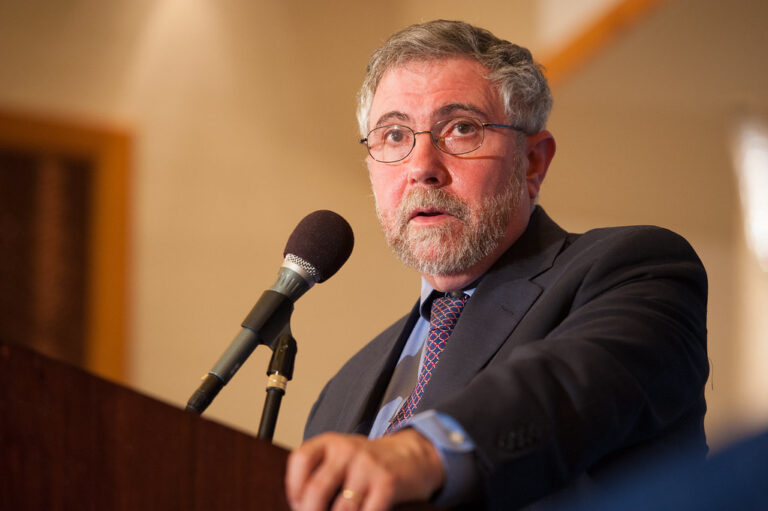
• Nobel Prize winner Paul Krugman warns of a looming market crash.
• Financial markets stay calm until danger becomes obvious.
• Early economic signs, like flat hiring and rising prices, hint at trouble.
• Trump’s policies could spark a sudden, severe market crash.
• Investors should watch warning signs and plan ahead.

Why a Market Crash Might Be Coming

Paul Krugman, the 2008 Nobel Prize winner in economics, says we might not see trouble until it’s too late. He compares the calm markets today to a cartoon character running off a cliff. Only when the drop is clear does the fall begin. In a new essay, Krugman argues that markets often ignore big changes until disaster is obvious. That delay could turn small issues into a full-blown market crash.

What Causes a Market Crash?

A market crash happens when stock prices suddenly fall a lot. It can wipe out investments and shake confidence. Crashes often follow risky policies or big financial mistakes. Here are common causes:

• Overvalued assets: Prices rise too fast without clear support.
• Policy shocks: Sudden government actions disrupt business plans.
• Credit crunch: Banks tighten lending, reducing cash in the economy.
• Investor panic: Fear spreads quickly, leading to a mass sell-off.

Krugman’s essay highlights how policy shocks can spark a market crash. He says markets stay calm until “blindingly obvious” trouble appears. Then prices can “change violently.” That pattern fits the idea of a long, lazy walk off a cliff.

How Could Trump’s Policies Trigger a Market Crash?

Trump and his team promise a new “Golden Age” for the economy. Yet some of his moves worry experts. Here’s how his policies may feed a market crash:
• Attacks on the Fed: Undermining the central bank could raise borrowing costs.
• Trade wars: Tariffs on imports can slow growth and hurt businesses.
• Tax shifts: Big cuts today may raise deficits tomorrow.
• Regulation rollbacks: Removing safety rules can lead to risky lending.

Krugman warns that markets may ignore these threats at first. Instead, they will act “as if nothing is wrong.” Then, when data shows real damage, investors will rush to sell. That rush can trigger a sudden market crash.

Signs of Trouble in the Economy

Even now, small red flags appear. Krugman points to a few worrying trends:
• Flat hiring: The first quarter saw job growth stall.
• Rising inflation: Prices of groceries and home goods keep climbing.
• High deficits: Government debt grows faster than the economy.
• Weak productivity: Workers produce less output per hour.

These signs hint at rising risks beneath the surface. They also suggest a market crash could follow if policies worsen these trends.

Why Markets Stay Calm Until the Last Moment

Financial markets crave stability. They price in small risks but delay major changes. Krugman calls this the “Wile E. Coyote moment.” It describes a cartoon scene: the character runs off a cliff and only falls once he looks down. Similarly, markets may not react to policy danger until a crisis hits full force.

This delay can be deadly. A sudden shift in prices can cause a market crash, wiping out gains in hours or days. Such a drop can damage retirement savings, business plans, and public confidence.

How Investors Can Prepare for a Market Crash

No one can predict exactly when a market crash will happen. Yet you can reduce its impact with careful steps:

• Diversify holdings: Spread money across stocks, bonds, and cash.
• Keep some liquidity: Hold enough cash for short-term needs.
• Monitor warning signs: Watch job reports, inflation, and debt levels.
• Use stop-loss orders: Set limits to sell if stocks fall too far.
• Review risk tolerance: Adjust based on age and financial goals.

By planning ahead, investors can avoid panic selling during a sudden market crash. Instead, they can follow a clear, calm strategy.

What Policymakers Should Do to Prevent a Market Crash

Krugman’s essay also offers advice for leaders. To avoid a market crash, policymakers could:

• Respect central bank independence: Let the Fed set rates to control inflation.
• Reduce deficits responsibly: Balance tax cuts with spending cuts or revenue increases.
• Promote fair trade: Resolve conflicts with other nations to boost exports.
• Maintain sensible rules: Keep safety nets that prevent reckless lending.

If leaders act early, they can steer the economy away from that cliff edge. Otherwise, markets may stay calm until a sudden fall in prices.

Looking Ahead: Avoiding the Cliff’s Edge

We may still enjoy calm markets for a while. Yet Krugman’s warning reminds us of past crises. The 2008 crash began after years of rising home prices and risky loans. Few saw the danger at first. Only after the collapse of big financial firms did panic set in.

Today, Trump’s policies could cause a similar blow. Markets may ignore risks until a crisis hits. Only then will the true damage appear. If you care about your savings, now is the time to watch for warning signs. Act before the market crash knocks at the door.

Frequently Asked Questions

What is a market crash?

A market crash happens when stock prices drop very quickly, often causing wide fear and losses.

Why do markets ignore risks before a crash?

Markets favor short-term stability. They often wait until threats are undeniable before adjusting prices.

How can I protect my investments from a crash?

Diversify across different asset types, keep some cash, and set clear limits for selling.

Could Trump’s economic policies really cause a crash?

Some experts, like Paul Krugman, believe that attacks on the Fed, rising deficits, and trade fights can spark a sudden market crash.

Is Bill Pulte’s Own Paperwork Under Fire?

0

Key takeaways:

• Bill Pulte used mortgage fraud complaints to target Trump critics.
• His wife, Diana Pulte, funneled $500,000 to a pro-Trump super PAC.
• The FEC found the PAC misreported her donation via an LLC.
• No fines followed, but critics say Pulte’s papers look sloppy.
• This unfolds as Trump fights a massive civil fraud judgment.

Bill Pulte’s Role as Trump’s Attack Dog

Bill Pulte leads the Federal Housing Finance Agency. He has filed shaky mortgage fraud complaints against people who upset the former president. Targets include a U.S. senator, a state attorney general, and a Federal Reserve governor. Pulte’s aggressive filings look for small document errors. Yet his own record may contain similar flaws.

First, Pulte rose to power after years in real estate. Then his wife, Diana Pulte, gave half a million dollars to a Trump super PAC. That cash came through ML Organization LLC, a Delaware shell company Pulte controlled. Critics say this move hid the real source of the money.

Bill Pulte’s Donation Controversy

Diana Pulte donated $500,000 when Trump was starting his new campaign. She sent the funds to a Trump super PAC via the LLC. This happened just after the 2021 Capitol incident. At the same time, the Campaign Legal Center filed a complaint. They argued the link between Diana Pulte and the LLC violated campaign finance rules.

In response, the Federal Election Commission opened an inquiry. It took years, but this year the FEC quietly noted the super PAC failed to list Diana as the real donor. Still, the agency did not accuse the Pultes of breaking the law. A spokesperson said the FEC found no violation by Director Pulte.

FEC Findings on Bill Pulte’s Paperwork

However, the FEC never addressed why the paperwork named an LLC instead of Diana Pulte. This oversight looks like the same kind of sloppy filing Pulte now attacks in others. For example, Pulte charged Federal Reserve governor Lisa Cook over minor errors. Yet his own records show similar mistakes.

Furthermore, experts question the fairness of Pulte’s actions. Jeff Hauser of the Revolving Door Project said he doubts Pulte would fare as well as Cook if his documents received the same review. In effect, Pulte’s critics see a double standard. They point out he uses his power to settle political scores.

Critics Question Bill Pulte’s Scrutiny

In addition to Hauser, watchdog groups have flagged Pulte’s tactics. They say he weaponizes the agency he leads. Rather than guard housing finance, he pursues political foes. Meanwhile, his own file-keeping escapes deep inspection.

Moreover, some legislators are uneasy. They argue the FHFA should focus on mortgages and housing support. Instead, they claim it spends resources chasing partisan targets. All the while, Pulte’s past donations and filings remain unexamined.

Looking Ahead Amid Trump’s Civil Fraud Fight

This drama plays out as Trump appeals a $550 million civil fraud judgment in New York. A lower court found Trump inflated property values for better loan terms. An appeals court tossed part of the ruling but upheld the fraud finding. Both sides plan further appeals.

Meanwhile, Pulte keeps his spot in the Trump administration. His work spotlights mortgage fraud, but critics say his own finances could be just as flawed. As Trump’s legal troubles mount, Pulte’s role may draw more attention. People will watch to see if the FHFA director faces the same scrutiny he demands.

Ultimately, the story raises questions about power, politics, and fairness. If Trump’s allies can wield agencies for political ends, will any official avoid similar checks? Pulte’s case shows that even those calling for strict enforcement may have vulnerabilities of their own.

Frequently Asked Questions

What exactly did Bill Pulte’s wife donate?

Diana Pulte gave $500,000 to a super PAC backing Trump. She routed it through an LLC her husband controlled.

Did the FEC punish the Pultes?

No. The FEC found the super PAC failed to list the correct donor, but it did not fine or charge Bill or Diana Pulte.

How does this relate to Trump’s civil fraud case?

As Trump appeals his $550 million judgment, Pulte’s actions highlight ongoing political fights over financial reporting and legal power.

Why do critics worry about Bill Pulte’s tactics?

Critics say he uses his agency role to target political enemies, yet his own paperwork shows similar mistakes he faults in others.

Is Trump Attacking Union Rights Again?

0

Key Takeaways:

  • President Trump issued a new executive order targeting union rights at six federal agencies.
  • This move follows his March order that tried to end collective bargaining for many government workers.
  • Several courts have blocked or paused the first order, but the fight is far from over.
  • Union leaders at NASA, the National Weather Service, and other agencies promise to keep battling.
  • The 9th Circuit Court will soon decide if it will rehear the March order’s case.

Trump’s New Order on Union Rights

President Trump just signed another executive order. He claims it will boost national security. However, it strips union rights from workers at six key agencies. This marks a clear escalation in his campaign against federal employee unions. Meanwhile, courts and unions scramble to respond.

First, Trump aimed at hundreds of thousands of federal workers in March. Then, a judge blocked that plan. Next, an appeals court let the administration move forward. Now, without waiting for the final word, some agencies have already canceled bargaining deals. In this new order, Trump points to a 1978 law to justify his actions. Yet, critics say it is purely political.

How This Affects Federal Employee Union Rights

The new order ends union rights for workers at:

  • Bureau of Reclamation hydropower units
  • NASA
  • National Environmental Satellite, Data, and Information Service
  • National Weather Service
  • Patent and Trademark Office
  • U.S. Agency for Global Media

Without union rights, workers lose the power to negotiate pay, hours, and safety rules. They can no longer bargain as a group. Instead, the agency chief makes final decisions. In turn, employees fear rushed cuts and fewer protections.

Background: From the March Order to Today

In March, Trump first tried to end collective bargaining rights for many federal workers. That move sparked lawsuits. A federal judge quickly blocked the order. Then, the administration appealed. Recently, a panel from the 9th Circuit Court said it would allow some agency actions to continue while the appeal plays out. On Monday, that same court weighed whether to review the full case. Now, Trump adds a fresh order on top of the legal battle.

Which Agencies Lose Union Rights

This time, Trump points a finger at certain science, data, and media agencies. For example, NASA’s workforce includes engineers, technicians, and data specialists. Many of them belong to the International Federation of Professional and Technical Engineers. Other NASA workers join the American Federation of Government Employees. Both unions sued in reaction to the March order.

Similarly, employees at the National Weather Service and satellite data service keep weather stations running. They track storms and share vital alerts. Those workers also have union rights under current law. Now, the new order yanks those rights away. The Patent Office and U.S. Agency for Global Media face similar cutbacks.

Union Leaders Speak Out

Union heads wasted no time condemning the order. Matt Biggs leads the technical engineers at NASA. He said the move looked like payback. In his view, the administration targeted NASA after the union sued over the March order. He also noted the timing made no sense. Labor Day weekend honors workers, he pointed out. Instead, Trump attacked them again.

Everett Kelley runs the American Federation of Government Employees. He called Trump the most anti-worker president ever. Kelley noted that about one-third of affected workers are veterans. Therefore, he felt the move showed a lack of respect. In addition, Kelley accused a new Department of Government Efficiency of driving reckless cuts. He vowed AFGE would fight on all fronts—courtrooms, Congress, and local rallies.

Legal Fight Ahead

Courts now face two related cases. The first arose from the March order. The second challenges Thursday’s new order. So far, judges have blocked some actions. However, the timeline remains murky. Meanwhile, agencies have already moved to cancel deals. This leaves workers in limbo over their rights and benefits.

In addition, the 9th Circuit will decide if all judges in that court should review the case. If they agree, it could slow down the legal process. However, a full rehearing could also lead to a clearer ruling on union rights for federal employees.

What Workers Can Expect

At present, affected employees might see changes soon. Agencies may set new pay and staffing rules without consulting unions. Workers could lose negotiated safety protocols. Also, they may face shorter notice for policy changes. In turn, morale may drop. Some employees may even leave their jobs.

Union leaders urge members to stay informed. They plan letter campaigns and meetings with lawmakers. Moreover, they will push Congress to pass laws that protect federal workers. In the long run, some hope a new administration could restore union rights.

Looking Ahead for Union Rights

In light of these developments, workers, unions, and allies must stay alert. They can:

  • Monitor agency announcements about bargaining deals.
  • Join union meetings to learn about legal updates.
  • Contact members of Congress to oppose anti-union policies.
  • Share stories on social media to build public support.

Therefore, even as the courts weigh in, public pressure may shape the final outcome. In addition, union leaders say they will file more lawsuits if needed. Meanwhile, employees face an uncertain future for their union rights.

Union Rights Matter

Union rights help workers speak with one voice. They cover pay, safety, and work rules. Without them, management holds all power. Thus, removing union rights can leave employees vulnerable. In the long term, this affects public services like weather alerts and space programs. Therefore, the fight over union rights at these agencies matters to all Americans.

FAQs

How does this order differ from the March order?

The March order aimed to end collective bargaining for many agencies. Thursday’s order targets six specific agencies, adding new restrictions.

What are collective bargaining rights?

Collective bargaining rights let unions negotiate pay, benefits, and safety rules for workers as a group.

Can unions still sue over this order?

Yes. Unions have already filed lawsuits and vow to keep fighting in court.

What can federal employees do now?

They should stay in touch with their unions, watch for agency updates, and tell lawmakers their views.

Is Mark Teixeira Running for Congress in Texas?

0

Key Takeaways

• Former MLB star Mark Teixeira is running for Congress in Texas’ 21st District.
• He will run as a Republican to support the America First agenda.
• Incumbent Chip Roy is vacating the seat to run for state attorney general.
• Fans and sports analysts reacted strongly on social media.

Mark Teixeira Launches Congressional Bid

Mark Teixeira surprised fans when he announced his run for Texas’ 21st Congressional District. Teixeira played 14 seasons in Major League Baseball. He said he wants to protect Texas families and defend the America First agenda. The district is open because Representative Chip Roy is seeking the state’s top legal post. Immediately, this news sent ripples through sports and political circles.

Who Is Mark Teixeira?

Mark Teixeira is a former Baltimore native who starred with the New York Yankees. He earned three World Series rings and was one of baseball’s best power hitters. After he retired, Teixeira became a sports analyst and philanthropist. Now, he wants to take his public role a step further. He believes his leadership skills will translate to politics.

Details of Teixeira’s Campaign

In his announcement, Mark Teixeira said he’s “ready to fight for the principles that make Texas strong and America exceptional.” He pledged to back President Trump’s America First policies. Moreover, he highlighted his concern for property rights and family values. Teixeira will run in a crowded primary, but he hopes his fame and message will win over voters.

The district covers parts of Austin and Hill Country. It leans conservative, so the Republican primary often decides the ultimate winner. Teixeira will need to appeal to grassroots activists and party leaders alike. Thus, he plans to visit towns across the district in the coming weeks.

What Teixeira Stands For

• America First Agenda: Teixeira vowed to support policies that put U.S. interests first.
• Texas Families: He stressed the need for strong local schools and safe communities.
• Individual Rights: He promised to defend free speech and gun rights.
• Economic Growth: He backs lower taxes and fewer regulations for small businesses.

Mark Teixeira believes these issues resonate with Texas voters. However, he must balance his sports celebrity background with real political experience. Consequently, he is lining up endorsements and local allies to build credibility.

Social Media Reacts to Teixeira’s Campaign

Almost immediately, commentators lit up social media. Some posted jokes, while others launched harsh criticism. Here are notable reactions:

Michael Baumann, a baseball writer, quipped that Teixeira’s run feels like “hilarious cosplay.” Josh Sternberg called it “full-on fash” in a tongue-in-cheek jab. Stacey Gotsulias labeled Teixeira a “garbage person” for his far-right leanings. Meanwhile, Andrew Mearns said he wants an unfiltered CC Sabathia recording about this news. FanGraphs senior writer Jay Jaffe accused Teixeira of being a “fascist bootlicker.” Others simply remarked that this race will be must-watch entertainment.

Some fans defended Teixeira’s right to run. They argued that athletes bring valuable teamwork skills to politics. Likewise, they pointed out that many public figures have successfully shifted careers. For instance, former athletes have served in state legislatures and Congress before.

Why Teixeira’s Run Matters

First, this campaign marks a growing trend of sports stars entering politics. Next, it could shift the tone of the race. Teixeira’s fame will draw media attention and fundraising dollars. Moreover, Republicans will watch to see if a celebrity can galvanize the base. On the other side, Democrats may view him as an easy target given his limited policy track record.

In addition, this seat has national importance. If Teixeira wins, he joins a GOP majority in the House. Therefore, his stance on key votes could impact legislation on immigration, taxes, and social programs. As a result, both parties will likely invest heavily in this race.

Challenges Ahead for Teixeira

Although Mark Teixeira’s name recognition gives him an edge, he faces hurdles. First, Texas Republicans are known for vetting candidates on conservative credentials. Teixeira will need to prove his commitment to core values. Second, he must raise significant funds to compete with seasoned politicians. Third, voters might question his lack of political experience.

On the flip side, Teixeira’s celebrity status could energize younger voters. He might also attract independents who follow baseball. If he can present clear policy ideas, he may overcome skepticism. Therefore, his campaign team is focusing on town halls and one-on-one meetings now.

Looking Ahead: The Primary and Beyond

The Republican primary in this district will take place next spring. Teixeira must secure 50 percent of the vote to avoid a runoff. Otherwise, he will face the top runner-up in a second round. If he wins the primary, the general election should be an easy win in this conservative stronghold.

Meanwhile, Democrats are scrambling to find a candidate. Their chances to flip the seat are slim, but they can still shape the debate. They could force Teixeira to defend extreme positions or spotlight his inexperience. Thus, the race may become more contentious as November approaches.

Moreover, national groups may view this contest as a test of celebrity politics. If Teixeira succeeds, we may see more athletes jump into races. Otherwise, parties might think twice before backing sports stars with little government background.

How to Follow the Race

First, keep an eye on local Texas news outlets for in-depth coverage. Then, follow Teixeira’s official campaign site and social media for announcements. Also, political blogs and national newspapers will track fundraising numbers and polling updates. Finally, watch for debates and forums where Teixeira can showcase his views directly.

Transitioning from the ballpark to the political arena will be challenging. However, Mark Teixeira is betting his reputation and fan base on this new role. As the campaign unfolds, voters will decide if a former slugger can deliver results in Congress.

Frequently Asked Questions

What made Mark Teixeira decide to run for Congress?

He said he wants to defend Texas families and back the America First agenda. He believes his leadership skills can serve his community.

Who currently holds Texas’ 21st Congressional District?

Representative Chip Roy holds the seat. He is running for Texas Attorney General, leaving the district open.

How might Teixeira’s sports background help his campaign?

His fame can attract media attention and young voters. Also, teamwork and leadership skills may appeal to constituents.

What are the biggest challenges for Teixeira?

He faces doubts over his political experience, must raise large campaign funds, and must win over conservative primary voters.

Is Utah Gerrymander Unfair to Voters?

0

Key Takeaways:

  • A state judge ruled Utah’s congressional map an illegal partisan gerrymander.
  • Lawmakers plan to redraw a map that still avoids any Democratic districts.
  • Voters approved fair map rules in 2018, but the legislature ignored them.
  • Similar defiance happened in Alabama when courts ordered a new map.
  • The debate centers on state power versus fair representation.

Is Utah Gerrymander Unfair to Voters?

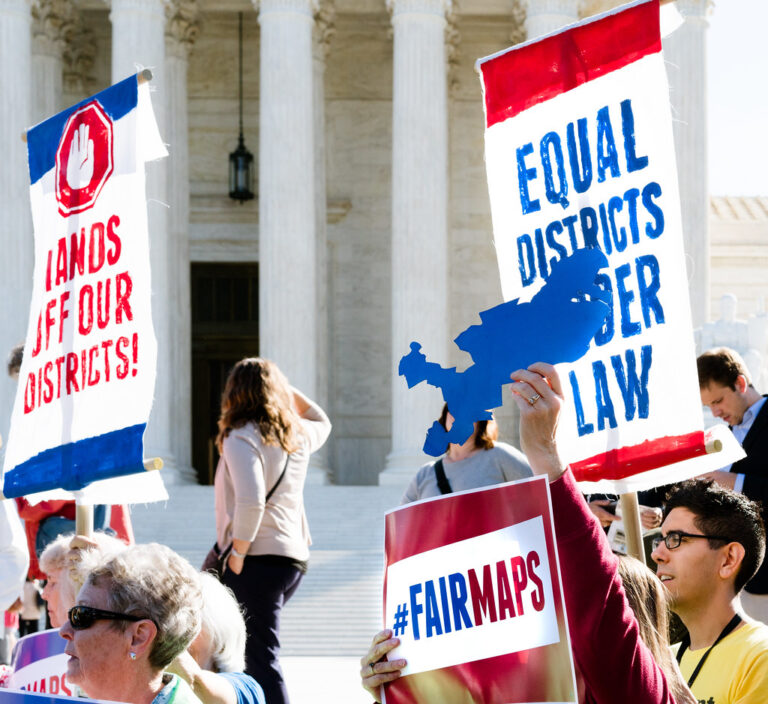
A judge found Utah’s congressional map is an illegal partisan gerrymander. The ruling demands a redraw that likely adds a Democratic district in Salt Lake City. Yet, GOP leaders vow to craft another map with zero Democratic seats. They argue the court overstepped its authority and tied the legislature’s hands. Meanwhile, voters feel shut out after approving a fair map process in 2018.

Court Battle Over Utah Gerrymander

The judge gave lawmakers just 30 days to meet new map criteria. Those criteria include creating one district favoring Democrats. However, the legislature insists only its members can set redistricting rules. In a joint statement, the House Speaker and Senate President called the order “misguided.” They said the U.S. and Utah constitutions let elected officials draw maps. Yet the 2018 referendum clearly spelled out fair redistricting guidelines. Despite that law, lawmakers stuck with their own partisanship plan.

Legislators Defy Court and Voters

Despite the clear voter mandate, the Utah Legislature plans to ignore both the court and the referendum. They claim they aim to blend urban and rural voices in each district. Ironically, Utah is one of the least rural states, with 90 percent of residents in cities. In fact, most voters live in and around Salt Lake City. Still, the GOP insists on a “statewide perspective” model. They believe this approach gives every district a mix of city and country views. Critics say this excuse simply masks a desire to keep Democrats out of Congress.

Impact of Utah Gerrymander on Representation

The current plan locks in four safe Republican seats. As a result, Democratic voters end up with no real voice. Even though a large share of Utahns live in urban areas, they get no dedicated representation. This situation fuels frustration and doubt about the fairness of elections. Fair maps let communities choose leaders who reflect their views. Conversely, a Utah gerrymander silences large groups of voters. Over time, such moves can erode trust in the political system.

Historical Defiance in Other States

Utah’s lawmakers are not the first to defy court orders. Recently, Alabama faced a similar battle over racial fairness. A federal court said Alabama’s map violated the Voting Rights Act by leaving out a second majority-Black district. Instead of complying, lawmakers drew another map with the same flaws. Ultimately, the court appointed an outside expert to create a fair map. That decision cost Alabama’s GOP lawmakers control over the process. Utah’s leaders seem ready to take a similar risk.

Political Reaction and Next Steps

Former President Trump weighed in on the Utah case. He blasted the court on his social platform, calling the ruling “absolutely Unconstitutional.” He wondered why a deeply conservative state ended up with “so many Radical Left Judges.” His post urged Republican states to remove Democratic districts wherever possible. Meanwhile, legal experts say the Utah court’s decision stems from a fair law that voters passed in 2018. Now, civil rights groups prepare to challenge any map that keeps Democratic voters locked out. Ultimately, the Utah gerrymander fight may land before the U.S. Supreme Court.

What Comes Next for Utah Voters

Lawmakers must finish a new map within thirty days or face contempt charges. If they again avoid creating a Democratic district, groups will rush back to court. Judges could then appoint an independent map drawer, as happened in Alabama. Citizens can also push for another referendum or an initiative to enforce fair rules. For now, Utahns watch closely as their elected leaders battle judges over voting rights.

Conclusion

Utah’s redistricting fight highlights a deeper struggle over democracy and fairness. On one side stands a court enforcing voter-approved rules. On the other side stands a legislature claiming exclusive power to draw maps. Meanwhile, millions of Utahns wonder if their voices matter. The outcome in Utah could set a major precedent for other states. It shows how a state gerrymander can face both legal and political challenges. Ultimately, the question remains: will Utah honor the will of its voters or keep a partisan map in place?

Frequently Asked Questions

What is a gerrymander?

A gerrymander is a way to draw voting districts to help one party win more seats. It changes boundaries so certain voters count more than others.

Why did the judge rule Utah’s map illegal?

The judge found the map unfair because it packed all Democratic voters into one area. This broke the fair rules voters approved in 2018.

How could lawmakers redraw the map?

They must add a district where Democrats have a real chance to win. This means creating lines around Salt Lake City that reflect its voters.

What happens if legislators ignore the court again?

If they refuse, judges could appoint an independent expert to draw the map. That would remove control from Utah’s lawmakers.

Did a Fox News host scold her colleagues?

0

Key Takeaways:

• Jessica Tarlov urged her Fox News colleagues to apply the same criticism to Trump’s actions they’d use on a Democrat.
• She challenged silence on Trump using government power for investments and controlling museum content.
• Tarlov offered hypothetical scenarios about a Democrat overstepping Congress, deploying the National Guard, and shaking down businesses.
• Greg Gutfield pushed back, calling her examples biased and unfair.
• The heated exchange highlights rising tensions over media double standards.

A Fox News host spoke up on Thursday, calling out her own team. Jessica Tarlov, co-host of the show “The Five,” felt her colleagues ignored actions by the Trump administration they’d slam if done by a Democrat. She pointed out serious concerns about how President Trump used government power for personal gain and museum influence. Yet, she saw little pushback from her fellow hosts.

Why did the Fox News host speak out?

Jessica Tarlov wanted fairness. She noted her co-hosts often warn against a president ignoring Congress. However, she saw no such alarm when Trump acted. Tarlov felt this was a double standard. She believed any president, Republican or Democrat, should face equal scrutiny.

First, she said a president who disrespects Congress breaks a key rule. Congress has the power to fund projects and set tariffs. Yet, Tarlov said Trump ignored these limits. If a Democrat did that, she argued, the panel would react loudly.

Next, she described a leader sending the National Guard to cities run by the other party. Tarlov said this move would trigger outrage if reversed. Then, she talked about a president demanding business kickbacks. She imagined a Democrat asking for a share of company profits. Again, she warned this would spark big criticism.

What examples did the Fox News host use?

Tarlov used three clear scenarios:

1. Ignoring Congress: She said a president must respect coequal branches.
2. Deploying the National Guard: She described a leader sending troops to cities led by the opposite party.
3. Shaking down businesses: She painted a picture of a president demanding investment cuts in exchange for favors.

She insisted her colleagues would “lose their minds” if a Democrat did these things. She even raised their voices to drive home her point.

How did her co-host respond?

Greg Gutfield pushed back hard. He said Jessica applied bias to her examples. According to him, her scenarios weren’t fair. He argued you can’t just imagine a Democrat doing what Trump did and expect everyone to agree. He claimed her argument was a “veneer of bias” and said it “doesn’t work that way.”

This clash revealed a deeper debate on media coverage. One host called for equal treatment. The other dismissed her concerns as partisan.

What does this mean for viewers?

First, this moment shows tension inside Fox News. It proves not everyone agrees on how to cover political actions. Second, it raises a wider question: Should news panels apply the same standards to every president? Finally, it reminds viewers to look for balance. Media literacy means spotting when outlets praise or criticize based only on party lines.

In the end, Jessica Tarlov’s call for equal criticism may push her network to rethink its approach. Meanwhile, audiences may demand clearer, more consistent reporting.

FAQs

How did Jessica Tarlov challenge her colleagues?

She highlighted actions by the Trump administration that she felt deserved criticism. She compared them to hypothetical moves by a Democratic president and questioned her panel’s silence.

What were the main examples in her argument?

Tarlov mentioned three scenarios: disrespecting Congress, deploying the National Guard to opposition-led cities, and demanding business investments for favors.

Why did Greg Gutfield reject her points?

Gutfield said Tarlov’s examples were biased. He argued that applying hypothetical scenarios to Democrats doesn’t automatically prove a double standard.

Will this exchange change Fox News coverage?

It’s unclear. However, the public debate it created could force the network to consider more balanced criticism across political lines.

What should viewers take away?

Viewers should look for consistent media standards. When networks critique or defend actions, they should apply the same rules to all political figures.