57.9 F
San Francisco
Wednesday, April 1, 2026
Home Blog Page 568

Should Ashli Babbitt Get a Military Funeral?

0

Key Takeaways:

  • Former GOP Rep. Patrick McHenry slammed the idea of giving Ashli Babbitt a military funeral.
  • A full military funeral features Taps, a flag presentation, and an honor guard.
  • Critics say Babbitt’s actions on January 6 do not deserve military honors.
  • Babbitt’s family may receive a military funeral after a $5 million settlement.

Former Congressman Patrick McHenry called out President Trump’s plan to award Ashli Babbitt a military funeral. Babbitt was shot and killed inside the Capitol during the January 6 riot. Trump wants to honor her with the highest service tribute. Yet McHenry said this is undeserved.

McHenry spoke with CNN’s Kasie Hunt on “The Arena.” He said full military honors go to those who died defending the nation. He added that Babbitt’s act was cowardly, not brave. Therefore, she should not get military honors.

Why Is the Military Funeral Plan Controversial?

This plan stirred strong reactions because of Babbitt’s role on January 6. She tried to climb through a broken window to enter the Speaker’s Lobby. Lawmakers had locked themselves inside as the riot continued. Security officers aimed to stop her and protect the building.

Critics note that full military funeral honors recognize service members who die in combat or defense. They say Babbitt’s actions do not meet that standard. Instead, they view her attempt to force entry as an attack on democracy.

What Does a Military Funeral Include?

A full military funeral follows strict customs. First, a flag drapes the casket. Second, a detail of uniformed military personnel stands watch. Third, the ceremony ends with the bugler playing “Taps.” Finally, a flag-folding ceremony takes place, and the family receives the flag.

These honors carry deep meaning. They honor sacrifice made for the nation. Military tradition reserves them for service members killed in action or while serving honorably.

Why Supporters Want a Military Funeral

Supporters argue Babbitt served in the Air Force. They say she deserves the same respect as any other veteran. Judicial Watch, a right-wing group, has pressed for this honor for months. Trump’s informal legal adviser Tom Fitton heads that group.

Moreover, supporters see Babbitt as a martyr for free speech and political protest. They believe the government overstepped by denying her a military funeral after she died. Last August, the Air Force under Secretary Matthew Lohmeier said it would reverse a Biden-era decision to deny her military funeral rights.

Why Opponents Reject the Plan

Opponents point out that a military funeral is not a reward for political causes. They insist it is a solemn rite for those who defend the country. McHenry calls Babbitt’s actions an “act of cowardice.” He argues she attacked her own government.

Many view January 6 as an insurrection. They feel honoring one of its rioters sends a harmful message. It could suggest that violence against lawmakers can be rewarded with state honors.

The $5 Million Settlement

Just months ago, the federal government paid Babbitt’s family a $5 million settlement. The payment recognized wrongful death after a lengthy legal fight. However, that settlement did not include a guarantee of funeral honors.

Now Trump’s plan to add a military funeral stirs fresh debate. Some see it as political theater. Others view it as a sincere attempt to honor a veteran.

What Comes Next?

The Department of the Air Force has signaled it will grant the funeral. That move will follow standard military funeral procedures. Yet political opposition may still arise. Congressional leaders could push back or seek to block official funding.

In addition, public opinion may influence the final decision. As news outlets cover this story, public pressure could shape how the military proceeds. Families of other veterans may raise concerns if they see this as setting a new precedent.

Balancing Honor and Accountability

This debate raises a key question: How do we honor veterans while upholding accountability? Full military honors symbolize the nation’s highest respect. Yet critics argue we cannot blur the line between service and insurrection.

In many ways, this controversy reflects a divided America. One side wants to honor any veteran who dies in uniform. The other side demands strict adherence to tradition and purpose. Ultimately, the decision will test how traditions adapt to modern political battles.

Conclusion

The plan to give Ashli Babbitt a military funeral remains deeply divisive. Supporters cite her Air Force service and veteran status. Opponents say her January 6 actions disqualify her from military honors. As this story unfolds, the nation will watch closely. It will reveal not only how we honor the fallen, but also how we define true service and sacrifice.

Frequently Asked Questions

What qualifies someone for a military funeral?

Full military funerals honor service members who die in combat or while serving faithfully. The ceremony includes a flag drape, honor guard, Taps, and flag folding.

Can a family challenge a funeral honor decision?

Yes. Families can appeal to the branch’s senior leadership. They can present evidence of honorable service or ask for an exception.

Did Ashli Babbitt serve honorably in the military?

Babbitt was an Air Force veteran. She completed her term of enlistment without public record of dishonorable discharge.

Could granting this honor change military tradition?

Some worry it could. They fear it may blur the line between official military service honors and political gestures.

How do other veterans feel about this decision?

Reactions vary. Some veterans support any tribute to a fellow service member. Others worry it undermines the meaning of military honors.

Why Did the Trump Administration Dismiss Russia’s Attacks?

0

Key Takeaways:

• A Ukrainian lawmaker sharply criticized the Trump administration’s response to Russia’s attacks.
• Russia launched 538 drones and 91 missiles into Kyiv, killing 21 people and injuring many.
• Karoline Leavitt said both sides seem unwilling to end the war, drawing anger in Ukraine.
• Inna Sovsun said the comment showed a lack of empathy and may encourage more attacks.

Criticism of the Trump Administration

Ukrainian lawmaker Inna Sovsun spoke out against the Trump administration’s reaction to Russia’s latest strikes. Overnight, Russian forces sent 538 drones and 91 missiles into Kyiv. The attacks killed 21 people and hurt many more. During a White House briefing, press secretary Karoline Leavitt suggested that “both sides” are not ready to make peace. For Sovsun, that remark crossed a line. She said she could not imagine comparing Ukraine’s struggle to Russia’s brutal air raids. Moreover, she felt the comment ignored the lives lost and the terror families faced.

Reactions to the Trump Administration’s Comments

Millions of Ukrainians watched the press conference and heard the words. They felt appalled. Many saw it as a sign the United States might not fully back Ukraine against its aggressor. Sovsun said Ukrainian citizens are stunned by the lack of clear support. Furthermore, she pointed out how Russia has targeted hospitals and homes while Ukraine defends its land. Therefore, many people believe the Trump administration’s comments could weaken global unity. Meanwhile, Russia seemed to grow bolder after seeing these remarks on TV.

Ukrainian Voices on Empathy and Support

Inna Sovsun stressed empathy is crucial in a war. She noted that families in Kyiv woke up to missile blasts and watched firefighters race to burning buildings. Four children lost their lives in those attacks. She argued that ignoring such suffering can feel like a betrayal. Moreover, she warned that silence from world leaders could embolden Russia to launch even larger strikes. However, she still hopes for strong words and action from the United States. She said Ukraine counts on the leader of the free world to speak up for innocent people.

How Trump’s Silence Affects Ukraine

When a major power stays quiet, the small neighbor fights alone. Sovsun suggested that President Trump’s lack of comment on recent strikes might have encouraged more violence. She said Russia sees a gap and fills it with more attacks. Furthermore, she believes clear messages from the White House can save lives. For Ukrainians, every sign of hesitation brings fear. They wonder if help will arrive or if they must defend their homes with fewer resources. Therefore, they need swift, supportive words from top leaders.

What Comes Next for Kyiv and Washington

Inna Sovsun urged President Trump to break his silence. She called for a statement condemning the drone and missile raids. She also wants stronger support for air defense systems for Ukraine. Moreover, she hopes U.S. officials will reject any idea that both sides share equal blame. Instead, she demands that the Trump administration name Russia as the aggressor. In her view, this clarity can unite allies and provide hope to families under attack. Without it, she fears Ukraine could stand alone against a larger foe.

Global Impact of U.S. Statements

When the Trump administration speaks, the world listens. Allies watch for clear commitments. Adversaries weigh the chance to test defenses. Therefore, every word matters. In this case, Sovsun believes that a firm stance could slow down Russia’s plans. Conversely, vague statements might speed them up. For Kyiv, the difference is life or death. Around the globe, observers see this as a test of U.S. credibility. As a result, both friends and foes adjust their plans based on Washington’s tone.

Moving Toward Peace and Protection

While Ukraine seeks peace, it also demands justice. Sovsun said ending the war means holding Russia responsible. She argued that strong U.S. support on both words and weapons will push Russia to the negotiation table. She highlighted Ukraine’s efforts to strike Russian oil facilities. She claimed these moves aim to weaken the war machine, not to end peace talks. Meanwhile, Russian strikes kill civilians. Sovsun said this clear difference must be recognized by the Trump administration if there is any hope for progress.

Hope for Strong Leadership

Despite her criticism, Sovsun still hopes for decisive action. She asked President Trump to address the nation and the world. She believes that a promise of support could boost Ukrainian morale. Moreover, it could strengthen alliances in Europe and beyond. Clear leadership, she said, can rally countries to send more aid. In turn, this might protect more families in Kyiv and other cities. Sovsun insisted that now is the time for bold words and bold deeds.

Conclusion

Inna Sovsun’s message was firm and clear. She slammed what she saw as a lack of empathy from the Trump administration after deadly Russian attacks. She warned that silence or vague remarks could invite more violence. Furthermore, she called for a strong public stance to back Ukraine’s fight for survival. As the war continues, Ukrainians hope for decisive leadership from the world’s most powerful nation. They need more than words. They need clear action and unwavering support.

FAQs

What did Karoline Leavitt say about the war?

She suggested that both Russia and Ukraine are not ready to end the conflict.

Who is Inna Sovsun?

She is a member of Ukraine’s parliament who spoke out against recent comments.

How many drones and missiles hit Kyiv?

Russia launched 538 drones and 91 missiles overnight.

Why do Ukrainians fear silence from world leaders?

They worry that vague statements may encourage more attacks.

Is Trump’s Crime Push Just Empty Words?

0

Key Takeaways

• Trump’s threats to send troops to Washington, D.C. show a gap between words and action.
• Experts say the Trump crime push lacks real planning for arrests, trials, and jail space.
• A judge shortage and backlog of 4,000 cases mean arrests alone won’t stop crime.
• Local police want more freedom, not federal troops brought in from far away.

Why the Trump Crime Push Falls Short

President Donald Trump vowed to deploy military forces across Washington, D.C., to curb rising crime. Yet many critics say the Trump crime push is more bluster than real plan. First, the city does not have room to hold all the people the troops might arrest. Next, the courts lack enough judges and staff to handle a flood of cases. Then, even if arrests happen, grand juries may refuse to indict. Finally, flag-burning, a key target of Trump’s order, remains protected speech. Altogether, these gaps show that words alone cannot solve crime.

The Jail Space Problem

When leaders promise mass arrests, we must ask where to put those arrested. D.C.’s jail is already crowded. Moreover, the city budget does not include funds to expand or build new space. For this reason, critics call the Trump crime push an empty threat. Without jail beds, arrests only clog the system. In addition, local services like lawyers and court staff would face a huge burden. Therefore, arrests could slow the legal system more than stop crime.

A Judge Shortage Blocks Justice

Even if the military rounds up every criminal, judges must handle each case. Unfortunately, D.C. has 13 empty seats on its 62-judge bench. As a result, nearly 4,000 cases wait in line. Likewise, public defenders and prosecutors face heavy workloads. This backlog means many alleged criminals could win delays or go free. Thus, the Trump crime push cannot work without enough judges and court staff.

Grand Juries May Not Cooperate

In recent weeks, D.C. grand juries declined to indict two high-profile cases. One involved a man who threw a sandwich at a federal officer. The other accused a protester of pushing an FBI agent. These decisions show that grand juries follow evidence, not political pressure. So even with extra arrests, many cases might end without charges. This reality underlines the weakness at the heart of the Trump crime push.

The Flag-Burning Order Problem

President Trump signed an order to make flag-burning a crime. However, the Supreme Court has long ruled that burning the flag is free speech. In 1989, the court said symbolic protests deserve First Amendment protection. Therefore, Trump has no legal power to ban flag-burning. Critics say this shows yet another part of the Trump crime push is all talk. No law or court will enforce a rule that clashes with the Constitution.

Local Power vs. Federal Troops

Many residents and leaders in D.C. say local police know their neighborhoods best. They argue that federal troops flown in from thousands of miles away lack the local ties needed for trust. Moreover, studies show community policing works better when officers build local relationships. In contrast, military personnel may seem like an occupying force. This disconnect could even heighten tensions and spark new unrest.

Shiny Gifts, Not Real Fixes

President Trump offered to spend 2 billion dollars on D.C. parks and to take over Union Station from private operators. At first glance, these plans look generous. Yet critics say they distract from needed crime solutions. Upgrading parks will not put more cops on the street. Taking over a train station does little to address theft or violent crime. In reality, these shiny gifts mask the lack of focus on core issues like staffing and local collaboration.

Why Local Autonomy Matters

Crime often rises when communities feel unheard. Experts say giving local police more autonomy can cut crime faster than sending in the National Guard. Local leaders suggest better funding for neighborhood patrols, youth programs, and social services. In addition, they call for improved training in de-escalation and community engagement. Such steps, they argue, would yield more lasting results than short-term troop deployments. Consequently, a real crime strategy should start with local voices, not external troops.

An Empty Threat?

Overall, the Trump crime push has many holes. First, the city lacks jail space for mass arrests. Second, courts don’t have enough judges to process cases. Third, grand juries may reject politically charged prosecutions. Fourth, federal law cannot override the Supreme Court on constitutional rights like flag-burning. Finally, local leaders say real crime fighting needs community-based tactics, not distant military forces. Thus, while the president’s words draw headlines, they fall short in practice.

Conclusion

The debate over crime in the nation’s capital shows how hard it is to turn threats into action. The Trump crime push highlights problems in planning, staffing, and legal authority. Unless these gaps close, simply ordering troops into a city will do little to make communities safer. In fact, it may even harm trust and waste resources. A balanced plan that builds on local strengths and respects legal limits will likely work better than empty threats.

FAQs

What is the goal of the Trump crime push?

The main aim is to reduce crime in Washington, D.C., by deploying military forces and signing new orders. However, critics say it focuses more on showing toughness than real solutions.

Why can’t the president ban flag-burning?

The Supreme Court ruled in 1989 that burning the flag is protected speech under the First Amendment. No president can override that decision with an executive order.

How do judge shortages affect crime plans?

Without enough judges, courts pile up thousands of cases. This backlog means arrests drag on or cases get dropped, so crime-fighting efforts stall.

What role should local police play?

Many leaders say local police know the streets and communities best. They believe giving more resources and autonomy to local forces leads to longer-lasting crime reduction.

Why Did Sandwich Guy Beat His Felony Charge?

Key Takeaways:

  • A grand jury refused a felony assault charge against Sandwich Guy.
  • Assistant U.S. Attorney Jeanine Pirro dropped the charge to a misdemeanor.
  • Social media erupted with ham-sandwich jokes and memes.
  • Submarine-sandwich imagery became a symbol of protest.

Sandwich Guy Felony Charge Falls Flat

A Washington man earned the nickname “Sandwich Guy” after he threw a submarine sandwich at federal officers. Initially, prosecutors sought a felony assault charge against Sandwich Guy. However, a grand jury refused to indict him on that count. As a result, Assistant U.S. Attorney Jeanine Pirro lowered the charge to a misdemeanor.

This rare loss by a prosecutor drew sharp ridicule. After all, legal experts often say a grand jury can indict a ham sandwich. Yet here, Sandwich Guy beat the felony in a high-profile case. Meanwhile, critics used the flop to mock Pirro and to highlight political overreach.

How Sandwich Guy Dodged a Felony Indictment

Normally, a grand jury hears only the prosecutor’s side. It rarely rejects charges. Yet jurors turned down Pirro’s request for a felony assault charge against Sandwich Guy. They declined to approve the indictment after considering her evidence.

Legal experts noted that grand juries usually follow the prosecutor. In most cases, the process is so one-sided that people joke you could indict a ham sandwich. In this instance, jurors refused. As a result, Pirro faced embarrassment. She then reduced the charges against Sandwich Guy from a felony to a misdemeanor assault.

Pirro Downgrades to Misdemeanor

After losing the felony bid, Pirro had little choice but to lower the count. She announced that Sandwich Guy would face misdemeanor charges. Those remain serious, but they carry lighter penalties than a felony.

Even so, many observers saw it as a faceplant. Critics argued that federal prosecutors should focus on more pressing cases. Indeed, one national security expert joked that the Criminal Section of the U.S. Attorney’s Office was prosecuting submarine warfare instead of real threats.

Social Media Erupts with Sandwich Jokes

Immediately after the grand jury’s decision, social media users celebrated. They created puns like “Sandwich Guy wins by a ‘sandwich’ of votes.” Users compared Pirro’s loss to trying to bake a sandwich without bread.

One commentator wrote, “I would rather Sandwich Guy not be prosecuted at all, but it’s embarrassing that Pirro stormed in with a felony charge—only to mumble down to a misdemeanor.” Another asked why the trial was still moving forward at all.

Moreover, a Threads influencer quipped that if the Air Force could honor a rioter with a salute, they could at least salute Sandwich Guy with a “21-sandwich salute.” People seized on every angle to highlight the oddity of the case.

Sandwich Symbol Becomes Protest Icon

In the wake of Sandwich Guy’s arrest, food items became resistance symbols around Washington. Banksy-style graffiti popped up showing a protester armed with a footlong sandwich instead of a brick. Stickers depicted a baguette as a peace-keeping device.

Protest signs read “One Small Sub for Man…One Giant Gesture for Democracy” and “Don’t F— With DC Unless You Want This Footlong.” People waved loaves and wraps at demonstrations. As a result, sandwiches and other tubular foods morphed into a playful yet pointed form of protest.

City residents used these images to voice their anger at local law enforcement under a presidential administration that many said lacked local support. Indeed, the District had seen only about 6 percent of voters backing the president. Thus, Sandwich Guy became a symbol of a city pushing back.

What Comes Next for Sandwich Guy?

Despite beating the felony, Sandwich Guy still faces a misdemeanor trial. If convicted, he could face fines, probation, or short jail time. Yet many wonder whether such a low-level charge makes sense.

Critics argue that the trial wastes court resources. They point out other cases involving serious crimes that need attention. Meanwhile, Sandwich Guy’s lawyers may push to dismiss the misdemeanor as well, given the grand jury’s earlier refusal.

On the other hand, prosecutors insist they must enforce the law consistently. They say no one is above local rules, even if the action seems trivial. The upcoming trial will test whether a misdemeanor assault for a thrown sandwich holds up in court.

Key Lessons from the Sandwich Guy Case

First, grand juries can, in rare cases, push back on prosecutors. The idea that a ham sandwich is easy to indict proved false this time. Second, high-profile prosecutions that end in embarrassment risk public trust. Third, social media can quickly transform a legal setback into a viral moment.

Furthermore, symbols matter. A simple submarine sandwich turned into a protest emblem across the city. It showed how quickly an everyday object can gain political meaning. Finally, the case raises questions about prosecutorial priorities and the use of public resources.

Conclusion

Sandwich Guy’s story shows how unexpected moments can spark nationwide conversation. When a grand jury refused a felony charge, it triggered jokes, memes, and protests. While he still faces a misdemeanor trial, the man who threw a sandwich has already won a surprising legal victory. As the trial unfolds, many will watch to see if prosecutors press ahead or if Sandwich Guy walks free on both counts.

Frequently Asked Questions

What led to the felony charge against Sandwich Guy?

Prosecutors accused the man of felony assault after he threw a submarine sandwich at federal officers during a protest.

Why did the grand jury refuse the felony indictment?

Grand jurors decided the evidence did not support a felony assault charge, so they declined to indict.

Will Sandwich Guy still face court?

Yes. Prosecutors reduced the charge to a misdemeanor, and Sandwich Guy will face trial on that count.

How did people react to the case?

Social media users and local protesters mocked the prosecution, creating jokes, memes, and sandwich-themed protest art.

Is a CDC Probe Coming After the Ouster?

0

Key Takeaways:

  • Senator Sanders demands a thorough CDC probe into a sudden leadership shake-up.
  • Dr. Monarez was forced out after clashing with HHS Secretary Kennedy.
  • Four senior CDC officials resigned in protest, and staff staged a walkout.
  • Sanders wants Secretary Kennedy, Dr. Monarez, and other officials to testify.
  • A strong CDC probe could help rebuild public trust in vaccines and science.

What Sparks Calls for a CDC Probe?

Senator Bernie Sanders has asked Congress to launch a CDC probe. He made this call after the abrupt firing of Dr. Susan Monarez. Monarez had just taken on her role as CDC director. However, she reportedly clashed with Health and Human Services Secretary Robert F. Kennedy Jr. As a result, she was pushed out on a quiet Wednesday night.

Furthermore, Sanders noted that Kennedy is pushing conspiracy ideas about vaccines. He said these ideas could harm millions of people. Therefore, Sanders urged a bipartisan inquiry to get honest answers. He wants Secretary Kennedy and Dr. Monarez to face questions in public sessions. Additionally, he asked that senior CDC staff who resigned also testify.

Why Sanders Sees a CDC Probe as Crucial

Sanders serves as the top Democrat on the Senate Health, Education, Labor, and Pensions Committee. He warned that the firing looked like a big attack on science. In his letter, he said, “The American people deserve leaders who stand up for proven science.” He added that monarez refused to follow Kennedy’s radical vaccine agenda. Consequently, her removal seemed political, not based on performance.

Moreover, four high-level CDC officials quit in protest. Staff members even walked out. This mass exodus sent a signal: something was very wrong. Hence, Sanders argued that only a full CDC probe can uncover the truth. He believes public hearings will expose how the decision unfolded behind closed doors.

What Happened at the CDC?

Just weeks ago, the Senate confirmed Dr. Susan Monarez as CDC director. She arrived with a mandate to strengthen vaccine policy. Yet, things turned turbulent fast. Reports say she stood firm against Kennedy’s plan to restrict vaccine use. Soon after, she received a letter forcing her resignation.

In addition to Monarez’s exit, four other officials resigned. They included top scientists and policy experts. Their departure left the agency’s leadership in disarray. Meanwhile, everyday staff staged a walkout, showing their loyalty to science. Altogether, this sequence of events rocked the public health world.

Next Steps in the CDC Probe

A CDC probe typically begins with a hearing. Sanders asked Senate HELP Committee Chair Bill Cassidy to schedule one right away. He wants a bipartisan group of senators to question key players. First on the list is Secretary Kennedy. Next is Dr. Monarez. Then, the senior staff who quit must share their side.

Once these testimonies happen, the committee can search documents. For instance, they could review internal emails and memos. They may also call on outside experts to weigh in. Through these steps, the CDC probe would clarify who ordered the firing. In addition, it would reveal any political pressure behind vaccine policy changes.

How a CDC Probe Could Restore Trust

Confidence in vaccine science matters more now than ever. Many people already have doubts about public health advice. If officials cut corners, trust will erode further. However, a transparent CDC probe can help. By airing testimony in public, senators can show they seek the truth. Moreover, they can highlight the value of scientific review.

Also, the probe could lead to new safeguards. For example, Congress might pass rules to protect agency leadership from political meddling. Senators could require that future vaccine decisions rely on peer-reviewed data. Thus, Americans may feel more secure that health advice rests on facts, not politics.

Possible Challenges Ahead

Despite its promise, a CDC probe faces hurdles. First, political polarization could slow the process. Some members of Congress may defend Secretary Kennedy loyally. Others might insist on a quicker inquiry. Furthermore, gathering all relevant documents can take time.

Another issue is public perception. If the CDC probe drags on, people may lose interest. Worse, conspiracy theorists could exploit gaps for their own agenda. Therefore, it will be vital for the committee to work efficiently. Clear communication with the public can also maintain trust.

An Audience for Accountability

The hearing room can offer a stage for accountability. Senators will have the chance to ask pointed questions. They can directly address Secretary Kennedy’s beliefs. They can also press Dr. Monarez on why she refused certain directives. Meanwhile, former CDC staff can share why they resigned.

Through these moments, the public can gauge who speaks honestly. A CDC probe can cut through rumors. In addition, it can ensure that future leaders know they must follow scientific evidence. Otherwise, they risk public exposure and criticism.

Implications for Vaccine Policy

Beyond the immediate drama, a successful CDC probe will shape vaccine policy. If senators find that science was sidelined, they might demand policy changes. For example, Congress could set clearer rules for vaccine approval. They may also strengthen oversight of HHS decisions.

In contrast, if the probe finds no wrongdoing, the government might move on swiftly. Yet, even a clean report would show the value of checks and balances. It would prove that Congress can step in when public health agencies face turmoil.

Rebuilding Public Health Agencies

Ultimately, a CDC probe is about more than one firing. It is about protecting institutions that guard public health. Agencies like the CDC rely on credibility. People trust their guidance to stay safe during outbreaks. Thus, any sign of political interference can do lasting harm.

Sanders stressed this point in his letter. He argued that millions of lives depend on strong, science-based leadership. When that leadership feels shaky, people worry. Therefore, the CDC probe could serve as a reset. It can reaffirm that health policy must rest on data, not personal agendas.

What Comes Next?

If Chair Cassidy agrees, a CDC probe could begin soon. Senators may schedule a hearing within weeks. During that time, staffers will gather materials. Meanwhile, Secretary Kennedy may face questions in advance. Dr. Monarez and her former colleagues might prepare testimony.

Once hearings start, the public can tune in. News outlets will cover each dramatic exchange. Then, senators will debate steps forward. They might issue a report with recommendations. Finally, Congress could vote on laws to strengthen agency independence.

In the end, the goal is clear. Americans need confident, science-led agencies. They deserve transparent decisions about their health. A thorough CDC probe can light the path back to trust and clarity.

Frequently Asked Questions

Why is Senator Sanders calling for a CDC probe?

He believes the sudden firing of the CDC director and related resignations signal political meddling. He wants to uncover the truth behind these actions.

What role did Secretary Kennedy play in the director’s ouster?

Reports say Dr. Monarez clashed with Kennedy over vaccine policy. Sanders alleges Kennedy pushed a dangerous agenda and sought strict control over the CDC.

Who might testify during a CDC probe?

Senators aim to hear from Secretary Kennedy, Dr. Monarez, and senior CDC staff who resigned. Their testimonies will clarify the chain of events and decisions.

How could a CDC probe affect future vaccine policy?

If the probe finds interference, Congress may set stronger rules for vaccine review. The process could increase public confidence in health recommendations.

Why Did the Sandwich Assault Charge Fail?

Key Takeaways

  • A man threw a sandwich at a federal officer during protests in Washington, D.C.
  • U.S. Attorney Jeanine Pirro wanted a felony sandwich assault charge.
  • A grand jury refused to approve the felony sandwich assault charge.
  • Prosecutors filed a misdemeanor assault charge instead.
  • The case shows conflicts over law enforcement in the city.

Sandwich Assault Charge Blocked by Grand Jury

U.S. Attorney Jeanine Pirro aimed for a felony sandwich assault charge against a protester. The target was a man accused of tossing a sandwich at a federal officer. Authorities said the suspect, Sean Dunn, admitted to the act. However, a Washington, D.C. grand jury did not agree to the felony charge. As a result, prosecutors dropped their bid for up to three years in prison and fines of twelve thousand five hundred dollars. Instead, they filed a lesser misdemeanor count against him.

Background of the Sandwich Assault Case

Sean Dunn lives in Washington, D.C. He took part in protests against a federal takeover of the city. The takeover involved National Guard troops from seven states and agents from several federal agencies. President Donald Trump had ordered the move to curb rising crime. Dunn grew upset with the heavy military presence. In the heat of the moment, he threw a sandwich at an officer standing guard. This action led to his arrest and the push for sandwich assault charges.

Why the Grand Jury Said No

Grand juries review evidence to decide if there is enough proof for serious charges. Prosecutors present their case, and the jurors then vote. In this instance, the panel chose not to back the felony sandwich assault charge. They likely felt the act did not meet the standard for a felony. Felony charges require proof of serious bodily harm or intent to cause it. Throwing a sandwich, while disrespectful, might not reach that level. Thus, the jurors asked prosecutors to pursue a lesser offense.

Misdemeanor Charge Takes Its Place

Following the grand jury decision, U.S. Attorney Pirro filed a misdemeanor count. The new charge covers “assaulting, resisting or impeding certain officers.” It carries lighter penalties than a felony. If convicted, Dunn could face up to one year in jail and smaller fines. This choice allows the court to still hold him accountable. At the same time, it reflects the grand jury’s warning that a felony would not stick.

Details of the Sandwich Assault Investigation

Investigators interviewed the federal officer involved. They recorded Dunn’s own admission that he threw the sandwich. They gathered witness statements and video footage. Prosecutors built their case around these pieces of evidence. However, they knew the grand jury might doubt whether a sandwich can harm someone. They had to show the act rose above a prank. In the end, the jury did not agree.

Who Is U.S. Attorney Jeanine Pirro?

Jeanine Pirro served as a judge and county district attorney before her federal role. She made her name handling high-profile cases. Here, she faced a political storm over federal action in the city. Critics said she was being too tough on protesters. Supporters said she defended law and order. Despite her experience, even she could not secure the felony sandwich assault charge.

What Happens Next for Dunn

Dunn will answer the misdemeanor charge in court. He may plead guilty or go to trial. If he fights the case, he could argue the act fell under free speech or protest rights. Alternatively, he might negotiate a plea deal. Either way, the outcome will likely involve minor penalties. The case, however, may set a tone for how courts handle similar protests.

Public Reaction and Broader Impact

The case stirred debate online and in local news. Many joked about the “sandwich assault.” Others saw it as a sign of growing tension between citizens and federal forces. Moreover, legal experts noted the grand jury’s refusal as a check on overreach. Therefore, future pressing cases may follow this example. In addition, activists may feel empowered knowing juries can reject harsh charges.

Lessons for Protesters and Officials

This case shows both sides lessons. Protesters learn that fighting federal presence can backfire if they break the law. At the same time, officials see that grand juries retain power to balance charges. Thus, prosecutors must choose wisely when pushing for serious counts. They need clear evidence of harm or intent. Otherwise, they risk public embarrassment and weaker convictions.

Looking Ahead in Washington, D.C.

Tensions remain high as groups plan more protests. Federal forces and local leaders will watch how courts handle minor assaults. They will also study the grand jury’s decision to reject a sandwich assault felony. Above all, the case underscores the importance of measured prosecution. Finally, it highlights how a simple sandwich can spark big debates.

Frequently Asked Questions

What is a grand jury?

A grand jury reviews evidence to decide if serious charges should move to trial. Members listen to prosecutors and then vote on whether to indict.

How do misdemeanor and felony charges differ?

A felony is a major crime with heavy penalties, like years in prison and large fines. A misdemeanor is a minor crime with lighter jail time and smaller fines.

Could Dunn face more charges later?

It is unlikely. Once the grand jury rejects a felony, prosecutors usually stick with the misdemeanor they filed instead. They would need new evidence to reopen the case.

Why does this case matter?

The case shows that even clear admissions can fail to lead to harsh charges. It also highlights the role of grand juries in checking prosecutorial power.

Is the CDC Crisis Spinning Out of Control?

0

Key Takeaways:

  • The White House tried to fire the new CDC director, sparking uproar.
  • Four top CDC officials resigned in protest over policy changes.
  • Experts warn the CDC crisis puts US health at risk.
  • The fate of future vaccination schedules remains uncertain.

CDC Crisis Unfolds Amid Leadership Shakeup

The CDC crisis erupted when the White House announced it fired Susan Monarez. She had just been confirmed as the new director of the Centers for Disease Control and Prevention. Health Secretary Robert Kennedy Jr. led the move. However, Monarez’s lawyers said only the president can fire her. In response, four top CDC officials quit their jobs.

These leaders included:

  • Dr. Debra Houry, chief medical officer.
  • Dr. Daniel Jernigan, head of disease research.
  • Dr. Jennifer Layden, director of public health data.
  • Dr. Demetre Daskalakis, head of immunization and respiratory disease.

Their resignations deepened the CDC crisis. Moreover, they sent a clear message. They said they could not work under political pressures. They also warned that public health could suffer.

How the CDC Crisis Began

It all started when the administration made big changes to vaccine schedules. It updated adult and children immunization plans without sharing detailed data. Critics said this move was political, not scientific. In his viral resignation letter, Dr. Daskalakis explained:

He could not serve in a place that treated science as a tool for politics. He noted that the new immunization schedules could harm children and pregnant people. He also pointed out that the data behind the changes were never shared. As a result, trust in the CDC took a major hit.

The CDC crisis reached a boiling point when Dr. Daskalakis mentioned “eugenics” in his letter. He said the rhetoric came from a dark legacy that true science must reject. He warned that pleasing a political base could cost lives.

Why the CDC Crisis Matters

This crisis matters because the CDC leads America’s health defenses. For example, the agency tracks disease outbreaks. It also guides vaccine use and responds to emergencies. Therefore, its stability is critical.

Dr. Ashish Jha, a former White House health adviser, called it a total implosion. He said the CDC has lost most of its top leaders in one day. He added the chaos could leave the country unprepared.

Lawrence Gostin, a public health law expert, said the move was lawless. He noted that firing the director without presidential approval broke rules. He also said the crisis exposed a shift from evidence to politics.

Others weighed in too. A member of Congress warned that Kennedy Jr. was forcing out experts. He said they refused to rubber-stamp dangerous vaccine views. A TV anchor called Dr. Daskalakis’s letter the most important resignation in history. A senator demanded Kennedy Jr.’s removal to save the agency. In addition, a public health doctor said the crisis should alarm every American.

What Happens Next in the CDC Crisis

Nobody knows exactly what comes next. First, Monarez’s status remains unclear. She says she will not step down. Meanwhile, the four resignations have created gaps at the top. Second, the conflict over immunization schedules continues. No one knows which data will be released or when. Third, trust in the CDC has faltered. If a new health threat arises, the agency may struggle to respond.

Furthermore, political leaders will debate the issue. Some will back Kennedy Jr.’s right to lead. Others will demand rules be followed. In any case, the crisis has exposed deep divisions. It also shows how politics can shape science.

Key Impact Areas:

  • Vaccine confidence may drop if leaders disagree.
  • Public health messaging could confuse Americans.
  • International partners may question US health guidance.
  • Future crises may face delays or poor coordination.

In the end, the CDC crisis serves as a warning. It highlights how fragile public health can be when politics interfere.

Lessons from the CDC Crisis

First, clear rules matter. Legal steps protect public health agencies. They also build trust. Second, science needs transparency. Sharing data can prevent controversy. Third, leadership must value experts. Without them, policies may veer off course.

Moreover, this episode shows the need for checks and balances. Agencies need space to work without political pressure. They also need to answer only to the law, not to a political base.

Conclusion

The CDC crisis is more than a leadership feud. It is a test of America’s commitment to science and health. As experts resign and data stay hidden, the public may pay the price. Therefore, solving this crisis requires clear rules and respect for facts. Only then can the CDC regain its role as the nation’s health guardian.

FAQs

What triggered the CDC crisis?

The crisis began when the Health Secretary tried to fire the new CDC director without presidential OK. Then, four top officials resigned in protest.

Who can legally fire the CDC director?

Only the president can remove the director. The Health Secretary lacks that power, according to agency rules.

Why did top CDC officials resign?

They said political pressures led to unsafe changes in vaccine schedules. They could not support decisions that lacked scientific backing.

How could this crisis affect public health?

If the CDC lacks leadership, it may struggle to track diseases or guide vaccines. This gap could leave the country vulnerable to new outbreaks.

Why Did CDC Walkout Rock Atlanta?

0

Key Takeaways

  • Staff at CDC headquarters held a mass walkout in Atlanta.
  • Three top officials resigned after the newly confirmed director’s firing.
  • Employees cheered the departing leaders and demanded scientific integrity.
  • Lawmakers from both parties expressed deep concern and called for oversight.
  • The agency faces questions about leadership, trust, and future staff morale.

Last Thursday, the Centers for Disease Control and Prevention saw an unprecedented event. Hundreds of staff members left their desks and joined a CDC walkout in Atlanta. They did this to support three senior leaders who had resigned the night before. As they exited the Roybal campus, workers lined the halls, clapped, and shouted encouragement. This mass CDC walkout revealed deep frustration over sudden leadership changes. Moreover, it raised serious questions about the agency’s future ability to protect public health.

What Led to the CDC Walkout?

In mid-August, Susan Monarez became CDC director after Senate confirmation. Yet Health and Human Services Secretary Robert F. Kennedy Jr. quickly removed her. This move shocked many career scientists and public health officials. By Wednesday night, three respected leaders—Demetre Daskalakis, Daniel Jernigan, and Debra Houry—announced their resignations. They said political pressure threatened established scientific findings. For instance, studies on vaccine safety and disease trends faced forced rewrites. As a result, staff worried that solid evidence would be ignored. Therefore, employees felt compelled to stage the CDC walkout and show solidarity.

How Staff Showed Support During the CDC Walkout

On Thursday afternoon, the Roybal campus buzzed with anticipation. Soon, hundreds of CDC workers gathered to back the resigning officials. They carried signs reading “Science Matters” and “Protect Our CDC.” Moreover, they formed lines along corridors and stairwells, waiting to cheer their colleagues. Marissa Sarbak, a local reporter, captured the scene on video. In her clips, workers chanted phrases like “Thank you for your service” as the trio passed by. The crowd’s energy felt hopeful yet tense. Meanwhile, social media lit up with messages of support from health experts nationwide. This powerful scene underscored how much staff value scientific independence.

What the Resignations Mean for the CDC

The departures of Daskalakis, Jernigan, and Houry leave big gaps in CDC leadership. Jernigan led the agency’s Emerging and Zoonotic Infectious Diseases center for nearly two decades. He said his final straw was being forced to work with vaccine skeptics. Houry, a former acting director, warned that the agency risked falling apart. She urged Congress to intervene before more scientists leave. Daskalakis focused on HIV and sexual health programs. His exit could slow key prevention efforts. Consequently, public health experts worry future disease outbreaks might go unchecked. This turmoil also threatens morale among the remaining staff.

Will the CDC Overcome This Crisis?

In response to the CDC walkout, lawmakers on both sides of the aisle spoke up. Senators Patty Murray and Tina Smith asked the president to remove the HHS secretary. Meanwhile, Senator Bill Cassidy urged delaying vaccine advisory meetings amid the turmoil. Experts say swift action could mend trust and retain talent. However, if political interference continues, more resignations may follow. Moreover, public confidence in health recommendations could erode. Still, some believe transparent decision making and new leadership could turn things around. Ultimately, the CDC’s ability to overcome this crisis depends on protecting its scientific mission.

Moving Ahead After the Walkout

Despite challenges, the CDC remains central to disease control and prevention. Staff are calling for clearer guidelines to shield research from politics. They also want stronger support from Congress to maintain agency independence. Many experts suggest regular, open communication between career scientists and political leaders. This approach could rebuild trust and boost staff morale. Importantly, clear safeguards must ensure that evidence, not ideology, guides health decisions.

Conclusion

The CDC walkout in Atlanta sent a powerful message. It showed that employees value scientific integrity above all. With three top leaders gone and major concerns on the table, the agency faces a turning point. If Congress and HHS act to reinforce autonomy, the CDC can restore unity and mission focus. Otherwise, the nation’s key public health agency may struggle to fulfill its vital role.

Frequently Asked Questions

Why did staff members stage a CDC walkout?

They protested the firing of their director and supported three officials who resigned.

Who were the officials that resigned?

Demetre Daskalakis, Daniel Jernigan, and Debra Houry left over concerns about political pressure on science.

What impact could this have on public health?

Loss of experienced leaders may slow disease tracking, vaccine guidance, and emergency response.

What steps are lawmakers taking after the CDC walkout?

Some senators have called for removal of the HHS secretary and for Congress to strengthen agency protections.

Why Was the Barry Moore Town Hall So Heated?

0

Key takeaways:

  • Constituents in Daphne, Alabama, booed Rep. Barry Moore over Trump tariffs and tax cuts.
  • Attendees chanted “Who pays the tariffs?” when Moore avoided a direct answer.
  • The unscheduled Barry Moore town hall covered immigration, Medicaid, election security, taxes and abortion.
  • Moore’s sudden Senate bid adds heat as voters press him in public meetings.
  • Similar protests hit other Republican lawmakers across the nation in recent weeks.

Barry Moore Town Hall Sparks Outcry

On Wednesday evening, dozens of Daphne residents packed City Hall to meet Rep. Barry Moore. The event ran about 45 minutes and began quietly. However, tension rose fast. As Moore spoke on President Trump’s trade and tax policies, sections of the crowd booed. They called out “shame!” when he defended tariffs. In fact, many held signs and recorded video on their phones. As he shifted topics, constituents refused to stay silent. They challenged his record on health care, immigration and spending. The Barry Moore town hall turned into a public grilling.

Clash at the Barry Moore Town Hall

Word of the meeting spread through local Facebook groups. Baldwin County Democrats urged people to attend and bring questions. Within hours, the small room filled with critics and supporters. Moore’s team had not invited the media or announced the session. Even so, a live stream popped up on social feeds. Many participants wore red “Make America Great Again” hats. Others carried posters demanding answers on tariffs and tax cuts. As the clock ticked, the mood grew electric. Shouts rose from the back when someone asked about election security. Cheers and jeers bounced between both sides. This scene mirrored other gatherings where voters pressed Republicans on national policy.

A Quiet Event Turns Rowdy

Moore opened with a brief statement on his House work. He praised new immigration rules and stronger border fences. Then he noted his support for work requirements in Medicaid programs. Several supporters applauded these points. Yet behind them, critics whispered and nudged each other. When a young farmer stood to speak, he said tariffs had driven up seed and equipment costs. The room went silent for a moment. Moore offered a general answer about protecting American jobs. After that, the pushback grew louder. Even some who backed Trump policies had tough questions on growing grocery and gas bills.

Questions on Tariffs Ignite Crowd

Tariffs became the flash point of the night. One man asked, “Who pays these tariffs in the end?” Moore dodged the question and talked about trade balances. Immediately, attendees joined in calling out, “Who pays the tariffs!?” In fact, the chant grew so loud it drowned out Moore’s voice. Some shouted that consumers felt the pain at checkout lines. Others said European allies faced higher U.S. import costs. A local business owner backed the crowd, noting higher shipping fees. Moore finally replied that tariffs pressure foreign producers to negotiate. However, the crowd remained skeptical. They insisted on a clear statement about who bears the extra costs.

Defending Tax Cuts Draws Boos

Next, Moore addressed Trump’s signature tax reform. He called it the “One Big Beautiful Bill Act,” meaning the 2017 tax cuts. Fans gave a smattering of applause, but many booed. They argued the cuts mostly helped large corporations and wealthy families. Moreover, they saw little relief for working parents or local schools. Moore explained his vote supported small businesses, he said. He noted some families saw lower withholding from paychecks. Still, many constituents pressed him on rising health insurance premiums. They questioned where middle-class benefits appeared. Each answer brought fresh rounds of “shame!” from the audience.

Heated Debate Over Abortion

Abortion sparked the most intense reaction. A woman in the front row shared a personal story about a relative’s medical needs. She asked Moore to clarify his stance on federal abortion limits. As soon as he spoke of states’ rights, the crowd shouted, “We want a federal ban now!” A man yelled that current laws endangered women’s health. Moore tried to steer to a broader talk on life issues. Yet heckling continued until the moderator moved on. Several participants stood, turned their backs, and folded their arms in protest. The tension remained high as officials closed the session.

Aftermath and Wider Reaction

When the meeting wrapped up, Moore slipped out a side door. His aides led him away amid mixed cheers and boos. No formal statement awaited the press. Local news crews later posted clips online. Comments poured in, praising the voters’ energy. Some criticized Moore for avoiding direct answers. Others defended his right to set the session format. Earlier in the week, Moore held a smaller town hall in Satsuma. That event drew only a handful of people and saw polite debate. Still, the Barry Moore town hall in Daphne made headlines in state political circles.

Republicans Face Similar Heat

Across the country, fellow Republicans have encountered vocal town halls. In Ohio, Rep. Warren Davidson spoke to over 500 people. Attendees railed against proposed Medicaid cuts and guard deployments in cities. They interrupted him with chants and questions. In Nebraska, Rep. Mike Flood heard calls to “vote him out” after defending tax breaks for the rich. These clashes reflect broader voter frustration over economic and social issues. Many participants say they feel left out of policy talks. As a result, they now seize every chance to press their representatives in person.

Why Town Halls Matter

Town halls let voters talk directly to lawmakers. They also let representatives hear local concerns up close. When meetings go off script, they reveal hidden voter anger. They can shift media attention and shape national debates. Moreover, they can influence how politicians plan future campaigns. Now that Moore announced his Senate run, his next Barry Moore town hall events will draw extra scrutiny. Lawmakers nationwide might rethink their approach. They may share more detail on taxes, tariffs and health to calm heated crowds.

Looking Ahead

Rep. Barry Moore now faces a tougher road. His Senate bid means name recognition alone won’t win votes. He must respond better under pressure. Future meetings could come with clearer rules or more outreach. Still, voters have shown they will not be silenced. Their chants and boos send a message: they want straight answers. In fact, they plan to attend more events and hold Moore to every word.

Frequently Asked Questions

What led to the “Who pays the tariffs?” chant?

Voters pressed Moore on Trump’s tariffs. He did not say who covers the added costs. As a result, they started chanting in unison.

Why was the Barry Moore town hall not open to the media?

Moore’s team scheduled the meeting privately and did not inform local press. Reporters learned of the event only after it ended.

How does this town hall fit into Moore’s Senate campaign?

The strong turnout and vocal crowd show voter concern. Moore’s response under fire may shape his wider campaign strategy.

Are other Republicans facing the same type of protest?

Yes. Representatives in Ohio and Nebraska saw similar backlash at their town halls. Many voters nationwide oppose current economic policies.

Is Trump Right to Put Military on Streets?

0

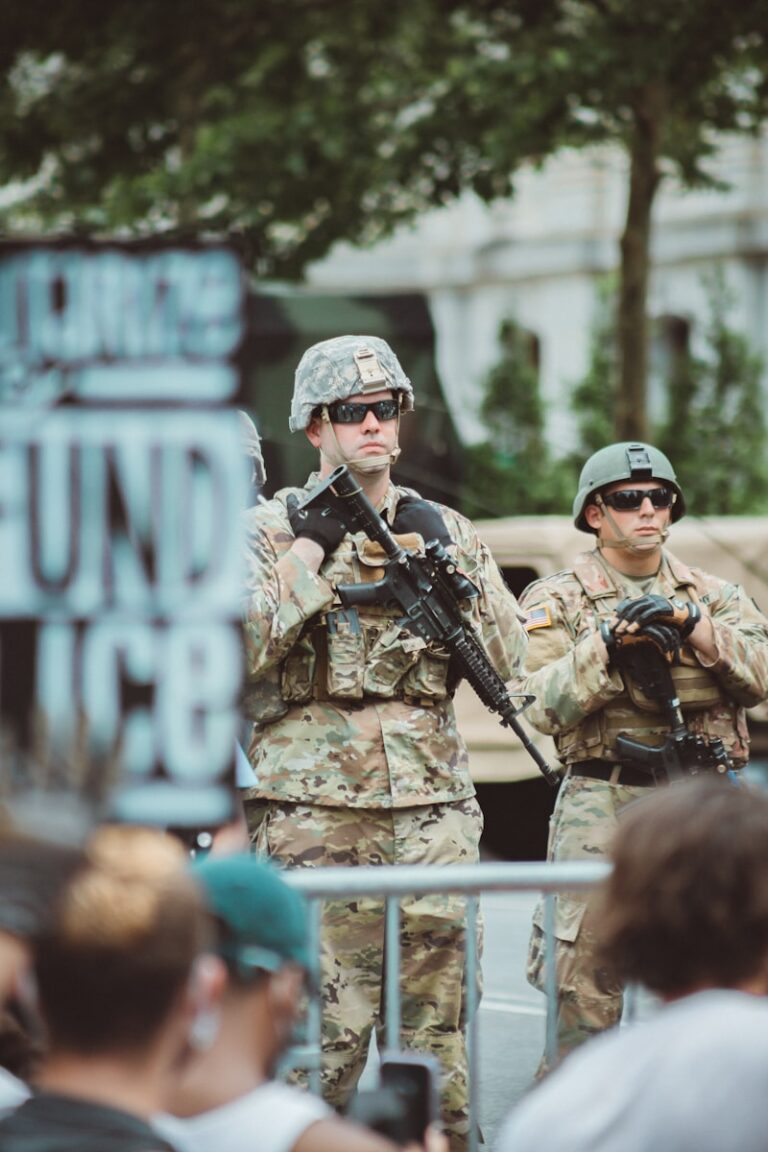
The question of whether President Trump can legally and politically justify putting the military on the streets has ignited fierce debate. Supporters argue it addresses crime, while critics warn it crosses democratic boundaries.

Key Takeaways: Military on Streets

Before diving into the specific takeaways, it’s important to note that this debate mixes legal limits, political messaging, and real public concerns about crime. Both sides agree crime must be addressed, but they disagree on whether soldiers should ever play that role.

  • Nicolle Wallace slammed the idea of soldiers patrolling U.S. cities. She said no Republican ever backed such measures.

  • Bulwark editor Sam Stein argued that some voters back Trump’s crime plan. He pointed to polls showing public frustration with crime.

  • The debate centred on military force on the streets as a crime solution. Supporters see strength; critics see authoritarian risk.

  • Wallace insisted Republicans support more cops, not troops. She said militarising policing is a grave democratic threat.

Why Trump Supports the Military on the Streets

Trump’s push to put the military on the streets is rooted in public anxiety over crime. His allies argue that federal force represents law and order at a time when some voters feel local police fail to deliver.

Representative Josh Brecheen claimed Trump acts as the nation’s chief law officer, giving him the power to send troops into U.S. cities. Similarly, Bulwark editor Sam Stein noted that some Americans back the Trump crime plan because they see unchecked violence in urban areas. Stein argued that while sending soldiers into Chicago or New York would break the law, Washington, D.C., is unique due to its non-state status. He suggested Trump might find legal leeway there.

This approach reflects Trump’s broader law and order messaging, which has also included proposals like the Trump D.C. death penalty plan.

Wallace’s Rejection of the Military on Streets

MSNBC host Nicolle Wallace strongly rejected the idea of using the military on the streets. She argued that even during her years working for top Republican leaders—governors, attorneys general, and presidents—none ever supported such a move.

Wallace said GOP leaders traditionally back tougher policing, more prosecutors, and stricter sentencing, but not the domestic deployment of active-duty troops. She called the proposal “absolute horse doo-doo” and claimed Trump was “in outer space.” In her view, sending soldiers into cities risks violating constitutional norms and undermining democracy.

For Wallace, Republican strategies for crime have always relied on strengthening local law enforcement, not blurring the line between military and civilian policing.

The Broader Crime Debate: Fear vs. Democracy

The broader debate around putting the military on the streets reflects deeper tensions between public safety and civil liberties. On one side, Trump’s supporters argue that visible federal force represents strength. On the other hand, critics fear this drifts toward authoritarianism.

Many Americans express real voter concerns about urban crime. Stein pointed to polls showing strong approval for a larger federal presence. Yet critics note that regular troops are not trained for law enforcement, raising the risk of rights violations. Analysts argue that police reform, community trust, and resources, not soldiers, offer long-term solutions.

This theme connects to Trump’s broader political strategy, as seen in his efforts to reshape U.S. politics and the economy.

Public Opinion on Crime and the Military on Streets

Recent surveys highlight how Americans view crime and federal responses. While most favour more local police, a notable minority supports stronger federal action, which Trump leverages in his law-and-order platform.

Poll Source Year % Worried About Crime % Support More Police % Support the Military on Streets
Gallup 2024 63% 58% 21%
Pew Research 2024 59% 61% 18%
Quinnipiac 2025 66% 55% 24%

Analysis: These numbers show that most voters see crime as a major concern. A majority favours boosting police presence, but roughly 1 in 5 Americans would support deploying the military on streets, a figure Trump taps into for political advantage.

Could Trump Legally Order Domestic Deployment?

The direct answer is that Trump has very limited authority to put the military on the streets. Federal law, specifically the Posse Comitatus Act, bans active-duty soldiers from acting as civilian police, with rare exceptions such as insurrection or emergency.

Legal experts stress that sending troops into New York or Chicago would almost certainly face court challenges. Some argue that Trump may have slightly more room in D.C. because of its federal status. Still, most scholars agree that the courts would push back.

For a deeper legal perspective, see Brookings’ analysis on presidential authority.

What’s Next for the Military on Streets Debate?

The future of this controversy depends heavily on public opinion. If crime fears remain high, Trump may double down on his law and order messaging. This approach could energize his base, though it risks alienating moderates and sparking legal battles.

Critics like Wallace will continue to highlight the dangers of militarizing domestic life. Meanwhile, Stein’s argument—that some Americans want visible federal strength—remains a political reality. Lawmakers may also consider whether statutes governing domestic deployment need revisiting.

Ultimately, the fight over putting the military on streets will shape not just crime policy, but the balance between security and democracy in America.

FAQs

Could President Trump legally send soldiers into U.S. cities?


No, federal law bans most domestic deployments. Exceptions exist for insurrection or emergencies, but courts would almost certainly intervene.

What do polls say about using the military to fight crime?


Some surveys show Americans worry deeply about urban violence. A smaller portion supports soldiers, though most prefer more police. See Pew Research Center for data on public opinion.

Why do Republicans favor more cops over soldiers?


Because active-duty troops lack civilian training, Republican leaders historically support stronger police, not soldiers.

How might this debate affect the 2024 election?


The controversy could energize Trump’s base but also trigger backlash. Voter reaction will determine whether this is a winning strategy.