57 F
San Francisco
Sunday, August 2, 2026
Home Blog Page 571

Is the MAGA Movement Changing Politics Forever?

0

Key Takeaways:

  • Donald Trump’s MAGA movement transformed the US political landscape.
  • It challenged both Republican and Democratic norms with bold, rebellious energy.
  • Many on the Left responded by focusing on strict language rules and social call-outs.
  • This contrast made MAGA feel more exciting to many voters, especially those tired of political correctness.
  • The result? Traditional politics lost touch with everyday Americans.


What Is the MAGA Movement?

The core keyword for this story is “MAGA movement.”

The MAGA movement, which stands for “Make America Great Again,” began with Donald Trump’s 2016 presidential campaign. But it’s become much more than just a slogan. It turned into a loud, rule-breaking political style that shook up the White House and the country.

Before MAGA, most Republican and Democratic leaders acted very politely, even when they disagreed. They used careful words and followed unspoken rules. But Trump’s MAGA movement didn’t follow those rules at all. It used jokes, chants, and bold speeches to grab attention and speak directly to regular Americans.

Many people, especially those who felt ignored by elites, liked this new style. They saw it as honest and real—even when it was messy.

How Did MAGA Stand Out?

One of the biggest things that made the MAGA movement different was its attitude. At rallies, Trump and his supporters would shout catchy slogans, laugh at political jokes, and even boo the media, all in a way that felt more like a packed concert than a boring speech.

This energy drew huge crowds. Instead of policy talks and long debates, the MAGA movement gave people something to cheer for.

Even when Trump said things that shocked experts or broke social norms, his followers enjoyed the drama. They believed he was saying what everyone else was too scared to say out loud. This set the MAGA movement apart from both traditional Republicans and Democrats.

Why Did Some People Push Back?

Of course, not everyone liked this new approach.

On the Left, many activists and politicians felt MAGA was dangerous. They believed the movement encouraged bigotry, misinformation, and disrespect. To stop it, many progressives focused harder on things like language policing, social call-outs, and strict political correctness.

That meant calling out people for what they said or did, even very small things. Social media became a place filled with arguments over what was okay to say or post. While well-intentioned, this focus on being perfect began to turn some voters off. It came across as too serious—and in some cases, too judgmental.

In contrast, the MAGA movement felt bold, loud, and even fun to some people. This made politics suddenly feel like a team sport—something exciting, not just boring TV interviews.

The Times Are Changing

Whether you like the MAGA movement or not, it’s clear that it changed politics in a big way. After Trump’s rise, many politicians from both parties started to copy his aggressive style. They realized that old-school calmness wasn’t cutting it anymore.

Even younger political voices began using catchy slogans, social media videos, and personal attacks to get noticed. The way people run for office—and even talk about political issues—now feels very different from a decade ago.

The MAGA movement showed that being loud, emotional, and real (or at least sounding real) can attract more attention than speaking in polished speeches.

Why Some on the Left Struggled

During this shift, many on the Left seemed to move in the opposite direction. Instead of using simple language or strong imagery, they focused on fine details. Their messages often depended on using the right terms and following new social rules.

Though these efforts came from a good place—like fighting injustice—they didn’t always connect with everyday voters. Many Americans started to feel like they were being judged for not knowing the latest “right” thing to say.

This created a gap. The MAGA movement spoke to people’s emotions, fears, and hopes. In contrast, parts of the liberal Left seemed too serious or too focused on rules.

So, What’s Next?

As new elections approach, both sides are trying to figure out how to win voters back. Some Democrats are trying to be more relatable and less strict. Meanwhile, MAGA supporters are still loud and proud, showing no signs of stopping.

The big question now is: Will the MAGA movement remain in charge of the conversation—or will another movement, from the Left or Right, learn how to compete?

For now, it seems the MAGA movement has already changed what it means to run for office—and what kind of leaders people want.

Final Thoughts About the MAGA Movement

The MAGA movement isn’t just about Trump anymore. It represents a new kind of political energy—one that values being bold over being polite. While it has been very divisive, there’s no doubt it has rewritten America’s political playbook.

Whether you agree with it or not, the MAGA movement has influenced how people talk, think, and even vote. That might be its most lasting legacy.

If other leaders want to earn back support, they might need to learn what MAGA did right—without copying what it did wrong.

Frequently Asked Questions

What is the MAGA movement?

The MAGA movement is a political idea and group of supporters that formed around Donald Trump. It stands for “Make America Great Again” and focuses on nationalism, strong borders, and breaking traditional political norms.

Why did the MAGA movement become so popular?

Many people felt left out by regular politics and connected with Trump’s bold, direct style. His rallies and speeches felt more real to many supporters compared to polished and polite politics.

How did the Left respond to the MAGA movement?

Much of the Left focused harder on correct language, social justice, and public call-outs. These efforts sometimes felt too serious or harsh to everyday voters.

Did the MAGA movement change politics forever?

Yes. It shifted the way leaders campaign, speak, and connect with voters. Even critics admit that politics now has a very different energy, thanks to MAGA.


Why Were Tourists Trapped on Mount Everest?

0


Key Takeaways:

  • Hundreds of tourists were stranded on Mount Everest due to sudden heavy snowfall.
  • The scenic area on the Chinese side of Everest has been temporarily closed.
  • The incident happened during a major national holiday, drawing many visitors.
  • Rescue workers are communicating with the trapped hikers and say they have enough supplies.
  • No deaths or major injuries have been reported so far.

Trapped on Mount Everest During a Snowstorm

Mount Everest, the world’s tallest mountain, became a dangerous place over the weekend when heavy snow suddenly trapped hundreds of visitors. The snowfall hit during China’s national holiday, a time when many people travel, leaving the Everest base camp crowded with tourists.

Chinese authorities quickly shut down the scenic area on the mountain’s northern side, which lies in Tibet. They are working hard to keep the stranded travelers safe.

The unusual event has left many people wondering how this could happen and how such risks are handled in future visits to Mount Everest.

What Happened on the Chinese Side of Mount Everest?

The snowfall began unexpectedly late last week and continued through the weekend. Due to the bad weather, mountain paths became blocked, and many people were unable to hike down. Temperatures dropped, and visibility became poor.

This led locals and officials to act fast. The local government in Shigatse, part of the Tibet region, released a statement saying they had made contact with all stranded tourists. Thankfully, nobody is missing or badly hurt.

Rescue Efforts Underway for Those Trapped on Mount Everest

Rescue teams quickly got to work after the snowstorm. Although snow and altitude made things difficult, they’re in constant communication with the trapped visitors. Officials say hikers have enough food, warm clothing, and safety gear.

Authorities halted new entries into the scenic area to prevent even more people from getting stuck. Meanwhile, trained guides and rescue responders are helping groups descend safely.

Because of the altitude and sudden weather changes, rescue work is always a challenge on Mount Everest. Still, teams are using every resource possible to ensure everyone’s safety.

Why Is Mount Everest So Dangerous?

Mount Everest may be the world’s most famous peak, but it’s also one of the most dangerous. Its extreme height means the air is very thin. Simple tasks like walking become harder. Weather here can also change in minutes—from clear skies to blinding snow.

Snowstorms like the one that happened this weekend are not rare. But what made this case different is the timing. With large crowds visiting during the national holiday, more people were exposed to the tough conditions.

Climbers must always prepare ahead with proper gear, weather checks, and awareness of risks.

Tourism and Mount Everest: A Risky Love Story

Mount Everest has become more than just a dream for expert mountain climbers. Today, tourists also want selfies and stories from the base camp. This has led to more tour companies offering guided hikes that don’t go all the way to the top but still give visitors a taste of adventure.

As tourist numbers rise, risks grow too. Crowding means fewer resources during emergencies. That’s why local governments sometimes limit how many people can visit at once, especially during holidays or bad weather season.

Officials are now reviewing tourist policies to make sure such events don’t happen again.

How Are People Able to Survive Trapped on Mount Everest?

Being trapped on Mount Everest might sound terrifying, but it’s not always life-threatening. In this case, the stranded tourists were at a lower point on the mountain, around the base camp or nearby trails, not near the summit.

They were also prepared. Many had signed up with travel groups that provided trained guides, safety gear, and food. Some even had satellite phones or GPS devices to stay in touch.

Also, government rescue teams have a clear response plan. Once they knew about the snowstorm, they moved quickly to find and assist every group.

What Happens Next After the Mount Everest Closure?

The scenic site on the northern side of Mount Everest is now temporarily closed. Officials have not yet said when it’ll reopen. All new visitors are being told to delay their trips.

Meanwhile, all the rescued tourists are being brought to safer areas below the snowfall line. Medical teams are checking on everyone, and any minor injuries are being treated on the spot.

Looking forward, the local government may create stricter entry rules to avoid similar situations. Tourists might need to register ahead or wait for proper weather clearance before heading up.

How Can You Stay Safe if You Visit Mount Everest?

If you’re planning a future trip to Mount Everest, the recent event is a strong reminder: nature always comes first. Here are a few safety tips for tourists:

  • Always check the weather before and during the trip.
  • Go with a reputable tour company.
  • Carry enough food, water, and warm clothing.
  • Use GPS devices or phones with emergency service access.
  • Listen to your guide and local officials at all times.

Even if you’re only visiting the base camp, being prepared can make a big difference.

Mount Everest Will Always Be a Place of Adventure

Despite the risks, Mount Everest remains a stunning and exciting place. Its beauty and power attract people from all over the world. But real adventure always comes with responsibility.

This weekend’s snowstorm reminds us that even the most beautiful places can become dangerous in an instant. Proper planning, wise decision-making, and respect for nature are key to staying safe.

As rescue work continues, the world watches closely. Thankfully, early reports suggest that all trapped tourists are in stable condition and will soon return home with unforgettable stories—but hopefully, they’ll also return with a stronger respect for the mountain.

FAQs

How many people were trapped on Mount Everest?

Hundreds of tourists were stranded after heavy snowfall hit the mountain during a national holiday in China.

Did anyone die in the Mount Everest snowstorm?

No deaths have been reported. Authorities say all trapped visitors are safe and in touch with rescue teams.

Why was the scenic area on Mount Everest closed?

The area was closed to prevent more people from entering a dangerous zone after the sudden snowstorm.

Is it still safe to visit Mount Everest?

Yes, but only with good planning, proper equipment, and close attention to weather and official warnings.

Can Bari Weiss Save CBS News From Decline?

0


Key Takeaways:

  • David Ellison of Paramount is acquiring Bari Weiss’s Free Press for $150 million.
  • Weiss will become the new editor in chief of CBS News.
  • She plans to refresh the news organization’s direction with her bold editorial style.
  • The deal aims to combine a startup’s energy with CBS News’ legacy.
  • The move is seen as an attempt to shift CBS News away from “woke” culture.

A Bold Start for CBS News

CBS News is going through a big change. Paramount’s CEO, David Ellison, has decided to give the news giant a fresh new face — Bari Weiss. With a $150 million deal, Ellison is buying The Free Press, a rising news brand started by Weiss in 2021. But this isn’t just about new ownership. It’s about reinvention.

Weiss has been a strong critic of what she calls “woke” trends in mainstream news. By making her the new editor in chief of CBS News, Ellison is hoping she can bring the same bold energy that made The Free Press a success.

Why Bari Weiss?

Bari Weiss is not new to the media world. She worked at major publications like The New York Times before launching her own media outlet. Her style is direct, and she often challenges popular ideas, which has earned her both fans and critics.

At The Free Press, she built a following by sharing stories that many felt were being ignored. Now, she’s being trusted with one of the oldest and most respected news brands in America.

She brings attitude, clarity, and a promise to shake things up.

What This Means for CBS News

So, what does this leadership change really mean for CBS News?

It’s simple: CBS has been struggling to stay relevant with younger audiences. Ratings have dipped, and viewers are turning to social media or independent platforms. By bringing in someone like Bari Weiss, CBS hopes to rebuild trust and interest.

This deal also brings The Free Press under the CBS News umbrella. That means you can expect more opinion-driven content, big interviews, deep dives, and new voices.

Rewriting the Editorial Playbook

Weiss isn’t known for playing it safe. As editor in chief, she’ll have major influence over CBS’s editorial choices. That includes what stories are told, how they’re told, and who tells them.

She’s expected to break away from the safe, traditional approach and instead push for smarter, braver journalism. Think more raw conversations, real stories from real people, and less political filter.

Empowered by David Ellison, Weiss will have the freedom to hire new journalists and launch new formats. Her goal? Rebuild CBS News from the inside out.

Paramount’s Bigger Picture

This shake-up is part of something even bigger. Paramount wants to revive its media empire, and news is part of the plan. With Keith McNally taking the lead at Paramount and Ellison at the helm, they’re making bold moves to stay competitive.

Adding The Free Press content gives CBS an edge — fresh ideas, independent journalism, and a strong online following. It could be the answer to modern media’s biggest challenge: winning back trust.

Answering the Generation Gap

Let’s face it — Gen Z doesn’t watch the 6 p.m. news. They scroll. They swipe. They want content that’s quick, meaningful, and challenging.

That’s where Weiss comes in. She understands the new audience. She speaks their language. She isn’t afraid to tackle topics that many media outlets avoid.

The CBS audience of tomorrow doesn’t want to be talked down to. They want to hear both sides of the story. That approach made The Free Press popular very fast, and now that same method could refresh CBS News.

Potential Backlash Ahead?

Of course, not everyone is cheering. Critics see Weiss as polarizing. Some worry her leadership could erase CBS’s reputation for neutrality.

There are real questions: Will longtime viewers tune out? Will younger audiences buy in? Can independent-style journalism work on a mainstream platform?

All of this remains to be seen. But one thing is plain — CBS is changing, and it’s changing fast.

New Era, New Vision

This isn’t just a shift in leadership. It’s an identity reset. With Weiss in charge, CBS News may start to look and feel very different. Think faster stories, less scripting, and voices outside the usual mainstream bubble.

Paramount’s gamble on Weiss shows that they believe audiences want something real again — not just polished headlines and press releases. And that kind of content can only come from bold editorial choices.

Conclusion: Can Bari Weiss Really Save CBS News?

Bari Weiss is not a household name for everyone, but she’s quickly become one of the most talked-about voices in journalism. With a $150 million dollar bet, CBS News is giving her the keys to the newsroom — and perhaps the future of the brand itself.

Whether this plan will work or fall flat is uncertain. But one thing’s for sure: CBS News is counting on Weiss to bring back purpose, creativity, and credibility.

And if she succeeds? She won’t just change CBS — she could reset the standard for how news is told in the digital age.

Only time will tell if one bold journalist can save a legacy media giant.

FAQs

Who is Bari Weiss?

Bari Weiss is a journalist and the founder of The Free Press. She previously wrote for The New York Times and is known for her strong views on media and culture.

What is The Free Press?

The Free Press is a news and opinion platform started by Weiss in 2021. It focuses on open conversations and covers stories often missed by traditional outlets.

Why did Paramount buy The Free Press?

Paramount hopes to boost CBS News by combining its legacy with The Free Press’s fresh, independent voice. The deal is also aimed at attracting younger audiences.

How will CBS News change under Bari Weiss?

Expect less traditional reporting and more bold storytelling. Weiss wants CBS News to take risks, challenge groupthink, and offer deeper coverage on major issues.

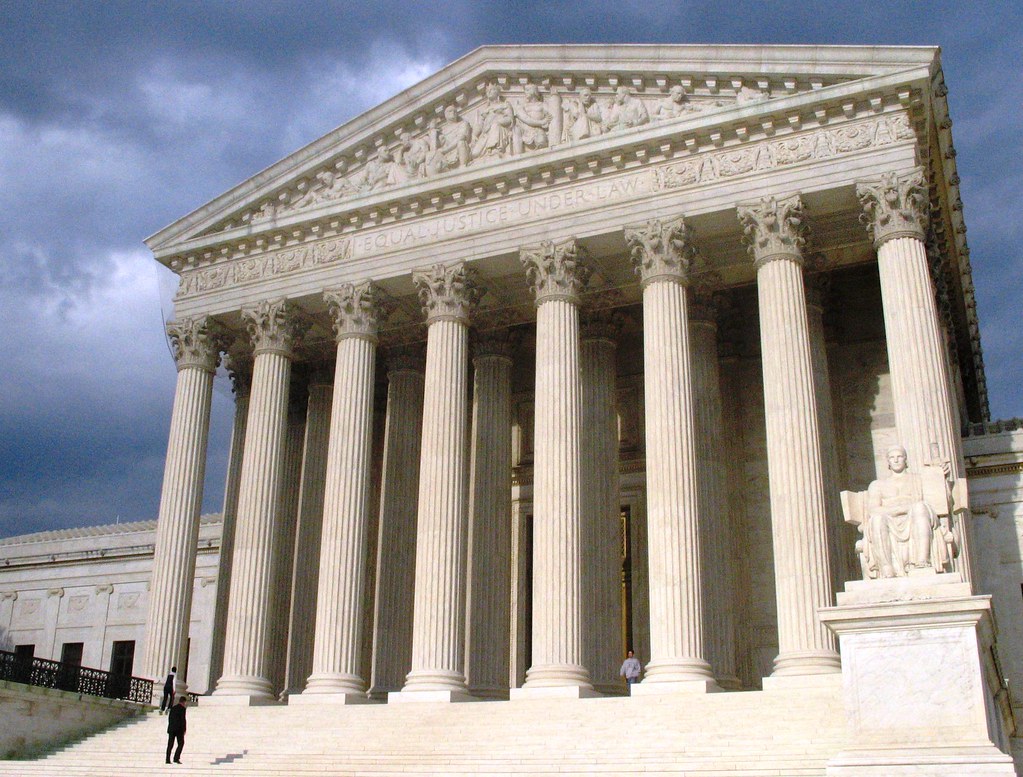
Why Is the Supreme Court Discussing Conversion Therapy?

0


Key Takeaways:

  • A Christian legal group is asking the Supreme Court to overturn a Colorado ban on conversion therapy.
  • The law they’re challenging prohibits licensed therapists from trying to change a minor’s sexual orientation.
  • The case could impact LGBTQ+ rights for youth across America.
  • It could also set a legal precedent that weakens future LGBTQ+ protections.

What Is Conversion Therapy?

Conversion therapy is a controversial practice. It involves trying to change someone’s sexual orientation or gender identity. For example, it might try to make a gay teen act straight or convince a transgender youth that they’re not trans. While some people still support these practices, many health groups—including the American Psychiatric Association—say they are harmful and dangerous.

This therapy often uses pressure, guilt, or fear to get someone to change who they are. It can cause serious emotional and psychological stress. That’s why many states, including Colorado, have banned it—at least for minors.

Now, though, the Supreme Court may get involved.

What’s Happening With the Supreme Court and Conversion Therapy?

On Tuesday, lawyers from a group called Alliance Defending Freedom (ADF) will ask the U.S. Supreme Court to take a fresh look at the issue of conversion therapy. They’re doing this on behalf of a Christian therapist from Colorado. She believes the state’s law, which bans licensed professionals from offering conversion therapy to minors, violates her freedom of speech and religion.

ADF argues that the law stops therapists from saying certain things during counseling sessions. They claim that’s not fair because it controls what people can say based on their views.

Colorado passed the law back in 2019, like many other states working to protect LGBTQ+ youth. But if the Supreme Court agrees with ADF, that law—and others like it—could be overturned.

That would be a big deal not just for Colorado, but for the rest of the country.

Why This Case Could Affect LGBTQ+ Youth Everywhere

If the Supreme Court decides that banning conversion therapy is illegal, it would impact laws in over 20 states. These states currently prevent licensed professionals from using conversion therapy on minors. Many of those laws are based on expert advice, warning that these efforts cause fear, anxiety, depression, and even self-harm.

Without these protections, LGBTQ+ youth could be more exposed to harmful practices. More young people might be forced into therapy sessions that try to change who they naturally are.

This case isn’t only about conversion therapy. It also tests how far freedom of speech and religious freedom can go, especially when they clash with the rights of others.

Who Is Alliance Defending Freedom?

The Alliance Defending Freedom is a Christian legal organization. You’ve probably heard about them before, maybe in the news. They’ve fought against abortion rights and LGBTQ+ protections in courts across the United States.

In this case, they’re supporting a Christian counselor who wants to talk to her young clients about sexuality and gender the way her religion teaches. She believes the law limits her ability to help these clients—or, more specifically, to guide them toward what she sees as the “right” path.

ADF argues that since talking is part of therapy, stopping someone from talking about religious values is censorship. But opponents of this view say that therapy should be based on science, not religion or personal beliefs—especially when it impacts mental health.

What Could Happen Next?

The Supreme Court has a choice. They might decide not to take the case, which means Colorado’s law would stay in place just as it is. But if they do take the case—and they rule in favor of the therapist—it could erase many protections for LGBTQ+ youth.

We’ve seen the current Supreme Court shift to more conservative decisions in recent years. That has many LGBTQ+ advocates concerned about what’s next.

It’s also not just about this one law. The final ruling could be used in future challenges to other LGBTQ+ rights, including laws about transgender healthcare, bathroom access, and school support programs.

What Do Health Experts Say About Conversion Therapy?

Almost every major medical group agrees: conversion therapy is harmful.

Here’s what experts say it can lead to:

  • Depression
  • Low self-esteem
  • Anxiety
  • Suicidal thoughts or actions

Most experts believe that people should be encouraged to accept who they are—not be forced to change. Helping someone feel safe and loved is always considered better for their mental health.

That’s why bans on conversion therapy are seen by many as life-saving protections.

Can This Really Be About Free Speech?

This is the big question behind the case. Should people be allowed to say anything, even if it harms others? And when does “saying something” in therapy count as professional action?

ADF says the Colorado law unfairly stops people from sharing their beliefs. But LGBTQ+ advocates and mental health professionals argue that therapy is not just talking—it’s a licensed medical practice. They believe it should follow strict rules to keep people safe, especially minors.

What Can Youth Do to Stay Informed and Protected?

At the heart of this case are young people—teens trying to figure out who they are in a world that doesn’t always accept them.

If you’re a teen who identifies as gay, bi, trans, queer, or questioning, it’s important to know:

  • You are not broken.
  • You deserve support.
  • Help from trained and affirming professionals is out there.

It also helps to stay engaged. Learn what your state laws are and talk to trusted adults about your rights. If this case goes forward, it may take months before there’s a final outcome—but its effects could last for years.

For now, the debate continues, and the nation watches what the Supreme Court will do next.

FAQs

What is conversion therapy?

Conversion therapy is a practice aimed at changing a person’s sexual orientation or gender identity, often through counseling techniques. Experts widely consider it harmful.

Why are people trying to ban it?

Because major medical and mental health organizations agree that it causes emotional harm, especially to LGBTQ+ youth. These bans aim to protect teens from abuse.

Is it banned everywhere in the U.S.?

No, it’s banned in about 20 states for minors, but not nationwide. Some places still allow it or are fighting over whether it should be legal.

How can this case affect other LGBTQ+ rights?

If the court rules that bans on conversion therapy violate free speech, it might open the door for other laws protecting LGBTQ+ people to be challenged in court.

Is the NYT Story on Steve Witkoff Just a Smear?

0

Key Takeaways

  • The New York Times published a piece about real estate developer Steve Witkoff and his son Alex.
  • The article hinted at a conflict of interest during Steve’s unofficial talks in the Middle East.
  • It suggested Alex was trying to use those talks to pitch a Gulf investment fund.
  • However, there’s no evidence the father and son did anything wrong.
  • Critics are calling the story misleading and poorly framed.


Steve Witkoff: Allegations or Just Speculation?

A recent article by The New York Times has stirred controversy around real estate mogul Steve Witkoff and his son, Alex. The article aimed to uncover a possible conflict of interest, yet many say it read more like a hit piece with little hard evidence. It highlights how small facts can be spun into larger, attention-grabbing stories.

But are the claims based on truth, or just a clever way to raise suspicions?

Who is Steve Witkoff and Why Is He in the News?

Steve Witkoff is a well-known real estate developer based in New York City. He became successful by turning undervalued properties into high-end towers and hotels. Recently, he stepped into a different role—one not tied to business deals.

During a major conflict between Israel and Hamas, Steve helped behind the scenes in unofficial cease-fire talks. His goal was peace, not profit. Yet The New York Times hinted that while Steve tried to mediate a peace deal, his son Alex was pitching wealthy investors for business opportunities in the Gulf region.

That’s where the controversy begins.

What Did the NYT Article Claim About Steve Witkoff?

The article claimed that Steve Witkoff was acting as a U.S. backchannel during the Gaza cease-fire discussions. At the same time, his son Alex was allegedly speaking with sovereign wealth funds in places like Qatar about a Gulf investment fund. According to the story, this happened during the same trip.

This overlap led The New York Times to suggest a conflict: Was the Witkoff family blending public peacemaking efforts with private business interests?

It’s a strong claim—but does it hold up?

Breaking Down the Allegations

The implication is clear: Steve tries to bring peace, and Alex tries to raise money. Together, it sounds shady. But dig deeper, and things get murky.

There’s no proof that Steve was officially representing the U.S. government. Nor is there evidence that he used his peace efforts to benefit Alex. In fact, sources say Steve’s role was completely unpaid and unofficial—he simply cared about helping.

Meanwhile, Alex’s meetings with investors were about long-term targets and didn’t rely on any insider information.

So what are critics saying? That the New York Times article made a lot of noise without showing any wrongdoing.

Why Media Framing Matters

In today’s world, how a news story is told can be just as important as what it says. The article framed the timing of Steve and Alex’s actions to raise eyebrows, but it never directly accused them of breaking any laws. That means readers are left to assume guilt, even when none is proven.

This strategy isn’t new. Media outlets sometimes frame content in a way that leads to more clicks, even if the facts are weak. In this case, it seems the NYT may have prioritized drama over fairness.

Steve Witkoff Responds to the Allegations

After the article came out, Steve Witkoff strongly denied any wrongdoing. He pointed out that he was there on a personal mission, hoping to ease tensions and help save lives. He also stated that his son’s business dealings had nothing to do with his efforts.

Others within his inner circle supported this, saying the article took small facts and twisted them into a suspicious story where none should exist.

So far, neither Steve nor Alex is being investigated for any violations.

Impact on the Witkoff Family Legacy

Stories like these can have long-lasting effects—even when they’re not backed by solid evidence. The Witkoff name has long been connected with luxury real estate, urban development, and financial success. Now, it’s being linked to shady dealings, even if unfairly.

Friends of the family say this article doesn’t just hurt Steve and Alex—it damages the reputation they’ve built over decades. With no signs of legal trouble, some wonder if the piece was published more to create a buzz than to tell the truth.

When Reporting Becomes Reaching

In journalism, reporters must walk a thin line between public interest and personal attack. Critics of the NYT article believe it crossed that line. Rather than investigating hard facts, it raised more questions than answers.

Some see this as a warning: even good intentions can be twisted by the media if the story sounds juicy enough.

What Happens Next for Steve Witkoff?

At this point, Steve Witkoff continues to work behind the scenes, focusing on peace efforts and his real estate ventures. His son Alex remains active in business, pursuing projects unrelated to the Middle East.

Unless new information comes to light, it appears the storm has passed, leaving behind frustrated readers and a damaged family image.

People familiar with the situation hope that in time, the truth will speak louder than the headlines.

Final Thoughts: Should You Believe the Hype?

The story about Steve Witkoff might have grabbed attention, but it lacked the evidence needed to be taken seriously. Instead, it felt more like a case of storytelling gone too far. The facts, as they stand, show no illegal activity or unethical behavior.

That doesn’t mean readers shouldn’t pay attention, but it does mean they should ask more questions. Where’s the line between reporting news and creating drama? And when are reputations destroyed in the name of clicks?

For now, the conversation around Steve Witkoff continues—not because of what he did, but because of how it was reported.

FAQs

Why is Steve Witkoff being talked about right now?

The New York Times published a story suggesting he and his son may have mixed peace talks with business interests. However, there’s no solid proof.

Did Steve or Alex Witkoff break any laws?

No. Based on the current facts, neither has been accused or charged with anything illegal.

What was Steve Witkoff doing in the Middle East?

He worked behind the scenes to support unofficial cease-fire talks between Israel and Hamas. It was a personal effort, not a government job.

Is the story hurting Steve Witkoff’s reputation?

Yes, many feel the article paints Steve and his son in a negative light despite offering little evidence.

Why Is Bari Weiss Now Leading CBS News?

0


Key Takeaways:

  • Bari Weiss becomes the new editor-in-chief of CBS News.
  • CBS parent company, Paramount, is buying her startup, The Free Press.
  • Weiss says she wants CBS to become the most trusted news source in the world.
  • Her leadership has raised questions among CBS News staff.
  • This major shake-up could shift the future of mainstream media.

Bari Weiss Takes Over at CBS News

The keyword found at the heart of this story is CBS News. The legendary TV network known for decades of award-winning journalism is now under new creative leadership. Bari Weiss, a journalist and founder of the media startup The Free Press, has stepped in as editor-in-chief.

This is a brand-new role at CBS News, signaling major change. Some insiders feel excited, while others are unsure about her bold style. Either way, this move has already sparked huge buzz across the news world.

A Big Move for Both CBS and Weiss

Paramount, the company that owns CBS News, is also acquiring Weiss’s digital media outlet, The Free Press. This adds a fresh, new voice to CBS’s traditional lineup. It’s a surprising blend of old-school TV news and modern independent journalism.

Weiss brings her own brand of storytelling—focused, sometimes controversial, and always opinionated. With her now running CBS News, it’s clear big changes are on the horizon.

Why CBS News Chose Bari Weiss

So, why did CBS News pick Bari Weiss? She’s no stranger to headlines. In recent years, she left The New York Times after clashing over issues of free speech, media bias, and political pressure. Since then, she’s built The Free Press into a fast-growing platform for opinion and investigative pieces.

Now, CBS News wants to tap into that energy and fresh perspective. Weiss says she hopes to make the network “the most trusted news organization in America and the world.” That’s a big promise—but it shows she’s aiming high.

CBS News Looks to the Future

This decision comes at a time when trust in the media is at an all-time low. People across the country question news they see on TV or online. CBS News is trying to change that.

By pairing its strong legacy with The Free Press’s bold voice, CBS News wants to win back younger viewers while keeping its older audience. Bringing Bari Weiss in as editor-in-chief sends a strong message: CBS is ready to evolve.

Tensions Inside the Newsroom

While executives seem excited, not everyone at CBS News is thrilled. Some veteran journalists fear Weiss’s background in opinion-based writing could shift the network away from straight news. In her past work, she hasn’t shied away from tackling difficult controversial topics.

These concerns are echoed behind closed doors. Reporters and producers wonder what changes they’ll see in their daily work. Will the CBS News tone change? Will new topics and stories take center stage?

Still, others believe she could revitalize the network and give it a much-needed spark. Only time will tell.

What This Means for Viewers

For regular viewers at home, this may sound like inside baseball. But here’s why you should care: CBS News shapes what millions of people hear and see every day. A change at the top could affect everything from the kinds of stories aired to the way they’re told.

Bari Weiss’s arrival could also encourage more open discussion. Her goal is to reflect different viewpoints while sticking to facts. That could mean stories that challenge the usual narratives seen on mainstream TV.

The Free Press + CBS News: A Bold Combo

The Free Press is known for giving a platform to lesser-heard voices. With CBS News absorbing that energy, we might see more original stories and daring features. It might look different than what most TV news viewers are used to.

What makes this mix exciting is how digital and TV media are coming together. CBS News could turn The Free Press into a part of its wider digital strategy. Adding bold online stories to trusted TV reporting might create a new kind of news brand.

Can Bari Weiss Transform CBS News?

Bari Weiss has always had strong opinions and bold ideas. Now, she’s been given one of the biggest jobs in news. Leading CBS News means shaping the voice of a network that millions turn to for accurate information.

Supporters believe she’ll bring balance back to media. Critics worry her bold style isn’t a match for traditional reporting. No matter your view, CBS News is entering a new phase—with Weiss at the steering wheel.

A Fresh Start or Risky Gamble?

This may be a fresh start for CBS News, or it could be a risky shift that alienates long-time fans. Either way, it’s a moment that will shape how we get our news for years to come.

Weiss’s appointment is about more than hiring a new boss—it’s about reimagining what CBS News can be. And it’s clear she’s not afraid to push boundaries.

Will It Work?

Everything depends on how Weiss navigates CBS News’s culture and audience. If she’s able to blend her fearless personal style with the network’s journalistic roots, this could be the change CBS News needs.

On the other hand, if there’s too much disruption, the network might face setbacks.

Final Thoughts

CBS News has entered a bold new era. With Bari Weiss leading the charge and The Free Press joining the family, shakeups are just beginning. Whether you support the shift or not, there’s no denying that this move will be one of the most talked-about in the media world this year.

Keep an eye on CBS News. Change is in the air—and it’s coming fast.

FAQs

Who is Bari Weiss?

Bari Weiss is a journalist and entrepreneur. She’s best known for her work at The New York Times and for creating The Free Press, an independent media company.

Why did CBS News pick her?

CBS News wants to refresh its image and reach wider audiences. Weiss brings a strong voice, outspoken style, and experience building media platforms.

What is The Free Press?

The Free Press is a digital media company started by Bari Weiss. It focuses on open conversations and reporting that challenges mainstream viewpoints.

Will this change how CBS News reports the news?

It might. Weiss is known for telling bold, unique stories. If she keeps CBS News focused on facts while adding new voices, it could win more trust from viewers.

How Trump Is Weaponizing Justice in America

0

Key Takeaways

• The New York Times says Trump is weaponizing justice for his own fights
• He pushed the Justice Department and FBI to target his critics
• New charges hit New York Attorney General Letitia James after she sued him
• Trump replaced honest prosecutors with loyal allies who obey him


What Weaponizing Justice Means

Weaponizing justice means using courts and charges as tools against your opponents. Instead of treating people fairly, you attack those who oppose you. In this case, critics say the president bends the legal system to hurt his enemies.

How This Latest Case Unfolded

Last week, the Justice Department charged New York Attorney General Letitia James with alleged bank fraud. She once won a lawsuit against the former president for lying in a business deal. Soon after her victory, Trump’s team shifted focus and went after her.

In addition, the president forced out the U.S. attorney who refused to bring charges against James. Then he asked a friend, who had no trial record, to lead the case. Many see this as a clear sign of weaponizing justice.

Why Replacing Career Prosecutors Matters

First, career prosecutors follow long-standing rules and ethics. They cannot bow to political whims. However, the president removed a respected prosecutor in Virginia after that person said no. As a result, someone with no real criminal work now handles the case. This move worries many who value a fair system.

How Loyalists Filled Key Roles

Furthermore, the president filled the Justice Department and FBI with his allies. He dismissed agents who looked into corruption. He also warned lawyers not to cross him, even in private messages. That environment makes it harder to trust legal decisions.

In fact, he even pressured a state attorney general to back his picks. He then asked that loyalist to indict former FBI Director James Comey. This same team brought charges against Comey on September 25.

The Pattern of Personal Vendettas

Moreover, these actions show a pattern. The president targets people who have spoken out against him. He forces investigations for personal gain, not public safety. This approach beats down critics and scares others into silence.

At the same time, ordinary Americans feel uneasy. They wonder if they, too, could face charges if they step out of line. Democracy works only if people can speak up without fear.

How the Editorial Warns of Danger

In its sharp editorial, the New York Times board warned that America faces a risky moment. When leaders use legal power for private scores, no one is safe. They wrote that federal enforcers now serve personal interests instead of the Constitution.

Meanwhile, the story highlights how courts should stay above politics. Otherwise, the justice system loses its purpose. Public trust lies at the heart of fair trials. Once that trust breaks, it is hard to repair.

The Impact on Future Cases

Looking ahead, other officials may think twice before probing the president or his allies. This chilling effect could block honest investigations. Additionally, lawyers might refuse cases against powerful figures, fearing backlash.

Therefore, the board urged Americans to care about this threat. If weaponizing justice goes unchecked, the rule of law could vanish. That would reshape how the country handles crimes and disputes.

How Citizens Can Respond

First, people should stay informed and speak out. Voting matters, but so does holding leaders accountable every day. Second, supporting watchdog groups can boost honest oversight. Finally, telling lawmakers to defend independent prosecutions helps stop abuse.

By pushing for transparent rules and strong ethics, the public can keep justice fair. History shows that unchecked power often leads to darker times.

Why It Feels Personal

For many, this struggle brings back memories of past conflicts. Leaders who attack critics cast a shadow over freedom of speech. When courts serve power instead of truth, everyone loses.

In addition, the idea that a president can order arrests sends chills. Citizens fear the justice system might betray them. That fear alone can silence vital debates and slow progress.

The Core Lesson

Ultimately, the New York Times editorial sounds a clear alarm. It reminds us that no one is above the law, not even the president. When legal tools become weapons, the justice system erodes from within.

We must guard our courts and prosecutors. We must demand transparent processes. Only then can America keep its promise of fairness and equality under the law.

Keeping Justice Safe

To protect our justice system, we need checks and balances. Congress can hold hearings. Judges can speak out. Media can shed light on shady moves. And most of all, voters must remember these issues at the ballot box.

Meanwhile, ordinary citizens can follow trials and share facts. They can ask tough questions of their leaders. They can call for independent investigations. All these actions help prevent weaponizing justice.

A Call to Action

Now is the time for action. If we stay silent, the trend may grow worse. But if enough people speak up, we can strengthen our legal foundations. Therefore, every voice counts in preserving a fair system for all.

Frequently Asked Questions

What does weaponizing justice mean in this situation?

It means using legal power to punish political opponents rather than enforcing laws fairly.

Why is replacing career prosecutors with loyalists dangerous?

Loyalists may follow orders that serve personal interests, not the public good or the law.

How can Americans push back against these tactics?

They can stay informed, support independent watchdogs, and pressure lawmakers to ensure accountability.

What happens if the justice system loses public trust?

Without trust, citizens may fear the legal system and stop reporting crimes or challenging wrongdoing.

Can Republicans Defy Expectations in the 2026 Midterms?

0

Key Takeaways

  • Republicans feel hopeful as the 2026 midterms draw near, despite controversies.
  • Democrats aim for a blue wave like 2018 but face internal conflicts.
  • Economic worries, especially inflation and tariffs, could sway voters.
  • Party divisions may matter more than presidential behavior.

Republican Confidence vs. Democratic Hope

Republicans say they see no looming backlash. Meanwhile, Democrats recall their 2018 success. Back then, voters flipped the U.S. House by 40 seats. Today, Democratic strategists hope for a repeat blue wave in the 2026 midterms. However, GOP leaders remain calm. They note that anger at Trump’s style drove that last wave more than policy. And right now, they believe voters are not broadly outraged.

Economic Worries Take Center Stage in 2026 Midterms

Republicans warn that only one issue could change the game: the economy. Persistent inflation and new tariffs worry many households. If prices keep rising, voters may punish the party in power. A top GOP consultant said he’s “very concerned about the economy.” In addition, job growth and wages will matter. As a result, both parties plan campaigns around cost of living.

Trump’s Actions Aren’t the Main Fear

Don’t expect Republican strategists to quake at presidential moves. They say Mr. Trump’s bold actions are already baked into voter views. Deploying troops, ignoring spending directives, and using the Justice Department politically have all raised eyebrows. Yet organizers see little broad anger so far. They argue that voters now focus on daily concerns, not headlines. This could lessen any backlash effect.

Democratic Divisions Could Hurt Chances

On the other side, some Republican consultants point to Democratic infighting. They claim that a split message might block a House takeover in 2026. For example, arguments over spending priorities and ideological purity have slowed key decisions. Moreover, voters tired of gridlock may lean toward the party with clearer unity. If Democrats can’t present a common-sense plan, Republicans expect an edge.

How the 2026 Midterms Might Unfold

First, watch early polling on inflation and job reports. If numbers improve, Republicans grow more confident. If not, Democrats sense an opening for their message. Second, candidate quality will count. Strong, local leaders often outperform national trends. Third, turnout will decide close races. Both sides plan big ground games, especially in swing districts. Finally, external events—natural disasters, foreign crises, or scandals—could shift attention.

What This Means for Voters

As a voter, follow the facts and check multiple news sources. Remember, economic data change monthly. Stay aware of policy proposals from both parties. Then, weigh who best addresses your priorities. Young voters might focus on student debt, while retired citizens watch Social Security. Your local races will shape the House and Senate balance. Thus, engage early in debates, town halls, or virtual forums.

Looking Ahead: Strategies in Play

Republicans will highlight any sign of economic recovery. They plan to contrast their moderate stances with a divided Democratic left. In addition, they aim to spotlight their candidate unity. Democrats will lean on youthful energy and hope to unite moderates with progressives. They also intend to scare voters about potential cuts to social programs. Ultimately, both sides must avoid overpromising. Credibility will be key.

A Race with Room for Surprises

No midterm ever follows a strict script. Polls can misread silent voters. Unexpected events can dominate news cycles. Even a small shift in turnout can flip a seat. Therefore, neither side can take victory for granted. Instead, each must stay alert, adapt quickly, and keep their base energized.

Frequently Asked Questions

What are the main factors shaping the 2026 midterms?

The economy stands out, especially inflation and tariffs. Voter turnout, candidate quality, and party unity also matter.

Could President Trump’s actions spark a big backlash?

So far, GOP strategists believe voters expect Trump’s style. They see little broad outrage, though events could change that.

Why do Democrats hope for a blue wave in these midterms?

They remember 2018, when voters unhappy with Trump’s rhetoric flipped the House by 40 seats. They aim to repeat that success.

How can voters prepare for the 2026 midterms?

Follow news on economic trends, compare party plans, and join local events. Engaging early helps you choose informed representatives.

How China Tariffs Shocked the Stock Market

0


Key Takeaways:


  • President Trump announced higher China tariffs after Beijing added port fees and new levies.
  • The Dow plunged nearly 900 points, marking its lowest close since April.
  • Experts and social media users warn this move is “really, really consequential.”
  • Critics urge Congress to use its power to control tariffs and protect the economy


China Tariffs Shake Markets

President Trump unleashed a series of posts on Truth Social. He said he would retaliate after China imposed extra port fees on U.S. ships. He also threatened to double existing tariffs. This back-and-forth is the latest chapter in their long trade war. As a result, the stock market fell sharply. In fact, the Dow closed almost 900 points lower than the previous day.

Why Trump Announced New China Tariffs

Trump argued that China’s new port fees were unfair to American exporters. He claimed these fees hurt U.S. farmers and manufacturers. Moreover, he said his tariffs would counter any Chinese advantage. He wrote that his plan would protect American jobs and industry.

However, critics warned that higher China tariffs could backfire. They pointed out that consumers might pay more for goods. They also noted that companies could move plants overseas. As a consequence, jobs might leave the United States.

China Tariffs: What Comes Next?

With both sides raising fees, uncertainty looms. Investors worry that trade tensions could last many months. As a result, businesses may delay new investments. In turn, this could slow economic growth.

Meanwhile, international partners watch closely. They fear a wider trade conflict could hurt global markets. Some countries already face slower growth. Higher China tariffs might add to their woes.

Investor Reactions to China Tariffs

Social media lit up with reactions when the market sank. Writer Joey Politano joked that traders panicked over a single tariff threat. CNN’s Phil Mattingly called the situation “really, really consequential.” Erik Durneika argued that the move seemed calculated. He said Trump has talked about tariffs for decades. University of Michigan professor Justin Wolfers reminded everyone that only Congress can set tariffs.

Such strong responses show how fragile market confidence has become. Even small shifts in policy can trigger big swings in stock prices. Investors now watch every tweet and statement with caution.

Economic Impact of New China Tariffs

Tariffs act like a tax on imports. When they rise, the cost of goods often goes up. For example, electronics, furniture, and clothes could become pricier. Consumers might cut back on spending. That, in turn, hits retailers and manufacturers.

Moreover, U.S. companies that rely on Chinese parts face higher costs. They may have to find new suppliers or pay more to keep current ones. Either way, profits could shrink. Consequently, share prices of these firms might fall.

Global trade also suffers. Other nations may step in to fill the gap left by U.S. and Chinese products. Over time, this can weaken ties between major economies. As a result, global growth may slow further.

What History Teaches Us About Tariffs

History shows that tariffs rarely produce only winners. In the 1930s, a major tariff law deepened the Great Depression. More recently, tariffs between the U.S. and its trading partners often hurt farmers and exporters. They end up paying a hidden tax.

At the same time, some industries benefit. Domestic steel and aluminum producers, for instance, can charge more without foreign competition. Yet, steel users like carmakers pay higher prices. This can reduce their sales or force them to cut jobs.

Therefore, balancing these effects is hard. Policymakers must weigh the gains for some sectors against the losses for others. They also need to consider the broader impact on consumers and global relations.

Political Debate Over China Tariffs

Critics say Congress should step in. The Constitution gives lawmakers the power to set and approve tariffs. Yet, recent presidents have bypassed Congress through emergency powers. Some argue this shift undermines democratic checks and balances.

Furthermore, political leaders differ on strategy. Some favor negotiation over tariffs. They believe dialogue can yield better long-term results. Others think only strong pressure will force China to change its trade practices.

For now, neither side shows signs of backing down. This push and pull could continue until both sides reach a new deal—or until one side faces too much pain.

Looking Ahead

As trade tensions rise, investors and businesses face uncertainty. They will watch upcoming meetings and statements for clues. Key dates include any planned high-level talks between U.S. and Chinese officials. Meanwhile, traders will track port fees and tariff announcements.

In the short term, stock markets may remain volatile. Companies might issue profit warnings if costs rise further. Consumers could postpone big purchases, fearing higher prices. The overall economy may slow as a result.

Yet, there is still room for compromise. If both sides agree to roll back some fees, markets could recover. A partial deal might lift business confidence and boost spending.

Navigating this landscape will require careful planning. Companies should explore alternative suppliers and hedge against price spikes. Investors may seek safe havens such as bonds or gold. Consumers can compare prices and look for discounts.

Ultimately, the impact of China tariffs will depend on how long tensions last. If the standoff ends soon, the damage may be limited. However, a prolonged trade war could leave lasting scars on the global economy.

Frequently Asked Questions

How do China tariffs affect everyday consumers?

Tariffs on Chinese goods raise import costs. Retailers often pass these higher costs to shoppers. This means everyday items can become more expensive.

Can the U.S. Congress stop new tariffs?

Yes. The Constitution gives Congress the power to set and approve tariff rates. In theory, lawmakers could repeal or limit tariffs through new laws.

Why did the Dow drop almost 900 points?

Investors feared that higher China tariffs would hurt company profits. This worry led many to sell stocks, causing the market to fall sharply.

Is there a timeline for lifting China tariffs?

No official timeline exists. Future tariff changes depend on negotiations and political decisions by both governments.

Why the Portland Protest Frog Matters Now

0

Key Takeaways:

  • A protester in a frog costume has become a symbol of peace in Portland.
  • The Portland protest frog shows how humor can challenge fear.
  • Federal agents use tear gas and pepper balls near an ICE facility.
  • Costumes help protesters stay safe and expose false claims.
  • Nonviolent action in costumes continues despite tense scenes.

Portland Protest Frog Sparks Nonviolent Resistance

The frog costume protester in Portland has captured national attention. Known now as the Portland protest frog, this figure uses absurdity to fight serious issues. He worries about his community and wants humane treatment for everyone. Therefore, he wears a frog suit at nightly rallies. He stands near an ICE center. Yet he never harms anyone. Instead, he highlights the gap between officials’ words and the real scene.

The Story Behind the Costume

Since June, the Portland protest frog has joined nonviolent rallies. He says he fears for his neighborhood. He stands against unjust deportations and the use of force on peaceful people. When agents fire tear gas, he faces them in green. Once, a federal officer shot pepper spray into the air vent of his costume. It blew out as a puff of green mist. This moment went viral. It made people across the country question the tactics used in Portland.

Moreover, his identity was leaked by a right-wing outlet. They called him a “terrorist” over deleted social posts. However, they offered no evidence of violence. Instead, the protester, named Seth Todd, told a journalist he just wants justice. He says he protests “day in and day out” to protect neighbors. He adds he refuses to see anyone treated inhumanely.

Why the Portland Protest Frog Stands Out

The Portland protest frog matters because he breaks the fear-based narrative. Officials have described the city as “war-ravaged” and “under siege by Antifa.” Yet the nightly rallies look more like a costume party. Reporters spotted frogs, unicorns, and even a polar bear among the crowd. They called the group a “flock” of animals. This image undercuts claims of mass violence.

Also, by using humor, the protester lights a spark of hope. People feel safer joining a rally in costume. They believe they can face armored agents with creativity instead of fear. This tactic shifts attention from clashes to community spirit. Thus, the Portland protest frog shows that peaceful protest can be both serious and playful.

Federal Agents and Community Tension

Since June, federal agents have patrolled Portland’s ICE building. They move in riot gear and use tear gas to clear streets. Local reports reveal agents start many confrontations. They fire pepper balls at close range. Often, they target community members and journalists. One officer even aimed at the frog costume’s vent.

The agents claim to protect federal property. Meanwhile, city leaders argue federal forces escalate the situation. A judge blocked the president from sending the National Guard to Portland. This move came after many protests drew national scrutiny. The conflict now boils down to a dispute over authority and tactics.

How Costumes Break Down Fear

Protesters dressed as animals, including a chicken, say costumes help them poke fun at the heavy-handed approach. One chicken-suited demonstrator said laughter weakens the power of fear. He explained that federal officials rely on terror. By dancing in a bird suit, protesters undermine that terror. They force agents and bystanders to rethink the “battlefield” narrative.

Additionally, costumes draw media attention in a positive light. Instead of violent clashes, cameras show frogs hopping and parrots dancing. This shift in imagery makes it harder for officials to justify harsh tactics. Moreover, it invites new participants who might otherwise stay home.

What This Means for Future Protests

The frog costume tactic could spread to other cities. Already, people in Chicago and Washington talk about using creative gear. Their goal is simple: expose the gap between official claims and real events. If more protesters adopt this strategy, officials may struggle to paint movements as violent.

Furthermore, the success of the Portland protest frog highlights the power of peaceful action. It shows that humor and imagination can protect people and press for change. When protest faces off against armored agents through whimsy, it gains moral strength.

Finally, by maintaining nonviolent rules, the frog demonstrator and his allies keep the focus on policy, not conflict. This focus may help build broader alliances. Ordinary citizens who see a frog suit may feel drawn to learn more. They might join the cause, volunteer, or talk to friends and family. In this way, the Portland protest frog could spark a larger movement toward humane immigration policies and respectful law enforcement.

FAQs

Why does the protester wear a frog costume?

He chose a frog suit to show how absurd it is to call peaceful protesters terrorists. The costume breaks down fear and draws attention to the real issues.

Has the Portland protest frog ever used violence?

No. He joins nightly rallies to protest peacefully. Despite tear gas and pepper balls, he has not harmed anyone.

What do local reports say about federal agents in Portland?

Reports show agents often start clashes. They use tear gas and pepper balls against community members and journalists near the ICE center.

Can costumes really change public opinion?

Yes. Costumes shift the narrative from violence to humor. When people see dancing frogs, they question claims of a “war zone.” This can build wider support for peaceful protest.