56.8 F
San Francisco
Wednesday, April 1, 2026
Home Blog Page 573

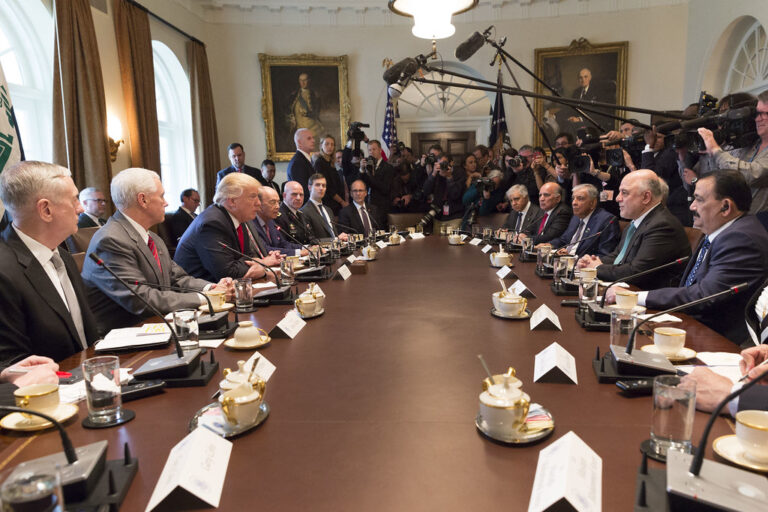
Did Trump’s Cabinet Meeting Turn Into a Praise Contest?

0

Key Takeaways:

  • Cabinet meeting turned into a public praise session for President Trump.
  • Cabinet secretaries competed to outdo each other in compliments.
  • The event lasted nearly three hours, far longer than typical sessions.
  • Trump repeated a false story about Maryland’s Democratic governor.
  • Analyst Maggie Haberman described the gathering as an “endurance test.”

Inside the Cabinet Meeting

The recent cabinet meeting showcased more than official business. In fact, cabinet secretaries showered Trump with praise in front of television cameras. Many saw it as a spectacle rather than a policy discussion. Moreover, one analyst called it an endurance test. Yet, the meeting still left room for a false story about Governor Wes Moore.

Why the Cabinet Meeting Stood Out

First, the gathering stretched nearly three hours. Usually, cabinet meetings last just an hour. Therefore, it felt unusually long. Some officials likely had other tasks awaiting them. However, they stayed to applaud the president instead. As a result, the moment looked more like a fan club than a cabinet meeting.

Next, top aides turned the session into a contest. They tried to tell Trump he saved the country most. Therefore, they took turns offering bigger compliments. Also, they paused for cameras each time. This show of loyalty captured the attention of many viewers.

Who Led the Praise Parade

Several department heads took center stage. One after another, they praised Trump’s leadership on key issues. For example, the Education Secretary claimed the president rescued schools. Then, the Energy Secretary said he saved America from an energy crisis. Each tried to top the last speaker. Consequently, the room felt like a friendly competition.

Maggie Haberman’s Take on the Cabinet Meeting

Journalist Maggie Haberman watched the event closely. She called it “an endurance test of who could praise President Trump more.” Haberman has studied Trump for years and wrote a book about him. Therefore, her view carries weight. She added that the main goal was not agency work. Rather, it was simple: flatter the president.

At one point, she noted how odd it was. After all, these leaders had pressing duties. Yet they chose to remain and cheer. In her words, the “lead point was to praise him.” Indeed, the session shifted from policy talk to applause.

Key Moments from the Cabinet Meeting

The cabinet meeting had several memorable parts. Firstly, the length surprised many. Almost three hours passed with no real agenda advancement. Secondly, the verbal contest stood out. Secretaries eagerly sought to outshine each other in praise. Finally, the false Maryland story added confusion.

False Maryland Story in the Cabinet Meeting

During the meeting, Trump repeated an untrue tale. He said Governor Wes Moore praised him during a Baltimore tour. In reality, no such praise occurred. Haberman pointed this out. She said he often says things that are not true. Moreover, he does so about his critics and rivals. Therefore, the false governor story fit a pattern.

Trump often spins tales to suit his narrative. At the meeting, this tactic surfaced again. Instead of focusing on facts, he shared a made-up anecdote. This drew questions from analysts about his reliability.

How the Cabinet Meeting Reflects Trump’s Style

Trump’s approach to leadership often blends showmanship with policy. At this meeting, showmanship dominated. Cabinet members followed suit. Consequently, the session resembled a staged event. Habitually, Trump enjoys the spotlight. Likewise, his team echoed that preference. Therefore, the meeting became a public display rather than a serious strategy gathering.

Lessons for Future Cabinet Meetings

This recent gathering could shape future sessions. Officials might continue to use cameras for loyalty displays. Alternatively, some may push for more substance and brevity. If they choose the latter, policy work can return to the agenda. On the other hand, the praise contest might recur at every meeting. Only time will tell which path they follow.

Why Media Coverage Matters

Coverage of this cabinet meeting reveals how news shapes perceptions. Reporters like Haberman offer analysis beyond the headlines. Their insights help viewers understand the deeper context. For instance, spotting a pattern of false stories matters. Moreover, highlighting the spectacle versus policy helps citizens stay informed.

Additionally, clear media reports can hold leaders accountable. If officials skip real work for praise sessions, the public should know. Therefore, honest coverage plays a vital role in democracy. It ensures that the focus stays on actions, not just words.

Looking Ahead: Cabinet Meetings in a New Light

From now on, viewers may watch cabinet meetings differently. Instead of expecting policy discussions, they may brace for praise contests. Yet, there’s hope that future sessions will balance loyalty and serious work. After all, the nation needs policies, not just applause.

In summary, this recent cabinet meeting highlighted Trump’s flair for showmanship. Cabinet secretaries engaged in a praise marathon. Meanwhile, a false anecdote about Maryland’s governor slipped in. Analyst Maggie Haberman described it as an endurance test. Ultimately, the event raised questions about the purpose of cabinet meetings going forward.

Frequently Asked Questions

What was the main focus of the recent cabinet meeting?

The main focus appeared to be praise for President Trump. Cabinet members competed to flatter him rather than discuss policies.

How long did the cabinet meeting last?

The session lasted nearly three hours. Most cabinet meetings typically run about an hour.

Why did Maggie Haberman call it an endurance test?

She meant that cabinet members endurance was tested by their eagerness to praise Trump more than others.

What was false about Trump’s story on Governor Wes Moore?

Trump claimed Governor Moore praised him during a Baltimore tour. No such praise took place.

Is a Social Security Breach Exposing You?

Key Takeaways

  • A top data officer claims a massive Social Security breach exposed sensitive records.
  • The leaked data included names, Social Security numbers, dates of birth, addresses, citizenship status, and more.
  • The files sat on an unsecured server with no oversight or access logs.
  • If hackers got in, millions could face identity theft, loss of benefits, and forced SSN changes.
  • The whistleblower says he warned officials but saw no action taken.

Have you ever wondered if your most private data could be sitting unprotected online?

A shocking whistleblower complaint says yes. Charles Borges, the chief data officer at the Social Security Administration, says a copy of every American’s Social Security record sat on an unsecured server. With over 300 million people at risk, this alleged Social Security breach could change how we protect our identities forever.

What is the Social Security breach claim?

First, it helps to understand the claim itself. Borges filed an 18-page complaint. He says staffers from the Digital Operations Group (nicknamed DOGE) uploaded a full database copy to a vulnerable cloud server in June. This wasn’t some minor file. It contained:

  • Full names and Social Security numbers
  • Dates of birth and addresses
  • Citizenship status and parents’ names

Moreover, the 19-year-old employee Edward Coristine, known as “Big Balls,” helped manage the server. Yet, no one added basic safeguards like encryption or user tracking. Consequently, the data sat open to anyone with a link. In effect, the agency’s “move fast, break things” approach broke one of the most sensitive systems in government.

How did the breach happen?

According to the complaint, the breach occurred in three main steps:

1. Upload: DOGE staffers transferred the entire Social Security database to a third-party cloud service.
2. No safeguards: They failed to encrypt the files or require login credentials.
3. No oversight: The agency kept no logs or alerts to track who viewed or downloaded the data.

Without these precautions, bad actors could find the data with a simple search or guesswork. Even more troubling, the cloud server belonged to a vendor that Borges says never got proper clearance. As a result, files remained public for weeks before anyone noticed.

What risks do Americans face?

This alleged Social Security breach carries far-reaching consequences. First, identity theft becomes much easier when someone has your SSN and birth date. A criminal could open bank accounts, apply for loans, or file fraudulent tax returns in your name. Second, sensitive benefits like Medicare, disability payments, and food assistance could be hijacked. Third, even if you avoid direct fraud, the fear of exposure can cause stress and financial harm.

Beyond personal risks, the government itself might need to reset the entire system. Borges warns that if hackers get in, they could demand ransom or threaten to publish the data. In that case, officials may have no choice but to reissue new Social Security numbers for every American. That task alone would cost taxpayers billions and disrupt countless services.

How serious is the whistleblower’s warning?

Since the complaint comes from the agency’s chief data officer, it carries extra weight. Borges says he sounded the alarm internally many times, but nothing changed. He claims his managers dismissed his concerns or ignored requests for security updates. Because of that, according to Borges, every person with a Social Security number faces a looming threat.

He wrote that no one can track who accessed the cloud server or when. Therefore, agencies cannot confirm if hackers have already stolen the data. In his view, the lack of proof makes the situation even more urgent. Without quick fixes, the breach could remain hidden until it’s too late.

Could we get new Social Security numbers?

Remarkably, Borges suggests a radical solution: issue new nine-digit numbers to everyone. He argues that after such a massive leak, changing SSNs might be the only way to protect people from identity theft. However, he admits this move would be “at great cost.” Reissuing numbers would involve:

  • Printing and mailing millions of new cards
  • Updating payroll, tax, and benefit systems
  • Educating the public on how to adopt and safeguard new numbers

Even so, Borges believes the cost is justified if it restores trust in the Social Security system. He says bad actors could already have copies of the data, so delaying change would only make recovery harder.

What happens next?

For now, the complaint awaits review. Congress might launch investigations or hold hearings. If lawmakers find the allegations credible, they could demand immediate security audits and upgrades. They might also call for accountability from the agency’s top leaders. Meanwhile, the public may push for new laws on federal data protection.

In the short term, Americans should stay alert. Experts recommend checking credit reports regularly and setting up fraud alerts. Signing up for identity-theft protection services can add a layer of defense. Additionally, being cautious about emails or calls claiming to come from Social Security is vital, since scammers often exploit such breaches.

Transitioning to better security will take time. Yet, this report shows why no system can remain static. As technology evolves, so do the risks. If the alleged Social Security breach is real, it should spark a major overhaul of how the government handles our most private data.

Frequently Asked Questions

How can I check if my Social Security number is compromised?

Monitor your credit report for new accounts or inquiries you don’t recognize. Sign up for identity-theft alerts and watch your mail for unfamiliar statements.

What steps can I take to protect my Social Security number now?

Avoid sharing your SSN unless absolutely necessary. Store your card in a safe place. Use strong, unique passwords for online accounts and enable multi-factor authentication when offered.

Will the government really issue new Social Security numbers?

Reissuing every SSN would be costly and complex. However, the whistleblower argues it may be needed if the breach proves extensive and unfixable.

How can lawmakers prevent future breaches?

They could mandate stronger encryption, require regular security audits, and enforce stricter vendor controls. Passing comprehensive data-protection laws might also raise accountability across federal agencies.

Could Trump’s Fed Firing Spark Financial Chaos?

Key Takeaways:

  • President Trump announced the immediate firing of Fed Governor Lisa Cook.
  • A former Fed leader warns that a Fed firing could trigger chaos.
  • Trump could gain a majority on the Fed’s governing board.
  • Experts fear higher inflation, a weak dollar, and market turmoil.

What’s happening?

President Trump said he will fire Federal Reserve Governor Lisa Cook right away. He accused Cook of mortgage fraud. However, no court has ruled on those claims. In response, Cook said she plans to remain in her post. Her term runs for 14 years.

Bill Dudley, a former New York Fed president, wrote about this in an op-ed. He warned that a Fed firing would be a first-ever move by a president. He called it a major escalation. Moreover, he said it could end badly for the U.S. economy.

Why the Fed firing could cause chaos

First, if Cook is removed, Trump would appoint four of the Fed’s seven governors. That gives him a clear majority. In turn, he could push the Fed to cut interest rates sharply. Therefore, the central bank’s independence would erode.

Second, the Fed board picks regional Fed bank presidents. Five of these presidents vote on rate decisions. If Trump controls the board, he might refuse to reappoint some presidents. In effect, he could fill those seats with allies. This would tilt the Fed toward his rate-cut goals.

Third, as Dudley noted, a Fed firing disrupts markets. Investors hate uncertainty. If presidents and governors fight, markets could falter. Stocks might drop. Bond yields could spike. In fact, even a small risk of Fed meddling can drive market swings.

How Trump could reshape the Fed

If Trump fires Cook, he gains four seats. Then, he could:

• Block reappointments of regional Fed bank presidents in 2026.
• Appoint new presidents who vote for deep rate cuts.
• Use that majority to force the Fed to follow his wishes.

Such moves would end the Fed’s checks and balances. Consequently, Trump would steer both monetary policy and political messaging. That blurs the line between politics and money.

What experts fear

Bill Dudley wrote that even a small chance of success is disruptive. He warns of these risks:

• Uncontrolled inflation
• Much higher long-term borrowing costs
• A significantly weaker dollar
• Showdowns and chaos at the central bank

Moreover, traders might bet on endless rate cuts. That could spur a dollar sell-off. In turn, import prices would rise, fueling inflation. If inflation spikes, the Fed would need to raise rates again. Such a whipsaw would hurt businesses and families.

Cook’s fight and market reaction

Lisa Cook has rebuked Trump’s claims. She insists on serving her full term. In fact, she has legal grounds to resist removal. However, a court battle could drag on. Meanwhile, markets will watch every development closely.

Investors worry that Fed board fights could delay decisions. For example, rate hikes or cuts might stall. That uncertainty could lower business confidence. Therefore, companies may hold back on hiring and investment.

A weakened Fed could also mean a weaker dollar. As a result, U.S. consumers would pay more for goods abroad. Travelers would see higher prices overseas. Moreover, emerging markets that borrow in dollars could face debt stress.

What happens next?

Trump has teased firing Fed Chair Jerome Powell in the past. But he backed off that idea for now. Still, this new attack on Cook shows his frustration with the Fed’s stance. He wants big rate cuts to boost growth before the election.

In the coming weeks:

• Cook may file a lawsuit to block her removal.
• The Justice Department could weigh in.
• The Fed board will decide if they accept her firing.
• Markets will react to each development.

If courts side with Cook, the Fed firing attempt fails. Yet the damage to the Fed’s reputation may linger. Even a failed bid can erode trust in the Fed’s independence.

How the Fed can recover

To rebuild confidence, the Fed must show unity. Fed governors and presidents should speak with one voice. They must emphasize the bank’s mission: stable prices and full employment. Transparent communication will help calm markets.

Also, Congress could act. Lawmakers might pass measures to protect Fed governors from political removal. Such safeguards would deter future power grabs. In turn, investors would view the Fed as truly independent again.

Why Fed independence matters

The Fed’s independence shields monetary policy from political swings. When politics influence rate decisions, the economy suffers. For example, if a president pressures the Fed to cut rates before an election, inflation could soar later.

Independent central banks across the world achieve better inflation control. They earn public trust by focusing on data and goals, not politics. Thus, preserving that independence remains crucial.

In short, a Fed firing could upend that delicate system. It risks standoffs, market chaos, and long-term harm to the economy.

Frequently Asked Questions

What authority does the president have to fire a Fed governor?

The president can remove a Fed governor only for cause, like misconduct. Courts usually decide if a firing meets that standard.

How would firing Cook affect interest rates?

If Trump gains control of the board, he could push for deep interest rate cuts. That may happen if enough governors and regional presidents back him.

Could a court block Cook’s removal?

Yes, Cook could challenge the firing in court. A judge would then rule on whether the president had proper legal cause.

Why is Fed independence so important?

An independent Fed makes decisions based on economic data, not politics. That helps keep inflation low and markets stable.

Did Brecheen Town Hall Go Off the Rails?

0

Key Takeaways

  • Rep. Josh Brecheen faced tough questions at his Pryor town hall.
  • Constituents pressed him on rising food and health care costs.
  • He defended Trump’s budget plan that cuts social benefits.
  • A debate over his Israel stance led to a heated outburst.
  • He warned that Hamas’s ideology might spread in the U.S.

Inside the Brecheen Town Hall Showdown

Rep. Josh Brecheen held a meeting in Pryor, Oklahoma. It quickly turned tense. Many people came to hear him defend President Trump’s “One Big, Beautiful Bill Act.” This plan cuts billions from programs like Medicaid and food stamps. Yet the cost of living keeps rising. So attendees demanded answers.

Why the Brecheen Town Hall Turned Tense

Almost from the start, questions flew about everyday struggles. A woman asked what he would do to make groceries cheaper. Another person pressed him on high medical bills. Consequently, Brecheen spent much of the meeting on the budget. He tried to explain why cuts were necessary. However, his answers did not satisfy many in the crowd.

Cost of Living Concerns

First, food prices dominated the talk. One constituent said groceries now cost too much. They asked if Brecheen had a plan to bring prices down. He replied that government spending drives up inflation. He argued that cutting federal budgets would help. Yet people in the room groaned, saying they need immediate relief.

Next, health care costs became the focus. Someone shared a story about sky-high prescription bills. They wanted to know how he would make medicine affordable again. Brecheen pointed to private market solutions. He claimed competition would lower prices over time. Meanwhile, the audience pushed back, asking for faster action.

Defending the Spending Plan

Throughout the night, Brecheen stuck to the same message. He called Trump’s budget responsible and fair. He said the cuts target big programs, not local aid. Furthermore, he insisted the plan would boost economic growth. Despite that, many residents seemed unconvinced. They worried that slashing social benefits would harm families.

Debate Over Israel Stance

Suddenly, the tone shifted to foreign policy. A caller questioned Brecheen’s support for Israel in the Israel-Palestine conflict. The lawmaker said his support comes from a biblical belief. Then he snapped at the suggestion that any group “owns” him. He yelled, “You’re not gonna do that!” The room fell silent, stunned by his sudden outburst.

He added that the same ideology guiding Hamas could come to the U.S. That warning made some in the crowd groan. They felt he was mixing local issues with global fears. As a result, the meeting’s atmosphere grew even more charged.

Closing Warning and Reaction

As the town hall wrapped up, Brecheen tried to calm everyone down. He reminded the audience that they had shared good dialogue. Yet his warning about chaos in America left many uneasy. Some left the meeting with more questions than answers. Others praised his passion but criticized his tone.

What Happened Next

After the event, videos of the meeting spread online. Viewers saw a lawmaker struggling to connect with voters. They watched him clash over health care and food costs. They heard his heated defense of Israel and Trump’s budget. The clip sparked debate on social media and local news.

Key Lessons from the Meeting

Many town halls have turned testy since the new budget passed. Citizens across the country are worried about everyday expenses. They expect their representatives to offer real solutions. They also want respect and calm, even in heated debates. Rep. Brecheen’s Pryor meeting shows how high the stakes feel right now.

Moving Forward

To regain trust, lawmakers may need to listen more. They should address real concerns about bills and benefits. Also, clear plans to lower costs could ease fears. Finally, a respectful tone helps keep dialogue productive.

Frequently Asked Questions

What is the “One Big, Beautiful Bill Act”?

It is President Trump’s domestic spending proposal. It cuts billions from programs like Medicaid and food stamps.

Why were constituents upset at the town hall?

They faced rising food and health care costs. They wanted concrete ideas to ease their budgets.

How did Brecheen explain budget cuts?

He said cutting big federal programs would lower inflation and boost growth.

Why did the debate shift to Israel?

A constituent asked about the Israel-Palestine war. That led Brecheen to defend his stance on Israel.

What message did Brecheen leave with the crowd?

He warned that the ideology behind Hamas could spread in America. He urged unity but also voiced strong concerns.

Could Trump Really Be in Epstein Files?

0

Key Takeaways:

  • A Georgia congressman was caught saying he believes President Trump appears in the Epstein files.
  • Representative Mike Collins said Trump “was the one telling the FBI about it.”
  • Collins supports full public release of the Epstein files.
  • The GOP remains split between demand for full release and careful redaction.
  • The Trump administration released over 33,000 documents but showed almost no new information.

Mike Collins Speaks Out on Epstein Files

Last week, during a local GOP meeting, Representative Mike Collins surprised many. Unaware his mic was live, Collins said he knows President Trump is in the Epstein files. He explained that Trump “was the one telling the FBI about it.” In plain terms, Collins believes a Trump name appears in those documents. Moreover, he says he wants the files released in full so the public can see what they say.

Interestingly, Collins admitted this despite White House efforts to steer clear of the Epstein files controversy. Previously, President Trump had promised on the campaign trail to free these documents. However, his administration backtracked once in office. Now, a GOP lawmaker has thrown a wrench into that plan by openly talking about Trump’s link to the case.

At the same meeting, Collins made his stance clear. “We need to release it. I have no problem releasing it,” he said about the Epstein files. His words show deep frustration among certain Republicans. They worry that hiding or heavily redacting these documents makes the party look secretive. Meanwhile, some top GOP officials argue that redaction is needed to protect privacy and legal rights. As a result, the debate over how to handle the files has grown heated.

The GOP Splits Over Epstein Files

On one side, Trump’s MAGA supporters demand full transparency. They want to see every page of the Epstein files. They argue that holding back any part fuels speculation and conspiracy theories. Consequently, they believe a full release would clear the air and show there is nothing to hide.

On the other side, some Republicans worry about privacy and legal risks. They push for careful redaction of sensitive names and details. In their view, this approach protects innocent people. It also lets the party claim it followed its promise to share the files. However, analysts warn that heavy redaction might amount to no release at all. After all, if too much is blacked out, the files mean very little.

Moreover, the internal fight has left some voters confused. Many wonder why the party can’t agree on something so simple. In addition, this split reveals cracks in GOP unity as the next election looms. It also shows how a single comment by a congressman can spark national debate.

What the Released Documents Show

Last Friday, the Trump administration released more than 33,000 documents related to the Epstein files. Officials called the move a win for transparency. Yet, outside reports found almost no new information in those files. In fact, most names and details remained hidden behind black bars.

First, a large share of the documents were duplicate entries. Next, the newly disclosed pages offered no fresh evidence against any public figure. Hence, critics say the release was more about optics than real disclosure.

However, the documents do contain some details about Jeffrey Epstein’s financial dealings. They also include statements made by people connected to his case. But because so much is redacted, the full story stays locked away. Meanwhile, calls for a truly complete release grow louder.

In addition, legal experts note that some information in the Epstein files must stay sealed for now. They cite ongoing investigations and privacy laws. On the other hand, many argue a federal judge could order full release if someone demands it.

The Road Ahead for the Epstein Files

Looking forward, the pressure to reveal the Epstein files will not fade. First, GOP members like Mike Collins will keep pushing for openness. They believe the party cannot claim honesty without sharing every page.

Second, the public continues to demand answers. Polls show many Americans think the files might contain evidence of wrongdoing by high-profile individuals. As a result, any further delays or redactions may hurt the party’s reputation.

Furthermore, courts could play a deciding role. Civil suits and criminal inquiries tied to Epstein’s crimes remain active. Judges may decide that releasing more of the files serves justice. If that happens, the White House might have little choice but to comply.

Meanwhile, social media fuels the debate. Hashtags calling for “ReleaseTheFiles” trend often. Those online argue that sunlight is the best disinfectant. They say full transparency will shut down rumors once and for all.

Finally, the story shows how one casual remark can trigger a storm. Representative Collins’ hot mic moment pulled the issue back into the spotlight. It reminded everyone that the Epstein files saga is far from over.

FAQs

Why are the Epstein files important?

The Epstein files hold detailed records about Jeffrey Epstein’s network and activities. Many believe these documents could reveal information about powerful people linked to his crimes.

Did President Trump promise to release the Epstein files?

Yes, Trump pledged on the campaign trail to make the Epstein files public. However, his administration later hesitated and released heavily redacted documents.

Who is Mike Collins?

Mike Collins is a Republican congressman from Georgia. Recently, he was caught on a hot mic saying he believes President Trump appears in the Epstein files. He supports a full public release.

What did the newly released Epstein files show?

The recent release included over 33,000 pages but offered little new information. Most key names and details remain blacked out. Critics argue it was more about show than transparency.

Did Trump Lose the Messaging War?

0

Key Takeaways

  • President Trump praised his “one big beautiful bill” yet conceded he lost the messaging war.
  • Democrats united to frame the bill as cuts to Medicare and child benefits.
  • Experts say clear positive messages resonate better than warnings about cuts.
  • Elon Musk’s public criticism amplified concerns about benefits for the wealthy.
  • Republicans must focus on benefits for families, not just cuts for the able-bodied.

Did Trump Lose the Messaging War?

President Trump pushed a major spending bill through Congress. He called it the “one big beautiful bill.” He also admitted he lost the messaging war to Democrats. This is rare. Usually presidents stick to victory stories. Yet Trump openly said his team needs a new marketing plan.

Why the Messaging War Matters

A messaging war shapes how people see laws and leaders. In politics, words can build or break support. When Democrats united, they framed the bill as a threat to hospitals, Medicare, and children’s food stamps. They hammered that point nonstop. As a result, many voters felt alarmed.

First, Democrats targeted key issues. They warned about cuts to Medicare and food benefits for kids. Then they spread that message through talk shows, social media, and town halls. As a result, local voters pressed their representatives. That put real pressure on Republicans in districts across the country.

Meanwhile, Trump called it “beautiful.” Yet voters heard the Democrats’ warning louder. Even at a White House Cabinet meeting, he admitted the messaging war was lost. He said the bill needs a new name. That is a big admission from a president who often claims total success.

How Democrats Won the Message Game

Democrats stuck together on one clear theme. They said the bill would hurt seniors and kids. They used strong, simple language. As a result, their message spread fast. Even people who rarely follow politics heard it.

Moreover, Democrats waited until just before recess. Then they hit the road for town halls. Old and young voters asked tough questions. They held both Republicans and Democrats to account. Yet Republicans felt the blow harder. Their team had no simple answer ready in time.

Democrats also used data. Polls showed voters fear benefit cuts more than they want work requirements. So the party focused on fear of loss. And fear often wins over hope. In that sense, they outplayed the president’s team.

Elon Musk’s Role in Shaping Views

Unexpectedly, Elon Musk joined the fray. He criticized the bill on social media. He said it backed wealthy people over the middle class. Because Musk has millions of followers, his views went viral. Suddenly people outside politics talked about corporate tax cuts, too.

Furthermore, Musk’s critique hit a nerve. It fed the idea that this law mainly helps the rich. That undermined any positive spin. Even some Republicans started to agree in private. They worried voters would blame them for boosting billionaires.

In fact, Musk’s attacks added a new layer to the messaging war. Republicans could no longer ignore the rich-get-richer narrative. So they had to rethink their whole strategy. They could not rely on Trump’s slogans alone.

Lessons for Republicans

First, positive messages are easier to sell. People respond better when they hear what they will gain. Talking about job creation or tax relief for families works far better than talking about cuts for someone labeled “lazy.”

Second, unity matters. Democrats showed the value of a single, focused narrative. Republicans need to avoid mixed signals. They must agree on one clear theme and stick to it. That way, opponents cannot exploit conflicting statements.

Third, timing is key. Rolling out a message at the right moment can make or break public opinion. Republicans pushed the bill just before August recess. That meant town halls became instant battlegrounds. Instead, a phased approach with local outreach first might have eased the blow.

Finally, outside voices can sway opinion. Musk’s comments illustrate how influencers shape debates. Republicans should engage with these voices early on to head off criticism. That would help control the narrative before it spreads.

Redefining the Message for the Middle Class

To win back support, Republicans must rebrand the law around gains for ordinary families. They could highlight the child tax credit and lower income-tax brackets. They should show how the bill helps small businesses, not just large corporations.

Also, they need real stories. Sharing personal examples of families saving money or getting better services appeals to emotions. Numbers alone won’t convince most voters. Yet a video of a parent explaining how the child tax credit changed their life can move hearts and minds.

Moreover, Republicans need to address fears head-on. Instead of sidestepping questions about Medicare, they can explain exactly how they plan to protect it. Clear, honest answers build trust. That trust is hard to regain once lost.

Conclusion

The president called his legislation “beautiful,” but voters heard a story of cuts to them. Democrats won the messaging war by sticking together, using simple words, and hitting early. Then Elon Musk amplified doubts about fairness. Now Republicans must learn from these missteps. They need to craft positive, unified messages that reach the middle class. Otherwise, they risk more political damage in town halls and beyond.

Frequently Asked Questions

How did Democrats frame the legislation?

They focused on cuts to Medicare and children’s food benefits to unite voters against it.

Why did Elon Musk’s comments matter?

His criticism spread quickly and reinforced the idea that the bill favored the wealthy.

What positive messages can Republicans use?

They can highlight the child tax credit, lower brackets for small businesses, and job growth.

How can the Republican Party avoid mixed messaging next time?

By agreeing on one clear theme, planning rollout timing, and preparing responses to critics.

Could California’s Two State Solution Happen?

0

Key Takeaways:

  • A California Republican leader has proposed a two state solution.
  • The plan would split inland counties from coastal regions.
  • It faces huge legal and political obstacles.
  • California voters will first decide on a redistricting fight.
  • Dividing California has been debated for years.

Two State Solution Explained

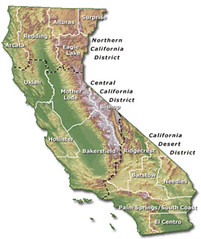
A California assemblymember has unveiled a plan he calls a two state solution. He wants to carve out the inland two-thirds of the state as its own independent state. This new state would stretch from Imperial County near the Mexican border all the way up to Del Norte County by the Oregon line. Meanwhile, the coastal region would remain the state most people know today. Although this proposal drew national headlines, it has almost no chance of becoming reality.

Why the Two State Solution Gains Attention

Assemblymember James Gallagher argues that inland communities feel ignored. He says they pay taxes but see little support in schools, roads, and hospitals. Therefore, he says, a two state solution will give those residents the focus they need. On the coast, most voters lean Democratic. Inland areas lean more Republican. Gallagher’s plan would create a border that matches those voting lines. However, many experts call the idea a political stunt.

How the Split Would Work

First, the proposal would need approval from California voters. Next, it would have to clear both state and federal hurdles. The U.S. Constitution requires any new state to be approved by the state legislature and then Congress. In this case, the California legislature is controlled by Democrats who oppose splitting the state. Even if it passed Sacramento, a Democratic U.S. Congress would likely block it. Moreover, maps for schools and services would need to be redrawn. Property lines, water rights, and highway routes would all require new agreements. Finally, new state capitals and budgets would have to be set up.

What Stands in Its Way

There are major legal barriers to the two state solution. First, the California Constitution does not allow parts of the state to secede. Second, Congress has never approved a state split in modern times. Third, many residents on the coast depend on water and electricity from inland regions. Cutting ties could disrupt those essential services. Additionally, inland counties might struggle with lower tax revenues and fewer big cities. State lawmakers and voters would likely reject a split that they see as risky and costly.

What Impact Could It Have?

If an inland state formed, it would have its own governor, legislature, and court system. It might push for different environmental rules or taxes. Meanwhile, coastal California could focus more on tech and entertainment industries. Both new states would gain two U.S. Senators each. That means California’s current four senators could become eight, shifting power in Washington. Yet, critics warn such a change could make legislation even more gridlocked.

History of Proposals

This is not the first time California’s breakup has been debated. Back in 2014, a billionaire pitched a plan to split the state into six parts. That idea failed to make the ballot from lack of signatures. Over the years, other visions have called for three or four states. Each time, they faced the same legal and political roadblocks. Still, the talk keeps coming back whenever state politics grow tense.

Redistricting Retaliation

Gallagher’s announcement arrived after Governor Gavin Newsom and the legislature pushed a ballot measure on redistricting. That measure would let lawmakers override the state’s independent commission. They want to redraw congressional seats to remove up to five Republican districts. The move responds to a GOP redraw in Texas that did the same to Democrats. Gallagher says inland voters feel unfairly targeted by those power plays. He links the redistricting fight to his call for a two state solution.

What Comes Next

At this point, the two state solution is more of a talking point than a real plan. The legislature must first vote on a split treaty. Then, California voters need to approve it. Finally, Congress would have to sign off. That sequence makes the timeline take years or even decades. Meanwhile, the redistricting fight will land on the November ballot. If voters reject partisan maps, it could ease some tensions. However, if they approve them, divisions may deepen and new proposals could follow.

FAQs

Could California voters actually approve a split?

Voters would face a referendum on the proposal. But even if they agreed, the state legislature could block it before it reached Congress.

What role does Congress play in this?

Under the Constitution, any new state needs congressional approval. Without it, a split cannot happen.

Which counties would join the inland state?

Counties from Imperial in the southeast to Del Norte in the northwest would form the new inland state. Coastal counties would stay in the current state.

How does the redistricting ballot measure tie in?

The redistricting vote would let lawmakers redraw maps. Supporters say it fights unfair partisan lines. Opponents call it retaliation and fear more division.

Why Did CDC Funding Cuts Vary by Politics?

0

Key Takeaways

• The Trump team ended nearly 700 CDC grants worth $11 billion.
• Blue states sued and regained almost 80% of funds.
• Red states saw fewer than 5% of their grants restored.
• Local health clinics lost staff and halted services.
• Court battles decided who kept public health support.

Why Did CDC Funding Cuts Vary by Politics?

In late March, the Trump team canceled nearly 700 CDC funding cuts. These grants first helped COVID shots and then built public health systems. At first, blue and red states faced similar cuts. However, when about two dozen blue states sued, most funds returned to them. Meanwhile, red states lost almost all their grants.

Understanding CDC Funding Cuts and Lawsuits

CDC funding cuts came as part of $11 billion in grants awarded during the COVID crisis. Grants paid for vaccines, disease tracking, health equity, and community workers. Four of the top five places hit hardest were Democratic-led: California, Illinois, Massachusetts, and the District of Columbia. Yet after blue states won a court order, the list flipped. Texas, Georgia, Oklahoma, and Ohio then led in terminations.

Blue states saw nearly 80% of CDC funding cuts reversed by July. By contrast, red states recovered under 5% of their cut grants. TAGGS, a federal grant database, shows how many awards changed hands. It tracks grant counts, not dollar amounts, for clarity. As a result, the political divide in public health widened.

How CDC Funding Cuts Hit States Differently

First, grants supported flu, measles, RSV, and other outbreak responses. Then, cuts forced clinics to close vaccine events. For example, after cuts in Texas, a measles wave spread across the U.S. and Mexico. It made 4,500 people sick and killed 16.

Colorado joined the lawsuit and held on to 10 of 11 grants. Neighboring Wyoming, Utah, Kansas, Nebraska, and Oklahoma lost 55 grants combined. Those states chose not to sue. As a result, their health teams could not restore those budgets.

Local Impact of CDC Funding Cuts

In Jackson, Ohio, health workers lost their grant support five months early. The county health department faced a $500,000 hole. It had to lay off three staff in a single day. Community programs vanished across 11 Appalachian counties. Today, only one county still gets support.

Marsha Radabaugh once drove hot meals to homeless camps. She also helped people fill out food aid and Medicaid forms. Now she leads fewer outreach visits. Sasha Johnson said these workers were “walking human data hubs” for local health.

Similarly, Columbus, Ohio, lost $3 million of a $6.2 million grant. The city laid off 11 staff who tracked infectious outbreaks. It also postponed buying a new electronic health record system. As a result, its ability to detect and treat disease suffered.

Why the Political Split Matters

CDC funding cuts show how health care now splits by party. Democratic states saw public health as essential. They sued to protect their programs. Republican states, largely, did not take legal action. Thus, they sustained deep losses.

The Department of Health and Human Services says COVID is over. It argues that states can now focus on long-term infrastructure. Yet public health experts disagree. They note that funds also defended against seasonal flu, measles, and RSV. Without steady support, early detection and response will weaken.

Moreover, federal funds make up over half of local health department budgets. When those grants go, so do staff and preventive efforts. According to one expert, the system now “blinks red.” If another outbreak strikes, the response may lag.

What This Means for Future Health Threats

As the country plans for future outbreaks, stable funding matters most. Court decisions now shape who can fight diseases. Blue states may feel safer. Red states must find new ways to pay for public health work. For now, the split remains a reminder that politics can shape life-saving services.

FAQs

What were the CDC funding cuts about?

They canceled nearly 700 grants meant for vaccines, outbreak tracking, and community health support.

Why did blue states regain most of their grants?

About two dozen Democratic states sued in federal court. A judge then blocked most cuts there.

How did red states respond to the cuts?

Most red states did not sue, so they lost nearly all their grant support.

How did local health departments cope?

They canceled vaccine clinics, laid off staff, and paused disease monitoring projects.

Will Trump Block Seth Meyers’s NBC Contract?

Key takeaways:

  • The president posted a scathing message at 2 AM about Seth Meyers.
  • Trump called the late-night host untalented and threatened to investigate.
  • He lashed out after NBC reportedly planned to renew Meyers’s deal.
  • The feud follows reports that CBS may cancel Stephen Colbert’s show.
  • Fans and critics wonder if Trump can truly influence network decisions.
  • Will Trump Block Seth Meyers’s NBC Contract?

Introduction

Late-night TV faces a rare attack. Early one morning, the president woke up and posted fierce words about Seth Meyers. He claimed NBC planned to extend the host’s contract. Then he threatened to uncover why. In a mix of surprise and anger, he called the network “Fake News NBC.” He even said Seth Meyers had no talent or ratings. This move came after a long mid-day press conference. Yet people now focus on this late-night clash.

President’s 2 AM Attack

First, imagine the clock striking two. While most people slept, the president worked. He fired off posts on Truth Social. His message targeted NBC and one of its stars. He wrote that a “sick rumor” said NBC would keep Seth Meyers on air. Then he called the network fake news. Moreover, he verbally attacked Meyers’s skills. He said the host lacked talent, ratings, and intelligence. He even compared him to an insecure child. Clearly, this was no friendly jab.

What Trump Said About Seth Meyers

Next, the president doubled down on his claim. He promised to “find out” why NBC might extend Seth Meyers’s deal. He hinted at an official review. He said he noticed that CBS plans to cancel Stephen Colbert’s show. Thus, he felt NBC should not back one he called a “dope.” He vowed action. However, critics note that the president has no direct power over network contracts. Nevertheless, his words can stir public opinion and pressure executives.

Rumor About Seth Meyers’s Contract

Rumors swirl around NBC lately. People report that NBC wants to renew Seth Meyers’s contract soon. The deal would keep his show on TV for more years. However, networks rarely confirm such plans early. They often work behind closed doors. Still, the president’s post turned this rumor into hot news. Viewers now debate whether Meyers deserves another season. Supporters point to his strong ratings and loyal fans. Detractors side with the president’s harsh words.

Why Trump Cares More Than NBC

Several factors explain this unexpected feud. For one, the president often fights back against critics. Late-night hosts rank high among his critics. They mock his speeches and policies each week. Seth Meyers fits that profile. He regularly satirizes the president’s actions. So this may be personal. In addition, Trump uses social media to rally his followers. By attacking a popular TV figure, he grabs headlines. Finally, he might want to quiet more dissent on late-night shows.

The Impact on Late-Night TV

This spat highlights the power of late-night hosts. These comedians blend news and humor. They shape public opinion. Some viewers trust them as much as news outlets. When a president speaks against one of them, it raises eyebrows. It also sparks a debate about freedom of speech. Could a leader sway a network’s programming? Many say no. Yet the mere suggestion of pressure can chill creativity. Now, other hosts may wonder if they face the same threat.

What Could Happen Next

Next steps remain uncertain. NBC executives have not spoken publicly. They may ignore the president’s jabs. After all, network leaders focus on ratings and profit. If Seth Meyers draws strong audiences, they likely renew him anyway. On the other hand, a public feud could erode viewer trust. If fans see too much political interference, they might switch channels. In addition, the network might issue a statement defending its choices. Or it might downplay the matter and stay silent.

Why Fans Are Watching Closely

Fans love drama. This high-profile battle adds spice to late-night TV. Loyal viewers watch for each update. They post memes and jokes online. Some defend Meyers’s comedy. Others side with Trump’s blunt style. Social media buzz grows with each new post. Moreover, advertisers pay attention. Brands don’t want to appear on a show under political fire. So they might pause ads until the dust settles. In this way, fans and sponsors can influence the outcome.

The Role of Ratings and Talent

Television networks live by ratings and ad dollars. Even the president acknowledged this. He claimed Seth Meyers had low ratings. Yet data says his show often ranks among the top late-night programs. Talent also matters. Meyers won awards for satire and writing. His fan base spans multiple generations. So, tension arises between political attacks and business reality. NBC must weigh public opinion against financial success. This classic tug-of-war could define the network’s final call.

Balancing Free Speech and Influence

This incident raises a big question. How much power should leaders have over entertainment? In a free society, creators speak without fear. They lampoon leaders and hold them accountable. Yet when leaders lash out, they test those boundaries. Some worry that such attacks silence critics. Others claim leaders must protect their image. Still, the fundamental right to free speech stands strong. This clash shines a light on the delicate balance between authority and creativity.

Conclusion

The president’s sudden attack on Seth Meyers has ignited debate. It combines politics, media, and entertainment in a single moment. While NBC holds the final say on contracts, public pressure now rises. Fans, critics, and advertisers watch closely. Meanwhile, Seth Meyers prepares to respond, likely with humor. In the end, late-night television may emerge stronger. Yet this episode proves one thing: powerful voices can turn a contract rumor into a national story overnight.

Frequently Asked Questions

Could the president actually stop a network contract renewal?

No, he has no direct legal power over network deals. However, public pressure can influence network decisions.

Why does Trump target late-night hosts like Seth Meyers?

Late-night hosts often satirize his actions. He views their jokes as personal attacks and reacts strongly.

Is there proof that NBC plans to renew Seth Meyers’s contract?

So far, NBC officials have not confirmed or denied the rumor. Networks tend to keep contract talks private.

How do fans and advertisers react to political attacks on TV hosts?

Many fans rally behind their favorite hosts, while some sponsors might pause ads to avoid controversy.

Is Corey Lewandowski Slowing Down DHS Operations?

0

Key takeaways:

  • Former Trump manager Corey Lewandowski is acting like DHS chief of staff.
  • Staff say he slows DHS projects with veto power over major contracts.
  • His name appears on documents meant for Secretary Noem, causing bottlenecks.
  • He serves as an unpaid adviser but may exceed the allowed 130 days.
  • The situation frustrates FEMA workers and draws criticism from Trump insiders.

Corey Lewandowski’s Veto Power Stirs Frustration

A recent report reveals that former Trump campaign manager Corey Lewandowski now sits in at the Department of Homeland Security. He acts like a chief of staff for Secretary Kristi Noem. As a result, he has become the main decision blocker. Staff members say projects stall until deadlines pass. At the same time, some Trump administration officials have voiced strong disapproval of his growing role.

According to insider accounts, Corey Lewandowski has the power to veto any DHS contract or grant over $100,000. That means his sign off is the last stop before Secretary Noem sees proposals. Consequently, simple tasks like funding for disaster relief get held up for days. FEMA workers describe a frustrating process of manual review. They say this new layer is hurting response times and morale.

An official also noted that many documents now bear Corey Lewandowski’s signature instead of Noem’s. This has created confusion about who truly leads the department. Moreover, it raises legal questions. Normally, only the department head signs off on these forms. Yet, Lewandowski’s mark appears on key contracts. Therefore, FEMA staff cannot push projects forward until the mix-up clears.

Staff members have called the situation “insane” and “unworkable.” One bluntedly stated, “Corey is part of the problem. It doesn’t matter how fast we send it up. It still loops back to him.” In turn, this has sparked heated talks among career officials. Many fear that critical relief efforts could miss seasonal storms or security deadlines because of the hold-ups.

How the new role works

Noem appointed Corey Lewandowski as a special government employee. That role is supposed to be unpaid and limited to 130 days per year. Typically, it covers short stints such as advising on a specific project. However, insiders say Lewandowski acts full time and no pay appears to flow. Federal rules require strict tracking of days served. Thus, questions arise about how his time is counted and whether it violates ethics rules.

Why staff members are upset

FEMA and DHS career employees have grown tired of the so-called “bottleneck.” They say each contract now undergoes hand review rather than automated checks. This adds extra steps to normal workflows. For example, funding for emergency shelters was delayed. By the time approval arrived, those funds could not help families in need on time. Staff worry that this pattern could repeat in future crises.

Impact on FEMA operations

FEMA runs critical programs to handle floods, wildfires, and hurricanes. When grants stall, local officials cannot buy supplies or hire crews. In turn, this slows disaster recovery. Recently, one region awaited approval for backup generators. They sat unused while vulnerable communities faced power cuts. Transitioning to fast relief is key in emergencies. Yet reviewers now wait on Corey Lewandowski’s nod before moving forward.

Questions about rules and limits

Moreover, the arrangement raises legal concerns. Can a special employee hold veto power over major contracts? Federal guidelines limit such roles to advising, not decision making. Critics ask how Lewandowski tracks his official days. They also wonder if an outside relationship with Noem blurs business lines. Insider chatter hints at a close personal bond. As a result, ethics observers believe a formal inquiry might be needed.

Reactions from Trump officials

Surprisingly, some former Trump aides are upset too. They say Noem’s team allowed an outsider to overshadow her own staff. Even campaign loyalists think this looks bad. They worry leaks could emerge that harm their political brand. Beyond that, they fear voters will see the department as mismanaged. So far, no one in the White House has publicly defended Lewandowski’s new duties.

What may happen next

DHS watchdogs and the inspector general could open formal probes. They might examine whether high-value contracts faced undue delays. In addition, officials could audit how Corey Lewandowski logs his service days. If they find a breach, they could demand corrective action. At the least, DHS may issue new guidance to cut out unneeded reviews. That step could speed up funding and restore trust within the department.

In the meantime, staff and external observers will watch closely. They want to see if Secretary Noem reasserts her authority. Alternatively, she may formally hire a chief of staff to handle these tasks. Either way, the goal is clear: keep essential projects on track. Otherwise, communities could suffer from preventable delays in aid and security upgrades.

Frequently Asked Questions

What is Corey Lewandowski’s official role at DHS?

He holds the title of special government employee. Yet insiders call him a de facto chief of staff. He advises Secretary Noem and reviews major contracts.

Why does he have veto power over contracts?

He inserted himself into the approval chain. Any contract or grant over $100,000 must pass his sign-off before reaching the secretary.

How does his role affect FEMA projects?

By adding manual reviews, it slows funding and resources. Emergency relief can miss critical windows, like hurricane season or wildfire response.

Could this arrangement break federal rules?

Possibly. Special government employees should serve limited days and not hold final say on contracts. Ethics investigators may examine if he exceeded his role.