56.8 F
San Francisco
Wednesday, April 1, 2026
Home Blog Page 575

Would More Police Make Chicago Safer?

Key Takeaways

  • Chicago’s mayor, Brandon Johnson, clashed with Joe Scarborough over crime solutions.
  • Scarborough pressed for a simple yes or no: would more police make Chicago safer?
  • Johnson argued that policing must pair with housing, health care, and youth jobs.
  • The debate shows a wider split over crime policy in American cities.

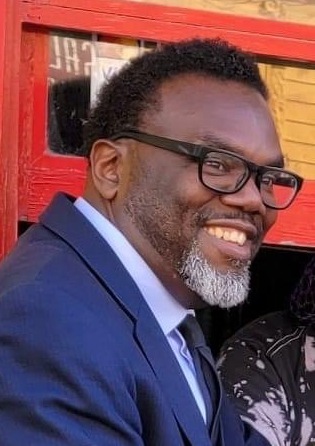
In a tense live interview on Morning Joe, host Joe Scarborough kept asking Mayor Brandon Johnson a simple question: would more police make Chicago safer? The back-and-forth heated up quickly. Scarborough wanted a straight yes or no. Johnson insisted that policing alone can’t fix deep problems. Their clash reveals how complex city safety really is.

Why More Police Alone Isn’t Enough

In the 1990s, Chicago hired thousands more officers. Yet the murder count stayed high. Mayor Johnson pointed that out clearly. He said adding officers only does so much. Moreover, he argued that people need stable homes and mental health services. Without these supports, crime stays stubborn.

The Debate Over More Police

First, Scarborough pressed for a number: 5,000 more police. He believed this boost would cut violence fast. He even tied it to stopping a possible federal troop deployment. He argued other cities pair social programs with a bigger force. Those cities, he said, saw real success.

However, Johnson pushed back. He agreed that detectives and patrol officers matter. Yet he said chasing a magic number is too simple. He wants a full package: policing plus social care. He stressed that solving crimes can deter fresh offenses. Still, he won’t narrow policy to officers alone.

Johnson’s Holistic Approach to Safety

Mayor Johnson laid out his plan in four parts:

• Policing with support for detectives and patrol teams
• Affordable housing for low-income families
• Mental and behavioral health services
• Youth employment and after-school programs

He described this as a public safety “toolkit.” Each piece complements the others. For example, stable housing can reduce stress that leads to crime. Meanwhile, a strong detective bureau helps solve cases fast. This mix, he said, builds trust and prevents violence.

Why the Host Wanted More Police

Joe Scarborough argued that adding more police could help right away. He said:

• Uniformed officers deter street crime.
• More police can respond faster to 911 calls.
• Other big cities use this model with success.

He insisted that Johnson first answer if these added officers would help. Then they could debate social programs. Scarborough felt that safe streets must come before any other policy.

Tension Over a Simple Answer

Scarborough interrupted Johnson repeatedly to get that yes or no. Johnson replied each time that the question itself narrowed the issue too much. He believed real public safety requires multiple strategies working at once. Yet Scarborough kept steering back to “5,000 more police.”

Both men spoke over each other for several minutes. Viewers saw a clear ideological rift. For Scarborough, more police meant fewer murders. For Johnson, crime falls only when whole communities heal.

What This Means for Chicago’s Future

Chicago faces rising murders and shootings. City leaders debate tough choices:

• Do they hire more police officers?
• Do they invest in social programs first?
• Can they do both at once on a tight budget?

Mayor Johnson has already boosted funding for detectives. He also launched new housing and health initiatives. Yet critics say police numbers must rise faster. Supporters of social spending argue that stocking up on officers without aid wastes money.

The clash on Morning Joe mirrors battles in other cities. Some mayors win praise for police surges. Others see crime rates dip when they invest in youth jobs. Experts now study which mix works best.

In the end, both sides want safer streets. They just disagree on the recipe. Johnson warns against an “antiquated” focus on cops alone. Scarborough insists that no city can ignore the need for more officers.

Chicago’s leaders will weigh these views soon. City council votes and budget talks lie ahead. Residents will watch to see if they get more police, more social help, or both.

Frequently Asked Questions

How many officers does Chicago have now?

Chicago’s police department has about 12,000 sworn officers. That count changes with retirements, hires, and budget shifts.

Why is affordable housing linked to public safety?

Stable homes reduce stress. Families with safe housing face fewer crises. That, in turn, can lower crime.

What role do detectives play in crime prevention?

Detectives solve serious crimes. Closing cases deters new offenders. Their work builds trust in law enforcement.

Can a city fund both more police and social programs?

It’s possible but hard. Budgets are limited. Cities must balance immediate crime control with long-term community health.
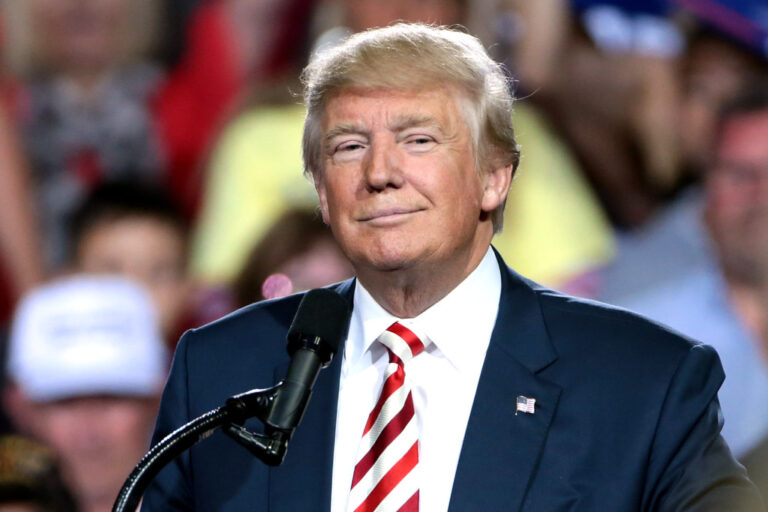
Is Trump Pushing US Toward Authoritarianism?

Key Takeaways

  • A former federal prosecutor warns that Trump authoritarianism is speeding up in America.
  • Trump’s remark about some people wanting a dictator raised serious concern.
  • Deploying armed National Guard troops in D.C. suggests growing militarization.
  • A new executive order could let Trump call up the Guard anywhere nationwide.
  • Experts say citizens must act now to protect democracy before it’s too late.

Many are asking if we’re sliding into a dangerous place. Former prosecutor Joyce Vance says yes. She studied Trump’s words and actions and spotted a clear pattern. In fact, she thinks Trump authoritarianism is no longer a distant threat. Instead, it is happening right now.

How Trump Authoritarianism is Growing

Joyce Vance watched as Trump spoke in the Oval Office. He called Chicago a “killing field” and then added, “A lot of people are saying maybe we’d like a dictator.” He quickly claimed, “I don’t like a dictator. I’m not a dictator. I’m a man with great common sense and a smart person.” However, Vance saw more than a gaffe. She saw a troubling shift.

The Warning from a Former Prosecutor

Vance served as a federal prosecutor for years. Now she works as a legal analyst for journalists. Because of this, she tracks when politics cross into legal danger. Moreover, she believes the rules Trump once claimed to respect are now slipping away. She told readers that we are in a “dangerous moment.” Therefore, everyone must pay attention.

Trump’s Dictator Comment

At first glance, the remark may seem like a slip of the tongue. However, it goes deeper. Trump said some Americans want a dictator. Then he tried to backtrack. Yet, the damage was done. This moment showed that talk of dictatorship can move from fringe conversations into the White House. Consequently, Vance warns against ignoring such talk.

Militarization and National Guard Orders

Next, Vance pointed out the armed National Guard troops in Washington, D.C. She said Trump is normalizing military force on U.S. soil. Also, he signed an executive order that expands how he can use the Guard across the country. In other words, he gains more power to call out troops at will. Vance calls this “Trump authoritarianism in action.”

Signs of Trump Authoritarianism in Action

Vance argues that Trump mixes truth and lies to suit his goals. For example, he claims crime is surging even when statistics say it is dropping. When people challenge him, he labels them as frauds. In fact, he treats any data that conflicts with his message as fake. This pattern shows he values power over honesty.

Moreover, Vance says Trump creates crises to justify more control. He declares national emergencies or warns of “invasions.” Then he uses those claims to grab more authority. This approach fits the playbook of an autocrat. It also weakens the checks and balances our Constitution promises.

Why This Moment Matters

At this crossroads, Americans face a choice. If we ignore these signs, we risk letting just one person hold too much power. Vance stresses that Trump authoritarianism is not just about one tweet or speech. It is a larger plan to expand his control over military forces and the rule of law. Therefore, she urges all citizens to understand what is happening.

Vance writes that Trump “trumps up excuses” to seize power. Furthermore, she reminds us that this path is accelerating. It does not stop at deploying National Guard troops in the capital. Instead, it grows through executive orders and unchecked claims of security threats. Also, it thrives when people look away or choose to believe comforting lies.

What We Can Do to Protect Democracy

First, talk to your friends and family. Share these concerns in clear, honest conversations. Second, stay informed. Follow reliable news and avoid sources that mix facts with fear. Third, vote. Your voice matters in local and national races. Finally, hold leaders accountable. Ask questions at town halls or write to your representatives.

In short, democracy needs active care. It does not thrive on apathy or silence. As Vance warns, this is the time for serious talks and strong actions. If we all do our part, we can slow down any move toward autocracy.

Frequently Asked Questions

What exactly is Trump authoritarianism?

Trump authoritarianism refers to moves that concentrate more power in one person’s hands. It includes steps like using strong military displays, bending rules, and spreading false emergencies.

Why did Joyce Vance raise the alarm now?

Vance saw a mix of troubling events: Trump’s dictator comment, National Guard deployments, and a new executive order. Together, she believes they signal a real threat to democratic norms.

Can National Guard troops be used anywhere in the U.S.?

Normally, governors control their state’s Guard troops. However, Trump’s new order could let the president deploy them nationwide without usual checks.

How can citizens help protect democracy?

Citizens can talk openly about these risks, stay informed with reliable news, vote in every election, and keep pressure on elected officials to follow the rule of law.

Why Did Trump Criticize South Korea?

0

Key Takeaways

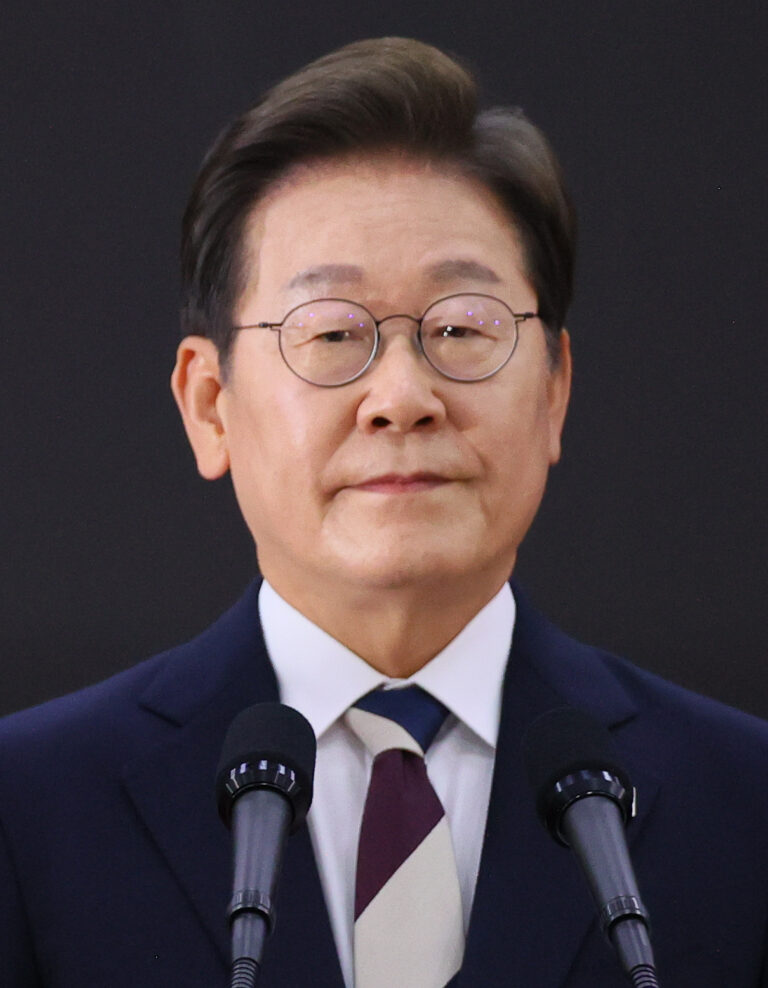
  • Donald Trump stunned viewers by making South Korea criticism during a meeting with President Lee Jae Myung.
  • He accused South Korea of political and religious persecution and mass executions.
  • MSNBC hosts reacted with confusion and surprise at his statements.
  • Experts say this topsy-turvy approach reveals an unpredictable foreign policy style.
  • The unexpected South Korea criticism raises questions about U.S.-ROK relations.

Surprising South Korea Criticism from Trump

Donald Trump met South Korean President Lee Jae Myung in the Oval Office. Instead of praising his guest, Trump made harsh claims about South Korea. His words shocked a panel on MSNBC’s Morning Joe. They had expected praise or friendly talk. Instead, Trump launched into a South Korea criticism that left hosts speechless.

What Fueled Trump’s South Korea Criticism?

Trump has often praised North Korea’s Kim Jong-un. Yet, this time, he blamed South Korea for the worst abuses. He said people face mass executions and religious persecution there. Moreover, he claimed the government treats political opponents like criminals. Such South Korea criticism stands in stark contrast to past U.S. support for its ally.

The Oval Office Confusion

Before the meeting, Trump spoke about freedom and human rights. However, he targeted South Korea instead of North Korea. His comments confused many, including his own press aides. They had prepared positive talking points to highlight the U.S.-South Korea alliance. Yet Trump ignored them and shifted the focus. As a result, the event turned awkward.

MSNBC Panel’s Reaction

During Morning Joe, Jonathan Lemire summarized Trump’s remarks. He noted that the president spent days bashing South Korea. Then co-host Joe Scarborough interrupted in disbelief. “In Korea?” he asked. Lemire confirmed, “In South Korea.” Scarborough couldn’t hide his shock. He asked if people got “fed to the dogs” just because they disagreed with leaders. Lemire repeated Trump’s claim: “There are mass executions of political foes.” Their stunned reactions highlighted the oddity of the South Korea criticism.

Why This Matters for U.S.-ROK Relations

First, South Korea is a key U.S. ally. Joint military drills and free trade agreements bind the two nations. Next, any harsh words can strain trust between presidents. Moreover, U.S. troops station in South Korea to deter North Korean threats. If Washington criticizes Seoul, it may weaken the deterrent. Furthermore, South Korea faces real division with North Korea. U.S. support remains vital for peace and stability. Finally, erratic comments may confuse both allies and adversaries. This could embolden North Korea instead of containing it.

A Topsy-Turvy Foreign Policy

Trump’s tendency to praise dictators and criticize allies has long drawn scrutiny. His South Korea criticism adds another twist. On one hand, he labels long-time friends as weak or corrupt. On the other, he calls notorious dictators “very smart” or “strong.” Consequently, allies worry about unpredictable U.S. positions. At the same time, rivals may see this as an opportunity to advance their agendas.

How Leaders Might Respond

South Korean officials have yet to respond publicly to Trump’s remarks. However, diplomats often work behind the scenes to smooth over tensions. They will likely stress the importance of the alliance and shared goals. Meanwhile, U.S. lawmakers may question the president’s strategy. They could hold hearings or issue statements. In turn, global media will watch closely for any shifts in policy.

What Comes Next?

First, expect more careful briefings before high-profile meetings. Staffers will try to steer conversations toward positive cooperation. However, Trump’s unpredictable style may still break through. Second, South Korea will likely reaffirm its commitment to the U.S. partnership. Third, analysts will monitor statements from both presidents. Finally, public opinion in South Korea might shift if the criticism repeats.

Conclusion

Donald Trump’s South Korea criticism has created a stir. His unexpected attack on a key ally left many viewers and experts puzzled. As the U.S. and South Korea work together on security and trade, clear communication remains vital. Ultimately, this event underscores how a single remark can ripple across global politics.

Frequently Asked Questions

Why did Trump target South Korea instead of North Korea?

He may have mixed up facts or aimed to criticize allies to push his foreign policy style. His praise of North Korea’s leader showed a pattern of surprising remarks.

Could this criticism harm U.S.-South Korea relations?

In the short term, it could cause confusion and require diplomatic damage control. However, both governments value their alliance and will likely work to clarify and strengthen ties.

How have South Korean officials reacted so far?

They have not made official statements. Diplomats generally address such issues quietly to avoid public escalation.

What does this mean for future meetings with allies?

Staffers will likely prepare stricter talking points. Yet, unpredictable comments may still emerge. This event highlights the need for vigilance in diplomatic conversations.

Is Trump’s Retribution Getting Out of Hand?

0

Key Takeaways

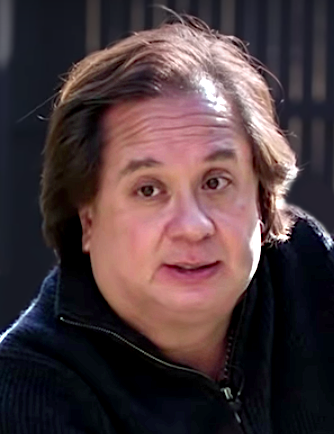
  • George Conway witnessed two events he calls part of Donald Trump’s retribution.
  • FBI agents raided former adviser John Bolton’s home in Bethesda, Maryland.
  • Conway was stuck in traffic during the Bridgegate lane closures.
  • He warns Trump uses the Justice Department to punish critics, calling it authoritarian.
  • Americans should watch for abuse of power that could threaten anyone who speaks out.

Is Trump’s Retribution Getting Out of Hand?

Former federal prosecutor George Conway fears it may be. He watched as President Trump’s use of power seemed aimed at settling scores. Now Conway warns that this retribution could touch anyone who disagrees with the president.

Why Trump Retribution Worries Observers

First, Conway saw FBI agents search John Bolton’s home. Then he was trapped in traffic because of the old Bridgegate scandal being reexamined. Both events, he says, show a pattern of revenge. Trump raises old cases long past the statute of limitations. He points at targets to satisfy his need to win against enemies.

A Raid on John Bolton’s Home

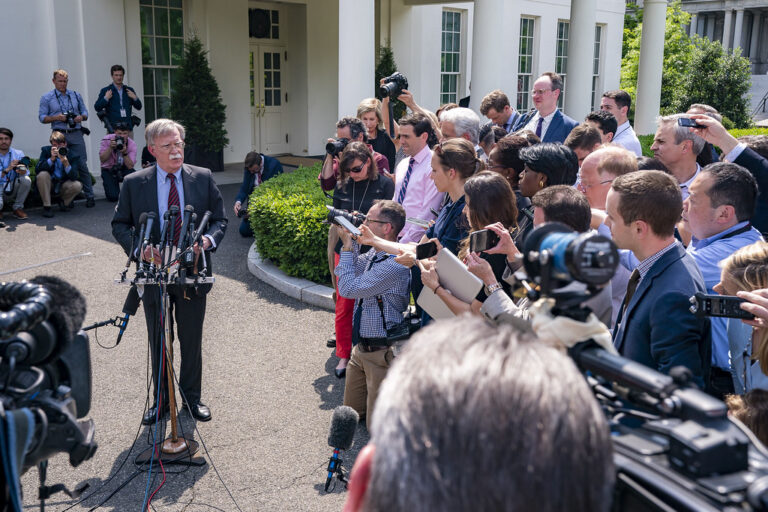
In April, FBI agents arrived at former national security adviser John Bolton’s house. Bolton lives in the same Bethesda neighborhood as Conway. The agents searched for possible criminal charges. Trump denies he ordered it. However, Conway notes that the vice president spoke of “we” again, hinting at White House influence over Justice Department work.

Stuck on the Bridge

Years ago, then-Gov. Chris Christie’s allies closed lanes on the George Washington Bridge to punish a local mayor. That event earned the name Bridgegate. Conway found himself stuck in gridlock when authorities reopened the investigation. He calls it “absurd” to prosecute a case the Supreme Court long ago said was not criminal.

Retribution in Action

According to Conway, these two events show more than a political feud. They reflect Trump’s drive for vengeance. He said, “This is not America. This is authoritarianism.” He fears Trump’s focus on defeating enemies may push the justice system off balance.

What This Means for America

Conway warns that America has never seen a president so ready to use legal power against critics. He spoke with Europeans this year who compared Trump’s tactics to those of past fascist leaders. He urges Americans to wake up. Otherwise, he says, the next target could be any citizen who speaks out.

The Danger of Political Prosecutions

The justice system is meant to be blind and fair. Yet Conway argues that it now answers to the White House. When the vice president uses “we” to discuss prosecutions, it shows politics at work. He says, “The cause of justice has to be independent of politics, and it’s not here.” This shift, he believes, threatens everyone’s rights.

Another Example: Chris Krebs

Conway also pointed to former cybersecurity official Chris Krebs. Krebs contradicted Trump’s false election claims. He now faces federal scrutiny. Conway sees this as another sign of retribution. If speaking the truth lands you under a microscope, no one is safe.

Calls for Action

Conway’s message is clear: Americans must pay attention. He says that living in a free country means enjoying many comforts. Yet, he warns, comforts do not last if power goes unchecked. “We could all be next,” he said. He stresses that this fight isn’t about individuals. It’s about preserving a justice system without fear or favor.

Why Voice Matters

Throughout history, free speech has protected rights and held leaders accountable. But when a leader uses prosecutorial power as a weapon, the line disappears. Conway fears that people will stay silent to avoid punishment. That, he warns, makes true democracy impossible.

How to Guard Against Abuse

Citizens can watch for signs of political prosecutions. They can support independent courts and fair trials. They can demand transparency when investigations reopen past cases. Most importantly, they can keep speaking up. Conway’s warning reminds us that silence helps repression.

Hope for the Future

Despite his warnings, Conway still believes in America’s strength. He points to the country’s long history of checks and balances. Yet, he says, those systems only work if people remain alert. If enough citizens notice and push back, they can stop retribution in its tracks.

Final Thoughts

George Conway’s front-row view of Trump’s retribution tour should serve as a wake-up call. When a leader uses federal power for personal vendettas, every citizen’s right to speak freely hangs in the balance. Therefore, staying informed and engaged is more important than ever.

Frequently Asked Questions

How did Conway witness these events?

He lives near John Bolton’s home and got stuck in traffic during the Bridgegate lane closures. This gave him a close-up view of both investigations.

Why does Conway call it authoritarianism?

He believes using the Justice Department to punish critics breaks the rule of law and mirrors tactics used by authoritarian regimes.

Could these prosecutions affect anyone?

Yes. Conway warns that if political motives drive prosecutions, anyone who speaks out could become a target.

What can Americans do to stop this?

Stay informed, demand transparency, support independent courts, and speak up to protect free speech and fair justice.

Is Mortgage Fraud Shaking Up the White House?

0

Key Takeaways

• Commerce Secretary Howard Lutnick accused Fed Governor Lisa Cook of mortgage fraud without proof.
• Commentators on MSNBC mocked the charges, noting President Trump’s own fraud issues.
• Trump announced he would fire Cook over the unverified claims, but she refuses to resign.
• The controversy raises questions about political attacks and standards for public leaders.

Mortgage Fraud Claims Rock the Administration

In a surprising turn, Commerce Secretary Howard Lutnick echoed President Trump’s push to oust Federal Reserve Governor Lisa Cook over alleged mortgage fraud. Although neither Lutnick nor Trump offered evidence, they insist Cook’s signatures look suspicious. Their outburst sparked fierce debate about accountability and hypocrisy in government.

How Mortgage Fraud Allegations Unfolded

First, President Trump shared a letter on social media claiming he would fire Cook for mortgage fraud. Next, Lutnick went on CNBC and urged Cook to step down if she really committed fraud. Finally, MSNBC hosts Joe Scarborough and Jonathan Lemire highlighted the irony, pointing to Trump’s own recent fraud conviction.

Howard Lutnick’s Bold Attack

During a live interview on CNBC, Howard Lutnick made a stark accusation. He said, “We can’t have mortgage fraud in America, and you surely can’t have it for your leaders.” He then insisted, “Those signatures sure as heck look like hers.” Yet he offered no proof. His strong language echoed Trump’s own criminal case from late 2023.

Moreover, Lutnick warned that any Cabinet member caught in such a scam would face calls for removal. However, he gave no documents or witness statements. Instead, he relied on suspicion and visual comparison. Consequently, his comments drew swift criticism for lacking substance.

Joe Scarborough Reacts to Irony

Meanwhile, MSNBC host Joe Scarborough watched the clip and couldn’t help but laugh. He said, “Irony is dead – yeah, dead, like, bring the flowers, put it on the grave.” In his view, Trump’s attack on mortgage fraud rings hollow given the president’s recent conviction for fraud himself.

Scarborough then compared this to accusing a former national security official of leaking secrets. He suggested it felt absurd to see Trump lecturing someone else about fraud. After all, the public still recalls the fraud ruling against him from last year.

Jonathan Lemire Joins the Critique

Next, co-host Jonathan Lemire added his take. He noted that the mortgage fraud theme often emerges when Trump targets his critics. For instance, he once claimed New York’s attorney general committed similar fraud. Then, he floated the idea about Senator Adam Schiff. Lemire pointed out that none of those claims ever had real proof either.

In Lemire’s words, “They use mortgage fraud as a political weapon.” He implied such tactics aim to distract and smear rather than expose genuine wrongdoing. Consequently, many viewers began to question the motives behind Lutnick’s statements.

Trump’s Move Against Lisa Cook

After Lutnick’s appearance, Trump’s letter went live on social media. In it, he declared that Cook’s term on the Federal Reserve Board of Governors would end immediately. However, Cook denied all allegations. She said she had done nothing wrong and would not resign.

Furthermore, Cook asserted that the president has no legal basis to remove her. The Federal Reserve Act gives governors fixed terms, and the law only allows removal for cause. Therefore, Trump’s order appears to lack legal standing. This added another layer of complexity to the conflict.

What Happens Next?

At this point, Cook remains in her role. She has the law on her side and the Fed’s backing. Meanwhile, Trump and Lutnick face questions about their approach. Critics argue they are weaponizing false claims to achieve political goals. Supporters, however, see it as holding officials to a high standard.

Ultimately, the dispute will likely end up in court or in official hearings. If Cook challenges her removal, a judge could decide whether Trump’s order is legal. In the meantime, public trust could erode further. People may grow weary of unproven attacks and double standards.

Legal Hurdles and Political Fallout

One key issue is whether a president can fire a Fed governor at will. Most experts say no. Fed governors serve fixed 14-year terms and can only be removed for cause. This protects the Fed’s independence from political pressure. Thus, Cook’s legal team has strong grounds to contest Trump’s move.

Politically, the clash could backfire on Trump. Many Americans view the Federal Reserve as a neutral body that sets interest rates and guides monetary policy. Attacking one of its governors for political reasons might seem heavy-handed. Also, it risks undermining confidence in the Fed.

In addition, the episode underscores broader concerns about accountability. If leaders accuse others of crimes they themselves have been convicted of, it blurs the lines between justice and politics. Moreover, such tactics can erode public faith in institutions.

Understanding Mortgage Fraud Claims

Mortgage fraud happens when someone lies or hides information to get a home loan. For example, they might overstate their income or fake documents. It can harm banks, homebuyers, and the economy. Therefore, it is a serious crime when it truly happens.

However, making false mortgage fraud claims is also dangerous. It can wreck reputations and distract from real issues. In this case, the lack of evidence against Cook makes the claim seem like a political smear. Thus, the public and media have raised alarms about fairness and justice.

Lessons for the Future

First, evidence matters. Leaders should present facts before making serious accusations. Second, independence matters. Institutions like the Federal Reserve need protection from political pressure. Third, accountability matters. Public officials should face the same standards they demand from others.

Transitioning away from baseless attacks could restore trust. Ultimately, transparent investigations and respect for the law benefit everyone. If the truth prevails, it can strengthen democracy. Otherwise, the culture of unverified claims might only grow more toxic.

FAQs

Can the president fire a Federal Reserve governor for any reason?

No, Fed governors have fixed terms and can only be removed for valid legal cause. Political disagreements do not count as cause.

What exactly is mortgage fraud?

Mortgage fraud involves using false information to secure a home loan. Common examples include lying about income or altering documents.

Why are commentators calling this ironic?

They point out that President Trump was convicted of fraud in 2023, yet he now accuses someone else of mortgage fraud without proof.

What could happen next in this dispute?

Lisa Cook may challenge her removal in court. A judge will likely decide if the president had legal grounds to fire her.

What’s Behind Trump’s Federalist Society Feud?

0

Key Takeaways:

  • President Trump has openly clashed with the Federalist Society over judges.
  • Democrats are thrilled by the right-wing fight.
  • Republican senators show little interest in the dispute.
  • The feud could shape future judicial nominees.
  • Tensions reveal a shift in Trump’s pick strategy.

President Trump recently criticized the Federalist Society, a conservative legal group. He blamed them for pushing judges who did not always side with his views. His comments on Truth Social surprised many in Washington. They also hinted at possible changes in how Trump picks judges.

Trump and the Federalist Society Split

The fight began after a federal court blocked Trump’s new tariffs. Frustrated, he turned on the Federalist Society. He claimed he once relied on them for judge recommendations. Then he wrote that a leader named Leonard Leo “probably hates America” and hurt Trump’s goals.

Leonard Leo is a top fundraiser for conservative groups. He helped shape the federal bench during Trump’s first term. Despite Trump’s public attack, Leo praised the president for court changes. He simply told reporters he was “very grateful for President Trump transforming the federal courts.”

Meanwhile, Democrats watched the dispute with delight. Senator Sheldon Whitehouse called the fight “delicious.” He said it showed that the Supreme Court was “captured” by corporate interests. Senator Jeff Merkley added that the Federalist Society built a court favoring the rich and big companies.

Impact on Judges from the Federalist Society

Under Trump’s first term, 234 judges won Senate approval. Many had ties to the Federalist Society. Since President Biden took office, 235 judges got confirmed. Now, few vacancies remain. That partly explains why Trump’s latest nominees face delays.

An Associated Press review found that half of Trump’s recent picks held anti-abortion views. Some had worked with anti-abortion groups or defended abortion laws. These picks fit the trends the Federalist Society supported. Yet Senators worry about Trump’s new litmus test. Senator Dick Durbin said Trump now looks for judges who “will serve him personally.” He added that the Society sometimes “disappoints” Trump.

Why Trump Broke With the Federalist Society

Trump’s split reveals deeper tensions. He once praised the Koch brothers’ groups. They opposed him in 2016. But after he promised to choose judges from the Federalist Society list, they backed him. Senator Whitehouse said that deal gave the Koch network influence over court picks.

Now Trump claims he was the “chump” in that scheme. He suggests the Kochs and Leonard Leo steered his nominees to favor billionaires. He also implied the Federalist Society hid its real agenda. As a result, he feels betrayed and wants new advisors.

Senators Shrug at the Federalist Society Feud

Most Senate Republicans avoid the fight. They say it does not affect their work. When asked about Trump’s spat with the Federalist Society, Senator Tommy Tuberville replied, “Who? I don’t keep up with that.” Senator Chuck Grassley said he knew nothing about the feud.

With few vacancies left, some senators focus on other issues. They continue approving judges without taking sides in Trump’s dispute. For now, they treat the clash as a private battle among conservatives.

What Comes Next for Judicial Nominations?

Even with the public rift, Trump keeps sending names to the Senate. On August 12, he added five more nominees. The next steps are committee hearings and floor votes. Republicans hold a narrow majority, so each vote counts.

If Trump truly abandons the Federalist Society’s list, he may pick new types of judges. He might favor loyal allies over proven conservatives. That could lead to more unpredictable court decisions. Democrats will watch closely for any shifts in rulings on big issues like abortion and corporate power.

As a result, this feud could reshape the judiciary for years. It may weaken the Federalist Society’s grip on the bench. Or, it could push Trump to build a new network of advisers. Either way, the fight highlights a growing divide among America’s right-wing legal groups.

Frequently Asked Questions

What is the Federalist Society?

The Federalist Society is a conservative legal group founded in 1982. It vettes and promotes judges who favor limited government and free markets.

Why is Trump upset with the Federalist Society?

Trump says the group, and its leader Leonard Leo, steered him toward judges who did not back his goals. He feels they betrayed him.

How could this feud affect future judges?

If Trump ignores the Federalist Society list, he may pick judges based on loyalty. This shift could lead to different court rulings.

Will this fight change Supreme Court decisions?

It might. New judges without Society ties could rule more unpredictably on issues like abortion, regulation, and business law.

Did Trump Order the Bolton Raid?

0

Key Takeaways:

• Miles Taylor doubts Trump’s claim that he knew nothing about the Bolton raid.
• Taylor warns Trump uses government power to punish his critics.
• Focus should be on possible abuse of power, not just Bolton’s actions.
• Taylor highlights Trump’s past comments about acting like a dictator.
• The debate raises concerns about the rule of law in the United States.

The controversy over the Bolton raid

Last week, federal agents searched former National Security Adviser John Bolton’s home. This search is part of an investigation into whether he mishandled classified materials. Donald Trump claims he knew nothing about the Bolton raid until it happened. However, former Homeland Security official Miles Taylor strongly disagrees.

Why Miles Taylor doubts Trump’s claim

Taylor said on a news show that he cannot believe Trump was unaware. He noted that Trump calls himself the “chief law enforcement officer” of the nation. Moreover, Trump has shown a deep interest in going after his critics. In recent days, Trump had lunch with a former aide, Kash Patel, and spoke often about John Bolton. Taylor argues it stretches belief that Trump had no idea a major FBI operation was in the works.

Taylor’s bartender analogy

Taylor offered a simple analogy to explain his point. Imagine a bartender poisons someone’s drink. Afterward, people ask if the person forgot to pay their bill. The real issue is the poisoning, not the unpaid tab. In this case, the focus on Bolton’s alleged mistakes distracts from whether Trump used federal resources to target an enemy.

Trump’s response and actions

When Taylor wrote a critical opinion piece in 2018, Trump hit back hard. He signed a memo to investigate Taylor for treason. He also revoked Taylor’s security clearance. Trump’s moves show he takes criticism personally and is quick to use official power against critics.

The focus on power over procedure

Taylor stressed that the practical details of Bolton’s case are secondary. Instead, the nation should ask whether a president ordered the federal government to hunt down an alleged crime by a political rival. As Taylor put it, the real danger lies in weaponizing government agencies against enemies.

Concerns about dictator-like behavior

Taylor pointed out that Trump has publicly fantasized about having total authority. Years ago, Trump said the president’s power must be “total.” Since then, he has repeatedly expressed admiration for foreign dictators. Taylor said those conversations in private make him worry.

Dictator talk isn’t just talk

Many brushed off Trump’s harsh language as mere rhetoric. For example, Trump once said he would lock people up. He also mentioned sending troops into cities. Critics warned those statements were signs of authoritarian leanings. Now, actions such as the Bolton raid raise concerns that those warnings were valid.

The wider risk to the rule of law

When a leader uses government agencies to punish enemies, the rule of law suffers. Citizens may lose trust in fair treatment. Institutions designed to check power can weaken. Taylor’s warning is that if this pattern continues, American democracy itself could be at risk.

Transitioning from debate to action

Critics argue that Congress and the courts must step in. They need to review how investigations are initiated. They must ensure no president can direct an FBI or Justice Department probe for personal reasons. As a result, stronger safeguards might emerge.

Public reaction and political fallout

After learning about the Bolton raid, many Americans felt uneasy. Polls show a split: some trust Trump, others fear abuse of power. Meanwhile, news outlets continue to ask if more raids will target other former aides or critics. The uncertainty keeps the topic in headlines.

Why this matters to ordinary citizens

You might think political disputes happen far from daily life. Yet the principle involved hits every citizen. If a leader can use state power to settle scores, anyone could become a target. Therefore, people care deeply about the outcome of this debate.

What to watch next

Observers are watching several fronts. First, legal filings in Bolton’s case may reveal more details. Second, Congress may hold hearings to probe the Justice Department’s independence. Finally, public opinion could sway upcoming elections. Each factor will shape how power is checked in the future.

Putting trust back in institutions

If confidence in legal institutions drops, democracy weakens. To rebuild trust, law enforcement must act transparently. Leaders must respect boundaries between personal agendas and official duties. Only then can the public feel safe that laws apply equally to all.

Conclusion: A test for democracy

The question of who ordered the Bolton raid goes beyond one man. It tests the balance between power and accountability. As the debate unfolds, Americans will gauge whether their democracy can withstand such challenges. In the end, the real victory lies not in confirming a single order. It rests in upholding the principle that no one—especially a president—is above the law.

Frequently Asked Questions

Why did federal agents search John Bolton’s home?

Agents searched Bolton’s home to investigate claims that he mishandled classified documents after leaving office.

What is Miles Taylor’s main concern?

Taylor worries that the president may use federal agencies as weapons against his critics, threatening the rule of law.

Has Trump ever shown interest in acting like a dictator?

Yes. Trump made public comments praising total presidential power and admired foreign dictators in private.

What could happen if leaders misuse law enforcement for personal reasons?

If leaders target enemies with official power, public trust in institutions can erode, risking democratic stability.

Is Valentina Gomez’s Quran-burning Ad Crossing the Line?

0

Key Takeaways:

• Valentina Gomez released a shocking ad burning the Quran to rally support.
• The ad uses strong anti-Islam language and flamethrower imagery.
• Social media critics warn this could spark real violence.
• Texas GOP faces pressure over her hateful campaign tactics.
• The controversy may affect her bid against Rep. John Carter.

Valentina Gomez’s Controversial Campaign Ad

Valentina Gomez stunned viewers with a new campaign ad. In it, she pours lighter fluid on a copy of the Quran. Then she ignites it with a flamethrower. Gomez vows to “stop Islam once and for all” in Texas. She even tells Muslims to “go f— off” to “any of the 57 Muslim nations.” A song by Ye plays in the background. Now people everywhere are reacting with outrage.

As a loyal supporter of President Trump, Gomez uses bold stunts. Yet most agree her latest video goes too far. Critics call it hate speech and incitement to violence. In addition, many wonder how this will affect her run for Congress. After all, she hopes to unseat Rep. John Carter.

Why Valentina Gomez Burned the Quran

Gomez has built her brand on provocative rhetoric. She first ran for Missouri secretary of state. That race ended in failure. Undeterred, she launched a bid in Texas earlier this year. Now at age 25, she calls herself “America First-MAGA.” She says strong actions win elections. Therefore, she chose a flaming book to grab headlines.

Moreover, Gomez argues she defends free speech. She claims all ideas deserve scrutiny, even sacred texts. Nevertheless, many believe her stunt crosses into hate. Burning the Quran carries deep hurt for Muslims. It also echoes past attacks on religious sites. As a result, many fear this ad could inspire real violence.

Reactions from Social Media and Critics

Online responses poured in within hours. Khalissee, an alternative media reporter, slammed Gomez for calling to “murder all two billion Muslims.” Another critic warned that mosques might burn because of her words. He wrote that her video was the match and her party handed her the lighter.

Dilly Hussain, a UK news editor, called the ad “desperate.” He labeled Gomez “low IQ” and said she overcompensates to gain attention. Brian Allen, a podcast host, argued the video meets the legal standard for incitement. He warned that hateful actions often lead to real harm.

On the other hand, some hard-line supporters cheered the ad. They praised Gomez’s bold challenge to political correctness. In their view, she speaks truth to power. Yet these voices remain a minority online. Most mainstream figures condemned her actions immediately.

Potential Real-World Consequences

When a public figure incites hate, the fallout can be severe. Historically, attacks on holy books trigger vandalism and violence. Consequently, civil rights groups worry about threats to Muslim communities. They fear extremists will see Gomez’s ad as permission to act.

In addition, local law enforcement now tracks any rise in hate crimes. If mosques or Islamic centers face arson or vandalism, many will trace the spark back to this video. Thus, Gomez’s stunt could leave a dangerous legacy beyond campaign headlines.

Impact on Texas GOP and the Race

Texas Republicans now face a tough choice. Some have condemned Gomez’s ad. Others remain silent, fearing backlash from the party base. Meanwhile, Rep. John Carter has yet to address the controversy directly. His campaign team may use this moment to highlight Gomez’s extremism.

With early polls showing a tight race, every vote counts. Independents and moderate Republicans might turn away after seeing the ad. As a result, Carter could gain ground by stressing unity and respect for all faiths.

Nevertheless, Gomez hopes to rally the most fervent MAGA supporters. She believes bold stunts energize a loyal base. However, many experts warn that too much hate can alienate undecided voters.

Final Thoughts

Valentina Gomez’s Quran-burning ad shows the power and danger of campaign theatrics. While she aimed to shock and grab attention, her message risks fueling real violence. As the election draws near, voters must weigh her bold tactics against the need for respectful political debate. In the end, the outcome will reveal whether such extreme stunts help or hurt her chances.

Frequently Asked Questions

What laws address burning religious texts?

Laws vary by state, but most U.S. free speech protections allow book burning. However, if it incites violence, prosecutors can step in under hate crime statutes.

Could this ad lead to charges of incitement?

Possibly. Legal experts say urging violence against a protected group crosses the line from free speech to incitement.

How might this affect Valentina Gomez’s election chances?

Her ad could energize her core supporters but scare off moderates and independents. Polls will show if the tactic pays off.

What can communities do to prevent hate crimes after this ad?

Community leaders can boost security at Islamic centers. They can also promote interfaith events to show solidarity and discourage violence.

Is the Trump Takeover Reshaping America?

0

Key Takeaways

• The Trump takeover shows a shift from party politics to one person’s control.
• Trump plans to use the Army, National Guard, and ICE in Democratic cities.
• He pushes states to redraw maps to favor Republicans in 2026.
• He targets critics, universities, and media to silence opposition.
• His economic moves include threats to the Fed, corporate scorecards, and special trade deals.
• Businesses worry about risks, raising the chance of rising prices and slow growth.

How Does the Trump takeover Differ from Past Politics?

In the past, American politics split between conservatives who wanted small government and progressives who wanted more safety nets. However, the new battle is not about old Left or Right labels. Instead, it centers on one man’s effort to control nearly every branch of government and big parts of the private sector. This personal power grab—or Trump takeover—looks very different from simple party contests. Moreover, it sends a clear warning that no institution may be safe from direct political influence.

First, Trump plans to station federal forces in cities led by his opponents. Then, he urges Republican states to draw voting maps that lock in his party’s power. Finally, he moves to silence critics in media, academia, and law. Altogether, these steps form a blueprint for how he might run the country if he wins again.

Military Moves and Political Power

Trump has suggested sending the Army, the National Guard, and immigration agents into cities with Democratic leaders. He describes these actions as “dress rehearsals” for future elections. Meanwhile, he pressures red states to super-gerrymander districts. By packing more Republican voters into each district, he hopes to squeeze out Democratic seats in Congress. Therefore, his plan is to lock in GOP control of the House after the 2026 midterms.

Such moves break with long-held American norms. Normally, elections reflect voters’ choices, not top-down commands. In contrast, the Trump takeover treats power as a zero-sum game. If the other side wins, it must be crushed. This shift worries many who value fair elections and local control.

Personal Control Under the Trump takeover

Beyond politics, Trump seeks to dominate the U.S. economy. For instance, he has criticized the Federal Reserve Board and threatened its chair. He even spread unflattering stories about Fed officials’ housing loans and office costs. This public pressure ranks above any formal legal power. It shows how a Trump takeover can bend independent agencies to his will.

Furthermore, Trump made special deals with big industries. He granted chip makers Nvidia and AMD permission to sell to China—only if they pay 15 percent of their China profits to the U.S. government. Notably, Trump owns significant Nvidia shares. Likewise, he converted nearly $11 billion in Intel grants into a 10 percent government stake. Such moves may let him pick Intel’s CEO. This level of direct interference has no real precedent in American history.

Targeting Critics and Institutions

In addition to economic levers, Trump is moving against voices that disagree with him. He warns universities, museums, law firms, and news outlets that criticism could lead to punishment. He aims to prosecute high-profile critics like Adam Schiff and John Bolton. By doing so, he sends a chilling signal that dissent may carry legal risks.

Moreover, his administration created a “loyalty scorecard” for corporations. Companies rated as friendly—like Uber, Delta, and Cisco—stand to gain tax and regulatory favors. Those with low scores risk lawsuits, harsh rules, or punitive executive orders. Consequently, businesses face a stark choice: support Trump or face possible retribution. This style of governance stands in sharp contrast to rule-by-law ideals.

Why Corporations Are Nervous

Before backing Trump’s initiatives, many tech giants faced federal investigations. Now, those probes are being dropped. Lawyers and executives know that shifting loyalties can bring rewards or penalties. Therefore, they may hesitate to speak out or invest in new ventures.

In addition, Trump’s import taxes arise from one-on-one negotiations with foreign governments and big U.S. firms. So far, these deals have attracted over a trillion dollars in investments to America. Yet who will oversee that money? Unsurprisingly, Trump wants full control. Such uncertainty leaves businesses wary of long-term projects in the U.S.

The Risk of Stagflation

When leaders intervene so directly in markets, supply and demand take a back seat to political deals. Authoritarian regimes often build giant bureaucracies to do this. However, the Trump takeover relies on personal orders. As a result, private investors fear sudden changes and higher borrowing costs. Global lenders may charge the U.S. extra interest to cover political risk.

These conditions set the stage for stagflation—rising inflation combined with sluggish growth. Companies might hold off on expanding, while prices climb. If this scenario unfolds, it could undercut the economic stability that Trump claims to champion. In effect, his own policies could become his undoing.

Could the Economy Topple This Takeover?

Despite the bold moves, unchecked power carries its own dangers. When economic actors lose confidence, they pull back. They build up cash reserves, delay new factories, and limit hiring. Consequently, growth slows and prices rise. Such an outcome would harm everyday Americans more than abstract political battles.

Furthermore, higher interest rates could follow as lenders protect themselves. Home loans, car loans, and business loans might all become pricier. In turn, consumer spending could dip and job creation could stall. Thus, the economy itself may serve as a brake on the Trump takeover.

Ultimately, this struggle is about more than elections. It concerns who decides our future—the people or a single leader. If economic turmoil grows too severe, even loyalists may rethink their support. In the end, power that rests on fear and uncertainty may collapse under its own weight.

Answers to Common Questions

How does the Trump takeover affect local elections?

By urging the use of federal forces in certain cities and pushing gerrymandered maps, it seeks to tilt election results toward Republicans.

What are the main economic risks of this takeover?

Direct political control over industries can scare off investors, raise borrowing costs, and spark stagflation.

Can courts or Congress block these personal power moves?

In theory, yes. But if the takeover succeeds in controlling who enforces laws, legal checks may weaken.

Why might Trump’s economic strategy backfire?

When businesses and lenders fear sudden policy shifts, they pause investments. This can slow growth and push up prices, hurting the economy.

Will Alex Acosta Reveal Epstein Deal Secrets?

Key Takeaways:

• Alex Acosta will testify before Congress about the Epstein plea deal.
• Lawmakers want to know why federal charges became state charges.
• The deal gave broad immunity to known and unknown co-conspirators.
• Victims did not receive required notification of the agreement.
• Ghislaine Maxwell is appealing based on that immunity clause.

Introduction

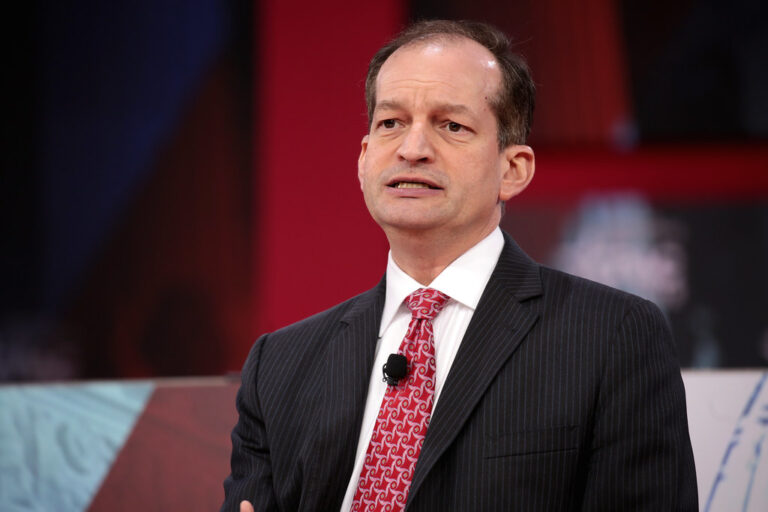
Former U.S. Attorney Alex Acosta agreed to speak to Congress about the controversial plea deal he made for Jeffrey Epstein in 2008. Many people call it a “sweetheart deal” because it let Epstein avoid serious federal charges. Now lawmakers from both parties will question Acosta on key parts of that agreement. They hope his answers will explain how Epstein could commit more crimes until his later arrest. Moreover, they want to know if the deal broke any rules or harmed the victims.

Why Alex Acosta’s Testimony Matters

Alex Acosta led the U.S. Attorney’s Office in Miami when federal lawyers stepped into a state case against Epstein. Instead of clear federal charges, Epstein pleaded guilty to a few state counts. Therefore, he got a light sentence and avoided prison time. Since then, people have wondered why the feds backed off federal charges. Now that Acosta will testify, he must explain that legal choice. His testimony could change how such cases get handled.

The Unusual Plea Deal

At first, local prosecutors in Palm Beach charged Epstein in state court. Soon after, federal agents grew concerned. Then Alex Acosta’s office took over and crafted a secret non-prosecution agreement. Under that deal:

• Epstein pleaded guilty only to state charges.
• He served just 13 months with work release.
• He avoided federal sex trafficking charges.

This approach shocked legal experts. Federal prosecution normally leads to stronger sentences. However, Acosta’s team chose to stick with lighter state counts. To this day, no one has heard a clear reason for that choice.

Immunity Questions and Maxwell Appeal

Another big issue is immunity for Epstein’s associates. Acosta’s 2008 deal granted immunity not only to known co-conspirators but also to any unknown ones. Therefore, anyone linked to Epstein in the future would be shielded. Ghislaine Maxwell now uses that clause in her Supreme Court appeal. She argues that the deal protects her from prosecution. Consequently, she asks for a new trial or dismissal. If the court agrees, Maxwell might avoid conviction. Lawmakers will ask Acosta why his office gave such broad immunity.

Victim Notification Concerns

Federal law requires that victims get notice when prosecutors make such deals. Yet Epstein’s known victims did not learn about the non-prosecution agreement at the time. Victim advocates say this broke their rights and could have harmed their chance to seek justice. As a result, lawmakers will press Acosta on why the office didn’t inform the victims. They will ask if he knew about these requirements and if he chose to ignore them. Victims deserve answers and respect under the law.

What Congress Will Ask Alex Acosta

When Alex Acosta takes the stand, he will face tough questions on several fronts. First, lawmakers will ask why the federal office dropped federal charges in favor of state ones. Next, they will probe the decision to grant sweeping immunity. They will want to know if that was common practice. Then, they will demand to know why victims were left in the dark. Finally, they will ask if anyone else approved the secret deal. Through careful questioning, Congress hopes to learn how the plea deal came together and who signed off on it.

Impact on Future Prosecutions

This hearing could change how prosecutors handle sex trafficking cases. If lawmakers find that Acosta’s deal broke rules or hurt victims, they may pass new laws. Such reforms could stop secret deals that avoid federal charges. Furthermore, victims might gain stronger rights to notice and input. Prosecutors could also lose power to use broad immunity without oversight. In the end, this hearing might boost transparency and fairness in high-profile cases.

Conclusion

Alex Acosta’s upcoming testimony on Capitol Hill marks a critical moment for justice in the Epstein case. Lawmakers will seek answers on why he struck a lenient deal, how immunity was granted, and why victims were not informed. Their findings could reshape future federal prosecutions and strengthen victims’ rights. As Acosta speaks, the nation will watch closely to see if he clears up the lingering questions around one of the most controversial plea deals in recent memory.

Frequently Asked Questions

Why is Alex Acosta testifying before Congress now?

He agreed to speak after pressure over the secret plea deal that spared Epstein federal charges. Lawmakers want details on how that arrangement happened.

How did the 2008 deal protect co-conspirators?

The agreement gave immunity to both known and unknown associates. This clause shields anyone linked to Epstein from future federal prosecution.

What rights did Epstein’s victims lose?

Victims did not receive the required notice about the non-prosecution agreement. Federal law mandates that victims get informed and can voice input on deals.

Could Alex Acosta face consequences?

If lawmakers find he broke rules or violated victims’ rights, they may propose legal reforms or hold him accountable through oversight.