57.7 F
San Francisco
Wednesday, April 1, 2026
Home Blog Page 576

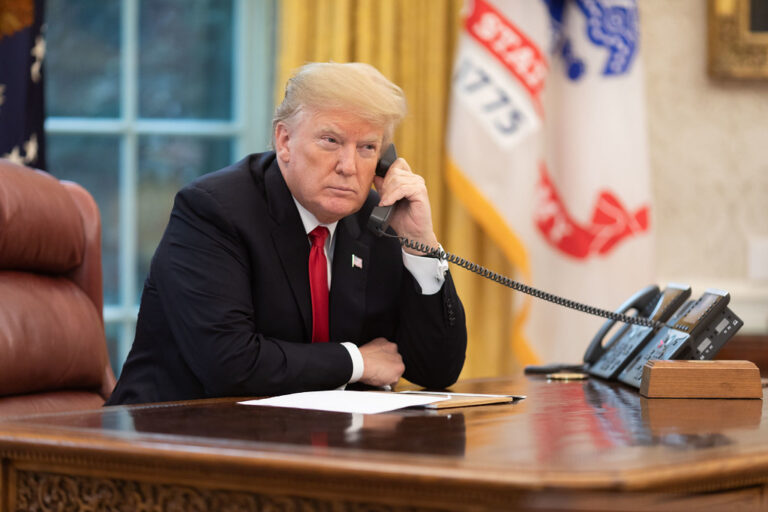
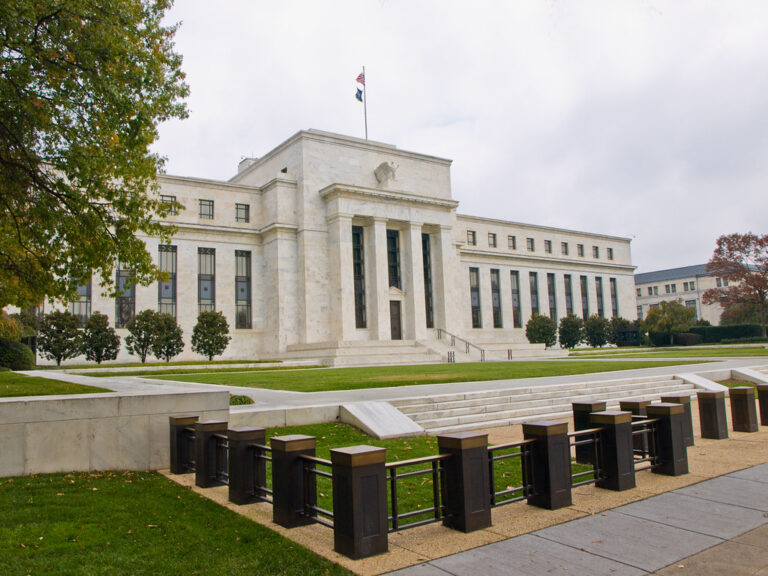
Is Trump Threatening Fed Independence?

0

Key takeaways:

  • President Trump ordered the firing of Fed governor Lisa Cook over unproven mortgage fraud claims.
  • Commentator Erick Erickson warns this action threatens the Fed’s independence and skips due process.
  • Experts see Trump’s move as a push to lower interest rates by intimidating central bankers.
  • Undermining Fed independence could hurt the economy and break legal protections.

In a late-night order, President Trump asked that Federal Reserve governor Lisa Cook be removed from her role. He based this order on an unproven mortgage fraud claim. Cook refuses to leave, pointing to Fed rules that protect the central bank’s independence. Republican strategist Erick Erickson, who often backs Trump, criticized the move online. He said firing a Fed official without a legal finding of guilt undercuts our system. Many experts agree that this signals an attack on Fed independence. They worry that if Trump succeeds, central bankers will fear political pressure when setting interest rates.

Why Trump tried to fire Lisa Cook

President Trump’s push to fire Lisa Cook surprised many. First, he cited a claim by Bill Pulte, his housing finance director, that Cook committed mortgage fraud. Yet no investigation or trial has confirmed those allegations. Second, Cook has not been charged or given a chance to defend herself in court. Third, experts believe Trump really wants lower interest rates. He has publicly asked the Fed to cut rates to boost the economy and his reelection chances. By targeting a Fed governor, Trump may hope to scare the entire Board of Governors into doing his bidding.

Therefore, critics say Trump’s action is about control, not fraud. They argue that firing a Fed official over a hanging accusation undermines central bank rules. Moreover, the Federal Reserve Act says that governors can only be removed for cause. That means they must break some law or fail to meet their duties. Without a proper investigation, Cook’s case does not meet that standard. Consequently, Trump’s order has led to questions about the legal basis for removing her.

Erick Erickson’s warning

Erick Erickson stepped into the debate with strong words. He posted on X that firing Cook without due process is unwise. He noted that the presumption of innocence is a key part of American law. Erickson wrote that overseeing the Fed demands a higher legal threshold. He compared Cook’s situation to calls for Supreme Court Justice Clarence Thomas to resign over gift allegations. Erickson has defended Thomas before and sees the similarity in due process rights. He argued that setting aside legal standards for political reasons could backfire on all officials.

Moreover, Erickson said that responses praising Trump’s move showed why it is dangerous. He pointed out that “being credibly accused” is not a valid legal reason to fire a government official. He also noted that “I saw a document and her accusers say it is real” fails any court test. He warned that supporters are playing with fire if they ignore legal protections for Fed governors. As a result, Erickson’s post has sparked heated debate among Republicans and independents alike.

What Fed independence means

Fed independence allows the central bank to set interest rates without direct political pressure. This helps control inflation and smooth out economic cycles. For example, if the president could force the Fed to cut rates before an election, it risks higher inflation later. Therefore, legal rules protect the Fed from being influenced by any single politician. Fed independence also gives markets confidence that monetary policy aims for long-term stability, not short-term gains.

Thus, Fed independence is enshrined in the Federal Reserve Act. Governors have fixed terms and can only be removed for cause. In practice, this shields them from firing orders based on policy disagreements. Moreover, the Fed chair and governors work as a team, so no one person can sway decisions alone. Because of these safeguards, central bankers make decisions based on data, not political loyalty. Interrupting that system can lead to market turmoil and higher borrowing costs.

Possible fallout for the Fed and economy

If Trump succeeds in firing Cook, the consequences could be serious. First, other Fed governors may fear political retaliation. They might avoid unpopular interest rate hikes even when inflation rises. Second, markets could lose trust in the Fed’s ability to act independently. That could drive up bond yields and borrowing costs for businesses and consumers. Third, rating agencies and investors could see U.S. policy as unstable. This may weaken the dollar and raise import prices.

Furthermore, foreign central banks watch the U.S. Fed for guidance. If they see a president firing a governor for policy reasons, global confidence in central bank independence might weaken. This could harm global financial stability. In the long run, undermining Fed independence risks higher inflation and more severe economic swings. Moreover, legal battles over Cook’s removal could drag on in court, causing further uncertainty.

Where we go from here

Lisa Cook has refused to resign and remains on the job. Meanwhile, the Fed continues its work setting interest rates and monitoring the economy. Legal experts say Cook may challenge the order in court. If she does, judges will examine whether the president followed the law. The case could set a major precedent. It would clarify the limits on presidential power over independent agencies.

Also, Congress may step in. Some lawmakers could propose bills to strengthen Fed independence. Others might try to limit the president’s removal powers more broadly. As a result, the debate over Cook’s firing may shape future rules for all federal agencies. Finally, the public’s view of the Fed could shift, depending on how this standoff ends.

In the end, this episode highlights a key principle. No one sits above the rule of law, not even the president. Preserving Fed independence protects the economy and upholds our legal traditions. If political motives can remove a governor without cause, the system risks breakdown. Therefore, everyone from lawmakers to the public must watch closely how this plays out.

Frequently asked questions

What does “for cause” removal mean?

For cause removal means a Fed governor can only be fired for breaking the law or failing to do their job properly. Policy disagreements do not count.

Why is Fed independence important?

Fed independence keeps interest rate decisions free from political short-term gains. It helps control inflation and maintain economic stability.

Could Congress change Fed removal rules?

Yes. Congress could pass laws to clarify or alter the standards for removing Fed officials. Such changes would face debate and presidential approval.

What happens if the courts block Trump’s order?

If a court blocks the order, Lisa Cook would stay in her role. The ruling would confirm the legal limits on presidential power over the Fed.
Will Abrego Garcia’s Deportation Fight Succeed?

Key Takeaways

• U.S. District Judge Thomas T. Cullen threw out the Justice Department’s attempt to force Abrego Garcia’s deportation.
• Judge Cullen strongly rebuked the Trump administration for attacking the courts.
• Abrego Garcia was mistakenly sent to an El Salvador prison before being returned.
• Immigration officials plan to detain him at his next check-in.
• This case highlights clashes between the courts and the executive branch over deportations.

Abrego Garcia’s Case Dismissed by Judge

A federal judge appointed by President Trump dismissed the Justice Department’s lawsuit aimed at ending Abrego Garcia’s deportation stay. On Tuesday morning, Judge Thomas T. Cullen ruled that the government could not force higher courts to override state judges who paused the deportation for two days. He labeled the administration’s filings as a “smear” campaign against judges.

In his written opinion, Cullen noted that federal officials have repeatedly called judges “left-wing,” “activists,” and even “unhinged.” He said such attacks are “unprecedented and unfortunate.” This strong language marked a rare public rebuke of the White House’s efforts to brand judges who rule against it as radical or politically driven.

Abrego Garcia’s Ordeal in El Salvador

Abrego Garcia, a Maryland father, became a symbol of erratic mass deportations under President Trump. Despite a state judge’s order to hold planes and review his case, he was mistakenly shipped to a harsh prison in El Salvador. Only after multiple protests did the Justice Department bring him back to the United States.

Once returned, the government charged Abrego Garcia with new offenses and leveled a series of allegations against him. These moves seemed designed to justify his removal. Many observers saw the tactic as part of a broad push to deport more people quickly, often without proper court review.

State Judges Pause Deportation

Before his deportation, two state judges ordered immigration officials to delay Abrego Garcia’s removal for 48 hours. They wanted time to examine his case in depth and ensure he faced no undue harm abroad. Those orders aimed to protect his right to a fair hearing under U.S. law.

However, the Justice Department bypassed the state rulings and shipped him overseas. This prompted a swift backlash from civil rights groups and some members of Congress. They argued that the administration had undermined the rule of law and ignored judicial authority.

Judge Cullen’s Strong Rebuff

In dismissing the lawsuit, Cullen defended judicial independence. He highlighted the importance of checks and balances in the U.S. Constitution. Cullen wrote that while some friction between branches is normal, a campaign to vilify judges who disagree with the executive crosses a dangerous line.

He also pointed out that calling judges “crooked” or “rogue” can erode public trust in the judiciary. His footnote listed many harsh labels used by top officials. This rare censure underscores how high tensions have grown as the administration accelerates deportations.

Next Steps for Abrego Garcia

Abrego Garcia must report to Immigration and Customs Enforcement on Monday. Officials are expected to detain him again and resume efforts to send him to Uganda. His fate now hangs on whether the pause holds until all appeals end.

His legal team plans to file more motions to keep him in the United States. They argue he faces danger if sent back. In addition, they want courts to review the new charges the government brought against him.

What This Means for Abrego Garcia and Others

This case shines a spotlight on the clash between the executive branch’s aggressive deportation policies and the judiciary’s role as a check on power. If the government could easily override state court orders, experts warn, any immigration pause could become meaningless.

Meanwhile, civil rights advocates say Abrego Garcia’s ordeal shows why legal protections matter. They worry that without strong judicial oversight, mass deportation orders could sweep up people with valid claims to stay. They also fear that attacks on judges will deter fair rulings in future cases.

Moreover, the Trump administration’s broad labeling of judges as biased could have lasting effects. Lower public confidence in courts might make it harder for victims of wrongdoing to seek justice. In addition, ongoing tension may slow other cases as judges push back against perceived pressure.

A Wider Impact on Immigration Law

Beyond Abrego Garcia, this dispute could influence how courts handle similar cases. If appellate courts side with state judges, the administration may need to slow down certain removals. However, a defeat could embolden the government to pursue even faster deportations.

Lawmakers from both parties are watching closely. Some Republicans back the administration’s hard line, saying courts should not block deportations. Others worry about executive overreach and want clearer rules on judicial deference.

Meanwhile, immigrant families remain on edge. They wonder whether a judge in their state can truly protect them, or if federal authorities will ignore legal safeguards. For many, the outcome in Abrego Garcia’s case may set a precedent for their own futures in America.

A Human Story at the Center

Behind this legal battle stands a father fighting to stay with his family. Abrego Garcia’s daughter is just a child, and his community in Maryland has rallied around him. They staged demonstrations, wrote letters, and urged officials to let him stay.

His case forced people to face the human cost of deportation. It showed what can happen when courts and immigration officials clash. Still, as he prepares for another check-in, uncertainty reigns.

Will Abrego Garcia remain in the United States? Or will he face deportation once more? His story is far from over, and how this conflict resolves could shape immigration policy for years.

FAQs

Will Abrego Garcia face deportation again?

Abrego Garcia must check in with immigration authorities on Monday. Officials plan to detain him and resume steps to remove him to Uganda. His legal team is filing motions to delay any action until courts fully review his case.

What did Judge Cullen say about the administration’s attacks on judges?

Judge Cullen warned that labeling judges as “radical” or “unhinged” undermines public trust. He called the coordinated effort to smear the courts “unprecedented and unfortunate.”

Why did state judges pause Abrego Garcia’s deportation?

State judges ordered a 48-hour hold to review his case and ensure he would not suffer harm if sent abroad. They wanted to protect his right to a fair hearing under the law.

Could this case reach the Supreme Court?

It might. If appeals continue and the administration pushes for a higher court ruling, the Supreme Court could weigh in. Such a decision would have major implications for immigration law and the balance of power between branches.

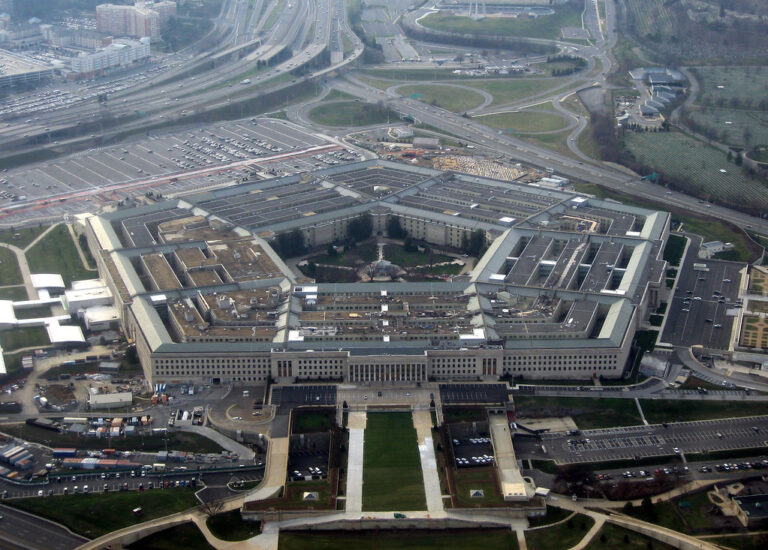
Will Trump Rename Defense the Department of War?

0

Key Takeaways:

• President Trump may rename the Department of Defense to the Department of War.
• Supporters say the new name shows strength and honors a warrior culture.
• Critics worry it conflicts with peace efforts and raises cost concerns.
• The name switch echoes a move from 1947 that created today’s defense system.

Renaming to the Department of War Sparks Debate

President Trump said he might call the Department of Defense the Department of War. He made the comment alongside Defense Secretary Pete Hegseth. They said the name would bring back the military’s “warrior ethos.”

They noted that before 1947, the United States had a Secretary of War. However, after World War II, lawmakers renamed it to focus on defense and intelligence. Now Trump and Hegseth want to go back.

How Would the Department of War Change Things?

Trump and Hegseth argue that a tougher name sends a clear message. “I think it’s to show strength,” said Republican strategist Ashley Davis. She noted it might help the military feel more united and fearless.

Meanwhile, host Audie Cornish of CNN pointed out a strange twist. Trump wants a Nobel Peace Prize but also wants a Department of War. “Nothing says ‘give me a Nobel Peace Prize’ like naming it the Department of War,” she joked.

CNN correspondent Zachary Wolf added that this move clashes with Trump’s promise to avoid new wars. Wolf said, “He said there would be no war under him,” and changing the name undercuts that promise. He warned that words shape how others see America.

Why the Department of War Idea Matters

First, the name change would shape national and global views. A Department of War sounds ready to fight. By contrast, a Department of Defense sounds built to protect. Allies and opponents will read the switch as a hint of new policies.

Second, the military itself would adjust. Soldiers and officers will rebrand their badges, patches, and manuals. This helps build unity around a strong fighting spirit. Yet, it might also push them toward riskier missions.

Third, costs will rise. Davis asked, “How much is it going to cost to change everything?” She noted that letterheads, signs, websites, and other assets will need updates. These costs could reach millions.

Finally, history buffs will recall the 1947 National Security Act. That law set up the modern Department of Defense, the CIA, and the National Security Council. It marked a shift from war to all-around defense. Now Trump may flip that change.

The Logic Behind the Move

Trump said the old building next to the White House once housed the Secretary of War. He smiled as he suggested the politically correct 1947 tweak should be undone.

He said, “Used to be called Secretary of War. Then we became politically correct. Maybe we need to change it back.” This quick quip sparked smiles but also serious debate.

Moreover, Hegseth supports the idea. He often talks about restoring the military’s fighting spirit. He believes a Department of War name will boost morale and deter enemies.

However, some experts see risks. They worry the new title could alarm allies. They also warn that it could signal a return to unchecked military action.

Public Opinion and Political Impact

Many Americans have mixed feelings. Some veterans feel proud of a warrior label. They say it honors their service. Others fear the name pushes the country toward more conflicts.

Meanwhile, Democrats point out the irony. Trump still wants peace talks and a Nobel Prize. Yet he backs a name that screams battle. This contradiction may hurt his image among peace-minded voters.

In Congress, reaction is uncertain. Some lawmakers back the move as a show of strength. Others ask for hearings to study the impact and cost. They want clear data on how the name change affects defense policy.

How Allies Might React

Allies like NATO members study every shift in U.S. policy. A Department of War name change could raise concerns about future American missions. They may wonder if the U.S. will lead peacekeeping or move toward more offensive actions.

On the other hand, U.S. partners might see it as a sign of clear commitment. They will know America stands ready to fight when needed. Yet, they may also worry about being dragged into more conflicts.

Global rivals also pay attention. They will test U.S. readiness and resolve. A Department of War name could prompt them to adjust their tactics. They might expand their own military to match the perceived threat.

Next Steps and Possible Timeline

First, the White House will review the plan. It may send a formal proposal to Congress. Lawmakers will debate the change and the budget it requires.

Then, if approved, agencies would update their materials. Signs would be replaced. Email addresses and websites would get new domain names. Uniform patches would switch to the new title.

Meanwhile, public outreach would explain why the name changed. Officials will stress the benefits for national security. They will aim to ease cost concerns and clarify the move does not mean more wars.

Finally, the new Department of War would launch with a press event. Leaders would highlight how this change honors past warriors and protects future generations.

What This Means for the Future

In the end, the name change is more than a label. It reflects how America sees itself on the world stage. Calling it the Department of War suggests a bolder posture. Calling it the Department of Defense suggests caution and protection.

All eyes will watch how this debate unfolds. Will Congress approve the switch? Will the public support it? And will allies trust America’s new message? Only time will tell if the Department of War becomes more than talk.

Frequently Asked Questions

What is the main reason for renaming to the Department of War?

Supporters say the new name restores the military’s fighting spirit and shows strength to friends and foes.

How much would it cost to change the name?

Experts estimate millions of dollars for new signs, documents, web addresses, uniforms, and other materials.

Does a name change mean the U.S. will start new wars?

Not necessarily. The change is largely symbolic, but it could affect global perceptions and military culture.

When did the Department of Defense get its current name?

In 1947, lawmakers passed a law that merged armed services and renamed the agency to emphasize defense and intelligence.

Is Trump Using a Dictatorship Gambit Again?

0

Key Takeaways:

  • Trump asked aloud if Americans might prefer a dictator during an Oval Office press conference.
  • He framed his decision to deploy troops as practical common sense.
  • Activist Cameron Kasky likened Trump’s tactic to playful flirting that tests reactions.
  • This “dictatorship gambit” lets listeners choose whether to take the idea seriously.

Inside Trump’s Latest Dictatorship Gambit

On Monday, President Trump stunned reporters when he asked, “Maybe we’d like a dictator?” He spoke from the Oval Office. Then he added that many people praise his common sense. He pointed to unrest in U.S. cities and defended sending in troops. Yet critics shouted that he tried to take over the republic.

Trump never fully called himself a dictator. However, his words edged close to that line. He said, “I’m a man with great common sense, and I’m a smart person.” Then he blamed those who label him a tyrant. “These people are sick,” he said. In just a few sentences, he floated the idea of absolute power.

How the Dictatorship Gambit Plays Out

A new episode of The Bulwark’s podcast FYPod dug into this move. Democratic activist Cameron Kasky appeared to explain Trump’s tactic. He co-founded the gun safety group Never Again MSD. Kasky said Trump uses humor to test how far he can push a point. In his view, that approach matches the “dictatorship gambit” perfectly.

First, Trump makes a shocking comment. Then, he treats it as a light joke. This gives people a chance to laugh it off. According to Kasky, it mirrors how he flirts with someone he likes. If the target isn’t interested, they can pretend it was all in fun. Yet if they play along, he knows they welcome more bold talk.

Next, Trump watches who reacts in which way. Supporters who cheer the dictator idea show they back stronger power. Others who laugh or scoff get to stay on neutral ground. This two-step approach helps him rally fans while avoiding full blame. In effect, the “dictatorship gambit” reveals who will follow him to the edge.

Why the Dictatorship Gambit Matters

This tactic matters because it blurs real intent. By making a joke, Trump sidesteps outright responsibility. He can later claim he never meant it seriously. Moreover, the gambit plants wild ideas into public debate. Some may dismiss it at first. Yet repeated jabs can shift the window of acceptable talk.

For example, if a leader teases about taking over power, people start to discuss that choice. Over time, it may seem more normal. Therefore, the “dictatorship gambit” could reshape how we talk about democracy. It raises questions about where limits lie for public speech. Likewise, it tests the strength of political norms.

Furthermore, this tactic can energize his core supporters. They see bold statements as proof of strength. When Trump flirts with dictatorship, his base hears confidence, not a threat. That reaction feeds on itself. Each time he crosses a line, those fans applaud, encouraging him to push further.

What to Watch Next

Keep an eye on how Trump and his team handle fallout. If he doubles down, it confirms that the “dictatorship gambit” is part of his playbook. On the other hand, if he shrugs it off, he may try a new tactic. Also, watch which polls show growing support or worry about this talk.

Meanwhile, listen to more voices on the FYPod episode. Kasky and host Charlie Sykes unpack how humor and power mix. They explain why we should care when any leader flirts with absolute rule. Overall, this debate matters for every citizen who values democracy.

Frequently Asked Questions

What exactly does “dictatorship gambit” mean?

It describes a tactic where someone flirts with dictatorial ideas as a joke. The speaker tests who takes it seriously and who laughs it off. This approach can reveal true supporters and soften the ground for more extreme talk.

Has any past president used a “dictatorship gambit”?

No recent U.S. president has openly teased about dictatorship in this way. However, other global leaders have used humor or bold statements to gauge public reaction before shifting policies. Trump’s tactic stands out for how directly it flirts with absolute power.

Why compare the gambit to flirting?

Flirting jokes allow people to retreat without embarrassment. If the listener isn’t interested, they can laugh it off. If they respond positively, the flirter knows they have permission to get closer. Trump’s tactic works similarly: he can back away or lean in based on reaction.

How can voters respond to this strategy?

Voters can stay alert to bold statements and demand clear intent. Call out jokes that cross democratic lines. Support open debate about limits on power. By refusing to simply laugh off extreme ideas, citizens can hold leaders to account.

Could Trump’s firing Fed governor hurt economy?

0

Key takeaways

• President Trump announced he is firing Fed Governor Lisa Cook effective immediately.
• Critics warn this unprecedented move could damage Federal Reserve independence.
• Cook vows to stay on the board despite Trump’s claim.
• Economists warn higher inflation and market turmoil could follow.

What the firing Fed governor means

President Trump’s decision to fire a Federal Reserve governor shocked many. He cited unproven mortgage fraud claims against Lisa Cook. Yet Cook has never been charged or convicted. As a result, she plans to remain on the Fed board despite the termination letter.

So why is this firing Fed governor move so important? First, no president has ever removed a Fed governor. The central bank must act without political pressure. Markets trust the Fed to set fair interest rates. If leaders force a governor out, investors may doubt that trust.

Moreover, Trump has argued for rate cuts. By replacing Cook with a loyalist, he could tilt the board’s balance. If his allies take control, they might push for lower rates. That could boost the economy short term but fuel inflation long term.

Why the firing Fed governor matters

Trust in the Fed is the backbone of U.S. monetary policy. Tom Steyer warned that politicizing the central bank spells trouble. He said higher inflation is likely if the Fed loses its independence. In turn, Americans could see their savings shrink.

Likewise, House Minority Leader Hakeem Jeffries called Trump’s move slanderous. He noted Cook is the first Black woman to serve on the board. Removing her without clear evidence damages both fairness and historical progress.

Furthermore, former Treasury official Ashley Schapitl argued this action hits personal finances. She wrote that a shaken Fed could depress retirement accounts and 401(k)s. As a result, everyday Americans might face lower returns and higher living costs.

How this move could affect you

First and foremost, inflation may rise. When central bankers face political pressure, they often avoid rate hikes. Lower rates boost spending but can overheat the economy. Consequently, prices on groceries, gas, and rent could climb faster.

Second, stock and bond markets may react sharply. Investors prefer a stable, predictable Fed. A dispute over a governor’s firing could spark sell-offs. In fact, some traders already feel uneasy. Volatility could surge, making retirement funds wobble.

Third, the U.S. dollar could weaken. Brian Krassenstein warned that this move kills confidence in the dollar. A weaker currency lifts import prices. That again pushes inflation higher, reducing Americans’ buying power.

Fourth, small businesses may struggle. Higher costs for supplies and loans hurt tight budgets. Without clear Fed guidance, lenders may tighten credit. A credit crunch could stall expansion and hiring.

What happens next

Legally, the president can only fire a Fed governor “for cause.” Yet the law offers no clear definition of that phrase. So far Cook faces only allegations, not legal rulings. She and her supporters may sue to block her removal.

Meanwhile, Fed Chair Jerome Powell could defend Cook’s seat. If the Fed board votes to reject her termination, Trump’s move might fail. However, Trump could press Congress to act. Lawmakers may debate this unprecedented power grab.

In the courts, judges could weigh in on due process. They might ask if unproven claims justify firing. A federal judge may decide that Cook keeps her seat until a trial or formal finding.

On the political front, Democratic leaders will likely heighten pressure. They could tie this fight to midterm campaigns. Voters concerned about the economy may punish those who undermine the Fed.

Finally, global markets watch closely. Central banks around the world look for U.S. guidance. If they see a divided Fed, they may hesitate on their own rate decisions. That could slow global growth.

Balancing politics and economics

The U.S. central bank thrives on a delicate balance. Presidents choose governors but do not control day-to-day actions. This separation helps curb sudden swings in policy. It also signals to the world that U.S. monetary policy stays stable and apolitical.

Thus, firing a governor without solid evidence breaks that balance. As a result, it risks turning rate decisions into political footballs. Investors and businesses depend on clear Fed signals. Any hint of chaos could slow hiring and investment.

Moreover, Fed independence helped tame inflation in the 1980s and 1990s. If that independence erodes, history warns of price spikes and wage-price spirals. Once inflation expectations rise, they become hard to control.

Public reaction so far

Across social media, experts blasted the move. CNN’s Phil Mattingly labeled it a “very big deal” with huge implications. He noted the missing legal precedent and ambiguous “for cause” threshold.

On Wall Street, traders nervously watched futures markets. They saw rate-cut bets shift overnight. Bond yields wavered as investors questioned the Fed’s next steps.

In Congress, Democrats slammed the action as political theater. They argued Trump has no credible proof against Cook. Instead, they say his real target is a Fed that resists his rate-cut demands.

Even some Republicans expressed concern. They warned against setting a precedent where presidents fire central bankers for political gains. In short, both sides see the long-term stakes.

What this fight reveals

This dispute highlights a broader struggle over control of U.S. economic policy. Presidents often clash with the Fed on rates. Yet they rarely resort to removing governors.

Instead, they usually let retirements and new appointments reshape the board. A sudden firing bypasses that norm. It marks a sharp turn toward direct political intervention.

In turn, it raises questions about future Fed operations. Will governors resist more strongly? Could internal Fed conflicts rise? Will employees worry about job security if political winds shift?

All these uncertainties fuel market jitters. Clarity comes only when courts or Congress weighs in. Until then, the Fed sits in limbo.

Final thoughts

President Trump’s firing Fed governor move defies history. It strikes at the heart of Fed independence. While Trump aims to pressure rate cuts, he may unleash higher inflation and market volatility. Americans could see this fight reflected in their monthly bills, loan rates, and retirement funds. As lawsuits and political battles begin, every investor and consumer will watch closely.

Frequently asked questions

What does it mean to fire a Fed governor for cause?

It means the president must prove legal or ethical violations. The law does not clearly define “cause,” so courts will likely decide its limits.

Can President Trump replace Lisa Cook immediately?

Not without a court ruling or a supporting Fed board vote. Cook can challenge her removal and stay until a legal decision.

How could this affect my mortgage or loan rates?

If the Fed faces pressure to cut rates, borrowing costs might drop. However, higher inflation may push banks to charge more for loans.

Why is Fed independence so important?

Independent central banks help keep inflation in check. They make rate decisions based on data, not politics, ensuring stable economic growth.

Why Is the Cracker Barrel Logo Causing a Stir?

0

Key Takeaways:

  • Right-wing critics call the Cracker Barrel logo change “woke,” sparking online outrage.
  • The Democratic Party’s official Twitter account sided with the backlash.
  • Many elite Democrats believe compromise with critics wins votes, but it risks moral clarity.
  • Agreeing with bad actors can blur lines and empower harmful agendas.

The Cracker Barrel Logo Change Explained

Cracker Barrel dropped its old logo of a man leaning on a barrel. Instead, the company unveiled a cleaner, simpler mark. Yet critics instantly labeled the redesign “woke.” In reality, the new image just modernizes the brand. However, change can feel threatening to some. As a result, a social media storm erupted almost overnight.

Why the Right Is Upset

Right-wing commentators argued the Cracker Barrel logo erase America’s past. They claimed a vast “woke” conspiracy targeted every business. For example, one prominent activist said, “We must break the Barrel.” He boasted that companies fear stock drops if they embrace anything labeled progressive. This tactic relies on fear, not facts. Yet it spread fast. Because people saw outrage, they assumed there must be substance to the claims.

The Democrats’ Surprising Response

In a surprise move, the Democratic Party’s official account posted, “We think the Cracker Barrel rebrand sucks, too.” They shared a nostalgic painting to show solidarity with the right’s complaints. This tweet reached millions. Many hoped Democrats would defend free expression and sensible change. Instead, they seemed to agree with critics who peddle false threats. Immediately, the party blurred the moral line between reasonable debate and baseless fearmongering.

The Danger of Playing Nice

When one side lies to score political points, giving ground encourages more lies. Elite Democrats often try to find common ground with critics. They fear being labeled extreme or “canceled.” Yet by echoing unfounded claims, they validate the critics’ tactics. Consequently, the critics gain power. Therefore, if you accept their lies as partly true, you end up helping their agenda. You also weaken trust in honest discussion.

Moreover, this pattern repeats itself. For example, when a leader makes a wild claim about crime, some Democrats rush to agree. They aim to show balance. Unfortunately, they end up lending credibility to falsehoods. As a result, the public cannot tell real issues apart from manufactured crises. Worst of all, both sides look equally unreasonable.

What This Means for Politics

This logo fight reveals a deeper split within the Democratic Party. One wing values power and press attention. It hopes that compromise with bad actors will win middle voters. The other wing wants to stand firm against lies. It worries that any concession is a sign of weakness. Going forward, the party must choose. Will it keep chasing a mythical center by echoing extremist chatter? Or will it defend facts and call out bad-faith attacks?

Young voters and grassroots activists expect honesty. They demand leaders who refuse to legitimize dangerous rhetoric. If the party’s elite keeps playing along with false conspiracies, those activists may turn away. They want a clear line between right and wrong. Above all, they seek a party that fights bad-faith actors, not helps them.

Staying True to Facts

In the end, the Cracker Barrel logo change is a minor choice by a restaurant chain. However, the reaction to that change offers a big lesson. Allowing critics to control the conversation with baseless claims only makes them stronger. Instead, defenders of truth must expose those tactics. They should refuse to treat every angry outburst as a valid debate. If we demand honesty from the start, fewer small issues will turn into major political distractions.

As citizens, we can learn to spot these tactics. When outrage seems driven by fear and conspiracy, we should pause. We can ask: Is there real evidence here? Or is someone just trying to stir trouble? By pushing back on groundless claims, we help keep politics sane. And we remind leaders that courage matters more than appearing polite.

Frequently Asked Questions

Why did Cracker Barrel change its logo?

The company wanted a modern look. It removed the old man and barrel to refresh its image. The new logo is simpler but does not signal any political stance.

Why are some people upset about the redesign?

Critics labeled the change “woke” and claimed it erased tradition. Their anger springs from a fear that every shift hides a hidden agenda. In truth, the redesign is just graphic work.

Why did Democrats tweet support for the backlash?

Some party leaders believed siding with angry voters would build a bridge to moderate opinions. They hoped to avoid appearing extreme. Unfortunately, this move gave credibility to false claims.

What lesson can we learn from this situation?

Agreeing with bad-faith critics can backfire. It blurs the line between truth and lies. Instead, we must demand clear evidence before treating outrage as a valid concern.

Will Trump Allow 600,000 Chinese Students Into U.S. Colleges?

0

Key Takeaways

  • President Trump announced he wants to admit 600,000 Chinese students to U.S. colleges.
  • This plan reverses his earlier visa restrictions on Chinese students.
  • Top MAGA figures slammed the idea as a security threat and a loss of American spots.
  • Critics fear China might send spies and undercut U.S. students’ chances.
  • Colleges could gain tuition dollars but also face rising political tension.

Why Is Trump Proposing to Admit Chinese Students?
President Trump surprised many by saying he plans to welcome 600,000 Chinese students. He said this move would help U.S. universities and keep ties strong with China. Until now, his administration has tightened rules and even pulled visas from some Chinese students. However, Trump called the new plan “very important” and said it shows he wants to get along with China. His Commerce Secretary backed him up and said America needs these students.

Fury from MAGA Supporters

Almost immediately, conservative leaders fired back. They argued letting so many Chinese students enter would endanger U.S. security. Some called it a betrayal of Trump’s earlier promises to block China. Many feared that among the 600,000, agents loyal to the Chinese government could spy on American research and education. Others said U.S. students would lose spots at top schools.

Supporters Push Back

Marjorie Taylor Greene declared that China props up some universities for its own gains. She said, “We should never allow 600,000 Chinese students to replace American opportunities.” Another voice, influencer Laura Loomer, claimed the plan makes no sense. She pointed out that the U.S. still has millions of undocumented immigrants in the country. Loomer asked, “If we deport 1,000 people a day but admit 600,000 Chinese students, how is that a crackdown?”

Right-wing commentator Chase Geiser joined the chorus, questioning whether Trump really wants Americans to study at weaker schools so institutions can stay open. Attorney Marina Medvin noted that none of her Trump-supporting friends backed the plan. They worried it would weaken U.S. colleges and give China unfair influence.

How Chinese Students Could Impact Schools

Allowing 600,000 Chinese students could bring in billions in tuition fees. Many American universities rely on foreign students to fund labs and research. Furthermore, these students often study engineering, science, and technology fields. Their presence can boost campus diversity and drive innovation. However, critics warn of security gaps in research on advanced chips, biotech, and military tech. They demand stricter checks to ensure no academic espionage takes place.

In addition, some professors say Chinese students add valuable perspectives in class. They point out that students from abroad often work harder and raise overall academic performance. Yet others worry that Chinese government officials could pressure colleges to limit discussions on topics like human rights. For example, speeches on certain historical events might be discouraged.

Balancing Opportunity and Risk

Universities now face a tough choice: welcome hundreds of thousands of talented students or keep rules strict. Some college leaders already asked Congress for clearer guidelines. They want to know how to protect research and ensure fair treatment for all students. Meanwhile, state lawmakers in several red states proposed bills to limit or ban admission of students tied to foreign governments. If passed, these measures could block even innocent students caught in political fights.

Looking Ahead

It is unclear whether Trump will push the plan in his next term or if allies in Congress will support it. Much depends on voter response and global events. If American families feel college spots are threatened, they may push back. On the other hand, business leaders say U.S. firms need the talent these students bring. In the months ahead, this proposal will spark debate among politicians, educators, and parents.

Ultimately, admitting 600,000 Chinese students could reshape U.S. higher education. It may strengthen research and campus life, but also create new security headaches. As the debate heats up, one thing is certain: the issue of Chinese students will remain front and center in the battle over America’s future.

FAQs

Why did Trump change policy on Chinese students?

He says welcoming 600,000 Chinese students will boost U.S. universities and ease tensions with China. This marks a sharp turn from earlier visa bans.

Could Chinese students harm U.S. security?

Critics worry some could spy on research or act under Beijing’s orders. Supporters say strict vetting and oversight can reduce risks.

How might universities benefit?

Tuition from international students helps fund labs, faculty salaries, and campus programs. Chinese students often excel in science and engineering fields.

What happens next?

Trump’s team and lawmakers will debate the idea. Colleges, state leaders, and security experts will weigh in before any rule changes occur.

Is Burning the Quran a Texas Campaign Tactic?

0

Key Takeaways

• A Texas GOP candidate released a shocking ad showing her burning the Quran.
• Valentina Gomez vows to “end Islam in Texas” if she wins her race.
• Critics warn this act crosses into hate speech and could incite violence.
• The video has stirred debate over campaign limits, free speech, and public safety.

Valentina Gomez is a Texas GOP candidate for Congress. In her new ad, she is burning the Quran with a flamethrower. She also pledges to end Islam in Texas if voters back her. The video shows her speaking harsh words against Muslim people. Many say this act goes beyond politics. They call it hate speech and incitement. Yet Gomez says her ad proves she will take bold action if elected.

Background on Valentina Gomez

Gomez moved to the United States from Colombia in 2009. She first lived in New Jersey and then tried running for Missouri secretary of state. She earned less than eight percent of votes in that contest. Now she is focused on a Texas congressional seat. On her fundraising page, she promises to target “pedophiles, criminals and corrupt politcans.” She spelled “politicians” wrong, which drew some online jokes. Still, her message appeals to a certain crowd that wants tough answers.

Why burning the Quran sparked outrage

In the video, Gomez uses a flamethrower on a copy of the Quran. This act is called burning the Quran. She says, “Your daughters will be raped, and your sons beheaded unless we stop Islam.” She adds, “America is a Christian nation, so those terrorist Muslims can go away.” Many faith leaders and rights groups have condemned her words. They worry such language may lead to real attacks on mosques or Muslim families.

Moreover, some legal experts argue her message might break hate crime laws. They say that promising to “end Islam” serves as direct encouragement of violence. Therefore, it could face challenges in court. Even some within her own party have urged her to tone down her rhetoric. However, at least one prominent Texas Republican defended her right to free speech. He said political ads can shock but still stay legal.

Community and political reaction

Muslim community centers in Texas report increased security since the ad went live. Leaders fear that hate crimes could follow such extreme rhetoric. They have asked law enforcement to monitor possible threats. Some local elected officials have joined in calls for calm and understanding. They stress that one candidate’s message should not define Texas values.

Nationally, several media outlets covered the story within hours. Commentators debated if this ad will help Gomez gain attention or hurt her chances. Her supporters claim she is speaking the truth about security. Critics reply that political goals must never override respect for religious freedom. More voters are now asking if such tactics will backfire when election day arrives.

Implications for the upcoming election

This ad could reshape the race in several ways. First, it forces other candidates to respond publicly. They must decide whether to denounce her or stay silent. Second, it may drive some voters to the polls out of anger or support. Passionate backers might turn out in larger numbers. On the other hand, swing voters may reject extreme messages and seek more moderate leaders.

Campaigns usually focus on jobs, health care or border security. Gomez has shifted the debate to religion. Therefore, the contest now revolves around how far free speech can go in politics. Observers wonder if election officials or courts might intervene. So far, no official body has moved to ban her ad or fine her. Yet the controversy itself may prove more powerful than any campaign promise.

Legal and ethical questions

Free speech laws protect most political messages. However, incitement of violence is not covered. If a court finds a candidate’s words likely to cause harm, it could order the ad removed. In this case, threats against an entire faith group might meet that test. Lawyers expect possible lawsuits or complaints to election boards.

Ethically, many argue that elected leaders should set a tone of respect. They point out that violence and threats harm real people. They warn that political gain achieved through hate can lead to lasting division. Therefore, some campaign ethics groups are reviewing the ad. They may ask Gomez’s party to take action or issue a formal reprimand.

What voters should know

First, understand that candidates often use bold tactics to stand out. However, the line between bold and hateful can be thin. Second, think about how you feel when you see calls for violence in politics. Does it match your values for public service? Third, look at the candidate’s full record. Does she show respect for all citizens, or only for some groups? Finally, stay informed about any legal developments. Headlines may change as courts review this video.

Conclusion

Valentina Gomez’s choice to burn a copy of the Quran on camera marks a rare and extreme move in modern campaigns. By burning the Quran, she thrusts religious conflict into an election fight. This approach has already sparked anger, legal questions, and renewed debate on free speech limits. As the race heats up, voters will decide whether such tactics belong in American politics.

Frequently Asked Questions

What exactly did Valentina Gomez do in her ad?

She used a flamethrower to burn a copy of the Quran while promising to end Islam in Texas if elected to Congress.

Why do people say this ad is hate speech?

Threats against a religious group fall under hate speech because they can encourage violence or discrimination.

Could this ad be illegal?

Legal experts note that while free speech is broad, incitement to violence is not protected. Courts may review the ad.

How might this affect her election chances?

The ad may rally some voters but alienate others. Its impact will depend on how voters respond to extreme rhetoric.

Will Melania Trump Land a Vanity Fair Cover?

Key takeaways:

  • Vanity Fair’s new global editor, Mark Guiducci, sparks staff uproar.
  • He suggests featuring Melania Trump on the magazine’s cover.
  • Some editors vow to quit if that cover ever appears.
  • The idea revives past tensions over Melania Trump’s media image.
  • The debate may redefine Vanity Fair’s future direction.

Why Is Melania Trump on Vanity Fair’s Radar?

Vanity Fair recently named Mark Guiducci its global editorial director. Since he took the role, he has pushed out veteran writers. He even reshaped entire teams. Now, he is talking about putting Melania Trump on the cover. This plan shocks many longtime staffers.

Guiducci wants to stamp his mark on the famous magazine. He thinks a Melania Trump cover would draw massive attention. He also hopes it can spark fresh debates and clicks. Yet, this idea comes with huge risks. Many fear it will damage the magazine’s reputation.

However, gossip of the potential cover has spread quickly through the Condé Nast halls. Reporters and editors are whispering in corners. They worry about backlash from readers and advertisers. Above all, they dread dividing the newsroom over politics and personality.

Staff Revolt Over Melania Trump Feature

Almost immediately, some editors reacted with anger. One senior staffer said they would “walk out the motherf–ing door” if the cover happens. This editor even claimed half the team would follow. Another refused to “normalize this despot and his wife.” They said they’d rather pack groceries at a local store than work on that issue.

A third voice added that even thinking about Melania Trump on the cover “sickens” them. They described the idea as unsettling. They fear readers might see the cover as praise for a polarizing figure. In addition, they worry it will resemble a political stunt more than a style story.

Yet, some people defend the plan. They argue that Vanity Fair has always courted controversy. From A-list stars to scandalous politicians, the magazine thrives on bold choices. They claim that featuring Melania Trump might boost sales and spark needed conversations on power and style. Still, the majority seem lost on Guiducci’s vision.

Past Struggles for Melania Trump in Magazines

In fact, Melania Trump has long tried to grace major fashion covers. Back when her husband held high office, she appeared on smaller or international editions. Yet, she never landed a leading spot on a top U.S. publication. This failure frustrated Donald Trump. He and his advisers often blamed editorial bias in New York’s media scene.

Many editors worried about taking sides in culture wars. They feared angering readers or risking ad revenue with too political a choice. Thus, few dared to spotlight Melania Trump on a major cover. In the late 1980s, Donald Trump earned the nickname “short-fingered vulgarian” from a rival magazine editor. That history still stings for some in the industry.

Nonetheless, designers and photographers have photographed Mrs. Trump many times. She remains a former model with a poised style. In scenes from state dinners to art galas, she shows a clear fashion sense. Yet, magazines often limit her features to society pages or political roundups. A prime fashion cover has remained elusive.

Mark Guiducci’s suggestion rekindles old debates. Should a fashion magazine spotlight a First Lady with deep political ties? Or should the editors stay clear of anything too close to political power? These questions echo past fights in editorial meetings, now resurrected with fresh fury.

What’s Next for Vanity Fair’s Leadership?

Clearly, Mark Guiducci faces a tough test ahead. He could drop the idea, hoping to calm his editorial team. Or he might push forward, risking mass resignations. Either choice will shape his tenure and the magazine’s path.

If he abandons the plan, he might restore some trust with veteran writers. They could return to stories on art, culture, and style without fear. Yet, critics might label him weak or afraid to shake things up. On the other hand, if he proceeds, he could achieve a record-breaking issue. But he will also test the loyalty of his staff.

Meanwhile, other Condé Nast brands watch closely. They wonder if aggressive editorial shifts will become the norm. Some worry that shocking choices may overshadow quality content. Others hope that bold moves will deliver fresh energy in a crowded market.

In the end, the Melania Trump cover debate shows the tension between tradition and disruption. Vanity Fair built its name on daring profiles and iconic photography. Now, under new leadership, it grapples with whether controversy still pays off. The answer may determine not only this issue but the magazine’s next chapter.

As the drama unfolds, readers and advertisers stay on edge. They ask: will Vanity Fair deliver its next splash or retreat behind safer stories? Only time will tell if Melania Trump’s moment on the cover arrives. Yet, this dispute already marks a turning point for the storied publication.

Frequently Asked Questions

What caused the uproar over a Melania Trump cover?

Editors fear that featuring Melania Trump would seem to endorse a controversial figure. They worry about alienating readers and harming the magazine’s image.

Has Melania Trump ever appeared in top fashion magazines?

She has appeared in smaller or special editions but never on the main cover of a leading U.S. fashion magazine.

Why is the global editorial director’s choice so powerful?

The director sets the magazine’s tone, leading story choices and cover stars. That power helps shape public debates and the brand’s identity.

Could staff resignations hurt Vanity Fair’s future?

Yes. Losing experienced writers and editors could impact content quality and reader loyalty. It might also delay upcoming issues.

Is America Already in Fascism?

0

Key Takeaways

  • Federal agents now raid the homes of political insiders who criticize the president.
  • Critics fear speaking out, creating a chilling effect on free speech.
  • Many signs point to a slide into fascism in the United States.
  • The media, courts, and companies face growing government control.
  • Ordinary citizens must act to defend democracy before it’s too late.

We’ve reached a moment when objections to power bring real danger. Recently, federal agents stormed the homes of two insiders who spoke against the president. Meanwhile, other former officials have gone silent. In effect, speech is under threat. Moreover, plans for secret police forces and detention sites move forward. At this point, many experts warn that the nation shows clear signs of fascism. Clearly, we must understand what’s happening and learn how to push back.

Signs of Fascism in Our Country

First, the government uses force against critics. For example, officials now open investigations into anyone who dares to speak up. Second, the state pressures companies to hand over revenue or stock. In one case, it demanded ten percent from a major tech firm. Third, public media outlets face deep cuts, and private newsrooms hire government monitors. Finally, troops deploy in major cities to break up protests. Altogether, these steps look like a classic fascism playbook. Therefore, recognizing these signs matters more than ever.

Remembering Jade Helm

Back in 2015, the military ran a large training exercise called Jade Helm. It spanned seven states and involved special forces. The drill aimed to prepare troops to move through towns and rugged terrain. Yet right-wing media spun it into a claim that the president planned martial law. In turn, some governors warned of an invasion of Texas. At that time, critics screamed about “FEMA camps” and election nullification. However, Jade Helm proved to be just a drill. Now, the fears they mocked have become real actions by today’s leaders.

Secret Police and Camps

Right now, government plans hint at a secret police force. At the same time, new detention facilities rise in remote areas. These sites mirror the infamous camps of past dictatorships. In addition, the administration sues, arrests, and even deports based on mere speech. As a result, people hesitate to speak against power. This chilling effect means fewer journalists and insiders will expose wrongdoing. Consequently, free speech suffers. Moreover, like other fascist regimes, these moves aim to crush dissent before it can grow.

Forced Corporate Control

Economic power now bends to political will. Unlike past nationalizations meant to save jobs, current demands serve the state. For instance, a top tech company must give the government a cut of its earnings. In effect, private firms turn into arms of the regime. This classic crony fascism subordinates business to the leader. Furthermore, the state uses coercion, not public interest, as its excuse. Meanwhile, critics who once warned of “socialism” now stay silent. Clearly, this betrayal of free markets marks another sign of rising fascism.

Media Under Siege

The press faces growing attacks. Public broadcasters lose funding. Major networks settle expensive lawsuits, then change how they report. In some newsrooms, managers now answer to government monitors. As a result, coverage will focus on praising power and ignoring abuses. Meanwhile, independent outlets struggle to survive. When media shrinks to a single, state-aligned voice, democracy cannot stand. Therefore, a diverse press remains a vital defense against any slide into fascism.

Every Voice Matters

So what can we do? First, share articles and progressive messages online. Second, call your representatives in Congress to demand action. Third, join your local party meetings and help choose leaders who resist tyranny. Moreover, encourage former presidents to speak out for democracy. Finally, support independent media outlets with donations or subscriptions. Ultimately, public opinion stands as our last line of defense. If we remain silent, the chill of fear will spread further. However, if we unite, we can reclaim our freedoms before it’s too late.

Frequently Asked Questions

What exactly is fascism?

Fascism is an authoritarian system where a single leader controls the government, economy, and society. It often uses violence or fear to silence critics and demands loyalty above all.

How do citizens fight back against this threat?

People can speak out, vote, join peaceful protests, and support independent media. They should also contact elected officials and participate in local politics.

Why compare today’s actions to fascism?

Current moves—raids on critics, forced corporate control, media censorship, and military in cities—mirror tactics used by historic fascist regimes to crush freedom.

Can raising public awareness really make a difference?

Yes. History shows that widespread public pressure can stop or slow down authoritarian shifts. By staying informed and active, citizens can protect democracy.