56.8 F
San Francisco
Wednesday, April 1, 2026
Home Blog Page 579

Could Trump Damage Military Reputation?

0

Key Takeaways

  • President Trump plans to send more National Guard troops to U.S. cities.
  • Expert Ruth Ben-Ghiat warns this may harm the military reputation.
  • She compares the plan to tactics used by far-right dictators.
  • Americans may grow used to seeing soldiers police the streets.
  • A weakened military reputation could cost the nation trust and unity.

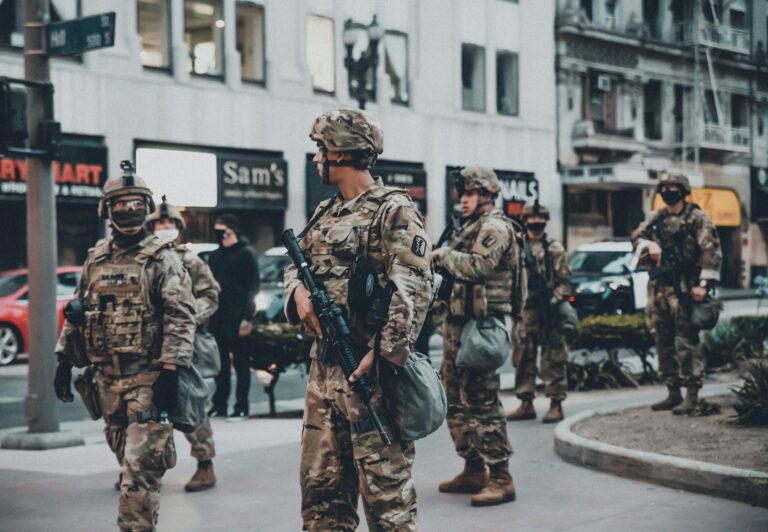
America faces a debate about using the military at home. President Trump says he can send National Guard units to many cities. He claims this helps with safety and immigration tasks. Yet experts warn this may erode the military reputation Americans have trusted for decades. In addition, they fear the move conditions people to accept troops as police.

Why Military Reputation Matters

The term military reputation means how much people trust their armed forces. A strong reputation means civilians see the military as a protector at home and abroad. For example, after hurricanes or wildfires, the Guard often helps clean roads and deliver supplies. This builds a bond between troops and towns. Moreover, allies rely on that same trust when sharing defense duties. Therefore, any harm to this trust can weaken both domestic support and global alliances.

When civilians trust the military, they feel safer. They back service members with respect and thanks. However, if the Guard shifts roles, people might question its purpose. They could start to see soldiers as enforcers, not helpers. In turn, the military reputation could suffer a lasting blow.

How Deployments Could Harm Military Reputation

When soldiers appear on city streets, they can seem like an occupying force. In a recent interview, New York University professor Ruth Ben-Ghiat said this tactic echoes far-right dictatorships. She explained that constant troop presence has two goals. First, it intimidates. Second, it makes people see soldiers policing civilians as normal. Gradually, Americans may stop asking why the military handles local law and order.

Once that shift happens, the military reputation risks becoming tied to one political view. Then, when administrations change, people may distrust the Guard and broader forces. This weakens morale among troops. It also discourages recruits who worry about being used for political aims. Ultimately, a damaged military reputation can erode the very backbone of national defense.

Lessons from History

History offers clear lessons. In the 1970s, Chile’s military morphed into a tool of state terror. Soldiers who once helped after earthquakes turned against citizens. The public lost all faith in the army. In Germany during the 1930s, special units enforced political loyalty in cities. The line between defense and oppression vanished. Once these forces lost credibility, they could not regain it.

Other cases show that once troops enforce political agendas, citizens revolt. They protest, resist, and sometimes take up arms. Indeed, after any regime change, the military must work years to rebuild trust. Therefore, experts warn that America cannot risk a similar path. If the Guard’s mission shifts too far into law enforcement, the military reputation could never fully recover.

The White House Plan

The administration said it will use Title 32 to deploy National Guard units to 19 states by the end of September. Under Title 32, governors keep control of their troops. This keeps the plan within a law that usually bars the regular army from police roles. Still, the Guard will assist immigration officers in arrests and border tasks. Furthermore, the president has threatened to send active-duty troops into cities like Chicago and New York.

Many mayors and governors say they will not ask for more troops. They worry about unclear rules and oversight. They also point out that local police and community groups can handle most public safety needs. So far, some leaders have publicly refused. Others have set strict conditions, saying they want accountability reports after each mission. These moves aim to preserve civilian control and prevent mission creep.

What Citizens Should Watch For

First, note how often you see uniformed troops in your area. Next, pay attention when they act like police officers—questioning, detaining, or dispersing crowds. Also, watch for any orders that limit protests or free speech under military authority. Whenever soldiers start controlling civilians, the line between defense and control blurs. Then, public opinion can shift fast.

Moreover, talk to neighbors and local journalists about troop actions. Share your concerns at town halls and online city meetings. By staying alert, citizens can highlight potential abuses. In turn, they help protect the military reputation. After all, an informed public remains the best guard against overreach.

Voices of Concern

Retired generals join the warnings. One former Army major general called the plan “abhorrent” because it targets only certain cities. He compared the selective deployments to tactics seen in 1930s Europe. Additionally, civil rights groups fear that minority neighborhoods will face heavier patrols. They worry this could spark fear instead of calm. Indeed, data shows heavy troop presence can raise tensions, not ease them.

On a recent news show, Professor Ben-Ghiat stressed that optics matter greatly. She said the administration aims to show strength through force. Yet, she warned this visual theater risks turning protectors into symbols of oppression. As a result, the very idea of service and sacrifice could lose its meaning. When that happens, military reputation suffers most.

Possible Paths Forward

Americans can speak up through local leaders and state officials. They can ask for clear rules about mission goals, civil rights protections, and troop conduct. In addition, legislatures can hold hearings to review Title 32 rules and potential loopholes. Courts might also weigh in if deployments exceed legal limits.

Community groups can set up independent volunteer monitors. They can track each Guard arrival, document actions, and report any misuse. In turn, media outlets can share these findings to keep the public informed. By working together, citizens and officials can set firm boundaries. This approach helps maintain a strong and honorable military reputation.

The Stakes for Tomorrow

In the end, a strong military reputation binds the country together. It reassures allies, deters enemies, and comforts families at home. On the other hand, a harmed reputation can sow distrust, fuel division, and weaken defense. If people see soldiers as opponents, they may resist essential missions. Disaster relief, training exercises, and overseas alliances could all suffer.

Therefore, the debate over using the National Guard at home is not just political. It tests the core values that built America. Will leaders preserve the Guard’s role as defender and helper? Or will they stretch its mission into a tool of intimidation? At this crossroads, the nation faces a critical choice: maintain trust or risk losing it.

FAQs

What is Title 32 and does it let the military act like police?

Title 32 lets governors use National Guard troops under state control. It avoids breaking rules that bar the regular army from police duties. Still, many say it blurs the vital line between defense and law enforcement.

Why do experts warn about harming military reputation?

They fear troops may grow tied to political aims, not public service. Once citizens see soldiers as enforcers, trust erodes. Rebuild­ing that trust can take decades, even after rule changes.

How do past examples show this risk?

Dictators in Chile and Germany turned armies into tools of state terror. Soldiers who once helped civilians became oppressors. In each case, the military reputation died and never fully returned.

What can citizens do to protect military reputation?

They can call for clear rules, strong oversight, and public reports on each deployment. They can monitor troop actions and speak out at town halls. Staying informed and engaged helps keep the Guard focused on its true mission.


Why Did Jeanine Pirro’s Case Collapse?

Key Takeaways:

  • The Justice Department could not win a felony indictment three times.
  • Prosecutor Jeanine Pirro reduced charges to a misdemeanor.
  • Grand juries returned no true bills in each session.
  • Observers see this as a rare prosecutorial setback.

Jeanine Pirro’s Charges Reduced to Misdemeanor

Prosecutors led by Jeanine Pirro could not secure an indictment. First, they asked a grand jury to charge a woman with felony assault. Then the panel said no true bill. Even after a second chance, the jury again refused. Finally, in the third try, the grand jury rejected the case once more. Therefore, prosecutors filed a charge under a misdemeanor law. Now the suspect faces a lesser penalty for resisting an officer.

Why the Indictment Failed Three Times

Investigators said an ICE officer faced assault during an arrest. Meanwhile, grand juries did not see enough evidence. Therefore, they did not find probable cause for a felony. However, prosecutors did not give up quickly. Next, they tried a new approach and put more weight on the officer’s statement. Yet, jurors still declined to indict. Moreover, they examined phone records and body camera video before saying no again. As a result, prosecutors ended up with a simple assault filing.

Background on the Controversial Prosecutor

Jeanine Pirro joined the Justice Department as a U.S. attorney in the capital region. She had a history as a TV host known for strong political views. In fact, she admitted spreading election conspiracy claims in the past. Still, the White House backed her bid to lead federal prosecutions. However, she follows Ed Martin, a controversial appointee who never won Senate approval. Under her watch, this case became a symbol of prosecutorial struggle.

Reactions from Legal Observers

Immigration attorney Aaron Reichlin-Melnick voiced surprise at the outcome. He wrote that any good prosecutor could indict a ham sandwich. Consequently, he said this result was a significant embarrassment. Other legal experts agreed that getting a grand jury to refuse three times is rare. They noted the case might show overcharging or weak evidence. Additionally, some said it highlights risks when politics mixes with prosecution.

Impact on the Justice Department

This setback could hurt the Justice Department’s image. Critics might claim political bias or lack of skill. Meanwhile, allies may stand by Jeanine Pirro, urging a focus on other priorities. Still, lawmakers could demand answers. They might call for a review of internal procedures. Furthermore, this case might influence how future charges get filed. It may lead to stricter checks before seeking an indictment.

What This Means for the Defendant

The accused now faces a misdemeanor charge under a federal statute. This offense carries up to one year in prison. However, plea talks might further reduce the penalty. In many situations, misdemeanors end in probation. Furthermore, the accused could avoid jail time altogether. During this process, the defense can push for dismissal. Indeed, failure to indict three times strengthens their case. Therefore, the suspect may have a strong bargaining position.

Political Overtones and Public Trust

Jeanine Pirro’s critics argue that politics played a role in this trial. They point to her past statements on national news. Conversely, her supporters say political beliefs do not affect legal duties. Yet the public remains divided and uncertain. In addition, this case fuels debate on fairness in our justice system. It raises questions about whether all defendants get equal treatment. Consequently, trust in prosecutions may suffer.

Possible Next Steps

Prosecutors might appeal the decision to file only a misdemeanor. Yet legal experts say such appeals rarely succeed. Alternatively, they could seek new evidence and try again. However, limited time remains under the statute of limitations. Therefore, they may move on to other cases. Meanwhile, Congress could hold hearings on grand jury practices. This high profile failure might prompt new legislation or guidance.

Lessons for Future Prosecutors

This incident shows the importance of strong evidence. It underlines the value of clear case files. Also, it warns against overcharging in politically charged matters. Expert analysts suggest early grand jury consultations. They say jurors react better to realistic and fair charges. Also, teams should avoid public statements that risk bias. Finally, prosecutors must build solid narratives before seeking indictments.

How Jeanine Pirro’s Reputation May Shift

This case could affect Jeanine Pirro’s career and public image. Some may see her as a competent leader facing tough challenges. Others will view this as a sign of weakness. Her supporters may highlight past victories to defend her record. Still, opponents will likely use this outcome as proof of poor judgment. Overall, public opinion may shift depending on upcoming developments. In any case, her performance will face intense scrutiny.

Conclusion

Jeanine Pirro’s effort to indict a felony charge ended in a misdemeanor filing. After three grand juries returned no true bills, her office stepped down. Many observers call this a rare prosecutorial collapse. Meanwhile, the justice system and the public will watch for any further moves. This case highlights the need for clear evidence and fair charges. In turn, it raises broader questions about politics, trust, and the path forward.

Frequently Asked Questions

How did prosecutors react to the grand jury decisions?

They acknowledged the panels saw weak evidence and chose not to indict.

What penalty does the misdemeanor carry?

It carries up to one year in prison, but many cases end in probation.

Can officials try to refile the felony charge?

They could, but time limits and lack of new evidence make it unlikely.

What might this mean for Jeanine Pirro’s career?

Opinions will vary. Some see her as resilient; others worry about her judgment.

Could Interest Rates Drop Soon? What Powell Just Suggested

0

Key Takeaways:

  • Jerome Powell hinted interest rates may drop as early as next month.
  • The economy is still battling inflation, but progress is being made.
  • Changes in interest rates affect everything from loans to savings.
  • Experts are watching how inflation behaves in the next few weeks.

Interest Rates May Drop: What That Means for You

Federal Reserve Chair Jerome Powell just gave economists, investors, and everyday people something to think about. Speaking at a major event in Jackson Hole, Wyoming, he carefully hinted that the central bank could lower interest rates in the near future.

This subtle message comes after months of uncertainty. The economy has faced high inflation, rising prices, and changing job numbers. Powell’s signal might suggest some relief is on the way. But will it really happen? And what does it mean if it does?

Why Interest Rates Matter So Much

Interest rates affect almost every part of your financial life. They determine how much you’ll pay on things like credit cards, student loans, auto loans, and mortgages. When rates go up, borrowing money becomes expensive. When they go down, it’s cheaper to take out loans.

Since 2022, the Fed has raised interest rates to fight inflation. That helped cool down the economy, but it also made borrowing tough. Now, Powell’s comments hint that the fight against inflation may be working. That means interest rates could start falling again to help the economy grow.

What Powell Said at Jackson Hole

Every year, global policymakers meet in Jackson Hole to talk about the economy. This year, all eyes were on Powell. People wanted to know: What will the Federal Reserve do next?

While Powell didn’t make promises, he dropped clues. He said inflation is coming down, although it’s still “too high.” He also made it clear the Fed is “prepared to act” if the economy shows signs of weakening. That kind of language makes experts believe a rate cut could be right around the corner.

In the past, such hints have led to big decisions. For example, Powell used similar language in 2019 before the Fed cut rates. So, people are paying close attention.

Signs That a Rate Cut May Be Coming

There are several reasons why the Fed may lower interest rates:

  1. Inflation is slowing: After surging prices last year, inflation is finally easing. Food and gas costs are not rising as fast.
  2. Job market is changing: Hiring is still happening, but more slowly. Some industries are even cutting jobs.
  3. Economic growth is cooling: Retail sales, home purchases, and other big economic signs show Americans are spending less.

If these trends continue, the Fed may act quickly. Cutting interest rates could help avoid a recession by encouraging more spending and investment.

But Inflation Is Still a Problem

While there are signs of progress, the Fed remains cautious. Powell reminded everyone that inflation is still higher than the 2 percent goal. He made it clear the central bank won’t rush any decisions.

If inflation returns or stays stuck at current levels, the Fed might hold off on lowering rates. That’s why the next few inflation reports will be very important. They’ll help guide the Fed’s next move.

How This Affects Everyday People

Whether you’re a teen thinking about college loans or a parent paying a mortgage, interest rates touch your life. Here’s how a potential rate cut could help:

  • Student loans: Federal rates won’t change, but private loan rates might drop.
  • Credit cards: Some variable rate cards may offer lower interest, meaning less debt over time.
  • Mortgages: Homebuyers might find better rates, making monthly payments smaller.
  • Savings: The downside is banks may give you less interest on savings accounts.

Simply put, lower rates can put more money in your pocket—but they can also reduce how much you earn from saving.

What Happens Next?

The Fed’s next big meeting is in a few weeks. That’s when they might officially decide whether to cut rates or not. Between now and then, a lot depends on what happens with inflation numbers, job reports, and consumer spending data.

Markets will be watching. So will families, students, and the millions of Americans influenced by every rate decision the Fed makes.

Jerome Powell’s speech didn’t guarantee anything. But his careful words left a clue—and that clue points toward possible change coming very soon.

Final Thoughts: Stay Tuned

Interest rate changes are a big deal for the economy and your wallet. Powell’s soft signal from Jackson Hole shows the Fed may be ready to shift its approach. Lowering interest rates could help boost growth and ease financial pressure for families and businesses.

But nothing is official—yet. Keep watching the news over the next few weeks. The Fed’s next steps could shape the rest of the economic year.

FAQs

Why does the Federal Reserve change interest rates?

The Fed raises rates to control inflation and lowers them to boost the economy. It’s a balancing act between stable prices and strong jobs.

How soon could interest rates go down?

Some experts believe the Fed may lower rates as early as next month, but it depends on inflation trends.

Will my credit card bill get cheaper if rates fall?

If your card has a variable rate, you may see smaller interest charges within a few billing cycles after a rate cut.

Is lower inflation a good thing?

Yes. Lower inflation means stable prices, which helps your money go further and makes planning easier for families and businesses.

Why Is Kilmar Ábrego García Facing Deportation to Uganda?

0

Key Takeaways:

  • Kilmar Ábrego García may be deported to Uganda after refusing a plea deal.
  • U.S. authorities suggested deportation to Costa Rica, but he declined.
  • He was released from custody less than 24 hours earlier.
  • His lawyers say he never agreed to be deported to Uganda.

What’s Happening With Kilmar Ábrego García?

Kilmar Ábrego García, who recently walked free from U.S. custody, now faces possible deportation to Uganda. His legal team says this sudden move comes after he turned down a plea deal offered by U.S. prosecutors. That agreement would have allowed him to go to Costa Rica instead.

Now, instead of going home or staying in the United States, Ábrego García might end up in Uganda—a country with which he has no known ties. His lawyers argue that this decision makes no sense and should be legally challenged.

Why Is He Facing This Deportation?

The key issue here is the criminal case involving human smuggling. U.S. officials accused Ábrego García of being involved in a smuggling operation. But after being held in custody, he was let go.

Before his release, officials gave him an option: plead guilty and be deported to Costa Rica. He refused to admit guilt, saying he wanted to fight the charges.

Because he didn’t accept the plea deal, government authorities seem to want to deport him elsewhere. Surprisingly, they named Uganda—a country Ábrego García never lived in and possibly never even visited.

What Do His Lawyers Say?

His legal team is confused and frustrated. They say that being sent to Uganda is not only unfair but also possibly illegal.

Their main point is simple: Ábrego García did nothing to deserve being removed to a country he doesn’t know. They also explain that he has roots or connections to Latin American countries, which makes Uganda an even more puzzling option.

One of his lawyers shared, “No one informed us or our client about any plan involving Uganda. There’s no logic behind this.”

This situation, they argue, raises serious legal and moral questions.

Is This a Common thing?

It’s unusual for people to be deported to countries they have no link to. Usually, if someone is removed from the U.S., they are sent back to their country of birth or citizenship. Sometimes, a person may ask to go to another country they feel safe in, especially if their home country is dangerous.

But Ábrego García’s situation doesn’t fit those boxes. Neither he nor his lawyers chose Uganda as a safe destination. So, this decision seems out of place in standard U.S. immigration policies.

How Did It Get This Far?

Everything happened very fast. After his release, it seemed like the legal case was slowing down. But nearly a day later, officials dropped the bombshell: they were planning to deport him to Uganda.

His lawyers say this plan does not follow regular deportation procedures. Usually, there’s a detailed process, including official notifications, background checks, and immigration interviews. None of that happened here.

They promise to challenge this decision in court to allow Ábrego García to stay in the U.S. or be sent somewhere reasonable, like Costa Rica.

Why Was Costa Rica an Option Before?

The plea deal included a chance for Ábrego García to go to Costa Rica instead of going through trial. This kind of deal is sometimes offered when a person agrees to accept blame and leave the country peacefully.

But Ábrego García believed in his innocence. So, he said no to the deal, deciding instead to defend himself. That bravery might now cost him dearly if U.S. officials force him to go to Uganda.

Could This Set a New Precedent?

The bigger picture here is about human rights and justice. If someone who refuses to accept a guilty plea can be deported to a random country, then what does that mean for the future?

Civil rights activists and immigration advocates are watching this case closely. If U.S. authorities can send someone to a country they’ve never been to, others in similar situations could face the same risk.

That’s one reason Ábrego García’s legal team plans to fight back hard. They say the government should not use deportation to punish someone for refusing to plead guilty.

What’s Next for Kilmar Ábrego García?

The next few weeks could be life-changing for him. His attorneys plan to file legal motions to stop the Uganda deportation.

They also hope media and public pressure will make officials reconsider this decision. Right now, everything is in limbo. Ábrego García is free but unsure where he belongs—or where he might end up.

What Can This Tell Us About U.S. Immigration Law?

This case shows how complicated and unpredictable immigration law can get. While plea deals and deportation orders are normal in legal systems, sending someone to a completely unrelated country is not.

It also shows the power government agencies have when it comes to immigration. That power, however, must follow rules and respect basic fairness.

Will this case end with Kilmar Ábrego García staying in the U.S.? Or will he be sent thousands of miles away to a country he doesn’t know? Only time—and the courts—will tell.

Frequently Asked Questions

Who is Kilmar Ábrego García?

He is a man recently released from U.S. custody after facing human smuggling charges. He now risks deportation to Uganda.

Why is Uganda being mentioned in his case?

U.S. officials say they plan to deport him there, even though he has no known connection to the country.

Did he agree to any plea deal?

No, he refused to plead guilty or accept deportation to Costa Rica, which was part of a deal offered by prosecutors.

Can someone be deported to a country they’ve never lived in?

It’s highly unusual. His lawyers are arguing that such a move would be unfair and possibly illegal.

Why Did Ted Cruz Endorse Chip Roy for Attorney General?

0

Key Takeaways:

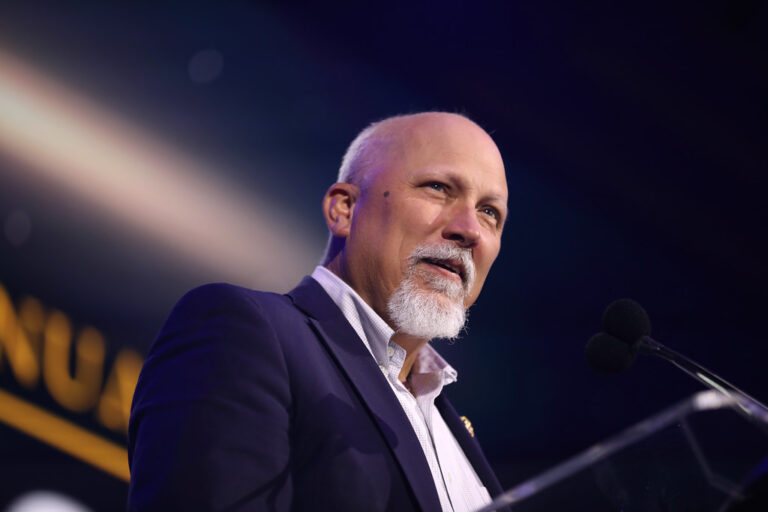
  • Senator Ted Cruz officially endorsed Rep. Chip Roy for Texas Attorney General.
  • Cruz previously worked closely with Roy, who served as his first chief of staff.
  • Cruz said Roy will defend conservative values and fight for Texans’ rights.
  • Roy has not yet formally launched his campaign for attorney general.

Ted Cruz Endorses Chip Roy for Texas Attorney General

Senator Ted Cruz from Texas announced his endorsement of Congressman Chip Roy for Texas Attorney General. The news has attracted attention throughout the state, as Cruz is one of the most influential conservative voices in Texas politics. His support could give Roy a strong early advantage in a future campaign.

Though Roy has not made a formal announcement, many now expect him to run for attorney general in the next election. Cruz’s endorsement sends a powerful message that Roy is a trusted and experienced conservative leader.

A Long Political Partnership

Cruz and Roy go way back. Roy was Cruz’s very first chief of staff when Cruz became a senator. Over the years, they’ve worked closely together, battling for conservative policies in Texas and across the country.

In his endorsement, Cruz praised Roy’s loyalty and drive. He said, “We’ve been in more fights together than I can count.” The senator called Roy a strong ally and friend, someone who “will always, always, always fight for conservative values.”

These words were more than simple praise—they reflect over a decade of teamwork and shared political goals.

Why This Endorsement Matters

Endorsements often play a key role in political races, especially high-profile ones like attorney general. As one of the most recognized Republican leaders in Texas, Cruz has a loyal base of voters. His support signals to conservative Texans that Roy is the candidate to trust.

The attorney general position is powerful, with control over legal decisions that impact millions of people across the state. A candidate with Cruz’s support gains credibility and media attention that others may not.

Roy’s Path to Attorney General

Though Roy has not officially confirmed his candidacy, most experts believe he will jump into the race soon. If he does, he’ll likely face other Republican challengers in the primary.

Roy currently serves in the U.S. House of Representatives and has built a reputation as a fighter for limited government and constitutional rights. He’s outspoken on issues like border security, free speech, and protecting states’ rights. That brand of politics appeals to many Texans who want a strong and conservative voice in the attorney general’s office.

The Core Issues at Stake

For voters, the position of attorney general isn’t just about enforcing laws. The role also offers a platform to push back against federal mandates, protect state interests, and shape state policies.

If Roy runs and wins, his background in law, combined with his experience in Congress, positions him for a major influence on these issues. With support from Cruz, he’s aligning himself with traditional conservative values such as:

  • Border protection
  • Individual freedoms
  • States’ rights
  • Limited government
  • Second Amendment rights

The fact that Cruz mentioned these ideals in his endorsement highlights how aligned the two are in their political missions.

A Boost from Cruz

Ted Cruz’s backing could give Roy a head start in fundraising, campaign visibility, and grassroots organizing. When a popular senator gets behind a candidate, it often opens doors to donors, endorsements, and national coverage.

More importantly, it can help gain trust among voters who might not know much about the candidate yet. For Roy, being described as Cruz’s trusted partner and first chief of staff sends a powerful message.

The Bigger Picture

Looking beyond Texas, this move may reveal deeper goals. Cruz and Roy are both national conservative figures. Roy often speaks at high-profile political events, and Cruz has run for president in the past.

Their partnership represents a united push from the conservative movement to stay strong in Texas elections. It could signal a broader plan to build conservative leadership at all levels of government — starting with state roles like attorney general.

What Happens Next?

All eyes are now on Chip Roy to see if and when he officially launches his campaign. If he enters the race, he’ll likely face a competitive Republican primary. But with Cruz firmly in his corner, Roy starts with a major advantage.

While the field isn’t set yet, one thing is clear: this endorsement just made the race for Texas attorney general more interesting.

Whether or not Roy wins, this early support shows the power of political alliances and long-standing partnerships.

Voters should pay attention, as the attorney general’s decisions will affect critical areas—likely shaping Texas law for years to come.

The Takeaway

Ted Cruz’s endorsement of Chip Roy for Texas attorney general is a big moment in state politics. It brings together two experienced conservatives with a long history of working side by side. As Texas heads into the next election cycle, this could be the start of a major political shift.

Expect Roy to build on this momentum—gathering support from voters who value experience, loyalty, and strong conservative leadership.

FAQs

Who is Chip Roy?

Chip Roy is a U.S. Representative from Texas. He previously served as chief of staff to Senator Ted Cruz and is known for his strong conservative views.

What does the Texas Attorney General do?

The attorney general is the state’s top legal officer. They handle lawsuits, defend state laws, and give legal advice to government agencies.

Is Chip Roy officially running?

As of now, Chip Roy has not officially declared his candidacy for attorney general, but Cruz’s endorsement suggests a run could be coming soon.

How does Ted Cruz’s endorsement help?

Cruz’s backing adds credibility, public attention, and likely financial support—key elements that help a new campaign get off the ground successfully.

Is a Military Crackdown Coming to Chicago?

0

Key Takeaways:

  • The Pentagon has been quietly preparing to send troops to Chicago.
  • President Trump aims to combat crime, homelessness, and immigration issues.
  • Chicago may serve as a test model for similar efforts in other cities.
  • This military action could bring big changes to how cities handle security.

Military Deployment: A Big Move for Chicago

The word “military deployment” is usually linked to foreign countries or war zones, not American cities. But that may soon change. The Pentagon has been planning a military deployment to Chicago in recent weeks. According to officials who know about the plan, the goal is to fight crime, reduce homelessness, and stop undocumented immigration.

President Donald Trump has talked about wanting stronger security in cities across the United States. This new move could be the first of many.

So what does a military deployment in Chicago really mean? It could mean soldiers on the streets, federal officers stepping in, and big changes in how problems like crime and poverty are handled in the city.

Why Chicago? A City in the Spotlight

Chicago has long struggled with gun violence and poverty. These problems are no secret. News outlets often report weekend crime totals, and residents live in fear in some neighborhoods. President Trump says Chicago is the perfect place to start a new style of law enforcement.

The idea is to take charge on the ground with a military deployment strategy. If it works, it might spread to other cities like Los Angeles, Detroit, or New York. That’s why so many people—both locals and national leaders—are paying close attention.

But many people worry that this won’t fix the real issues. They say using the military might make things worse instead of better.

What This Means for Chicago Locals

For people living in Chicago, a military deployment would be easy to see. You might notice more uniformed officers, armored vehicles, or checkpoints on your way to school or work. This could change daily life in major ways.

Supporters of the plan say it would bring peace to violent neighborhoods. They believe a strong military presence would scare off criminals.

But others feel uneasy. They ask: Will this weaken trust between police and the community? Could it limit people’s rights or freedoms? Could it hurt innocent people?

Despite these questions, the plan is still moving forward. The Pentagon is quietly organizing staff, equipment, and partnerships to make this happen.

The Bigger Plan: A National Model?

What makes this situation particularly important is its larger purpose. Chicago could become the first example of a national model. This model would involve military deployment in cities to reduce crime levels and enforce immigration laws.

President Trump may want to use this style of enforcement in multiple cities before the next election. That way, he can show results and claim safer streets.

Some experts say this idea is not new. In the past, the National Guard has helped during natural disasters or violent protests. But deploying military staff to fix crime and homelessness is something entirely different.

Even mayors in other cities are watching closely. If the plan does well in Chicago, they may be pressured to try something similar in their own cities.

Legal Questions and Pushback

One major concern is whether using military forces in American cities is legal. Normally, the law separates military actions from civilian law enforcement. This is known as the Posse Comitatus Act. However, certain legal loopholes and declarations could allow the federal government to step in.

That doesn’t mean everyone’s on board. State and city officials may push back against the military deployment. Some worry it could turn cities into controlled zones or hurt the economy. Others are concerned it could damage America’s image as a free country.

Organizations that fight for civil rights are already preparing lawsuits. Activists are also planning protests. They argue that this move targets minority communities and reduces public trust in government.

How Military Deployment May Affect Crime and Immigration

The military deployment is supposed to reduce crime, homelessness, and immigration problems. But how effective will it really be?

Using soldiers and tactical teams might stop violence for a short time. However, experts say that without fixing root causes—like poverty, job loss, and weak education—crime will come back.

With immigration, military deployment might lead to more raids, deportations, and arrests. But opponents say that chasing undocumented immigrants may break up families and hurt businesses that depend on immigrant labor.

As for homelessness, using soldiers could lead to forced removals or arrests of people living on the streets. But officials haven’t explained yet how housing or support services would improve.

All of these questions raise one important point: Is military deployment a real solution or just a quick fix?

The Public’s Reaction

So far, the reaction from Americans has been mixed. Some people feel relief. They believe stronger security will protect honest citizens and clean up the streets. Others view the military deployment as a dangerous step toward authoritarian rule.

In Chicago itself, reactions vary by neighborhood. In areas with high crime rates, some residents welcome extra support. They think military presence could keep their children safe.

But others call it “occupation” or “martial law in disguise.” They fear the presence of soldiers could increase tensions or even lead to violence.

The debate is heating up on social media, at town halls, and inside city offices. No one seems sure whether this plan will help—or hurt—America’s third-largest city.

What Comes Next for Chicago?

Officials haven’t said exactly when the military deployment will begin. But preparations are already happening behind the scenes.

The Department of Defense is talking with local agencies in Chicago. Plans are being formed on how to deploy troops, where to send them, and what equipment they’ll bring.

Meanwhile, the President may make a public announcement to explain the plan more clearly. That message could come any day now.

Until then, the people of Chicago—and the rest of the country—will be watching closely. What happens next in Chicago might shape how America deals with urban problems for years to come.

FAQs

Why does President Trump want to send the military to Chicago?

He believes it will lower crime, reduce homelessness, and stop undocumented immigration. He also sees it as a model for other cities.

Is military deployment in cities legal?

It’s complicated. Normally, federal troops can’t be used for local law enforcement. However, certain laws and emergencies may allow it.

When will the military deployment begin?

No official date has been announced. But reports suggest that early planning has already started and could begin soon.

How are Chicago residents reacting?

Some support the move, hoping for safer neighborhoods. Others criticize it, fearing more violence, rights violations, or unfair targeting.

What is the main purpose of this military deployment?

According to the government, it’s a plan to clean up struggling cities. Critics say it’s more about control than community support.

Why Is Kilmar Abrego Garcia Being Deported to Uganda?

0

Key Takeaways:

  • Kilmar Abrego Garcia faces deportation to Uganda after rejecting a plea deal.
  • The offer involved jail time in exchange for pleading guilty to human smuggling.
  • Garcia’s legal team revealed the late offer came from immigration officials.
  • He declined the deal and now awaits deportation rather than prosecution.

Kilmar Abrego Garcia’s Deportation Case: What’s Happening?

Kilmar Abrego Garcia is at the center of a puzzling legal case in Tennessee. Immigration officials now plan to deport him to Uganda after he refused a deal that would have sent him to Costa Rica. That deal involved him staying in jail and pleading guilty to human smuggling charges.

Instead of accepting the conditions, Garcia rejected the offer. As a result, he will be removed from the U.S. without standing trial—sent not to Costa Rica, but to Uganda. This series of events has raised many questions around the world. Why Uganda? Why refuse the deal? Let’s break it down.

Who Is Kilmar Abrego Garcia?

Kilmar Abrego Garcia is a foreign national arrested in the United States. He was accused of human smuggling—a serious federal crime. Officials say he helped people enter the U.S. illegally, most likely for money or in exchange for favors. The story gained attention when news broke that he might be deported not to his home country, but to Uganda—a place with which he has no clear ties.

What Was the Offer from Immigration Officials?

Late Thursday, immigration authorities offered Garcia a deal. If he agreed to plead guilty to human smuggling, he would be sent to Costa Rica. However, the deal came with two big conditions. First, he had to stay in jail for now. Second, he would have to serve whatever sentence the court gave him for the crime.

Garcia didn’t like those terms. Perhaps the idea of staying in jail and then serving time later didn’t sit well with him. Maybe he believed he could avoid both jail time and the legal consequences by taking another route. Whatever his reasoning, he said no.

Why Did Garcia Refuse the Deal?

There has been no official word from Garcia himself. However, his defense attorneys told the Tennessee court that the conditions of the Costa Rica deal were not acceptable. Remaining in jail and accepting a guilty plea could seriously harm his future, both legally and personally.

By rejecting the offer, Garcia leaves the United States without a criminal conviction for human smuggling. For now, he avoids jail time. But that decision came at a price—deportation to Uganda.

Why Uganda?

Now comes one of the most curious parts of this case: Why is Kilmar Abrego Garcia being deported to Uganda? Based on publicly known facts, Garcia does not appear to be from Uganda. So, what’s the connection?

Officials have not fully explained the decision. Some immigration lawyers say this sometimes happens when people have multiple nationalities or unclear citizenship. If Garcia used fake documents from Uganda before or claimed to be from there in the past, U.S. immigration may decide that’s where he should go.

It’s also possible that Uganda is simply one of the few countries willing to accept him. Deportations depend on several factors, including the receiving country’s agreement. If his original home country won’t take him back, the U.S. may look for other options.

What Are the Charges?

Garcia faces charges of human smuggling. This crime involves helping people enter or stay in the U.S. without proper documents. Human smuggling is not the same as human trafficking, but it’s still taken very seriously by immigration officials and courts.

Smugglers often work with dangerous networks. They profit from helping others cross borders illegally. Because it can put lives at risk, U.S. law considers it a serious violation.

Garcia’s charges have not yet led to a conviction. By refusing the deal to plead guilty, he skips a trial and any sentencing. But the concerns behind the accusations remain.

Could Garcia Still Face Jail Time in Uganda?

At this point, it’s unclear whether Uganda will prosecute him for any crimes. Deportation doesn’t automatically mean punishment by the receiving country. If Uganda doesn’t bring its own charges against Garcia, he could walk free once he arrives.

However, international law does allow deportees to face further legal action in their new country. If Garcia has broken Ugandan immigration laws—or if he’s wanted there for any reason—he might still face legal trouble after deportation.

What Happens Next?

Now that Garcia has rejected the plea agreement, U.S. immigration officials are preparing his removal. Once routines like travel documents and flight arrangements are complete, he will leave for Uganda.

Garcia’s legal team may try to block the deportation by filing emergency appeals. But unless a judge agrees, the order will go ahead. Once he lands in Uganda, U.S. authorities will likely close their case against him, unless new evidence emerges.

How Does This Impact Immigration Policy?

This case puts a spotlight on how complex immigration law can be. When someone without legal status is accused of a crime, several agencies get involved—courts, immigration services, lawyers, and even foreign governments.

Garcia’s situation shows how legal decisions can lead to unexpected outcomes. Most people would expect him to be deported to his home country. Being sent to Uganda instead raises serious questions about identity, legal records, and international cooperation in deportation cases.

Final Thoughts on Human Smuggling and Deportation

Kilmar Abrego Garcia’s case is not just about one man. It highlights ongoing challenges with immigration enforcement and human smuggling laws. It also reveals a system where deals can be made behind closed doors, and where one choice—like rejecting a plea deal—can change a person’s future forever.

As more details come out, people watching this case will likely ask more questions: Is deportation enough of a punishment for someone accused of serious crimes? Should plea deals come with the option of exile to a third country? These issues will stay part of the wider conversation about immigration law in the U.S.

FAQs

What is human smuggling?

Human smuggling involves helping people enter a country illegally, usually for money. It’s a crime under U.S. federal law.

Why was Garcia offered deportation to Costa Rica?

Costa Rica may have agreed, under certain terms, to accept Garcia if he pleaded guilty. The deal required jail time, which he refused.

Can someone be deported to a country they aren’t from?

Yes. If legal documents or past actions connect the person to another country, deportation to that location is possible.

What happens after Garcia is deported to Uganda?

Garcia may face legal questions in Uganda, or he could live freely if he isn’t wanted for any crimes there. It depends on Uganda’s laws and policies.

Why Are European Countries Halting Postal Services to the US?

0

Key Takeaways

  • European countries like the UK and France will stop mailing items to the US temporarily.
  • The suspension follows a US tax change that removed import exemptions.
  • Small online businesses and shoppers across the EU are facing delays.
  • The new rule affects items shipped to the US that are worth under $800.

Postal Services Suspension Hits Europe-to-US Deliveries

Postal services play a huge role in international trade, especially for small businesses and online shoppers. But starting next week, countries across Europe—including the UK, Germany, France, Spain, and Italy—will be putting their mail services to the United States on pause.

This move comes in response to a new change by the US government. President Donald Trump recently ended a popular tax exemption. That exemption allowed goods worth less than $800 to enter the US without extra tax fees. Now, that rule is gone—and it’s causing major problems.

What Caused the International Mail Disruption?

The core reason behind this disruption is a change in US tax policy. Before now, people in the US didn’t need to pay customs charges on items they bought from outside the country if they cost under $800. This made it easy for people to shop online from Europe without worrying about extra costs.

However, last month, the White House canceled that benefit. The change means every package—toy, t-shirt, tech gadget, or skincare product—might face import taxes and customs inspections once it arrives in the US. This new rule is putting extra pressure on both postal services and international sellers.

In response, many European national postal services have decided to temporarily stop shipping to the US. They cite the backlog, payment complications, and unclear rules as reasons.

How Small Businesses Are Affected by the Postal Services Suspension

Small business owners in Europe are especially feeling the pain. Many rely on postal services to ship products to American buyers. Platforms like Etsy, eBay, and small e-commerce websites have made global selling easier than ever. But without reliable and affordable shipping, their business models are at serious risk.

Customers, too, are experiencing trouble. Buyers in the US who ordered items from Europe are now seeing delays, confusion, and unexpected customs charges. Shipping costs could rise as businesses turn to pricier courier services such as FedEx or DHL, which aren’t affected by the national postal stoppage.

Postal Services Are Buckling Under the Pressure

Postal services in countries like Germany, France, the UK, and Spain normally carry millions of letters and parcels each day. They partner with the US Postal Service for smooth overseas shipping. But the sudden removal of the tax exemption caught many off guard. Post offices are now struggling with paperwork, new software requirements, and unclear customs rules.

That’s why many of them have chosen to hit the pause button. Until they get better guidance—or until the rules are revised—they don’t want to send packages that might just sit stuck at US customs.

The decision isn’t permanent, but no exact resume dates have been announced yet. European postal officials say they’ll keep reviewing the situation week by week.

What You Need to Know if You’re Shipping to the US

If you’re in Europe and regularly ship to the US—or are planning to—this new rule and the postal suspension could affect your plans. Here are a few suggestions to help you prepare:

  • Check whether your country’s postal service is part of the suspension.
  • Look at alternative private shipping services, even if more expensive.
  • Be upfront with American customers about possible shipping delays.
  • Investigate whether your products are affected by US customs taxes.

This isn’t just a setback for postal services. It shows how fast-moving policy changes can have real effects on global trade, e-commerce, and our daily choices as shoppers and sellers.

The Bigger Picture: Trade and Taxes

The postal services suspension shines a spotlight on bigger issues between the US and the European Union. Trade relationships are always shifting, and taxes play a large role in how friendly—or tense—those relationships are.

By ending the tax-free rule for imports under $800, the US hopes to better protect its local businesses. Domestic sellers often argue that foreign competitors gain an unfair edge with tax-free status. But these decisions also lead to complicated consequences, especially when large groups of countries work together, like in the EU.

Consumers may soon feel the effects more directly. Prices could rise. Fewer European goods may be available online for American shoppers. And overall trade between the continents may slow down—at least until both sides adjust their systems.

When Will Postal Services Resume?

Unfortunately, no clear date has been shared for when postal services across Europe will restart deliveries to the US. Each country is handling it differently. Some may re-open routes sooner than others, depending on how quickly they can adapt to the new US rules.

For now, many postal officials say they need stronger software support, updated customs procedures, and clear guidelines from the US before they feel safe continuing regular shipments.

European postal services don’t want to risk losing packages or facing costly customs backlogs. So, they’re playing it safe until things become clearer.

How This Affects the Future of E-Commerce

Online shopping has exploded in recent years, especially across borders. A student in Spain can buy a baseball cap from New York. A teenager in Colorado might order a handmade bracelet from London. But when postal systems get disrupted, this free-moving online world slows down.

Experts warn that if more rules like this pop up, cross-border e-commerce may become harder and more expensive. Customers will have to think twice about delivery times and hidden charges.

Still, many businesses are adapting quickly. Some are switching to new shipping partners. Others are moving stock to warehouses within the US to reduce delivery times. Creativity and flexibility may be the only way forward.

Final Thoughts on the Postal Services Suspension

The postal services suspension between Europe and the US isn’t just about mail—it’s about global connection. When rules change suddenly, entire industries feel the pressure.

This policy change by the US government has triggered reaction across Europe. Everyone from small-business owners to everyday shoppers is looking for solutions. While postal services work hard to adjust, this situation reminds us how fragile and interconnected the world of trade has become.

For now, patience and awareness will be key. Stay informed, talk to your suppliers, and monitor policy updates as they come out. The world may feel a bit smaller than before—but change also brings new ways to adapt and grow.

Frequently Asked Questions

Why are postal services from Europe to the US paused?

Due to a new US tax rule, many European postal services are stopping shipments while adjusting to the change.

Which countries are affected by the postal services suspension?

The UK, France, Germany, Italy, Spain, and other EU nations have announced temporary pauses in US-bound postal services.

Can I still ship items using private couriers?

Yes, private carriers like DHL, UPS, or FedEx are still operating and may offer alternatives for sending packages to the US.

How long will this suspension last?

There’s no fixed end date. Postal services are reviewing the situation week by week and will resume shipping as soon as possible.

Tobacco Tax: Is the US Losing $1.5 Billion to Loopholes?

0

Key Takeaways:

  • The US government could be missing $1.5 billion in tobacco tax revenue.
  • Inconsistent tobacco tax rules are causing gaps in collections.
  • Some manufacturers use legal loopholes to avoid paying taxes.
  • A new report urges Congress to make tax policies more consistent.
  • Fixing the issue could support public health and raise federal funds.

How Tobacco Taxes Are Slipping Through the Cracks

The government is supposed to earn money from taxes on tobacco products. But a new report from the Government Accountability Office (GAO) says that about $1.5 billion is being lost each year. Why? Because the tobacco tax system is uneven and full of loopholes.

Some companies are finding ways to pay less than they should. Others exploit outdated rules or different tax rates for similar products. As a result, the government ends up collecting much less money than expected. This missing tobacco tax could have paid for schools, roads, or healthcare. Instead, it just vanishes.

Let’s break it down to understand how this happens—and what can be done to fix it.

The Tobacco Tax Problem Explained Simply

Not all tobacco products are taxed the same. For example, cigarettes and cigars may have different tax rates. But here’s where it gets tricky: some companies make their cigars just light enough so they don’t get classified as cigarettes. This means they get taxed at a lower rate.

Other companies label their tobacco products in confusing or clever ways to avoid higher taxes. This isn’t illegal, but it’s hurting taxpayers and helping only those in the tobacco business.

Even worse, imported tobacco can be declared under the wrong category when entering the U.S. This leads to even more missing money. The GAO says there needs to be an update in how tobacco taxes are applied—especially with modern products like e-cigarettes and flavored cigars.

Why Is the Government Missing So Much Tobacco Tax?

Experts say the rules are outdated. The tobacco marketplace has changed a lot over the past few decades. We now have vaping devices, nicotine pouches, flavored cigars, and other new tobacco products. But the tax laws haven’t kept up.

When rules are old, they leave gaps. That’s why manufacturers take advantage. They fit their products into the lowest-tax categories—even if the product is strong and addictive. Also, different states may tax products differently, which creates confusion and leads to errors during reporting.

Plus, some smaller tobacco makers may not report all sales correctly. With little oversight and outdated systems, it becomes hard for the government to verify how much tax they should get.

What Could $1.5 Billion in Tobacco Tax Do?

Losing $1.5 billion may not sound huge when we’re talking about the federal government’s budget, but it actually makes a big difference.

Here’s what that much money could do each year:

  • Fund thousands of public school teachers’ salaries
  • Build hundreds of miles of road infrastructure
  • Support low-income healthcare programs
  • Invest in anti-smoking campaigns
  • Improve addiction recovery centers

In short, collecting the proper tobacco tax could help millions of people live better lives. That money belongs to taxpayers—and deserves to be recovered.

Calls for Consistent Tobacco Tax Policy

The GAO’s new report urges Congress to take action. The group says that without consistent tobacco tax policies, the loopholes will continue.

What changes could help?

Lawmakers could:

  • Create one tax system for all nicotine products
  • Update definitions for cigars, cigarettes, and vape items
  • Use better tracking tools for tobacco imports
  • Add digital reporting systems for manufacturers
  • Give the IRS and customs office more power to monitor sales

If these changes are made, the government could stop missing out on the tobacco tax money it was meant to collect. That means more resources for public education, healthcare, and community projects.

Who’s Hurt Most by These Loopholes?

These loopholes mostly benefit big tobacco companies. They find creative ways to label or design their products just to avoid higher taxes. They have the lawyers and accountants to make it happen legally, but unfairly.

On the other hand, regular Americans lose out. When the government collects less tax from tobacco, it has to find money elsewhere. That could mean higher taxes on other things, like food, gas, and housing.

Also, public health suffers. When cheaper tobacco products flood the market due to tax dodging, it becomes easier for teens and low-income people to start smoking. Affordable prices are appealing, but often for the wrong products. Higher tobacco taxes have often been linked to lower smoking rates, so making the rules fair could also save lives.

Could Fixing the Problem Help People Quit Smoking?

Yes, and here’s why. Studies show that raising the price of tobacco really works. When smokers see that cigarettes or vapes are getting pricey, some choose to quit or cut down. Young people, especially, are less likely to start smoking if it costs more.

Right now, companies bend the rules to keep tobacco prices low. If we fix those rules and close the tax loopholes, prices will go up, and that may stop many people from starting to use harmful tobacco products in the first place.

The Public’s Role in Solving This Issue

While fixing the system is mostly up to lawmakers, everyday people can help too.

Here’s how:

  • Support efforts to modernize tobacco tax laws
  • Keep an eye on how tobacco products are marketed in your area
  • Write or call your elected officials to push for change
  • Educate others about how the current system hurts communities

You don’t have to be a lawmaker to make a difference. Sharing information and raising awareness can push those in charge to take the right action.

Final Thoughts

The U.S. is missing out on $1.5 billion in tobacco tax each year because of confusing, outdated, and inconsistent policies. This isn’t just an accounting issue—it affects everything from public health to school funding. With new laws and stronger oversight, we can stop companies from dodging their fair share and protect our communities from the harm tobacco causes.

It’s time to ask: Should companies be allowed to skirt the tobacco tax just because the laws haven’t caught up? If not, then real change must happen soon.

FAQs

What is the tobacco tax?

The tobacco tax is money the government charges when someone buys tobacco products like cigarettes and cigars. It helps raise funds and discourage smoking.

Why is the tobacco tax important?

Tobacco tax helps pay for public services and can lower smoking rates by making tobacco more expensive.

How do companies avoid the tobacco tax?

Some companies shape or label their products to fit into lower-tax categories. Others misreport imports to pay less.

Can fixing this help reduce smoking?

Yes. When tobacco prices rise due to proper taxes, fewer people—especially teens—start smoking. That can save lives in the long run.

Can Students Display Faith in School Parking Spots?

0

Key Takeaways:

  • A high school senior near Buffalo, NY, decorated her parking spot with Christian artwork.
  • School officials initially told her to remove it due to school policy.
  • She challenged the decision, stating it violated her free speech.
  • After standing up for her beliefs, she won the right to keep her design.
  • The case highlights the balance between free expression and school rules.

Christian Expression at School Parking Spot Today

A high school student near Buffalo, New York, has made national news after fighting for the right to keep a Christian message in her student parking spot. Many schools across the country allow seniors to paint their spots as a way to celebrate their final year. But when this teen added a cross and Bible verse to her spot, her school told her to paint over it. She didn’t back down.

Instead, she stood up for herself and said her Christian expression shouldn’t be silenced. The school later changed its decision, allowing her design to stay. Now her story has caught attention and sparked debates about freedom of speech in public schools.

Parking Spot or Free Speech Zone?

The student’s Christian expression centered around a well-known Bible verse and a cross. She carefully painted her reserved parking space—something she paid for—with symbols that reflect her personal faith. However, the school said religious images weren’t allowed and asked her to repaint the spot.

Rather than accepting what they said, the student spoke out. She believed that because she paid for the spot, she had every right to express her Christian beliefs. Her family supported her. Before long, the story spread throughout the community and beyond.

After public pressure and further review, the school allowed her artwork to remain. This outcome has made many students across the country ask an important question—what kind of Christian expression is protected in public schools?

What Counts as Christian Expression?

Christian expression doesn’t only take place in churches. It’s how many people live their daily lives—through their words, art, clothing, and actions. For this student, her painting was more than just a decoration. It was an expression of who she is.

Some schools worry that allowing religious messages could be seen as the school promoting a religion, which they’re not allowed to do. But students have rights under the Constitution. That means they can speak or share their beliefs as long as it doesn’t disrupt learning or force others to take part.

This case helps to show that student voices matter. When done respectfully and peacefully, personal faith has a place in ordinary school moments—including painting a parking spot.

The Role of the Law in Student Speech

Under the U.S. Constitution, students are allowed to speak freely—even in schools. At the same time, schools have rules to keep order. The tricky part is figuring out where to draw the line.

Christian expression, like wearing a cross or posting a Bible verse, is generally protected under law—as long as it’s the student’s idea and not the school’s. That’s the big difference. In this case, the parking spot was a personal canvas, not a school-sponsored sign.

Because she paid for it and designed it herself, the artwork was considered private speech. That’s why, in the end, the school changed its tune and supported the student’s right to keep it.

Why Christian Expression Still Matters

Stories like this remind us that freedom of speech still plays a big role in schools. Whether it’s writing an essay, sharing ideas in class, or painting a parking spot, students have the power to express who they are.

Christian expression continues to be a personal and important part of many students’ identities. It gives them strength, hope, and meaning—especially during times of stress or transition, like senior year.

This student showed that standing up for what you believe in can lead to change. Her win wasn’t just about parking—it sent a message about staying true to yourself in a respectful way.

What Students Can Learn From This Victory

The biggest lesson students can take from this is to know their rights—and to use them wisely. If you feel your freedom of expression is being limited, speak up. Talk to your family, teachers, or even local leaders.

Make sure your message is peaceful and respectful. That’s part of what helped this senior succeed. She didn’t yell or start drama. She simply explained how she felt and kept believing in her cause. Eventually, it paid off.

Her Christian expression became more than just a parking spot—it turned into a powerful example for students everywhere.

Where Do We Go From Here?

Now, other schools may have to take a closer look at their rules. Can students mention religion in art projects? Can they wear faith-based clothing or jewelry? Can they post Bible verses on lockers or notebooks?

These are real questions schools will face more often as students become more aware of their rights. As long as Christian expression remains respectful and student-led, many legal experts say it should be allowed.

This case might open doors for conversations that lead to more freedom—and more understanding—on school campuses.

Advice for Students: Expressing Faith in School

If you want to share your Christian expression at school, be thoughtful about how you do it. Here are some quick tips:

  • Stay respectful: Don’t try to push your beliefs on others.
  • Know the rules: Look into your school policies and make sure you understand what’s allowed.
  • Keep it personal: Make sure the message comes from you, not a teacher or group.
  • Speak up kindly: If someone challenges you, calmly explain your viewpoint.

Being a student today means balancing your rights with your responsibilities. When you do that well, you can make your voice heard—and maybe even make a difference, just like this student did near Buffalo.

FAQs

Can public schools ban Christian symbols in student projects?

Public schools can limit some expressions, but not if students are sharing faith in personal ways that don’t disrupt learning or cross school policies.

Do students have the right to include Bible verses in school artwork?

Yes, as long as the artwork is student-led, part of a personal project, and not promoting religion through the school itself.

What should I do if a teacher asks me to remove something faith-related?

Remain calm and respectful. Ask for a reason, review the school policy, and consider talking to a parent or legal group if needed.

Is it legal for schools to charge students for parking spots they can decorate?

Yes, many schools offer this as a senior privilege. When students pay for the space, it might give them more freedom to express themselves there.