56.8 F
San Francisco
Wednesday, April 1, 2026
Home Blog Page 581

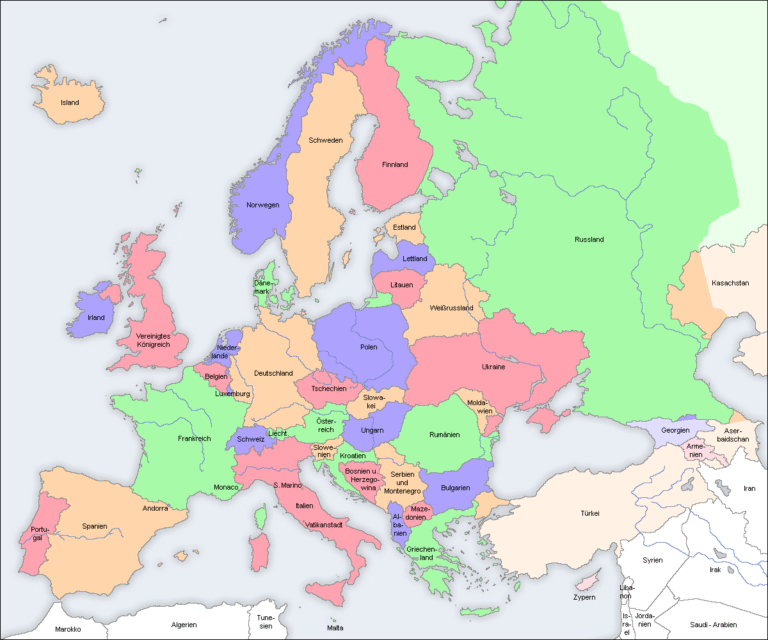
Could Trump Return Trigger Europe Split?

Key Takeaways:

• Joe Biden feared Donald Trump’s return could weaken NATO.
• Historian Phillips O’Brien warns a Ukraine loss could spark a Europe split.
• Trump’s second term has already strained U.S. relations with allies.
• The 2026 U.S. midterms may decide Europe’s future alliance strength.

During his four years as president, Joe Biden worried a Trump comeback would threaten NATO. Trump once talked about pulling the U.S. out of the alliance. On the other hand, Biden pushed hard for Sweden and Finland to join NATO. Now, seven months into Trump’s second term, the U.S. still belongs to NATO. However, relations with Europe feel very different.

Change in U.S.-Europe Relations

In a recent interview, military historian Phillips O’Brien told economist Paul Krugman that the United States now “goes to great lengths to antagonize its allies.” He added, “None of this makes any sense to me.” This shift worries many. After all, a healthy U.S.-Europe partnership has kept peace in the region for decades.

O’Brien says Trump’s return marks a dramatic break from Biden’s approach. Under Biden, the U.S. led efforts to expand NATO. With Trump in office again, Europe fears the U.S. will pull back support. As a result, old alliances may crumble, and trust could erode fast.

Ukraine’s Fate and Europe Split

O’Brien believes the Ukraine-Russia war will decide Europe’s fate. He warned that if Ukraine falls, Europe could face a serious Europe split. Some nations may side with Russia to protect their own interests. Others, like Finland and the Baltic states, will stand firm with Ukraine. This divide could reshape the continent’s security map.

Moreover, O’Brien said, “If Ukraine is sacrificed, Europe faces a terrible future.” Western Europe might pretend all is well. Meanwhile, Central and Eastern Europe, along with the Nordics, could forge a separate path. In other words, a clear Europe split could emerge.

Why 2026 Midterms Matter for Europe Split

Looking ahead, O’Brien stressed the importance of the 2026 U.S. midterms. He told Krugman, “That election will show whether America can come back—or if a darker era lies ahead.” European leaders will watch those results closely. If the midterms run fairly, Democrats could win and restore stability. However, if the vote proves flawed, Europe may doubt U.S. leadership for a long time.

Therefore, the 2026 midterms could tip the balance. A strong, fair election may heal U.S.-Europe ties. But a contested result might deepen doubts and push Europe toward a split.

The Threat to NATO

During his first term, Trump suggested the U.S. might leave NATO. Although that never happened, Europe never forgot. Now, Trump rarely praises NATO or promises to defend it. Instead, he criticizes budgets and battles over defense spending. As a result, NATO members worry America will not honor its treaty commitments.

Without strong U.S. backing, NATO’s power will fade. In turn, Europe might scramble to protect itself. Some countries could look to Russia or China for deals. Others might band together in a smaller, tighter alliance. This possible Europe split would weaken collective security on the continent.

How Europe Might React

Faced with a less reliable U.S., Europe has few good options. One path leads to stronger unity. In that scenario, EU nations boost their armies and craft clear defense plans. They could invest in new tech, share intelligence, and hold more joint exercises.

On the other hand, some nations may give up on full EU unity. They might form smaller groups based on geography or politics. For example, Baltic, Nordic, and Eastern European states could team up. Western Europe might then follow a different, softer security line. Such a Europe split would leave each camp less able to face big threats.

The Human Cost

Beyond politics, a Europe split carries a human cost. People in border regions could face new checkpoints. Families with ties across countries may struggle with stricter rules. Economies could falter if trade barriers rise. In short, life could become harder for millions of Europeans.

However, unity would keep borders open and markets thriving. It would also send a strong message to any nation tempted to use force. Thus, Europe’s leaders must act now to prevent that split.

What Comes Next for NATO and Europe

So far, Trump’s team has not withdrawn from NATO. Yet their moves worry allies. Europe now watches every White House shift. Some hope Biden might return in 2028 to heal ties. Others fear the U.S. could pull back even more.

Meanwhile, Europe must decide how to stand up. Will it invest in home defense or lean on old partners? Will it seek new alliances or push for EU unity? In any case, the future of NATO and Europe hangs in the balance.

Ultimately, preventing a Europe split starts with clear, united action. Leaders in Brussels and capitals across Europe should boost defense budgets. They should also press the U.S. to honor treaty promises. Through this joint effort, NATO can remain strong despite political shifts in Washington.

FAQs

Why did Biden worry about NATO under Trump?

Biden feared Trump might pull the U.S. out of NATO or cut support. That would weaken the alliance and invite new threats.

What did Phillips O’Brien warn about Ukraine?

O’Brien warned that if Ukraine falls to Russia, Europe risks a deep split. Some nations would side with Russia, while others would resist.

How could a Europe split affect everyday people?

A Europe split could bring border checks, trade barriers, and tougher travel rules. Families and businesses across Europe would feel the changes.

Why do the 2026 midterms matter for Europe?

European leaders view the 2026 midterms as a test of U.S. democracy. A fair election could restore trust. A flawed vote might deepen doubts and harm alliances.
Can Redistricting Save Our Elections?

0

Key Takeaways:

• Arnold Schwarzenegger cut greenhouse gases in California by boosting solar and hydrogen energy.
• Texas lawmakers redrew voting maps early to favor Republicans in 2025.
• Governor Newsom plans a limited redistricting move to block gerrymandering from Texas.
• Schwarzenegger calls gerrymandering “evil” and backs fair redistricting.
• California’s donor status and size make its redistricting fight vital for U.S. democracy.

Redistricting and the Fight for Fair Votes

Arnold Schwarzenegger made California a green energy leader. Yet now he warns that unfair maps can break democracy. He helped voters adopt an independent redistricting process in 2010. However, rising partisan maps in other states threaten to swing power nationwide. Therefore, California must act to defend honest elections.

Schwarzenegger’s Green Legacy

Schwarzenegger led California as governor. He fought climate change by moving away from oil and gas. He pushed solar, hydrogen, and other renewables. Also, he won permission for stricter car emission rules. As a result, California cut greenhouse gases. He earned praise as an EPA Climate Change Champion. His climate work shows true vision and long-term thinking.

Texas’s Political Power Play

Meanwhile, Texas Republicans moved early to redraw maps. They rushed maps for 2025 despite no new census. This move aims to create five extra safe GOP seats. Their plan packs Democratic voters into a few districts. Then Republicans win more seats even if they get fewer votes. The Supreme Court cleared this tactic in 2019. Now the system lets politicians choose voters, not vice versa.

Why Redistricting Matters Now

Redistricting decides which voters join which districts. When maps favor one party, it skews democracy. Moreover, rigged maps make people lose trust in elections. Schwarzenegger says gerrymandering is evil. He argues that fair redistricting protects voter power. Thus, he supports a California law that counters Texas’s power grab.

Welfare State vs. Donor State

California pays more to the federal government than it takes. In 2023-24, it sent $806 billion in federal taxes. Texas, in contrast, received $71 billion more than it paid. Also, California leads in Fortune 500 firms, tech start-ups, and farm output. Most rich states lean Democratic while poorer states lean Republican. Therefore, letting poorer states rig maps could hurt the nation’s economy.

Governor Newsom’s Response

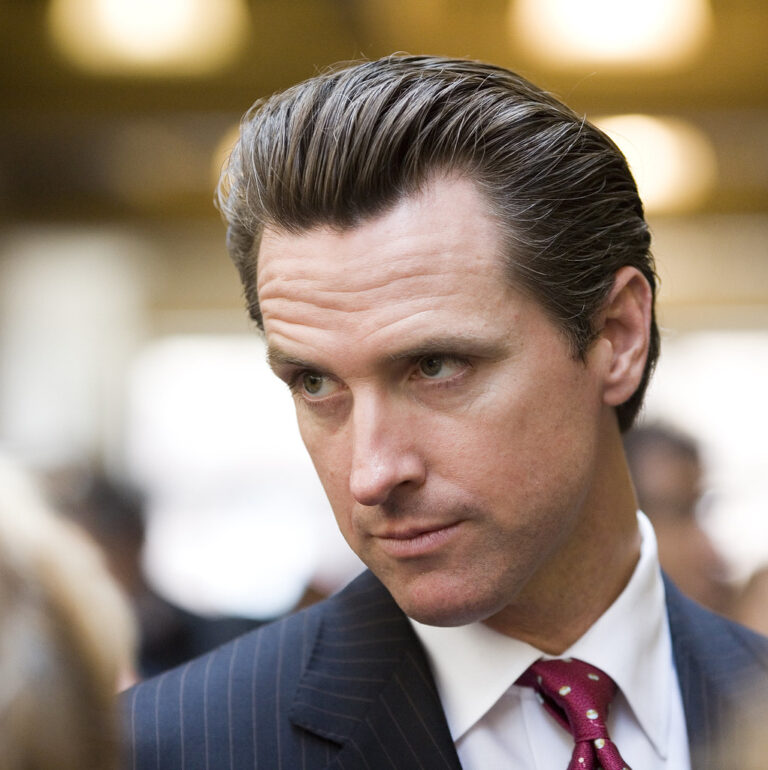
Gavin Newsom unveiled the Election Rigging Response Act. It would let California redraw five U.S. House seats. Yet Newsom said he will act only if Texas finalizes its maps. Now that Texas moves ahead, Newsom can launch the plan. Critics warn that this could disrupt California’s independent commission. However, supporters say it’s needed to stop nationwide gerrymandering.

What Happens Next

First, Texas will approve its new maps and send them to the governor. Then Newsom can trigger California’s counter-measure. At that point, California’s voters might see new lines in five districts. Meanwhile, other red states may follow Texas’s lead. If so, more governors like Newsom may seek similar responses. In turn, the redistricting battle could spread to Congress.

Protecting Democracy Through Redistricting

Fair redistricting stops politicians from picking their voters. It ensures communities have equal representation. Furthermore, it keeps minority voices from being diluted. As Schwarzenegger notes, strong democracy depends on honest maps. Without them, elections lose meaning and trust erodes. Therefore, Californians must support measures that keep maps fair.

Moving Forward Together

Citizens can push back by voting for officials who value fair maps. They can also join groups that monitor redistricting. Moreover, they can voice concerns at public hearings on district lines. In this way, communities maintain a check on political power.

FAQs

What is redistricting?

Redistricting redraws voting boundaries after each census. It ensures districts reflect population changes. When done fairly, it helps equal voter representation.

Why do experts call gerrymandering harmful?

Gerrymandering favors one party and weakens voter power. It leads to uncompetitive races and low turnout. In the long run, it damages trust in democracy.

How did Schwarzenegger influence redistricting in California?

He campaigned for an independent commission in 2010. Voters approved it to keep politicians from drawing their own districts. This move made California’s maps more balanced.

Can California’s plan block Texas’s maps?

Yes. The plan lets California redraw some districts if Texas finalizes gerrymandered lines. It acts as a defensive step to preserve fair representation.

Is Newsom’s Trolling Driving MAGA Crazy?

0

Key Takeaways:

  • California governor Gavin Newsom has launched a viral troll campaign.
  • His use of nicknames and caps mocks Trump’s style.
  • Fox News hosts and MAGA allies reacted angrily.
  • Newsom’s strategy boosts attention and avoids fact checks.
  • His trolling may reshape how Democrats engage online.

Why Newsom trolling is a digital win

Gavin Newsom’s trolling has grabbed huge attention. He mocked the White House over the Texas power grab. By copying Trump’s bold caps and nicknames, Newsom secured free media coverage. As a result, he saw more donations and a spike in online followers. In today’s attention economy, grabbing eyeballs equals success. Moreover, Newsom’s team avoided serious policy debates and steered clear of complex fact checks. Instead, they focused on catchy memes and short, shareable posts. This move helped the governor win headlines across social media and cable news. In short, Newsom trolling turned a policy clash into a viral moment.

How Newsom trolling triggers MAGA hosts

Across the right-wing sphere, Fox News stars are fuming. Dana Perino called the gag “not funny” and accused Newsom of inauthenticity. Tomi Lahren echoed similar complaints on air. Even Homeland Security’s Kristi Noem joined the chorus. Vice President J.D. Vance also weighed in, praising Trump’s “authenticity” while criticizing Newsom’s mimicry. However, their outrage only fueled the troll storm. Every angry tweet became more ammunition for the governor’s team. Consequently, Newsom trolling became a self-reinforcing cycle. As critics screamed about disrespect, more people tuned in to see what he might post next.

The strategy behind the jokes

Newsom learned from Trump’s playbook. He knows short, bold lines stick in people’s minds. By using ALL CAPS, he tapped into the same energy that rallied Trump supporters. Yet Newsom turned the tactic on its head, using it to mock rather than to rally his own base. This clever flip shows the double power of trolling. First, it draws attention without deep policy talk. Second, it escapes the “fact-check” trap. When critics dig into details, Newsom’s posts have already gone viral. As a result, opponents react too late, and the governor moves on to the next jab. Additionally, the tactic gives his team quick data on what resonates. They can refine their messages on the fly.

The court jester effect

Some critics compared Newsom to a court jester. They say he points out the king’s absurd acts. In this case, Trump plays the role of the king. Newsom plays the fool who dares to mock him. Reporters noted that MAGA pundits can’t acknowledge the joke. They fear upsetting Trump’s loyal fans. Instead, they frame Newsom’s mimicry as an attempt to be like Trump. Yet their over-the-top reaction reveals they know exactly what’s happening. Their denial makes the trolling even funnier. Moreover, this dynamic reminds us of classic satire. By acting foolish, the jester wins the power to expose folly.

Why the resistance cheers

Newsom trolling has energized his supporters. Many Democrats grew tired of polite, policy-focused messaging. They saw little impact on national headlines. With trolling, they now capture the same spotlight that once shone on Trump. As Newsom hurls barbs at Trump and his allies, resistance voters feel vindicated. They share memes and clap back online. In turn, this boosts political energy ahead of midterms. When activists feel energized, they donate and volunteer more. Therefore, Newsom’s trolling may pay dividends beyond social media likes.

Potential pitfalls of the tactic

Despite the wins, trolling carries risks. Critics warn that mocking style could backfire. Some fear Newsom’s tone might alienate moderate voters. Others worry it distracts from real policy debates. Additionally, ongoing taunts may lose impact over time. If Newsom leans too hard into mocking, his message may grow stale. Therefore, his team must balance humor with substance. They need to ensure that good jokes don’t replace good policies.

What’s next for Newsom and Trump?

Moving forward, both camps may escalate the war of words. Trump could respond with fresh nicknames or new social media blasts. Meanwhile, Newsom might refine his trolling tactics. He could introduce video skits or surprise guest appearances. Either way, the focus remains on grabbing headlines. In a digital age, bold moves win the contest for attention. Trump and Newsom both know that. However, only one side can keep the narrative going. At this point, it looks like Newsom has the upper hand.

Conclusion

Gavin Newsom’s trolling strategy has reshaped political engagement. By cleverly borrowing from Trump’s playbook, he dominated headlines. His use of satire and caps won both laughs and donations. Meanwhile, critics on Fox News fumed publicly, fueling the fire. Although risks exist, the approach shows how fresh tactics can cut through today’s crowded media landscape. As political battles move online, savvy trolling might become a key tool for any campaign.

Frequently Asked Questions

How did Newsom’s trolling start?

He began by mocking Trump’s Texas power grab with nicknames and caps. His posts aimed to spotlight the dispute while entertaining followers.

Why are MAGA hosts upset by Newsom’s approach?

They feel he copies Trump’s style and lacks authenticity. Their objections, however, only increase the trolling’s reach.

Can trolling help win elections?

Trolling can boost attention, donations, and engagement. Yet it must pair with solid policies to win votes.

Will Newsom’s strategy last?

Its success depends on balance. Fresh jokes and clear policy messages could keep it strong. Otherwise, it risks losing impact.

Should Trump Troops Clean Up Chicago Crime?

0

Key Takeaways

• Fox News host Rachel Campos-Duffy urged President Trump to send federal troops to fight crime in Chicago.
• She compared Chicago’s violence to “woke” changes at Cracker Barrel and Target.
• Campos-Duffy pointed to nine days of zero murders in Washington, D.C., under federal protection.
• She argued that local leaders ignore citizens’ wishes, while Trump understands customer service.

Should Trump Troops Clean Up Chicago Crime?

Chicago faces high levels of violence. Meanwhile, D.C. saw nine days of zero murders under federal protection. On a recent Fox News show, Rachel Campos-Duffy argued that Trump troops could bring order to Chicago’s streets. Her comparison ranged from business lessons to the Cracker Barrel logo controversy. This article breaks down her claim and explores its wider impact.

Why Trump Troops Proposal Sparks Debate

Rachel Campos-Duffy believes federal forces can reduce crime. She says Chicago’s leaders ignore residents’ wishes. Instead, they push “stupid policies,” she claims. In contrast, she sees Donald Trump as a businessman who listens to customers. By “customers,” she means everyday Americans who suffer from violence.

Crime Drop in D.C. Under Federal Watch

For nine straight days, Washington, D.C. recorded zero murders under federal troop presence.

• Griff Jenkins highlighted this on Fox News as proof of success.
• Campos-Duffy pointed out that local police alone hadn’t achieved such results.
• She argued that federal troops offered a clear solution to violent crime.

Comparing Chicago to Cracker Barrel and Target

Moreover, Campos-Duffy used recent retail controversies to make her point. First, she mentioned Cracker Barrel’s new logo. Many conservatives called it “woke” because it removed the old-timey feel. She argued the CEO never asked customers before redesigning.

Furthermore, she referred to Target’s decision to feature trans bathing suits for kids at store entrances. According to Campos-Duffy, the CEO skipped customer input.
Then she linked these business mistakes to Chicago’s leadership. In her view, local officials push policies without talking to citizens. Thus, she suggested asking residents if they want Trump troops to restore safety.

Citizens as Customers: A Business Mindset

Campos-Duffy sees a simple lesson. She says successful businesses talk to customers before making big changes. In her analogy:

• Chicago residents are customers.
• Chicago’s mayor and governor are the CEOs.
• Federal troops represent a service improvement suggested by citizens.

She argued that if leaders had surveyed south side residents, they would have heard calls for federal intervention. Therefore, she believes that Trump troops could serve the community’s true needs.

Legal and Political Hurdles

However, sending Trump troops to Chicago faces major obstacles. The U.S. Constitution limits the use of federal forces in domestic affairs. The Posse Comitatus Act, for example, restricts military involvement in civilian law enforcement. Moreover, Chicago’s mayor and Illinois’ governor would likely oppose any troop deployment.

At the same time, some voters applaud the idea. They see it as a bold solution to rising crime. Meanwhile, critics warn it could lead to clashes between soldiers and civilians. They fear a militarized response might harm community trust.

Impact on Trump’s Image

For Donald Trump, the offer to deploy troops to Chicago could play well among certain voters. His base often favors tough measures on crime. In addition, he can frame the move as following citizen demands—just like a savvy CEO.
On the other hand, opponents would use it to label him as authoritarian. They would say he treats cities like battlefields. Ultimately, the debate over Trump troops will highlight deep divisions in American politics.

Could Federal Troops Be the Answer?

First, the D.C. example shows that federal support can reduce murders. However, every city differs in size, culture, and local politics.

Second, the success in D.C. depended on careful coordination with local police. Chicago’s law enforcement may or may not cooperate fully.

Third, public opinion in Chicago is split. While some areas suffer severe violence, other neighborhoods worry about civil liberty overreach.

Therefore, even if Trump troops arrive, the outcome remains uncertain. The idea of federal forces patrolling city streets stirs strong emotions on both sides.

Lessons from Business and Politics

In business, ignoring customer feedback often backfires. For Cracker Barrel and Target, skipping customer input led to backlash. Similarly, in politics, ignoring community voices can fuel frustration.
Campos-Duffy’s core point is that leaders must listen. Whether in a restaurant or a city government, top-down decisions risk alienating those they serve.
So, by her logic, Trump troops could only succeed if local residents truly demand them. Otherwise, the plan might face resistance at every turn.

Moving Forward: What Comes Next?

As the debate unfolds, several factors will shape the discussion:
• Local Surveys: If polls show strong support for federal help, the idea gains momentum.
• Legal Review: Courts and Congress may need to weigh in on troop deployment.
• Political Will: Chicago’s leaders must decide if they want outside assistance or prefer local solutions.
• Public Dialogue: Community meetings can highlight real needs and concerns.

In any case, the controversy reveals how business analogies influence political talk. It also shows how strongly Americans feel about urban safety and civil rights. Whether Trump troops ever march into Chicago remains to be seen. Yet Campos-Duffy’s comparison to Cracker Barrel and Target has made a simple point: leaders should ask their “customers” what they want.

FAQs

What law limits federal troops in cities?

The Posse Comitatus Act restricts military involvement in domestic law enforcement. It aims to prevent the misuse of military power against civilians.

How did D.C. achieve zero murders for nine days?

Federal support, clear rules of engagement, and close cooperation with local police helped reduce violence. It shows that teamwork can produce quick results.

Would residents welcome Trump troops?

Opinions vary. Some communities in Chicago’s south side say yes, while civil rights groups worry about militarization. Surveys and public forums can clarify real sentiment.

What alternatives exist to using federal troops?

Chicago could boost local police funding, expand community programs, or adopt new crime-fighting technologies. These options may avoid legal hurdles and political conflict.

Could Trump’s Policies Trigger Stagflation?

Key Takeaways

• Nobel Prize economist Paul Krugman warns of potential stagflation under Trump’s policies
• Tariffs and deportations create inflation shocks and slow economic growth
• AI investments have so far propped up the economy
• A slowdown in AI could tip the U.S. into recession

Stagflation Warning from a Nobel Prize Economist

Nobel winner Paul Krugman issued a stark warning on Sunday. He argues that President Trump’s trade and immigration rules could spark stagflation. In simple terms, stagflation means slow growth, high inflation, and rising unemployment. Krugman says tariffs and deportations are at the heart of this threat.

How Trump’s Policies Fuel Stagflation Risks

Krugman explains that tariffs raise the cost of imported goods. Consequently, prices climb for everyday items. At the same time, deportation rules shrink the labor force. This leads to tighter job markets and slower growth. Moreover, the combination of rising prices and weak growth is classic stagflation. He stresses that people worry about stagflation “for good reason.”

Tariffs and inflation

• Tariffs on steel, aluminum, and other goods add extra costs.
• Companies pass these costs to consumers through higher prices.
• Food and fuel often become more expensive first.

Deportations and growth drag

• Fewer workers slow factory output and services.
• Businesses struggle to fill roles, cutting back on production.
• Slower hiring and output dampen overall growth.

AI Investments Mask Stagflation Threat

Interestingly, Krugman points out one bright spot. Major tech firms like NVIDIA, Apple, and Taiwan Semiconductor have poured huge sums into AI in the U.S. These centi-billion-dollar investments come during Trump’s second term. Thus, they have softened the blow from high prices and weak growth. In fact, without this AI boom, the economy might already be in recession.

Why AI matters now

• AI projects create high-paying jobs in tech hubs.
• New factories and research centers spur local growth.
• These investments add to overall economic output.

However, Krugman warns that this cushion is not permanent. If the AI boom loses steam, the U.S. risks falling into the classic trio of rising prices, low growth, and job losses—stagflation.

What Happens if the AI Boom Stalls?

Krugman paints a clear picture: if AI funding dries up, the U.S. economy faces a serious downturn. Prices would stay high, growth would slow even more, and layoffs could spike. In that scenario, stagflation would turn into full-blown recession. He urges caution and vigilance, noting that policy choices today shape tomorrow’s outcomes.

Potential AI slowdown triggers

• Global chip shortages or supply chain issues
• New regulations limiting AI development
• Companies reallocating funds away from AI

Why Stagflation Matters to You

You might wonder why economists talk about stagflation instead of regular inflation or recessions. Stagflation hurts families two ways. First, it makes everyday goods like groceries and gas more expensive. Second, it reduces job opportunities as businesses cut costs. Together, these effects squeeze household budgets and dampen overall confidence.

Everyday impact

• Grocery bills rise even if pay stays flat
• Hiring slows, making it harder to find a job
• Savings lose value faster in a high-inflation world

What You Can Do

While you can’t control federal policy, you can prepare. Review your household budget and cut nonessential spending. Consider diversifying your skills to stay in demand. Finally, keep an eye on inflation rates and job reports. Staying informed helps you respond quickly if prices climb or jobs vanish.

Conclusion

In summary, Krugman’s warning centers on stagflation risks from tariffs and deportations. For now, AI investments have kept the economy afloat. Yet, any pause in that boom could pull the U.S. into a tough recession. Therefore, it’s smart to track policy shifts and economic data. After all, staying alert can help you navigate tougher times ahead.

Frequently Asked Questions

What is stagflation, and why is it dangerous?

Stagflation describes a period of slow growth, high inflation, and rising unemployment. It is dangerous because it hits both consumer wallets and job markets at once.

How do tariffs contribute to stagflation?

Tariffs increase the cost of imported goods. Companies then pass those costs to consumers. As prices climb, inflation rises even if growth slows.

Why are AI investments seen as a lifeline?

Major AI investments create high-paying jobs and boost factory output. This added growth helps offset the drag from higher prices and weak hiring.

What can trigger a slide into recession?

A slowdown in AI funding, new trade disputes, or stricter immigration rules could reduce growth. Without strong growth, high inflation may push the economy into recession.

Is the Intel Deal Copying China’s Statism?

Key Takeaways

  • The U.S. government now owns a 10% stake in Intel under a CHIPS Act grant.
  • Critics argue this Intel deal mirrors China’s state-run business model.
  • The Wall Street Journal’s conservative board warns of growing “statism.”
  • Few Republicans in Congress have opposed the move so far.
  • Some fear future presidents might use this stake for political aims.

Overview of the Intel deal

On Friday, the president announced the U.S. would take a 10% ownership stake in Intel. The government will pay $8.7 billion under an approved grant from the CHIPS and Science Act. Intel calls these funds part of its Secure Enclave program. In effect, Washington joins as a minor partner in one of its largest chip makers.

This Intel deal aims to boost domestic chip production. It also seeks to counter China’s growing influence in tech. While supporters praise stronger supply chains, critics see a worrying trend.

Why Critics Target the Intel deal

Conservative editors at a leading national paper blasted the Intel deal. They claim it copies China’s model of state-controlled business. In their view, the U.S. now imitates a system it once opposed. They wrote, “Washington is becoming Chinatown.”

Moreover, the editorial board warned the deal may stifle innovation. They fear company leaders will shift focus from profits to political aims. They also note Intel already struggles with delays and cost overruns. Therefore, adding government oversight could slow its turnaround even more.

Republicans Silent on Statism?

Surprisingly, few Republican lawmakers have objected to the Intel deal. Critics ask why party members remain quiet. After all, Republicans often oppose big government in business. Yet this deal passed without major roadblocks.

Some believe party leaders back higher tech funding to compete with China. However, this deal still represents an unusual level of state involvement. If next year’s election brings a new Democratic president, that administration could steer Intel toward social projects. For example, they might direct profits into low-income housing. This thought alarms conservatives who loathe government overreach.

How the Intel deal Could Shape Politics

State stakes in private firms create new power lines. A future administration could use ownership to reward allies. It might push corporate boards to meet specific goals. Thus, business decisions could hinge on political pressure.

Furthermore, this trend could spark a fusion of left and right ideas. While leftists favor government action to help workers, right-wing statists now back federal control in strategic sectors. Consequently, both sides inch closer to a shared belief in big government solutions.

Potential Impact on Innovation

Critics argue that government involvement kills risk-taking. They say executives may avoid bold moves to keep political sponsors happy. Instead, firms could focus on meeting policy targets. In this scenario, product roadmaps may follow Washington’s agenda, not market demand.

However, supporters insist the Intel deal frees companies from financial strain. They believe stable funding ensures long-term research and development. They also argue that rivals in China enjoy full state backing, so the U.S. must match that strength.

Understanding Statism and Market Choice

Statism means heavy government control over industry. In contrast, free markets let buyers and sellers decide. Critics of the Intel deal see a slide toward the former. They worry America may lose its competitive edge.

On the other hand, some experts claim strategic industries need more public support. They point out key technologies can determine national security. Therefore, the government’s role may be less about politics and more about survival.

Breaking Down the Debate

First, this deal tests how far the U.S. will go to compete internationally. Second, it poses a dilemma about government size. Third, it raises questions about the future of corporate independence. Finally, it reveals surprising unity among elites for state-backed projects.

What Happens Next?

Congress could revisit the Intel deal in future budgets. If Republicans gain more seats, they may seek limits on such investments. Conversely, Democrats might expand the program. Either way, the precedent stands: the U.S. now owns a piece of Intel.

Meanwhile, Intel faces the challenge of meeting both market demands and policy goals. Its leadership must balance profit targets with government priorities. Success or failure here may shape how America funds key industries.

Conclusion

The Intel deal marks a clear shift in U.S. policy. By taking an ownership stake, the government joins the boardroom. Critics warn this mirrors China’s state-run model and risks stifling innovation. Yet supporters believe it levels the global playing field. As Republicans weigh in, the nation must decide how much control it wants over private firms.

Frequently Asked Questions

What does the Intel deal involve?

The Intel deal gives the U.S. government a 10% ownership share in Intel. The funds come from the CHIPS and Science Act grant.

Why do critics compare it to China’s model?

Critics say government stakes in private firms mirror China’s state-run economy. They warn this approach reduces market freedom and hampers innovation.

Could this deal affect political decisions at Intel?

Yes. Government ownership may let future administrations push Intel toward social or political goals, from housing projects to workforce rules.

Will the Intel deal boost U.S. chip production?

Supporters believe the funding will speed research and cut reliance on foreign suppliers. However, some caution that added oversight could slow down new products.

Will Trump Join the Public Safety Walk in Baltimore?

0

Key Takeaways

• Maryland’s governor invited the former president to join a public safety walk in Baltimore.
• Governor Moore praised his state’s crime-fighting model and opposed federal troop deployment.
• President Trump slammed the invitation, blamed Moore for rising crime, and warned of troops and funding cuts.
• The feud could shape future federal support and local crime efforts in Maryland.

The governor of Maryland asked President Trump to join a public safety walk. He said Maryland’s approach works better than sending troops. Trump fired back on his platform. He called the invitation “nasty” and threatened to cut bridge funds if Moore did not improve crime numbers.

What Is the Public Safety Walk Invitation?

Governor Wes Moore wrote to the White House last week. He invited the former president to walk Baltimore streets with local leaders and officers. He said Maryland’s crime strategy relies on real results and not on big displays. He argued that using National Guard troops to police cities does not fit the job. Instead, he pointed to local programs that offer support, community ties, and smart policing.

Moore stressed that progress demands the right tool for the right mission. He said his state reduced crime without flashy tactics. By inviting Trump to a public safety walk, he hoped to show that teamwork and local plans can help cities in need. Moreover, he wanted to share ideas that work in Maryland with the rest of the nation.

Why Did Trump Criticize the Public Safety Walk?

In a Sunday post on his social platform, Trump lashed out. He claimed Moore’s tone was “nasty and provocative” for inviting him to a public safety walk. He said Maryland’s crime record is “very bad” unless Moore manipulates the data. He compared Moore unfavorably to other Democratic leaders.

Trump also said he would prefer Moore fix crime before hosting any walk. He added that if Moore needed help, he would send in troops. He used Washington, D.C., as an example of where federal forces moved in. In Trump’s words, the troops would “quickly clean up the crime.” Therefore, he urged Moore to stop talking and start working.

Troop Threat and Bridge Funds

Beyond the walking dispute, Trump raised another issue. He threatened to rethink funding for the Francis Scott Key Bridge. A container ship hit the bridge months ago, leaving it in disrepair. Trump reminded the governor that he already provided money to fix it. Yet, he warned that aid could vanish if Moore did not get crime under control.

This blend of security and infrastructure pressure ups the stakes. On one hand, Trump frames his threats as a push for safety. On the other, the bridge project is vital for local trade and travel. As a result, Maryland faces a dual challenge: battling crime and securing federal funds for key projects.

How This Feud Could Affect Baltimore and Maryland

This public spat could shape several outcomes. First, it may shift how the federal government supports local crime programs. If Trump cuts bridge funds, Maryland might face delays and higher costs. Local leaders worry that lack of repair money could hurt businesses and commuters.

Second, the debate over troops versus local plans will influence future policy. If Moore’s model shows continued success, other states might follow suit. In contrast, a federal troop deployment could set a precedent for using military forces in civilian areas. That raises questions about rights and effectiveness.

Finally, the feud affects public perception. Voters will watch how each side handles safety and funding. Moore must prove that his state’s crime numbers are real and that repair projects move forward. Meanwhile, Trump’s supporters will assess whether his tough talk on crime truly makes cities safer.

What Comes Next?

In the coming weeks, both sides will likely escalate their messages. Governor Moore may invite Trump again or challenge him to a community forum. He could showcase local programs that reduce violence, like youth outreach and mental health support.

President Trump might follow through on threats. Sending troops to a U.S. city would be historic and controversial. Likewise, delaying bridge funds could spark legal fights or congressional action. Lawmakers may push to secure funding regardless of presidential threats.

Moreover, community groups in Baltimore will weigh in. They may welcome a public safety walk as a chance to show progress or criticize it as a political stunt. Their response could sway public opinion and influence local elections.

Ultimately, the clash over a simple public safety walk has turned into a test of power and priorities. It reveals how local crime, infrastructure, and politics can intersect. As Maryland and Washington talk past each other, Baltimore’s residents wait to see who will deliver real results.

FAQs

What exactly is a public safety walk?

A public safety walk brings together leaders, officers, and citizens to walk neighborhood streets. Participants talk with locals, spot trouble spots, and highlight successful programs. It aims to boost trust and find real solutions.

Why does Governor Moore oppose sending troops to cities?

He believes National Guard troops lack the training for community policing. Instead, he favors local officers who know the neighborhoods. He says targeted programs and community ties work better than military-style enforcement.

Can the president cut funds for a state bridge project?

The president can propose budget changes, but Congress holds the power of the purse. Lawmakers would need to approve any funding cuts. So, threats may spark political battles, but actual cuts require legislative action.

How could this dispute affect crime in Baltimore?

If the feud delays support or damages collaboration, crime-fighting efforts could suffer. On the other hand, more attention might bring new resources or ideas. The outcome depends on whether leaders focus on effective solutions or political point-scoring.

Why Did Geraldo Rivera Criticize Trump?

0

Key takeaways:

• Geraldo Rivera praises Trump’s fights over document cases as valid.
• Rivera warns against using federal power for personal revenge.
• He calls Trump’s pursuit of John Bolton “lame” and self-defeating.
• The journalist urges Trump to focus on bigger issues ahead.

Geraldo Rivera Calls Out Trump

Conservative journalist Geraldo Rivera rarely criticizes Donald Trump. Yet this weekend he did just that. He took to X to share his thoughts on Trump’s recent actions. In clear language, he praised Trump’s wins in court. However, he slammed Trump’s plan to target his former aide John Bolton.

Rivera first praised Trump’s legal battles. He labeled them real fights against “lawfare.” He said Trump rightly exposed fake charges over Mar-a-Lago documents. He added that New York’s civil judgment overstated Trump’s property values. Moreover, he noted the Supreme Court swiftly dismissed January 6 charges. He pointed out that nearly every case fell apart or got dropped.

Despite this success, Rivera urged Trump to stop his revenge plans. He wrote, “He should not use federal power to hurt his critics.” He said punishing John Bolton was arrogant and unwise. Rivera called it a “narcissistic, spoiled bully” move. He warned it could damage Trump’s image just before a campaign.

Why this matters now is clear. Trump plans to run again. His supporters want him to stay focused on the issues. Meanwhile, attacks on critics may sap that goodwill. Rivera believes Trump can win more support by defending himself wisely. He added that chasing petty feuds wastes energy and votes.

Geraldo Rivera on the Bolton Raid

John Bolton once served as Trump’s national security adviser. Later, he turned into a vocal critic of the former president. Recently, the FBI raided Bolton’s home. They wanted documents he took from the White House. This move surprised many Republicans who saw it as political.

In his post, Rivera said Trump should avoid this path. He claimed the raid served only to settle personal scores. He argued it lacked any real legal merit. Instead, it could backfire by making Trump look vengeful. He reminded readers that critics often become bigger threats when punished.

Rivera noted that Trump excels when he focuses on big-picture fights. He urged Trump to stick to challenges that matter to voters. For example, economic policies, immigration, and foreign relations. He warned that distractions over personal grudges hurt that focus.

How Trump’s Next Steps Could Play Out

Trump’s team must decide his strategy. They can either keep hitting critics or shift to policy talk. Rivera clearly hopes they choose the latter. He believes Trump gains more by debating real issues.

First, Trump could highlight plans to boost jobs. Then, he might sharpen his immigration proposals. Also, he could stress national security achievements. In addition, he should spot weak points in rival campaigns. By doing so, he can maintain momentum.

On the other hand, if Trump doubles down on personal attacks, he risks alienating moderates. Some Republicans fear a harsh tone drives away swing voters. Therefore, they advise a calm, issue-driven approach. Rivera’s critique adds weight to that advice.

Why Rivera’s Voice Matters

Geraldo Rivera holds sway in conservative circles. He has reported for decades and built broad name recognition. When he speaks, many pay attention. His words often spark debate on talk shows and social feeds.

Now, Rivera has painted Trump’s Bolton pursuit as a misstep. That view could shape opinions among undecided voters. It might also nudge other conservative voices to speak up. In turn, Trump’s team could rethink any plans for revenge raids or lawsuits.

Ultimately, Rivera wants Trump to win again. Yet he sees a clear path to victory. That path relies on strong policy pitches and unity within the party. Abrasive tactics, he warns, threaten both.

What Comes Next for Trump

As the campaign season heats up, Trump must chart his next moves. He faces choices on many fronts. Critics like Bolton, legal battles, and rival candidates all await his response.

By toning down personal vendettas, Trump could refocus his message. He may also rebuild bridges with key Republican leaders. Additionally, he might seek new endorsements to broaden appeal. Above all, he needs to keep voters engaged with clear solutions.

If Trump follows Rivera’s advice, he will stick to core issues. He will avoid distractions that cost time and goodwill. That strategy could strengthen his lead in polls and debates.

In the end, Donald Trump must choose between fight or focus. Geraldo Rivera’s recent criticism shows where some experts stand. Only time will tell if Trump listens.

Frequently Asked Questions

What did Geraldo Rivera praise about Trump?

He praised Trump’s success in fighting legal cases labeled as “lawfare” against him.

Why did Rivera call Trump’s actions “lame”?

He called Trump’s pursuit of John Bolton “lame” because it seemed petty and counterproductive.

What is Rivera’s main advice to Trump?

Rivera advises Trump to avoid using federal power for personal revenge and to focus on big issues.

How might this criticism affect Trump’s campaign?

It could push Trump to adopt a policy-driven approach and prevent distractions from personal feuds.

Is Trump’s Team Embracing Far-Right Ideas?

0

Key Takeaways:

  • A New York Times report highlights Trump picks with far-right views.
  • MSNBC panelists were shocked by their extremist comments.
  • Some officials back the Great Replacement Theory and praise “exceptional white men.”
  • White nationalist groups say they feel more empowered than ever.

Trump’s Picks and Far-Right Voices

President Trump seems ready to appoint people known for far-right views if he wins a second term. A recent New York Times report names several officials tapped for key roles who have shared extreme opinions. MSNBC’s panel on “The Weekend: Primetime” read those comments on air. They found the remarks so jarring that they paused the show to react.

Shock on the MSNBC Panel

“Did he really say that?” asked host Antonia Hylton as she replayed clips of Trump’s team talking about race and culture. The panel had covered these figures before, yet hearing their words back-to-back felt “depressing,” she said. Ayman Mohyeldin chimed in that these picks give white nationalists a louder voice in government. He pointed out that when someone like Stephen Miller shapes immigration policy, it sends a clear signal.

Why Far-Right Voices Matter

The term far-right refers to extreme political views, often tied to white nationalism or anti-immigrant beliefs. In this case, many Trump picks have praised ideas that once cost people their jobs in past administrations. For example, podcast host Paul Ingrassia, now set to lead the Office of Special Counsel, claimed that “exceptional white men” best appreciate Western civilization’s benefits. That kind of statement used to be a career-ender. Now it looks like it could be a promotion.

Claims Behind Closed Doors

According to the New York Times, Trump advisers have echoed the Great Replacement Theory. This theory warns that immigrants will outnumber native-born Americans in a hostile takeover. In reality, it paints immigration as a military invasion. Experts say it fuels fear and hatred. Yet these far-right talking points keep popping up in policy talks and speeches.

Moreover, some officials have shared memes and articles from extremist sites. They have praised politicians who deny systemic racism. They have warned that the country faces cultural collapse if demographics shift too fast. Each time, they have positioned themselves as saviors of a fading legacy.

White Nationalists Feel Heard

White nationalist groups have applauded the new lineup. They see these administration officials not merely as dog whistles, but as megaphones for their cause. They believe they have won a seat at the table—legally and publicly. On social media, they celebrate each appointment as proof that their ideas are gaining respectability.

In addition, many of these groups have found a second home on X, the platform Elon Musk now runs. Musk’s changes to content moderation have let extremist voices grow louder. As a result, white nationalists post more freely. They spread conspiracy theories without fear of bans or fact checks. That feeds back into politics, pushing the mainstream conversation even further right.

What Comes Next

If Trump wins a second term, these picks could shape major policies. They could rewrite civil rights guidelines, alter immigration laws, and reshape how the government serves diverse communities. Citizens and lawmakers will need to watch closely. They must ask tough questions about fairness and inclusion.

At the same time, voters will decide if these far-right views represent America’s future. Polls show that many people reject extreme messages. Yet passion often trumps numbers. Activists on both sides are mobilizing like never before. They hold rallies, write op-eds, and call their representatives daily. Their actions could sway Congress and the courts in the years ahead.

In the end, this debate over far-right influence comes down to core values. Do Americans want leaders who stoke fear and division? Or do they prefer those who seek to unite and uplift every citizen? The answer will shape the country’s path for decades.

Frequently Asked Questions

How did the New York Times find these far-right views?

Reporters reviewed public speeches, social media posts, and old interviews. They also spoke with former staffers who remembered controversial statements.

Why did the MSNBC panel react so strongly?

Hosts felt the comments were shocking even by current standards. They expected criticism but found the remarks more extreme than most imagined.

What is the Great Replacement Theory?

It’s a conspiracy claim that immigrants are deliberately replacing native-born citizens. Experts say it fuels xenophobia and white nationalism.

Can these officials really reshape policy?

Yes. High-level advisors and appointees can draft executive orders, influence regulations, and guide agency priorities. Their views can translate into real rules.

Is Trump’s Team Saying the Quiet Parts Out Loud?

0

Key Takeaways:

  • A panel on MSNBC says the Trump administration often says the quiet parts out loud.
  • Trump’s pardon attorney, Ed Martin, openly spoke of naming and shaming investigation targets.
  • Recent raids, including on John Bolton’s home, seem tied to this public approach.
  • Other officials, like Pam Bondi and Kash Patel, echoed private plans on social media.

Say the Quiet Parts Out Loud: What It Means

The phrase “quiet parts out loud” means sharing things usually kept secret. In politics, some details stay behind closed doors. However, the Trump team has a habit of revealing them. For example, hitting an enemy with an investigation is often done quietly. Yet, Trump’s pardon attorney, Ed Martin, said he would publicly name targets even if they could not face charges. That type of talk puts all plans into the spotlight.

First, naming targets may scare some people. Second, it may look less fair. In fact, many experts worry that public calls for “naming and shaming” may harm basic legal rights. When officials say the quiet parts out loud, they risk turning serious probes into political theater.

Why the Trump Team Keeps Saying the Quiet Parts Out Loud

The key reason seems to be performance. When high-ranking figures talk about private plans, they grab headlines. For instance, the recent FBI raid on former national security adviser John Bolton’s home also became a public show. Even before any charges, officials and their allies posted on social media about the search. This fueled more news coverage and online buzz.

Moreover, speaking so frankly can rally supporters. A certain base may cheer the bold tone. They may feel their side finally plays by its own rules. Yet, critics say this method undermines trust in core systems. People expect law enforcement to act seriously and discreetly. Saying the quiet parts out loud can turn a careful process into a spectacle.

How Social Media Helps Say the Quiet Parts Out Loud

Social media makes it easy to share private plans in public. For example, after the Bolton raid, former Florida Attorney General Pam Bondi posted about the search on her personal accounts. She described the operation before any official statement. Likewise, Kash Patel, a former Pentagon employee, tweeted details about the raid within hours. As a result, the news cycle focused less on why the search happened and more on who revealed it first.

Such posts also mix official news with personal opinion. Viewers may find it hard to tell fact from spin. Meanwhile, other officials see the attention and join the chorus. Soon, every development becomes a chance to go on air or publish another post. In this way, the team keeps saying the quiet parts out loud.

Political Costs of Saying the Quiet Parts Out Loud

While the showmanship may energize some voters, it also brings risks. First, it blurs the line between justice and politics. A case should rest on solid evidence, not on who shouts the loudest. Yet, public naming can tilt public opinion before facts emerge.

Second, targets of such naming and shaming may face harm even if they avoid charges. Imagine someone’s reputation taking a hit because a high-profile lawyer promised to expose them. That stigma can last a lifetime. Even if courts clear them, the social media posts remain.

Third, allies outside the administration may grow uneasy. Lawmakers, judges, and career staffers often prefer discretion. They may resist being dragged into public fights. As a result, the justice system could lose some of its normal checks and balances.

What Comes Next After Saying the Quiet Parts Out Loud?

At the moment, we do not know what evidence the DOJ holds on Bolton or others. There could be solid proof. However, the public spectacle around these probes makes some doubt fairness. Now, media outlets and rival politicians watch closely. Each new tweet or public remark fuels more commentary.

In the weeks ahead, watch for:

• Any formal charges or lack of them after these public announcements.
• Reactions from judges who may stress the need for confidentiality.
• Statements from career prosecutors worried about the process’s integrity.
• New posts from officials eager to keep the narrative alive.

If the pattern continues, the team will keep saying the quiet parts out loud. That approach will shape not only public opinion but also how investigations proceed.

Looking Ahead: Will Truth or Theater Win?

In the end, both sides face a choice. They can return to quiet, behind-the-scenes handling of investigations. Or they can keep the spotlight on every move. The former builds trust in institutions. The latter creates a nonstop media event. For now, Trump’s team seems set on choosing the latter.

As the clock ticks, the public must decide what it values more: a fair, balanced system or the thrill of headline-driven politics. Whoever wins, the echo of those quiet parts out loud will reverberate for a long time.

FAQs

What does saying the quiet parts out loud mean?

It means sharing plans or secrets that are usually kept private, especially in politics or law.

Why did Ed Martin say he would name and shame targets?

He aimed to show strength and warn potential critics, though it sparked concerns about fairness.

How does social media play a role in this trend?

Officials use social platforms to broadcast private actions, turning serious matters into public spectacles.

What risks come with saying the quiet parts out loud?

It can harm reputations, mix politics with justice, and weaken trust in legal processes.