59 F
San Francisco
Saturday, April 4, 2026
Home Blog Page 586

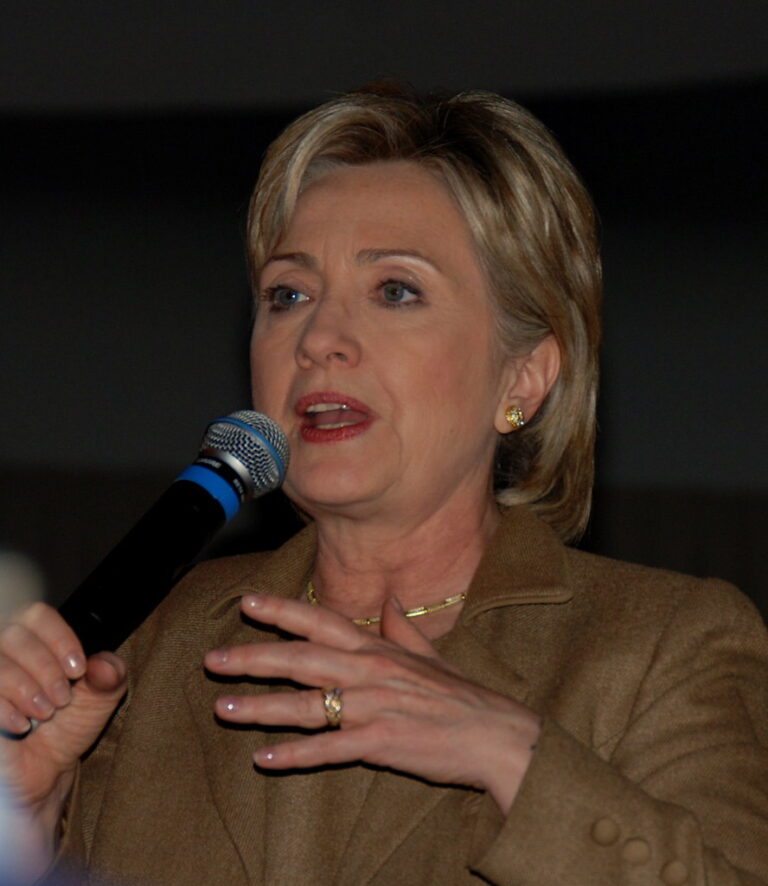
Could Hillary Face an FBI Raid?

0

Key Takeaways:

  • Hillary Clinton suggested people spreading misinformation online should face criminal charges.
  • A viral video showed Clinton calling for civil or criminal liability for certain propaganda.
  • Trump attorney Mike Davis accused Clinton of lying to the FISA court and violating civil rights.
  • Davis warned Clinton to “lawyer up,” hinting she could face an FBI raid.

Why an FBI Raid Could Target Hillary Clinton

Recently, a video from last year resurfaced showing Hillary Clinton discussing liability for those who spread propaganda. In the clip, she said people who create false narratives online should face civil or even criminal action. This idea alarmed many, especially political rivals. As a result, some voices called for an investigation. Moreover, one top Trump attorney labeled her comments as evidence of wrongdoing. That attorney even suggested an FBI raid might follow.

Clinton first faced intense legal scrutiny over her private email server. Now, critics say her new statements add to the reasons she could be under investigation again. If authorities believe she encouraged false statements or collaborated in a cover-up, they might seek documents or digital proof. Subsequently, investigators could secure a search warrant. After that, an FBI raid would aim to gather emails, notes, or devices tied to her remarks.

How an FBI Raid Might Unfold

An FBI raid often starts with court approval. Investigators must present evidence suggesting a crime occurred. Then, a judge signs a search warrant. Armed agents arrive at the target’s home or office early in the morning. They secure the area, explain the warrant, and search for specific items. Finally, they seize documents, electronics, or any relevant material.

If the FBI did plan a raid on Hillary Clinton, they would need solid proof of new criminal conduct. For instance, if her comments led to a coordinated effort to mislead the public, investigators would look for messages showing the plan. They might also examine her team’s communications. Meanwhile, Trump attorney Mike Davis argues she conspired to fabricate the “biggest lie” in U.S. history: the Crossfire Hurricane investigation.

Potential Political Fallout of an FBI Raid

An FBI raid on a former secretary of state would shock the nation. It would deepen the divide between supporters and critics. Democratic leaders would likely call the raid a political attack. Conversely, some Republicans would cheer it as long-overdue accountability. The 2024 election could feel even more explosive.

Additionally, media coverage would dominate news cycles for weeks. Talk shows and cable networks would debate the raid’s legality and fairness. Social media would buzz with hashtags supporting or condemning the FBI’s actions. Public trust in government agencies might suffer further damage. However, some experts warn that overusing raids for political figures can erode respect for the rule of law.

What Comes Next After Talk of an FBI Raid?

First, legal teams would gear up. Hillary Clinton would assemble top defense lawyers. They would challenge any search warrant in court. Next, public relations experts would craft her response. Clinton might give interviews to explain her original remarks. She would aim to show she spoke out of concern for democracy.

Meanwhile, the Justice Department would decide whether to pursue charges. If they believe she committed a crime, formal charges could follow the raid. On the other hand, if the evidence falls short, prosecutors might drop the case. Either way, the process could last months or more.

Moreover, Congress might hold hearings. Lawmakers could question FBI officials about the raid’s justification. They would examine evidence, judge the warrant’s scope, and debate whether politics played a role. In the end, the saga could reshape how future investigations of high-profile figures proceed.

Why Is the Idea of an FBI Raid So Controversial?

First, the FBI raid symbol carries heavy historical weight. Past raids on political figures have sparked debates over fairness. Second, critics argue using federal power against opponents undermines democracy. They fear a cycle of retaliation if every party in power raids its rivals.

However, others insist no one is above the law. They point out that serious wrongdoing needs serious investigation. If a public figure encourages criminal acts or obstructs justice, they must face legal scrutiny. Therefore, supporters of the raid say it upholds accountability. Meanwhile, opponents call it a weaponized tactic meant to silence dissent.

What Could This Mean for Misinformation Laws?

Hillary Clinton’s remarks raised questions about how to handle false statements online. Currently, laws struggle to keep up with new digital platforms. If lawmakers take her suggestion seriously, they might push for stricter rules. For example, they could propose fines or jail time for repeated offenders. Yet, critics warn that punishing speakers could chill free speech. They believe open debate, not legal threats, best combats false claims.

Consequently, any move to criminalize misinformation would spark intense debate in Congress and courts. Experts would weigh the benefits of curbing harmful lies against the risk of stifling honest discourse. Ultimately, the outcome could change how we share and consume information online.

Conclusion

Talk of an FBI raid on Hillary Clinton shows how heated politics can become. From viral videos to X posts, every statement now faces intense scrutiny. While some see calls for legal action as necessary accountability, others view them as partisan attacks. As this story unfolds, it will test our balance between security, justice, and free speech.

Will the promise of an FBI raid become reality? That depends on evidence, legal standards, and political will. In any case, this debate highlights the challenges of navigating truth in the digital age.

Frequently Asked Questions

What evidence would trigger an FBI raid?

Investigators need probable cause. They must show reliable evidence of criminal activity. Then, a judge must approve a search warrant.

Could Hillary Clinton face criminal charges?

If prosecutors find proof she conspired to mislead or obstruct justice, they could file charges. However, evidence must be strong.

How soon could an FBI raid happen?

Once investigators present evidence, they seek a warrant. Timing depends on case urgency and court schedules. A raid could take days or weeks.

What impact would a raid have on the upcoming election?

A high-profile raid could sway public opinion. It might energize critics or rally supporters. In any event, it would dominate headlines and fuel debate.
Why Is Anti-Trump Merchandise So Popular at Sanders Rally?

0

Key Takeaways:

• Vendors set up outside Bernie Sanders’ Chicago rally to sell anti-Trump merchandise.
• Stan Sinberg toured with his “Save Democracy Tour” band-wagon for seven years.
• Shirts, hats and buttons featured clever slogans and political messages.
• Supporters used these items to voice frustration with President Trump.

A lively crowd gathered outside the University of Illinois Chicago’s forum on Sunday. They came for Bernie Sanders’ “Fighting Oligarchy” event. Yet many also shopped for bold anti-Trump merchandise. These items mixed humor, protest and politics. As a result, vendors found eager buyers among Sanders supporters ready to share a clear message.

A Tour Across America With a Cause

Stan Sinberg arrived with a blue wagon he calls the “Roving Anti-Trump ‘Save Democracy Tour!’ Band-Wagon.” For seven years, he has pushed his cart to protests nationwide. In fact, he began in 2016 when Trump first won the GOP nomination. He feared Trump would “foist himself on the rest of the country,” so he packed up his buttons and slogans.

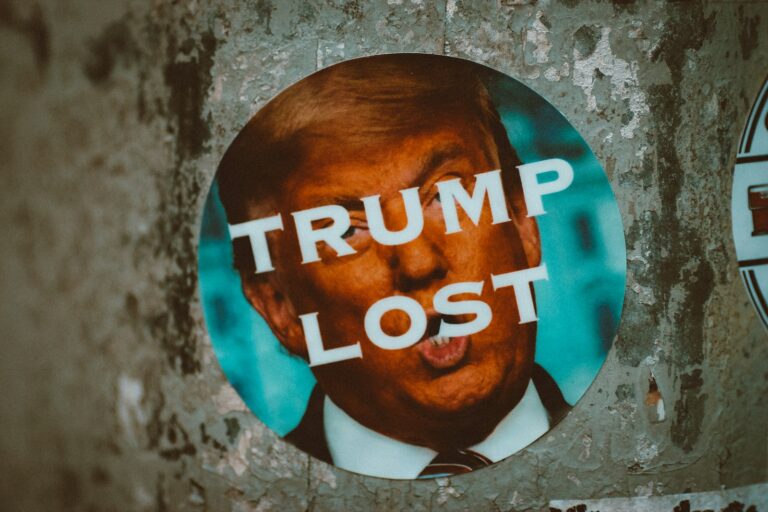
He stocked his wagon with dozens of pin-back buttons. Each cost five dollars. Their witty phrases included “Non-Felon for President” and “Don’t Drink the Bleach!” One read “Border Personality Disorder” under a frowning photo of Trump. Another simply urged, “Deport ICE.” On top, a sign announced, “Now in its 9th WTF Year!”

Sinberg joked that in 2020 he sold a banner reading “Happily Going Out of Business Sale” after Trump’s loss. Yet the former president stayed in the spotlight, so Sinberg stayed on the road.

Anti-Trump Merchandise Draws Crowds

Beyond Sinberg, other vendors traveled far to offer anti-Trump merchandise. From Alabama, Bobby Murray set up a booth called JR Concessions. He sold T-shirts and hats with slogans like “MAGA More Are Getting Arrested” and “F— Trump.”

Bobby said he backed Sanders because “something needs to change.” His bold designs grabbed attention. Moreover, they sparked conversations among rally-goers eager to share their views.

On another corner, Terrill Leathers offered black T-shirts reading “Rage Against the Machine.” The image showed Sanders resisting arrest during a 1963 Chicago civil rights protest. Terrill believes all Americans should rise against injustice. He said the nation’s current events are “outrageous,” so he came ready to sell his shirts.

Slogans and Designs That Hit Home

Throughout the plaza, slogans served as icebreakers. For instance, a button vendor known as Sunshine Tea lives on Chicago’s South Side. She lived years in Vermont and once bumped into Sanders in a grocery store. She recalls Sanders, then a sick senator, paying for his own groceries. Because he knew exactly what a gallon of milk costs, she says, he truly represents regular people.

Meanwhile, Tajh Pordos traveled from St. Louis with a pile of “Fight Oligarchy” T-shirts. Each shirt showed photos of Sanders and Rep. Alexandria Ocasio-Cortez. Tajh called his stand “a very good hustle,” since his shirts flew off the table. He explained that the phrase “Fight Oligarchy” captures the rally’s main theme.

Overall, anti-Trump merchandise took many forms: punny buttons, protest-ready hats, and eye-catching T-shirts. Each item carried a clear message against Trump’s policies and persona.

Why Supporters Love Anti-Trump Merchandise

First, these items let people show their political stance without shouting. A button can speak for its wearer. Second, humorous slogans help ease tension at a heated event. When someone reads “Don’t Drink the Bleach!” they might laugh, then think. Third, buying merchandise supports grassroots vendors and the larger movement. In addition, these purchases help fund future trips and rallies.

As a result, attendees felt they took part in the protest with each dollar spent. Moreover, wearing a bold T-shirt or button helps spark new discussions. Therefore, anti-Trump merchandise turned a simple rally into a moving, mobile protest.

Voices From the Rally

Many buyers shared why they chose certain slogans. One man bought the “Non-Felon for President” pin because he worries about leaders avoiding jail time. A student snapped up a “Border Personality Disorder” shirt to call out tough immigration policies. A teacher grabbed a “Deport ICE” cap to back calls for reform.

Vendors, too, had stories. Stan said he plans to keep his band-wagon on the road “until democracy wins.” Bobby from Alabama hopes to travel to more protests this year. Terrill dreams of a nation that truly rages against injustice. And Tajh sees his hustle as a way to bring ideas to life beyond the stage.

Rally Highlights and Reactions

Inside the forum, Sanders, Rep. Delia Ramirez and Sen. Robert Peters spoke about wealth gaps and corruption. Sanders called Trump “the most dangerous president in perhaps our history.” He argued Trump serves the wealthy elite and divides citizens. Meanwhile, outside, the anti-Trump merchandise sold steadily.

Together, the event and the vendors formed a two-part rally. One part featured speeches and policy ideas. The other part turned slogans into wearable protest art. Fans left with both new views and new buttons on their jackets.

In the end, anti-Trump merchandise proved more than just a side show. It became a key way for supporters to share their frustration and hope for a better future. Controlled by creativity and grassroots spirit, these vendors showed that protest can start on a T-shirt.

Frequently Asked Questions

What types of anti-Trump merchandise were available at the rally?

Vendors offered T-shirts, hats and buttons. Designs ranged from political puns to bold slogans.

How do vendors carry their anti-Trump merchandise to events?

Some push customized wagons. Others pack tables or booths. They travel by car, bus or plane.

Why did people choose to buy anti-Trump merchandise?

Buyers wanted to express their political views, support small vendors and spark conversations.

How does anti-Trump merchandise reflect protest culture?

It blends humor with messages of change. This combination helps spread ideas and unite supporters.

Should the Smithsonian Skip Slavery?

Key Takeaways

  • Clay Travis argues museums should highlight America’s achievements, not just its wrongs.
  • He compared slavery exhibits to plane crash displays in an Air and Space museum.
  • Travis wants an “aspirational story” to inspire future generations.
  • His comments on Fox News sparked a wider debate on how we remember history.

Why the Smithsonian Matters Today

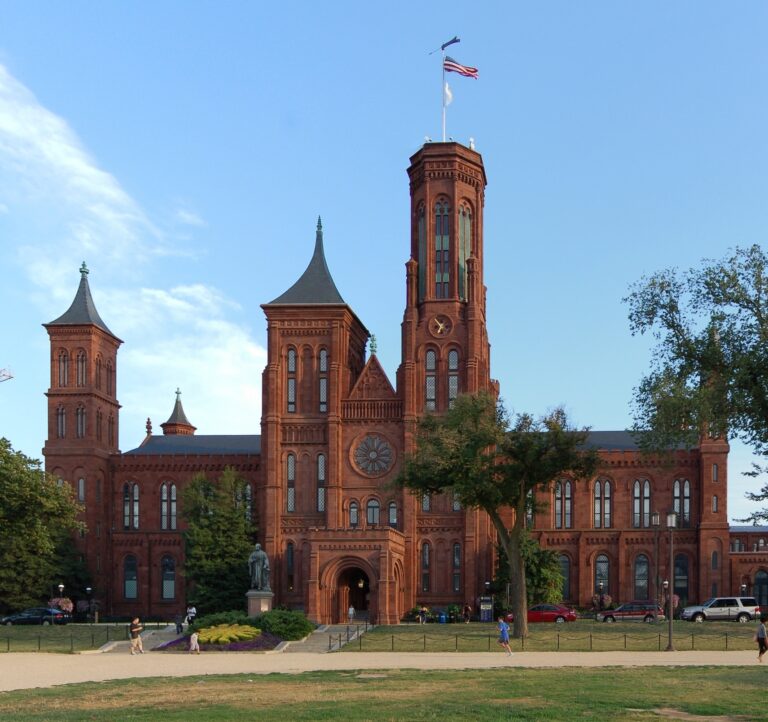
During a Fox News panel last Sunday, host Howard Kurtz asked Clay Travis about a recent Trump remark. Kurtz noted that President Trump said the Smithsonian focused too much on “how bad slavery was.” Travis agreed with Trump’s view. He said the Democratic Party often dwells on America’s mistakes. Instead, Travis wants museums to spotlight big successes. He pointed out that the Smithsonian could tell a hopeful, forward-looking story. In his view, that approach would leave visitors, especially young people, excited about what comes next.

How the Smithsonian Tells Our Story

The Smithsonian houses diverse museums. Each one explores different chapters of U.S. history. For example, the Air and Space Museum shows how we conquered the skies. Yet it also includes stories about accidents. Travis says that’s fine. He wants the Smithsonian to balance tragic events with triumphant achievements. Moreover, he feels that too many displays focus on suffering. As a father, he wanted his sons to feel inspired, not overwhelmed. He believes the Smithsonian should uplift rather than depress.

Travis’s Plane Crash Metaphor

To make his point, Travis used a plane crash example. He said no museum labels in the Air and Space Museum read “Plane Crashes Were Horrible.” He stressed that the Smithsonian does not ignore crashes. Instead, it celebrates innovation and progress. In his analogy, slavery is a crash in America’s past. Therefore, he argues, the Smithsonian should cover it briefly and then move on to success. However, critics say this comparison oversimplifies a deeply painful and lasting injustice.

Critics Worry About Forgetting History

Many people see slavery as more than a historical event. They view it as a trauma that shaped modern life. So they argue the Smithsonian has a duty to remember it fully. By showcasing the enslaved and their struggles, museums help us understand systemic racism today. Critics fear that trimming this history would leave gaps in our collective memory. They insist that sweating through hard facts can plant seeds of empathy and change. After all, history without its darkest moments can feel hollow.

What Could Museums Focus On?

Travis suggests museums highlight America’s soaring goals. For instance, the Smithsonian could spotlight space exploration milestones. It could celebrate groundbreaking Black scientists and pilots. It could share stories of civil rights leaders driving change. Furthermore, interactive exhibits might let visitors envision future innovations. With augmented reality, people could “walk” on Mars or explore sustainable cities. That would spark imagination, Travis says. Yet, this vision still relies on a clear view of the past. If museums erase tough chapters, future breakthroughs risk losing context.

A Future Picture: Aspiration Over Pain

Ultimately, Travis wants a museum visit to feel uplifting. He imagines families leaving the Smithsonian excited and optimistic. He believes that sense of hope can unite Americans across political divides. Moreover, he sees an aspirational story as key to restoring faith in institutions. However, this approach must balance inspiration with truth. Museums can show progress and still honor the lives impacted by injustice. By weaving both elements, the Smithsonian can foster a complete and moving experience.

FAQs

Why did Clay Travis compare slavery to plane crashes?

Travis used the plane crash example to argue that museums can cover tragic events briefly while maintaining a focus on progress. He believes this approach uplifts visitors rather than leaving them weighed down.

Can the Smithsonian change its exhibits quickly?

Major museums like the Smithsonian plan exhibits years in advance. Changes require research, funding, and curatorial review. So while new displays can emerge, rapid overhauls are unlikely.

How do critics respond to the “aspirational story” idea?

Critics warn that focusing only on achievements can erase important lessons. They argue that understanding hardship builds empathy and helps prevent future injustices.

What’s a balanced way to present history in museums?

A balanced exhibit combines honest accounts of suffering with stories of resilience and innovation. This mix educates visitors on past wrongs while inspiring them to shape a better future.

Will Trump Walk to Stop Baltimore Crime?

Key Takeaways:

  • Maryland Governor Wes Moore invited Donald Trump to walk Baltimore streets to see progress.
  • Trump refused and suggested sending troops to clean up crime.
  • The president accused Moore of lying about his Bronze Star award.
  • Moore responded with a witty challenge and offered Trump a golf cart.
  • The exchange highlights the ongoing debate over Baltimore crime and public safety.

Introduction

Maryland’s governor and a former president sparred online over Baltimore crime. On Sunday morning, Donald Trump posted on Truth Social. He said he would not join Governor Wes Moore for a walk. Instead, Trump offered to send troops to clean up crime. Later, Trump accused Moore of lying about his Bronze Star award. In response, Moore fired back on social media. He mocked Trump’s excuses and invited him again. This feud shines a spotlight on Baltimore crime and public safety.

Invitation to Walk Baltimore Crime Hotspots

Governor Wes Moore had issued a simple challenge. He invited Donald Trump to walk Baltimore’s neighborhoods. Moore wanted the former president to see real progress in public safety. In addition, he aimed to showcase new community programs. These programs focus on youth outreach and better policing. Moore argued that critics only saw old headlines. He believed a walk would prove them wrong. However, Trump declined the offer. He said he would rather send troops.

Trump’s Troop Offer to Tackle Baltimore Crime

Instead of walking, Trump suggested a military solution. On Truth Social, he wrote that troops could “quickly clean up the crime.” He pointed to nearby Washington, DC, where troops deploy during unrest. Trump added that he helped Los Angeles by sending officers under former Governor Gavin Newsom. By comparison, he painted Moore as weak on public safety. This remark stirred debate about using the military for city policing. Critics warned that troops could erode civil rights. Meanwhile, supporters praised a tougher approach. The back-and-forth shows how politicians differ on how to reduce Baltimore crime.

Backlash Over Bronze Star Claim

During the same post, Trump accused Moore of lying about his Bronze Star. The governor had discussed his National Guard service. In fact, Moore received the Bronze Star in 2024. He earned the medal for supporting troops in Afghanistan. Trump’s claim raised eyebrows among veterans. Many veterans defended Moore’s record. They stressed that accurate military honors matter to public trust. Moore’s team later shared proof of his medal. This side story deepened the rift and shifted focus back to character and honesty.

Moore’s Witty Response

On the X platform, Governor Moore answered with sharp humor. He called Trump “President Bone Spurs,” referencing an old nickname. Moore quipped that Trump would say anything to avoid walking. Then he offered a solution. If walking proved too hard, Moore offered Trump a golf cart. He said his team would gladly provide one. Moore’s tone blended humor and challenge. He aimed to undercut Trump’s tough-on-crime stance. In addition, Moore wanted to show confidence in his city’s improvements. His reply went viral, attracting both cheers and jeers.

What This Feud Means for Baltimore Crime Debate

This public spat highlights two views on public safety:

1. Tough enforcement vs. community support

  • Trump favors a show of force, even military help.
  • Moore emphasizes community programs and local policing.

2. Local progress vs. national image

  • Moore says Baltimore crime has dropped in many areas.
  • Trump points to raw crime numbers to criticize leadership.

3. Political theater vs. real solutions

  • Each side uses bold statements to rally supporters.
  • Citizens wonder if talk will lead to better streets.

As the argument unfolds, residents and leaders watch closely. They hope for policies that cut violence and foster trust. However, the feud adds heat to already tense discussions on urban safety and reform.

Looking Ahead

Moving forward, both men may use this clash on the campaign trail. Moore is up for re-election in Maryland. He can point to crime reductions and a quick response to criticism. Trump, if he runs again, will likely keep tough-on-crime messages alive. He may return to the idea of federal intervention in cities. Meanwhile, Baltimore officials will continue local efforts. They focus on modern policing, community centers, and social services. In addition, they plan to share crime data more openly. Whether national figures walk Baltimore streets or not, city leaders press on with their strategy.

Conclusion

The exchange between Governor Wes Moore and Donald Trump centers on contrasting approaches to Baltimore crime. Moore’s invitation to walk the streets aimed to prove progress. Trump’s refusal and troop offer underscored his forceful style. Their back-and-forth over a military medal added another twist. In the end, the debate shines a light on how leaders talk about safety. It also shows the power of social media in political fights. As citizens follow this feud, they will judge which plan best serves Baltimore’s future.

FAQs

What are the main points of the Moore-Trump exchange?

The debate covers Moore’s walking invitation, Trump’s troop proposal, and a dispute over a Bronze Star award. Both men use the clash to outline their crime-fighting views.

Why did Trump refuse to walk Baltimore streets?

Trump said he would rather send in troops, arguing a stronger show of force could “quickly clean up” city crime.

How has Baltimore crime changed under Governor Moore?

Moore reports declines in certain crime categories through new policing and community programs. He invites critics to see the progress firsthand.

Could the federal government send troops to U.S. cities?

Federal troops can assist under special circumstances, but using them for local policing raises legal and civil rights concerns.

What’s next for Baltimore’s public safety approach?

City leaders plan to expand community outreach, modernize police practices, and share crime data more openly, while navigating national political influences.

Can Trump Crush Russia’s Economy?

Key Takeaways

  • Senator Lindsey Graham says Trump will crush Russia’s economy if Putin won’t talk peace
  • Three days earlier Trump met Putin in Alaska and threatened “severe consequences”
  • At the summit Trump smiled, shook hands, and backed down on tough demands
  • Allies now praise Trump’s “pragmatic” style despite his show of weakness
  • Critics warn that soft talk risks emboldening Putin and harming U.S. credibility

Why would Trump Crush Russia’s Economy?

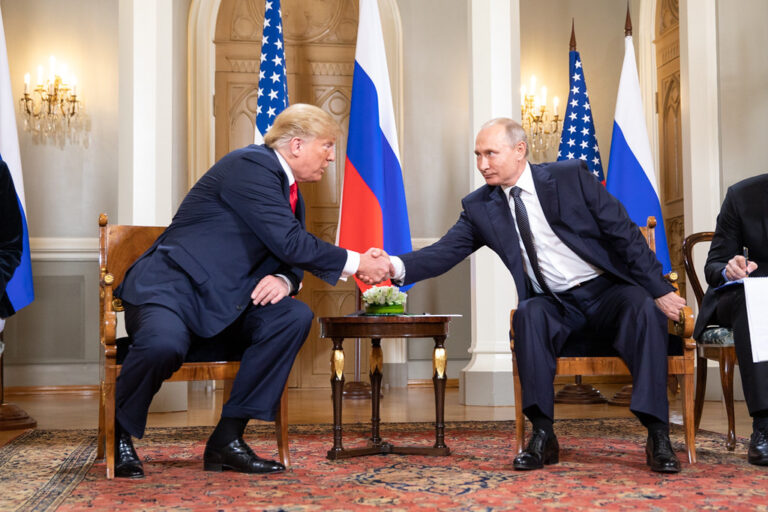
Senator Lindsey Graham says he believes Donald Trump will crush Russia’s economy if Vladimir Putin does not agree to peace talks with Ukraine’s leader. Graham spoke in South Carolina just days after Trump met Putin in Alaska. In that meeting Trump warned of “severe consequences” if Putin refused a ceasefire. Yet at the summit, Trump softened his tone and failed to push for real commitments. This mixed message has stunned allies and given critics fresh fuel.

What Lindsey Graham Said

Senator Graham told reporters that Trump means business. He said, “Trump believes that if Putin doesn’t do his part, that he’s going to have to crush Russia’s economy. Because you’ve got to mean what you say.” Those words sounded firm. However, they came just three days after Trump’s friendly meeting in Alaska. Critics saw a clear gap between tough talk and actual behavior.

Trump’s Alaska Meeting with Putin

Before the Alaska summit, Trump claimed he “solved six wars in six months.” He vowed the Ukraine conflict would be no different. Instead, he left the meeting smiling and deferential. A Fox News reporter admitted it looked like Putin “steamrolled” him. Politico’s coverage noted that Trump’s demands “melted into the air.” Even conservative commentator George Will said the former KGB agent “felt no need to negotiate with the man-child.”

Spin Doctors Rush In

After the summit, Trump allies scrambled to rewrite what happened. Senator Graham stepped in with his crush Russia’s economy line. U.S. envoy Steve Witkoff told Fox News that Trump “bends people to his sensible way of thinking.” He praised Trump’s “pragmatic and sensible” policy ideas. Yet critics like Anne Applebaum called Witkoff “an amateur out of his depth.” They say he misread Putin’s power play and misled the public.

A Montana congressman went further on Fox. He praised Trump’s “unbelievable job against long odds” and predicted a “land bridge” between Crimea and Russia. He insisted Trump still wanted peace. However, many saw that as a call for Ukraine’s surrender. In reality, critics argue, Trump chose weakness over strength.

Why Trump’s Stance Matters

The United States has unmatched military and economic power. It could arm Ukraine, expand sanctions, and break the Russian economy now. Then peace would follow. As Applebaum noted, a firm U.S. strategy could win the war and secure peace. Yet Trump’s approach focuses on looking strong, not acting strong.

When a leader softens before a dictator, the dictator gains confidence. Putin watched Trump’s deference and likely saw a chance to push harder. That could prolong the war and cost more lives. Moreover, allies may doubt U.S. resolve. If America wavers, other foes may test its limits too.

Republicans Face a Test

Trump’s allies must now cover for his weakness. Senator Graham warns a clock is ticking. He says Trump must impose steep tariffs on countries buying Russian oil and gas. “If we don’t have this moving in the right direction,” Graham said, “plan B needs to kick in.” Plan B means Congress acting without Trump. Yet without the president’s support, that plan has little chance.

In truth, Republicans have surrendered power twice. First to rightwing media, then to Trump. Now Trump looks to Putin for approval. Critics say that shows a party ready to trade strength for spin. They warn that a GOP led by fear and weakness cannot protect U.S. interests.

The Power of Russian Propaganda

Putin could turn on Trump at any moment. Russian state media already highlights Trump’s soft words. It paints him as “all talk, no walk.” In fact, Kremlin outlets brag about how Trump melted under pressure. They could widen the gap between Trump and his base by feeding disinformation. That might shake support just as elections loom.

Meanwhile, a top British conservative paper called Trump “vain, vacillating, gullible, and irrelevant on Ukraine.” That judgment reflects a broader view that Trump’s friends in the GOP must now defend what they saw in Alaska. They have a tough job convincing voters that the dogwalked summit was actually a masterclass in diplomacy.

Where Do We Go from Here?

Americans know little about global affairs. Yet they know what fear looks like. After meeting Putin, Trump looked scared. Some experts say that fear may come from Putin’s power to spread lies. As one scholar put it: “He who can destroy a thing controls it.”

Now, Republicans must choose. They can back senators calling for real action to crush Russia’s economy. Or they can cling to spin that Trump’s summit was a triumph. Either way, the test is clear. Mean what you say. Act on what you promise. Otherwise, weakness will define U.S. policy.

FAQs

What did Lindsey Graham propose to punish Russia?

He suggested imposing steep tariffs on countries that trade with Russia and cutting critical exports to push Putin toward peace talks.

Did Trump really threaten Russia in Alaska?

Yes, he warned of “severe consequences” if Putin did not agree to a ceasefire, but critics say he failed to enforce those threats.

Why do critics call Trump weak on Putin?

They cite his deferential behavior at the summit, his smiles, handshakes, and lack of follow-through on tough demands.

Could Congress act without Trump?

Senator Graham mentioned a “plan B” where Congress imposes measures without the president. However, such actions face legal and political hurdles and may struggle without White House backing.

Is a Blue Slip Blocking Trump’s New U.S. Attorney?

0

Key Takeaways:

• A judge ruled Alina Habba’s appointment unlawful, citing a missing blue slip endorsement.
• Acting U.S. Attorney Habba blames Senators Tillis and Grassley for abusing the tradition.
• Habba calls the tactic “lawfare” and ties it to past efforts against other Trump nominees.
• The dispute highlights tension over the blue slip’s role in modern judicial and attorney picks.

Blue Slip Tradition Sparks Fight

A judge recently said that President Trump’s pick for Acting U.S. Attorney in New Jersey lacked proper Senate approval. In particular, the judge noted that neither Senator Thom Tillis nor Senator Chuck Grassley returned a blue slip. A blue slip is a piece of paper a senator uses to signal approval for nominations tied to their state. Traditionally, if a home-state senator withholds it, the nomination stalls. However, it is not a formal law.

During a TV interview on Fox News, Maria Bartiromo pointed out that Democratic senators once used blue slips to block some Trump nominees. She explained, “It allows senators to block certain nominees who would oversee their home states.” Therefore, this practice can shape which U.S. attorneys and judges reach a confirmation vote.

Senators Defend the Blue Slip

Senator Thom Tillis argued that the blue slip tradition ensures local voices matter. He said it helps maintain checks on the Department of Justice. Senator Chuck Grassley agreed and threatened to vote against Habba unless the procedure stayed alive. Grassley claimed he only followed long-standing Senate custom.

However, critics say this tradition has grown into a political weapon. They argue it grants too much power to a single senator. Moreover, in closely divided Senates, one senator can block key appointments for any reason. This tactic can delay or kill nominees indefinitely. As a result, some Republicans and Democrats now question whether to reform or scrap the blue slip practice.

Habba’s Pushback Against Critics

Acting U.S. Attorney Alina Habba did not hold back. She called the blue slip fight “new lawfare.” She insisted this tactic mirrors past attacks on other Trump picks, including New York Attorney General Tish James. Habba said her arrest of Representative LaMonica McIver on assault charges formed part of the excuse. “According to them, I was unqualified. Why? Because I arrested a congresswoman,” she said.

Habba defended her actions at an immigration protest facility. She argued the arrest followed law and evidence. She claimed Senators Tillis and Grassley joined the issue to undermine President Trump’s agenda. “The president was rightfully voted in by a majority of Americans, and he is entitled to pick his U.S. attorneys,” she said. Therefore, blocking nominees harms public safety goals.

Furthermore, Habba warned against letting political tactics override voters’ will. She stated, “It has to do with trying to prevent President Trump from continuing his agenda, and it has to stop.” In her view, refusing a blue slip is not just about tradition. It has become a tool to stall key law enforcement leaders.

What Comes Next for the Blue Slip Dispute

Going forward, both sides face tough choices. Senate leaders may review blue slip rules. They could limit a single senator’s veto power. Alternatively, they might keep the system intact to honor Senate customs. Meanwhile, President Trump’s team could push for new nominees or challenge the judge’s ruling.

In the short term, Habba’s role is in limbo. Until the Senate decides, her authority as Acting U.S. Attorney remains uncertain. This limbo affects important investigations and prosecutions in New Jersey. Victims and law enforcement agencies await clarity on who leads the office.

For Trump’s broader agenda, this fight matters. If the blue slip blocks more nominees, key DOJ posts stay empty. That could slow efforts to reduce crime, enforce immigration policy, and handle public corruption cases. On the other hand, reforming the blue slip might speed up confirmations. However, it could also spark a new battle over Senate traditions versus efficiency.

Ultimately, the blue slip controversy shows how simple Senate customs can wield real power. While rooted in respect for home-state input, the practice now sits at the center of partisan conflict. Both sides claim they want to protect voters, but they disagree on how best to do it. For now, everyone watches closely to see who yields first.

Frequently Asked Questions

What is a blue slip?

A blue slip is a paper form a senator returns to approve or block a presidential judicial or U.S. attorney nomination for their state.

Why did Senators Tillis and Grassley withhold Habba’s blue slip?

They say they followed Senate tradition to ensure local oversight, while Habba argues it was a political move to slow her confirmation.

How could the blue slip rules change?

Senate leaders might limit a single senator’s veto power or redefine how blue slips affect the nomination process.

What happens to Habba’s role now?

Her appointment remains uncertain until the Senate or courts resolve the legality of withholding her blue slip.

Is Jim Jordan Standing Up for Trump?

0

Key Takeaways:

• Peter Navarro, a top Trump adviser, blasts Jim Jordan for inaction
• Navarro says Jordan ignored the FBI’s role in Trump’s legal battles
• He calls Jim Jordan “all talk, no walk” on weaponized justice
• Navarro also criticizes James Comer and the Judiciary GOP
• This drama could shift Republican unity and voter trust

Jim Jordan in Hot Water

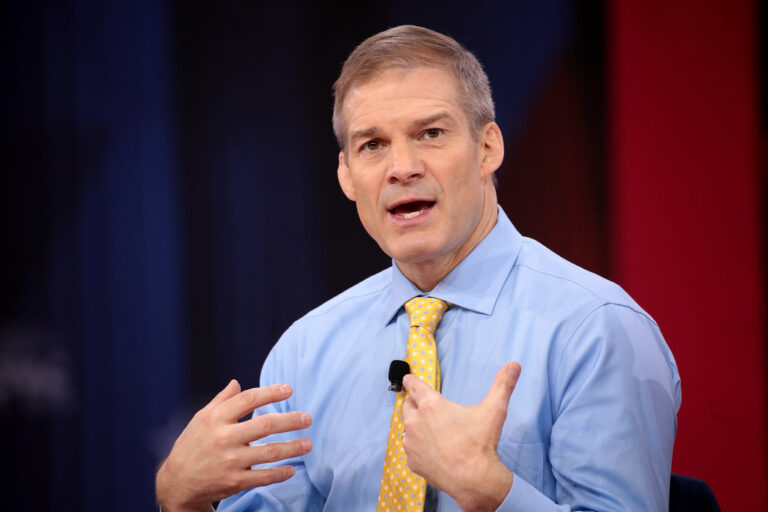
Jim Jordan has built his career as a fierce Trump defender. However, a key Trump adviser just accused him of failing the test. Peter Navarro, who once served as Trump’s trade expert, spoke out after watching Jim Jordan on a TV show. Navarro felt disappointed. He said Jordan did not mention a key FBI agent’s role in the case against Trump. As a result, the congressman now faces fresh criticism from inside his own circle.

Jim Jordan has often vowed to fight what he calls “weaponized justice.” Yet Navarro says Jordan fell short when it mattered most. Instead of calling out the FBI, Jordan avoided tough questions. This silence upset Navarro, who believes the agent’s actions shaped Trump’s legal troubles. Moreover, Navarro points out that he, along with Steve Bannon, ended up in prison. According to Navarro, Jordan and the Judiciary GOP never stepped in to help them.

Navarro’s Claims Against Jim Jordan

Peter Navarro took to social media to voice his anger. He wrote that he “watched the show & was very disappointed.” Navarro felt Jordan ignored Walter Giardina, the FBI agent in Trump’s case. He linked to an article that detailed the agent’s alleged misconduct. Navarro said this omission was a betrayal of Trump’s base.

Meanwhile, Navarro also attacked James Comer and the Judiciary GOP. He said none of them did anything to help him or Steve Bannon avoid prison. Navarro labeled them “all talk, no walk” on the weaponized justice front. He warned that promises mean little without real action. As a result, Navarro’s public outburst raises questions about party unity.

What This Means for Republicans

Republicans pride themselves on standing up to what they call unfair investigations. However, Navarro’s criticism highlights a split. On one side, you have outspoken advisers demanding bold moves. On the other, you have lawmakers who prefer cautious strategies. This mix could confuse voters and weaken the party’s message.

Also, Navarro’s public feud might force other GOP figures to choose sides. Some may defend Jim Jordan to avoid internal conflict. Others could back Navarro to show loyalty to Trump’s inner circle. Either way, this fight shines a light on deeper rifts within the party.

The Future for Jim Jordan

Jim Jordan now faces a choice. He can respond to Navarro’s charge or stay silent again. A clear reply could calm tensions and rebuild trust. However, another quiet moment might fuel more criticism. Either path will shape Jordan’s reputation.

Moreover, how Jordan reacts could signal his approach to future justice battles. If he backs down, allies may view him as unreliable. But if he pushes back hard, he risks more public clashes. Therefore, his next steps will matter for both his career and party unity.

Conclusion

This clash between Peter Navarro and Jim Jordan reveals a growing divide in Republican ranks. Navarro’s outburst shows that support for Trump does not always guarantee agreement. As Republicans prepare for upcoming elections, they will need unity more than ever. Jim Jordan’s response could either heal the split or deepen it.

Frequently Asked Questions

Why did Navarro criticize Jim Jordan?

Navarro said Jordan ignored the role of an FBI agent in Trump’s case. He accused Jordan of failing to protect Trump and his allies.

Has Jim Jordan responded to Navarro’s comments?

As of now, Jim Jordan has not made a detailed public reply. Observers expect him to address the issue soon.

Could this feud hurt Republican chances in the next election?

Internal fights often worry voters. If party leaders cannot unite, it could weaken their voter appeal.

What does this mean for Jim Jordan’s future?

Jordan’s next move will show whether he stands firm or seeks to mend party ties. His choice will shape his reputation.

Are Trump Distractions Hiding the Epstein Scandal?

0

Key Takeaways:

  • Trump shifts focus to fresh topics to sideline Epstein.
  • Brian Karem calls it a classic “wag the dog” move.
  • Efforts include mail-in vote bans, gerrymandering and history rewrites.
  • Despite the noise, Epstein files and Ukraine still loom large.

Brian Karem, a veteran White House reporter, says he sees a familiar trick in action. He calls it a “wag the dog” tactic. In other words, you shake up headlines to hide bigger problems. Trump keeps hustling with new controversies. Yet his own fans are growing tired. They still want to see the Epstein files. They wanted them released yesterday.

How Trump Distractions Take Center Stage

Trump distractions pop up almost daily. However, none stick as long as the Epstein issue. First, he vowed to free those secret files in his campaign. Then he blamed mail-in ballots for cheating. Next, he teased massive gerrymandering plans. Soon after, he aimed to rewrite history at the Smithsonian. After all that, he dropped into the Ukraine war talk. In a meeting with Putin, he claimed his leadership would have stopped the conflict. Does he really believe that? It sounds like another ploy to crash the conversation.

The Epstein File Promise

During the campaign, Trump promised to release all Epstein documents. His loyal followers cheered. They saw it as proof he’d fight big corruption. Yet that promise hit a dead end. Trump’s team never unlocked the files. They blamed judges and Congress. Meanwhile, the public heard crickets. Now, months later, the papers remain under wraps. Trump distractions try to cover this gap. But the crowd still barks for those hidden files.

Quashing Mail-In Votes and Maps

Next came a push against mail-in ballots. Trump claimed they cause massive fraud. He demanded bans or strict limits. However, he has no power to scrap mail voting. Courts and states control that. So he turned to gerrymandering. His allies offered new district maps in friendly states. They said this plan would stop rivals from winning seats. Yet critics warned it would wreck fair elections. Even so, Trump distractions kept adding fuel to the fire. For a few days, headlines shifted from Epstein to voting fights. But then the story faded without long-term impact.

Rewriting History at the Smithsonian

When elections talk grew stale, Trump eyed the Smithsonian. He wants to change museum displays about presidents. He argued some items paint him unfairly. Meanwhile, the public stayed glued to Epstein updates. So Trump distractions jumped again, this time on cultural debates. He called some artifacts out of date. He even threatened budget cuts. However, most people still asked about those secret files. They saw the museum move as another sideshow.

The Ukraine Stumble

Then Trump dove into the war in Ukraine. He met with Putin and made bold claims. He said the conflict never would have happened under his watch. Critics called that line unbelievable. They argued he lacks proof and served foreign interests. In turn, Trump distractions shifted eyes to foreign policy drama. Even so, reporters pressed him on Epstein. They asked why he broke his promise. Trump answered with more noise about ballots and maps. He tried to stay one step ahead of those questions.

Why These Moves Matter

All these efforts show a pattern. Trump distractions pop up to mute Epstein talk. Yet they rarely solve any real issue. Mail voting limits face court blocks. Gerrymandering plans stir outrage. Museum edits spark culture wars. Ukraine claims upset allies. Meanwhile, the Epstein files sit locked. People feel cheated. They once trusted Trump to expose big secrets. Now they smell a cover-up. Karem says even longtime fans now “bark in disdain.”

What’s Next for Trump?

So where does Trump go from here? He still faces two big headaches: Epstein and Ukraine. He can spark new fights over social media, taxes or school rules. He can tweet wild claims on any hot button. Yet unless he frees those files, critics will pounce. Unless he offers fresh solutions for Ukraine, skeptics will doubt his pitch. Trump distractions may fade if they lose spark. Then the nation returns to talk about what really matters.

Final Thoughts

Brian Karem sees no surprise in this pattern. He’s covered many administrations and watched similar moves before. Leaders often stir headlines to hide threats. However, Trump’s tricks feel more frantic. They jump from topic to topic, hoping one will stick. Yet his audience grows restless. They still demand the Epstein files. They still worry about war abroad. After all, you can’t silence the biggest stories with small stunts.

FAQs

What exactly are “Trump distractions”?

They are new topics or controversies Trump highlights to shift attention from bigger issues.

Why does Brian Karem call it “wag the dog”?

He refers to a movie where leaders create fake news to hide real problems.

Have any of these distractions worked long term?

So far, none have stopped major questions about Epstein or Ukraine.

Will Trump ever release the Epstein files?

He promised to do so but has not followed through. Many now doubt he will.

Is the Maxwell Interview Untrustworthy?

Key Takeaways:

  • Haley McNamara says the Maxwell interview raised serious doubts.
  • The host kept finishing Maxwell’s sentences instead of challenging her.
  • Maxwell wasn’t corrected when she contradicted court records.
  • Critics warn viewers may have been misled by this chat.

Maxwell Interview Under Fire

Recently, a high-profile Maxwell interview stirred big debates. The interviewer, once a personal lawyer to a former president, led the conversation. However, expert Haley McNamara warned the Maxwell interview felt oddly soft. She noted that the host often stepped in to complete Maxwell’s thoughts. Moreover, he failed to push back when she denied claims proven in court. As a result, many viewers now question the chat’s trustworthiness.

Why the Maxwell Interview Raises Concerns

First of all, when someone convicted of serious crimes speaks on air, hosts must ask tough questions. However, in this Maxwell interview, the host missed those chances. While he reminded Maxwell that lying is illegal, he let her challenge court facts without proof. Consequently, McNamara called the segment “completely disturbing.” At the same time, the family of victims criticized the show for its hands-off approach.

What Happened in the Interview?

During the Maxwell interview, she repeated that the charges against her never happened. Additionally, she hinted that the court’s verdict was wrong. Yet, the host did not follow up with evidence or counterpoints. In fact, instead of pushing back, he helped her finish key sentences. Furthermore, Maxwell talked about her time in jail but never faced questions about critical trial evidence. This lack of confrontation left experts and viewers uneasy.

Interview Issues and Public Trust

Moreover, the setting of the Maxwell interview carried deeper problems. The interviewer’s past as a political attorney could have shaped his approach. In addition, finishing someone’s sentences can seem like coaching rather than honest reporting. Therefore, experts fear the chat served Maxwell more than it served the public’s right to know. Also, allowing unchecked claims risks eroding trust in genuine investigative journalism.

Expert View on Interview Style

Haley McNamara stressed that journalists must step in when facts don’t add up. She explained that correcting false statements is part of honest reporting. However, in this Maxwell interview, the host let key inaccuracies slide. For example, when Maxwell denied serious allegations, no evidence was cited to refute her. In contrast, professional legal hearings always bring facts to the forefront. Thus, McNamara urged networks to screen such high-profile sessions more carefully in the future.

Impact on Survivors and Advocates

Unsurprisingly, survivors of trafficking and abuse felt betrayed by the Maxwell interview. They spoke out online after it aired, saying it gave Maxwell a platform without proper checks. Many advocates worry that this lenient style might encourage other offenders to deny their crimes publicly. Meanwhile, they continue to call for clear and accountable media practices.

What Experts Suggest for Future Interviews

First, journalists should dive deep into a guest’s legal documents and court filings before the show. Second, they need to prepare pointed questions to challenge any false or misleading claims. Third, hosts must stay alert and interrupt statements that clash with documented facts. Finally, networks could add an expert panel to every high-stakes chat, ensuring viewers get balanced commentary and context.

Maxwell Interview Lessons for Media

Overall, the Maxwell interview reflects a bigger issue in today’s news. Often, style and personality overshadow solid fact-checking. However, audiences deserve truth above all. Therefore, broadcasters should learn from this flawed session and tighten their interview standards. By doing so, they can restore faith in their reporting and avoid giving a platform to dangerous false narratives.

Moving Forward with Caution

In conclusion, the Maxwell interview left more questions than it answered. While it gave a rare window into her perspective, it failed to hold her accountable to her convictions. Thus, experts like Haley McNamara urge viewers to be cautious. They recommend verifying statements with public court records and trusted news outlets. Only then can people form fair and accurate opinions.

Frequently Asked Questions

What did Haley McNamara say about the Maxwell interview?

She highlighted that the host often finished Maxwell’s sentences and did not correct her when she contradicted court facts. She found that approach deeply troubling.

Why is the interviewer’s background significant?

The host previously served as a personal attorney for a former president. That history, combined with his habit of completing Maxwell’s thoughts, raised concerns about bias.

How can viewers avoid being misled by interviews?

Viewers should cross-check statements against official court records and seek analyses from independent experts to get the full story.

What steps can networks take to improve interview quality?

Networks could require thorough research, insert real-time fact checks, and include expert panels in high-profile interviews. This would help ensure balanced and accurate coverage.

Why Was the Engoron Penalty Overturned?

Key Takeaways:

  • A New York judge fined Trump $355 million for undervaluing his properties.
  • With interest, the total penalty grew to over $527 million.
  • An appeals court reversed the Engoron penalty as excessive and likely unconstitutional.
  • Trump called Judge Engoron corrupt while praising the appeals ruling.
  • The split decision spanned 323 pages without a clear majority.

What Led to the Engoron Penalty Overturn?

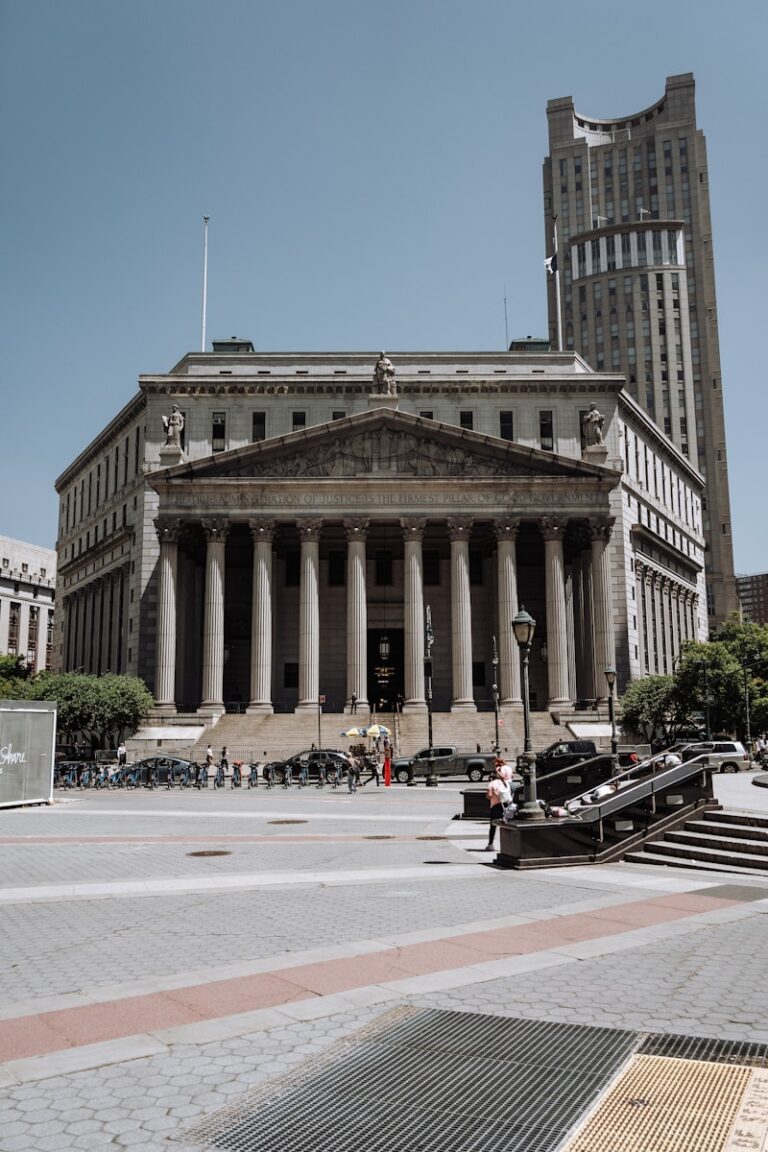
The Engoron penalty stunned many who followed the case. Originally, Judge Arthur Engoron found Trump guilty of civil fraud. He said Trump had inflated property values to get better loans and tax breaks. Then, he imposed a $355 million fine. With interest added over time, that number swelled past $527 million. However, on Friday, an appeals court struck down the Engoron penalty. The judges ruled it was far too high and might break the Constitution’s ban on excessive fines.

The Original Ruling

In a detailed hearing, Judge Engoron reviewed Trump’s asset statements. He concluded that Trump had overstated his net worth. First, the judge listed each property Trump owned. Then, he compared Trump’s reported values with expert appraisals. Finally, he decided Trump had acted with “willful intent” to mislead banks and tax officials. As a result, Engoron set a civil penalty of $355 million. Over time, state interest rules pushed the total beyond $527 million.

This ruling marked one of the largest fraud fines ever in New York. Many saw it as a major blow to Trump’s business reputation. Moreover, it showed that courts could impose steep penalties for civil fraud. Yet Trump’s team insisted the judge had shown bias from the start.

The Appeals Court’s Decision

Last Friday, a panel of three appellate judges reexamined the case. They spent months studying the 323-page trial record. First, they looked at the size of the Engoron penalty. They asked whether it matched any real damage to banks or taxpayers. Then, they checked if the judge clearly explained how he picked $355 million.

In the end, the appeals court said the penalty was excessive. They argued that no law supports such a high fine in similar cases. Moreover, the judges worried the penalty clashed with the Eighth Amendment’s ban on cruel or unusual punishment. Without a clear majority opinion, they still agreed the Engoron penalty had to go. As a result, the fine no longer stands—unless a higher court changes this ruling.

Trump’s Reaction on Truth Social

Soon after the appeals court announcement, Trump posted on his platform. He blasted Judge Engoron as “incompetent” and “crooked.” He even compared the judge to New York Attorney General Letitia James. Trump said both had abused their power and hurt his reputation. Then he celebrated the overturned Engoron penalty as proof of his innocence.

In his post, Trump claimed Engoron refused to follow the appeals court. He also said the judge and his chief clerk would face lawsuits once they retire. Overall, Trump used the ruling to rally his supporters and attack his critics.

What’s Next for Judge Engoron and the Case

At this point, several steps could follow. First, New York’s legal team may ask the appeals court to rehear the case. If that fails, they could bring it before the state’s highest court. Meanwhile, Trump’s side might push for a U.S. Supreme Court review, arguing constitutional flaws.

Judge Engoron has signaled plans to retire soon. That may shield him from any further case rulings. Yet some legal experts suggest ethics reviews could examine his conduct. Others believe the appeals court’s verdict already cast enough doubt on his fairness.

Beyond this fight, the case could reshape how courts handle civil fraud penalties. States may rethink how high they let fines climb. They will likely demand clearer links between a penalty’s size and actual harm. As a result, future cases will need stronger legal footing to impose massive fines.

Conclusion

In short, the Engoron penalty began as a massive fraud fine against Trump. Yet the appeals court threw it out for being too large and possibly unconstitutional. Trump hailed the ruling and attacked Judge Engoron in his post. Still, the legal battle is far from over. Courts and lawyers now watch for the next move from both sides.

Frequently Asked Questions

Why did Judge Engoron fine Trump $355 million?

The judge found that Trump had overstated his property values to secure bigger loans and pay lower taxes. He set the $355 million penalty to punish this alleged civil fraud.

How did the fine reach over $527 million?

After the initial penalty, state rules added interest over time. That extra interest pushed the total past $527 million.

What reasoning did the appeals court give to overturn the penalty?

The judges said the Engoron penalty was excessive compared to any real harm. They also worried it might violate the Constitution’s ban on excessive fines.

Could this case reach the U.S. Supreme Court?

Yes. Either side could ask the Supreme Court to review the appeals court’s decision, focusing on whether the penalty truly broke constitutional limits.