56.8 F
San Francisco
Saturday, April 4, 2026
Home Blog Page 588

Why Have 1.6 Million Immigrants Left the U.S.?

0

Key Takeaways:

  • Over 1.6 million illegal immigrants have left the U.S. in just seven months.
  • This drop began shortly after President Trump took office.
  • Fear of deportation is one main reason for the decline.
  • New immigration policies and strict enforcement have played big roles.

Understanding the Immigration Drop in Simple Terms

Since President Donald Trump became president, more than 1.6 million illegal immigrants have left the United States. According to the Department of Homeland Security, this number comes from the first seven months of his time in office.

This sudden shift has surprised many people. Some wonder what led to so many people leaving in such a short time. Others are concerned about what this means for the future of immigration in America.

Let’s break it all down in simple terms so everyone can understand what’s happening, why it matters, and what may come next.

What Changed When Trump Took Office?

When President Trump took office, immigration became one of his top issues. From the beginning, he promised to take stronger actions against illegal immigration. This meant stricter laws, more border patrol, and increased efforts to find and deport people living in the country without the right paperwork.

Many immigrants, especially those undocumented, began to feel unsafe. Some decided to leave the U.S. on their own, fearing they would be arrested or separated from their families. This fear led to a sudden drop in the number of illegal immigrants staying in the country.

How Did Fear Influence 1.6 Million People?

The idea of living in constant fear can be hard to imagine. But for many undocumented immigrants, this fear became real. Reports of raids, arrests, and deportations spread quickly. For example, some families heard stories of people being taken from their homes or workplaces.

Others feared that new rules could hurt their children or keep them apart from loved ones. To avoid possible legal problems or being sent back by force, many chose to leave the country on their own terms.

In fact, several nonprofit groups reported that people were calling them for help packing up their lives and leaving. This large number—1.6 million—does not include everyone who was forced out. A big portion of them left on their own, without waiting for legal action.

What Role Did Immigration Policy Play?

Immigration policy refers to the rules set by the government about who can come into the country and how long they can stay. When Trump entered the White House, many of these rules began to change quickly. His team pushed for new laws and worked hard to carry them out.

Some of the changes included:

– Hiring more border agents
– Increasing the number of immigration judges
– Speeding up deportation hearings
– Making it harder to apply for asylum

With these strict rules and serious follow-through, many undocumented immigrants realized staying might not be safe anymore. In other words, the change of leadership caused a big change in behavior.

Who Were the People Leaving?

It’s important to understand that the 1.6 million people who left America came from many different backgrounds. Some had been in the country for years, paying taxes and raising families. Others had only recently arrived, hoping for a better future.

Some left alone, while others left with their families. Many had jobs, homes, and children in school. For them, leaving wasn’t just about changing location. It meant starting over, often in a country they had not seen in years.

They left behind school friends, loyal customers, and sometimes the only home they had ever known. These weren’t just numbers—they were people with dreams, fears, and families.

How Did This Impact American Communities?

When so many immigrants left, the effects reached far beyond just population numbers.

In farming towns and big cities alike, fewer workers were available in jobs like agriculture, food services, and construction. Some businesses reported having a hard time finding enough workers to keep moving forward.

In schools, teachers and students noticed more empty desks. Some children were left behind when parents took younger siblings and went back to their home countries. These changes caused confusion and sadness in communities across the nation.

Beyond jobs and school, the larger impact was emotional. Many Americans, both immigrants and citizens, felt the country was becoming colder. They worried about a loss of kindness, culture, and diversity.

Could the Number of Illegal Immigrants Rise Again?

Right now, it’s hard to say exactly what will happen next. Immigration policy keeps changing, and elections often bring new ideas and rules. If the government changes course, more people might decide to return.

But the 1.6 million drop shows how powerful leadership and policy can be. When rules change quickly and enforcement follows, real-life decisions also shift. People don’t always wait to be told to leave—they take the hint and make their own plans.

This past period proves that messaging from the government matters. It shapes how people act, even before laws change.

Why Immigration Matters to Everybody

Immigration isn’t just a political issue—it’s a human issue. It affects millions of people, including business owners, schools, kids, and parents. Whether someone supports strict immigration laws or wants more open borders, it’s clear that immigration shapes daily life across the U.S.

The departure of 1.6 million undocumented immigrants is a huge moment in American history. It shows how serious policy changes can lead to major social and economic shifts. Most importantly, it reminds us that behind the statistics are real people making painful and personal choices.

As America continues to debate immigration, it’s vital to focus not just on numbers, but on how these changes impact families, communities, and the values we say we stand for.

Final Thoughts on Illegal Immigration Trends

The sharp drop of illegal immigration under President Trump came from fear, policy shifts, and tough talks on enforcement. While some believe this secures the country, others argue it tears apart families and communities.

Still, the number—1.6 million—is more than a statistic. It’s a sign of change, and a reminder that behind every policy are human lives.

As we look to future elections and leadership changes, the topic of illegal immigration will surely come up again. The key is to stay informed, be empathetic, and ask how decisions today shape the country tomorrow.

FAQs

What does “illegal immigration” mean?

Illegal immigration refers to people living in a country without legal permission. This can happen by entering without proper documents or staying after a visa expires.

Why did people leave the U.S. after Trump took office?

Many left because they feared arrest or deportation. Stricter immigration policies made staying in the U.S. riskier for those here illegally.

Did the government force all 1.6 million to leave?

No. While some were deported, many chose to leave on their own to avoid future legal problems.

How does illegal immigration affect the U.S. economy?

It can have mixed effects. Some say undocumented workers fill important jobs and help the economy grow. Others worry they take jobs from citizens or use public resources.
Is Trump Keeping His 2024 Campaign Promises?

0

Key Takeaways:

  • Trump’s promises include strict immigration laws, lower taxes, and reshaping federal agencies.
  • Several actions align with the conservative Project 2025 plan from the Heritage Foundation. While some goals are in progress, others remain unfulfilled.
  • Tracking Trump’s progress gives a clearer picture of his second-term agenda.
  • Critics and supporters are both watching how his promise list compares to real results.

How Much Has Trump Delivered on His 2024 Campaign Promises?

Former President Donald Trump made a huge number of promises during his 2024 campaign. From rebuilding the economy to controlling the border, his goals grabbed attention from voters of all ages. As we move through 2025, people are asking — is Trump delivering on those bold campaign promises?

There’s a lot to unpack. Some of his goals were already in motion during his previous time in office, while others are part of new efforts. But how do these plans stack up, and what role does the Heritage Foundation’s Project 2025 play in all of this?

Let’s break it down in simple terms.

What Were Trump’s Big 2024 Promises?

During his campaign, Trump focused his message around a few core ideas that fired up his base. These promises included:

– Securing the U.S.-Mexico border with tougher immigration laws
– Lowering taxes and reducing inflation
– Increasing energy independence by expanding drilling and pipelines
– Cutting down the size of the federal government
– Replacing civil servants with politically loyal appointees
– Fighting crime in major cities
– Ending “woke policies” in school and military training

Each of these plays directly to voters who want big changes to how the country is run. Many of these goals mirror ideas from Project 2025 — a conservative plan by the Heritage Foundation to overhaul the federal government with more traditionally right-wing ideas.

How Does Project 2025 Fit In?

Project 2025 isn’t an official Trump plan, but it lines up with much of what he said he wants to do. The Heritage Foundation designed Project 2025 to give conservatives a roadmap for reforming the government if they return to power. It includes key actions like:

– Dismantling federal agencies that conservatives see as bloated or overreaching
– Giving the president more power to fire government workers
– Replacing experts with people who follow conservative views
– Canceling liberal-leaning programs like climate change research or DEI (diversity, equity, inclusion) efforts

Trump hasn’t officially endorsed every part of Project 2025, but his team and allies have drawn from it. That makes it a useful tool for tracking whether his 2024 promises are being put into practice.

Which Campaign Promises Has Trump Started Working On?

Immigration and Border Security

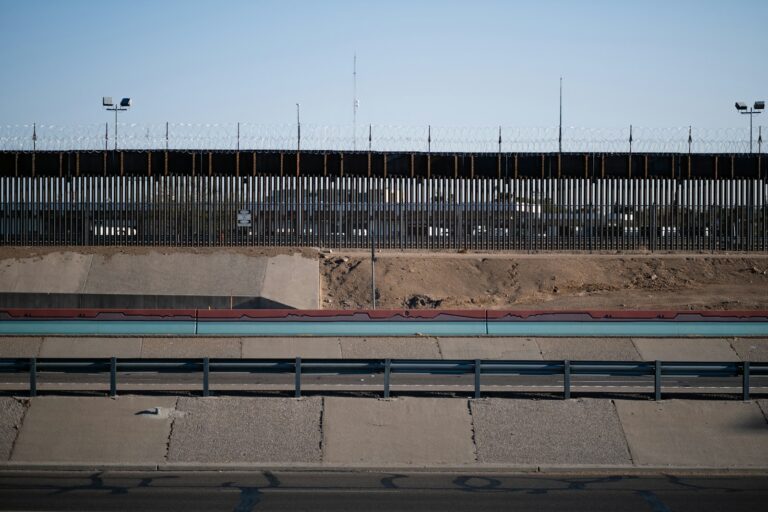
This is one of Trump’s favorite talking points, and since returning to office, he’s taken aggressive steps. Deportations have increased. He’s added new restrictions for immigrants at the southern border. The construction of the border wall has resumed in places where it was halted.

Although not finished, Trump’s actions match his promise to “secure the border.” It also echoes Project 2025’s tough stance on immigration enforcement.

Cutting Government Size

Trump’s team has started replacing federal workers in some departments. Through executive orders, he gave himself more power to remove certain government employees. This aligns with his promise to “drain the swamp” and stop what he calls the “deep state.”

This also matches Project 2025’s call to replace bureaucrats with loyal supporters of the president, especially in departments like Justice, Education, and Energy.

Energy Policies

Trump rolled back several climate regulations passed under President Biden. He also reopened offshore drilling permits and cut restrictions on fossil fuel projects.

Making the U.S. more energy independent was part of Trump’s pitch. So far, he has taken real steps toward this – although legal challenges may slow progress.

Which Promises Remain Unfulfilled?

Lowering Inflation and Taxes

This promise is harder to measure in the short term. Inflation is falling slightly, but not as quickly as voters may want. Trump called for major tax cuts, but no new tax law has passed Congress yet. With a divided legislature, this might take longer — or fail altogether.

Education and “Woke” Reforms

Trump strongly campaigned against what he called “wokeness” in schools and the military. He promised to defund DEI programs and make school curriculums more “patriotic.” So far, few of these efforts have turned into official policy.

Some states with Republican leadership have made changes based on his ideas, but at the federal level, actions have been limited.

Crime and Public Safety

Trump promised to boost police funding and control rising crime rates in large cities. While he has pushed for increased federal funding for law enforcement, crime stats vary based on the city.

This promise is still in progress, but voters may not see results quickly. Crime often depends on local policies, not just federal ones.

Has Trump Delivered on Everything He Said?

Not yet. Some of Trump’s 2024 campaign promises have moved forward quickly, especially when they involve executive orders or agency changes. Others require laws that must pass through Congress, which slows down the process.

For example, changing tax laws or remaking education policy needs approval from lawmakers — and not everyone in Congress agrees with Trump’s ideas. That makes it harder to fully deliver every campaign pledge.

Still, Trump has shown that he’s serious about following through — especially on issues like immigration, energy, and reshaping how the government works.

What Do Critics Say?

Critics of Trump say his focus on gutting federal departments and prioritizing loyalty over experience could harm democracy. They also worry about programs like Project 2025 giving one person too much power.

Supporters argue that these steps are needed to fix what they see as wasteful and unfair government practices. For them, Trump’s ability to “shake up Washington” is a feature — not a bug.

Time will tell whether the changes Trump is now making will last or face roadblocks in courts, Congress, or future elections.

Why Should You Care?

Tracking campaign promises isn’t just about politics — it’s about understanding how government impacts real life. Taxes, gas prices, school lessons, even TikTok bans all come down to choices made by leaders based on promises they made during campaigns.

By comparing Trump’s goals with what he’s actually done, voters can decide if he’s kept his word and whether they agree with his direction for the country.

No matter your political view, knowing who’s doing what helps you make smarter choices in the future.

FAQs

Which of Trump’s 2024 promises has he kept so far?

He has made progress on immigration policy, reducing climate regulations, and replacing government officials. However, tax cuts and education reforms are still pending.

What is Project 2025, and how is Trump involved?

Project 2025 is a conservative roadmap for reshaping the federal government. While not officially Trump’s plan, many of its ideas align with his policies.

Is Trump changing federal departments?

Yes, in some areas. He’s taken steps to give himself more power over hiring and firing in key agencies, a move which aligns with his goal of reducing government size.

Will Trump lower taxes this time?

He says he will, but so far, the necessary tax reforms have not passed through Congress. It may take longer or face strong resistance.

Is the FBI Investigating John Bolton’s Home?

0

Key Takeaways:

  • FBI Director Kash Patel posted a mysterious message online Friday morning.
  • Around the same time, a reported FBI raid took place at John Bolton’s residence.
  • John Bolton is a former national security adviser under Donald Trump.
  • The situation has stirred questions about what the FBI is investigating.
  • Social media reactions are fueling public curiosity and speculation.

FBI Raid Sparks Questions Around John Bolton’s Activities

On Friday morning, rumors of an FBI raid flooded social media. The reported target? The home of John Bolton — the former national security adviser to President Donald Trump. Soon after, FBI Director Kash Patel added more mystery by dropping a cryptic post on his social media account. While no official statements have confirmed the reason behind the visit, the situation is drawing nationwide interest.

Right now, the public wants answers: Why did federal agents reportedly visit Bolton’s home? Is John Bolton facing an FBI investigation? Let’s break down what we know so far.

Who Is John Bolton and Why Does It Matter?

John Bolton isn’t a random name in politics. He has held several powerful roles in U.S. government. Most recently, he served as national security adviser to former President Donald Trump. He is known for his strong opinions on foreign policy — and for clashing with Trump after leaving the White House.

Because of his past high-level position, any FBI actions involving him become major news instantly. So, when reports started to fly about a possible raid at his house, political figures, journalists, and everyday citizens all started paying attention.

This event could have serious legal and political consequences — but so far, there’s still no official word on why the FBI may be interested in Bolton. And that just adds to public curiosity. Is John Bolton under FBI investigation, or is there another reason for the reported visit?

Kash Patel’s Post Raises Eyebrows

FBI Director Kash Patel didn’t help settle nerves on Friday morning. Instead of denying or explaining the swirling rumors, he added fuel to the fire. Patel shared a short, cryptic message online. Though he didn’t mention Bolton by name, the timing of the post lined up perfectly with the reported law enforcement action.

The message was vague and left more questions than answers. Patel’s post sparked debates across online platforms. People began guessing what it could mean. Was it confirmation? A hint at something bigger? Or just another piece of internet theater?

While FBI protocols usually keep details of ongoing cases private, Patel’s post went against the usual silence. That unusual move has added another layer of mystery to the unfolding story.

Social Media Reacts to FBI Investigation Rumors

Moments after Patel’s post, hashtags related to Bolton and the FBI topped trending lists. Social media users shared unconfirmed photos and videos, claiming to show agents near Bolton’s home. Conspiracy theories began spreading fast, and political followers from every side started making guesses.

Some believe this is fallout from Bolton’s critical stance against Trump. Others think it could be connected to his past work involving foreign nations. No one knows for sure, but the online buzz hasn’t slowed down.

Since news spreads faster than facts these days, misinformation has also gained traction. Some claim this raid isn’t real. Others say it’s personal revenge, while a few suggest it’s linked to classified documents.

That’s why waiting for official information is critical — despite how impatient the internet has become.

What Might the FBI Be Looking For?

While there’s no official explanation yet, there are a few possible reasons for an FBI investigation targeting a former national security adviser. The most likely include:

  • Possible mishandling of classified information
  • Communications with foreign governments
  • Connections to ongoing federal investigations
  • Violations of government secrecy laws

Each of these areas is treated very seriously, especially for someone in Bolton’s past position. Since he was responsible for national security at the highest level, even small errors could carry heavy penalties.

However, until confirmed, these ideas remain speculation. Right now, the question stays open: Is John Bolton under FBI investigation?

A Troubled History Between Bolton and Trump

Some experts point to Bolton’s rocky relationship with former President Trump as a possible backdrop. After leaving the Trump administration in 2019, Bolton wrote a tell-all book that was sharply critical of the former president.

That book led to legal battles with the government over whether Bolton revealed classified information. At the time, the DOJ tried to stop its release, claiming national security concerns.

Those old sparks may be connected to why the FBI is now paying attention. If the government suspects new violations or if earlier issues were never fully resolved, Bolton could be back in the legal spotlight.

Could This Be Politically Motivated?

Whenever federal agents take action against someone who once held government power, people ask: Is this political?

Supporters of Donald Trump were quick to suggest that the reported FBI action could be part of political payback. After all, Bolton publicly broke with Trump and became a critic. That kind of betrayal doesn’t go unnoticed in today’s political climate.

Still, others argue that the legal system doesn’t operate on revenge. They believe that if the FBI is involved, there must be real evidence behind the raid. It’s a difficult conversation, especially when facts are still hidden from the public.

What Happens Next for John Bolton?

Until we hear more from officials or Bolton himself, we can only wait and wonder. If the FBI confirms their presence at his home, we’ll learn more about whether this is truly a serious investigation.

For now, Bolton has remained quiet. He has not posted about the raid on any public platforms, and no legal team of his has issued a formal statement. That silence could be strategic — or it could suggest that even Bolton was surprised.

Meanwhile, the spotlight remains on him. And whether it’s a case of lost documents or something more serious, this story isn’t going away anytime soon.

Why This Story Matters to Everyday People

You might ask, why does a possible FBI investigation matter to regular citizens?

Well, it speaks to larger issues that affect everyone. It shows how even powerful figures aren’t above the law. It also highlights how political tension continues to shape not just opinion but legal outcomes.

Plus, it reminds us how quickly rumors can become “news” in the digital age. And how important it is to wait for facts before jumping to conclusions.

Whether John Bolton is under FBI investigation or not, the way we talk about it — and how accurate our info is — matters more than ever.

Frequently Asked Questions

Who is John Bolton?

John Bolton is a former national security adviser who worked under President Donald Trump. He also served in other government roles over the years.

Why might the FBI be investigating Bolton?

While nothing is confirmed, possible reasons could include handling of classified documents or past communications with other countries.

What did Kash Patel post online?

FBI Director Kash Patel shared a vague message Friday morning at the same time reports surfaced about a raid on Bolton’s home. The message added to public curiosity but didn’t offer clear info.

Has John Bolton made a public statement?

As of now, John Bolton has not commented on the reported raid or FBI involvement. His legal team has also stayed silent.

Will more information be released soon?

Possibly. If an investigation is happening, officials may release updates. But investigations can take time, so don’t expect fast answers.

Is the Trump Fraud Case Falling Apart?

0

Key Takeaways:

  • Donald Trump’s civil fraud case took a major turn this week.
  • A panel of five judges questioned the fairness of the $454 million fine.
  • The case had no real victims—no banks or insurers claimed to be harmed.
  • This development could reshape how fraud cases are handled in New York.

Trump Fraud Case: A Turning Point in Court?

The New York fraud case against Donald Trump has been grabbing headlines for over a year. With bold accusations from state leaders and a giant fine of $454 million, many believed this would be a defining moment in Trump’s business legacy. But now, things seem to be shifting. A group of judges has stepped in and questioned how fair the case really was from the start.

Let’s break down what happened, why it matters, and what could come next in the Trump fraud case.

Case Background: What Was Trump Accused Of?

The Trump fraud case began with claims that Donald Trump exaggerated the value of his properties. New York Attorney General Letitia James argued that Trump had tricked lenders by saying his buildings and assets were worth more than they really were.

For example, it was suggested that Trump inflated the value of properties like Trump Tower and Mar-a-Lago. The goal? Allegedly, to secure bigger loans or better terms from banks.

But here’s the big issue: No one actually complained.

Banks Got Paid, No Victims Identified

In most fraud cases, there’s usually a victim—someone who lost money or suffered damage. But in the Trump fraud case, none of the banks or lenders ever said they were scammed. In fact, they all got paid back, with interest. No complaints were filed by financial institutions or insurance companies.

So who was hurt? That question has been central to Trump’s defense. His lawyers said this was a victimless situation being blown out of proportion. Still, a judge sided with Attorney General James and announced a massive punishment—nearly half a billion dollars in fines and even banning Trump from doing business in New York for a few years.

The Appeals Court Steps In

This week, a crack appeared in that decision. A five-judge panel, part of the New York State Appellate Division, showed concern over how harsh the ruling against Trump was. They asked smart, simple questions: Did someone really get fooled? Was there actual damage done?

Notably, the judges didn’t seem sold on the idea that Trump should pay hundreds of millions without a clear victim. The mood in the courtroom suggested that this case may not be as strong as it first appeared.

What This Means for Trump’s Future

If this appeals court rules in Trump’s favor, the massive fine could be thrown out or reduced. His business ban in New York might also be lifted. Since the Trump fraud case has been one of the biggest legal battles tied to his business empire, a change in outcome would be huge.

This wouldn’t just help Trump politically as he gears up for another presidential run—it could also reshape cases involving business valuations and fraud in the future.

Why the Trump Fraud Case May Not Hold Up

There are a few reasons even legal experts are now questioning the case:

1. No Financial Loss
Usually, the harm in a fraud case comes from monetary loss. But here, the banks made money off their deals. Nothing suggests they were cheated or misled into making decisions they wouldn’t have made otherwise.

2. Complex vs. Criminal
Business valuations can be tricky. Property value often depends on opinions, appraisals, and market trends. Misjudged estimates don’t always mean crime. That’s why some experts see the Trump fraud case as more of a business misunderstanding than an actual fraud.

3. Political Overtones
Some believe the case has political motives, given Trump’s high-profile status. Critics say New York officials might be using this lawsuit to hurt Trump’s image, rather than serve justice.

How Has Trump Responded?

As expected, Trump has spoken out strongly in his defense. He’s called the case a “political witch hunt” and criticized everyone involved—from the judge to the attorney general. He claims the whole effort was a plan to damage his reputation as both a businessman and politician.

Now that the appeals court seems open to overturning or at least rethinking the decision, Trump feels vindicated. More importantly, his lawyers see this as a chance to clear his name and rebuild his business brand.

What Happens Next?

The appeals court hasn’t made a final ruling yet. That decision could take weeks or even months. But based on their skeptical tone during the hearing, many think a reversal or reduction of the penalties is possible.

If the Trump fraud case is overturned, it might prompt New York lawmakers to look at how fraud laws are applied, especially when there are no victims.

Until then, Trump continues to campaign, attend legal hearings, and manage his business dealings—all while watching this case carefully.

The Bigger Picture

Whether you like him or not, Trump’s fight in court isn’t just about one man. It shows how states can use fraud laws, how judges interpret financial risk, and how public figures are held accountable.

If banks didn’t complain, no one lost money, and the deals were repaid—should a case like this have reached court in the first place?

That’s the big question we’ll soon have answers to.

FAQs

What exactly was Donald Trump accused of in the fraud case?

Trump was accused of inflating the value of his properties to get better loan terms from banks and insurers.

Did anyone actually lose money in the Trump fraud case?

No. All financial institutions involved were paid in full and earned profits from their deals with Trump.

Why is the appeals court getting involved now?

A group of judges is reviewing the case to decide if the punishment was fair, especially since there were no victims.

Could Trump still face serious penalties if the case continues?

Yes, if the court upholds the original decision, Trump could still owe hundreds of millions and face a business ban in New York. However, signs suggest the court may change course.

Are More Ocean Oil Drilling Auctions Coming Soon?

0

Key Takeaways:

  • The U.S. Interior Department will hold 30 ocean oil drilling auctions in 15 years.
  • This schedule was ordered by a new Republican-backed law.
  • It replaces President Biden’s earlier plan to limit offshore fossil fuel growth.
  • The auctions give oil companies more chances to drill in U.S. waters.
  • The move has sparked debate between energy developers and environmental advocates.

Ocean Oil Drilling: A Big Change in U.S. Energy Plans

A major shift is coming to the way the United States manages energy from its oceans. On Tuesday, the Interior Department announced it will organize 30 auctions for ocean oil drilling rights over the next 15 years. This is a big jump from earlier goals during the Biden administration.

The decision follows a newly passed law led by Republicans in Congress. This law states that the government must hold regular oil and gas sales to increase fossil fuel exploration. It overrules past efforts to slow down such projects on public land and in U.S. waters.

Why Ocean Oil Drilling Rights Matter

Ocean oil drilling rights allow companies to search for oil and gas under the ocean floor. These rights are sold at auctions where energy businesses can bid for access. If they win, they can set up drilling equipment and begin exploring designated areas.

The new 15-year plan means the government will offer drilling rights more often. This opens 30 chances for companies to buy access to underwater land. That’s double or even triple the number originally planned by the Biden administration.

Under President Biden’s earlier energy plan, there would have been just 11 drilling sales over five years. That plan focused on slowing down fossil fuel use to help fight climate change. The new schedule moves in the opposite direction.

What Caused the Sudden Change?

Congress recently passed a large tax and spending package. Tucked inside it is a requirement that the Interior Department must hold a set number of oil and gas sales each year. This law forces the department to stick to a rigid schedule of auctions, including ones held in offshore areas like the Gulf of Mexico.

Those who support this change say it will help the U.S. produce more domestic energy and create jobs. They believe more ocean oil drilling will reduce our need to rely on oil imported from other countries. It may also lower energy prices in the long run.

However, environmental groups argue it moves the U.S. backward in the fight against climate change. They say drilling for more oil will increase carbon pollution, leading to stronger storms and rising sea levels. Conservationists also worry about the harm to ocean animals and ecosystems.

How Does Offshore Drilling Work?

Ocean oil drilling begins once a company buys the rights to an area. The company sets up equipment either on a fixed platform or a floating oil rig. Then they begin digging through the water and into the Earth beneath the ocean floor to find oil or gas.

This process can take years and costs millions of dollars. But it can lead to huge profits if companies discover large supplies. Offshore drilling is common in the Gulf of Mexico, where many successful projects already exist.

Now, with more auctions on the way, companies are eager to expand to new parts of the ocean that were once off-limits.

Clashing Opinions Over Ocean Oil Drilling

The plan to expand ocean oil drilling rights is dividing lawmakers, scientists, and citizens. Supporters say that the added oil supply can help during energy shortages. They also point out that oil is still needed to power cars, homes, and factories.

Republican leaders claim this move strengthens the U.S. economy and protects national security. They argue that producing energy at home is better and cheaper than importing it.

On the other hand, critics warn of the long-term damage. Burning fossil fuels releases greenhouse gases that trap heat in Earth’s atmosphere. This global warming leads to drastic weather events, melting ice caps, and flooding in coastal cities.

Many scientists and climate activists argue that we should invest more in solar, wind, and other clean energy instead of holding more oil sales.

What This Means for the Future

The new 15-year auction schedule could shape what the next generation of energy looks like. If the plan moves forward without changes, we may see more drilling platforms in oceans near U.S. coasts.

This could speed up oil production but slow down progress in switching to cleaner energy sources. It also places pressure on younger voters, climate-focused groups, and lawmakers to push back or offer new solutions.

In the meantime, oil companies will prepare to compete in upcoming sales, hoping to cash in on these new opportunities. Whether or not this ocean oil drilling expansion will be good or bad in the long run is still unclear.

Environmental Lawsuits Likely to Follow

Because of the strong reactions from environmental groups, some legal challenges are likely. Past offshore oil auctions have faced lawsuits from environmental lawyers who argue the government didn’t fully study their impact. Courts have, in some cases, delayed or canceled sales for further review.

Experts expect similar legal fights may occur this time too. Activists say the government should not speed up oil sales without first reviewing how they will affect oceans, wildlife, and climate goals.

As the auctions begin over the next few years, courts may play an important role in deciding what can or cannot move forward.

Will Ocean Oil Drilling Really Help Energy Prices?

The promise of cheaper energy is one of the main reasons behind the push for more drilling. However, experts say offshore drilling can take many years to produce actual oil. So in the short term, these auctions likely won’t reduce gas prices.

Still, once production begins, it could help long-term supply. Supporters say this could act as a safety net when international oil markets become unstable.

What Should You Watch for Next?

As these auctions start taking place, it’s important to pay attention to:

  • Which areas of the ocean are offered for drilling?
  • Which companies win the rights?
  • How protests or legal challenges may delay some auctions?
  • How the auctions affect future climate policies?

The first few auctions are expected within the next year or two, marking the start of a new—and possibly controversial—chapter in American energy planning.

FAQs

What are ocean oil drilling auctions?

These are sales where companies bid for the right to explore and drill for oil under the ocean floor in U.S. waters.

Why are there more auctions now?

A new U.S. law requires the government to hold regular auctions to help increase the country’s fossil fuel production.

Will the auctions harm the environment?

Environmentalists are concerned that more drilling could hurt ocean life and worsen climate change due to more oil use.

Can this plan be stopped or changed?

Yes. Lawsuits or future changes in leadership could delay or stop some parts of the drilling plan, especially if courts order a pause for environmental reviews.

What Caused the Tour Bus Crash in Upstate New York?

Key Takeaways

• Five people died after a tour bus crash on Interstate 90.
• The bus carried 52 passengers returning from Niagara Falls.
• Most riders were of Indian, Chinese, and Filipino descent.
• Dozens suffered injuries from minor to critical.
• Officials say many were not wearing seat belts.

What We Know About the Tour Bus Crash

A deadly tour bus crash struck on Friday near Pembroke, New York. Five passengers lost their lives, including at least one child. The bus rolled into a ditch after losing control. It was heading back to New York City from Niagara Falls. State police and local officials confirmed the fatalities. Dozens more went to nearby hospitals. Injuries ranged from cuts and bruises to broken bones and head trauma.

How the Tour Bus Crash Unfolded

At roughly midafternoon, the bus began to swerve on Interstate 90. Witnesses say it sped slightly before tipping onto its side. As it rolled, windows shattered and seats collapsed. The vehicle came to rest in a roadside ditch. First responders arrived within minutes. They secured the scene and helped pull survivors from wreckage. Emergency crews worked fast to treat the wounded.

Who Were the Passengers?

Most of the 52 passengers had traveled to Niagara Falls on a group tour. Many came from Indian, Chinese, and Filipino communities. Families, friends, and individual travelers filled the seats. Some people hoped to snap vacation photos; others aimed to enjoy the famous waterfalls. Among them was a child who tragically died in the crash. Survivors include young adults, parents, and seniors.

The Role of Seat Belts in the Crash

Investigators believe most riders did not wear seat belts. As a result, several people were thrown from the bus. Officials stress that seat belts could have reduced injuries. In many states, coach buses do not require belts on every seat. Yet experts say belts improve passenger safety in rollovers. Therefore, wearing a belt might save lives during a tour bus crash.

Emergency Response and Rescue Efforts

Firefighters, paramedics, and state troopers rushed to the scene. They treated minor wounds on site and loaded critically injured patients onto ambulances. Nearby hospitals set up trauma units to handle head and internal injuries. Volunteers offered blankets and water to survivors. Local law enforcement closed lanes to secure the area. Traffic delays lasted several hours. Eventually, crews towed the damaged bus away.

Investigation Underway

State police opened a formal inquiry into the tour bus crash. They will inspect road conditions, weather reports, and bus maintenance logs. Officers will interview the driver and surviving passengers. They also plan to check surveillance cameras along the highway. Meanwhile, the National Transportation Safety Board may join the probe. The goal is to find what triggered the accident and prevent future crashes.

Community Reaction and Support

News of the crash shocked both New York City and upstate communities. Local leaders organized relief efforts for affected families. Support hotlines and counseling services emerged for survivors. In temples and community centers, people held prayer gatherings. Many residents donated blood to help the wounded. Social media buzzed with outpourings of sympathy and calls for safer travel rules.

Lessons for Safer Bus Travel

This tragedy highlights key safety lessons. First, wearing a seat belt on a coach bus can save lives. Second, bus companies should keep strict maintenance schedules. Third, drivers need ongoing training in handling slippery or curved roads. Additionally, tour companies might limit passenger numbers in each vehicle. Finally, state lawmakers could update regulations to require belts on all coach seats.

Looking Ahead

Families of the victims now face a difficult road ahead. They await full investigation results and answers. Survivors will undergo weeks of therapy for their injuries. Meanwhile, safety advocates will push for stronger bus travel rules. As the probe continues, officials hope to stop another tour bus crash from ever happening.

Frequently Asked Questions

What caused the bus to lose control?

Investigators are examining road conditions, weather, and mechanical reports. They will also question the driver and review camera footage.

How many people were on the bus?

There were 52 passengers and a driver. Most passengers were returning from Niagara Falls when the crash happened.

Were all injured passengers treated?

Yes. First responders moved the injured to nearby hospitals. Some received minor treatment, while others faced surgeries and intensive care.

Will new safety rules follow this accident?

Safety advocates are urging updates to coach bus regulations. Proposals include mandatory seat belts and stricter maintenance checks.

Is Israel Becoming a Pariah State?

0

Key Takeaways

• Israel’s actions in Gaza risk turning it into a pariah state.
• Allies like Germany, the U.K. and Australia now back Palestinian statehood.
• Shocking images of Gaza’s hunger crisis fuel worldwide outrage.
• Boycotts hit Israeli goods, culture, tourism and science.
• Many Israelis protest, yet some still support the war.
• The government blames critics for antisemitism and stays defiant.

Israel once drew global sympathy after the attack on Oct. 7, 2023. However, its military campaign in Gaza now faces sharp criticism. Images of starving children and ruined neighborhoods spread online. Meanwhile, long-time allies push for Palestinian state recognition. As a result, Israel looks more isolated than ever before.

Why Israel is Facing Pariah State Status

Over time, Israel’s military actions in Gaza came under fire for being too harsh. First, basic aid convoys could not get through. Then, reports of famine in some areas shocked the world. Even friendly news outlets questioned Israel’s motives. Moreover, two Israeli groups joined international calls to label this war a genocide. These events pushed Israel closer to pariah state status.

International Backlash

At first, countries rallied around Israel after the Hamas attack. Yet as the war dragged on, tone shifted. Germany and the U.K. now support recognizing Palestine. Australia even barred a far-right Israeli lawmaker for hateful remarks. Sanctions followed against two members of Israel’s government. In addition, international bodies debate cutting Israel from key research programs.

Also, cultural and sports links cracked. Music festivals dropped Israeli artists. Pro-Palestinian fans interrupted the Eurovision Song Contest for two years. The International Harp Competition moved away from Israel. FIFA faces pressure to remove Israel from world soccer. Soon, few events in Europe host Israeli teams without protests.

Impact on Israeli Citizens

The wrath aimed at the government often hits ordinary Israelis. Tourist shops in Greece face boycotts. Some travelers hide their nationality to avoid harassment. Meanwhile, reservists fear arrest after posting about their service. Academics abroad refuse to work with Israeli colleagues. Even global science grants now exclude Israel.

On home soil, protests swell. Seventy percent of Israelis disapprove of the current government. Many see Prime Minister Netanyahu as prolonging the war for politics. In August, Tel Aviv shut down for a huge strike. People demanded a ceasefire and release of hostages. Yet polls show many Israelis still ignore Gaza’s suffering. Some even back the harsh tactics. Thus, public opinion remains split.

Government Reaction and Messaging

Prime Minister Netanyahu calls negative reports “fake news.” He argues critics are driven by antisemitism. When Western nations discuss Palestinian statehood, he labels it antisemitic too. His far-right allies mock liberal institutions. For example, a radio host celebrated an attack on a top research center. Government officials stayed silent.

This defiance shapes Israel’s global image. By blaming critics, the government rallies its base. However, it also deepens the country’s isolation. As a result, Israel feels the sting of a growing boycott, divestment and sanctions movement. What once had limited success now spreads fast.

Looking Ahead

At present, Israel shows little sign of changing course. Nonetheless, the cost keeps rising. Israel’s reputation as a strong, respected nation erodes. Citizens face more travel troubles and cultural snubs. Economically, boycotts could dent key exports. Politically, more governments might recognize Palestine.

Yet some signs hint at hope for change. The mass protests reveal that many Israelis want peace. International pressure may push leaders to seek a ceasefire. Also, cultural figures and scientists inside Israel call for an end to violence. If these voices grow louder, Israel might reclaim global trust.

Still, overcoming the “pariah state” label will take time. It will require hard choices and real shifts in policy. Above all, ending the humanitarian crisis in Gaza must come first. Only then can Israel hope to shake off isolation and rebuild its standing.

Frequently Asked Questions

What does “pariah state” mean?

A pariah state is a country that most others see as unacceptable or shameful. It loses friends and faces boycotts.

Why do some call Israel a pariah state?

Critics point to Gaza’s civilian deaths, famine reports and harsh tactics. They say these actions violate human rights.

How do boycotts affect Israel?

Boycotts slow down Israeli exports, hit tourism and isolate its artists and scientists. They pressure the government to change policy.

Can Israel restore its global image?

Yes, but only if it ends the humanitarian crisis in Gaza and seeks a fair peace deal. Dialogue and genuine reform are key.

Is Trump Linked to Epstein? Ghislaine Maxwell Says No

0

Key Takeaways:

  • Ghislaine Maxwell denies seeing Donald Trump doing anything wrong with Jeffrey Epstein.
  • She claims Trump was never involved in massages or other shady activities at Mar-a-Lago.
  • Maxwell is currently serving 20 years in prison and is seeking a pardon.
  • The statement was made to Deputy Attorney General Todd Blanche.

What Ghislaine Maxwell Says About Donald Trump

Ghislaine Maxwell, who is in prison for her role in helping Jeffrey Epstein, has spoken out. She told Deputy Attorney General Todd Blanche that Donald Trump was never part of any illegal or questionable activity related to Epstein. According to her, Trump never acted badly in front of her in any way.

Maxwell is currently serving a 20-year sentence at a federal prison in Texas. As she fights to get a pardon, she decided to make a clear statement: Trump, in her experience, did nothing wrong during his interactions with Epstein.

Maxwell’s Powerful Denial of Trump’s Involvement

In a direct conversation with the Deputy Attorney General, Maxwell stated her defense of Trump plainly. She said, “Absolutely never, in any context,” when asked if Trump did anything inappropriate. She explained that she never saw him take part in anything suspicious or get massages at Epstein’s properties, including Mar-a-Lago, Trump’s Florida estate.

She emphasized that Trump’s relationship with Epstein seemed purely social and public and not connected to anything criminal.

The Trump-Epstein Timeline

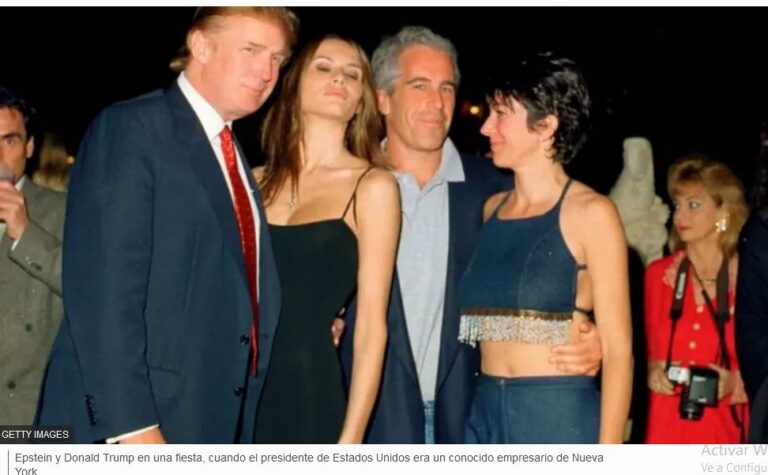
Many people are aware that Trump and Epstein were photographed together in the past. The two men reportedly knew each other during the 1990s and early 2000s. Epstein often attended elite parties and clubs, which is where he crossed paths with many powerful people, including Trump.

However, being in photos or at events doesn’t prove wrongdoing. While rumors have surfaced over the years, there’s never been hard evidence showing Trump engaged in Epstein’s crimes. Maxwell’s recent denial adds to Trump’s defense against any such accusations.

Why Maxwell’s Statement Matters

Maxwell’s words are grabbing headlines because of her close relationship with Epstein. She was often by his side and managed many parts of his controversial lifestyle. Since she had such a close view of Epstein’s inner circle, what she says carries weight.

Given her prison sentence, some critics might say she has a reason to flatter powerful figures. Her push for a pardon suggests she might be trying to win favor. Still, her clear defense of Trump stands out and is being taken seriously by some legal experts.

What Else Maxwell Revealed

Maxwell didn’t just defend Trump. She also mentioned that she wasn’t aware of many allegations until well after they were made public. She said that she hadn’t witnessed any actions involving Trump that crossed legal or ethical lines.

She told investigators that Epstein kept many details of his life very private, even from her. This, she says, made it hard for her or anyone else to know everything that was going on.

Is Her Statement Meant to Help Her Get a Pardon?

It’s possible. Maxwell’s legal team appears to be working on improving her image. She’s been actively seeking a pardon and may believe that speaking positively about key political figures could help her cause.

Some people argue she’s trying to shift the focus away from herself. Others believe she’s telling the truth and should be given a fair hearing. Either way, her recent comments have added more layers to an already complex story.

Public Reaction to Maxwell’s Claim

The public is divided over her statement. Some people are skeptical. They question her motives and remind others that this is coming from someone convicted of helping a sex offender.

Others see this as important information that could help clarify Trump’s connection to Epstein. Social media platforms have exploded with debates. Some users are defending Trump, while others think this is just Maxwell’s attempt to clean up her past.

Meanwhile, legal experts are analyzing every word. They believe her cooperation with officials could influence future legal decisions, including her chances at a lighter sentence or a potential pardon.

What This Means for Trump

So far, Donald Trump has not been charged with anything related to Jeffrey Epstein’s crimes. Maxwell’s comments support this. In fact, they might give Trump one more reason to claim he had nothing to do with Epstein’s illegal activities.

Still, with the 2024 elections approaching, any mention of Epstein could harm or help anyone in the spotlight. Maxwell’s statement might be used by Trump’s supporters as proof of his innocence. On the other hand, critics could argue that her motivations lower her credibility.

Looking Ahead

Maxwell still has a long journey ahead in prison. But her recent move to speak publicly and name powerful figures suggests she’s ready to fight hard for her future. Whether her claims are enough to earn her a pardon remains unclear.

Meanwhile, Trump and his team continue to face questions about their past connections, not just with Epstein but with other controversial figures. Maxwell’s latest revelations might ease those concerns — or add fuel to the fire, depending on who’s listening.

Conclusion

Ghislaine Maxwell, a central figure in the Epstein scandal, has made it clear that in her view, Trump did nothing wrong. Whether that’s enough to clear his name in the public eye is still unknown. But with more attention likely on this topic in the coming months, her words may have a lasting impact.

FAQs

Who is Ghislaine Maxwell?

Ghislaine Maxwell is a British socialite who was convicted of helping Jeffrey Epstein commit sexual crimes. She is currently serving a 20-year sentence.

Did Trump know Jeffrey Epstein?

Yes, Trump and Epstein were known to be acquaintances in the 1990s and early 2000s. However, there’s no evidence proving they committed crimes together.

What did Maxwell say about Donald Trump?

Maxwell told Deputy Attorney General Todd Blanche that she never saw Donald Trump act inappropriately or take part in any illegal activity.

Could Maxwell’s statement help Trump?

Her comments support Trump’s denial of wrongdoing. However, her own criminal record makes some people question her motives or truthfulness.

Did Trump Ever Misbehave Around Epstein? Here’s What We Know

0

Key Takeaways:

  • Ghislaine Maxwell told the Justice Department that she never saw Donald Trump act inappropriately.
  • The Trump administration released transcripts of Maxwell’s statements to prove transparency.
  • These statements come during growing public pressure surrounding Epstein’s connections.
  • Trump has repeatedly denied any wrongdoing or deep friendship with Epstein.

Trump and Epstein: What’s the Real Story?

The name Jeffrey Epstein still makes headlines years after his arrest and death. Part of this ongoing interest comes from the powerful people who once knew him. One of those people is Donald Trump, the former President of the United States.

Lately, people have asked questions about Trump’s connection with Epstein and whether he was involved in anything inappropriate. However, new information from Ghislaine Maxwell, Epstein’s former girlfriend and close associate, offers a different view.

Let’s explore what Maxwell said under questioning and what it means for Trump’s reputation and the public’s trust.

Ghislaine Maxwell Sets the Record Straight

In a series of interviews with the Justice Department, Ghislaine Maxwell claimed she never saw Donald Trump acting in a sexually inappropriate way around Jeffrey Epstein. These interviews were led by Deputy Attorney General Todd Blanche and took place last month.

The Trump administration decided to publicly release the transcripts of Maxwell’s statements. They did this to show that they had “nothing to hide” and wanted to be open about Trump’s connection to Epstein.

According to the documents, Maxwell firmly stated that she had no memories or knowledge of Trump being involved in anything shady around Epstein. Her words could be just what Trump’s team needs to push back against critics questioning his past.

Why the Trump Administration Released These Records

There’s a reason this move is making headlines — the timing. As more documents and connections linked to Epstein become public, political leaders and celebrities connected to him are under fire. Trump has been one of them.

By releasing these Jennifer Maxwell interviews, the Trump administration is trying to calm growing concerns. It’s also a way to distance Trump from any rumors, especially as the political spotlight returns to him ahead of elections.

The public reaction is mixed, but the release of these files shows that public pressure can lead to more transparency — something many citizens have been asking for.

What Else Did Maxwell Say About Trump?

While answering questions, Maxwell didn’t just say that she saw nothing inappropriate — she also explained that her interactions with Trump were limited. She mentioned meeting Trump at Mar-a-Lago and a few other locations during the late 1990s and early 2000s.

Still, she explained that their meetings were always in the presence of other people, mostly during large social events. According to her, none of them stood out as suspicious or secretive.

Her testimony supports Trump’s earlier claims that he “wasn’t a fan” of Epstein and cut ties with him long before Epstein’s arrest.

Trump’s Response Over the Years

Ever since Epstein’s name became tied to serious crimes, Trump has tried to distance himself. He’s said on record that he once knew Epstein but had little to do with him. In fact, he claims he banned Epstein from Mar-a-Lago after a disagreement.

Still, questions have lingered over the years, especially after photos surfaced of the two together at parties. These snapshots fueled rumors, but without strong evidence, the public can’t draw solid conclusions.

Now with Maxwell’s statements, Trump’s side has one more piece of support to defend his past actions — or lack of them — around Epstein.

Why People Still Ask About the Epstein Connection

Jeffrey Epstein was connected to some of the richest and most powerful people in the world. His crimes shocked the nation, and his sudden death in prison left countless questions unanswered.

As a result, the public wants answers, especially when it comes to political leaders like Trump. Even with no direct evidence, many people wonder whether these connections go deeper than what’s known.

That’s why Maxwell’s statements matter. When someone so close to Epstein claims innocence on Trump’s behalf, it slows down the rumors — but it doesn’t end them completely.

Was Transparency the Real Goal?

It’s important to look at motive. The Trump administration released the transcripts at a time when criticism about withholding information was growing. Some believe this choice was politically motivated to show that Trump had nothing to hide.

Others think it’s simply good leadership to clear up confusion and calm public concern.

Still, many Americans feel frustrated that the full story might never be known because so many key people are no longer around — or won’t talk.

What We Can Take Away From This

While the keyword “Trump and Epstein” has stirred up many theories, the facts are what matter most. Based on Maxwell’s interview, Trump appears to have never been directly involved in any misconduct with Epstein.

That said, public trust is hard to win back, and these kinds of connections always leave a mark. By looking at all available evidence and staying informed, people can form their own opinions based on truth — not just headlines.

Looking Ahead: Will More Truth Come Out?

The media isn’t likely to drop the “Trump and Epstein” story anytime soon. As new records get released and investigators dig deeper, we may learn more about the people in Epstein’s inner circle.

But for now, the latest files show that at least one insider — Maxwell — doesn’t link Trump to anything illegal or inappropriate.

This information won’t stop the rumors completely, but it helps paint a clearer picture of what really happened — or didn’t happen — between Trump and Epstein.

As with many stories involving fame, money, and mystery, the full truth often takes years to surface. But every piece brings us closer.

Frequently Asked Questions

Why did the Trump administration release these transcripts now?

They wanted to show transparency and respond to public pressure about Trump’s past ties to Epstein.

Did Ghislaine Maxwell defend Trump in her interviews?

Yes. She said she never saw him act inappropriately around Epstein or any of the girls involved.

Has Trump admitted to knowing Epstein?

Yes. Trump has said he knew Epstein in the past but claims he cut ties with him many years ago.

Will more details about Trump and Epstein come out?

It’s possible. Ongoing investigations and future documents may reveal new pieces of their shared past.

The Ghislaine Maxwell Interview: What Really Happened?

0

Key Takeaways:

  • Ghislaine Maxwell says she saw no wrongdoing by Donald Trump or Bill Clinton.
  • Maxwell made her statements during a July prison interview.
  • She answered questions from U.S. Deputy Attorney General Todd Blanche.
  • Her comments were revealed in a recently released transcript.

Ghislaine Maxwell, a known associate of late convicted sex offender Jeffrey Epstein, is back in the headlines. This time, it’s not about her involvement in Epstein’s crimes. Instead, it’s about a statement she made in a prison interview that involved two famous names: Donald Trump and Bill Clinton.

In a July 2023 interview, Maxwell claimed she never witnessed any inappropriate behavior by either Trump or Clinton while around Epstein. Her comment has drawn attention across American media and online because both men were once linked socially to Epstein.

Why Was Ghislaine Maxwell Being Questioned?

Maxwell is currently serving a 20-year prison sentence after being convicted for her role in grooming underage girls for Epstein. Even behind bars, her knowledge of what happened during Epstein’s dark years remains a focus for American authorities and the public alike.

The U.S. government wants to make sure it uncovers all angles of Epstein’s network. That includes whether any powerful people knew about or participated in Epstein’s crimes. The July interview, held with Deputy Attorney General Todd Blanche, was part of efforts to dig deeper.

Famous Names in the Epstein Network

For years, people have pointed to ties between Epstein and high-profile figures, including celebrities, royals, and politicians. Donald Trump and Bill Clinton are two of the most frequently mentioned names in connection to Epstein’s social circle. Photos have shown them with Epstein during different events and parties, especially in the 1990s.

Given their high political profiles—Trump as the 45th President and Clinton as the 42nd—it’s no surprise these connections have sparked public interest. Rumors have continued for years about whether either man ever took part in Epstein’s illegal activities.

What Did Maxwell Actually Say About Trump and Clinton?

In her prison interview, Ghislaine Maxwell was clear when she spoke about the former presidents. She claimed that during all the time she spent with Jeffrey Epstein, she never saw Donald Trump or Bill Clinton do anything inappropriate. Her words were direct, and she emphasized that from what she personally witnessed, there was no misconduct by either man.

Maxwell didn’t avoid the question or give unclear responses. Instead, she addressed the topic directly. And even though she didn’t go into deep detail, her saying she saw no wrong action from either Trump or Clinton is significant in how the public views ongoing theories.

Why Her Statement Matters Now

This news has reignited public conversation about Epstein’s inner circle. Since both Trump and Clinton have tried to distance themselves from Epstein over the years, Maxwell’s statement may offer them some relief—from a public relations standpoint, at least.

Trump and his administration have previously faced questions about how close he was with Epstein. Back in 2002, Trump once called Epstein a “terrific guy,” though he later distanced himself from him entirely. Clinton, on the other hand, has admitted to flying on Epstein’s private jet several times but denied any involvement in criminal behavior.

Still, people have continued to ask for more transparency. So when a key figure like Maxwell speaks out, her words don’t go unnoticed.

Could Maxwell Be Protecting Powerful Friends?

Even though Maxwell claims Trump and Clinton acted appropriately, some critics question her motives. After all, she was close with many powerful figures. Could she be protecting them?

Some say that Maxwell, even from behind bars, might not want to involve additional people in her legal troubles. Others argue if she truly saw nothing wrong, then her words should be taken as fact.

At the same time, others wonder if she might be subtly asking for help from the powerful people she once socialized with. Having their names cleared could be a way to build favor—something not unheard of in complex legal cases.

What Happens Next in the Epstein Case?

Although Jeffrey Epstein died in jail in 2019 under suspicious circumstances, his crimes are far from forgotten. Authorities are still pursuing possible leads and connections. Several survivors and advocacy groups continue to search for justice against others in Epstein’s network.

Maxwell’s testimony, even if it relieves pressure on Trump and Clinton, doesn’t close the case. Investigators are still piecing together years of events, financial records, flight logs, and more.

Thanks to Maxwell’s latest statements, the world’s eyes are once again wide open.

The Legacy of Epstein’s Crimes

Even as Maxwell tries to clear the names of past presidents, public trust remains fragile. The Epstein scandal was one of the biggest in recent memory—shocking in both its scale and the number of elite names linked to it.

So when someone like Maxwell speaks, it matters. Whether the public chooses to believe her or not is a different question. What remains clear is this: people want truth, accountability, and transparency. Until that happens, the names surrounding the Epstein case will never be far from the headlines.

Final Thoughts: What We Know and What We Don’t

Maxwell’s claims about Donald Trump and Bill Clinton are bold. But they won’t end the conversation about Epstein’s connections any time soon. Authorities, survivors, and the public will keep asking questions.

The world may never know the full scope of Epstein’s dark empire, but every piece of information helps paint a clearer picture. Ghislaine Maxwell’s latest revelation adds another layer to one of the most disturbing cases of the modern era.

As new testimonies surface and old documents are unsealed, only time will tell who else was involved—or who truly stayed on the sidelines.

FAQs

What exactly did Ghislaine Maxwell say about Donald Trump?

Maxwell said in a prison interview that she never saw Trump do anything inappropriate while she was around him and Epstein.

Did she say anything bad about Bill Clinton?

No. Similar to her comments about Trump, she stated that she never witnessed any wrongdoing by Clinton either.

Why were Trump and Clinton connected to Epstein?

Both Trump and Clinton had social ties to Epstein in the past. They attended some of the same events and were photographed with him.

Does this mean Trump and Clinton are cleared of any suspicion?

Not necessarily. Maxwell’s personal claims don’t replace official investigations. Authorities may still look into all possible connections.