54.6 F
San Francisco
Saturday, April 4, 2026
Home Blog Page 589

Did DHS Records Vanish on Purpose?

Key Takeaways

  • DHS records, including text messages, were deleted by April 9.
  • A watchdog says this breaks the Federal Records Act.
  • Similar deletions happened after the January 6 attack.
  • Experts doubt any real accountability will follow.

What Happened to DHS Records?

In late July, American Oversight asked DHS for text records. They wanted messages tied to National Guard troops in Los Angeles. On July 23, DHS said it no longer had those messages. The agency claimed it deleted records by April 9. American Oversight says DHS records must be kept by law. Chioma Chukwu of the group called this a clear violation. She noted officials use texts for official government business.

Why DHS Records Matter

Records let us trace decisions and actions clearly. They hold officials responsible for their choices. Without records, we cannot see who approved key moves. Transparency collapses when data simply disappears. Anne Weismann, a law professor, stressed this point.

History of Deleted Records

After the January 6 breach, DHS sought Secret Service texts. Many messages from that period later turned up missing. Meanwhile, aides to a top defense official may have wiped apps. They deleted messages on an encrypted service called Signal. Investigations still probe whether they were told to erase chats.

The Law on Federal Records

The Federal Records Act demands agencies keep all work files. It covers emails, memos, and yes, text messages too. Congress wrote the law so citizens can see government acts. When agencies delete records on purpose, they break that law. American Oversight warned DHS of this exact violation.

Roadblocks to Accountability

Even clear breaches may go unpunished. A Justice Department probe must start with the National Archives. Then it needs a referral to the attorney general. But the top archivist was recently fired by the president. Her duties now rest with a loyal political ally. He has shown no sign he will seek justice here.

Expert Views on Transparency

You cannot hold people accountable without records, said Weismann. She added that you cannot claim transparency if you delete data. Lauren Harper of the Freedom of the Press Foundation agreed. She noted that deleting records does not erase FOIA duties. Harper compared this to a fire department ditching its hoses.

Why December’s Guard Deployment Matters

Los Angeles saw National Guard troops in June for security. That action raised many questions at city and state levels. Officials turned to DHS for coordination and command. Text records would show who gave orders and why. Without DHS records, we lose a clear picture of events.

Potential Impact on Public Trust

When agencies quietly delete messages, trust erodes fast. Citizens may wonder what else they cannot see. They might doubt future transparency promises. Trust in government relies on open record keeping. These lapses threaten that foundation.

What Could Happen Next

The National Archives could demand DHS explain the deletions. It might force a review of record-keeping policies. However, without real pressure, agencies often resist change. Congress could hold hearings to shine a light on the issue. But major partisan fights may stall any reform efforts.

Steps to Improve Record-Keeping

Agencies should ban message auto-deletion on official phones. They could require backups of all texts to secure servers. Training must remind staff that texts count as official records. Auditors could verify compliance regularly. Failure to comply should trigger real penalties.

Why You Should Care

Government choices affect daily life everywhere. Knowing who decided what and why matters to everyone. Record deletions hide details of crucial national events. If we let agencies erase evidence, we lose our rights. Staying informed and pushing for transparency keeps power in check.

Frequently Asked Questions

Why did DHS delete those text messages?

DHS claims it no longer maintained the messages after April 9. Watchdogs say that removal broke federal law.

What law requires DHS records to be kept?

The Federal Records Act mandates agencies keep work-related messages. This includes texts sent or received on official devices.

How can deletions affect public trust?

Removing records stops citizens from seeing decisions. When people suspect cover-ups, they lose faith in government.

Could there be consequences for DHS?

In theory, the National Archives could refer the case to Justice. However, past deletions have rarely led to real penalties.

Will Trump Grant Maxwell Pardon Soon?

0

Key Takeaways

  • A former state attorney predicts a Maxwell pardon by President Trump before January.
  • Maxwell asked for a pardon in her recent DOJ interview transcript.
  • Trump may swap a Maxwell pardon for info that clears him in the Epstein case.
  • A Maxwell pardon would follow Trump’s pattern of granting favors to allies.

A former Florida state attorney says President Trump will issue a Maxwell pardon. In a recent TV interview, Dave Aronberg pointed to a key transcript. The DOJ recently released audio of Ghislaine Maxwell talking with Deputy Attorney General Todd Blanche. In that tape, Maxwell clearly asked for mercy. Therefore, Aronberg believes a pardon is on the table before Trump leaves office.

How the DOJ Interview Sparked Pardon Talks

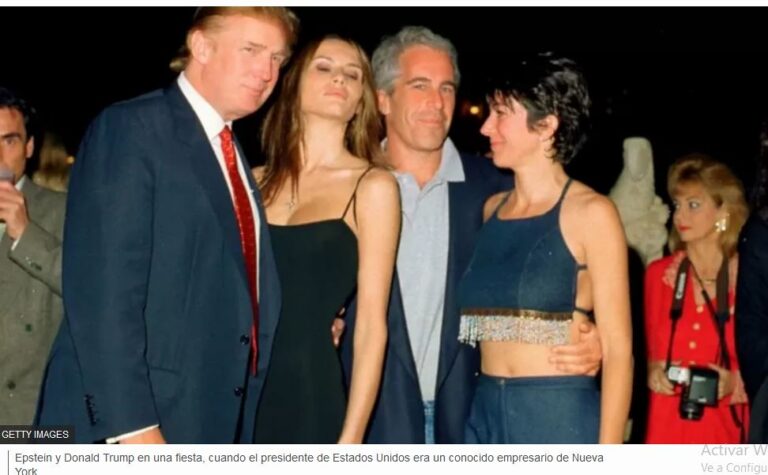
Maxwell sits in a minimum security prison serving a 20-year sex-trafficking sentence. She was convicted for helping Jeffrey Epstein. Recently, the DOJ shared her recorded meeting with Blanche. During the talk, Maxwell pressed for a pardon. She even hinted at trading information. Hence, speculation rose that Trump might consider a Maxwell pardon.

Why Trump May Weigh a Maxwell Pardon

First, Trump has faced criticism over his past links to Epstein and Maxwell. He might use a pardon to calm his base. Second, Trump has recently granted pardons to close allies, like Steve Bannon. As a result, a Maxwell pardon would fit his history. Finally, Maxwell holds potentially explosive details. She might share those details to protect herself.

What Information Could Trigger a Maxwell Pardon?

Some experts say Maxwell could reveal damaging data on high-profile figures. For example, notes suggest Epstein ran blackmail schemes on powerful people. Therefore, Trump could seek notes that defend his own role. Moreover, Trump might aim for intel on rivals like a former president. As such, a Maxwell pardon may serve a dual purpose: freeing Maxwell and boosting Trump.

The Case for a Swift Maxwell Pardon

In Aronberg’s view, Maxwell has done everything Trump asked in that transcript. Consequently, there would be little left for her to prove. Meanwhile, Trump could use the pardon to frame himself as generous. Also, a pardon would limit Maxwell’s appeal roadblocks. Therefore, a simple White House announcement could free Maxwell.

Potential Fallout of a Maxwell Pardon

However, a Maxwell pardon could spark outrage. Victims of Epstein’s trafficking network might see it as an injustice. Additionally, Democrats and some Republicans could condemn it as a political favor. On the other hand, Trump’s core supporters might applaud his loyalty. Thus, a Maxwell pardon could deepen political divides.

How a Maxwell Pardon Might Unfold

First, Trump would need to complete the paperwork before he leaves office. Then, the White House would issue a formal statement. Next, Maxwell’s legal team would file to remove her from custody. Finally, she would walk free under federal supervision. Meanwhile, the media would dissect every detail of the move.

What Maxwell Faces Without a Pardon

Absent a Maxwell pardon, she must rely on her appeal to the Supreme Court. Yet the justices seldom take new cases. As a result, her appeal might drag on for years. In contrast, a Maxwell pardon offers immediate release. Therefore, Maxwell’s best hope lies with Trump.

Possible Legal Hurdles After a Maxwell Pardon

If Trump grants a Maxwell pardon, critics might challenge it in court. They could argue the pardon serves a political motive rather than justice. Yet the Supreme Court has long upheld broad presidential pardon powers. Thus, legal challenges would face steep odds.

Maxwell’s Next Moves Post-Pardon

If freed, Maxwell might write a memoir to cash in on her fame. She could become a sought-after source for news outlets. In addition, she might offer testimony in ongoing probes. However, public backlash could limit her options. Still, she would no longer face prison bars.

Public Reaction and Media Frenzy

A Maxwell pardon would electrify the news cycle. Cable channels would air nonstop debates. Social media would explode with hot takes. Victims advocacy groups would stage protests. In contrast, Trump supporters would celebrate a loyalty reward. Obviously, the pardon would dominate headlines for weeks.

Timing Is Key for a Maxwell Pardon

Aronberg suggested the pardon could come “at the end of this administration.” That leaves only a few months. Therefore, every day brings fresh speculation. As Trump juggles other priorities, a Maxwell pardon might slip if he stalls. Conversely, he could act swiftly to seize headlines.

What Comes After a Maxwell Pardon?

First, Maxwell would regain her freedom. Second, her story would shape narratives about power and justice. Third, Trump’s legacy would absorb yet another controversial pardon. Ultimately, a Maxwell pardon could define the final days of his term.

FAQs

How likely is a Maxwell pardon before Trump leaves office?

Legal experts say Trump holds the power to pardon at any time. With only weeks to go, swift action would signal he intends to free her.

Could a Maxwell pardon stop her appeal in the Supreme Court?

Yes. A full pardon would render her appeal moot. She would no longer face any legal penalties from her conviction.

What motives would drive Trump to grant a Maxwell pardon?

He may seek loyalty rewards, political leverage, or protection from damaging revelations. Past pardons suggest a transactional approach.

What impact would a Maxwell pardon have on Epstein’s victims?

Victims would likely see it as a deep injustice. They might renew calls for tougher trafficking laws and more rigorous oversight.

Why Hide the Secret Budget Details?

0

Key Takeaways:

• The Trump team has not shared its full budget proposal.
• This break from past practice raises transparency concerns.
• Experts warn that hiding the secret budget weakens checks and balances.
• The detailed budget could reveal big tax or program cuts.
• Critics urge the administration to release all budget details now.

The Trump administration stunned veterans of Washington by refusing to release a full budget plan. In past years, presidents of both parties shared detailed budget proposals each spring. However, this time they offered only a slimmed-down overview. As a result, experts call this move a “secret budget.” More importantly, they warn it may hide unpopular cuts and tax breaks for the wealthy.

Tradition of Full Budgets vs Secret Budget

For the last half-century, presidents sent a complete federal budget proposal to Congress. This package typically covered all mandatory and discretionary spending. It also included revenue projections, deficit estimates and multiyear forecasts. By design, this transparency let lawmakers and citizens compare plans with real data.

However, this year’s offering looks very different. Instead of a full blueprint, the White House released a short summary in May. It covered only one year and about one-third of federal spending. In effect, the administration offered a “secret budget” by leaving out Social Security, Medicare, Medicaid and debt projections. Critics say this omission prevents a clear view of long-term impacts.

Reasons Behind the Secret Budget Delay

So why hide the secret budget now? First, the administration admits it “wasn’t in our interest” to share everything. Second, insiders suspect the omitted sections would spark public outrage. If the plan includes deep cuts to health programs and more tax breaks for the rich, it may hurt the party’s image.

Moreover, the slim summary ignores key parts of federal funding. It omits mandatory programs that Americans rely on. It also holds back data on how much debt will grow. Without those numbers, analysts cannot grasp the full picture. Consequently, they cannot gauge the fiscal risks or propose informed solutions.

Potential Impact on Programs and Taxes

Without a full budget, citizens remain in the dark. They can’t see if cuts will hit local schools or food assistance. They also can’t tell if tax breaks favor the wealthy over working families. Therefore, groups that depend on federal support worry they may lose funding.

Furthermore, hidden budget details leave room for surprise cuts later. Lawmakers might pass new bills without knowing the true cost. In turn, federal debt could balloon unexpectedly. This scenario harms future generations who must shoulder the bill.

How This Affects Congress and Citizens

Budget secrecy also weakens the Constitution’s checks and balances. Congress needs full details to debate and approve spending. When the president withholds data, lawmakers struggle to fulfill their oversight role. They can’t challenge unclear proposals or suggest better alternatives.

Consequently, voters lose trust in government. They feel shut out of key decisions. In a democracy, this disconnect fuels anger and confusion. Ultimately, hiding a secret budget undermines civic engagement and accountability.

What Experts Are Saying

Thomas Kahn, former staff director of the House Budget Committee, slammed the move in a recent column. He argued that hiding the secret budget serves only the administration’s interest. He warned that a detailed plan would reveal unpopular policy choices. Thus, stalling the release may temporarily avoid backlash. Yet, he urged the White House to publish the full proposal immediately.

In addition, policy analysts note that without transparency, it’s impossible to track spending trends. They stress that clear numbers help spot waste and set priorities. For example, citizens could argue for more funding in education if they see cuts looming. But secrecy shuts down that debate before it starts.

What Happens Next

Congress can demand the full budget through hearings and resolutions. If members unite, they can pressure the administration to comply. Meanwhile, watchdog groups and media outlets will continue to push for disclosure.

At the same time, citizens can voice concerns to their representatives. Public pressure sometimes forces action. After all, elected officials answer to voters first.

Conclusion

Releasing a full budget proposal promotes trust, accountability and better decisions. It gives Congress the facts it needs to debate effectively. It also lets citizens understand where their tax dollars go. By hiding a secret budget, the administration risks eroding democratic norms. Therefore, experts and lawmakers alike call on the White House to stop the secrecy and start governing with full transparency.

Frequently Asked Questions

What makes a budget “secret”?

A budget becomes secret when key sections are withheld. For example, omitting Social Security, Medicare, Medicaid and debt projections.

Why should presidents share full budgets?

Full budgets allow lawmakers and citizens to see complete spending, revenue and deficit plans. Transparency builds trust and helps guide informed debates.

How might hiding the budget affect daily life?

If program cuts hide in a secret budget, schools, hospitals and welfare programs could lose funding without public warning.

Can Congress force the White House to release the full budget?

Yes. Through hearings, votes or resolutions, Congress can demand full disclosure. Public pressure can help make that happen.

Target Satan Shirts: Was It Real?

Key Takeaways:

  • A GOP strategist claimed Target sold “pro-Satan” shirts, but that never happened.
  • The rumor centered on a Pride collection designer, not official Target merchandise.
  • Target ended its partnership with the designer after the backlash.
  • The retailer’s share value dropped amid a political and social media storm.
  • Knowing the facts helps separate rumor from reality and avoid spreading lies.

Target Satan Claim Explained

Last weekend on a cable news show, GOP strategist Kristin Davison made a shockingly false claim. She told viewers she stopped shopping at Target because the store sold “pro-Satan” products. In reality, Target never carried any official “Satan” merchandise. So where did this bizarre story come from, and why did it gain traction? Let’s break down the rumor around Target Satan shirts, see how it started, and find out what really happened.

How Did the Target Satan Rumor Spread?

It all began after Target released its quarterly earnings report. The company’s share value plunged by 42 percent, partly due to a conservative backlash over diversity and inclusion efforts. During a CNN panel discussion, pundits blamed Target’s shift toward progressive policies. That’s when Kristin Davison made her surprising statement.

Davison said she avoided Target because they sold “pro-Satan, pro-everything” products. Other panelists reacted with disbelief. Then Davison mentioned a T-shirt with satanic images. Soon after, social media lit up with people claiming to have seen Target Satan shirts in stores. Yet, there was no proof.

What Did Target Actually Sell?

Contrary to the rumor, Target never carried any products that mentioned Satan. The confusion stems from a 2023 Pride collection by a small designer named Abprallen. This designer sold a T-shirt on his own website that read “Satan respects pronouns.” That shirt never made it to Target shelves. After some online uproar, Target ended the partnership and pulled Abprallen’s items from its online store.

In short, Target’s actual Pride collection focused on messages like love, acceptance, and equality. The company listed all approved items on its official website. None of those items referenced Satan or any demonic themes. The Target Satan shirts existed only on the designer’s personal site, not inside any Target store.

Why Did People Believe the Rumor?

First, social media moves fast. Once someone famous repeats a claim on TV, it spreads like wildfire. Second, political tensions run high. Many conservatives already felt angry at Target for supporting LGBTQ rights. So they were ready to believe the worst. Third, people often share rumors without fact-checking. As a result, many online posts declared Target Satan shirts as proof of moral decay.

Moreover, fear can make rumors feel real. When people think a major retailer promotes ideas they hate, they react strongly. This reaction fueled more online posts, creating an echo chamber. In the end, many shoppers vowed to boycott Target without checking the facts.

The Real Impact on Target

Target’s stock drop reflected several factors: pandemic recovery, supply chain issues, and the political debate. The “Target Satan” rumor added fuel to the fire. Angry customers made viral videos, urging others to shop elsewhere. Some conservative influencers called for a mass exodus from the retailer.

Even so, Target’s core business remains strong. The company reported solid sales in other areas, like home goods and electronics. Many shoppers who left because of politics returned for deals on school supplies and kitchen items. Target’s leadership says they will keep focusing on products that serve all customers.

Lessons from the Target Satan Rumor

Stay skeptical. Always check official sources before sharing shocking news. In this case, Target’s website and press releases had no mention of Satan merchandise. Remember that single designers can use bold slogans on their own platforms, but those don’t always reach big retailers.

Also, watch how political debates can twist facts. When a rumor aligns with someone’s beliefs, it spreads faster. That’s why it’s important to pause, research, and verify. If you hear about a controversial product at your favorite store, visit the store’s official site or call customer service. This step can save you from believing false claims.

What’s Next for Target?

Target has learned from this PR crisis. The company now vets partnerships more carefully, especially for themed collections. It also plans to communicate more clearly about what products it carries. By doing so, Target hopes to prevent rumors like the “Target Satan” myth from gaining ground.

At the same time, Target will continue to support diverse communities. The retailer says it will focus on inclusive initiatives that align with its brand values. As a result, Target aims to balance social goals with customer expectations and shareholder interests.

Final Thoughts

The “Target Satan” story shows how easily rumors can overshadow facts. A single unfounded claim on national TV sparked weeks of confusion and anger. Yet, no official Target product ever promoted Satan. In the end, knowing the truth helps us make informed choices and avoid spreading false information.

Frequently Asked Questions

How did the Target Satan rumor start?

It began when a strategist on a TV panel claimed Target sold “pro-Satan” shirts. The claim referenced a designer’s personal online T-shirt, not store merchandise.

Did Target ever sell a shirt saying “Satan respects pronouns”?

No. That shirt was never sold at Target. It was part of a small designer’s personal collection sold only on his website.

Why did Target end its partnership with the designer?

Target cut ties after backlash over the designer’s personal products. None of those products were ever in Target stores.

How can shoppers verify controversial product claims?

Check the retailer’s official website or contact customer service. Avoid relying solely on social media or unverified TV statements.

Will the Maxwell Interview Spark New Epstein Scandal?

0

Key Takeaways

• Former President Trump released audio and transcripts of the Maxwell Interview to shift attention from his Epstein ties.
• In the Maxwell Interview, Ghislaine Maxwell suggested Epstein was murdered, not suicidal.
• Critics say the timing and setup of the Maxwell Interview undermine its credibility.
• Forensic experts found missing segments in prison video footage of Epstein’s final hours.
• The Maxwell Interview may deepen conspiracy debates rather than end them.

Maxwell Interview Fuels New Questions

Former President Trump’s Justice Department unveiled the Maxwell Interview transcripts and audio. In it, Ghislaine Maxwell claimed Jeffrey Epstein did not kill himself. She even said someone might have paid as little as $25 to have him murdered. However, this bold claim only reignites old suspicions. Many people still demand clear proof of what happened the night Epstein died. Therefore, instead of closing the book, the Maxwell Interview may reopen a host of questions.

Inside the Maxwell Interview Release

On Friday, the Justice Department made public both the recorded audio and written transcript of the Maxwell Interview. Maxwell sits serving a 20-year sentence for sex trafficking linked to Epstein’s crimes. She hopes to explain what she knows about the late financier’s death. Yet, experts note the setting and tone of the Maxwell Interview raise doubts.

For example, prosecutors moved Maxwell into a lower-security unit just before the session. They also gave her legal counsel known to be close to Trump’s circle. In addition, the lead lawyer, Todd Blanche, asked pointed questions that seemed designed to clear Trump’s name. These facts prompt critics to view the Maxwell Interview as a political tool, rather than an impartial probe.

Why the Release Stirs Controversy

From the start, the Maxwell Interview met heavy criticism. Many argue Maxwell’s statements lacked new evidence. Moreover, the heavily edited video released alongside her claims showed a suspicious “missing minute.” Forensic analysts confirmed the clip was altered. Consequently, skeptics worry the Justice Department is cherry-picking details to steer public opinion.

Furthermore, Trump has the power to pardon Maxwell. That looming possibility casts a shadow over her willingness to speak freely. People wonder if her words simply aim to earn favor. Thus, any revelations in the Maxwell Interview may feel forced or exaggerated.

In addition, conspiracy theorists argue that powerful figures might be hiding behind Epstein’s secret ledger. Maxwell hinted that Epstein kept records of clients as blackmail. Yet she refused to name names. Therefore, the Maxwell Interview leaves out the very details many hoped to finally see.

What Comes Next After the Maxwell Interview?

The release of Maxwell’s statements is not the final word on the Epstein saga. Instead, it marks another chapter in a long controversy. Now, journalists and investigators will press for more evidence. They will demand full, unedited tapes and testimony from other witnesses. Meanwhile, public trust in official accounts has never been lower.

Also, legal teams for Epstein’s alleged victims may push for access to all related materials. They might seek civil suits or additional criminal probes. In turn, Congress could hold hearings to clarify what happened behind the scenes. Finally, the Supreme Court may get involved if questions over executive power arise.

Therefore, the Maxwell Interview serves as a reminder: without transparency, public doubt only grows. The real story of Epstein’s death remains murky. For now, the Maxwell Interview fuels fresh debate and prompts new calls for accountability.

FAQs

What did Maxwell say about Epstein’s death?

In the Maxwell Interview, she claimed Epstein did not kill himself. She even suggested someone could have paid a small sum to have him murdered.

Why did President Trump release the Maxwell Interview transcripts?

Trump’s administration said it wanted to clear his name from past connections to Epstein. Critics, however, view the release as a political move.

How does the Maxwell Interview affect conspiracy theories?

By raising more questions without concrete proof, the Maxwell Interview may deepen conspiracy theories rather than resolve them.

What might happen after the Maxwell Interview release?

Victims’ lawyers, Congress, and forensic experts could demand unedited evidence and further probes into Epstein’s final days.

Did Trump Know About the Bolton Raid?

0

Key takeaways:

  • White House insiders say Trump was obsessed with John Bolton for weeks.
  • Trump denies knowing about the Bolton raid but dropped hints beforehand.
  • Bolton publicly criticized Trump’s Russia summit, which reportedly fueled anger.
  • The Justice Department faced pressure from Trump’s base to act on “deep state.”
  • The raid raises questions about political motives and presidential influence.

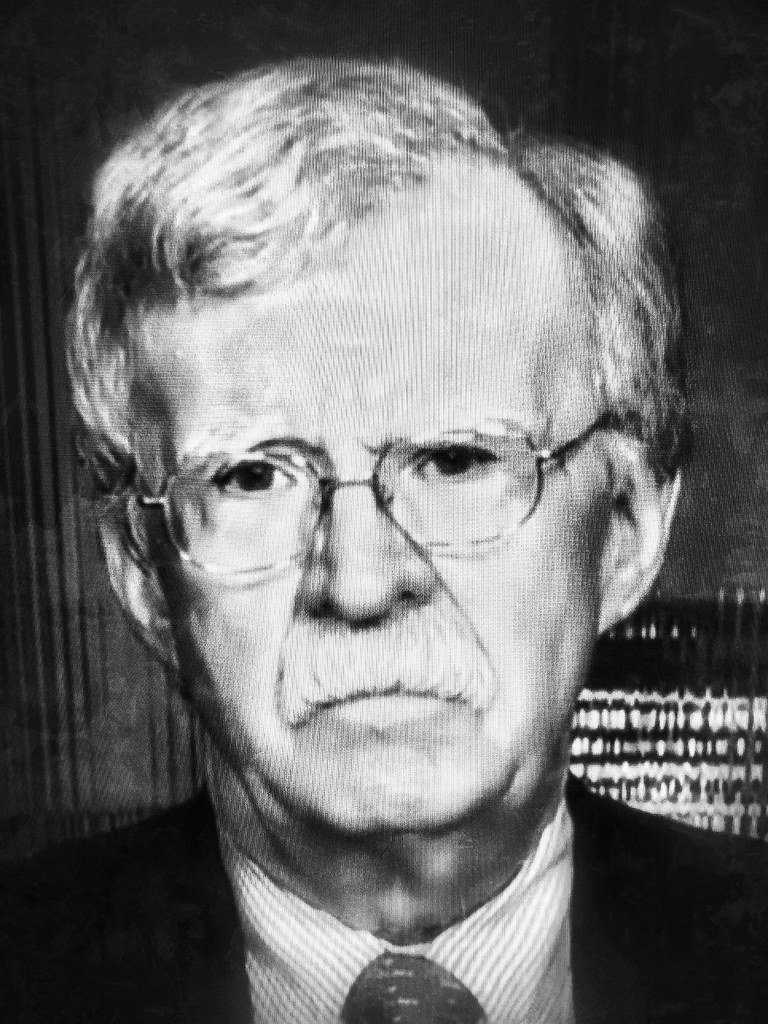
In private interviews, White House aides claim Trump fixated on his former adviser. Despite his public denials, they say he hinted at the raid in the days before it happened. However, Trump told reporters he knew nothing about the raid on John Bolton’s home.

Why Is the Bolton Raid So Controversial?

Many find the Bolton raid controversial because it involves a former top adviser and the president’s influence. First, Trump called Bolton’s comments on his Russia summit “unfair.” Then, he posted complaints on social media. As a result, insiders say Trump wanted action.

Moreover, people close to the president said he watched Bolton’s TV appearances all day. They noted he “lives for this stuff.” Therefore, when Bolton said the Russian leader “clearly won,” Trump grew upset. Soon after, the Justice Department opened its probe.

What Sparked the Bolton Raid?

The immediate trigger was Bolton’s criticism of the Putin summit. He publicly said Russia got the better deal. Consequently, Trump felt betrayed. In fact, until August, Trump had not attacked Bolton on social media for seven months. Yet, his tone changed abruptly when he saw those comments.

In addition, top Trump aides have openly discussed using the law against political foes. Insiders say Trump complained about Bolton’s TV interviews. Then he hinted at making the former adviser pay for his remarks. Finally, the Bolton raid took place, shocking many in Washington.

Who Ordered the Bolton Raid?

Officially, the Justice Department led the operation. But insiders claim Trump’s frustration pushed them to act. They say the president’s base demands tougher steps against what they call “deep-state corruption.” Therefore, DOJ officials faced pressure from both Trump and his supporters.

Some advisors admit they heard the president “drop hints” about targeting Bolton. Yet, the White House publicly denies any involvement. Trump’s spokesperson said the president was out of the loop. Still, many in the building insist he knew exactly what was happening.

What Does This Mean for Trump’s Presidency?

This incident could have lasting effects on Trump’s time in office. First, it raises legal questions about abuse of power. Second, it may deepen divides between Trump and career officials in justice agencies. Finally, it could hurt Trump with moderate voters who dislike political retaliation.

In addition, the raid may set a precedent for future conflicts between presidents and their critics. If political leaders can push law enforcement to punish opponents, trust in government agencies could erode. Therefore, experts warn that the long-term impact may extend beyond this single case.

Looking Ahead

As investigations continue, people will watch how Trump and his team handle the fallout. Will Congress hold hearings? Could Bolton sue for wrongful search? Moreover, the DOJ’s reputation now faces fresh scrutiny. For example, some former prosecutors say the raid looks politically driven.

In the end, the Bolton raid story is more than a single news event. It highlights tensions between the White House and independent agencies. It also shows how personal grudges can intersect with official decisions. Above all, it asks whether a president should ever use power this way.

Frequently Asked Questions

Why do insiders believe Trump knew about the Bolton raid?

Insiders say Trump watched Bolton’s TV appearances closely. They also report he complained about Bolton’s Russia summit comments. Finally, they heard him make hints about “making someone pay.”

What did Trump say when asked about the raid?

Trump told reporters he was “completely out of the loop.” He insisted he had no idea about plans to search Bolton’s home. Yet, aides say this claim conflicts with private conversations.

Why did Bolton criticize the president?

Bolton felt the Russia summit hurt U.S. interests. He publicly said President Putin “clearly won” the meeting. Bolton believed the U.S. gave up too much without getting real concessions.

Could the Bolton raid face legal challenges?

Yes. Bolton could file a lawsuit if he believes the search was politically motivated. Legal experts say courts will examine if DOJ followed proper procedures. Moreover, Congress might investigate potential abuse of power.

What might happen next?

Congressional hearings could follow, and the Justice Department may review its decision. Public trust in both the White House and DOJ is at stake. Meanwhile, Trump’s political opponents will likely use this event against him in the next campaign.

Can FEMA Reform Save Disaster Relief?

Key Takeaways:

• FEMA may look very different by next hurricane season.
• A bipartisan bill pushes for FEMA reform without eliminating the agency.
• President Trump’s review council seeks to shift disaster aid to states.
• Lawmakers propose making FEMA a Cabinet-level agency.
• State officials worry about paying for major disasters alone.
• Congress debates both policy changes and a funding boost for FEMA.

FEMA reform could reshape how America handles hurricanes and wildfires. Lawmakers across party lines agree FEMA needs changes. Moreover, President Trump has called for a total overhaul. However, many local leaders fear they can’t cover disaster costs alone.

Why FEMA reform matters

FEMA has long helped states recover from storms and floods. Yet critics say its system grew too slow and complex. For example, after a big hurricane, victims might wait weeks for financial aid or housing help. In addition, the agency must juggle many rules and paperwork. As a result, families can face delays when they need help most.

President Trump formed a review council to rethink FEMA’s role. He wants states to lead disaster response. Then, Washington would play a support role. He told officials, “We want to wean off of FEMA and bring it down to the state level.” Therefore, governors would handle emergencies first. But if they can’t, the federal government would step in.

FEMA reform in the bipartisan bill

A bipartisan group of lawmakers introduced a bill in July. It aims for FEMA reform without scrapping the agency. The bill’s main goals include:

• Making FEMA a Cabinet-level agency.
• Prioritizing projects that lessen disaster damage.
• Streamlining federal processes for speed and clarity.
• Letting states choose housing and aid that work best locally.

House Transportation Committee Chairman Sam Graves said the bill cuts red tape. Ranking member Rick Larsen added it restores FEMA’s core mission. As a result, the federal role would focus on coordination and support.

Trump’s review council and state concerns

The FEMA review council has until mid-November to report. Secretary Kristi Noem and Secretary Pete Hegseth lead the panel. They have held two public meetings so far. At those events, members mainly aired complaints about FEMA. They also warned that states must boost their own funds.

Former Mississippi Governor Phil Bryant said states must use their rainy day funds for disasters. However, not every state can do that. For example, small towns may lack millions of dollars in reserves. Tampa’s Mayor Jane Castor noted that many rural areas have never faced a big storm. She urged support for those places when they first need help.

Virginia Governor Glenn Youngkin cautioned that the council must clarify costs. He compared the task to changing tires on a speeding car. That is, FEMA must reshape itself while disasters still occur.

Funding boost and political debates

On another track, the House Appropriations Committee backed a bigger FEMA budget. It wants $31.8 billion for the next year. That is $4.5 billion more than today’s level. During debate, Democrats tried to block any plan to eliminate FEMA. Florida’s Debbie Wasserman Schultz said states simply cannot cover big disasters alone.

Republicans opposed that amendment, though they also criticized FEMA’s failings. Oklahoma’s Stephanie Bice pointed to two-year delays in debris removal funding. She argued that both major fixes and funding are needed.

Maryland’s Steny Hoyer reminded members that Congress holds the power to reform FEMA. He added that the legislative branch must lead on any changes. North Carolina’s Chuck Edwards, whose district faced Hurricane Helene, agreed. He said, “FEMA needs major reform and Congress is best suited to do that.”

Challenges for FEMA reform

Moving FEMA out of Homeland Security could speed decisions. Yet many obstacles remain. First, Congress must pass reform legislation. Then, the president must sign it. Next, states and locals must find funds for a larger role. Finally, current disasters continue to demand FEMA’s attention.

Local officials warn that high taxes or service cuts might follow if federal aid shrinks. Houston’s Controller Chris Hollins said cities normally set aside just $25 million to $30 million for storms. He worries about funding gaps and higher taxes if FEMA aid vanishes.

Moreover, Minnesota Auditor Julie Blaha noted small towns need years to build big reserves. If they face another disaster before funding builds, they may take on debt. She called that scenario “an unacceptable predicament.”

Looking ahead: steps for change

FEMA reform hinges on several steps. First, the review council must finish its report. Then lawmakers can draft final legislation. They may mix council ideas with the bipartisan bill. Next, committees will debate policy and funding. Finally, a unified bill must clear both the House and Senate.

At the same time, local leaders should plan for more self-reliance. They could form emergency funds now. They might also cut nonessential spending to save for disasters. More training and drills may help states handle the first days after a storm. In addition, clear communication between city, state, and federal teams will remain vital.

Ultimately, Americans may gain a faster and more flexible disaster response. However, balancing federal support with state control will require careful work. Above all, victims need reliable aid when they face their worst moments.

Frequently Asked Questions

What does FEMA reform aim to change?

FEMA reform seeks to simplify disaster aid, boost prevention projects, and give states more control. It also plans to elevate FEMA to a Cabinet-level agency.

How would shifting aid to states affect local budgets?

States may need to use reserves or raise taxes to cover early disaster costs. Smaller towns could face tight budgets or debt if they lack enough savings.

Why do some lawmakers oppose eliminating FEMA?

They argue major disasters exceed local capacity and that FEMA provides vital financial and logistical help.

When could new FEMA rules take effect?

If Congress passes reform this year, changes might start before next hurricane season. However, full implementation may take longer due to planning and funding steps.

Can Democrats Fight Back Like Trump?

0

Key takeaways

• A GOP strategist says Democrats fight back using Trump’s own tactics.
• Zohran Mamdani’s TikTok campaign reshaped New York politics.
• Gavin Newsom trolls Trump with memes, all-caps posts and nicknames.
• The attention economy rewards bold, frequent messages over quiet propriety.
• Experts warn that quality and quantity must align for political success.

Democrats Fight Back With Bold Moves

A well-known conservative strategist says Democrats fight back by copying Donald Trump. Mike Madrid led GOP efforts in California and then co-founded an anti-Trump Republican group. Now he praises Democrats for embracing Trump’s loud style. He even admits he hates the phrase “fight fire with fire.” However, he argues this new energy helps Democrats capture attention.

Madrid points out two rising stars as proof. One is Zohran Mamdani, a young New York candidate. The other is California Governor Gavin Newsom. Their approaches show how Democrats fight back in modern media. They mix memes, nicknames and bold online stunts. As a result, they cut through noise and win eyeballs.

Why Democrats Fight Back Matters Now

In today’s social landscape, being right alone does not win votes. You must be seen. Madrid says quantity of messages now beats quality. Yet, when a candidate has both, they can become an internet sensation. Trump was first to master this dynamic. Still, Madrid believes Democrats can capitalize better in the long run.

Meanwhile, party insiders note that Gen Z staffers drive many of these tactics. They understand platforms like TikTok, Instagram and Twitter. Therefore, they craft catchy videos and all-caps posts. They even give rivals funny nicknames. These moves feel authentic to younger audiences. In short, Democrats fight back with playful aggression.

How Zohran Mamdani Shows Democrats Fight Back

Earlier this summer, few had heard of Zohran Mamdani. Polls showed him in single digits. Then he launched a TikTok campaign. He spoke directly to young voters in short, honest videos. He highlighted his own story and made jokes about political dynasties. Those clips went viral.

Suddenly, his support jumped. He won the Democratic mayoral primary by 12 points. He beat Andrew Cuomo’s old machine. More importantly, he rewrote the playbook. Now, other Democrats watch how his viral clips shape debates. Indeed, they see how Democrats fight back by speaking the language of the internet.

As a result, other local candidates mimic Mamdani’s style. They post memes of themselves. They hold live streams instead of big events. They focus on shareable moments rather than long speeches. These tactics lower costs and boost engagement. In this sense, Democrats fight back by being lean and nimble.

Gavin Newsom Joins Democrats Fight Back Trend

On the West Coast, Governor Gavin Newsom took notes. He went beyond policy speeches. He started using Trump-style antics on social media. He wrote in ALL-CAPS, coined silly nicknames, and posted edgy memes. Yet, his material came from Gen Z aides who know what works.

For example, Newsom called a rival president “Sleepy Joe” to mock his speeches. He shared dancing dog clips with captions about policy. He even challenged national leaders in playful polls. These posts broke the internet. They earned coverage in outlets that normally ignore state politics.

Moreover, Newsom balanced humor with substance. He used witty posts to drive viewers toward news releases. He followed every meme with a clear policy outline. Thus, he proved that Democrats fight back not just with jokes, but with real ideas.

The Role of Authenticity and Speed

Authenticity beats propriety in the attention economy. That’s Madrid’s key point. When candidates speak off-the-cuff, they feel real. Voters crave that. They trust a candid laugh more than a studio speech. However, authenticity must come fast. In politics, delays kill momentum. A slow response to a viral moment means you miss it.

Consequently, many Democrats are building rapid-response teams. They monitor trending topics and post within minutes. They keep messages short and visual. They accept occasional mistakes to stay quick. This shift shows how Democrats fight back by sacrificing control for speed.

Future of Democrats Fight Back Strategy

If this trend continues, Democratic campaigns will look different. Campaign HQs might hire more social media experts. They may run meme wars rather than traditional ads. They could even cut back on formal debates in favor of live streams.

Still, risks remain. Attackers can weaponize memes. A joke can backfire. Speed can lead to errors. Therefore, teams must balance boldness with fact-checking. They must craft authentic messages without spreading falsehoods.

Yet, Madrid believes Democrats have reached a turning point. He warns Trump may adapt again. Still, he notes that first adopters rarely capitalize fully. He trusts Democrats will refine these tactics and win bigger battles.

In short, Democrats fight back by:

• Embracing bold, meme-driven campaigns
• Using rapid-response social media teams
• Balancing humor with policy substance
• Leveraging Gen Z creativity for authenticity
• Measuring success by attention as much as votes

If they keep this up, they may outshine their opponents in the new media age.

What Makes This Approach Different?

Traditional campaigns focus on debates, mailers and paid TV ads. Now, anyone can start a viral trend. That levels the playing field. Even a small campaign can reach millions with the right clip. Moreover, young voters spend hours on apps. They don’t watch cable news. So campaigns must go where the audience is.

By contrast, old tactics require big budgets and slow timelines. They often miss the cultural pulse. Meanwhile, memes and TikToks capture moments instantly. Thus, Democrats fight back by meeting voters on their screens.

Key Takeaways for Other Campaigns

Beyond these two examples, local races can adapt. Small towns can use Instagram polls. Statewide efforts can produce behind-the-scenes videos. National campaigns can test new filters and live Q&A sessions.

Transitioning from late-night infomercials to instant memes feels risky. Yet, Madrid stresses that being right is no longer enough. You must be seen. That means stepping into the viral world. In doing so, he says, Democrats fight back on a playing field once dominated by Trump.

FAQs

How did Zohran Mamdani use TikTok to win?

He posted short, personal videos that connected with young voters. His candid style and humor made his clips shareable. These posts boosted his name recognition and poll numbers quickly.

Why are memes important in politics now?

Memes spread fast and feel relatable. They break down complex topics into simple ideas. Plus, social media platforms reward posts that get quick engagement, making memes a powerful tool.

Can bold social media tactics win big elections?

Yes, they can. Viral posts reach millions at low cost. However, success requires clear policy messages alongside humor. Authenticity and speed matter most.

Will Trump change his approach if Democrats fight back?

Likely. Politics is a constant chess game. If Democrats refine their meme strategy, Trump may innovate again. Both sides will keep evolving in the attention economy.

Will Gerrymandering Steal Our Future Elections?

0

Key Takeaways

  • Gerrymandering is the redrawing of voting maps to benefit one party.
  • Texas Republicans pushed a new map to boost their power in Congress.
  • Blue states can fight back by threatening their own map changes.
  • Voter rights and fair elections depend on public awareness and action.

Gerrymandering’s New Role in Texas Politics

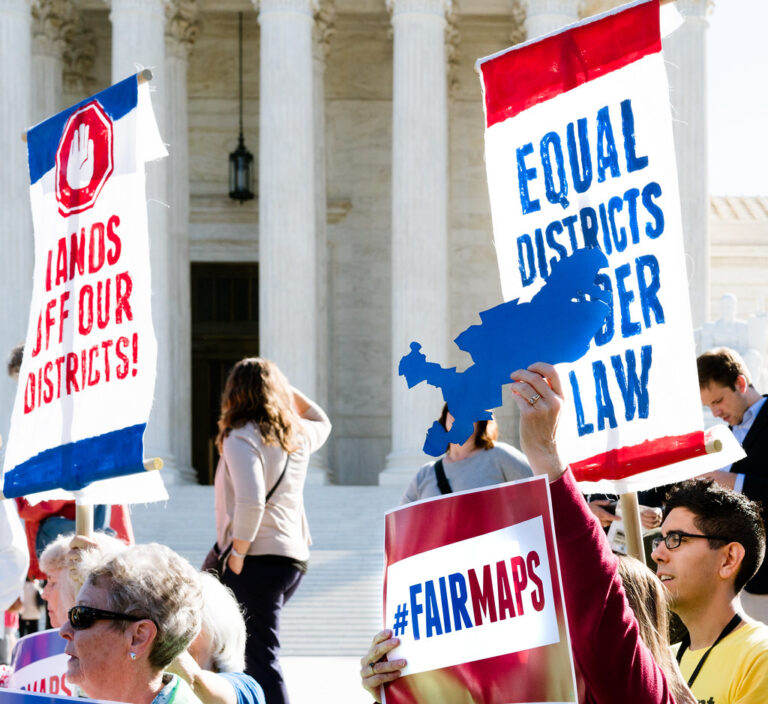
Texas once elected a fiery progressive governor named Ann Richards. Now, Texas seems locked in a fight over voting maps instead of ideas. Recently, state leaders redrew congressional districts to give Republicans more seats. They called it a routine update. However, critics say it is gerrymandering—a way to shape districts for political gain.

State Representative Nicole Collier stayed in the House chamber overnight. She protested a rule forcing Democrats to use a police escort to leave. She argued that Republicans were treating her like an enemy. Many Texans spoke against the new map at public hearings. They said the redrawn lines ignore real communities and fair votes.

Ann Richards once urged Texans to embrace change and progress. Today’s map makers ignore that spirit. Instead, they twist district lines around rich suburbs and rural areas. By drawing weird shapes, they pack or split certain voters. This tactic shifts power away from Democrats and towards Republicans.

How Gerrymandering Works Against Voters

Gerrymandering starts after each census, when states redraw district borders. Ideally, maps reflect population shifts. Yet, in many states, the party in charge bends them in its favor. They either “pack” voters of the other side into a few districts or “crack” them across many. Both methods dilute opposing voices.

In Texas, the Republican governor and legislature moved boundaries to grab five extra seats. They ignored public testimony and stalled healthy debate. Then, they forced the new map through a quick vote. This map now heads to courts, where judges will decide its fate. Meanwhile, elections loom on the horizon.

Sadly, gerrymandering hurts everyone. It makes some votes worth more than others. It also discourages voters who feel their voices don’t matter. Thus, fewer people turn out on election day. That can give extreme candidates an advantage, since their supporters are often the most motivated.

Fighting Gerrymandering with Blue State Power

Other states can push back. California’s governor can promise to redraw maps if gerrymandering spreads. New York, Illinois, and other states could join. By matching red state changes seat for seat, blue states remove the incentive to cheat. Instead of a race to the bottom, states could hold a race to preserve fair elections.

Moreover, states can set up independent redistricting commissions. These groups use neutral rules rather than political goals. Commissions can limit map manipulations and insist on clear district shapes. They can also ensure that each community links with leaders who understand its needs.

If enough states vow to counter gerrymandering, it could spark a national shift. Politicians in gerrymandered states might think twice before bending maps. They would know that their gains would be offset by losses elsewhere. This kind of balance can help protect democracy.

Other Parts of Trump’s Plot

Gerrymandering is just one piece of a larger plan. First, there is the effort to end mail-in voting. Critics claim mail ballots are prone to fraud. Yet, experts say they are safe and efficient. Removing them would make voting harder for many people.

Second, the plan targets voting machines. The proposal calls machines “inaccurate” and “too costly.” Instead, it suggests a return to paper ballots. While paper ballots can work well, banning all machines would slow vote counts. It could also create new chances for error or tampering.

Third, there is talk of sending federal forces into big cities. These are mainly run by Democratic mayors. The goal seems to be to intimidate urban voters. Troops and federal agents could discourage people from voting in person. This tactic echoes past efforts to control minority votes.

What We Can Do to Save Fair Elections

We must act now. We can join local and national groups fighting gerrymandering and voting restrictions. We can support ballot measures to set up independent map makers. We can also lobby legislators to protect mail-in voting and maintain reliable voting machines.

Furthermore, we can spread the word. When friends and family know about these threats, they can push back. We can write letters, call our representatives, and attend town halls. Every voice counts when democracy is at risk.

Finally, we can hold officials accountable in the courts. Legal challenges have stopped unfair maps before. Courts have the power to demand new, fair maps. By funding and supporting these cases, we strengthen our defense of voting rights.

We owe it to ourselves and future generations to guard fair elections. Gerrymandering and other tactics threaten the core of democracy. But together, we can ensure every vote truly counts.

Frequent Questions

How does gerrymandering affect local community voices?

It splits or packs neighborhoods, making some voices too weak to influence elections.

Can state courts block unfair gerrymandered maps?

Yes. Judges can rule that maps violate constitutions and order new maps.

Are independent commissions common for redistricting?

A growing number of states use them to reduce political bias in map drawing.

What can I do if my state restricts mail-in voting?

You can join advocacy groups, call your lawmakers, and support legal challenges.

Has the Epstein Scandal Hurt Trump?

0

Key Takeaways:

  • A new poll shows most Americans think Trump mishandles the Epstein scandal.
  • Seventy percent say he is handling the Epstein scandal “not well.”
  • Almost half of 2024 Trump voters disapprove of his response to the Epstein scandal.
  • Twenty-eight percent of these voters now disapprove of Trump’s job as president.
  • Twenty-six percent of Trump’s 2024 voters regret their choice over the Epstein scandal.

How the Epstein scandal Worsened Trump’s Standing

A recent national poll from UMass Amherst finds that many Americans are watching the Epstein scandal closely. In fact, three in four people report they have seen “a lot” or “some” news about it. Moreover, seven in ten believe the president is “not handling the matter well.” Even among his most loyal supporters, large shares say he is fumbling this controversy.

When asked how Trump handles the Epstein scandal, forty-three percent of Republicans and conservatives say he does not do well. Also, forty-seven percent of those who voted for him in the last election disapprove of his actions. These figures reveal cracks in his core base.

What Trump Supporters Think of the Epstein scandal

Pollsters dug deeper into the views of the forty-seven percent of Trump’s voters who disapprove. They found that twenty-eight percent of this group now disapprove of Trump as president overall. In other words, negative reactions to the Epstein scandal have dented his general approval.

Furthermore, disapproval of his response to the Epstein scandal remains linked to overall unhappiness with Trump even when we account for age, income, race, party loyalty, and views on the economy. Therefore, the Epstein scandal has played an independent role in lowering his support.

Voter Regret and the Epstein scandal

Perhaps most striking, twenty-six percent of Trump’s 2024 voters who think he mishandled the Epstein scandal say they would choose a different candidate if they could rerun that election. While there is no real do-over, this level of buyer’s remorse among his own voters sends a strong message.

Indeed, these voters worry that Trump’s missteps on the Epstein scandal show weak leadership. As a result, they feel less sure about backing him again. Such regret could translate into lower turnout or switching to another candidate.

Possible Impact on Future Elections

With more than a year until the midterm races in November 2026, much could change. Yet the fallout from the Epstein scandal may linger. If Trump cannot satisfy his base on this issue, he could face a drop in enthusiasm.

In close contests, even a small dip in turnout among his faithful could tip the balance. Moreover, candidates who share his name or brand might struggle if voters feel betrayed. Therefore, the Epstein scandal could carry real consequences for future Republican chances.

A Path Forward for Trump

Trump now faces a choice: ignore the criticisms or address them head on. If he offers more transparency on the Epstein scandal, he might regain some trust. However, continuing to downplay concerns could deepen divisions. In any case, his next steps will matter greatly to his core voters.

Conclusion

The Epstein scandal remains a live issue for many Americans. Polls show that most believe Trump is handling the matter poorly. Importantly, his own voters report lower approval and regret. As the 2026 elections approach, these reactions could shape results. Ultimately, how Trump responds might decide whether he rebuilds his base or risks further losses.

FAQs

What did the poll reveal about public attention on the Epstein scandal?

Three in four Americans say they have heard “a lot” or “some” about the Epstein scandal. This shows high public interest.

How many Trump supporters disapprove of his handling of the Epstein scandal?

Forty-seven percent of Trump’s 2024 voters say he mishandles the Epstein scandal. This disapproval signals cracks in his base.

Could the Epstein scandal affect future elections?

Yes. Twenty-six percent of Trump’s voters regret their choice and might not vote again. Lower turnout could hurt close races.

What can Trump do to regain trust over the Epstein scandal?

He can offer more transparency and direct answers on the controversy. Clear steps might ease voter concerns.