76.8 F
San Francisco
Saturday, April 4, 2026
Home Blog Page 592

Did Kilmar Abrego Garcia Win His Freedom?

Key Takeaways:

• Kilmar Abrego Garcia was wrongfully deported and jailed.
• A judge ordered his release after a Supreme Court ruling.
• He now heads to Maryland to reunite with his family.
• His lawyers are seeking to dismiss the case against him.
• The Justice Department labeled the deportation an “administrative error.”

Kilmar Abrego Garcia Freed in Tennessee

Kilmar Abrego Garcia is finally free. He walked out of a Tennessee jail on Friday. His attorney, Sean Hecker, said that Garcia is now on his way to Maryland. He will rejoin his wife and children there. They have waited months for this moment. Throughout this ordeal, Garcia faced harsh conditions and false accusations.

As a result of a judge’s order, he left custody. The Trump administration had sent him to a prison camp in El Salvador. Yet a Supreme Court decision forced the government to bring him back. Despite this, the Justice Department charged him with human smuggling. His lawyers call those charges “preposterous.” Now he will wait in Maryland for his trial.

What Led to Kilmar Abrego Garcia’s Release

First, the Supreme Court ruled unanimously that the government must allow Garcia back into U.S. courts. Next, a federal judge barred ICE from rearresting him right away. Then, nearly a month after a judge ordered his release, he was freed. Finally, the government admitted an “administrative error” caused his deportation.

Meanwhile, his legal team argued that prosecutors used false claims about gang membership to punish him. A former Justice Department lawyer even said he was fired for refusing to sign a misleading brief. Moreover, representatives like Pramila Jayapal praised his release. They called on the administration to end unfair investigations.

Life After Release

Now that Kilmar Abrego Garcia is free, he heads home. He plans to rest and recover after months of fear and pain. He endured beatings and psychological torture in the El Salvador prison. However, he stayed strong because he believed in justice. Today he can hug his family again and focus on the future.

In Maryland, Garcia will live under supervision. He will attend his court dates and work on his defense. His attorneys have filed a motion to dismiss the case. They argue that the government’s tactics were unfair and aimed at retaliation. Therefore, they believe all charges should be dropped.

The Legal Battle Continues

Even though Garcia is free, his fight is not over. The Justice Department still charges him with human smuggling. His lawyers say those charges lack evidence and only serve to save face for the administration. They note that more than 200 people were wrongfully deported to the same prison camp. Most had no criminal convictions or even charges against them.

His legal team highlights the Supreme Court’s unanimous decision. They also point to the federal judge’s order preventing immediate re-arrest. Furthermore, they stress that denying him access to due process violates basic rights. Thus, they hope the motion to dismiss will succeed.

However, the administration has threatened to send him back to ICE custody. They even said they might deport him to a third country. Yet Judge Paula Xinis has blocked any immediate re-arrest. If the government tries again, Magistrate Judge Barbara Holmes has ordered that Garcia receive prompt access to his lawyers.

Voices of Support

Many leaders called the decision to free Garcia a victory for justice. Rep. Pramila Jayapal said his release was “fantastic news.” She urged the administration to stop their unfounded investigations. Moreover, she asked that they let his family remain together in peace.

Advocates for immigrants also hailed the outcome. They view this case as a test of the rule of law. They fear the government may target others who dare to challenge wrongful actions. Therefore, they stress the need for fair treatment and transparent processes.

A Wider Impact

This case has drawn attention to the plight of over 200 people deported without trial. Most of them never faced criminal charges. They were sent to a harsh prison camp in El Salvador called CECOT. Reports describe beatings and severe mistreatment. As a result, human rights groups have demanded reforms.

Furthermore, the case highlights the importance of judicial oversight. Courts can check executive power and protect individual rights. In this instance, judges stepped in when the administration erred. Their actions show that due process remains a cornerstone of the legal system.

Looking Ahead

As Kilmar Abrego Garcia travels to Maryland, he prepares for his next steps. He will meet with his legal team to plan his defense. If the court grants the motion to dismiss, he will be fully cleared. Yet even if the case proceeds, he has already won a major victory by regaining his freedom.

Meanwhile, lawmakers and advocates continue to press for changes. They want stronger safeguards to prevent wrongful deportations. They also call for better accountability when errors occur. Ultimately, they hope this case will lead to fairer treatment for all immigrants.

Through it all, Kilmar Abrego Garcia remains grateful. He thanks the courts and his attorneys for standing by him. Moreover, he hopes his story will inspire others to fight for their rights. After months of uncertainty, he can finally look forward to being with his family and planning his future.

Frequently Asked Questions

What happened to Kilmar Abrego Garcia?

He was wrongfully deported to El Salvador and imprisoned. A judge later ordered his release, and he returned to the U.S.

Why was he deported in the first place?

The government claimed an administrative error led to his deportation. It also alleged gang ties but provided no solid proof.

What charges does he face now?

The Justice Department charged him with human smuggling. His lawyers say those charges are baseless and retaliatory.

How can his case affect others?

His release underscores the need for judicial checks on government actions. It could lead to better protections against wrongful deportations.

Are crime rates really better in these GOP states?

0

Key takeaways

  • Republican governors sent 1,000 troops to join D.C. Guard amid calls to curb crime rates.
  • FBI data shows 10 cities in those states have higher violent crime rates than Washington, D.C.
  • Cities like Memphis and Jackson, Mississippi top the charts for violent crime and murders.
  • Critics argue the troop deployment is more political theater than public safety strategy.

Understanding the crime rates debate

President Trump called for a stronger security presence in Washington, D.C. to tackle crime. In response, six Republican governors sent troops from their states. These governors claim they help protect the capital and lower crime rates. However, data tells a different story.

Meanwhile, CNN analyst Marshall Cohen dug into the latest FBI violent crime rates. He found that states sending troops to D.C. have cities with worse crime numbers. For instance, half of the 2,000 National Guard troops in D.C. come from Ohio, West Virginia, South Carolina, Tennessee, Mississippi, and Louisiana. Critics now question whether the move aims to improve safety or just make a political statement.

Comparing crime rates across states

To see the full picture, Cohen and his team compared FBI crime data from each contributing state. They uncovered that 10 cities in those states report higher violent crime rates than D.C. Cleveland and Toledo in Ohio show a more severe crime situation. Memphis, Tennessee even led the nation last year in violent crime. Other hotspots include Nashville, Charleston, Shreveport, and Lafayette.

Furthermore, Charleston, the capital of West Virginia, ranks above Washington in crime rates. In Louisiana, both Shreveport and Lafayette outpace D.C. in violence. In South Carolina, Columbia and Charleston also face challenges. These findings raise a central question: why focus troops on D.C. when their home cities struggle more with crime rates?

What the numbers really show

Violent crime rates measure offenses like assault, robbery, and rape. In D.C., the violent crime rate hovers around 1,000 incidents per 100,000 residents. Meanwhile, some of the contributing cities exceed 1,500 incidents per 100,000. For example, Memphis tallies over 1,700 incidents. Cleveland and Charleston report similar or higher numbers.

Even more striking is the comparison of murder rates. In 2024, Washington, D.C. recorded 27 homicides per 100,000 residents. In contrast, Jackson, Mississippi reported 77 murders per 100,000. That number sits nearly three times higher than D.C.’s rate. Critics argue these stark differences undermine the notion that sending troops to D.C. aims to battle the worst crime rates in the country.

Moreover, Tennessee’s capital, Nashville, saw 52 murders per 100,000 residents. Columbia, South Carolina and Shreveport, Louisiana also reported murder rates well above D.C.’s. These figures show that states sending help to the capital face serious crime challenges at home.

Political show or safety concern?

Many believe the troop deployment serves two goals. First, it supports President Trump’s push for a stronger federal presence in city policing. Second, it provides a photo opportunity to show tough-on-crime leadership. However, local leaders in sending states face growing backlash. Critics charge these governors ignore their own cities’ crime rates.

Supporters insist the move sends a message that federal power can aid local law enforcement. They argue troops help deter violent acts and reassure citizens. Nevertheless, experts warn that National Guard forces lack the training and legal authority of regular police. They note possible issues like improper use of force, strained community relations, and blurred jurisdiction lines.

Additionally, data suggests that adding troops does not guarantee lower crime rates. Cities with large law enforcement presences still struggle if root causes go unaddressed. Factors such as poverty, education gaps, and mental health support play a key role in crime trends. Without focusing on these issues, critics say the troop deployment is more symbolic than substantive.

Lessons for future policy

To craft effective safety policies, leaders must look beyond military shows. Data-driven strategies can target high-crime areas with community programs. For example, investing in youth centers, job training, and mental health services can reduce crime over time. Cities like Boston and Denver saw crime rate drops by combining policing with social efforts.

Furthermore, transparency matters. Citizens need clear reports on arrests, cases closed, and crime trends. Yet, few details exist on the National Guard’s actual impact in D.C. How many arrests resulted from their patrols? What charges were filed? Without these answers, it’s hard to measure success.

Therefore, governors should first tackle crime challenges at home before exporting their troops. If sending states truly care about public safety, they would deploy resources where crime rates are highest. That approach would show genuine commitment, not just a bid for political applause.

Conclusion

The debate over sending National Guard troops to Washington, D.C. raises important questions about crime rates and political motives. While the deployment may offer short-term visibility, data reveals deeper issues. Many contributing states struggle with violent crime and high homicide rates. Critics argue effective public safety demands community investment, transparent reporting, and local solutions. Unless leaders address root causes, similar moves risk becoming mere theater rather than true progress.

Frequently asked questions

What do violent crime rates include?

Violent crime rates track assaults, robberies, rapes, and murders per 100,000 people. They help compare safety levels in cities and states.

How do homicide rates differ from violent crime rates?

Homicide rates count only murders per 100,000 people. Violent crime rates cover a broader range of violent offenses.

Can the National Guard legally act as police?

National Guard troops have limited law enforcement powers. They must follow strict rules of engagement and usually support, not replace, police.

What strategies reduce crime best?

Research shows combining policing with education, job programs, and mental health support cuts crime more effectively than force alone.

Did Trump Botch the Putin Summit?

0

Key Takeaways

  • Donald Trump gave a confusing and wrong history lesson at his recent Putin summit.
  • His own advisors felt helpless as he rambled on.
  • Vladimir Putin used Trump’s errors to justify Russia’s actions in Ukraine.
  • The White House dismissed the report as false and attacked the biographer.


What happened at the Putin summit?

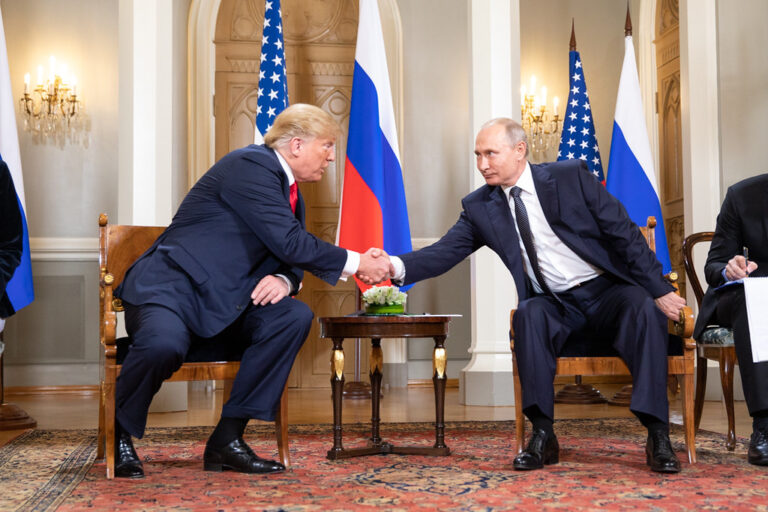
First, Donald Trump met with Vladimir Putin to talk about world issues. Second, Trump began a long, mixed-up history lesson on the Cold War. He claimed the United States and the Soviet Union fought on the same side. His wrong claims made his advisors freeze.

Meanwhile, Trump showered Putin with praise. Also, he asked odd questions about old events. His aides, including the secretary of state, tried to change the subject. However, Trump kept going. He seemed to ignore the stakes of the meeting.

Why the Putin summit went off track

At the start, Marco Rubio and envoy Steve Witkoff sat close by. When Trump began to mix facts, they leaned in. They spoke in low voices. Yet Trump steamrolled ahead. He did not pause to listen.

In addition, his rambling allowed Putin to steer the chat. Putin then offered a tight, chilling defense of Russia’s move into Ukraine. He said those actions made sense for Russia’s safety. Thus, Russia gained the advantage in that room.

Trump’s mistakes in simple terms

  • He mixed up who fought whom in the Cold War.
  • He acted as if he knew more than his experts.
  • He failed to notice Putin’s real goal.
  • He let Putin control the tone of the talk.

The confusion went on for minutes. Trump’s aides looked helpless. No one dared correct him in front of Putin. As a result, the meeting’s message became unclear.

The role of Trump’s advisors

Trump’s team felt stuck. They knew the history well, but they could not break in. First, they tried polite nudges. Then, they whispered facts. Yet Trump either ignored them or brushed them aside.

Also, the advisors feared making Trump angry. They thought he might stop the meeting. So they held back. In this way, their silence helped the chaos continue.

Putin’s moment of advantage

As Trump rambled, Putin sat still. He watched and waited. Then he spoke clearly. He used steady words to state Russia’s case on Ukraine.

Putin’s message sounded planned. It contrasted with Trump’s scattered story. Thus, the audience saw Putin as calm and firm. Meanwhile, Trump looked off balance.

White House response

After the story broke, the White House fired back. They said Michael Wolff, the biographer, lies. They claimed he has “Trump Derangement Syndrome.” Thus, they dismissed the entire account.

Despite that, many are asking questions. If leaders cannot keep basic history right, what does that mean for policy? If advisors stay silent, how will future talks work?

Impact on U.S.-Russia relations

The U.S. and Russia have long had tough ties. During the Cold War, they saw each other as enemies. Their fight spanned decades.

Today, Ukraine sits at the center of new tensions. Many world leaders watch every move. If a U.S. leader looks confused, allies may worry. At the very least, Russia gains a propaganda win.

Lessons for future talks

First, prepare solid briefing notes. Leaders need clear facts at their fingertips. Second, advisors should feel safe to speak up. Third, avoid public flattery that drowns out real issues. Finally, respect the meeting’s goal over personal praise.

In addition, it helps to set strict time limits. Each speaker should know when their turn ends. Also, a clear agenda can keep talks on track.

Cold War history made simple

The Cold War lasted from just after World War II until the early 1990s. It pitted the United States and its allies against the Soviet Union. They never fought each other directly but competed in arms, space races, and politics. In the end, the Soviet Union broke apart.

Yet during the meeting, Trump reversed roles. He suggested the U.S. and USSR were on the same team. That error surprised many listeners.

Why history matters today

History gives context. It helps leaders avoid mistakes. When a leader blurs the facts, it weakens their position. In diplomacy, every word can shift power.

Therefore, this Putin summit story rings alarms. It shows that clarity and accuracy matter in high-stakes talks.

How advisors can help

Advisors should follow these tips:

  • Speak early before confusion grows.
  • Use clear signals if the leader strays off topic.
  • Have private backup plans to guide the talk.
  • Offer quick fact sheets during breaks.
  • By doing so, they can keep meetings on track and protect their leader’s message.

Looking ahead

This episode will likely shape future meetings with Russia. Allies will watch how the U.S. fixes its approach. Russia will test if U.S. leaders stay sharp under pressure.

In the end, the next Putin summit must avoid these pitfalls. It must mix facts with clear goals. Only then can real progress happen.

FAQs

What key mistake did Trump make at the Putin summit?

He mixed up major Cold War facts and acted as if he knew more than his advisors.

Why did advisors hesitate during the Putin summit?

They worried about angering Trump and losing control of the meeting.

How did Putin respond to Trump’s ramble?

He spoke calmly, used steady facts, and justified Russia’s actions in Ukraine.

What did the White House say about the chaotic summit report?

They called the biographer a liar and claimed he suffers from “Trump Derangement Syndrome.”

Did Blanche Tiptoe Around Trump in Maxwell Interview?

Key Takeaways:

  • Deputy Attorney General Todd Blanche carefully avoided questions that could link President Trump to wrongdoing.
  • In the Ghislaine Maxwell interview, she only praised Trump and offered no harmful details.
  • Blanche used precise wording to steer clear of unwanted responses.
  • Questions about masseuses from Mar-a-Lago highlight why the Maxwell interview matters now.
  • The transcript shows how legal tactics shape high-profile interviews.

What Happened in the Ghislaine Maxwell Interview?

In the fall of 2021, Deputy Attorney General Todd Blanche sat down with Ghislaine Maxwell. Maxwell, convicted of helping Jeffrey Epstein, faced deep questions. Yet she said very little about President Trump. This Ghislaine Maxwell interview lasted several hours. It spans pages 104 to 109 in the federal transcript.
Maxwell praised Trump as “cordial” and “kind.” She added she admired his rise to the presidency. But she stopped short of any accusations. That simple statement became the sum of her remarks. It left many wondering if Blanche held back.

How Todd Blanche Framed His Questions

During this Ghislaine Maxwell interview, Blanche chose each word with care. He avoided any bias or hints. Instead of asking, “Did Trump do this or that?” he asked neutral questions. For example, he inquired about Mar-a-Lago masseuses. He said, “I’m not asking for what you may have read. From your personal knowledge, do you know if they gave private massages to Mr. Epstein?”
He then pressed on whether Maxwell recruited any masseuses from Mar-a-Lago. She said no. These questions show Blanche’s precise style. He aimed to extract facts, not rumors. Consequently, he reduced chances Maxwell would speculate about Trump.

Why the Maxwell Interview Matters

First, Maxwell’s words could taint future witnesses. If she had linked Trump to Epstein, it might have fueled more claims. However, she didn’t. Second, the transcript reveals how a lawyer can shape an interview. Blanche’s careful wording kept Maxwell on a narrow path. Third, the Mar-a-Lago line of questioning ties directly to Virginia Giuffre’s claims. She says Maxwell recruited her at Mar-a-Lago, though she wasn’t a masseuse there. Hence, this nuance becomes critical in court.

What Did Maxwell Say About Trump?

Maxwell’s response on Trump reads like a prepared statement. She said:
“As far as I’m concerned, President Trump was always very cordial and very kind to me. And I just want to say that I find and admire his extraordinary achievement in becoming the president now, and I like him, and I’ve always liked him. So that is the sum and substance of my entire relationship with him.”

In simple terms, she offered praise, no proof of misconduct. She took no shots, offered no secrets. Thus, this Ghislaine Maxwell interview gives no new dirt on Trump.

The Mar-a-Lago Masseuse Question

Virginia Giuffre claims she worked at Mar-a-Lago in a locker room. She was reading a book on how to become a masseuse when Maxwell approached her. That moment, she says, led to her recruitment into Epstein’s circle. 
However, Giuffre was not a paid masseuse at Mar-a-Lago. She was simply interested in the career. Therefore, Blanche asked Maxwell if any actual masseuses from Mar-a-Lago gave Epstein massages. Maxwell said she did not recall. Then she said she never recruited any.
This detail matters. It shows how well Blanche knew the facts. His questions cut through loose talk. He refused to let Maxwell guess or embellish.

Legal Tactics at Play

In high-profile cases, language is power. Lawyers train to use neutral words. They avoid leading questions that courts may later disallow. In the Maxwell interview, Blanche demonstrated this skill.
He might have asked, “Did President Trump ever visit Epstein’s island?” Instead, he didn’t. He steered clear of Trump’s name. He focused on direct knowledge. And he did not suggest answers or plant ideas.

The Impact on Public Perception

When the public hears about such interviews, they look for salacious details. They expect big reveals or shocking confessions. Yet transcripts often show more strategy than substance. In this case, Trump remained out of reach. Instead, we see how a lawyer can prevent speculation.
Moreover, Maxwell’s praise of Trump only fueled debate. Some saw it as a ploy to stay in the good graces of the powerful. Others viewed it as a genuine statement of respect. Either way, the Ghislaine Maxwell interview did not harm Trump’s reputation.

What Comes Next?

The Maxwell trial ended with a guilty verdict. Yet many witnesses still await trial or depositions. The methods used here could repeat. Future interviews may mirror this style. Lawyers will again frame tightly bound questions. They will seek to limit unhelpful commentary.
For observers, this transcript is a lesson in legal discipline. It highlights how interviews serve as both fact-gathering and risk control.

Lessons for Young Journalists

First, read the exact questions and answers. Transcripts reveal more than reporters’ summaries. Second, notice the lawyer’s language. Neutrality often masks intent. Third, understand that absence of evidence is not evidence of absence. Just because Maxwell did not mention Trump, she also did not say he was innocent.
Finally, be aware that high-profile cases depend on precise facts. Inaccurate reporting can mislead the public. By sticking to transcripts, you stay honest.

Frequently Asked Questions

Did Maxwell ever say Trump did something wrong?

No. In the Ghislaine Maxwell interview, she only praised Trump. She gave no evidence of misconduct.

Why did Blanche ask about Mar-a-Lago masseuses?

He aimed to clarify if Epstein received private massages at Mar-a-Lago. He also wanted to know if Maxwell recruited any actual Mar-a-Lago masseuses.

Could Blanche’s prior work for Trump matter?

Blanche once defended Trump. Some say this could bias his questions. However, his precise wording shows strong legal skills rather than favoritism.

Does this interview affect Maxwell’s conviction?

Not directly. Her conviction relies on other evidence and testimony. This interview mainly illustrates legal tactics.

Can Ghislaine Maxwell Testimony Be Trusted?

Key Takeaways

  • Two top CNN legal experts warn that Ghislaine Maxwell’s testimony is likely unreliable.
  • Former prosecutor Dave Aronberg says Maxwell spoke to protect her pardon hopes.
  • Attorney George Conway suspects key documents remain hidden from public view.
  • Maxwell has a history of lying under oath and perjury charges.
  • Release of the transcript may be selective to paint Donald Trump in a better light.

Why Maxwell’s Words Raise Concerns

Ghislaine Maxwell testified in a closed meeting with the Justice Department. The transcript of that meeting is now public. Yet two respected lawyers doubt the truthfulness of her claims. They believe the Ghislaine Maxwell testimony serves her best interests, rather than the public’s.

Doubts About Ghislaine Maxwell Testimony

Ghislaine Maxwell once faced perjury charges under the Trump administration. That case ended without a conviction. Still, the record shows she gave false statements in a 2016 deposition. In that civil suit, she denied ever seeing Jeffrey Epstein act inappropriately. Later, victims said Maxwell helped abuse them. This history makes her current words hard to accept at face value.

Dave Aronberg’s View

According to former Palm Beach County prosecutor Dave Aronberg, Maxwell’s goal in the meeting was clear. She wanted to help Donald Trump. He said that a self-serving interview by a high-ranking DOJ official could only aim to benefit the president. Aronberg pointed out that Maxwell would only share what pleased the administration. If she had said anything negative about Trump, he believes they would not have released it.

Moreover, Aronberg reminded viewers that Maxwell lied during her 2016 testimony. She also faced perjury charges in 2020, though they were dropped. Given these facts, he argues we should treat the Ghislaine Maxwell testimony with extreme caution.

George Conway’s Take

Conservative attorney George Conway agreed with Aronberg’s doubts. He noted that releasing a transcript is unusual when the goal is to hide damaging content. Conway suspects the government still holds back a large set of documents. He explained that reviewing thousands of pages takes weeks of FBI work. If the released transcript were the whole story, there would be no delay.

Conway also pointed out that a committee loyal to the president would not push for all details. In his view, this one-sided approach leaves many questions unanswered. He urged an adversarial review to reveal the truth behind the Ghislaine Maxwell testimony.

Why the Transcript Matters

This transcript shows how Maxwell described her interactions and observations. She claims not to remember certain events involving Trump. Critics argue that her memory lapses serve her agenda. They worry she may downplay any link between Trump and Epstein’s crimes.

In addition, the timing of the release raises eyebrows. Coming after Trump’s legal troubles, it shifts focus away from his cases. Some see it as a distraction. Others see it as part of a larger strategy to shape public opinion.

Maxwell’s History of Deception

Ghislaine Maxwell once enjoyed high society life with Epstein. Court documents reveal she managed parts of his social circle. Victims say she recruited and groomed young women for abuse. She later stood trial and was convicted for her role. Now, she hopes for a pardon. That goal may drive her current testimony.

Her record shows a pattern: denying wrongdoing, then facing evidence to the contrary. In her 2016 deposition, she denied witnessing Epstein abuse minors. Virginia Giuffre, an Epstein victim, later described Maxwell as an active participant. Given these contradictions, experts urge skepticism.

What’s Missing from Public View

Only a portion of the available documents is public. Experts warn that omitted pages may contain harsher statements or new names. Without those pages, the public sees an incomplete picture.

Moreover, legal insiders know that full transparency only happens in a genuine inquiry. Here, the so-called inquiry fits neatly with the administration’s interests. That alignment fuels suspicion that Maxwell’s words were tailored for release.

How to Approach the Testimony

First, acknowledge the potential bias. Maxwell stands to gain if her testimony shields Trump. Second, remember her history of lying under oath. Third, demand the missing documents. Only then can investigators verify her statements.

It’s also wise to compare her words with known facts. For example, Maxwell’s interactions with Epstein’s associates contradict her memory claims. Cross-referencing dates, emails, and other witnesses can reveal discrepancies.

Why Public Scrutiny Matters

Maxwell’s testimony could shape views on Trump’s connection to Epstein’s crimes. If people accept her words without question, they may underestimate the full story. On the other hand, healthy skepticism can lead to more thorough investigations. That benefit extends to every citizen.

Moreover, this case shows how powerful individuals can use selective disclosures to protect themselves. By demanding full transparency, the public holds leaders accountable. This process also safeguards the integrity of future inquiries.

Key Points to Remember

  • Maxwell’s desire for a pardon may bias her testimony.
  • Her past perjury charges and deposition lies undermine her credibility.
  • Experts suspect major documents remain hidden.
  • Selective release of transcripts can mislead the public.
  • Independent review and full disclosure are essential.

Final Thoughts

The Ghislaine Maxwell testimony highlights a broader challenge: how do we know when a witness speaks truthfully? In this case, her own record of deception and the political stakes create serious doubts. While the released transcript offers some insight, it leaves many questions unanswered. Only by pushing for all documents, cross-checking facts, and maintaining healthy skepticism can we approach the truth.

Frequently Asked Questions

Why do experts doubt Ghislaine Maxwell’s testimony?

Experts point to her history of lying under oath, past perjury charges, and her interest in securing a pardon. These factors suggest she might tailor her words to benefit herself and others.

What do missing documents mean for this case?

Missing documents may contain statements that contradict the released transcript. Until all pages are public, observers cannot fully assess Maxwell’s credibility or the limits of her knowledge.

Could this transcript affect Donald Trump’s legal standing?

The transcript could shape public opinion about Trump’s ties to Epstein. However, experts worry it omits any content that might harm Trump, making it a potentially biased source.

How can the public verify Maxwell’s claims?

Verification requires a full release of documents and a rigorous, adversarial review. Comparing her statements to emails, witness accounts, and other evidence will reveal inconsistencies.

Did Trump Order the Bolton Raid?

0

Key Takeaways:

  • President Trump denied knowing about the FBI raid on John Bolton’s home.
  • He said he could lead such actions but prefers not to get involved.
  • Critics say his comments show he uses justice for revenge.
  • Experts warn mixing politics and investigations harms democracy.

On Friday, FBI agents conducted a Bolton raid at the former adviser’s Maryland home. They searched for classified national security documents. Trump told reporters he did not want to know about it. Yet he added he “could know” and “could be the one starting it.” He called himself the chief law enforcement officer. In fact, the Attorney General holds that role. However, Trump said he felt this kept politics out of investigations.

Trump’s Comments on the Bolton Raid

At a morning news briefing, Trump said, “I don’t want to know.” He spoke about Attorney General Pam Bondi and her team. He said, “You have to do what you have to do.” Then he added, “I could know about it. I could be the one starting it.” He repeated that he is the country’s top law enforcer. Yet past presidents always let the Justice Department act on its own. Still, Trump chose to praise this setup.

What Critics Say About Politics in Justice

Senator Richard Blumenthal wrote that Trump “weaponizes” the Justice Department. He said this Bolton raid is about revenge, not security. A former White House official warned that presidents do not pick cases. A national security analyst said Trump’s words really mean he ordered the action. A political writer said it sounded like mob talk. Meanwhile, many worry the Bolton raid shows fairness is at risk when politics creeps in.

The Wall Between White House and Justice

Since the Nixon era, presidents built a wall between the White House and the Justice Department. This barrier was meant to prevent political meddling in investigations. It kept law enforcers free from political pressure. Trump’s statements appear to break that norm. By claiming he could start the Bolton raid, he blurs the line. As a result, trust in the rule of law may weaken if leaders can order probes.

Why This Matters for Democracy

Democracy relies on fair investigations, not on political wishes. When leaders mix politics with justice, fairness suffers. Citizens may fear the system picks sides. Opponents of the president might worry they face unfair charges. Supporters of the president might expect them to get special treatment. In this context, the Bolton raid debate shows how fragile trust can become. Therefore, observers watch closely to see if norms hold.

What Comes Next After the Bolton Raid

First, the Justice Department will review any damage to national security. It will decide if others face charges. Then, lawmakers might call for hearings about the president’s role. They may demand clear rules about who orders investigations. In addition, public opinion will shape future actions. If people lose faith in fairness, they may demand change. Finally, courts could weigh in on the limits of presidential power.

Frequently Asked Questions

What did Trump mean when he said he is the chief law enforcement officer?
He claimed he has the top legal power, but the Attorney General holds that title.

Did Trump actually order the Bolton raid?

Trump denied ordering it. However, his comments suggest he could have.

Why do critics call the Bolton raid revenge?

They see it as punishment for Bolton’s public criticism of the president.

How does this situation affect the rule of law?

When politics and justice mix, people doubt fairness and legal checks.

What Did Maxwell Reveal in Her Interview?

Key Takeaways

• An edited audio and transcript of the Maxwell interview were released by Donald Trump’s former lawyer.
• The audio is split into 16 clips; the written transcript is in four parts.
• Documents show Ghislaine Maxwell received a proffer agreement.
• Days after the proffer deal, Maxwell moved to a lighter prison camp.
• Maxwell’s statements include how she first met Jeffrey Epstein and her limited memories of him.

Why This Maxwell Interview Matters

The newly released Maxwell interview offers fresh insight into one of the most talked-about cases in recent years. The edited audio and transcript give us a clearer picture of what Ghislaine Maxwell said under a proffer agreement. This deal means she could speak freely without fear of new prosecution. Moreover, her words may shape future legal steps and public opinion about Jeffrey Epstein’s network.

The Release of Edited Audio and Transcript

First, let’s look at what was released. The lawyer split the recordings into 16 audio clips. He also cut the transcript into four files: two from day one and two from day two. This structure helps us follow her story in smaller parts. As a result, listeners can focus on key moments without wading through hours of audio. Likewise, readers can track the flow of her answers more easily with shorter text sections.

Understanding the Proffer Agreement

Importantly, the files confirm Maxwell got a proffer agreement. This deal lets her share everything she knows without facing charges for new information. In other words, prosecutors promised not to use her statements against her if she gives honest testimony. Consequently, this agreement can open doors to more details about Epstein’s alleged crimes. Furthermore, it can protect her from new legal trouble, at least for now.

A Lighter Prison Camp Move

Only a few days after the Maxwell interview, she was sent to a lighter prison camp. This move surprised many. Some thought she would stay in a harsher facility. However, officials placed her in a camp with fewer restrictions. As a result, Maxwell now has more freedom inside. She can take part in programs and enjoy easier rules. Yet, she still serves a sentence for her role in Epstein’s network.

Key Statements from the Maxwell Interview

During the Maxwell interview, she spoke about how she met Jeffrey Epstein. She said, “I don’t know how they met, and I don’t know how they became friends.” Maxwell added she only saw them together a few times. She described their interactions as friendly but limited. Moreover, she said she never heard detailed plans or knew about any crimes. These claims could affect how courts view her involvement.

Another key moment in the Maxwell interview comes when she talks about her memory gaps. She admitted forgetting certain dates and events. She blamed stress and the passage of time. Yet, some critics say this could be a tactic to avoid tough questions. Still, the proffer agreement protects her against penalties for new admissions. As a result, we may see more statements if she chooses to speak further.

Breaking Down the Audio Clips

To help you follow, here is a quick look at the 16 audio clips from the Maxwell interview:

• Clips 1–4 cover Maxwell’s early life and first encounters with Epstein.
• Clips 5–8 focus on her daily routines and roles in Epstein’s circle.
• Clips 9–12 examine her travels and social connections.
• Clips 13–16 reveal her thoughts on legal charges and current status.

By listening in order, you can piece together her story step by step. Each clip adds new layers to her account. That way, you can decide which parts seem most believable.

Breaking Down the Transcript Sections

Similarly, the four transcript sections help readers track the Maxwell interview in print:

• Day One, Part One: Background and early days.
• Day One, Part Two: Roles and tasks in Epstein’s homes.
• Day Two, Part One: Social life and charity events.
• Day Two, Part Two: Legal issues and the proffer deal.

These parts allow you to go back to any day and read Maxwell’s exact words. You can even compare what she said in audio to what she wrote in the transcript.

How the Proffer Agreement Shapes the Interview

Because of the proffer agreement, Maxwell could speak with fewer filters. She did not fear new charges for honest admissions. Consequently, her words may carry weight for future cases. However, the agreement does not protect her from charges she already faces. Plus, if she lies, prosecutors could still take action. Therefore, honesty was her best option. This context matters when you listen to the Maxwell interview or read the transcript.

What Comes Next After the Maxwell Interview?

Now that these files are public, several things may follow:

1. Defense and prosecutors review the statements for new leads.
2. Courts decide if any fresh charges should be brought.
3. Media outlets and legal experts analyze her credibility.
4. The public weighs in on Maxwell’s sincerity and the wider Epstein case.

In addition, Maxwell’s team may use portions of the interview to appeal her sentence or adjust her legal strategy. Meanwhile, victim advocates will push for more evidence to hold all culprits accountable.

Frequently Asked Questions

What is a proffer agreement and why does it matter?

A proffer agreement lets a witness share information without fear of new charges for what they say. It can reveal valuable details in a case and protect the witness legally.

How did Maxwell’s move to a lighter prison camp happen?

A few days after the Maxwell interview, prison officials transferred her to a camp with fewer restrictions. They cited security and program needs as reasons.

Could the Maxwell interview change her sentence?

Possibly. If she provides new evidence, prosecutors might see her as cooperative. That could lead to a reduced sentence or new plea deals.

Where can I find the full Maxwell interview files?

The edited audio clips and transcript sections were released publicly by a former Trump lawyer. You can read or listen to them online through official channels.

Was the Ghislaine Maxwell Interview Suspicious?

0

Key takeaways:

  • Former FBI deputy director Andrew McCabe found the interview odd and suspicious.
  • Ghislaine Maxwell mentioned President Trump without being asked.
  • She used glowing words and called him “President” instead of his name.
  • No investigators took notes; only the deputy attorney general was present.
  • The recorded interview was released immediately, which is very unusual.

Ghislaine Maxwell Interview Under the Microscope

The two-day meeting between a high-ranking Justice Department official and Ghislaine Maxwell drew serious doubt. Andrew McCabe, who led the FBI from 2016 to 2018, spoke out about the whole event. He said nothing about this was normal. In fact, he found it curious from start to finish.

First, Maxwell brought up former President Trump without any prompt. Then, she praised him in the most respectful way. She never used his last name. Instead, she called him “President.” This struck McCabe as deliberate. He believes she knew exactly what to say. Clearly, she wanted their attention.

Meanwhile, Deputy Attorney General Todd Blanche guided the talk. He knew what answers he wanted. For her, approval or benefit likely lay ahead. Each side got what it wanted. The hallways of power rarely see meetings like this.

Why the Ghislaine Maxwell Interview Seems Odd

Odd Detail #1: Unprompted Praise
Maxwell’s first mention of Trump caught everyone off guard. She did not need a question to bring him up. Moreover, she chose glowing terms. Suddenly, they were talking about his greatness. This seemed too neat to be chance.

Odd Detail #2: Lack of Witnesses
Not a single line agent or investigator joined the room. Instead, only Maxwell and Blanche sat inside. That setup offered no outside check on what each party said. Normally, such talks include more people for safety and accuracy.

Odd Detail #3: Quick Release of Tapes
Right after the meeting, the recording reached the public. In most cases, recordings stay locked away. They only come out after careful review. Yet here, officials hit “release” almost at once. Therefore, the process felt off-kilter.

Odd Detail #4: Mutual Satisfaction
Each side left the room content. Maxwell appeared to win favor. Meanwhile, the Justice Department recorded her story. Both sides got something they needed. However, meeting like this rarely ends so neatly.

What Andrew McCabe Thinks

McCabe said the whole interview “didn’t pass the smell test.” He heard Maxwell’s voice on tape. He also watched her carefully name Trump “President” again and again. McCabe argued that this was no accident. In his view, Maxwell showed up with lined notes. She knew exactly which words to use.

He added that Blanche also came prepared. He said the deputy attorney general wanted a clear statement about Trump’s role. Then, Blanche got that statement in return. In short, both ends of the deal exchanged favors.

According to McCabe, the Justice Department rarely runs a cooperator interview this way. First, they always have agents or investigators join in. Second, they do not air tapes right away. Those rules exist to protect the probe and ensure truth. However, this time they broke every usual rule.

How This Could Matter

This interview might shape public trust in the Justice Department. If citizens see deals made in secret, they may doubt fairness. Furthermore, if top officials sidestep standard steps, critics will speak up. Already, questions swirl online and on cable news.

In addition, the way Maxwell spoke might affect her legal options. If she praised Trump too warmly, people might think she sought a political favor. That view could hurt her image in court. On the other hand, if she truly had no reason to pad her words, this may look like a giant coincidence.

Still, McCabe’s main point stands. He said we should ask why this rare interview went down in such an odd way. Both sides gained something, yet no independent eyes watched the process. Thus, the whole event feels strange.

What’s Next?

For now, the interview lives online for anyone to hear. Critics hope lawmakers will question what happened. They want to know why the Justice Department skipped normal steps. Meanwhile, Maxwell stays in custody as she faces serious charges.

Until new details emerge, the curious tape remains the focus. Lawmakers, fans of fairness, and all citizens may demand answers. Yet, no matter which side you support, one fact is clear. This was no typical cooperator interview.

Frequently Asked Questions

Why did Ghislaine Maxwell mention Trump first?

She spoke about Trump without being asked. That surprise move made experts wonder if she planned it.

Who else was in the room during the interview?

Only Maxwell and Deputy Attorney General Todd Blanche attended. No agents or investigators joined.

Why is it odd that the recording was released right away?

Usually, the Justice Department reviews tapes before sharing them. Immediate release breaks that long-standing rule.

What could this interview mean for Maxwell’s case?

Her words about Trump might shape public view of her motives. Some could see her praise as seeking favors.

Will Furniture Tariffs Shake Up Retail Stocks?

0

Key Takeaways

  • President Trump launched a major investigation into imported furniture tariffs.
  • Stocks of import-heavy retailers plunged after the announcement.
  • Companies making furniture in North America saw their shares rise.
  • A Fox Business host admitted tariffs are hurting American shoppers.
  • A small-business owner shared the emotional impact of these tariffs.

Furniture Tariffs Rattle Major Retailers

President Donald Trump sent shockwaves through the furniture market with a post on his Truth Social platform. He revealed that his administration is opening a big investigation into imported furniture tariffs. The probe must finish within 50 days, after which the government will set the new tariff rate.

Trump said these actions will revive furniture factories in North Carolina, South Carolina, Michigan, and many other states. He wants American workers to build more chairs, tables, and sofas here at home.

As soon as the investigation news broke, stock markets reacted sharply. Major retailers that rely on imported furniture saw their share prices tumble in after-hours trading.

How Furniture Tariffs Affect Retail Stocks

Wayfair shares plunged by more than six percent, dropping to seventy-three dollars. RH fell by seven and a half percent. Even Williams-Sonoma saw a more than five percent decline. Investors worry that higher import costs will eat into profits and push prices up for customers.

On the other hand, two companies that make most of their furniture in North America did well. La-Z-Boy stock climbed by two and a half percent, reaching thirty-seven forty-eight. Ethan Allen Interiors soared by over five percent, landing at thirty-one sixty. These gains show that some businesses can benefit when import costs rise.

Winners and Losers in the Furniture Market

Import-reliant retailers are the clear losers so far. Their supply chains depend on cheaper parts and products from overseas. Higher duties can disrupt their plans and force them to raise prices. That could scare off some buyers.

Domestic makers stand to gain. They can keep their costs steady while rivals face new fees. Retailers focused on American-made goods may even expand operations. This shift could help revive factory jobs in key states.

Still, not every business will win. Smaller shops that import specialty items could struggle. They often lack the resources to absorb extra fees. Consumers may find fewer options or pay more for unique pieces.

Political and Personal Impact

Just a day earlier, a Fox Business host admitted the president’s policies are hitting people’s wallets. On her show, Cheryl Casone pointed out that big stock indexes sank and singled out Walmart as an example of how tariffs can ripple through retail.

Meanwhile, a Minnesota small-business owner cried during a CNN interview. She runs an olive oil and vinegar shop. She said higher tariffs made her pay more for imports and forced her to raise prices. This left her worried about losing loyal customers.

These stories highlight that furniture tariffs often affect more than just giant corporations. They hit family-run shops and average Americans too. While tariffs aim to protect domestic jobs, they can also drive up costs for stores and shoppers.

The Timeline Ahead

Within the next fifty days, the administration must complete its investigation. Then, it will set the final tariff rate. Until then, many retailers face uncertainty about their costs and supply chains.

Shoppers may also hold off on big furniture purchases. Uncertainty about higher prices can delay home makeovers or new moves. Retailers will keep a close watch on every update.

A Shift Toward American-Made Goods

One clear result may be a shift in consumer demand. More people might seek American-made furniture to avoid potential price hikes. This could spur new marketing campaigns and branding around “Made in the USA.”

Retailers might stock more locally made products or partner with domestic manufacturers. Consumers who care about supporting U.S. jobs may happily pay a small premium for homegrown furniture.

Balancing Costs and Benefits

Furniture tariffs aim to protect U.S. workers and factories. Yet, they can also raise prices for consumers. Policymakers face a tough balance. They must weigh domestic job gains against higher costs for shoppers.

Economists will watch the data closely. They will measure how many new jobs tariffs create. They will also track how much prices rise for the average family. The net effect will determine whether this policy succeeds.

Preparing for Change

Retailers should start planning now. They can explore alternative supply chains or stock more American-made items. They may negotiate with domestic factories for better deals.

Consumers can also plan. If they need new furniture soon, they might buy before tariffs kick in. Alternatively, they could focus on stores that already offer U.S.-made goods.

Overall, this investigation marks a potential turning point for furniture imports. It could reshape where and how we buy our sofas and tables.

Next Steps for Retailers and Shoppers

Retailers should:

• Audit their supply chains to see how many goods come from overseas.
• Reach out to domestic manufacturers for quotes.
• Communicate clearly with customers about potential price changes.

Shoppers should:

• Research which brands build furniture in the U.S.
• Consider timing big purchases before tariffs take effect.
• Explore local stores that focus on American-made designs.

Looking Ahead

In the coming weeks, all eyes will be on the probe’s progress. Investors will monitor stock movements. Retailers will adjust orders. Consumers will weigh their options. Ultimately, the outcome of this investigation could shift the furniture industry for years.

Frequently Asked Questions

What are furniture tariffs?

Furniture tariffs are extra taxes that the government places on imported furniture. They aim to make foreign goods more expensive and boost domestic production.

Who announced the investigation into furniture tariffs?

President Donald Trump announced the investigation on his Truth Social platform. He said it would finish within fifty days.

Which retailers saw their stocks drop after the announcement?

Wayfair, RH, and Williams-Sonoma all saw their shares fall sharply. They rely heavily on imported furniture.

Why did La-Z-Boy and Ethan Allen shares rise?

Both companies make most of their furniture in North America. They avoid extra charges on imports, giving them an advantage.

How might these tariffs affect furniture prices?

If tariffs increase, importers will face higher costs. They may pass those fees onto customers, driving up prices for sofas, tables, and chairs.

Why Did Gimenez Clash Over Russian Meddling?

0

Key Takeaways:

• Rep. Carlos Gimenez insisted the Justice Department holds no Trump-related “smoking gun” in newly released Epstein files.
• Gimenez compared the push to link Trump to Epstein with past claims of Russian meddling in the 2016 election.
• A CNN anchor corrected that Russia did meddle, though no collusion was proven.
• Gimenez urged Republicans to call Alex Acosta to testify and end the Epstein saga.

Why Did Gimenez Clash Over Russian Meddling?

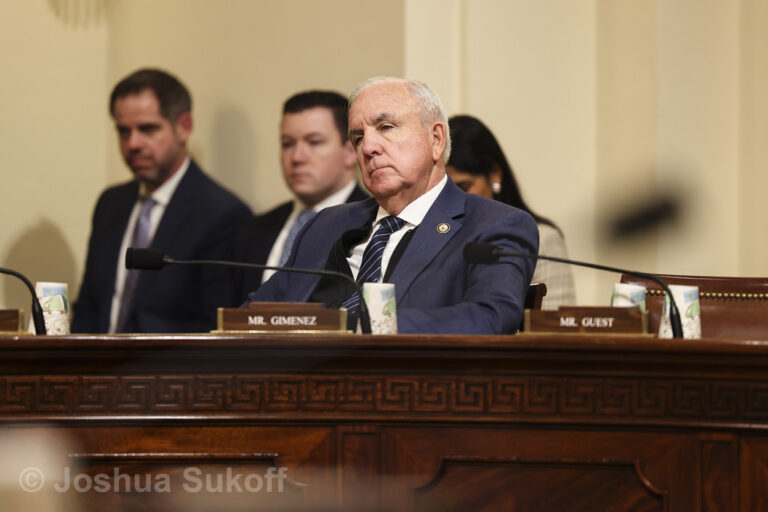
Last Friday, Rep. Carlos Gimenez joined CNN’s Boris Sanchez to discuss new Justice Department files on Jeffrey Epstein. Instead, their talk turned into a heated debate over Russian meddling in the 2016 election. Gimenez bristled when the anchor corrected the record. He argued that people spun the Russia story to hurt President Trump. Meanwhile, the CNN host said Russia did meddle, even if Mueller found no collusion.

What Happened on CNN?

First, CNN broke news that the Justice Department gave the House Oversight Committee a large batch of Epstein files. Then, they released a transcript and audio of an interview between Deputy Attorney General Todd Blanche and Ghislaine Maxwell. Gimenez, who serves on key House committees, said he wanted to find the truth in those records.

He asked, “Who was involved? How did the deal happen 10 or 15 years ago?” He also claimed the Biden administration had the files for four years. Therefore, he argued, they could have linked Epstein to Trump if they wanted to. “Here they have the big smoking gun, and they won’t divulge it? I don’t buy it,” he said. Thus, he concluded there’s “nothing there concerning Donald Trump.”

Gimenez vs Anchor on Russian Meddling

During the interview, Sanchez asked, “How do you know the DOJ handed everything over?” Gimenez called that question speculation. He said, “Even if they hand everything over, some will say a Republican DOJ hides things to protect Trump.” He added this would repeat “on and on and on.”

Next, Gimenez brought up the Russia case. He claimed, “People accused Trump of being a Russian agent. That turned out to be total baloney.” He stressed that the Biden team never released a link between Epstein and Trump. So, he said, that shows no link exists. However, Sanchez noted, “Special counsel Mueller did not find collusion, but there was bipartisan consensus that Russia meddled in the 2016 election.”

Gimenez bristled again. “The problem wasn’t Russia meddling. The problem was accusing Trump of being involved.” He cut off the anchor. Sanchez replied calmly, “I don’t think I said otherwise. I just wanted to clarify that Russia did meddle.”

Why Gimenez Mentioned Russian Meddling

Gimenez used the phrase “Russia stuff” to tap into a familiar debate. He argued that past claims hurt Trump all through his term. However, that debate did not stop Russia from interfering in votes. In fact, U.S. intelligence agreed on the meddling. Meanwhile, no evidence pointed to Trump or his campaign working with Russia.

Moreover, Gimenez compared new Epstein questions to the old Russia narrative. He said both stories can run for years and distract voters. Yet, many experts see the Epstein probe as separate from election meddling. They say linking the two fights undermines each. Nevertheless, Gimenez held firm. He warned that Republicans should push for quick action.

Pushing for Epstein Testimony

In addition, Gimenez urged GOP members to call Alex Acosta to testify. Acosta, Trump’s labor secretary, once approved a lenient plea deal for Epstein. Many saw that deal as too soft. Gimenez argued, “We need to get to the bottom of this. If not, it drags on like the Russia collusion hoax.” He said ending that saga would free Trump to focus on other issues.

Also, Gimenez believes public hearings will clear the air. He thinks Republicans should show they seek truth, not political points. He wants to prove that no secret Trump connection exists in the Epstein files. Thus, members could wrap up this chapter and move on.

The Testy Exchange’s Takeaway

This CNN interview shows how charged political talk can get. Gimenez came prepared to defend Trump and cast doubt on the files. Yet, he also had to face a fact-check on Russia meddling. The anchor stressed that Russia did interfere, but no collusion was found. Gimenez focused on collusion, not meddling. However, the correction highlights a key point: meddling happened, even if collusion did not.

Moreover, the exchange reveals how past controversies shape today’s debates. References to Russian meddling still resonate years later. They fuel distrust in institutions. They also frame new scandals. Here, Gimenez used them to frame the Epstein probe as another unfounded attack.

Why It Matters

Understanding this clash helps explain how news consumers process information. First, people may mix up interference and collusion. Second, past scandals can color views on new issues. Third, political figures often use familiar fights to make their case. Thus, viewers must pay attention to facts behind the spin.

Also, this moment on CNN highlights the role of anchors in correcting the record. Sanchez did not let the conversation slide. He reminded viewers of the consensus on Russian meddling. This shows how journalists can push back when facts go missing.

Finally, the talk suggests a road ahead. Republicans might call more witnesses to finish the Epstein story. Democrats could focus on holding the GOP accountable for oversight. In any case, both sides aim to shape public opinion before the next election.

FAQs

What triggered the testy moment between Gimenez and the CNN anchor?

The clash happened when Gimenez dismissed talk of Russian meddling as a hoax. The anchor corrected him, noting there was bipartisan agreement that Russia did meddle.

Did Robert Mueller find collusion between Trump and Russia?

No. The Mueller report found no evidence of collusion. However, U.S. agencies agreed Russia interfered in the 2016 election.

Why does Gimenez mention the Biden administration’s role?

Gimenez argued that the Biden team held the Epstein files for four years. He said they could have tied Epstein to Trump but did not, proving no link exists.

What does Gimenez want to achieve with more hearings?

He hopes to call officials like Alex Acosta to testify. He believes oversight hearings will end the Epstein saga and clear Trump of accusations.