57 F
San Francisco
Friday, July 31, 2026
Home Blog Page 592

Is Bluesky Turning Into the Most Serious Social App?


Key Takeaways:

  • A playful joke sparked unexpected drama on Bluesky.
  • Users debated the deeper meaning behind a pancake joke.
  • Compared to other platforms, Bluesky takes jokes very seriously.
  • Bluesky is gaining attention for its intense moral conversations.

Why Is Bluesky So Serious About a Pancake Joke?

One joke. That’s all it took for Bluesky users to spiral into a heated debate. On most social media platforms, jokes come and go. But on Bluesky, a platform that wants to do things differently, a joke can trigger an intense wave of reactions, think-pieces, and even conflict. The bigger question now is: Why is Bluesky turning into the internet’s most serious social app?

The Pancake Joke That Stirred the Pot

It started as a joke on Bluesky, shared by a user familiar with humor seen on X (formerly Twitter): “(bluesky user bursts into Waffle House) OH SO YOU HATE PANCAKES??”

Sounds like an innocent jab, right? Well, not on Bluesky. The joke poked fun at how intense and overly moral some conversations on the platform can get. On X, this kind of humor might get a few laughs, go viral for a day, and disappear. But Bluesky had a different reaction. The joke didn’t fade—it erupted into a full-blown debate.

What Makes Bluesky Different from X and Other Platforms?

Bluesky was created as an alternative social media space. It prides itself on being decentralized, open-source, and community-driven. A lot of early adopters came over from other platforms—many of them tired of drama and looking for a “better internet.” So when a joke pointed out how seriously everyone seemed to take things, it hit a nerve.

It wasn’t just about pancakes. The joke represented a deeper tension: Is Bluesky trying too hard to be morally perfect? And when people joke about it, are they being mean—or just honest?

The Bluesky Community Reacts—Hard

Instead of laughing and moving on, many Bluesky users responded with deep discussions. Some agreed with the joke, admitting conversations often feel too intense. Others defended the community, saying moral conversations are what make Bluesky better than platforms like X. Then came more jokes, replies, and emotional posts.

In short, the pancake joke grew into something much bigger. People weren’t just laughing—they were questioning the tone and direction of the platform. And it wasn’t just a short-lived moment. Days later, people were still talking about it.

Is This the End of Fun on Bluesky?

The problem isn’t that Bluesky users don’t have a sense of humor. It’s that the platform is still figuring out what kind of place it wants to be. It started as a safe space, but now it faces new challenges. Can it stay chill while also being a space for serious discussion?

If every lighthearted joke turns into a mini-crisis, Bluesky could risk losing some of what makes social media fun. Jokes bring people together. They let us laugh about serious things without starting a fight.

So far, Bluesky seems uncomfortable with holding both serious values and silly moments at the same time. And that makes jokes feel risky—even when they’re about pancakes.

What Does This Show About Online Culture?

Bluesky’s pancake problem isn’t just about one platform. It shows how online culture has changed over time. In the past, platforms like Twitter encouraged edgy jokes and memes. Today, many users want more thoughtful spaces. But what happens when a platform swings too far in one direction?

Balance is key. If platforms are too loose, they become chaotic. If they’re too strict, conversations feel scary and robotic. Bluesky is walking that tightrope right now, with one pancake joke showing just how tricky it can be.

Can Bluesky Recover Its Sense of Humor?

Yes, but it might take time. The good news is that these growing pains are normal. Every new social platform faces identity crises. Reddit had its early moderation battles. Facebook went from fun photos to political chaos. X evolved from jokes to heated takes. Now, it’s Bluesky’s turn.

If Bluesky can find a comfortable middle—where humor is allowed but not harmful—it could become a platform like no other. Users want to care about real issues. But they also want to laugh about them sometimes. The two don’t cancel each other out.

The Rise of Serious Social Platforms

Bluesky isn’t alone. Other platforms like Mastodon and Threads are also seeing more serious users join their spaces, especially those leaving bigger social networks. As the internet matures, so do its users. Serious talk is important—but it has to include space for lightheartedness too.

The internet is huge. There’s room for thoughtful talk and pancake jokes at the same time. But platforms like Bluesky must learn to embrace both.

Where Does Bluesky Go from Here?

Looking ahead, Bluesky has a big opportunity. People are interested. They’re watching. If the app becomes a place where laughter and deep thinking can live together, it might just become the platform many have been waiting for.

But if every joke creates drama, users may feel too nervous to speak freely. That’s not the kind of better internet anyone wants.

Bluesky is on the edge of something new—a chance to blend humor with passion, and values with silliness. The next time someone jokes about pancakes, maybe we’ll all just laugh. Or maybe, we’ll write another 1,000-word post about what it really means.

Either way, Bluesky is where culture’s future unfolds, one meme—and one moral debate—at a time.

FAQs

What is Bluesky?

Bluesky is a new social media platform that focuses on decentralization and community control. It aims to be a more open and independent space than traditional platforms like X.

Why did the pancake joke get so much attention?

The joke called out like Bluesky’s culture of serious moral debate. Many users saw deeper meaning in the humor, leading to major discussions.

How is Bluesky different from other social platforms?

Bluesky is community-driven and lets users control their experience more. Unlike larger platforms, it encourages deep conversations—but those can sometimes become intense.

Can Bluesky still be fun while staying serious?

Yes, but it needs to learn to find balance. Users want both meaningful discussions and the freedom to joke without starting arguments.

Is the FBI Firing Agents Over Political Investigations?

0


Key Takeaways:

  • The FBI closed a public corruption team and fired several agents.
  • This happened after claims they monitored top Republican senators.
  • The monitoring was allegedly tied to a Trump-related investigation.
  • FBI Director Kash Patel confirmed the team was disbanded Tuesday.
  • Questions are rising over political motives and privacy rights.

What’s Behind the FBI Agent Firings?

The FBI has disbanded a special team that focused on public corruption and dismissed several of its agents. FBI Director Kash Patel made the announcement on Tuesday, sparking intense conversation in Washington and across the media.

This move follows reports that agents had allegedly accessed communications from nearly a dozen Republican senators. These actions reportedly formed part of the investigation led by former special counsel Jack Smith into whether President Trump tried to overturn the 2020 election results.

This development has raised serious concerns over government oversight, political fairness, and the handling of private communications. The keyword at the center of this unfolding story is FBI agent firings, and it’s clear that its implications stretch far beyond the bureau itself.

Why Were These FBI Agent Firings So Sudden?

The timing of the FBI agent firings is no coincidence. Just one day before the announcement, Fox News released a report charging that agents had kept an eye on the digital trails of several Republican senators. These officials were reportedly linked to Donald Trump’s post-election actions, making the surveillance—and the people behind it—a political hot topic.

Though the FBI has not confirmed the full details of the surveillance, insiders say it resulted in fast, high-level decisions. FBI Director Kash Patel made it clear that some actions taken by the agents had crossed a line. As a result, both disbanding the public corruption team and firing individuals involved became necessary.

What Is a Public Corruption Team?

A public corruption team exists to investigate illegal actions by public officials. Their job is to keep government honest—whether local mayors or high-ranking senators.

But, as seen with the FBI agent firings, when such a team is accused of overstepping legal boundaries, their power quickly comes into question.

In this case, the team was supposed to find real corruption—not engage in political snooping. Allegations that agents might have monitored political opponents without clear cause forced the FBI to act swiftly. Disbanding the team seems to be both a strategy to rebuild trust and avoid further damage.

Who Approved the Surveillance on Republican Senators?

This remains unclear. One of the largest concerns triggered by the FBI agent firings is who gave permission to monitor lawmakers in the first place.

If a judge signed off on it, there’s one kind of issue. If agents acted without legal clearance or misused existing warrants, that’s an entirely different problem. The FBI has not yet shared these details with the public.

However, what we do know is that the surveillance related to special counsel Jack Smith’s investigation. He was looking into whether Trump and others tried to block the 2020 election from being certified.

While Smith hasn’t commented directly, his investigation has drawn sharp criticism from conservatives who feel it unfairly targets Republicans. These concerns only grew louder after news of the FBI agent firings broke.

Political Ramifications of the FBI Agent Firings

The firings are expected to spark even more political debate. Republican lawmakers are already demanding answers, and Democrats are being more cautious with their responses.

This situation adds fuel to growing bipartisan concerns about possible misuse of FBI powers. While many agree that national security and justice must be protected, the question is: at what cost?

The FBI agent firings may now become central to upcoming congressional hearings. Lawmakers want to know if the FBI has become too political or careless in its approach. This isn’t just about one investigation—it’s about whether proper procedures are being followed inside one of the country’s most powerful agencies.

How Will the FBI Move Forward After These Firings?

Right now, the FBI’s credibility is on the line. Senior officials want to show that no one—even FBI employees—can break the rules without consequences.

Director Kash Patel is promising renewed efforts to train and oversee agents. He has not said whether another unit will replace the disbanded public corruption team.

Meanwhile, political leaders are urging more transparency. They want the FBI to explain how these decisions were made and prevent mistakes like this from happening again.

Since trust in the FBI has already slipped in some circles, fixing that trust is key. The FBI agent firings are seen as a step, but just one of many the bureau may need to take moving forward.

Privacy and Legal Concerns Sparked by the Firings

The surveillance story connected to this event has sparked major privacy fears. If federal agents can monitor senators, who else could be watched without public knowledge?

Legal experts warn that, even during political investigations, constitutional rights must be respected. Monitoring someone’s digital communications is a serious step with major implications. When not done properly, it can appear more like spying than justice.

The ultimate lesson from the FBI agent firings may be how easy it is for trust to erode—and how hard it is to earn back.

How the Public Is Reacting

Online, people are sharply divided. Some believe the FBI acted to protect the country and that the firings show accountability. Others argue the entire investigation was politically motivated—and that the firings are too little too late.

Social media platforms are full of opinions, with hashtags like “#FBIcorruption” and “#FBIScandal” trending. With the 2024 election season getting closer, it’s likely public attention on the FBI agent firings won’t disappear anytime soon.

Will There Be More Firings?

Experts say that depends on what internal reviews uncover. If more agents were involved, or if it’s found that rules were broken on a wider scale, additional firings are not off the table.

The FBI has promised to release more details soon. Until then, questions remain unanswered, and the aftermath of the FBI agent firings continues to make waves both inside government and among the public.

More to Come

The situation is still developing. With public trust, political fairness, and digital privacy at stake, the future of the FBI—and the balance of law enforcement and civil rights—hangs in the balance.

Expect more information to come out in the days and weeks ahead. For now, the FBI agent firings have ignited a national conversation that won’t cool off anytime soon.

FAQs

Why did the FBI fire those agents?

The FBI fired several agents believed to have overstepped legal boundaries by monitoring Republican senators during an investigation into Donald Trump’s post-election actions.

What was the public corruption team and why was it shut down?

The public corruption team focused on investigating wrongdoing by government officials. It was shut down after internal concerns about questionable surveillance activity.

Could more FBI agent firings happen?

Yes, depending on the results of further investigations. If more misconduct is discovered, additional dismissals could follow.

Was the surveillance on senators actually legal?

That’s unclear. The FBI has not revealed who approved the surveillance or whether it followed proper legal steps. Investigations are still ongoing.

Is the Pentagon Workforce Shrinking Too Fast?

0

Key Takeaways

  • Over 60,000 Pentagon civilian jobs cut under Trump’s second term
  • Defense Secretary Pete Hegseth met his workforce reduction goal early
  • The Pentagon now has a leaner civilian structure, aiming for more efficiency
  • Restructuring is raising questions about national security and government job stability


Pentagon Workforce Cuts Hit Major Milestone

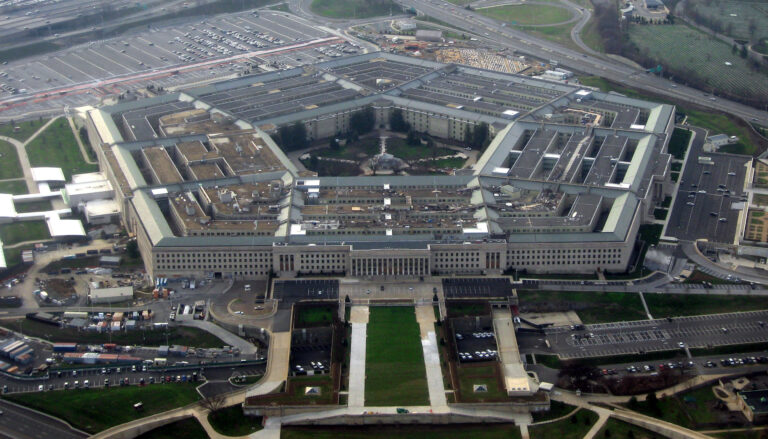
Under President Trump’s second term, big changes have reached the Pentagon. Pete Hegseth, the new Defense Secretary, promised to reduce the number of civilian workers in the Department of Defense. And now, just nine months into this term, he’s already done it.

More than 60,000 Pentagon civilian employees have been let go. That’s about 7.6 percent of the total workforce—right within the 5 to 8 percent goal Hegseth announced earlier this year. The move was part of a bigger plan to make the military leaner, more agile, and focused on national security.

Let’s break it down and understand what the Pentagon workforce changes really mean—and why people are talking about it.

What Is the Pentagon Workforce?

The Pentagon workforce includes thousands of people who don’t wear a military uniform. They are civilians who help run the Department of Defense in many different roles. From computer techs to policy researchers, these people play a critical part in how the US military operates.

They aren’t soldiers, but they make sure the soldiers are supported. Without the Pentagon’s civilian workforce, the military would have a hard time managing weapons systems, creating strategies, and even paying its troops.

Why the Big Cut?

Defense Secretary Hegseth believes the Pentagon workforce had grown too large and too slow. In March, he said the goal was to reduce 5 to 8 percent of the workers by focusing on non-essential roles. He stated that the Department had become “bloated” and “inefficient” over the years.

The idea was to cut out jobs that weren’t directly supporting U.S. military power or missions. By doing this, he argued, the Department would save money and become more focused on defense.

Now, some believe the Pentagon has become more streamlined. But others worry the cuts could hurt military operations long-term.

How Did They Make the Cuts?

The Pentagon didn’t just fire people randomly. The workforce changes followed a plan.

First, the Department of Defense looked at job roles that could be combined or eliminated. This affected departments like human resources, public affairs, and IT.

Next, hiring freezes slowed down the replacement of retiring workers. When someone left, their job wasn’t always refilled. That helped reduce workforce numbers without laying off as many people as expected.

Finally, the Pentagon offered buyouts to older employees. These are deals that offer money if someone agrees to retire early. Thousands took the offer.

All of these steps allowed the Pentagon to shrink its civilian workforce without massive layoffs. Still, many former employees are now looking for new jobs, and critics are raising concerns.

What Are the Concerns About Pentagon Workforce Changes?

Several military experts and lawmakers have spoken out against the deep cuts. They fear the Pentagon may not have enough support staff for future defense projects.

Cutting jobs can sometimes save money—but it can also remove important skills. If an experienced cybersecurity expert leaves, for example, it might take years to replace their knowledge.

Others worry that these changes could put more pressure on active-duty service members. If civilians aren’t handling logistics, administrative tasks, or tech updates, troops may have to do more themselves. That could lead to burnout.

Critics also say that shrinking the Pentagon workforce could hurt national defense in ways that might not show up right away. Some effects might surface only during a crisis or a major military operation.

Supporters Say Leaner Is Better

On the other hand, supporters of the cuts believe it’s a smart move. They say government departments—including the Pentagon—should work more like private companies. Smaller workforces, clear missions, and faster decisions.

Pete Hegseth claims the Pentagon workforce was too big to be nimble. He believes trimming it will bring new focus. By cutting unnecessary jobs, he argues they’ve revived the core mission.

Supporters also suggest that money saved from salaries can now be used to update weapons, train troops, and develop new technology.

How Will This Impact the Future?

The Pentagon workforce may continue to change. Hegseth hasn’t ruled out more cuts—but he says future changes will focus on improving performance.

What’s next could include retraining current staff, hiring more tech-savvy specialists, and using artificial intelligence to handle routine tasks. This could lead to a more modern, flexible defense department.

However, this defense reshaping might take years. For now, the top goal remains clear—to make the Pentagon more effective, without losing its ability to protect the country.

Public Reaction Is Mixed

Not everyone agrees on the best path forward. Some Americans feel confident that these changes will help the military stay strong. Others are worried that cutting too many jobs could weaken national defense.

Military families, in particular, feel uncertain. They rely on civilian workers for everything from healthcare services to base support. If services slow down or disappear, life for these families could become much harder.

As we move into the future, the Pentagon workforce will likely remain a hot topic in Washington and across the country. As with many big changes, only time will tell if this plan makes the nation safer—or opens the door to new risks.

Bottom Line

The drastic shrinking of the Pentagon workforce under Trump’s second term has already reached its goal. With more than 60,000 jobs eliminated, the Department of Defense now looks very different than it did a year ago.

Whether this helps or hurts national security will be debated for a long time. But one thing is certain—these workforce changes are shaping the future of America’s military.

FAQs

What is the Pentagon civilian workforce?

The Pentagon civilian workforce includes people who work for the military without being in the military. They handle support jobs like administration, technology, research, and planning.

Why did Pete Hegseth cut 60,000 Pentagon jobs?

Hegseth believed the Pentagon had grown too large and slow to operate efficiently. He aimed to remove non-essential jobs and streamline the Department of Defense.

Are military operations affected by the workforce cuts?

Some experts say military support may suffer due to a lack of experienced civilians. Others believe the military will adjust and operate better with a leaner workforce.

Will more workforce cuts happen at the Pentagon?

It’s possible. Hegseth said future changes might focus more on improving skills and modernizing roles rather than continued job cuts.

Why Is the World Running Out of Water So Fast?

0


Key Takeaways:

  • A new study warns that severe water shortages may arrive within the next 10 years.
  • Human-caused global warming is speeding up changes in the Earth’s water cycle.
  • Scientists call these future extreme shortages “Day Zero Droughts.”
  • Parts of Asia, Africa, and the Americas face the highest risk of running dry.
  • Water scarcity may affect farming, drinking water, and energy use.

The Water Scarcity Crisis Could Happen Sooner Than We Thought

Water scarcity is becoming a serious problem faster than many expected. A new study shows that human-caused global warming is making the global water cycle behave in strange and dangerous ways. This change could lead to extreme shortages of freshwater in parts of the world well before we thought possible.

If you’ve heard the term “Day Zero Droughts,” that’s what researchers are now warning about. Day Zero refers to the moment when an area completely runs out of drinkable water from its main supply. It’s no longer science fiction. Scientists now believe many places could face a Day Zero within this decade.

Let’s break down what this means, why it’s happening, and what risks humans may face next.

What Does Water Scarcity Really Mean?

Water scarcity means there’s not enough clean water to meet everyone’s needs. This includes water for drinking, farming, bathing, cleaning, and running power plants. In an ideal world, rainfall helps refill rivers, lakes, and underground water sources. But now, rising global temperatures are changing how rain falls, how fast snow melts, and how quickly water evaporates.

Instead of a steady cycle, we’re seeing long dry spells in some areas and flooding in others. This uneven distribution means certain regions are drying out much faster than others, putting them at risk of extreme water scarcity.

How Global Warming Disrupts the Water Cycle

You might already know that burning fossil fuels adds carbon dioxide to the air. This traps heat around the Earth, raising the planet’s average temperature. Scientists say this warming is making huge changes to our water cycle.

Here’s how:

  • Warmer weather makes water evaporate faster, drying out lakes and rivers.
  • Snow in cold areas is melting earlier and more quickly, reducing freshwater stored for summer.
  • Rainfall patterns are shifting, with some places getting heavy storms and others staying dry for months.
  • Groundwater sources aren’t being refilled because there’s less steady rain.

Together, these stress the freshwater systems people depend on. It’s like trying to refill a bathtub while the drain is still open. The supply doesn’t keep up with the loss.

Where Water Scarcity Will Hit the Hardest

The new research looked at water trends across the globe. It found that several regions are already showing signs of approaching Day Zero. These include parts of:

  • Sub-Saharan Africa
  • The Middle East
  • South and Central Asia
  • Western United States
  • Latin America

Many of these places already deal with low rainfall. But added heat and extreme weather make the problem worse, much faster. Populations are also growing, putting more pressure on the same limited water supply.

In countries like India, for example, multiple cities could face Day Zero droughts by 2030 if nothing changes.

What Are Day Zero Droughts?

Day Zero is a point when government officials have to turn off main water taps. At that point, people rely on limited public water distribution centers to collect a small amount of daily water. This already happened in Cape Town, South Africa, in 2018 when rainfall dropped dramatically.

These types of droughts are not just inconvenient. They affect food supplies, lead to health problems, and can trigger social unrest or even migration.

Why Acting Now Matters

Scientists say we can still slow down water scarcity, but we need to take strong steps immediately. Here’s what can help:

  • Reduce greenhouse gas emissions by switching to clean energy sources like wind and solar.
  • Improve water infrastructure so less water gets wasted through broken pipes and poor storage.
  • Encourage people to use water more wisely—like taking shorter showers and fixing leaks at home.
  • Support farming methods that use less water, such as drip irrigation.
  • Collect and store rainwater before it evaporates in extreme heat.

Government leaders, businesses, and citizens all have a part to play.

Can Technology Help Fight Water Scarcity?

Yes, technology can be a big part of the solution. Several modern innovations are helping people get and use water more efficiently:

  • Desalination plants that turn seawater into drinking water.
  • Smart irrigation systems that give plants water only when they need it.
  • AI tools that predict water demand and detect leaks early.
  • Satellite tracking to monitor water levels in real time.

However, technology alone won’t be enough. We also need global cooperation to share water wisely and make sure no community is left behind.

How This Affects Everyday Life

You may not notice changes in your water supply today. But over the next few years, water scarcity could become part of daily life—even in places that seem safe now.

For example:

  • Your food might become more expensive if crops fail from lack of water.
  • Factories may pause production if there isn’t enough water to operate.
  • Power blackouts could happen, since many power plants need water to cool systems.
  • Water restrictions could limit how often you can wash cars, water gardens, or fill a pool.

It all adds up, and the time to act is now.

Final Thoughts on Water Scarcity

The water scarcity issue is no longer a problem for the future. It’s already starting to affect countries, cities, and communities around the world. By understanding the role global warming plays and pushing for changes today, we still have time to avoid the most dangerous effects of Day Zero Droughts.

But if we wait too long, these shortages could become impossible to fix. So whether you’re a student reading this in school or someone just scrolling through your feed, remember—every drop counts.

FAQs About Water Scarcity

What causes water scarcity?

Water scarcity happens when the supply of clean, usable water can’t meet the demand. Climate change, pollution, and overuse are the biggest causes.

Can we prevent Day Zero Droughts?

Yes, experts say we can avoid the worst effects by cutting carbon emissions, using water wisely, and investing in better infrastructure now.

Which countries are at risk of water scarcity?

Countries across Africa, the Middle East, South Asia, and parts of the U.S. are among the most at risk of facing severe water shortages soon.

How does water scarcity affect the environment?

Water scarcity puts extra stress on rivers, plants, and animals. Wetlands dry up, fish can die, and land may turn into desert if the problem lasts too long.

Is Tariff Money Saving WIC During the Shutdown?

0


Key Takeaways:

  • The White House is redirecting tariff revenue to support the WIC program.
  • WIC was about to run out of money due to the government shutdown.
  • This move is being called a “creative solution” by President Trump’s team.
  • The shift in funds helps feed low-income women, infants, and children.

How the Government Shutdown Affects WIC

During a government shutdown, many federal programs lose access to funding. One important program at risk was the Special Supplemental Nutrition Program for Women, Infants, and Children—better known as WIC. This program helps millions of low-income families get healthy food, baby formula, and nutritional support.

However, because of the shutdown, WIC was facing a serious funding problem. The White House recently found a surprising way to fix that—by using money from tariffs.

Tariff Revenue Becomes a Surprise Lifeline

Tariffs are taxes placed on goods coming into the country. The U.S. collects billions from these taxes every year. Usually, this money goes into the national budget for various uses. But now, for the first time, the White House is using tariff revenue in a new way—to keep WIC running during the shutdown.

White House press secretary Karoline Leavitt said on social media that President Trump identified this “creative solution” to shift funds from tariffs toward WIC. She made it clear that the administration wanted to make sure that women and children wouldn’t go hungry while the government was stuck in gridlock.

Why WIC Matters to Millions

WIC stands for Women, Infants, and Children. It’s a federal program that provides healthy food, nutrition advice, breastfeeding support, and referrals to health care. It serves pregnant women, new moms, babies, and young kids under age five—especially from low-income families.

Every month, millions of families depend on WIC benefits to buy things like milk, whole grains, fruits, vegetables, and baby formula. Without this support, many children could grow up malnourished during their crucial early years.

WIC is vital not just for feeding people but also for building a healthier future. Studies have shown that kids in the WIC program are less likely to suffer from anemia, obesity, or developmental delays.

Shutdown Puts Families on Edge

When news spread that WIC funding was running low, panic grew among families who depend on the program. Local clinics reported high volumes of calls from worried parents. Many feared they would not be able to buy formula or food for their children if benefits suddenly stopped.

The shutdown had already closed many government offices. If WIC had run out of money, millions might have gone without nutrition assistance for weeks or even months.

That’s why many saw the White House’s use of tariff revenue as both unexpected and necessary.

How the “Creative Solution” Works

The White House is essentially moving money collected from import taxes into a special pool. This money is then used to fund WIC services, providing temporary relief until the federal budget can be finalized.

Normally, such shifts would require approval from Congress. But in this case, executive decisions allowed the move to happen more quickly due to the serious threat to public health.

It’s unclear how much tariff money is being redirected or how long it will last. But for now, it has given WIC enough funding to continue helping families who need it most.

Praise and Criticism from Both Sides

Not everyone agrees with the decision. Supporters say it’s a clever way to handle an urgent problem. They believe using tariff revenue for WIC is smart and compassionate.

Critics, however, argue that this kind of funding workaround sets a dangerous example. They worry it might weaken long-term approval systems for important programs. Some also say the move doesn’t solve the real problem—the shutdown itself.

Still, most agree that keeping WIC running is better than letting families suffer, even if the solution isn’t perfect.

The Bigger Picture Beyond WIC

This moment reflects a bigger issue in American politics: how government shutdowns harm everyday people. While leaders in Washington argue about budgets and policies, real families face consequences—like missing meals or losing support for newborns.

The WIC issue reminded Americans of how fragile some programs can be. Many are now calling for more reliable funding strategies to avoid future crises.

Using tariff revenue for a program as essential as WIC could also spark new ideas about how we allocate tax money. Some lawmakers now wonder if other life-saving programs could benefit from similar approaches when money runs tight.

What’s Next for WIC and Shutdown?

As of now, WIC is safe—at least for a little while. Parents can continue using their benefits. Clinics are still giving out healthy food and caring for babies. And though uncertainty remains, bills are being paid thanks to an unlikely source: tariff revenue.

Still, the government shutdown continues. If it drags on, even more programs could face funding problems. For now, everyone is watching to see how long the solution will last and whether lawmakers can strike a deal.

For families who count on WIC, the hope is that help will keep coming—no matter what’s happening in Washington.

FAQs

What is WIC?

WIC stands for Women, Infants, and Children. It’s a federal program that provides food and nutrition advice to low-income mothers and young kids.

Why was WIC running out of money?

Due to the government shutdown, normal budget funding was frozen. Without a new deal in Congress, WIC was at risk of stopping payments.

How is tariff revenue being used for WIC?

The White House is redirecting money from taxes on imported goods to temporarily fund the WIC program.

Will this solution last?

It’s a short-term fix. WIC is safe for now, but it depends on how long the shutdown continues and when Congress agrees on a new budget.

Why Might Furloughed Federal Workers Skip Back Pay?

0


Key Takeaways:

  • The Trump administration is reviewing whether furloughed federal workers should get back pay.
  • A legal loophole in a 2019 law is at the center of this debate.
  • The Office of Management and Budget (OMB) proposed a memo raising questions about pay eligibility.
  • This move could affect thousands of workers impacted by past and future government shutdowns.

Back Pay: What’s the Debate About?

Federal workers often face uncertainty during government shutdowns. One key concern is whether they’ll receive back pay after being furloughed—sent home without pay—when the government closes. A 2019 law promised to protect these workers by ensuring they would get paid once the shutdown ended.

Now, the Trump administration is considering challenging this law. They’re exploring a memo from the Office of Management and Budget (OMB) that claims certain furloughed workers may not legally be entitled to back pay due to a loophole.

Thousands of government employees could be affected if this decision changes how back pay is handled in the future.

Explaining Back Pay: Why It Matters

Back pay is money owed to federal employees who couldn’t work during a government shutdown. It serves as a safety net for workers who, through no fault of their own, go without income during political standoffs.

In the past, Congress typically approved back pay once the government reopened. The 2019 Government Employee Fair Treatment Act aimed to lock in this practice. It gave furloughed workers and those working without pay the promise of full compensation once things returned to normal.

However, the situation may change soon. The latest memo suggests there could be exceptions to this rule, depending on the kind of work employees do and how their roles are federally funded.

The Memo That Sparked the Controversy

The OMB memo argues that not all furloughed federal workers automatically qualify for back pay. Specifically, it claims that the 2019 law does not legally guarantee compensation for employees paid through agencies that rely on fees instead of direct federal funds.

This means that some workers—from park rangers to contract-based personnel—might be left out. The White House is now digging deeper into this interpretation and how it could apply in future shutdowns.

Why Is This Happening Now?

The Biden administration inherited multiple budget challenges. With rising political tension over government spending, the U.S. faces a serious risk of future shutdowns. This has reignited interest in whether long-standing rules—like automatic back pay—should be re-evaluated.

Additionally, the scrutiny may appeal to budget hawks and lawmakers aiming to reduce federal costs. By questioning back pay guarantees, the government could potentially save billions. However, those savings might come at the cost of fairness, trust, and worker morale.

Workers’ Lives in the Balance

Imagine being told not to show up at work but still needing to pay your bills. That’s the reality many government workers face during a shutdown.

For some, back pay is the light at the end of the tunnel. It reassures them that, even if they miss a few paychecks now, that money will eventually come back. Removing or modifying that promise adds more stress to an already difficult situation.

Even worse, if agencies start losing workers because of financial uncertainty, the government might struggle to offer services Americans rely on, such as national security, public health, and food assistance programs.

How Did the 2019 Law Come About?

The 2019 Government Employee Fair Treatment Act passed after a 35-day shutdown—the longest in U.S. history. Public outrage was intense as stories surfaced of federal employees struggling to buy groceries, pay for child care, or cover housing costs.

The law aimed to make sure federal workers would never be left unpaid again after such crises. It had wide support—both Democrats and Republicans backed it. But now, legal experts are arguing that the wording leaves room for selective implementation. That’s the loophole the Trump administration is focusing on.

A Closer Look at the Loophole

The loophole exists in the law’s interpretation—not its intention. The law’s purpose was to compensate all federal employees affected by a shutdown, regardless of funding sources.

However, the memo argues that workers in certain agencies—particularly those financed by service fees, not direct congressional funding—aren’t covered. This could include employees in departments like the EPA, Parks Service, or some overseas missions.

Still, critics argue that changing the practice now would violate the spirit of the law, even if the legal grounds are technically valid.

The Bigger Picture: Setting a Dangerous Precedent?

Some worry that reinterpreting the back pay law could set a dangerous precedent. If one administration can limit compensation based on agency funding, future administrations could stretch these limits even further.

This could turn government shutdowns from painful disruptions into financial disasters for affected workers.

Lawmakers, federal unions, and watchdog groups are keeping a close eye. Many call for clear guidance and protections so workers won’t find themselves trapped in legal gray areas again.

Political Reactions So Far

So far, reactions have been mixed. Some conservative lawmakers argue that the federal government should be cutting spending wherever possible—even if that includes furloughed employee pay. They believe back pay encourages shutdowns by lessening their impact.

Others, including many Democratic leaders, call the review heartless. They say it punishes dedicated workers who already suffer from political standoffs.

Meanwhile, government employee unions warn this could lead to massive staffing losses and a brain drain across federal agencies.

What Could Come Next?

The Biden administration hasn’t made its final decision yet. However, if they side with the OMB’s memo, new guidelines could block back pay for some federal workers during a future shutdown.

This would likely lead to lawsuits, protests, and further congressional action. With more budget negotiations on the horizon, the debate over furloughed worker compensation is far from over.

Whether or not the loophole will be closed—or widened—could define how government labor policies evolve in the coming years.

Conclusion: Real People, Real Stakes

This isn’t just about politics or law. It’s about real people who work in roles that keep the government running. Park rangers, airport inspectors, food safety officials—millions of Americans rely on them every day.

Removing or limiting back pay means pushing those workers further into stress and financial hardship the next time a shutdown strikes. Leaders now face a big decision: follow the spirit of the 2019 law or open the door to deeper cuts.

Only time will tell how this debate ends, but the outcome will affect workers across the country.

FAQs

What is back pay for federal workers?

Back pay is money owed to government employees after a shutdown. It repays them for time they were unable to work or were forced to work unpaid.

What does the 2019 law about furloughed workers say?

The 2019 Government Employee Fair Treatment Act states that furloughed federal workers will get back pay once the government reopens.

How does the memo from the OMB change things?

The Office of Management and Budget argues that some workers paid through agency fees, not federal funds, might not be guaranteed back pay under the 2019 law.

Will all federal workers lose back pay?

Not necessarily. But if the administration acts on the OMB memo, certain categories of workers may be excluded. This depends on how their agency receives funding.

Why Could the Government Shutdown Get Much Worse?

0


Key Takeaways:

  • The government shutdown has entered Day 4 with no deal in sight
  • Experts warn about two key upcoming pay dates that could worsen the crisis
  • Federal workers may miss paychecks on October 10
  • Military members risk missing pay on October 15
  • Public pressure may rise sharply if workers and troops go unpaid

The Government Shutdown: What’s Happening Now?

The United States is currently in its fourth day of a government shutdown. That means most non-essential government offices are closed. Some workers have been sent home, while others—considered “essential”—are still working without a paycheck.

Why is the government shutdown happening? It all comes down to money. Congress cannot agree on a federal budget for the new fiscal year. Until they reach a deal, many government operations are put on pause.

The longer this shutdown lasts, the worse things could get. According to budget expert Richard Stern, two key dates could cause serious trouble for millions of Americans.

What Happens on October 10?

October 10 is the next payday for many federal government workers. If the shutdown continues past that date, essential employees will report to work without getting paid. That may not seem urgent to some, but it creates real problems for families.

Imagine going to work every day but not receiving a paycheck. Bills don’t stop. Rent is still due. Groceries still need to be bought. Over time, many workers may struggle to afford basic needs. While they usually receive back pay once the government reopens, that doesn’t help them today.

Concern is growing that public anger could rise sharply if full paychecks aren’t delivered soon. This kind of pressure could force Congress to act—especially if thousands of stories about missed rent, car payments, and food banks begin to hit the news.

What About the Military Pay Date?

The second danger point is October 15. That’s when members of the U.S. military are supposed to get paid. Missing that payday could be a huge blow—not just to service members and their families, but also to the government’s image.

Military families often live on tight budgets. For some, a missed check could mean skipping meals or falling behind on bills. Paying the military has traditionally been a top priority—even during past shutdowns. But without a budget deal, lawmakers may have no choice this time.

More importantly, unpaid military personnel could trigger alarm across the country. People deeply respect service members. The idea of troops risking their lives while not getting paid would likely spark outrage and speed up negotiations.

Why These Paydays Matter More Than Others

Most government shutdowns start slowly and impact only a few people. But that changes quickly once the financial impact hits home.

Richard Stern says the moment a paycheck is missed, everything can “spiral out of control.” Once millions of Americans feel the shutdown directly in their bank accounts, lawmakers come under huge pressure to fix it.

In past shutdowns, as soon as workers missed paydays, phone lines to Congress congested. Political leaders faced waves of angry letters, protests, and overwhelming media coverage. The pain becomes personal once wallets are affected.

How Long Could the Shutdown Last?

That depends on how quickly Congress can agree on a budget or pass short-term funding, known as a “continuing resolution.” Right now, both sides are refusing to compromise.

Each party is blaming the other, and neither wants to look weak in front of voters. But if essential workers and military families go without pay, that political gamble could backfire.

Historically, shutdowns have lasted anywhere from a few days to over a month. The 2018–2019 shutdown lasted 35 days, the longest in U.S. history. During that time, workers lined up at food banks, airports suffered delays, and national parks went unmaintained.

What Could Happen Next?

If no budget is passed, the following scenarios could unfold:

  • Hundreds of thousands of government workers go without pay
  • Military families face financial hardship
  • Public services like passport offices, food safety inspections, and national parks remain closed or limited
  • Economic ripple effects could slow growth nationwide
  • Pressure on lawmakers grows exponentially with each missed payday

Could a Deal Be Reached in Time?

Yes, but it won’t be easy. The longer a government shutdown lasts, the harder it is to resolve. Political tensions rise, and both sides become more entrenched.

Still, growing public anger over missed paychecks might be the tipping point. In past shutdowns, a deal usually formed soon after essential workers and military members started to face real financial pain.

To make a deal happen, leaders may need to set aside politics and focus on real American struggles—such as a mother working for the TSA who can’t pay her rent, or a Marine forced to skip grocery shopping due to a frozen bank account.

Why This Shutdown Feels Different

Some experts say this one could be worse than before. Why? Because today’s political environment is more divided. Social media spreads stories faster, and economic stress is higher due to inflation.

People are already juggling high grocery prices, rent hikes, and rising credit card debt. A missed paycheck may be enough to break their budgets. Once that pain spreads widely, the pressure on lawmakers will skyrocket.

What Should Federal Workers Do Now?

Unfortunately, there are limited options. Many are turning to savings, if they have any, or leaning on family and friends. Some are working second jobs or visiting food banks for help.

Government employee unions are also stepping in to offer resources and financial support. Still, nothing replaces a regular paycheck.

Military families are in a similar spot. While there are emergency aid programs for service members, the feeling of being unpaid while serving your country can be agonizing.

The Bottom Line

The government shutdown may seem political, but for federal workers and military staff, it’s very personal. If no deal is made by October 10 or October 15, the financial pain will grow. And when that happens, the government shutdown could move from frustrating to full-blown crisis.

Payday is no longer just for workers—it may also be a deadline for democracy.

FAQs

How does a government shutdown affect federal paychecks?

During a shutdown, non-essential workers are furloughed without pay. Essential workers still report to duty, but don’t get paid until the government reopens.

Do military members get paid during a government shutdown?

In most shutdowns, Congress has found ways to fund military pay. However, if this one continues too long, service members could miss their October 15 payday.

What services stop during a shutdown?

Passport processing, national park access, IRS support, and food safety inspections may pause or slow. Programs like Social Security continue, but delays may occur.

Can the government avoid shutdowns in the future?

Yes, by passing a timely budget or using temporary funding measures. However, political disagreements often get in the way.

Is the Trump Administration Deporting Legal Immigrants?

0


Key Takeaways:

  • Some people legally in the U.S. are being deported or detained.
  • Cases include individuals with legal visas or protected status.
  • Reasons behind actions range from speech to minor infractions.
  • Public concern is growing over immigration enforcement policies.
  • Ongoing tracking by AllSides highlights controversial cases.

What You Need to Know About New Deportation Cases

The Trump administration, especially through agencies like the Department of Homeland Security (DHS) and Immigration and Customs Enforcement (ICE), is facing major criticism over recent immigration enforcement actions.

People who legally entered the United States, or even had protected immigration status, are now being detained or deported. This includes those who had committed no crime or were not considered public threats.

Advocates and critics are closely watching several high-profile cases, such as Kilmar Abrego Garcia and Mahmoud Khalil. These cases have sparked national conversations about what is fair and lawful when it comes to legal immigration status.

Why Are Legal Immigrants Being Targeted?

One of the most controversial parts of this issue is that some individuals came to the U.S. following legal processes. They had student visas, work permits, or humanitarian protection.

Some were detained or deported following political posts online. Others were flagged due to old infractions that had already been resolved in court. In some situations, family members were pulled into investigations or proceedings.

ICE has claimed these actions are standard enforcement of U.S. immigration law. However, civil rights lawyers argue the methods violate human rights and overstep legal boundaries.

The Role of Speech in Deportation

A shocking reason cited in some detainments is online speech. Some immigrants, such as Mahmoud Khalil, reportedly faced scrutiny for sharing anti-Israel opinions on social media. Although freedom of speech is protected under U.S. law, immigrant critics argue that their views are being used unfairly to target them.

This raises deeper questions: Is the U.S. still a safe place for people to express political views? Are immigration laws being selectively applied to send a message?

Public Debate and Rising Tension

These detentions have sparked protests and legal petitions. Advocates insist that the deportations are not only unjustified, but also harmful to communities.

Legal immigrants and green card holders are voicing fear. They want to know if their status is secure—or if they could be the next target. Legal experts say the lack of clarity from ICE and DHS causes stress and confusion for immigrant families.

It’s also revived debate about immigration reform. Should more checks and balances exist so legally present individuals aren’t suddenly deported for non-criminal behavior?

Case Spotlight: Who Are Kilmar Abrego Garcia and Mahmoud Khalil?

Kilmar Abrego Garcia is a 34-year-old who came to the U.S. with Temporary Protected Status (TPS). He had stayed out of trouble and lived a quiet life with his family. Yet, in late 2024, ICE detained him during a routine check-in and announced plans to deport him to a dangerous part of his home country.

Similarly, Mahmoud Khalil had been in the U.S. legally on a student visa. He was vocal about his political stance and made online posts critical of Israel’s politics. While he had committed no crime, Homeland Security flagged his account, leading to his detainment for national security questioning.

These cases illustrate the blurry line between what’s legal, what’s protected, and what’s punishable under today’s immigration system.

What Does This Mean for Immigrant Communities?

For immigrant families, especially those with children who are U.S. citizens, rising cases of legal immigration enforcement are terrifying. Many families fear that a knock at the door could mean separation—and possibly permanent loss of a parent.

Even immigrants with long-term visas now feel uncertain. Previously, only undocumented individuals faced the risk of sudden removal. But these recent cases show that legal status is no longer enough to feel safe.

Family members have been left behind, jobs lost, and entire lives disrupted by sudden deportations. The impact ripples beyond individuals and into entire local communities.

The Role of Technology in Tracking and Identifying Immigrants

Another growing concern is the use of data and analytics in tracking immigrants. DHS and ICE now use online activity, geolocation, and facial recognition to make decisions about detainment.

While intended to protect national security, civil liberty advocates warn these systems are not always accurate and often overreach. A political tweet or facial match error could trigger extreme consequences.

This creates an environment where immigrants must self-censor, avoid online activity, and live in fear—even when they have done nothing wrong.

Where Does the Law Stand Right Now?

Currently, the government has legal authority to remove individuals it deems as threats or unauthenticated under immigration law. But critics argue that agencies are using vague threats and weak connections to justify action.

The U.S. Constitution protects freedom of expression and due process. Yet, in these cases, it appears those rights may not extend equally to immigrants—especially those without citizenship.

Several lawsuits are pending against DHS and ICE. Some hope they will force clearer rules and stronger protections.

The Bigger Picture: What’s Next for Immigration Policy?

The growing list of controversial deportations under the Trump administration could push for more legal oversight and policy changes.

Lawmakers on both sides are proposing legislation that would define strict limits on when and how legal immigrants can be detained. Consumer technology watchdogs are also demanding better transparency about how online behavior is tracked.

Although reform may take years, activists continue fighting for fairer rules—and justice for those currently caught in the system.

How You Can Stay Informed

Organizations like AllSides are tracking updates on these cases daily. They aim to provide balanced reporting and keep Americans informed about their government’s immigration actions.

As this issue unfolds, staying informed helps strengthen public understanding and push lawmakers toward fair change.

Whether you’re an immigrant, citizen, or ally, knowing your rights and our country’s laws is the first step toward stopping unfair deportation practices.

FAQs

Who is being deported under these new immigration actions?

Some recent deportations involve people with legal status, like student visas or temporary protection. These include cases unrelated to crime, like social media posts or expired paperwork.

Can someone be deported for what they say online?

Freedom of speech is protected by the Constitution. However, immigrants report being detained after political posts—raising questions about fair enforcement.

Is having a visa or green card enough to stay safe?

Having legal documents helps, but recent cases show even long-time legal residents can be affected by shifts in enforcement policy.

What can immigrants do if they’re targeted?

They should contact a qualified immigration lawyer immediately, avoid signing any documents without legal advice, and inform trusted family members about their situation.

Why Are Republicans Blaming Democrats for the Shutdown?

0


Key Takeaways:

  • A government shutdown began last week due to a budget dispute.
  • Republicans say Democrats won’t support the Trump budget.
  • Trump and Republicans warn of major spending cuts.
  • Democratic leaders like Hakeem Jeffries and Chuck Schumer are struggling to respond.
  • The messaging battle is growing as both sides dig in.

Understanding the Government Shutdown

Right now, Washington is locked in another showdown — and this time, it’s hitting harder. Last week, the federal government officially shut down because Republicans and Democrats couldn’t agree on a funding plan. This isn’t the first time something like this has happened, but the drama feels more intense than usual.

The heart of the battle is over the Trump budget. The GOP, led by House and Senate Republicans, believes it’s time to crack down on spending. They’re demanding large cuts to programs they say are wasteful. But Democrats disagree strongly. They argue these cuts would hurt everyday Americans, especially middle- and working-class families.

The Political Blame Game

Republican leaders have already started pointing fingers. They say Democrats like Hakeem Jeffries, the House Minority Leader, and Senate Majority Leader Chuck Schumer, are the ones refusing to negotiate. In their view, Democrats are blocking the path to reopening the government.

Meanwhile, President Trump and his allies are treating the situation like a public campaign. They’re not just calling for cuts — they’re announcing them loudly and proudly. According to them, the only way to get America’s finances back on track is by slashing government costs.

This messaging war puts massive pressure on Democratic leaders. Not only do they need to keep their party united, but they also need to counter Trump’s strategy without appearing unreasonable.

The Budget Battle: What’s Inside the Trump Plan?

So, what does the Trump budget actually aim to do? At its core, it focuses on three main ideas:

1. Major spending cuts across federal programs.
2. A promise to reduce what the government calls “non-essential” services.
3. Increased funding for defense and border security.

Trump believes these steps will help reduce national debt and improve the economy. But many economists argue that these sharp cuts could backfire, especially for programs millions depend on, like education, healthcare, and food assistance.

Why Messaging Matters More Than Ever

For Democratic leaders, messaging is everything right now. They must explain to the public why they oppose the Trump budget without seeming out of touch. But this isn’t easy. The shutdown itself already inconveniences millions — from government workers missing paychecks to national parks closing.

If Democrats don’t clearly communicate their reasons, they risk losing the support of independent voters. And that could be a disaster before the next election cycle. It’s a tough spot: push back too hard, and they appear rigid. Give in, and they betray their base.

The Core of the Democratic Strategy

Hakeem Jeffries and Chuck Schumer have so far tried to take a middle path. They talk about wanting a “fair and balanced budget.” They’ve insisted on protecting social programs, while also agreeing that the budget can’t grow endlessly.

Yet this strategy may not be enough. Republicans are hitting the airwaves in full attack mode — appearing firm, focused, and ready to make tough decisions. Meanwhile, the Democrats’ message sounds softer, even inconsistent at times.

One major weakness in the Democratic message is that different leaders are saying slightly different things. Some want to fight every cut; others say they’ll consider small compromises. This mixed messaging gives Republicans ammunition, allowing them to say, “See? Even the Democrats don’t agree with themselves.”

Where the Public Stands During the Shutdown

Polls show that Americans mostly blame the GOP for the shutdown. However, public support can shift quickly — especially if Democrats can’t clearly explain their side. Voters want solutions, not excuses. If both parties appear stuck in a fight, the public may grow frustrated with both.

That’s why how the Democrats respond matters so much. They can’t only rely on pointing fingers. They need to offer a clear, simple argument about what they stand for. And they need to speak in one voice — consistently, confidently, and calmly.

How Will the Shutdown End?

There’s no clear end in sight right now. Until one side backs down or a deal is reached, the shutdown will likely continue. Some moderate voices in both parties are quietly working behind the scenes, hoping to find common ground. But high tensions make collaboration difficult.

Democrats are betting that, as the public grows tired of the shutdown, Republicans will feel pressure to compromise. But this strategy comes with a warning: the longer the shutdown goes, the more voters feel anger toward everyone in Congress — not just the GOP.

What Happens Next?

Many eyes are on Hakeem Jeffries and Chuck Schumer. Can they unite their party and offer a strong response? Or will disagreements inside the Democratic side hurt their efforts?

Trump and Republican leaders are showing no signs of softening. In fact, they’re using this moment to energize their base — many of whom have long called for massive government cuts.

As the standoff continues, the battle for public opinion becomes just as important as policy. If Democrats fail to tell a strong story, they risk losing not only this fight — but also upcoming elections.

Final Thoughts on the Shutdown Message War

In this government shutdown, it’s not just about dollars and cents. It’s about who can convince the public they care about everyday Americans. Republicans are using strong messages about saving money and protecting the country. Democrats need a plan that feels just as powerful — and easy to understand.

For now, the Democrats’ weakness lies not in their values, but in how they explain them. As the shutdown stretches on, that messaging challenge only grows more important. With the nation watching, every word matters.

FAQs

What caused the recent government shutdown?

The shutdown happened because Republicans and Democrats couldn’t agree on a budget. Both sides are blaming each other for the standoff.

What is in the Trump budget?

The Trump budget includes deep spending cuts to many federal programs, along with more funding for defense and border security.

Who is winning the messaging battle?

Right now, Republicans are more unified in their message. Democrats are still working to speak with a single, clear voice.

How long will the government shutdown last?

There’s no exact timeline. It could end quickly if a deal is made — or drag on for weeks if both sides stay firm.

Why Was a Man Caught with a Molotov Cocktail at a DC Church?

0


Key Takeaways:

  • A man from New Jersey was arrested outside a DC church with a Molotov cocktail.
  • The church was holding a mass for the Supreme Court’s new term.
  • He set up a tent with suspicious items and refused to leave.
  • Authorities acted quickly to avoid any harm or danger.
  • He now faces serious charges and an ongoing investigation is underway.

Man Arrested After Molotov Cocktail Scare Outside DC Church

A quiet Sunday morning in Washington, DC quickly turned tense when police arrested a man carrying dangerous materials near a Catholic church. Louis Geri, from Vineland, New Jersey, was caught on the front steps of the Cathedral of St. Matthew the Apostle with a Molotov cocktail. The church was hosting a special mass to honor the start of the new Supreme Court term.

The scene shook both churchgoers and local authorities, who responded swiftly to what they believe could have turned into a major security threat.

What Happened at the Church?

In the early hours of Sunday—just before 6 a.m.—Louis Geri arrived at the Cathedral of St. Matthew the Apostle in downtown Washington, DC. He brought a tent and began setting it up outside the historic church. This wasn’t just any tent. Police say it was filled with “suspicious” items, including a Molotov cocktail.

As people started reporting his strange behavior, officers from the Metropolitan Police Department arrived at the scene. They asked him to leave. But Geri stood his ground and refused to budge. Moments later, he was arrested, and police cleared the area to make sure it was safe for those attending mass.

What Is a Molotov Cocktail?

A Molotov cocktail is a homemade weapon made using a glass bottle, a flammable liquid like gasoline, and a cloth fuse. People often use them in riots or protests to cause fires and explosions. Carrying one in public is extremely dangerous and illegal. Authorities treat such weapons as a big threat to public safety.

That’s why Geri’s arrest is being taken very seriously. When someone shows up near a place of worship—with people inside—and refuses to follow police orders, that raises huge alarms.

Why the Church Was Special That Day

The Cathedral of St. Matthew the Apostle isn’t just another church. It’s a major Catholic church that often hosts important events. On the day Geri came by, the church was holding a special religious mass. The ceremony marked the opening of the new term of the U.S. Supreme Court. Due to its importance, the event likely had many high-profile visitors in attendance, including judges, officials, and prominent members of the legal community.

This backdrop makes Geri’s presence even more concerning. A potential threat that close to influential people could have ended much worse if the police hadn’t acted in time.

Who Is Louis Geri?

So far, not much is known about Louis Geri’s background, motivations, or mental state. He is a resident of Vineland, New Jersey. Authorities are currently investigating to understand why he showed up at the church armed with such a dangerous item.

They are also reviewing footage, gathering eyewitness accounts, and confirming whether he acted alone or had any support. What we do know is that when someone carries a Molotov cocktail near any public gathering, especially a religious one, it’s a matter of public concern.

What Charges Could He Face?

Louis Geri could be facing several criminal charges related to possessing illegal weapons, trespassing, and possibly even attempting to incite violence. Depending on the results of the investigation, he may also face federal charges for interrupting a high-profile event near critical government bodies like the Supreme Court.

Penalties for carrying or even preparing to use a Molotov cocktail are stiff. If convicted, he could face several years behind bars.

What Happens Next?

For now, Geri is in custody, and an investigation is underway. Police are trying to dig deeper to find his motive and determine whether the incident had any political or religious motivations.

Because the location and timing of the event were so symbolic, authorities are treating this as more than a random act. Every suspicious item found in the tent is being tested and reviewed for possible threats.

Security protocols in and around DC will likely tighten, especially around places of worship and government buildings following the Molotov cocktail incident. Law enforcement agencies are on high alert to prevent anything similar from happening again.

How Local Communities Are Responding

Local churchgoers and DC residents have reacted with a mix of fear and gratitude. Many feared what could have happened if the police hadn’t stopped Geri in time. Some attendees of the Supreme Court mass said they feel uneasy, especially with tensions already high in today’s political climate.

However, the quick response from law enforcement has been widely praised. Authorities neutralized the situation before anyone was harmed or the mass got interrupted. Now, church leaders are speaking out to encourage unity, urging people not to let fear win.

The Bigger Picture: Security at Public Events

Incidents like these show why security around large gatherings—especially those tied to politics or religion—is so important. Whether it’s a celebration, protest, or prayer event, one person’s actions can place many at risk.

The Molotov cocktail incident reminds us why constant vigilance is needed. Law enforcement can’t afford to take chances, especially in on-edge environments like the U.S. capital. As technology and surveillance continue to improve, authorities hope to stop more threats before they unfold.

While Geri’s motives remain unclear, the act of bringing highly flammable weapons near a bustling community event is more than reckless—it’s potentially deadly.

What Should Be Done Now?

This incident should spark discussions about safety at public religious and legal ceremonies. It’s important for communities to stay alert and for security staff to be highly trained in spotting unusual behavior. Churches like the Cathedral of St. Matthew may revisit their protocols, especially during big events.

Meanwhile, mental health support should be made more available to the public. If deeper issues fueled Geri’s actions, addressing the root cause could help prevent future threats.

Until there’s more clarity on why Louis Geri made the trip from New Jersey to DC—armed and determined—many questions will stay unanswered.

Conclusion

The man with the Molotov cocktail outside the DC church turned what was supposed to be a peaceful morning into a tense security scare. Thanks to the quick action of the police, tragedy was avoided. But this incident serves as a harsh wake-up call that public safety should never be taken lightly.

It’s still unknown what Geri wanted to do with the Molotov cocktail or why he chose that particular church at that specific time. As the police continue their investigation, more details will emerge. For now, one thing is clear: vigilance, preparedness, and timely action saved lives.

FAQs

What is the punishment for carrying a Molotov cocktail?

Possessing a Molotov cocktail is illegal and can lead to serious charges, including jail time, depending on intent and location.

Why was the church event important?

The church was holding a special mass for the start of the U.S. Supreme Court’s new term, drawing public and official attention.

Was anyone hurt during the incident?

No injuries were reported. The police acted quickly to arrest the suspect and secure the area.

Is there a known motive behind the act?

Authorities have not confirmed the man’s motive. An investigation is underway to find out why he carried a Molotov cocktail to the scene.