59 F
San Francisco
Sunday, April 5, 2026
Home Blog Page 594

What’s the Point of the Maxwell Interview?

0

Key Takeaways:

• MSNBC host Katy Tur questioned the purpose of the Maxwell interview after reading its transcript.
• Experts call the Maxwell interview a “smoke screen” without any clear legal or investigative benefit.
• The interview offered no new leads, surprising viewers given its full public release.
• Critics say the timing and intent point to a political messaging tactic rather than fact finding.
• The move raises doubts about the Trump team’s strategy on high-profile legal cases.

Why the Maxwell Interview Leaves Viewers Puzzled

MSNBC’s Katy Tur looked at the Maxwell interview transcript and felt lost. She asked out loud, “What is the point of this interview?” She could not see any clear reason. Alongside her, Wired senior writer Jake Lahut called it a smoke screen. He said he truly did not know why it happened. The legal jargon and “don’t recall” answers did not help clarify anything.

Tur then wondered why Donald Trump or the Justice Department re-interviewed Ghislaine Maxwell. She asked what they gained by sharing it now. Lahut admitted he had asked around Trump world but found no strategy. “Even if it’s not the legal strategy, what’s the messaging plan?” he repeated. No one offered a convincing answer.

Tur also pointed out that Maxwell moved to a minimum security prison after her conviction. That shift surprised many given her crimes. She asked why her life was seemingly made easier. After all, Trump and his supporters said he would fight child exploitation. Instead, he appeared to help someone linked to that abuse ring.

Meanwhile, NBC’s Tom Winter scanned the full Maxwell interview for leads. He saw no redactions where reporters would expect them. He argued that any real investigative tip would stay secret, not plastered online. He found no new suspect names or hidden revelations. Winter noted that the Justice Department had already said the interview served no legal purpose.

What Does the Maxwell Interview Reveal?

The Maxwell interview was meant to revisit Ghislaine Maxwell’s knowledge of Jeffrey Epstein’s crimes. Instead, it revealed a lot of legal language and caveats. Maxwell often said she did not recall details. She dodged many questions with polite legal phrases.

Despite hours of footage, no fresh evidence emerged. There were no names dropped or new accounts of meetings. There was no Black Book entry or secret document that changed the story. For viewers expecting a bombshell, the segment felt empty.

In addition, the lack of redactions surprised some reporters. If part of an active probe, many sections would stay sealed. The public release of the whole interview implied no sensitive new leads existed.

Why Experts Call It a Smoke Screen

Many legal analysts think the Maxwell interview served political aims. It created a steady drip of content to grab headlines. Yet the substance remained thin. Experts call that approach a smoke screen because it hides true goals.

First, it kept Maxwell and Epstein back in the news cycle. Second, it gave the administration a talking point on justice. Third, it distracted from other cases or controversies.

Also, with no clear legal merit, the move seems purely tactical. It underscores how high-profile events can feed a narrative. In this case, the narrative remains unclear.

Impact on Trump’s Image

Supporters believed Trump would lead tough fights against pedophilia. They heard him promise to expose Hollywood elites and powerful abusers. Yet the Maxwell interview did not support that image.

Instead, the transcript painted a picture of delay and vague answers. It raised doubts about whether the team really sought justice or publicity. For people who expected Trump to take a hard line, the move felt like a mismatch.

Furthermore, the choice to re-interview Maxwell hinted at sympathy toward her. That contradicted the harsh stance he once claimed. As a result, the interview stirred confusion among his base.

No New Evidence, No New Leads

Tom Winter made it clear that no new leads appeared in the Maxwell interview. There were no tips to investigate new suspects. There were no secret passages or meetings revealed. He said, “I’ve yet to see an investigative lead that someone discovered.”

In fact, most of the document was unredacted. That signals the material is harmless for ongoing probes. If it were vital, critical names or plans would stay under seal.

Moreover, the Justice Department memo had warned that the interview would not serve any real purpose. They released it anyway, adding to the mystery.

What Comes Next

With the Maxwell interview now public, the story may move on quickly. Viewers and analysts will keep asking about any new findings. Yet so far, no breakthroughs surfaced.

Meanwhile, Trump world may face tougher questions from its supporters. They will seek to understand why a high-profile figure like Maxwell got another chance to speak. They might worry about mixed messages in future legal battles.

At the same time, other news will compete for attention. Unless new evidence appears, the Maxwell interview might fade as a footnote.

Still, the move highlights how high-stakes legal actions can double as political theater. It reminds us to watch carefully and question the true aims.

Frequently Asked Questions

Why was Ghislaine Maxwell re-interviewed by Trump’s team?

No one has offered a clear reason. Legal analysts say there was no new evidence, so many suspect a political motive.

Did the Maxwell interview reveal any new evidence?

No. The transcript showed Maxwell using legal caveats and claiming she did not recall key events. No fresh leads emerged.

What do experts think about the Maxwell interview strategy?

Experts call it a smoke screen. They believe it served to keep headlines active and feed a narrative, rather than gather facts.

How did the public react to the Maxwell interview release?

Viewers and reporters felt puzzled. Many said the interview lacked substance and raised more questions than it answered.

Is the Bolton Raid Really Trump’s Revenge?

0

Key takeaways:

  • The FBI searched former adviser John Bolton’s home in a bold operation.
  • A conservative commentator calls it President Trump’s personal vendetta.
  • Critics argue the action has more to do with politics than justice.
  • The move links back to Bolton’s tell-all book about Trump.
  • Many are asking if this is law enforcement or political harassment.

What You Need to Know About the Bolton Raid

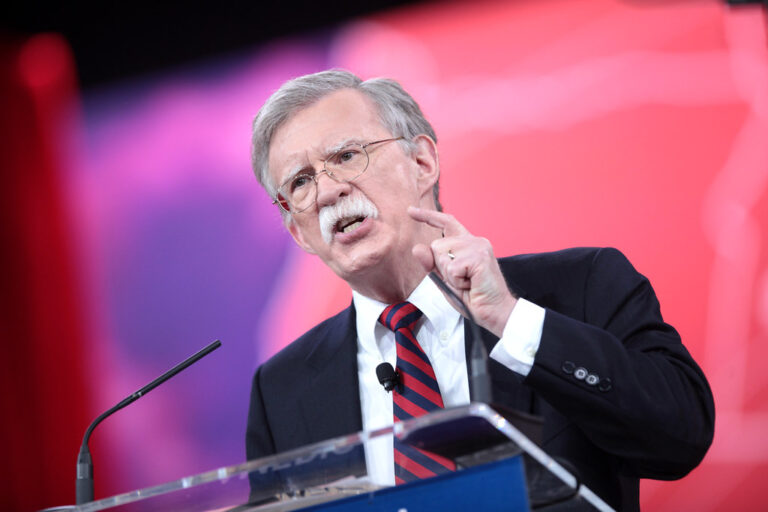
Earlier this week, agents from the FBI entered the home of John Bolton. They were looking for classified documents. For many, the sudden house search felt shocking. Moreover, it brought back memories of another high-profile document probe. Therefore, people across the political spectrum began to ask why this move was happening now.

John Bolton once served as a top adviser in the Trump administration. He then wrote a book about his time in the White House. In that book, he painted the president as reckless and unfit. Consequently, the book stirred strong reactions, both from Trump’s team and from the public. Now, the FBI raid has reopened old wounds.

Why the Bolton Raid Sparks Debate

A well-known conservative writer says this FBI raid is not really about national security. Instead, he claims it’s a form of retribution by President Trump. He describes the move as part of a “lawfare” strategy against Trump’s critics. Indeed, there is a long history of political battles over classified information. However, few have been as tangled as this latest event.

Critics of the raid point out that the justice system should stand above political fights. Even so, the public saw officials announcing the raid on social media. The announcement declared that no one is above the law. Yet, some argue that the timing and target make it feel like harassment. As a result, the question at hand is clear: is this an act of justice or revenge?

How the Past Unfolded

First, let’s recall the timeline. In 2020, John Bolton published his book, which detailed his time as national security adviser. Before it was released, the manuscript underwent a review by intelligence agencies. Those agencies approved the text without flagging any major security issues. Therefore, the book went on sale and became a bestseller.

Then, President Trump’s team tried to block publication in court. They argued that the book contained classified details. However, a federal judge denied the government’s request to stop it. After that, the Department of Justice opened an investigation into Bolton. They looked into possible mishandling of classified papers.

Months later, agents removed boxes of classified documents from Trump’s own Florida residence. Despite that, President Biden dropped the case against Bolton. At the same time, Trump’s civil lawsuit seeking Bolton’s book profits also failed. Thus, the dispute appeared to end—until the FBI raid revived it.

What This Means for Justice

On one hand, the rule of law should apply equally to all Americans. No person, not even a top presidential adviser, should be above legal scrutiny. On the other hand, justice must also avoid the appearance of bias. Critics say using law enforcement against political foes erodes trust. They warn that it sets a dangerous precedent for future presidencies.

Yet, supporters of the raid argue that no one should be immune from following rules about classified data. They claim that if Bolton had sensitive documents, the FBI had to act. Still, skeptics note that other figures with classified papers faced different outcomes. Therefore, they see a double standard in how cases are handled.

Moreover, the public reaction has been split. Many news outlets and commentators question the raid’s motives. At the same time, some legal experts insist that no case should be judged on its headline appeal. Instead, they emphasize facts and evidence over political talk. Moving forward, the courts will have to weigh those facts carefully.

Inside the Political Fallout

First, the raid has become a new talking point in the culture war over government transparency. Supporters of Trump claim he fights deep-state power. Meanwhile, his critics see him as weaponizing justice for personal gain. Consequently, the Bolton raid has fueled fresh debates among influencers and voters.

Second, the raid could impact upcoming elections. When voters see high-profile legal battles, they often feel uneasy. That worry can shape opinions about both parties. For example, if people believe the justice system is fair, they might trust government more. However, if they think it’s politically driven, they may grow cynical.

Finally, this event reminds us how closely tied politics and law enforcement can be. Even seasoned officials sometimes struggle to appear neutral. Hence, many observers now call for reform. They want clearer rules on when and how investigations start. As a result, some lawmakers may propose new legislation to limit political influence.

What Comes Next?

First, we can expect legal filings and court hearings. Bolton’s attorneys will likely challenge the raid’s scope. They may argue that the search exceeded its legal warrant. Meanwhile, the Justice Department will defend the action as necessary. This clash could take months to resolve.

Second, public opinion will keep shifting. News cycles change fast, especially with social media. If new details surface, they might sway people one way or another. Therefore, staying informed and critical of all claims is key.

Finally, this drama may prompt bigger questions about accountability. Should former officials be held to the same standards as sitting ones? How do we balance national security with free speech? These are not easy issues to answer. Nonetheless, the Bolton raid highlights why they matter.

Conclusion

In the end, the Bolton raid is much more than a simple house search. It reflects deep political divides and legal complexities. While some view it as rightful law enforcement, others see it as personal payback. Moreover, the story ties into broader debates on trust, transparency, and power. As the case unfolds, it will test our faith in justice and democratic norms. Therefore, everyone should watch closely and think critically about what they hear.

Frequently Asked Questions

What is the main reason behind the Bolton raid?

Critics say it’s political revenge by President Trump. Others point to concerns about classified information.

How does John Bolton’s book relate to the raid?

The book depicted Trump as unfit and passed a security review. Yet, disputes over its content led to legal fights.

Could this raid set a future precedent?

Yes, it might influence how political figures are investigated. Many worry it blurs lines between law and politics.

What happens to the seized documents now?

They will undergo review by legal and intelligence experts. Courts will decide if they offer proof of wrongdoing.

Was This Niagara Falls Tour Bus Crash Preventable?

Key Takeaways:

• Over 50 passengers were aboard when the vehicle lost control near the Pembroke exit.
• The tour bus crash involved a collision with a median and a semi-truck.
• New York State Police report multiple fatalities, entrapments, and injuries.
• First responders worked swiftly to free victims and clear the highway.
• Investigators continue probing the cause and road safety measures.

Understanding the Tour Bus Crash at Niagara Falls

On Friday afternoon, a tour bus crash near Niagara Falls shocked travelers and locals. It happened on Highway 90 just before the Pembroke exit. The bus was heading eastbound, likely en route back to New York City. Trooper James O’Callaghan described it as a “significant vehicle collision.” He noted women and children were aboard. Soon, reports confirmed multiple fatalities, injuries, and people trapped inside the wreckage.

What We Know About the Tour Bus Crash

First, the bus veered into the median for reasons still unknown. Then it overcorrected and struck a semi-truck. Finally, it plunged into a ditch on the south side of the road. Authorities believe the driver lost control before impact. The bus had more than fifty passengers on board. Some victims faced serious injuries, while others sadly did not survive. Emergency crews arrived quickly, using heavy equipment to pry open crushed doors.

Emergency Response and Rescue Efforts

Immediately after the tour bus crash, state police blocked the highway. Firefighters and paramedics worked together to free trapped passengers. They used hydraulic cutters to open twisted metal and rescue victims. Helicopters landed nearby, ready to airlift the most critical cases. Meanwhile, ambulances formed a triage area to treat injuries on site. Within hours, all victims were in ambulances or cleared for local hospitals.

Impact on Passengers and Community

Families and friends watched anxiously as news spread across social media. Many victims traveled for sightseeing and fun. Now, communities face grief and shock. Local schools offered counselors for affected kids. Nearby hotels opened their doors for stranded passengers. Residents placed candles and flowers near the crash site. In addition, volunteers provided food and blankets to first responders.

Road Conditions and Traffic Disruptions

The crash forced a full closure of Highway 90 for nearly six hours. Drivers faced long detours through rural roads. As a result, many commuters arrived hours late to their destinations. Road crews cleared debris and repaired guardrails before reopening lanes. Weather reports showed no heavy rain or snow at the time of the crash. Still, investigators will examine road surface and tire marks for clues.

Investigating the Cause of the Tour Bus Crash

State police lead the ongoing investigation into this tour bus crash. They will check the driver’s log, vehicle maintenance records, and camera footage. Moreover, forensic teams will study brake tests and mechanical systems. Officials will also interview survivors and the truck driver. In addition, they plan to review weather and traffic data from that afternoon. Investigators aim to determine if speed, fatigue, or mechanical failure played a role.

Safety Lessons and Future Precautions

After such a tragic event, travelers may ask what comes next. Bus operators could face stricter safety checks and driver rest rules. Lawmakers may push for improved guardrails and median barriers. Meanwhile, tour companies might install more on-board cameras and sensors. Ultimately, experts hope this crash leads to better highway safety for all.

FAQs

What led to the initial loss of control in the tour bus crash?

Investigators are examining driver logs, maintenance records, and camera footage to find out.

How many passengers were on board at the time of the crash?

Officials reported more than fifty people, including women and children, on the bus.

Were there any weather factors involved in the accident?

At the time, weather remained clear. However, officials will analyze all road and weather data.

What steps are being taken to support the victims’ families?

Local agencies offered counseling, housing, and emergency funds to assist survivors and families.

Are National Guard Troops Turning DC Into a Spectacle?

0

Key Takeaways

  • Tour guide Elijah Edwards calls the deployment of National Guard troops a tourist show.
  • Most troops stand at the National Mall and monuments, not in high-crime neighborhoods.
  • Tourists snap selfies with armored vehicles, while residents feel uneasy.
  • The move shifts focus from safety to spectacle and threatens civil freedoms.

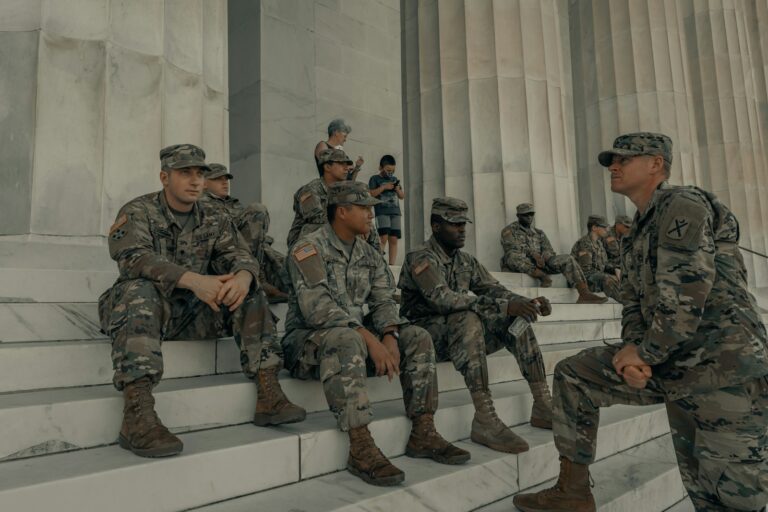
A sudden wave of National Guard troops has appeared in Washington, D.C. The Trump administration sent them to help curb rising crime. Yet tour guide Elijah Edwards says this deployment feels more like a staged event than a safety mission. He argues that clustering troops around the National Mall creates a new photo opportunity for visitors. Meanwhile, crime-hot spots remain largely untouched.

A Tour Guide Speaks Out

Elijah Edwards led tours of the Capitol and the White House for years. He never felt unsafe guiding groups, even after dark. But now he sees soldiers in camouflage under our iconic monuments. In a letter to the Washington Post, Edwards called this spectacle “fitting.” He pointed out that federal agents and National Guard troops stand guard where crime rates are lowest. To him, that proves the mission is not about safety.

Why National Guard Troops Are Shown Off at DC Monuments

Even before this operation, the National Mall ranked among the city’s most secure spots. Over 350 U.S. Park Police officers already patrolled its grounds. Yet the new federal response placed National Guard troops right next to these existing forces. Consequently, visitors now find tanks and soldiers in their souvenir photos. This push for visibility suggests the move serves more for show than for protection. It begs the question: whom are they really protecting?

Tourists and Residents React

For many tourists, spotting National Guard troops adds a thrill to their trip. They line up to snap selfies in front of camouflaged trucks. On the other hand, local residents see a very different picture. “It’s an affront,” Edwards writes. They feel as if their city has been occupied on a whim. A blockwalk that once felt safe now carries a stifling tension. Instead of feeling pride, residents feel watched and mistrusted.

Impact on Local Safety and Freedom

Edwards warns that National Guard troops have a narrow focus. They are not here to patrol crime-heavy neighborhoods like Anacostia or Shaw. Rather, they are meant to suggest that all of D.C. needs protection from its own citizens. In turn, this kind of federal takeover erodes public trust. It sends a message that a president can deploy troops on a simple political impulse. The more we accept soldiers as part of our street scene, the more we weaken our civil liberties.

Beyond the Monuments: Traffic Stops and Minor Infractions

Moreover, federal agents have begun targeting minor traffic violations. Drivers face stops and citations for small infractions. Some residents say this new enforcement feels arbitrary and unfair. It adds stress to everyday life in the city. Instead of focusing on real crime issues, these agents patrol speeders and broken brake lights. This shift in priorities raises questions about the true aim of the operation.

A Broader Political Backdrop

On the same day as Edwards’s letter, a CNN analyst criticized GOP-led states for sending troops to the capital. Those critics pointed out that places like St. Louis and Chicago have higher crime rates. Yet they did not send National Guard troops to help there. This political theater highlights uneven approaches to public safety. The federalization of D.C. law enforcement reveals power plays at a national level. It also shows how public opinion can be swayed by visible troops, not by real crime reduction.

What Comes Next for DC?

Time will tell how long National Guard troops will remain on D.C. streets. Residents worry that this deployment could set a lasting precedent. If one president can occupy parts of a city, what stops others from doing the same? Local leaders are already calling for a swift end to the federal takeover. They want control returned to the D.C. Metropolitan Police. Otherwise, the presence of these troops may become the new normal.

In the meantime, tour guides like Edwards will keep pointing out the irony. Visitors may leave with photos of soldiers under historic monuments. But locals will carry a heavier memory. They will remember that their city can be occupied for the sake of a photo op. And they will wonder how fragile their freedoms truly are.

Frequently Asked Questions

What is the main reason National Guard troops were sent to D.C.?

The administration says they came to help address crime, but many locals view it as a political display.

Why are most National Guard troops stationed at the National Mall?

They appear where monuments draw crowds, not in neighborhoods with higher crime rates.

How do residents feel about the federal takeover of police duties?

Many feel uneasy and see it as an unnecessary show of force rather than genuine protection.

Could this deployment set a precedent for future presidential decisions?

Critics worry it could allow any president to use troops to control city streets for political gain.

Did the Ghislaine Maxwell Interview Reveal Trump Praise?

Key takeaways:

  • In the Ghislaine Maxwell interview, Maxwell referenced Trump 22 times.
  • She said she could not recall many details due to her jail time.
  • Maxwell denied Jeffrey Epstein’s suicide and blamed prison violence.
  • She praised Trump as a gentleman and admired his rise to the presidency.
  • Maxwell described Epstein’s leather-bound birthday book but forgot many specifics.
  • She recalled meeting Elon Musk at a private event for Sergey Brin.

Highlights from the Ghislaine Maxwell Interview

The Justice Department released a two-day transcript of Ghislaine Maxwell’s interview. In the Ghislaine Maxwell interview, she faced questions about Jeffrey Epstein, Donald Trump and more. The transcript reveals she mentioned Trump 22 times. Here are five standout quotes and moments.

Maxwell’s Memory Lapses

First, Maxwell often replied, “I don’t recall.” When asked if Mar-a-Lago spa staff gave private massages to Epstein, she paused and said her memory failed. She explained she spent almost two years in solitary confinement in Brooklyn. Guards woke her every 15 minutes. Therefore, she said, her memory suffered greatly. Despite this, she admitted some events might have happened. Yet, she could not confirm any specifics about the spa or related claims.

Doubts Over Epstein’s Death

Next, Maxwell spoke about Epstein’s final hours. She declared she does not believe he died by suicide. Agents then asked if she suspected anyone of killing him. She offered no names. Instead, she described prison dangers. Maxwell explained that prisoners could kill or hire other inmates for $25 of commissary credit. She claimed that was the going rate for a hit. This shocking detail fueled her doubts about the official story of Epstein’s death.

Unexpected Praise for Trump

Also, Maxwell shared warm words about Donald Trump. In the Ghislaine Maxwell interview, she said her father liked Trump and his wife. She added they shared Czechoslovakian roots. Maxwell said Trump treated her with kindness at social events. She admired his achievement in becoming president. She even called him a gentleman. “He was never inappropriate,” she told agents. When asked whether she saw any misconduct, Maxwell replied she never witnessed such behavior.

The Elusive Birthday Book

Maxwell discussed Epstein’s famed birthday book. She recalled its leather binding and large size—over a foot tall. Agents asked if she wrote a letter for it. She could not remember clearly. She guessed someone else might have handled the invitations. Maxwell placed the book behind Epstein’s desk on 71st Street. She noted prosecutors had some pages, but Trump’s letter wasn’t among them. She said few letters survived the discovery phase. She even forgot if the book included a nude drawing.

Meeting Elon Musk

Meanwhile, Maxwell described meeting Elon Musk. She said they met around 2010 or 2011 at a birthday party for Google co-founder Sergey Brin. Epstein did not attend. Maxwell and a small group spent three or four days on a friend’s private island. She guessed there were roughly 30 to 50 guests. She also remembered spotting Musk at the Oscars. Agents mentioned emails between Musk and Epstein. Maxwell said she saw those emails in the case records, but she could not confirm their content personally.

No Client List Found

Finally, Maxwell addressed the rumor of a so-called client list. She flatly denied the existence of any “black book.” She traced the story back to 2009 civil suits. A lawyer allegedly received notes from a former Epstein butler. That butler later faced unrelated gun charges. Maxwell said civil attorneys then misreported the notes as a detailed list. She insisted no formal client list ever existed. She blamed leaks and misinterpretations for the persistent myth.

Why the Ghislaine Maxwell Interview Matters

This transcript offers a rare window into Maxwell’s perspective. In the Ghislaine Maxwell interview, she distances Trump from Epstein’s crimes while challenging official narratives. She claims her memory suffered in jail, rejects the suicide story, and dismisses the idea of a client list. Her praise of Trump stands out against the other heated topics.

Her answers show how she manages what she recalls and what she denies. As Maxwell’s case continues, these quotes may play key roles in her defense. Overall, the Ghislaine Maxwell interview provides fresh insight into her version of events and her ties to powerful figures.

FAQs

What did Maxwell say about Trump?

She called Trump cordial, kind and a gentleman. She admired his rise to the presidency and said she never saw misconduct.

Did Maxwell believe Epstein killed himself?

No. Maxwell said she doubts he died by suicide. She pointed to prison violence and inmate hits as possible causes.

What is Epstein’s birthday book?

It’s a large, leather-bound volume of birthday greetings. Maxwell recalled its size and cover but forgot many details.

Did Maxwell confirm a client list?

No. Maxwell denied any list existed. She traced the rumor to a 2009 civil lawyer’s notes and called it a myth.

Could Trump Order a Federal Takeover of D.C.?

0

Key Takeaways:

  • George Conway warns that Trump’s push for total control of D.C. policing could let him stay in power.
    • President Trump declared a “crime emergency” and sent thousands of federal agents to Washington.
    • He threatened a “complete and total federal takeover” if Mayor Bowser didn’t change crime figures.
    • Critics say no real emergency existed and call this a dangerous power grab.
    • Experts worry this move could set a model for future overreach in other cities.

In late August, President Trump claimed a crime wave in the capital city and ordered a “complete and total federal takeover.” He placed the city’s police under federal control and sent National Guard troops alongside FBI, ATF, DEA, DHS, and ICE agents into neighborhoods. Many residents saw no crime spike. Meanwhile, conservative lawyer George Conway warned this power grab could mean Trump never gives up the White House.

How a Federal Takeover Threat Unfolded

On August 11, the president declared a “crime emergency” in Washington, D.C. He said local leaders failed to keep the city safe. However, crime data showed little change over previous weeks. Despite that, Trump used his authority to take over the Metropolitan Police Department. Federal agents began patrolling blocks normally covered by local officers.

Hours later, Trump sent a late-night warning to Mayor Muriel Bowser. He accused her of spreading “false and highly inaccurate crime figures.” Then he added, “bad things will happen, including a complete and total federal takeover of the city!” Many critics called this an empty threat. Yet the actions already matched the threat’s tone.

George Conway, a well-known conservative attorney, reacted with alarm. Speaking to MeidasTouch News, he said Trump wants “complete control” of anything he deems important. He pointed to January 6, when Trump did not call up the National Guard to defend the Capitol. Conway asked: What if Trump had that full control then? He could have blocked reinforcement and stayed in office.

Why a Federal Takeover Matters

A federal takeover of city policing could shift the balance of power in America. Typically, city councils or mayors oversee local police. They hold officers accountable to residents. Under a federal takeover, the president could decide patrol patterns, arrest policies, and crowd control tactics. Moreover, this move could last weeks or months, not just a single night.

Local leaders have little recourse when federal agents move in. They cannot order those agents to leave. Courts can challenge federal overreach, but that process takes time. Meanwhile, residents face officers who answer to a distant leader, not their community. This risks eroding trust between police and the people they serve.

Public reaction in D.C. was swift. Neighborhood groups protested the sudden change. They chanted for local control and criticized the presence of armed federal agents. Some gave eyewitness accounts of heavy-handed tactics. Others spoke about feeling unsafe under unfamiliar uniforms. These voices show why a federal takeover matters to everyday citizens.

What Could Happen Next with a Federal Takeover

Some experts fear Washington’s example could spread. They warn other cities may face the same threat if they clash with the president or his political allies. Republican governors might support federal takeover requests in cities run by Democrats. Critics call this a blueprint for political interference in local affairs.

Constitutional scholars also weigh in. They point out that the Constitution grants limited emergency powers to the president. Those powers must align with clear legal standards. Yet when the president claims an undefined “crime emergency,” those lines blur. If courts allow broad interpretation, future presidents could exploit the same tactic.

Journalists joined the warnings. Writer Wajahat Ali argued that Trump will not leave office peacefully if he controls the capital’s forces. He cautioned that Republicans seem ready to back martial law to keep power. In addition, Trump’s suggestion to secretly join D.C. police on patrol raised more questions. Could he use that moment to direct arrests or suppress dissent?

What You Need to Know

This federal takeover fight highlights how power can shift quickly. It reminds us that emergency powers are tools meant for real crises. When misused, they can threaten democracy itself. Citizens should watch legal battles and speak out if they see power grabs. Engaging with local leaders and seeking clear answers can help protect community rights.

In the end, the debate over a federal takeover of Washington, D.C. goes beyond one city. It addresses how America balances safety with freedom. It tests whether we trust local oversight or risk letting any president bypass voters. The outcome could shape the next election and the future of local governance.

Frequently Asked Questions

What does a federal takeover of police mean?

It means federal agencies or the president control local officers. They set policies and patrols instead of city leaders.

Why did Trump call it a crime emergency?

He claimed rising crime threatened public safety. Critics say crime data did not support his claim.

Can a court stop a federal takeover?

Yes. Courts can rule that the president overstepped legal bounds. Still, legal action can be slow.

How can residents oppose a federal takeover?

They can contact elected officials, join community meetings, and support lawsuits that restore local control.

What’s Behind the Pentagon Firing of Lt. Gen. Kruse?

0

Key takeaways

  • The Pentagon firing of Lt. Gen. Jeffrey Kruse stunned the intelligence community.
  • Kruse led the Defense Intelligence Agency and reviewed Iran nuclear site damage.
  • His report found severe damage but no total destruction, clashing with Trump’s claim of “obliteration.”
  • This firing follows other top military removals, raising alarm about politicized intelligence.
  • Critics warn that treating intelligence as a loyalty test harms U.S. security.

On Friday, the Pentagon fired Air Force Lt. Gen. Jeffrey Kruse, who led the Defense Intelligence Agency. Yet the Pentagon offered no clear explanation. It refused to say whether he was forced out or why. This sudden Pentagon firing shocked many in the military and intelligence world. It also sparked tough questions about the health of U.S. national security.

Why the Pentagon Firing Shocked Many

First, Kruse built his career on fair, nonpartisan work. He joined the Air Force decades ago and rose through the ranks. Along the way, he earned praise for honest, fact-based analysis. Moreover, he led the DIA during a time of rising cyber threats and global tensions. His sudden ouster led colleagues to worry: if a trusted general can be fired so abruptly, who is safe?

Second, Lt. Gen. Kruse oversaw a critical report on Iran’s nuclear sites after U.S. airstrikes. The report found that the sites suffered heavy damage but were not “obliterated.” That word came from former president Trump in a public statement. He claimed the bombing “destroyed everything.” However, Kruse’s team said that was not true. The clash between facts and politics put Kruse in the crosshairs.

Third, this Pentagon firing follows a string of similar moves. Just months ago, the president removed Air Force Gen. C.Q. Brown Jr. as chairman of the Joint Chiefs of Staff. Then in April, the head of the National Security Agency, Gen. Timothy Haugh, was dismissed. Even a senior NATO commander, Vice Adm. Shoshana Chatfield, lost her post. Taken together, these actions signal a trend of replacing leaders who offer unwelcome facts.

What Led to the Pentagon Firing?

Many observers believe Kruse’s report on Iran upset the administration. By contradicting the president’s public claim, the intelligence report challenged the official narrative. As a result, Kruse may have fallen out of favor. In fact, the Pentagon issued a one-sentence announcement about the firing. It gave no reason and refused to take questions, fueling more speculation.

At the same time, the firing mirrored other moves against fact-based agencies. The White House also fired the director of the Bureau of Labor Statistics in June. The president said the jobs data was “wrong,” even though the BLS follows strict procedures. Critics saw a pattern: top officials who present accurate but inconvenient findings get removed.

Moreover, the Defense Secretary, Pete Hegseth, has shown a willingness to let military leaders go. In June, Hegseth publicly scolded reporters for questioning Trump’s “obliteration” claim. He said the press was undermining national security. Two months later, Hegseth approved the Pentagon firing of Kruse without explanation. This sequence suggests a link between criticizing political statements and losing one’s job.

Fallout of the Pentagon Firing

The Pentagon firing sent shockwaves through intelligence ranks. Analysts now worry that sharing bad news could cost them their careers. When officers fear removal, they may self-censor or exaggerate threats to please leaders. Such behavior undermines honest analysis and may leave the country blind to real dangers.

Allied nations also took notice. They rely on open, reliable data from U.S. agencies. If they see top officials sacked for delivering facts, they may hesitate to share sensitive information. Trust is the currency of intelligence cooperation. Eroding that trust could weaken global security networks.

At home, Congress reacted swiftly. Senate Intelligence Committee leaders called for hearings to probe the firing. Senator Mark Warner, the panel’s top Democrat, said this Pentagon firing shows a “dangerous habit” of using intelligence as a loyalty test. He demanded that defense officials explain their decisions in public sessions.

Meanwhile, civilian staff at the DIA expressed alarm. They fear that the agency will face political pressure on future reports. Several veteran analysts are asking whether they should stay or seek work in the private sector. Losing experienced minds could leave the DIA less prepared for emerging threats.

What Leaders Say About the Pentagon Firing

Senator Mark Warner blasted the removal, noting Kruse’s long record of nonpartisan service. He warned that sidelining honest analysts turns intelligence into a political tool. “We must protect our analysts so they can deliver the unvarnished truth,” Warner said.

On the other side, Secretary Hegseth defended recent firings as part of broader personnel changes. He said leaders must align with policy priorities. Yet he repeatedly refused to detail why Kruse departed. His silence only raised more questions about the real motive behind the Pentagon firing.

Other lawmakers joined Warner in calling for transparency. They argued that removing senior officers without Senate approval or explanation undermines the checks and balances within the defense establishment. Some proposals would require congressional sign-off for high-level dismissals.

Experts Worry About the Pentagon Firing’s Impact

Intelligence professionals warn that politicizing intelligence harms national security. When analysts fear punishment, they may tailor reports to fit a preferred narrative. This groupthink can leave policymakers without accurate data. In a crisis, flawed or incomplete intelligence can lead to dangerous decisions.

Moreover, morale within intelligence agencies is at risk. Top talent may leave for private-sector firms or allied agencies where facts matter more than politics. This brain drain could shrink the pool of experts who track threats like cyber warfare, terrorism, and weapons proliferation.

Analysts also point out that constant turnover in leadership disrupts long-term planning. New directors often overhaul strategies and programs, only to be replaced soon after. This cycle wastes time, money, and effort. In an era of great power competition, stable leadership is vital to outpace rival nations.

Finally, the pattern of firings sends a message to junior officers and analysts. It suggests that career advancement depends more on political loyalty than on good judgment. Such an environment can chill free inquiry and honest debate, which are the lifeblood of intelligence work.

What Comes Next?

In the coming weeks, the Pentagon will name a new DIA director to replace Kruse. That person faces a tough task: rebuilding trust within the agency and reassuring analysts that truth remains valued. They must also navigate a fraught relationship with political leaders who may seek more control over intelligence products.

Congress, for its part, may craft new rules. Lawmakers are debating measures to require Senate confirmation for firings of certain military and civilian defense officials. They also consider boosting whistleblower protections for senior officers who report wrongdoing or political interference.

The public has a role too. Citizens can press lawmakers and the Pentagon for transparency. A well-informed public can demand accountability and ensure that national security rests on facts, not on loyalty tests.

Conclusion

The Pentagon firing of Lt. Gen. Jeffrey Kruse marks a worrying trend of sidelining senior security officials who deliver unwelcome truths. This pattern risks turning intelligence into a political loyalty test. It discourages honest reporting, weakens morale, and undermines global partnerships. To safeguard U.S. security, Congress, defense leaders, and the public must seek clear explanations and build strong protections for nonpartisan intelligence work.

Frequently Asked Questions

Why did the Pentagon fire Lt. Gen. Jeffrey Kruse?

The Pentagon announced the firing without giving details. Many believe it followed a report that contradicted a political claim on Iran’s nuclear sites.

Who will lead the Defense Intelligence Agency next?

The Pentagon will soon announce a new director. In the meantime, an acting leader oversees the agency’s work.

Could more senior officers face similar firings?

Several recent removals suggest the trend may continue. Analysts worry that any report conflicting with official statements could trigger another Pentagon firing.

How can Congress respond to protect intelligence integrity?

Lawmakers are exploring rules that require Senate approval for high-level dismissals. They also propose stronger whistleblower protections for defense analysts.

Is Gerrymandering Spiraling Out of Control?

0

Key Takeaways

  • Gerrymandering is when politicians draw voting maps to win more seats.
  • Texas and California are racing to reshape their districts for party gain.
  • Courts can strike down unfair maps, but federal limits make change hard.
  • Independent commissions help, yet they may not stop map wars.
  • A national fix seems unlikely without big political shifts.

What Is Gerrymandering?

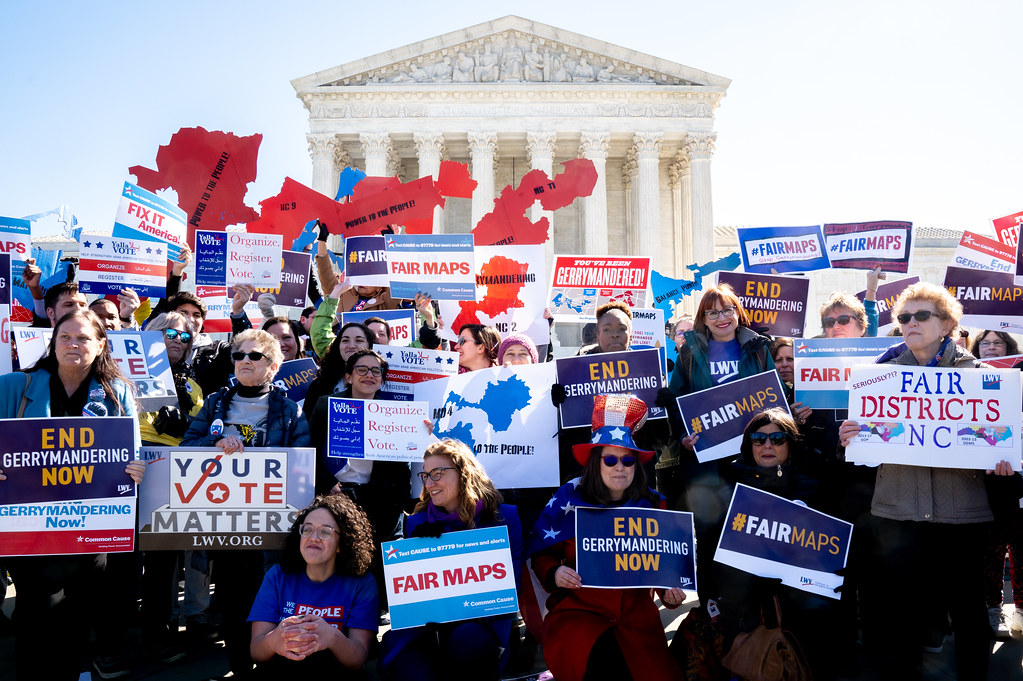
Gerrymandering is the act of drawing voting districts to help one party win. Originally, leaders redrew maps every ten years after the census. Today, they redraw maps almost constantly. They do this to protect current power or grab new seats. Polls show people dislike it because it feels unfair. Yet states keep racing to outdo each other.

Redistricting Wars Heat Up

After the 2021 census, Texas Republicans drew new maps to boost their seats. They aimed to flip five Democratic districts to Republican ones. Now, California’s Democratic governor plans to redraw his state’s map. He wants to win back five seats to offset Texas gains. The California legislature approved his plan on August 21. Then governor Newsom signed it the same day. Voters will decide in a special election on November 4, 2025. Newsom says this move is temporary. He promises to return to an independent system by 2031.

How Gerrymandering Works

Politicians often use fancy computer tools to pick the best lines. They look at past voting trends, census data, and party loyalties. Then they group or split neighborhoods to create “safe” seats. Such districts might snake around highways or link distant areas. This ensures one party has an edge. For example, a lawmaker might place many opposing voters into one district. That makes other districts safer for their own party.

Why Courts and Commissions Struggle

Some states have strict rules for map drawing. They limit how many lines can split cities or require compact shapes. But crafty politicians find workarounds. In North Carolina, lawmakers avoided limits by making secret “concept maps.” Software like Dave’s Redistricting lets anyone draw maps online. Thus, it is hard to block unofficial plans from influencing lawmakers.

Courts can step in when maps violate voting rights or race laws. State courts sometimes overturn extreme gerrymanders. Yet the U.S. Supreme Court ruled in 2019 that it won’t handle partisan gerrymandering claims. Now, these battles must play out in state courts. That slows change and leaves many unfair maps in place.

Independent Commissions in Action

A growing number of states use independent commissions to draw maps. Experts say these commissions create fairer and more competitive districts. Residents also like this idea. Many say they trust a neutral group more than elected officials. However, California’s recent move shows this can fail. Even a state with a commission can switch back to partisan maps under political pressure.

Towards a National Solution

Some experts argue that only national reform can stop map wars. One idea is to use proportional representation. In that system, parties get seats based on the percentage of votes they win. Yet changing the U.S. system so drastically seems near impossible. Another idea is a federal ban on gerrymandering. However, Congress would need supermajority votes to pass such a law. The people who benefit from the current system must agree to give it up. That makes reform unlikely.

What Happens Next?

As more states watch Texas and California, they may follow suit. Republicans in Indiana, Missouri, and South Carolina have signaled they might draw new maps. Democrats in Illinois and New York are also considering it. Thus, the national map war could intensify. Unless leaders choose bold reforms, gerrymandering will remain a feature of American politics. This means voters may feel their choices matter less. It also means elected officials might focus more on drawing districts than solving real problems.

Ending the Map War

While better rules, courts, and commissions can help, they are not a full cure. Only a national change in how we choose lawmakers can truly end gerrymandering. Yet the odds for sweeping reform are slim. Therefore, voters should stay informed and hold officials accountable. They can push for transparency and support groups that monitor map drawing. Ultimately, citizens must demand fair maps, or the arms race will only grow.

FAQs

Why does gerrymandering matter?

Gerrymandering affects who wins elections. It can reduce competition and make politicians less responsive to voters.

Can courts stop unfair maps?

State courts have struck down some maps. Yet the Supreme Court won’t hear partisan gerrymandering cases, making federal fights harder.

Do independent commissions work?

Yes. Commissions tend to create fairer and more competitive districts. Still, political pressure can undo their work.

Is there hope for nationwide reform?

Major changes like proportional representation or a federal ban face huge political hurdles. True reform would require lawmakers to give up power they now hold.

Is Trump Losing Support Over Epstein Files?

0

Key Takeaways:

• Nearly 75% of Americans know about the Epstein files, and 70% say Trump handled them poorly.
• Almost half of Trump’s 2024 voters disapprove of his approach to the Epstein files.
• Within that group, 28% now disapprove of Trump as president.
• One in four Trump voters who disliked his handling of the Epstein files say they would change their vote if they could.

Epstein Files and Public Reaction

Most people are hearing a lot about the Epstein files. In our recent survey, three in four Americans say they have seen or read news on the Epstein files. Moreover, seven in ten say the president did not handle the matter well. Even many Trump supporters feel he mishandled it.

Why the Epstein Files Matter

First, the files hold records about Jeffrey Epstein’s case and his ties to powerful figures. Second, they show how the justice system treated Epstein. Finally, the files remind people of the victims and their stories. Because of these reasons, the issue draws heavy attention.

Americans worry about fairness in high-profile cases. Consequently, they watch every update on the Epstein files. When a leader seems to ignore or mismanage such files, it reflects on his honesty and judgment. Thus, the handling of these records shapes public trust in Trump.

How Trump Voters Feel

Our poll shows cracks in Trump’s base. Among those who backed Trump in 2024, 47% disapprove of his handling of the Epstein files. This group is crucial because it usually stands firmly behind Trump. However, his decisions on these files have shaken their trust.

Furthermore, 28% of those same voters now disapprove of Trump as president. This is a striking change since most core supporters rarely turn against him. Moreover, 26% say they would not vote for Trump again if they got another chance. Such regret can lower voter turnout and hurt party unity.

In fact, when we control for age, race, party, and views on the economy, these disapprovals still show a clear link. Voters upset over the Epstein files tend to view Trump more negatively overall. This means the files controversy does more than spark talk—it shifts opinions on his leadership.

Potential Impact on Future Elections

Even a small share of voters changing their mind can sway close races. If just a few percentage points in swing districts skip voting or switch sides, it could tip the balance. Therefore, the Epstein files issue could matter for midterm contests in 2026.

Moreover, lower enthusiasm among disaffected Trump backers may reduce campaign donations, volunteer efforts, and turnout. In tight areas, every vote counts. Thus, Republicans face risk if they neglect these shaken supporters.

Campaign strategists know that base energy matters. When core voters feel betrayed or let down, they may protest by staying home. Consequently, races that appear safe could become competitive. Hence, the Epstein files fallout might deliver real political consequences.

Will the Epstein Files Affect 2026?

At this point, the Epstein files remain front-and-center. However, many things can change before the next election. New news cycles, policy wins, or other controversies could shift focus. Even so, Trump still needs to address the files issue to mend trust with his base.

If he offers clear explanations or transparent steps, he might win some back. On the other hand, ignoring critics could deepen the divide. Either way, the controversy has staying power, and leaders must respond to maintain support.

From a strategic view, the Epstein files fallout shows how legal scandals can shake voter loyalty. It also highlights the importance of clear communication when handling sensitive documents. As campaigns gear up for 2026, they may watch this case as a warning.

FAQs

How many Americans say they know about the Epstein files?

About three in four adults report they have heard, read, or seen information on the Epstein files.

Why do so many think Trump mishandled the files?

Seventy percent of respondents believe he did not handle the matter well, citing lack of transparency and clarity.

Can the Epstein files really change election outcomes?

Even small shifts in voter turnout matter in close races. Disaffected supporters may skip voting or switch sides, affecting results.

What could Trump do to regain support over the Epstein files?

He could offer clear, straightforward explanations, share more details, or show steps to improve transparency. Such moves might rebuild trust.

Are Malthusian Limits Holding Us Back?

0

Key Takeaways:

  • Thomas Malthus warned that population grows faster than food supply.
  • His idea of Malthusian limits shows nature can cap human progress.
  • He pushed for practical reforms, not ruthless control of the poor.
  • Today’s climate and resource crises echo his warnings.
  • Rethinking Malthus helps us plan for a sustainable future.

What Are Malthusian Limits?

Malthusian limits refer to nature’s rules on how much we can grow. Thomas Malthus noted that people multiply faster than food. He saw population rise in the American Colonies and Britain’s food shortages. Hence, he argued that growth would hit a hard ceiling. To him, this ceiling meant more hunger, disease, and conflict.

Why Did Malthus Worry About Population Growth?

Back in 1798, Britain saw bread riots and hunger. Between 1760 and 1790, the population jumped by almost half. Yet farms could not keep up. Malthus used simple math to show population could double every 25 years. Meanwhile, crops rose more slowly. He believed this mismatch would bring serious trouble.

How Malthus Challenged Unlimited Progress

Many thinkers of his day thought progress never ends. William Godwin, a friend-turned-rival, dreamed of a perfect world without war or disease. He believed reason alone would solve all problems. However, Malthus saw history as cycles of rise and fall. He pointed out that nature has strict limits. Malthusian limits reminded leaders to set realistic goals.

Malthus Was No Villain

Often, people say Malthus wanted the poor to stay poor. They call him heartless because he spoke of “positive checks” like famine and disease. But Malthus also asked for “preventative checks,” like moral restraint and family planning. He backed free education, extending voting rights, ending slavery, and medical care for the needy. He sought fair solutions, not cruel ones.

Malthus’s Mixed Legacy

Over two centuries, humans proved more inventive than Malthus expected. We grew from 800 million to over 8 billion people. Technology boosted crops and health care. Yet even now, we face new Malthusian limits. Climate change, land loss, water shortages, and loss of biodiversity show nature’s pushback.

Malthus’s Ideas in Today’s World

Right now, scientists warn we have broken six of nine safety rules for Earth. We strain the air, water, soil, and climate. Global warming may flood coasts and worsen droughts. It may ruin farms, triggering food shortages and unrest. Malthusian limits remind us we can’t ignore nature’s boundaries.

Learning From Malthus for a Sustainable Future

First, we need honesty about our resources. Next, we must value family planning and education. Also, we should invest in renewable energy and better farming. Additionally, we must protect forests and oceans. Finally, we need smart policies that balance growth with limits. Malthus taught us to plan rather than plead for infinite growth.

Why Revisiting Malthus Matters

Malthusian limits often seem pessimistic. Yet they help us prepare for real risks. If we deny these limits, we may find ourselves in crises we could have avoided. By learning from Malthus, we can shape progress that lasts.

FAQs

How did Malthus define natural limits?

He saw that population grows faster than food and resources. He said nature sets a ceiling on growth.

Was Malthus against helping the poor?

No. He supported education, health care, and fair laws to help families plan and thrive.

Can technology beat Malthusian limits?

Technology can push back limits for a while. Yet it cannot ignore Earth’s basic rules forever.

What can we do today to respect Malthusian limits?

We can use clean energy, improve farming, protect ecosystems, and plan population growth.