55.9 F
San Francisco
Saturday, April 11, 2026
Home Blog Page 596

Can Democrats Fight Back Like Trump?

0

Key takeaways

• A GOP strategist says Democrats fight back using Trump’s own tactics.
• Zohran Mamdani’s TikTok campaign reshaped New York politics.
• Gavin Newsom trolls Trump with memes, all-caps posts and nicknames.
• The attention economy rewards bold, frequent messages over quiet propriety.
• Experts warn that quality and quantity must align for political success.

Democrats Fight Back With Bold Moves

A well-known conservative strategist says Democrats fight back by copying Donald Trump. Mike Madrid led GOP efforts in California and then co-founded an anti-Trump Republican group. Now he praises Democrats for embracing Trump’s loud style. He even admits he hates the phrase “fight fire with fire.” However, he argues this new energy helps Democrats capture attention.

Madrid points out two rising stars as proof. One is Zohran Mamdani, a young New York candidate. The other is California Governor Gavin Newsom. Their approaches show how Democrats fight back in modern media. They mix memes, nicknames and bold online stunts. As a result, they cut through noise and win eyeballs.

Why Democrats Fight Back Matters Now

In today’s social landscape, being right alone does not win votes. You must be seen. Madrid says quantity of messages now beats quality. Yet, when a candidate has both, they can become an internet sensation. Trump was first to master this dynamic. Still, Madrid believes Democrats can capitalize better in the long run.

Meanwhile, party insiders note that Gen Z staffers drive many of these tactics. They understand platforms like TikTok, Instagram and Twitter. Therefore, they craft catchy videos and all-caps posts. They even give rivals funny nicknames. These moves feel authentic to younger audiences. In short, Democrats fight back with playful aggression.

How Zohran Mamdani Shows Democrats Fight Back

Earlier this summer, few had heard of Zohran Mamdani. Polls showed him in single digits. Then he launched a TikTok campaign. He spoke directly to young voters in short, honest videos. He highlighted his own story and made jokes about political dynasties. Those clips went viral.

Suddenly, his support jumped. He won the Democratic mayoral primary by 12 points. He beat Andrew Cuomo’s old machine. More importantly, he rewrote the playbook. Now, other Democrats watch how his viral clips shape debates. Indeed, they see how Democrats fight back by speaking the language of the internet.

As a result, other local candidates mimic Mamdani’s style. They post memes of themselves. They hold live streams instead of big events. They focus on shareable moments rather than long speeches. These tactics lower costs and boost engagement. In this sense, Democrats fight back by being lean and nimble.

Gavin Newsom Joins Democrats Fight Back Trend

On the West Coast, Governor Gavin Newsom took notes. He went beyond policy speeches. He started using Trump-style antics on social media. He wrote in ALL-CAPS, coined silly nicknames, and posted edgy memes. Yet, his material came from Gen Z aides who know what works.

For example, Newsom called a rival president “Sleepy Joe” to mock his speeches. He shared dancing dog clips with captions about policy. He even challenged national leaders in playful polls. These posts broke the internet. They earned coverage in outlets that normally ignore state politics.

Moreover, Newsom balanced humor with substance. He used witty posts to drive viewers toward news releases. He followed every meme with a clear policy outline. Thus, he proved that Democrats fight back not just with jokes, but with real ideas.

The Role of Authenticity and Speed

Authenticity beats propriety in the attention economy. That’s Madrid’s key point. When candidates speak off-the-cuff, they feel real. Voters crave that. They trust a candid laugh more than a studio speech. However, authenticity must come fast. In politics, delays kill momentum. A slow response to a viral moment means you miss it.

Consequently, many Democrats are building rapid-response teams. They monitor trending topics and post within minutes. They keep messages short and visual. They accept occasional mistakes to stay quick. This shift shows how Democrats fight back by sacrificing control for speed.

Future of Democrats Fight Back Strategy

If this trend continues, Democratic campaigns will look different. Campaign HQs might hire more social media experts. They may run meme wars rather than traditional ads. They could even cut back on formal debates in favor of live streams.

Still, risks remain. Attackers can weaponize memes. A joke can backfire. Speed can lead to errors. Therefore, teams must balance boldness with fact-checking. They must craft authentic messages without spreading falsehoods.

Yet, Madrid believes Democrats have reached a turning point. He warns Trump may adapt again. Still, he notes that first adopters rarely capitalize fully. He trusts Democrats will refine these tactics and win bigger battles.

In short, Democrats fight back by:

• Embracing bold, meme-driven campaigns
• Using rapid-response social media teams
• Balancing humor with policy substance
• Leveraging Gen Z creativity for authenticity
• Measuring success by attention as much as votes

If they keep this up, they may outshine their opponents in the new media age.

What Makes This Approach Different?

Traditional campaigns focus on debates, mailers and paid TV ads. Now, anyone can start a viral trend. That levels the playing field. Even a small campaign can reach millions with the right clip. Moreover, young voters spend hours on apps. They don’t watch cable news. So campaigns must go where the audience is.

By contrast, old tactics require big budgets and slow timelines. They often miss the cultural pulse. Meanwhile, memes and TikToks capture moments instantly. Thus, Democrats fight back by meeting voters on their screens.

Key Takeaways for Other Campaigns

Beyond these two examples, local races can adapt. Small towns can use Instagram polls. Statewide efforts can produce behind-the-scenes videos. National campaigns can test new filters and live Q&A sessions.

Transitioning from late-night infomercials to instant memes feels risky. Yet, Madrid stresses that being right is no longer enough. You must be seen. That means stepping into the viral world. In doing so, he says, Democrats fight back on a playing field once dominated by Trump.

FAQs

How did Zohran Mamdani use TikTok to win?

He posted short, personal videos that connected with young voters. His candid style and humor made his clips shareable. These posts boosted his name recognition and poll numbers quickly.

Why are memes important in politics now?

Memes spread fast and feel relatable. They break down complex topics into simple ideas. Plus, social media platforms reward posts that get quick engagement, making memes a powerful tool.

Can bold social media tactics win big elections?

Yes, they can. Viral posts reach millions at low cost. However, success requires clear policy messages alongside humor. Authenticity and speed matter most.

Will Trump change his approach if Democrats fight back?

Likely. Politics is a constant chess game. If Democrats refine their meme strategy, Trump may innovate again. Both sides will keep evolving in the attention economy.
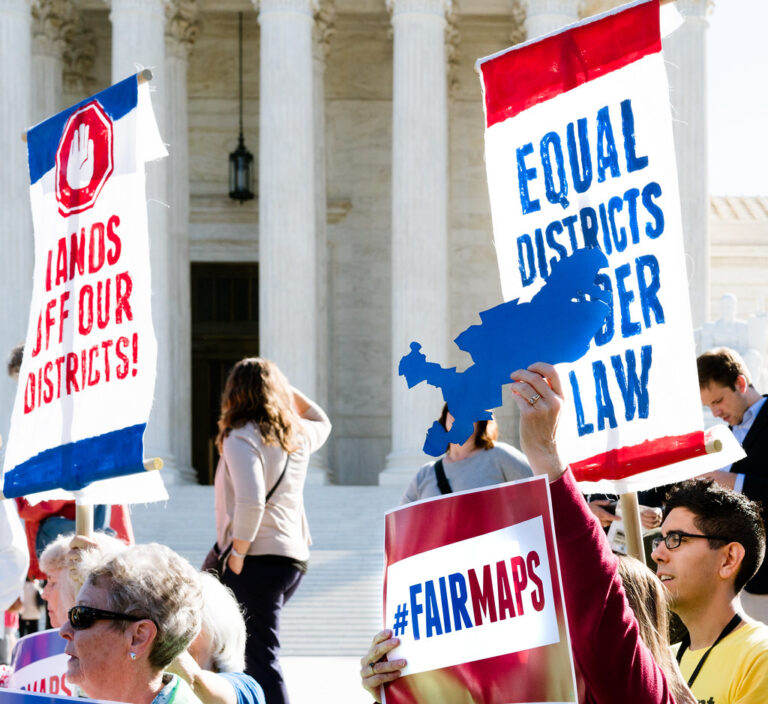
Will Gerrymandering Steal Our Future Elections?

0

Key Takeaways

  • Gerrymandering is the redrawing of voting maps to benefit one party.
  • Texas Republicans pushed a new map to boost their power in Congress.
  • Blue states can fight back by threatening their own map changes.
  • Voter rights and fair elections depend on public awareness and action.

Gerrymandering’s New Role in Texas Politics

Texas once elected a fiery progressive governor named Ann Richards. Now, Texas seems locked in a fight over voting maps instead of ideas. Recently, state leaders redrew congressional districts to give Republicans more seats. They called it a routine update. However, critics say it is gerrymandering—a way to shape districts for political gain.

State Representative Nicole Collier stayed in the House chamber overnight. She protested a rule forcing Democrats to use a police escort to leave. She argued that Republicans were treating her like an enemy. Many Texans spoke against the new map at public hearings. They said the redrawn lines ignore real communities and fair votes.

Ann Richards once urged Texans to embrace change and progress. Today’s map makers ignore that spirit. Instead, they twist district lines around rich suburbs and rural areas. By drawing weird shapes, they pack or split certain voters. This tactic shifts power away from Democrats and towards Republicans.

How Gerrymandering Works Against Voters

Gerrymandering starts after each census, when states redraw district borders. Ideally, maps reflect population shifts. Yet, in many states, the party in charge bends them in its favor. They either “pack” voters of the other side into a few districts or “crack” them across many. Both methods dilute opposing voices.

In Texas, the Republican governor and legislature moved boundaries to grab five extra seats. They ignored public testimony and stalled healthy debate. Then, they forced the new map through a quick vote. This map now heads to courts, where judges will decide its fate. Meanwhile, elections loom on the horizon.

Sadly, gerrymandering hurts everyone. It makes some votes worth more than others. It also discourages voters who feel their voices don’t matter. Thus, fewer people turn out on election day. That can give extreme candidates an advantage, since their supporters are often the most motivated.

Fighting Gerrymandering with Blue State Power

Other states can push back. California’s governor can promise to redraw maps if gerrymandering spreads. New York, Illinois, and other states could join. By matching red state changes seat for seat, blue states remove the incentive to cheat. Instead of a race to the bottom, states could hold a race to preserve fair elections.

Moreover, states can set up independent redistricting commissions. These groups use neutral rules rather than political goals. Commissions can limit map manipulations and insist on clear district shapes. They can also ensure that each community links with leaders who understand its needs.

If enough states vow to counter gerrymandering, it could spark a national shift. Politicians in gerrymandered states might think twice before bending maps. They would know that their gains would be offset by losses elsewhere. This kind of balance can help protect democracy.

Other Parts of Trump’s Plot

Gerrymandering is just one piece of a larger plan. First, there is the effort to end mail-in voting. Critics claim mail ballots are prone to fraud. Yet, experts say they are safe and efficient. Removing them would make voting harder for many people.

Second, the plan targets voting machines. The proposal calls machines “inaccurate” and “too costly.” Instead, it suggests a return to paper ballots. While paper ballots can work well, banning all machines would slow vote counts. It could also create new chances for error or tampering.

Third, there is talk of sending federal forces into big cities. These are mainly run by Democratic mayors. The goal seems to be to intimidate urban voters. Troops and federal agents could discourage people from voting in person. This tactic echoes past efforts to control minority votes.

What We Can Do to Save Fair Elections

We must act now. We can join local and national groups fighting gerrymandering and voting restrictions. We can support ballot measures to set up independent map makers. We can also lobby legislators to protect mail-in voting and maintain reliable voting machines.

Furthermore, we can spread the word. When friends and family know about these threats, they can push back. We can write letters, call our representatives, and attend town halls. Every voice counts when democracy is at risk.

Finally, we can hold officials accountable in the courts. Legal challenges have stopped unfair maps before. Courts have the power to demand new, fair maps. By funding and supporting these cases, we strengthen our defense of voting rights.

We owe it to ourselves and future generations to guard fair elections. Gerrymandering and other tactics threaten the core of democracy. But together, we can ensure every vote truly counts.

Frequent Questions

How does gerrymandering affect local community voices?

It splits or packs neighborhoods, making some voices too weak to influence elections.

Can state courts block unfair gerrymandered maps?

Yes. Judges can rule that maps violate constitutions and order new maps.

Are independent commissions common for redistricting?

A growing number of states use them to reduce political bias in map drawing.

What can I do if my state restricts mail-in voting?

You can join advocacy groups, call your lawmakers, and support legal challenges.

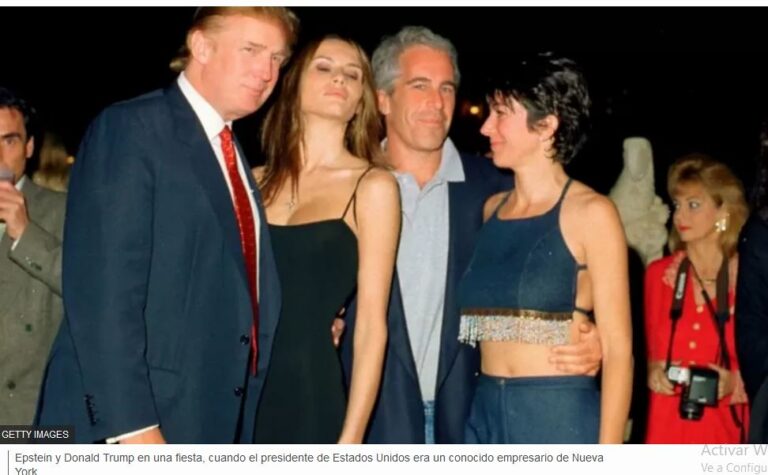
Has the Epstein Scandal Hurt Trump?

0

Key Takeaways:

  • A new poll shows most Americans think Trump mishandles the Epstein scandal.
  • Seventy percent say he is handling the Epstein scandal “not well.”
  • Almost half of 2024 Trump voters disapprove of his response to the Epstein scandal.
  • Twenty-eight percent of these voters now disapprove of Trump’s job as president.
  • Twenty-six percent of Trump’s 2024 voters regret their choice over the Epstein scandal.

How the Epstein scandal Worsened Trump’s Standing

A recent national poll from UMass Amherst finds that many Americans are watching the Epstein scandal closely. In fact, three in four people report they have seen “a lot” or “some” news about it. Moreover, seven in ten believe the president is “not handling the matter well.” Even among his most loyal supporters, large shares say he is fumbling this controversy.

When asked how Trump handles the Epstein scandal, forty-three percent of Republicans and conservatives say he does not do well. Also, forty-seven percent of those who voted for him in the last election disapprove of his actions. These figures reveal cracks in his core base.

What Trump Supporters Think of the Epstein scandal

Pollsters dug deeper into the views of the forty-seven percent of Trump’s voters who disapprove. They found that twenty-eight percent of this group now disapprove of Trump as president overall. In other words, negative reactions to the Epstein scandal have dented his general approval.

Furthermore, disapproval of his response to the Epstein scandal remains linked to overall unhappiness with Trump even when we account for age, income, race, party loyalty, and views on the economy. Therefore, the Epstein scandal has played an independent role in lowering his support.

Voter Regret and the Epstein scandal

Perhaps most striking, twenty-six percent of Trump’s 2024 voters who think he mishandled the Epstein scandal say they would choose a different candidate if they could rerun that election. While there is no real do-over, this level of buyer’s remorse among his own voters sends a strong message.

Indeed, these voters worry that Trump’s missteps on the Epstein scandal show weak leadership. As a result, they feel less sure about backing him again. Such regret could translate into lower turnout or switching to another candidate.

Possible Impact on Future Elections

With more than a year until the midterm races in November 2026, much could change. Yet the fallout from the Epstein scandal may linger. If Trump cannot satisfy his base on this issue, he could face a drop in enthusiasm.

In close contests, even a small dip in turnout among his faithful could tip the balance. Moreover, candidates who share his name or brand might struggle if voters feel betrayed. Therefore, the Epstein scandal could carry real consequences for future Republican chances.

A Path Forward for Trump

Trump now faces a choice: ignore the criticisms or address them head on. If he offers more transparency on the Epstein scandal, he might regain some trust. However, continuing to downplay concerns could deepen divisions. In any case, his next steps will matter greatly to his core voters.

Conclusion

The Epstein scandal remains a live issue for many Americans. Polls show that most believe Trump is handling the matter poorly. Importantly, his own voters report lower approval and regret. As the 2026 elections approach, these reactions could shape results. Ultimately, how Trump responds might decide whether he rebuilds his base or risks further losses.

FAQs

What did the poll reveal about public attention on the Epstein scandal?

Three in four Americans say they have heard “a lot” or “some” about the Epstein scandal. This shows high public interest.

How many Trump supporters disapprove of his handling of the Epstein scandal?

Forty-seven percent of Trump’s 2024 voters say he mishandles the Epstein scandal. This disapproval signals cracks in his base.

Could the Epstein scandal affect future elections?

Yes. Twenty-six percent of Trump’s voters regret their choice and might not vote again. Lower turnout could hurt close races.

What can Trump do to regain trust over the Epstein scandal?

He can offer more transparency and direct answers on the controversy. Clear steps might ease voter concerns.

Can California’s Redistricting Bluff Win?

0

Key takeaways:

  • California Democrats used a redistricting bluff to counter Texas.
  • The bluff aimed to scare off a Trump-backed map redraw.
  • Early doubts nearly killed the idea, but the act won unity.
  • Now the bluff could shape the 2026 midterms and beyond.

Can California’s Redistricting Bluff Win?

How the redistricting bluff started
When news broke that Texas might redraw its political maps mid-decade, California Democrats cooked up a plan. They whispered about hiring lawyers and experts to challenge Texas. The goal was simple: scare Republicans into backing off. This redistricting bluff began as little more than talk.

At first, Rep. Zoe Lofgren, chair of California’s 43-member Democratic group, asked a trusted data expert to run numbers. The expert said the plan looked absurd. It offered no guarantee of more blue seats. Instead, it risked breaking state rules and angering voters.

Yet, Democrats quietly kept the bluff alive. They leaked stories to the press and dropped hints at meetings. For weeks, Republicans wondered if California would really fight back. That worry slowed their plans. In fact, Republicans and their allies took the bluff seriously enough to pause.

Why this redistricting bluff matters

Redistricting controls which party wins more seats. If Texas had gained seats mid-decade, it could have tipped the balance in the U.S. House. California’s threat offered a rare chance to fight back. By dangling a counterattack, Democrats hoped to protect their safe seats without risking a legal war.

Moreover, this redistricting bluff showed how politics can be a game of fear and threats. Both sides knew that once one state began a mid-decade redraw, others could follow. That would open a Pandora’s box of map fights in swing states and safe seats alike.

Why Democrats tried the bluff

First, they wanted to defend their turf. California holds more congressional seats than any other state. Losing even one seat would weaken Democratic power nationally. Second, they needed a cheap scare tactic. Bluffs cost little but can yield big results if done right.

Also, key leaders believed the bluff could force Republicans to think twice. Lofgren said it seemed worth a try. “If the Texans and Trump thought they’d go through all of this and gain nothing, maybe they would stop,” she said. But Texas did not stop. Instead, Republicans doubled down on their plans.

When bluff turned into a real battle

As Republicans pressed on, California Democrats faced a choice. Should they drop the bluff or follow through? Governor Gavin Newsom and many lawmakers felt the pressure. They had teased a fight for weeks. Now, they had to decide if they were bluffing themselves.

In a dramatic shift, 87 of 90 Democrats voted to put new maps on the ballot. Assembly Speaker Robert Rivas said this unity came from a “California-under-siege mentality.” He added, “It’s Whac-a-mole. We’ve been playing defense. But we finally just threw up our hands and said, ‘We’ve got to flip the script.’”

Suddenly, what began as a redistricting bluff became a marquee political event. Both sides now view this battle as key to the 2026 midterms. If California voters approve new lines, Democrats could shore up districts that Trump allies wanted to flip.

Key figures react

Zoe Lofgren: “It was worth a bluff. But when they didn’t stop, we had to act.”

Gavin Newsom: Initially cautious, he later embraced the fight. The governor said California must stand up to Trump’s pressure.

Robert Rivas: He praised the show of unity. He stressed that Democrats now control their destiny in this war of lines.

What critics say

Some voices worry that the bluff set a dangerous precedent. They argue it undermines California’s independent redistricting panel. That panel was created to keep politics out of map drawing. Critics fear this breach could erode public trust.

Others say the move shows why mid-decade redistricting is risky. It can lead to endless court fights and voter confusion. Yet, supporters counter that the threat of unequal maps justifies any defense.

What comes next in the redistricting bluff fight

Now that California Democrats have put maps on the ballot, voters will decide. If the maps pass, they may lock in Democratic gains for years. Failure would leave the state open to Republican challenges.

Meanwhile, Texas Republicans aren’t backing down. They continue to explore legal options for a mid-decade redraw. Their success depends in part on whether courts allow such actions. However, thanks to the redistricting bluff, they know California will fight back.

Experts expect more states to watch this showdown closely. If California’s map passes, it could inspire other states to launch their own countermoves. Conversely, if courts block Texas, the idea of mid-decade redraws may be dampened nationwide.

Lessons from the redistricting bluff

First, in politics, even empty threats can change plans. A well-timed bluff can freeze actions and buy time. Second, unity matters. California Democrats only succeeded when they closed ranks behind a common threat. Finally, voters still hold the power. In the end, Californians will decide if this strategy becomes a lasting defense tool.

Transitioning from bluff to battle taught a key lesson: playbooks can shift fast. California went from soft talk to firm action in weeks. That pace underscores how high the stakes are in map wars. With two years until the next midterms, both parties will sharpen their tactics.

Final thoughts on the redistricting bluff

This fight over maps is more than lines on paper. It is a battle over who holds power in Washington. California’s bold bluff may deter opponents, but only if voters back the final maps. Otherwise, this gambit could go down as a missed chance.

Yet, even failed bluffs send messages. They warn rivals that you are willing to take big steps. For now, the redistricting bluff has shaped a national debate. As voters weigh their ballots, the real test of this strategy will unfold at the polls.

Frequently asked questions

What is a redistricting bluff?

A redistricting bluff is a threat to redraw political maps with the aim of scaring opponents. It relies on the fear of action rather than the action itself.

Why did California target Texas first?

Texas threatened a mid-decade map change at Trump’s request. California saw that move as a direct attack on Democratic power and decided to threaten a countermove.

Can a bluff stop Republican redistricting?

Sometimes. If the threat seems real enough, it can delay or halt plans. But if opponents call the bluff, they may push forward with their own plans.

What happens if California voters reject the new maps?

If voters reject the maps, California risks legal battles and weakened districts. Republicans might try to capitalize on the disorder.

Did the Blanche interview backfire on DOJ?

0

Key Takeaways:

• Former FBI supervisor Rob D’Amico said the Blanche interview looked unprofessional.
• Ghislaine Maxwell faced few challenges when she downplayed Trump’s ties to Epstein.
• Experts warn only case agents and lead prosecutors should conduct such interviews.
• Critics say the Blanche interview seemed aimed at helping Trump, not seeking truth.
• The controversy fuels doubts about the Justice Department’s fairness.

Why the Blanche interview raised ethics concerns

The Justice Department released audio and transcripts of Ghislaine Maxwell’s recent interview. In that interview, Maxwell downplayed her friendship with Jeffrey Epstein and said Donald Trump had little contact with him. Instead of a trained prosecutor, the government sent Todd Blanche, former Trump lawyer, to lead it. This move stunned Rob D’Amico, a retired FBI supervisor. He called the Blanche interview “dumbfounding” and questioned its motives and ethics.

Who is Todd Blanche and why it matters

Todd Blanche once defended Donald Trump in court. Now he is second in command at the Justice Department. In this role, he should act impartially. Yet, critics see him as too close to Trump. They worry the Blanche interview was not neutral. Instead, they say it felt like a friend helping a client. This view caused strong reactions among law enforcement experts.

What went wrong in the Blanche interview

When Maxwell spoke, Blanche rarely pushed back on her claims. He never challenged her with witness statements or hard evidence. D’Amico said, “Anytime a case agent and the lead prosecutor aren’t doing the interview, there’s a reason for it.” He pointed out that the Blanche interview left out crucial questions and allowed Maxwell to guide the narrative.
Moreover, Maxwell’s denials about Trump and Epstein went unchallenged. For example, she claimed she barely saw Epstein after 2002. No one on the government side asked for specifics or proof. Instead, Blanche offered follow-up prompts that seemed to steer her answers. This push-and-pull suggested the Blanche interview aimed to protect Maxwell’s story.

Ethical standards for high-profile interviews

Experts note that interviews with key witnesses must follow strict rules. Normally, a trained case agent or lead prosecutor leads the session. They use witness statements, documents, and evidence to test the interviewee’s claims. They also object when a witness lies or dodges questions. However, the Blanche interview lacked these elements.
In addition, active listening and follow-up questions are vital. If someone lies, the interviewer must stop, point out the lie, and present evidence. That did not happen. Instead, Blanche quietly moved on, giving Maxwell no reason to fear contradiction. As D’Amico said, “When she starts lying, we have all these witness statements.” Yet none appeared.

The political spin and its impact

Some view the Blanche interview as a political maneuver. They say it benefits two sides. First, it helps Maxwell avoid further scrutiny by the Justice Department. Second, it shields Trump from any direct link to Epstein or Maxwell. This dual effect worries critics. They argue the Blanche interview undermined a serious investigation and fueled partisan divisions.
Furthermore, the optics are troubling. The public saw a high-stakes interview led by a political figure, not a neutral professional. This image dents the Justice Department’s reputation. People now wonder if political loyalty trumps the search for truth.

What comes next after the Blanche interview

The backlash to the Blanche interview triggered calls for an internal review. Lawmakers and watchdogs may demand an explanation. They want to know why Blanche, not a prosecutor, led this session. They also seek clarity on the DOJ’s goals: Was it justice or damage control?
Meanwhile, Maxwell’s legal team may use the flawed interview to challenge evidence in future trials. They could argue that the Justice Department did not treat Maxwell fairly. This tactic could slow or derail other cases linked to Epstein.
On the other hand, the DOJ might tighten its rules. It could bar political appointees from interviewing sensitive witnesses. That move would restore confidence and prevent a repeat of the Blanche interview.

Lessons for future investigations

This episode teaches a clear lesson: never mix politics with prosecution. Investigations of high-profile figures must follow strict, transparent steps. They must rely on trained experts who can use evidence to test claims. Otherwise, the findings lose weight, and public trust erodes.
Moreover, interviewers should always press when someone lies. They should present witness statements or documents on the spot. This tactic forces honesty and shows the government seeks truth, not spin.

Looking ahead, the Justice Department faces a choice. It can defend the Blanche interview as a one-time mistake. Or it can admit errors, make reforms, and ensure fairness. The second path may cost short-term face. Yet it will protect the DOJ’s long-term credibility.

Frequently Asked Questions

Who is Todd Blanche?

Todd Blanche is the Deputy Attorney General at the Justice Department. He previously served as Donald Trump’s lawyer. Critics say his close ties to Trump made the interview with Maxwell look biased.

Why did the Justice Department release the Maxwell interview?

They released audio and transcripts to show transparency in the Epstein-Maxwell probe. However, the move backfired when experts criticized the interview’s quality and ethics.

What did Rob D’Amico mean by “dumbfounding”?

D’Amico, a retired FBI supervisor, used “dumbfounding” to describe his shock at how poorly the interview was conducted. He felt it lacked the challenge and rigor expected in such sessions.

Could this affect other Epstein-related cases?

Yes. If the Blanche interview is seen as biased, defense teams might question the DOJ’s motives and methods. They could file motions to exclude evidence or demand new interviews.

How can the DOJ prevent similar issues?

The department can enforce rules that only trained case agents and lead prosecutors conduct key interviews. It can also require on-the-spot evidence challenges to discourage false statements.

Can Trump Immunity Shield Violence?

0

Key Takeaways

• Former President Trump told federal agents to “do whatever the hell they want” on U.S. streets.
• Such orders to harm civilians break federal law and breach the Constitution.
• Soldiers and agents have a legal duty to refuse clearly unlawful commands.
• Supreme Court rulings do not protect a president from crimes outside official duties.
• Experts warn that armed extremists will feel emboldened by unchecked orders.

Trump immunity: Why it can’t cover assault orders

Last week, Donald Trump sent hundreds of masked agents and soldiers onto U.S. streets. He told them to “do whatever the hell they want.” This order targets immigrants, political opponents, and minority communities. At first glance, it looks like a show of force. In reality, it invites serious crimes. Citizens could face brutality or worse. Yet Trump may think he is safe under “Trump immunity.” That idea, however, fails legal and moral tests.

What “Trump immunity” really is

The Supreme Court recently said a president acts with presumptive immunity for official job duties. But a command to assault or kill civilians is not an official duty. Article II of the Constitution makes the president protector of the law. It does not allow him to break the law. Therefore, no court or refusal can shield him from liability for illegal orders.

Trump immunity and the limits of presidential power

Presidents can direct the military. They can order defensive actions in war. Still, they cannot order crimes at home. Encouraging troops to violate civil rights, deprive citizens of due process, or murder them goes beyond any protected power. Under constitutional law, such acts remain unlawful. Even a friendly Supreme Court majority cannot grant blanket immunity for murder or torture.

How troops feel about illegal orders

A recent poll found four out of five service members know they must reject unlawful commands. Good news, right? Yes, but human nature complicates things. Some may follow dangerous orders out of fear or loyalty. Others may rationalize them as urgent measures against a “crime wave.” Nonetheless, military law is clear. Soldiers trained to kill are also trained to obey only lawful orders.

MAGA agents on the streets

Trump is sending ICE, FBI, DEA, U.S. Marshals, ATF, and the National Guard into mostly Democrat-led cities. He frames migrants and political opponents as an “enemy within.” His loyalists celebrate. They see a chance to rough up or even kill those they hate. January 6 criminals he pardoned feel they have a green light. The result could be more violence, as armed MAGA extremists roam freely.

Legal duty vs. human nature

Under federal law, agents and soldiers must refuse orders that clearly break the Constitution. Yet fear, peer pressure, and political zeal can override that duty. Tragically, history shows how ordinary people can commit brutality when told it serves a higher cause. Therefore, legal shields for the president cannot erase the real harms on the streets.

Recruitment tactics fuel aggression

To fill ranks, ICE now offers $50,000 signing bonuses and $60,000 in student loan forgiveness. Ads cheer, “Join the fun of deporting illegals with your absolute boys.” This pitch taps into political violence. It grooms recruits to see abuse as a team sport. In this toxic mix, checking orders’ legality often falls last.

The reality of a “crime wave” narrative

Trump claims Democrat-run cities face a record crime surge. He warns of a migrant invasion in Los Angeles. Yet data shows crime rates vary and migrants rarely drive major spikes. Instead, these claims stoke fear. They justify martial tactics and violent policing. Meanwhile, real communities suffer from overreach and trauma.

Why the Supreme Court ruling does not save Trump

In Trump v. United States, the Court said the president has broad immunity for acts tied to his official role. But it stopped short of covering violent crimes or incitement. The justices noted their ruling focused on communications with the Justice Department. They did not give a green light to organizing mobs or ordering assaults. Post-immunity, Trump still faces constitutional checks.

Potential fallout over the next three years

Five people died on January 6. Their cases remain unsettled. If masked agents and armed MAGA supporters now patrol our cities, how many more will die? How many families will mourn loved ones beaten or killed because someone in power said it was okay? This scenario is far from hypothetical.

What happens if Trump is held liable

If victims or their families sue for wrongful deaths or civil rights abuses, they could name Trump as a defendant. Judges would decide if his actions fell under official duties. Encouraging or ordering violence has zero chance of surviving that scrutiny. Thus, “Trump immunity” collapses the moment it faces direct legal review of violent orders.

Protecting democracy through lawful bounds

By design, the U.S. system divides power and imposes limits. The president must obey the Constitution. Federal and state courts stand ready to check illegal acts. Congress holds the power of the purse and can impeach. And agents and soldiers swear an oath to defend, not destroy, the Constitution. Together, these barriers help guard against the worst impulses of any leader.

Looking ahead

Citizens must stay informed and watchful. They should speak out against unlawful force and support those who refuse to obey illegal orders. Real checks on power come from public courage and rule of law. Otherwise, the siren call of unchecked force could lead to more bloodshed and damage the nation’s core values.

Frequently Asked Questions

What does presidential immunity cover?

Presidential immunity protects a president for acts tied directly to official duties. It does not cover actions that break the law or violate the Constitution.

Can a soldier refuse an order from the president?

Yes. Military law requires soldiers to refuse orders that clearly violate federal laws or the Constitution. They face serious consequences if they obey unlawful commands.

Did the Supreme Court allow presidents to incite violence?

No. The Court said presidents have broad immunity for official acts. It did not grant permission to incite violence or commit crimes against civilians.

How can citizens challenge unlawful orders?

Citizens can file lawsuits, petition Congress, and support watchdog groups. They can also back free press and vote for leaders who respect the rule of law.

Is a Chicago Takeover Coming Next?

0

Key Takeaways

  • President Trump says he plans a federal “Chicago takeover” next.
  • Chicago leaders say he lacks the legal power to seize local police.
  • Violent crime in Chicago has dropped more than 30% in one year.
  • Illinois officials warn that federal forces could harm community safety.

Chicago Takeover: Trump’s Next Move Explained

President Trump recently threatened a Chicago takeover after sending troops to Washington. He called Chicago “a mess” and said it has an incompetent mayor. Moreover, he claimed his federal action in Washington, DC, made that city safe. Now he has set his sights on Chicago.

Why the Chicago Takeover Raises Alarm

Trump’s move alarms many because federal law limits control over local police outside the nation’s capital. In Washington, DC, home‐rule laws let the president federalize the Metropolitan Police Department. However, Illinois law does not allow such a takeover of the Chicago Police Department. Therefore, experts say Chicago’s mayor and governor could block any attempt.

Local Leaders React to the Chicago Takeover Threat

Chicago’s mayor, Brandon Johnson, called the takeover idea “uncalled for and unsound.” He said Chicago needs proven violence‐prevention programs, not more federal policing. Meanwhile, Governor JB Pritzker warned that Trump’s plan would undermine local efforts. He pointed out that Chicago homicides are down more than 30% in the past year. Lieutenant Governor Juliana Stratton added that Chicago won’t bow to “dictators” or allow a political circus on its streets.

Congressman Raja Krishnamoorth made it clear that “the military cannot and will not patrol Chicago streets.” He pledged to work with state and local officials to stop any federal takeover plan. Congresswoman Robin Kelly said sending troops would endanger Black communities already overpoliced. She urged Congress to focus on gun safety laws and community violence intervention instead.

Legal Hurdles to a Chicago Takeover

Under the Insurrection Act, the president can deploy federal troops only when states request help or if a clear federal interest exists. Yet, no law lets the president seize a local police force against the will of state or city leaders. Even the National Guard answers to the governor, unless the troops are federalized. Trump has not shown that Illinois requested aid. Thus, a Chicago takeover would face court challenges.

Illinois has strong home‐rule protections for cities. These rules let Chicago govern its own police and services. State law strengthens the mayor’s control over the local police department. Therefore, any takeover attempt would clash with Illinois law and likely fail. Legal experts predict lawsuits and injunctions within days if federal forces try to intervene.

Why Crime Rates Matter in the Chicago Takeover Debate

Trump justified federal action in DC by calling it a “crime‐infested rat hole.” Yet statistics show violent crime in Washington is down 26% from last year. Likewise, Chicago’s violent crime rate has dropped significantly. Homicides in the city fell by over 30% in one year. Robberies and assaults also declined.

Local officials credit community violence intervention programs for the drop. They say taking away $800 million in prevention funding would reverse progress. Thus, leaders argue that a Chicago takeover would hinder, not help, public safety. They stress that well‐coordinated local efforts work better than heavy federal arms.

What Comes Next in the Chicago Takeover Debate

For now, Trump’s threat remains just words. Chicago’s top officials have vowed to resist any federal move. They plan to use legal action and public pressure. Moreover, Illinois lawmakers stand united. They want to guard home‐rule powers and protect budgets for violence prevention.

Meanwhile, Trump’s team may keep pushing the idea to sharpen his law‐and‐order image. This tactic could stir fear and media attention. Yet, experts say the courts and state leaders will likely stop a real takeover. Chicago residents and activists also promise protests if troops appear on local streets.

Therefore, the Chicago takeover talk may end up as political theater. However, it reveals deep tensions over federal power and local control. It also highlights a key question: Should violent crime be met with military force, or with community support and prevention?

FAQs

What is the “Chicago takeover” Trump mentioned?

The term refers to President Trump’s threat to send federal forces into Chicago. He wants to control local policing like he did in Washington, DC.

Can the president legally seize Chicago’s police department?

No. Laws allow federal takeover only in places like Washington, DC, under the Insurrection Act. Illinois law gives control of police to city and state officials.

Why do Chicago leaders oppose the federal intervention?

They say a takeover would violate state law, undermine community trust, and weaken proven violence‐prevention programs.

How has crime in Chicago changed lately?

Recent data show homicides dropped more than 30% in one year and other violent crimes fell. Local leaders credit community programs for the improvement.

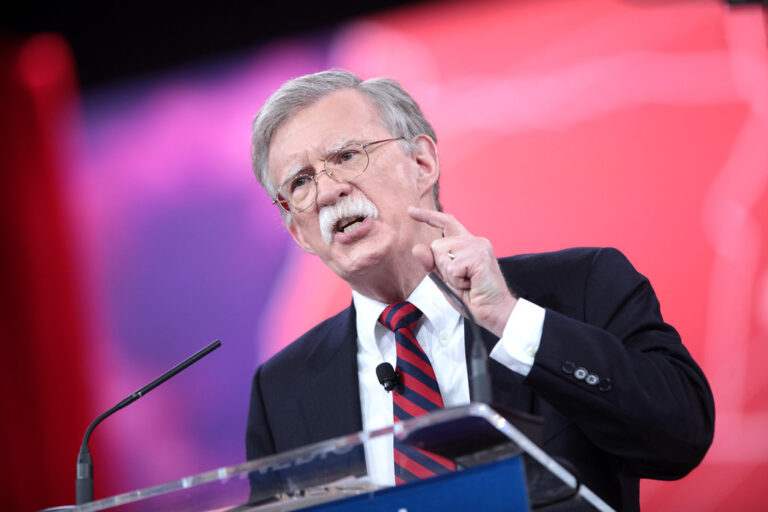
Why Is John Bolton Calling Trump a ‘Chump’?

0

Key takeaways

  • Former Trump adviser John Bolton called Trump a “chump,” a “fool,” and a “know-nothing.”
  • George Conway says Trump’s anger over the FBI raid stemmed from Bolton’s insults, not classified files.
  • Bolton’s close White House experience shaped his blunt book portrayal of Trump.
  • The clash shows deep divides within the Republican Party.
  • Personal jabs now play out on national stages, affecting Trump’s image.

John Bolton’s Harsh Words for Trump

Last weekend, conservative lawyer George Conway spoke on television about the FBI raid at Donald Trump’s home. He said Trump wasn’t most upset about classified documents. Instead, Conway argued, Trump seethed because John Bolton had publicly called him a “chump,” a “fool,” and a “know-nothing.”

Conway, once a staunch Republican and Trump adviser, now opposes the former president. On the show, he explained why Bolton’s insults cut so deep. Bolton spent months in the White House as national security adviser. He watched how Trump made decisions. In his book, Bolton painted a picture of a leader who didn’t understand foreign policy.

What John Bolton Revealed About Trump

Bolton wrote that Trump lacked basic knowledge of global issues. He said Trump learned little from top security briefings. Bolton described moments when Trump showed no grasp of key events. For example, Bolton recounted Trump confusing NATO with other alliances. He also shared stories of Trump ignoring advice on Iran and North Korea.

These stories shocked many readers. They showed a side of Trump most people never saw. They also explained why Trump reacted so strongly when the book came out. Trump felt betrayed. He believed people in the White House wouldn’t expose his flaws. When Bolton did, Trump felt humiliated.

Why Trump’s Reaction Matters

Beyond personal hurt, Trump saw Bolton’s book as a direct threat. He worried the insults would stick in voters’ minds. Political opponents could use them to question Trump’s competency. Meanwhile, supporters might view Bolton as a traitor. This split added to the tension within the Republican Party.

Moreover, the raid on Trump’s estate in Florida came just after Bolton’s book stirred controversy. Conway argued Trump’s anger focused on those harsh labels. Trump demanded investigations into anyone who shared his private talks. He even claimed that revealing his thoughts was more serious than handling classified papers.

Conway’s Take on the Raid

George Conway highlighted a key point: Trump’s real fear was of reputation damage. He said Trump thinks image equals power. Conway pointed out that Trump often fights critics with lawsuits and threats. This time, he saw Bolton’s words as a form of attack. Conway added that Trump learned from Bolton’s own tactics. He used similar harsh language in return.

Conway urged viewers to see beyond the legal details of the raid. He wanted them to notice how much Trump values his public image. In Conway’s view, this was a battle over story control. Trump believed Bolton tried to steal the narrative of his presidency.

The Deep Divisions in the GOP

This clash highlights growing rifts among conservatives. On one side are loyal Trump supporters who reject Bolton’s account. They call him a backstabber seeking fame and profit. On the other side are “never Trump” Republicans who say Bolton told the truth.

These divisions play out in primaries and on social media. Some Republicans now cheer John Bolton for speaking out. Others denounce him as the ultimate insider who betrayed his boss. This argument shows how the party struggles to define its future. Will it follow Trump’s personal brand or return to old conservative principles?

What’s Next for Trump and His Critics

Looking ahead, the Bolton-Trump feud may not fade soon. Trump could push for legal action against Bolton for revealing classified discussions. He might claim Bolton broke confidentiality rules. At the same time, Bolton may face backlash for sharing sensitive White House details.

Conway believes this fight will shape the 2024 election. He says voters will weigh Trump’s leadership skills against Bolton’s insider knowledge. Meanwhile, the FBI raid remains under review. Trump’s team will try to spin the story to their advantage. They may portray him as a victim of political enemies.

For voters, these events offer a window into Trump’s world. They show how personal loyalty and image control drive his decision making. They also reveal the power of a former adviser’s words. When John Bolton speaks, the former president listens—and reacts.

Breaking Down the Impact

  • Personal Feud Meets National News: Bolton’s book turned private White House moments into public headlines.
  • Reputation Battles: Trump often fights back when critics threaten his image.
  • Party Divisions: Republicans split over whether Bolton was a whistle-blower or a traitor.
  • Legal and Political Fallout: Bolton’s account may lead to new court battles and campaign talking points.

Transitioning from insider secrets to public debates, this feud shows how modern politics mixes personal drama with policy. It also reminds us that words can sting more than documents. John Bolton’s harsh labels for Trump now play a role in a high-stakes struggle for power and trust.

Frequently Asked Questions

What did John Bolton call Trump in his book?

In his book, John Bolton described Trump as a “chump,” a “fool,” and a “know-nothing” on foreign policy.

Why did George Conway discuss the raid on TV?

Conway appeared on TV to explain that Trump’s main anger came from Bolton’s insults, not just from the raid itself.

Could Trump sue Bolton over the book?

It’s possible Trump might claim Bolton broke confidentiality rules, but it’s unclear if a lawsuit would succeed.

How does this conflict affect Republican voters?

The fight deepens splits in the party. Some see Bolton as honest; others view him as a traitor. This shapes voter opinions for future elections.

What Did the New Epstein Files Show?

Key takeaways

  • Lawmakers received 33,000 pages of Epstein files from the Justice Department.
  • Only about 3 percent of these pages held new information.
  • The fresh material includes flight logs and re-entry forms for Epstein’s plane.
  • The Democratic oversight leader warns that much may still be hidden.
  • Calls for full transparency keep growing in Congress.

New Epstein Files Offer Few Surprises

California Congressman Robert Garcia, the Democratic lead on the House Oversight Committee, dug into the recently released Epstein files. He says most pages repeat what we already knew. In fact, only 1,000 pages or so held fresh details. The rest had surfaced before through earlier releases by the Justice Department and Florida agencies.

Garcia calls the outcome a “red flag.” He worries that the full truth about Epstein’s activities remains locked away. Meanwhile, victims and families demand answers. They say these papers could shine light on who helped him and what really happened.

What Was in the Most Recent Release?

Last Friday, the Justice Department handed over more than 33,000 pages of documents. These were part of Congress’s demand for full disclosure by August 19. The massive file bundle includes court records, memoranda, evidence lists and other case notes. Yet Garcia found that only about 3 percent of the content was new. The rest simply echoed documents already public.

Among the new pages, the biggest reveal comes from U.S. Customs and Border Protection records. They show where Epstein’s private jet flew between 2000 and 2014. They also contain forms filed when the plane re-entered U.S. airspace. These logs track dates, destinations and passengers.

But even these new flight logs leave key questions. For instance, many passenger names remain redacted. Therefore, it is hard to see who else may have flown with Epstein.

What’s Missing from the Epstein Files?

According to Garcia, major gaps remain in the recently released files. First, crucial witness interviews are not in the stack. Second, internal communications from federal agents are sparse. Third, certain grand jury testimony still sits under seal.

In addition, many victim statements are heavily censored. That means we lack full accounts of what happened. Furthermore, financial records tied to Epstein’s shell companies are barely touched on. As a result, investigators still don’t know all the people and entities that helped Epstein operate.

Overall, the oversight committee fears the Justice Department might hold back the most explosive material. Consequently, Garcia insists on a full, unredacted release soon. He warns that limiting the flow of information blocks justice.

Why Lawmakers Are Concerned

First, transparency matters. Victims and the public need the full story to trust the system. Second, some of Epstein’s associates held high-­profile political and business roles. If key details remain hidden, it could shield those figures from scrutiny. Third, the pattern of limited releases raises red flags about possible interference.

Moreover, Virginia Giuffre’s family has publicly blasted the Justice Department for failing to share more details. They argue that clear records of flights and payments might link powerful people to Epstein’s crimes. As a result, pressure is building on all sides.

In response, leaders on both sides of the aisle have called for tougher oversight. They want to know who decided what to withhold and why. They also demand strict deadlines for any further disclosures.

What Comes Next

Now, the battle turns to enforcement. Congress may vote to hold officials in contempt if they refuse to comply. Committees could issue subpoenas for specific documents or testimony. In addition, some lawmakers are pushing for a special counsel to review the Epstein investigation.

At the same time, public interest groups may file lawsuits to force more disclosures under transparency laws. Meanwhile, journalists continue probing flight logs, financial ties and witness accounts. They hope to build a fuller picture of Epstein’s network.

Above all, victims want closure. They demand that every page of the Epstein files come to light. They seek accountability from anyone who enabled or covered up his crimes.

What This Means for You

Although these documents might sound dry, they matter. They shape our understanding of a scandal that rocked the world. They also test whether our justice system can face powerful people. If the full story emerges, it could spark reforms in how investigations run.

Conversely, if key details stay hidden, public trust will erode further. That gap could deepen political divides and weaken our democracy. Therefore, staying informed on the status of the Epstein files affects us all.

Looking Ahead

In the weeks and months ahead, watch for more hearings and reports. Lawmakers may demand live testimony from Justice Department officials. They might also invite experts to explain what’s still missing.

You can follow these developments through news updates and public statements. But remember: the real test lies in seeing new documents unsealed. Only then will we know if Congress succeeds in unmasking the full truth about Jeffrey Epstein.

Frequently Asked Questions

What are the Epstein files?

They are a collection of documents related to the investigation of Jeffrey Epstein. They include court records, evidence lists, flight logs, and interviews tied to his criminal case.

Why did lawmakers demand these documents?

Congress wanted to ensure full transparency in the Epstein investigation. They sought to uncover potential cover­ups and identify anyone who aided Epstein’s crimes.

What new details emerged from the recent release?

The fresh material mostly involves flight location logs from U.S. Customs and Border Protection, showing Epstein’s jet movements and re­entry records from 2000 to 2014.

What happens if key documents stay hidden?

If parts of the files remain sealed, it could block justice and erode public trust. Lawmakers may pursue contempt votes, subpoenas, and legal actions to force full disclosure.

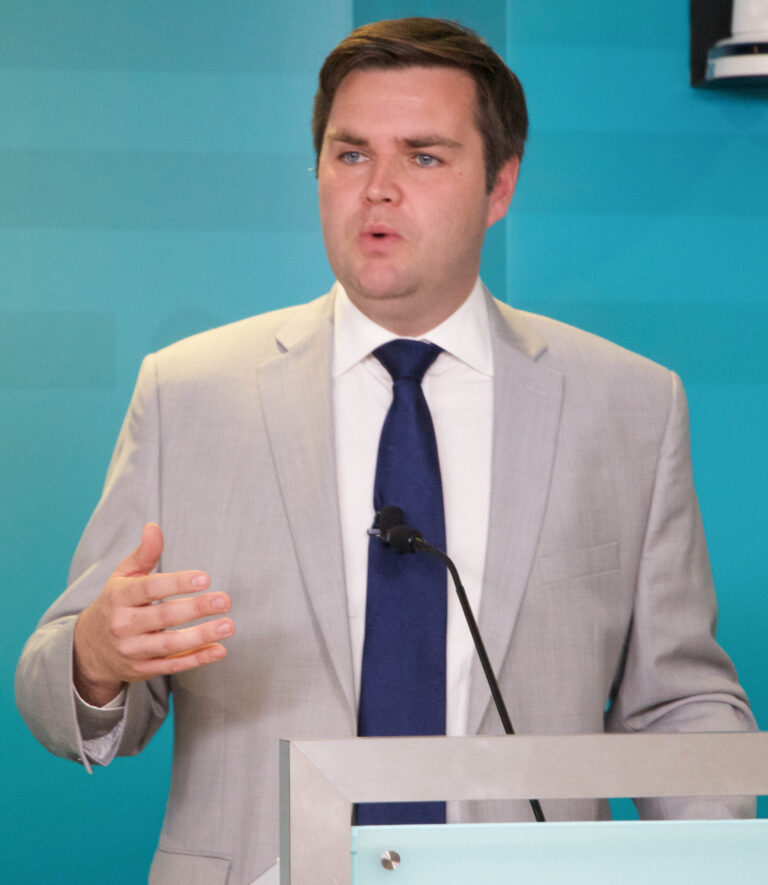
Is VP J.D. Vance Too Involved in the Bolton Investigation?

0

Key takeaways:

  • The vice president spoke openly about the Bolton investigation.
  • A former Trump official says his role is unusually close.
  • Critics worry about political motives driving the probe.
  • Experts stress investigations must remain independent.

Bolton investigation under the spotlight

Vice President J.D. Vance gave a rare, detailed comment on the Bolton investigation during an NBC interview. He said the Justice Department will follow the law and avoid political bias. Yet a former Department of Homeland Security official warned this level of involvement is “very, very unusual.” He said the vice president should keep a distance from a criminal probe.

Why is this debate growing?

It all began when the FBI secured a warrant to search John Bolton’s home and office. Bolton once served as national security advisor under President Trump. The raid came after the CIA reportedly shared evidence with the FBI director. Then Vance spoke with NBC’s Kristin Welker. He described how the probe will work and stressed fairness.

Key statements from J.D. Vance

Vance said, “We are investigating Ambassador Bolton, but if they bring a case, it will be because they see broken laws.” He added, “We will be careful and deliberate. Even political opponents deserve due process.” He stressed that legal rules will guide decisions, not politics. These comments aimed to calm fears of a partisan attack.

A former official sounds the alarm

On MSNBC’s The Weekend, former DHS official Miles Taylor watched a clip of the NBC interview. He raised concerns about the vice president’s access. He said a VP typically stays at arm’s length from criminal probes. He noted that the CIA director might have handed evidence to the FBI. He warned that top aides who know Trump’s wish for revenge seem too close to the case.

Taylor said it looked unprecedented that senior Trump officials were personally tied to the Bolton investigation. He pointed out that Trump has long wanted Bolton scrutinized. Taylor found it hard to believe that the probe was purely coincidental and free of revenge.

How legal experts view the vice president’s role

Several legal scholars say elected officials should avoid public comments on ongoing criminal matters. They worry such remarks can influence witnesses or jurors. Moreover, they fear that political leaders might sway investigators or prosecutors. In fact, the Department of Justice has guidelines to keep politics out of criminal probes. Those guidelines urge caution when high-ranking public figures speak on active investigations.

Experts say:

• Public statements from officials can affect juror impartiality.
• Investigations risk losing credibility if driven by politics.
• Legal teams often advise leaders to refrain from comment.
• Fair trials depend on an arm’s-length distance between politics and law.

What this means for the Bolton investigation

The debate over Vance’s involvement adds new uncertainty to the Bolton investigation. If prosecutors bring charges, critics will likely question whether politics played a role. Even if courts dismiss bias claims, the public may remain skeptical. Trust in the justice system depends on clear boundaries between political leaders and federal probes.

Potential outcomes for John Bolton

John Bolton faces possible charges related to classified documents. He denies any wrongdoing. Bolton says he cooperated fully with investigators. He also blasted the raid as politically motivated. If the case proceeds, a court will decide on evidence and intent. Bolton’s defense team may use Vance’s comments to argue bias.

Reactions from both parties

Republicans supporting Vance say his remarks show confidence in a fair process. They argue he simply defends due process for all Americans. Meanwhile, Democrats and some former administration officials warn of abuse of power. They say a vice president should not review classified evidence or comment extensively on an active investigation.

What comes next in the Bolton investigation?

The Justice Department will decide whether to file formal charges against Bolton. That decision could take weeks or months. If charges are filed, pretrial hearings will examine evidence and judge potential bias. Meanwhile, the public will keep watching to see if political motives taint the probe.

Why transparency matters

Regardless of the outcome, transparency can build trust. Clear explanations of how evidence was gathered are vital. Officials must follow strict protocols to avoid conflicts of interest. Independent monitors or special counsels sometimes step in to maintain public trust. In this case, calls for an independent review may grow louder.

Key questions to watch

• Will the Justice Department appoint an independent investigator?
• Can the vice president show he did not influence the probe?
• How will Bolton’s team respond to claims of political bias?
• What safeguards can ensure a fair trial?

Moving forward with integrity

For democracy to work, legal processes must stand apart from politics. Leaders should support fair investigations without becoming part of them. They must avoid comments that suggest outcomes are preordained. In this instance, Vance’s careful words may not be enough to erase doubts. Only time and transparent actions will answer whether the Bolton investigation stays true to its legal mission.

Frequently asked questions

Why do people worry about political influence in an investigation?

When high-ranking officials comment on live probes, it can seem like politics drove the process. This perception can reduce public trust and affect jury views.

Could J.D. Vance face any consequences for his comments?

Generally, elected officials have broad free speech rights. However, if a court finds bias or undue influence, it could delay or complicate the case.

What might happen if the Justice Department finds no wrongdoing?

If prosecutors clear Bolton, questions about the raid’s purpose may linger. Critics will likely ask why a major operation targeted him in the first place.

How can the justice system ensure fairness in this case?

Following strict guidelines, using independent reviews, and limiting public comments can help maintain a clear line between politics and law.