45.4 F
San Francisco
Monday, April 6, 2026
Home Blog Page 597

Did the Ghislaine Maxwell Interview Reveal Trump Praise?

Key takeaways:

  • In the Ghislaine Maxwell interview, Maxwell referenced Trump 22 times.
  • She said she could not recall many details due to her jail time.
  • Maxwell denied Jeffrey Epstein’s suicide and blamed prison violence.
  • She praised Trump as a gentleman and admired his rise to the presidency.
  • Maxwell described Epstein’s leather-bound birthday book but forgot many specifics.
  • She recalled meeting Elon Musk at a private event for Sergey Brin.

Highlights from the Ghislaine Maxwell Interview

The Justice Department released a two-day transcript of Ghislaine Maxwell’s interview. In the Ghislaine Maxwell interview, she faced questions about Jeffrey Epstein, Donald Trump and more. The transcript reveals she mentioned Trump 22 times. Here are five standout quotes and moments.

Maxwell’s Memory Lapses

First, Maxwell often replied, “I don’t recall.” When asked if Mar-a-Lago spa staff gave private massages to Epstein, she paused and said her memory failed. She explained she spent almost two years in solitary confinement in Brooklyn. Guards woke her every 15 minutes. Therefore, she said, her memory suffered greatly. Despite this, she admitted some events might have happened. Yet, she could not confirm any specifics about the spa or related claims.

Doubts Over Epstein’s Death

Next, Maxwell spoke about Epstein’s final hours. She declared she does not believe he died by suicide. Agents then asked if she suspected anyone of killing him. She offered no names. Instead, she described prison dangers. Maxwell explained that prisoners could kill or hire other inmates for $25 of commissary credit. She claimed that was the going rate for a hit. This shocking detail fueled her doubts about the official story of Epstein’s death.

Unexpected Praise for Trump

Also, Maxwell shared warm words about Donald Trump. In the Ghislaine Maxwell interview, she said her father liked Trump and his wife. She added they shared Czechoslovakian roots. Maxwell said Trump treated her with kindness at social events. She admired his achievement in becoming president. She even called him a gentleman. “He was never inappropriate,” she told agents. When asked whether she saw any misconduct, Maxwell replied she never witnessed such behavior.

The Elusive Birthday Book

Maxwell discussed Epstein’s famed birthday book. She recalled its leather binding and large size—over a foot tall. Agents asked if she wrote a letter for it. She could not remember clearly. She guessed someone else might have handled the invitations. Maxwell placed the book behind Epstein’s desk on 71st Street. She noted prosecutors had some pages, but Trump’s letter wasn’t among them. She said few letters survived the discovery phase. She even forgot if the book included a nude drawing.

Meeting Elon Musk

Meanwhile, Maxwell described meeting Elon Musk. She said they met around 2010 or 2011 at a birthday party for Google co-founder Sergey Brin. Epstein did not attend. Maxwell and a small group spent three or four days on a friend’s private island. She guessed there were roughly 30 to 50 guests. She also remembered spotting Musk at the Oscars. Agents mentioned emails between Musk and Epstein. Maxwell said she saw those emails in the case records, but she could not confirm their content personally.

No Client List Found

Finally, Maxwell addressed the rumor of a so-called client list. She flatly denied the existence of any “black book.” She traced the story back to 2009 civil suits. A lawyer allegedly received notes from a former Epstein butler. That butler later faced unrelated gun charges. Maxwell said civil attorneys then misreported the notes as a detailed list. She insisted no formal client list ever existed. She blamed leaks and misinterpretations for the persistent myth.

Why the Ghislaine Maxwell Interview Matters

This transcript offers a rare window into Maxwell’s perspective. In the Ghislaine Maxwell interview, she distances Trump from Epstein’s crimes while challenging official narratives. She claims her memory suffered in jail, rejects the suicide story, and dismisses the idea of a client list. Her praise of Trump stands out against the other heated topics.

Her answers show how she manages what she recalls and what she denies. As Maxwell’s case continues, these quotes may play key roles in her defense. Overall, the Ghislaine Maxwell interview provides fresh insight into her version of events and her ties to powerful figures.

FAQs

What did Maxwell say about Trump?

She called Trump cordial, kind and a gentleman. She admired his rise to the presidency and said she never saw misconduct.

Did Maxwell believe Epstein killed himself?

No. Maxwell said she doubts he died by suicide. She pointed to prison violence and inmate hits as possible causes.

What is Epstein’s birthday book?

It’s a large, leather-bound volume of birthday greetings. Maxwell recalled its size and cover but forgot many details.

Did Maxwell confirm a client list?

No. Maxwell denied any list existed. She traced the rumor to a 2009 civil lawyer’s notes and called it a myth.


Could Trump Order a Federal Takeover of D.C.?

0

Key Takeaways:

  • George Conway warns that Trump’s push for total control of D.C. policing could let him stay in power.
    • President Trump declared a “crime emergency” and sent thousands of federal agents to Washington.
    • He threatened a “complete and total federal takeover” if Mayor Bowser didn’t change crime figures.
    • Critics say no real emergency existed and call this a dangerous power grab.
    • Experts worry this move could set a model for future overreach in other cities.

In late August, President Trump claimed a crime wave in the capital city and ordered a “complete and total federal takeover.” He placed the city’s police under federal control and sent National Guard troops alongside FBI, ATF, DEA, DHS, and ICE agents into neighborhoods. Many residents saw no crime spike. Meanwhile, conservative lawyer George Conway warned this power grab could mean Trump never gives up the White House.

How a Federal Takeover Threat Unfolded

On August 11, the president declared a “crime emergency” in Washington, D.C. He said local leaders failed to keep the city safe. However, crime data showed little change over previous weeks. Despite that, Trump used his authority to take over the Metropolitan Police Department. Federal agents began patrolling blocks normally covered by local officers.

Hours later, Trump sent a late-night warning to Mayor Muriel Bowser. He accused her of spreading “false and highly inaccurate crime figures.” Then he added, “bad things will happen, including a complete and total federal takeover of the city!” Many critics called this an empty threat. Yet the actions already matched the threat’s tone.

George Conway, a well-known conservative attorney, reacted with alarm. Speaking to MeidasTouch News, he said Trump wants “complete control” of anything he deems important. He pointed to January 6, when Trump did not call up the National Guard to defend the Capitol. Conway asked: What if Trump had that full control then? He could have blocked reinforcement and stayed in office.

Why a Federal Takeover Matters

A federal takeover of city policing could shift the balance of power in America. Typically, city councils or mayors oversee local police. They hold officers accountable to residents. Under a federal takeover, the president could decide patrol patterns, arrest policies, and crowd control tactics. Moreover, this move could last weeks or months, not just a single night.

Local leaders have little recourse when federal agents move in. They cannot order those agents to leave. Courts can challenge federal overreach, but that process takes time. Meanwhile, residents face officers who answer to a distant leader, not their community. This risks eroding trust between police and the people they serve.

Public reaction in D.C. was swift. Neighborhood groups protested the sudden change. They chanted for local control and criticized the presence of armed federal agents. Some gave eyewitness accounts of heavy-handed tactics. Others spoke about feeling unsafe under unfamiliar uniforms. These voices show why a federal takeover matters to everyday citizens.

What Could Happen Next with a Federal Takeover

Some experts fear Washington’s example could spread. They warn other cities may face the same threat if they clash with the president or his political allies. Republican governors might support federal takeover requests in cities run by Democrats. Critics call this a blueprint for political interference in local affairs.

Constitutional scholars also weigh in. They point out that the Constitution grants limited emergency powers to the president. Those powers must align with clear legal standards. Yet when the president claims an undefined “crime emergency,” those lines blur. If courts allow broad interpretation, future presidents could exploit the same tactic.

Journalists joined the warnings. Writer Wajahat Ali argued that Trump will not leave office peacefully if he controls the capital’s forces. He cautioned that Republicans seem ready to back martial law to keep power. In addition, Trump’s suggestion to secretly join D.C. police on patrol raised more questions. Could he use that moment to direct arrests or suppress dissent?

What You Need to Know

This federal takeover fight highlights how power can shift quickly. It reminds us that emergency powers are tools meant for real crises. When misused, they can threaten democracy itself. Citizens should watch legal battles and speak out if they see power grabs. Engaging with local leaders and seeking clear answers can help protect community rights.

In the end, the debate over a federal takeover of Washington, D.C. goes beyond one city. It addresses how America balances safety with freedom. It tests whether we trust local oversight or risk letting any president bypass voters. The outcome could shape the next election and the future of local governance.

Frequently Asked Questions

What does a federal takeover of police mean?

It means federal agencies or the president control local officers. They set policies and patrols instead of city leaders.

Why did Trump call it a crime emergency?

He claimed rising crime threatened public safety. Critics say crime data did not support his claim.

Can a court stop a federal takeover?

Yes. Courts can rule that the president overstepped legal bounds. Still, legal action can be slow.

How can residents oppose a federal takeover?

They can contact elected officials, join community meetings, and support lawsuits that restore local control.

What’s Behind the Pentagon Firing of Lt. Gen. Kruse?

0

Key takeaways

  • The Pentagon firing of Lt. Gen. Jeffrey Kruse stunned the intelligence community.
  • Kruse led the Defense Intelligence Agency and reviewed Iran nuclear site damage.
  • His report found severe damage but no total destruction, clashing with Trump’s claim of “obliteration.”
  • This firing follows other top military removals, raising alarm about politicized intelligence.
  • Critics warn that treating intelligence as a loyalty test harms U.S. security.

On Friday, the Pentagon fired Air Force Lt. Gen. Jeffrey Kruse, who led the Defense Intelligence Agency. Yet the Pentagon offered no clear explanation. It refused to say whether he was forced out or why. This sudden Pentagon firing shocked many in the military and intelligence world. It also sparked tough questions about the health of U.S. national security.

Why the Pentagon Firing Shocked Many

First, Kruse built his career on fair, nonpartisan work. He joined the Air Force decades ago and rose through the ranks. Along the way, he earned praise for honest, fact-based analysis. Moreover, he led the DIA during a time of rising cyber threats and global tensions. His sudden ouster led colleagues to worry: if a trusted general can be fired so abruptly, who is safe?

Second, Lt. Gen. Kruse oversaw a critical report on Iran’s nuclear sites after U.S. airstrikes. The report found that the sites suffered heavy damage but were not “obliterated.” That word came from former president Trump in a public statement. He claimed the bombing “destroyed everything.” However, Kruse’s team said that was not true. The clash between facts and politics put Kruse in the crosshairs.

Third, this Pentagon firing follows a string of similar moves. Just months ago, the president removed Air Force Gen. C.Q. Brown Jr. as chairman of the Joint Chiefs of Staff. Then in April, the head of the National Security Agency, Gen. Timothy Haugh, was dismissed. Even a senior NATO commander, Vice Adm. Shoshana Chatfield, lost her post. Taken together, these actions signal a trend of replacing leaders who offer unwelcome facts.

What Led to the Pentagon Firing?

Many observers believe Kruse’s report on Iran upset the administration. By contradicting the president’s public claim, the intelligence report challenged the official narrative. As a result, Kruse may have fallen out of favor. In fact, the Pentagon issued a one-sentence announcement about the firing. It gave no reason and refused to take questions, fueling more speculation.

At the same time, the firing mirrored other moves against fact-based agencies. The White House also fired the director of the Bureau of Labor Statistics in June. The president said the jobs data was “wrong,” even though the BLS follows strict procedures. Critics saw a pattern: top officials who present accurate but inconvenient findings get removed.

Moreover, the Defense Secretary, Pete Hegseth, has shown a willingness to let military leaders go. In June, Hegseth publicly scolded reporters for questioning Trump’s “obliteration” claim. He said the press was undermining national security. Two months later, Hegseth approved the Pentagon firing of Kruse without explanation. This sequence suggests a link between criticizing political statements and losing one’s job.

Fallout of the Pentagon Firing

The Pentagon firing sent shockwaves through intelligence ranks. Analysts now worry that sharing bad news could cost them their careers. When officers fear removal, they may self-censor or exaggerate threats to please leaders. Such behavior undermines honest analysis and may leave the country blind to real dangers.

Allied nations also took notice. They rely on open, reliable data from U.S. agencies. If they see top officials sacked for delivering facts, they may hesitate to share sensitive information. Trust is the currency of intelligence cooperation. Eroding that trust could weaken global security networks.

At home, Congress reacted swiftly. Senate Intelligence Committee leaders called for hearings to probe the firing. Senator Mark Warner, the panel’s top Democrat, said this Pentagon firing shows a “dangerous habit” of using intelligence as a loyalty test. He demanded that defense officials explain their decisions in public sessions.

Meanwhile, civilian staff at the DIA expressed alarm. They fear that the agency will face political pressure on future reports. Several veteran analysts are asking whether they should stay or seek work in the private sector. Losing experienced minds could leave the DIA less prepared for emerging threats.

What Leaders Say About the Pentagon Firing

Senator Mark Warner blasted the removal, noting Kruse’s long record of nonpartisan service. He warned that sidelining honest analysts turns intelligence into a political tool. “We must protect our analysts so they can deliver the unvarnished truth,” Warner said.

On the other side, Secretary Hegseth defended recent firings as part of broader personnel changes. He said leaders must align with policy priorities. Yet he repeatedly refused to detail why Kruse departed. His silence only raised more questions about the real motive behind the Pentagon firing.

Other lawmakers joined Warner in calling for transparency. They argued that removing senior officers without Senate approval or explanation undermines the checks and balances within the defense establishment. Some proposals would require congressional sign-off for high-level dismissals.

Experts Worry About the Pentagon Firing’s Impact

Intelligence professionals warn that politicizing intelligence harms national security. When analysts fear punishment, they may tailor reports to fit a preferred narrative. This groupthink can leave policymakers without accurate data. In a crisis, flawed or incomplete intelligence can lead to dangerous decisions.

Moreover, morale within intelligence agencies is at risk. Top talent may leave for private-sector firms or allied agencies where facts matter more than politics. This brain drain could shrink the pool of experts who track threats like cyber warfare, terrorism, and weapons proliferation.

Analysts also point out that constant turnover in leadership disrupts long-term planning. New directors often overhaul strategies and programs, only to be replaced soon after. This cycle wastes time, money, and effort. In an era of great power competition, stable leadership is vital to outpace rival nations.

Finally, the pattern of firings sends a message to junior officers and analysts. It suggests that career advancement depends more on political loyalty than on good judgment. Such an environment can chill free inquiry and honest debate, which are the lifeblood of intelligence work.

What Comes Next?

In the coming weeks, the Pentagon will name a new DIA director to replace Kruse. That person faces a tough task: rebuilding trust within the agency and reassuring analysts that truth remains valued. They must also navigate a fraught relationship with political leaders who may seek more control over intelligence products.

Congress, for its part, may craft new rules. Lawmakers are debating measures to require Senate confirmation for firings of certain military and civilian defense officials. They also consider boosting whistleblower protections for senior officers who report wrongdoing or political interference.

The public has a role too. Citizens can press lawmakers and the Pentagon for transparency. A well-informed public can demand accountability and ensure that national security rests on facts, not on loyalty tests.

Conclusion

The Pentagon firing of Lt. Gen. Jeffrey Kruse marks a worrying trend of sidelining senior security officials who deliver unwelcome truths. This pattern risks turning intelligence into a political loyalty test. It discourages honest reporting, weakens morale, and undermines global partnerships. To safeguard U.S. security, Congress, defense leaders, and the public must seek clear explanations and build strong protections for nonpartisan intelligence work.

Frequently Asked Questions

Why did the Pentagon fire Lt. Gen. Jeffrey Kruse?

The Pentagon announced the firing without giving details. Many believe it followed a report that contradicted a political claim on Iran’s nuclear sites.

Who will lead the Defense Intelligence Agency next?

The Pentagon will soon announce a new director. In the meantime, an acting leader oversees the agency’s work.

Could more senior officers face similar firings?

Several recent removals suggest the trend may continue. Analysts worry that any report conflicting with official statements could trigger another Pentagon firing.

How can Congress respond to protect intelligence integrity?

Lawmakers are exploring rules that require Senate approval for high-level dismissals. They also propose stronger whistleblower protections for defense analysts.

Is Gerrymandering Spiraling Out of Control?

0

Key Takeaways

  • Gerrymandering is when politicians draw voting maps to win more seats.
  • Texas and California are racing to reshape their districts for party gain.
  • Courts can strike down unfair maps, but federal limits make change hard.
  • Independent commissions help, yet they may not stop map wars.
  • A national fix seems unlikely without big political shifts.

What Is Gerrymandering?

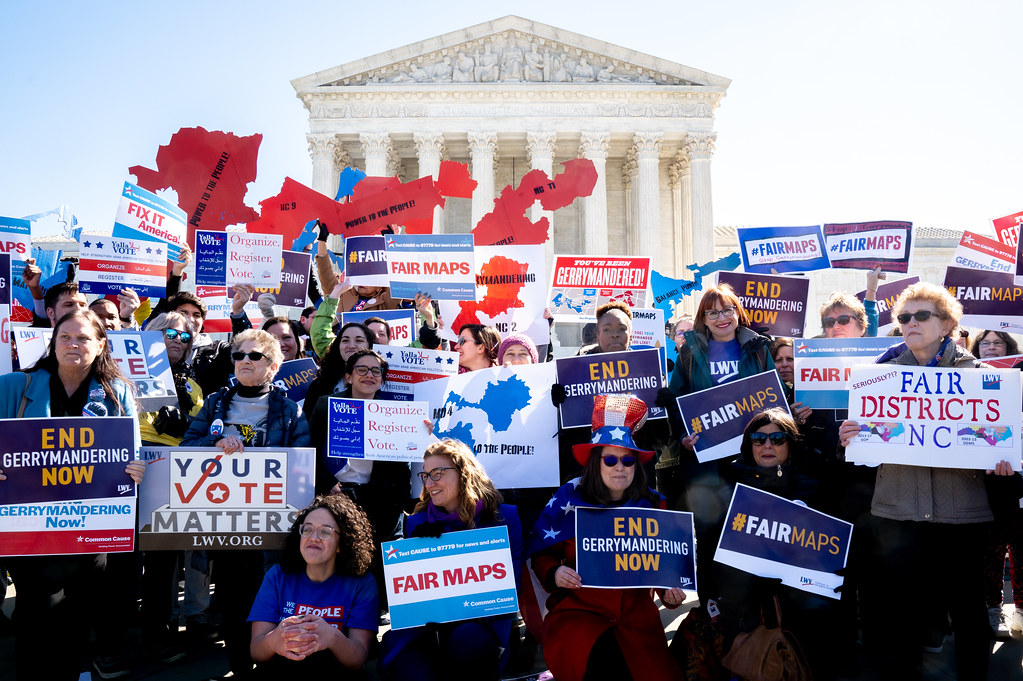
Gerrymandering is the act of drawing voting districts to help one party win. Originally, leaders redrew maps every ten years after the census. Today, they redraw maps almost constantly. They do this to protect current power or grab new seats. Polls show people dislike it because it feels unfair. Yet states keep racing to outdo each other.

Redistricting Wars Heat Up

After the 2021 census, Texas Republicans drew new maps to boost their seats. They aimed to flip five Democratic districts to Republican ones. Now, California’s Democratic governor plans to redraw his state’s map. He wants to win back five seats to offset Texas gains. The California legislature approved his plan on August 21. Then governor Newsom signed it the same day. Voters will decide in a special election on November 4, 2025. Newsom says this move is temporary. He promises to return to an independent system by 2031.

How Gerrymandering Works

Politicians often use fancy computer tools to pick the best lines. They look at past voting trends, census data, and party loyalties. Then they group or split neighborhoods to create “safe” seats. Such districts might snake around highways or link distant areas. This ensures one party has an edge. For example, a lawmaker might place many opposing voters into one district. That makes other districts safer for their own party.

Why Courts and Commissions Struggle

Some states have strict rules for map drawing. They limit how many lines can split cities or require compact shapes. But crafty politicians find workarounds. In North Carolina, lawmakers avoided limits by making secret “concept maps.” Software like Dave’s Redistricting lets anyone draw maps online. Thus, it is hard to block unofficial plans from influencing lawmakers.

Courts can step in when maps violate voting rights or race laws. State courts sometimes overturn extreme gerrymanders. Yet the U.S. Supreme Court ruled in 2019 that it won’t handle partisan gerrymandering claims. Now, these battles must play out in state courts. That slows change and leaves many unfair maps in place.

Independent Commissions in Action

A growing number of states use independent commissions to draw maps. Experts say these commissions create fairer and more competitive districts. Residents also like this idea. Many say they trust a neutral group more than elected officials. However, California’s recent move shows this can fail. Even a state with a commission can switch back to partisan maps under political pressure.

Towards a National Solution

Some experts argue that only national reform can stop map wars. One idea is to use proportional representation. In that system, parties get seats based on the percentage of votes they win. Yet changing the U.S. system so drastically seems near impossible. Another idea is a federal ban on gerrymandering. However, Congress would need supermajority votes to pass such a law. The people who benefit from the current system must agree to give it up. That makes reform unlikely.

What Happens Next?

As more states watch Texas and California, they may follow suit. Republicans in Indiana, Missouri, and South Carolina have signaled they might draw new maps. Democrats in Illinois and New York are also considering it. Thus, the national map war could intensify. Unless leaders choose bold reforms, gerrymandering will remain a feature of American politics. This means voters may feel their choices matter less. It also means elected officials might focus more on drawing districts than solving real problems.

Ending the Map War

While better rules, courts, and commissions can help, they are not a full cure. Only a national change in how we choose lawmakers can truly end gerrymandering. Yet the odds for sweeping reform are slim. Therefore, voters should stay informed and hold officials accountable. They can push for transparency and support groups that monitor map drawing. Ultimately, citizens must demand fair maps, or the arms race will only grow.

FAQs

Why does gerrymandering matter?

Gerrymandering affects who wins elections. It can reduce competition and make politicians less responsive to voters.

Can courts stop unfair maps?

State courts have struck down some maps. Yet the Supreme Court won’t hear partisan gerrymandering cases, making federal fights harder.

Do independent commissions work?

Yes. Commissions tend to create fairer and more competitive districts. Still, political pressure can undo their work.

Is there hope for nationwide reform?

Major changes like proportional representation or a federal ban face huge political hurdles. True reform would require lawmakers to give up power they now hold.

Is Trump Losing Support Over Epstein Files?

0

Key Takeaways:

• Nearly 75% of Americans know about the Epstein files, and 70% say Trump handled them poorly.
• Almost half of Trump’s 2024 voters disapprove of his approach to the Epstein files.
• Within that group, 28% now disapprove of Trump as president.
• One in four Trump voters who disliked his handling of the Epstein files say they would change their vote if they could.

Epstein Files and Public Reaction

Most people are hearing a lot about the Epstein files. In our recent survey, three in four Americans say they have seen or read news on the Epstein files. Moreover, seven in ten say the president did not handle the matter well. Even many Trump supporters feel he mishandled it.

Why the Epstein Files Matter

First, the files hold records about Jeffrey Epstein’s case and his ties to powerful figures. Second, they show how the justice system treated Epstein. Finally, the files remind people of the victims and their stories. Because of these reasons, the issue draws heavy attention.

Americans worry about fairness in high-profile cases. Consequently, they watch every update on the Epstein files. When a leader seems to ignore or mismanage such files, it reflects on his honesty and judgment. Thus, the handling of these records shapes public trust in Trump.

How Trump Voters Feel

Our poll shows cracks in Trump’s base. Among those who backed Trump in 2024, 47% disapprove of his handling of the Epstein files. This group is crucial because it usually stands firmly behind Trump. However, his decisions on these files have shaken their trust.

Furthermore, 28% of those same voters now disapprove of Trump as president. This is a striking change since most core supporters rarely turn against him. Moreover, 26% say they would not vote for Trump again if they got another chance. Such regret can lower voter turnout and hurt party unity.

In fact, when we control for age, race, party, and views on the economy, these disapprovals still show a clear link. Voters upset over the Epstein files tend to view Trump more negatively overall. This means the files controversy does more than spark talk—it shifts opinions on his leadership.

Potential Impact on Future Elections

Even a small share of voters changing their mind can sway close races. If just a few percentage points in swing districts skip voting or switch sides, it could tip the balance. Therefore, the Epstein files issue could matter for midterm contests in 2026.

Moreover, lower enthusiasm among disaffected Trump backers may reduce campaign donations, volunteer efforts, and turnout. In tight areas, every vote counts. Thus, Republicans face risk if they neglect these shaken supporters.

Campaign strategists know that base energy matters. When core voters feel betrayed or let down, they may protest by staying home. Consequently, races that appear safe could become competitive. Hence, the Epstein files fallout might deliver real political consequences.

Will the Epstein Files Affect 2026?

At this point, the Epstein files remain front-and-center. However, many things can change before the next election. New news cycles, policy wins, or other controversies could shift focus. Even so, Trump still needs to address the files issue to mend trust with his base.

If he offers clear explanations or transparent steps, he might win some back. On the other hand, ignoring critics could deepen the divide. Either way, the controversy has staying power, and leaders must respond to maintain support.

From a strategic view, the Epstein files fallout shows how legal scandals can shake voter loyalty. It also highlights the importance of clear communication when handling sensitive documents. As campaigns gear up for 2026, they may watch this case as a warning.

FAQs

How many Americans say they know about the Epstein files?

About three in four adults report they have heard, read, or seen information on the Epstein files.

Why do so many think Trump mishandled the files?

Seventy percent of respondents believe he did not handle the matter well, citing lack of transparency and clarity.

Can the Epstein files really change election outcomes?

Even small shifts in voter turnout matter in close races. Disaffected supporters may skip voting or switch sides, affecting results.

What could Trump do to regain support over the Epstein files?

He could offer clear, straightforward explanations, share more details, or show steps to improve transparency. Such moves might rebuild trust.

Are Malthusian Limits Holding Us Back?

0

Key Takeaways:

  • Thomas Malthus warned that population grows faster than food supply.
  • His idea of Malthusian limits shows nature can cap human progress.
  • He pushed for practical reforms, not ruthless control of the poor.
  • Today’s climate and resource crises echo his warnings.
  • Rethinking Malthus helps us plan for a sustainable future.

What Are Malthusian Limits?

Malthusian limits refer to nature’s rules on how much we can grow. Thomas Malthus noted that people multiply faster than food. He saw population rise in the American Colonies and Britain’s food shortages. Hence, he argued that growth would hit a hard ceiling. To him, this ceiling meant more hunger, disease, and conflict.

Why Did Malthus Worry About Population Growth?

Back in 1798, Britain saw bread riots and hunger. Between 1760 and 1790, the population jumped by almost half. Yet farms could not keep up. Malthus used simple math to show population could double every 25 years. Meanwhile, crops rose more slowly. He believed this mismatch would bring serious trouble.

How Malthus Challenged Unlimited Progress

Many thinkers of his day thought progress never ends. William Godwin, a friend-turned-rival, dreamed of a perfect world without war or disease. He believed reason alone would solve all problems. However, Malthus saw history as cycles of rise and fall. He pointed out that nature has strict limits. Malthusian limits reminded leaders to set realistic goals.

Malthus Was No Villain

Often, people say Malthus wanted the poor to stay poor. They call him heartless because he spoke of “positive checks” like famine and disease. But Malthus also asked for “preventative checks,” like moral restraint and family planning. He backed free education, extending voting rights, ending slavery, and medical care for the needy. He sought fair solutions, not cruel ones.

Malthus’s Mixed Legacy

Over two centuries, humans proved more inventive than Malthus expected. We grew from 800 million to over 8 billion people. Technology boosted crops and health care. Yet even now, we face new Malthusian limits. Climate change, land loss, water shortages, and loss of biodiversity show nature’s pushback.

Malthus’s Ideas in Today’s World

Right now, scientists warn we have broken six of nine safety rules for Earth. We strain the air, water, soil, and climate. Global warming may flood coasts and worsen droughts. It may ruin farms, triggering food shortages and unrest. Malthusian limits remind us we can’t ignore nature’s boundaries.

Learning From Malthus for a Sustainable Future

First, we need honesty about our resources. Next, we must value family planning and education. Also, we should invest in renewable energy and better farming. Additionally, we must protect forests and oceans. Finally, we need smart policies that balance growth with limits. Malthus taught us to plan rather than plead for infinite growth.

Why Revisiting Malthus Matters

Malthusian limits often seem pessimistic. Yet they help us prepare for real risks. If we deny these limits, we may find ourselves in crises we could have avoided. By learning from Malthus, we can shape progress that lasts.

FAQs

How did Malthus define natural limits?

He saw that population grows faster than food and resources. He said nature sets a ceiling on growth.

Was Malthus against helping the poor?

No. He supported education, health care, and fair laws to help families plan and thrive.

Can technology beat Malthusian limits?

Technology can push back limits for a while. Yet it cannot ignore Earth’s basic rules forever.

What can we do today to respect Malthusian limits?

We can use clean energy, improve farming, protect ecosystems, and plan population growth.

Could Low-Mass First Stars Still Exist?

0

Key Takeaways:

  • New studies suggest the first stars may have included lower-mass stars that still shine today.
  • Chemistry in the early universe, especially helium hydride, could cool gas clouds more than expected.
  • Turbulence in ancient gas clouds may have broken them into smaller clumps, forming stars like our Sun.
  • Finding these survivors could reveal how the first planets formed and deepen our cosmic history.

Discovering the First Stars

For decades, astronomers thought the first stars all had huge masses. They believed that only giant clouds of hot gas could collapse and form stars. Consequently, those stars burned fast, exploded, and vanished long ago. However, two new studies argue that the first stars might have come in smaller sizes too. If true, some could live on today in our galaxy.

First stars formed from pure hydrogen and helium. These gases filled the universe soon after the Big Bang. Without heavier elements, cooling of those hot clouds seemed slow. Thus, only massive clouds with strong gravity could collapse. Those clouds created stars hundreds of times bigger than our Sun.

Yet new computer simulations show a different story. They revealed that turbulence inside these clouds could split them into smaller pieces. In turn, each piece could form a lower-mass star. Moreover, a lab experiment found that helium hydride, a rare early molecule, may have sped up cooling. Together, these ideas open a path for the first stars to be smaller and long-lived.

How Cooling Helped First Stars Form

Gas must cool to collapse into stars. In space, atoms release heat as light. Sadly, hydrogen and helium alone do this poorly at low temperatures. Without coolants, gas pressure resists gravity. Thus, only the heaviest clouds could shrink enough to start fusion.

Molecular hydrogen works better as a coolant. When H2 gains energy, it emits infrared light, dropping gas temperature. Yet creating H2 early on proved tricky. You need molecules like helium hydride to join hydrogen atoms. Helium hydride seemed too rare in ancient space to matter. However, recent lab tests proved otherwise.

Helium Hydride and Early Chemistry

In a laboratory experiment, researchers recreated the low-density conditions of the young universe. They discovered that helium hydride formed more easily than expected. Surprisingly, helium can bond with hydrogen under these extreme conditions. This process produces helium hydride, a key stepping stone to H2.

Helium hydride reacts with hydrogen deuteride, forming more H2 and releasing heat as light. As a result, gas clouds could cool faster. Cooler gas pressure drops, and gravity wins. Even smaller clouds could then collapse, creating stars up to two times the Sun’s mass.

Consequently, the first stars might not all be massive. Some could be small and faint, but they would live billions of years. Today, they would appear as old, dim stars hidden in the Milky Way’s halo.

Turbulence and Star Fragmentation

Another team used advanced computer models to track gas behavior in the early universe. They focused on how turbulence shaped star formation. Instead of smooth collapse, clouds tumbled and churned. Such motion created denser pockets within the gas.

These pockets behaved like mini clouds. Each could collapse under its own gravity, forming a star. The model showed that turbulence could spawn stars the same size as our Sun. In some scenarios, stars reached up to 40 times the Sun’s mass. Yet crucially, it also allowed smaller stars to emerge alongside giants.

Therefore, the first stars might have formed in diverse sizes. This mix of masses explains how both heavy elements and planets became common so fast.

Why Finding Low-Mass First Stars Matters

Low-mass first stars would still glow today. They burn fuel slowly, lasting trillions of years. In contrast, massive stars live only a few million years before exploding.

If we find these ancient survivors, we could peer straight into the universe’s youth. Their chemical makeup would record the conditions just after the Big Bang. Moreover, they could host the first planets. Studying them might reveal how early worlds formed and evolved.

Astronomers have already spotted some candidates. Yet confirming their true age and origin is tough. These stars lie far away and shine very faintly. Advanced telescopes, along with clever analysis, will help. Eventually, we may pinpoint a star born when the universe was less than 100 million years old.

Hunting for Ancient Stars Today

Searching for the first stars feels like looking for needles in a cosmic haystack. Astronomers scan the sky for stars with almost no elements heavier than helium. Such stars appear “metal poor,” and they stand out in spectral surveys.

Next, researchers use powerful telescopes to measure their light. Tiny traces of iron or carbon can indicate a later generation. Only stars that lack these signs qualify as true first-star survivors. Furthermore, their motion through the galaxy can hint at an ancient origin.

Finally, teams compare observations with models based on the new chemistry and turbulence studies. If a candidate star matches predictions for cooling by helium hydride and fragmentation by turbulence, it could be among the first stars.

Future telescopes like the Giant Magellan Telescope will boost our reach. They will collect more light, making faint stars easier to study. Coupled with improved computer models, astronomers hope to confirm or refute the existence of low-mass first stars in the next decade.

Embracing a Revised Cosmic Story

These fresh ideas change our understanding of the early universe. Rather than a realm ruled by massive stars alone, it may have birthed a wider variety. Chemistry and turbulence worked together to shape the initial stellar population. As a result, the universe might have become enriched and structured faster than we thought.

Moreover, this revision reminds us that science thrives on new data and open minds. The universe continues to surprise us, even in its most ancient eras. Finally, by finding and studying these ancient survivors, we will gain a clearer picture of our cosmic roots.

Frequently Asked Questions

What makes low-mass first stars different from massive ones?

Low-mass first stars burn fuel slowly, so they live much longer. They shine faintly but may still exist today. In contrast, massive stars explode after only a few million years.

How did helium hydride speed up cooling in early gas clouds?

Helium hydride formed under sparse early conditions and helped produce molecular hydrogen. Both molecules release infrared light, cooling gas and allowing clouds to collapse into stars.

Why is turbulence important in star formation?

Turbulence stirs gas clouds, creating denser pockets that act like mini clouds. Each pocket can collapse under gravity, forming stars of various masses, including low-mass stars.

How will future telescopes help find the first stars?

Bigger telescopes will gather more light from faint, ancient stars. With better instruments, astronomers can measure tiny chemical traces and confirm if a star formed in the universe’s first 100 million years.

Can Security Guarantees Bring Peace to Ukraine?

Key Takeaways

  • Ukraine seeks strong security guarantees to protect itself from Russia.
  • The U.S., Europe and Russia disagree on what these guarantees mean.
  • Guarantees without troops risk being as weak as past promises.
  • Europe aims to boost its own military power after the war.

Ukraine has asked for security guarantees from the West to stop Russian attacks. Yet leaders have not agreed on a clear plan. President Trump met with both Russia and Ukraine but left the process unclear. Meanwhile, European nations push for guarantees that go beyond words. As talks move forward, no one knows if these promises can truly protect Ukraine.

Why Security Guarantees Matter

Security guarantees sound simple: a promise to defend Ukraine if Russia attacks again. However, history shows that empty promises do little good. For instance, Ukraine gave up its nuclear weapons under a deal in 1994. Russia later annexed Crimea despite that pledge. Therefore, Ukraine and its allies worry that vague words will not stop future invasions.

The Promise of Security Guarantees

First, security guarantees must include clear actions. They could involve troops, weapons or air support. Without these, guarantees are just statements. Moreover, Ukraine’s army needs real help on its borders. If guarantees come with no boots on the ground, Russia may risk another attack. Thus, allies must decide if they will send forces or offer only limited aid.

Russia’s Role in Rejecting Guarantees

From the start, Russia has opposed any NATO presence in Ukraine. President Putin sees Ukraine as a buffer zone. He demands that NATO remove troops from Eastern Europe. Hence, Moscow says it will never accept foreign forces on Ukrainian soil. As a result, any plan with NATO troops faces a firm “no” from Russia.

NATO Membership vs. Security Guarantees

Ukraine’s path to NATO membership remains blocked. That leaves only one option: offer Ukraine a deal outside the alliance. Allies consider a “coalition of the willing” to protect Ukraine. Yet this idea still mimics NATO’s Article 5 promise. Article 5 says an attack on one alliance member is an attack on all. Even so, it does not bind members to send troops. In practice, each nation decides how to respond.

Building Credible Security Guarantees

To make security guarantees real, allies need to show strength. During the Cold War, the U.S. placed 300,000 troops in Europe. That presence served as a tripwire against Soviet forces. Today, fewer than 5,000 NATO troops protect the Baltic states. Experts say Russia could overrun those countries in days. Consequently, some argue Europe must build more forces in central and eastern Europe.

Europe’s Plan for Ukraine

European leaders have floated sending 15,000 to 20,000 troops to Ukraine after a peace deal. They also discuss providing air support in case of renewed threats. On top of that, they want to boost defense spending across EU states. Therefore, Europe aims to take more responsibility for its security. This shift could lessen dependence on the U.S. and deter future aggression.

The U.S. Role in Security Guarantees

President Trump said he would help with air support but not ground troops. He tasked his envoy to negotiate details for Ukraine’s defense. However, without U.S. boots on the ground, security guarantees may lack force. Still, America’s political clout could push Russia to agree if backed by strong allies. In addition, U.S. weapons and training could strengthen Ukraine’s own defenses.

Challenges in Negotiations

So far, talks have produced more questions than answers. Russia wants land in exchange for a halt in fighting. Ukraine demands full sovereignty and no foreign troops on its territory. Meanwhile, Europe pushes for guarantees that Russia rejects. In short, each side has a different vision of peace. Until they find common ground, security guarantees will remain elusive.

Lessons from the 2014 Minsk Accords

The Minsk agreements aimed to end fighting in eastern Ukraine. Yet they failed to stop violence. Observers and small peacekeeping teams could not enforce the deal. Russia solidified its hold on rebel areas despite the promise of peace. Thus, simply signing a paper did not change facts on the ground. This history warns that security guarantees must include real enforcement.

The Ghost of the Budapest Memorandum

Under the 1994 Budapest deal, Ukraine surrendered its nuclear arsenal. In return, Russia, the U.S. and the U.K. promised to respect Ukraine’s borders. Yet in 2014, Russia invaded Crimea anyway. Western powers imposed limited sanctions but did not use force. This outcome weakened the faith in written guarantees alone. Now, Ukraine demands stronger measures that cannot be ignored.

Can Collective Action Really Work?

A coalition promise could mirror NATO’s Article 5. However, members would join voluntarily and act as they see fit. This setup may leave Ukraine unsure if help will arrive when needed. To fix this, allies could sign binding treaties with clear rules. They might agree on troop levels, weapons supply and response times. Even so, enforcement would still rely on political will.

Europe’s Security Gamble

Europe’s push for security guarantees aims at two goals. First, it hopes to save Ukraine from future attacks. Second, it wants to strengthen its own defense capacity. If successful, Europe could reduce reliance on the U.S. after the war. Nonetheless, this plan requires huge military investments. Politicians must convince voters to spend more on defense.

The Stakes for Ukraine

For Ukraine, security guarantees mean life or death. The country has suffered massive losses since 2022. Civilians have faced bombing, shelling and occupation. The government fears Russia will attack again once a peace deal freezes the front lines. Thus, Ukraine demands clear, enforceable guarantees before any ceasefire deal.

Paths Forward

First, allies could increase weapons and air defenses for Ukraine now. Second, they might deploy a multinational force after a peace pact. Third, they could sign a treaty binding members to specific actions. Each path has risks and benefits. Ultimately, success depends on unity among the U.S., Europe and other partners.

The Risk of Weak Promises

Weak security guarantees repeat past mistakes. Without clear commitments, Russia will test boundaries again. Hostile forces often see vague deals as opportunities. They probe defenses, looking for cracks to exploit. Hence, guarantees must be backed by real military readiness. Otherwise, they become nothing more than words on paper.

Why Time Is of the Essence

Russia’s war machine has already seized large parts of Ukraine. Every day of delay lets Russia fortify its gains. Therefore, Ukraine and its allies cannot afford endless talks. They need a fast, credible plan that deters future aggression. In addition, a swift agreement could save thousands of lives.

Looking Ahead: Building Lasting Peace

True peace requires more than ceasefires and lines on a map. It needs trust, verification and respect for sovereignty. Security guarantees are tools, not final goals. They must work alongside diplomacy, economic aid and reconstruction. If crafted wisely, they can anchor a stable future for Ukraine and Europe.

Frequently Asked Questions

What are security guarantees?

Security guarantees are promises by nations to defend or support a country under threat. They may include troop deployments, weapons or air support.

Why does Russia reject security guarantees?

Russia opposes any foreign military presence in Ukraine. It sees guarantees with troops as a step toward NATO expansion.

Can Europe deploy troops in Ukraine under a security guarantee plan?

Some European leaders propose sending 15,000 to 20,000 troops after a peace deal. The U.S. has agreed to air support but not ground forces.

Will security guarantees stop future Russian attacks?

Guarantees backed by real forces and clear rules can deter aggression. However, weak or vague promises may fail to prevent attacks.

Why Rename a Street for Vincent Chin?

Key Takeaways:

  • Detroit renamed Peterboro Street to honor Vincent Chin on Cass Avenue.
  • Chin’s 1982 death sparked the first pan-Asian American civil rights movement.
  • A lenient manslaughter sentence led to nationwide protests for justice.
  • New laws and advocacy groups grew from Chin’s case and its aftermath.
  • Chin’s legacy still drives social justice efforts today.

Detroit recently unveiled a street sign at Cass Avenue and Peterboro Street. Now it reads Vincent Chin Street. This change honors a man whose death united Asian Americans. Moreover, it reminds us how one life can spark a nationwide movement.

Background on Vincent Chin

Vincent Chin was a 27-year-old draftsman living near Detroit. On June 19, 1982, he celebrated his bachelor party at a local club. Sadly, two white men attacked him. At that time, Detroit faced job losses in car factories. Some blamed Japanese auto makers. In anger, Ronald Ebens and his stepson Michael Nitz wrongly saw Chin as a target. Even after learning he was Chinese, they kept their brutal attack going.

The Deadly Attack and Outrage

After the initial fight, Chin ran outside the club with friends. However, Ebens and Nitz chased him. They found him near a fast-food restaurant. Nitz held Chin down while Ebens struck him with a baseball bat. Two off-duty police officers stopped the beating. Chin lay badly hurt until he died four days later. His last words were, “It’s not fair.” Local courts charged Ebens and Nitz with manslaughter. Yet a judge fined them $3,000 each and gave probation. This sentence shocked Chin’s family and supporters.

Asian American Response

Outrage spread through Asian American communities. People united across ethnic lines for the first time. They formed American Citizens for Justice to demand a federal civil rights case. Lily Chin, Vincent’s mother, became a tireless advocate for her son. She spoke at rallies and in interviews for years. In addition, leaders like Jesse Jackson lent support. Their efforts forced the Justice Department to act.

Vincent Chin’s Role in U.S. Civil Rights

The federal trial in 1984 marked the first time Asian American civil rights were the focus. Nitz was cleared, while Ebens faced a prison term of 25 years. Yet in 1986 an appeals court overturned the conviction. This decision freed Ebens. Later, Chin’s family won a civil suit. Ebens had to pay $1.5 million and Nitz $50,000. Unfortunately, by 2016 Ebens still owed over $8 million due to unpaid interest.

Legal Reforms and New Movements

Chin’s case led to meaningful legal changes in Michigan and beyond. Manslaughter charges now carry stricter rules. Prosecutors must attend sentencing so victims can speak. These victim impact statements are now common nationwide. Moreover, Chin’s tragedy inspired new advocacy groups. Asian Americans Advancing Justice formed in 1991. Decades later, Stop Asian American Pacific Islander Hate launched in 2020. Today, 18 Million Rising fights for justice for all marginalized communities.

The Lasting Impact of Vincent Chin

Decades after his death, Vincent Chin remains a symbol of resilience. His case showed that racism can unite people for positive change. Now, every driver and pedestrian crossing Vincent Chin Street will see his name. This reminder honors his life and the movement he helped start. In the end, Detroit’s renaming sends a clear message: we remember. We learn. We fight for justice together.

Frequently Asked Questions

What led to Vincent Chin’s killing?

A mistaken belief that he was Japanese during an auto industry slump caused racial anger. The attackers assaulted Chin with a baseball bat, leading to his death.

Why was the initial sentence so light?

The judge called the attackers “good people” and felt prison was too harsh. This lenient sentence sparked public outrage.

How did Asian Americans respond?

They formed American Citizens for Justice and pressured the federal government. Their unity marked the start of a pan-Asian American movement.

What changes followed the case?

Victims gained the right to speak at sentencing. Legal standards for pleading manslaughter tightened. New civil rights groups emerged.

What Makes Deadpan Photography So Funny?

Key Takeaways:

  • Deadpan photography uses a straight, emotionless look to surprise viewers.
  • It makes everyday scenes feel fresh and humorous.
  • Photographers like Henry Wessel Jr. and Tseng Kwong Chi helped shape this style.
  • This approach reveals hidden stories about identity, place, and culture.


How Deadpan Photography Works

Deadpan photography is a style where the image stays calm and expressionless. It often shows a scene without clear emotion. Yet, the result feels oddly funny or confusing. Comedian Buster Keaton first used deadpan in movies. His silent, unmoving face made viewers laugh at the unexpected calm. In photography, this same trick works in still images. Photographers choose plain subjects or neutral faces. Then they let the viewer fill in the story. As a result, people laugh at their own puzzled reactions.

Everyday Life Through Deadpan Photography

Photographer Henry Wessel Jr. helped bring deadpan photography into art. He captured simple scenes of parking lots, tract homes, and gas stations. His black-and-white prints had low contrast and flat light. Yet, they held our gaze. The images seemed too plain to be art. However, that plainness was the point. Wessel wanted viewers to really look at our built world. He showed that a driveway or a corner store can tell us about culture and design. In this way, his deadpan photography turned the mundane into a quiet joke.

Identity and Belonging in Deadpan Photography

Deadpan photography can also explore who we are and where we belong. Artist Tseng Kwong Chi wore a Mao suit and posed without a smile. He took these self-portraits at places like Disneyland and Mount Rushmore. On one hand, his serious face looked official. On the other, his suit at a theme park seemed out of place. This contrast made viewers laugh and think. It asked questions about culture, tourism, and identity. The simple deadpan pose carried a deeper message about fitting in.

Pushing Boundaries with Deadpan Photography

Similarly, Zig Jackson used deadpan photography to challenge stereotypes. He wore a feathered headdress next to bison in a city park. His calm stare and mix of symbols felt both real and absurd. Viewers first see a straight face, then wonder what they witness. He even posted a sign forbidding photos and demanding rules. The sign made us pause. The plain photo tricked us into seeing a staged scene. Yet, the humor cut through. It made us rethink Native American portrayals and how we view culture.

Why Deadpan Photography Feels Real

Often, we trust a photo to show truth. Deadpan photography plays with that trust. It looks honest and raw, so we believe it at first. Then we spot the odd detail. We laugh at our own surprise. This style also invites us to fill in blanks. If a banquet table stands alone under a sheet, what are we to think? Clare Strand did exactly that in her “Skirts” series. She shot empty tables dressed up like people. The images looked like museum specimens. But they held no story. Instead, they made us wonder why we cared about cloth and legs. The blank context felt both serious and silly.

Finding Meaning in the Mundane

Deadpan photography often highlights small details we ignore. A simple door or an empty kid’s ride can tell a bigger tale. For instance, a shot of a gray stucco wall might seem dull. Yet, it might reveal weather patterns or local taste. When a photographer frames it plainly, our brains search for meaning. This gap between what we expect and what we see sparks amusement. Even though the photo shows nothing dramatic, we react as if it holds a big secret.

How to Try Deadpan Photography Yourself

First, pick a simple subject. It could be a plain cup, a mailbox, or a cracked sidewalk. Next, use flat light with no strong shadows. This keeps the scene emotionless. Then, shoot from straight on. Avoid dramatic angles. Finally, hold back on editing. Let the natural color or black-and-white look stay neutral. When you share the image, watch how friends react. They may laugh at the plainness or ask why you chose it. Either way, you have sparked the deadpan effect.

Why Audiences Love Deadpan Photography

Audiences enjoy the surprise of deadpan photography. They expect a clear emotion or story. Instead, they get a blank face or scene. Their brain tries to fill in missing parts. This mental puzzle feels playful. Also, deadpan images challenge our urge to find drama in everything. They remind us that life can be quiet and still. Yet, that stillness can be fun.

Deadpan Photography in the Digital Age

Social media feeds full of bright filters and big smiles. Deadpan photography stands out in that crowd. A plain, unedited photo can feel refreshing. Furthermore, it breaks the cycle of constant excitement. Viewers may scroll slower and think more. The style also connects to meme culture. Many viral memes use deadpan captions on ordinary images. This shows how the principle works across media. Whether online or in a gallery, deadpan photography invites us to pause and laugh at our own search for drama.

Looking Ahead for Deadpan Photography

Deadpan photography will keep evolving. New artists may mix video, sound, or virtual reality. Yet, the core idea will stay: show something plain and let humor rise from our confusion. As people look for more honest and calm content, deadpan will grow. It proves that less can indeed be more.

FAQs

What is deadpan photography?

Deadpan photography is a style that shows scenes or subjects with no clear emotion. It often feels funny or odd because viewers expect more drama.

How do photographers create a deadpan effect?

They choose simple subjects, use flat lighting, and avoid dramatic angles. Then they limit editing, so the photo feels honest and blank.

Why do people laugh at deadpan photography?

Viewers laugh at their own surprise. They look for a story or emotion but find none. This mental gap sparks amusement.

Can I use deadpan photography in my social media?

Yes. Try sharing plain, unedited shots among colorful posts. Watch how friends react and start a fun conversation.