54.8 F
San Francisco
Sunday, March 15, 2026
Home Blog Page 60

Trump Delays Furniture Tariffs: What You Need to Know


Key Takeaways

  • The administration postponed planned furniture tariffs for one year.
  • Higher levies of 30–50% will wait, but a 25% tariff stays in place.
  • A major editorial board called the move a “retreat.”
  • U.S. families will avoid big price jumps on sofas and cabinets—at least for now.

What’s Behind the Furniture Tariffs Delay

President Trump surprised retailers and shoppers when he paused the more painful furniture tariffs until next year. Originally, imports of sofas, cabinets, and vanities faced added costs ranging from 30 up to 50 percent. However, he decided to hold off on those steep rates. He did leave a 25 percent charge in place. In effect, he cut planned costs in half.

This change came quietly on New Year’s Eve, without a big announcement. The goal seemed clear: stop Americans from feeling sticker shock in their living rooms. After all, prices for sofas and kitchen cabinets were already climbing almost five percent compared to last year. For many young families furnishing new homes, that rise felt unfair.

Meanwhile, critics noted that the White House had justified the higher tariffs as a national security step. Yet they also pointed out that couches do not spy on anyone. Even a leading conservative paper called the shift a retreat from an earlier bold stance. Thus, the furniture tariffs delay looks like a response to political and public pressure rather than a change in risk assessment.

How the Furniture Tariffs Affect Families

For people starting fresh in a new home, furniture costs matter. A sofa for the living room can set you back over a thousand dollars. With a 50 percent tariff, that same sofa could jump by hundreds more. As a result, many would have delayed buying new furniture until prices fell.

By postponing the higher rates, the president eased that pain. Retailers can now stock shelves without huge markups. Hence, families can shop with more confidence. In addition, stores might even run sales to move older inventory before the full tariffs take effect. Therefore, the delay gives both businesses and buyers breathing room.

Yet the 25 percent tariff still raises costs. If a cabinet set cost $2,000 wholesale, that tax adds $500 to the price. So while the move helps, it does not erase all extra fees. Shoppers will still pay more than before the tariff era began. Still, they avoid an even deeper price hike that the original plan promised.

Other Tariff Rollbacks Show a Pattern

This furniture tariffs delay is far from the first reversal. Earlier, electronics and smartphones from China won a break on levies. Bananas, coffee, and beef also saw relief patches. Industry groups quickly lined up to ask for exemptions once prices climbed too high.

Consequently, the administration quietly granted relief to each sector. Critics argue that those carve-outs undercut any consistent strategy. They warn that a patchwork approach creates uncertainty for businesses. Meanwhile, companies hold out hope they can find their way onto the skip-the-tariff list.

In many cases, a closed-door shuffle takes place at the Commerce Department. Firms submit applications to avoid certain taxes. Often, they point to jobs and safety to bolster their case. Then officials decide whether to grant the reprieve. Over time, these fixes keep adding up. As a result, the full impact of original tariff plans rarely materializes.

Why Industries Lobby Over Furniture Tariffs

Many trade groups and manufacturers wasted no time pushing back on furniture tariffs. They stressed how domestic makers still need imported parts or materials. For instance, some wood or metal pieces come from abroad. Tariffs on finished pieces could trickle back to local factories.

Moreover, furniture retailers argued higher costs would shrink sales. They worried smaller shops might close their doors. Consequently, workers could lose jobs at showrooms and warehouses. With those concerns mounting, trade associations sent letters to the White House. They even organized calls and meetings to make their case. Ultimately, this pressure helped delay the looming taxes.

At the same time, some ask whether political support plays a role. Observers point to campaign donations and fundraising events. They wonder if strong donors receive special treatment. Although officials deny any quid pro quo, the pattern of exemptions invites questions. Thus, the politics behind tariff decisions may be as important as the economics.

Political Pressure Builds Behind the Scenes

Beyond industry lobbying, members of Congress also weighed in. Both parties voiced concerns over sudden cost increases. Lawmakers from furniture-producing states fear local employers will struggle under high tariffs. They argued for a more gradual or targeted approach.

Meanwhile, consumer advocates joined the chorus. They noted that young families already face expensive homes and daycare. Adding steep furniture costs, they said, only makes life harder. In response, some elected officials threatened hearings and public statements. They demanded transparency on how tariff relief decisions occur.

As a result, the administration likely felt squeezed on multiple fronts. By delaying the furniture tariffs, it diffused a brewing backlash. Yet that only postponed the debate. Opponents say the issue will return once the delay ends. Given that the break lasts until after the next election, politics clearly influence timing.

Looking Ahead to the Next Election

Since the new date for the higher furniture tariffs lies just after the November vote, politics remain central. The move shields consumers during an election year. If prices had spiked sharply, campaign ads might have attacked the administration.

However, once ballots close, the debate will heat up again. Supporters of higher tariffs might push to reinstate them quickly. On the other side, retailers and lawmakers may renew their pleas for exemptions. In the end, the final outcome will shape furniture markets and consumer costs for years.

Until then, Americans can shop for sofas and cabinets with more stable prices. The pause gives everyone a chance to plan and adjust. Still, the underlying issues of trade, security, and politics stay unresolved. Therefore, the furniture tariffs saga likely continues long after the current delay.

Frequently Asked Questions

What exactly changed with the new furniture tariff delay?

The administration postponed the planned 30–50 percent tariffs for a full year. It kept a 25 percent tariff in place.

Why did the White House decide to delay these tariffs now?

Rising prices and strong lobbying by retailers and lawmakers created mounting pressure. The delay eases immediate cost spikes for consumers.

Will Americans still pay more for furniture even after this delay?

Yes. A 25 percent tariff remains, so imported furniture and parts cost more than before any tariffs.

When will the higher furniture tariffs take effect?

The full 30–50 percent tariffs are set to start one year after the delay announcement, shortly after the next election.

White-Collar Crime Enforcement Slows in Trump Era

Key takeaways:

  • The Justice Department and SEC sharply cut white-collar crime enforcement.
  • Foreign bribery cases fell from an average of 33 to just six this year.
  • The president asked for a six-month freeze on enforcement actions.
  • Nearly half of ongoing bribery probes have closed without charges.
  • Future cases must tie to U.S. strategic goals like drug cartel fights.

White-Collar Crime Enforcement Sees Dramatic Drop

Since the president returned to office, the Justice Department shifted its focus. As a result, white-collar crime enforcement has slowed sharply. Agents once busy with foreign bribery and money laundering now chase other priorities. Meanwhile, restrictions on complex financial investigations have tightened. Consequently, many probes have stalled or closed.

The drop shows up clearly in Foreign Corrupt Practices Act cases. This law targets companies that bribe foreign officials. On average, regulators filed 33 FCPA cases annually since 2015. This year they filed only six. In short, enforcement has “fallen off a cliff.”

Reasons Behind the White-Collar Crime Enforcement Shift

The Justice Department now aligns its work with White House goals. Immigration and violent crime top the list. Therefore, officials moved white-collar prosecutors to other teams. Moreover, the president personally asked for a six-month freeze on enforcement. He believes harsh rules harm U.S. firms overseas.

As a result, investigators closed nearly half of open bribery cases. They also now require every new case to tie into U.S. strategic interests. That includes drug cartel investigations and other national priorities. Consequently, many complicated financial probes lie dormant.

How the Foreign Corrupt Practices Act Enforcement Fell

The SEC also trimmed its FCPA unit. Together with the Justice Department, it scaled back resources. Investigators report fewer interviews and site visits abroad. Senior leaders say they lack the manpower and budget.

Furthermore, companies pushing for lenient rules gained influence. They argued stricter enforcement scares off foreign investment. With the economy struggling, policymakers sided with businesses. Consequently, regulators relaxed their stance on corporate bribery and money laundering.

Impact on U.S. Companies Operating Abroad

In theory, weaker enforcement helps U.S. firms win overseas contracts. Without fear of fines, they can compete on price. However, some warn of long-term risks. First, foreign competitors may copy corrupt practices. This could distort markets and weaken ethical firms. Second, investors may lose confidence if U.S. rules seem fickle.

Meanwhile, whistleblowers face mixed signals. Fewer cases mean less chance for rewards. At the same time, they may still face heavy retaliation. Therefore, insiders hesitate to report misconduct.

What This Means for Global Corruption Efforts

U.S. leadership once drove a global push against corruption. Other countries adopted similar rules to match American standards. Now, weakened enforcement could undercut that trend. Some nations may loosen their own laws. As a result, bribery and money laundering might spread.

On the other hand, stronger ties to drug cartel probes could catch high-level criminals. That shift could boost cooperation with foreign law enforcement. Yet experts say the change does not replace broad anti-bribery work. Tackling public corruption remains crucial to fair economies.

Future Outlook for White-Collar Crime Enforcement

In the months ahead, several factors will shape enforcement levels. First, budget decisions in Congress could add or cut resources. More funding may revive complex investigations. Conversely, further cuts could stall action indefinitely.

Second, public pressure and media coverage matter. If scandals emerge, officials may reverse course. Outcry over major corruption cases could force new probes. Meanwhile, investor groups are watching closely.

Finally, the next Department of Justice leadership team will set priorities. Career prosecutors worry that policy shifts may hinder their work. They hope for clearer guidance on which cases to pursue. Likewise, the SEC’s new chairperson could refocus on foreign bribery.

Key Changes in Enforcement Policy

• Prioritize immigration and violent crime over financial crime.
• Freeze certain cases for six months at the president’s request.
• Close half of all open foreign bribery investigations.
• Require new cases to connect with national security goals.
• Reassign prosecutors to other priorities.

Steps Companies Can Take Now

• Review global compliance programs for gaps.
• Train staff on bribery risks linked to cartels and drugs.
• Update internal reporting tools for misconduct.
• Monitor policy updates from the Justice Department and SEC.
• Consult legal experts before making deals abroad.

Looking Ahead

The sharp decline in white-collar crime enforcement marks a clear shift. For now, complex investigations into foreign bribery and public corruption remain on hold. Yet this change could prove temporary. New budget bills, public backlash, or leadership swaps might revive enforcement efforts. In the meantime, businesses and watchdogs adapt to a world where anti-corruption rules carry less weight.

FAQs

Why did white-collar crime enforcement drop so fast?

The Justice Department shifted staff to immigration and violent crime. The president also asked for a six-month freeze on financial probes. This left fewer resources for white-collar investigations.

How does this affect U.S. companies abroad?

Firms may face less fear of fines for bribery. However, weaker enforcement could encourage unfair competition and hurt ethical businesses. Investors may also lose trust in U.S. regulatory consistency.

What is the Foreign Corrupt Practices Act?

The FCPA bans U.S. companies from bribing foreign officials. It also requires accurate financial records. Enforcement under this law has fallen sharply this year.

Could enforcement return to previous levels?

Yes. If Congress boosts funding or public pressure rises, the Justice Department could resume major probes. New DOJ or SEC leaders might also shift focus back to corruption cases.

Can Economic Uncertainty Drive 2026 Growth?

Key Takeaways:

• The Federal Reserve cut interest rates but faces economic uncertainty in 2026.
• AI investment may spark real growth or resemble past bubbles amid economic uncertainty.
• Housing costs show mixed relief, yet many feel financial strain.
• Consumers must watch jobs, inflation, and policy shifts for clues in uncertain times.

The U.S. economy enters 2026 in a strange spot. Inflation has fallen from its peak in 2022. Growth has held up better than expected. Yet many households still feel uneasy. This gap between good data and shaky feelings shows deep economic uncertainty. The nation awaits a big Supreme Court ruling on tariffs. That decision could reshape trade costs for producers and buyers. Meanwhile, the Federal Reserve, investors, and families face layered questions. Will jobs stay strong? Is AI fueling a bubble? Can housing costs ease? Let’s explore these issues and what they mean for your money.

How Economic Uncertainty Shapes Fed Decisions

In late 2025, the Fed trimmed its key interest rate by a quarter point. This was its third cut in a year. Some wonder if the easing cycle is ending. Others ask if rising jobless claims signal a looming recession. Unemployment remains low by long-term standards, yet it has ticked up since 2023. Entry-level workers face growing pressure. History shows jobless rates can climb fast. Thus, Fed officials watch labor data closely.

So far, the broader job market looks stable. Layoffs stay low compared to the labor force. At the same time, wage growth remains firm even as hiring slows. Gross domestic product continues to outpace its pre-pandemic trend. However, a government shutdown in late 2025 halted key data collection. That gap could lead to policy missteps under economic uncertainty. Still, most economists see low unemployment as more vital than moderate job gains.

Consumers keep spending, but stress signs are rising. Borrower delinquencies on housing and car loans have increased. Savings balances shrank from their post-pandemic highs. Higher-income households fared much better than lower-income ones. This has created a clear split or “K-shaped” recovery. Some families feel stretched thin despite falling gas prices. This gap adds to the sense of economic uncertainty for many people. The Fed now juggles solid top-line numbers, tightening pockets, and noisy data all at once.

AI Risks and Economic Uncertainty

The buzz around artificial intelligence often involves the “B-word”—bubble. Observers compare today’s AI firms to the dot-com rush or 19th-century railroad mania. Tech stocks can look pricey if earnings don’t match stock gains. Some investors bet on more Fed rate cuts ahead. Others see companies racing to go public before policy shifts. These traits resemble past bubbles.

Economists split bubbles into two types. Inflection bubbles follow true breakthroughs that transform economies. Think of the internet or transcontinental railroads. Mean-reversion bubbles are fads that burst without lasting impact. The 2008 subprime crisis and the South Sea Company collapse fit this mold. Early data suggests AI may be an inflection event. Productivity gains and falling computing costs back that view.

Still, how investors fund AI matters. Debt suits predictable, cash-flow projects. Equity fits risky breakthroughs. Private credit takes even more chance, often when other finance is scarce. Rising debt in some AI deals, like at certain cloud providers, signals risk. For now, caution not panic fits best. Big bets on single AI firms remain risky. Yet broad tech investment and data center spending may deserve more credit. Overall, AI adds another layer to economic uncertainty in 2026.

Housing Costs Amid Economic Uncertainty

Housing costs keep many awake at night. Over the past decade, home prices and rents rose faster than incomes. Many first-time buyers delayed or gave up on homeownership. High housing costs affect overall spending and confidence. Policymakers now focus more on affordability than just inflation.

Fortunately, rents have started to fall in some markets. Cities with new construction, like Las Vegas and Atlanta, see rent dips. Local rules on zoning, building, and jobs still matter most. Yet even small rent drops can boost household budgets. That relief could ease economic uncertainty for renters and young buyers.

Outside housing, some service prices remain sticky. Insurance costs and other fees keep rising. Immigration policy may also affect labor supply and wages. Any shift in worker numbers could change inflation trends. Thus, housing and labor policy play key roles in easing economic uncertainty.

What This Means for Your Wallet

Consumers drive about 70 percent of U.S. economic growth. In 2026, spending patterns may reflect the uneven recovery. Wealthier households still power retail and travel budgets. Lower-income families face more late payments and lower savings. To manage in this climate, you can:

• Track your budget closely and build an emergency fund.
• Consider safer investments like bonds or cash if markets feel risky.
• Shop around for housing deals or rental reductions.
• Stay informed on Fed decisions and Supreme Court rulings on tariffs.

In time, clearer rules on taxes, trade, and regulation should emerge. That could unlock fresh business investment. The Federal Reserve itself expects more clarity to help growth. Until then, economic uncertainty will likely shape decisions for workers, investors, and shoppers alike.

Looking Ahead

No one can predict the future with certainty. A famous saying captures it well: “It’s tough to make predictions, especially about the future.” Yet the mix of steady growth, spotty stress, and new technology creates a unique moment. If factors align, the expansion may surprise skeptics. Perhaps 2026 will outshine 2025 as sentiment catches up with facts. Even so, remember to balance optimism with smart planning. After all, money can’t buy certainty, but it can buy peace of mind.

Frequently Asked Questions

How do Fed rate cuts affect my credit card rates?

When the Fed lowers its benchmark rate, banks often cut variable loan rates. You may see lower credit card and home equity rates. Fixed-rate loans stay the same until they reset.

Is AI investment safe for retirees?

Large AI firms can still fall sharply if profits lag. Retirees may prefer bonds or funds that spread risk. Diversifying can help protect retirement savings.

Will rent keep falling across the country?

Rent trends vary by city. Places with plenty of new housing supply see bigger drops. Other areas may face rent hikes. Track local market reports for accurate info.

How can I hedge against economic uncertainty?

Building an emergency fund is key. You can also diversify investments across stocks, bonds, and cash. Reducing high-interest debt helps too.

Childcare Funding Freeze: What Families Need to Know


Key Takeaways:

  • The Trump administration froze federal childcare funding for every state over alleged fraud.
  • HHS demands states submit justifications, receipts, or photo proof to unlock funds.
  • Minnesota leaders call the move a hasty, political attack on essential services.
  • Families and providers face sudden uncertainty without clear guidance on restoring support.

Childcare Funding Freeze Explanation

On Wednesday, the federal government paused its childcare grants to all states. Officials say they spotted fraud in Minnesota daycare programs. Then they claimed similar problems nationwide. To get money back, states now need to submit proof of their spending. This childcare funding freeze has shocked governors, attorneys general, and working families everywhere.

Why the Government Took Action

Deputy Secretary Jim O’Neill of the Department of Health and Human Services announced the change on social media. He said widespread fraud “appears rampant” not only in Minnesota but across the country. As evidence, he pointed to a viral video made by a right-wing influencer. That person had visited Somali-owned daycare sites in Minnesota at the request of state Republicans.

Consequently, HHS activated its “defend the spend” system for all Administration for Children and Families payments. From now on, no state can get new funds without a clear justification and photo evidence or actual receipts. If HHS suspects fraud in any childcare center, that state must meet extra requirements before it can receive aid.

Reactions from Minnesota Leaders

Meanwhile, Minnesota’s Democratic governor, Tim Walz, accused the president of playing politics with a vital program. He argued that fighting fraud is important, but freezing all funds is the wrong approach. He pointed out that Trump pardoned or commuted sentences for other financial criminals. In a social media post, Walz said this issue has nothing to do with protecting families. He claimed it serves only to weaken the social safety net.

Attorney General Keith Ellison also spoke out. He described the funding freeze as a “scorched-earth attack” based on a single video. He reminded everyone that the administration had forced local offices last December to reverify nearly 100,000 households getting food benefits. Ellison said his office is exploring legal options to stop sudden cuts to childcare services.

Impact of Childcare Funding Freeze on Families

For many households, federal childcare dollars cover part of their monthly bills. When those funds vanish, families face tough choices: pay more out of pocket, reduce work hours, or find cheaper care. Early childhood experts warn that sudden funding stops can disrupt standard routines and harm children’s development.

Moreover, providers may lay off staff or close centers if payments dry up. In rural and low-income areas, these centers often operate on thin margins. A single missed check from the federal government can force them to shutter. Without stable care, parents might struggle to hold down jobs or attend school.

What Comes Next for State Programs

States now must gather documentation for every penny spent on daycare grants. They will send receipts or photos to HHS to prove the money did reach care centers. Some states are rushing to assemble these records. Others worry they lack the staff or systems to meet the new demands in time.

If HHS flags a center for suspected fraud, states will need to provide even more proof. That extra work could delay payments for months. In the meantime, childcare providers wonder how they will pay rent, utilities, and wages without clear cash flow.

Legislative Responses and Public Pressure

In Minnesota, state Representative Carlie Kotyza-Witthuhn warned that every community stands to lose if funding stops. She co-chairs the state committee on children and families. She urged Congress to step in and restore automatic payments while investigations continue. Other state lawmakers in red and blue states have joined the call for a quick fix.

At the federal level, some members of Congress are preparing letters demanding that HHS reverse its decision. They argue that combating fraud should not punish families who rely on these services. Until then, they seek interim funding to keep centers open.

How Families Can Prepare

First, parents can contact their local childcare centers to ask about contingency plans. Some providers may offer sliding fees or payment plans for April if federal checks are late. Next, families should explore community resources like nonprofit wraparound programs or emergency assistance funds.

Additionally, parents can join forces with local advocates to press state and federal leaders for a speedy resolution. Public pressure often moves bureaucratic mountains faster than courts can.

Lessons for Future Oversight

While rooting out fraud is vital, experts say federal agencies need targeted reviews. Blanket freezes risk punishing honest providers and vulnerable families. Instead, they recommend risk-based audits that focus on high-risk programs or regions. That approach would protect the integrity of the system without causing widespread harm.

Also, better data collection and clear guidelines before rolling out policy changes can prevent these sudden shocks. Agencies should give states a warning period and a chance to respond before cutting off funds.

Looking Ahead

The childcare funding freeze stands as a dramatic example of how federal policy can upend local services overnight. Families, providers, and state leaders now face weeks of uncertainty. While legal challenges and congressional pressure build, working parents remain in limbo. They wait to see if the camps of political debate will yield to the needs of everyday Americans.

Ultimately, this dispute will test the balance between fighting fraud and preserving vital social programs. It will also reveal how flexible and responsive our safety net can be when federal agencies shift direction without warning.

Frequently Asked Questions

What is the childcare funding freeze?

The freeze is a federal hold on all state payments for childcare assistance. It aims to address alleged fraud in certain programs.

Which states are affected by the freeze?

All states in the country are affected. Funding stopped after an initial pause in Minnesota, then expanded nationwide.

What must states do to get funding again?

States need to submit detailed justifications and provide receipts or photo proof of how past funds were spent. Centers under suspicion face stricter checks.

How long will the freeze last?

There is no set end date. The freeze stays until states meet the new documentation requirements or until HHS lifts the hold

Trump Pauses National Guard Deployment in Cities

Key Takeaways

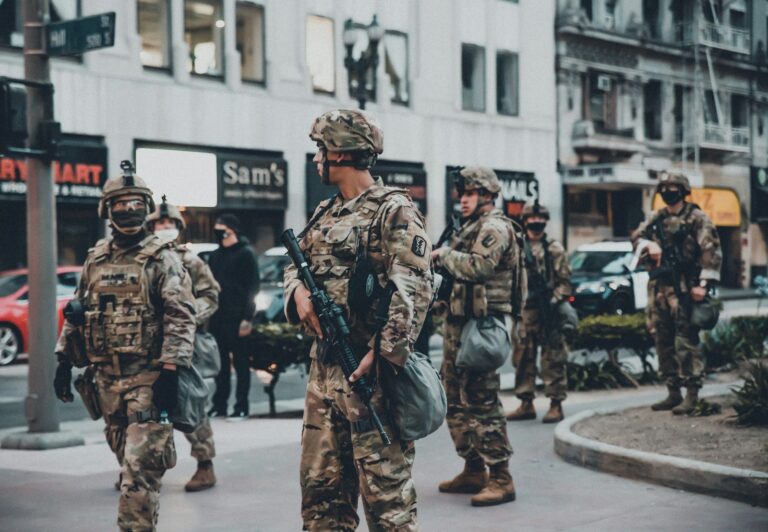
• President Trump has paused plans to send National Guard troops to Chicago, Los Angeles, and Portland.
• The Supreme Court and lower judges ruled these moves unlawful under the Posse Comitatus Act.
• Trump warned he might redeploy troops “in a much different and stronger form” if crime rises.
• Guard forces remain active in Washington, D.C., Memphis, and New Orleans.

Trump’s Move to Pause National Guard Deployment

President Trump announced he will stop plans to send National Guard troops into three cities led by Democratic officials. He named Chicago, Los Angeles, and Portland, Oregon. This shift comes after courts blocked past deployments and set limits on his power.

He first sent National Guard members to Los Angeles this summer. At the time, the city faced big protests over immigration raids. Later, he ordered Guard troops to Portland and Chicago. In each case, judges said the president overstepped his legal bounds.

Declaring a pause, Trump wrote on his social media site that he might return “in a much different and stronger form” if crime spikes again. His comment shows he still sees the Guard as a tool to fight crime and control immigration.

How Courts Stopped National Guard Deployment

Several judges ruled Trump’s use of troops illegal. In late December, an appeals court ordered the removal of Guard members from Los Angeles. That ruling upheld an earlier decision by a lower court. Judges said a long military presence after protests ended broke the law.

In Chicago, the Supreme Court backed a judge’s decision to block Guard troops. The judge had found that the president failed to meet strict rules. The rules require a clear request from state leaders and an emergency involving federal property.

Meanwhile, in November, a federal judge in Portland permanently barred Guard deployment. Judge Karin Immergut ruled that using military forces to protect an immigration facility went beyond presidential power. Ironically, Trump himself had nominated her in his first term.

All these courts cited the 1878 Posse Comitatus Act. This law generally bans active-duty troops from taking part in civilian law enforcement. It aims to keep the military out of daily police work.

What This Means for Cities and Safety

City leaders and residents had mixed reactions to the stand-down. Democratic mayors praised the court rulings. They said Guard troops often inflamed tensions and blurred the line between military and police duties.

In Chicago, Mayor Brandon Johnson said the city should focus on community-based safety programs, not soldiers on the street. In Los Angeles, officials noted that protests had eased long before Guard troops arrived. They argued more officers and social services could better protect neighborhoods.

However, Trump and some law-and-order advocates say federal troops can help curb rising crime. They point to violent incidents and argue local police need extra support. Still, judges have held that federal law does not allow such long-term troop use without clear emergency needs.

With Guard members leaving these cities, local agencies now resume full control of public safety. Police departments may reassign officers to fill the gap. Community groups hope this shift will ease tensions sparked by heavily armed troops patrolling roads.

Why the Posse Comitatus Act Matters

The Posse Comitatus Act was born after the Civil War. Lawmakers wanted to stop the military from acting as local police. Under this act, only the National Guard under state orders can lawfully help civilian agencies. When Guard units work under federal orders, they face the same limits as active-duty forces.

In recent years, presidents have stretched this law to send troops to handle riots and border issues. But courts are now reining in those efforts. They insist that only short-term or narrowly defined missions can involve active forces.

Trump’s move tested that boundary. He called the deployments “immigration enforcement” and “crime control.” Yet judges found these labels too broad. They said the president used military power to back up federal immigration rules and local policing—areas banned under Posse Comitatus.

What’s Next for National Guard Deployment

Though Trump paused his plan, Guard troops still serve in other cities. They are active in Washington, D.C., where they helped secure the Capitol after the 2021 unrest. They also guard a federal courthouse in Memphis and assist law enforcement in New Orleans.

Trump’s message warns of a return if crime rises. He has not given details on timing or rules for a new deployment. Still, his words signal that this issue may resurface if he wins another term.

Democratic leaders remain on alert. They plan to challenge any future orders in court. They say communities need help, but not a military presence. They favor funding for police training, social services, and violence prevention.

Meanwhile, debates continue over the best way to keep cities safe. Some experts argue for more school programs and mental health support. Others back stronger police work or federal task forces. The pause in Guard deployment shifts focus back to these policy discussions.

For now, local and federal officials watch crime data. They look for rises or drops that could shape public opinion. Residents wonder if city streets will feel safer without soldiers on patrol. Only time will tell if Trump carries out his promise to return “in a much different and stronger form.”

FAQs

Why did President Trump pause the National Guard deployment?

He stepped back after courts ruled sending troops to Chicago, Los Angeles, and Portland broke federal law.

What law limits the use of military in cities?

The Posse Comitatus Act stops active-duty forces from taking part in civilian policing.

Which cities still have National Guard troops?

Guard forces remain active in Washington, D.C., Memphis, Tennessee, and New Orleans, Louisiana.

Could troops return to those cities later?

Trump warned he might redeploy troops if crime rates climb again. Local leaders say they will challenge any new orders.

California’s New Mask Ban Sparks Big Debate

Key Takeaways

• California will ban face coverings for state and local law enforcement, starting in January.
• Officers who wear masks lose qualified immunity and face at least $10,000 in penalties.
• The federal government is suing to block the law, citing long-standing court decisions.
• Supporters say it forces accountability; critics warn it could harm public safety.
• The battle may reach the courts and shape state-federal relations in coming years.

Understanding the Mask Ban in California

California passed a law that stops most state and local police from covering their faces on duty. Starting in January, officers must show their faces or give up legal protections. If they hide their faces, they lose what is called qualified immunity. This means they can be sued for things like false arrest or battery. Moreover, the law sets a minimum penalty of $10,000 for these actions when an officer wears a mask.

Supporters introduced this rule after a wave of federal immigration raids in 2025. During those raids, most federal agents wore masks and hid their identities. Many community members felt unprotected and unsafe. They worried agents could act without accountability. State leaders said they needed this new mask ban to make law enforcement more open to the public.

How the Mask Ban Affects Officers and Agents

Local sheriffs, police chiefs, and state troopers now face a tough choice. They can either work without covering their faces or risk losing immunity if they wear a mask. Qualified immunity shields officers from personal liability for actions done in the line of duty. Yet, if they break this rule and wear a mask, they give up that shield. Consequently, they could face lawsuits and steep fines.

Meanwhile, undercover officers still have an exemption. Also, officials can wear N-95 or medical-grade masks to prevent infections. However, these exceptions do not cover standard ski masks or other face coverings. The law aims to stop anonymous agents from entering homes or workplaces without showing their badge and face.

Why Federal Agents Object to the Mask Ban

The federal government quickly sued to block California’s mask ban. Its suit argues that long-standing law prevents states from prosecuting federal officers doing their jobs. In fact, an 1890 Supreme Court case says state laws cannot punish federal agents. Federal lawyers also warned that forcing agents to reveal their identities puts them at risk. They noted public threats and online doxxing campaigns against Immigration and Customs Enforcement officers.

Furthermore, the Trump administration argues that masked agents need protection to carry out difficult missions. For example, they say revealing faces could tip off dangerous suspects. Yet, critics of that view stress that accountability should not be optional. They argue transparency builds public trust and deters misconduct.

Court Battles Over the Mask Ban

The legal fight could hinge on which court has the final word. California’s law may reach the U.S. Supreme Court. If the court sides with the state, other regions might pass similar rules. On the other hand, if the court blocks the law, it could reinforce federal immunity from state controls.

Some legal scholars say the issue is not as simple as old court rulings. They point to a 2001 appeals court decision that allowed state prosecution of a federal sniper at Ruby Ridge. That case showed federal officers are not completely immune from state laws. Therefore, California’s mask ban might find support in lower-court precedents.

Local Impact and Reactions

In Los Angeles County, supervisors passed a similar rule for unincorporated areas. That local mask ban will also start in mid-January unless a court stops it first. Community groups welcomed these moves, hoping for more open policing. Yet police unions and sheriffs’ groups warned of negative effects.

They claim the mask ban could hamper joint operations with federal agencies. They also argue the new penalties distract from real public safety priorities. One union leader said the law gives a “false sense of hope” to immigrant communities. He feared it won’t stop federal agents but will strain local officers’ resources.

Undercover officers will still use masks when needed. Yet, routine patrols will now reveal faces at all times. Some officers worry this could expose them to personal risk in violent encounters. Others believe it will improve accountability and community relations.

Exemptions to the Mask Ban

The law does not ban all masks. It allows them in two main cases:
• Medical-grade masks to reduce disease spread.
• Undercover work where disguises are essential to investigations.

In addition, officers can cover their faces briefly for safety gear, such as gas masks. However, they must remove masks when speaking with the public or making an arrest. These rules aim to balance health and safety with transparency.

What’s Next for California’s Mask Ban

The coming months will test how the law actually works. Courts may issue rulings that delay or modify the rules. Meanwhile, state and local agencies will train officers on the new policies. They will need to update uniforms and review joint-operation plans with federal partners.

Community groups are preparing to monitor compliance. They plan to track incidents where officers cover their faces anyway. They also intend to help people file complaints if they feel their rights were violated. In this way, they hope the new mask ban will lead to fairer policing.

Critics warn the debate over the mask ban could distract from bigger public safety reforms. They say California needs more officers, better training, and stronger community programs. Thus, they worry too much focus on masks may leave other issues unaddressed.

Yet supporters believe this rule marks a major step toward greater police accountability. They insist if officers must show their faces, they will think twice before overstepping their bounds. As a result, they say the law could reduce cases of abuse and wrongful arrests.

Only time will tell which side proves right. For now, Californians await court decisions and watch how officers adapt to the mask ban.

Frequently Asked Questions

What does the mask ban do?

It stops most state and local officers from covering their faces while on duty, or they lose legal immunity and face fines.

Who pushed for the new mask ban?

State lawmakers and county supervisors led the effort after seeing anonymous agents in federal raids. They wanted more open policing.

Can federal agents still wear masks?

Federal officers are not bound by the state law. However, California’s law challenges their immunity, leading to a court fight.

When does the mask ban start?

The state and Los Angeles County ban take effect in mid-January, unless courts delay or block them.

Project 2025: Trump’s Next Policy Moves Unveiled


Key Takeaways

• Project 2025 still holds dozens of policy goals for Trump’s second term.
• Plans include education tests, abortion drug bans, and a new border agency.
• The Heritage Foundation blueprint aims to reshape agencies and limit rights.
• Many items await action in 2026, despite Trump’s past distancing.

What is Project 2025?

Project 2025 is a detailed plan by the Heritage Foundation. It lays out more than 920 pages of policy ideas. These ideas target federal agencies and many parts of daily life. Experts and former officials shaped the roadmap. They want to limit executive branch checks, cut back agency power, and push new conservative rules.

Goals Left in Project 2025

After a busy first year, the White House still has work to do. From education to abortion rules, Project 2025 lists dozens of steps. Yet most of these remain untouched. In the coming year, Trump’s team could tackle:

• Overhauling how schools teach and test students
• Banning certain abortion drugs and limiting services
• Creating a cabinet-level border and immigration agency
• Removing an intelligence office seen as political
• Launching a Parents’ Bill of Rights for public schools

Education Changes Ahead

One big push is reshaping public schools. For example, Project 2025 would require all students in federally funded schools to take the military’s ASVAB test. Supporters say this gives career direction. Critics say it forces children into military paths. Furthermore, the plan seeks to block extra funding for disabled students. It would also set strict rules for any district that takes federal money.

Moreover, the Parents’ Bill of Rights could let families challenge local school leaders on topics like books and lessons. These changes aim to shift power from district offices back to parents and Washington. However, teachers’ unions warn this could hamper classroom flexibility.

Health and Abortion Moves

Another focus is women’s health services. Project 2025 calls for removing the “week-after pill” from federal guidelines. It also seeks to ban chemical abortion drugs approved by the FDA. If enacted, clinics could lose funding if they provide these medicines. This move follows broader efforts to limit reproductive rights across several states.

Meanwhile, the plan wants to wipe out federal funds for any program linked to abortion counseling. Critics say such bans risk women’s safety and privacy. Yet supporters believe these steps will curb abortions nationwide.

Immigration and Border Plans

Project 2025 proposes sweeping immigration changes. It would create a new cabinet-level border and immigration agency. That agency would centralize all enforcement and asylum decisions. In addition, it calls for eliminating the Office of Intelligence and Analysis. Republicans argue that office was “weaponized” for political ends.

Furthermore, the plan suggests tougher requirements for migrants and asylum seekers. It pushes for quick deportations and stricter document checks. On the other hand, immigrant rights groups warn these rules could violate due process and fuel family separations.

More Bold Changes

Beyond schools and borders, Project 2025 outlines a wide range of policies. For instance, it aims to outlaw pornography at the federal level. It also pushes to fully commercialize the National Weather Service, meaning private firms would handle weather forecasts. Such a shift could reduce free public access to critical forecasts.

Another proposal would amend the Fair Labor Standards Act. It would require employers to pay workers “time and a half” for work on Sundays. Supporters say this honors religious traditions. However, business groups worry about added labor costs.

Will Trump Push These Plans?

Despite his earlier comments, many Project 2025 policies quietly moved forward. In July 2024, Trump claimed he knew nothing about the plan on his social platform. He called parts of it “ridiculous” and “abysmal.” Yet his administration enacted several measures that mirror the blueprint.

For example, the push to recognize only two genders in federal programs already began in 2025. Other agency realignments and funding cuts followed too. So even without formal approval, the blueprint’s footprint grows. As 2026 begins, observers will watch which items make the final cut.

What to Watch in 2026

Looking ahead, every branch of government will face decisions on these proposals. Congress must approve many steps, like creating a new cabinet agency. Courts could block rules that overstep legal boundaries. Meanwhile, activists on both sides plan campaigns to support or stop these changes.

Furthermore, public opinion will play a big role. School boards, health providers, and border communities may push back or cheer on new measures. Ultimately, the next year could turn Project 2025 ideas into reality—or face major roadblocks.

FAQs

What is Project 2025 and who created it?

Project 2025 is a policy roadmap from the Heritage Foundation. It offers over 920 pages of conservative proposals for federal agencies.

Which parts of Project 2025 might appear in 2026?

Key items include new school testing rules, abortion drug bans, a cabinet-level border agency, and an expanded Parents’ Bill of Rights.

Did Trump ever reject Project 2025?

Yes. In mid-2024, he said he knew nothing about it and disagreed with many ideas. Despite that, his administration advanced similar policies.

How could Project 2025 affect everyday life?

If enacted, it could reshape public education, limit reproductive services, change labor rules, and alter how weather data is shared.

Billionaires Soar Past $2.2 Trillion in 2025

Key takeaways

  • In 2025, the world’s 500 richest people added a record $2.2 trillion to their wealth.
  • Eight core billionaires captured about a quarter of those gains.
  • Critics say a global wealth tax on billionaires could lift billions out of poverty.
  • Political shifts, like President Trump’s election win, turbocharged billionaire gains.
  • Experts propose a small tax on extreme wealth to fund global public services.

In 2025, billionaires saw a massive rise in their fortunes. Together, they added $2.2 trillion. That push brought their total net worth to $11.9 trillion. Stock markets boomed, especially in tech and mining. At the same time, President Trump’s election win signaled business-friendly policies.

Why Billionaires Saw Huge Gains

First, markets rewarded tech giants. Tesla’s shares shot up. Nvidia’s chips powered a surge in AI interest. Google and Meta stocks rose as ad sales climbed. These moves lifted the net worth of Elon Musk, Jeff Bezos, and Mark Zuckerberg.

Second, politics played a big role. After Trump’s win, many billionaires met the new administration’s leaders. Elon Musk even led a special task force on government efficiency. Such ties reassured investors and fueled stock rallies.

Third, mining and oil companies also benefited. Gina Rinehart, an Australian mining magnate, saw her wealth grow by $12.6 billion. Rising commodity prices pushed her net worth to $37.7 billion.

Billionaires and Political Power

Many billionaires enjoyed direct access to power. They attended the presidential inauguration. They lobbied for lighter regulation. Critics argue this closeness gives the ultra-rich unfair influence. They claim that when billionaires shape policies, ordinary people lose out.

Calls for a Wealth Tax on Billionaires

As billionaire fortunes swelled, critics grew louder. Human rights campaigner Peter Tatchell called their gains “obscene greed.” He pointed out that billions still live in poverty. Climate scientist Bill McGuire warned that wealth concentration threatens the planet’s survival.

Oxfam International highlighted a striking fact. The $2.2 trillion added by billionaires could lift 3.8 billion people out of poverty. The group urged G20 leaders in South Africa to tackle global inequality.

Global Wealth Tax Proposals

Economists have sketched out how a global wealth tax on billionaires might work. Gabriel Zucman’s report for the G20’s Brazilian presidency showed that a 2% tax on the world’s 3,000 richest could raise $250 billion a year.

Moreover, seven Nobel laureates, including Joseph Stiglitz, proposed extending that minimum rate to anyone with over $100 million. They said this change could double or triple the revenue.

Such a tax could fund schools, hospitals, and clean-energy projects. It could also curb the power of elites. Yet skeptics warn of asset hiding and tax flight. They say strong rules and global cooperation will be essential.

How a Wealth Tax Could Be Enforced

First, countries would need to agree on how to value assets. Stocks, real estate, art, and private companies all count. Second, nations must share data on bank accounts and trusts. Third, penalties must deter tax evasion.

Technology and international treaties could help track hidden assets. Civil society groups could also audit billionaires’ disclosures. This mix of tools could make enforcement more robust.

Political and Social Reactions

The debate over billionaire wealth has spilled onto social media platforms. Users on X and Bluesky exchanged news and opinions. Some cheered for a wealth tax. Others warned it might stifle innovation and job creation.

Protests in India, Brazil, and Europe called for fairer taxes on the rich. African leaders saw tax revenue as a chance to fund development. Meanwhile, some low-tax nations resisted any global agreement.

Looking Ahead: Billionaires in 2026

As we enter 2026, the wealth gap remains vast. The top eight billionaires alone took almost a quarter of the $2.2 trillion gain. In 2024, they absorbed 43% of total gains. This concentration shows wealth is tightening even faster.

Will 2026 bring new rules on billionaire wealth? The idea of a global wealth tax has gained traction. Still, it requires deep cooperation and trust among nations. At the same time, public pressure for fairness grows every day.

One thing is clear: the conversation about billionaire wealth and global taxes will shape policy for years. Balancing wealth creation and social justice is critical for world stability. As the debate continues, the power and influence of billionaires will stay in the spotlight.

Frequently Asked Questions

What exactly is a wealth tax on billionaires?

A wealth tax charges a small percentage of a person’s total assets each year. It targets the richest individuals to reduce extreme inequality.

How much money could a global wealth tax raise?

Experts estimate that a 2% tax on the world’s billionaires could generate about $250 billion annually. Higher rates or wider coverage would boost that total.

Which billionaires saw the biggest gains in 2025?

Elon Musk led the pack with a gain of $190.3 billion. Jeff Bezos and Larry Ellison also saw huge jumps in their net worth.

Why do some people oppose taxing billionaires more?

Critics worry that higher taxes on the super-rich could reduce investment, slow growth, and cause capital flight. They argue that complex rules might be hard to enforce.

Inside the Oath Keepers Relaunch Plan

Key takeaways

  • Stewart Rhodes plans an Oath Keepers relaunch after his sentence was commuted
  • The group will adopt a cell-style structure and stronger IT defenses
  • Veterans and officers are expected to rejoin and lead local chapters
  • The relaunch could fuel more armed rallies and disaster relief efforts
  • Community vigilance and clear policies will shape how regions respond

Oath Keepers relaunch set to reshape militia

Last November, Stewart Rhodes announced the Oath Keepers relaunch. He promised to rebuild the group after his prison term. President Trump commuted Rhodes’s sentence in early 2025. The group had disbanded after his conviction for January 6 crimes. Now it will rise again under his guidance. Many veteran members feel ready to return.

Why the Oath Keepers relaunch matters

Political experts warn this move may fuel more militia action. At its peak, the group had over 40,000 dues-paying members. Most were veterans or law officers. They saw their military oath as a sacred duty. With Rhodes free, they feel empowered. Also, light penalties for January 6 crimes may embolden them. Thus, the Oath Keepers relaunch could influence future protests and clashes.

The founder’s path

Rhodes joined the Army right after high school. He served three years before a parachute accident ended his active duty. He later earned a degree at the University of Nevada. In 2004, he graduated from Yale Law School. By 2009, he founded the Oath Keepers. He built its message around defending the Constitution at all costs. With his law background, he stressed ignoring what he called “unlawful orders.” This focus shaped the group’s mission.

The oath behind the name

The Oath Keepers name comes from the military Oath of Enlistment. That oath calls on service members to defend the Constitution. It also orders obedience to the president. Rhodes zeroed in on one part. He said members must refuse any order they see as illegal. He felt gun confiscations after Hurricane Katrina broke that oath. He argued those actions made local officers “domestic enemies.” Hence, his theory of unlawful orders took root.

Plans to rebuild

First, Rhodes wants to guard the group’s digital presence. He said the new structure must be “cancel proof.” To do this, they will host critical IT systems themselves. They will also hire multiple leaders across the country. This backup network will keep the group alive if Rhodes is gone. Next, they aim to protect member lists. The 2022 leak exposed more than 38,000 names. Now they plan to use secure messaging and private sites.

A shift in organization style

In recent years, far-right groups like the Proud Boys showed a model. They moved to a cell-style structure in 2018. This breaks the group into small, semi-independent teams. Each team holds the same core beliefs. Yet no single leader controls every chapter. This setup makes it harder for police to track them. It also avoids legal labels like “gang” or “criminal organization.” Rhodes hinted the Oath Keepers will adopt a similar model.

Veterans and officers returning

Interviews with militia members highlight one fact: veterans hold weight. They enjoy privileged status in the movement. Their training, badges, and guns give them influence. When they lead events, others often follow. With Rhodes free, many may rejoin. They will likely bring skills and networks. Thus, local chapters may gain strength quickly. Also, serving or retired officers may step in.

Strategies for future action

The Oath Keepers relaunch plan includes more than protests. They want to offer “citizen-led disaster relief.” Rhodes has praised these efforts. They see them as a tool to build trust in communities. At the same time, they aim to fight federal agencies they deem overreaching. This mix of charity and conflict mirrors past actions. It ties back to their belief in guarding rights. Their members say they stand ready to act.

The role of pardons and commutations

In January 2025, President Trump commuted sentences for over 1,500 January 6 convicts. Yet he left out those with the most serious charges. Rhodes is one who saw his sentence cut. A commutation only ends the prison term. It does not erase the conviction. So Rhodes remains a felon. Nevertheless, this move sent a strong signal. Many members may view it as a win. They will feel less fear of punishment.

Looking ahead

So what will come next? First, the Oath Keepers relaunch may draw new members. They might tap into shared fears about election security. Second, they could spread their cell-style teams across key states. This could boost local power. Third, their improved IT may slow outside investigators. Finally, their focus on veterans may cement an elite core. All in all, the relaunch could make the group more resilient.

Community response and risks

Meanwhile, many watchdog groups warn about the Oath Keepers relaunch. Local officials say they will watch new chapters closely. Yet limited resources may leave some cells untracked. Also, online platforms may struggle to block private forums. For residents, this might mean sudden armed rallies or training. Schools and businesses could host or face such gatherings. Thus, the relaunch may reshape how communities prepare for militia activity. Vigilance and clear policies will matter now more than ever.

Bringing it together

Overall, the Oath Keepers relaunch shows a group on the rise. Its embrace of a new structure and tighter security may be smart. Yet it also raises concerns. Will more armed groups form across the country? Will local officers join again in secret? Only time will tell. Still, the echo of January 6 lives on in this plan. The Oath Keepers will be a key player in any future showdowns.

FAQs

What is the Oath Keepers relaunch plan?

The plan involves rebuilding the group with a cell-style structure, secure IT, and local leaders. It aims to protect member data and keep the group active if the founder is gone.

Why did Trump commute Rhodes’s sentence?

Trump said he wanted to end harsh jail terms for January 6 convicts. A commutation frees someone from prison but keeps the conviction on record.

Who might join the Oath Keepers again?

Military veterans and current or former law officers may return first. They hold special status in the group and often lead local chapters.

What is a cell-style organization?

It splits a group into small, semi-independent teams. Each team follows the same beliefs but acts on its own. This makes it harder for police to track them.

Medi-Cal enrollment freeze hits home

Key Takeaways:

• Medi-Cal enrollment froze on January 1 for undocumented immigrants.
• The Trump administration wants health records to find and deport migrants.
• California won a temporary ban, but a judge may lift it soon.
• Starting in 2027, undocumented enrollees face a $30 monthly premium.
• Up to 1.5 million people could lose coverage over four years.

California once proudly signed up thousands of undocumented immigrants for free health care. However, on New Year’s Day, that all stopped. Now outreach workers race against time to beat a new Medi-Cal enrollment freeze. The change forces families to choose between health care and the risk of deportation.

Medi-Cal enrollment and patient data threats

The Trump administration has pushed to use patient data to track and deport migrants. When news broke this summer, California sued and won a temporary block. Yet a federal judge hinted he may let officials grab data soon. As a result, undocumented immigrants now fear that enrolling in Medi-Cal enrollment programs will expose them.

Why did California start the freeze?

In 2023, California spent three billion dollars on health care for undocumented residents. Because of that blowout, Governor Newsom announced new rules. Starting in 2027, each undocumented enrollee must pay thirty dollars a month. This change aims to slow costs but could push 1.5 million people out of the system over four years.

How the freeze affects health care

Many immigrants depend on Medi-Cal for medicine, checkups, and hospital care. Without coverage, some must skip prenatal visits or life-saving treatments. Others worry they cannot afford basic care for their kids. As a result, health workers now warn families: these are your rights, but these are the risks.

Fear of data sharing grows

When outreach staff collect patient information, immigrants sign forms to join Medi-Cal enrollment. Unfortunately, that data could soon be shared with federal agents. Some people already moved or used alternate addresses to hide from enforcement. Meanwhile, families refuse care over fears of a “public charge” rule that could count health usage against them.

What workers are telling immigrants

Health outreach workers now deliver a grim message. They explain that Medi-Cal enrollment can protect health but might share data with immigration agents. They list risks alongside benefits. They teach families how to limit information and where to get help if agents come. However, these steps feel like a fragile shield.

Legal battles on patient privacy

After news of data sharing surfaced, California took the case to court. A judge granted a temporary ban on sharing Medi-Cal enrollment files. Yet Trump officials have vowed to push again. In late December, a federal judge signaled he may lift the ban. If so, undocumented immigrants risk handing over addresses, birth dates, and health histories.

How immigrants cope with the freeze

Some families already moved away from clinics where they signed up. Others go in secret or avoid care entirely. A mother skipped her last prenatal checkup out of fear. A father went without his diabetes medicine. In many communities, word spreads fast. When fear grows, people stop seeking help.

Looking ahead for coverage and costs

Starting in 2027, the new thirty-dollar fee per month could shut out many. If families can’t pay, Medi-Cal enrollment ends. Without insurance, they pay full price at hospitals or skip care. Over four years, experts warn that 1.5 million might lose coverage. That could lead to more untreated illnesses and higher emergency costs.

What comes next for families

Undocumented immigrants now face brutal choices. They can enroll and risk deportation, or avoid care and risk their health. Some hope California will win another court fight. Others urge lawmakers to expand safe pathways for health care. Yet until laws change, fear of data sharing and new fees looms large.

Protecting health while avoiding risk

To stay safe, families can ask clinics about their data rules. They can use community health centers that limit data collection. They can seek help from legal aid groups that know immigrant rights. Although these steps help, they don’t remove the bigger threat.

Moving forward in uncertainty

As debates continue in court and in the state capital, undocumented immigrants remain caught in the middle. On one side, health needs grow. On the other, threats of data sharing and rising costs scare families away. In the end, the freeze on Medi-Cal enrollment has forced a new kind of struggle—one where health and safety collide.

FAQs

What is the Medi-Cal enrollment freeze?

The enrollment freeze began on New Year’s Day, stopping new Medi-Cal sign-ups for undocumented immigrants. It aims to control state health costs.

Why does the Trump administration want patient data?

Trump officials seek patient information to find and deport undocumented immigrants. They believe health records can reveal where migrants live and when they seek care.

How will the $30 monthly fee affect enrollees?

Starting in 2027, undocumented immigrants must pay a $30 fee each month to keep Medi-Cal. Many may not afford this and could lose coverage.

Can undocumented immigrants still get some free care?

Yes. Community clinics and some local programs offer limited services without sharing data. Legal groups advise families on safe options.